Hubbry Logo
RituximabRituximabMain
Open search
Rituximab
Community hub
Rituximab
logo
8 pages, 0 posts
0 subscribers
Be the first to start a discussion here.
Rituximab
Rituximab
from Wikipedia

Rituximab
Monoclonal antibody
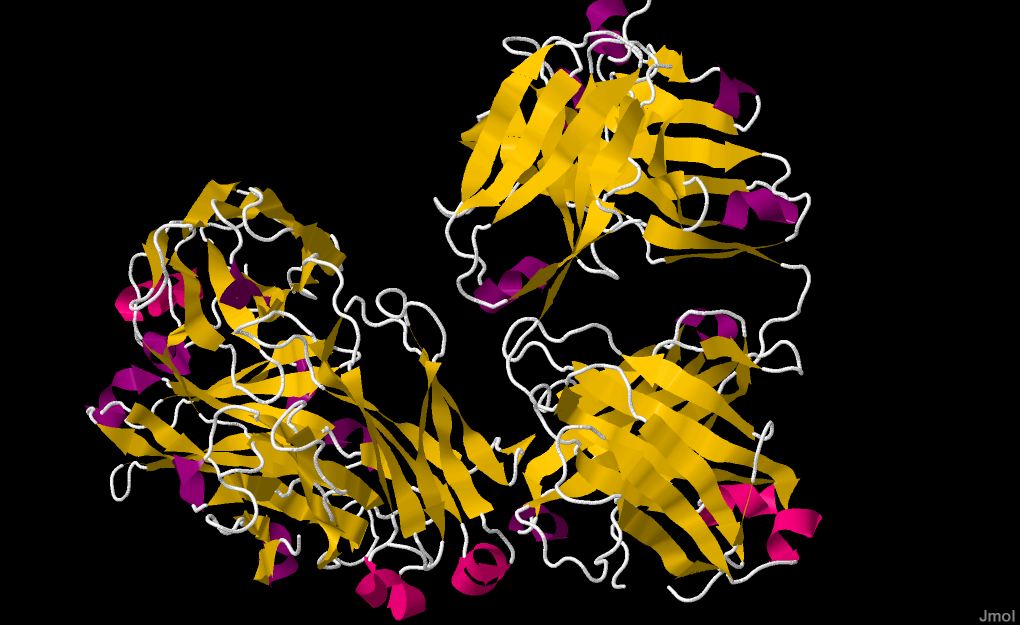
TypeWhole antibody
SourceChimeric (mouse/human)
TargetCD20
Clinical data
Trade namesRituxan, Mabthera, others
Biosimilarsrituximab-abbs,[1] rituximab-pvvr,[2] rituximab-arrx,[3] Blitzima[4] Ituxredi,[5][6] Riabni,[3] Rixathon,[7] Riximyo,[8] Ruxience,[2] Truxima[1]
AHFS/Drugs.comMonograph
MedlinePlusa607038
License data
Pregnancy
category
Routes of
administration
Intravenous
Drug classMonoclonal antibody
ATC code
Legal status
Legal status
Pharmacokinetic data
Bioavailability100% (IV)
Elimination half-life30 to 400 hours (varies by dose and length of treatment)
ExcretionUncertain: may undergo phagocytosis and catabolism in RES
Identifiers
CAS Number
DrugBank
ChemSpider
  • none
UNII
KEGG
ChEMBL
CompTox Dashboard (EPA)
ECHA InfoCard100.224.382 Edit this at Wikidata
Chemical and physical data
FormulaC6416H9874N1688O1987S44
Molar mass143860.04 g·mol−1
 ☒NcheckY (what is this?)  (verify)

Rituximab, sold under the brand name Rituxan among others, is a monoclonal antibody medication used to treat certain autoimmune diseases and types of cancer.[17] It is used for non-Hodgkin lymphoma, chronic lymphocytic leukemia (in children and adults, but not recommended in elderly patients), rheumatoid arthritis, granulomatosis with polyangiitis, idiopathic thrombocytopenic purpura, pemphigus vulgaris, myasthenia gravis and Epstein–Barr virus-positive mucocutaneous ulcers.[17][18][19][20] It is given by slow intravenous infusion (injected slowly through an IV line).[17]

The most common side effects with intravenous infusions are reactions related to the infusion (such as fever, chills and shivering) while most common serious side effects are infusion reactions, infections and heart-related problems.[15] Similar side effects are seen when it is injected under the skin, with the exception of reactions around the injections site (pain, swelling and rash), which occur more frequently with the skin injections.[15]

Severe side effects include reactivation of hepatitis B in those previously infected, progressive multifocal leukoencephalopathy, toxic epidermal necrolysis, and death.[17][21] It is unclear if use during pregnancy is safe for the developing fetus or newborn baby.[9][17]

Rituximab is a chimeric monoclonal antibody against the protein CD20, which is primarily found on the surface of immune system B cells.[22] When it binds to this protein it triggers cell death.[17]

Rituximab was approved for medical use in 1997.[22] It is on the World Health Organization's List of Essential Medicines.[23] Rituxan is co-marketed by Biogen and Genentech in the US, by Roche elsewhere except Japan, and co-marketed by Chugai Pharmaceuticals and Zenyaku Kogyo in Japan.[24][25]

Medical uses

[edit]

Rituximab is a chimeric monoclonal antibody targeted against CD20, a surface antigen present on B cells. It acts by depleting normal as well as pathogenic B cells while sparing plasma cells and hematopoietic stem cells, which do not express the CD20 surface antigen.[26]

In the United States, rituximab is indicated to treat:

  1. non-Hodgkin lymphoma[14]
  2. chronic lymphocytic leukemia[14]
  3. rheumatoid arthritis having inadequate response to one or more TNF inhibitors[14]
  4. vasculitides such as granulomatosis with polyangiitis and microscopic polyangiitis[14]
  5. moderate to severe pemphigus vulgaris[14]
  6. in combination with chemotherapy for children (≥ 6 months to < 18 years) with previously untreated, advanced stage, CD20-positive diffuse large B-cell lymphoma (DLBCL), Burkitt lymphoma (BL), Burkitt-like lymphoma (BLL), or mature acute B-cell leukemia (B-AL).[14][27]

In the European Union, rituximab is indicated for the treatment of follicular lymphoma and diffuse large B cell non-Hodgkin's lymphoma (two types of non-Hodgkin's lymphoma, a blood cancer);[15] chronic lymphocytic leukemia (CLL, another blood cancer affecting white blood cells);[15] severe rheumatoid arthritis (an inflammatory condition of the joints);[15] two inflammatory conditions of blood vessels known as granulomatosis with polyangiitis (GPA) and microscopic polyangiitis (MPA);[15] moderate to severe pemphigus vulgaris, an autoimmune disease characterised by widespread blistering and erosion of the skin and mucous membranes (the linings of internal organs). 'Autoimmune' means that the disease is caused by the immune system (the body's natural defences) attacking the body's own cells.[15]

Blood cancers

[edit]

Rituximab is used to treat cancers of the white blood system such as leukemias and lymphomas, including non-Hodgkin's lymphoma, chronic lymphocytic leukemia, and nodular lymphocyte predominant Hodgkin's lymphoma.[28][29] This also includes Waldenström's macroglobulinemia, a type of non-Hodgkin lymphoma.[17] Rituximab in combination with hyaluronidase human, sold under the brand names Mabthera SC[13] and Rituxan Hycela,[30] is used to treat follicular lymphoma, diffuse large B-cell lymphoma, and chronic lymphocytic leukemia.[30] It is used in combination with fludarabine and cyclophosphamide to treat previously untreated and previously treated CD20-positive chronic lymphocytic leukemia.[14]

Autoimmune diseases

[edit]

Rituximab has been shown to be an effective rheumatoid arthritis treatment in three randomised controlled trials and is now licensed for use in refractory rheumatoid disease.[31] In the United States, it has been FDA approved for use in combination with methotrexate for reducing signs and symptoms in adult patients with moderately to severely active rheumatoid arthritis (RA) who have had an inadequate response to one or more anti-TNF-alpha therapy. In the European Union, the license is slightly more restrictive: it is licensed for use in combination with methotrexate in patients with severe active RA who have had an inadequate response to one or more anti-TNF therapy.[32]

There is some evidence for efficacy, but not necessarily safety, in a range of other autoimmune diseases, and rituximab is widely used off-label to treat difficult cases of multiple sclerosis,[33][34] systemic lupus erythematosus, chronic inflammatory demyelinating polyneuropathy and autoimmune anemias.[35][36] The most dangerous, although among the most rare, side effect is progressive multifocal leukoencephalopathy infection, which is usually fatal; however, only a very small number of cases have been recorded occurring in autoimmune diseases.[35][37]

Other autoimmune diseases that have been treated with rituximab include autoimmune hemolytic anemia, pure red cell aplasia, thrombotic thrombocytopenic purpura (TTP),[38] idiopathic thrombocytopenic purpura (ITP),[39][40] Evans syndrome,[41] vasculitis (e.g., granulomatosis with polyangiitis), bullous skin disorders (for example, pemphigus, pemphigoid—with very encouraging results of approximately 85% rapid recovery in pemphigus, according to a 2006 study),[42] type 1 diabetes mellitus, Sjögren syndrome, anti-NMDA receptor encephalitis and Devic's disease(Anti-AQP4 disease, MOG antibody disease),[43] Graves' ophthalmopathy,[44] autoimmune pancreatitis,[45] Opsoclonus myoclonus syndrome (OMS),[46] and IgG4-related disease.[47] There is some evidence that it is ineffective in treating IgA-mediated autoimmune diseases.[48]

Adverse events

[edit]

Serious adverse events, which can cause death and disability, include:[14][17]

A concern with continuous rituximab treatment is the difficulty to induce a proper vaccine response.[54][unreliable medical source?] This was brought into focus during the COVID-19 pandemic, where persons with multiple sclerosis and rituximab treatment had higher risk of severe COVID-19.[55][unreliable medical source?][56] In persons previously treated with rituximab for multiple sclerosis, nine of ten patients who delayed re-dosing until B cell counts passed 40/μL developed protective levels of antibodies after vaccination with the Pfizer–BioNTech COVID-19 vaccine.[57][unreliable medical source?]

Mechanisms of action

[edit]
Rituximab mechanisms of action; the three major independent mechanisms are (1) antibody dependent cellular cytotoxicity (ADCC), (2) complement mediated cytotoxicity (CMC), and (3) apoptosis; subset panel illustrates a schematic view of CD20 structure and rituximab.[58]
Rituximab binding to CD20. The CD20 proteins are sticking out of the cell membrane, and rituximab, the Y-shaped antibody, is binding to the CD20 proteins.

The antibody binds to the cell surface protein CD20. CD20 is widely expressed on B cells, from early pre-B cells to later in differentiation, but it is absent on terminally differentiated plasma cells. Although the function of CD20 is unknown, it may play a role in Ca2+ influx across plasma membranes, maintaining intracellular Ca2+ concentration and allowing activation of B cells.

Rituximab is relatively ineffective in elimination of cells with low CD20 cell-surface levels.[59] It tends to stick to one side of B cells, where CD20 is, forming a cap and drawing proteins over to that side. The presence of the cap changes the effectiveness of natural killer (NK) cells in destroying these B cells. When an NK cell latched onto the cap, it had an 80% success rate at killing the cell. In contrast, when the B cell lacked this asymmetric protein cluster, it was killed only 40% of the time.[60]

The following effects have been found:[61]

  • The Fc portion of rituximab mediates antibody-dependent cellular cytotoxicity (ADCC) and complement-dependent cytotoxicity (CDC).[62]
  • Rituximab has a general regulatory effect on the cell cycle.
  • Preferential elimination of malignant B cells with high CD20 levels and high BCR signaling propensity, especially in chronic lymphocytic leukemia (CLL).[59]
  • It increases MHC II and adhesion molecules LFA-1 and LFA-3 (lymphocyte function-associated antigen).
  • It elicits shedding of CD23.
  • It downregulates the B cell receptor.
  • It induces apoptosis of CD20+ cells.
  • Rituximab also induces a release of some chronic lymphocytic leukemia cells from immune niches, which might make them more sensitive to chemotherapy used in combination with an anti-CD20 antibody.[62]

The combined effect results in the elimination of B cells (including the cancerous ones) from the body, allowing a new population of healthy B cells to develop from lymphoid stem cells.

Rituximab binds to amino acids 170–173 and 182–185 on CD20, which are physically close to each other as a result of a disulfide bond between amino acids 167 and 183.[63]

History

[edit]

Rituximab was developed by IDEC Pharmaceuticals under the name IDEC-C2B8. The US patent for the drug was issued in 1998 and expired in 2015.[64]

Based on its safety and effectiveness in clinical trials,[65] rituximab was approved by the US Food and Drug Administration (FDA) in 1997 to treat B-cell non-Hodgkin lymphomas resistant to other chemotherapy regimens.[66][67] Rituximab, in combination with CHOP chemotherapy, is superior to CHOP alone in the treatment of diffuse large B-cell lymphoma and many other B-cell lymphomas.[68] In 2010, it was authorized by the European Commission for maintenance treatment after initial treatment of follicular lymphoma.[69]

It is on the World Health Organization's List of Essential Medicines.[23]

Originally available for intravenous injection (e.g. over 2.5 hrs), in 2016, it gained EU approval in a formulation for subcutaneous injection for B-cell CLL/lymphoma (CLL).[70]

In June 2017, the US FDA granted regular approval to the combination of rituximab and hyaluronidase human (brand name Rituxan Hycela) for adults with follicular lymphoma, diffuse large B-cell lymphoma, and chronic lymphocytic leukemia.[71] The combination is not indicated for the treatment of non-malignant conditions.[30][71] The combination was approved based on clinical studies SABRINA/NCT01200758 and MabEase/NCT01649856.[30]

In September 2019, the US FDA approved rituximab injection to treat granulomatosis with polyangiitis and microscopic polyangiitis in children two years of age and older in combination with glucocorticoids (steroid hormones).[72] It is the first approved treatment for children with these rare vasculitis diseases, in which a person's small blood vessels become inflamed, reducing the amount of blood that can flow through them.[72] This can cause serious problems and damage to organs, most notably the lungs and the kidneys.[72] It also can impact the sinuses and skin.[72] Rituximab was approved by the FDA to treat adults with granulomatosis with polyangiitis and microscopic polyangiitis in 2011.[72]

In December 2021, the US FDA approved rituximab in combination with chemotherapy for children aged 6 months to 18 years with previously untreated, advanced stage, CD20-positive diffuse large B-cell lymphoma, Burkitt lymphoma, Burkitt-like lymphoma, or mature B-cell acute leukemia.[27][73] Efficacy was evaluated in Inter-B-NHL Ritux 2010, a global multicenter, open-label, randomized 1:1 trial of participants six months in age or older with previously untreated, advanced stage, CD20-positive diffuse large B-cell lymphoma, Burkitt lymphoma, Burkitt-like lymphoma, or B-cell acute leukemia.[73] Advanced stage was defined as stage III with elevated lactose dehydrogenase level (lactose dehydrogenase greater than twice the institutional upper limit of normal values) or stage IV B-cell non-Hodgkin's lymphoma or B-cell acute leukemia.[73] Participants were randomized to Lymphome Malin B chemotherapy that consisted of corticosteroids, vincristine, cyclophosphamide, high-dose methotrexate, cytarabine, doxorubicin, etoposide, and triple drug (methotrexate/cytarabine/corticosteroid) intrathecal therapy alone or in combination with rituximab or non-US licensed rituximab, administered as six infusions of rituximab IV at a dose of 375 mg/m2 as per the Lymphome Malin B scheme.[73]

Society and culture

[edit]
[edit]

Rituximab was approved for medical use in the United States in November 1997.[14][66]

Biosimilars

[edit]

Biosimilars are approved in the United States, India, the European Union, Switzerland, Japan, and Australia.[citation needed] The US FDA approved rituximab-abbs (Truxima) in 2018,[1][74][75] rituximab-pvvr (Ruxience) in 2019,[2] and rituximab-arrx (Riabni) in 2020.[3]

In July 2024, the Committee for Medicinal Products for Human Use of the European Medicines Agency recommended marketing authorization for the rituximab biosimilar Ituxredi produced by Dr. Reddy's Laboratories / Holding GmbH. Ituxredi is intended for the treatment of non-Hodgkin's lymphoma, chronic lymphocytic leukemia, rheumatoid arthritis, granulomatosis with polyangiitis and microscopic polyangiitis and pemphigus vulgaris.[5] Ituxredi was authorized for medical use in the European Union in September 2024.[5][6]

A Rituximab biosimilar was approved in India in 2007.[76]

Economics

[edit]

In 2014, Genentech reclassified Rituxan as a specialty drug, a class of drugs that are only available through specialty distributors in the US.[77] Because wholesalers discounts and rebates no longer apply, hospitals would pay more.[77]

Patents on rituximab have expired in the European Union[78][79][80] and in the United States.[81][82][83] Biosimilars were approved in the United States, India, the European Union, Switzerland, Japan, and Australia. The US FDA approved rituximab-abbs (Truxima) in 2018,[1][74][75] rituximab-pvvr (Ruxience) in 2019,[2] and rituximab-arrx (Riabni) in 2020.[3][84][85] Truxima and Riabni are approximately $3600 per 500 mg, wholesale - 10% less than Rituxan, while Ruxience is 24% less than Rituxan.[86][87] The Indian biosimilar ituxredi retails for about 1/6 the price.[88]

Tailored-dosing

[edit]

Tailored-dose rituximab is more cost-effective than fixed-dose. It is both more effective and less expensive.[89][90]

Research

[edit]

Rituximab has been reported as a possible cofactor in a chronic hepatitis E infection in a person with lymphoma. Hepatitis E infection is normally an acute infection, suggesting the drug in combination with lymphoma may have weakened the body's immune response to the virus.[91]

Myalgic encephalomyelitis/chronic fatigue syndrome

[edit]

In 2009, a patient receiving methotrexate-induced B-cell depletion for cancer treatment, experienced a transient remittal of their myalgic encephalomyelitis/chronic fatigue syndrome (ME/CFS) symptoms. While initial trials using Rituximab were promising, a phase 3 trial published in 2019 did not find an association between Rituximab treatment and improvements in ME/CFS.[92][93]

Intrathecal

[edit]

For CNS diseases, rituximab could be administered intrathecally and this possibility is under study.[94]

Other anti-CD20 monoclonals

[edit]

The efficacy and success of rituximab has led to some other anti-CD20 monoclonal antibodies being developed:

References

[edit]

Further reading

[edit]
[edit]
Revisions and contributorsEdit on WikipediaRead on Wikipedia
from Grokipedia
Rituximab is a chimeric directed against the antigen, a transmembrane expressed on the surface of pre-B and mature B lymphocytes. As the first monoclonal antibody approved for cancer therapy by the U.S. in November 1997, it revolutionized the treatment of B-cell malignancies by selectively depleting malignant B cells while sparing hematopoietic stem cells. Developed initially by IDEC Pharmaceuticals (now part of ) in collaboration with , rituximab binds to , triggering multiple mechanisms of action including (ADCC), (CDC), and direct induction of in target cells. It is administered intravenously and is indicated for a range of conditions, including relapsed or low-grade or follicular CD20-positive , , (in combination with ), granulomatosis with polyangiitis, microscopic polyangiitis, and . Over the years, its indications have expanded through numerous clinical trials, establishing it as a in immuno-oncology and autoimmune therapy, with biosimilars now available to broaden access.

Medical uses

Hematologic malignancies

Rituximab is primarily approved for the treatment of CD20-positive hematologic malignancies, particularly B-cell non-Hodgkin lymphomas and , where it is used in combination with to enhance response rates and survival outcomes. In these cancers, rituximab targets the on malignant B cells, leading to improved efficacy when integrated into standard regimens. In (DLBCL), the most common aggressive , rituximab combined with , , , and (R-CHOP) serves as the standard first-line induction therapy for CD20-positive cases. The pivotal LNH-98.5 trial demonstrated that adding rituximab to CHOP in elderly patients (aged 60-80 years) significantly improved complete response rates (76% vs. 63%), event-free survival (median 35 months vs. 22 months), and overall survival (2-year rate 70% vs. 57%). Long-term follow-up from this study confirmed sustained benefits, with 10-year of 36.5% and overall survival of 43.5% in the R-CHOP arm compared to 20% and 27.6%, respectively, with CHOP alone. The standard dosing for rituximab in R-CHOP is 375 mg/m² intravenously on day 1 of each 21-day cycle for 6 to 8 cycles. In 2021, the U.S. FDA approved rituximab in combination with for pediatric patients aged 6 months to less than 18 years with previously untreated, advanced-stage CD20-positive , , Burkitt-like lymphoma, or mature B-cell . For (FL), the most prevalent indolent , rituximab is employed both in induction with (e.g., R-CHOP or R-CVP) and as following remission. In previously untreated or relapsed CD20-positive FL, R-CHOP achieves overall response rates of 90-95%, with complete response rates around 50-60%. The EORTC 20981 phase III trial evaluated rituximab after induction in relapsed/resistant FL, showing a median of 3.7 years versus 1.3 years with observation alone ( 0.34, P<0.0001), alongside a 5-year overall survival of 74% versus 64%. dosing typically involves 375 mg/m² every 8 weeks for up to 12 doses. Overall response rates in FL with rituximab-containing regimens range from 70-90%. In chronic lymphocytic leukemia (CLL), rituximab is combined with fludarabine and cyclophosphamide (FCR) as a frontline regimen for fit patients with CD20-positive disease, yielding high complete response rates of 72% in previously untreated patients, with undetectable minimal residual disease in 64% of responders. This regimen significantly prolongs progression-free survival compared to fludarabine-cyclophosphamide alone (median 51.8 months vs. 29.2 months). Dosing in FCR starts with 375 mg/m² on day 1 of cycle 1, followed by 500 mg/m² on day 1 of cycles 2 through 6, administered every 28 days. Rituximab also plays a role in other B-cell malignancies, such as mantle cell lymphoma (MCL) and marginal zone lymphoma (MZL). In MCL, rituximab added to chemotherapy like R-CHOP or bendamustine-rituximab improves overall survival, with overall response rates exceeding 80% in frontline settings. For MZL, rituximab monotherapy or in combination achieves overall response rates over 80%, with complete response rates around 40-50% in indolent subtypes. These applications typically follow similar induction dosing of 375 mg/m² weekly for 4 weeks, with maintenance options every 3-6 months based on response.

Autoimmune disorders

Rituximab is approved for the treatment of certain autoimmune disorders characterized by dysregulated B-cell activity, achieving therapeutic effects through selective B-cell depletion as described in its mechanism of action. In rheumatoid arthritis (RA), rituximab is indicated in combination with methotrexate for adults with moderately to severely active disease who have had an inadequate response to one or more tumor necrosis factor (TNF) inhibitors. The recommended dosing regimen consists of two 1,000 mg intravenous infusions separated by two weeks, with courses repeated every six months based on clinical evaluation. Randomized controlled trials, such as the REFLEX study, have demonstrated significant efficacy, with 51% of patients achieving an American College of Rheumatology 20 (ACR20) response at six months compared to 18% on placebo plus methotrexate. For granulomatosis with polyangiitis (GPA) and microscopic polyangiitis (MPA), rituximab is approved for induction and maintenance of remission in combination with glucocorticoids in adult patients with active disease. The RAVE trial established its non-inferiority to cyclophosphamide for remission induction, with rituximab reducing major relapse rates to 5% at 18 months compared to 29% in the control arm, representing a substantial decrease in relapse risk. Maintenance therapy typically involves infusions every six months to sustain remission and minimize disease flares. Rituximab is also indicated as first-line therapy for moderate to severe and as second-line for severe in adults. In the Ritux 3 trial, treatment with rituximab plus short-term prednisone led to complete remission rates of 89% at 24 months, compared to 34% with prednisone alone, enabling steroid tapering in most responders. Across these indications, monitoring peripheral B-cell recovery via CD19+ cell counts guides retreatment decisions, with therapy typically reinitiated upon clinical relapse or when B cells repopulate to levels exceeding 5-10 cells/μL, indicating potential loss of depletion. This approach helps optimize dosing intervals while minimizing unnecessary exposures.

Other indications

Rituximab is utilized in the treatment of Epstein-Barr virus (EBV)-positive post-transplant lymphoproliferative disorder (PTLD) in recipients of solid organ transplants, where it targets CD20-positive B-cell proliferation triggered by immunosuppression and viral reactivation. This is an off-label use supported by clinical evidence. Clinical trials have demonstrated overall response rates of up to 65%, with complete responses in approximately 27% of cases when administered as a single agent at a dose of 375 mg/m² weekly for four doses. Administration guidelines recommend initiating therapy upon histopathological confirmation of PTLD, typically within the first year post-transplant, while balancing the risk of further immunosuppression; reduction of concomitant calcineurin inhibitors or antimetabolites is often advised prior to infusion to enhance efficacy. The European Medicines Agency (EMA) has supported rituximab's role in PTLD management through guidelines and evaluations in the 2010s, emphasizing its integration into protocols for EBV-associated cases refractory to initial reduction of immunosuppression. In transplant settings, rituximab is administered intravenously with premedication to mitigate infusion reactions, and monitoring for EBV viral load is standard to guide timing and duration, often starting 4-8 weeks post-diagnosis if no response to conservative measures. Rituximab has been used off-label for the prevention of hemolytic disease of the fetus and newborn (HDFN) due to anti-D alloimmunization in RhD-incompatible pregnancies, where it depletes maternal B cells to reduce alloantibody production and subsequent fetal hemolysis. This indication involves a single dose of 1000 mg intravenously at 16-18 weeks gestation in sensitized women, with repeat dosing if needed, as an adjunct to standard Rh immunoglobulin prophylaxis. In pediatric patients, rituximab plays a role in managing severe immune thrombocytopenia (ITP) and as an off-label therapy supported by clinical evidence and guidelines, particularly for refractory cases unresponsive to corticosteroids or IVIG. The standard regimen of 375 mg/m² administered weekly for four doses shows sustained platelet responses in up to 40% of cases at one year. Although often employed off-label in adults for these conditions, its use in children is guided by similar evidence.

Pharmacology

Mechanism of action

Rituximab is a chimeric monoclonal antibody composed of human IgG1 kappa constant regions fused to murine variable regions derived from the anti-CD20 hybridoma 2B8. It specifically targets the CD20 antigen, a 33-35 kDa nonglycosylated transmembrane phosphoprotein expressed on the surface of pre-B and mature B lymphocytes, but absent on hematopoietic stem cells and plasma cells. The antigen-binding Fab domains of rituximab recognize and bind to an epitope in the large extracellular loop of CD20, including the ANPS motif spanning amino acids 170-173, while the Fc domain facilitates interactions with immune effector components. This binding initiates B-cell depletion, the cornerstone of its therapeutic activity. The primary mechanisms by which rituximab eliminates CD20-positive B cells include antibody-dependent cellular cytotoxicity (ADCC), complement-dependent cytotoxicity (CDC), direct induction of apoptosis, and sensitization to chemotherapeutic agents. In ADCC, the Fc region of rituximab engages FcγRIIIa receptors on natural killer (NK) cells and macrophages, triggering the release of cytotoxic granules and perforin/granzyme-mediated lysis of target B cells; polymorphisms in FcγRIIIa influence the efficiency of this process. CDC involves the binding of C1q to the Fc domain, which activates the classical complement pathway, leading to the formation of membrane attack complexes that puncture the B-cell membrane. Direct apoptosis is triggered by rituximab-mediated crosslinking of CD20, which disrupts lipid raft organization and activates intracellular signaling cascades, including anti-apoptotic protein downregulation and caspase activation. Additionally, rituximab sensitizes B cells to chemotherapy by inhibiting survival pathways such as NF-κB and upregulating pro-apoptotic factors like Bim. As a type I anti-CD20 antibody, rituximab promotes the redistribution and clustering of CD20 into lipid rafts on the B-cell surface, enhancing CDC but resulting in relatively weaker direct cell death compared to type II antibodies like obinutuzumab, which resist internalization and favor homotypic aggregation for stronger apoptosis induction. These differences arise from distinct epitope binding orientations and conformational effects on CD20. The antibody's prolonged half-life of 18 to 32 days supports sustained B-cell depletion with intermittent dosing regimens.

Pharmacokinetics

Rituximab is administered primarily via intravenous infusion, with a subcutaneous formulation also available for certain indications, and has no oral bioavailability due to its large molecular size as a monoclonal antibody. Following intravenous administration, it achieves nearly 100% bioavailability, with peak serum concentrations typically ranging from 200 to 400 µg/mL after the first infusion of 375 mg/m², increasing to approximately 486 µg/mL (range 78–997 µg/mL) after subsequent doses owing to decreased clearance from B-cell depletion. The volume of distribution for rituximab is approximately 3.1 to 3.5 L, reflecting its primary confinement to the intravascular space and limited tissue penetration consistent with other immunoglobulin G antibodies. The elimination half-life is nonlinear, approximately 20–30 days following the initial dose, extending to around 30 days or longer with repeated dosing as target-mediated clearance diminishes after B-cell saturation. Elimination occurs primarily through binding to CD20 on B cells and subsequent clearance by the reticuloendothelial system, with no significant hepatic metabolism or renal excretion of the intact molecule; instead, it undergoes proteolytic degradation into peptides and amino acids. Pharmacokinetics exhibit nonlinearity influenced by B-cell levels, which drive target-mediated disposition, and higher body weight, which correlates with increased clearance. Pharmacokinetic profiles are generally comparable between adults and pediatric patients aged 6 years and older, with similar clearance and half-life values observed in population analyses. No dose adjustments are required for renal or hepatic impairment, though monitoring is recommended in these populations due to potential indirect effects on overall disposition.

Adverse effects

Infusion-related reactions (IRRs) are among the most common adverse events associated with rituximab administration, occurring in 30-80% of patients during the first infusion and decreasing to less than 5% with subsequent infusions. In patients with rheumatoid arthritis, acute infusion-related reactions occurred in 27% of rituximab-treated patients following their first infusion (compared to 19% with placebo), with the proportion decreasing to 9% after the second infusion; overall, 32% experienced an adverse reaction during or within 24 hours of the first infusion (vs. 23% placebo). These reactions typically manifest within 30-120 minutes of infusion initiation and include symptoms such as fever, chills, rigors, nausea, vomiting, hypotension, hypertension, tachycardia, bronchospasm, angioedema, pruritus, and pyrexia. Most IRRs are mild to moderate (grade 1 or 2 per Common Terminology Criteria for Adverse Events [CTCAE]), but severe reactions (grade 3 or 4) can occur in up to 12% of patients during the initial treatment course, and serious (potentially fatal) infusion reactions have been reported. The pathophysiology of rituximab-induced IRRs primarily involves cytokine release syndrome (CRS) triggered by the rapid lysis of CD20-positive B cells upon monoclonal antibody binding. This process leads to the release of pro-inflammatory cytokines, including tumor necrosis factor-alpha (TNF-α) and interleukin-6 (IL-6), which mediate the systemic inflammatory response. Elevated levels of these cytokines, often peaking 90 minutes post-infusion, contribute to the flu-like symptoms and hemodynamic instability observed. Key risk factors for IRRs include high tumor burden in patients with lymphomas, prior exposure to rituximab (though first infusions pose the highest risk), and underlying conditions such as chronic lymphocytic leukemia. Reactions are graded using the CTCAE scale, where grade 1 involves mild symptoms requiring minimal intervention, grade 2 necessitates moderate symptomatic treatment, grade 3 requires hospitalization or prolongation of existing therapy, and grade 4 indicates life-threatening consequences. To mitigate IRRs, standard premedication protocols include administration of acetaminophen (650-1000 mg), diphenhydramine (or equivalent antihistamine, 25-50 mg), and corticosteroids (e.g., methylprednisolone 100 mg IV) 30-60 minutes prior to infusion. In patients with rheumatoid arthritis, premedication with 100 mg intravenous methylprednisolone 30 minutes prior to each infusion is specifically recommended to reduce the incidence and severity of IRRs. Infusion rates are also titrated to minimize risk, starting at 50 mg/hour for the first hour, increasing to 100 mg/hour if tolerated, and accelerating to 400 mg/hour for subsequent portions after the second hour without reaction. Management of IRRs focuses on immediate supportive care, including temporary interruption or slowing of the infusion, administration of additional antihistamines, corticosteroids, or bronchodilators as needed, and monitoring vital signs. True anaphylaxis, characterized by IgE-mediated hypersensitivity, is rare, occurring in approximately 0.5-1% of patients, and requires prompt discontinuation of rituximab with epinephrine and advanced life support if severe.

Infections and immunosuppression

Rituximab, by depleting CD20-positive B cells, leads to profound and prolonged immunosuppression, increasing susceptibility to a range of infections, including bacterial, viral, and fungal pathogens. Bacterial infections, such as those caused by , are particularly common due to impaired humoral immunity, while viral infections include reactivation of latent viruses and opportunistic fungal infections like pneumonia. In patients with rheumatoid arthritis, common infections reported in clinical trials include upper respiratory tract infection (37%), nasopharyngitis, urinary tract infection, bronchitis (all >10%), and arthralgia (6%), with an overall infection rate of approximately 94 per 100 patient-years (mostly mild to moderate). The rate of serious infections was approximately 4 per 100 patient-years, including pneumonia, cellulitis, and sepsis. The overall incidence of infections is 10-30% higher in rituximab-treated patients compared to controls, with serious infections occurring at rates of 2.2-9.8 per 100 patient-years across indications. This elevated risk persists during the period of B-cell depletion, which typically lasts 6-12 months. Hepatitis B virus (HBV) reactivation represents a critical concern, with screening for HBV surface antigen (HBsAg) and core antibody (anti-HBc) mandated prior to initiating rituximab therapy. In HBsAg-positive carriers, reactivation rates range from 20-55% without prophylaxis, potentially leading to fulminant hepatitis, liver failure, or death; thus, antiviral prophylaxis with agents such as or is recommended for at least 12 months post-treatment or longer in high-risk cases. Progressive multifocal leukoencephalopathy (PML), caused by JC virus reactivation, carries a low but serious risk of approximately 1 in 25,000 rituximab-exposed patients, particularly in those with underlying autoimmune or hematologic conditions. Symptoms include subacute focal neurological deficits such as hemiparesis, aphasia, and cognitive impairment, with diagnosis confirmed by cerebrospinal fluid JC virus PCR and brain MRI showing multifocal white matter lesions without mass effect. Discontinuation of rituximab and supportive care are the mainstays of management, though outcomes remain poor. Severe mucocutaneous reactions (e.g., Stevens-Johnson syndrome, toxic epidermal necrolysis) are rare but have been reported, some with fatal outcomes. To mitigate infection risks, live vaccines should be avoided during and for up to 12 months after rituximab therapy due to impaired immune response, while inactivated vaccines such as pneumococcal (PCV13 or PPSV23) and influenza are recommended at least 4 weeks prior to treatment initiation to optimize immunogenicity. Patients should be closely monitored for signs of infection and other serious events. Meta-analyses of randomized controlled trials and observational data indicate an increased odds ratio of 1.3-2.0 for serious infections associated with rituximab compared to non-rituximab therapies, underscoring the need for vigilant monitoring and prophylactic strategies.

Long-term risks

Long-term use of rituximab has been associated with a modest increase in the risk of secondary primary malignancies, particularly skin cancers and solid tumors, with a pooled relative risk of 1.88 for any second primary malignancy compared to controls in patients with non-Hodgkin lymphoma. This elevated risk is estimated at a standardized incidence ratio (SIR) of approximately 1.2 to 1.5 for solid tumors, while no clear excess of hematologic malignancies has been observed following rituximab-containing therapy in long-term survivors. Data from 20-year retrospective follow-up studies in lymphoma patients indicate cumulative incidence rates of secondary malignancies rising to around 6-7% at 15 years, underscoring the need for ongoing dermatologic and oncologic surveillance in treated populations. In patients with rheumatoid arthritis, rituximab therapy has been linked to serious cardiovascular events (e.g., myocardial infarction) at a rate of approximately 1.9 per 100 patient-years (with myocardial infarction specifically at 0.56 per 100 patient-years), with hazard ratios suggesting up to a 1.7-fold increase compared to non-RA populations, though this may partly reflect the underlying inflammatory burden of RA or concomitant therapies rather than rituximab alone. Long-term safety analyses over 5 years in RA cohorts show stable but elevated rates of cardiovascular thromboembolic events, consistent with the general RA population risk, prompting recommendations for cardiovascular risk factor management during extended treatment. Persistent hypogammaglobulinemia, characterized by sustained low serum IgG levels, occurs in 10-20% of patients following prolonged exposure, often persisting beyond B-cell repopulation and contributing to recurrent infections. This complication is more frequent with multiple courses of therapy, affecting up to 41% in extended follow-up beyond 3 years, and necessitates immunoglobulin level monitoring every 3-6 months to guide preventive measures such as antibiotic prophylaxis or intravenous immunoglobulin replacement. Other delayed toxicities include late-onset neutropenia, reported in 5-10% of cases across rheumatic and hematologic indications, typically emerging 4 weeks to several months post-infusion and resolving with granulocyte colony-stimulating factor support. The risk-benefit profile favors maintenance rituximab in select high-risk lymphoma cases for prolonged progression-free survival, but fixed-duration regimens may mitigate cumulative toxicities like hypogammaglobulinemia and secondary malignancies in lower-risk or RA patients, as evidenced by stable safety profiles over 5 years without escalating adverse events in non-maintenance arms. Overall, long-term data from phase III trials and registries emphasize individualized therapy duration to balance efficacy against these delayed risks.

History

Development and discovery

Rituximab's development originated in the early 1990s at IDEC Pharmaceuticals (now part of ), where researchers generated a murine monoclonal antibody, designated 2B8, targeting the antigen on B cells. To mitigate immunogenicity issues associated with fully murine antibodies, this was engineered into a chimeric monoclonal antibody, IDEC-C2B8 (later named rituximab), incorporating murine variable regions with human IgG1 constant regions. This design aimed to preserve binding affinity while enhancing effector functions and reducing the risk of human anti-mouse antibody responses. Preclinical studies conducted in cynomolgus monkeys demonstrated rituximab's ability to selectively deplete CD20-positive B cells from peripheral blood, lymph nodes, bone marrow, and spleen, with no evidence of bone marrow toxicity or significant off-target effects. These findings supported the antibody's safety profile and mechanism of B-cell targeting, paving the way for human trials. In March 1993, the first phase I trial began, enrolling patients with relapsed or refractory B-cell non-Hodgkin lymphoma (B-NHL); escalating single doses up to 500 mg/m² were tested in 15 patients, revealing no dose-limiting toxicities and partial tumor responses in three cases, indicating preliminary antitumor activity. Subsequent phase II trials, initiated in 1994, evaluated four weekly infusions of 375 mg/m² in larger cohorts of patients with relapsed low-grade or follicular B-NHL. A pivotal multicenter phase II study involving 166 patients reported an overall response rate of 48%, including 6% complete responses, with responses lasting a median of 11.2 months and minimal severe toxicities. These results supported the initial approval, with subsequent studies confirming rituximab's efficacy as a single agent. In March 1995, IDEC partnered with to co-develop and co-market the drug in the United States under the name Rituxan, while F. Hoffmann-La Roche joined for global rights outside the U.S., marketing it as MabThera. This collaboration accelerated clinical advancement, culminating in the U.S. Food and Drug Administration's approval on November 26, 1997, for the treatment of relapsed or refractory low-grade or follicular CD20-positive B-cell NHL—the first monoclonal antibody approved for cancer therapy. Early clinical experience highlighted challenges with the chimeric structure, as up to 30% of patients developed human anti-chimeric antibodies (HACA), potentially impacting efficacy and safety in subsequent treatments. This immunogenicity concern spurred later innovations, including fully humanized anti-CD20 antibodies to further minimize immune responses.

Regulatory approvals

Rituximab received its initial approval from the U.S. Food and Drug Administration (FDA) on November 26, 1997, for the treatment of relapsed or refractory low-grade or follicular, CD20-positive, B-cell non-Hodgkin's lymphoma (NHL) as a single agent. Subsequent expansions included approval on February 28, 2006, for first-line treatment of diffuse large B-cell lymphoma in combination with cyclophosphamide, doxorubicin, vincristine, and prednisone (R-CHOP), as well as for moderate-to-severe rheumatoid arthritis (RA) in combination with methotrexate in adult patients who have had an inadequate response to one or more tumor necrosis factor antagonists. Further label expansions occurred on February 18, 2010, for previously untreated and relapsed or refractory chronic lymphocytic leukemia (CLL) in combination with fludarabine and cyclophosphamide, and on April 19, 2011 for granulomatosis with polyangiitis (GPA) and microscopic polyangiitis (MPA) in combination with glucocorticoids in adults. The FDA approved rituximab for pemphigus vulgaris on June 7, 2018. In 2017, the FDA approved a subcutaneous formulation (Rituxan Hycela) for use in FL, DLBCL, and CLL after initial IV doses. In Europe, the European Medicines Agency (EMA) granted marketing authorization for rituximab, marketed as MabThera, on June 2, 1998, for the treatment of patients with relapsed or chemorefractory CD20-positive follicular lymphoma. The authorization was progressively expanded to include additional NHL subtypes, CLL, RA, GPA, MPA, and pemphigus vulgaris, with the latter approved on March 15, 2019. In 2014, the EMA approved a subcutaneous formulation of rituximab combined with human hyaluronidase for follicular lymphoma, diffuse large B-cell lymphoma, and chronic lymphocytic leukemia, offering an alternative to intravenous administration. Pediatric approvals began with FDA extension in September 2019 for GPA and MPA in patients aged 2 years and older, making rituximab the first approved therapy for these conditions in children. In December 2021, the FDA approved rituximab in combination with chemotherapy for pediatric patients aged 6 months to less than 18 years with previously untreated, advanced-stage CD20-positive diffuse large B-cell lymphoma, Burkitt lymphoma, Burkitt-like lymphoma, or mature B-cell leukemia (corresponding to CLL). Rituximab has also received orphan drug designation for post-transplant lymphoproliferative disorder (PTLD), supporting its use in this rare condition. In the 2020s, regulatory focus shifted to biosimilars, with the FDA approving Truxima (rituximab-abbs) in November 2018 as the first biosimilar, followed by Ruxience (rituximab-pvvr) in July 2019 and Riabni (rituximab-arrx) in December 2020, all for the same indications as the reference product. The EMA approved Ritemvia in July 2017 and Ruxience in April 2020, similarly interchangeable with the originator for NHL, CLL, GPA, MPA, and RA. As of November 2025, additional approvals for rituximab in novel combinations have occurred, such as with tafasitamab and lenalidomide for relapsed/refractory follicular lymphoma (June 18, 2025) and with brentuximab vedotin and lenalidomide for relapsed/refractory large B-cell lymphoma (February 11, 2025). In Japan, approval for refractory nephrotic syndrome was granted on March 27, 2025. Ongoing research continues for other uses. Globally, rituximab is approved in over 100 countries for its core indications. It was added to the World Health Organization's Model List of Essential Medicines in 2017, recognizing its importance for treating certain lymphomas and autoimmune conditions in resource-limited settings.

Society and culture

Rituximab is classified as a prescription-only medication in major jurisdictions worldwide, including the United States, European Union, and India. In the United States, it is regulated as a biologic under the Federal Food, Drug, and Cosmetic Act, requiring a valid prescription for dispensing and administration by healthcare professionals. In the European Union, it holds Rx-only status, mandating prescription for supply and use under pharmacy laws governing monoclonal antibodies. In India, Rituximab is listed under Schedule H of the Drugs and Cosmetics Rules, 1945, which restricts sale and distribution to prescriptions from registered medical practitioners. Regarding pregnancy, the U.S. Food and Drug Administration (FDA) previously assigned Rituximab a Pregnancy Category C designation prior to 2015, indicating that animal studies showed adverse fetal effects but inadequate human data existed. Post-2015, the FDA transitioned to a narrative risk summary in labeling, highlighting potential risks including B-cell depletion in fetuses and newborns, with recommendations for risk evaluation and mitigation, including avoidance during pregnancy unless benefits outweigh risks. The drug is contraindicated in patients with known hypersensitivity to Rituximab or its components, as well as in those with active, severe infections due to immunosuppression risks. The original patents for Rituximab expired in the European Union in February 2013 and in the United States in September 2016, enabling the development and approval of competing products thereafter. In the United States, off-label use of Rituximab is legally permissible under FDA regulations for approved drugs, though it commonly requires informed consent, documentation of medical necessity, and may face coverage restrictions by insurers or Medicare, often evaluated case-by-case for non-oncologic indications. As of 2025, Rituximab is not scheduled as a controlled substance by the U.S. Drug Enforcement Administration (DEA) and lacks any federal scheduling under the Controlled Substances Act. It is subject to post-marketing surveillance by the FDA for potential misuse in unapproved settings, with reporting requirements for adverse events and off-label applications.

Biosimilars and manufacturing

Rituximab is manufactured using recombinant DNA technology, where the gene encoding the chimeric monoclonal antibody is expressed in Chinese hamster ovary (CHO) cells, a mammalian cell line preferred for its ability to produce complex glycoproteins with human-like post-translational modifications. The production process involves cell culture in bioreactors, followed by harvest and purification steps that include protein A affinity chromatography to capture the antibody and anion exchange chromatography for further polishing, along with viral inactivation and removal procedures to ensure safety. Quality control measures are stringent, focusing on critical attributes such as N-glycosylation patterns—which influence effector functions like antibody-dependent cellular cytotoxicity—and aggregation levels, which can impact stability and immunogenicity; these are monitored through techniques like mass spectrometry for glycan profiling and size-exclusion chromatography for aggregates. Biosimilars to rituximab, defined as highly similar biological products with no clinically meaningful differences in safety, purity, or potency compared to the reference product, were first approved in 2017 by the European Medicines Agency (EMA) for Truxima (rituximab-abbs, developed by Celltrion). In the United States, approvals followed via the Biologics Price Competition and Accountability Act's 351(k) pathway, which requires demonstration of analytical similarity, pharmacokinetic/pharmacodynamic (PK/PD) comparability, and clinical equivalence through randomized trials; Truxima received FDA approval in 2018, followed by Ruxience (rituximab-pvvr, Pfizer) in 2019 and Riabni (rituximab-arrx, Amgen) in 2020. As of 2025, at least 12 rituximab biosimilars have been approved worldwide across major regulatory agencies, including additional EMA-authorized products like Rixathon and Riximyo (Sandoz). In June 2025, the FDA expanded indications for several rituximab biosimilars from Celltrion, Pfizer, and Amgen, further improving access. The FDA's interchangeability designation allows pharmacy-level substitution without prescriber intervention for qualifying biosimilars; while some biosimilars for other products received this in 2023, no rituximab biosimilars have yet, though the European Union treats all biosimilars as automatically substitutable at the pharmacy level under national policies. Development and approval of these biosimilars face challenges, including comprehensive immunogenicity testing to assess anti-drug antibody formation and stability evaluations under various storage conditions, as subtle process differences can affect product shelf-life. By mid-2025, biosimilars accounted for over 60% of the global rituximab market share, driven by expanded access in oncology and autoimmune indications. While rituximab biosimilars share the identical amino acid sequence with the originator, minor differences may exist in post-translational modifications such as glycosylation profiles due to variations in cell culture or purification processes. However, these do not translate to clinical differences, as evidenced by switching trials showing equivalent efficacy, safety, and immunogenicity when patients transition from the originator to a biosimilar, with no increased risk of adverse events or loss of response.

Economics and access

The annual cost of a treatment course with the originator rituximab (Rituxan) typically ranges from $30,000 to $50,000 USD in the United States, depending on the indication, dosage, and administration setting. Biosimilars offer 20-40% cost reductions compared to the originator, bringing the price to approximately $20,000 per course, which enhances affordability for payers and patients. Global sales of rituximab peaked at approximately $8 billion in the late 2010s, driven by widespread adoption in oncology and autoimmune indications, before declining to around $5-6 billion by 2025 due to biosimilar competition eroding originator market share. Despite this, the market is projected to grow to $16.5 billion by 2033, fueled by expanded indications, biosimilar penetration in emerging markets, and innovative dosing approaches. Access to rituximab remains limited in low-income countries due to high pricing and procurement challenges, exacerbating disparities in treatment for non-Hodgkin lymphoma and other conditions. The World Health Organization's prequalification of rituximab biosimilars in the 2020s, starting with Celltrion's CT-P10 in May 2020, has aimed to improve availability by facilitating procurement for UN agencies and national programs in resource-constrained settings. In the United States, rituximab infusions are covered under Medicare Part B as an outpatient service when medically necessary, with beneficiaries typically responsible for 20% coinsurance after the deductible. Genentech offers patient assistance programs, including the Genentech Patient Foundation, which provides free medication to eligible uninsured or underinsured individuals, and co-pay assistance reducing out-of-pocket costs to as low as $0 for commercially insured patients. Economic analyses demonstrate rituximab's cost-effectiveness in rheumatoid arthritis (RA), with incremental cost-effectiveness ratios (ICERs) below $50,000 per quality-adjusted life year (QALY) gained when added to methotrexate, supporting its value in refractory cases. Tailored dosing strategies, such as retreatment based on clinical response rather than fixed schedules, further enhance savings by reducing drug utilization by up to one-third while maintaining efficacy, leading to annual cost reductions of 20-40% per patient in RA management.

Research

Neurological and neuromuscular disorders

Research into rituximab for neurological and neuromuscular disorders primarily explores its potential in targeting B-cell mediated autoimmunity in conditions like relapsing-remitting multiple sclerosis (RRMS), chronic inflammatory demyelinating polyneuropathy (CIDP), and myalgic encephalomyelitis/chronic fatigue syndrome (ME/CFS), though it remains investigational and off-label in these contexts. In RRMS, extended dosing regimens have shown promise in maintaining efficacy while potentially reducing treatment burden. A phase 3 trial presented at ECTRIMS 2025 demonstrated that annual dosing of 500 mg rituximab is noninferior to the standard 6-month regimen of 1000 mg in controlling disease activity, with comparable rates of relapse and MRI lesion progression. This approach effectively halves the yearly dose without compromising outcomes, supporting its use in stable patients. Additionally, rituximab treatment reduces neurofilament light chain (NfL) levels in cerebrospinal fluid, serving as a biomarker for decreased axonal damage and inflammation in RRMS. For CIDP, rituximab is used off-label, with response rates around 60-64% in refractory cases, often leading to clinical stabilization or improvement. A 2025 study highlighted improvements in serum NfL levels following rituximab, indicating reduced neuroaxonal injury, alongside enhancements in clinical measures such as grip strength. These findings suggest a therapeutic advantage in modulating disease activity, though larger confirmatory trials are needed. Trials of rituximab in ME/CFS have yielded mixed results from small-scale studies in the 2015-2020 period, with early phase 2 data suggesting symptom relief in some patients but no overall clinical improvement confirmed in phase 3 investigations. The phase 3 RituxME trial, involving 151 participants, found no significant benefit in fatigue scores or function compared to placebo, limiting broader adoption. However, potential benefits in subgroups with specific immune profiles remain an area of interest for future research. Intrathecal administration of has been investigated in MS to achieve higher central nervous system penetration, bypassing limited blood-brain barrier crossing with intravenous dosing. Limited trial data from phase 1 studies in progressive MS show improved cerebrospinal fluid levels, but no substantial clinical or biomarker effects were observed over 2 years, with the approach generally well-tolerated. Infection risks, including meningitis, are a noted concern with intrathecal delivery, though incidence remains low in small cohorts. Recent 2025 updates reinforce the safety of extended intervals in MS, with a comparative cohort study confirming that 9-month dosing after initial infusions maintains efficacy without increased disease activity or adverse events. This strategy appears viable for RRMS patients, potentially optimizing long-term management.

Renal and connective tissue diseases

Rituximab has shown promising results in the management of relapsing nephrotic syndrome, particularly in adults with frequently relapsing or steroid-dependent forms. A randomized clinical trial published in 2025 demonstrated that rituximab significantly reduced relapse rates, with 87.4% of treated patients remaining relapse-free at 49 weeks compared to 38.0% in the placebo group. These findings support the potential for regulatory approval of rituximab in this indication, as it offers a steroid-sparing alternative for patients prone to frequent relapses and associated complications. In Sjögren's syndrome, a connective tissue disease characterized by lymphocytic infiltration of exocrine glands, rituximab targets B-cell hyperactivity to alleviate symptoms. A 2025 meta-analysis of clinical studies indicated that rituximab treatment led to significant reductions in serum IgG levels and circulating B cells. Phase II and III trials exploring rituximab, including sequential combinations with other biologics, are ongoing to further evaluate its efficacy in modifying disease activity and preventing glandular damage. For lupus nephritis, rituximab's use has expanded beyond initial approvals through post-marketing evidence, despite mixed results from pivotal trials. The LUNAR and EXPLORER phase III trials, conducted in the late 2000s, failed to meet primary endpoints for superior remission induction compared to standard therapy in proliferative lupus nephritis. However, real-world data from refractory cases report renal remission rates of approximately 50%, with significant improvements in proteinuria and urine sediment, highlighting its role in clinical practice for patients unresponsive to conventional immunosuppressants. Extensions of rituximab therapy to other ANCA-associated vasculitides beyond granulomatosis with polyangiitis (GPA) and microscopic polyangiitis (MPA) include eosinophilic granulomatosis with polyangiitis (EGPA), where renal involvement can occur. A 2025 phase III trial found that rituximab did not significantly outperform conventional cyclophosphamide-based therapy in achieving remission induction for relapsing or refractory EGPA, though it was well-tolerated and effective in select ANCA-positive subgroups. Recent 2025 updates emphasize long-term maintenance strategies with in renal diseases, such as ANCA-associated vasculitis with glomerular involvement. A pilot study demonstrated that spacing infusions—extending maintenance with additional doses every six months based on individualized relapse risk—significantly reduced relapse rates compared to standard regimens, without increasing severe adverse events or progression to end-stage renal disease. This approach supports sustained B-cell depletion while minimizing cumulative exposure in patients with chronic renal manifestations.

Novel combinations and dosing strategies

Recent studies have explored novel combinations of rituximab with targeted agents to enhance efficacy in relapsed or refractory B-cell malignancies. In relapsed/refractory diffuse large B-cell lymphoma (DLBCL), the combination of golcadomide (GOLCA), a cereblon E3 ligase modulator, with rituximab has demonstrated promising activity in phase 1/2 trials, with overall response rates exceeding 60% and complete responses in approximately 40% of patients, leading to advancement into phase 3 development as reported at the 2025 European Hematology Association (EHA) congress. Similarly, in follicular lymphoma, the pairing of nivolumab, a PD-1 inhibitor, with rituximab has shown high response rates in treatment-naïve patients, with CD8 T-cell expression identified as a predictive biomarker for progression-free survival in the phase 2 study. Preliminary data from these combinations indicate no significant increase in toxicity compared to rituximab monotherapy, supporting further investigation. Dosing strategies for rituximab have evolved toward personalization and optimization to balance efficacy, safety, and patient convenience. Tailoring doses based on peripheral CD19+ B-cell counts allows for individualized redosing, typically resuming therapy when counts recover to predefined thresholds (e.g., >1% of lymphocytes), as guided by monitoring protocols in multiple sclerosis (MS) management. Extended intervals of 9-12 months between infusions have been validated in recent MS trials; for instance, early extension to 9 months after initial loading doses maintained disease control without increased relapse risk. In relapsing-remitting MS (RRMS), halving the annual dose to 500 mg every 12 months, compared to 500 mg every 6 months, proved noninferior for preventing relapses and MRI lesions while attenuating immunoglobulin decline, as shown in the phase 3 RIDOSE-MS trial presented at ECTRIMS 2025. The subcutaneous formulation of rituximab, approved in 2017, offers pharmacokinetic equivalence to intravenous administration, with comparable serum exposure and B-cell depletion. It enables rapid delivery in 5-7 minutes versus several hours for IV , improving clinic efficiency and patient experience without compromising outcomes. Ongoing research highlights gaps in predictive biomarkers for rituximab response duration, such as genetic or immune profiling to forecast remission length. Additionally, 2025 studies emphasize optimizing dosing spacing for long-term remission maintenance across indications, aiming to minimize cumulative exposure while preserving therapeutic benefits.

References

Add your contribution
Related Hubs
User Avatar
No comments yet.