Hubbry Logo
DolphinariumDolphinariumMain
Open search
Dolphinarium
Community hub
Dolphinarium
logo
8 pages, 0 posts
0 subscribers
Be the first to start a discussion here.
Dolphinarium
Dolphinarium
from Wikipedia
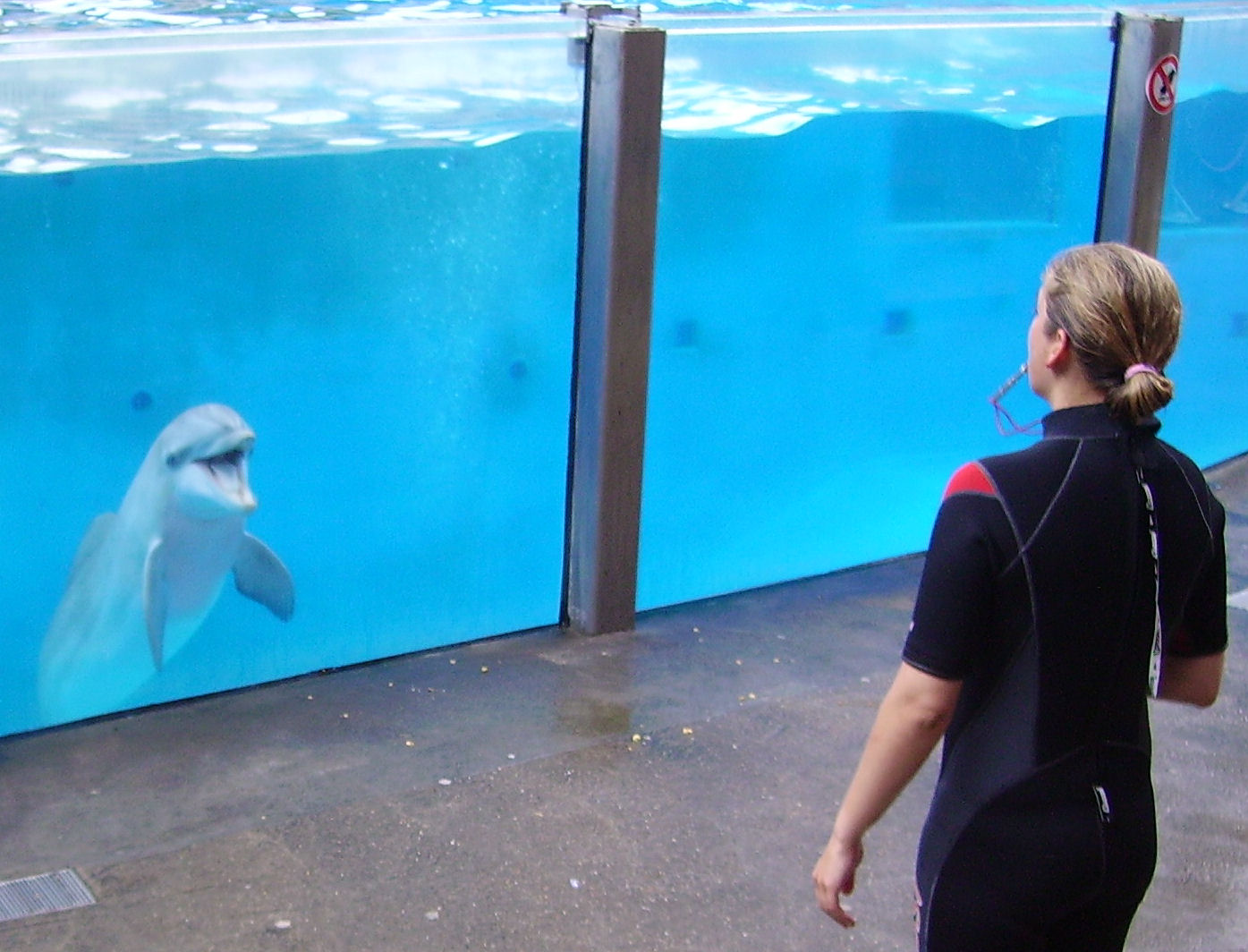
Boudewijn Seapark dolphinarium in Bruges, Belgium

A dolphinarium is an aquarium for dolphins. The dolphins are usually kept in a pool, though occasionally they may be kept in pens in the open sea, either for research or public performances. Some dolphinariums (sometimes called dolphinaria in plural[1]) consist of one pool where dolphins perform for the public, others are part of larger parks, such as marine mammal parks, zoos or theme parks, with other animals and attractions as well.

While cetaceans have been held in captivity since the 1860s, the first commercial dolphinarium was opened only in 1938. Their popularity increased rapidly until the 1960s. Since the 1970s, increasing concern for animal welfare led to stricter regulation, which in several countries ultimately resulted in the closure of some dolphinariums. Despite this trend, dolphinariums are still widespread in Europe, Japan and North America. The most common species of dolphin kept in dolphinariums is the bottlenose dolphin, as it is relatively easy to train and has a long lifespan in captivity. While trade in dolphins is internationally regulated, other aspects of keeping dolphins in captivity, such as the minimum size and characteristics of pools, vary among countries.[2] Though animal welfare is perceived to have improved significantly over the last few decades, many animal rights groups still consider keeping dolphins captive to be a form of animal abuse.

History

[edit]
Dolphinarium in Harderwijk, the Netherlands, Dutch newsreel from 1966

Though cetaceans have been held in captivity in both North America and Europe by 1860—Boston Aquarial Gardens in 1859 and pairs of beluga whales in Barnum's American Museum in New York City museum—[3][4] dolphins were first kept for paid entertainment in the Marine Studios dolphinarium founded in 1938 in St. Augustine, Florida. It was here that it was discovered that dolphins could be trained to perform tricks. Recognizing the success of Marine Studios, more dolphinariums began keeping dolphins for entertainment. In the 1960s, keeping dolphins in zoos and aquariums for entertainment purposes increased in popularity after the 1963 Flipper movie and subsequent Flipper television series. In 1966, the first dolphin was exported to Europe. In these early days, dolphinariums could grow quickly due to a lack of legislation and lack of organised animal welfare.[citation needed]

New legislation, most notably the 1972 Marine Mammal Protection Act in the United States, combined with a more critical view on animal welfare, forced many dolphinariums around the world to close. A prominent example is the United Kingdom; in the early 1970s there were at least 36 dolphinariums and traveling dolphin shows, however, the last dolphinarium closed its doors in 1993.[5] The last dolphinarium in Hungary was closed in 1992. In 2005 both Chile and Costa Rica prohibited keeping cetaceans captive.[2] However, around 60 dolphinariums currently exist across Europe, of which 34 are within the EU.[6] Japan, Mexico and the United States are also home to a relatively large number of dolphinariums.[citation needed]

Design

[edit]
Särkänniemi Dolphinarium at Särkänniemi amusement park in Tampere, Finland, was formerly the most northern dolphinarium in the world. It operated from 1985 to 2016.

The water in the pools has to be constantly filtered to keep it clean for the dolphins and the temperature and composition of the water has to be controlled to match the conditions dolphins experience in the wild. In the absence of a common international regulation, guidelines regarding the minimum size of the pools vary between countries.[2] To give an indication of pool sizes, the European Association for Aquatic Mammals recommends that a pool for five dolphins should have a surface area of 275 m2 (2,960 sq ft) plus an additional 75 m2 (810 sq ft) for every additional animal, have a depth of 3.5 m (11 ft) and have a water volume of at least 1,000 m3 (35,000 cu ft) with an additional 200 m3 (7,100 cu ft) for every additional animal. If two of these three conditions are met, and the third is not more than 10% below standard, the EAAM considers the pool size to be acceptable.[7]

Animals

[edit]

Species

[edit]

Various species of dolphins are kept in captivity as well as several other small whale species such as harbour porpoises, finless porpoises and belugas, though in those cases the word dolphinarium may not be fitting as these are not true dolphins. Bottlenose dolphins are the most common species of dolphins kept in dolphinariums as they are relatively easy to train, have a long lifespan in captivity and a friendly appearance. Hundreds if not thousands of bottlenose dolphins live in captivity across the world, though exact numbers are hard to determine. Orcas are well known for their performances in shows, but the number of orcas kept in captivity is very small, especially when compared to the number of bottlenose dolphins, with only 44 captive orcas being held in aquaria as of 2012.[8]

The majority of orcas are located in the various SeaWorld parks in the United States. Other species kept in captivity are spotted dolphins, gray whales, false killer whales, pilot whales and common dolphins, Commerson's dolphins, as well as rough-toothed dolphins, but all in much lower numbers than the bottlenose dolphin. There are fewer than ten Amazon river dolphins, Risso's dolphins, or tucuxi in captivity. Two unusual and very rare hybrid dolphins (wolphins, a cross between the bottlenose dolphin and the false killer whale) are kept at the Sea Life Park in Hawaii. Also two common/bottlenose hybrids reside in captivity: one at Discovery Cove and the other SeaWorld San Diego.[citation needed]

Trade and capture

[edit]
A dolphin in a sling being lowered by staff into one of two dolphin tubs on back of a truck
Dolphin being loaded onto a truck after having been captured in a drive hunt in Futo, Japan

In the early days, many bottlenose dolphins were wild-caught off the coast of Florida. Though the Marine Mammal Protection Act, established in 1972, allows an exception for the collection of dolphins for public display and research purposes when a permit is obtained, bottlenose dolphins have not been captured in American waters since 1989. In most Western countries, breeding programs have been set up to provide the dolphinariums with new animals. To achieve a sufficient birth rate and to prevent inbreeding, artificial insemination (AI) is occasionally used. The use of AI also allows dolphinariums to increase the genetic diversity of their population without having to bring in any dolphins from other facilities.[citation needed]

The trade of dolphins is regulated by the Convention on International Trade in Endangered Species of Wild Fauna and Flora (also known as the Washington Convention or CITES). Endangered dolphin species are included in CITES' Appendix I, in which case trade is permitted only in exceptional circumstances. Species considered not to be threatened with extinction are included in Appendix II, in which case trade "must be controlled in order to avoid utilization incompatible with their survival". Most cetacean species traded for display in captivity to the public or for use in swimming with dolphins and other interaction programs are listed on Appendix II.[2]

However, the dolphin trade still continues. A live bottlenose dolphin is estimated to be worth between a few thousand to several tens of thousands of US dollars, depending on age, condition and prior training. Captures are reported to be on the rise in the South Pacific and the Caribbean,[9] Cuba has also been an exporter of dolphins in recent years, this being organized by the Acuario Nacional de Cuba.[10] In recent years, the Solomon Islands have also allowed the collection and export of dolphins for public display facilities.[11] A 2005 law banned the export of dolphins,[12] however, this ban was seemingly overturned in 2007 when some 28 dolphins were shipped to Dubai.[13]

[edit]
  
Nationwide ban on dolphinariums/marine mammal captivity
  
De facto nationwide ban on dolphinariums/marine mammal captivity due to strict regulations
  
Some subnational bans on dolphinariums/marine mammal captivity
  
Dolphinariums/marine mammal captivity are currently being phased out ahead of a nationwide ban
  
Dolphinariums/marine mammal captivity legal
  
No data

Animal welfare

[edit]

Many animal welfare groups such as the World Animal Protection consider keeping dolphins in captivity to be a form of animal abuse. The main arguments are that dolphins do not have enough freedom of movement in pools, regardless of pool size, (in the wild, dolphins swim hundreds of miles every day) and do not get enough stimulation. Dolphins often show repetitive behavior in captivity and sometimes become aggressive towards other animals or people. In some cases, the behavior of dolphins in captivity also results in their own death.[14]

The lifespan of dolphins in captivity is another subject of debate. Research has shown that there is no significant difference between wild and captive survival rates for bottlenose dolphins.[15] This does not, however, reflect a global state of affairs: for example, bottlenose dolphins in captive facilities in Jamaica suffer from extremely high mortality rates.[16]

Some scientists suggest that the "unusually high" intelligence of dolphins[17] means that they should be recognized as "non-human persons".[18] In 2013, the Indian Ministry of Environment and Forests prohibited the captivity of dolphins on these grounds, finding it "morally unacceptable to keep them captive for entertainment purpose".[17]

[edit]

According to animal rights organizations that monitor the subject, the following jurisdictions have full or partial bans on keeping dolphins in captivity: Bolivia, Canada, Costa Rica, Croatia, Cyprus, Greece, Hungary, India, Slovenia, Switzerland, Turkey,[19] and the American states California, New York, and South Carolina.[20][21] Other countries have laws so restrictive that is virtually impossible to keep cetaceans in captivity: Brazil, Luxembourg, Nicaragua, Norway, and the United Kingdom.[22] France tried to ban keeping or breeding cetaceans in captivity in 2017,[23] but the ban was overturned on technical grounds by the Conseil d'État in 2018.[24] On 29 September 2020, Environment Minister Barbara Pompili announced that France's three remaining dolphinariums would be closed within the next 7 to 10 years, and no new dolphinariums could be opened, and no new marine mammals could be bred or imported.[25]

  • Belgium: On 31 August 2020, the Brussels Capital Region (which has no dolphinaria) announced it was working on a ban on any future creation of dolphinariums to safeguard the welfare of any marine mammals that might end up being kept within its territory.[26] In November 2024, following earlier bans in Brussels and Wallonia, the Flanders region (home to the country's last remaining dolphinarium: Boudewijn Seapark in Bruges) followed suit, meaning that a country-wide prohibition on dolphinariums was to be implemented by 2037 at the latest, but possibly sooner. Reportedly, this made Belgium the 7th country in the world, alongside "India, Costa Rica, Chile, Croatia, Slovenia, and Cyprus, which have already implemented strict bans on the captivity of dolphins."[27]
  • Canada: In June 2019, the Ending the Captivity of Whales and Dolphins Act became law in Canada.[28][29] Two facilities would be affected, Marineland of Canada and the Vancouver Aquarium. When passed in June 2019, Marineland was reported to have 61 cetaceans, while the Vancouver Aquarium had just one dolphin remaining. The law has a grandfather clause, permitting those cetaceans already in captivity to remain where they are, but breeding and further acquisition of cetaceans is prohibited, subject to limited exceptions.[30]
  • France: Since September 2020, a phaseout of dolphinariums has been in progress in France (to be completed by 2027/30).[31]
  • Mexico: The Chamber of Deputies amended the General Wildlife Law in October 2022 to prohibit the use of marine mammals in commercial shows or for subsistence. Animals currently kept in captivity could be kept for the rest of their lives, but using them in shows was no longer permitted.[32] The Mexican Senate confirmed the ban in 2023, but as of February 2024, several theme parks and aquariums were refusing to comply, using legal means to delay the law's implementation, and seeking to overturn the ban.[33]
  • Switzerland: Dolphinariums are not technically prohibited, but there have been no dolphinariums in Switzerland since 2013, and it is practically impossible to set up and run a new one. The Animal Protection Act was amended in May 2012, stipulating: "It is forbidden to import dolphins and other cetaceans (Cetacea)."[34] Therefore, the last facility that still kept cetaceans in Switzerland decided to close its dolphinarium by the end of 2013.[35]

See also

[edit]

Notes

[edit]

Further reading

[edit]
[edit]
Revisions and contributorsEdit on WikipediaRead on Wikipedia
from Grokipedia
A dolphinarium is an aquarium or artificial pool facility dedicated to housing dolphins, most commonly bottlenose dolphins (Tursiops truncatus), for public performances involving trained behaviors such as jumps and interactions with handlers. These venues emerged in the mid-20th century amid rising fascination with marine mammals, with early examples proliferating in the and across and , peaking at dozens in places like the before widespread closures by the 1990s due to operational and ethical challenges. Dolphinariums have historically served purposes beyond , including purported , , and , though empirical assessments indicate limited contributions to wild conservation, as most dolphins are bred in from non-threatened rather than rehabilitated for release. Key defining characteristics include or lined enclosures vastly smaller than dolphins' natural ranges—often by factors exceeding ,000 times—depriving them of migratory , deep dives for , and open-water echolocation, which contributes to documented declines such as weakened immune systems, lesions, and abnormal repetitive behaviors. Significant controversies surround dolphin welfare, with highlighting elevated stress indicators like chronic elevation and aggression in social groups disrupted by , alongside shorter median lifespans relative to wild populations when excluding early mortality from capture. In response, over a dozen countries and regions, including , , , and several European nations like and , have imposed full or partial bans on captive dolphin displays and breeding since the , citing irreconcilable conflicts between cetacean and confinement. ![A world map highlighting jurisdictions with bans on dolphin captivity][center]

History

Origins in the Mid-20th Century

The concept of the dolphinarium emerged in the late 1930s with the opening of Marine Studios, later renamed Marineland, on June 23, 1938, near , marking the world's first commercial dedicated to exhibiting captive marine mammals including . Founded by film industry figures Douglas Burden, C.V. Whitney, and primarily to facilitate underwater motion-picture production using natural seawater tanks, the facility quickly pivoted toward public entertainment as visitors observed and other cetaceans in controlled environments. By the 1940s, simple feeding demonstrations at Marineland evolved into structured behavioral displays, laying the groundwork for trained performances that highlighted ' intelligence and agility. This early model spurred interest in captive cetacean exhibits during the post-World War II era, as technological advances in aquarium engineering and growing public fascination with marine life fueled expansion. In 1955, the opened on September 24 on in , , introducing larger-scale shows with bottlenose dolphins (Tursiops truncatus) sourced from local waters, and it became a key venue for demonstrating trained behaviors such as leaps and vocalizations. Concurrently, techniques gained traction; in 1955, animal trainers Keller and Marian Breland published one of the earliest manuals on dolphin training using principles, enabling more reliable and complex routines that emphasized positive stimuli over coercion. By the late and early , dolphinariums proliferated as entertainment venues, with Marineland achieving a milestone in 1947 by successfully breeding the first dolphin born in captivity, named Spray, which underscored the feasibility of sustaining populations in artificial habitats despite challenges like high mortality from stress and inadequate nutrition. Facilities like the Brookfield Zoo's Seven Seas Panorama, which debuted the first inland dolphinarium in 1960 using recirculated artificial seawater, extended the model beyond coastal sites, accommodating bottlenose dolphins transported overland and adapting to freshwater-tolerant species variants. These developments reflected a mid-century shift toward commodifying cetacean displays for , driven by economic incentives rather than conservation imperatives, though early records indicate variable outcomes due to nascent veterinary protocols.

Global Expansion and Commercialization

Following the pioneering U.S. dolphinariums established in the and , global expansion accelerated in the mid-1960s as European facilities emulated the American model of captive cetacean displays for public entertainment. The Dolfinarium Harderwijk in the opened in 1965, marking one of the earliest such venues on the continent and attracting visitors through dolphin performances that capitalized on growing television-driven interest in marine mammals. By 1968, oceanariums featuring had proliferated across and , fueled by the absence of stringent regulations and public fascination with these animals' and . Commercialization intensified as operators shifted from mere exhibition to profit-oriented enterprises, incorporating ticketed shows, interactive swim programs, and ancillary revenue from concessions and merchandise to boost economies. In regions like , demand for "swim-with-dolphin" experiences propelled exponential industry growth from the onward, with facilities multiplying to meet tourist influxes. This model extended to , where and later saw rapid development of dolphinariums in the late 20th and early 21st centuries, often integrated into theme parks to maximize visitor throughput and revenue streams. By the , the industry had evolved into a multi-billion-dollar global enterprise, with approximately 336 dolphinariums operating across 54 countries and holding thousands of captive cetaceans, predominantly bottlenose . Over 60% of these animals were concentrated in five nations, led by with 23% of the total, reflecting a pivot toward emerging markets where regulatory oversight remained limited and sectors prioritized spectacle over welfare considerations. Corporate networks spanning continents further entrenched this expansion, linking facilities through dolphin trade and shared operational strategies to sustain profitability amid varying local demands. In recent years, the dolphinarium industry has experienced a marked decline, driven by shifting public attitudes toward animal welfare and legislative efforts to phase out cetacean captivity for entertainment. Public demand for captive dolphin interactions has decreased, evidenced by reduced captures—from 119 bottlenose dolphins in 2020-2021 to 60 in 2021-2022 and further drops thereafter—reflecting broader ethical concerns over the suitability of tank environments for highly intelligent, social marine mammals. Legislation has accelerated facility closures globally. Mexico's Senate unanimously approved a ban on dolphin shows, captive breeding, and swim-with-dolphin programs in June 2025, affecting approximately 350 dolphins and potentially closing 15 facilities in Quintana Roo, with economic repercussions including up to 1,800 job losses in tourism-dependent regions. This measure positions Mexico alongside Costa Rica and Chile as Latin American leaders in restricting cetacean exploitation, with plans to relocate animals to seaside sanctuaries or the wild where feasible. In the United States, several high-profile closures underscore operational and welfare challenges. The , owned by The Dolphin Company, announced in September 2025 the removal of all dolphins, seals, and sea lions by 2026 as part of a site redevelopment, following years of scrutiny over animal conditions and legal battles. Similarly, Gulf World Marine Park in , ceased operations in June 2025 after multiple dolphin deaths and welfare investigations, transferring remaining cetaceans elsewhere. Marineland facilities, including those in and , entered bankruptcy proceedings in 2025, leading to asset sales amid declining attendance and ethical debates. Canada's 2019 ban on cetacean displays has resulted in the last remaining dolphinarium struggling with property sales and relocation efforts as of June 2025. In , Aquarium Mar del Plata, also under Dolphin Company ownership, scheduled permanent closure for March 31, 2025, contributing to the company's broader portfolio divestitures. These closures highlight a trend toward sanctuaries or retirement programs, though challenges persist in ensuring viable long-term habitats outside entertainment contexts.

Facility Design and Operations

Engineering and Habitat Features

Dolphinarium enclosures primarily consist of artificial pools constructed from or composites, designed to contain mimicking oceanic conditions while accommodating public viewing and performance spaces. These pools typically feature smooth, non-abrasive surfaces to minimize skin abrasions on cetaceans, with depths ranging from 3.5 to 6 meters (11.5 to 20 feet) in many facilities to allow for diving and surfacing behaviors, though regulatory minima specify at least 1.83 meters (6 feet) or half the average adult length of the longest present. Configurations often include interconnected tanks or channels for social grouping and separation, with diameters or widths of 12 to 15 meters (39 to 49 feet) in circular designs to promote circular swimming patterns observed in wild conspecifics. United States federal standards under the Animal Welfare Act mandate minimum space allocations for cetacean pools based on four criteria: minimum horizontal dimension (MHD), depth, volume, and surface area, tailored to species groups such as bottlenose dolphins (Group I cetaceans). The MHD must be at least 7.32 meters (24 feet) or twice the average adult length of the longest species, whichever is greater, with provisions for orthogonal extensions reducing this by up to 20%. Depth requires at least half the average adult length or 1.83 meters, while volume for pools with more than two Group I cetaceans incorporates pi times the squared average length times depth for each additional animal. Surface area per cetacean equals pi times the squared average adult length, ensuring cumulative totals meet or exceed baseline pool dimensions. These engineering parameters aim to provide sufficient area for locomotion, though actual facilities like those in European dolphinaria often exceed minima, with examples including 15-meter diameter tanks holding multiple individuals at 3.55-meter depths connected via gated channels. Water systems in dolphinariums rely on high-volume recirculation to sustain (typically 25-35 parts per thousand), (15-28°C depending on ), pH (7.8-8.2), and oxygenation levels, with turnover rates often achieving full recirculation multiple times hourly to prevent ammonia buildup and bacterial proliferation. integrates mechanical skimming for debris removal, biological filters using for nitrogenous waste conversion, and disinfection via (0.5-1.0 ppm free chlorine), , or irradiation to control pathogens without excessive chemical residues that could irritate cetacean tissues. challenges include maintaining hydraulic efficiency in closed loops, where pumps and piping must handle millions of liters while minimizing from constant operation, which can disrupt echolocation; some systems incorporate foam fractionation for protein skimming and basins for . Indoor facilities often feature climate-controlled environments with acrylic viewing panels or domes for structural transparency, as in installations weighing over 23,000 kg spanning 9-meter diameters suspended above pools.

Daily Husbandry and Veterinary Protocols

Daily husbandry protocols for captive dolphins emphasize routine feeding, environmental maintenance, and behavioral monitoring to approximate natural conditions. Bottlenose dolphins, a common species in dolphinariums, consume approximately 4-5% of their body weight daily, primarily in fish such as or , supplemented with or vitamins to meet nutritional requirements; performing adults typically receive 7-10 kg of fish divided into 2-3 meals per day to mimic patterns and prevent overconsumption in single feedings. Enclosures are cleaned daily or as needed to remove waste, with parameters strictly controlled: maintained at 8.0-8.3 to match oceanic levels, salinity at 30-35 ppt, and disinfection via chlorination or to limit bacterial loads below 1,000 coliforms per 100 mL. Staff perform visual and behavioral assessments multiple times daily, recording metrics like appetite, locomotion, social interactions, and skin condition to detect anomalies early. Behavioral enrichment forms a core component of husbandry, involving structured training sessions using positive reinforcement to facilitate voluntary participation in health checks and reduce stereotypic behaviors such as repetitive pacing, which affect up to 20-30% of captive cetaceans without intervention. Enrichment devices, including floating platforms, puzzle feeders, or novel objects, are rotated to stimulate cognitive engagement and foraging instincts, with protocols ensuring items are non-toxic and inspected for safety. Social grouping adheres to species-specific needs, avoiding separation of mothers and calves before natural weaning (typically 1-2 years) unless approved by veterinary staff, and introducing compatible individuals gradually under supervised conditions. Veterinary protocols integrate daily monitoring with scheduled examinations, led by an attending experienced in cetacean , who conducts rounds at least weekly but responds immediately to signs of distress such as or dermal lesions. Health assessments include voluntary blood sampling for and biochemistry (e.g., every 3-6 months), fecal analysis for parasites, and for reproductive or organ evaluation, enabling early detection of common issues like from spoiled feed or . Preventive measures encompass quarterly, dental prophylaxis under trained restraint, and vaccinations against terrestrial pathogens if facility conditions warrant; follows guidelines for irreversible suffering, confirmed via necropsy. Post-mortem examinations are mandatory for all deaths, generating records of gross , histopathology, and to inform herd management and regulatory compliance.

Captive Cetacean Populations

Primary Species and Their Suitability

The (Tursiops truncatus) is the predominant species maintained in dolphinariums worldwide, valued for its trainability, social adaptability, and in controlled environments. Facilities in , for instance, primarily house Atlantic bottlenose dolphins, with over 80% of captive-born individuals surviving beyond two decades under improved husbandry practices, including enriched enclosures and veterinary monitoring. Empirical assessments, such as the Dolphin-WET welfare evaluation tool, indicate that well-managed groups exhibit behavioral diversity comparable to wild counterparts when provided with sufficient , social groupings, and stimuli to mitigate stereotypic behaviors like repetitive patterns. However, challenges persist, including higher incidences of adrenal disease and compromised immune responses linked to from enclosure limitations, though median lifespans in accredited U.S. facilities often match or exceed wild averages of 20-40 years for adults. Killer whales (Orcinus orca), though less common due to their size and needs, have been housed in select marine parks for public displays and research. In the wild, these apex predators traverse ranges exceeding 100 kilometers daily and maintain stable, matrilineal pods, fostering complex cultural behaviors; captive conditions, by contrast, restrict such locomotion and fission-fusion dynamics, correlating with elevated aggression, worn teeth from enclosure interactions, and collapse in over 90% of adult males. Longevity data reveal disparities: wild females average 46-50 years (with maxima to 90), and males 30 years (maxima 50-60), whereas exhibit median survivals of 12-14 years overall, with wild-captured individuals faring worse at 5.5 years due to capture stress, though breeding programs have extended some captive-born lifespans. These outcomes underscore physiological mismatches, including adrenal exhaustion and reduced calf survival rates below 50% in captivity versus near 100% in wild resident populations. Beluga whales (Delphinapterus leucas) represent another key , particularly in facilities simulating conditions, owing to their echolocation proficiency and interactive behaviors that suit educational programs. Captive belugas demonstrate reproductive viability, with births documented in parks like those in since the 1970s, yet suitability is tempered by vulnerabilities to skin lesions, , and acoustic distortions from reverberant pools that impair natural cues. Comparative health metrics show captive lifespans averaging 20-30 years, shorter than wild estimates of 30-50 years, attributable to dietary inconsistencies and limited deep-diving opportunities essential for regulation. Less frequently held , such as false killer whales (Pseudorca crassidens) or Pacific white-sided dolphins (Lagenorhynchus obliquidens), exhibit marginal suitability due to specialized pod structures and migratory habits poorly replicated in static tanks, resulting in higher mortality and behavioral anomalies. Overall, while bottlenose dolphins show greater resilience, larger odontocetes like orcas and belugas highlight inherent tensions between captive viability and species-specific ethological requirements, informed by longitudinal studies prioritizing empirical health indicators over anecdotal performance.

Sourcing Practices: Wild Capture, Breeding, and

Dolphinariums have historically sourced cetaceans primarily through wild captures, with a gradual shift toward programs, though wild sourcing persists in select regions. Early facilities in the mid-20th century, such as Florida's Marine Studios established in 1938, relied entirely on wild-caught bottlenose (Tursiops truncatus), which were netted from coastal waters using boats and barriers to herd pods into shallow areas for selection. Capture methods often involved drive fisheries, where fishermen corral into coves or bays with nets, allowing trainers to select individuals for live sale while others are killed for meat, as documented in 's Taiji operations since the 1960s. These practices have supplied marine parks globally, with notable hotspots including Taiji, ; the ; and Cuba's coastal waters for bottlenose . Wild captures have declined due to international regulations, national bans, and shifting public sentiment, but continue to account for a significant portion of new acquisitions. In , wild captures for dolphinariums were prohibited by the late , though facilities may rehabilitate stranded animals under license. Globally, over 3,000 dolphins in originate from either wild captures or breeding, with ongoing drives in Taiji providing dolphins to international buyers, including trainers who participate in selections. Stress from capture, including , netting, and separation from pods, contributes to high initial mortality, though empirical on exact rates varies by operation and species. Captive breeding emerged as an alternative in the 1960s to reduce reliance on wild stocks, with programs focusing on bottlenose dolphins achieving 80% survival rates for calves born over two decades in U.S. facilities, improving with husbandry advancements. However, genetic diversity in captive populations remains low, with studies of bottlenose dolphins showing reduced variation and a high proportion of shared alleles compared to wild counterparts, raising concerns for long-term viability. Breeding success is species-specific; riverine dolphins exhibit extremely low reproduction rates in captivity, while killer whales (Orcinus orca) face challenges, including lower male survival. Goals include preserving 90% of wild genetic variation over 200 years, but many programs fall short due to founder effects from initial wild imports. International trade in cetaceans for dolphinariums is governed by the Convention on International Trade in Endangered Species (), with most dolphin species listed under Appendix II, permitting regulated commercial trade via permits ensuring non-detriment to wild populations. Appendix I species, such as certain river dolphins, prohibit commercial imports entirely. Trade volumes have decreased post-1980s due to implementation and export bans in countries like the (, 1972), but persist via routes from , , and Taiji suppliers to and the . Permits require documentation of origin, health, and transport welfare, though enforcement varies, with some shipments involving multiple intermediaries to obscure wild capture sources.

Contributions to Science and Conservation

Key Research Breakthroughs

One pivotal advancement in understanding cetacean cognition emerged from controlled experiments at the , where researchers Diana Reiss and Lori Marino demonstrated mirror self-recognition in bottlenose dolphins (Tursiops truncatus) in 2001. Two adult dolphins systematically used mirrors to inspect marked areas on their bodies that were not visible without reflection, indicating comparable to that observed in great apes and humans; this convergence in cognitive capacity across distant taxa highlighted dolphins' advanced mental faculties, previously undocumented in non-primates beyond . Subsequent studies at facilities like the National Aquarium confirmed this ability in captive-born juveniles as young as seven months, extending the ontogenetic timeline for self-recognition and underscoring the reliability of captive settings for isolating behavioral responses free from wild confounds. In the realm of communication and linguistic processing, Louis Herman's longitudinal research at the Kewalo Basin Marine Mammal Laboratory in from the 1970s onward revealed dolphins' capacity for syntactic comprehension. Dolphins such as Akeakamai and Phoenix were trained in an artificial gestural language comprising 40-60 lexical items, enabling them to parse novel imperative sentences with modifiers (e.g., distinguishing "pipe fetch basket" from "basket fetch pipe"), demonstrating rule-governed understanding and referential intent—capabilities rivaling those in some non-human but with evidence of productive novelty handling. This work, spanning decades with peer-reviewed validations, established dolphins as capable of hierarchical sentence structure processing, informing models of animal intelligence and challenging anthropocentric views of language exclusivity. Captive environments facilitated breakthroughs in sensory physiology, particularly echolocation mechanics. In 2008, researchers developed an echolocation visualization system tested with dolphins at facilities, rendering real-time acoustic signals as visual feedback and enabling precise measurement of click trains for target discrimination at resolutions finer than 1 cm—insights unattainable in wild observations due to logistical constraints. Complementary studies tracked echolocation ontogeny in bottlenose dolphin calves, showing initial broadband clicks maturing into narrowband signals by 6-8 weeks, with facility-based training accelerating proficiency and revealing neural adaptations for sonar-based spatial mapping. These findings advanced bioacoustic engineering and clarified how odontocetes achieve hyperacute perception, with applications to sonar technology and prey detection models.

Funding and Support for Wild Population Efforts

The SeaWorld & Busch Gardens Conservation Fund, established in 2003 by operators of major dolphinariums including parks, has awarded over $19 million in grants to more than 1,200 organizations supporting conservation, with allocations directed toward research and protection for wild cetaceans such as . These efforts include funding for global projects, such as population studies and environmental threat mitigation, aimed at enhancing wild population viability through data-driven interventions. A notable example is a November 2023 emergency grant to Brazil's Instituto Dolomita da for the recovery and analysis of carcasses from endangered dolphins (Inia geoffrensis), impacted by extreme drought and heat, to gather biological samples informing reproductive health and mortality cause assessments for broader population recovery strategies. Similarly, grants have sustained long-term (Tursiops truncatus) monitoring programs, developing databases to assist the U.S. in managing wild stocks against threats like and habitat degradation. In 2022, fund disbursements explicitly benefited dolphin research among other marine species, prioritizing initiatives that promote biodiverse and resilient wild populations. Other dolphinarium operators contribute through targeted fundraising for wild-focused research; the Dolphin Research Center directs membership and visitor donations to marine research and rescue operations, including wild manatee rehabilitation that supports shared coastal ecosystems critical for dolphin habitats. Dolphin Quest, operating interactive facilities, offers sponsorship tiers from $5 to $10,000 for scientific studies advancing ocean preservation, with proceeds funding empirical investigations into cetacean ecology applicable to wild management. These mechanisms demonstrate direct financial pipelines from captive facility revenues to field-based conservation, though grant scales vary annually based on donor contributions and project priorities.

Educational Outreach and Behavioral Insights

Dolphinariums incorporate educational outreach through structured shows, interactive sessions, and interpretive programs designed to convey information on cetacean biology, ecology, and conservation imperatives to visitors. Empirical assessments indicate these initiatives yield short-term gains in participant knowledge about dolphin habitats and threats, alongside shifts toward more favorable attitudes and intentions regarding marine conservation actions. For instance, a 2011 study of bottlenose dolphin programs at zoological facilities found statistically significant pre- to post-exposure improvements in conservation-related behavioral intentions among attendees, though long-term retention remains understudied. Similarly, evaluations at facilities like Dolphins Plus demonstrate enhanced visitor awareness of ocean literacy following swim-with-dolphins encounters, correlating with self-reported pro-conservation behaviors in subsequent months. Such programs often emphasize empirical threats like bycatch and habitat degradation, drawing from field data to underscore the role of protected areas. Behavioral insights derived from captive settings have advanced comprehension of cetacean cognition, social structures, and adaptive responses, leveraging controlled conditions for longitudinal observation unattainable in wild populations. Studies in dolphinariums reveal patterns of behavioral diversity, with mixed-age groups exhibiting higher variability in activities—such as play, affiliation, and foraging analogs—compared to adult-only cohorts, informing models of natural fission-fusion societies. Qualitative behavioral assessments applied to bottlenlenose dolphins have identified distinct emotional expressions through observer consensus on terms like "playful" or "frustrated," providing a framework for non-invasive welfare monitoring that parallels wild . Captive has also elucidated object play dynamics, where factors like age, sex, and object novelty influence interaction rates, yielding data on developmental learning applicable to rehabilitation efforts. These findings complement field studies by isolating variables like social rank or effects, though captive constraints—such as limited space—can induce stereotypies absent in free-ranging conspecifics, necessitating cautious extrapolation to wild causal mechanisms. Peer-reviewed syntheses affirm that such work has contributed foundational knowledge on , including formation and vocal signatures, despite debates over ethical trade-offs in methodological validity.

Economic and Cultural Dimensions

Revenue Generation from Tourism and Entertainment

Dolphinariums generate primary revenue through admissions to live shows and interactive encounters with captive dolphins and other cetaceans, supplemented by sales of merchandise, concessions, and premium experiences such as swims. Globally, the captive sector is estimated to produce between 1.1 and 5.5 billion USD annually in direct venue revenue from these activities, based on assessments of over 3,000 dolphins held in approximately 300 facilities across more than 50 countries. This figure, derived from World Animal Protection's analysis of ticket sales, attendance patterns, and operational data, excludes indirect spending but highlights the industry's scale despite advocacy-driven scrutiny of . Average adult admission tickets for dolphinarium shows average 34 USD worldwide, with variations by region; higher prices in developed markets like the or can exceed 50 USD, while lower in . Major operators, such as Entertainment, report total park revenues surpassing 1.5 billion USD in fiscal 2021, with attendance of 20.2 million visitors across facilities featuring dolphin exhibits, though exact breakdowns for cetacean-specific attractions are not publicly itemized. These revenues support operational costs including animal care, staff, and infrastructure, while driving tourism; for instance, dolphin-focused venues in destinations like Jamaica's Dolphin Cove contributed nearly 15 million USD in 2019 prior to disruptions. Interactive programs, such as dolphin swims priced at 200-300 USD per participant, yield higher per-visitor returns than standard shows and attract repeat . The economic model relies on high-volume attendance, with global facilities drawing millions annually; however, post-2013 controversies surrounding captive cetacean welfare led to temporary dips in major U.S. parks' revenues before stabilization through diversified attractions. Despite this, the sector's profitability sustains international trade in , with venues in regions like the and expanding to capitalize on growing inbound .

Broader Societal and Employment Impacts

Dolphinariums sustain direct in specialized roles including trainers, veterinarians, aquarists, and support staff for husbandry, shows, and visitor services. In the United States, Entertainment, a prominent operator of facilities featuring captive cetaceans, employed approximately 22,100 individuals across its parks as of 2023 data. The broader U.S. zoos and aquariums industry, encompassing dolphinaria, saw employment grow by an average of 9.2% annually from 2018 to 2023, reflecting demand for seasonal and full-time positions in tourism-dependent regions. Indirect employment arises from associated , including , transportation, and retail in host communities. Facilities like those operated by Dolphin Discovery in provide jobs in animal interaction programs, though exact global figures remain limited; the sector's expansion in regions without bans, such as parts of and the , supports local economies reliant on visitor spending. However, operational shifts, such as 's 2016 decision to end breeding programs amid public pressure, have prompted workforce reallocations toward non-performance roles like and rescue operations. Societally, dolphinariums have shaped perceptions of cetaceans, fostering familiarity that some operators claim enhances conservation support, though empirical links to wild population outcomes are contested. Public controversies, amplified by events like trainer fatalities at SeaWorld in 2010, have driven ethical reevaluations, contributing to bans or phase-outs that disrupt employment stability. France's 2021 legislation prohibited new dolphin and orca captivity, mandating retirement of existing animals and affecting jobs in marine parks. Similarly, Canada's restrictions led to the closure of dolphin shows at Marineland, redirecting workers toward alternative tourism. These policy changes reflect broader societal prioritization of welfare concerns over entertainment, with advocacy groups citing stress-induced behaviors in captives as evidence against the model, though facilities counter with data on extended lifespans under managed care. ![World map illustrating countries and regions with bans or restrictions on dolphinariums][center]
The proliferation of bans, as mapped globally, underscores shifting norms that compel industry adaptation, potentially transitioning jobs to alternatives like , which supported 850 positions and $23.4 million in labor income in alone in 2019. Such pivots highlight causal tensions between economic reliance on and evolving ethical standards informed by behavioral observations and media exposés.

Welfare and Ethical Evaluations

Empirical Data on Longevity and Health Metrics

Empirical analyses of bottlenose dolphins (Tursiops truncatus), the predominant species in dolphinariums, demonstrate that annual survival rates in accredited U.S. zoological facilities have reached 0.97 in recent assessments, yielding a median lifespan of 22.8 years. This figure exceeds median wild lifespans of 8.3 to 17.4 years, where annual survival rates vary from 0.902 to 0.961, largely due to elevated risks of predation, nutritional deficits, and environmental hazards affecting juveniles. Longevity in captivity has shown marked improvement over time, with life expectancies 1.65 to 3.55 times greater for females and 1.77 to 3.24 times for males relative to wild populations, based on historical zoo records spanning over a century. First-year mortality rates in facilities have declined from 22–51% prior to to 8–26% during 2005–2020, a reduction of up to 31%, attributable to advances in neonatal care, , and .
MetricCaptive (Accredited Facilities)Wild Populations
Median Lifespan (years)22.88.3–17.4
Annual Survival Rate0.970.902–0.961
First-Year Mortality8–26% (2005–2020)Higher (elevated juvenile losses)
Health metrics in captive settings reflect proactive veterinary monitoring, with programs like the U.S. Program reporting annual survival rates of 0.98 to 1.0 and crude mortality rates of 0–5% from 2004 to 2013. Dominant mortality causes include inflammatory conditions (infectious or noninfectious) and trauma, comprising over half of examined cases in strandings and facility necropsies, though captivity reduces exposure to wild-specific threats like brevetoxins and . and biochemistry reference intervals established for healthy captive bottlenose dolphins indicate stable physiological parameters, such as levels of 14.5–17.5 g/dL and glucose of 70–110 mg/dL, facilitating early detection of anomalies absent in unmanaged wild cohorts. Overall, these data underscore lower infectious disease burdens in controlled environments, countering higher wild variability from pollutants and prey scarcity.

Behavioral Observations and Enrichment Strategies

Captive bottlenose dolphins (Tursiops truncatus) exhibit a range of behaviors including social interactions, play, and resting patterns that differ from wild counterparts due to confined spaces and scheduled routines. Observations indicate dolphins engage in rest swimming, where individuals move slowly often in pairs with one eye closed, and surface resting, comprising about 10-20% of daily activity depending on group size and enclosure design. Play behaviors, such as and aerial leaps, occur but are less frequent outside training sessions, with studies noting reduced exploratory diving compared to wild dolphins' surface-focused . Aggressive interactions, including and , persist in captivity mirroring wild conspecific conflicts, though enclosure density can elevate rates without correlating directly to overall welfare deficits. Stereotypic behaviors, such as repetitive route-tracing swims in fixed pool patterns, are documented in some captive dolphins, particularly preceding feeding or training, but evidence for their prevalence as welfare indicators remains inconsistent across facilities. One study of two bottlenose dolphins found weak indications of such patterns, suggesting they may reflect anticipation rather than chronic distress, with no uniform escalation in larger habitats. Behavioral diversity metrics, including affiliative and solitary activities, vary by individual and group composition, with professional observations of 54 dolphins revealing higher variability in managed groups than uniform claims imply. Enrichment strategies in dolphinariums aim to promote behaviors through environmental, sensory, and cognitive stimuli. Common approaches include providing manipulable objects like buoys and balls, which elicit interest and interactive play in approximately 50% of sessions, alongside protocols that serve as occupational enrichment by fostering and control. Cognitive foraging devices, such as hidden enclosures or interactive apparatuses, encourage problem-solving and increase time spent at depth, with one peer-reviewed showing sustained depth preference post-exposure even without the device present. Auditory enrichments, including playback, have been linked to elevated affiliative behaviors and reduced isolation in bottlenose dolphins. Empirical assessments demonstrate enrichment's positive impacts, with cognitive variants correlating to decreased intolerance behaviors and enhanced social tolerance in groups. Facilities employing varied enrichments report broader behavioral repertoires, including increased foraging-like activities, though effectiveness depends on individual preferences and integration, as evidenced by correlations between interaction and overall . These strategies do not eliminate all captive-specific patterns but mitigate them through targeted application, supporting welfare via measurable behavioral shifts rather than anecdotal suppression.

Analysis of Common Criticisms Against Evidence

Critics frequently claim that dolphins in captivity exhibit markedly shorter lifespans compared to wild counterparts, with some advocacy sources asserting averages of 10-15 years based on historical or selective data including high-mortality wild captures. However, peer-reviewed analyses of bottlenose dolphins (Tursiops truncatus) in accredited U.S. facilities reveal annual survival rates of 0.972 in recent decades, yielding life expectancies of approximately 47-50 years for captive-born individuals, comparable to or exceeding wild estimates of 40-48 years after accounting for predation, disease, and human impacts in . A 2023 study across multiple species found zoo-held lifespans 1.65-3.55 times longer than wild medians, attributed to consistent veterinary care, nutrition, and absence of natural threats, trends mirroring advances. Such criticisms often rely on outdated datasets or conflate early eras with modern accredited standards, where first-year mortality has declined from 22-51% pre-1990 to 8-26% post-2005. Stereotypic behaviors, including repetitive swimming patterns or self-directed actions, are commonly cited as indicators of psychological distress and in confined environments, with opponents arguing these signify inherent incompatibility with . Empirical data counters this by demonstrating that enrichment protocols—such as variable feeding regimes, interactive objects, and auditory stimuli—significantly reduce occurrence and duration, with one study reporting decreased repetitive behaviors alongside increased foraging and affiliative interactions post-enrichment. In facilities meeting standards like those of the of Parks and Aquariums, dolphins utilize enclosures at rates reflecting natural bay habitats rather than vast oceanic ranges, and stereotypies diminish to levels not exceeding those observed in wild dolphins under resource scarcity or stress. Advocacy-driven narratives often amplify anecdotal cases while underemphasizing peer-reviewed longitudinal observations, where behavioral metrics improve with social grouping and cognitive challenges mimicking wild problem-solving. Assertions of chronic health declines, such as weakened immune systems or reproductive failures, underpin claims of systemic welfare deficits, frequently drawing from non-peer-reviewed reports on wild captures or unaccredited venues. Contrasting evidence from accredited programs shows reproductive success rates paralleling wild populations, with calf survival exceeding 90% under managed maternity protocols, and lower incidences of pathologies like pneumonia due to proactive diagnostics unavailable in nature. A 2023 enclosure analysis rejected the hypothesis of inherent impoverishment, finding modern dolphinariums provide sensory and spatial complexity sufficient to elicit species-typical behaviors without elevated cortisol indicators of distress. These criticisms typically overlook generational shifts, as over 90% of dolphins in Western facilities are now captive-born, evading capture trauma, and fail to benchmark against wild mortality drivers like bycatch, which claims thousands annually. Ethical objections invoking "unnatural" confinement ignore causal factors in wild dolphin mortality—such as habitat degradation and fisheries interactions—that captivity mitigates, with studies affirming no net welfare decrement when measured by integrated metrics like longevity, fecundity, and behavioral repertoire. While animal rights organizations emphasize deontological harms, empirical welfare assessments prioritize observable outcomes over anthropomorphic projections, revealing criticisms often rooted in selective sourcing rather than comprehensive data synthesis.

Evolving Standards and Accreditation Bodies

The Alliance of Marine Mammal Parks and Aquariums (AMMPA) serves as the principal international accrediting body for facilities housing cetaceans, including dolphinariums, requiring adherence to detailed standards on veterinary care, water quality, nutrition, enclosure design, and behavioral management to promote animal health and welfare. These guidelines mandate minimum enclosure volumes—for instance, at least 200 cubic meters per bottlenose dolphin in multi-animal settings—and emphasize environmental enrichment based on species-specific ethological data, with inspections verifying compliance every five years. AMMPA's framework has iteratively incorporated empirical findings from longitudinal studies on stress indicators like cortisol levels and stereotypic behaviors, updating provisions for transport and training to minimize physiological disruptions. Complementary certifications from the International Marine Animal Trainers' Association (IMATA) focus on techniques that avoid aversive methods, ensuring trainer competency through examinations and facility audits, with over 100 member institutions worldwide applying these to dolphin interactions. In the United States, the Association of Zoos and Aquariums (AZA) accredits select programs under overlapping criteria, including population management plans aligned with the Marine Mammal Protection Act (MMPA), which NOAA enforces for public display permits requiring evidence of educational value and humane maintenance. Evolving standards reflect growing integration of welfare science, such as AMMPA's 2020s revisions prioritizing dynamic pool dimensions to accommodate natural swimming patterns—e.g., recommending lengths enabling 10-12 tail strokes—and enhanced monitoring of reproductive health metrics amid declining captive birth rates. For non-traditional facilities, the Global Federation of Animal Sanctuaries (GFAS) established the first accreditation protocols for ocean sanctuaries in June 2023, mandating sea pen systems with natural substrates and phased retirement from performance, drawing on data from rehabilitated cetaceans to exceed tank-based minima. These developments parallel regulatory shifts, like Canada's CCAC guidelines advocating facility-specific behavioral assessments over uniform minima.

Jurisdictional Variations, Bans, and Enforcement Challenges

![Dolphinarium bans world map][center] Jurisdictions exhibit significant variations in regulating dolphinariums, ranging from permissive frameworks with oversight to outright prohibitions on captivity and performances. In the United States, the Marine Mammal Protection Act (MMPA) and Animal Welfare Act () permit public display of cetaceans under federal licenses from the USDA and standards from NOAA Fisheries, requiring facilities to demonstrate educational or conservation value without mandating phase-outs. bans exist in , (), and , prohibiting cetacean captivity at the municipal or state level. Numerous countries have enacted full or partial bans on keeping dolphins in captivity for entertainment. implemented a nationwide ban on cetacean captivity in 2019, prohibiting new imports and breeding while addressing existing animals through non-display facilities. passed legislation in June 2025 banning dolphin shows, captive breeding, and swim-with programs, marking it as the third Latin American nation after (2005 ban on marine mammal shows) and to restrict such activities, with provisions for relocating current captives to sanctuaries. Other nations with bans include , , , , , , and , often driven by concerns. announced a phased ban in November 2024, prohibiting dolphin captivity by 2037 in and extending nationally, becoming the fourth European country to do so after , , and . Countries like , Luxembourg, Nicaragua, Norway, and the United Kingdom maintain regulations so stringent—such as pool size requirements or import restrictions—that cetacean captivity for display is effectively infeasible. In contrast, regions like parts of and continue to host operational dolphinariums under varying national standards, with limited international oversight beyond CITES trade controls on live dolphins. These divergences reflect differing priorities, with bans often correlating with advocacy campaigns emphasizing welfare data over economic benefits, though empirical enforcement varies. Enforcement of bans faces practical hurdles, including the fate of pre-existing dolphins requiring relocation to sea pens or foreign sanctuaries, as seen in Mexico's transition mandates and Belgium's 2037 deadline for facility closures. Illegal operations persist in jurisdictions with weak monitoring, such as clandestine breeding or shows in banned areas, compounded by cross-border dolphin trafficking despite . In permissive areas like the , compliance relies on USDA inspections, but critics note gaps in addressing indicators, while phased bans risk prolonging without guaranteed alternatives. International efforts, such as those by Dolphinaria Free , push for harmonized standards, yet limits uniform enforcement.

References

  1. https://commons.wikimedia.org/wiki/File:Dolphinarium_bans_world_map.svg
Add your contribution
Related Hubs
User Avatar
No comments yet.