Hubbry Logo
GutkaGutkaMain
Open search
Gutka
Community hub
Gutka
logo
8 pages, 0 posts
0 subscribers
Be the first to start a discussion here.
Gutka
Gutka
from Wikipedia

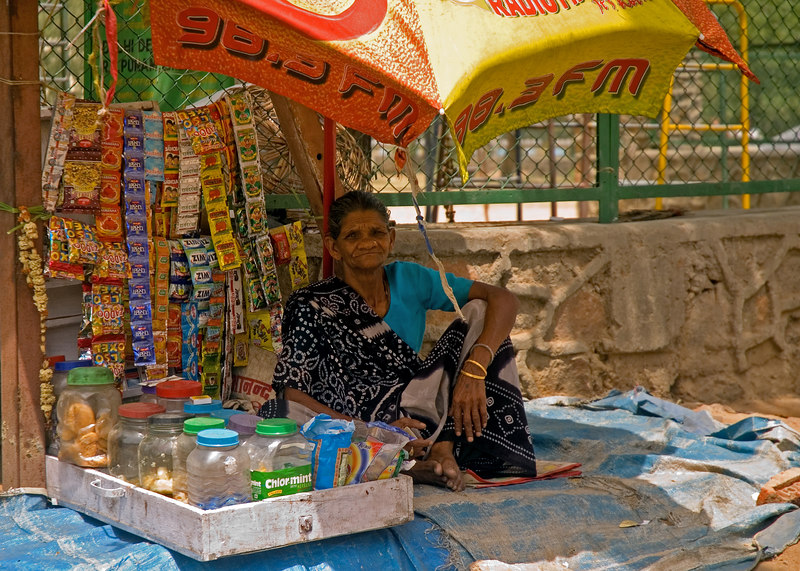
Gutka street vendor in Himachal Pradesh, India

Gutka[a] is a type of betel quid and chewing tobacco preparation made of crushed areca nut (also called betel nut), tobacco, catechu, paraffin wax, slaked lime (calcium hydroxide) and sweet or savory flavourings, in India, Pakistan, other Asian countries, and North America.[1]

Using gutka is highly addictive and can cause various harmful effects such as head and neck cancer,[2][3] oral and oropharyngeal cancers,[4] coronary heart disease, as well as negative reproductive effects including stillbirth, premature birth and low birth weight.[5][6]

Gutka is manufactured in the sub-continent and exported to a few other countries, often marketed under the guise of a "safer" product than cigarettes and tobacco.[7] Reported to have both stimulant and relaxation effects, it is sold throughout South Asia and some Pacific regions in small, individual-sized foil packets/sachets and tins[8] that cost between 2 and 10 rupees each.[9] It is widely consumed in India, Especially in the Northern India, Pakistan and the Madhesh region of Nepal. Gutka is consumed by placing a pinch of it between the gum and cheek and gently sucking and chewing, similar to chewing tobacco.[8] Due to containing cancer-causing substances, it is subjected in India to the same restrictions and warnings as cigarettes.[1][10][11][12] Highly addictive and a known carcinogen, gutkha is the subject of much controversy in India. Many states have sought to curb its immense popularity by taxing sales of gutkha heavily or by banning it.[13]

Characteristics

[edit]

Gutka is a commercially produced form of smokeless tobacco. Manufacturers add sweet or savory flavors, making it more appealing to women and young people in some locations.[14] The combinations of gutka ingredients vary according to local preferences. Spices may include mustard, turmeric, anise seeds, cardamom, saffron and cloves.[8]

In addition to areca nut, nicotine, slaked lime, paraffin and catechu, it can be laced with thousands of chemicals.[15] It is a powdery, granular, light brownish to white substance. Within moments of chewing mixing with saliva, the gutkha begins to dissolve and turn deep red in colour. It may impart upon its user a "buzz" somewhat more intense than that of tobacco chewing, snuffing and smoking.[citation needed]

Gutka turns saliva bright red, and when it is chewed long and often enough it will stain a user's teeth bright red too. Saliva is generally spat onto a wall or at the ground, causing a red stain that is quite resistant to the elements. Some building owners have taken to combating this by painting murals of gods on their walls, with the idea that gutkha chewers would not spit on a god.[16][17][18]

"Quid chewing has claimed to produce a sense of well being, euphoria, warm sensations of the body, sweating, salivation, palpitation and heightened alertness, tolerance to hunger, and increased capacity and stamina to work."[19]

Health effects

[edit]

Gutka is highly addictive, represents a major health risk, has no safe level use and is not a safe substitute for smoking.[20][21][22][23] Globally smokeless tobacco products like gutka contribute to 650,000 deaths each year with a significant proportion of them in Southeast Asia.[24][25]

Using gutka can cause a number of adverse health effects such as head and neck cancer,[2][3] oral cancer,[19] oral submucous fibrosis,[14] oesophagus cancer, and pancreatic cancer, cardiovascular disease, and asthma.[26] It also raises the risk of fatal coronary artery disease, fatal stroke and non-fatal ischaemic heart disease[5][6] When a person chews gutka, the mixture directly enters the system through the oral cavity, which absorbs 28 cancer-causing chemicals.[27]

Gutka can cause adverse reproductive effects including stillbirth, premature birth, low birth weight. Nicotine in gutka that are used during pregnancy can affect how a baby's brain develops before birth.[5]

Gutka use causes the production of various reactive free radicals that induce oxidative stress, particularly in oral tissues.[28] Gutka exposure can lead to the oxidation of guanine bases in DNA to form 8-hydroxy-2'-deoxyguanosine (8-OHdG or its tautomer 8-oxo-dG) as a major byproduct.[28] Exposure to Gutka tends to be highest in saliva and urine as evaluated by measuring 8-OHdG in DNA.

Creative advertising by tobacco companies and lack of accessible information for the public leads to many gutka users being unaware of the dangers it can bring. Often users believe that gutka can act as a digestion aid, kill germs, and generally give a sense of well-being.[27] In fact 34.4% of smokers have switched to smokeless tobacco use as way to quit[7] but there is no scientific evidence that using gutka can help a person quit smoking.[22][29] As of 2015 it was the fourth most common addictive product worldwide.[30][31]

Usage

[edit]
Red stains of Gutka on walls due to spitting

Use of gutka and other forms of tobacco are culturally ingrained and use can begin at a young age.[7] Smokeless tobacco use is most common in India where oral cancer accounts for 30 to 40% of cancer cases.[32] Its use has been reported in Thailand, Sri Lanka, Bangladesh, Pakistan, Malaysia, Cambodia, China, Indonesia and New Guinea. Immigrants to the United Kingdom, parts of Africa, Australia, North America have brought their habits with them.

Gutka is readily available in these locations, especially in neighborhood Asian markets in highly populated areas.[33] Immigrants to the United States where spitting in public is not as socially acceptable, learn to be discreet.[34] Those in the lower socioeconomic populations are especially at risk. It is here that access to education and treatment is limited.[35] Easy access and extremely low cost lead to early addiction and the prevalence of gutka use.[36][37][38] Precancerous lesions have been observed in young children and symptoms of cancer often appear by high school or college age.

Smoking is not allowed in many places, and when done by children, is disapproved of. In contrast gutka use, being all but invisible to others, is the method of choice. A New York Times article reported in 2002 that sales of gutka and the tobaccoless version, paan masala, reached $1 billion a year.[39]

India

[edit]

Over 25% of India's population use tobacco products including cigarettes and multiple forms of smokeless tobacco. India has the largest number of smokeless tobacco users in the world. The poorest populations are greatly affected due to the detrimental effects of its use and the subsequent costs of medical care.[7] Many Indian states have sought to curb the use and spread of gutka by taxing sales heavily or by banning it.[13]

They have banned the sale, manufacture, distribution and storage of gutka and all its variants. As of May 2013, gutka is banned in 24 states and 3 union territories.[40] The federal Food Safety and Regulation (Prohibition) Act 2011 allows harmful products such as gutka to be banned for a year. This can be renewed annually, resulting in a permanent ban. The ban is enforced by the state public health ministry, the state Food and Drug Administration, and the local police.[41] Enforcement of the law is generally lax and many shops still sell gutka, although it may not be displayed.[42][43][44][45][46] Enforcemnent is stricter in some regions like Mumbai and Delhi, but illegal sale of gutka still occurs.[36][47]

In 2019, the Delhi government extended the ban for one more year on Gutka, Pan Masala, Flavoured/Scented Tobacco, Kharra and similar products containing tobacco. In September 2012, State of Delhi banned Gutka and Pan Masala containing tobacco and/or nicotine. After the notification, Gutka manufacturers separated the components like tobacco from Gutka and Pan Masala. Since the term 'Gutka and Pan Masala Containing Tobacco' was used in the notification. The components like tobacco were manufactured and sold in separate pouches after the ban. The notification was revised in March 2015 to make it more strict and banned all smokeless tobacco (SLT) products including twin-pack.[48] Offenders can be fined or receive prison sentences.[49] The law has provisions of imposing fines up to 25,000 (US$300) on the sale of products that are injurious to health.[50]

State Date of ban Remarks Ref.
Andaman and Nicobar 1 November 2012 [51]
Andhra Pradesh 9 January 2013 [52]
Arunachal Pradesh [53]
Assam [54][55]
Bihar 30 May 2012[56] The law was upheld by the Patna High Court. [57]
Chandigarh [58]
Chhattisgarh 24 July 2012 [59]
Delhi 11 September 2012 On 12 October 2012, the Delhi High Court refused to lift ban in response to a plea by a city-based gutka manufacturer. [60][61][62][63]
Goa 2 October 2005 [64]
Gujarat 11 September 2012[65][66] 100% export-oriented units are exempt from the ban. [67]
Himachal Pradesh 13 July 2012 [68]
Haryana 15 August 2012 [69]
Jharkhand 24 July 2012 [70][71]
Kerala 25 May 2012[72] On 2 August 2012, Kerala High Court declined to stay the ban. [73]
Karnataka 31 May 2013 [74]
Madhya Pradesh 1 April 2012[75] The law was upheld by the Madhya Pradesh High Court. [76]
Maharashtra 20 July 2012[77] Previous bans on gutka on 1 August 2002 and again in 2008 were overturned by the Supreme Court on the grounds of unfair trade practice.[78][79] The most recent ban was upheld by the Bombay High Court on 15 September 2012.[80]
Manipur [53][81]
Mizoram 18 October 2012 [82][83][84][85]
Nagaland [58]
Odisha 1 January 2013 [86][87][88]
Punjab 26 August 2012 [89]
Rajasthan 18 July 2012 [90][91]
Sikkim 17 September 2012 [92]
Tamil Nadu 8 May 2013 [93]
Uttar Pradesh 1 April 2013 [94]
Uttarakhand 1 January 2013 [95]
West Bengal 1 May 2013 [96][97]

Research firm Edelweiss estimates the gutka ban will cause the industry ₹15−20 billion in losses.[98]

Advertising

[edit]

Like alcohol and tobacco products, there is a ban on advertisement of gutka. Often tobacco companies advertise gutka as pan masala in order to skirt the ban on advertising tobacco products. Surrogate advertisements often use pan masala ads to promote gutka products with similar name and packaging.[99]

According to the Food Safety and Standards (Prohibition and Restriction on Sales) Regulations, 2011 of the Food Safety and Standards Authority of India, misleading advertisement of such products invites a fine of 1,000,000 (US$12,000).[100]

According to StraitsResearch, The India pan masala market is expected to reach US$10,365 million by 2026 at the CAGR of 10.4% during the forecast period 2019–2026. The India pan masala market is driven by significant switching of consumers from tobacco products to pan masala, aggressive advertising and convenient packaging, and Maharashtra State's revocation of the ban over pan masala products.[101]

See also

[edit]

Notes

[edit]

References

[edit]

Further reading

[edit]
[edit]
Revisions and contributorsEdit on WikipediaRead on Wikipedia
from Grokipedia

Gutka is a dry, powdered preparation primarily consisting of crushed , , slaked lime, , , and flavoring agents such as spices and sweeteners. Widely consumed by chewing in and other South Asian countries, it delivers and for effects, often held in the mouth or between cheek and gum.
Gutka use is associated with severe oral health consequences, including oral submucous fibrosis—a precancerous condition causing fibrosis and reduced mouth opening—and elevated risks of oral cavity cancer, esophageal cancer, and cardiovascular diseases. Peer-reviewed epidemiological data indicate odds ratios for oral cancer of approximately 5.1 among gutka users, driven by tobacco-specific nitrosamines, areca nut carcinogens, and chronic mucosal irritation. Long-term exposure also promotes oxidative stress, inflammation, and genotoxic damage in oral tissues. In response to these empirically documented harms, implemented state-level bans on gutka sales starting in 2012, prohibiting mixtures of and , though production and consumption persist through unregulated or single-ingredient surrogates. Prevalence remains high in rural and low-socioeconomic populations, contributing substantially to India's elevated burden, which exceeds global averages.

Composition and Production

Ingredients and Formulation

Gutka is a powdered or granular commercial preparation of originating from , formulated as a dry, non-perishable mixture designed for oral chewing. Its core ingredients include crushed (), powdered or cured , slaked lime (), and (an extract from the tree used as a binder and ). These components are blended to create a cohesive quid that releases alkaloids and other compounds during mastication. Flavorings and additives such as , , sweeteners (e.g., or ), and spices are incorporated to enhance palatability and mask bitterness, while occasional preservatives like may be added for texture and shelf life. The formulation process involves grinding the into small pieces or powder, mixing it with and lime to facilitate absorption and release, and infusing for adhesion. This differs from traditional quid by excluding fresh and emphasizing integration, resulting in a portable product with over 4,000 identified chemical constituents derived from the primary ingredients, including , , and nitrosamines. Variations in commercial formulations exist across brands and regions, but regulatory definitions in countries like consistently specify , , lime paste, and spices as essential elements. Peer-reviewed analyses confirm that content typically ranges from 10-30% by weight, with comprising the bulk (40-60%), contributing to the product's addictive and genotoxic profile.

Manufacturing Processes

Gutka is commercially manufactured as a dry, granular preparation through a multi-step industrial process that emphasizes uniformity, flavor enhancement, and shelf stability. The core ingredients—crushed , powdered , slaked lime (), catechu (an extract from Acacia catechu), and flavorings such as condiments, sweeteners, and spices—are processed separately before blending. This production method emerged in the late 1960s and early 1970s in , enabling for widespread distribution in foil or plastic sachets. Areca nuts, the primary base, undergo initial cleaning and sorting to remove impurities, followed by cutting or grinding into small pieces or fine ; traditional preprocessing may include sun-drying, to soften the nut, or to alter texture and reduce moisture content, depending on regional formulations. Tobacco leaves are cured (often sun-dried or fermented) and then ground into a fine to integrate seamlessly during mixing. Slaked lime is prepared from sources like or shells and added as a paste or to provide alkalinity, while contributes astringency. Flavorings, including , cloves, aniseed, , or sweeteners, are incorporated to mask bitterness and appeal to consumers. The processed ingredients are then combined in large mechanical mixers to achieve a homogeneous blend, often with additives like for improved and preservation. This mixing ensures even distribution of , (from ), and other alkaloids. The final mixture is portioned into small, single-use sachets (typically 1-2 grams) using automated packaging equipment, sealed to maintain dryness and portability; sachets were common until bans in some regions shifted to alternatives around 2011. While large-scale factories dominate, smaller operations follow similar steps but with manual mixing and less stringent quality controls.

Historical Development

Origins and Traditional Precursors

The practice of chewing betel quid, a precursor to modern gutka, originated in South and Southeast Asia thousands of years ago, with the earliest direct biochemical evidence of areca nut (betel nut) consumption detected in dental calculus from Bronze Age burials in Thailand dating to approximately 2000 BCE. This evidence, identified through traces of arecoline and arecaidine—psychoactive alkaloids in areca nuts—confirms deliberate ingestion for its stimulant effects, predating similar findings in South Asia by over a millennium. Traditional betel quid typically comprised sliced areca nut wrapped in betel leaf (Piper betle), slaked lime for alkalinity to enhance alkaloid release, and occasionally catechu or spices, serving social, ritual, and medicinal roles across ancient societies. In the , betel chewing gained prominence by the first millennium BCE, as evidenced by textual references in ancient and archaeological indicators like stained teeth and botanical remains, reflecting its integration into daily hospitality and elite customs. The addition of , a plant introduced to via traders around 1600 CE, transformed these preparations into variants, with early forms like tobacco-laced paan emerging during the Mughal era. These tobacco-infused quids, often sun-dried or fermented, laid the groundwork for gutka's core ingredients—crushed , , and lime—prioritizing portability over the fresh leaf wrapper of traditional paan. By the , regional adaptations such as zarda (flavored tobacco) and loose areca-tobacco mixes proliferated in , driven by local cultivation of and widespread areca palm groves, setting the stage for industrialized gutka formulations that retained the addictive synergy of nicotine and without the perishable leaf. These precursors emphasized empirical utility for mild stimulation and oral hygiene claims in pre-modern contexts, though lacking the standardized packaging of later commercial products.

Commercial Emergence and Expansion

Commercial production of gutka, a powdered mixture of , , slaked lime, and flavorings, emerged in during the 1970s as manufacturers capitalized on innovations in to create affordable, single-serve sachets. This shift transformed traditional, labor-intensive betel quid preparations into mass-produced, portable products that appealed to a broader base, including urban and laborers. Early was driven by the of areca nut-based variants, with gutka distinguishing itself through its convenient, low-cost format—often sold for a few rupees per packet—facilitating widespread accessibility. By the and , the industry expanded rapidly, with thousands of small to large-scale manufacturers entering the market, fueled by high profit margins and minimal regulatory oversight at the time. Brands such as Manikchand adopted multi-price point strategies, offering flavored variants to capture diverse demographics, while colorful packaging and celebrity endorsements in promoted gutka as a modern, socially acceptable habit. This proliferation led to gutka dominating segments of the market in , where it became the second most consumed form after khaini, with production centered in states like , , and . Export to neighboring countries including and further extended its reach, often under the guise of less harmful alternatives to . The expansion continued into the early 2000s, with gutka's market growth attributed to its affordability—sachets priced as low as 50 paise—and aggressive distribution through paan shops, kirana stores, and street vendors, resulting in prevalence rates exceeding 40% among certain youth groups in urban areas like . However, rising awareness of health risks prompted initial state-level scrutiny, culminating in nationwide bans on production and sale starting in 2011, though evasion via loose sales and relabeling persisted. Despite restrictions, the commercial infrastructure established in prior decades underscored gutka's transformation from niche product to a multi-billion-rupee industry before regulatory interventions.

Usage Patterns

Prevalence and Demographics

Gutka consumption is concentrated in , accounting for over 83% of global users, with hosting approximately 185.8 million such users as of recent estimates. Worldwide, products like gutka contribute to usage by more than 360 million people, over 90% in low- and middle-income countries, though gutka-specific figures are often subsumed under broader smokeless categories. In the WHO South-East Asia Region, around 250 million adults consume , representing 90% of the global total for such products. In India, where gutka originated and remains most prevalent, smokeless tobacco use affects 21.4% of adults aged 15 and older (29.6% males and 12.8% females) based on 2016-2017 data, with gutka forming a significant portion alongside other forms like khaini. National surveys indicate overall tobacco use at 32.8%, including 24.7% smokeless, with declines noted between 2016 and 2021 due to regulatory measures. Prevalence varies by state, higher in regions like Uttar Pradesh and Bihar, and is more common in rural areas and among lower socioeconomic groups. Demographically, gutka use skews heavily , with -to-female ratios often exceeding 2:1 in populations, though usage persists in cultural contexts like quid chewing. Among youth, initiation is common, with studies reporting up to 27-38% trial rates among adolescents in urban settings, driven by affordability and peer influence. In South Asian diaspora communities, such as in the and , 12.9% report current use, including gutka, often continuing traditional habits post-immigration. Usage typically begins in or early adulthood, correlating with lower education levels and manual labor occupations.

Consumption Methods and Habits

Gutka is consumed by placing a small pinch or portion of the dry, powdered mixture—typically 1-2 grams—between the cheek and gum or in the buccal sulcus, where it is gently chewed and the juices sucked to release and alkaloids without swallowing the entire quid. This method allows prolonged contact with the , usually lasting 5-10 minutes per session, after which the remnants and saliva are expectorated. Unlike traditional betel quid preparations wrapped in , gutka is a ready-to-use commercial product in sachets or tins, often flavored with spices, , and slaked lime for enhanced palatability and stimulant effects. Consumption habits vary by region and user demographics but commonly involve multiple sessions daily, with regular users reporting 1-5 instances per day among and up to 20-44 quids in high-prevalence areas like parts of and . The practice is often initiated in , particularly among males in urban and rural , driven by social influences, marketing targeted at , and perceived benefits such as stress relief and suppression. of the red-tinged is nearly universal, contributing to nuisances like stained and pathways, as the nut-derived pigments produce persistent marks. Some users retain the quid longer, occasionally swallowing it or keeping it overnight, though spitting predominates to avoid discomfort from the alkaline lime content. Habits frequently co-occur with other or alcohol use, exacerbating risks, with studies noting 9.7% of young chewers perceiving themselves as addicted and 42.5% attempting cessation. Daily patterns are influenced by availability in small, affordable packets, facilitating discreet and frequent use in social or work settings.

Health Risks

Acute and Short-Term Effects

Consumption of gutka, a containing and , induces acute cardiovascular responses primarily due to absorption through the . rapidly elevates and via stimulation of the , with studies documenting an immediate increase in mean from baseline levels of approximately 73 beats per minute to 84 beats per minute during chewing sessions. These effects manifest within minutes of use and typically subside within 30 to 60 minutes, reflecting transient and enhanced sympathetic activity as measured by . Short-term effects, observed over hours to days of repeated exposure, include sustained elevations in resting heart rate attributable to reduced vagal tone and persistent nicotine-induced autonomic imbalance. Users may experience initial psychostimulant effects such as heightened alertness and mild euphoria from combined nicotine and areca nut alkaloids, though these can be accompanied by adverse reactions like nausea, dizziness, or oral irritation in novice consumers due to the caustic nature of slaked lime and other additives. Early dependency signs, including cravings and irritability upon abstinence, emerge rapidly owing to nicotine's high addictiveness, comparable to smoked tobacco. Empirical data from controlled studies indicate no significant acute alterations in parameters like maximum oxygen uptake or ventilatory following single episodes of gutka chewing, suggesting that while cardiovascular strain is evident, overt cardiopulmonary is not immediate in healthy short-term users. However, these transient hemodynamic changes contribute to cumulative risk, particularly in individuals with preexisting conditions, by promoting and even in brief exposure scenarios.

Chronic Diseases and Carcinogenicity

Prolonged gutka consumption induces chronic conditions primarily through the genotoxic and fibrogenic effects of areca nut alkaloids like arecoline and the tobacco-specific nitrosamines (TSNAs) such as N'-nitrosonornicotine (NNN) and 4-(N-nitrosomethylamino)-1-(3-pyridyl)-1-butanone (NNK), which damage DNA and promote malignant transformation in oral tissues. The International Agency for Research on Cancer (IARC) classifies areca nut as a Group 1 carcinogen (carcinogenic to humans) based on sufficient evidence from epidemiological studies showing increased risks of oral and esophageal cancers, independent of tobacco, though the combination in gutka amplifies these effects via enhanced nitrosamine formation and chronic inflammation. A hallmark chronic disease is , a progressive fibrotic disorder affecting the buccal mucosa, characterized by juxta-epithelial , collagen deposition, and epithelial , often progressing to in 7-13% of cases over 10-15 years. Gutka users exhibit odds ratios for OSMF exceeding 8 compared to non-users, with histopathological evidence of basement membrane thickening and reduced vascularity attributable to arecoline-induced activation and tannin-mediated crosslinking. Other precancerous lesions include and , with relative risks elevated 5- to 20-fold in habitual chewers due to sustained exposure to TSNAs and . Gutka's carcinogenicity manifests most prominently in oral squamous cell carcinoma (OSCC), where epidemiological data indicate a 20-fold increased risk among regular users relative to non-tobacco users, driven by site-specific mutagenesis at codon 12 of the H-ras oncogene and alterations. A 2024 IARC analysis attributes approximately 120,200 of 389,800 global cases in 2022 to and products, with gutka implicated in 21% of attributable cases in high-prevalence regions like . Dose-response relationships show risks rising with duration and frequency, such as a 4.5-fold elevation for users of over 10 years, corroborated by cohort studies in and . Esophageal risk is similarly heightened ( ~3-5), linked to swallowed carcinogens, while associations stem from systemic TSNA absorption. Beyond , chronic gutka use correlates with cardiovascular diseases via and from and , though evidence is sparser than for oral pathologies and confounded by co-exposures like slaked lime. progression accelerates due to cytotoxic effects on gingival fibroblasts, exacerbating and abscesses in long-term users. Cessation reduces but does not eliminate risks, with persistent OSMF underscoring irreversible tissue remodeling.

Empirical Evidence from Studies

Epidemiological studies, including case-control and cohort designs, have consistently demonstrated a strong association between gutka consumption and incidence. A hospital-based case-control study in involving 404 oral cancer cases and 597 controls found that ever-use of gutka conferred an adjusted (OR) of 5.6 (95% CI: 3.0-10.6) for , independent of other products, with dose-response trends observed for frequency and duration of use. Similarly, a of products, including gutka, reported relative risks exceeding 8 for among users compared to non-users, based on pooled data from multiple South Asian cohorts. Meta-analyses further quantify gutka's carcinogenicity, attributing it to nitrosamines and areca nut alkaloids that induce DNA damage and mucosal fibrosis. A 2014 systematic review and meta-analysis of 22 studies on smokeless tobacco, encompassing gutka variants, calculated a pooled OR of 7.46 (95% CI: 5.36-10.37) for oral cancer, with heterogeneity attributed to regional product compositions but consistent elevation across betel quid-tobacco combinations. More recent burden-of-proof analyses, synthesizing 103 global studies up to 2022, estimated a 5.1-fold increased risk (95% UI: 3.4-7.5) for lip and oral cavity cancer among tobacco chewers, classifying the association as "convincing" based on dose-response gradients and biological plausibility from genotoxicity assays. Beyond oral malignancies, longitudinal data link gutka to precancerous lesions like oral submucous fibrosis (OSMF), a hallmark of areca nut exposure. Cohort studies in India report prevalence rates of OSMF up to 10-15% among habitual gutka users after 5-10 years, progressing to malignancy in 7-13% of cases, with histopathological evidence of collagen deposition and epithelial dysplasia. Cardiovascular risks are also evidenced in cross-sectional surveys, where gutka users exhibited 1.5-2.0 times higher odds of hypertension and dyslipidemia versus non-users, potentially mediated by nicotine-induced vasoconstriction, though confounding by diet and socioeconomic factors limits causality attribution in observational designs. Animal models corroborate human findings, with studies exposing subjects to gutka extracts showing dose-dependent tumor induction in oral and esophageal tissues, alongside elevated biomarkers of and micronuclei formation. A 2024 IARC analysis attributed 9% of global male cases to gutka specifically, underscoring its population-level impact in high-prevalence regions like . These studies, predominantly from endemic areas, emphasize confounding controls for alcohol and , yet highlight the need for randomized cessation trials to disentangle additive effects.

Regulatory Measures

In , the manufacture, sale, storage, and distribution of gutka and pan masala containing or were prohibited nationwide under the Food Safety and Standards ( of Sale, Manufacture and Storage of and Related Products) Regulations, 2011, notified on July 1, 2011, and effective from September 2, 2011, after of such products as "food adulterated with " posing health risks. State-level bans preceded and reinforced this; imposed the first ban in 2001, followed by , , , and in August 2002, though some faced legal challenges and temporary reversals. enacted a comprehensive ban on March 31, 2012, canceling manufacturing licenses and prohibiting interstate supply, upheld by the state . By 2012, all Indian states had banned gutka sales, with periodic extensions, such as Gujarat's renewal in September 2025 and Telangana's reinstatement in May 2024 after court stays. Beyond , several countries in South and have enacted total prohibitions on gutka as part of controls aligned with WHO Framework Convention on Tobacco Control recommendations. , , and ban the sale, manufacture, and import of all products including gutka, with 's policy dating to 2004 as part of broader tobacco restrictions. similarly prohibits these activities nationwide under its tobacco laws. In and , policies restrict gutka through partial bans on advertising and packaging, but full prohibitions remain inconsistent, often limited to campaigns rather than comprehensive enforcement.00406-3/fulltext) Policies typically frame gutka bans as measures targeting carcinogenicity, with penalties including fines and for violations, though implementation varies by ; for instance, India's regulations empower food safety officers to seize products and pursue legal action under the Food Safety and Standards Act, 2006. Some nations, like those in the , regulate gutka imports under general directives but lack specific bans, treating it as a novel smokeless product subject to content limits.00862-8/fulltext)

Enforcement Challenges and Evasion

Enforcement of gutka bans in , initiated at the state level from and extended nationwide through and Standards Authority regulations, faces significant hurdles due to inconsistent implementation across states and resource constraints in monitoring vast rural and urban markets. Lax oversight in rural areas permits open sales, with a 2022 survey in revealing that 68% of shops continued to offer gutka despite prohibitions. Sporadic raids by food safety officials and police prove ineffective, as vendors quickly resume operations post-inspection, exacerbated by limited manpower and funding for sustained surveillance. Systemic corruption further erodes enforcement efficacy, with officials, police, and health department personnel implicated in bribery schemes that shield illicit trade. The 2018 gutkha scam, uncovered by the , exemplified how payoffs enabled manufacturers to evade detection and continue production. Interstate variations in ban strictness facilitate networks, as products flow from less-regulated states into prohibited ones; for example, in August 2024, Tirupur police intercepted 436 kg of gutka being transported illegally from neighboring regions. Evasion strategies by producers and vendors exploit legal loopholes, notably the separate packaging of pan masala ( mixture) and zarda (), which consumers combine to replicate gutka, circumventing the prohibition on pre-mixed products containing both tobacco and nicotine-yielding substances. This "twin-pack" tactic, alongside non-descript or export-labeled packaging, sustains supply chains and undermines goals, as evidenced by ongoing availability in markets where prices double in high-enforcement areas like . Products are often disguised as innocuous items such as mouth fresheners or concealed in snack packets, including sales near schools, while bolsters profitability, with instances of factories dodging crores in duties. Despite these challenges, empirical data indicate that bans have not curtailed smokeless tobacco prevalence, highlighting the need for uniform national enforcement and closure of packaging ambiguities to disrupt evasion.

Economic and Social Impacts

Industry Scale and Livelihoods

Despite comprehensive bans on gutka production, sale, and distribution imposed by most Indian states starting in 2012 under the and Standards Act, the industry persists through illicit manufacturing and underground supply chains, sustaining an . The broader market, encompassing gutka alongside products like khaini and zarda, was valued at USD 1.48 billion in , with projections to reach USD 2.73 billion by 2030 at a of 4.87%. Gutka constitutes a substantial but unquantified share of this sector due to its prohibited status, with illegal operations concentrated in states like , , and , where enforcement gaps allow small-scale factories and cottage units to operate. The gutka industry's decentralized production model relies on manual processes such as grinding areca nuts, blending , slaked lime, and flavorings, followed by sachet packaging, often conducted in unregistered facilities or home-based setups employing low-skilled laborers. These activities provide livelihoods for thousands in rural and peri-urban areas, though precise figures remain elusive amid the sector's opacity; the overall Indian industry, including smokeless segments, supports approximately 45.7 million direct jobs across farming, , , and ancillary activities as of 2019 estimates. Informal workers in gutka-specific roles, including mixers, packers, and distributors, face precarious conditions with minimal wages and no social , contributing to the sector's reliance on exploitable labor pools. Vending represents a critical avenue, with paan shops, tea stalls, and street hawkers continuing to sell gutka covertly despite bans, often sourcing from networks. Studies on ban impacts reveal that while users frequently switch products, vendors adapt by charging premiums or diversifying to tobacco-free pan masala, mitigating but not erasing income losses; in one assessment, 62.2% of users noted increased prices post-ban, indirectly bolstering vendor margins. Nationwide, street vending employs over 10 million individuals, many of whom incorporate prohibited items like gutka into their offerings, underscoring the tension between regulatory enforcement and economic dependence in low-income communities. This informal vending sustains household incomes in regions with limited alternative , though it exposes sellers to legal risks including fines and confiscations.

Public Health Costs and Broader Effects

The economic burden of products like gutka in includes substantial direct healthcare costs for treating associated diseases, estimated at over US$19 billion in lifetime treatment expenses attributable to smokeless tobacco use. This figure encompasses costs for oral cancers, cardiovascular diseases, and other tobacco-induced conditions prevalent among users. Overall tobacco-related illnesses, which include smokeless forms, account for approximately 5.3% of 's total healthcare expenditures, covering both public and private sectors. Indirect costs amplify the impact through lost productivity and premature mortality. Tobacco use, encompassing gutka, contributes to an annual economic loss equivalent to about 1% of India's GDP, driven by disability-adjusted life years lost to early deaths and reduced workforce participation. In low-socioeconomic groups, where gutka consumption is highest, these losses exacerbate household , as treatment expenses and income foregone strain family resources. Broader societal effects extend beyond economics to public hygiene and behavioral patterns. Widespread gutka use promotes habitual public , resulting in red stains on walls, roads, and public spaces, which degrade urban aesthetics and . This practice may facilitate the spread of respiratory infections through contaminated , compounding risks in densely populated areas. Additionally, gutka's high addictiveness, often initiating in via social modeling from family and peers, perpetuates intergenerational use and hinders educational and occupational outcomes in affected youth.

Controversies and Debates

Efficacy of Bans versus Market Realities

Bans on gutka in , initiated through state-level regulations starting in , aimed to curb its consumption by prohibiting the manufacture, sale, and distribution of tobacco-containing products like gutka and certain pan masalas. By 2013, a directive extended these restrictions nationwide under the Food Safety and Standards Act, classifying nicotine-infused mixtures as adulterated food. Proponents argued that such prohibitions would reduce prevalence, given gutka's role in 21.4% of use as per national surveys. However, empirical assessments reveal limited long-term , with self-reported reductions in some locales offset by persistent availability and substitution patterns. Studies indicate partial short-term impacts on user behavior. In , following the 2011 ban, 23.53% of surveyed gutka users quit entirely, while 55.88% reduced intake, citing non-availability as the primary factor. Focus group discussions in similarly concluded that the ban decreased consumption, with participants noting heightened awareness and deterring casual use. Yet, broader analyses challenge these findings' representativeness, highlighting methodological limitations like and self-reporting bias. National data from the Global Adult Tobacco Survey and subsequent monitoring show no substantial decline in overall prevalence post-ban, suggesting users often switch to unregulated alternatives rather than quitting. Market realities underscore enforcement gaps, fostering robust evasion. Despite prohibitions, gutka remains widely accessible via black markets, with vendors reporting continued sales at premium prices—often 20-50% higher—to offset risks. In , post-ban surveys found the product in 68% of shops, either smuggled or repackaged as non-tobacco pan masala for on-site mixing. Rural and semi-urban areas exhibit similar patterns, where illegal twin-packet sales (separate and components) evade detection, sustaining supply chains tied to informal economies. Vendors in states like and acknowledge the ban but cite lax policing and corruption as enablers, with some halting overt sales only under intensified scrutiny. Judicial interventions, such as stays on raids in in 2022, further dilute enforcement, allowing manufacturers to challenge bans on trade grounds. These dynamics reveal a disconnect between intent and causal outcomes: while bans disrupt legal channels and marginally elevate barriers, inelastic demand—driven by and cultural norms—perpetuates underground trade, undermining gains. Economic incentives for producers and distributors, including livelihoods for millions in the informal sector, amplify resilience against restrictions. Peer-reviewed consistently attributes sustained prevalence to weak rather than inherent flaws, with calls for integrated measures like and alternative cessation support to address root market drivers.

Balancing Health Interventions with Individual Agency

Health interventions targeting gutka consumption, including the Supreme Court of India's 2010 directive banning sales in plastic pouches effective March 2011 and subsequent state-level prohibitions from 2012 onward, aim to diminish exposure to a product causally linked to oral submucous fibrosis and high rates of oral cancer, which constitutes a major share of India's cancer morbidity. Post-ban assessments indicate partial success, with one study in Uttar Pradesh finding 23.5% of users quitting gutka entirely and 55.9% reducing intake due to non-availability, alongside heightened awareness of health risks. These outcomes reflect a public health rationale grounded in nicotine's pharmacological effects, which foster dependence and impair reward-based decision-making, leading chronic users to favor immediate gratification over long-term health consequences. Such restrictions, however, prompt scrutiny regarding individual agency, as they limit access for adults presumed capable of . Libertarian perspectives posit that competent individuals should assume risks of voluntary behaviors absent direct externalities, arguing bans represent overreach that erodes personal responsibility and may incentivize unregulated black-market substitutes with unknown purity levels. Empirical observations support this concern, as gutka bans have correlated with shifts to loose or other smokeless variants, mitigating but not eliminating overall tobacco use. Reconciling these tensions involves recognizing societal burdens, including direct medical costs from tobacco-attributable diseases exceeding $5.8 billion annually in , which justify coercive measures when compromises autonomous choice. Complementary strategies, such as mandatory warnings, cessation programs, and options like replacement therapies, could preserve agency by empowering users to mitigate risks without total , though evidence from bans underscores their role in lowering where enforcement succeeds.

References

Add your contribution
Related Hubs
User Avatar
No comments yet.