Hubbry Logo
Adipose tissueAdipose tissueMain
Open search
Adipose tissue
Community hub
Adipose tissue
logo
8 pages, 0 posts
0 subscribers
Be the first to start a discussion here.
Adipose tissue
Adipose tissue
from Wikipedia
Not found
Revisions and contributorsEdit on WikipediaRead on Wikipedia
from Grokipedia
Adipose tissue is a specialized connective tissue primarily composed of adipocytes, which are cells that store energy in the form of triglycerides, serving as the body's main energy reservoir while also providing insulation, mechanical protection, and endocrine functions. It exists in several distinct types, each with specialized roles: white adipose tissue (WAT), the predominant form, functions mainly in long-term energy storage through lipid accumulation in unilocular adipocytes; brown adipose tissue (BAT), characterized by multilocular adipocytes rich in mitochondria, generates heat via non-shivering thermogenesis to maintain body temperature, particularly active in infants and certain adult depots; and beige adipose tissue, an inducible thermogenic variant that arises within WAT under stimuli like cold exposure or exercise, blending features of both WAT and BAT. Anatomically, adipose tissue is distributed subcutaneously (e.g., in abdominal, gluteal, and femoral regions), viscerally (e.g., surrounding organs like the omentum and ), and in specific depots such as epicardial or sites, with its expansion occurring through either of existing adipocytes or via new cell formation from progenitors. Beyond energy storage, adipose tissue acts as a dynamic endocrine organ, secreting adipokines such as (which regulates appetite and energy balance), (which enhances insulin sensitivity), and pro-inflammatory cytokines like TNF-α and IL-6, influencing whole-body metabolism, inflammation, and susceptibility to conditions like , , and . Its physiological processes, including (triglyceride synthesis promoted by insulin) and (triglyceride breakdown stimulated by catecholamines), are tightly regulated to maintain metabolic , though dysregulation in can lead to ectopic fat deposition and impaired endocrine signaling.

Definition and Types

White adipose tissue

(WAT) is a specialized that serves as the primary site for in mammals and other vertebrates, functioning to accumulate triglycerides in response to surplus and mobilize them during energy deficits. This tissue is composed mainly of adipocytes that store as a long-term reserve, enabling survival during periods of food scarcity. WAT constitutes approximately 20-25% of body mass in healthy adults, playing a central role in metabolic by buffering energy fluctuations. The hallmark cells of WAT are unilocular adipocytes, each containing a single large that occupies nearly the entire cell volume, resulting in a characteristic signet-ring appearance under . This droplet is surrounded by a thin cytoplasmic rim that houses the nucleus and scant organelles, including a minimal number of mitochondria optimized for basic cellular maintenance rather than high-energy production. The is coated by perilipin proteins, which regulate access to stored fats and prevent untimely , ensuring efficient energy sequestration. WAT adipocytes also express , a hormone secreted in proportion to fat mass that signals the to modulate and expenditure, thereby maintaining body weight balance. The evolutionary conservation of WAT underscores its fundamental importance; lipid storage mechanisms, including unilocular adipocytes and accumulation, are preserved across vertebrates from to mammals, adapting to diverse environmental demands for energy reserves. Distributed widely in the body, WAT forms expansive depots that expand or contract based on nutritional status, providing a flexible reservoir for long-term energy needs without delving into specific regional variations. In contrast to brown adipose tissue's role in heat production, WAT prioritizes inert storage to support systemic energy demands.

Brown adipose tissue

Brown adipose tissue (BAT) consists of multilocular adipocytes that are densely packed with mitochondria and express high levels of uncoupling protein 1 (UCP1), a key protein that facilitates proton leak across the inner mitochondrial membrane to generate heat. Unlike white adipocytes, which primarily store energy as unilocular lipid droplets, brown adipocytes contain multiple smaller lipid droplets and exhibit a characteristic brownish color due to their abundant vascularization and mitochondrial content. This specialized structure enables BAT to function as a primary site for non-shivering thermogenesis, dissipating energy as heat rather than storing it. Developmentally, BAT arises from Myf5-positive precursor cells, which are part of the myogenic lineage shared with , distinguishing it from the non-Myf5 lineage that predominantly gives rise to . This origin underscores BAT's evolutionary adaptation for , as these precursors differentiate into UCP1-expressing adipocytes during embryogenesis. In humans, BAT is particularly abundant in newborns, where it plays a critical role in cold adaptation by maintaining core body temperature through rapid heat production in depots around the , upper back, and along the spine. Although BAT regresses postnatally, functional depots persist into adulthood, most notably in the supraclavicular region, where they contribute to and can be activated under cold exposure. These adult BAT sites, often smaller and interspersed with other tissues, retain thermogenic capacity despite reduced overall mass compared to infancy. The thermogenic function of BAT is driven by UCP1-mediated uncoupling of oxidative phosphorylation from ATP synthesis in mitochondria, where fatty acid oxidation fuels the electron transport chain to establish a proton gradient that UCP1 dissipates as heat without ATP production. This process can be represented as: Proton gradient dissipationHeat (no ATP yield)\text{Proton gradient dissipation} \rightarrow \text{Heat (no ATP yield)} By short-circuiting the proton motive force, UCP1 elevates metabolic rate significantly, with activated BAT capable of consuming substantial calories to produce heat equivalent to up to 0.3 watts per gram of tissue. In contrast to beige adipose tissue, which emerges inducibly within white fat depots, BAT represents a constitutive thermogenic tissue with a fixed developmental identity.

Beige adipose tissue

Beige adipose tissue comprises adipocytes that display hybrid morphological and functional features of white and brown fat cells, characterized by inducible expression of uncoupling protein 1 (UCP1) and derivation from Myf5-negative precursors distinct from those of classical brown adipocytes. These cells emerge primarily within subcutaneous white adipose depots in response to environmental cues, exhibiting low basal UCP1 levels akin to white adipocytes but capable of rapid upregulation upon stimulation. Induction of beige adipocytes occurs through mechanisms such as chronic cold exposure or of β-adrenergic signaling via sympathetic innervation, which triggers cyclic AMP-dependent pathways leading to multilocular formation and elevated expression of thermogenic genes. This "" process transforms white fat regions into sites of increased metabolic activity, with catecholamine release from nerves playing a central role in progenitor and differentiation. In terms of function, beige adipocytes perform a hybrid role by enabling partial uncoupling of mitochondrial through , supporting mild nonshivering that modestly boosts energy expenditure compared to the more robust, constitutive capacity of classical brown fat. This inducible thermogenic activity helps dissipate excess energy as heat, contributing to metabolic under adaptive conditions. Prominent biomarkers for beige adipose tissue include elevated levels of PRDM16, a transcriptional regulator that promotes brown-like identity, and PGC-1α, a coactivator essential for and thermogenic gene activation during the browning program.

Anatomy and Distribution

Subcutaneous adipose tissue

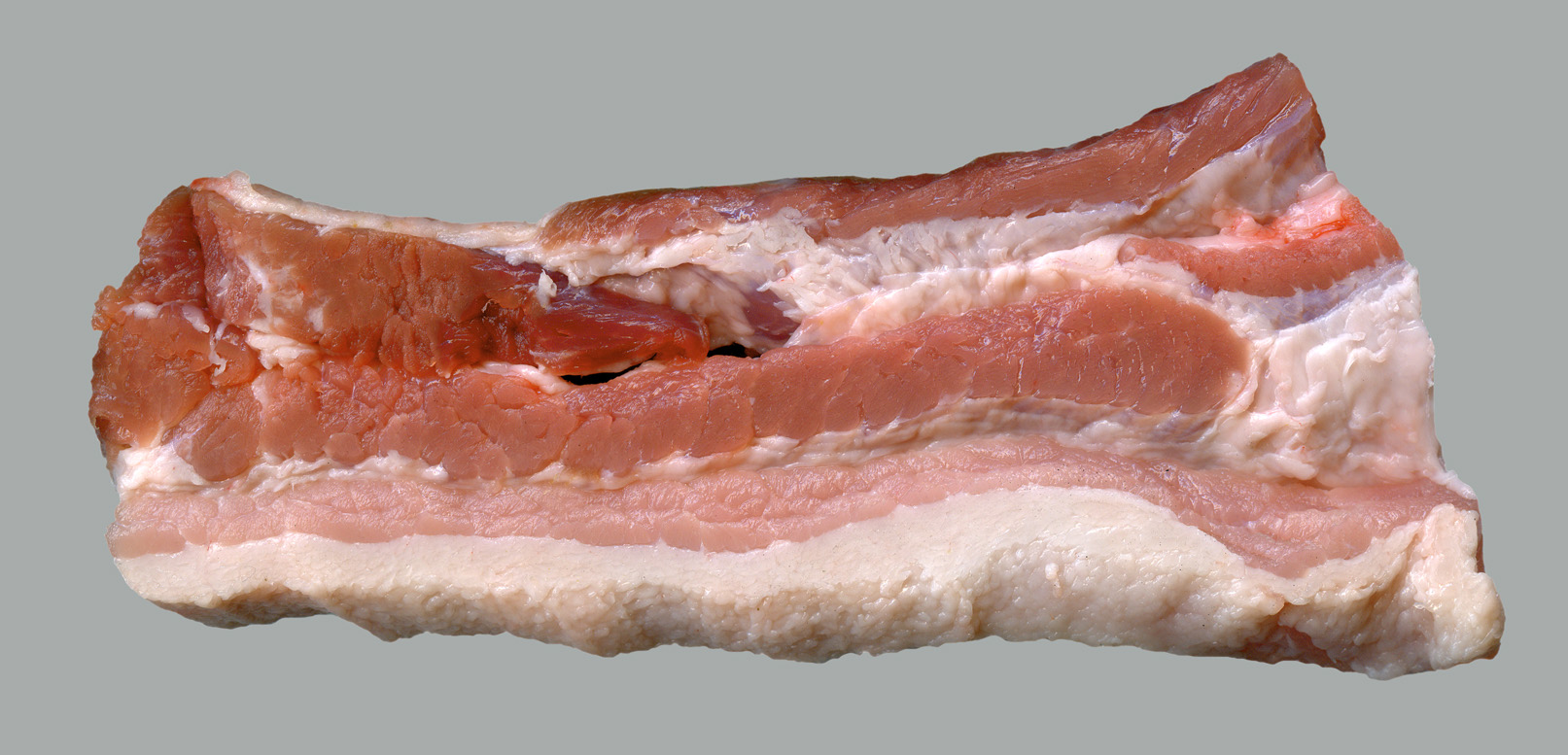
Subcutaneous adipose tissue, also known as subcutaneous , is primarily located in the hypodermis, the deepest layer of the , where it forms a continuous layer beneath the across the entire body. This tissue is distributed variably, with thicker depots commonly found in regions such as the , thighs, , and hips, serving to pad these areas and adapt to individual body morphology. In terms of composition, subcutaneous adipose tissue consists predominantly of white adipocytes, which are specialized cells for lipid storage, surrounded by an rich in fibers (particularly types I, III, and VI) and . These fibrous components provide structural integrity, elasticity, and mechanical resilience to the tissue, allowing it to expand and contract with body movements and weight changes. The primary functions of subcutaneous adipose tissue include , which helps conserve by reducing heat loss to the environment, particularly in colder conditions. It also provides mechanical cushioning, absorbing impacts and shocks to protect underlying muscles, bones, and organs from trauma, while acting as a physical barrier to diffuse mechanical stress across the skin surface. Sexual dimorphism is evident in subcutaneous adipose tissue distribution, with women generally exhibiting greater accumulation, especially in the gluteofemoral ( and ) regions, to support energy demands during and . This pattern contrasts with visceral adipose tissue, which accumulates more in men and carries higher metabolic risks.

Visceral adipose tissue

Visceral adipose tissue (VAT) is a metabolically active form of situated deep within the , encasing vital organs such as the liver, intestines, , and . It occupies the and includes prominent structures like the —a double-layered fold of extending from the to adjacent organs—and the , which anchors the intestines to the . These locations position VAT in close proximity to the portal circulation, enabling direct metabolic interactions with the digestive and hepatic systems. Structurally, VAT is characterized by greater vascular density and neural innervation relative to subcutaneous adipose tissue, supporting its heightened secretory and lipolytic functions. This enhanced blood supply and nerve connectivity facilitate rapid nutrient exchange and responsiveness to systemic signals. In the context of , VAT adipocytes undergo pronounced , expanding cell size to accommodate excess storage, which alters tissue architecture and function. A notable subtype of VAT is epicardial adipose tissue, which forms a thin layer enveloping approximately 80% of the heart's surface and aligning with the coronary arteries. This depot shares a common microcirculation with the myocardium, allowing it to provide localized energy substrates and modulate cardiac performance through paracrine signaling. Physiologically, VAT functions as an energy depot, releasing free fatty acids directly into the to fuel hepatic and intestinal during periods of demand. This portal drainage ensures efficient local supply to abdominal organs. However, accumulation of excess VAT elevates the delivery of free fatty acids to the liver via this route, promoting dysregulated processing.

Ectopic and marrow adipose tissue

Ectopic fat refers to the abnormal accumulation of in non-adipose tissues that typically store only minimal amounts of , such as the liver, , heart, and . In the liver, this manifests as hepatic steatosis, a hallmark of , where excess impairs hepatic insulin signaling and promotes . Similarly, intramyocellular lipids in disrupt insulin-mediated by activating and increasing diacylglycerol levels, while myocardial triglyceride deposition in the heart is linked to diastolic dysfunction and reduced cardiac efficiency. These depositions contribute directly to systemic , a key driver of , by interfering with metabolic processes in affected organs. In , ectopic fat often arises from spillover when visceral adipose tissue storage capacity is overwhelmed, leading to overflow into non-adipose sites. Marrow adipose tissue (), a distinct depot within the , arises from mesenchymal stromal cells and occupies space alongside hematopoietic and osteogenic elements. expansion is inversely correlated with hematopoiesis, as increased volume in the marrow niche suppresses maintenance and differentiation through paracrine factors like . Its development and volume are regulated by factors including aging, which promotes adipogenic differentiation of marrow progenitors at the expense of osteogenesis, and hormones such as , where deficiency leads to elevated while exogenous suppresses its accumulation via hypothalamic and peripheral signaling. Elevated levels are implicated in heightened risk, as they inhibit activity, enhance osteoclastogenesis, and correlate with reduced density and increased susceptibility. Detecting ectopic and marrow adipose tissue poses challenges due to their distinction from physiological depots, often requiring advanced imaging like (MRI) for noninvasive quantification of fat fractions in muscle, liver, or marrow, or histological for confirmatory analysis of cellular composition and content.

Cellular Composition and Development

Adipocyte structure and types

s are the primary parenchymal cells of adipose tissue, specialized for storage and metabolism, and exhibit distinct morphological features depending on their type. adipocytes, the predominant cells in , are characterized by a single large unilocular that occupies most of the cell volume, displacing the nucleus and other organelles to the periphery. These cells typically range in diameter from 10 to 200 μm, with size variation influenced by nutritional status and depot location, allowing for substantial accumulation. Their cytoplasm contains scant mitochondria and minimal , reflecting their primary role in rather than dissipation. Recent studies as of 2025 have identified additional classical and nonclassical subtypes, enhancing understanding of cellular heterogeneity. Brown adipocytes, found mainly in brown adipose tissue, possess multiple small multilocular lipid droplets scattered throughout the , with a centrally located nucleus. These cells are enriched with iron-containing mitochondria, which impart a brownish hue due to the high of , and typically measure 15 to 50 μm in . A hallmark feature is their extensive vascularization, featuring a dense network that supports high oxygen demands for uncoupled respiration and production. Beige adipocytes represent an inducible intermediate form that arises within white adipose depots under stimuli such as exposure or β-adrenergic signaling, displaying a transitional morphology. In their basal state, they resemble adipocytes with predominantly unilocular lipid droplets, but upon activation, they develop multilocularity with smaller droplets and increased , including expression of uncoupling protein 1 (). Their nucleus remains central, and mitochondrial content can rise substantially, though generally less than in classical brown adipocytes. Beyond adipocytes, adipose tissue includes various non-adipocyte components that contribute to its structural integrity and function, although comprising the majority of the cell number (over 50%), the non-adipocyte components represent less than 10% of the tissue due to the large size of adipocytes. Endothelial cells form the vascular network essential for nutrient delivery and , while fibroblasts produce the that provides mechanical support. Immune cells, such as macrophages and lymphocytes, are embedded within this matrix, modulating tissue and response to environmental cues.

Adipogenesis process

is the developmental process by which (MSCs) commit to the preadipocyte lineage and subsequently undergo terminal differentiation into mature . This process begins with the proliferation and determination of MSCs, multipotent cells derived from the , which are induced to adopt an adipocyte fate through specific signaling pathways. Following commitment, preadipocytes enter a phase of mitotic clonal expansion, where they replicate to increase their population before halting and initiating terminal differentiation. During this final stage, preadipocytes accumulate , form large droplets, and express genes essential for and insulin responsiveness, resulting in mature unilocular or multilocular depending on the depot and stimuli. Emerging research highlights genes like cTAGE5 as essential for and adipose tissue development. Central to adipogenesis is a transcriptional cascade orchestrated by key factors, with (PPARγ) serving as the master regulator that coordinates the expression of adipocyte-specific genes. PPARγ forms a heterodimer with retinoid X receptor alpha (RXRα) and binds to peroxisome proliferator response elements in target gene promoters, driving the metabolic reprogramming necessary for lipid storage and hormone production. The CCAAT/enhancer-binding protein (C/EBP) family complements PPARγ in a sequential manner: C/EBPβ and C/EBPδ are induced early by growth factors and initiate the cascade by activating PPARγ and C/EBPα expression, while C/EBPα then sustains the differentiated state by reinforcing PPARγ activity and promoting insulin sensitivity in mature adipocytes. Environmental cues tightly regulate adipogenesis, with several hormones and signaling pathways promoting or inhibiting the process. Insulin and glucocorticoids synergize to enhance preadipocyte differentiation by activating and pathways, respectively, which upregulate C/EBPβ expression and facilitate entry into the . Thiazolidinediones (TZDs), synthetic PPARγ agonists, potently induce by stabilizing PPARγ's active conformation and increasing its transcriptional activity, as demonstrated in both and models. Conversely, Wnt signaling inhibits by maintaining preadipocytes in an undifferentiated state; canonical Wnt/β-catenin pathway activation suppresses C/EBPα and PPARγ expression through β-catenin-mediated repression of their promoters. Depot-specific differences influence rates, with subcutaneous adipose tissue exhibiting higher proliferative and differentiative potential compared to visceral depots. Preadipocytes from subcutaneous regions, such as abdominal or femoral , demonstrate greater replication capacity—up to 2.5-fold higher after multiple passages—and more efficient terminal differentiation, marked by elevated PPARγ and C/EBPα levels, than those from visceral omental . In contrast, visceral preadipocytes primarily undergo with limited , contributing to their reduced adaptability during and potentially exacerbating metabolic dysfunction. These intrinsic, heritable differences persist across cell generations and are independent of systemic factors.

Stromal vascular fraction

The stromal vascular fraction (SVF) of adipose tissue consists of a heterogeneous population of non-adipocyte cells that provide structural, vascular, and regenerative support within the tissue. This fraction primarily includes adipose-derived stem cells (ASCs), which are multipotent mesenchymal cells capable of differentiating into various lineages; endothelial cells, which line vessels; , which stabilize vascular structures; macrophages, which contribute to tissue remodeling; and hematopoietic cells such as T-cells, which participate in immune responses. These cells collectively represent the majority (over 50%) of the total cellular content in fresh adipose tissue isolates, with proportions varying by depot location and isolation conditions. SVF is typically isolated through enzymatic digestion of adipose tissue, a process that separates the buoyant adipocytes from the denser stromal components. The method involves mincing the tissue, incubating it with collagenase to disrupt the and release cells, followed by ; adipocytes float to the top due to their content, while the SVF forms a pellet at the bottom that is resuspended and filtered to remove debris. This enzymatic approach, first described in seminal work by Rodbell in 1964, yields a viable cell mixture enriched in and supportive cells without requiring cell expansion. The cells in SVF play critical roles in maintaining adipose tissue homeostasis and function. Endothelial cells and promote by forming and stabilizing vascular networks, with ASCs and macrophages secreting (VEGF) to stimulate endothelial proliferation and vessel maturation. Macrophages and ASCs also mediate immune modulation by polarizing to M2 phenotypes and releasing cytokines like IL-10, which dampen excessive immune responses within the tissue. Additionally, fibroblasts and contribute to (ECM) remodeling by producing collagens and matrix metalloproteinases, facilitating tissue expansion and repair. These interactions support SVF's role in processes like , where SVF cells provide paracrine signals to guide maturation. Due to its rich content of ASCs, SVF holds significant therapeutic potential in , particularly for applications. ASCs from SVF can be seeded onto scaffolds to promote vascularized tissue constructs, as demonstrated in bone regeneration models where they enhance osteogenesis and integration with beta-tricalcium phosphate scaffolds. In soft tissue reconstruction, such as fat grafting for , SVF supplementation improves graft survival by boosting and reducing resorption rates. Clinical trials have further validated SVF's efficacy in and cardiovascular repair, leveraging its proangiogenic and immunomodulatory properties to accelerate tissue regeneration without eliciting strong immune rejection.

Physiological Functions

Energy storage and lipid metabolism

Adipose tissue serves as the primary site for in the body, predominantly through (WAT), which accumulates excess energy as triglycerides in lipid droplets within adipocytes. This process is crucial for maintaining , allowing the storage of surplus calories from dietary carbohydrates and fats during periods of nutrient abundance. In WAT, predominates, enabling the conversion and sequestration of energy substrates to prevent ectopic deposition in metabolically active tissues like liver and muscle. De novo lipogenesis (DNL) in adipose tissue involves the synthesis of fatty acids from non-lipid precursors, primarily glucose, which is transported into adipocytes and metabolized to . This is then carboxylated by (ACC) to form , followed by iterative elongation and reduction catalyzed by (FAS) to produce palmitate, the main product of DNL. The resulting fatty acids are esterified with glycerol-3-phosphate in the to form triglycerides, which are stored in large unilocular droplets characteristic of adipocytes. This pathway is highly regulated and contributes significantly to fat mass expansion in WAT under fed conditions. Lipolysis represents the counterbalancing process, mobilizing stored triglycerides during energy demand to release free fatty acids (FFAs) and glycerol for use by other tissues. The initial and rate-limiting step is catalyzed by adipose triglyceride lipase (ATGL), which hydrolyzes triacylglycerol to diacylglycerol and FFA. Subsequent steps involve hormone-sensitive lipase (HSL), activated by phosphorylation via protein kinase A in response to catecholamines or glucagon, further breaking down diacylglycerol to monoacylglycerol and additional FFAs, with the final step handled by monoacylglycerol lipase. The overall reaction can be summarized as: Triacylglycerol+H2ODiacylglycerol+FFA\text{Triacylglycerol} + \text{H}_2\text{O} \rightarrow \text{Diacylglycerol} + \text{FFA} (catalyzed sequentially by ATGL and HSL). In WAT, lipolysis is tightly controlled to match energy needs, with FFAs serving as substrates for β-oxidation in tissues like skeletal muscle and heart during fasting. The dominance of these processes in white adipose tissue underscores its role in systemic energy balance, where lipogenesis promotes storage in the fed state and lipolysis facilitates mobilization during fasting or exercise. Hormonal signals, such as insulin suppressing lipolysis and promoting DNL while glucagon and catecholamines stimulate the reverse, integrate these pathways with whole-body nutrient status. This bidirectional regulation ensures that WAT acts as a dynamic reservoir, buffering fluctuations in energy availability and preventing metabolic dysregulation.

Endocrine and paracrine signaling

Adipose tissue functions as an active endocrine organ, secreting a variety of hormones and signaling molecules known as adipokines that exert systemic effects on , , and . These adipokines, produced primarily by s, act through endocrine mechanisms to influence distant organs such as the , liver, and . Beyond endocrine actions, adipose tissue also engages in , where locally released factors affect neighboring cells within the tissue or adjacent structures, and autocrine loops that regulate adipocyte function itself. Among the key adipokines, leptin, discovered in 1994, is secreted in proportion to adipose mass and primarily suppresses appetite by acting on hypothalamic neurons to reduce food intake and increase energy expenditure. Leptin also promotes lipolysis in adipocytes and enhances insulin sensitivity in peripheral tissues, contributing to overall energy homeostasis. In contrast, adiponectin, identified in the mid-1990s, is inversely related to adiposity and plays a crucial role in insulin sensitization by activating AMP-activated protein kinase (AMPK) in liver and muscle, thereby improving glucose uptake and fatty acid oxidation while exerting anti-inflammatory effects. Resistin, first described in 2001, is associated with inflammation and insulin resistance; it stimulates proinflammatory cytokine production in macrophages and impairs glucose homeostasis by increasing hepatic gluconeogenesis, though its role is more pronounced in rodents than in humans. Paracrine signaling in adipose tissue involves the local release of cytokines such as tumor necrosis factor-alpha (TNF-α), which is produced by s and infiltrating macrophages to influence nearby cells, including promoting in s and endothelial cells within the tissue microenvironment. Autocrine loops, such as those involving TNF-α and free fatty acids, further drive by reinforcing local and lipid accumulation, thereby amplifying tissue remodeling during expansion. These local interactions highlight adipose tissue's role in coordinating intra-tissue responses to nutritional cues. Notably, visceral adipose tissue exhibits distinct signaling profiles compared to subcutaneous adipose tissue, with the former secreting higher levels of proinflammatory adipokines like TNF-α, interleukin-6 (IL-6), and , which contribute to a more adverse metabolic milieu. This differential output arises from the anatomical proximity of visceral fat to the portal circulation and its greater susceptibility to inflammatory infiltration, whereas subcutaneous depots tend to produce more protective factors like . Such depot-specific differences underscore the varied contributions of adipose compartments to systemic signaling. Systemically, adipose-derived adipokines regulate glucose through mechanisms like adiponectin's enhancement of insulin action and leptin's modulation of hepatic glucose output, helping maintain euglycemia under varying nutritional states. Additionally, adipose tissue produces angiotensinogen, the precursor to angiotensin II, which influences by promoting and sodium retention via the renin-angiotensin system; elevated angiotensinogen from adipose, particularly visceral, links excess fat to . Thermogenic beige adipocytes further contribute to blood pressure regulation by suppressing QSOX1, a circulating enzyme that promotes vascular fibrosis and stiffening; loss of beige fat identity derepresses QSOX1, leading to vascular remodeling and elevated hypertension risk. These endocrine effects position adipose tissue as a central integrator of metabolic and cardiovascular regulation.

Thermoregulation and insulation

Adipose tissue plays a critical role in by providing , particularly through subcutaneous deposits that minimize heat loss from the body core. Subcutaneous adipose tissue acts as a barrier with low thermal conductivity, approximately 0.21 ·m⁻¹·°C⁻¹, which is significantly lower than that of lean tissues, thereby reducing conductive to the environment. This insulating property is enhanced in individuals with greater subcutaneous fat thickness, which correlates with improved stability of core body temperature during exposure to cold conditions. In humans, this layer helps maintain thermal by slowing heat dissipation, especially in peripheral regions. Beyond passive insulation, certain types of adipose tissue contribute to active production via non-shivering . and adipose tissues generate through uncoupling protein 1 (UCP1)-mediated processes, dissipating energy as warmth without . This thermogenic activity is primarily activated by norepinephrine released from sympathetic nerves in response to cold exposure, enabling rapid elevation of body temperature. In adults, fat within adipose depots can be recruited to support this function, supplementing fat's role in overall balance. Adipose tissue also provides mechanical cushioning, protecting vital organs and joints from physical trauma. Subcutaneous and visceral layers absorb impact forces, reducing the risk of to underlying structures during falls or collisions. In joints, such as the , intra-articular adipose depots like the serve as shock absorbers, distributing mechanical loads and preventing direct bone-on-bone contact. This protective function is evident in both humans and animals, where thicker adipose padding correlates with lower trauma susceptibility. Evolutionarily, adipose tissue adaptations for are pronounced in hibernating mammals, where fat accumulation supports sustained warmth during . In species like bats and , expands significantly in the pre-hibernation phase, providing a reservoir for non-shivering to facilitate periodic arousals and prevent lethal . This increase in adipose volume, often doubling or more, enables energy-efficient heat production from stored , an refined over millions of years to survive seasonal cold without external food sources. Such traits highlight adipose tissue's integral role in survival strategies across diverse taxa.

Regulation and Molecular Mechanisms

Hormonal and neural control

Adipose tissue function is tightly regulated by hormonal signals that modulate storage and mobilization. Insulin, secreted by pancreatic β-cells in response to elevated glucose, promotes in adipocytes by enhancing glucose uptake via translocation and activating transcription factors such as SREBP-1c, which upregulate enzymes. This anabolic effect is counterbalanced by catecholamines, including norepinephrine and epinephrine, which bind to β3-adrenergic receptors on adipocytes to stimulate through cyclic AMP-mediated activation of hormone-sensitive lipase, releasing free fatty acids into circulation. In , this pathway also drives by uncoupling via , thereby dissipating energy as heat to maintain body temperature. Neural control predominantly involves the , which innervates both white and brown adipose depots to integrate signals with peripheral energy demands. Sympathetic nerve terminals release norepinephrine directly onto adipocytes, reinforcing catecholamine-induced and , while vascular innervation modulates blood flow to support nutrient delivery. Co-released from these terminals acts presynaptically to inhibit further norepinephrine release, thereby dampening and promoting fat storage during periods of energy surplus. Parasympathetic innervation, though less dominant, has been observed in specific depots such as perivascular adipose tissue, potentially contributing to vasodilatory effects that influence local . Feedback mechanisms link adipose tissue to hypothalamic energy sensing, exemplified by leptin, an adipocyte-derived hormone that signals to the arcuate nucleus, suppressing appetite and enhancing sympathetic outflow to promote and energy expenditure. This loop maintains by adjusting food intake and expenditure based on adipose reserves. Circadian rhythms further fine-tune these processes, with the Per2 gene oscillating in adipocytes to regulate diurnal lipid fluxes; Per2 directly interacts with PPARγ to control expression of lipogenic and lipolytic genes, ensuring timed alignment of metabolism with daily feeding-fasting cycles.

Genetic and epigenetic factors

Genetic and epigenetic factors play a pivotal role in determining adipose tissue traits, including fat distribution, adipocyte differentiation, and metabolic function. Heritability estimates for body fat distribution range from 30% to 50%, indicating a substantial genetic contribution to individual variations in adiposity. These inherited influences interact with environmental factors to shape adipose tissue development and function, often through specific variants that modulate . Key genes such as FTO (fat mass and obesity-associated) have been implicated in risk. Common variants in FTO, including rs9939609, are linked to increased (BMI) and heightened susceptibility by influencing regulation and food intake in the . Similarly, mutations in (), a master regulator of , impair differentiation and are associated with altered fat storage and increased risk. These genetic alterations highlight how disruptions in transcriptional control can lead to dysregulated adipose tissue expansion. Epigenetic modifications further fine-tune in adipose tissue without altering the DNA sequence. of the LEP () promoter region has been shown to inversely correlate with expression levels in adipocytes, potentially contributing to metabolic imbalances in . Additionally, patterns regulate the transcriptional activity of genes involved in adipose tissue browning, promoting metabolic adaptability through enhanced accessibility. Genome-wide association studies (GWAS) have identified over 1,000 genetic loci associated with BMI and adiposity traits, providing insights into the polygenic architecture of adipose tissue regulation. These loci often cluster around genes involved in neuronal signaling, , and development, underscoring the complex genetic basis of fat accumulation and distribution.

White-to-brown fat conversion

White-to-brown fat conversion, also known as browning of , is primarily induced by environmental stimuli such as cold exposure or exercise, which activate β-adrenergic signaling pathways. These stimuli engage β3-adrenergic receptors on adipocytes, leading to increased cyclic AMP (cAMP) production and subsequent activation of (PKA). The cAMP-PKA pathway then phosphorylates key transcription factors, including CREB and p38 MAPK, which upregulate γ coactivator 1-α (PGC-1α) and PRDM16, core regulators that drive the thermogenic program in white adipocytes. PGC-1α promotes , while PRDM16 directs progenitor cells toward a brown-like fate by repressing white adipocyte genes and activating brown-specific ones. This conversion involves distinct changes in that confer thermogenic capacity to adipocytes, transforming them into cells with multilocular droplets and high mitochondrial density. Key thermogenic genes upregulated include uncoupling protein 1 (), which dissipates proton gradient for heat production; type 2 (DIO2), which activates thyroid hormone to enhance metabolism; and cell death-inducing DFFA-like effector A (CIDEA), which supports remodeling. Conversely, microRNA-133b (miR-133b) acts as an inhibitor by directly targeting the 3' of PRDM16 mRNA, suppressing its expression and thereby blocking browning; its downregulation during differentiation allows PRDM16 accumulation and induction of and CIDEA by up to threefold. Bioinformatics approaches have elucidated the heterogeneity and epigenetic dynamics of this process. Single-cell RNA sequencing (scRNA-seq), including single-nucleus variants, profiles individual adipocytes to reveal subpopulations during browning, such as UCP1-dependent and futile cycle-based beige cells in inguinal white adipose tissue, highlighting variable thermogenic responses to cold. Chromatin immunoprecipitation sequencing (ChIP-seq) maps epigenetic modifications, showing that PRDM16 recruits mediator complex subunit 1 (MED1) to enhancers of brown fat genes like UCP1 and PGC-1α, altering chromatin architecture to sustain the thermogenic state. The browning process exhibits partial reversibility, with "whitening" occurring upon stimulus removal, such as detraining after exercise or return to thermoneutrality, leading to lipid accumulation, unilocular droplets, and downregulation of and PGC-1α. This reversion reduces thermogenic capacity but can be partially reversed by renewed stimulation, though chronic high-fat feeding may induce more persistent whitening. Beige adipocytes formed via this conversion maintain an inducible identity distinct from classical brown fat.

Clinical Significance

Role in obesity and metabolic disorders

Adipose tissue expansion in obesity occurs through two primary mechanisms: , characterized by an increase in size due to accumulation, and , involving an increase in number through differentiation of precursor cells. Hypertrophic growth predominates in moderate and is often associated with visceral adipose depots, contributing to metabolic complications such as and , whereas hyperplastic expansion tends to occur in subcutaneous depots and may preserve metabolic health better. In individuals with , visceral adipose is particularly prevalent, exacerbating the release of deleterious factors into circulation. Excess adipose tissue in leads to primarily through the spillover of free fatty acids (FFAs) from overfilled adipocytes, which inhibits in and other tissues. This ectopic lipid accumulation, driven by adipose exceeding storage capacity, elevates circulating FFAs that impair insulin signaling pathways, such as via activation of . Consequently, chronic FFA spillover promotes systemic , a hallmark of obesity-related metabolic dysfunction. Adipose tissue dysfunction is strongly linked to and non-alcoholic (NAFLD) through the adipose expandability hypothesis, which posits that limited capacity for healthy fat storage leads to lipid overflow into non-adipose organs, causing . Research in the , including studies on PPARγ-mediated , highlighted how impaired expandability in subcutaneous depots forces preferential visceral fat accumulation, heightening risks for and hepatic . This mechanism underscores why certain obese individuals develop metabolic disorders despite similar body weights. Ethnic variations in adipose distribution further amplify these risks; South Asians exhibit higher visceral fat accumulation relative to total body fat compared to other groups, even at lower BMI levels, which independently increases risk. This predisposition stems from genetic and environmental factors promoting central , contributing to elevated rates of and in this population. may mediate some of these associations by amplifying adipose-derived signals. Furthermore, loss of beige adipose tissue increases hypertension risk through vascular remodeling, as thermogenic beige fat suppresses QSOX1, an enzyme that promotes vessel stiffening; its absence leads to derepression of QSOX1 and elevated blood pressure.

Adipose tissue inflammation

Adipose tissue manifests as a chronic low-grade process in dysfunctional adipose depots, particularly during , where it contributes to metabolic dysregulation. This arises from an imbalance in immune cell activity and tissue stress signals, leading to persistent release and tissue remodeling. In healthy adipose tissue, resident macrophages maintain an state, but under pathological expansion, they shift toward proinflammatory profiles that exacerbate local and systemic effects. A key feature of this involves polarization within the adipose stroma. In lean states, adipose tissue macrophages (ATMs) predominantly adopt an M2-like , promoting tissue through secretion of mediators like IL-10. In contrast, induces a switch to an M1-like proinflammatory state, characterized by the production of cytokines such as tumor necrosis factor-alpha (TNF-α) and interleukin-6 (IL-6), which amplify inflammatory cascades and impair insulin signaling. This polarization shift is driven by adipocyte-derived signals and is a hallmark of crown-like structures formed around dying adipocytes. Several triggers initiate and sustain this inflammatory milieu. Adipocyte hypertrophy, common in obesity, outpaces vascularization, resulting in localized hypoxia that activates hypoxia-inducible factor-1α (HIF-1α) and promotes chemokine expression to recruit immune cells. Additionally, death of hypertrophied adipocytes releases damage-associated molecular patterns (DAMPs), such as free fatty acids and ATP, which act as alarm signals to further stimulate macrophage infiltration and activation. These mechanisms create a self-perpetuating cycle of immune cell accumulation and cytokine release. The consequences of unresolved include progressive , which stiffens the (ECM) and limits healthy adipose expansion. Transforming growth factor-beta (TGF-β), upregulated by proinflammatory macrophages, drives activation and excessive deposition, leading to ECM remodeling that impairs function and promotes metabolic stiffness. This fibrotic response reduces tissue expandability, confining storage and contributing to ectopic deposition. Clinically, adipose tissue inflammation is reflected in elevated circulating biomarkers, particularly in obese individuals. C-reactive protein (CRP), an acute-phase reactant induced by IL-6, is markedly increased and correlates with adipose inflammatory burden. Monocyte chemoattractant protein-1 (MCP-1), secreted by adipocytes and macrophages, facilitates further immune recruitment and serves as an early indicator of ongoing inflammation. These markers underscore the link between adipose dysfunction and broader obesity progression.

Therapeutic interventions

Therapeutic interventions targeting adipose tissue aim to mitigate metabolic diseases by modulating fat distribution, enhancing thermogenic capacity, and improving lipid metabolism. Pharmacological approaches, such as glucagon-like peptide-1 (GLP-1) receptor agonists, have demonstrated efficacy in reducing visceral adipose tissue, a key contributor to insulin resistance and cardiovascular risk. For instance, meta-analyses indicate that GLP-1 receptor agonists like liraglutide and semaglutide significantly decrease visceral fat mass, with reductions of up to 11% for liraglutide and 25-40% for semaglutide in clinical trials, alongside improvements in hepatic fat content, through mechanisms involving appetite suppression and direct effects on adipocyte lipogenesis. Similarly, sodium-glucose cotransporter 2 (SGLT2) inhibitors, including empagliflozin and canagliflozin, promote the browning of white adipose tissue by upregulating uncoupling protein 1 (UCP1) expression and mitochondrial biogenesis via pathways like AMPK activation, thereby enhancing energy expenditure and attenuating obesity-induced inflammation. Clinical trials have shown these agents reduce body weight by 2-5% while shifting adipose phenotype toward a more metabolically favorable state. Surgical interventions, particularly bariatric procedures like Roux-en-Y gastric bypass and , profoundly alter the gut-adipose axis to achieve substantial and sustained . These operations modify gut hormone secretion, such as increased GLP-1 and levels, which in turn influence adipose remodeling by reducing visceral fat accumulation and promoting subcutaneous fat redistribution. Patients typically experience 15-30% total body within the first year post-surgery, accompanied by resolution of in 45-70% of cases, due to enhanced insulin sensitivity and reduced adipose inflammation. The gut microbiota shifts post-bariatric surgery further support adipose tissue health by increasing short-chain fatty acid production, which modulates energy harvest and . Emerging therapies focus on directly manipulating adipose plasticity to induce beneficial phenotypes. approaches targeting (PPARγ) activation aim to enhance differentiation and ; preclinical studies using PPARγ agonists or viral vectors have shown increased expression and multilocular formation in white adipocytes, potentially countering metabolic dysfunction. exposure protocols represent a non-invasive strategy to induce beige adipogenesis, where intermittent mild (e.g., 15-19°C for 2-6 hours daily) stimulates sympathetic activation of β3-adrenergic receptors, leading to upregulation and improved in subcutaneous adipose tissue. Human trials confirm that such interventions increase beige fat activity, with enhancements in expression and . Despite these advances, challenges persist in adipose-targeted interventions, including rebound whitening of beige adipocytes upon cessation of stimuli, where formerly thermogenic cells revert to a white , diminishing long-term metabolic benefits. This plasticity underscores the need for sustained activation strategies to prevent relapse in energy expenditure. Additionally, sex-specific responses complicate therapeutic efficacy; for example, females exhibit greater adipose remodeling and in response to cold exposure, potentially due to estrogen-mediated enhancements in sympathetic innervation. Emerging oral GLP-1 receptor agonists, such as orforglipron, have shown mean weight reductions of up to 11.2% in clinical trials as of September 2025. These differences necessitate personalized approaches to optimize outcomes across sexes.

Measurement and Research Methods

Body composition assessment

Body composition assessment involves non-invasive techniques to estimate total and regional adipose tissue, aiding in the evaluation of fat mass and its distribution without requiring advanced equipment. These methods are widely used in clinical and epidemiological settings due to their accessibility and cost-effectiveness, though they vary in precision for quantifying adipose tissue specifically. Anthropometric measures provide simple proxies for overall adiposity and fat distribution. , calculated as BMI=weight (kg)height (m)2BMI = \frac{\text{weight (kg)}}{\text{height (m)}^2}, serves as a quick indicator of body fat levels, correlating moderately with total adipose mass in population studies. However, BMI has significant limitations, as it does not differentiate between fat and muscle mass, potentially misclassifying muscular individuals as . The waist-to-hip ratio (WHR), obtained by dividing waist circumference by hip circumference, better reflects regional adipose distribution, particularly central versus peripheral fat deposition, with higher values indicating greater abdominal adiposity. Skinfold calipers measure subcutaneous adipose tissue thickness by compressing skin and underlying fat at specific sites, such as the or , to estimate overall through established equations. This technique is practical for field assessments but relies on operator skill for consistent results. (BIA) estimates fat mass by passing a low electrical current through the body and measuring impedance, which is lower in conductive fat-free mass than in insulating adipose tissue. BIA devices, ranging from handheld to multi-frequency models, offer rapid total body fat approximations suitable for large-scale studies. Despite their utility, these methods have notable limitations affecting accuracy in adipose tissue quantification. BIA results can be inaccurate in states of altered hydration, such as or overhydration, which alter electrical conductivity and thus estimates by up to 5-10%. Similarly, BMI overlooks variations in , such as higher muscle in athletes, leading to overestimation of adiposity. For superior precision, (DEXA) serves as the gold standard, achieving 1-2% error in measurement compared to criterion methods like . Advanced imaging techniques, such as MRI, can further refine regional assessments when needed.

Imaging and histological techniques

Magnetic resonance imaging (MRI) utilizing the Dixon method enables precise quantification of adipose tissue fat fraction by separating water and fat signals based on their chemical shift differences. This technique generates fat fraction maps that differentiate adipose depots and assess fat content with high accuracy, particularly useful for evaluating ectopic fat accumulation and (BAT) versus (WAT). Computed tomography (CT) scanning measures visceral adipose tissue area by thresholding Hounsfield units between -50 and -250, which correspond to fat density, allowing for volumetric quantification of intra-abdominal fat depots. This approach provides detailed cross-sectional images to distinguish visceral from subcutaneous adipose tissue, aiding in the assessment of cardiometabolic risk factors. Ultrasound offers a non-invasive, real-time method to measure subcutaneous adipose tissue thickness, typically using B-mode imaging to capture layered fat structures at multiple body sites. It is particularly valuable for longitudinal monitoring due to its portability and lack of radiation exposure. Positron emission -computed (PET-CT) with 18F-fluorodeoxyglucose (18F-FDG) detects BAT metabolic activity through visualization, highlighting activated brown fat regions in supraclavicular and paraspinal areas. This hybrid imaging modality correlates FDG avidity with thermogenic potential, though cold exposure is often required to induce detectable activity. Histological examination of adipose tissue commonly employs hematoxylin and (H&E) to evaluate size and morphology, revealing in obese states through measurements of cell and perimeter in tissue sections. For assessing BAT or browning, immunohistochemistry targets uncoupling protein 1 (), a key thermogenic marker, to quantify multilocular s and confirm depot-specific adaptations. Recent advances in the include for non-invasive depot differentiation, leveraging spectral signatures to distinguish adipose subtypes based on composition and vascularity without tissue processing. This emerging optical technique enhances high-throughput of adipose heterogeneity in preclinical models. As of 2025, integration with imaging techniques, such as AI-enhanced of visceral adipose tissue and ectopic fat from CT and MRI scans, has improved automated quantification and risk prediction accuracy.

Animal and in vitro models

Animal models have been instrumental in elucidating the mechanisms of adipose tissue biology, particularly through genetically modified and diet-induced strains. The , characterized by a homozygous in the gene (Lep^ob), serves as a classic model for leptin deficiency, resulting in hyperphagia, severe , and expanded depots due to impaired signaling from adipose-derived . This model has been widely used to study adipose tissue expansion and metabolic dysregulation, as the mice exhibit increased fat mass accumulation primarily in subcutaneous and visceral depots. Similarly, UCP1-knockout mice, generated by targeted disruption of the uncoupling protein 1 () gene, are employed to investigate non-shivering in ; these mice display cold sensitivity and reduced heat production in brown fat but maintain normal body weight under standard conditions, highlighting UCP1's specific role in mitochondrial uncoupling. For diet-induced , rats fed high-fat diets (typically 40-60% calories from fat) develop progressive adiposity, , and adipose tissue over 8-16 weeks, mimicking environmental contributions to obesity in a polygenic context. In vitro models complement animal studies by enabling controlled examination of differentiation and function. The 3T3-L1 preadipocyte cell line, derived from embryos, is a standard for differentiation assays; upon treatment with insulin, dexamethasone, and , these cells undergo a multi-step process to form lipid-laden , recapitulating key aspects of white including expression of PPARγ and accumulation. primary , isolated from subcutaneous or visceral biopsies via collagenase digestion, provide a more physiologically relevant system for studying human-specific responses, such as and hormone secretion, though their isolation yields fragile, buoyant cells that require specialized culture techniques like ceiling culture to maintain viability. Mouse models offer advantages in genetic tractability, allowing precise manipulations like knockouts to dissect functions , but they differ from humans in adipose distribution—mice predominantly store fat subcutaneously, whereas humans favor visceral depots—and exhibit higher metabolic rates, potentially limiting translatability. systems like 3T3-L1 provide high reproducibility and ease of but lack the multicellular complexity of native tissue, while primary human cells better reflect inter-individual variability yet suffer from donor-dependent heterogeneity and limited scalability. Advanced high-throughput approaches enhance model sophistication. Organ-on-chip platforms integrate adipocytes with vascular in microfluidic devices to model adipose-vascular interactions, such as nutrient transport and , enabling dynamic studies of hypoxia or in a 3D context. CRISPR-Cas9 editing facilitates targeted gene perturbations in adipocytes or preadipocytes, as demonstrated by enhancing UCP1 expression to promote , thereby assessing gene functions in and with high precision. These models have been applied in research, where UCP1-knockout and CRISPR-edited systems reveal compensatory mechanisms in white-to-brown fat conversion. As of 2025, single-cell RNA sequencing has emerged as a powerful method to unravel depot-specific cellular mechanisms and adipose tissue heterogeneity, identifying novel therapeutic targets in and .

References

Add your contribution
Related Hubs
User Avatar
No comments yet.