Hubbry Logo
LangheLangheMain
Open search
Langhe
Community hub
Langhe
logo
8 pages, 0 posts
0 subscribers
Be the first to start a discussion here.
Langhe
Langhe
from Wikipedia
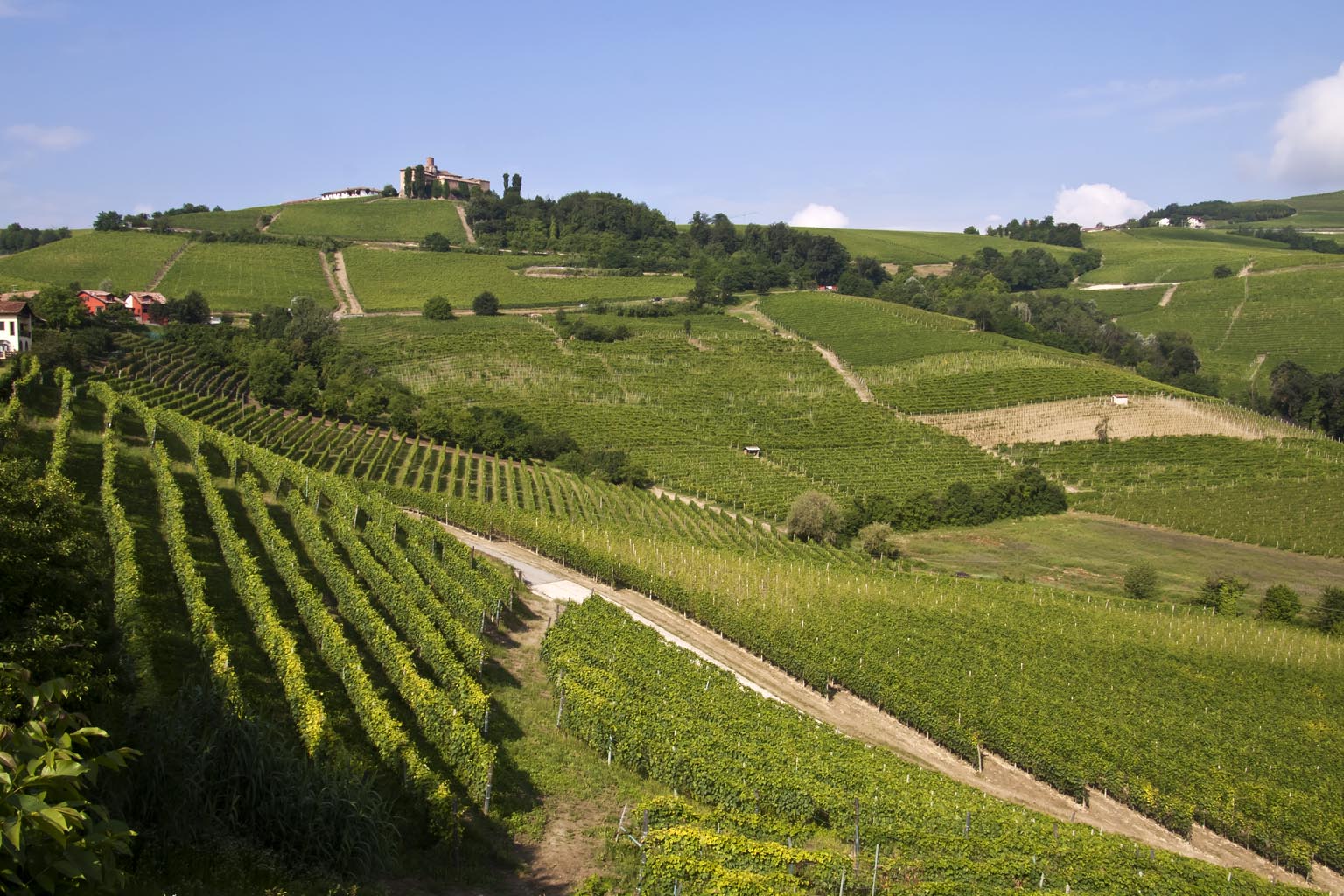
Serralunga d’Alba and its vineyards

Key Information

A Cabernet Sauvignon/Barbera blend from the Langhe DOC

The Langhe (Italian: [ˈlaŋɡe], Piedmontese: [ˈlɑŋɡe]; Latin: Mons Langa et Bassa Langa), usually Langa when referring to each of its subdivisions, is a historical hilly area to the south and east of the river Tanaro in the provinces of Cuneo and Asti in Piedmont, northern Italy.

It is famous for its wines, cheeses, and truffles—particularly the white truffles of Alba. The countryside as it was in the first half of the 20th century features prominently in the writings of Beppe Fenoglio and Cesare Pavese, who was born there, in Santo Stefano Belbo.

On 22 June 2014, a part of the Langhe was inscribed on UNESCO's World Heritage list[1] for its cultural landscapes, an outstanding living testimony to winegrowing and winemaking traditions that stem from a long history, and that have been continuously improved and adapted up to the present day. They bear witness to an extremely comprehensive social, rural and urban realm, and to sustainable economic structures. They include a multitude of harmoniously built elements that bear witness to its history and its professional practices.

Its vineyards constitute an outstanding example of man’s interaction with his natural environment. Following a long and slow evolution of winegrowing expertise, the best possible adaptation of grape varieties to land with specific soil and climatic components has been carried out, which in itself is related to winemaking expertise, thereby becoming an international benchmark. The winegrowing landscape also expresses great aesthetic qualities, making it an archetype of European vineyards.

Crutin cheese is made in Langhe.[2]

In geology, the Langhian Age of the Miocene Epoch is named for the Langhe region.

Viticulture

[edit]
[edit]

Langhe is the setting for PC Game Hundred Days - Winemaking Simulator.[3]

Note

[edit]
  1. ^ CNN - UNESCO's newest World Heritage sites
  2. ^ Harbutt, J. (2015). World Cheese Book. DK Publishing. p. 116. ISBN 978-1-4654-4372-4. Retrieved September 6, 2017.
  3. ^ "Hundred Days - Winemaking Simulator on Steam". store.steampowered.com. Retrieved 2024-05-22.
[edit]
Revisions and contributorsEdit on WikipediaRead on Wikipedia
from Grokipedia
The Langhe is a hilly region in the southern part of , , renowned for its UNESCO-listed vineyard landscapes and world-class wine production, particularly and from the grape. Spanning the provinces of and , it lies between the Tanaro River to the east and the Ligurian Apennines to the south, featuring rolling hills with diverse soils like , sandstone, and clay that contribute to the unique of its vineyards. Historically, in the Langhe dates back to at least the BCE, with evidence of vine pollen and early trade by Etruscan and Celtic peoples, later praised by Roman writers such as for its wines. The region's medieval heritage includes hilltop castles, Romanesque churches, and fortified villages that reflect centuries of winemaking traditions harmoniously integrated with the landscape. In the 19th and 20th centuries, it gained literary fame through authors like and Beppe Fenoglio, who drew inspiration from its rural life and WWII partisan history, while post-1990s has revitalized its economy. The Langhe's cultural and economic significance centers on its role as a global benchmark for , producing not only prestigious reds like Dolcetto d'Alba and Barbera d'Alba but also supporting local gastronomy with white truffles from Alba and hazelnuts. Designated a in 2014 as part of the "Vineyard Landscape of : Langhe-Roero and Monferrato," it exemplifies outstanding human interaction with the environment through sustainable winegrowing practices across nearly 10,000 hectares of classified vineyards. Today, the area attracts visitors for its scenic beauty, enogastronomic experiences, and landmarks like the 11th-century Castello di Grinzane Cavour, a historic wine estate.

Geography

Location and Boundaries

The Langhe is a hilly region located south and east of the Tanaro River in the region of . This positioning places it in the southern portion of , near the to the west and the Ligurian Apennines to the south, forming a distinct landscape of rolling hills. The region spans the provinces of and , covering approximately 200 square kilometers, with its geographic center at approximately 44°37′N 7°58′E. The Tanaro River serves as a natural boundary to the north and west, influencing the region's extent and adjacent viticultural areas. Within the Langhe, traditional subdivisions include the Alta Langa, characterized by higher and wilder hills reaching up to 800 meters in elevation in the southern areas bordering , and the Bassa Langa, featuring lower, more cultivated terrain up to 600 meters around the city of Alba. The Langhe also overlaps with the neighboring Roero to the north and Monferrato to the east in the broader World Heritage context for the Vineyard Landscape of . Key towns in the region include Alba, which serves as the economic and cultural hub; and , renowned for their wine heritage; La Morra, noted for its panoramic views; and Neive, a medieval village. These settlements are primarily concentrated in the Bassa Langa, supporting the region's administrative and communal divisions.

Topography and Geology

The Langhe region is characterized by elongated, steep-sided hills that extend parallel to the Tanaro River, forming a distinctive of narrow ridges and valleys. These hills, often referred to as "tongues of land" due to the etymology of the name "Langhe," which derives from Celtic origins describing the protruding hill formations, rise gradually from the river valleys. Elevations vary significantly, with the lowest points in the Tanaro Valley reaching approximately 150 meters above near Alba, while the higher elevations in the Alta Langa exceed 800 meters, creating a rugged of undulating slopes up to 600-900 meters in the upper areas. Geologically, the Langhe owes its formation to Miocene sedimentary deposits within the Tertiary Piedmont Basin, a at the junction of the and Apennines. The region's strata are primarily from the middle , including the Langhian Age (spanning approximately 15.98 to 13.82 million years ago), named after the exposed sandy-to-marly successions in the Langhe hills. The historical stratotype is in the area's Cessole Formation near Cessole village, while the official Global Stratotype Section and Point (GSSP) is defined at the La Vedova section near in the region. This period corresponds to the Climatic Optimum, marked by deep marine sediments deposited during tectonic extension and subsequent shortening phases. The dominant rock types are sedimentary, consisting of alternating layers of marls and , such as those in the Cortemilia and Cassinasco Formations, which formed through systems in a subsiding basin. These erosion-resistant , particularly the well-cemented Diano Sandstone, cap the highest hills and contribute to the steep, asymmetrical profiles of the ridges, with south-east facing slopes often steeper due to differential . The marly layers, more susceptible to , have carved out the characteristic terraced slopes that support the region's .

Climate and Soils

Climatic Conditions

The Langhe region experiences a characterized by cold winters, warm summers, and moderate , shaped by its position between the and the Apennines, which moderates influences. Average temperatures in range from 0°C to 5°C, with lows often dipping below freezing, while averages 20–25°C, providing sufficient heat for agricultural growth. Annual rainfall totals approximately 700–900 mm, predominantly occurring in spring and autumn, supporting vine development without excessive humidity. Microclimatic variations are pronounced across the region, with Alta Langa exhibiting harsher conditions akin to the Apennines, including frequent winter snowfall and cooler, crisper summers due to higher elevations. In contrast, Bassa Langa benefits from milder temperatures influenced by the proximity to the Tanaro River, which introduces warmer air currents and reduces frost risk. These differences create diverse growing environments that enhance the terroir's complexity, particularly in where local soils interact with these patterns to influence grape maturation. Autumn fog rising from the Tanaro Valley plays a crucial role in the region's agriculture, especially for grapes, by moderating daytime temperatures and prolonging the ripening period into , allowing for optimal phenolic development without overheating. This natural phenomenon contributes to the slow, even maturation essential for the variety's structure and aroma profile. Climate change has introduced challenges, with rising temperatures causing harvests to advance by 2–3 weeks since the , shifting from late to early in areas like . As of 2025, recent vintages, such as the early but balanced harvest, continue to demonstrate quality through ongoing adaptations like adjusted . Producers are adapting through practices such as earlier to adjust bud break timing and mitigate heat stress, preserving traditional wine quality amid warmer conditions.

Soil Types

The soils of the Langhe region, formed primarily from -era marine sediments, exhibit significant diversity that shapes the area's . Predominant in the central Langhe, particularly around and La Morra, is the Tortonian formation from the upper (approximately 11.6 to 7.2 million years ago). This formation features blue marls, often referred to as Sant'Agata Fossil Marls or helvetian clays, characterized by layered bluish marls alternating with fine sandstones, , and sand components. These soils are rich in and clay, providing a compact structure with moderate fertility. In higher elevations of the Langhe, such as Serralunga d'Alba and parts of , the Lequio Formation from the stage of the middle (approximately 13.8 to 11.6 million years ago) prevails. This formation consists of alternating layers of sands and marls, resulting in soils abundant in , clay, and , with occasional inclusions known locally as "Langhe Stone." These deposits yield a more varied texture, often with greater content that enhances water retention in the undulating terrain. Calcareous and clay-limestone soils dominate the Langhe proper, fostering a mineral-rich profile that contrasts with the sandier, less compositions in the adjacent Roero area to the north. Overall, these soils exhibit poor drainage due to their compact clay and layers, coupled with moderate fertility from limited , which encourages deep root systems in . These characteristics, in tandem with the regional , underpin the structured quality of wines produced in the Langhe.

History

Ancient and Medieval Periods

The earliest evidence of human activity in the Langhe region points to dating back to the , as indicated by vine pollen discovered in the area, which coincided with trade and cultural exchanges between the Etruscans and in . This prehistoric contact facilitated the introduction and cultivation of grapevines, laying the foundation for the region's enduring wine-growing tradition. By the Roman era, as noted by , , including the Langhe, was recognized as a key viticultural zone in ancient , with further documenting local production of wine barrels. The Langhe was initially settled by the Ligurian tribe known as the Statielli around the , a group of Mediterranean origin that established early communities, particularly in what became the city of Alba. Celtic influences soon followed, blending with Ligurian culture before Roman conquest in the integrated the area into the province of . The Romans renamed Alba as Alba Pompeia and introduced significant infrastructure, including roads that enhanced connectivity and expanded agricultural practices, such as systematic and crop diversification. During the medieval period from the 11th to 15th centuries, the Langhe saw the rise of hilltop castles constructed for defense amid frequent invasions by , , , and Saracens, transforming Alba into a fortified "city of 100 towers." Notable examples include the castle in Castiglione Falletto, built on 11th-century foundations by local feudal lords and later held by the Marquis of , whose marquisate encompassed parts of the Langhe until the mid-16th century. These structures not only provided protection but also anchored feudal land divisions, where noble families like the Falletti received vineyard estates as rewards for , solidifying the hierarchical organization of wine production. The region experienced ongoing conflicts between local lords and external powers, including rival Italian states and , which sought to dominate the strategic . By the early 17th century, following the Franco-Savoyard War of 1600–1601, the asserted control over the Langhe, incorporating it into their Piedmontese territories and ending the era of fragmented feudal autonomy.

Modern Era

During the 18th and 19th centuries, the Langhe region experienced significant agricultural transformations under the rule of the , which governed and promoted economic development through land management and viticultural advancements. Enlightenment-inspired reforms encouraged the consolidation of vineyards and the introduction of more systematic farming practices, fostering prosperity in areas like Alba where noble estates expanded wine production for export. By the mid-19th century, wines from the Langhe gained international renown, with exports to European royal courts elevating the region's status beyond local subsistence farming. The late brought a severe setback with the epidemic, which arrived in in the late and devastated Langhe vineyards by attacking vine roots, leading to widespread crop failure across . In response, local growers replanted using phylloxera-resistant American rootstocks grafted with European varieties, a technique that rebuilt the industry with improved agronomic selections suited to the hilly terrains and clay-limestone soils. This crisis marked a pivotal shift, prompting innovations in vineyard that enhanced resilience and laid the foundation for modern . In the early , the establishment of cooperative wineries further professionalized production, beginning with the Cantina Sociale di founded in 1894 by Domizio Cavazza in the Langhe near Alba, which united small growers to produce higher-quality Nebbiolo-based wines. These cooperatives facilitated a transition from to commercial exports, as improved techniques and collective marketing boosted shipments of and to international markets amid growing global demand. The Langhe hills served as a crucial theater for partisan resistance during World War II, particularly from 1943 to 1945, when anti-Fascist and anti-Nazi groups like the Matteotti Brigades and operated from the rugged terrain. A defining event was the 1944 uprising in Alba, where approximately 1,000 partisans liberated the city on October 10 without major bloodshed through negotiation, establishing the short-lived that endured for 23 days until Fascist forces recaptured it amid intense fighting in late October. This resistance, leveraging local support from rural communities and clergy, controlled significant swaths of the region by 1945, contributing to Piedmont's broader liberation efforts. Post-war recovery in the 1950s through the 1990s involved mechanization of vineyard operations, such as tractor use on terraced slopes, which increased efficiency and yields while Italy's integration into the in 1957 provided subsidies under the to modernize winemaking and elevate quality standards for appellations like DOCG (established 1980). These developments, combined with EU-funded initiatives promoting , spurred wine tourism that reversed rural depopulation trends by attracting visitors to historic sites and festivals, revitalizing local economies in the Langhe and adjacent areas like .

Viticulture and Wine Production

Grape Varieties

The Langhe region's viticulture is dominated by red grape varieties, particularly Nebbiolo, which forms the backbone of its renowned wine production due to the area's favorable hilly terrain and microclimates. This focus on reds stems from the terroir's suitability, with white varieties playing a minor role influenced by adjacent areas like Roero. The foggy autumn mornings—reflected in Nebbiolo's name, derived from "nebbia" (fog)—and calcareous soils briefly enhance phenolic development and acidity in these grapes, yielding structured, age-worthy expressions. Nebbiolo (Vitis vinifera) is the principal red grape variety in the Langhe, prized for its late-ripening nature and thin skins that impart high and acidity to the resulting wines. It thrives in the region's soils and cooler hillside exposures, where the prolonged allows for complex flavor maturation. Key sub-clones cultivated here include Michet, known for smaller berries and concentrated flavors, and Lampia, valued for larger yields and vigor, both contributing to the grape's adaptation to local conditions. Barbera, a versatile red grape, ranks as the second most significant variety in the Langhe, characterized by its high acidity, deep color, and earlier harvest window compared to . It performs well on medium-fertility soils with good sun exposure, resisting common diseases while delivering reliable yields for both still and sparkling wines. This grape's adaptability makes it a staple for everyday expressions in the region. Dolcetto, another early-ripening red, is primarily planted on cooler, clay-influenced soils in the higher Alta Langa subzone, where it develops lighter-bodied profiles with soft and prominent fruit notes. Its vigorous growth and resistance to frost suit the elevated, wind-exposed sites, providing a contrast to the more robust and . White varieties like and Favorita constitute a small proportion of Langhe plantings, often extending from Roero influences, with the region's favoring reds overall. , an aromatic white, yields floral and stone-fruit aromas from sandy-chalky soils at higher altitudes, while Favorita offers crisp, citrus-driven qualities suited to similar conditions. These grapes highlight the area's limited but diverse white potential.

Appellations and Winemaking Traditions

The Langhe region is renowned for its prestigious wine appellations, particularly the DOCG designations for and , which enforce strict production standards to ensure quality and typicity. Barolo received DOCG status in 1980, requiring wines to be produced exclusively from grapes harvested within eleven specified communes in the western Langhe, with a minimum aging period of 38 months, including at least 18 months in oak barrels. This regulation emphasizes the wine's robust structure, derived from the region's calcareous soils and microclimates, resulting in styles that vary by production zone; for instance, Barolos from La Morra exhibit softer, more floral profiles with less aggressive , while those from Serralunga d'Alba display greater power and firmness due to higher clay content and steeper exposures. Barbaresco, granted DOC status in 1966 and elevated to DOCG in 1980, follows similar rules but with a shorter minimum aging of 26 months, including nine months in wood, allowing for earlier accessibility while maintaining elegance from its eastern Langhe terroirs. Complementing these elite appellations, the broader Langhe DOC, established in 1995, encompasses a wider area across 94 municipalities in the and permits greater flexibility for innovative expressions using both indigenous varieties like and , as well as international grapes such as . Wines under this designation, including subcategories like Langhe and Barbera d'Alba, must achieve a minimum alcohol level of 11% and undergo , fostering blends that highlight the region's versatility without the rigid aging requirements of DOCG wines. This appellation has enabled producers to experiment while respecting local traditions, producing approximately 2,000 hectares (as of 2021) of vineyards dedicated to diverse red, rosé, and white styles. Winemaking traditions in the Langhe blend time-honored practices with post-1970s innovations to balance the grape's intensity. Harvesting remains largely manual on the steep hillside vineyards to preserve grape integrity, often followed by foot-treading in select estates to gently initiate maceration without excessive extraction. Traditionally, fermentations occurred slowly in neutral vessels like large or with native yeasts, but the adoption of tanks from the mid-1970s onward introduced cleaner, temperature-controlled processes that enhance freshness and fruit purity in younger wines. Aging for and typically employs large Slavonian botti to impart subtle oxygen influence, though some modern interpretations incorporate barrique for added spice and structure. Much of Langhe's wine production occurs in family-owned cantinas, exemplified by Giacomo Conterno, founded in 1908 by Giovanni Conterno in Monforte d'Alba as a that evolved into a benchmark estate for traditional . These operations prioritize site-specific expressions through minimal intervention, contrasting with modern cooperatives like the Produttori del , established in 1958, which aggregate small growers' grapes to produce accessible, terroir-driven wines under collective oversight. This duality sustains both heritage craftsmanship and scalable quality across the appellations.

Local Products and Cuisine

Truffles and Cheeses

The Langhe region is renowned for its white truffle (Tuber magnatum), often called the "white diamond of Alba" due to its rarity and exquisite aroma. This hypogeous fungus grows symbiotically with the roots of trees such as oaks, hazels, poplars, and willows in the calcareous soils and misty woodlands of the area. Harvesting occurs seasonally from October to December, when foragers search the forest floor under these host trees, yielding a limited annual production that underscores its scarcity. Prices for premium specimens typically range from €2,000 to €6,000 per kilogram or more as of 2025, reflecting demand from gourmet markets worldwide. The Alba International White Truffle Fair, established in 1929, celebrates this delicacy through markets, demonstrations, and high-profile auctions of exceptional truffles, raising significant funds for charity—such as €502,000 in the 2025 edition. Foraging traditions in Langhe rely on trained dogs, with the Lagotto Romagnolo breed favored for its keen sense of smell and gentle digging technique, replacing older methods using pigs that sometimes consumed the finds. To prevent overharvesting and protect ecosystems, Piedmontese law prohibits truffle collection during certain months like May and September, restricts access to registered foragers, and enforces sustainable practices in designated areas. Langhe's cheese-making heritage complements its truffles, featuring artisanal varieties tied to local pastures and milks. Robiola di Roccaverano, a soft fresh cheese granted Protected Designation of Origin (PDO) status in 1996, is produced primarily from raw whole goat's milk (at least 50%, often 100%) sourced from Roccaverano-area breeds like the Camosciata delle Langhe. It matures briefly—4 to 10 days for the fresco (fresh) version or 10 to 15 days for the slightly aged affinato—resulting in a creamy, fine-grained texture with a mild, sweet flavor and edible white rind. Crutin, a traditional fresh cheese from the Langhe, uses mixed cow's and goat's milk in the style of ancient Cuneo alpine techniques, often incorporating summer truffle flakes for added earthiness; it ages 1 to 2 months, developing a crumbly yet pale yellow paste. Castelmagno, a semi-hard PDO cheese since 1996, derives from raw whole cow's milk of Piedmontese breeds grazing in the alpine pastures of the Castelmagno production area (generally above 650 meters), with the d'Alpeggio variant from altitudes over 1,000 meters, yielding a complex, nutty profile with occasional blue veins after 2 to 6 months of ripening. In Langhe's cuisine, these products shine in simple yet luxurious pairings that highlight their flavors. White truffles are typically shaved generously over tajarin—a delicate, egg-rich —tossed in or light cream, allowing the fungus's garlicky, musky notes to infuse the dish. Cheeses like Robiola or Crutin feature in bagna cauda, a warm anchovy-garlic dip where their creamy textures balance the pungent sauce, often enjoyed with vegetables and accompanied by regional wines such as for enhanced harmony.

Other Specialties

Beyond the renowned truffles and cheeses, the Langhe region is celebrated for its hazelnuts, , and hearty traditional dishes that highlight slow cooking with local ingredients. Piedmont hazelnuts, known as Nocciole Piemonte IGP, are primarily cultivated in the hilly orchards of Alta Langa, where the clay-rich soils and yield nuts with a delicate, sweet flavor and crisp texture. These hazelnuts, particularly the Tonda Gentile Trilobata variety, account for a significant share of Italy's production, totaling around 4,860 tons annually from over 3,300 hectares, mostly in the . The harvest of these hazelnuts occurs in September, when trees are mechanically shaken to dislodge the ripe nuts, which are then gathered from the ground for processing. They play a central role in local confectionery, forming the base of gianduja chocolate—a creamy blend of cocoa and hazelnut paste originating in Piedmont during times of cocoa scarcity—and serving as a key ingredient in Nutella, developed by the Ferrero company founded in Alba in 1946. Langhe's meat products emphasize quality breeds and traditional curing methods. The , a raw delicacy from the town of Bra, combines 70-80% finely ground with 20-30% fat, seasoned with spices like , , and pepper, and encased in natural gut for a tender, mildly spiced bite often enjoyed fresh with a squeeze of . from the indigenous breed, commonly called Fassone, is prized for its lean, tender quality due to the animals' double-muscling trait, which results in low-fat meat with high protein content and minimal connective tissue. Complementing these are cured such as Salame Piemonte PGI, made from coarsely ground shoulder and belly infused with , wine, and spices, aged briefly for a soft, delicate flavor evocative of the region's aged cheeses. Signature dishes of Langhe cuisine showcase these ingredients through slow, flavorful preparations. features thinly sliced poached draped in a creamy sauce of , capers, anchovies, and , a cool that balances the meat's subtlety with briny richness. del plin, small stuffed pockets from the Langhe and Monferrato areas, are hand-formed by pinching ("plin" in Piedmontese dialect) the edges of egg dough around fillings of braised meats like , , and mixed with , eggs, and , then boiled and tossed in or broth. Brasato al braises tough beef cuts, often from Fassone, in robust wine alongside vegetables, herbs, and spices for several hours, yielding melt-in-the-mouth tenderness infused with the wine's and fruit notes. These dishes often incorporate truffles as a complementary element to enhance their earthy profiles.

Culture and Society

Literature and Arts

The Langhe region has profoundly shaped 20th-century , serving as a recurring backdrop for explorations of rural existence and personal turmoil. , born in 1908 in Santo Stefano Belbo within the Langhe hills, drew heavily from his autobiographical experiences in the area for his works, capturing the stark beauty and isolation of the landscape. His final novel, The Moon and the Bonfires (1950), portrays a protagonist returning from exile to the Langhe countryside, evoking themes of alienation amid the rolling vineyards and the lingering disillusionment following . Pavese's neorealist style infuses the narrative with the region's rural rhythms, highlighting the quiet mysticism of its hills while reflecting broader post-war existential voids. Similarly, Beppe Fenoglio, born in 1922 in Alba at the heart of the Langhe, channeled his experiences as a partisan into vivid depictions of resistance during the war. His novel Johnny the Partisan (1968) and the short story collection The Twenty-Three Days of the City of Alba (1952) immerse readers in the partisan struggles across the Langhe's valleys, blending raw realism with the tension of against fascist forces. Fenoglio's , rooted in the and of his birthplace, underscores the human cost of conflict in this isolated terrain, where hidden ravines and hilltops became sites of defiance. Central to the works of both Pavese and Fenoglio are recurring themes of , the inexorable migration to urban centers like , and a mystical reverence for the Langhe's undulating hills, all rendered through a neorealist lens that prioritizes unvarnished social realities over idealization. These narratives expose the economic hardships of agrarian life, the pull of industrial opportunities abroad, and a spiritual bond with the land that borders on the transcendent, influencing a generation of Italian writers to view the Langhe as a microcosm of . Complementing this , contemporary installations at the WiMu Wine Museum in Castle integrate modern multimedia exhibits that reinterpret the Langhe's viticultural heritage through interactive, , bridging historical landscapes with innovative expressions.

Festivals and Traditions

The Langhe region is renowned for its vibrant array of annual festivals and traditions that celebrate its agricultural heritage, particularly wine and truffle production, fostering community bonds through participatory events and rituals. These gatherings, ranging from international fairs to local village celebrations, highlight the seasonal rhythms of the landscape and draw participants into age-old customs like grape harvesting and truffle foraging. The Alba International White Truffle Fair, established in 1929, is one of Italy's premier culinary events, held annually from early October to early December and attracting over 600,000 visitors. The fair features a dedicated market for fresh white truffles, guided tastings paired with regional wines, and high-profile auctions such as the White Truffle World Auction at Grinzane Cavour Castle, which has raised millions for charity since 1999. Truffle hunting experiences, where participants join hunters and their trained dogs in the woods, offer an immersive look at this traditional foraging practice. Vinum Alba, the International Fair of the Wines of , takes place over two weekends in late April and early May, showcasing over 200 producers from the Langhe, Roero, and Monferrato areas. Visitors can participate in tastings of renowned labels like DOCG and d'Alba DOC, guided by expert sommeliers, alongside seminars exploring Piedmontese enology and winemaking techniques. The Collisioni Festival, launched in 2009 and originally held in , now unfolds in July in Alba at Piazza Medford and surrounding areas (since relocating in 2022 to accommodate growth to over 150,000 attendees), blending international literature and music in an "agrirock" format. The event features author talks on themes tied to the region's rural identity, alongside concerts by global artists, creating a multidisciplinary celebration of culture and . Local sagre, or village harvest festivals, occur throughout September and October, embodying the communal spirit of la vendemmia, the traditional manual picking that marks the start of the wine season. These events often include hands-on grape crushing in wooden vats, folk dances accompanied by traditional , and shared feasts featuring local products like truffles and cheeses, reinforcing intergenerational ties to the land.

Tourism and Heritage

Attractions and Sites

The Langhe region is renowned for its array of historic castles, charming villages, and scenic natural sites that offer visitors a deep immersion into its viticultural heritage. These attractions, nestled among rolling vineyard-covered hills, provide panoramic vistas and cultural experiences that highlight the area's medieval legacy and natural beauty. Key landmarks draw tourists seeking both architectural wonders and outdoor adventures, with the region's appeal enhanced by its connection to renowned wine production. Among the most prominent castles is the , a with origins dating back to the , now housing the . This interactive museum features multimedia exhibits exploring the , , and global influence of wine, spread across the castle's five floors in a journey from ancient rituals to modern enology. Another significant site is the Grinzane Cavour Castle, initially constructed in the mid- as a and later expanded, which served as the residence of statesman , during his tenure as mayor in the 1830s. The castle preserves rooms like his bedroom and offers insights into 19th-century Italian alongside wine-related displays. The Serralunga d'Alba Castle, built between 1340 and 1357, stands as one of Piedmont's best-preserved 14th-century noble residences, characterized by its Gothic brick architecture and commanding hilltop position overlooking vineyards. Picturesque villages further enrich the visitor experience, with La Morra's belvedere in Piazza Castello providing sweeping panoramic views of the Langhe hills and endless rows of vineyards, often described as one of the region's most stunning vantage points. Neive, recognized as one of Italy's most beautiful villages, captivates with its medieval cobbled streets, terracotta buildings, and elements winding through hilltop lanes, offering a glimpse into preserved and medieval life. Nearby, Serralunga d'Alba complements its castle with narrow alleys and stone houses that evoke the area's feudal past. Natural sites include the Tower, a 14th-century structure rising over 30 meters and offering elevated overlooks of the Tanaro River valley and surrounding Roero hills, symbolizing the Langhe's defensive . Cycling enthusiasts can explore the approximately 45-km Langhe Wine Trail, a dedicated path weaving through UNESCO-listed landscapes, castles, and villages, ideal for discovering the terrain's undulating beauty on two wheels. Popular activities revolve around experiential tourism, such as guided truffle hunts with local "trifolau" and trained dogs in the and hazelnut woods, uncovering the prized white s that define the region's . Hot-air balloon rides provide aerial perspectives of the vine-clad hills at dawn or dusk, soaring over medieval towers and patchwork fields for a serene, unforgettable vantage. These attractions collectively draw numerous visitors, underscoring the Langhe's draw as a premier destination.

UNESCO Recognition

On June 22, 2014, the Vineyard Landscape of : Langhe-Roero and Monferrato was inscribed on the World Heritage List under criteria (iii) and (v), recognizing it as an outstanding living testimony to traditional winemaking practices and an exceptional example of human interaction with the environment that created a harmonious . This designation highlights the site's role in illustrating the evolution of and wine production over centuries, shaped by diverse soils, microclimates, and native grape varieties. The protected area spans 10,789 hectares of core property and 76,249 hectares of buffer zones across five distinct zones: the Langa of , the hills, Nizza Monferrato, Canelli , and the Monferrato hills. These zones encompass rolling vineyard-covered hills, historic hilltop villages, and over 50 castles and rural settlements, including emblematic sites like the Castle of Cavour, which together form a cohesive mosaic of agricultural and architectural heritage. The landscape embodies more than 2,000 years of , tracing back to Roman-era practices and extending to contemporary sustainable methods. Management of the site is overseen by the Piedmont Landscape Authority, established in as an association of local municipalities, provinces, and stakeholders to coordinate conservation efforts. Preservation measures include enforced buffer zones to prevent , adherence to Italy's and Landscape Code (Decree No. 42/2004), and municipal plans that regulate development to maintain the site's integrity. Ongoing challenges involve adapting to climate change impacts on and mitigating the effects of through sustainable visitor management strategies; as of 2025, the site's economic impact from exceeds €209 million annually.

References

Add your contribution
Related Hubs
User Avatar
No comments yet.