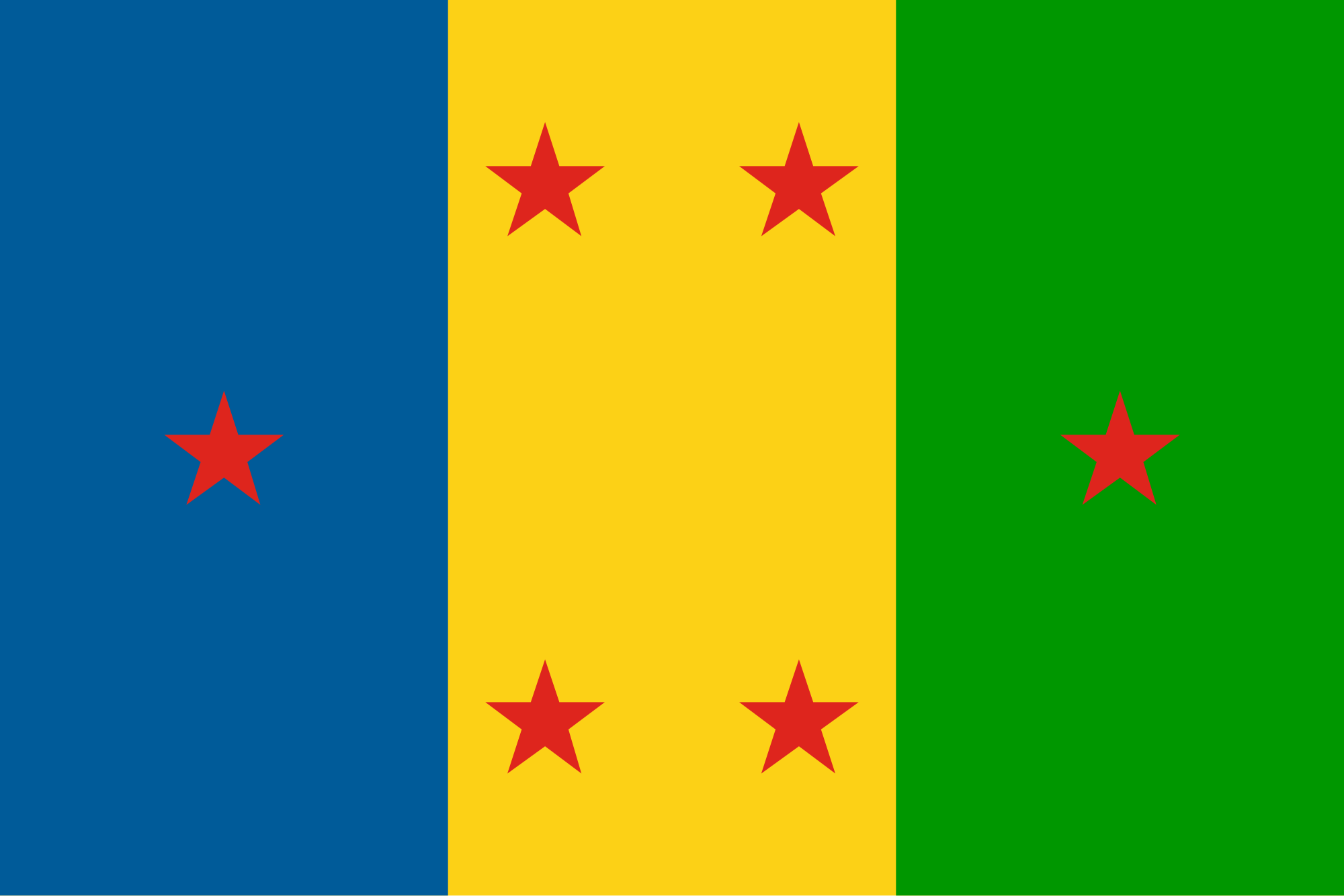
Recent from talks
Contribute something
Nothing was collected or created yet.
Ogoni people
View on WikipediaThe Ogoni is an ethnic group located in Rivers South-East senatorial district of Rivers State, in the Niger Delta region of southern Nigeria.[2][3] They number just over 2 million and live in a 1,050-square-kilometre (404-square-mile) homeland which they also refer to as Ogoniland. They share common oil-related environmental problems with the Ijaw people of the Niger Delta.[citation needed]
Key Information
The Ogoni rose to international attention after a massive public protest campaign against Shell Oil, led by the Movement for the Survival of the Ogoni People (MOSOP), which is also a member of the Unrepresented Nations and Peoples Organization (UNPO).[citation needed]
Geography
[edit]The territory is located in Rivers State near the coast of the Gulf of Guinea, east of the city of Port Harcourt.[3] It extends across four Local Government Areas (LGAs) of Khana, Gokana,Tai and Eleme and, arguably but not certain Oyigbo. Ogoniland is divided into the six kingdoms: Babbe, Gokana, Ken-Khana, Nyo-Khana, Tai and Eleme. Nyo-Khana is on the East while Ken-Khana is on the west.[4]
Languages
[edit]There are multiple languages spoken by the Ogonis. The largest is Khana, which mutually intelligible with the dialects of the other kingdoms, Gokana, Tai (Tẹẹ), Eleme and Baen Ogoi[5] part of the linguistic diversity of the Niger Delta.
History
[edit]According to oral tradition, the Ogoni people migrated from ancient Ghana[6] down to the Atlantic coast eventually making their way over to the eastern Niger Delta region and getting absorbed into the already existing Ibibio, Annang, Igbo, and Ijaw population. The name "Ogoni" originated from the Ibani/Ijaw word- Igoni, which means strangers. Linguistic calculations ns
People on the Guinea coast, the Ogonis have an internal political structure subject to community-by-community arrangement, including appointment of chiefs and community development bodies, some recognized by the government and others not. They survived the period of the slave trade in relative isolation and did not lose any of their members to enslavement.[citation needed] After Nigeria was colonized by the British in 1885, British soldiers arrived in Ogoni by 1901. Major resistance to their presence continued through 1914.
The Ogoni were integrated into a succession of economic systems at a pace that was extremely rapid and exacted a great toll from them. At the turn of the twentieth century, “the world to them did not extend beyond the next three or four villages”, but that soon changed. Ken Saro-Wiwa, the late president of MOSOP, described the transition this way: “if you then think that within the space of seventy years they were struck by the combined forces of modernity, colonialism, the money economy, indigenous colonialism and then the Nigerian Civil War, and that they had to adjust to these forces without adequate preparation or direction, you will appreciate the bafflement of the Ogoni people and the subsequent confusion engendered in the society.”[7]
Nationalism
[edit]
Ogoni nationalism is a political ideology that seeks self determination by the Ogoni people. The Ogonis are one of the many indigenous peoples in the region of southeast Nigeria. They number about 1.5 million people and live in a 404-square-mile (1,050 km2) homeland which they also refer to as Ogoni, or Ogoniland. They share common oil-related environmental problems with the Ijaw people of Niger Delta.
The Ogoni rose to international attention after a massive public protest campaign against Shell Oil, led by the Movement for the Survival of the Ogoni People (MOSOP).[8][9] MOSOP's mandated use of non-violent methods to promote democratic principles assist Ogoni people pursue rights of self-determination in environmental issues in the Niger Delta, cultural rights and practices for Ogoni people.[10]Human rights violations
[edit]The Ogoni people have been victims of various human rights violations for many years. In 1956, four years before Nigerian Independence, Royal Dutch/Shell, in collaboration with the British government, found a commercially viable oil field on the Niger Delta and began oil production in 1958. In a 15-year period from 1976 to 1991 there were reportedly 2,976 oil spills of about 2.1 million barrels of oil in Ogoniland, accounting for about 40% of the total oil spills of the Royal Dutch/Shell company worldwide.[11]
In 1990, under the leadership of activist and environmentalist Ken Saro-Wiwa, the Movement of the Survival of the Ogoni People (MOSOP) planned to take action against the Federal Republic of Nigeria and the oil companies. In October 1990, MOSOP presented The Ogoni Bill of Rights to the government. The Bill hoped to gain political and economic autonomy for the Ogoni people, leaving them in control of the natural resources of Ogoniland protecting against further land degradation.[12] The movement lost steam in 1994 after Saro-Wiwa and several other MOSOP leaders were executed by the Nigerian government.
In 1993, following protests that were designed to stop contractors from laying a new pipeline for Shell, the Mobile Police raided the area to quell the unrest. In the chaos that followed, it has been alleged that 27 villages were raided, resulting in the death of 2,000 Ogoni people and displacement of 80,000.[13][14][15][16]
Environmental restoration
[edit]In a 2011 assessment of over 200 locations in Ogoniland by the United Nations Environment Programme (UNEP), they found that impacts of the 50 years of oil production in the region extended deeper than previously thought. Because of oil spills, oil flaring, and waste discharge, the alluvial soil of the Niger Delta is no longer viable for agriculture. Furthermore, in many areas that seemed to be unaffected, groundwater was found to have high levels of hydrocarbons or were contaminated with benzene, a carcinogen, at 900 levels above WHO guidelines.[17]
UNEP estimated that it could take up to 30 years to rehabilitate Ogoniland to its full potential and that the first five years of rehabilitation would require funding of about US$1 billion. In 2012, the Nigerian Minister of Petroleum Resources, Deizani Alison-Madueke, announced the establishment of the Hydrocarbon Pollution Restoration Project, which intends to follow the UNEP report suggestions of Ogoniland to prevent further degradation.[18]
A trial project in the region was able to achieve mangrove restoration in one of the significant waterways Bodo Creek which helped improve soil and water quality.[19]
Notable people
[edit]- Timothy Paul Birabi, Nationalist & Elder Statesman[20]
- Ken Saro-Wiwa, environmental activist, writer, and television producer
- Jim Wiwa, renowned Ogoni chief
- Lorraine Birabil, politician & Attorney
- John Noble Barinyima, Enyimba and Super Eagles goalkeeper
- Joseph Yobo, former professional footballer, captain, and current assistant coach of the Super Eagles
- Lee Maeba, Politician
- Owens Wiwa, Nigerian activist
- Magnus L. Kpakol, former Chief Economic Adviser to the President of Nigeria, former Project Coordinator NAPEP.
- Fred Kpakol, Former Commissioner, Rivers State Ministry of Finance and Rivers State Ministry of Agriculture respectively.
- Kenneth Kobani, Former Minister of State, Trade and Commerce, Nigeria and Secretary to Government of Rivers State
- Ken Wiwa, Journalist & Writer
- Magnus Ngei Abe, Former Senator representing Rivers south-east senatorial district 2011-2019 and the March 18th 2023 Rivers State Gubernatorial Candidate under Social Democratic Party (Nigeria)
- Noo Saro-Wiwa, British-Nigerian author
- Barry Mpigi, Politician
- Dum Dekor, Member House of Representatives, National Assembly (Nigeria) Khana/Gokhana Constituency
- Zina Saro-Wiwa, Artist & Filmmaker
Notes
[edit]- ^ Contributors. https://www.crwflags.com/fotw/flags/ng%7Dogoni.html. “The Ogoni People(Nigeria)”.2015.
- ^ "The Ogoni of Nigeria". ResearchGate. Retrieved 2021-09-11.
- ^ a b "Ogoni | Encyclopedia.com". www.encyclopedia.com. Retrieved 2021-09-14.
- ^ Sebtalesy, Cintika Yorinda; Kristanti, Lucia Ani (2020-06-30). "Descriptions of Infertile Couple Attitudes About Nyo Khana Traditional Medicine". Jurnal Midpro. 12 (1): 110. doi:10.30736/md.v12i1.199. ISSN 2684-6764. S2CID 225773285.
- ^ "Browse by Language Family". Ethnologue. Retrieved 8 November 2015.
- ^ "AFRICA | 101 Last Tribes - Ogoni people". www.101lasttribes.com. Retrieved 2021-09-11.
- ^ Quotes from Ken Saro-Wiwa, "Letter to Ogoni Youth."
- ^ "Ogoni". unpo.org. Unrepresented Nations and Peoples Organization. March 25, 2008. Retrieved December 13, 2014.
- ^ "Ogoni: Oral Intervention on the Human Rights Situation of States and Territories threatened with Ex". unpo.org. Unrepresented Nations and Peoples Organization. Archived from the original on May 10, 2023. Retrieved December 19, 2014.
- ^ "About Us - Movement for the Survival of the Ogoni People (MOSOP)". Archived from the original on 2010-04-25. Retrieved 2009-05-27.
- ^ Crayford, Steven (1 April 1996). "Ogoni Uprising". Africa Today. 2. 42 (Conflict and Conflict Resolution in Africa): 183–197.
- ^ The Movement of the Survival of the Ogoni People. "Ogoni Bill of Rights". Saros International Publishers.
- ^ David Kupfer, "Worldwide Shell boycott", The Progressive, 1996
- ^ PBS documentary, The New Americans: The Ogoni Refugees
- ^ Ken Saro-Wiwa, "Genocide in Nigeria: The Ogoni Tragedy"
- ^ Bogumil Terminski, Oil-Induced Displacement and Resettlement: Social Problem and Human Rights Issue Archived 2015-09-23 at the Wayback Machine
- ^ United Nations Environment Programme (August 4, 2011). "UNEP Ogoniland Oil Assessment Reveals Extent of Environmental Contamination and Threats to Human Health". UNEP News Center. Archived from the original on April 16, 2013. Retrieved December 22, 2012.
- ^ United Nations Environment Programme (August 1, 2012). "UNEP Welcomes Nigerian Governments Green Light for Ogoniland Oil Clean-Up". UNEP News Center. Archived from the original on April 16, 2013. Retrieved December 22, 2012.
- ^ Zabbey, Nenibarini; Tanee, Franklin B.G. (September 2016). "Assessment of Asymmetric Mangrove Restoration Trials in Ogoniland, Niger Delta, Nigeria: Lessons for Future Intervention". Ecological Restoration. 34 (3): 245–257. Bibcode:2016EcoRe..34..245Z. doi:10.3368/er.34.3.245. ISSN 1543-4060. S2CID 89436150.
- ^ "Ogoni Remembers Founding Father, T.N. Paul Birabi In Historic March". Nigerian Voice. Retrieved 2025-08-24.
References
[edit]- Brosnahan, L.F. 1967. A word list of the Gokana dialect of Ogoni. Journal of West African Languages, 143-52.
- Hyman, L.M. 1982. The representation of nasality in Gokana. In: The structure of phonological representations. ed. H. van der Hulst & Norval Smith. 111–130. Dordrecht: Foris.
- Hyman, L.M. 1983. Are there syllables in Gokana? In: Current issues in African linguistics, 2. Kaye et al. 171–179. Dordrecht: Foris.
- Ikoro, S.M. 1989. Segmental phonology and lexicon of Proto-Keggoid. University of Port Harcourt: M.A. thesis.
- Ikoro, S.M. 1996. The Kana language. Leiden: CNWS.
- Jeffreys, M.D.W. 1947. Ogoni Pottery. Man, 47: 81–83.
- Piagbo, B.S. 1981. A comparison of the sounds of English and Kana. B.A. project, University of Port Harcourt.
- Thomas, N.W. 1914. Specimens of languages from Southern Nigeria. London: Harrison & Sons.
- Vopnu, S.K. 1991. Phonological Processes and Syllable Structures in Gokana. M.A. Department of Linguistics and Nigerian Languages, University of Port Harcourt.
- Vọbnu, S.K. 2001. Origin and languages of Ogoni people. Boori, KHALGA: Ogoni Languages and Bible Center.
- Williamson, K. 1985. How to become a Kwa language. In Linguistics and Philosophy. Essays in Honor of Ruben S. Wells. eds. A. Makkai and A. Melby. Current Issues in Linguistic Theory, 42. Benjamins, Amsterdam.
- Wolff, H. 1959. Niger Delta languages I: classification. Anthropological Linguistics, 1(8):32–35.
- Wolff, H. 1964. Synopsis of the Ogoni languages. Journal of African languages, 3:38–51.
- Zua, B.A. 1987. The noun phrase in Gokana. B.A. project, University of Port Harcourt.
Ogoni people
View on GrokipediaGeography and Demographics
Location and Traditional Territories
The Ogoni people traditionally occupy Ogoniland, a distinct ethnic territory situated in the Niger Delta region of southern Nigeria, primarily within Rivers State. This area lies east of Port Harcourt and borders the Gulf of Guinea coastline.[10][3] Ogoniland spans approximately 1,000 square kilometers and comprises four local government areas: Eleme, Gokana, Khana, and Tai. These administrative divisions align closely with the traditional clan-based territories of the Ogoni subgroups, including the Khana (or Kana), Gokana (or Gokwe), Tai, and Eleme.[1][11][12] The landscape features a combination of freshwater swamp forests, mangroves, and upland plains, supporting historical subsistence activities such as fishing and farming. Ogoni traditional boundaries have remained centered in this compact, resource-rich deltaic zone despite external pressures from oil exploration since the 1950s.[5][13]Population and Distribution
The Ogoni people, an ethnic minority in Nigeria, numbered approximately 832,000 according to the 2006 national census, representing a small fraction of the country's total population.[1] [14] This figure, drawn from official enumeration data, has been widely cited in subsequent assessments despite the absence of a more recent comprehensive census, with estimates suggesting limited growth amid ongoing environmental and conflict-related displacements.[1] Earlier counts, such as the 1963 census recording around 500,000, indicate historical undercounting or definitional variations in ethnic categorization.[5] The Ogoni are concentrated in Ogoniland, a coastal plain area spanning roughly 1,000 square kilometers (about 400 square miles) in the Rivers South East Senatorial District of Rivers State, southeastern Nigeria.[15] [13] This territory lies east and southeast of Port Harcourt, encompassing mangrove swamps, rivers, and upland forests conducive to agriculture and fishing.[3] The population exhibits one of Africa's highest rural densities, exceeding 800 persons per square kilometer, fostering close-knit village communities organized around four primary clans: Khana (the largest), Gokana, Tai, and Eleme.[5] [16] While the core distribution remains in Ogoniland, environmental degradation from oil extraction since the 1950s has prompted limited out-migration to urban centers like Port Harcourt and diaspora communities in Europe and North America, though these do not significantly alter the homeland's demographic predominance.[14] No official data quantifies extranational populations precisely, but advocacy reports note small expatriate groups formed in response to historical displacements.[15]Culture and Society
Languages
The Ogoni languages form a distinct subgroup, known as Ogonoid or Kegboid, within the Cross River branch of Benue-Congo languages in the Niger-Congo family.[4] They comprise four to five primary languages spoken primarily in Rivers State, Nigeria, with dialects varying by subgroup but generally allowing mutual comprehension among closely related varieties.[4] [3] Although linguistic analyses highlight shared phonological inventories and lexical reconstructions pointing to a proto-Ogoni ancestor, Ogoni communities regard these as separate languages rather than dialects of a single tongue.[4] [15] These languages divide into eastern and western clusters. The eastern group includes Khana (also called Kana), spoken by approximately 430,000 people and functioning as a lingua franca across Ogoni subgroups; Gokana, with around 200,000 speakers; and Tẹẹ, a smaller variety sometimes classified as a distinct Khana dialect due to phonological differences.[17] [18] [4] Khana features six dialects, such as Ken-Khana and Nor-Khana, while Gokana dialects remain mutually intelligible internally.[4] The western group consists of Eleme, with 40,000 to 50,000 speakers and dialects divided into Nchia and Odido blocks, and Baan (or Tai), spoken by fewer than 5,000 in isolated communities.[19] [20] [4] Notable linguistic traits include the use of numeral classifiers, uncommon in African languages outside this cluster, and regular sound correspondences across lects that support historical reconstruction.[4] English serves as a secondary language in education and administration, but indigenous Ogoni languages remain vital for daily communication and cultural preservation among the ethnic group.[3] [15]Social Structure and Kinship Systems
The Ogoni social structure revolves around a hierarchical political system organized across six traditional kingdoms—Babbe, Eleme, Gokana, Ken-Khana, Nyo-Khana, and Tai—each governed by a paramount ruler known as the Gbenemene, supported by high chiefs (Mene Bua), village chiefs (Mene Buen), and compound chiefs (Mene Zeu). This framework functions as a form of benign dictatorship, with chiefs selected for their wisdom and expected to serve communal interests without personal gain, maintaining order through customary laws and councils. Familial units form the foundational layer of this organization, typically comprising a monogamous nuclear family of a father, mother, and an average of eight children, where polygyny remains rare to facilitate clear lines of descent and inheritance. Kinship relations emphasize deference to elders, parents, and birth order, dictating privileges such as the firstborn's right to select prime portions of meat during meals and precedence in life events like marriage, while younger siblings often postpone matrimony until older ones establish households. Historical evidence indicates an early matrilineal kinship orientation, reflected in precolonial traditions like the Yaa initiation rites for leadership training, which traced authority and inheritance through maternal lines to foster societal cohesion and valor.[21] Over time, this shifted toward patrilineal descent, aligning with broader exogamous practices that prohibit marriages within close bloodlines to prevent consanguinity and reinforce alliances across compounds (pya-be) and extended kin groups (bua-wuga).[22] These networks extend social obligations, providing mutual support in labor, dispute resolution, and rites of passage, while embedding values of communal responsibility within the patrilocal residence patterns common post-marriage.Religious Beliefs and Practices
The Ogoni people traditionally adhere to an indigenous religious system centered on monotheistic worship of a Supreme Being known as Bari (also referred to as Waa Bari or Obari-Eleme), regarded as the creator of the universe and all existence.[23][24] This belief system emphasizes Bari's omnipotence and remoteness, with intermediaries such as ancestral spirits, lineage deities, and territorial guardians facilitating human-divine interaction through shrines scattered across Ogoniland.[24] Priests, diviners, and shamans serve as mediators, conducting rituals for healing, divination, and appeasement, often invoking these spirits via masquerades that embody ancestral presences and bridge the physical and spiritual realms.[25][26][27] Traditional practices reinforce social cohesion and ethical norms, functioning as a stabilizing force that instills values like communal respect, moral conduct, and reverence for the land, which holds profound spiritual significance as a repository of ancestral power.[25][15] Rituals often involve offerings at shrines, festivals honoring deities, and prohibitions against desecrating sacred sites, with violations addressed through communal purification ceremonies led by ritual specialists.[23] These elements persist despite external influences, reflecting the Ogoni's innate conservatism and cultural resilience.[25] Christianity arrived in Ogoni territories in the early 20th century, with the first mission established in Gokana in 1908, gradually supplanting or syncretizing with indigenous beliefs through missionary education and evangelism.[25] Today, Christianity predominates, encompassing 50-100% of the population, including significant Protestant and evangelical segments (10-50%), though traditional elements like spirit veneration and masquerade performances endure alongside church practices.[3] This coexistence sustains Ogoni spirituality, blending monotheistic frameworks with ancestral rituals for healing and social rites, while indigenous religion continues to underpin cultural identity amid modernization.[3][28]Traditional Livelihoods
The Ogoni people traditionally sustained themselves through subsistence agriculture and fishing, leveraging the fertile plateau soils and riverine environments of Ogoniland in Nigeria's Niger Delta. These activities formed the backbone of their rural economy, with communities revering the land and waterways as essential to survival and cultural identity.[29] [5] Agriculture centered on cultivating staple crops, particularly yams (Dioscorea spp.) and cassava (Manihot esculenta), which provided the primary food sources and held symbolic importance in rituals and social exchanges. The rich, loamy soils of the upland plateaus enabled intensive farming without reliance on external inputs, supporting dense populations through shifting cultivation and fallowing practices typical of pre-colonial West African systems. Supplementary crops included plantains, cocoyams, and vegetables, often intercropped to maximize yields on family-held plots managed by kinship groups.[5] [30] Fishing complemented farming, especially in lowland and riverine communities, where Ogoni engaged in both sedentary capture fisheries using nets, traps, and hooks in streams and creeks, and migrant or nomadic pursuits along seasonal river migrations. This provided protein-rich foods like freshwater fish and shellfish, with women often processing catches for preservation and trade within local markets. Hunting wild game and gathering forest products played minor roles, serving as supplements rather than primary pursuits.[30] [2]History
Origins and Pre-Colonial Era
Archaeological evidence, including radiocarbon dating from sites in and around Ogoniland, indicates that the Ogoni have inhabited the eastern Niger Delta region for at least 500 years, positioning them among the area's earliest known settlers south of Igbo territories and west of Ibibio communities.[31][7] Oral historical accounts corroborate this long-term presence, describing initial settlements that evolved into the Ogoni nation without evidence of prior subjugation by neighboring groups.[32][16] The precise origins of the Ogoni remain uncertain, with multiple theories derived from oral traditions and limited archaeological data rather than definitive records. One prominent account posits migration from ancient Ghana amid civil unrest, proceeding southward along the Atlantic coast to the Niger Delta via canoe.[31] Alternative narratives suggest eastward linguistic affinities or autochthonous development, with arrivals by sea predating neighbors like the Ijaw and Bonny peoples, or influxes across the Imo River.[33][16] These accounts lack corroboration from extensive excavations, highlighting reliance on ethnographic reconstruction over material proof. Pre-colonial Ogoni society featured a decentralized, class-stratified structure organized into autonomous villages and clans, with no centralized kingdoms or foreign domination prior to European contact.[33][32] Economic activities centered on fishing, farming, and trade control along Delta waterways, utilizing iron currency and fostering exchanges—including marriage, markets, and alliances—with adjacent Ibibio and Annang groups.[33][34] Governance integrated religious and military elements, with priest-kings and age-grade systems maintaining order and defense in this marshy, resource-rich environment.[33][7]Colonial Period
British forces arrived in Ogoniland in 1901, following the Berlin Conference of 1885 that partitioned Africa among European powers and formalized British claims over Nigerian territories.[3] The Ogoni mounted fierce resistance to this intrusion, refusing treaties that other Nigerian groups like the Hausa, Yoruba, and Igbo had signed in the late 1880s, which delayed direct European contact partly due to trade restrictions imposed by King Jaja of Opobo.[35] This opposition, documented in British colonial records, continued intensely until 1914, when military campaigns subdued the Ogoni and incorporated the territory as a protectorate coinciding with the amalgamation of Nigeria's Northern and Southern Protectorates.[36][35] The absence of formal treaties resulted in haphazard British administration, which disrupted Ogoni social structures within approximately 13 years of initial contact, prioritizing pacification over development.[37] Limited infrastructure and educational initiatives were implemented compared to regions with earlier compliance, as British policy withheld benefits from resistant areas to enforce control.[35] From 1908 to 1947, Ogoniland was administratively merged into the Opobo Division against Ogoni objections, sparking protests that highlighted grievances over forced integration with non-Ogoni groups.[38] These campaigns succeeded in establishing the Ogoni Native Authority in 1947 under the Rivers Province, enabling indirect rule through local structures while preserving some autonomy amid broader colonial reforms like the Richards Constitution.[38] In the late 1940s, Ogoni leaders further resisted attempts to fragment the territory into separate administrative units, advocating for unified governance that Eleme's 1931 separation had threatened.[31] By Nigeria's independence in 1960, Ogoniland remained a distinct division within the Eastern Region, though consigned to the emerging Rivers Province framework.[37]Post-Independence to Oil Discovery
Following Nigeria's independence on October 1, 1960, the Ogoni people, concentrated in the oil-rich Niger Delta, were incorporated into the Eastern Region under a federal structure dominated by the Igbo ethnic majority, exacerbating longstanding minority fears of political and economic subjugation that had been highlighted in the pre-independence Willink Commission report of 1958.[39] Despite constitutional safeguards for minorities enacted in the 1960 Independence Constitution, Ogoni representation in regional and federal politics remained marginal, with local leaders advocating unsuccessfully for greater autonomy amid resource allocation disputes.[40] Commercial oil discovery in Ogoniland occurred in 1958 by Shell Petroleum Development Company at sites including Bomu and Afam fields, predating independence but initiating exploratory drilling that transitioned into production shortly after 1960 as Nigeria's petroleum output expanded from 847,000 barrels annually in 1960 to over 20 million by 1966.[41][42] This early extraction phase, while limited compared to later booms, introduced initial infrastructure like flow stations and pipelines across Ogoni territories, displacing subsistence farming and fishing without commensurate local benefits or revenue sharing, as federal control over mineral rights—nationalized under the 1969 Petroleum Act—prioritized national exports over indigenous development.[43] Political instability intensified in the mid-1960s, with military coups in 1966 dissolving regional governments and heightening ethnic tensions; Ogoni communities, wary of Igbo dominance, experienced sporadic violence and displacement even before the Nigerian Civil War erupted in 1967.[40] In May 1967, the federal military government under Yakubu Gowon created Rivers State from portions of the Eastern Region, formally including Ogoniland and offering a degree of administrative separation from Biafran secessionists, though effective control remained contested amid wartime disruptions to nascent oil operations.[39] By war's end in 1970, an estimated 30,000 Ogoni had perished due to crossfire, famine, and reprisals, underscoring their peripheral role in the Igbo-led Biafran effort and foreshadowing resource-driven grievances.[39]Rise of Nationalism and MOSOP
The Ogoni, an ethnic minority in Nigeria's oil-rich Niger Delta, saw rising nationalist sentiments in the 1980s amid grievances over environmental degradation from petroleum extraction and minimal economic benefits accruing to their communities despite substantial federal revenues. Oil production in Ogoniland, which began in the early 1960s following discoveries in 1958, generated billions of dollars annually for Nigeria by the 1980s, yet local infrastructure remained underdeveloped, with pollution from spills and gas flaring exacerbating subsistence challenges for the approximately 500,000 Ogoni.[44][45] These disparities fueled demands for greater autonomy and resource control, reflecting broader ethnic minority agitations in the Delta against centralized fiscal policies under successive military regimes.[46] In response, the Movement for the Survival of the Ogoni People (MOSOP) was founded on October 2, 1990, as a non-violent, mass-based organization uniting Ogoni chiefs, intellectuals, and civil society groups to address these issues through advocacy and mobilization.[47][44] Ken Saro-Wiwa, a prominent Ogoni writer and environmental activist, served as MOSOP's spokesperson, leveraging his platform to highlight the Ogoni's marginalization within Nigeria's federal structure.[48] The group's formation marked a shift from sporadic protests to structured ethnic nationalism, emphasizing self-determination without secession.[49] Central to MOSOP's agenda was the Ogoni Bill of Rights, drafted and presented that same month to Nigeria's military government and Shell Petroleum Development Company, demanding political autonomy for Ogoniland as a distinct unit within the federation, the right to a fair share of economic resources from Ogoni lands, compensation for oil-related pollution, and preservation of Ogoni cultural and religious practices.[50] The document asserted that Ogoni territories had produced over $30 billion in oil revenues since 1970 without commensurate local development, underscoring causal links between extraction activities and persistent poverty.[51] MOSOP's non-violent strategy included rallies and international appeals, initially gaining traction by framing Ogoni struggles as a fight for environmental justice and minority rights against state and corporate exploitation.[42]1990s Conflicts and Resolutions
The Movement for the Survival of the Ogoni People (MOSOP), founded in 1990 under Ken Saro-Wiwa's leadership, escalated nonviolent protests against oil extraction by Shell Petroleum Development Company (SPDC) and partners, demanding environmental remediation, royalties from Ogoni oil production estimated at over $30 billion since 1958, and local control over resources as outlined in the 1990 Ogoni Bill of Rights.[42][44] In December 1992, MOSOP issued an ultimatum to SPDC, Chevron, and the Nigerian National Petroleum Corporation for compensation and withdrawal, citing unmitigated spills and gas flaring that contaminated farmland and fisheries supporting Ogoni subsistence.[44] On January 4, 1993, roughly 300,000 Ogoni—over half the ethnic population—marched peacefully in a demonstration organized by MOSOP to highlight indigenous rights during the UN Year of Indigenous People, prompting SPDC to suspend operations in Ogoniland by mid-1993 amid security risks and sabotage threats.[42][52] Military deployments intensified thereafter, with reports of over 1,000 Ogoni killed or displaced by security forces between 1993 and 1995, including raids on villages accused of harboring MOSOP supporters.[44] Internal divisions within Ogoni communities surfaced, culminating in the May 21, 1994, mob killing of four moderate chiefs opposing MOSOP's militancy, an event the Abacha regime attributed to Saro-Wiwa without forensic evidence, leading to his arrest alongside other activists.[53] A special military tribunal, lacking due process and international observers, convicted Saro-Wiwa and eight co-defendants—the "Ogoni Nine"—of incitement to murder on November 10, 1995, resulting in their public hangings despite pleas for clemency from global leaders and SPDC's private appeals to the government.[54][53][55] The executions, conducted under General Sani Abacha's junta, triggered immediate international backlash, including Nigeria's suspension from the Commonwealth of Nations on November 20, 1995, and targeted sanctions barring Abacha family members from Western travel.[44] Partial resolutions emerged through diplomatic isolation pressuring Nigeria's return to civilian rule in 1999, though Ogoni demands for reparations remained unmet; SPDC's 1993 operational halt persisted, reducing but not eliminating production sabotage, while MOSOP splintered post-executions, with factions pursuing legal claims against SPDC for alleged complicity in repression—claims SPDC denied, attributing violence to government actions and communal clashes.[52][53] No comprehensive settlement occurred in the decade, as evidenced by ongoing military presence and unresolved spill liabilities exceeding 1,000 documented sites.[44]Economy and Resource Utilization
Pre-Oil Subsistence Economy
The Ogoni people traditionally relied on subsistence agriculture and fishing as the foundations of their economy prior to the commercial exploitation of oil reserves in the Niger Delta during the late 1950s. Fertile plateau soils in Ogoniland supported the cultivation of staple crops such as yams and cassava, with yams holding particular cultural and economic significance as a measure of wealth and productivity.[5] [56] Shifting cultivation practices were prevalent, allowing farmers to rotate fields to maintain soil fertility in the region's tropical environment.[2] Fishing complemented agriculture, drawing on the extensive network of rivers and creeks that flow into the Gulf of Guinea, enabling both sedentary and migratory practices among Ogoni communities. Fish provided a vital protein source and trade commodity, with inter-ethnic exchanges sustaining economic interdependence; for instance, the Ogoni supplied agricultural produce to neighboring groups like the Obolo in return for fish.[5] The Ogoni also produced and distributed large transport and fishing canoes, facilitating regional trade and underscoring their role in pre-colonial Delta commerce.[57] Supplementary activities included limited livestock herding and the processing of palm oil and salt for local use and barter, embedding these livelihoods within a broader system of communal resource management tied to land and water reverence.[3] This self-sustaining model persisted until oil discovery disrupted traditional practices, though empirical accounts from the era affirm its resilience in supporting population densities without external inputs.[29]Oil Industry Integration and Revenues
Oil production in Ogoniland began following discoveries in 1958, with major fields including Bomu, Korokoro, Yorla, Bodo West, and Ebubu, supported by approximately 110 wells and over 6,000 kilometers of pipelines operated primarily by the Shell Petroleum Development Company (SPDC) in a joint venture with the Nigerian National Petroleum Corporation (NNPC).[58][59] Integration of Ogoni locals into industry operations remained marginal, as SPDC prioritized skilled expatriate and non-local Nigerian labor, resulting in widespread perceptions of economic exclusion among Ogoni residents who reported limited access to employment, contracts, or training opportunities despite the proximity of extraction activities.[14] This exclusion persisted amid demands from Ogoni youths for direct hiring and scholarships from SPDC, highlighting a disconnect between resource extraction and local workforce development.[60] Production volumes from Ogoni fields reached approximately 130,000 barrels per day by May 1993, with flow station capacities rated at 185,000 barrels per day prior to suspension in the mid-1990s due to conflicts led by the Movement for the Survival of the Ogoni People (MOSOP).[61][59] These outputs, part of Oil Mining Lease (OML) 11 encompassing up to 250,000 barrels per day potential, contributed significantly to Nigeria's national crude production, which relies on the Niger Delta for over 90% of its oil exports generating the bulk of government revenue.[62] However, revenues accrued predominantly to the federal government via NNPC and SPDC royalties, with minimal direct allocations to Ogoni communities, exacerbating local poverty despite the region's role in national fiscal inflows estimated at hundreds of billions of dollars since the 1950s.[58] Under Nigeria's constitutional framework, oil-producing states like Rivers (encompassing Ogoniland) receive 13% derivation from federally collected oil revenues, a principle enshrined in 1999 to address regional grievances but often criticized for insufficient trickle-down to sub-ethnic communities like the Ogoni.[14] For instance, Rivers State received N114.06 billion (approximately $70 million at prevailing rates) in derivation funds over five months in 2025, though this encompasses broader state production and not Ogoni-specific outputs, with funds frequently diverted amid corruption allegations rather than targeted infrastructure or compensation.[63] Ogoni agitation, including MOSOP's Ogoni Bill of Rights, has centered on demands for greater resource control and direct revenue shares, arguing that federal and state captures fail to offset local economic disruptions from industry activities.[64] Production suspension since the 1990s has halted direct royalties from Ogoni fields, prompting recent federal considerations for resumption targeting 30,000–120,000 barrels per day to boost national quotas, though without resolved community benefit mechanisms.[65][66]Current Economic Dependencies and Challenges
The Ogoni economy continues to depend primarily on subsistence agriculture and artisanal fishing, with farming employing about 44.4% of the population and fishing 7.5%, though these sectors have faced severe contraction due to hydrocarbon contamination rendering land and water unusable for traditional purposes.[2] Crop yields in affected communities have reportedly fallen by 99%, while fish catches have declined by 91%, forcing many into alternative pursuits such as petty trading or illegal artisanal refining.[2] Despite the region's oil wealth—accounting for substantial national revenues—Ogonis experience economic exclusion, with limited access to industry jobs, contracts, or derivation funds, as local extraction historically yielded no proportional benefits to host communities.[14] Poverty remains pervasive, directly tied to environmental degradation that undermines livelihoods and elevates living costs, with the majority of residents unable to afford basic remediation like water treatment (76% lack means).[2] Unemployment, particularly among youth, exacerbates this, with rates in Rivers State at 27.9% as of recent assessments, surpassing Nigeria's national average of 21.1% and contributing to broader Niger Delta figures around 37% in prior years.[14] Oil activities have induced a 60% drop in household food security, compounded by land expropriation and inadequate compensation, fostering dependency on remittances and informal sectors amid stalled infrastructure development.[14] Initiatives like the Hydrocarbon Pollution Remediation Project (HYPREP), launched post-2016 UNEP assessment, have provided temporary relief through over 7,000 direct jobs created and skills training for more than 5,000 youths and women by mid-2024, including potable water access extended to 30 communities.[67] However, these efforts yield limited sustainable outcomes, hampered by slow progress, alleged mismanagement of the $1 billion allocation, and incomplete remediation covering only partial shorelines and mangroves, perpetuating economic vulnerability.[68][69] Key challenges include persistent oil spill risks without resumed extraction, youth restiveness from unmet resource control demands, and systemic barriers to diversification, such as poor governance of derivation revenues that often bypass local needs.[14][70]Environmental Issues
Oil Spill Incidents and Attributions
The oil industry in Ogoniland, dominated by the Shell Petroleum Development Company (SPDC) joint venture, has been marred by recurrent spills since the late 1950s, with contamination persisting even after production halted in 1993 due to community unrest. The 2011 UNEP environmental assessment identified hydrocarbons in soil, groundwater, sediments, and drinking water across 69 investigated sites, stemming from crude oil releases via pipelines, flow stations, manifolds, and wells operated by SPDC and NNPC, alongside refined product leaks and illegal bunkering.[59] Soil total petroleum hydrocarbons (TPH) frequently exceeded Nigeria's EGASPIN intervention limit of 5,000 mg/kg, reaching up to 63,600 mg/kg at sites like Bomu Manifold, while groundwater TPH surpassed 600 µg/L in multiple locations, with benzene in 28 drinking wells violating WHO guidelines.[59] Key incidents documented include operational failures at legacy infrastructure, as detailed below:| Location | Date(s) | Cause | Contamination Metrics | Operator |
|---|---|---|---|---|
| Ejama-Ebubu (Eleme LGA) | 1970 (Biafran War damage), 1992, Nov 2009 | Operational (infrastructure failure) | Soil TPH: 49,800 mg/kg; Groundwater TPH: 485,000 µg/L | SPDC[59] |
| Bomu Manifold (Gokana LGA) | 1990, 2001, 2003, Apr 2009 | Operational issues | Soil TPH: 63,600 mg/kg; Groundwater TPH: 3,410 µg/L | SPDC[59] |
| Bodo (Gokana LGA) | Apr 2009 (pipeline rupture); 2008 (two spills) | Operational faults | Surface water TPH: 12 µg/L; Tens of thousands of barrels spilled in 2008 | SPDC[59][71] |
| Deebon Community, Bodo (Gokana LGA) | Jun 2011 | Operational (pipeline fire) | N/A | SPDC[59] |
| Korokoro Well 3 (Tai LGA) | 1992, 1993, 2000, 2003 | Sabotage (unverified) | Soil TPH: 11,200 mg/kg over 20,000 m² and 5m depth | SPDC[59] |
| Bodo West (Gokana LGA) | Ongoing post-1993 | Illegal artisanal refining | Soil TPH: 33,200 mg/kg over 3,000 m²; Oil slicks in intertidal zones | Third-party illegal activity[59] |