Hubbry Logo
PeroxidasePeroxidaseMain
Open search
Peroxidase
Community hub
Peroxidase
logo
8 pages, 0 posts
0 subscribers
Be the first to start a discussion here.
Peroxidase
Peroxidase
from Wikipedia

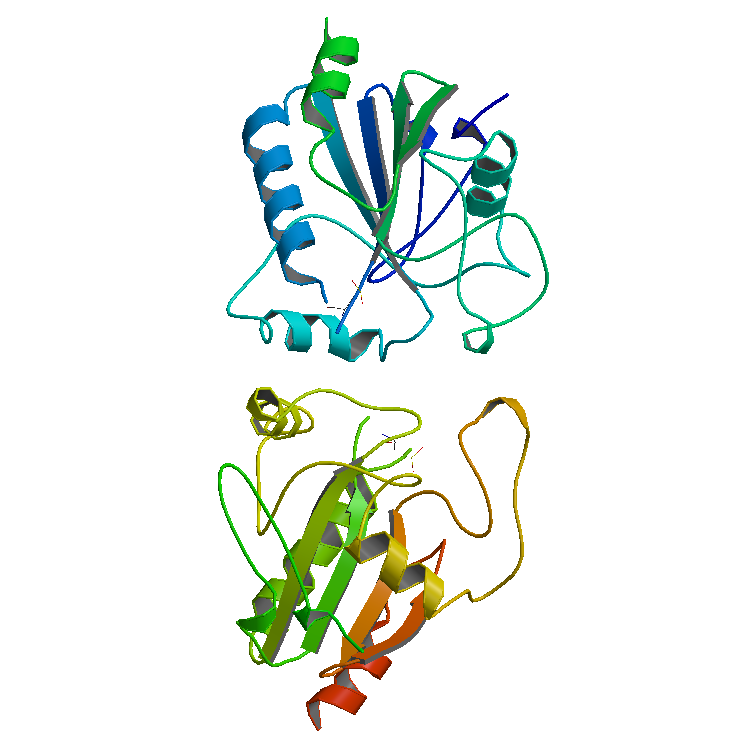
Glutathione Peroxidase 1 (PDB: 1GP1​)

Peroxidases or peroxide reductases (EC number 1.11.1.x) are a large group of enzymes which play a role in various biological processes. They are named after the fact that they commonly break up peroxides, and should not be confused with other enzymes that produce peroxide, which are often oxidases.

Functionality

[edit]

Peroxidases typically catalyze a reaction of the form:

Optimal substrates

[edit]

For many of these enzymes the optimal substrate is hydrogen peroxide, but others are more active with organic hydroperoxides such as lipid peroxides. Peroxidases can contain a heme cofactor in their active sites, or alternately redox-active cysteine or selenocysteine residues.

The nature of the electron donor is very dependent on the structure of the enzyme.

  • For example, horseradish peroxidase can use a variety of organic compounds as electron donors and acceptors. Horseradish peroxidase has an accessible active site, and many compounds can reach the site of the reaction.
  • On the other hand, for an enzyme such as cytochrome c peroxidase, the compounds that donate electrons are very specific, due to a very narrow active site.

Classification

[edit]

Protein families that serve as peroxidases include:[1]

Characterization

[edit]

The glutathione peroxidase family consists of 8 known human isoforms. Glutathione peroxidases use glutathione as an electron donor and are active with both hydrogen peroxide and organic hydroperoxide substrates. Gpx1, Gpx2, Gpx3, and Gpx4 have been shown to be selenium-containing enzymes, whereas Gpx6 is a selenoprotein in humans with cysteine-containing homologues in rodents.

Amyloid beta, when bound to heme, has been shown to have peroxidase activity.[2]

A typical group of peroxidases are the haloperoxidases. This group is able to form reactive halogen species and, as a result, natural organohalogen substances.

A majority of peroxidase protein sequences can be found in the PeroxiBase database.

Pathogenic resistance

[edit]

While the exact mechanisms have yet to be determined, peroxidases are known to play a part in increasing a plant's defenses against pathogens.[3] Many members of the Solanaceae, notably Solanum melongena (eggplant/aubergine) and Capsicum chinense (the habanero/Scotch bonnet varieties of chili peppers) use Guaiacol and the enzyme guaiacol peroxidase as a defense against bacterial parasites such as Ralstonia solanacearum: the gene expression for this enzyme commences within minutes of bacterial attack.[4]

Applications

[edit]

Peroxidase can be used for treatment of industrial waste waters. For example, phenols, which are important pollutants, can be removed by enzyme-catalyzed polymerization using horseradish peroxidase. Thus phenols are oxidized to phenoxy radicals, which participate in reactions where polymers and oligomers are produced that are less toxic than phenols. It also can be used to convert toxic materials into less harmful substances.

There are many investigations about the use of peroxidase in many manufacturing processes like adhesives, computer chips, car parts, and linings of drums and cans. Other studies have shown that peroxidases may be used successfully to polymerize anilines and phenols in organic solvent matrices.[5]

Peroxidases are sometimes used as histological markers. Cytochrome c peroxidase is used as a soluble, easily purified model for cytochrome c oxidase.

See also

[edit]

References

[edit]
[edit]
Revisions and contributorsEdit on WikipediaRead on Wikipedia
from Grokipedia
Peroxidases are a superfamily of enzymes (EC 1.11.1.x) that catalyze the reduction of (H₂O₂) or other peroxides using a variety of electron-donating substrates, thereby facilitating the oxidation of diverse organic and inorganic compounds. These enzymes are ubiquitous across , animals, and microorganisms, where they primarily function to mitigate by detoxifying (ROS), although they also participate in biosynthetic pathways, pathogen defense, and hormone regulation. Peroxidases are broadly classified into two main groups: heme-containing peroxidases, which account for approximately 80% of known types and rely on a prosthetic group for , and non-heme peroxidases, which utilize alternative redox centers such as , , or thiols. peroxidases are further subdivided into superfamilies, including the peroxidase-catalase (PCAT) family with three classes—Class I (intracellular, e.g., peroxidase in eukaryotes), Class II (secretory fungal enzymes like lignin peroxidase and peroxidase), and Class III (plant-specific extracellular enzymes such as )—the peroxidase-cyclooxygenase (PCOXS) superfamily, and the dye-decolorizing peroxidase (DyP)-type superfamily, primarily found in and fungi. Non-heme examples include peroxidases (GPx), which incorporate for activity. Structurally, heme peroxidases typically consist of glycoproteins with molecular masses of 30–60 , featuring a conserved where the iron atom is axially ligated by a residue, enabling a that involves compound I and II intermediates for sequential one-electron transfers. Many also contain bridges and calcium ions for , particularly in Classes II and III, while non-heme peroxidases exhibit more varied architectures, such as the dimeric or tetrameric forms in peroxiredoxins with catalytic or residues. Biologically, peroxidases perform essential roles tailored to their host organisms: in plants, Class III enzymes contribute to cell wall lignification, suberization, and ; in animals, generates for activity in neutrophils, while GPx protects against ; and in microbes, versatile peroxidases aid in degradation and environmental adaptation. Beyond their natural functions, peroxidases have garnered attention for biotechnological applications, including of pollutants, decolorization of industrial dyes, pulp bleaching, , and development of biosensors, owing to their high specificity, stability under extreme conditions, and ease of immobilization on nanostructures for enhanced reusability.

Fundamentals

Catalytic Reaction

Peroxidases catalyze the reduction of peroxides by electron donors, facilitating the breakdown of in biological systems. The general reaction catalyzed by these enzymes is: ROOR’+2e+2H+ROH+R’OH\text{ROOR'} + 2e^- + 2H^+ \rightarrow \text{ROH} + \text{R'OH} where ROOR' represents a substrate such as (H₂O₂). This two-electron reduction process protects cells from oxidative damage by converting peroxides into less reactive alcohols. For specifically, the reaction can be expressed as: H2O2+2AH2H2O+2A\text{H}_2\text{O}_2 + 2\text{AH} \rightarrow 2\text{H}_2\text{O} + 2\text{A} where AH denotes the reducing substrate that donates electrons. This equation highlights the enzyme's role in detoxifying H₂O₂, a common byproduct of aerobic . The operates through a two-phase mechanism characteristic of many . In the first phase, the resting ferric (Fe(III)) form of the binds the , leading to heterolytic cleavage of the O-O bond and formation of Compound I, an active intermediate consisting of an oxyferryl (Fe(IV)=O) and a π-cation radical. This step is facilitated by proton transfers involving distal residues, resulting in a highly oxidizing capable of abstracting electrons. In the second phase, Compound I undergoes two sequential one-electron reductions by the donor substrate: the first yields Compound II (Fe(IV)=O without the radical), and the second restores the to its ferric resting state. This ping-pong mechanism ensures efficient turnover while minimizing free radical leakage. -containing exemplify this process, relying on the iron- cofactor for activity. The efficiency of peroxidase catalysis is critically influenced by the redox potentials of the 's intermediates, particularly those of Compound I and Compound II relative to the donor substrate. These potentials dictate the thermodynamic driving force for , with higher enzyme potentials enabling oxidation of substrates with more positive reduction potentials, as described by . Variations in these potentials across peroxidase classes can limit or enhance catalytic rates, with engineering efforts often targeting them to broaden substrate specificity.

Substrates and Cofactors

Peroxidases primarily utilize (H₂O₂) as their optimal inorganic substrate, serving as the oxidant that facilitates the reduction process in their catalytic activity. Organic hydroperoxides, such as alkyl hydroperoxides (ROOH), also function as effective substrates, enabling the to reduce these compounds to corresponding alcohols while oxidizing secondary donors. The enzymes demonstrate broad specificity for electron donors, with many peroxidases oxidizing versatile substrates including and anilines, which are common in microbial and animal-derived isoforms. In contrast, certain plant peroxidases exhibit higher specificity toward substrates like , reflecting adaptations to lignification processes. , composed of iron-protoporphyrin IX, serves as the essential cofactor in the majority of peroxidases, coordinating the iron atom at the to enable binding and . peroxidases, however, rely on non-heme cofactors such as redox-active or residues, which directly participate in reduction without a . Haloperoxidases incorporate as their key inorganic cofactor, facilitating halide oxidation in the presence of . Cyanide acts as a potent inhibitor of -containing peroxidases by binding tightly to the ferric iron in the group, thereby occupying the axial coordination site and preventing substrate access.

Classification and Diversity

Major Classes

Peroxidases are classified under the Enzyme Commission (EC) number 1.11.1.x, encompassing oxidoreductases that catalyze the reduction of (H₂O₂) or organic hydroperoxides using electron donors such as AH₂, following the general reaction H₂O₂ + 2AH₂ → 2H₂O + 2A. This classification highlights their role in peroxide detoxification and oxidation processes across diverse organisms. Heme-containing peroxidases, which utilize as a , are traditionally divided into three structural classes based on sequence similarities, cellular localization, and taxonomic distribution. Class I peroxidases are intracellular enzymes primarily found in prokaryotes and lower eukaryotes, including catalase-peroxidases (EC 1.11.1.6) from bacteria like and ascorbate peroxidase (EC 1.11.1.11) from and algae. These enzymes often feature a single domain with conserved and aspartate residues coordinating the iron. Class II peroxidases are typically secretory and occur in fungi, exemplified by lignin peroxidase (EC 1.11.1.14) in wood-degrading fungi like chrysosporium. Class III peroxidases are exclusive to and function extracellularly, with (EC 1.11.1.7) from Armoracia rusticana serving as a prototypical example; these enzymes possess two calcium-binding sites that stabilize their structure. Heme peroxidases also include the peroxidase-cyclooxygenase (PCOXS) superfamily, primarily found in animals, which encompasses enzymes like (EC 1.11.1.7) in mammalian neutrophils and in exocrine glands. These enzymes feature distinct structural motifs, such as a covalent linkage, enabling oxidation and activity. Beyond the heme-based classes, non-heme peroxidases include several variants adapted to specific environments across all kingdoms of life. Peroxiredoxins (e.g., EC 1.11.1.15) are thiol-dependent enzymes that reduce peroxides using or glutaredoxin as donors, forming bonds in their catalytic residues during the reaction cycle. peroxidases (GPx; e.g., EC 1.11.1.9) utilize as a reductant and often incorporate at the in animals for enhanced activity. Dye-decolorizing peroxidases (DyP; EC 1.11.1.19) are heme-containing but distinct, known for their ability to oxidize high-redox-potential substrates like dyes and . Haloperoxidases (e.g., EC 1.11.1.10) incorporate halides into organic substrates using , with vanadium-containing variants prevalent in marine and . The RedoxiBase database provides a centralized resource for peroxidase , compiling over 15,000 annotated sequences from more than 2,599 organisms as of April 2019, including both and non-heme types, to facilitate comparative analysis and identification of conserved motifs.

Evolutionary Origins

Peroxidases trace their origins to ancient prokaryotic lineages, primarily in and , where they evolved as essential enzymes for detoxifying (ROS) generated during early metabolic processes. These primordial peroxidases, such as those in the peroxidase– superfamily, are evident in and other prokaryotes, functioning to mitigate in oxygen-scarce environments. Their emergence is closely tied to the rise of oxygenic , with fossil and molecular evidence suggesting that short peroxicins in represent some of the earliest peroxidases adapted for ROS management. Horizontal gene transfer played a pivotal role in disseminating peroxidase genes from prokaryotes to eukaryotes, enabling the latter to cope with increasing atmospheric oxygen levels. For instance, genes encoding DyP-type peroxidases were transferred from to fungi, while other peroxidase variants moved to early eukaryotic lineages, facilitating across domains of life. This transfer is supported by phylogenetic analyses showing non-vertical inheritance patterns in diverse taxa. Key structural elements, such as heme-binding motifs involving or ligation, have been remarkably conserved from bacterial ancestors to mammalian descendants, underscoring the enzymes' fundamental role in . In the case of glutathione peroxidases (GPxs), a eukaryotic innovation involves the incorporation of at the , encoded by a TGA codon unique to metazoan lineages, which enhances catalytic efficiency against peroxides. The diversification of peroxidases accelerated through events, leading to multiple isoforms tailored to specific niches; for example, humans possess eight GPx genes (GPx1–7 and NPGPx) arising from duplications of a common ancestral sequence, with splits like GPx1/2 predating the of birds and mammals. This expansion correlates with the approximately 2.4 billion years ago, when rising oxygen levels—driven by cyanobacterial activity—necessitated robust antioxidant defenses, as evidenced by the proliferation of prokaryotic peroxidase variants in the geological record.

Structural Features

Molecular Architecture

Heme-containing peroxidases are globular proteins characterized by a conserved overall fold that incorporates a hydrophobic pocket for the prosthetic group. This architecture positions the (iron-protoporphyrin IX) in a manner that allows access to the distal edge for substrate interaction while shielding the proximal side. In the peroxidase-catalase superfamily, which includes class II and III peroxidases, the fold is predominantly alpha-helical, comprising approximately 12 helices that form a compact globular domain, providing structural stability and defining the heme environment. The is centered on the iron, which in the resting ferric state is coordinated by a proximal residue serving as the fifth axial , often stabilized through hydrogen bonding to a nearby aspartate or similar residue. This proximal ligation tunes the iron's and facilitates during . On the distal side, a conserved , typically assisted by an via a hydrogen-bonded triad (often involving a or ), acts as a general acid-base catalyst to promote the heterolytic O-O bond cleavage of , leading to the formation of Compound I. These features are common across the peroxidase-catalase superfamily and essential for the enzyme's oxidative mechanism. Peroxidases assemble into various oligomeric states, ranging from monomers to dimers and tetramers, with oligomerization often mediated by hydrophobic and electrostatic interactions at subunit interfaces to enhance thermal stability or regulate access to the . Spectroscopically, the ferric state of these enzymes exhibits a characteristic Soret absorption band at approximately 400 nm, reflecting the penta-coordinate geometry; this band undergoes red or blue shifts (e.g., to 420 nm in Compound II) upon substrate binding or intermediate formation, providing a diagnostic signature of the 's electronic perturbations.

Key Examples

Horseradish peroxidase (HRP), a representative class III peroxidase from , comprises a single polypeptide chain of 308 residues and is extensively glycosylated, with carbohydrates accounting for about 18% of its molecular weight. The crystal structure (PDB: 1ATJ) displays a compact globular fold dominated by α-helices surrounding a covalently attached group, with four disulfide bridges and two calcium ions stabilizing the architecture; this heme pocket configuration enables a versatile substrate range by accommodating diverse phenolic and aromatic compounds. In contrast, (MPO), a mammalian peroxidase, forms a homodimeric structure with each ~150 kDa subunit featuring a bisected heavy and light chain linked by a bond, and its distinctive green coloration arises from a modified chlorin-type covalently bound via unique autopeptide linkages. Crystal structures, such as PDB: 1MHL, reveal two calcium-binding sites per subunit that contribute to structural integrity and flexibility, while the distal cavity includes a site with and residues poised for oxidation. Glutathione peroxidase 1 (GPx1), exemplifying non-heme selenoperoxidases, assembles as a tetramer with each subunit containing a residue at the , diverging markedly from heme-based architectures by relying on selenium-thiol chemistry for . The refined (PDB: 1GP1) shows a β-sheet-rich fold with the catalytic Sec46 buried in a shallow groove, allowing access for substrates and highlighting a mechanism independent of iron protoporphyrin. Lignin peroxidase (LiP), a fungal class II peroxidase, adopts a helical heme-containing fold similar to peroxidases but distinguished by a surface-exposed radical site essential for long-range . The high-resolution structure (PDB: 1LLP) of the chrysosporium enzyme reveals a hydroxylated Trp171 at the Cβ position, which facilitates oxidation of recalcitrant substrates like veratryl alcohol through radical propagation from the .

Biological Roles

In Plants and Microbes

In plants, class III peroxidases play crucial roles in defense mechanisms, particularly through lignification and suberization processes that fortify s against pathogen invasion. These enzymes catalyze the oxidative polymerization of monolignols into , creating a physical barrier that restricts microbial penetration, while suberization involves the deposition of suberin-polyphenolic domains in response to wounding or infection. For instance, in the family, guaiacol peroxidase activity is significantly upregulated in resistant cultivars ( lycopersicum) upon infection by , enhancing oxidative burst and contributing to resistance compared to susceptible varieties. Additionally, class III peroxidases participate in (ROS) signaling by balancing (H₂O₂) levels in the , which facilitates cell wall crosslinking via phenolic dimerization during wounding responses, thereby promoting tissue repair and defense.00221-3) In microbes, peroxidases enable adaptation to and environmental niches. Catalase-peroxidases, such as KatG in , confer resistance to H₂O₂ by decomposing it and neutralizing , allowing survival within host and contributing to . Haloperoxidases in marine algae, including vanadium-dependent bromoperoxidases, catalyze the bromination of organic substrates using H₂O₂ and bromide ions, leading to the production of halogenated metabolites that deter herbivores and facilitate ecological interactions in marine environments. In fungi, lignin peroxidases secreted by white-rot species like Phanerochaete chrysosporium enable the degradation of lignocellulosic materials in wood, breaking down recalcitrant through high-redox-potential oxidation and supporting nutrient recycling in forest ecosystems.

In Animals and Humans

In animals and humans, peroxidases play crucial roles in cellular protection, immune defense, and biosynthesis. Glutathione peroxidases (GPxs) are key selenoproteins involved in defense, where they catalyze the reduction of and lipid hydroperoxides using as a cofactor, thereby preventing oxidative damage to membranes and biomolecules. There are eight GPx isoforms in humans (GPx1–GPx8), with GPx1 being the most abundant and ubiquitously expressed, incorporating at its for enhanced catalytic efficiency in detoxifying during . These enzymes are particularly vital in tissues prone to , such as the and cardiovascular system, where they maintain homeostasis. Peroxidases also contribute significantly to innate immunity in animals. (MPO), highly concentrated in granules, utilizes generated during the respiratory burst to oxidize ions, producing (HOCl), a potent agent that effectively kills engulfed and fungi. This mechanism is essential for the rapid clearance of pathogens during infections, with MPO accounting for up to 5% of the dry weight of neutrophils in humans and other mammals. Similarly, (LPO), found in exocrine secretions like and , oxidizes to hypothiocyanite (OSCN⁻) in the presence of , exerting broad-spectrum effects against oral and gastrointestinal while being non-toxic to host cells. In thyroid physiology, (TPO) is indispensable for hormone synthesis, catalyzing the iodination of residues on and the subsequent coupling to form thyroxine (T4) and (T3), which regulate across species. Dysregulation of TPO is implicated in autoimmune disorders, notably , where autoantibodies against TPO (anti-TPO) are present in over 90% of patients, leading to glandular destruction and . These antibodies interfere with TPO's enzymatic activity and contribute to chronic , highlighting the enzyme's dual role in endocrine function and . Associations between peroxidase dysregulation and disease underscore their clinical relevance. Elevated circulating MPO levels serve as a for risk, correlating with progression, , and adverse events in conditions like due to MPO-mediated oxidative modification of lipoproteins. Deficiencies or reduced activity in GPx isoforms, such as GPx1 and GPx4, are linked to neurodegeneration, exacerbating and in disorders like Parkinson's and , where impaired peroxide detoxification accelerates neuronal loss.

Applications

Industrial and Environmental

Peroxidases play a significant role in , particularly through the enzymatic polymerization of phenolic compounds into insoluble products that can be easily removed. (HRP), a widely studied , catalyzes the oxidation of in the presence of (H₂O₂), leading to the formation of polymeric precipitates that effectively reduce phenol concentrations in effluents from industries such as refining and . This process operates under mild conditions (pH 5–9 and temperatures 5–50°C), offering an alternative to chemical treatments, with studies demonstrating up to 93% phenol removal in spiked samples. Immobilized HRP variants enhance enzyme stability and reusability, enabling continuous treatment systems for large-scale applications. In synthesis, peroxidases facilitate the oxidative coupling of monomers to produce materials used in , coatings, and cells. For instance, HRP and other peroxidases catalyze the polymerization of into conductive , a valued for its electrical properties in coatings and electronic components. Enzymatic methods using peroxidases enable milder reaction conditions compared to traditional , reducing energy use and environmental impact while yielding polymers with controlled structures for formulations. In cells, peroxidases such as HRP serve as biocatalysts at the , reducing H₂O₂ to generate electrical power, with hybrid systems achieving open-circuit voltages up to 1.68 V. Peroxidases contribute to the through applications such as protein crosslinking in processes, enhancing dough properties and product texture. systems improve efficiency in industrial-scale operations. For , microbial peroxidases, including dye-decolorizing peroxidases (DyPs), are employed to break down synthetic dyes in textile wastewater, converting them into less toxic compounds through oxidative cleavage. Bacterial DyPs exhibit broad substrate specificity and stability in harsh conditions, achieving high decolorization rates (up to 90%) for azo and under neutral . Recent advances in unspecific peroxygenases (UPOs), a class of fungal heme-thiolate peroxidases, have expanded their utility in for remediation-inspired processes; for example, in , UPOs were shown to catalyze the formation of azoxy compounds from anilines, enabling selective oxidation pathways for pollutant degradation. These developments, including enzyme cascades for H₂O₂ generation, address stability challenges and promote scalable applications in sustainable synthesis.

Biomedical and Diagnostic

Peroxidases play a pivotal role in biomedical diagnostics, particularly through (HRP), which is widely employed in enzyme-linked immunosorbent assays (ELISA) for sensitive detection of biomolecules. In ELISA protocols, HRP serves as a reporter conjugated to antibodies, catalyzing the oxidation of chromogenic substrates such as (TMB) in the presence of to produce a colored product that amplifies the signal for quantification via . This approach enables the detection of analytes at picomolar concentrations, making it essential for clinical tests like those for infectious diseases, hormones, and tumor markers. HRP's stability and high turnover rate have made it one of the most commonly used enzymes in commercial ELISA kits, particularly in histochemistry and formats. In therapeutic contexts, peroxidase inhibitors and mimetics target and associated with various diseases. (MPO), a peroxidase abundant in neutrophils, contributes to chronic by generating and other oxidants that exacerbate conditions like and ; inhibitors such as AZD4831 have shown promise in preclinical models by reducing and vascular without affecting MPO's antimicrobial roles. Similarly, (GPx) mimetics, such as , emulate the enzyme's antioxidant function by reducing peroxides and mitigating oxidative damage in pathologies like neurodegenerative disorders and ischemia-reperfusion injury, with ongoing phase II clinical trials demonstrating efficacy in conditions involving imbalance. These strategies leverage peroxidases' roles in innate immunity, where MPO aids clearance, to selectively modulate harmful oxidative signaling. Peroxidase-like nanozymes have emerged as robust alternatives to natural enzymes in biosensors, offering enhanced stability and cost-effectiveness for point-of-care diagnostics. Copper oxide (CuO) nanoparticles exhibit intrinsic peroxidase-mimicking activity, catalyzing the oxidation of substrates like TMB to detect through colorimetric changes, with studies reporting detection limits in the low micromolar range in complex biological samples such as or . These nanozymes, often integrated into graphene-based composites, enable portable devices for monitoring by coupling reactions with the peroxidase-like cascade, achieving selectivity over interferents like ascorbic acid. As of 2025, advances in 2D nanomaterial-based peroxidase mimics have further improved biosensing for pollutants and biomarkers. Such innovations address limitations of protein-based peroxidases, like HRP, by resisting denaturation in harsh environments. Recent advances highlight peroxidases' potential in targeted therapies and . Peroxiredoxins (Prxs), a family of non-seleno peroxidases, regulate cancer signaling by scavenging peroxides and modulating pathways like and HIF-1α; 2024 research on peroxiredoxin-1 and -2 in cells demonstrated that their inhibition enhances efficacy by disrupting tumor survival signals, suggesting Prxs as adjuvant targets in -directed . In drug synthesis, unspecific peroxygenases (UPOs) enable selective C-H oxygenation for production, with 2024 studies showcasing fungal UPOs in forming azoxy compounds from anilines—key intermediates in pharmaceuticals—via peroxide-driven mechanisms that outperform traditional chemical routes in and mild conditions. These developments underscore peroxidases' expanding utility in precision medicine and biocatalytic .

References

Add your contribution
Related Hubs
User Avatar
No comments yet.