Hubbry Logo
Poultry feedPoultry feedMain
Open search
Poultry feed
Community hub
Poultry feed
logo
8 pages, 0 posts
0 subscribers
Be the first to start a discussion here.
Poultry feed
Poultry feed
from Wikipedia

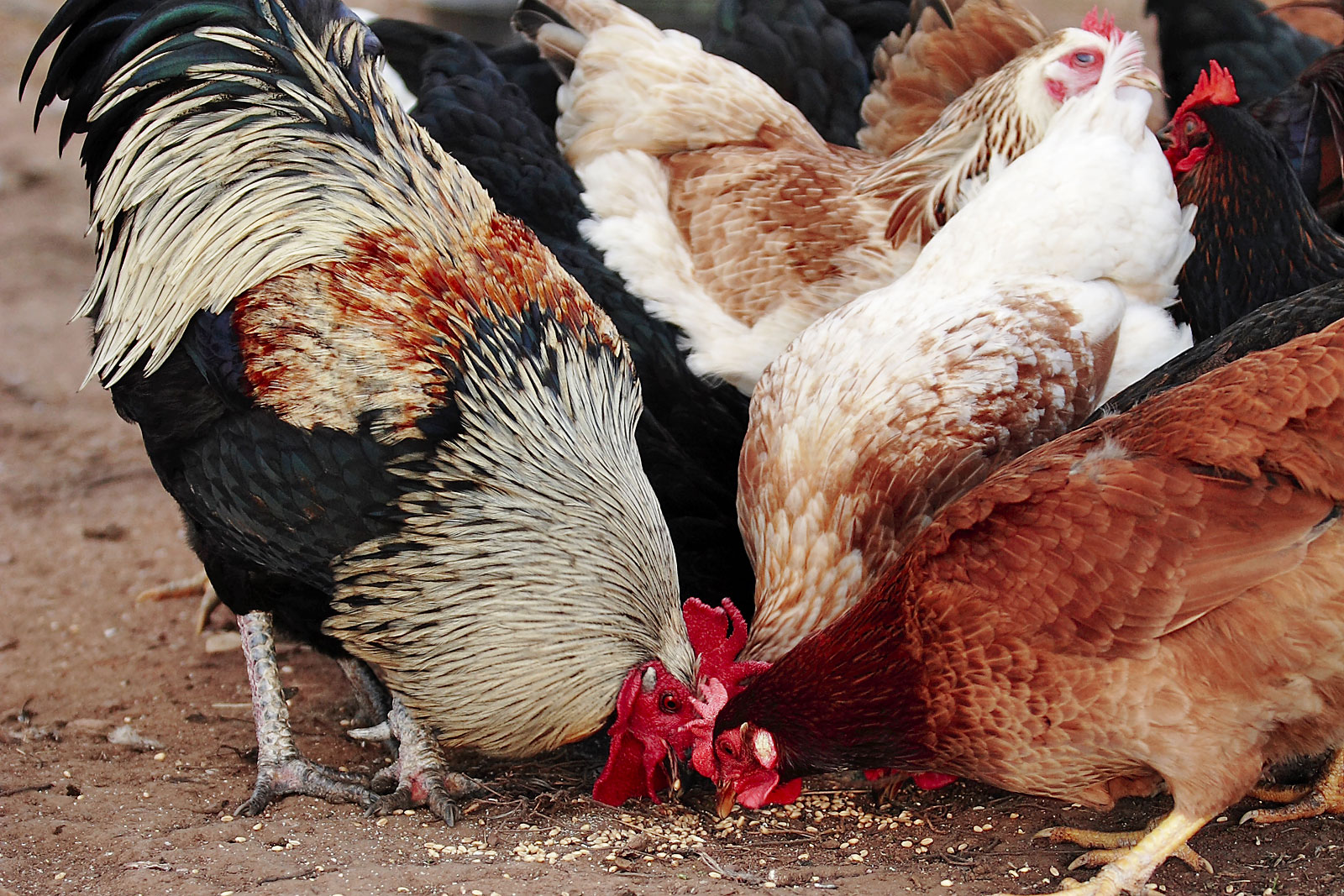
Chickens feeding on grain
A Girl Guide in the United Kingdom feeding chickens during World War I

Poultry feed, also known as chicken feed, is food for farm poultry, including chickens, ducks, geese and other domestic birds.

Before the twentieth century, poultry were mostly kept on general farms, and foraged for much of their feed, eating insects, grain spilled by cattle and horses, and plants around the farm. This was often supplemented by grain, household scraps, calcium supplements such as oyster shell, and garden waste.

As farming became more specialized, many farms kept flocks too large to be fed in this way, and nutritionally complete poultry feed was developed. Modern feeds for poultry consists largely of grain, protein supplements such as soybean oil meal, mineral supplements, and vitamin supplements. The quantity of feed, and the nutritional requirements of the feed, depend on the weight and age of the poultry, their rate of growth, their rate of egg production, the weather (cold or wet weather causes higher energy expenditure), and the amount of nutrition the poultry obtain from foraging. This results in a wide variety of feed formulations. The substitution of less expensive local ingredients introduces additional variations.[1]

Healthy poultry require a sufficient amount of protein and carbohydrates, along with the necessary vitamins, dietary minerals, and an adequate supply of water.[2] Lactose-fermentation of feed can aid in supplying vitamins and minerals to poultry.[3] Egg laying hens require 4 grams per day of calcium of which 2 grams are used in the egg. Oyster shells are often used as a source of dietary calcium.[4] Certain diets also require the use of grit, tiny rocks such as pieces of granite, in the feed. Grit aids in digestion by grinding food as it passes through the gizzard.[2][5][6] Grit is not needed if commercial feed is used.[5] Calcium iodate is used as supplement of iodine.

The feed must remain clean and dry;[2] contaminated feed can infect poultry. Damp feed encourages fungal growth. Mycotoxin poisoning, as an example, is "one of the most common and certainly most under-reported causes of toxicoses in poultry".[7] Diseases can be avoided with proper maintenance of the feed and feeder. A feeder is the device that supplies the feed to the poultry.[8] For privately raised chickens, or chickens as pets, feed can be delivered through jar, trough or tube feeders. The use of poultry feed can also be supplemented with food found through foraging.[9] In industrial agriculture, machinery is used to automate the feeding process, reducing the cost and increasing the scale of farming. For commercial poultry farming, feed serves as the largest cost of the operation.[2]

Poultry feed terms

[edit]
  • Mash refers to a nutritionally complete poultry in a ground form. This is the earliest complete poultry ration.[1]: 94 
  • Pellets consist of a mash that has been pelletized; that is, compressed and molded into pellets in a pellet mill. Unlike mash, where the ingredients can separate in shipment and the poultry can pick and choose among the ingredients (many times picking out just the corn and leaving the rest), the ingredients in a single pellet stay together, and the poultry eat the pellets whole. Pellets are often too large for newly hatched poultry.[1]: 303 
  • Crumbles are pellets that have been sent through rollers to break them into granules. This is often used for chick feed.[citation needed]
  • Scratch grain (or scratch feed) consists of one or more varieties of whole, cracked, or rolled grains. Unlike other feeds, which are fed in troughs, hoppers, or tube feeders, scratch grains are often scattered on the ground. Hence, a large particle size is desired. Because they consist only of grains, scratch grains are not a complete ration, and are used to supplement the balanced ration.[1]: 299 

See also

[edit]

References

[edit]
Revisions and contributorsEdit on WikipediaRead on Wikipedia
from Grokipedia
Poultry feed is a nutritionally balanced diet formulated to meet the specific requirements of domesticated birds, including chickens, turkeys, , and geese, for optimal growth, , production, and health maintenance. It consists of a precise mixture of energy-providing grains such as corn, , or ; protein sources like or canola meal; fats for ; vitamins including A, D, E, and ; and minerals such as calcium, , and trace elements like and , all proportioned according to the bird's , age, and production stage. Historically, were primarily fed through foraging for insects and grains on farms, with minimal supplementation. By the early , scientific advances in led to the development of commercial formulated feeds, incorporating essential nutrients like vitamins and to support intensive production. In the industry, feed represents about 70% of total production costs and is essential for achieving efficient meat and egg yields while minimizing waste and environmental impact. Common feed types include starter, grower, finisher, and layer feeds, tailored to different life stages and production goals. Nutritional needs vary by class—for instance, feeds require higher metabolizable energy (around 3,200 kcal/kg) and (about 1.1%) than layer feeds (around 2,900 kcal/kg energy and 0.72% )—but all must include essential like , alongside adequate water intake to facilitate nutrient absorption and metabolic functions. Additives such as enzymes, antioxidants, and coccidiostats are often incorporated to enhance digestibility, prevent diseases, and improve feed efficiency.

Introduction

Definition and Purpose

Poultry feed refers to specially formulated mixtures of ingredients, such as cereal grains, proteins, vitamins, and minerals, designed to fulfill the complete nutritional needs of domesticated birds including chickens, turkeys, and ducks. These feeds are engineered as "complete" diets that supply all essential nutrients required for optimal growth, reproduction, and maintenance of health in poultry raised for meat or eggs. The fundamental purpose of poultry feed is to deliver a balanced profile of , proteins, , vitamins, and minerals, thereby enhancing feed conversion efficiency, supporting robust production, and maximizing yield in commercial operations. By precisely meeting these nutritional demands, poultry feed promotes overall welfare and productivity, distinguishing it from practices where birds rely on inconsistent natural resources or supplemental feeds that only partially address dietary gaps. Economically, poultry feed represents 60-70% of total production costs in the global industry, underscoring its critical role in profitability and the drive for cost-effective formulations.

Historical Development

In ancient civilizations, such as around 2000 BCE, —including ducks, geese, and later chickens—were primarily sustained through foraging in fields and along riverbanks, supplemented by household scraps and grains like and remnants from human consumption. These practices reflected the integration of into agrarian lifestyles, where birds contributed to diets rich in eggs and without formalized feed systems. Evidence from archaeological sites indicates that with grains was employed to fatten for slaughter or egg production, marking an early form of nutritional enhancement. The 19th and early 20th centuries saw gradual shifts toward more structured feeding as scaled in and , but true industrialization accelerated post-World War II, driven by demand for affordable protein and advances in breeding. In the , scientific formulations emerged with the identification of all essential vitamins for , enabling balanced diets that improved growth rates and egg yields through synthetic supplements like and D metabolites. This period coincided with the U.S. poultry industry's expansion, where feed mills integrated with hatcheries to supply nutritionally optimized rations, reducing reliance on . Key milestones in the mid-20th century included the 1950s introduction of antibiotics, such as , as growth promoters in feeds, which boosted by over 10% and feed in intensive systems. By the , the U.S. standardized on corn-soybean meal diets, comprising about 60% corn and 30% , reflecting soybean production booms and nutritional that optimized protein and energy balance for broilers and layers. In the 1990s, the began banning certain antibiotic growth promoters, starting with avoparcin in 1997, due to concerns over antibiotic resistance in human pathogens. Research institutions like the USDA's played a pivotal role in standardizing feeds, with studies from the evaluating local feedstuffs and contributing to National Council guidelines on requirements that shaped global formulations. These efforts, including metabolizable concepts introduced in the 1940s, facilitated consistent, efficient poultry nutrition amid industrial growth.

Nutritional Requirements

Essential Nutrients

Poultry feed must supply a balanced array of essential nutrients to support growth, , , and productivity in birds. These nutrients are categorized into macronutrients, which provide energy and building blocks in larger quantities, and micronutrients, which facilitate metabolic processes in smaller amounts. Deficiencies or imbalances can lead to impaired performance, such as reduced or poor quality. Macronutrients form the bulk of diets, with carbohydrates typically comprising 50-70% and serving as the source through digestible starches that fuel cellular functions and . Proteins, accounting for 15-25% of the diet, are crucial for tissue repair, production, and feather development; they deliver essential like , which supports overall protein synthesis and growth, and , vital for processes and defense. Fats contribute 2-8% to the feed, enhancing (over 3,000 kcal/kg) and aiding the absorption of fat-soluble vitamins while providing essential fatty acids for . Micronutrients include vitamins and minerals, each performing specific roles in physiological processes. Vitamins such as A support vision, immune function, and epithelial maintenance, while D promotes calcium absorption and mineralization; deficiencies can compromise and skeletal health. Minerals like calcium, required at 3-4% in diets for laying hens to form strong eggshells and support structure, and at 0.4-0.6% for energy metabolism and skeletal development, are indispensable for structural integrity. Water is a critical yet often overlooked component, essential for digestion, nutrient transport, and thermoregulation; poultry consume approximately twice their feed intake in water volume, and its availability influences overall nutrient utilization, particularly in mash feeds where it aids pellet formation. Nutrient interactions are vital for optimal absorption and efficacy; for example, growing poultry like broilers require a calcium-to-phosphorus ratio of approximately 2:1 to prevent metabolic disorders such as rickets or soft bones by ensuring balanced mineralization, while laying hens need a higher ratio of 8:1 to 12:1 due to increased calcium demands for eggshell formation. Imbalances, such as excess calcium with insufficient phosphorus, can reduce feed intake and growth efficiency. While these general nutrient functions apply universally, specific quantities may vary slightly by poultry age or type to meet distinct physiological demands, as outlined in standards like the National Research Council (NRC) Nutrient Requirements of Poultry (1994, with ongoing updates as of 2025).

Requirements by Poultry Type

Broilers, or meat-type chickens, require diets formulated for rapid growth and efficient feed conversion, typically featuring high metabolizable levels of 3,000-3,200 kcal/kg to support muscle development and . Crude protein content in these diets ranges from 20-23% during starter and grower phases, decreasing to 18-19% in finisher feeds, ensuring adequate supply of essential like and without excess excretion. These specifications are tailored to modern commercial strains, where and protein needs peak in early life to achieve market weights of 2-3.5 kg in 5-7 weeks. Laying hens, focused on egg production, have more moderate energy requirements of 2,700-2,900 kcal/kg to maintain body weight and support oviposition without promoting excessive fat deposition. Protein levels are typically 14-18%, providing sufficient amino acids for albumen formation and overall maintenance, while calcium is elevated to 3.5-4% to facilitate eggshell mineralization, with the requirement increasing alongside peak production rates of 80-90 eggs per hen-year. Phosphorus availability is balanced at 0.3-0.4% to optimize the calcium-to-phosphorus ratio of 8:1 to 11:1, preventing skeletal issues in high-producing flocks. Turkeys demand higher protein concentrations than chickens, particularly in starter diets for poults at 24-28% to accommodate their faster early growth and larger body size, with metabolizable energy at 2,900-3,000 kcal/kg. As birds mature, protein reduces to 16-20% in grower and finisher phases, while energy may increase to 3,200 kcal/kg for reaching 15-20 kg. Ducks, as waterfowl, tolerate higher dietary fat levels up to 8-10% for , with starter feeds for ducklings providing 20-22% protein and 2,900 kcal/kg to promote feathering and early . Grower diets for ducks adjust to 17-19% protein and 3,000 kcal/kg, reflecting their semi-aquatic lifestyle and higher niacin requirement (2-3 times that of chickens), making them more prone to deficiency if not supplemented. Nutritional needs vary by breed, with commercial hybrids like Cornish Cross requiring higher energy densities for accelerated growth rates of 50-60 g/day, whereas heritage breeds such as Rhode Island Reds or Plymouth Rocks exhibit slower maturation and thus benefit from lower energy formulations around 2,800-3,000 kcal/kg to avoid metabolic stress. Heritage breeds often necessitate slightly elevated protein (18-20% in growers) to achieve mature sizes without the of hybrids, emphasizing balanced rations over high-intensity feeding. These differences stem from , where commercial lines prioritize productivity and heritage ones preserve adaptability and longevity.

Ingredients and Composition

Common Ingredients

Poultry feed formulations primarily rely on grains as the main energy sources, with constituting 60-70% of typical diets due to its high starch content and digestibility. and serve as alternatives or supplements, though inclusion is often limited to 20% without enzyme supplementation because of anti-nutritional factors like beta-glucans, which can increase digesta viscosity and reduce nutrient absorption. Protein sources form the next major component, typically comprising 20-30% of the diet, with being the most widely used plant-based option due to its balanced profile and crude protein content of 44-48%. Animal-derived proteins such as and meat-and-bone meal provide high-quality alternatives, but their use has been restricted since the early 2000s following (BSE) outbreaks, often limited to less than 5% in diets to prevent cross-contamination risks. By-products from grain processing offer cost-effective ways to incorporate and additional nutrients; distillers' dried grains with solubles (DDGS) from ethanol production are commonly included up to 15-20% as a protein and energy source, while rice bran provides economical supplementation, particularly in rice-producing regions. Regional variations adapt to local availability and economics; in , often replaces corn as the primary energy grain due to its and prevalence in arid areas, whereas in , serves as a starch-rich alternative, especially in tropical zones where it constitutes a significant portion of feed formulations.

Feed Additives

Feed additives are supplemental compounds incorporated into poultry diets to enhance , growth performance, and feed beyond basic nutritional needs. These non-nutritive enhancers include antimicrobials for disease prevention, antioxidants to maintain feed quality, and agents to improve . Ionophores, such as monensin, are polyether antibiotics used specifically as coccidiostats in and feeds to control caused by parasites. By disrupting ion transport in the parasites, monensin prevents intestinal damage and improves growth rates at inclusion levels of 60–125 mg/kg, as approved under EU Regulation (EC) No 1831/2003. Unlike growth-promoting antibiotics, ionophores target therapeutic control and remain permitted in many regions, though recent studies as of 2025 have raised concerns over potential links to antibiotic resistance in humans, particularly in the . Growth-promoting antibiotics (AGPs) faced bans in the 2000s and 2010s due to concerns over ; for instance, the prohibited zinc bacitracin in 1999 as part of early restrictions on non-essential antimicrobials, citing cross-resistance with medicines. In response, alternatives like (e.g., and species) and exogenous enzymes (e.g., and xylanase) have been widely adopted post-2006 AGP ban to support gut health, nutrient digestibility, and immunity without promoting resistance. enhance competitive exclusion of pathogens like , improving feed conversion ratios, while enzymes reduce anti-nutritional factors in feeds, boosting performance in organic systems. Antioxidants such as () and are added to counteract and rancidity in feed fats, particularly those rich in polyunsaturated fatty acids. acts as a at typical doses of 20–50 IU/kg for general feeds, preserving feed palatability and preventing in birds, while (0.3 mg/kg) boosts activity to further stabilize fats and improve meat quality. Their synergistic effects enhance overall defenses, reducing levels in tissues. Flavorings, including synthetic aromas and sweeteners, improve feed palatability to encourage intake during stress, with chickens responding to milky-vanilla profiles that mask off-flavors from ingredients. Binders like sodium bentonite (1–2%) enhance pellet durability by agglomerating particles, reducing dust and improving nutrient retention during storage and feeding. Controversies surrounding additives center on resistance risks, exemplified by the EU's 1999 ban on bacitracin, which highlighted potential zoonotic transfer of resistant bacteria from poultry to humans. Emerging prebiotics like mannanoligosaccharides (MOS), derived from cell walls, offer antibiotic-sparing options by binding pathogens and promoting beneficial , improving production (up to 61% laying rate) and immunity in hens at 0.1–0.5 g/kg. These are integrated across starter, grower, and finisher feeds to support consistent performance.

Types of Poultry Feed

Starter, Grower, and Finisher Feeds

Poultry production relies on phase feeding to match nutritional needs across life stages, using starter, grower, and finisher feeds to optimize growth, efficiency, and health from to maturity. These feeds are formulated based on established guidelines that adjust protein, energy, and mineral levels progressively; the phases described here primarily apply to broilers, with variations for other types such as layers (detailed in the Nutritional Requirements section). Starter feeds are designed for chicks from 0 to 3 weeks of age, providing 22-24% crude protein to fuel rapid initial growth and organ development. The high protein content, primarily from sources like , supports muscle formation and overall vitality during this vulnerable period. These feeds are typically presented in fine mash or form to improve digestibility, as young birds have underdeveloped digestive systems that benefit from smaller particle sizes. Additionally, starter formulations include elevated levels of vitamins such as A, E, and B-complex to enhance immune function and resistance to early pathogens. Grower feeds transition birds from approximately 3 to 6 weeks, with crude protein at 19-21% while emphasizing balanced calcium and for skeletal development and mineralization. This phase prioritizes steady muscle and frame growth, with levels around 3,050 kcal/kg to sustain increasing activity. For broilers, feeds often shift to pellet form during this stage to encourage faster and reduce selective feeding, thereby improving uniformity and feed conversion efficiency. Finisher feeds are fed from approximately 7 weeks to market (typically 8 weeks), with protein at 17-20% and boosted metabolizable to 3,100-3,150 kcal/kg to maximize deposition and live without excessive lean tissue. Calcium is minimized to 0.55-0.65% for non-layers, preventing skeletal issues like soft bones while supporting final maturation. Pelleted forms predominate to maintain efficiency in larger birds. Phase-feeding strategies, including precision nutrition approaches, refine these formulations by incrementally adjusting nutrient profiles, such as gradually decreasing excesses by 10-15% in later stages to better align with changing requirements, reduce waste, and lower excretion.

Specialized Feeds

Specialized feeds are formulated to address unique production needs, environmental conditions, or regulatory requirements beyond standard life-stage diets, incorporating specific ingredients or additives to enhance , , or compliance. Organic feeds for must adhere to strict standards prohibiting genetically modified organisms (GMOs) and synthetic additives, ensuring all components derive from certified organic sources to maintain product integrity. In the , these regulations are governed by Regulation (EU) 2018/848 (effective 2022), which replaced earlier frameworks including Council Regulation (EC) No 834/2007, banning GMOs in organic production and allowing only adventitious GMO presence up to 0.9%. Common certified ingredients include sunflower seeds, which provide high-energy oil and protein suitable for organic and layer diets without compromising growth performance when included up to 28-30%. Medicated feeds incorporate pharmaceutical agents to prevent or control diseases in vulnerable flocks, particularly in intensive systems where exposure is high. Anticoccidials, such as , are commonly added to starter feeds for young birds to inhibit caused by species, reducing clinical outbreaks and mortality in disease-prone environments. The U.S. approves these drugs for preventive use in poultry feeds, specifying indications for controlling without promoting resistance when rotated appropriately. Breeder feeds are enriched with omega-3 fatty acid sources like flaxseed to improve egg quality and offspring health, while free-range formulations supplement access for pastured birds. Including 10-30% extruded flaxseed in breeder diets elevates omega-3 levels in eggs, enhancing with minimal impact on hen performance or egg production. For free-range systems, feeds are designed to complement , providing balanced concentrates that support nutrient intake from grasses, , and forbs, thereby optimizing meat and egg attributes in outdoor-reared . Emerging specialized feeds, such as those using low-phytate grains or reduced crude protein formulations (1-2% lower with synthetic ), aim to minimize environmental impacts by improving utilization and lowering excretion. Low-phytate corn varieties increase available in diets by 10-30% compared to conventional corn, allowing reduced inorganic supplementation and cutting excretion by approximately 30% without affecting broiler growth or feed efficiency. As of 2025, precision low-protein diets are increasingly adopted for .

Production and Manufacturing

Formulation Process

The formulation process for feed begins with determining the nutritional requirements of specific types, such as broilers or layers, to ensure optimal growth, health, and production efficiency. This involves compiling data on essential like proteins, energy sources, vitamins, and minerals, tailored to the birds' age, , and environmental conditions. Formulators then select and analyze ingredients for their profiles, using laboratory to assess total and digestible content, including digestibility via methods like the precision-fed cecectomized rooster or simulations. Least-cost formulation is a core technique, employing linear programming algorithms to optimize ingredient combinations that meet nutrient constraints at the lowest possible cost. This mathematical approach solves systems of inequalities to minimize expenses while satisfying requirements for crude protein, metabolizable energy, and other nutrients, and can reduce feed costs compared to manual balancing. For simpler mixes, such as blending two ingredients to achieve a target protein level, the Pearson's square method provides a quick graphical solution by subtracting nutrient differences across a square diagram to calculate proportions. Advanced software like Brill Formulation or Feedsoft facilitates these calculations, incorporating ingredient variability, market prices, and multi-objective optimizations for large-scale operations. Recent advancements include incorporating alternative ingredients like insect proteins to enhance sustainability. Once the recipe is developed, production proceeds through grinding to uniform particle sizes (typically 1-2 mm for optimal digestibility), followed by mixing to ensure homogeneity. Batch production, common in smaller mills, allows precise control per load but requires downtime between cycles, while continuous systems enable higher throughput for large operations, though they demand consistent ingredient flow to avoid imbalances. The mixture is then pelleted or extruded under heat and pressure (80-90°C) to form durable nuggets, which enhance nutrient availability and reduce selective feeding; pelleting alone can improve feed conversion ratio (FCR) by 5-10% through better intake uniformity and reduced waste. Post-processing, formulations undergo digestibility testing in lab or trial settings to validate performance before scaling. In the , AI-driven tools have advanced formulation by integrating on variability, flock health metrics, and environmental factors to dynamically adjust recipes, potentially reducing costs and improving through precise nutrient targeting. models predict digestibility and optimize for alternatives like proteins, enabling adaptive formulations that respond to fluctuations.

Quality Control and Standards

Quality control in poultry feed production involves rigorous testing protocols to verify nutritional content and detect contaminants, ensuring the feed's safety and efficacy for animal and integrity. is a standard method used to assess key components such as moisture, crude protein, crude fat, crude fiber, and ash in feed samples, providing essential data on nutritional quality during manufacturing and storage. screening, particularly for aflatoxins produced by molds like species, is critical to prevent toxicity in ; the U.S. (FDA) establishes an action level of 20 (ppb) for total aflatoxins in animal feeds, including those for , to mitigate risks of residue carryover into eggs and . International standards such as and Critical Control Points (HACCP) and ISO frameworks guide in feed mills by identifying potential like or nutritional deficiencies at key production stages. HACCP requires feed manufacturers to conduct analyses, establish critical control points (e.g., intake and mixing), and implement monitoring procedures to prevent biological, chemical, or physical risks throughout the process. Complementing this, provides a management system tailored for operations, emphasizing prerequisite programs for and from to finished product distribution. systems under these standards enable tracking of feed batches from farm-sourced ingredients to end-use, facilitating rapid recalls if issues arise. Global variations in standards reflect regional priorities for poultry feed quality. , of American Feed Control Officials (AAFCO) outlines labeling requirements and nutritional guidelines, specifying a minimum crude protein guarantee of 16% for layer feeds to support production efficiency. , Regulation (EC) No 183/2005 on feed hygiene mandates registration and approval of feed businesses, enforces good hygiene practices, and requires HACCP-based procedures, with revisions through 2022 strengthening controls on primary production and contamination prevention. Post-2020 developments have integrated technology for enhanced verification in poultry feed, addressing incidents through immutable digital ledgers that record ingredient sourcing, processing, and distribution in real time. This approach improves transparency and , allowing stakeholders to verify compliance amid rising global trade and recall pressures.

Feeding Practices

Rationing and Administration

Rationing in poultry feed involves determining and controlling the amount of feed provided to birds based on their type, age, and production goals to optimize growth, health, and efficiency. For broilers, feed is typically provided ad libitum, allowing unrestricted access, which results in an average daily intake of 100-150 grams per bird over the production cycle, depending on environmental conditions and genetics. In contrast, layers often receive restricted rations of 110-120 grams per bird daily to prevent obesity and maintain reproductive performance, as excessive intake can lead to fat accumulation and reduced egg production. Delivery methods for poultry feed vary to suit different farm scales and bird needs, ensuring even distribution and minimal waste. Traditional troughs or linear feeders are commonly used in smaller operations, where feed is manually or mechanically distributed along a continuous line accessible to multiple birds. Automated systems, such as pan or chain feeders, are prevalent in commercial settings, delivering precise portions via hoppers and conveyors to reduce labor and ensure consistent availability. Liquid feeding systems, involving the mixing of dry feed with water into a slurry, offer enhanced precision for large-scale operations by allowing controlled nutrient delivery and improved digestibility, particularly in restricted regimens. Age-based adjustments are essential for rationing, as feed requirements increase with bird development to support growth phases. For broiler chicks, starter feed is rationed at 20-30 grams per bird daily during the first week, with increasing amounts thereafter to match rising metabolic demands (e.g., rising to about 46 grams per day in the second week and over 150 grams per day by the finisher phase), transitioning to grower and finisher feeds as outlined in standard poultry nutrition guidelines. These adjustments align with the use of starter, grower, and finisher feeds tailored to developmental stages and may vary by breed, region, and environmental conditions such as tropical versus temperate climates. Optimal feed is closely linked to availability, with maintaining a water-to-feed ratio of 1.6-2:1 by weight under normal conditions to facilitate and absorption. Insufficient can reduce feed consumption, underscoring the need for reliable drinkers alongside feed delivery to sustain levels.

Monitoring and Adjustments

Effective monitoring of poultry feed involves regular assessment of key performance indicators to ensure optimal growth, reproduction, and overall flock health. Body weight gain serves as a primary metric, with broilers typically targeted for steady increases from 40-50 grams at hatch to 1.8-2.5 kilograms by market age (typically 35-42 days), reflecting efficient utilization. The (FCR), calculated as feed intake divided by body weight gain, is a critical measure, with targets of 1.5-2.0 for broilers indicating balanced and protein delivery. For layers, egg production rates, often expressed as hen-day production percentage, aim for 80-90% during peak laying periods, linking directly to dietary adequacy in calcium, protein, and . Tools for evaluation include meticulous feed intake records, which track daily or weekly consumption per bird or flock to identify deviations from expected norms, such as 100-120 grams per day for broilers in the finisher phase. Blood tests provide deeper insights into nutrient status; for instance, low levels can signal protein deficiencies, prompting immediate dietary corrections to prevent reduced growth or immune compromise. These analyses, combined with routine weighing and visual checks, allow producers to detect imbalances early, such as those exacerbated by subtle hazards like mycotoxins that impair nutrient absorption. Adjustments to feed formulations are essential based on observed and environmental factors. In cold weather, when ambient temperatures drop below 18°C, energy requirements rise due to , necessitating a 5-7% increase in dietary or content to maintain body and FCR without excess waste. Flock health responses, such as sudden drops in production or uneven , may require targeted modifications like boosting levels or to address stress-induced inefficiencies. In large-scale operations as of 2025, digital tools like IoT-enabled sensors facilitate real-time feed tracking by integrating load cells and RFID tags on feeders, enabling automated alerts for under- or over-consumption and supporting -driven adjustments to improve FCR by up to 5%. These systems, often cloud-connected, analyze patterns alongside environmental to optimize rations dynamically, enhancing and productivity.

Health, Safety, and Regulations

Potential Hazards and Mitigation

Poultry feed can pose several potential hazards to birds, primarily through contaminants and nutritional imbalances that affect health and productivity. Mycotoxins, toxic secondary metabolites produced by fungi such as species, commonly contaminate grains used in feed formulations. Deoxynivalenol (DON), also known as , is one of the most prevalent mycotoxins in poultry feed and induces , reduced feed intake, and gastrointestinal disturbances in affected birds. , including lead, , and , can enter feed via polluted ingredients like or contaminated soil-grown crops, leading to in poultry tissues, weight loss, organ damage, and impaired immune function. Nutritional imbalances in formulated feeds exacerbate risks when levels deviate from optimal ranges. Excess dietary salt, often exceeding 0.5% of the ration, increases consumption and results in wet litter, which promotes and footpad dermatitis in broilers. deficiencies, such as (vitamin B1) shortfall, cause beriberi-like symptoms including polyneuritis, staggering , head retraction (star-gazing), and reduced growth in . Zoonotic risks arise when feed serves as a vector for pathogens transmissible to humans. Contaminated poultry feed can harbor bacteria, leading to outbreaks and highlighting the potential for feedborne transmission to poultry and subsequent human exposure via meat or eggs. Additionally, avian influenza virus (AIV) can contaminate feed through wild droppings, facilitating indirect transmission to domestic flocks and posing spillover risks to humans in close contact with infected birds. Mitigation strategies focus on preventing and addressing these hazards through targeted interventions. For mycotoxins, adsorbents such as hydrated sodium calcium aluminosilicates (HSCAS) and other clays like bind toxins in the , reducing absorption and alleviating effects like from DON. Heavy metal risks are managed by sourcing ingredients from low-pollution areas and conducting routine testing to ensure levels below safe thresholds established by regulatory guidelines. Nutritional imbalances are countered by precise feed formulation and periodic analysis to maintain salt below 0.5% and adequate levels, preventing issues like wet litter and neurological symptoms. For bacterial and viral zoonotic threats, regular feed audits, proper storage to avoid wild bird access, and or of ingredients minimize . Additives like aluminosilicates also support hazard control in formulations.

Regulatory Frameworks

In the United States, the Food and Drug Administration (FDA) oversees poultry feed through its Center for Veterinary Medicine's Animal Feed Program, which enforces regulations under the Federal Food, Drug, and Cosmetic Act to ensure feed safety, quality, and proper labeling. The FDA's implementation of the Food Safety Modernization Act (FSMA) requires preventive controls for animal food, including hazard analysis and risk-based preventive controls for hazards like Salmonella in poultry feed, with full compliance phased in by 2021. Labels on poultry feed must include a guaranteed analysis providing nutritional facts such as minimum percentages of crude protein, crude fat, crude fiber, and maximum moisture, along with an ingredient statement listing components in descending order of predominance by weight. Additionally, since 1997, FDA regulations under 21 CFR 589.2000 have prohibited the use of most mammalian proteins derived from ruminants in animal feeds intended for ruminants to prevent the spread of bovine spongiform encephalopathy (BSE), with strict controls to avoid cross-contamination in poultry feed production facilities. In the , Regulation (EC) No 183/2005 establishes comprehensive requirements for feed hygiene, mandating registration or approval of all feed business operators, implementation of procedures based on and critical control points (HACCP) principles, and record-keeping to trace feed from primary production through distribution, thereby safeguarding feed against contamination at every stage. Complementing this, Regulation (EU) 2019/6, effective from January 28, 2022, imposes a zero-tolerance policy for the routine prophylactic use of antimicrobials in and other , prohibiting group treatments unless justified by veterinary to curb while allowing therapeutic use under strict oversight. Internationally, the Commission sets standards for maximum residue limits (MRLs) of veterinary drugs, including antibiotics, in tissues to protect consumer health; for example, MRLs for tetracyclines are 0.2 mg/kg in muscle and 0.6 mg/kg in liver for . These guidelines, adopted by over 180 countries, promote harmonized practices and for residues arising from approved feed additives. Recent global efforts include the World Health Organization's (WHO) 7th revision of the Critically Important Antimicrobials for Human Medicine list in 2024, which classifies antimicrobials used in feeds and urges restrictions on highest-priority classes (e.g., third- and fourth-generation cephalosporins) in animal to combat , building on hazards like residue transfer identified in prior assessments.

Environmental Impact

The production of poultry feed has a substantial environmental footprint, primarily driven by the intensive resource demands of cultivating key ingredients such as corn, , and other grains. Water usage is particularly high, with the footprint associated with production averaging around 4,300 cubic meters per ton of meat, the vast majority of which stems from feed crop and processing. Similarly, land use for soy, a staple in rations, contributes to ; approximately 80% of global production is directed toward , including for , and soy expansion has been linked to significant habitat loss in the , where it accounts for a notable portion of agricultural encroachment. Emissions from poultry feed production and subsequent use further exacerbate climate impacts. Feed accounts for roughly 70% of the total in poultry supply chains, encompassing gases like from energy-intensive farming and transport, methane from certain grain cultivation practices (such as rice paddies, though less dominant in poultry diets), and from application. Additionally, excess in feeds leads to volatilization from , with poultry houses emitting significant NH3 due to high-moisture conditions that promote its release from undigested proteins. On a global scale, the animal feed sector contributes substantially to agrifood emissions, with feed production alone responsible for about 5.8 Gt CO2 equivalent annually as part of the sector's total. Beyond emissions, from poultry feed manifests in runoff, where uneaten or excreted P from high-phosphate diets enters waterways via application, triggering and harmful algal blooms in aquatic ecosystems. The addition of enzymes to feeds can mitigate this by enhancing phosphorus digestibility, reducing by 20-50% and thereby lowering runoff risks without compromising bird nutrition.

Innovations and Alternatives

Alternative proteins are gaining traction in poultry feed formulations to enhance by diversifying away from traditional sources like . Insect meal derived from black soldier larvae () stands out as a high-protein option, typically containing 40-50% crude protein on a basis, with profiles comparable to fishmeal and suitable for partial or full replacement in and layer diets. This substitution can reduce reliance on by up to 30% without compromising growth performance or feed efficiency, as demonstrated in trials where black soldier meal replaced in grower-finisher rations. , particularly such as Spirulina and , offer another viable alternative with protein contents reaching 50-70%, providing essential minerals and bioactive compounds that improve poultry growth, feed conversion, and when incorporated at levels of 5-10% in diets. In 2025, research has highlighted algae's potential in poultry feed to help prevent the spread of low-path . Lab-grown single-cell proteins (SCPs), produced via microbial , represent an emerging precision-engineered option with protein yields up to 70%, enabling scalable production from low-cost substrates like and supporting reduced environmental footprints in . Technological innovations are transforming poultry feed delivery and customization to minimize waste and optimize nutrient uptake. Precision feeding systems powered by (AI) and analyze on bird health, behavior, and environmental factors to tailor rations, supporting reductions in feed waste through targeted nutrient delivery and early detection of inefficiencies. Cultivated feed approaches leverage advanced agriculture to secure reliable, high-yield supplies of grains and ingredients for diets. , including hydroponic systems, facilitates the rapid production of nutrient-dense like sprouts in controlled environments, yielding up to 10 times more per unit area than traditional fields while using 98% less water, thus addressing land scarcity for feed grains. Gene-edited crops, such as drought-tolerant varieties, have received regulatory approvals since 2023 in countries like and . Research on drought-resistant corn developed via CRISPR-Cas9 targeting pathways shows potential for improved tolerance under water-stressed conditions. Despite these advancements, adoption faces significant challenges, particularly cost barriers that hinder widespread implementation. Insect-based feeds remain significantly more expensive than conventional soy meal—approximately 5-6 times the cost based on 2024 data—due to high production inputs and regulatory constraints on substrates, though expansions by companies like InnovaFeed are scaling operations to achieve cost reductions through optimized waste-to-protein conversion. These innovations collectively aim to mitigate environmental pressures on feed resources, such as from soy expansion, by promoting circular and efficient systems. As of , the adoption of (LCA) tools is increasingly used to measure and optimize the environmental impacts of poultry feed formulations.

References

Add your contribution
Related Hubs
User Avatar
No comments yet.