


Community hub
Recent from talks
Contribute something
Nothing was collected or created yet.
Fodder
View on Wikipedia | This article needs additional citations for verification. (October 2014) |

Fodder (/ˈfɒdər/), also called provender (/ˈprɒvəndər/), is any agricultural foodstuff used specifically to feed domesticated livestock, such as cattle, rabbits, sheep, horses, chickens and pigs. "Fodder" refers particularly to food given to the animals (including plants cut and carried to them), rather than that which they forage for themselves (called forage). Fodder includes hay, straw, silage, compressed and pelleted feeds, oils and mixed rations, and sprouted grains and legumes (such as bean sprouts, fresh malt, or spent malt). Most animal feed is from plants, but some manufacturers add ingredients to processed feeds that are of animal origin.
The worldwide animal feed trade produced 1.245 billion tons of compound feed in 2022 according to an estimate by the International Feed Industry Federation,[1] with an annual growth rate of about 2%. The use of agricultural land to grow feed rather than human food can be controversial (see food vs. feed); some types of feed, such as corn (maize), can also serve as human food; those that cannot, such as grassland grass, may be grown on land that can be used for crops consumed by humans.

Common plants specifically grown for fodder
[edit]


- Alfalfa (lucerne)
- Barley
- Common duckweed[2]
- Birdsfoot trefoil
- Brassica spp.
- Clover
- Grass
- Bermuda grass
- Brome
- False oat grass
- Fescue
- Heath grass
- Meadow grasses (from naturally mixed grassland swards)
- Orchard grass
- Ryegrass
- Timothy-grass
- Corn (maize)
- Millet
- Oats
- Sorghum
- Soybeans
- Trees (pollard tree shoots for "tree-hay")
- Wheat


Types
[edit]- Biochar for cattle[3]
- Bran
- Conserved forage plants: hay and silage
- Compound feed and premixes, often called pellets, nuts or (cattle) cake
- Crop residues: stover, copra, straw, chaff, sugar beet waste
- Fish meal
- Freshly cut grass and other forage plants
- Grass or lawn clipping waste[4]
- Green maize
- Green sorghum
- Horse gram
- Leaves from certain species of trees[5]
- Meat and bone meal (now illegal in cattle and sheep feeds in many areas due to risk of BSE)
- Molasses
- Native green grass
- Oilseed press cake (cottonseed, safflower, sunflower, soybean, peanut or groundnut)
- Oligosaccharides
- Processed insects (i.e. processed maggots[6])
- Seaweed (including Asparagopsis taxiformis which is used mainly as a supplement to reduce methane emissions by up to 90%)
- Seeds and grains, either whole or prepared by crushing, milling, etc.
- Single cell protein[7](can also be made from atmospheric CO2)
- Sprouted grains and legumes
- Yeast extract (brewer's yeast residue)
Health concerns
[edit]In the past, bovine spongiform encephalopathy (BSE, or "mad cow disease") spread through the inclusion of ruminant meat and bone meal in cattle feed due to prion contamination. This practice is now banned in most countries where it has occurred.[citation needed] Some animals have a lower tolerance for spoiled or moldy fodder than others, and certain types of molds, toxins, or poisonous weeds inadvertently mixed into a feed source may cause economic losses due to sickness or death of the animals. The US Department of Health and Human Services regulates drugs of the Veterinary Feed Directive type that can be present within commercial livestock feed.[citation needed]
Droughts
[edit]
Increasing intensities and frequencies of drought events put rangeland agriculture under pressure in semi-arid and arid geographic areas. Innovative emergency fodder production concepts have been reported, such as bush-based animal fodder production in Namibia. During extended dry periods, some farmers have used woody biomass fibre from encroacher bush as their primary source of cattle feed, adding locally available supplements for nutrients as well as to improve palatability.[8][9][10][11][12]
Sprouted grains as fodder
[edit]
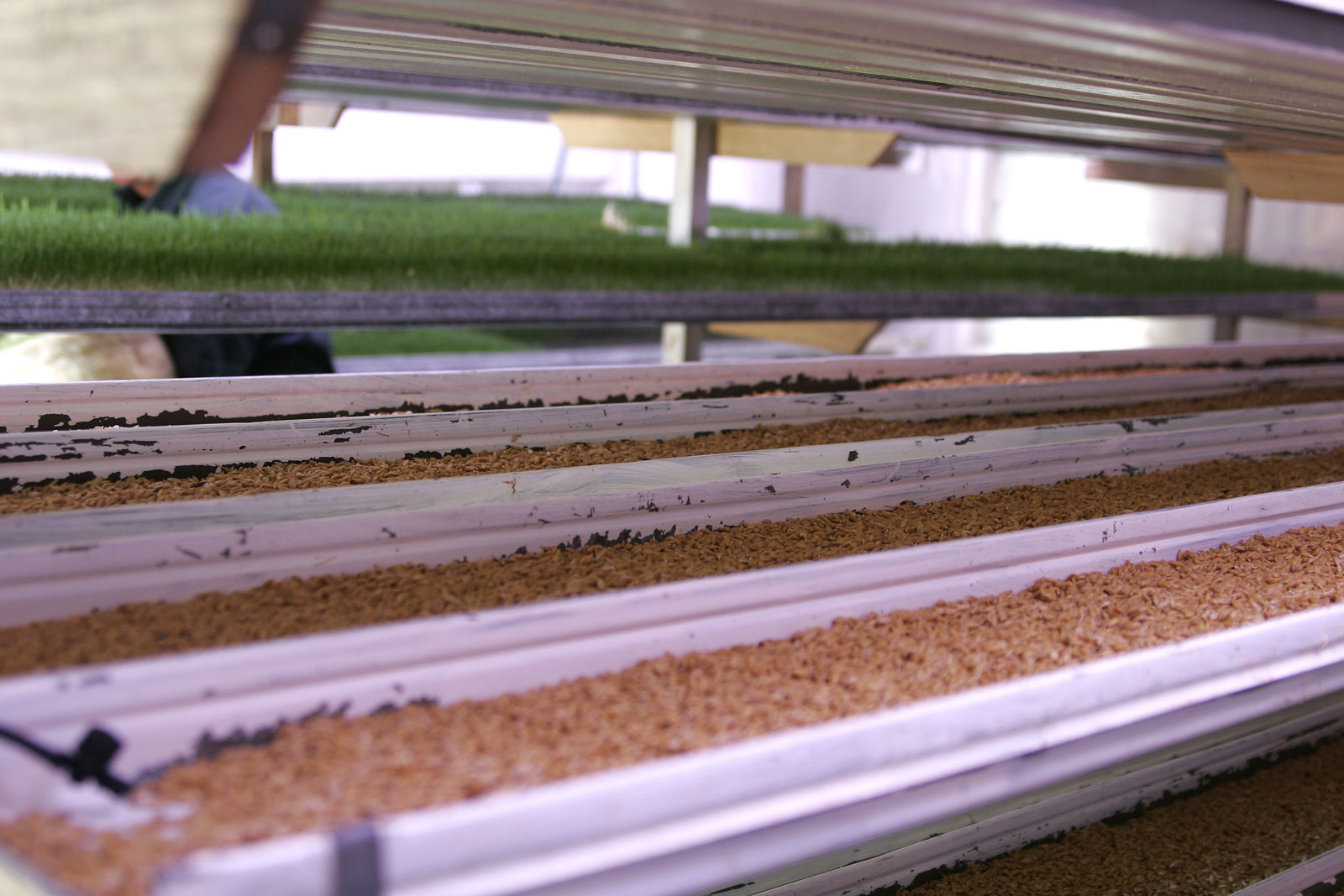
Fodder in the form of Sprouted cereal grains such as barley, and legumes can be grown in commercial quantities. Sprouted grains can significantly increase the nutritional value of the grain compared with feeding the ungerminated grain to stock.[13] They use less water than traditional forage, making them ideal for drought conditions. Sprouted barley and other cereal grains can be grown hydroponically in a carefully controlled environment.[14] Hydroponically-grown sprouted fodder at 150 mm tall with a 50 mm root mat is at its peak for animal feed. Although barley is a grain, barley sprouts are approved by the American Grassfed Association as livestock feed.[citation needed]
See also
[edit]- Cannon fodder (metaphorical usage)
- Circular agriculture
- Factory farming
- Feed manufacturing
- Food-feed system
- Pasture
References
[edit]- ^ "Global Feed Statistics". International Feed Industry Federation. Retrieved 18 March 2024.
- ^ Devlamynck, Reindert; Meers, Erik (May 2018). "Valorization of agricultural wastewater streams into an alternative protein source duckweed".
- ^ Daly 2019:Mr Pow said his innovative farming system could help livestock producers become more profitable while helping to address the impact of climate change.
- ^ Logsdon 2004, p. [page needed].
- ^ "Fodder trees for more milk and income" (PDF). Department for International Development. Archived from the original (PDF) on 2015-09-27. Retrieved 2015-09-22.
- ^ Medeiros, João (9 March 2014). "How AgriProtein makes chicken food from maggots". Wired.
- ^ Giec, A; Skupin, J (1988). "Single cell protein as food and feed". Nahrung. 32 (3): 219–29. doi:10.1002/food.19880320302. PMID 3292921.
- ^ Mupangwa, Johnfisher; Lutaaya, Emmanuel; Shipandeni, Maria Ndakula Tautiko; Kahumba, Absalom; Charamba, Vonai; Shiningavamwe, Katrina Lugambo (2023), Fanadzo, Morris; Dunjana, Nothando; Mupambwa, Hupenyu Allan; Dube, Ernest (eds.), "Utilising Encroacher Bush in Animal Feeding", Towards Sustainable Food Production in Africa: Best Management Practices and Technologies, Sustainability Sciences in Asia and Africa, Singapore: Springer Nature, pp. 239–265, doi:10.1007/978-981-99-2427-1_14, ISBN 978-981-99-2427-1, retrieved 2023-07-13
- ^ Shiningavamwe, Katrina Lugambo; Lutaaya, Emmanuel; Mupangwa, Johnfisher (2025), "Feed intake, growth performance and carcass characteristics of Damara lambs fed bush-based rations from four encroacher bush species", Tropical Animal Health and Production, 57 (5) 246, doi:10.1007/s11250-025-04473-w, PMC 12137530, PMID 40464997
- ^ "Report on the Bush-to-Feed Pilot Projet in the African Wild Dog Community Forest". Ministry of Agriculture, Water and Forestry. 2018.
- ^ Matthys, Donald (2018-11-30). "Manual on how to produce animal feed from local encroached bush launched". Namibia Economist.
- ^ "Turning bush to feed in face of drought". The Namibian. 2016-10-18. Archived from the original on 2020-06-25. Retrieved 2020-06-22.
- ^ Sneath, Roger; McIntosh, Felicity (October 2003). Review of Hydroponic Fodder Production for Beef Cattle. Meat & Livestock Australia. p. 15. ISBN 1740365038.
- ^ Sneath, Roger; McIntosh, Felicity (October 2003). Review of Hydroponic Fodder Production for Beef Cattle. Meat & Livestock Australia. ISBN 1740365038.
Hydroponic sprouts may have profitable application in intensive, small-scale livestock situations with high value outputs, where land and alternative feed costs are high, and where the quality changes (eg less starch, more lysine, vitamins, etc) due to sprouting are advantageous to the particular livestock.
Works cited
[edit]- Logsdon, Gene (2004). All Flesh Is Grass. Ohio University: Swallow Press. Chapter 20. ISBN 0-8040-1069-2.
- Daly, Jon (18 October 2019). "Poo-eating beetles and charcoal used by WA farmer to combat climate change". ABC.net.au. Australian Broadcasting Corporation.
Further reading
[edit]- Zhou, Yiqin. Compar[ison of] Fresh or Ensiled Fodders (e.g., Grass, Legume, Corn) on the Production of Greenhouse Gases Following Enteric Fermentation in Beef Cattle. Rouyn-Noranda, Qué.: Université du Québec en Abitibi-Témiscamingue, 2011. N.B.: Research report.
- Ritthausen, Karl Heinrich (1872). Die Eiweisskörper der Getreidearten, Hülsenfrüchte und Ölsamen: Beiträge zur Physiologie der Samen der Culturgewächse, der Nahrungs- und Futtermittel (in German). Verlag von Max Cohen.
External links
[edit]

- UK Food Standards Agency, Animal feed legislation and guidance Archived 2010-12-13 at the Wayback Machine
- FAO Feed Safety guidelines Archived 2010-12-02 at the Wayback Machine

Fodder
View on GrokipediaHistory and Evolution
Origins in Early Agriculture
The domestication of livestock during the Neolithic Revolution, beginning around 10,000 BCE in the Fertile Crescent of the Near East, marked the initial shift toward systematic fodder provision, as settled herding required supplemental nutrition beyond natural grazing to sustain animals through seasonal scarcities. Sheep and goats were among the first domesticated species circa 9000 BCE, followed by cattle around 8000 BCE, necessitating practices such as collecting wild grasses, legumes, and crop residues to prevent overgrazing near human settlements.[7][8] Early farmers managed plant resources explicitly for fodder, integrating it with crop cultivation to support herd viability, as evidenced by archaeobotanical remains indicating deliberate harvesting of herbaceous plants for feed.[7] Barley (Hordeum vulgare), cultivated from approximately 10,000 to 5300 cal. BC in Neolithic Near Eastern economies, served dual purposes as human food and livestock fodder, with isotopic and macrobotanical analyses revealing its allocation to animals when surpluses allowed or during human shortages. This practice reflected causal adaptations to arid environments, where barley's resilience made it a reliable feed source, supplementing diets for ruminants like sheep and cattle.[9] Agricultural residues, including straw and chaff from wheat and barley harvests, were routinely fed to livestock, minimizing waste while enhancing soil fertility through manure return, a method inferred from dung deposits and plant processing tools at sites like Çatalhöyük.[10] Leaf-foddering—gathering tree leaves, branches, and shrubs as browse—emerged as a key early technique, with direct archaeobotanical evidence from Neolithic sites such as Weier, Switzerland (ca. 4000–3500 BCE), where preserved remains in cattle and sheep dung layers document the intentional collection of forest forage during winter. This supplemented grazing in temperate regions and paralleled Near Eastern strategies, enabling year-round herd management without advanced preservation.[11] Such practices laid foundational causal links between crop-livestock integration and agricultural intensification, fostering population growth and technological evolution.[12]Developments in the Industrial Era
The Industrial Era marked a transition in fodder production from labor-intensive manual methods to mechanized processes, driven by the need to support expanding livestock populations for draft power in agriculture and urban transport. Horse-drawn reciprocating-blade mowers, introduced in the early 19th century in the United States, significantly accelerated the cutting of grasses and legumes for hay, replacing scythes and enabling larger-scale harvesting.[13] These innovations, combined with horse rakes for tedding and windrowing, increased efficiency and output, allowing farmers to produce more fodder to sustain the growing reliance on horses in industrialized economies. By the mid-19th century, such mechanization had become widespread, facilitating the accumulation of hay as a critical resource equivalent in economic value to staple crops like cotton and wheat in the United States.[14] Preservation techniques advanced notably with the popularization of ensilage, a fermentation method for storing green fodder that reduced weather dependency and spoilage risks associated with haymaking. Though rooted in ancient practices, modern ensilage gained traction in Europe during the 1870s and spread to American farms by the 1880s, with agricultural institutions promoting its use for crops like corn by the late 19th century. This allowed for the reliable winter feeding of ruminants, complementing dry hay and supporting higher animal densities on farms integrated into industrial supply chains. Storage and handling innovations further streamlined fodder management, exemplified by the mechanical hay baler. Patented in the late 1800s, early balers compressed loose hay into compact bundles, easing transport and storage in barns or silos, which proliferated in regions like the American Corn Belt from the late 19th century onward.[15] These developments collectively underpinned the era's agricultural intensification, ensuring fodder availability amid rising demand from mechanized farming and equine-powered industry.[16]Post-WWII Advancements and Global Expansion
Following World War II, mechanization transformed fodder production through the adoption of tractors, forage harvesters, and balers, reducing labor requirements and increasing efficiency. In the United States, postwar technological advancements included self-propelled mowers and rakers, enabling faster hay curing and handling. The invention of the large round baler in 1966 by Dr. Wallace F. Buchele at Iowa State University marked a pivotal innovation, producing bales up to 10 times larger than square bales and minimizing weather-related losses.[17] [18] Commercial round balers proliferated in the 1970s, facilitating storage and transport for expanded livestock operations. Silage preservation advanced with bunker and horizontal silo systems, allowing greater volumes of green fodder to be ensiled under controlled conditions, particularly on Midwestern plains farms.[19] The rise of compound feeds integrated grains, oilseeds, and additives, shifting fodder toward concentrates for intensive animal husbandry. Postwar nutritional research spurred the use of antibiotics, vitamins, and pelleting processes, improving feed conversion and growth rates in confined systems.[20] [21] By the mid-20th century, these innovations supported concentrated animal feeding operations, with farmland dedicated to feed crops expanding significantly.[22] The Green Revolution, commencing in the 1960s, amplified yields of feed grains like wheat and maize through hybrid varieties and fertilizers, tripling global cereal output with only a 30% land increase from 1961 onward.[23] Globally, fodder demand surged with livestock expansion, driven by population growth and rising protein consumption. Beef production more than doubled since the 1960s, while overall meat output grew amid urbanization and income gains in developing regions.[24] FAO initiatives from 1945 onward enhanced crop and livestock productivity, contributing to self-sufficiency in feed supplies across Europe and Asia.[25] Agricultural land area rose 7.6% between 1961 and 2020, but yield gains outpaced expansion, enabling intensified fodder systems without proportional habitat conversion.[26] Confinement rearing, reliant on preserved and compounded fodder, proliferated post-1945, particularly in poultry and swine sectors.[27]Definition and Classification
Core Definition and Distinctions from Forage
Fodder constitutes any agricultural foodstuff, dry or fresh, provided specifically to domesticated livestock such as cattle, horses, sheep, and goats, encompassing materials like hay, silage, straw, compressed pellets, and sprouted grains harvested or processed for nutritional support.[28][29] This definition emphasizes its role as a deliberate feed source, often derived from entire plants including leaves, stalks, and grains of crops like corn or sorghum, distinguishing it from incidental or wild vegetation.[30] In contrast to forage, which denotes plant material primarily accessed by animals through direct grazing or browsing in pastures, ranges, or fields—encompassing both in-situ consumption and any harvested equivalents—fodder specifically refers to feed that is cut, gathered, preserved, or transported to the livestock by human intervention.[31] This distinction arises from production and delivery practices: forage supports self-sustained systems where animals seek and consume vegetation on-site, while fodder enables regulated, stored nutrition for confined or seasonal feeding, mitigating reliance on live pastures during droughts or winters.[32][33] Although the terms occasionally overlap in casual agricultural usage, with harvested roughage serving dual roles, precise application in extension and production contexts underscores fodder's emphasis on supplied, often preserved bulk feed versus forage's broader association with field-harvested or grazed resources. This differentiation informs feed management strategies, as fodder's preparation allows for quality control, nutrient balancing, and extended shelf life through methods like ensiling or drying.[31][32]Primary Categories: Roughage vs. Concentrates
In livestock nutrition, fodder is classified into primary categories of roughage and concentrates based on fiber content, digestibility, and nutrient density. Roughage consists of bulky, coarse plant materials high in fiber, typically exceeding 18% crude fiber on a dry matter basis, and low in total digestible nutrients (TDN), often below 60%. These feeds promote rumen function and digestive health in ruminants by providing necessary bulk and stimulating saliva production for buffering rumen pH.[34] [35] Concentrates, by contrast, are feeds low in fiber, generally under 18% crude fiber, and high in energy or protein, with TDN levels frequently above 70% and digestibility ranging from 80% to 90%. They supply concentrated sources of carbohydrates, proteins, and fats to meet requirements for growth, milk production, and weight gain, but excessive use without roughage can lead to acidosis in ruminants due to rapid fermentation.[36] [37] Nutritionally, roughages are richer in calcium, potassium, and certain fat-soluble vitamins compared to concentrates, while being lower in phosphorus and energy-dense components; their digestibility is typically 50-65%. Concentrates offer higher levels of digestible energy and protein but lower mineral balances suited for supplementation rather than sole feeding. Examples of roughages include hay, silage, pasture grasses, legumes like alfalfa, and crop residues such as straw or corn stover. Concentrates encompass cereal grains like corn, oats, and wheat; protein sources such as soybean meal; and by-products like molasses or cottonseed hulls.[38] [39] [40] Balanced diets for cattle often incorporate 40-60% roughage to maintain rumen motility and health, with concentrates adjusted based on production goals—higher for dairy or finishing cattle to boost energy intake. This classification guides feed formulation to optimize animal performance while minimizing health risks like bloat or laminitis from imbalanced ratios.[41] [42]Types of Fodder
Grasses and Legumes Grown for Feed
Grasses and legumes constitute the primary cultivated forages for livestock feed, supplying roughage rich in fiber for ruminant digestion while legumes contribute elevated protein levels. Cool-season grasses such as Kentucky bluegrass (Poa pratensis), orchardgrass (Dactylis glomerata), and timothy (Phleum pratense) dominate temperate regions, yielding palatable biomass for grazing and hay production with optimal growth in spring and fall.[43][44] Warm-season grasses including bermudagrass (Cynodon dactylon) and bahiagrass (Paspalum notatum) prevail in subtropical areas, providing drought-tolerant summer forage with yields up to 10-15 tons of dry matter per hectare under irrigation.[45][46] Legumes, valued for biological nitrogen fixation that reduces fertilizer needs by 100-200 kg N/ha annually, include alfalfa (Medicago sativa), the highest-yielding perennial forage legume with protein yields exceeding 2 tons per hectare in multiple cuttings.[47] Red clover (Trifolium pratense) and white clover (Trifolium repens) serve as short-term perennials or annuals in mixtures, enhancing pasture persistence and animal intake due to lower fiber content.[48] Birdsfoot trefoil (Lotus corniculatus) offers bloat-resistant options for wet soils, maintaining digestibility beyond maturity stages where grasses lignify rapidly.[48] Nutritionally, grasses typically provide 8-12% crude protein and higher neutral detergent fiber (50-70% of dry matter) for rumen health, whereas legumes average 18-25% crude protein with more digestible energy from leaves, though excess legume feeding risks bloat in cattle.[49][50] Mixed grass-legume swards balance these traits, increasing total dry matter intake by 10-20% over monocultures via complementary rooting and nitrogen cycling.[51] Global pasture and fodder crop area reached 3.5 billion hectares by 2000, with alfalfa alone occupying over 30 million hectares across major producers like the United States and Argentina.[52] In developing countries, 159 million hectares of cultivated forages generated $63 billion in value from 2012-2018, underscoring their role in sustaining dairy and beef output amid land constraints.[53] Cultivation emphasizes soil testing for pH 6.0-7.0, inoculation for legumes, and rotational harvesting at boot to early-head stages to maximize quality, with yields varying by 20-50% based on precipitation and fertility management.[47][43]Silage, Hay, and Preserved Forms
Silage represents a preserved form of high-moisture fodder, typically consisting of chopped forage crops such as grasses, legumes, or whole-crop cereals fermented under anaerobic conditions to achieve preservation through lactic acid production, which lowers pH to levels around 3.8-4.5 and inhibits spoilage organisms.[54] This method allows for harvesting at higher moisture contents of 60-70%, reducing field drying time compared to hay and minimizing nutrient losses from weathering, while enabling greater yields per acre—often 20-30% more dry matter recovery than haymaking.[55] Nutritional quality depends on harvest timing, with optimal ensiling at 30-35% dry matter to balance fermentation efficiency and digestibility; poor management risks secondary fermentations by clostridia or yeasts, leading to elevated ammonia levels and reduced protein value.[56] Silage retains higher levels of soluble carbohydrates and vitamins than sun-dried hay but requires airtight storage in silos, bunkers, or wrapped bales to prevent aerobic deterioration, which can cause heating and dry matter loss exceeding 10-15% if seals fail.[57] Hay, in contrast, preserves fodder by field drying to low moisture levels, typically 15-20%, which halts microbial activity and enzymatic breakdown without relying on fermentation.[58] The process involves cutting forage, wilting to facilitate moisture evaporation primarily from leaves and stems in sequential phases—initial rapid surface drying followed by slower internal diffusion—and baling once equilibrium moisture is reached to avoid mold growth.[59] Effective haymaking demands rapid drying to below 40% moisture within hours of cutting to curb plant respiration losses, which can degrade up to 10-20% of energy content if prolonged; mechanical conditioning like crimping accelerates this by rupturing plant cells, potentially shortening field time by 1-2 days under favorable weather.[60] Stored hay provides stable roughage with preserved fiber structure beneficial for ruminant digestion, though exposure to rain post-cutting can leach soluble nutrients, reducing crude protein by 15-25% and necessitating careful timing in temperate climates where weather unpredictability poses risks.[61] Other preserved forms include haylage, a partially dried silage variant ensiled at 40-60% moisture, combining hay's nutritional retention with silage's flexibility for regions with inconsistent drying conditions, and compressed or pelleted fodders that further reduce volume for transport while maintaining digestibility.[62] These methods collectively enable year-round feeding by conserving seasonal surpluses, with silage excelling in energy density for dairy cattle—often yielding 10-15% higher milk production versus hay diets—and hay suiting drylot systems where fermentation additives are avoided to minimize acidosis risks.[63] However, both carry preservation hazards: silage effluent can contaminate waterways with high biochemical oxygen demand if not managed, and inadequately dried hay risks spontaneous combustion from microbial heat in stacks exceeding 60°C.[64] Proper sealing, moisture monitoring, and additives like inoculants enhance reliability, ensuring preserved fodders deliver 80-90% of original dry matter value when executed correctly.[65]Grain-Based and Sprouted Fodder
Grain-based fodder primarily encompasses cereal grains such as corn, barley, oats, sorghum, and wheat, which are utilized as energy concentrates in livestock rations due to their high starch content and caloric density. In the United States, corn dominates feed grain production, comprising over 95% of the total as of 2023, with annual production exceeding 15 billion bushels directed largely toward animal feed.[66] These grains are typically harvested dry, ground, or rolled to enhance digestibility, providing ruminants and poultry with readily fermentable carbohydrates that support growth, lactation, and maintenance requirements. Barley and oats, often grown in cooler climates, serve complementary roles, with barley contributing moderate protein levels around 11-12% on a dry matter basis.[67] Sprouted fodder, by contrast, transforms these dry grains into fresh, green biomass through controlled germination, commonly using barley seeds in hydroponic trays without soil, where seeds are soaked, drained, and allowed to sprout for 6-8 days under regulated temperature (around 18-22°C), humidity, and minimal lighting. This process yields a mat of shoots and roots with up to 85% moisture content, effectively converting 1 kg of dry grain into 6-7 kg of wet fodder. Proponents highlight enhanced nutrient bioavailability from sprouting, which activates enzymes that break down starches into simpler sugars and increases crude protein from baseline levels of 10-12% to 15-20% in some grains, alongside elevated vitamins (e.g., vitamin E and C) and antioxidants.[32] Empirical studies on sprouted grains indicate improved in vitro digestibility, with one trial showing sprouted barley increasing organic matter digestibility by 5-10% compared to unsprouted counterparts in ruminant models, attributed to reduced fiber lignification and higher soluble carbohydrates. In rumen simulations, inclusion of sprouted barley at 20-30% of diet enhanced volatile fatty acid production and microbial diversity, potentially benefiting fermentation efficiency. However, livestock performance metrics such as weight gain, milk yield, and feed efficiency in controlled feeding trials often mirror those achieved with unsprouted grains, as evidenced by experiments in beef cattle where sprouted wheat at up to 20% of ration yielded no significant differences in average daily gain.[68][69][70] Risks associated with sprouted fodder include potential mycotoxin development from improper storage or contamination during sprouting, particularly in humid conditions, which can depress intake and health if exceeding safe thresholds (e.g., aflatoxins >20 ppb). Economic analyses reveal variable viability, with systems requiring initial investments of 50,000 for commercial-scale setups and ongoing energy costs for climate control, often offsetting claimed water savings (up to 90% less than field-grown forage) only in arid regions or where grain prices are low. Adoption remains niche, with university extension services cautioning that while suitable as a supplement (10-30% of diet), it does not universally supplant traditional feeds without site-specific validation.[70][71]Production Methods
Conventional Field Cultivation
Conventional field cultivation involves the open-air production of fodder crops such as perennial legumes like alfalfa, grasses including perennial ryegrass, and annual cereals like corn for silage, using established agronomic techniques on prepared land.[72] These methods rely on natural soil, sunlight, and rainfall supplemented by irrigation where necessary, contrasting with controlled-environment systems.[73] Site selection prioritizes well-drained soils to prevent waterlogging, which can reduce yields and promote diseases; for alfalfa, deep loamy soils with pH 6.8-7.5 are optimal.[74] Soil preparation begins with tillage to create a firm, fine seedbed, including plowing to bury residues and remove obstacles like stones or stumps, followed by leveling for uniform sowing and mowing.[73] Soil testing guides lime application to adjust pH six months prior and fertilization with phosphorus for root development and potassium to replace nutrients removed in harvests, as hay can extract 55 kg potash per ton.[73] Legumes like alfalfa fix nitrogen biologically, reducing needs for that nutrient, while grasses require nitrogen applications of 30-50 lbs/acre for establishment.[72] Weed control via tillage or herbicides ensures clean seedbeds, with no-till options using glyphosate for residue management.[72] Seeding occurs in late summer for best establishment, leveraging fall moisture, with drills preferred for precise depth (0.25-0.5 inches for small seeds) and rates such as 20-30 lbs/acre for ryegrass forage.[72] [75] Inoculation of legume seeds enhances nodulation if not recently grown on-site.[72] During growth, irrigation in arid regions—such as border methods in the Near East—maintains yields, while pest management targets weeds, insects, and diseases through integrated practices.[73] Harvesting timing depends on crop and form: alfalfa cut at early bloom for quality, yielding 4-6 tons dry matter per acre annually under irrigation; ryegrass provides 2-4 tons dry matter per acre as hay.[74] [76] Corn for silage is chopped at 65-70% moisture, with fields planned for whole-plant harvest to maximize energy content.[77] Improved practices in regions like Punjab have boosted green fodder yields by 20-40%, from 17.4 to 21.4 tons per hectare in Pakistan over decades.[73] Post-harvest, crops are cured for hay or ensiled promptly to preserve nutritive value.[73]Hydroponic and Controlled-Environment Systems
Hydroponic fodder production involves cultivating sprouted grains, typically barley, in soil-less systems using nutrient-enriched water solutions within stacked trays or channels, often under artificial lighting and climate-controlled conditions. This method accelerates growth to harvestable green fodder in 6-8 days, yielding approximately 6-10 kg of fresh biomass per kg of seed input, primarily due to rapid germination and minimal transpiration losses.[78][79] Controlled-environment systems, such as enclosed greenhouses or indoor vertical farms, maintain optimal parameters like temperature (18-24°C), humidity (60-80%), and photoperiod (16 hours light) to enable year-round production independent of external weather. These setups utilize recirculating hydroponic nutrient films or ebb-and-flow irrigation, reducing water consumption to 2-5 liters per kg of fodder—up to 90% less than field-grown equivalents—while achieving space efficiencies of 600-650 kg daily output per 10 m² floor area. However, energy demands for LED lighting, ventilation, and pumping can elevate operational costs and greenhouse gas emissions, with studies indicating net environmental benefits only under specific conditions like water-scarce regions.[80][81][82] Livestock trials show mixed outcomes: supplementation with hydroponic barley improved broiler growth performance and carcass yield in some experiments, attributed to enhanced digestibility of sprouted nutrients, but dairy cow studies report inconsistent dry matter intake and milk production gains, often due to the fodder's high moisture content (85-90%) diluting energy density. Economic analyses, such as those from Utah State University, question viability without subsidies, citing seed costs and electricity as barriers despite reduced pesticide needs and drought resilience.[83][84][85] Implementation has expanded in arid areas like GCC countries and Namibia, where tertiary-treated sewage effluents support hydroponic barley yields of 6-25 kg fresh matter per m² daily, promoting sustainable feed amid climate variability. Peer-reviewed reviews emphasize that while hydroponic systems enhance water-use efficiency (up to 10-fold over conventional forage), scalability requires addressing nutritional imbalances, such as lower fiber compared to hay, through balanced rations.[78][86][87]Genetic and Technological Enhancements
Selective breeding has been the cornerstone of genetic enhancements in fodder crops, yielding incremental improvements in traits such as biomass production, nutritional quality, and environmental resilience. Over the past century, forage breeding programs have achieved annual genetic gains of 3% to 7% in dry matter yield for species like grasses and legumes, primarily through selection for higher digestibility and regrowth capacity.[88] These gains stem from phenotypic selection and, more recently, marker-assisted selection, which accelerates identification of desirable alleles for traits like drought tolerance in sorghum and alfalfa.[89] Transgenic approaches have introduced targeted traits to enhance fodder production efficiency, particularly herbicide tolerance to facilitate weed management and maintain yields. A prominent example is Roundup Ready alfalfa (Medicago sativa), genetically modified for glyphosate resistance, initially developed in 1997 through collaboration between Forage Genetics International and Monsanto, with full U.S. Department of Agriculture deregulation in January 2011 following regulatory and legal hurdles.[90] This variety allows post-emergence herbicide application, reducing weed competition and labor costs while preserving high forage yields, and constitutes a significant portion of U.S. alfalfa acreage planted for livestock feed.[91] Similar transgenic modifications in corn for silage have incorporated insect resistance, minimizing yield losses from pests like the European corn borer.[92] Emerging gene-editing technologies, such as CRISPR/Cas9, offer precise, non-transgenic modifications to fodder crops, enabling improvements in digestibility, stress resistance, and biomass without foreign DNA integration. In alfalfa, CRISPR/Cas9 has been used to mutate genes like COUMARATE 3-HYDROXYLASE, reducing lignin content by up to 20% to enhance rumen degradation and animal intake, as demonstrated in edited lines with altered monolignol pathways.[93] Multiplex editing has also targeted flowering-time regulators (e.g., Msfta1) and growth habit genes (e.g., msga3ox1) to produce semidwarf varieties with improved lodging resistance and hybrid potential, achieving mutation efficiencies of 1.7% to 8.4% in regenerants.[94] These tools extend to other forages like sorghum and barley, addressing abiotic stresses and nutritional profiles, though field-scale deployment remains limited by regulatory frameworks favoring transgene-free outcomes.[95]Nutritional Value and Quality
Essential Nutrients for Livestock
Livestock require six primary classes of essential nutrients to support growth, reproduction, maintenance, and production: water, carbohydrates, proteins, fats, minerals, and vitamins.[96][97] Water constitutes the largest dietary component, often comprising 50-80% of an animal's intake, with fodder contributing through its moisture content, particularly in fresh or silage forms.[97] Carbohydrates, primarily in the form of structural fiber (cellulose and hemicellulose), serve as the main energy source for ruminants like cattle and sheep, enabling rumen fermentation to produce volatile fatty acids for metabolism; grasses and legumes in fodder typically provide 40-70% carbohydrates on a dry matter basis.[98][99] Proteins, essential for tissue repair, enzyme function, and milk production, are supplied by fodder through amino acids, with legumes offering higher crude protein levels (15-25% dry matter) compared to grasses (8-15%); ruminants utilize microbial protein from fiber digestion, reducing reliance on dietary amino acids.[100] Fats, though present in low amounts (2-5% in most fodders), provide concentrated energy and aid vitamin absorption, with oilseeds or enriched fodders occasionally boosting levels for non-ruminants like pigs.[99] Minerals are categorized into macrominerals (calcium, phosphorus, magnesium, potassium, sodium, chlorine, sulfur), required at 0.1-2% of diet, and microminerals (cobalt, copper, iodine, iron, manganese, molybdenum, selenium, zinc), needed in trace amounts (parts per million); fodder grasses and legumes supply calcium and potassium variably, but deficiencies in phosphorus or selenium often necessitate supplementation, as soil conditions influence uptake.[96][101] Vitamins function as coenzymes and antioxidants, with fat-soluble types (A, D, E, K) and water-soluble B-complex and C; ruminants synthesize B vitamins and vitamin K via gut microbes, relying on fodder for precursors like beta-carotene for vitamin A, while fresh green fodder provides vitamin E to prevent oxidative stress in preserved feeds.[102][98] Fodder's nutritional profile varies by type—e.g., legume hays excel in protein and calcium, while cereal grains in concentrates add energy-dense carbohydrates—but overall, it forms the bulk of roughage diets, emphasizing fiber for rumen health in herbivores over high-concentrate feeds for monogastrics.[103][104] Requirements differ by species, age, and production stage; for instance, lactating dairy cows demand 16-18% crude protein and 0.6-0.8% calcium, often met partially by high-quality silage.[105]Assessment and Standardization Metrics
Fodder quality is primarily assessed through laboratory analysis of its chemical composition and digestibility, as visual inspections alone often overestimate or underestimate nutritional value.[106] Key metrics include dry matter (DM), which expresses nutrient concentrations on a moisture-free basis to enable comparisons across feeds with varying water content; crude protein (CP), measured via nitrogen analysis and multiplied by 6.25 to estimate total protein; and fiber components such as neutral detergent fiber (NDF), which correlates with voluntary dry matter intake (DMI), and acid detergent fiber (ADF), which inversely relates to digestibility.[107] [108] Higher NDF levels (e.g., >50% for grasses) typically indicate reduced intake potential, while ADF above 35-40% suggests lower energy availability.[107] Energy metrics like total digestible nutrients (TDN) or net energy for maintenance (NEm) are derived from fiber and proximate analyses, with TDN values above 55% denoting good quality for ruminants.[109] Relative feed value (RFV), calculated as RFV = (digestible dry matter × DMI) / 100, provides a comparative index for forages like alfalfa hay, where RFV >120 indicates premium quality supporting high livestock performance.[110] For preserved fodders such as silage, additional metrics include moisture content (ideally 60-70% for fermentation), pH (3.8-4.2 for stable preservation), and lactic acid levels to evaluate fermentation quality and prevent spoilage.[111] Analytical methods standardize via wet chemistry (e.g., AOAC protocols for proximate analysis) or near-infrared reflectance spectroscopy (NIRS) calibrated against reference samples, ensuring reproducibility across labs.[112] Sampling protocols emphasize representativeness, such as coring 10-20 bales per lot for hay or multiple silage core samples, to minimize variability exceeding 10-15% in nutrient estimates.[113] Standardization efforts are coordinated internationally by ISO/TC 34/SC 10, which develops norms for sampling, testing, and specifications of animal feeding stuffs, including fodders, to facilitate trade and quality consistency.[114] Nationally, bodies like the U.S. National Forage Testing Association calibrate labs for NIRS accuracy, while the FAO's Code of Practice on Good Animal Feeding outlines hazard analysis and quality controls across the feed chain.[115] Quality thresholds, such as maximum moisture of 15% in dry hay to inhibit mold, or minimum CP of 8-10% for maintenance rations, guide procurement and supplementation decisions based on livestock needs.[107]| Metric | Description | Interpretation for Quality |
|---|---|---|
| Dry Matter (DM) | Percentage of sample excluding water | Basis for all other nutrients; target 85-90% for hay.[107] |
| Crude Protein (CP) | Estimate of protein from total nitrogen | >18% desirable for lactating dairy; <8% may require supplementation.[108] |
| NDF (%) | Total fiber insoluble in neutral detergent | <40% for high intake; higher values limit DMI.[107] |
| ADF (%) | Lignified fiber fraction | <30% for good digestibility; correlates with TDN.[107] |
| RFV | Index of digestibility and intake | >150 excellent for alfalfa; predicts animal performance.[110] |
Health Implications
Benefits and Risks to Animal Health
High-quality fodder supplies ruminants with essential fiber that promotes rumen fermentation, enhances microbial activity, and supports overall digestive health, reducing the incidence of disorders such as rumen acidosis.[116] [117] Legume-based fodders, rich in protein, improve nutrient absorption, leading to increased weight gain, milk yield, and reproductive performance in livestock like cattle and sheep.[118] [80] Balanced fodder formulations also bolster immune function by providing vitamins and minerals, mitigating deficiencies that exacerbate conditions like bovine respiratory disease or mastitis.[119] Conversely, low-quality or poorly preserved fodder poses significant risks, particularly through mycotoxin contamination in silage and hay, which can cause reduced feed intake, immunosuppression, reproductive failures, and in severe cases, animal death.[120] [121] Moldy fodder induces respiratory distress, including coughing and labored breathing, and may lead to mycotoxicosis with symptoms like diarrhea, hemorrhaging, or organ deterioration upon chronic exposure.[122] [123] Nutritional imbalances in fodder, such as mineral deficiencies or excesses, contribute to metabolic disorders in ruminants, manifesting as weight loss, poor fertility, and heightened susceptibility to infections.[124] [119] High nitrate levels in forages, exceeding 1% dry weight (10,000 ppm), trigger acute toxicity in cattle, converting to nitrites in the rumen and causing methemoglobinemia with symptoms including rapid pulse, tremors, and potentially fatal respiratory failure.[125] [126]Human Health Considerations via the Food Chain
Contaminants in fodder, such as mycotoxins produced by fungi on grains and forages, can transfer to livestock products like milk and meat, potentially exposing humans to hepatotoxic and carcinogenic effects. For instance, aflatoxin M1, a metabolite of aflatoxin B1 from contaminated feed, carries over into dairy milk at rates up to 6% in cattle, with detectable levels reported in surveys exceeding safe thresholds in regions with poor storage practices.[127][128] Chronic low-level exposure via milk consumption has been linked to increased liver cancer risk, particularly in children who consume higher relative volumes.[129] Other mycotoxins like deoxynivalenol and zearalenone exhibit carry-over to milk and tissues, though at lower efficiencies (0.001-1%), amplifying risks in multi-mycotoxin contaminated feeds prevalent in humid climates.[130][131] Pesticide residues from treated fodders, including herbicides like glyphosate and insecticides, bioaccumulate in livestock fat and milk, contributing to human dietary exposure. Studies on cattle fed glyphosate-residued feeds show residues in milk at parts-per-billion levels, below acute toxicity thresholds but potentially additive with environmental exposures, raising concerns for endocrine disruption over time.[132][133] In meat tissues, lipophilic pesticides persist longer, with bioaccumulation factors varying by compound; for example, organochlorines like DDT metabolites have been detected in beef from grazed pastures, correlating with historical soil contamination.[134] Regulatory maximum residue limits (MRLs) in the EU and US aim to cap human intake, yet variability in feed processing and animal metabolism can lead to exceedances in non-compliant systems.[135][136] Heavy metals in fodder, sourced from contaminated soils, fertilizers, or industrial byproducts, transfer via bioaccumulation to animal organs and milk, posing neurotoxic and carcinogenic risks to consumers. Cadmium and lead from phosphate fertilizers in forages accumulate in bovine kidneys and liver at concentrations up to 10-fold higher than in muscle, with milk transfer rates for cadmium around 2-5%, sufficient to contribute to dietary tolerable weekly intakes in high-consumption populations.[137][138] Arsenic in poultry feeds has led to residues in eggs and meat, linked to skin lesions and cancer in epidemiological studies from regions with lax controls.[139] Chronic exposure through offal consumption exceeds WHO guidelines in some global surveys, particularly where fodder is grown on polluted lands.[140] Antimicrobial residues from medicated fodders are minimized by withdrawal periods and testing, with US FDA surveys detecting violations in less than 0.5% of samples since 2019, indicating low direct toxicity risk from meat or milk.[141] However, subtherapeutic antibiotic use in growth-promoting feeds fosters antimicrobial resistance (AMR) in gut bacteria, transferable to humans via undercooked meat or manure-contaminated environments, contributing to over 1.2 million annual human deaths from resistant infections globally as of 2023 estimates.[142][143] Zoonotic pathogens like Salmonella, amplified by contaminated feeds, further heighten foodborne illness risks.[144] Nutritional quality of fodder influences micronutrient profiles in animal products, indirectly affecting human nutrition; deficiencies in selenium or vitamin E in feeds reduce their levels in milk and meat, potentially exacerbating human shortages in forage-dependent regions.[145] Conversely, balanced fodder enhances omega-3 fatty acids in ruminant products via linseed supplementation, supporting cardiovascular health benefits without contaminant trade-offs.[146] Empirical data underscore that fodder optimization mitigates both deficiency risks and contaminant carry-over, prioritizing empirical monitoring over unsubstantiated alarmism.[147]Environmental and Sustainability Factors
Resource Use and Efficiency
Fodder production, primarily through crops like alfalfa, hay, and silage, demands substantial land, with approximately 38% of U.S. croplands dedicated to livestock feed crops, including forages that support ruminant nutrition on pastures unsuitable for human edibles.[148] Globally, arable land for animal feed constitutes a significant portion, though only 13% of feed derives from grains, with the balance from forages grown on marginal lands.[149] Land use efficiency can improve via intercropping, such as alfalfa with silage corn, yielding up to 37% higher dry matter output per hectare compared to monocultures.[150] Water represents a critical input, with agriculture accounting for 69% of global freshwater use, much of it for irrigated forages like alfalfa, which in Utah alone consumes over half of diverted water at 68% of 5.1 million acre-feet annually.[151][152] Alfalfa water productivity averages 34 kg per hectare per millimeter in U.S. Great Plains fields, though yields vary from 7.6 Mg/ha across farmer operations, highlighting gaps addressable by deficit irrigation yielding 72-90 t/ha annually under optimized management.[153][154] Silage crops like maize contribute heavily to blue water footprints in dairy systems, but green water from rainfall dominates for hays such as oat and triticale.[155] Energy consumption in fodder systems includes field operations and storage; for grass silage and barley, inputs reach high levels in northern climates due to drying and ensiling needs, with total operational energy at 6,883-7,298 MJ/ha in mechanized versus traditional setups.[156][157] Silage storage reduces post-harvest losses compared to hay, enhancing energy return on investment, though overall agricultural energy use ties 15-30% of global primary energy to food production, including forages.[158] Efficiency gains stem from precise application of fertilizers and machinery, minimizing indirect energy from inputs while maximizing biomass output.[159] Resource efficiency metrics, such as water use efficiency ranging 0.06-3.3 kg/m³ for alfalfa under varying irrigation, underscore the need for site-specific practices like soil moisture monitoring to curb overuse amid climate pressures.[160] Livestock water productivity improves by prioritizing drought-tolerant forages and reducing evaporative losses in storage, aligning inputs with nutritional outputs for sustainable intensification.[161] These approaches, grounded in empirical field data, counter inefficiencies from expansive monocultures without relying on unverified alternatives.[162]Challenges from Droughts and Climate Variability
Droughts severely constrain fodder production by limiting soil moisture essential for the growth of forage crops such as grasses, alfalfa, and silage maize, often resulting in yield reductions of 20-50% in affected regions. In the United States, prolonged droughts from 2011 to 2016 contributed to a contraction in the national beef cattle herd by approximately 1-2% annually during peak intensity periods, as diminished pasture and hay availability forced ranchers to liquidate stock or incur high supplemental feed costs. Similarly, in the U.S. Caribbean, drought-induced feed shortages have compelled producers to rely on imported concentrate feeds, elevating meat and dairy prices due to constrained local forage supplies.[163][164] Climate variability exacerbates these challenges through erratic precipitation patterns and elevated temperatures, which degrade fodder quality by reducing nutritional density—such as lower protein content in drought-stressed grasses—and disrupt planting and harvesting cycles. Peer-reviewed analyses indicate that increased vapor pressure deficits and precipitation variability can diminish rangeland forage productivity by up to 30% under projected scenarios, threatening the economic viability of beef production reliant on consistent pasture availability. In Europe, the 2025 summer drought led to widespread grass crop failures, prompting dairy farmers to expend thousands of pounds on emergency grain feeds originally earmarked for winter storage, thereby straining herd nutrition and milk output.[165][166][167] Global examples underscore the cascading effects: Malawi's 2024 maize fodder production dropped 17% amid severe dry spells, while Newfoundland's 2025 hay shortages stemmed from anomalous hot, dry conditions that curtailed perennial forage growth. These events, compounded by broader climate trends, have prompted U.S. projections of a $300 million annual rise in federal Livestock Forage Disaster Program payouts by 2070-2100, reflecting heightened vulnerability of rain-fed fodder systems to intensified drought frequency. Adaptation remains limited by water scarcity, with over-reliance on irrigation unsustainable in many arid zones.[168][169][170]Economic and Global Role
Production Statistics and Trade
The production of fodder, primarily tracked as hay, silage, and preserved forages, underpins livestock feeding worldwide, with statistics varying by region due to differences in reporting and the prevalence of on-farm consumption over commercial aggregation. Comprehensive global volume data remains fragmented, as many producers prioritize domestic use without centralized tallies, but market analyses estimate the hay sector's value at $77.57 billion in 2024. In the United States, the foremost documented producer, hay output totaled 122.46 million tons in 2024, reflecting contributions from alfalfa (52.3 million tons) and other grasses amid regional yield variations influenced by precipitation and acreage shifts. This production supports both domestic herds and export markets, with harvested area spanning millions of acres across states like Texas, Wisconsin, and California. International trade in fodder, classified under HS 1214 for forage crops like alfalfa and clover, facilitates supply to arid or import-dependent regions, with global volumes valued at $3.65 billion in 2023—a 16.1% decline from $4.36 billion in 2022 due to softened demand from key buyers and elevated freight costs. The United States commands the export lead, dispatching 3.171 million metric tons of hay in 2023, down 22% from 4.04 million metric tons in 2022, as exporters navigated reduced purchases from Asia and the Middle East. In 2024, U.S. hay exports continued to target high-value outlets, generating significant revenue from dairy-oriented importers.| Destination | Export Value (2024, USD Million) |
|---|---|
| China | 330.23 |
| South Korea | 153.61 |
| Saudi Arabia | 151.83 |
Impacts on Livestock Industries
Fodder represents a dominant expense in livestock production, typically comprising 60% to 70% of total costs across beef, dairy, and other sectors due to its role in meeting daily nutritional demands.[171] In cow-calf operations, combined pasture, hay, and supplemental fodder account for approximately 80% of variable expenses, making fluctuations in availability or price a primary driver of farm profitability.[172] Dairy enterprises face similar pressures, with fodder-related feed costs ranging from 30% to 70% of milk production outlays, where inefficiencies amplify losses through reduced margins during high-price periods.[173] Fodder quality directly influences productivity metrics, with superior nutritive value—such as higher crude protein and total digestible nutrients—correlating to increased average daily weight gains of 10-20% in ruminants and elevated milk yields by up to 15-20% in lactating cows.[174][2] Enhanced digestibility in high-quality forages promotes efficient rumen function and feeding behaviors, reducing waste and supporting herd expansion in intensive systems.[175] Programs introducing improved fodder varieties, such as drought-resistant hybrids, have demonstrated productivity gains of 20-30% in smallholder systems by stabilizing supply and minimizing nutritional deficits.[176] Supply disruptions from fodder shortages, intensified by droughts and climate events from 2020 to 2025, have elevated input costs by 20-50% in affected regions, forcing culls, herd contractions, and shifts to costlier concentrates that strain industry resilience.[177][81] These events compound global land pressures, as livestock grazing and fodder cultivation already occupy over 70% of agricultural land, with projected demand surges of 10-20% by 2050 risking further economic volatility unless offset by yield-enhancing practices.[178][179] In trade-dependent markets, such vulnerabilities translate to higher meat and dairy prices, underscoring fodder's causal link to sector-wide output and food system stability.Controversies and Debates
GMO Applications in Fodder Crops
Genetically modified organisms (GMOs) have been applied to fodder crops primarily to enhance traits such as herbicide tolerance, insect resistance, and nutritional quality, facilitating greater yields and efficiency in livestock feed production. Common examples include herbicide-tolerant alfalfa (Medicago sativa), which constitutes a significant portion of U.S. production and is used extensively for hay and silage in dairy and beef cattle diets, and Bt corn (Zea mays), engineered to express Bacillus thuringiensis proteins toxic to lepidopteran pests, often harvested as silage for ruminants and monogastrics.[180][181] These modifications address challenges like weed competition and pest damage, which can reduce fodder quality and quantity without chemical interventions. Herbicide-tolerant alfalfa, first commercialized in the United States in 2005, enables growers to apply glyphosate post-emergence, supporting conservation tillage practices that preserve soil structure and reduce erosion while maintaining high forage yields for animal consumption. By 2013, genetically engineered alfalfa occupied a substantial share of the approximately 18 million acres planted annually in the U.S., primarily for domestic livestock feed, with adoption driven by labor savings and consistent weed control.[182] Recent variants incorporate reduced lignin content, achieved through silencing genes like those encoding caffeic acid O-methyltransferase, which lowers fiber rigidity and improves rumen digestibility, leading to observed increases in dry matter intake and milk yield in dairy cows without altering overall nutritional profiles.[183][184] Bt corn applications in fodder focus on whole-plant silage, where the trait protects against European corn borer and other insects, preserving stalk integrity and nutrient content for ensiling; studies confirm no differences in silage composition, animal performance, or milk quality compared to non-Bt counterparts when fed to dairy cattle. Over 70% of global genetically engineered biomass, including such corn, is directed to livestock feed, contributing to stable supply chains by mitigating yield losses estimated at 10-20% from pests in conventional systems.[185][186] Nutritional enhancements in other GM forages, such as elevated fatty acids or condensed tannins in legumes, aim to boost energy density and reduce methane emissions in ruminants, though commercialization remains limited as of 2024.[183] Regulatory assessments, including those by the U.S. Food and Drug Administration, affirm that GM fodder crops are substantially equivalent to conventional varieties in safety and wholesomeness for animal consumption, with no detectable impacts on downstream products like meat or dairy.[187] Adoption rates reflect these utilities, with U.S. corn for feed nearing 90% genetically engineered by 2024, underscoring practical integration despite ongoing debates over long-term ecological effects.[188]Organic vs. Conventional Production Trade-offs
Organic production of fodder crops prohibits synthetic fertilizers, pesticides, and genetically modified organisms, relying instead on crop rotations, cover crops, manure, and biological pest control, which typically results in yields 19-25% lower than conventional systems across global studies of field crops including forages.[189] [190] This gap stems from reduced nitrogen availability and vulnerability to weeds and pests without chemical interventions, leading to temporal yield instability 15% lower in organic systems.[191] Conventional production, using synthetic nitrogen fertilizers and herbicides, achieves higher biomass output per hectare—for instance, up to 25-30% more for cereal forages—enhancing feed efficiency for livestock.[192] However, this efficiency trades off against potential soil degradation from intensive tillage and fertilizer runoff if mismanaged.[193]| Trade-off Aspect | Organic Production | Conventional Production |
|---|---|---|
| Yields | 75-81% of conventional; higher variability | Higher and more stable per hectare |
| Input Costs | Elevated due to manure logistics and labor (e.g., 24% higher feed costs in livestock systems)[194] | Lower from synthetic inputs and scale |
| Land Use per Ton | 20-49% more land required[195] | More efficient, reducing expansion pressure |
| Pesticide Residues | Minimal synthetic residues in fodder | Higher residues, though regulated below safety thresholds |
| Soil Carbon | Higher sequestration from organic amendments (e.g., 40% more C inputs)[193] | Lower long-term if reliant on chemicals |