Hubbry Logo
Carpathian SichCarpathian SichMain
Open search
Carpathian Sich
Community hub
Carpathian Sich
logo
8 pages, 0 posts
0 subscribers
Be the first to start a discussion here.
Carpathian Sich
Carpathian Sich
from Wikipedia
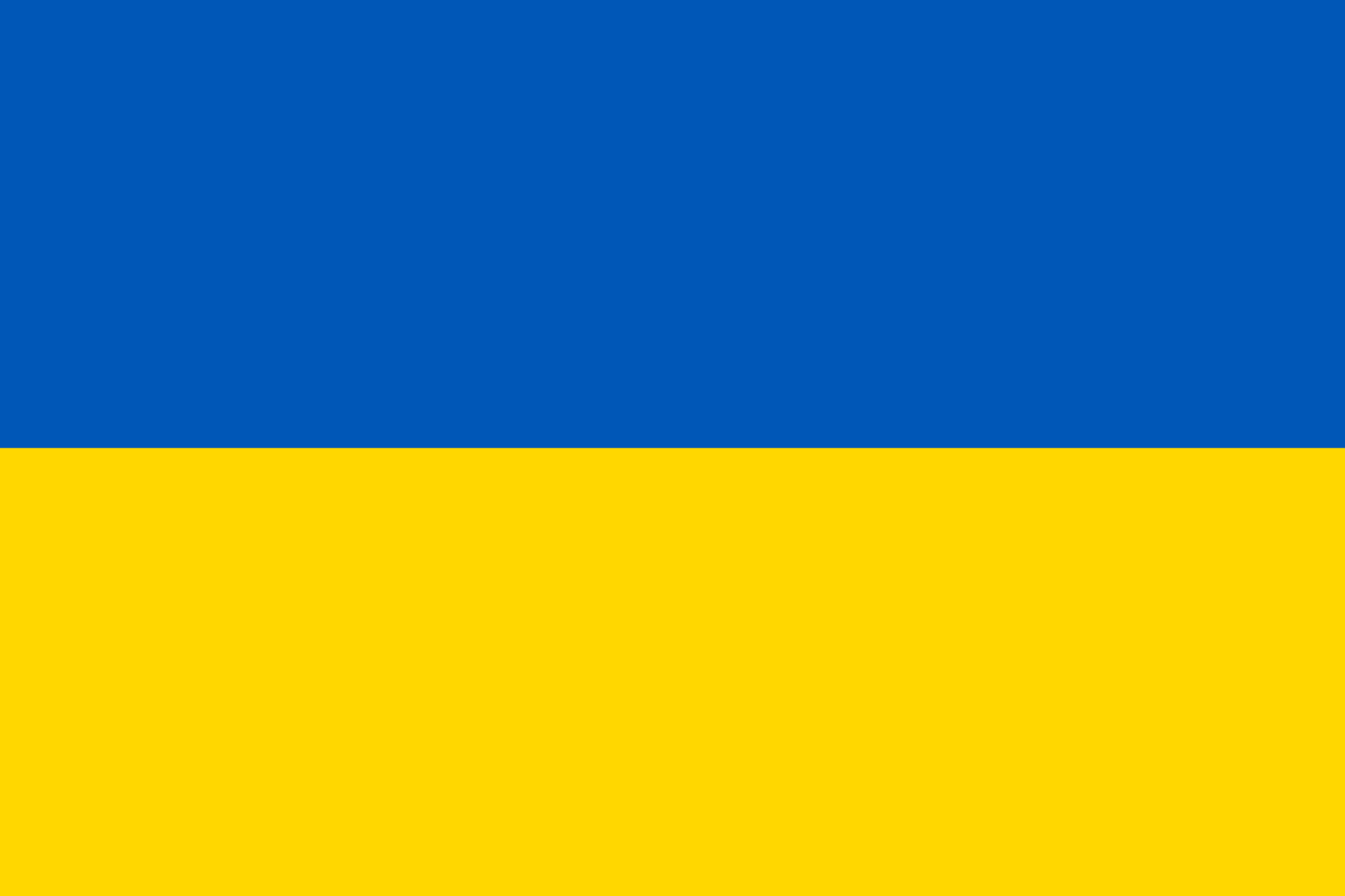
Flag of Carpatho-Ukraine
Emblem of Carpatho-Ukraine

The National Defense Organization "Carpathian Sich" (Ukrainian: Організація народної оборони «Карпатська Січ», romanizedOrhanizacija narodnoï oborony «Karpats'ka Sič», also known as the Carpathian Sich)[1] were Ukrainian nationalist militia soldiers of the short-lived state of Carpatho-Ukraine.[2] They resisted the Hungarian invasion of Carpatho-Ukraine.

History

[edit]

The Carpathian Sich was formed on 9 November 1938.[3] It was formed in opposition to the newly elected moderate Ukrainian nationalist prime minister of the Subcarpathian Autonomous Region within Czechoslovakia, Avgustyn Voloshyn. The Carpathian Sich was based in Khust which became a temporary capital since Uzhhorod, Mukacheve, and Berehove became part of Hungary according to the First Vienna Award. The organization was led by Dmytro Klympush and Ivan Rohach as a deputy of the first and performed paramilitary and police duties in adjustment with Czechoslovak armed forces. Although the Carpathian Sich's leaders were local Transcarpathian Ukrainian nationalists, most of its forces consisted of Ukrainian activists who crossed over the mountains from Galicia.[2][4]

Inspired by Nazi German stormtroopers, the Carpathian Sich terrorized Jews and segments of the population that were pro-Russian: elements that the organization considered politically suspect.[5]

On 22 January 1939, in Khust, the 20th anniversary festivities commemorating the 1919 Act Zluky (Act of Union) were held.[1] On 13 March 1939, as Czechoslovakia fell apart, according to historians Paul R. Magocsi and Ivan Pop, the Sich prepared a coup against the Carpatho-Ukrainian government of Avgustyn Voloshyn with the encouragement of Nazi Germany's Schutzstaffel (SS) and attacked Czechoslovak troops.[5] This resulted in the deaths of several Czechoslovak soldiers and many Sich members.[5]

On 15 March 1939, Hungary invaded Carpatho-Ukraine. Avgustyn Voloshyn fled to Romania along with the Czech military rather than fight the invading Hungarian forces.[4] The poorly armed forces of Carpatho-Ukraine, along with unarmed high school students and religious seminary students, were sent out by the Carpathian Sich; they were no match for the Hungarian military,[5] which by March 18, 1939, had captured all of Carpatho-Ukraine.[6] During these three days of fighting, hundreds of Carpathian Sich members died in battle while they slowly retreated until they came into conflict with Polish border guards; most died on the other side of the Carpathians.[7][4]

Collaboration with Nazi Germany

[edit]

In September 1939, 600 veterans of the Sich were authorized by Nazi German intelligence (the Abwehr) to form a battalion-sized combat unit that participated in the German invasion of Poland. It was disbanded soon afterwards.[6]

During the 20th and 21st centuries, post-Communist Ukraine, Ukrainian nationalists, and pro-Ukrainian émigré authors in the West have organized events celebrating the Carpathian Sich as a symbol of bravery and national pride against foreign occupation.

Numbers and organization

[edit]

Carpathian Sich (Karpatska Sich) (also the Carpathian Sich National Defense Organization) was a paramilitary organization in Carpatho-Ukraine formed from units of the Ukrainian National Defense (organized in Uzhhorod by Ukrainian nationalists and headed by Stepan Rosokha). The leadership of the Carpathian Sich consisted of the command (commander, D. Klempush; deputy-commander, I. Roman) and the staff of officers. The organization's headquarters were in Khust, and there were 10 individual district commands with subordinate local sections, each of which conducted military and political training of several thousand men.

Five permanent garrisons conducted regular military training, and a number of the Sich soldiers served in the local police force and with the border guards. The Carpathian Sich adopted uniforms and ranks modeled on those of military formations in Ukraine during the struggle for independence (1917–20). It was also involved in cultural and educational work among the local population: its members organized the artistic group Letiucha Estrada and published the weekly Nastup, edited by Rosokha. The Sich held general and district conventions, the largest of which, consisting of several thousand participants, took place in Khust in February 1939.

A significant number of Galician Ukrainians (who entered illegally from Poland), together with emigrants from Dnieper Ukraine, joined the local Ukrainians as officers and soldiers in the permanent garrisons of the Carpathian Sich. After Carpatho-Ukraine declared independence, the Sich became its national army (Col Serhii O. Yefremov, commander; Col Mykhailo Kolodzinsky, chief of staff) and, in March 1939, mounted an armed resistance to the Hungarian invasion. At that time the strength of the Sich was about 2,000 men. Several hundred of them died in battles against the Czechs (13 March) and the Hungarians (14–18 March). Overwhelmed by the Hungarian army, the soldiers either retreated to Romania and Slovakia or hid in the mountains. The Romanians turned over many of the soldiers to the Hungarians, who in turn gave up many Galicians to the Poles and kept the remainder as prisoners, who were executed.

By February 1939 the Sich had up to 15,000 members, although only 2,000 were organized to fight.[6] The Sich had five garrisons. Its barracks housed a total of 2,000 people, of whom only 300-400 were armed.[5] Its ranks were Ataman (commander), Sotnyk (company (sotnya) commander), Chotar (platoon commander), Desiatnyk (corporal), Starshy Sichovyk (senior private) and Sichovyk (private). Uniforms were adopted in February 1939 and consisted of a four button tunic with open collar and breeches. Insignia were not standardized. The Sich used Czech arms.[6]

2019 official veteran status

[edit]

In late March 2019, former Carpathian Sich soldiers (and other living former members of Ukrainian nationalist armed militia groups that were active during World War II and the first decade after the war) were officially granted the status of veterans.[8] This meant that for the first time they could receive veteran benefits, including free public transport, subsidized medical services, annual monetary aid, and public utilities discounts, and will enjoy the same social benefits as former Ukrainian soldiers Red Army of the Soviet Union.[8]

There had been several previous attempts to provide former Ukrainian nationalist fighters with official veteran status, especially during the 2005-2009 administration President Viktor Yushenko, but all failed.[8]

References

[edit]
[edit]
Revisions and contributorsEdit on WikipediaRead on Wikipedia
from Grokipedia

The Carpathian Sich was a Ukrainian paramilitary organization formed in Carpatho-Ukraine in November 1938 from units of the Ukrainian National Defense, which functioned as the primary armed force of the short-lived Republic of Carpatho-Ukraine and mounted resistance against the Hungarian invasion in March 1939. Headquartered in Khust with several thousand members organized into district commands and garrisons, it engaged in military training, border security, and policing alongside cultural and educational initiatives.
Comprising around 2,000 fighters at the time of the , the Carpathian Sich conducted defensive operations from 13 to 18 1939, resulting in hundreds of casualties amid overwhelming Hungarian superiority equipped with modern weaponry. Survivors retreated to and or went into hiding, while many captured members faced execution by Hungarian or Polish forces, marking the first armed clashes in preceding the Second World War. Under initial leadership of figures like Stepan Rosokha and later military commanders such as Serhii Yefremov, the group embodied Ukrainian nationalist aspirations for in the region amid the dismemberment of .

Historical Context and Formation

Carpatho-Ukraine's Autonomy and Independence Declaration (1938-1939)

In the aftermath of the Munich Agreement on September 30, 1938, which ceded the Sudetenland to Nazi Germany and precipitated a constitutional crisis in Czechoslovakia, the federal government restructured to grant autonomy to its eastern provinces. Subcarpathian Rus' (also known as Podkarpatská Rus), a multiethnic region with a Rusyn/Ukrainian majority, received a provisional autonomy statute on October 11, 1938, establishing a regional assembly (Soim) and executive council in Khust. This measure aimed to quell separatist sentiments amid Hungarian irredentist claims, though implementation was delayed by the First Vienna Award on November 2, 1938, which arbitrated border adjustments and transferred approximately 12,000 square kilometers—about one-third of the province—to Hungary, displacing over 100,000 residents. The remaining territory was formally renamed Carpatho-Ukraine (Karpatська Україна) by late November 1938, with the Ukrainian National Council in Khust assuming legislative authority and Avgustyn Voloshyn, a Greek Catholic priest and educator, appointed as prime minister of the autonomous government on October 26, 1938. The autonomous administration, operating under Prague's nominal oversight, prioritized Ukrainianization policies, including the promotion of the in schools and administration—replacing earlier Rusyn and Czech usages—and the suppression of pro-Hungarian and pro-Polish elements. By December 1938, the Soim had convened, enacting reforms such as land redistribution and cultural initiatives, though economic challenges persisted due to the region's poverty and isolation. Tensions escalated with skirmishes along the Hungarian border and Polish incursions, fostering a nationalist atmosphere influenced by Organization of Ukrainian Nationalists (OUN) activists from Galicia, who advocated armed self-defense. Czechoslovakia's mobilization efforts faltered, leaving the province vulnerable as pressured to dissolve. As the Third Reich occupied the on March 15, 1939—coinciding with Slovakia's —the Carpatho-Ukrainian Soim, convening urgently in , proclaimed full independence at approximately 6:00 PM that day, establishing the Republic of with Voloshyn as president. , broadcast via radio, emphasized sovereignty and appealed for recognition, including a telegram dispatched to seeking protection against Hungarian aggression; no formal response came, as tacitly endorsed Budapest's claims per earlier diplomatic understandings. The nascent state, spanning about 10,000 square kilometers with a population of roughly 500,000, lacked international backing and military capacity, surviving less than 24 hours before Hungarian forces launched a full-scale invasion on March 16, 1939, overwhelming defenses and annexing the territory by March 18. This episode marked the first armed clash of in for Ukrainian forces, highlighting the fragility of small-state autonomy amid great-power maneuvers.

Establishment of the Carpathian Sich Militia

The Carpathian Sich, formally known as the of National Defense "Carpathian Sich" (Ukrainian: Організація Народної Оборони "Карпатська Січ", OНОКС), was established on November 9, 1938, as a in the autonomous region of within . This formation followed the of September 1938, which destabilized and prompted the granting of autonomy to on October 11, 1938, amid irredentist pressures from and internal sabotage attributed to Polish agents. Initial volunteer units had begun organizing in September 1938 to protect Ukrainian cultural institutions and counter perceived threats, evolving into a structured force under nationalist auspices to serve as a . The militia was primarily organized by Ukrainian activists affiliated with the Organization of Ukrainian Nationalists (OUN), a radical independence movement that viewed Carpatho-Ukraine as a potential springboard for broader Ukrainian statehood. OUN operatives, including those crossing from Polish Galicia, provided training and ideological direction, drawing on Cossack revivalist symbolism to mobilize local Rusyn-Ukrainian youth against expansionist neighbors. Ivan Revyuk, a former Czechoslovak officer of Ukrainian descent, was appointed commander, overseeing the integration of disparate self-defense groups into a unified command structure headquartered in . The autonomous government under Avgustyn Voloshyn legalized the organization, allocating limited funds and arming it with surplus Czechoslovak weapons, though it remained under-resourced with an initial strength of several hundred members equipped mainly with rifles and light arms. The first congress of the Carpathian Sich convened on December 4, 1938, in , where delegates formalized its charter, emphasizing defense of and cultural preservation while pledging loyalty to the regional Soim (). Recruitment accelerated through appeals to communities, attracting volunteers from and despite border restrictions, as the militia positioned itself as the vanguard against Hungarian revanchism following the of November 2, 1938, which ceded southern Slovak territories. By early 1939, the force had expanded to around 2,000-2,500 personnel organized into companies and battalions, conducting drills and patrols to deter incursions, though its paramilitary nature reflected the precarious balance between local self-reliance and the disintegrating Czechoslovak state authority. This establishment marked the first organized Ukrainian military formation in the region since , embodying aspirations for amid geopolitical upheaval.

Military Activities Pre-WWII

Defense Against Hungarian Annexation

The Hungarian invasion of Carpatho-Ukraine began on 14 March 1939, coinciding with the final dismemberment of Czechoslovakia and preceding the formal proclamation of Carpatho-Ukrainian independence on 15 March. The Carpathian Sich, serving as the primary paramilitary force with approximately 2,000 members, immediately mounted armed resistance against the advancing Hungarian troops. This defense effort followed clashes with Czechoslovak forces on 13 March, as the Sich sought to secure control ahead of the expected Hungarian offensive. Engagements intensified from 14 to 18 March, involving a series of battles and skirmishes as Hungarian regular army units pushed toward strategic locations, including the regional capital of , where the Sich maintained its headquarters. The fighters, largely local supplemented by volunteers from Galicia, employed irregular tactics against a professionally equipped and numerically superior adversary. Several hundred Sich members perished in these confrontations, highlighting the intensity of the resistance despite limited armament and organization. By 18 March, the Hungarian forces had overwhelmed the defenders, occupying and prompting retreats to , , or concealment in the . Captured Sich personnel faced execution or imprisonment by Hungarian authorities, underscoring the collapse of organized defense but affirming the militia's role in delaying and symbolizing Ukrainian national assertion amid geopolitical fragmentation.

Clashes with Polish Forces and Massacres

Following the rapid Hungarian conquest of , which concluded by , 1939, remnants of the —estimated at several hundred fighters—retreated northward toward the Polish border in an attempt to evade capture and continue resistance. These groups, armed and disorganized after three days of combat against superior Hungarian forces that resulted in approximately 430 Sich deaths overall, crossed into Polish-claimed territories amid ongoing Polish advances in the following Czechoslovakia's dissolution. Initial encounters escalated into armed clashes as Polish border guards and regular army units intercepted the retreating Sich formations, viewing them as irregular combatants or potential insurgents threatening Poland's recent annexations in and Orava. Specific skirmishes occurred near passes along the Carpathian frontier, where fired on Polish patrols to break through, leading to casualties on both sides though exact figures remain undocumented in primary accounts. Polish forces, under orders to secure the border and disarm unauthorized militias, pursued and surrounded groups of up to 200 Sich members in mountainous terrain. The most documented incident involved summary executions at Veretskyi Pass (also known as Verecke or Tukhla Pass) on , 1939, where Polish military units shot over 40 captured Carpathian Sich riflemen without formal trial, as confirmed by declassified Polish and Ukrainian archival records. These killings, part of broader and operations affecting hundreds of Sich survivors who sought refuge in , were justified by Polish authorities as measures against armed border violators but have been characterized in subsequent historiography as extrajudicial reprisals amid anti-Ukrainian sentiments in . Similar executions reportedly occurred at other Carpathian passes, contributing to the near-total liquidation of organized Sich resistance outside Hungarian control, with total post-invasion losses exceeding 500 including these events. No verified accounts exist of reciprocal massacres by Carpathian Sich against Polish civilians or forces during this retreat phase.

World War II Engagements

Alignment with Axis Powers Against Soviets

Former members of the Carpathian Sich, having been defeated and dispersed by Hungarian forces in March 1939, subsequently contributed to anti-Soviet efforts through service in German-led units during the 1941 of the . These individuals, driven by longstanding Ukrainian nationalist aspirations for independence from both Soviet and regional oppressors, integrated into volunteer formations such as battalions and the , which operated under command on the Eastern Front. Their participation reflected a pragmatic alignment with Axis objectives against , though limited by the prior dissolution of the Sich and the region's Hungarian occupation until late 1944. Specific examples include Sich veterans enlisting in early wartime units tasked with securing rear areas and combating , with estimates suggesting dozens to low hundreds from the Carpathian cohort amid broader Ukrainian drives that mobilized over 180,000 volunteers by mid-1942. This was short-lived for many, as German policies increasingly diverged from Ukrainian goals, leading to disillusionment and shifts toward independent resistance by 1943; nonetheless, it enabled initial combat against Soviet forces in and . Primary motivations stemmed from memories of Soviet subjugation in and the 1939–1940 occupations, rather than ideological affinity with , as evidenced by the Sich's pre-war OUN-inspired structure emphasizing ethnic . No formal organizational pact existed between the defunct and , and participation was individual or small-group, often without direct command continuity from 1939 leaders like Revyuk, many of whom perished or were interned post-annexation. Hungarian Axis membership complicated local dynamics, as the Sich had fiercely opposed Budapest's 1939 , resulting in massacres of up to 600 fighters; surviving Carpathians thus channeled anti-communist fervor through German channels accessible via exile networks in Galicia or . This episode underscores tactical in Ukrainian , prioritizing Soviet defeat over long-term Axis loyalty.

Operations and Contributions to Anti-Communist Efforts

Following the Hungarian occupation of in March 1939, numerous members of the Carpathian Sich faced in Hungarian camps, with several hundred activists and fighters detained; however, by June 1939, many were released and relocated to and , where they integrated into Organization of Ukrainian Nationalists (OUN) structures. These former Sich soldiers, alongside OUN members primarily from student backgrounds, contributed to the formation of the Legion of Ukrainian Nationalists, a volunteer unit trained by German forces in preparation for operations against the . In early 1941, the legion was reorganized into two battalions—Spezialgruppe Nachtigall (northern) and Spezialgruppe Roland (southern)—each comprising around 600-800 men, including ex-Carpathian Sich personnel, and placed under German command for the impending invasion of the USSR. These units participated in starting June 22, 1941, advancing alongside forces into Soviet-occupied ; Nachtigall reached by June 30, aiding in the rapid collapse of local Soviet defenses and the liberation of Ukrainian political prisoners from Bolshevik camps. Their role emphasized anti-communist objectives, as the battalions were explicitly formed to combat Soviet forces and facilitate Ukrainian nationalist aims against Bolshevik rule, though German oversight limited independent operations. After the battalions' disbandment in late July 1941 due to OUN's unilateral declaration of Ukrainian independence in —which conflicted with German plans—their Ukrainian personnel, including former Sich fighters, were reorganized into in November 1941. This unit, numbering approximately 650 men, conducted anti-partisan operations in and through 1942, targeting Soviet guerrilla groups that were predominantly communist-led; such actions disrupted supply lines and rear-area communist networks, aligning with broader Axis efforts to counter Bolshevik insurgency. While integrated into German structures, these contributions by ex-Carpathian Sich members underscored a pragmatic nationalist alignment against Soviet communism, prioritizing the expulsion of Bolshevik forces from Ukrainian territories over ideological fidelity to .

Organizational Structure

Leadership and Internal Hierarchy

The Carpathian Sich was commanded by Dmytro Klempush, a Transcarpathian Ukrainian nationalist who had earlier established local Sich societies in as youth and groups modeled on Cossack traditions. Klempush, born around the late and surviving into until 1973, directed the militia's formation in late 1938 under the Carpatho-Ukrainian autonomous government's Ministry of , emphasizing rapid mobilization of volunteers for territorial defense. His deputy was Ivan Roman, a Czech-trained officer who coordinated tactical operations and training, including the integration of fighters from Galicia and other Ukrainian regions. The internal hierarchy mirrored paramilitary structures with a centralized command at Khust headquarters, comprising Klempush, Roman, and a small staff of officers handling , armament distribution, and . Subordinate units were organized into roughly 10 kurins (regional companies or battalions), each led by an or captain responsible for local recruitment, patrols, and fortifications; these kurins operated with some due to the militia's nature and limited resources, drawing on volunteers aged 18–60 without formal military experience. Prominent kurin leaders and staff included Ivan Rohach, who oversaw and ideological training, and Stepan Rosokha, involved in combat readiness and skirmishes. This structure prioritized nationalist loyalty over professional rank, fostering unit cohesion through Cossack-inspired oaths but contributing to inconsistencies in discipline and coordination during the March 1939 Hungarian invasion.

Recruitment, Numbers, and Armament

The Carpathian Sich, formally the Organization of People's Defense (OНОKS), recruited primarily through voluntary enlistment among local Ukrainian nationalists, youth organizations, and cultural societies in Subcarpathian Ruthenia, with training conducted in five permanent garrisons focused on basic military drills, physical conditioning, and ideological . Membership drew from regional , including former firefighters and sports club participants repurposed into roles, and was bolstered by influxes of Organization of Ukrainian Nationalists (OUN) activists from Galicia and , who provided experienced cadres. Formed on 9 November 1938 without formal legal recognition from the autonomous government, recruitment emphasized rapid mobilization amid rising Hungarian threats, though constrained by Czechoslovak authorities' restrictions on arming non-state groups. Estimates of total strength varied due to the militia's irregular nature; by March 1939, the core armed force numbered approximately 2,000 soldiers capable of field deployment, while broader membership, including unarmed supporters and trainees, reached 10,000–15,000. These figures reflect the organization's expansion from initial cadres in late 1938 to a defensive network amid the declaration of independence on 15 March 1939, though many recruits lacked weapons and served in auxiliary roles such as border watches or police augmentation. Armament was critically deficient, rendering the Sich largely incapable of sustained resistance against mechanized invaders; the force relied on scavenged and limited-issue small arms, including rifles (8 mm caliber) for sections, supplemented by pistols such as FN Browning Model 1906 (6.35 mm), Browning Model 1910 (7.65 mm), and CZ vz. 27 (7.65 mm) for officers and "Zhinocha Sich" women's units. Light machine guns like the were scarce, with initial allocations totaling around 100 rifles, 40–50 pistols, 200 revolvers, a handful of machine pistols, and several hand grenades by early 1939; ammunition stockpiles were bolstered by thefts of 25,000 rounds from Czech depots on 10–11 March. Sources included minimal Czechoslovak government provisions (e.g., 10 rifles and pistols in November 1938), private purchases, and captures from border skirmishes, but stringent Czech arms laws and failed international procurement efforts exacerbated shortages, leaving most members unarmed or equipped with outdated Austro-Hungarian-era gear.

Post-War Suppression and Diaspora

Soviet Repression and Trials

Following the Soviet annexation of Transcarpathia in 1945, authorities launched systematic repressions against Ukrainian nationalists, including survivors and leaders associated with the Carpathian Sich—the paramilitary organization formed in November 1938 to defend Carpathian Ukraine against Hungarian invasion. Soviet counterintelligence units, particularly , targeted members of the Ukrainian National Defense (UNO), the Organization of Ukrainian Nationalists (OUN), cultural societies like Prosvita, and former government officials, charging them with "Ukrainian bourgeois nationalism," , and collaboration with fascist forces. These actions aimed to eradicate potential resistance in the newly incorporated , resulting in arrests, forced labor sentences, and deaths in custody. Arrests began immediately after Soviet forces entered the region in late 1944. On November 30, 1944, Yuliy Brashchayko, a former minister in the Carpathian Ukraine government and UNO affiliate, was detained in . In early December 1944, Dmytro Klympush—commander of Carpathian units—and his brothers Vasyl and Ivan, along with Fedir Revay, were arrested and deported to labor camps in the ; Revay and fellow Sich associate Edmund Bachynsky perished there in 1945. Many detainees were interrogated in local facilities before transfer to remote sites like and the , where harsh conditions led to high mortality rates among political prisoners. Trials, often conducted by extrajudicial bodies such as special councils of the , imposed severe penalties without public proceedings. Avhustyn Voloshyn, president of and nominal overseer of forces, was arrested in on May 15, 1945, and died in 's on July 19, 1945, from untreated illness; he was posthumously rehabilitated on September 12, 1991. On December 26, 1945, a Soviet military tribunal in sentenced Stepan Klochurak and Mykola Dolynay—both officers arrested in on May 20, 1945—to eight years in corrective labor camps, while Yuriy Perevuznyk received five years. Volodymyr Birchak, another arrestee on September 9, 1945, was given 20 years and died in a camp. Andriy Patrus-Karpatsky, a participant and cultural figure, was arrested in on October 15, 1947, and sentenced by special council to 25 years, with release and rehabilitation following a 1956 reversal. Hanna Kuvik, involved in support networks, received a 25-year sentence on May 4, 1949, later reduced to five years; she was rehabilitated in 1991. These repressions extended beyond high-profile figures to rank-and-file Sich members, with hundreds deported en masse as part of broader anti-nationalist campaigns in . Post-Stalin rehabilitations, accelerating after 1956 and especially post-1991 , acknowledged many convictions as baseless, often citing fabricated evidence of fascist ties despite the Sich's primary anti-Hungarian and autonomy-focused role predating Axis involvement. Soviet records, declassified in , reveal the operations suppressed any organized memory of Carpathian Ukraine's brief , framing participants as enemies of the state.

Survival and Exile of Members

Following the Soviet annexation of in 1945, surviving members of the Carpathian Sich faced intensified persecution as Ukrainian nationalists, with many who remained in the region arrested, deported to labor camps, or executed during the late 1940s anti-insurgent campaigns. Those who had previously evaded capture by fleeing westward during or immediately after —often integrating into (UPA) units or German auxiliary formations before dispersing—sought refuge in displaced persons (DP) camps in and under Allied control. By 1946, estimates indicate that several hundred former Sich fighters and sympathizers were registered among the approximately 200,000 Ukrainian DPs in , many of whom had documented service in pre-war nationalist militias to qualify for anti-communist relocation programs. Exile communities coalesced primarily in and , where veterans preserved organizational continuity through fraternal groups. and , clusters of survivors—numbering in the dozens to low hundreds based on post-war immigration records—established the Carpathian Sich Brotherhood by the early 1950s, which coordinated commemorations, published memoirs of the 1939 defense, and lobbied against Soviet narratives of the group's history. For instance, the Brotherhood issued the Carpathian Sich Cross medal in 1969 to honor living and deceased members, recognizing service in the brief Carpatho-Ukrainian state and subsequent anti-Soviet activities. Smaller contingents resettled in and the , contributing to broader networks that funded anti-communist propaganda until the Soviet Union's dissolution. These exiles maintained a low profile amid scrutiny, often attributing their survival to pre- networks from the Organization of Ukrainian Nationalists (OUN), which facilitated escapes via and in 1939 and later through DP pipelines. Personal accounts, such as those from veterans like Roman Sushko's associates who transitioned from the short-lived Ukrainian Legion (formed summer ) to Western emigration, highlight executions of captured comrades by Hungarian forces (up to 600 reported drowned in the Tysa River post-invasion) and subsequent German deportations that enabled some to reach safety. efforts emphasized the Sich's role in early resistance to , countering Soviet portrayals of members as "fascist collaborators" without engaging in unsubstantiated atrocity claims lacking primary evidence.

Modern Legacy and Recognition

Revival as Carpathian Sich Battalion (2014-Present)

The Carpathian Sich Battalion emerged in June 2014 as a volunteer detachment amid the onset of Russia's invasion of Donbas, initiated by Oleh Kutsyn, a nationalist activist affiliated with the Svoboda party. Comprising primarily Ukrainian volunteers motivated by opposition to Russian aggression, the unit drew its name from the short-lived 1939 Carpatho-Ukrainian military formation, symbolizing regional nationalist resistance. It operated initially as a special-purpose company within the volunteer framework, focusing on reconnaissance and infantry tasks in contested eastern territories. Deployed to the Pisky sector near in late 2014, the battalion engaged in defensive operations against separatist forces backed by Russian regulars, contributing to the holding of key positions during intense fighting. By 2015, it integrated into the 93rd Separate Mechanized Brigade of the Ukrainian Armed Forces, expanding its role in anti-insurgent patrols and skirmishes across until early 2016. The unit's effectiveness stemmed from its volunteers' ideological commitment, though it faced logistical challenges typical of early irregular formations reliant on donated equipment and limited state support. On April 13, 2016, following the 93rd Brigade's withdrawal from the frontline, the battalion was abruptly disbanded, a move Kutsyn attributed to by command, which left personnel without clear reintegration paths. Despite dissolution, core members, including Kutsyn, persisted in informal nationalist networks, maintaining training camps and ideological activities in . The full-scale Russian invasion in February 2022 prompted revival of the unit in May as the 49th Separate Assault Battalion "Carpathian Sich," formally incorporated into the . Under Kutsyn's continued command, it participated in the defense, including battles around , Bucha, and , repelling initial Russian advances. Shifted eastward post-Kyiv liberation, the battalion conducted assaults and reconnaissance in , with Kutsyn killed on June 19, 2022, during the Izium counteroffensive. Renamed in his honor, the 49th Battalion has since sustained operations, including prisoner captures near in 2024–2025 and defensive actions in sectors, bolstered by foreign volunteers and captured equipment. Its persistence reflects sustained volunteer recruitment from nationalist circles, prioritizing combat efficacy over formal amid Ukraine's strains.

Ukrainian Government Honors in 2019

On March 26, 2019, a Ukrainian law amending several legislative acts took effect, officially recognizing members of the of People's Defense "Carpathian Sich" as combatants who fought for Ukraine's independence in the . This legislation extended combat veteran status to fighters from Carpathian Sich alongside those from the (UPA) and Organization of Ukrainian Nationalists (OUN), granting them access to state benefits including pensions, medical care, and social protections equivalent to modern Ukrainian Armed Forces veterans. The recognition aligned with Ukraine's broader policies post-2014 Revolution, aimed at honoring anti-Soviet resistance groups suppressed under prior regimes. To implement the law, the Cabinet of Ministers of Ukraine approved a detailed procedure on July 10, 2019, outlining eligibility verification for descendants or surviving members of Carpathian Sich to apply for status through regional commissions under the Ministry of Veterans Affairs. Applications required documentary evidence such as archival records confirming participation in Carpathian Sich activities, particularly defensive operations in 1938–1939 against Hungarian forces during the brief Carpatho-Ukraine autonomy. By late 2019, initial approvals began processing, symbolizing official rehabilitation of Carpathian Sich as a legitimate nationalist force rather than insurgents, though implementation faced delays due to archival access issues in former Soviet repositories. This governmental action marked a pivotal shift in historical narrative, elevating Carpathian Sich's role in Ukraine's independence struggles to parity with II-era Soviet veterans previously favored under post-independence policies. Critics, including some international observers, noted potential oversight of allied Axis affiliations in such recognitions, but Ukrainian authorities emphasized the group's primary anti-communist and autonomy-defense motivations. The honors reinforced ties to contemporary volunteer battalions bearing the Carpathian Sich name, fostering continuity in nationalist military traditions amid the ongoing conflict.

Controversies and Diverse Viewpoints

Allegations of Nazi Collaboration and Atrocities

Allegations of collaboration with against the Carpathian Sich stem largely from its affiliation with the Organization of Ukrainian Nationalists (OUN), which pursued contacts with various European powers, including , in to advance Ukrainian independence amid regional instability. Some OUN figures admired aspects of fascist organization, and a portion of Carpathian Sich veterans later enlisted in German-formed after the 1941 invasion of the , contributing to the broader pattern of Ukrainian nationalists initially cooperating with the against Soviet forces before turning to anti-Nazi insurgency. However, these post-1939 actions do not indicate institutional collaboration by the Sich itself, which operated solely from March 14 to 18, 1939, defending against Hungarian military incursion following the declaration of Carpatho-Ukrainian independence; no archival evidence documents direct coordination with Nazi authorities during this period, as role was limited to tacitly permitting Hungarian annexation per the . Soviet narratives post-1945 systematically equated Ukrainian nationalist formations like the Carpathian Sich with to delegitimize anti-communist resistance, portraying their anti-Hungarian and anti-Polish stance as proto-Nazi aggression amid the regime's broader campaign against "bourgeois nationalists." This framing conflated the Sich's structure—drawn from local volunteers and OUN sympathizers—with ideological alignment to , despite the absence of shared territorial ambitions or doctrinal overlap; empirical assessments of wartime Ukrainian-German interactions highlight opportunistic tactical alliances rather than ideological partnership, with no puppet regime established in under Nazi control. Russian state media has revived similar accusations in contemporary , linking the historical Sich to modern Ukrainian military units bearing its name, though these claims rely on guilt by associative extension rather than primary documents from 1939. Claims of atrocities by Carpathian Sich forces center on unverified reports of summary executions of prisoners during the chaotic retreat against Hungarian advances, potentially numbering in the dozens amid , but lack corroborated victim tallies or independent eyewitness accounts beyond partisan recollections. Hungarian occupation records emphasize Sich resistance casualties—estimated at over 400 killed—while documenting their own reprisals against Ukrainian irregulars, inverting the narrative of aggressor atrocities; no mass civilian targeting akin to wartime pogroms is substantiated for the Sich's four-day existence, contrasting with documented Hungarian crimes in the , including executions and of up to 10,000 Carpatho-Ukrainians in spring 1939. Such allegations often serve propagandistic purposes, as Soviet trials of surviving nationalists amplified isolated incidents to justify collectivization and deportations, with undermined by the regime's incentive to fabricate fascist threats for territorial consolidation.

Nationalist Defense: Anti-Soviet Heroism vs. International Condemnation

Ukrainian nationalists portray the Carpathian Sich as an emblem of resolute armed defense against imperial aggression, emphasizing its role in the March 1939 stand against Hungarian as a foundational act of resistance that embodied the unyielding pursuit of later extended to anti-Soviet guerrilla campaigns. Formed on November 9, 1938, as a paramilitary extension of the Ukrainian National Defense organization, it mobilized around 2,000 fighters primarily from local youth and OUN sympathizers to safeguard Carpatho-Ukraine's autonomy amid escalating threats from and . In battles from March 14 to 18, 1939, Carpathian Sich units mounted improvised defenses at key passes and villages, inflicting casualties on superior Hungarian forces despite lacking heavy armament and facing numerical disadvantage, with several hundred Sich members killed or executed post-defeat, including summary killings by Polish border guards on at Veretskyi Pass. This episode, deemed the inaugural armed clash in before , is cited by proponents as galvanizing Ukrainian martial tradition, with survivors fleeing to and to evade capture and later channeling their experience into broader independence efforts. The anti-Soviet dimension arises through personnel continuity: figures like , a Carpathian Sich staff officer, advanced to command the UPA from 1943, leading partisan operations that targeted Soviet reoccupation forces across and the Carpathians until the mid-1950s, framing the Sich's legacy as integral to prolonged insurgency against Bolshevik consolidation. Nationalists argue this continuity underscores causal prioritization of national liberation over ideological alignments, privileging empirical resistance to Soviet atrocities like the 1930s and post-1944 deportations over transient wartime pragmatics. Conversely, international assessments, particularly from Russian state narratives and select Polish , condemn the as a precursor to OUN extremism, aggregating it with UPA actions into indictments of fascist and civilian targeting, such as Polish village massacres, to delegitimize the anti-communist fight as inherently genocidal rather than defensively nationalist. These portrayals, often amplified in Soviet-era rebranded today, dismiss Sich heroism by conflating 1939 anti-Hungarian defense with later OUN-Nazi tactical pacts, sidelining of UPA's independent anti-German operations post-1943 while emphasizing unverified atrocity scales to sustain equivalence between Soviet imperialism and Ukrainian self-defense.

References

  1. https://www.[researchgate](/page/ResearchGate).net/publication/387424845_The_problem_of_Polish_military%27s_complicity_in_the_execution_of_Carpathian_Sich_members_on_the_Veretskyi_Pass_in_March_of_1939
Add your contribution
Related Hubs
User Avatar
No comments yet.