Hubbry Logo
CartelCartelMain
Open search
Cartel
Community hub
Cartel
logo
8 pages, 0 posts
0 subscribers
Be the first to start a discussion here.
Cartel
Cartel
from Wikipedia
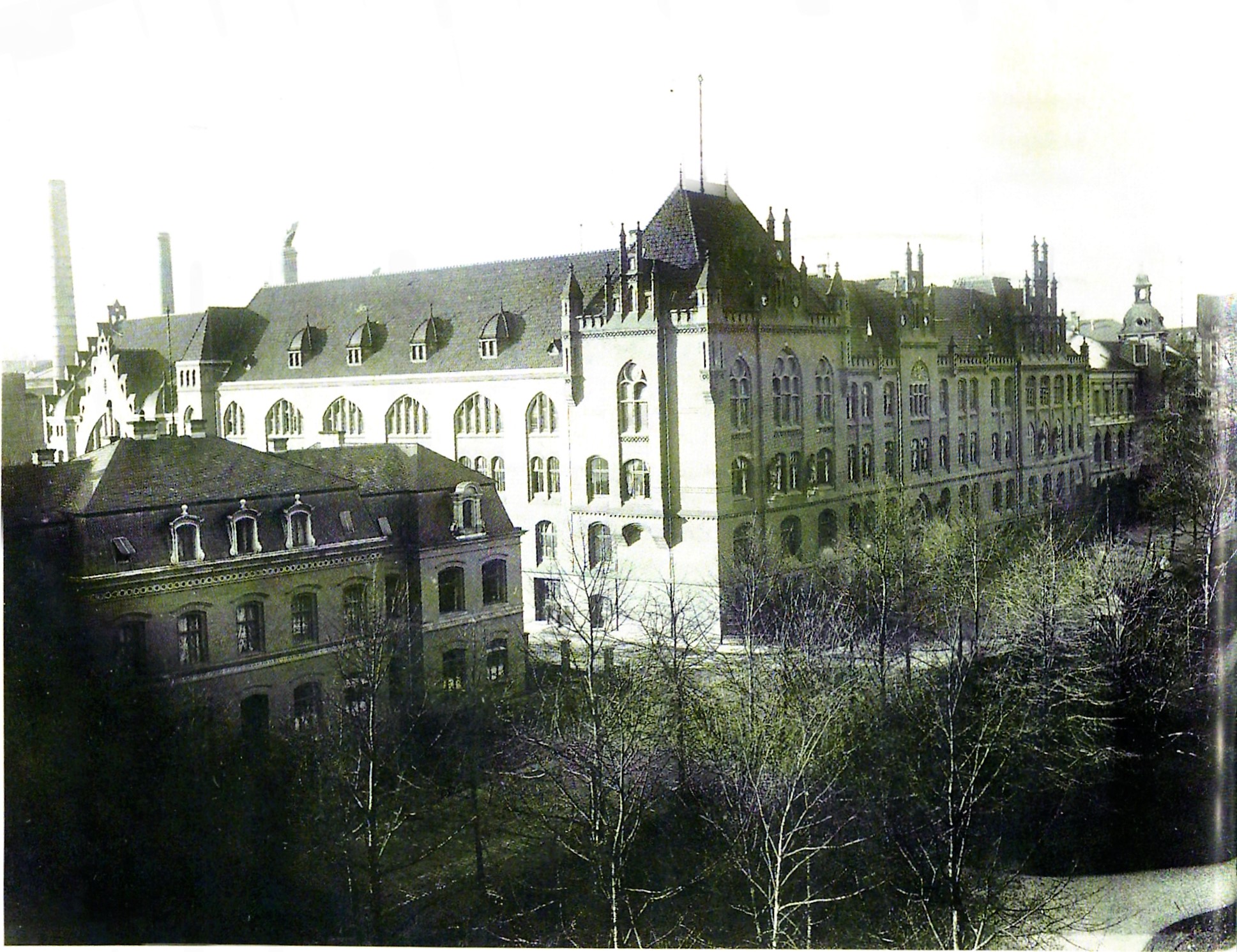
Headquarters of the Rhenish-Westphalian Coal Syndicate, Germany (at times the best known cartel in the world), around 1910

A cartel is a group of independent market participants who collaborate with each other and avoid competing with each other in order to improve their profits and dominate the market. They seek to limit competition, fix prices, and increase prices by creating artificial shortages through low production quotas, stockpiling, and marketing quotas. Jurisdictions frequently consider cartelization to be anti-competitive behavior, leading them to outlaw or curtail cartel practices. Anti-trust law targets cartel behavior in markets.

The doctrine in economics that analyzes cartels is cartel theory. Cartels are distinguished from other forms of collusion or anti-competitive organization such as corporate mergers.[1] Cartels are inherently unstable due to the temptation by members of the cartel to cheat and defect on each other by improving their individual profits, which may lead to falling prices for all members.[2] Advancements in technology or the emergence of substitutes can undermine cartel pricing power, leading to the breakdown of the cooperation needed to sustain the cartel. Outside actors often respond to the undersupply of a good by bolstering their production of the good, investing in technologies that use the good more efficiently, or investing in substitutes.[3][4]

Cartels can be organized on an international basis; examples of international cartels include the OPEC cartel to collude on oil production and the International Rubber Regulation Agreement to collude on rubber production. They can also exist at a national level; examples of American cartels include the United States Gunpowder Trade Association (which was dissolved by U.S. courts in 1912) and the National Collegiate Athletic Association which restricts the kind of compensation that collegiate athletes can receive.[5][6][7]

Etymology

[edit]

The word cartel comes from the Italian word cartello ('leaf of paper' or 'placard'), itself derived from the Latin charta 'card'.[8] In Middle French, the Italian word became cartel, which was borrowed into English. In English, the word was originally used for a written agreement between warring nations to regulate the treatment and exchange of prisoners[9] from the 1690s onward.[8] From 1899 onwards, the usage of the word became generalized as to mean any intergovernmental agreement between rival nations.[8]

The use of the English word cartel to describe an economic group rather than international agreements was derived much later in the 1800s from the German Kartell, which also has its origins in the French cartel.[8] It was first used between German railway companies in 1846 to describe tariff and technical standardization efforts. The first time the word was referred to describe a kind of restriction of competition was by the Austro-Hungarian political scientist Lorenz von Stein,[10] who wrote on tariff cartels:

There's no more one-sided perspective than the one saying that such rate-cartels are "monopoly cartels" or cartels for the "exploitation of carriers".

History

[edit]

Cartels have existed since ancient times.[11] Guilds in the European Middle Ages, associations of craftsmen or merchants of the same trade, have been regarded as cartel-like.[12] Tightly organized sales cartels existed in the mining industry of the late Middle Ages, like the 1301 salt syndicate in France and Naples, or the Alaun cartel of 1470 between the Papal State and Naples.[13] Both unions had common sales organizations for overall production called the Societas Communis Vendicionis ('Common Sales Society').

Laissez-faire (liberal) economic conditions dominated Europe and North America in the 18th and 19th centuries. Around 1870, cartels first appeared in industries formerly under free-market conditions.[14] Although cartels existed in all economically developed countries, the core area of cartel activities was in central Europe. The German Empire and Austria-Hungary were nicknamed the "lands of the cartels".[15] Cartels were also widespread in the United States during the period of robber barons and industrial trusts.[16]

The creation of cartels increased globally after World War I. They became the leading form of market organization, particularly in Europe and Japan. In the 1930s, authoritarian regimes such as Nazi Germany, Italy under Mussolini, and Spain under Franco used cartels to organize their corporatist economies. Between the late 19th century and around 1945, the United States was ambivalent about cartels and trusts. There were periods of both opposition to market concentration and relative tolerance of cartels. During World War II, the United States strictly turned away from cartels.[17] After 1945, American-promoted market liberalism led to a worldwide cartel ban, where cartels continue to be obstructed in an increasing number of countries and circumstances.

Types

[edit]

Cartels have many structures and functions that ideally enable corporations to navigate and control market uncertainties and gain collusive profits within their industry. A typical cartel often requires what competition authorities refer to as a CAU (Contact, Agreement or Understanding).[18] Typologies have emerged to distinguish distinct forms of cartels:

  • Selling or buying cartels unite against the cartel's customers or suppliers, respectively. The former type is more frequent than the latter.
  • Domestic cartels only have members from one country, whereas international cartels have members from more than one country.[19] There have been full-fledged international cartels that have comprised the whole world, such as the international steel cartel of the period between World War I and II.
  • Price cartels engage in price fixing, normally to raise prices for a commodity above the competitive price level. The loosest form of a price cartel can be recognized in tacit collusion (implicit collusion), wherein smaller enterprises individually devise their prices and market shares in response to the same market conditions, without direct communication, resulting in a less competitive outcome. This type of collusion is generally legal and can achieve a monopolistic outcome.[20]
  • Quota cartels distribute proportional shares of the market to their members.
  • Common sales cartels sell their joint output through a central selling agency (in French: comptoir). They are also known as syndicates (French: syndicat industriel).
  • Territorial cartels distribute districts of the market to be used only by individual participants, which act as monopolists.
  • Submission cartels control offers given to public tenders. They use bid rigging: bidders for a tender agree on a bid price. They then do not bid in unison, or share the return from the winning bid among themselves.[21]
  • Technology and patent cartels share knowledge about technology or science within themselves while they limit the information from outside individuals.
  • Condition cartels unify contractual terms – the modes of payment and delivery, or warranty limits.
  • Standardization cartels implement common standards for sold or purchased products. If the members of a cartel produce different sorts or grades of a good, conversion factors are applied to calculate the value of the respective output.
  • Compulsory cartels, also called "forced cartels", are established or maintained by external pressure. Voluntary cartels are formed by the free will of their participants.
  • Occupational licensing[22]

Effects

[edit]

A survey of hundreds of published economic studies and legal decisions of antitrust authorities found that the median price increase achieved by cartels in the last 200 years is about 23 percent.[23] Private international cartels (those with participants from two or more nations) had an average price increase of 28 percent, whereas domestic cartels averaged 18 percent. Less than 10 percent of all cartels in the sample failed to raise market prices.[24]

In general, cartel agreements are economically unstable in that there is an incentive for members to cheat by selling at below the cartel's agreed price or selling more than the cartel's production quotas. Many cartels that attempt to set product prices are unsuccessful in the long term because of cheating punishment mechanisms such as price wars or financial punishment.[25] An empirical study of 20th-century cartels determined that the mean duration of discovered cartels is from 5 to 8 years and overcharged by approximately 32%. This distribution was found to be bimodal, with many cartels breaking up quickly (less than a year), many others lasting between five and ten years, and still some that lasted decades.[26] Within the industries that have operating cartels, the median number of cartel members is 8. Once a cartel is broken, the incentives to form a new cartel return, and the cartel may be re-formed. Publicly known cartels that do not follow this business cycle include, by some accounts, OPEC.

Cartels often practice price fixing internationally. When the agreement to control prices is sanctioned by a multilateral treaty or protected by national sovereignty, no antitrust actions may be initiated.[27] OPEC countries partially control the price of oil.[28][29]

Organization

[edit]

Drawing upon research on organizational misconduct, scholars in economics, sociology and management have studied the organization of cartels.[30][31] They have paid attention to the way cartel participants work together to conceal their activities from antitrust authorities. Even more than reaching efficiency, participating firms need to ensure that their collective secret is maintained.[32] “However, the orchestrator, often the vendor with all information, typically remains unnoticed by antitrust authorities, raising questions about the culpability of unaware distributors.”[33]

Cartel theory versus antitrust concept

[edit]

The scientific analysis of cartels is based on cartel theory. It was pioneered in 1883 by the Austrian economist Friedrich Kleinwächter and in its early stages was developed mainly by German-speaking scholars.[34] These scholars tended to regard cartels as an acceptable part of the economy. At the same time, American lawyers increasingly turned against trade restrictions, including all cartels. The Sherman act, which impeded the formation and activities of cartels, was passed in the United States in 1890. The American viewpoint, supported by activists like Thurman Arnold and Harley M. Kilgore, eventually prevailed when governmental policy in Washington could have a larger impact in World War II.

Legislation and penalties

[edit]

Because cartels are likely to have an impact on market positions, they are subjected to competition law, which is executed by governmental competition regulators. Very similar regulations apply to corporate mergers. A single entity that holds a monopoly is not considered a cartel but can be sanctioned through other abuses of its monopoly.

Prior to World War II, members of cartels could sign contracts that were enforceable in courts of law except in the United States. Before 1945, cartels were tolerated in Europe and specifically promoted as a business practice in German-speaking countries.[35] In U.S. v. National Lead Co. et al., the Supreme Court of the United States noted the testimony of individuals who cited that a cartel, in its versatile form, is

a combination of producers for the purpose of regulating production and, frequently, prices, and an association by agreement of companies or sections of companies having common interests so as to prevent extreme or unfair competition.[36]

The first legislation against cartels to be enforced was the Sherman Act 1890, which also prohibits price fixing, market-sharing, output restrictions and other anti-competitive conduct.[37] Section 1 and 2 of the Act outlines the law in regards to cartels,

Section 1:

Every contract, combination in the form of trust or otherwise, or conspiracy, in restraint of trade or commerce among the several States, or with foreign nations, is declared to be illegal.[38]

Section 2:

Every person who shall monopolize, or attempt to monopolize, or combine or conspire with any other person or persons, to monopolize any part of the trade or commerce among the several States, or with foreign nations, shall be deemed guilty of a felony, and, on conviction thereof, shall be punished by fine not exceeding $100 million if a corporation, or, if any other person, $1 million, or by imprisonment not exceeding ten years, or by both said punishments, in the discretion of the court.[39]

In practice, detecting and desisting cartels is undertaken through the use of economic analysis and leniency programmes. Economic analysis is implemented to identify any discrepancies in market behaviour between both suspected and unsuspected cartel engaged firms. A structural approach is done in the form of screening already suspicious firms for industry traits of a typical cartel price path. A typical path often includes a formation phase in which prices decline, followed by a transition phase in which prices tend to rise, and end with a stationary phase in which price variance remains low.[40] Indicators such as price changes alongside import rates, market concentration, time period of permanent price changes and stability of companies' market shares are used as economic markers to help supplement the search for cartel behaviour.[41] On the contrary, when aiming to create suspicion around potential cartels, a behavioural approach is often used to identify behavioural collusive patterns, to initiate further economic analysis into identifying and prosecuting those involved in the operations. For example, studies have shown that industries are more likely to experience collusion where there are fewer firms, products are homogeneous and there is a stable demand.[42]

Leniency programmes

[edit]

Leniency programmes were first introduced in 1978 in the US, before being successfully reformed in 1993.[43] The underlying principle of a leniency program is to offer discretionary penalty reductions for corporations or individuals who are affiliated with cartel operations, in exchange for their cooperation with enforcement authorities in helping to identify and penalise other participating members. According to the Australian Department of Justice, the following 6 conditions must be met for admission into a leniency program:

  1. The corporation is the first one to come forward and qualify for leniency with respect to the illegal activity being reported;
  2. The Division, at the time the corporation comes in, does not yet have evidence against the company that is likely to result in a sustainable conviction;
  3. The corporation, upon its discovery of the illegal activity being reported, took prompt and effective action to terminate its part in the activity;
  4. The corporation reports the wrongdoing with candor and completeness and provides full, continuing and complete cooperation that advances the Division in its investigation;
  5. The confession of wrongdoing is truly a corporate act, as opposed to isolated confessions of individual executives or officials;
  6. Where possible, the corporation makes restitution to injured parties; and
  7. The Division determines that granting leniency would not be unfair to others, considering the nature of the illegal activity, the confessing corporation's role in it, and when the corporation comes forward.[44]

The application of leniency programme penalties varies according to individual countries policies and are proportional to cartel profits and years of infringement. However, typically the first corporation or individual to cooperate will receive the most reduced penalty in comparison to those who come forward later.[45] The effectiveness of leniency programmes in destabilising and deterring cartels is evidenced by the decreased formation and discovery of cartels in the US since the introduction of the programmes in 1993.[46] Some prosecuted examples include:

  • Graph showing the decline in formation and discoveries of cartels in the US following the introduction of leniency programmes in 1993. Following the introduction, cartel formations and discoveries decreased to all time lows.
    Lysine Cartel: An employee of Archer Daniels Midland (ADM) alerted authorities of the existence of the cartel within the Lysine industry.[47]
  • Stainless steel: Buyers of the product complained to the European Commission (EC) about price spikes.[48]
  • Sodium gluconate: Defendants in the lysine case informed authorities of collusive behaviours between corporations in this industry.[49]

Price fixing

[edit]

Today, price fixing by private entities is illegal under the antitrust laws of more than 140 countries. The commodities of prosecuted international cartels include lysine, citric acid, graphite electrodes, and bulk vitamins.[50] In many countries, the predominant belief is that cartels are contrary to free and fair competition, considered the backbone of political democracy.[51] Maintaining cartels continues to become harder for cartels. Even if international cartels cannot be regulated as a whole by individual nations, their individual activities in domestic markets are affected.[52]

Unlike other cartels, export cartels are legal in virtually all jurisdictions, despite their harmful effects on affected markets.[53]

Examples

[edit]
The printing equipment company American Type Founders (ATF) explicitly states in its 1923 manual that its goal is to "discourage unhealthy competition" in the printing industry.
  • The Limitation of the Vend (sometimes dated 1771-1845, but can be traced back much earlier), was a price fixing combination of English coal miner owners; it may have been the longest-lasting cartel.
  • The Phoebus cartel was established by lighting manufacturers in the early 20th century to control the pricing and lifespan of incandescent light bulbs.
  • The bromine cartel (1885–1914).[54]
  • The railroad cartel in the United States.[54]
  • The Quinine cartel existed among producers of the anti-malarial drug Quinine to control production rates and pricing, operating in the early 20th century with two incarnations. During the early years of its operation, Quinine was the only viable medical treatment for malaria.
  • The British Valve Association existed among British manufacturers of vacuum tubes to regulate the pricing, electrode structure, and part numbering system for its members.
  • The 1928 Achnacarry Agreement to set production quotas for petroleum.[54]
  • The International Mercury Cartel (1928–1954) between Italy and Spain.[54]
  • The European Timber Exporters Convention (ETEC), formed by several European timber producers.[54]
  • The tin cartel, created in the late 1920s by Bolivia and Nigeria.[54]
  • The International Sugar Agreements, the first of which was finalized in 1937.[31][55][56]
  • The Seven Sisters was the name for the consortium of seven transnational oil companies which dominated the global petroleum industry from the 1940s to the 1970s. The contemporary equivalent is OPEC, an international organization of petroleum producing nations that sets production targets and prices among its members.
  • The Swiss Cheese Union, an industry organization of cheese producers, functioned as a cartel through the extent of its control on cheese production in the 20th century.
  • The coffee industry has been characterized by substantial cartelization involving two historically dominant producers, Brazil and Colombia. The two countries colluded in the early 20th century.[54]
  • The International Tea Agreements of 1930 and 1933, as well as the International Tea Restriction Scheme (1932-1937), were intended to reduce tea output.[57][58][59]
  • The aluminium industry was characterized by substantial cartelization from the start of the 20th century to 1980.[60][61][62] The first aluminium cartel was the Aluminium Association, founded in 1901.[61][63]
  • Between 1995 and 2004, several of the largest elevator manufacturers operated a market-rigging cartel, including ThyssenKrupp, Kone, and Otis, which were fined by the European Union in 2007.[64]
  • The Federation of Quebec Maple Syrup Producers, a government-sanctioned private organization that regulates the production and marketing of maple syrup in Quebec.

See also

[edit]

References

[edit]

Bibliography

[edit]
[edit]
Revisions and contributorsEdit on WikipediaRead on Wikipedia
from Grokipedia
A cartel is an agreement among competing firms to fix , rig bids, allocate customers or markets, or limit production, conduct deemed a criminal violation of antitrust laws in the United States and many other jurisdictions. These arrangements suppress , enabling participants to maintain supracompetitive prices and outputs below efficient levels, which empirical analyses confirm result in significant consumer harm, including price overcharges of approximately 20 percent of pre-cartel prices. Cartels form due to the incentives of oligopolistic markets where individual firms cannot sustain monopoly rents amid competitive pressures, but they prove inherently unstable as members face temptations to deviate for higher short-term gains, often requiring coercive mechanisms for enforcement. Antitrust authorities combat cartels through criminal prosecutions, civil penalties, and leniency programs that incentivize self-reporting by offering immunity to the first , which has substantially increased detection rates since their . Notable enforcement actions include international cases targeting hardcore cartels in industries such as chemicals and , where fines and incarcerations deter recurrence, though challenges persist in proving secretive agreements absent . While cartels predominantly manifest in horizontal agreements among rivals, the term occasionally extends to analogous collusions in public procurement or international commodity markets, underscoring the broad economic rationale against restraints on . Empirical studies further reveal that cartel participation correlates with reduced among members compared to non-colluding firms, amplifying deadweight losses beyond mere .

Etymology and Definition

Origins of the Term

The term "cartel" derives from the Italian cartello, a of carta meaning "paper" or "card," originally denoting a written , challenge, or letter of defiance issued in contexts such as duels or confrontations. This usage entered French as cartel in the and subsequently English around the 1550s, where it first referred to a formal written defiance or provocative message exchanged between adversaries. By the , the meaning had evolved to encompass written agreements between warring parties, particularly for regulating exchanges or humane treatment during conflicts, reflecting a shift from antagonism to negotiated terms under truce. In the economic domain, the term's application to collusive business arrangements emerged in the late , borrowed from the German Kartell, which denoted associations of firms coordinating production, , or market division to restrict . The modern commercial sense was popularized in 1871 when German Eugen Richter used Kartell in a Reichstag speech to criticize such industrial coalitions as anti-competitive pacts, amid rising concerns over monopolistic practices in Europe's industrializing economies. This linguistic adaptation mirrored the proliferation of formal agreements among enterprises, particularly in and , where Kartelle became synonymous with syndicates formed to stabilize markets against price volatility, though often at the expense of consumer welfare. The transition from martial to mercantile connotations underscores how the word's core idea of binding written accords persisted while adapting to new institutional contexts of power coordination. In economics, a refers to a formal, explicit agreement among independent firms in an industry to coordinate behavior, such as fixing prices, restricting output, allocating markets, or limiting , with the aim of achieving higher joint profits akin to those of a monopoly. These arrangements typically arise in oligopolistic markets where a small number of producers dominate, enabling to overcome the competitive pressures that would otherwise drive prices toward . Empirical studies indicate cartels often form during periods of excess capacity or economic downturns, when firms seek to stabilize revenues, though they remain prone to instability due to members' incentives to deviate for individual gain. Legally, cartels are defined under antitrust and competition laws as agreements between competitors that unlawfully restrain , most commonly through price-fixing, bid-rigging, or market allocation, rendering them per se illegal in jurisdictions like the and the without need to prove actual harm. In the U.S., Section 1 of the of 1890 prohibits "every contract, combination... or conspiracy, in ," with cartels prosecuted criminally by the Department of Justice, carrying fines up to $100 million for corporations and up to 10 years imprisonment for individuals as of amendments in 2004. Similarly, Article 101 of the Treaty on the Functioning of the bans agreements that prevent, restrict, or distort , empowering the to impose fines up to 10% of a firm's global turnover for cartel participation. Internationally, bodies like the classify "hard-core" cartels—explicit collusions on price or volume—as the most egregious violations, recommending where feasible to deter formation. These definitions prioritize causal mechanisms of harm, such as reduced output and inflated prices, over mere concentration, distinguishing cartels from lawful joint ventures or mergers subject to rule-of-reason analysis. In economic theory, a cartel represents an explicit agreement among multiple independent producers or sellers to coordinate actions such as price-fixing, output restriction, or market allocation, thereby mimicking monopoly power without formal merger. This differs fundamentally from a monopoly, where a single firm achieves market dominance through , , or exclusive control over resources, exerting unilateral influence absent rival coordination. Cartels also contrast with oligopolies, which describe market structures dominated by a few large firms where strategic interdependence fosters —such as price leadership or mutual forbearance—yet lacks enforceable contracts or secret pacts that characterize cartels. In antitrust enforcement, the U.S. Department of Justice identifies cartel conduct, including bid-rigging and customer allocation, as per se illegal under Section 1 of the Sherman Act (), emphasizing the voluntary, horizontal nature of these agreements among competitors. Historically, cartels are distinguished from trusts and syndicates by their looser structure: trusts, prevalent in late-19th-century U.S. industry, involved centralized control via interlocking directorates or stock trusts to consolidate competing firms into a unified monopoly-like entity, often prompting the Sherman Act's passage. Syndicates, by contrast, typically entail partial integration for specific functions like joint purchasing or export sales, eroding individual autonomy more than cartels' non-binding quotas or penalties for cheating. The economic usage of "cartel" further separates it from criminal organizations like drug cartels, which apply the term to violent syndicates controlling illicit trades (e.g., narcotics trafficking via or models), relying on and territorial enforcement rather than antitrust-prohibited price mechanisms in legal markets. While both exploit for supernormal profits, business cartels target lawful industries and face civil or criminal penalties under laws, whereas organized crime variants evade regulation through illegality and extra-legal violence, blurring lines only in cases of corrupt infiltration.

Historical Development

Pre-Modern Precursors

In , collegia served as professional associations for craftsmen, merchants, and traders, often regulating entry into trades, standardizing practices, and exerting control over markets through collective agreements that limited and ensured member privileges. These groups, numbering in the hundreds by the late and early , frequently secured state recognition that bolstered their influence, enabling monopolies on information and economic activities even without explicit legal exclusivity. For instance, merchant collegia in ports like Ostia coordinated shipping and , while craft associations controlled apprenticeships and output to maintain prices. Similar structures appeared in other ancient civilizations, such as the shrenis of ancient from around the 6th century BCE to the 12th century CE, which organized artisans and merchants into guilds that set quality standards, resolved internal disputes, and regulated pricing and production quotas within their sectors. These associations, documented in texts like the (c. 300 BCE), operated semi-autonomously with elected leaders, functioning as early joint-stock entities that pooled resources for trade caravans and enforced membership rules to exclude rivals, thereby stabilizing member incomes amid market fluctuations. Medieval European guilds, emerging prominently from the 11th century onward, represented more formalized precursors to modern cartels by explicitly coordinating to restrict supply, fix prices, and barrier entry into markets. Merchant guilds, often confined to specific towns and granted royal charters by the 12th century, monopolized local commerce—such as in London or Florence—by levying tolls, dictating trade routes, and prohibiting non-members from operating, which elevated prices for goods like wool and spices. Craft guilds, proliferating after 1200 CE, controlled apprenticeships (typically 7-10 years), journeyman wages, and production limits; for example, Parisian goldsmiths in the 13th century regulated hallmarking to enforce exclusivity, reducing output to sustain high fees. Economic analyses portray these guilds as collusive entities that, through political alliances with rulers, extracted rents by inflating prices—often 20-50% above competitive levels in regulated sectors—and suppressing or outsider participation, thereby hindering broader growth while enriching insiders. Guild enforcement via fines, boycotts, or violence mirrored cartel mechanisms, with over 100 guilds documented in major cities like by 1400 CE, contributing to regional inequalities in trade and manufacturing. Rulers periodically intervened against excesses, as in England's 1300 Statute of Labourers limiting guild powers post-plague, yet guilds persisted until the in many areas.

Industrial Era Cartels

The emergence of industrial-era cartels coincided with the maturation of large-scale in during the late , particularly after , when firms in previously competitive sectors began coordinating to mitigate market volatility. These agreements proliferated in heavy industries such as , , and chemicals, where rapid technological advances and expanding production capacities led to overcapacity and price fluctuations. In , which led this development, cartels were viewed as a pragmatic response to the uncertainties of free-market dynamics, enabling firms to allocate quotas, standardize products, and stabilize revenues without full merger. By the , such arrangements had become commonplace in response to economic cycles, with formations peaking during periods of recovery from downturns to counteract . Cartels formed primarily to address the challenges of high fixed costs and interdependent in capital-intensive industries, where individual firms faced incentives to undercut rivals, leading to destructive price wars. Empirical evidence from German shows that coordination allowed risk-sharing and facilitated investments in , as firms could anticipate steadier demand and avoid the volatility of cutthroat . For instance, protective tariffs introduced in further encouraged cartelization by shielding domestic markets, permitting and output controls that boosted growth in sectors like , where output rose from 2.2 million tons in 1880 to 17 million tons by 1913. Unlike trusts or monopolies, these cartels preserved formal independence among members while enforcing collective discipline through syndicates that handled sales and distribution, often under legal sanction that treated them as private contracts rather than public threats. A prominent example was the Rhenish-Westphalian Coal Syndicate (RWKS), established in 1893 by nearly 100 Valley coal producers to centralize sales of , which accounted for over 90% of German output by the early 1900s. The RWKS apportioned production quotas, set minimum prices, and managed exports, achieving stability amid fluctuating demand from mills and shipping; studies indicate it raised average prices by 10-15% in its early years while reducing internal competition. Similar structures arose in , such as the Rheinisch-Westfälisches Stahlwerksverband formed in 1893, which coordinated 80% of German crude production to harmonize rail and export pricing. By 1914, hosted over 500 such cartels across industries, covering roughly half of its output and influencing through quota-sharing. These entities demonstrated resilience against cheating via penalties and monitoring but often dissolved during booms when high demand tempted deviations, only to reform in slumps.

20th Century and Global Expansion

In the early , international cartels proliferated as national agreements evolved into cross-border collaborations, particularly in chemicals and heavy industries. The and dyestuffs cartels exemplified this shift, emerging from pre-existing domestic arrangements to allocate markets and fix prices among European firms and their overseas partners. In , the formation of IG Farbenindustrie AG in 1925 through the merger of major chemical companies like , , and Hoechst created the world's largest industrial cartel, controlling synthetic fuels, dyes, and pharmaceuticals while engaging in international patent-sharing and market-division pacts. These structures often received governmental support in to stabilize industries amid economic volatility, with cartels coordinating output quotas and pricing to mitigate . During the interwar period, cartel activity reached unprecedented scale, with international agreements regulating nearly half of global trade by the 1930s through price-setting and quota systems, primarily headquartered in . Major examples included , aluminum, and rubber cartels that divided territories and suppressed output to inflate prices, influencing not only but also national policies. This expansion reflected causal incentives for firms to counter falling prices via , though stability proved fragile due to cheating incentives inherent in non-binding agreements. World War II exposed many cartels' roles in wartime production, such as 's synthetic rubber and fuel initiatives, leading to Allied prosecutions that criminalized international and dissolved entities like in 1945. Postwar antitrust enforcement intensified globally, yet cartels persisted and adapted, demonstrating their resilience despite legal barriers. In the United States, the 1960 exposure of the electrical equipment conspiracy— involving 29 firms including and Westinghouse—revealed bid-rigging and price-fixing on turbines, transformers, and from the mid-1950s, resulting in fines exceeding $1.7 million and individual penalties. Internationally, resource-based cartels emerged in developing regions; the of the Petroleum Exporting Countries () was founded on September 14, 1960, in by , , , , and to unify petroleum policies, counter Western oil company dominance, and stabilize prices through production coordination. OPEC's formation marked a shift toward state-led global cartels, expanding influence into non-industrialized economies and leveraging resource control for geopolitical leverage, with membership growing to include additional producers by the 1970s. This era underscored cartels' migration from private industrial pacts to hybrid public-private forms, sustaining overcharge rates averaging 32% in detected cases across the century.

Post-1980s Evolution

In the decades following the 1980s, economic cartels adapted to intensified globalization and advanced communication technologies, forming elaborate international price-fixing agreements across industries such as chemicals, vitamins, and electronics. These conspiracies often spanned multiple continents, with participants coordinating via secret meetings, coded communications, and allocated market shares to sustain supra-competitive prices. For instance, the global vitamins cartel, involving firms like BASF and Hoffman-La Roche, operated from the late 1980s through the 1990s, affecting feed additives and human supplements worldwide and generating over $1 billion in illicit profits before detection. Similarly, the citric acid cartel, led by Archer Daniels Midland alongside European and Asian producers, fixed prices from 1991 to 1995, resulting in U.S. overcharges exceeding $250 million. U.S. and European antitrust enforcement surged in response, with the Department of Justice indicting approximately 40 international cartels in the 1990s alone, marking a shift toward aggressive criminal prosecutions of executives. Leniency programs, pioneered by the U.S. in 1993 and adopted globally, encouraged self-reporting by offering amnesty to first cooperators, unraveling multi-year schemes and leading to record fines—corporate penalties worldwide stabilized above $2 billion annually by the early 2000s, a thousandfold increase from the early 1990s. This era exposed cartels in sectors like lysine (1992–1995), where Archer Daniels Midland and competitors rigged global supplies, yielding fines over $100 million and prison terms for participants. Into the 2000s, cartel activities persisted in high-tech and automotive sectors, with conspiracies in LCD panels (1999–2006) and auto parts (2000s) demonstrating sustained sophistication despite enforcement. Global coordination challenges, including differing jurisdictional approaches, allowed some cartels to endure for nearly a decade, as seen in the graphite electrodes case (1992–1997) involving 13 companies from , , and the U.S. Enforcement successes, however, deterred overt in some markets, pushing remnants toward tacit understandings, though detected violations continued to impose significant economic harm, estimated at 10–20% price markups in affected industries. Parallel to these developments, the descriptor "cartel" extended prominently to organized drug trafficking syndicates in , evolving from Colombian dominance in the 1980s—epitomized by the group's control of 80% of U.S. imports—to Mexican organizations filling the void after Colombian dismantlement in the early . Mexican entities, splintering from the around 1989, professionalized operations with hierarchical structures mimicking legitimate businesses, diversifying into production and while employing violence to secure routes. This adaptation reflected causal pressures from interdiction efforts, transforming loose networks into fortified enterprises generating tens of billions in annual revenue.

Theoretical Foundations

Economic Theory of Cartels

In economic theory, cartels represent a form of explicit among firms in concentrated markets, where participants agree to coordinate output, , or market shares to restrict and achieve monopoly-like profits. This coordination addresses the mutual interdependence inherent in , where individual price cuts by one firm can trigger retaliatory responses and destructive price wars, reducing overall industry profits below what could be obtained through joint maximization./05:_Monopolistic_Competition_and_Oligopoly/5.04:_Oligopoly%2C_Collusion%2C_and_Game_Theory) The profitability of cartelization stems from the ability to elevate prices above marginal costs, thereby generating positive economic rents distributed among members, as opposed to the zero-profit equilibrium of . Theoretical models, such as those extending , demonstrate that collusive agreements can sustain higher joint outputs than competitive levels but lower than monopoly optima if enforcement falters. Factors facilitating formation include high , product homogeneity, and symmetric cost structures, which align incentives for cooperation; empirical analyses confirm that cartels emerge more readily in such environments, as divergent interests exacerbate free-riding problems. Cartel stability, however, is precarious due to the dominant strategy for each member to cheat by expanding output covertly, capturing the entire monopoly profit share while others comply, leading to the classic in static game-theoretic representations. In repeated interactions, sustainability improves through trigger strategies—credible threats of reverting to non-cooperative Nash equilibria upon detected defection—but requires low discount rates, frequent monitoring, and effective mechanisms like capacity withholding or undercutting. George Stigler's 1964 framework highlights detection lags as a core instability driver: the probability of uncovering secret cuts decreases with fewer transactions and heterogeneous buyers, rendering large or international cartels particularly fragile without side payments or quotas. Advanced models incorporate dynamic elements, such as capacity constraints or sunk costs, which can either bolster stability by deterring entry or undermine it by enabling unobserved deviations; for instance, simulations show that sticky prices in oligopolies prolong but amplify breakdown risks during demand shocks. Overall, theory predicts that while cartels yield short-term welfare losses through and resource misallocation—estimated in antitrust studies to exceed 10-20% of affected volumes—their endogenous collapse often restores absent external .

Game-Theoretic Analysis

Cartels exemplify a coordination failure in oligopolistic markets, where firms could collectively raise profits by restricting output or fixing prices above competitive levels, but individual incentives to deviate undermine stability. In a static Bertrand or Cournot model of , the game resembles the : each firm benefits from adhering to the agreement if others do, yet possesses a dominant to secretly undercut (by lowering price or increasing output), capturing the entire market surplus at rivals' expense. The resulting yields competitive pricing and lower joint profits than collusion, illustrating why explicit agreements falter without . Dynamic analysis shifts to infinitely repeated games, where future interactions enable credible threats of retaliation to deter cheating. Collusion becomes sustainable as a subgame perfect equilibrium via trigger strategies: firms cooperate by matching the monopoly quantity or price until a deviation is detected, then punish indefinitely by reverting to static play (e.g., ). Stability requires a sufficiently high discount factor δ\delta, typically δ>πdπnπdπc\delta > \frac{\pi^d - \pi^n}{\pi^d - \pi^c}, where πd\pi^d is the deviation payoff, πn\pi^n the punishment payoff, and πc\pi^c the collusive payoff; patient firms (low time preference) value future losses from breakdown more than short-term gains from defection. The folk theorem formalizes broader possibilities: under perfect monitoring and infinite horizons, any feasible payoff vector individually rational relative to the outcome—including full —can be equilibrium payoffs if δ\delta is large enough, as punishments can be tailored (e.g., via history-dependent strategies) to make deviation unprofitable . This holds generically for stochastic games with irreducible transitions, but assumes of payoffs and actions; violations, such as entry by outsiders or demand shocks, erode the punishment's credibility by altering future incentives. Realism demands relaxing assumptions: imperfect public monitoring (e.g., noisy sales data) introduces forgiveness mechanisms like tit-for-tat or "stick-and-carrot" strategies to avoid erroneous punishments, though these tolerate only limited noise before unravels. Finite repetition or endogenous termination (e.g., via leniency programs revealing cheats) favors unraveling backward from the endgame, as in finitely repeated prisoner's dilemmas where cooperation erodes unless communication binds commitments. Supergame models, as in Tirole, emphasize that cartel longevity correlates with low detection costs, symmetric costs, and barriers to fringe competition, yet empirical breakdowns often stem from asymmetric shocks amplifying deviation gains.

Relation to Competition Policy

Competition policy, encompassing antitrust and competition laws, fundamentally aims to preserve market rivalry by prohibiting practices that artificially restrict output, inflate prices, or allocate markets among rivals, thereby protecting welfare and . Cartels, involving explicit agreements among competitors to coordinate , production quotas, or customer allocation, directly subvert these goals by mimicking monopoly outcomes in oligopolistic settings, resulting in higher prices and reduced without offsetting efficiencies. Empirical studies of prosecuted cartels indicate median price overcharges of 20-25% relative to competitive levels, with international cartels often exceeding 30%, underscoring the causal link between and harm. This violation is inherent, as cartels eliminate the independent that drives competitive pressures, replacing it with collective restraint that erodes the dynamic benefits of decentralized decision-making. In the United States, Section 1 of the of 1890 deems cartel conduct—such as horizontal price-fixing or market division—a per se violation, presuming illegality without inquiry into market effects or justifications, due to the reliably anticompetitive nature of such agreements. Enforcement by the Department of Justice treats these as criminal offenses, with penalties including fines up to $100 million for corporations and imprisonment up to 10 years for individuals, reflecting the view that cartels represent the "supreme evil" of antitrust by systematically undermining rivalry. Similarly, Article 101 of the Treaty on the Functioning of the prohibits cartel agreements as restrictions of by object, subjecting violators to administrative fines capped at 10% of global annual turnover, with an additional 15-25% uplift for deterrence in prolonged cases. Internationally, the OECD's 1998 Recommendation on Hard Core Cartels defines these as secretive agreements to fix prices, rig bids, limit output, or allocate markets, urging member states to criminalize such conduct where feasible and implement leniency programs to destabilize cartels by incentivizing confessions. This framework has driven policy convergence, with over 40 jurisdictions adopting criminal sanctions by 2023, as the theoretical rationale—rooted in game theory's —holds that cartels are unstable absent enforcement but inflict widespread harm when undetected, justifying per se prohibitions over case-by-case "rule of reason" analysis to minimize enforcement costs and maximize deterrence. Such policies prioritize empirical detection via whistleblowers and dawn raids, recognizing that undetected cartels persist for years, amplifying economic distortions.

Types and Mechanisms

Explicit Collusion Forms

Explicit collusion in cartels entails direct, overt agreements among competing firms, often facilitated through meetings, emails, or other communications, to suppress rivalry and elevate profits above competitive levels. These "hard core" practices, termed "naked" due to their lack of pro-competitive justifications, contrast with tacit coordination by requiring explicit coordination mechanisms. Such agreements are criminalized in jurisdictions like the under Section 1 of the Sherman Act, with penalties including fines up to $100 million for corporations and up to 10 years for individuals, reflecting their severe anticompetitive effects. The most prevalent form is price fixing, where participants agree to set, raise, maintain, or stabilize prices, discounts, or other terms of sale, thereby eliminating price competition. For instance, in the 1990s lysine cartel involving Archer Daniels Midland and Asian competitors, executives met secretly to establish global price targets, resulting in U.S. fines exceeding $100 million and jail terms for participants. This practice directly harms consumers by inflating prices without corresponding quality improvements, as evidenced by empirical studies showing overcharges averaging 20-30% in detected cartels. Market allocation agreements divide customers, territories, or product lines among members, preventing encroachment and ensuring each receives a protected share of sales. Competitors might assign geographic regions—such as one firm dominating while another takes —or allocate specific buyers, like alternating bids for contracts. A historical example is the 2010 European electrical equipment cartel, where firms like and ABB divided global projects, leading to €1.6 billion in fines from the for distorting infrastructure procurement. These pacts sustain monopoly-like pricing by removing incentives for aggressive marketing or expansion. Bid rigging, also known as bid rotation or cover bidding, occurs when firms collude in auctions or tenders to designate winners in advance, submitting sham high bids or abstaining to ensure predetermined outcomes. Common tactics include rotating the low bidder across contracts or compensating losers with future opportunities, as seen in the U.S. Department of Justice's prosecution of the 1980s construction cartels in , where firms inflated school building costs by 20-25%. Governments are frequent victims, with rigged public procurement accounting for over 50% of cartel detections in countries between 1990 and 2015. Output or supply restrictions involve quotas limiting production or sales volumes to artificially constrain supply and drive up prices, akin to a cartel-wide production cut. Participants monitor compliance through shared data, punishing deviations with price wars or exclusion, as in the OPEC oil cartel's repeated dosage reductions since 1973, which have correlated with global price spikes despite excess capacity. While sometimes viewed as a subset of price fixing due to equivalent effects, these quotas directly target quantity to enforce pricing discipline, with detected cases showing average price increases of 28%. These forms often interconnect—for example, may incorporate market allocation to prevent cheating—and are enforced via side payments, threats, or monitoring committees within the cartel structure. Detection relies on leniency programs, where for self-reporting has uncovered over 1,000 cartels globally since the , underscoring the fragility of secrecy in explicit schemes.

Implicit and Tacit Agreements

Implicit and tacit agreements, also known as or conscious parallelism, occur when oligopolistic firms coordinate their competitive behavior without explicit communication or formal contracts, relying instead on mutual understanding of market signals to restrict output or elevate prices above competitive levels. This form of coordination leverages observable actions, such as price announcements or capacity adjustments, to achieve cartel-like outcomes while avoiding detectable agreements. Unlike explicit cartels, which involve direct negotiations or information exchanges punishable under antitrust laws, tacit arrangements depend on firms' rational anticipation of rivals' responses in repeated interactions, enabling supra-competitive profits through implicit threats of retaliation like price wars. Mechanisms facilitating tacit collusion often draw from game-theoretic models of infinitely repeated games, where firms sustain cooperation via trigger strategies—deviating from collusion prompts punishment periods of aggressive competition. Price leadership exemplifies this, with a dominant firm signaling intended prices that followers match to avoid undercutting, as seen in concentrated industries with transparent pricing. Multimarket contact enhances stability by allowing cross-market punishments, while imperfect monitoring is mitigated through simple rules like matching observed deviations. Algorithmic pricing tools can accelerate convergence to collusive equilibria without human intent, as algorithms learn to avoid low-price deviations through shared data environments. These dynamics thrive in markets with few firms, homogeneous products, high entry barriers, and frequent interactions, reducing incentives for cheating. Empirical examples include parallel pricing in U.S. markets during the 1980s, where carriers consistently matched increases without documented exchanges, attributed to observable fare filings and retaliation risks. In and lysine industries, firms exhibited synchronized price hikes mirroring capacity signals, sustaining margins absent explicit pacts. Such patterns yield short-term consumer harm via higher prices—estimated at 10-20% markups in studied oligopolies—but may foster investment stability by curbing destructive competition. Under Section 1 of the Sherman Act, does not constitute an unlawful agreement without "plus factors" like facilitating practices (e.g., exchanges or side deals) evidencing intent to coordinate beyond independent parallelism. Courts require proof of a conscious commitment to a common scheme, distinguishing interdependent pricing from ; mere interdependence is insufficient for liability. This threshold preserves incentives for lawful parallel conduct while targeting hybrid cases blending tacit signals with explicit elements, as in DOJ guidelines emphasizing risks in merger reviews. Enforcement challenges persist due to evidentiary hurdles, prompting scrutiny of algorithmic aids that may enable "hub-and-spoke" coordination without direct firm talks.

Criminal and Illicit Cartels

Criminal cartels refer to explicit collusive agreements among competitors that violate antitrust laws and are prosecuted as felonies, particularly hard-core activities such as price-fixing, bid-rigging, and market allocation. In the United States, these are actionable under Section 1 of the Sherman Act, with the Department of Justice treating them as per se illegal since amendments in 1974 elevated penalties for individuals to up to 10 years imprisonment and fines of $1 million, or $20 million for corporations. Such cartels undermine market competition by artificially inflating prices and restricting output, often spanning international borders and detected through leniency programs where participants self-report for reduced penalties. A prominent example is the global vitamins cartel of the 1990s, involving major producers like F. Hoffmann-La Roche and BASF, who fixed prices and allocated sales for vitamins used in animal feed and human supplements from 1990 to 1999. The DOJ secured guilty pleas and imposed a record $500 million fine on Hoffmann-La Roche in 1999, alongside prison sentences for executives, with total global fines exceeding $1 billion across jurisdictions. Similarly, the lysine cartel, led by Archer Daniels Midland (ADM), coordinated price increases and volume restrictions for the feed additive from 1992 to 1995, resulting in ADM's $100 million fine—the largest antitrust penalty at the time—and convictions of executives. These cases illustrate how cartels sustain operations through secret meetings and monitoring, but unravel via whistleblowers incentivized by amnesty. Illicit cartels operate in underground economies, coordinating the production, trafficking, and distribution of prohibited goods like narcotics, where legal enforcement mechanisms are absent and violence substitutes for contractual remedies. Mexican organizations such as the and Cartel Jalisco Nueva Generación (CJNG) dominate the illicit , , and trade into the , generating billions annually by controlling supply routes and enforcing territorial divisions through assassinations and . Unlike antitrust cartels, these entities rarely achieve stable collusion due to defection risks in illegal markets, leading to frequent inter-cartel wars; for instance, and CJNG have clashed violently since 2015, resulting in thousands of deaths. Economic analyses highlight that such groups maintain high prices via supply restriction but face inherent instability from unverifiable commitments and state interdiction. Enforcement against illicit cartels emphasizes disruption of operations rather than antitrust-style fines, with U.S. agencies like the DEA and DOJ pursuing charges for continuing criminal enterprises under RICO statutes, as seen in the 2025 indictments of Sinaloa leaders for fentanyl trafficking. These cartels diversify into extortion, fuel theft, and avocado smuggling, embedding in local economies and exacerbating violence, with Mexico recording over 30,000 homicides annually linked to organized crime disputes. While both criminal and illicit cartels suppress competition, the former rely on deception in regulated markets and the latter on coercion in shadow ones, yielding distinct challenges for stability and prosecution.

Formation and Sustainability

Incentives for Formation

Firms form cartels to achieve higher joint profits than those attainable under non-cooperative , by coordinating output restrictions and price elevations that mimic monopoly outcomes. In industries with interdependent demand, individual leads to excessive production and price undercutting, eroding margins for all participants; internalizes this , allowing members to divide monopoly rents according to agreed shares. This core is amplified in markets with homogeneous products, transparent , and limited entry, where the gap between competitive and collusive equilibria is widest. Game-theoretic analysis formalizes this through repeated oligopoly games, where static one-shot interactions yield a prisoner's dilemma—each firm benefits from defecting on output quotas—but ongoing play enables tacit or explicit agreements sustained by credible threats of reversion to competitive punishments. For collusion to form, firms must anticipate sufficiently high future payoffs relative to immediate gains from cheating, typically requiring patient discounting and effective monitoring. Empirical quantification from the vitamin cartels (1990–1999) reveals strong incentives, with estimated overcharges of 20–30% on affected sales reflecting the profit uplift from coordinated supply reductions across global markets. Macroeconomic conditions further incentivize formation during downturns or financial stress, when sharpened risks firm exits or bankruptcies, making coordination a preferable alternative to mutual destruction. Pro-cyclical patterns in cartel registrations and detections suggest recessions heighten the appeal of stabilizing revenues through output , though antitrust can deter overt agreements. In buyer cartels, analogous incentives drive procurement rings to suppress bids and input prices, yielding parallel welfare transfers from suppliers. These dynamics underscore that formation hinges on perceived net gains exceeding enforcement costs, with heterogeneous firm costs complicating but not eliminating the profit imperative.

Organizational Structures

Cartels typically organize through decentralized networks of member firms coordinated by central mechanisms such as executive committees, secretariats, or appointed to facilitate , monitor adherence to agreements, and resolve disputes. These structures enable the allocation of production quotas, setting, and market sharing while minimizing detection risks in illicit cases. For instance, in the lysine cartel prosecuted by U.S. authorities in the , participants established a cover industry organization that convened clandestine meetings to fix prices and volumes, employing a central to track sales and enforce compensation for quota violations. Similarly, the vitamins cartel involved annual executive meetings to allocate global market shares, supplemented by frequent interim sessions for compliance monitoring. Historical economic cartels often formalized their governance via contracts specifying roles, incentives, and penalties, with complexity increasing alongside cartel size and product differentiation. Analysis of 109 legal Finnish manufacturing cartels from the early 20th century reveals that 52% incorporated incentive compatibility clauses to mitigate defection risks, while larger cartels drafted longer, more detailed agreements updated regularly to adapt to market changes. The Rhenish-Westphalian Coal Syndicate, formed in 1893, exemplifies a highly structured approach as an independent joint-stock company employing over 500 staff by 1912 to manage 1,400 coal prices across 67 firms, blending formal hierarchy with ongoing bargaining among members. Enforcement within these structures relies on self-regulation rather than external , incorporating monitoring systems, fines, or expulsion for non-compliance, often bolstered by social networks fostering trust. Flexible organizational designs that allow rapid responses to external shocks, such as demand fluctuations, enhance longevity, as rigid hierarchies prove vulnerable to internal betrayal or competitive pressures. Social ties among executives, including informal gatherings, further stabilize operations by aligning incentives beyond pure economic calculations. In international contexts, structures like those in the 1926-1932 International Cartel coordinated production via committees representing national firms, though such arrangements frequently collapsed without dominant hegemons to impose discipline.

Enforcement and Stability Challenges

Cartels encounter fundamental enforcement difficulties stemming from members' incentives to defect, as each participant benefits from secretly increasing output or lowering prices to gain market share while others adhere to restrictive agreements. This defection dynamic, rooted in repeated prisoner's dilemma scenarios, erodes collective profits and prompts breakdowns, with empirical analyses revealing that undetected cheating often precedes dissolution. Monitoring compliance poses significant hurdles due to asymmetric and the opacity of rivals' actions, such as concealed discounts or unreported production volumes. Cartels mitigate this through mechanisms like mandatory sales reports, joint audits, and market price surveillance, yet these prove imperfect, particularly in heterogeneous markets where cost structures vary and low-cost firms are tempted to overproduce. In the 1990s cartel, participants developed pricing verification systems involving competitor checks and compensation for quota deviations, but lapses still occurred. Punishment for detected defection typically involves retaliatory measures like temporary price wars, output reductions by compliant members, or expulsion, though such responses inflict collective damage and risk unraveling the agreement entirely. Successful cartels employ credible threats backed by side payments or reversion to non-cooperative equilibria, but enforcement credibility diminishes with larger memberships or external volatility. Stability is further compromised by external factors, including new entrant threats, demand fluctuations, technological disruptions, and antitrust scrutiny, which amplify internal frictions. Historical data on prosecuted cartels show average durations of 5 to 7 years, with many collapsing sooner due to these pressures; global cartels prove less durable than domestic ones, partly from coordination complexities across jurisdictions. In , chronic overproduction by members like and —exceeding quotas by millions of barrels daily in periods such as 2016—has repeatedly undermined output restrictions, highlighting enforcement frailties reliant on voluntary compliance rather than binding penalties.

Economic Impacts

Short-Term Market Effects

In the short term, cartels elevate market prices by coordinating output restrictions among members, thereby reducing supply and emulating monopoly pricing power. Empirical analyses of convicted cartels indicate median price overcharges ranging from 20% to 25% of pre-cartel levels, with averages often exceeding 30% during periods of effective . These overcharges stem from explicit agreements to fix prices or allocate markets, minimizing competitive bidding and price undercutting. For instance, in industries like chemicals and vitamins, detected cartels have demonstrated price hikes of 15-40% shortly after formation, before internal or external pressures erode stability. Output levels decline correspondingly, as cartel members ration production to sustain elevated prices, leading to shortages or delayed deliveries in affected markets. Studies of cartel operations reveal average output reductions of 10-20%, concentrated in the initial phases when enforcement mechanisms like quota monitoring are most rigorous. This contraction harms consumer welfare by transferring surplus from buyers to producers, generating deadweight losses estimated at 10-15% of the overcharge value through forgone transactions. Non-cartel firms may face squeezed margins or exit pressures, further diminishing short-term market contestability. Producers within the cartel experience supernormal profits during this phase, as coordinated pricing boosts revenues without proportional cost increases, though gains vary by and enforcement efficacy. Evidence from reactions to undetected cartel phases shows positive abnormal returns for members, contrasting with sharp declines upon detection. However, short-term efficiency losses arise from misallocated resources, as production shifts toward less efficient members to enforce quotas rather than lowest-cost providers. Overall, these dynamics prioritize rent extraction over competitive dynamism, with effects most pronounced in homogeneous markets where monitoring is feasible.

Consumer and Producer Welfare

Cartels, by coordinating output restrictions and price elevations, transfer surplus from to while generating deadweight losses that reduce overall economic welfare. In a competitive market, total welfare—comprising surplus (the difference between and market ) and surplus (the difference between market and production costs)—is maximized at the equilibrium where equals marginal benefit. Cartelization shifts the market toward monopoly-like outcomes, where members collectively withhold supply to elevate above competitive levels, expanding surplus through higher margins on reduced output but eroding surplus via elevated costs and diminished availability. Producer welfare rises as cartels capture a larger share of the total surplus, often quantified as the rectangular area representing the per-unit price markup times the inframarginal units sold under collusion. Empirical analyses of prosecuted cartels indicate that members achieve sustained profit gains, with successful operations enduring for years and yielding internal rates of return exceeding 100% in some cases, though these benefits are unevenly distributed among participants due to cheating incentives. However, the net gain to producers is offset by enforcement costs, such as monitoring and punishment mechanisms, and the risk of detection, which can lead to fines eroding prior profits. Consumer welfare suffers disproportionately, with price overcharges serving as a direct measure of harm; meta-analyses of over 800 cartel episodes reveal median overcharges of 23% to 38% above competitive prices, with averages reaching 49% in longer-lived schemes. These elevations not only impose wealth transfers equivalent to the overcharge rectangle but also induce deadweight losses—the triangular inefficiency from forgone transactions where marginal benefits exceed marginal costs—estimated in specific cases like the European trucks cartel at 0.7 to 15.5 billion euros over the collusion period. Total welfare declines as the consumer surplus loss (overcharge plus deadweight loss) exceeds producer gains, reflecting allocative inefficiency akin to monopoly power. Non-price effects, such as reduced product quality or innovation, further compound consumer detriment, though quantification remains challenging.

Innovation and Efficiency Considerations

Cartels, by restricting output and elevating prices above competitive levels, typically impair allocative efficiency, generating deadweight losses as some consumers are priced out of the market and resources are misallocated toward higher-cost producers within the collusive group. This static inefficiency arises from the cartel's supra-competitive pricing, which distorts consumer surplus and incentivizes overproduction in non-cartelized sectors. Productive efficiency also suffers, as cartel members often exhibit X-inefficiency—lax cost controls and reduced operational rigor—due to sheltered market shares and diminished competitive pressures. Empirical analyses of cartelized industries in the Netherlands, for instance, reveal that registered cartels correlate with curtailed productivity growth, with affected sectors showing 1-2% lower annual total factor productivity increases compared to non-cartel periods. On dynamic efficiency, cartels undermine incentives for process and by blunting the Schumpeterian "" mechanism, where spurs firms to invest in R&D to capture or lower costs. Under , the shared monopoly rents reduce the private returns to , as breakthroughs benefit all members without exclusive gains, leading to underinvestment in risky projects. Studies confirm this pattern: cartel episodes are linked to 10-15% lower R&D expenditures and relative to competitive benchmarks, as firms prioritize rent extraction over technological advancement. A cross-industry examination of European cartels similarly finds diminished patenting activity and innovation output during collusive phases, attributing this to softened that erodes the urgency for differentiation. Countervailing arguments posit that cartel-generated supernormal profits could finance greater R&D, potentially enhancing innovation by stabilizing cash flows for long-term projects. One analysis of 461 price-fixing cases across multiple jurisdictions observes that participating firms increased patent filings by approximately 28%, high-quality patents by 20%, and R&D spending by 16% during cartel operation, with at least a quarter of the effect traceable to augmented financial resources. However, such gains may reflect redirected rather than expanded innovation—often toward collusion enforcement or market division rather than consumer-benefiting advances—and fail to offset broader dynamic losses, as post-cartel dissolution frequently reveals pent-up competitive innovation surges. Overall, the preponderance of evidence indicates cartels erode long-term efficiency, with antitrust interventions restoring innovation trajectories in affected markets.

Historical Legislation

The Sherman Antitrust Act, signed into law by President Benjamin Harrison on July 2, 1890, marked the first federal legislation in the United States explicitly prohibiting cartels and other restraints of trade. Section 1 of the act declared "every contract, combination in the form of trust or otherwise, or conspiracy, in restraint of trade or commerce among the several States, or with foreign nations" to be illegal, directly targeting collusive agreements such as price-fixing, bid-rigging, and market allocation that characterize cartels. Violations were classified as misdemeanors punishable by fines up to $5,000 and imprisonment for up to one year, though initial enforcement proved limited due to narrow judicial interpretations requiring proof of unreasonable restraints under the "rule of reason" doctrine established in cases like Standard Oil Co. v. United States (1911). Subsequent legislation addressed perceived gaps in the Sherman Act's scope and remedies. The Clayton Antitrust Act, enacted on October 15, 1914, supplemented these provisions by prohibiting specific practices conducive to cartel formation, including exclusive dealing contracts, tying arrangements, and interlocking directorates among competing firms, while authorizing private lawsuits for . Concurrently, the Act of 1914 established the (FTC) to investigate and curb "unfair methods of competition," providing administrative enforcement mechanisms that extended to incipient cartel behaviors without requiring full-blown violations of the Sherman Act. These measures responded to concerns over industrial consolidation, exemplified by trusts controlling sectors like oil and railroads, aiming to restore competitive markets through both criminal and civil deterrents. Internationally, cartel prohibitions emerged later and varied in rigor. In , early 20th-century laws in countries like initially tolerated or registered cartels under permissive frameworks, such as the 1923 German Cartel Decree, which required notification but not outright bans. Post-World War II, the (1957) introduced Article 85 (now Article 101 of the Treaty on the Functioning of the ), voiding agreements restricting competition, including cartels, within the , with the gaining enforcement powers by the 1960s. These developments reflected a gradual shift toward prohibitive stances, influenced by U.S. models but adapted to national economic policies, prioritizing empirical evidence of anticompetitive harm over blanket exemptions for export or crisis cartels.

Modern Antitrust Frameworks

In the , modern antitrust enforcement against cartels primarily operates under Section 1 of the of 1890, which criminalizes agreements that restrain trade, including price-fixing, bid-rigging, and market allocation. The Department of Justice's Antitrust Division leads criminal prosecutions, with maximum penalties including fines up to $100 million for corporations and 10 years' imprisonment for individuals, reflecting a shift to criminal treatment formalized in the 1970s and intensified since. The handles civil matters under Section 5 of the FTC Act, focusing on non-criminal remedies like injunctions and . A cornerstone of U.S. enforcement is the Corporate Leniency Program, introduced by the DOJ in 1993 and updated in 2008 to include full immunity for the first applicant cooperating in cartel investigations, provided they cease participation and assist fully. This program has facilitated detection of hard-core cartels, contributing to over 70% of major cases since its inception through self-reporting. Recent updates, such as the 2022 promptness requirement mandating immediate reporting upon discovery of violations, aim to enhance deterrence by prioritizing swift confessions. In the , Article 101(1) of the Treaty on the Functioning of the (TFEU) prohibits agreements that prevent, restrict, or distort competition, with the serving as the primary enforcer for cross-border cartels through administrative fines up to 10% of a company's global annual turnover. Unlike the U.S. criminal model, EU sanctions are civil, but the Commission has imposed record fines, such as €1.7 billion in 2021 for various cartels. The EU Leniency Programme, effective since 2006 revisions, grants immunity or fine reductions to first applicants providing significant evidence, mirroring U.S. incentives to destabilize cartels. Modern frameworks emphasize international cooperation to address global cartels, facilitated by organizations like the International Competition Network (ICN), established in 2001, whose Cartel Working Group promotes best practices in detection, investigation, and leniency coordination. The ICN's recommendations, including the 2020 Guidance on Enhancing Cross-Border Leniency Cooperation, enable agencies to share evidence via waivers and positive comity, as seen in joint probes into industries like shipping and chemicals. This multilateral approach counters jurisdictional overlaps, with over 130 member agencies collaborating on enforcement trends, including emerging threats like algorithmic pricing cartels. Other jurisdictions, such as the United Kingdom's and Australia's ACCC, adopt hybrid models blending criminal and civil penalties, often aligning with U.S. and EU standards through bilateral agreements. Globally, enforcement trends show a pivot toward proactive detection via data analytics and whistleblowers, though leniency applications have declined since 2018 peaks, prompting refinements to sustain efficacy amid sophisticated cartel concealment tactics.

International Cooperation and Penalties

International cooperation in antitrust enforcement against cartels has intensified through multilateral frameworks, primarily the and the International Competition Network (ICN). The concerning Effective Action against Hard Core Cartels, updated following a 2019 review, urges member countries to criminalize or impose severe administrative sanctions on practices such as , , and market allocation, while promoting international and investigative assistance to combat cross-border violations. The ICN, established in 2001 with over 130 competition agencies, facilitates convergence via its Cartel Working Group, which develops tools like the Anti-Cartel Manual to standardize detection, investigation, and sanctioning approaches across jurisdictions. Mechanisms for cooperation include bilateral agreements, multilateral memoranda of understanding, and leniency program coordination, where applicants waive to allow among authorities. The U.S. Department of Justice has prioritized such collaboration since 1995, enabling parallel investigations into global cartels through positive (assisting foreign enforcers) and negative (refraining from actions harming foreign enforcement). This has led to joint dawn raids and coordinated fines, as seen in ICN-endorsed initiatives for cross-border leniency since 2020. Over 60 countries, covering more than 80% of global GDP, now enforce antitrust laws with provisions for such interoperability. Penalties for cartel participation vary by jurisdiction but emphasize deterrence through financial and criminal sanctions, often applied cumulatively for international offenses. In the United States, under the Sherman Act, individuals face up to 10 years imprisonment and fines up to $1 million, while corporations risk fines up to twice the gain or loss caused (or $100 million), with sentencing guidelines assuming typical overcharges of 10-20% of affected sales. The European Union imposes administrative fines up to 10% of a company's global annual turnover, shared among national authorities for Article 101 TFEU violations affecting the single market, resulting in €7.8 billion in global cartel fines from 2021-2023 across major enforcers. International cartels thus incur multiplied liabilities, as extraterritorial effects doctrines in the U.S. and EU allow pursuit of foreign firms impacting domestic commerce, reinforced by OECD and ICN advocacy for non-exempt enforcement in most sectors.

Detection Methods and Leniency

Antitrust authorities detect cartels through a combination of proactive screening techniques, self-reporting incentives, and reactive investigations. Cartel screening employs econometric methods to analyze market data for signs of collusion, such as unusual price patterns, bid rotations in procurement auctions, or synchronized capacity reductions that deviate from competitive benchmarks. These empirical tools, including regression discontinuity designs and structural break tests, have identified anomalies leading to probes, as in the case of vitamin price-fixing detected via variance screens on historical data. Ex officio investigations by agencies like the US Department of Justice (DOJ) or European Commission also rely on sector monitoring, competitor complaints, and data from mergers or public procurement to flag suspicious conduct. Leniency programs form a of modern cartel detection by offering penalty reductions or immunity to the first firm to disclose participation and provide evidence, thereby destabilizing ongoing agreements through defection incentives. , the DOJ's Corporate Leniency , initially established in and substantially revised in 1993 to broaden eligibility and remove prior admission barriers, has enabled applicants to avoid criminal fines if they are first-in and fully cooperate. The policy distinguishes Type A leniency for unknown conspiracies, granting full immunity, from Type B for known ones, offering recommended non-prosecution with potential civil exposure. By 2003, over 90% of international cartel prosecutions stemmed from leniency applications, demonstrating its role in uncovering complex, multi-jurisdictional schemes. In the European Union, the Commission's Leniency Notice, first issued in 1996 and revised in 2002 and 2006, similarly provides full immunity to the first confessor revealing a cartel unknown to authorities, with graduated reductions up to 50% for subsequent cooperators based on timing and contribution value. Updated FAQs in 2022 clarified application markers and evidence standards to address declining filings, amid a 58% drop in OECD leniency applications from 2015 to 2021, attributed partly to heightened private damages risks under the EU Damages Directive. Empirical studies affirm leniency's detection efficacy, with post-1993 US reforms correlating to a surge in cartel convictions, though long-term deterrence effects remain debated due to potential overstatement from selection bias in self-reported cases. Research on EU and US data shows leniency increases ex ante cartel instability by raising defection payoffs, but complementary tools like screening are essential as standalone self-reporting yields diminish with awareness. Recent declines in applications underscore challenges from civil liability expansions, prompting calls for marker protections and coordinated international reforms to sustain programs' destabilizing impact.

Contemporary Issues and Examples

Recent Antitrust Cases

In June 2025, the European Commission imposed fines totaling €329 million on Delivery Hero SE (€281.2 million) and Glovoapp23 SL (€47.8 million) for participating in a cartel involving non-poaching and non-solicitation agreements for workers in the online food delivery sector between 2018 and 2021, representing the Commission's first enforcement action against labor market collusion under EU antitrust rules. The companies admitted to the infringement via the settlement procedure, which reduced penalties by 10%, but argued the conduct did not harm competition; the Commission countered that such agreements restricted labor mobility and suppressed wages. In August 2025, the fined Alchem International Limited and Alchem International Pvt. Ltd. a combined €489,000 for involvement in a cartel fixing prices and allocating customers for the active pharmaceutical ingredient N-Butylbromide (used in drugs like Buscopan) from 2005 to 2012, uncovered through a leniency application by another participant. This case highlights ongoing scrutiny of pharmaceutical cartels, with the Commission applying a 45% fine reduction for cooperation and settlement. In the United States, the Department of Justice continued prosecutions under the Procurement Collusion Strike Force, targeting bid-rigging in public contracts. In February 2024, four executives from an services company pleaded guilty to conspiring to rig bids and fix prices for municipal projects from 2012 to 2018, facing potential prison terms and contributing to heightened criminal penalties for such schemes. Separately, the DOJ's long-running auto parts investigation, initiated in 2010, had accumulated over $2.9 billion in criminal fines by December 2024, with recent pleas underscoring persistent enforcement against international supplier networks for price-fixing components like seatbelts and airbags. Global cartel fines declined sharply in 2024 to levels not seen in recent years, attributed to fewer mega-cases and shifts in enforcement priorities, though and authorities maintained aggressive detection via leniency programs and data analytics. In the EU, the Commission also fined , , and €260 million in a settlement for a buyer cartel coordinating purchases of from 1995 to 2001, demonstrating continued pursuit of historical infringements through whistleblower tips.

Persistent Cartels like OPEC

The Organization of the Petroleum Exporting Countries (), founded on September 14, 1960, by , , , , and , exemplifies a persistent cartel due to its intergovernmental structure and enduring coordination of oil production quotas among member states to influence global prices. Unlike private cartels prone to defection under antitrust scrutiny, OPEC's sovereign backing insulates it from domestic legal dissolution, allowing sustained collaboration despite internal incentives to overproduce. Its longevity stems from members' shared reliance on oil exports—constituting over 70% of export revenues for many—and low marginal production costs, which align interests in restricting output to elevate prices above competitive levels. OPEC's quota system, periodically adjusted at ministerial conferences, enforces discipline primarily through Saudi Arabia's role as the swing producer, capable of flooding markets to punish cheaters, as seen in the 1986 price war that halved crude prices after Nigeria and others exceeded quotas. Empirical analyses confirm its market power: a 1% reduction in OPEC quotas correlates with a 1.59% rise in global oil prices, while announcements of production cuts or maintenance have statistically significant positive effects on returns and volatility. Between 1970 and 2021, OPEC's collusive restraint reduced global CO2 emissions by an estimated 67.7 billion tons through lower consumption induced by higher prices, equivalent to four years of current oil use, though this environmental outcome was incidental to revenue maximization. As of 2023, OPEC members accounted for approximately 40% of global oil production, a share maintained through OPEC+ alliances with and others, enabling voluntary cuts totaling over 5 million barrels per day since 2022 to counter demand weakness and non-OPEC supply growth from U.S. . Production hikes announced in 2025, adding up to 1.65 million barrels per day phased through 2026, reflect strategic recalibration to regain amid softening prices, underscoring adaptability rather than collapse. While U.S. output surges eroded OPEC's dominance post-2014, dropping its price-setting leverage, the cartel's persistence endures via geopolitical cohesion and reserve control—OPEC holds 80% of —preventing the rapid dissolution typical of private cartels. Few other cartels rival OPEC's durability; historical examples like the pre-World War II international or agreements dissolved under competitive pressures or war, while modern analogs such as ' diamond syndicate have fragmented due to new entrants and antitrust actions. OPEC's state sovereignty and homogeneity—facilitating verifiable output monitoring via and trade data—provide causal advantages for longevity, though ongoing innovation and energy transitions pose existential risks absent in earlier eras.

Analogies to Criminal Organizations

Economic cartels parallel criminal organizations in their reliance on secretive coordination among participants to restrict competition and allocate markets or fix prices for mutual gain, often fitting definitions of organized crime networks except for the legal framing of participants as legitimate firms. These structures demand robust internal governance to monitor behavior, negotiate terms, and deter defection, akin to the codes and hierarchies in mafia syndicates that enforce loyalty through reputational sanctions or escalated coercion. Without enforceable contracts via state courts, cartels must develop private mechanisms for stability, functionally resembling the extralegal protection services provided by organized crime groups to prevent cheating or entry by rivals. Enforcement in economic cartels often mirrors tactics, particularly in sectors vulnerable to like public procurement, where bid-rigging requires excluding non-colluders and punishing quota violations. While many cartels sustain through non-violent tools such as signaling via or rotational , symbiosis with criminal syndicates emerges in institutional voids, where lends credibility to threats that firms alone cannot muster. For instance, acts as an external enforcer for collusive agreements, reducing the risk of breakdown by imposing costs on defectors beyond mere economic retaliation. A key example is the Montréal construction cartel active from the early 2000s, involving over 15 firms in aqueduct and road projects, where the Rizzuto clan—a Cosa Nostra affiliate—provided protection by extorting 2.5% of profits from participants and targeting non-compliant actors, such as the 2009 intimidation of engineer Martin Carrier for disrupting rotations. This "exclusive" collusion system, closed to outsiders and backed by violence, contrasts with "inclusive" models like the Dutch construction sector's 1990s bid-rigging network, which spanned 98% of firms without mafia involvement, relying instead on ledger-based mutual claims and industry norms for enforcement. In Italy, anti-mafia interventions from 1991 onward decreased collusive bidding in public tenders by disrupting these enforcement roles, with affected provinces showing 20-30% drops in cartel persistence post-crackdowns. Such analogies highlight causal vulnerabilities in cartel formation: high and frequent monitoring needs favor criminal integration where state enforcement is absent, though most detected economic cartels (e.g., over 200 globally fined by the from 2010-2020) operate without overt , underscoring that the parallel lies in the logic of illicit market control rather than identical methods.

Debates and Critiques

Arguments for Cartel Tolerance

In export-oriented activities, cartels are often tolerated or exempted from antitrust enforcement because they do not harm domestic consumers and can enhance national economic welfare by facilitating higher prices in foreign markets, thereby increasing revenues repatriated to the home country. For instance, the U.S. Webb-Pomerene Act of 1918 permits associations of American exporters to engage in joint selling abroad without violating domestic antitrust laws, provided the activities do not directly affect U.S. commerce, on the rationale that competitive pressures in export markets would otherwise drive down prices to foreign buyers, reducing overall exporter profits without benefiting American purchasers. Similar exemptions exist in countries like Australia and Canada, where export cartels are shielded to promote international competitiveness, as the welfare losses are borne by overseas competitors rather than local economies. In commodity sectors, particularly non-renewable resources like oil, tolerance for cartels such as OPEC is justified by their role in stabilizing prices and mitigating boom-bust cycles that arise from overproduction and volatile supply. OPEC's coordination of production quotas among member states has historically reduced oil price fluctuations by preventing oversupply, ensuring more predictable revenues for producer nations and enabling long-term investment in exploration and infrastructure, which low-price crashes often discourage. For example, OPEC's statute emphasizes unifying petroleum policies to secure "fair and stable prices," a goal that proponents argue benefits global markets by avoiding the economic disruptions of extreme volatility, such as recessions triggered by sharp price drops in oil-dependent economies. Developing nations, through forums like the G-77 since the 1960s, have advocated for such commodity cartels to counterbalance unequal terms of trade with industrialized importers, arguing that collective output restrictions can sustain higher export earnings essential for economic development. Certain cartels may also yield environmental benefits by restricting output and thereby curbing emissions of gases and other pollutants associated with extraction and consumption. Economic models indicate that a cartel's exercise of reduces equilibrium production levels below competitive outcomes, lowering total supply and associated releases; one analysis estimates OPEC's restrictions averted over 67 gigatons of CO2 emissions from 1970 to 2021, equivalent to substantial damage valued at trillions of dollars. In industries producing "bads" like fossil fuels, where externalities lead to under , cartel-induced can internalize some environmental costs, potentially aligning private incentives with reduced ecological harm without relying on regulatory interventions. Proponents note, however, that these gains depend on the cartel's stability and adherence, as or dissolution could revert to inefficient .

Critiques of Antitrust Overreach

Critics argue that antitrust enforcement against cartels risks overreach through asymmetric error costs, where false positives—condemning pro-competitive conduct as collusion—impose greater economic harm than false negatives, as cartels tend to be unstable and prone to internal defection due to cheating incentives. This perspective, rooted in decision theory frameworks, posits that judicial and agency errors in distinguishing naked price-fixing from ancillary restraints in joint ventures can stifle efficiency-enhancing collaborations, such as those standardizing industry practices. Empirical analyses suggest that markets often erode cartel power through entry or breakdown before full harm materializes, amplifying the relative cost of interventionist errors over laissez-faire tolerance of transient arrangements. Excessive penalties further exemplify overreach, with U.S. Department of Justice fines frequently calculated as multiples of affected commerce—up to twice the volume for criminal violations—potentially exceeding actual consumer harm and deterring legitimate risk-taking in competitive strategies. Critics, including economists assessing optimal deterrence, contend that such escalatory sanctions, combined with mandatory in private suits, create over-deterrence, where firms avoid ambiguous but welfare-improving conduct like information sharing to evade scrutiny. For instance, the tension between corporate leniency programs and aggressive individual prosecutions has been highlighted as undermining self-reporting incentives, as executives weigh personal jail risks—averaging 2-3 years in major cases—against cartel participation, potentially prolonging undetected operations. Regulatory uncertainty from heightened enforcement chills and , as firms allocate resources to compliance rather than expansion, with studies estimating that aggressive antitrust regimes correlate with reduced long-term . In international contexts, overlapping prosecutions by agencies like the DOJ and result in compounded fines totaling billions—such as in the cartel of the 1990s, where global penalties exceeded $500 million—raising concerns of extraterritorial overreach that disadvantages U.S. firms in global markets without proportional benefits to domestic s. This multiplicity of sanctions, absent coordination, can drive compliant companies toward , exemplifying how cartel policy deviates from consumer welfare maximization toward punitive excess.

Empirical Evidence on Enforcement Efficacy

Empirical studies demonstrate that antitrust enforcement has measurably increased cartel detection rates, particularly following the introduction of leniency programs. In the United States, the 1993 Corporate Leniency Policy led to an immediate 60.66% surge in cartel discoveries, with annual detections rising from an average of 6.47 per six-month period pre-leniency to peaks of 9-10 shortly after implementation, based on data from 1985-2005. This uptick reflects enhanced incentives for self-reporting, though subsequent declines to an average of 3.71 discoveries per period indicate partial deterrence of new cartel formation, with reductions up to 41.61% in robust econometric models controlling for economic cycles. Historical detection probabilities for U.S. cartels ranged from 13% to 30% between 1961 and 1998, underscoring that most violations remain undetected despite enforcement efforts. Quantified deterrent effects suggest enforcement prevents a substantial portion of potential cartel harm, often exceeding detected cases. Monte Carlo simulations calibrated to empirical overcharge data estimate that deterrence averts at least 50% of potential harm, with a median of two-thirds, while undetected harm constitutes less than 25% (median 23.99%) of total potential losses. Analysis of overcharge distributions further supports deterrence, as prosecuted illegal cartels exhibit significantly less variance at the tails compared to legal historical cartels, implying enforcement discourages extreme price-fixing attempts, per Connor's 2014 meta-dataset of cartel studies. However, average cartel overcharges exceed 20%, and some analyses argue current fines and damages fail to fully deter, as penalties often fall short of optimal levels needed to offset gains. Post-enforcement outcomes in specific jurisdictions reveal positive economic impacts, though persistence of cartels highlights incomplete efficacy. In , Federal Competition Commission sanctions on monopolistic practices boosted industry by 3.8% and wages by 5.5% annually relative to unsanctioned cases, with gains of 1% per year contributing approximately 0.5% to GDP growth, based on synthetic control and difference-in-differences analyses of investigated sectors. These effects were stronger for absolute practices like price-fixing (7.1% increase), indicating restores by reducing markups. Nonetheless, undetected cartels and low apprehension rates suggest deters marginally profitable schemes but struggles against resilient, high-gain collusions, as evidenced by ongoing discoveries despite intensified global penalties since the .

References

Add your contribution
Related Hubs
User Avatar
No comments yet.