Hubbry Logo
Bituminous coalBituminous coalMain
Open search
Bituminous coal
Community hub
Bituminous coal
logo
8 pages, 0 posts
0 subscribers
Be the first to start a discussion here.
Bituminous coal
Bituminous coal
from Wikipedia
Bituminous coal

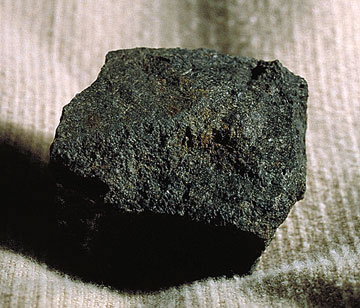
Bituminous coal, or black coal, is a type of coal containing a tar-like substance called bitumen or asphalt. Its coloration can be black or sometimes dark brown;[1] often there are well-defined bands of bright and dull material within the seams. It is typically hard but friable. Its quality is ranked higher than lignite and sub-bituminous coal, but lesser than anthracite. It is the most abundant rank of coal, with deposits found around the world, often in rocks of Carboniferous age. Bituminous coal is formed from sub-bituminous coal that is buried deeply enough to be heated to 85 °C (185 °F) or higher.

Bituminous coal is used primarily for electrical power generation[2] and in the steel industry. Bituminous coal suitable for smelting iron (coking coal or metallurgical coal) must be low in sulfur and phosphorus. It commands a higher price than other grades of bituminous coal (thermal coal) used for heating and power generation.

Within the coal mining industry, this type of coal is known for releasing the largest amounts of firedamp, a dangerous mixture of gases that can cause underground explosions. Extraction of bituminous coal demands the highest safety procedures involving attentive gas monitoring, good ventilation and vigilant site management.

Properties

[edit]
Bituminous coal (Pikeville Formation, Middle Pennsylvanian, Kentucky, USA)

Bituminous coal is a particular rank of coal, as determined by the amount and type of carbon present in the coal and the amount of energy it can produce when burned.[3] It is higher in rank than sub-bituminous coal but lower in rank than anthracite.[4] Bituminous coal is the most abundant rank of coal.[4][3]

Coal rank is based on several characteristics of the coal. The fixed carbon content refers to the percentage of the coal that is neither moisture, nor ash, nor volatile matter. When evaluated on a dry, mineral-matter-free basis, the fixed carbon content is the fraction of the coal that is not volatile organic matter.[5] An agglomerating coal is a coal that softens when heated, forming a hard, gray, porous coke that resists crushing.[6] Vitrinite reflectance is a measure of how reflective a polished surface of an average particle of vitrinite in the coal is. It is determined by how much of the carbon has condensed to an aromatic form from the heat and pressure of deep burial.[7]

In the United States, bituminous coal is defined as agglomerating coal yielding at least 10,500 Btu/lb (24,400 kJ/kg) of energy on combustion (on a moist, mineral-matter-free basis), with a fixed carbon content less than 86% (on a dry, mineral-matter-free basis.) Coal with a higher fixed carbon content is classified as anthracite, while agglomerating coal yielding less than 10,500 Btu/lb (24,400 kJ/kg) or nonagglomerating coal yielding less than 11,500 Btu/lb (26,700 kJ/kg) is classified as sub-bituminous coal.[8] In the international market, bituminous coal is defined as coal with a vitrinite reflectance between 0.5 and 1.9. Vitrinite reflectance is also routinely measured for U.S. coal as a check on its rank classification[9]

Bituminous coal is dark brown to black,[4] hard,[10] but friable.[11] It is commonly composed of thin bands of alternating bright and dull material.[10] Though bituminous coal varies in its chemical composition, a typical composition is about 84.4% carbon, 5.4% hydrogen, 6.7% oxygen, 1.7% nitrogen, and 1.8% sulfur, on a weight basis.[12] Its bank density (the density of a coal seam prior to breaking up during mining) is about 1346 kg/m3 (84 lb/ft3) while the bulk density of extracted coal is up to 833 kg/m3 (52 lb/ft3).[13] Bituminous coal characteristically burns with a smoky flame and softens and swells during combustion.[14] It gets its name from this tendency to form a softened, sticky mass when heated,[9] which reflects the presence of bitumen (mineral tar) in the coal.[9]

Though almost all agglomerating coal is of bituminous rank, some bituminous coal is not agglomerating.[8] Non-agglomerating bituminous coal includes cannel coal and boghead coal. These are nonbanded and nonreflective, and break with a conchoidal fracture. Both are sapropelic, in contrast with most bituminous coal, which is humic (composed of decayed woody tissue of plants). Cannel coal is composed mostly of plant spores, while boghead coal is composed mostly of nonspore algal remains.[15][16]

Subranks

[edit]

In the United States, bituminous coal is further divided into subranks based on its heating value and fixed carbon content.

ASTM Bituminous Coal Classification[17]
Class Group Fixed Carbon %
Dry, mineral free
Volatile Matter %
Dry, mineral free
Heating Value MJ/kg
Moist, mineral free
Bituminous Low Volatile 78–86 14–22  
Medium Volatile 69–78 22–31  
High Volatile A <69 >31 >32.6
High Volatile B     30.2–32.6
High Volatile C     26.7–30.2

Thus bituminous coal is divided into high-, medium-, and low-volatile categories based on fixed carbon content, and high-volatile bituminous coal is further subdivided by energy content.

ISO classification of bituminous coal is based on vitrinite reflectance.[7] This classification divides medium rank coal (approximately equivalent to bituminous coal) into four subranks. In order of increasing rank, these are:[18]

  • Medium D: Vitrinite reflectance of 0.5 to 0.6. Corresponds approximately to ASTM high volatile C bituminous or sub-bituminous A.
  • Medium C: Vitrinite reflectance of 0.6 to 1.0. Corresponds approximately to ASTM high volatile C to high volatile B bituminous.
  • Medium B : Vitrinite reflectance of 1.0 to 1.4. Corresponds approximately to ASTM high volatile A to medium volatile bituminous.
  • Medium A: Vitrinite reflectance of 1.4 to 2.0. Corresponds approximately to ASTM low volatile bituminous.

Uses

[edit]

Bituminous coal is used primarily for electrical power generation and in the manufacture of steel.

Coking coal

[edit]
Primary coking coal

Coking coal (metallurgical coal or "met coal") is used in the manufacture of steel. A good coking coal must have excellent agglomeration properties, a high carbon content, and a low content of sulfur, phosphorus, and ash. The best unblended coking coal is high quality medium-volatile bituminous coal.[19] However, since single coals with all the necessary properties are scarce, coking coal is usually a blend of high-volatile bituminous coal with lesser amounts of medium- and low-volatile bituminous coal.[20]

Smithing coal is bituminous coal of the highest quality, as free of ash and sulfur as possible, used to manufacture coke for use by blacksmiths.[13]

Coking coal commands a higher price than coal used for energy production. As of 2020, coking coal in the U.S. sold for about $127/short ton, compared with $50.05/short ton for bituminous coal generally. The cost of coking coal is about 3.5 times as high as the cost of coal used for electrical power (which includes lower ranks of coal, such sub-bituminous coal and lignite, as well as noncoking bituminous coal.)[21]

Thermal coal

[edit]
Rajpura Thermal Power Plant

Bituminous coal which lacks the qualities required for use as metallurgical coal is graded as thermal coal. This is used primarily for electrical power generation.[22][23] The ideal thermal coal is easily ignited but has a high heat content.[13]

Activated carbon

[edit]

Bituminous coal is used for the production of activated carbon. The coal is first coked, removing volatiles, then steam treated to activate it. Chemical processes for activating coke produced from bituminous coal have also been investigated.[24]

Origin

[edit]
Okefenokee Swamp, a modern peat-forming swamp

Like other ranks of coal, bituminous coal forms from thick accumulations of dead plant material that are buried faster than they can decay. This usually takes place in peat bogs, where falling plant debris is submerged in standing water. The stagnant water excludes oxygen, creates an acidic environment, and slows decay. The dead plant material is converted to peat.[25]

Peat is mostly a mixture of cellulose, hemicellulose, and lignin that originally made up the woody tissue of the plants.[26] Lignin has a weight composition of about 54% carbon, 6% hydrogen, and 30% oxygen, while cellulose has a weight composition of about 44% carbon, 6% hydrogen, and 49% oxygen. Bituminous coal has a composition of about 84.4% carbon, 5.4% hydrogen, 6.7% oxygen, 1.7% nitrogen, and 1.8% sulfur, on a weight basis.[12] This implies that chemical processes during coalification remove most of the oxygen and much of the hydrogen, leaving carbon, a process called carbonization.[27]

During coalification, the maturing coal increases in carbon content, decreases in hydrogen and volatiles, increases in its heating value, and becomes darker and more lustrous.[28] Chemical changes include dehydration (which removes oxygen and hydrogen as water), decarboxylation (which removes oxygen as carbon dioxide), and demethanation (which removes hydrogen as methane). By the time the coal reaches bituminous rank, most dehydration and decarboxylation has already taken place, and maturation of bituminous coal is characterized by demethanation.[29] During coalification at bituminous rank, coal approaches its maximum heating value and begins to lose most of its volatile content.[30]

As carbonization proceeds, aliphatic compounds (carbon compounds characterized by chains of carbon atoms) are replaced by aromatic compounds (carbon compounds characterized by rings of carbon atoms) and aromatic rings begin to fuse into polyaromatic compounds (linked rings of carbon atoms).[31] The structure increasingly resembles graphene, the structural element of graphite. This is accompanied by an increase in vitrinite reflectance, used to assess coal rank.[7]

During coalification, the pressure of burial reduces the volume of the original peat by a factor of 30 as it is converted to coal.[32] However, the increase in rank of maturing coal mostly reflects the maximum temperature the coal reaches. Neither the maximum pressure, nor the nature of the original plant material, nor the length of burial is nearly as important.[28] The temperature range for maturation of bituminous coal is from 85 to 235 °C (185 to 455 °F).[33][34] The bitumen that characterizes bituminous coal forms under approximately the same conditions at which petroleum is formed in petroleum source rocks. Bituminization is accompanied by peak methane generation in medium to low volatile bituminous coal. This makes these bituminous coals "gassy" and precautions must be taken against methane explosions. If the coal reaches temperatures above about 235 °C (455 °F), bitumen breaks down (debituminization) and the coal matures to anthracite.[9]

Occurrence and production

[edit]

Coal deposits are widely distributed worldwide, and range in age from the Devonian (about 360 to 420 million years ago)[35] to Neogene deposits just a few million years old.[36] However, 90% of all coal beds were deposited in the Carboniferous and Permian periods, which represent just 2% of the Earth's geologic history.[37] Vast deposits of coal formed in wetlands—called coal forests—that covered much of the Earth's tropical land areas during the late Carboniferous (Pennsylvanian) and Permian times.[38][39] Bituminous coal is predominantly Carboniferous in age.[4][40]

Most bituminous coal in the United States is between 100 and 300 million years old.[41] Vast deposits of bituminous coal of Pennsylvanian age is found in the Appalachian and Interior Provinces of North America. Mining is done via both surface and underground mines. Historically, the many seams scattered over rugged terrain in the Appalachians have been conducive to mining by small companies, while the great extent and gentle dip of beds further west favors very large-scale operations. The Appalachian coal is notably low in sulfur and is often of metallurgical grade, while the Interior Province coal is much higher in sulfur.[42]

The belt of Carboniferous coal fields extends into central Europe,[43] and much of this is bituminous coal. Bituminous coal fields are found in Poland[44] and the Czech Republic,[45] and the Polish deposits are one of the most important of that nation's natural resources.[46] The Czech deposits have been exploited since prehistoric times.[45] The European deposits include the Coal Measures of Britain, which account for most of Britain's coal production and which are mostly bituminous coal.[47] The Westfield coal basin is the largest in Britain.[48] Other significant bituminous coal deposits are found through much of Europe, including France, Germany, and northern Italy.[49]

Fushun coal mine, Liaoning, China

Coal deposition was interrupted by the Permian-Triassic extinction event, but resumed later in the Middle Triassic.[50] Extensive bituminous coal deposits of Permian age are found in Siberia, east Asia, and Australia.[51] These include the Minusinsky coal basin in Siberia,[52] the Queensland, Bowen, and Sydney Basins in Australia,[53] and the extensive bituminous coal reserves of China.[54]

A second peak in coal deposition began in the Cretaceous, though most of this is lower rank coal rather than bituminous.[51] In the United States, Cretaceous bituminous coals occur in Wyoming, Colorado and New Mexico.[55][56] In Canada, the Western Canada Sedimentary Basin of Alberta and British Columbia hosts major deposits of bituminous coal that formed in swamps along the western margin of the Western Interior Seaway. They range in age from latest Jurassic or earliest Cretaceous in the Mist Mountain Formation, to Late Cretaceous in the Gates Formation.[57] The Intermontane and Insular Coalfields of British Columbia also contain deposits of Cretaceous bituminous coal.[58]

As of 2009, the countries with the greatest estimated ultimately recoverable resources of bituminous coal were the US, 161.6 Gt; India, 99.7 Gt; China, 78.4 Gt; Australia, 51.3 Gt; South Africa, 38.7 Gt; the UK, 26.8 Gt; Germany, 25.2 Gt; Colombia, 7.8 Gt; Indonesia, 5.6 Gt; and France, 4.4 Gt[59]

As of 2018, total world production of bituminous coal (coking coal plus other bituminous coal) was 6.220 Gt. The leading producer is China, with India and the United States a distant second and third.[60]

U.S. production of bituminous coal was 238 million short tons in 2020[61] and represented 44% of all U.S. coal production. Bituminous coal is mined in 18 states, but the five states of West Virginia, Pennsylvania, Illinois, Kentucky, and Indiana produce 74% of U.S. coal.[3]

Hazards and their mitigation

[edit]
Firedamp (1889) by Constantin Meunier depicts the aftermath of a mining disaster

Maturation of bituminous coal at medium and low volatile subrank is accompanied by peak methane generation. This makes these bituminous coals "gassy" and precautions must be taken against methane explosions.[9] Imidazolium-based ionic liquid solvents can reduce spontaneous combustion, which accounts for 2 to 3 percent of global annual carbon dioxide emissions.[62]

Bituminous coal was once extensively used for home heating in the US. However, bituminous coal is a relatively dirty fuel. The reduction in the use of bituminous coal between 1945 and 1960 is estimated to have saved at least 1,923 lives of all ages and 310 infant lives per winter month.[63] Bituminous coal quality is improved with floatation methods, which increase the fraction of vitrinite to yield a cleaner-burning product.[64]

The bioconversion of bituminous coal to methane is being actively researched as a clean coal technology.[65]

See also

[edit]

References

[edit]

Further reading

[edit]
[edit]
Revisions and contributorsEdit on WikipediaRead on Wikipedia
from Grokipedia
Bituminous coal is a middle-rank, combustible formed through the diagenetic and low-grade metamorphic alteration of deposits under elevated temperatures and pressures over millions of years. It appears as a dense, black or dark brown material with a blocky structure, often displaying alternating shiny vitrinite and dull inertinite layers upon close inspection. Characterized by a carbon content typically ranging from 45% to 86% and volatile matter between 15% and 45%, it occupies an intermediate position in coal rank between lower-energy and higher-carbon . This coal type derives its name from the tar-like present, contributing to its plasticity and suitability for processes essential in , where low-ash, low- varieties produce metallurgical coke. For thermal applications, bituminous coal's heating value often exceeds 24,000 Btu per pound, enabling efficient generation in power plants, though some deposits contain elevated levels that necessitate scrubbing technologies to mitigate SO2 emissions during . Bituminous coal constitutes a major portion of global recoverable reserves, with the holding the largest share—approximately 252 billion short tons as of recent estimates—primarily in Appalachian and Basin formations.

Definition and Classification

Coal Ranks and Bituminous Position

Coal ranks represent stages of coalification, a metamorphic driven by increasing , , and time that progressively alters into higher-energy fuels, with ranks ordered from lowest to highest maturity: , sub-bituminous, bituminous, and . This classification, standardized by ASTM D388, assesses coals primarily by fixed carbon content on a dry, mineral-matter-free basis for higher ranks (bituminous and ) and by gross calorific value for lower ranks ( and sub-bituminous). Bituminous coal holds an intermediate to high position in this , exceeding sub-bituminous in carbon content (typically 45-86%) and heating value while falling short of 's near-pure carbon structure (over 86% fixed carbon). It encompasses subcategories—low-volatile (78-86% fixed carbon), medium-volatile (69-78%), and high-volatile A/B/C (below 69%, with calorific values from 10,500-13,000 Btu/lb)—distinguishing its suitability for applications like coking in low-volatile types versus power generation in high-volatile variants. This positioning reflects bituminous 's formation under moderate burial depths (often 1-2 km) and temperatures (100-200°C), yielding a balance of volatiles (15-45%) that enhances over lower ranks but retains more and impurities than anthracite.
RankFixed Carbon (dmmf, %)Gross Calorific Value (Btu/lb, moist, mineral-matter-free)Typical Volatile Matter (%)
<48 (classified by CV)<8,300>45
Sub-bituminous<71 (classified by CV)8,300-13,00035-45
Bituminous (high-volatile C)<6911,000-13,00031-41
Bituminous (medium-volatile)69-78>13,00022-31
Bituminous (low-volatile)78-86>13,00014-22
>86 (or >92 for meta-anthracite)>13,000<14
This table derives from ASTM D388 criteria, emphasizing bituminous coal's transitional properties that make it the most abundant and versatile rank globally, comprising over half of U.S. reserves.

Subtypes and Variations

Bituminous coal is classified into subtypes primarily based on volatile matter content and fixed carbon percentage, following ASTM D388 standards, which delineate high-volatile, medium-volatile, and low-volatile groups on a dry, mineral-matter-free basis. High-volatile bituminous coals are further subdivided by calorific value into groups B and C, with group C exhibiting 11,500 to 13,000 Btu/lb and group B 13,000 to 14,000 Btu/lb; these typically contain over 31% volatile matter. Medium-volatile bituminous coal features 22% to 31% volatile matter and 69% to 78% fixed carbon, while low-volatile bituminous coal has 14% to 22% volatile matter and 78% to 86% fixed carbon. Vitrinite reflectance for bituminous coal overall ranges from 0.5% to 1.9% Ro internationally, with higher reflectance correlating to lower volatile subtypes. These rank-based subtypes align with functional variations, particularly thermal coal and metallurgical coal. Thermal bituminous coal, often high-volatile types, is burned for electricity generation due to its ease of ignition and high heat output from volatile release. Metallurgical bituminous coal, typically medium- or low-volatile, is processed into coke for steelmaking, as its lower volatile content yields stronger, more stable coke structures with reduced ash and sulfur levels compared to thermal variants—often below 10% ash and 1% sulfur to meet industrial specifications. High-volatile coals predominate in power plants, while metallurgical grades command premium prices for their coking properties, with global production emphasizing low-impurity seams. Variations also arise from impurities and geological factors, such as sulfur content (low-sulfur under 1% versus high-sulfur exceeding 3%), which affects environmental compliance in combustion; low-sulfur bituminous is preferred for thermal uses under regulations like the U.S. Clean Air Act amendments of 1990. Splint coal, a dense, blocky variant of low-volatile bituminous with high silica content, resists breakage but is less common and suited to specific industrial blending. These distinctions influence mining selectivity, with metallurgical seams often prioritized for quality over volume.

Physical and Chemical Properties

Macroscopic Characteristics

Bituminous coal is characterized by a predominantly black coloration, occasionally dark brown, and possesses a density typical of sedimentary rocks formed under metamorphic pressures. It exhibits varying luster, ranging from dull in durain lithotypes to bright or vitreous in vitrain and clarain bands, often displaying well-defined alternating layers of bright and dull material that reflect its stratified origin from compressed plant matter. The texture of bituminous coal is generally massive or blocky, with a hardness that allows it to be mined in large pieces, though it can be friable in fusain components resembling charcoal-like fibers. Banded varieties show fine stratification visible to the naked eye, including glossy vitrain streaks composed primarily of and more opaque durain blocks. Fracture patterns are irregular to conchoidal, particularly in homogeneous lithotypes, contributing to its utility in handling and processing. Macroscopic examination often reveals embedded plant fossils or impressions in some seams, underscoring its organic provenance, while impurities like mineral veins may appear as lighter streaks disrupting the uniform dark matrix. These visible features distinguish bituminous coal from lower-rank lignites, which are browner and more earthy, and higher-rank anthracites, which are harder and more lustrous.

Chemical Composition and Energy Content

Bituminous coal's chemical composition is primarily determined through ultimate and proximate analyses, reflecting its organic and mineral components derived from prolonged coalification processes. Ultimate analysis typically shows carbon content of 70-86% on a dry, ash-free basis, with hydrogen at 4-5.5%, oxygen 5-15%, nitrogen 1-2%, and sulfur 0.5-3% by weight; these values vary by seam and region due to differences in precursor vegetation, depositional environments, and metamorphic conditions. For instance, an Illinois bituminous coal sample exhibited 81.3% carbon, illustrating the higher end of carbon enrichment in mature bituminous deposits. Proximate analysis quantifies moisture, volatile matter (VM), fixed carbon (FC), and ash, providing practical indicators for combustion behavior and processing. Bituminous coals generally feature VM of 15-45% (dry, mineral-matter-free basis), enabling classification into low-VM (<22%), medium-VM (22-31%), and high-VM (>31%) subtypes per ASTM D388 standards, with corresponding FC inversely ranging from 45-85%. Moisture as received spans 1-17%, while ash content averages 5-12% but can reach 20% in mineral-rich seams.
ComponentTypical Range (as-received basis)
Moisture1-17%
Volatile Matter15-45%
Fixed Carbon45-85%
Ash2-20%
The energy content, expressed as higher heating value (HHV), ranges from 24-35 MJ/kg (10,500-15,000 Btu/lb) on a moist, mineral-matter-free basis, attributable to elevated fixed carbon and reduced oxygen relative to lower-rank coals like sub-bituminous. This variability correlates with rank progression within bituminous subtypes, where higher fixed carbon yields greater calorific output, as confirmed by empirical combustion data from U.S. coals.

Geological Formation

Organic Precursors and Processes

Bituminous coal derives from the compressed and altered remains of ancient terrestrial vegetation, predominantly vascular plants such as lycopods, ferns, and early trees that dominated swampy, low-lying environments during the period (approximately 358 to 299 million years ago). These plants contributed organic matter rich in and , structural polymers that resisted rapid decay and formed the bulk of deposits, the initial precursor material. In these anaerobic, waterlogged settings, partial decomposition by microbes produced , a soft, fibrous aggregate of partially decayed plant fragments, minerals, and water, with organic content exceeding 60% by weight. The coalification process transforms this through progressive stages driven by burial under sediments, which imposes increasing lithostatic pressure and geothermal . Initial diagenetic changes involve biochemical alteration, where microbial activity expels water and gases like and , concentrating carbon and altering macerals—microscopic organic particles inherited from plant tissues such as wood (vitrinite precursors), spores (sporinite), and resins (resinite). As burial depth reaches 1-3 kilometers, temperatures of 50-150°C trigger catagenetic reactions, including , , and of organic molecules, reducing oxygen and hydrogen content while increasing carbon from about 60% in to 70-85% in bituminous . This thermal cracking dominates the transition from sub-bituminous to bituminous rank, marked by vitrinite values of 0.5-1.5%, and releases volatiles, enhancing the coal's . Environmental factors, including subsidence rates in sedimentary basins and sediment influx from surrounding highlands, control the duration and intensity of these processes, spanning 10-100 million years for bituminous maturation. Unlike higher-rank , bituminous coal retains more volatile matter (15-40% on a dry, ash-free basis) due to incomplete devolatilization, reflecting moderate metamorphic conditions rather than intense tectonism. Variations in precursor assemblages and depositional settings yield subtypes, such as humic coals from woody debris versus sapropelic from algal or finely divided matter, influencing and content.

Temporal and Environmental Conditions

The formation of bituminous coal primarily occurred during the Period, approximately 359 to 299 million years ago, when vast tropical lowland swamps and mires dominated equatorial regions of the . These deposits represent the peak of accumulation, with bituminous coals in major basins dating from 300 to 100 million years ago, though some younger formations exist from the Mesozoic Era. The initial organic accumulation phase was relatively rapid, driven by high plant productivity in humid, forested wetlands, but the coalification to bituminous rank required prolonged burial spanning millions of years. Environmental conditions for peat precursor formation involved waterlogged, anoxic mires where dense vegetation—dominated by lycopods, ferns, and early seed —accumulated without full aerobic decay due to stagnant, acidic waters and low oxygen levels. Warm temperatures (20–30°C) and high fostered rapid plant growth, while periodic and flooding by shallow seas or rivers buried successive layers of debris under fine sediments, preventing oxidation. These settings, often in deltaic or environments, ensured organic preservation, with roughly 10–15 meters of compacted plant matter yielding 1 meter of . Subsequent coalification to bituminous rank transpired under increasing , typically at depths of 1,000 to 5,000 meters, where geothermal temperatures of 85–170°C prevailed, following gradients of 25–30°C per kilometer. dominated the process, driving devolatilization and of organic molecules, expelling moisture and gases to elevate carbon content to 45–86%, while primarily facilitated mechanical compaction in early stages. Time exerted a secondary influence, with exposure durations of tens to hundreds of millions of years allowing progressive rank advancement, though anomalous heating from igneous activity could accelerate it.

Historical Exploitation

Ancient and Pre-Industrial Uses

The earliest documented systematic exploitation of for dates to approximately 1600 BCE in , where inhabitants mined and burned —likely bituminous given regional geology—at sites like those in the , predating previous estimates by a millennium. This usage supported early metallurgical processes, providing an alternative to wood amid resource pressures, as evidenced by chemical residues in archaeological strata confirming large-scale combustion. By the (202 BCE–220 CE), burning had expanded to mitigate from iron , with records indicating and application in furnaces for heating and . In , Roman occupation of Britain from 43 CE introduced usage, with outcrops along the northern coasts exploited for fuel in forts, public baths, and elite residences, as indicated by coal ash deposits and artifacts at sites like those near . , abundant in strata there, powered blacksmithing and , yielding superior heat for iron tools and weapons compared to , per analyses of production debris from second-century contexts. It also fueled an at a to in Bath, underscoring ritual applications alongside practical ones like agricultural kilns. Medieval Europe saw episodic but growing reliance on coal, particularly bituminous varieties, for localized industries. In , "sea-coal" from seams was shipped to by the 13th century, burning in lime kilns for mortar production and iron forges, though it provoked complaints over smoke pollution as early as 1272 under royal prohibitions on urban use. By the , demand rose in regions for amendment and construction, with output supporting coastal trade; in the , Liège's coal fields employed 1,600–2,000 workers by 1430 for fuel in households and proto-industrial hearths. Chinese records from the same era describe continued coal application in salt production and ceramics firing, reflecting sustained pre-industrial adaptation to fossil fuels where wood scarcity prevailed. In the , pre-Columbian groups like the in the surface-mined bituminous coal from outcrops starting around 1000 CE, employing it for heating, cooking, and ceremonial purposes in kivas, as evidenced by mining scars and combustion residues. Aztec artisans similarly utilized coal for crafting ornaments in the 14th–15th centuries, though on a smaller scale limited by accessible deposits. These practices remained artisanal and regionally confined, contrasting with Eurasian patterns tied to emerging and .

Industrial Revolution Expansion

The exploitation of bituminous coal intensified during the British , beginning in the early , as its high carbon content (typically 86-88%) and properties made it ideal for fueling steam engines and producing coke for . Abraham Darby I's successful use of coke—derived by heating bituminous coal in the absence of air—to smelt in a at in 1709 eliminated reliance on scarce , allowing iron production to scale from localized forges to industrial volumes that supported machinery, bridges, and railways. This process required bituminous coal's volatile matter to yield strong, low-impurity coke, which displaced wood-based fuels and contributed to Britain's iron output rising from about 17,000 tons annually in to over 250,000 tons by 1788. Steam engine development further drove expansion, with Thomas Newcomen's 1712 atmospheric engine, powered by bituminous coal combustion, deployed in collieries to pump groundwater from deeper seams, enabling access to richer bituminous deposits previously uneconomical. James Watt's 1769 improvements, including separate , boosted efficiency to about 1-2% thermal conversion, reducing coal consumption per horsepower-hour and spurring widespread adoption in , factories, and transport; by 1800, over 500 Watt engines were in use, each demanding substantial bituminous coal supplies. These engines reciprocally expanded coal extraction capacity, as deeper in regions like , Durham, and yielded bituminous coals suited for both thermal power and . Production statistics reflect this surge: British coal output, predominantly bituminous from Carboniferous strata, grew from roughly 2.5 million tons in 1700 to 5.2 million tons by 1750 and approximately 62.5 million tons by 1850, a more than twentyfold increase concentrated in coalfield districts proximate to ironworks and ports. The expansion was demand-led, primarily from iron smelting (consuming about 40% of coal by mid-century), steam-powered textile mills, and nascent railways, rather than solely mining innovations like wooden rails or early mechanized ventilation, though these facilitated output scaling. Bituminous coal's prevalence in Britain's geology—unlike anthracite-dominant regions—provided the caloric density (around 24-30 MJ/kg) for sustained high-temperature processes, underpinning economic growth rates of 1-2% annually from 1760 onward, though it introduced challenges like methane explosions in deeper workings.

20th-Century Developments

In the early , the U.S. bituminous coal industry expanded rapidly to meet demands from railroads, production, and emerging , with output rising from approximately 106 million short tons in 1900 to peaks exceeding 267 million short tons by 1918 in major basins like and . This growth was accompanied by severe labor conflicts, including the 1912–1913 Paint Creek-Cabin Creek strike in , which involved armed confrontations over wages and union recognition, and broader United Mine Workers actions in 1919–1922 that idled hundreds of thousands of miners amid post-World War I economic turmoil. Major mine disasters, such as those in 1900–1910 claiming over 800 lives in states like and , underscored hazardous conditions, prompting initial safety pushes but limited regulatory change until later decades. World War II catalyzed a production surge, with bituminous coal output increasing at a faster rate than due to wartime needs for , power, and transportation ; miners were classified as essential workers exempt from the draft to sustain supply. Total U.S. coal production, dominated by bituminous, reached 630 million short tons in 1947 before stabilizing around 480–516 million short tons in 1949–1950. The Bituminous Coal Conservation Act of 1935, aimed at stabilizing prices and curbing destructive competition during the Depression, introduced minimum price schedules and marketing rules, though parts were struck down by the before wartime amendments reinforced industry controls. Postwar mechanization transformed extraction, with mechanical loading adopted in over 90% of underground operations by 1960, continuous mining machines accounting for 23–32% of underground output from 1959–1960, and surface (strip) mining expanding from 2% of production in 1920 to 29% by 1959. These advances drove output per man-hour up 85% from 1949–1959 and underground tons per man-day from 5.5 in 1947 to 10.1 by 1959, but plummeted from 411,000 in 1948 to 150,000 by 1959 amid and from alternative fuels. Late-century strikes, such as the 110-day United Mine Workers bituminous walkout of 1977–1978, highlighted tensions over job losses and health benefits, while production shifted westward, reducing reliance on traditional Appalachian bituminous seams. By 2000, total U.S. output hovered near 1 billion short tons annually, though bituminous-specific volumes reflected ongoing declines in labor-intensive deep .

Production and Supply Chain

Global Production Statistics

Global production of bituminous , the most abundant rank of commercial , forms the majority of hard coal output worldwide, encompassing both thermal and metallurgical varieties. In 2023, total global production reached 8,993 million tonnes (Mt), with hard coal (bituminous and ) comprising approximately 8,000-8,300 Mt after accounting for lignite's share of around 800-900 Mt. Bituminous coal dominated this category, as production remains limited globally, often under 100 Mt annually. China led production with 4,610 Mt in 2023, primarily bituminous thermal from regions like (34% of national output), (23%), and (20%), supporting domestic power generation. followed with 1,020 Mt, mostly bituminous thermal , reflecting rapid growth in mining to meet demands. produced 775 Mt, focused on export-oriented bituminous thermal . Other key producers included (459 Mt, including high-quality bituminous for and thermal uses) and the (approximately 524 Mt total , of which bituminous accounted for over 300 million short tons or about 272 Mt).
Country2023 Production (Mt, total coal; predominantly bituminous where noted)
4,610 (mostly bituminous thermal)
1,020 (mostly bituminous thermal)
775 (bituminous thermal)
459 (bituminous thermal and metallurgical)
~524 (bituminous ~272)
Projections for indicate a slight increase to over 9,000 Mt globally, driven by (+1% to 4,653 Mt), (+8% to 1,099 Mt), and (+3.9% to 805 Mt), amid steady demand for bituminous coal in and despite energy transition pressures. These figures underscore Asia's dominance, accounting for nearly 80% of output.

Mining Methods and Technologies

Bituminous coal extraction employs surface and underground methods, determined by seam depth, geology, and economic factors. Surface mining applies to seams shallower than approximately 60 meters (200 feet), involving overburden removal to access the coal layer. Underground mining targets deeper seams, comprising over 90% of bituminous coal production in regions like the eastern United States. Surface techniques for bituminous include area strip mining on level ground, where large draglines or shovels remove in sequential cuts, exposing broad coal panels for mechanical extraction. Contour mining follows seam outcrops on hilly terrain, stripping along the hillside contour, often augmented by auger mining to bore into exposed highwalls up to 60 meters deep. These methods achieve overburden-to-coal ratios typically under 10:1 for viable operations, with coal loaded via trucks or conveyors for transport. Underground methods dominate bituminous mining due to seam depths often exceeding 100 . Room-and-pillar mining extracts in parallel rooms separated by uncut pillars for roof support, using continuous miners—mobile machines with rotating drums—to undercut and load onto shuttle cars or belt conveyors; recovery rates range from 40-60%. , increasingly prevalent since the 1980s, utilizes a shearer on a conveyor face up to 400 long, advancing under self-advancing hydraulic roof shields that collapse behind, enabling 70-90% resource recovery and annual outputs per face exceeding 5 million tons. Key technologies include roof bolters for reinforcement, ventilation systems to dilute , and hydraulic transport for some loading. Mechanized systems like armored face conveyors in longwall setups integrate cutting, loading, and hauling, reducing manual labor exposure. Recent integrations feature proximity detection and remote operation to mitigate hazards, though adoption varies by operation scale. Global production of bituminous coal, encompassing both thermal and metallurgical varieties, contributed to the overall hard coal output estimated at 8.5 billion tonnes in 2024, up from record levels in 2023 amid surging demand in Asia. In China, production reached 4.66 billion tonnes in 2024, supporting thermal power generation, while India's output climbed to 1.08 billion tonnes, driven by industrial and electricity needs. Metallurgical bituminous coal production held steady at around 1.107 billion tonnes globally in 2024, buoyed by steel sector requirements despite softer prices. In contrast, U.S. bituminous coal production declined as part of total coal output falling 11.5% to 512 million short tons in 2024 from 578 million in 2023, reflecting competition from natural gas and retirements of coal-fired plants. Supply chain dynamics showed thermal bituminous coal trade peaking at 1.18 billion tonnes in , with seaborne exports from and filling gaps in importing nations like (over 500 million tonnes imported). However, the EU's hard coal production plummeted to 45 million tonnes in , an 84% drop from 1990 levels, accelerated by phase-out policies and renewable substitutions. operations increasingly incorporated and remote monitoring technologies to enhance productivity and safety, particularly in underground bituminous seams, with over 850 new mine proposals worldwide indicating sustained development interest despite environmental pressures. Projections forecast global production surpassing 9.2 billion tonnes in 2025—a new record—before easing to 9.1 billion tonnes in 2026, with bituminous variants facing downward pressure from efficiency gains in renewables and gas, while metallurgical demand stabilizes around 1.06 billion tonnes by 2027 amid production in and . U.S. output is expected to contract further by 172 million short tons cumulatively through 2030, offset partially by exports, as domestic bituminous use diminishes. volumes for are projected to decline 7% to 1.1 billion tonnes in 2025, with supply chains shifting toward domestic reliance in major producers like to mitigate import volatility. , including AI-driven seam mapping and capture systems, are anticipated to reduce operational costs and emissions in bituminous , supporting viability in high-demand regions.

Economic Significance

Contribution to Global Energy Supply


Bituminous coal serves as a primary fuel for thermal power generation, underpinning a substantial portion of global electricity supply. In 2023, coal-generated electricity accounted for 35% of worldwide production, equivalent to 10,434 terawatt-hours, with bituminous coal dominating due to its favorable calorific value of approximately 24-35 megajoules per kilogram and suitability for large-scale pulverized coal combustion. This rank of coal, intermediate between sub-bituminous and anthracite, provides reliable baseload power, particularly in regions with high energy demand and limited alternatives for dispatchable generation.
Global production, of which bituminous forms the bulk of traded grades, reached a record 8.3 billion tonnes in 2023, rising to an estimated 8.77 billion tonnes in amid surging demand in . —predominantly bituminous and sub-bituminous—comprises over 70% of total use, fueling power plants that met incremental needs driven by economic growth, heatwaves, and data center expansion in countries like and . alone produced over 4.7 billion tonnes of in 2023, much of it bituminous-grade, supporting more than 60% of its from coal-fired sources. In contrast, lignite's share remains localized and lower in , limiting its global contribution. In terms, contributed about 25% to global supply in 2023, with bituminous coal's role extending beyond to like kilns, where its properties enable efficient heat transfer. Despite transitions to renewables in nations—evidenced by a 5% drop in advanced economy demand—overall global use hit new highs, reflecting its cost-effectiveness and inertia in developing markets. Projections indicate 's share stabilizing around 35% through 2027, as variability and intermittent renewables necessitate continued reliance on for grid stability. This persistence underscores bituminous coal's entrenched position, even as efficiency improvements and carbon capture technologies emerge to mitigate emissions.

Role in Metallurgy and Industry

Bituminous coal, particularly its metallurgical grade, serves as the primary feedstock for producing coke essential to steelmaking via the blast furnace-basic oxygen furnace route, which accounts for the majority of global crude steel output. Selected bituminous coals with low ash content (typically under 10%), sulfur below 1%, and suitable volatile matter (around 20-30%) undergo carbonization—heating in oxygen-free environments at 900-1100°C—to yield metallurgical coke. This process removes volatiles, concentrating carbon into a strong, porous structure that withstands the mechanical stresses and chemical reactions in blast furnaces. In the blast furnace, coke functions dually as a fuel providing heat through combustion with injected air and as a chemical reductant, supplying carbon monoxide to reduce iron oxides in ore to molten pig iron while generating the necessary slag for impurities removal. Approximately 0.6-0.8 tonnes of coke derive from one tonne of prime coking coal, with global coking coal demand reaching 819 million tonnes in 2023, over 90% directed toward iron smelting for steel production. In the United States, metallurgical coal production stood at 66 million short tons that year, underscoring bituminous coal's irreplaceable role in this carbon-intensive reduction metallurgy absent viable substitutes at scale. Beyond primary steelmaking, bituminous-derived coke supports ferroalloy production, such as ferrosilicon and ferromanganese, where it acts as a reducing agent in electric arc furnaces, though steel remains the dominant application comprising over 95% of metallurgical coal use. Industrial demand persists due to coke's unique combination of high fixed carbon (85-90%), low reactivity, and mechanical strength, properties not readily replicated by alternatives like biomass char or petroleum coke without compromising efficiency or cost. In Europe, coke ovens consumed 37 million tonnes of coking coal in 2023 to produce 28 million tonnes of coke, highlighting ongoing reliance in integrated steel mills.

Trade Markets and Pricing Dynamics

Global bituminous encompasses both and metallurgical () variants, with dominating volumes for power generation and supporting production. In 2024, total international hit a record 1.55 billion metric tonnes, driven primarily by seaborne shipments, before projections indicate a decline in 2025 due to reduced imports by amid ample domestic supply and recovery. emerged as the largest exporter, surpassing 550 million tonnes in 2024, followed by , while accounted for the bulk of global flows. For metallurgical bituminous , holds a 43% share of exports, with the contributing significantly to high-quality grades exported to markets like and . Key importers include (41% of global met imports in 2024), , , and , where demand ties closely to industrial output and needs. Pricing for bituminous coal operates through spot markets, long-term contracts, and benchmark indices, with thermal grades referenced against the API 2 (Northwest Europe) or Newcastle () assessments, typically for 6,000 kcal/kg gross calorific value coal. As of October 24, 2025, thermal coal spot prices stood at approximately $104 per metric , reflecting a 28.65% year-over-year decline amid oversupply and moderated . Metallurgical coal prices exhibit greater volatility due to quality specifications like coke strength reactivity (CSR) and fluidity; premium hard coking coal averaged $183 per in July 2025, down sharply from a 2022 peak of $670 per triggered by supply disruptions from Russia's invasion of and weather events in . In the United States, average bituminous sales prices reached $96.23 per short in the most recent annual data, varying by heat content and levels. Price dynamics hinge on supply-demand imbalances, where abundant production from low-cost exporters like Indonesia pressures margins, while demand surges from economic growth in Asia or steel mill restarts can drive spikes. Recent trends show softening in 2025, with thermal prices dipping below $100 per tonne early in the year before stabilizing, influenced by high global output (record levels in 2024), China's import curbs, and competition from natural gas and renewables in Europe—though coal's cost advantage persists in developing economies. Geopolitical factors, such as sanctions on Russian exports, have redirected flows and elevated coking premiums temporarily, but overall, prices correlate with industrial activity, weather-driven power demand, and freight costs, with forecasts anticipating narrow fluctuations around $118–$119 per tonne for thermal coal through 2026 absent major disruptions. In the U.S., producer price indices for bituminous underground mining hovered around 461 in August 2025, underscoring domestic stability despite export competition.

Primary Uses

Thermal Power Generation

Bituminous coal is a principal for thermal power generation, combusted in coal-fired power plants to produce steam that drives turbines for . In pulverized coal combustion systems, predominant in such facilities, the coal is ground to a fine powder, mixed with primary air, and injected into the furnace where it burns at temperatures of 1300 to 1700°C, transferring to boiler tubes to generate high-pressure steam. This process achieves near-complete , with emissions primarily consisting of inorganic residues that are captured or settle out. The suitability of bituminous coal for thermal power stems from its relatively high heating value, typically ranging from 10,500 to 14,000 British thermal units per pound (24 to 33 MJ/kg) on a wet, mineral-matter-free basis, enabling efficient extraction compared to lower-rank coals like or subbituminous varieties. Bituminous coals contain 45% to 86% carbon by weight, contributing to their elevated of approximately 27 MJ/kg, which supports sustained operation and grid baseload requirements. In the United States, bituminous constituted about 46% of total production and consumption for as of 2023, alongside subbituminous at a similar share, with over 90% of U.S. directed to utilities. Globally, bituminous coal dominates thermal coal use for power, underpinning much of the record 8.7 billion tonnes of demand in 2023, where power sector consumption accounted for the majority. In major producers like , thermal —including bituminous—for non-power uses reached 1,094 million tonnes in 2023, but power remains the largest application, with bituminous preferred for its properties in large-scale plants. U.S. consumption for power fell to 411.4 million short tons in 2024, reflecting a decline in coal-fired amid shifts to and renewables, yet bituminous remains integral to remaining capacity.

Coking for Steel Production

Certain varieties of bituminous coal, classified as metallurgical or coking coal, possess the thermoplastic properties required to produce high-quality coke for steel production. These coals soften, swell, and agglomerate when heated in the absence of oxygen, forming a strong, porous carbon structure essential for blast furnace operations. Key characteristics include a free swelling index of 1 or greater, low ash and sulfur content (typically under 10% and 0.8% respectively), and sufficient caking ability to yield coke with high mechanical strength. Unlike thermal bituminous coal used for electricity generation, coking variants do not burn efficiently for power but excel in carbonization due to their vitrinite-rich composition and medium volatile matter (20-30%). The coking process involves heating crushed bituminous coal in sealed coke ovens at temperatures of 900-1100°C for 12-24 hours, driving off volatile compounds and leaving behind coke comprising over 85% fixed carbon. This yields coke with low reactivity and high stability, critical for sustaining the high temperatures and chemical reactions in . Globally, production reached approximately 1.2 billion metric tons in 2024, with consumption in steel production estimated at 1,076 million tonnes that year, primarily supporting the blast furnace-basic oxygen furnace (BF-BOF) route that accounts for about 70% of worldwide crude output. In the , coke serves three primary functions: as a providing through with injected hot air (producing temperatures up to 2000°C), as a where (CO) from coke gasification strips oxygen from to yield molten , and as a permeable supporting the ore burden against downward flow. Approximately 0.6-0.8 s of coke are required per tonne of hot metal produced, underscoring bituminous coal's irreplaceable role in this carbon-intensive process despite ongoing research into alternatives like reduction. Major producers include , which supplied over 60 million tonnes of exports in 2023, and the , where Appalachian bituminous seams yield premium hard coking coal.

Specialized Applications

Bituminous coal is processed into through followed by physical or chemical , yielding porous materials with high surface areas exceeding 1000 m²/g, ideal for adsorption in industrial filtration systems. This application leverages the coal's moderate volatile matter content (15-40%) to produce granular or powdered used in to remove organic contaminants and , as well as in air purification for volatile organic compounds. In 2023, bituminous coal-derived accounted for a significant portion of global production, with manufacturers like Calgon Carbon relying on it as the primary feedstock due to its balanced pore structure and cost-effectiveness compared to alternatives like coconut shells. Coal tar pitch, a byproduct of high-temperature coking of bituminous coal, is refined for use as a binder in manufacturing carbon anodes essential for aluminum electrolysis via the Hall-Héroult process. These anodes, baked from a mixture of calcined petroleum coke or coal pitch and the binder, provide the carbon source for electrolytic reduction of alumina, with bituminous-derived pitch offering superior binding properties due to its quinoline-insoluble content. Global aluminum production, exceeding 70 million metric tons annually as of 2023, depends on such anodes, where coal pitch substitutes partially for petroleum-based materials amid supply constraints. In specialized electrochemical applications, carbonized bituminous coal forms electrodes for processes like chlor-alkali production or as precursors for synthetic in anodes, capitalizing on the coal's graphitizable carbon structure after devolatilization at temperatures above 700°C. Emerging research has explored its direct for electrodes, achieving specific capacitances up to 200 F/g through controlled that enhances microporosity. These uses remain niche, comprising less than 5% of bituminous coal consumption, but highlight its versatility in high-value carbon materials beyond bulk energy and .

Health and Safety in Operations

Occupational Hazards in Mining

Underground mining of bituminous coal exposes workers to multiple hazards due to the geological conditions of seams, which often contain high levels of gas and respirable . The (MSHA) reports that from 2006 to 2011, accounted for nearly one-quarter of mining-related fatalities, many linked to methane ignition in bituminous seams. Roof falls and rib failures remain the leading cause of death, contributing to nearly 40% of underground coal fatalities between 1999 and 2008. Respiratory hazards arise primarily from inhalation of fine , leading to , commonly known as . According to the National Institute for Occupational Safety and Health (NIOSH), one in ten underground coal miners with at least 25 years of tenure suffers from , with prevalence exceeding 10% nationally among long-tenured workers as of 2018. From 2007 through 2016, was the underlying or contributing cause in 4,118 miner deaths. Bituminous coal , finer and more volatile than that from , exacerbates and progressive massive fibrosis in central Appalachian mines. Methane explosions pose acute risks in gassy bituminous formations, where accumulated gas can ignite from sparks or friction. Recent incidents include a 2024 explosion in an Iranian mine killing 50 workers and injuring 16 due to methane ignition. In , a January 2025 methane blast resulted in three fatalities and 13 injuries. In the U.S., underground mining's fatal injury rate is six times higher than the private industry average, with gas-related events a persistent factor despite ventilation mandates. Ground control failures, such as and falls, dominate non-respiratory accidents. MSHA from January 2017 to August 2021 record 1,967 such incidents in , including 9 fatalities and 570 lost-time injuries. These events often occur during cutting or bolting in unstable bituminous strata, with bolter operators facing the highest machinery-related injuries, comprising 64.7% of underground cases from 2004 to 2013. Machinery handling, including continuous miners and shuttle cars, contributes to entanglement and crush injuries, underscoring the need for rigorous and safeguards.

Respiratory and Other Health Risks

Inhalation of respirable bituminous coal mine dust during extraction and processing leads to coal workers' pneumoconiosis (CWP), a fibrotic characterized by coal macules and nodules in the . Simple CWP involves small opacities visible on radiographs, often asymptomatic but progressing to complicated CWP or progressive massive (PMF) in severe cases, causing respiratory impairment, right , and . Bituminous coal dust, prevalent in underground Appalachian mines, contributes due to its high carbon content and associated silica, with epidemiological data showing exceeding 10% among U.S. miners with 25+ years of exposure as of 2018, marking a resurgence from mid-20th-century declines. Dust exposure also elevates risks of (COPD), including and chronic bronchitis, independent of , with studies linking cumulative exposure to forced expiratory volume decrements and higher mortality odds ratios (e.g., 1.4-3.0 for COPD deaths versus general population). from in bituminous coal seams exacerbates these, prompting NIOSH exposure limits of 1 mg/m³ for respirable and 0.05 mg/m³ for crystalline silica, though violations persist in thin-seam operations increasing silica content. Recent NIOSH surveillance (2000-2012) found PMF rates up to 3.2% in central Appalachian bituminous miners, correlating with intensified production and inadequate controls. Beyond respiratory effects, bituminous coal dust exposure associates with (odds ratio ~2.0 in exposed cohorts) and Caplan syndrome, a rheumatoid-pneumoconiosis variant with distinctive necrobiotic nodules. risk shows modest elevation (relative risk 1.2-1.5), potentially confounded by but supported by dust-induced and silica carcinogenicity in animal models and miner cohorts. These outcomes underscore dust's causal role via macrophage activation, , and , with no safe threshold established for long-term exposure.

Advances in Safety Protocols

Significant legislative milestones have shaped safety protocols in bituminous coal mining. In 1947, the U.S. Congress enacted Public Law 80-328, establishing the first federal safety standards specifically for bituminous coal and mines, including provisions for federal inspections to address hazards like roof falls, which historically accounted for nearly 50% of fatalities in bituminous underground operations. The 1969 Federal Coal Mine Health and Safety Act further advanced protocols by mandating improved ventilation systems, enhanced roof support mechanisms, and detection requirements, responding to disasters that highlighted ignition risks prevalent in gassy bituminous seams. Technological innovations in gas detection and ventilation have reduced explosion risks associated with liberated during bituminous coal extraction. Early 20th-century reliance on safety lamps and canaries evolved into electronic catalytic combustion sensors by the 1920s, enabling precise monitoring of flammable gases; post-1950s advancements integrated these with to dilute concentrations to 0.1-1.0% in mine airways, minimizing ignition potential. Proximity detection systems represent a key modern advancement for equipment-related hazards in underground bituminous mines, where continuous mining machines (CMMs) are commonly used. Mandated by MSHA's 2015 final rule under 30 CFR § 75.1732, these electromagnetic or radio-frequency systems create warning and shutdown zones around mobile equipment, halting operations if a enters a danger area to prevent pinning, crushing, or struck-by incidents; implementation has been required on all CMMs and other machines since 2018, with miner-wearable components ensuring comprehensive coverage. Remote operation and dust suppression features on continuous miners have further mitigated operator exposure to hazards like roof falls and respirable in bituminous environments. NIOSH since 1995 contributed to factory-installed sprays and remote controls, allowing operators to work from safer distances; these measures, combined with MSHA initiatives, have contributed to declining roof fall injuries, though they remain the leading cause of coal miner trauma.

Environmental Impacts

Air and Water Pollution Effects

Combustion of bituminous coal in power plants and industrial facilities releases significant quantities of (SO₂), (NOx), particulate matter (PM), and hazardous air pollutants including mercury (Hg). Bituminous coal's content, ranging from 0.7% to 4% by weight, results in uncontrolled SO₂ emission factors of approximately 1.8 to 10.4 pounds per million Btu of heat input, contributing to atmospheric acidification and respiratory irritation in exposed populations. NOx emissions, primarily from high-temperature processes, average 200 to 400 pounds per million Btu, fostering formation and photochemical that exacerbate and cardiovascular conditions. PM, including fine particles (PM₂.₅), arises from and unburned carbon, with emission factors up to 1.8 pounds per million Btu, penetrating deep into lungs and linked to premature mortality. Mercury emissions from bituminous coal-fired units average higher than from subbituminous coals, at around 0.036 to 0.064 pounds per trillion Btu without controls, bioaccumulating in food chains and causing neurological damage in humans and . Mining and processing of bituminous coal generate airborne dust laden with silica, coal particles, and trace metals, which can travel significant distances and deposit on soils and surfaces, impairing visibility and contributing to in nearby communities when inhaled over prolonged periods. These particulates also acidify indirectly through interactions with SO₂ and , amplifying stress in regions like the Appalachian coal fields. Bituminous coal extraction, particularly underground and , produces () via oxidation of (FeS₂) and other sulfides exposed to air and water, yielding with as low as 2.5–3.5 and mobilizing . In Pennsylvania's bituminous coal regions, from abandoned mines has contaminated over 4,000 miles of streams with iron, aluminum, , , lead, and , rendering waters biologically unproductive and corrosive to infrastructure. These effluents increase , smother benthic habitats, and bioaccumulate metals in , posing risks to aquatic and human consumers through tainted and fisheries. from mine spoil and further degrades stream channels, reducing oxygen levels and altering in affected watersheds.

Greenhouse Gas Emissions Data

Combustion of bituminous coal primarily releases (CO₂), with emission factors determined by its carbon content, typically ranging from 70-80% on a dry basis. The U.S. Environmental Protection Agency (EPA) reports a default CO₂ emission factor of 93.28 kilograms per million British thermal units (kg/mmBtu) for bituminous coal used in stationary combustion. Given an average heat content of 24.93 mmBtu per , this yields approximately 2,325 kg CO₂ per combusted. Methane (CH₄) and nitrous oxide (N₂O) emissions from are minimal, at 0.011 kg/mmBtu and 0.0016 kg/mmBtu, respectively, contributing negligibly to total (GHG) equivalents even under (GWP) metrics of 28 for CH₄ and 265 for N₂O over 100 years. These factors assume complete oxidation and apply to pulverized boilers common in power ; actual emissions may vary slightly with and content, but CO₂ dominates at over 99% of direct GHGs. Fugitive CH₄ emissions from bituminous add significantly to lifecycle GHGs, as bituminous seams hold higher adsorbed gas volumes (up to 200-300 standard cubic feet per ) compared to lower-rank coals. Underground mining of bituminous coal emits an average of 6-18 cubic meters CH₄ per metric produced, per EPA methodologies, equating to 100-300 kg CO₂e per metric under a 25 GWP (or higher with updated 34 GWP). yields lower factors (0.3-3 m³/tonne), but ventilation air from bituminous operations remains a diffuse source, with global contributing about 52 million tonnes CH₄ annually as of 2022, disproportionately from higher-rank coals like bituminous.
Emission TypeGasFactorUnitNotes
CombustionCO₂93.28kg/mmBtuDefault for utility boilers
CombustionCH₄0.011kg/mmBtuNegligible post-GWP
Mining (underground)CH₄6-18m³/tonneBituminous-specific, active mines

Land Use and Reclamation Outcomes

Surface mining for bituminous coal, prevalent in the Appalachian region, disturbs approximately 1-2% of the landscape annually in major producing states like West Virginia and Kentucky, with cumulative surface-mined areas exceeding 500,000 acres since the 1970s. The Surface Mining Control and Reclamation Act (SMCRA) of 1977 mandates restoration to approximate original contour, soil replacement, and revegetation to achieve pre-mining land use capabilities, such as forestry or agriculture, with operators posting bonds averaging 5,0005,000-10,000 per acre to ensure compliance. By 2017, federal and state agencies held $10.2 billion in assurances for reclamation, facilitating the release of bonds upon verified stability and vegetation establishment, though forfeitures occurred in over 450 cases from 2007-2016, with 52% of funds insufficient for full costs due to unforeseen issues like acid mine drainage treatment. Post-reclamation land uses vary, with 80-85% of sites in designated for , while others revert to or ; however, standard practices often yield herbaceous or cover rather than native forests, limiting timber productivity to 50-70% of undisturbed sites without specialized techniques. The Forestry Reclamation Approach (FRA), developed by the U.S. Office of Surface Mining Reclamation and Enforcement and partners, emphasizes loose grading, organic amendments, and native , achieving tree survival rates of 70-90% and stem densities comparable to natural stands after 10-15 years on Appalachian sites. Agricultural reclamation, such as for cropland or hayfields, faces and nutrient deficiencies, resulting in yields 20-40% below regional averages unless mitigated by deep and , as demonstrated in and trials where reclaimed fields supported corn production but required ongoing inputs. Ecological outcomes include stabilized slopes reducing by 80-90% compared to unreclaimed sites, but biodiversity recovery lags, with reclaimed areas hosting fewer and altered increasing risks in valleys. In , mountaintop removal sites reclaimed since the 1990s show persistent non-forested cover on up to 40% of disturbed land, correlating with reduced and wildlife habitat value, though FRA-applied sites restore ecosystem services like water filtration at rates approaching 60-80% of pre-mining levels after two decades. Overall, while SMCRA has enabled reclamation of over 2 million acres nationwide by , full equivalence to original productivity remains elusive without , as artificial soils exhibit lower (1-2% vs. 3-5% natural) and microbial diversity.

Controversies and Policy Debates

Attribution to Climate Change

Combustion of bituminous coal, a primary fuel for and industrial processes, releases (CO₂) at a rate of approximately 93.28 kilograms per million British thermal units (MMBtu) of heat content, higher than sub-bituminous or coals due to its greater carbon density of around 60-80%. This equates to roughly 2.4 metric tons of CO₂ per metric ton of bituminous coal burned, assuming typical and content, making it a significant contributor to anthropogenic when scaled to global volumes. In 2023, global coal production, dominated by bituminous and sub-bituminous types for thermal power, reached about 8.5 billion metric tons, with bituminous coal comprising a substantial portion used in power plants and steelmaking. The (IPCC) attributes nearly all observed global warming of approximately 1.1°C since the pre-industrial era (1850-1900) to human-induced , with combustion—including bituminous coal—identified as the dominant driver through from CO₂ accumulation. Coal combustion accounted for 41% of global CO₂ emissions from s and cement production in 2023, totaling around 15 billion metric tons, primarily from power generation in countries like and . IPCC models estimate that cumulative emissions from coal since the have contributed substantially to the current atmospheric CO₂ concentration of over 420 parts per million, enhancing the via well-mixed, long-lived CO₂ that persists for centuries. However, these attributions rely on general circulation models that incorporate assumptions about (typically 2-4.5°C per CO₂ doubling) and neglect or downweight natural forcings like solar variability or cycles in some scenarios. Critiques of this attribution emphasize empirical challenges, including the role of natural variability—such as multidecadal oscillations in sea surface temperatures and influences on —that may explain a larger of 20th-century warming than CO₂ alone, with statistical analyses showing poor model hindcasts for periods like the mid-20th-century cooling despite rising emissions. Observational indicate that CO₂'s logarithmic warming effect saturates at higher concentrations, potentially overstating 's causal impact relative to feedbacks or land-use changes, and event-attribution studies linking specific heatwaves or storms to coal emissions often fail to account for detection thresholds amid historical variability. While peer-reviewed syntheses like IPCC reports draw from thousands of studies, dissenting analyses from sources including U.S. Department of Energy reviews argue that systemic biases in funding and publication—favoring alarmist projections—undermine claims of unequivocal causality, urging greater weight on empirical and proxy over modeled projections. Thus, while bituminous undeniably adds to atmospheric CO₂, the precise of recent trends directly attributable to it remains debated, with estimates ranging from dominant (per consensus models) to marginal when integrating unmodeled natural drivers.

Critiques of Phase-Out Mandates

Critiques of phase-out mandates for bituminous , primarily used in thermal power generation, emphasize severe economic dislocations in and related industries. In the United States, coal plant closures have led to average earnings losses of 80% to 90% for displaced workers in the year following job separation, with hourly wages declining by 40%, effects that persist due to limited retraining opportunities and regional skill mismatches. Similarly, modeling of specific facility shutdowns projects 1,131 direct job losses and over $82 million in annual labor income reductions, amplifying fiscal strains on local governments through diminished tax revenues. These outcomes underscore how mandates accelerate in communities historically reliant on bituminous coal extraction, often without commensurate investment in viable alternatives. Energy affordability and industrial competitiveness suffer under such policies, as demonstrated in Germany's framework targeting by 2038. The initiative has driven retail electricity prices to among Europe's highest levels—exceeding 30 euro cents per kWh in 2023—due to subsidized renewables and grid upgrades, eroding manufacturing export advantages and contributing to pressures. Critics argue this reflects a causal mismatch: phasing out reliable, high-capacity bituminous coal-fired plants without scalable baseload substitutes inflates system costs, as intermittent sources require expensive storage and backup. Grid reliability emerges as a core vulnerability, with mandates risking supply shortfalls absent proven dispatchable replacements. Germany's experience illustrates this, where aggressive coal reductions amid nuclear phase-out have prompted reliability crises, including near-misses in meeting peak demand and increased reliance on fossil imports during low-renewables periods. In South Africa, where bituminous coal powers over 80% of electricity via aging Eskom plants, phase-out pressures have coincided with intensified load-shedding—blackouts totaling over 300 days in 2023—exacerbating GDP losses estimated at 4-5% annually and hindering poverty alleviation. Proponents of continued bituminous coal use contend that mandates overlook its role in stabilizing grids against variable renewables, potentially inviting broader blackouts as seen in policy-driven transitions. Furthermore, unilateral phase-outs in developed economies yield limited global emissions benefits, as production shifts to unregulated exporters like , which added 47 gigawatts of capacity in 2023 alone. This displacement effect, coupled with higher compliance costs, questions the causal efficacy of mandates for atmospheric CO2 reduction, prioritizing symbolic targets over pragmatic decarbonization via technology-neutral incentives like carbon pricing.

Energy Reliability Versus Alternatives

Bituminous coal-fired power plants provide dispatchable baseload , capable of continuous operation to match grid demand, with typical capacity factors of 50-60% , enabling reliable output independent of conditions. In contrast, solar photovoltaic systems average 25% capacity factors, and onshore around 35-36%, reflecting inherent that limits their standalone reliability without extensive or storage. Nuclear plants achieve over 90% capacity factors but face long construction timelines—often exceeding a decade due to regulatory hurdles—and high upfront costs, restricting rapid deployment for grid stability. During the 2022 European energy crisis, triggered by reduced Russian gas supplies, generation, including from bituminous sources, increased by approximately 14% year-over-year to offset shortfalls, preventing deeper blackouts amid low and hydro availability; power share rose to 16% of , underscoring its role in averting . Similarly, in regions phasing out , reliance on variable renewables has heightened blackout risks; U.S. Department of Energy projections indicate that retiring dispatchable capacity without adequate replacements could multiply outage probabilities by 100 times by 2030 under rising demand from and data centers. Texas's 2021 winter storm exposed vulnerabilities across fuels, but fossil plants—including —provided outsized firm capacity when winterized, while frozen renewables contributed to gaps, highlighting the need for dispatchable sources to firm intermittent alternatives. Alternatives like battery storage remain underdeveloped for grid-scale duration; current systems handle hours, not days of lulls, with costs exceeding $200/kWh and scalability limited by supply chains. Gas peakers offer flexibility but emit and face supply volatility, as seen in 2022 where gas cuts forced coal reactivation. Bituminous coal's established —over 200 GW U.S. capacity as of 2023—delivers causal grid inertia and voltage support absent in inverter-based renewables, reducing instability risks during peaks. Phasing out such dispatchables without proven equivalents risks insecurity, as evidenced by IEA analyses showing coal's persistence in one-third of global for its irreplaceable firmness.

References

Add your contribution
Related Hubs
User Avatar
No comments yet.