


Community hub
Recent from talks
Contribute something
Nothing was collected or created yet.
DNA profiling
View on Wikipedia

| Part of a series on |
| Forensic science |
|---|
.png) |
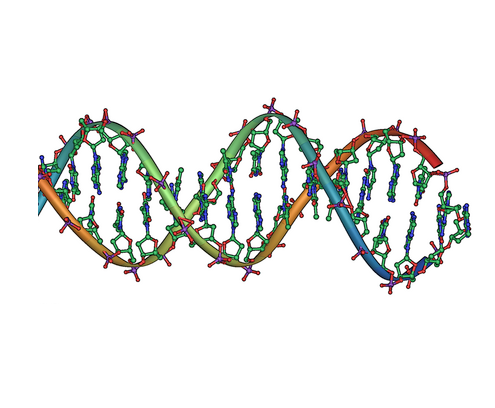
DNA profiling (also called DNA fingerprinting and genetic fingerprinting) is the process of determining an individual's deoxyribonucleic acid (DNA) characteristics. DNA analysis intended to identify a species, rather than an individual, is called DNA barcoding.
DNA profiling is a forensic technique in criminal investigations, comparing criminal suspects' profiles to DNA evidence so as to assess the likelihood of their involvement in the crime.[1][2] It is also used in paternity testing,[3] to establish immigration eligibility,[4] and in genealogical and medical research. DNA profiling has also been used in the study of animal and plant populations in the fields of zoology, botany, and agriculture.[5]
Background
[edit]
Starting in the mid 1970s, scientific advances allowed the use of DNA as a material for the identification of an individual. The first patent covering the direct use of DNA variation for forensics (US5593832A[6]) was issued in 1997, continued from an application first filed by Jeffrey Glassberg in 1983, based upon work he had done while at Rockefeller University in the United States in 1981.
British geneticist Sir Alec Jeffreys independently developed a process for DNA profiling in 1984 while working in the Department of Genetics at the University of Leicester. Jeffreys discovered that a DNA examiner could establish patterns in unknown DNA. These patterns were a part of inherited traits that could be used to advance the field of relationship analysis. These discoveries led to the first use of DNA profiling in a criminal case.[7][8][9][10]
The process, developed by Jeffreys in conjunction with Peter Gill and Dave Werrett of the Forensic Science Service (FSS), was first used forensically in the solving of the murder of two teenagers who had been raped and murdered in Narborough, Leicestershire in 1983 and 1986. In the murder inquiry, led by Detective David Baker, the DNA contained within blood samples obtained voluntarily from around 5,000 local men who willingly assisted Leicestershire Constabulary with the investigation, resulted in the exoneration of Richard Buckland, an initial suspect who had confessed to one of the crimes, and the subsequent conviction of Colin Pitchfork on January 2, 1988. Pitchfork, a local bakery employee, had coerced his coworker Ian Kelly to stand in for him when providing a blood sample—Kelly then used a forged passport to impersonate Pitchfork. Another coworker reported the deception to the police. Pitchfork was arrested, and his blood was sent to Jeffreys' lab for processing and profile development. Pitchfork's profile matched that of DNA left by the murderer which confirmed Pitchfork's presence at both crime scenes; he pleaded guilty to both murders.[11] After some years, a chemical company named Imperial Chemical Industries (ICI) introduced the first ever commercially available kit to the world. Despite being a relatively recent field, it had a significant global influence on both criminal justice system and society.[citation needed]

Although 99.9% of human DNA sequences are the same in every person, enough of the DNA is different that it is possible to distinguish one individual from another, unless they are monozygotic (identical) twins.[12] DNA profiling uses repetitive sequences that are highly variable,[12] called variable number tandem repeats (VNTRs), in particular short tandem repeats (STRs), also known as microsatellites, and minisatellites. VNTR loci are similar between closely related individuals, but are so variable that unrelated individuals are unlikely to have the same VNTRs.
Before VNTRs and STRs, people like Jeffreys used a process called restriction fragment length polymorphism (RFLP). This process regularly used large portions of DNA to analyze the differences between two DNA samples. RFLP was among the first technologies used in DNA profiling and analysis. However, as technology has evolved, new technologies, like STR, emerged and took the place of older technology like RFLP.[13]
The admissibility of DNA evidence in courts was disputed in the United States in the 1980s and 1990s, but has since become more universally accepted due to improved techniques.[14]
Profiling processes
[edit]DNA extraction
[edit]When a sample such as blood or saliva is obtained, the DNA is only a small part of what is present in the sample. Before the DNA can be analyzed, it must be extracted from the cells and purified. There are many ways this can be accomplished, but all methods follow the same basic procedure. The cell and nuclear membranes need to be broken up to allow the DNA to be free in solution. Once the DNA is free, it can be separated from all other cellular components. After the DNA has been separated in solution, the remaining cellular debris can then be removed from the solution and discarded, leaving only DNA. The most common methods of DNA extraction include organic extraction (also called phenol–chloroform extraction),[15] Chelex extraction, and solid-phase extraction. Differential extraction is a modified version of extraction in which DNA from two different types of cells can be separated from each other before being purified from the solution. Each method of extraction works well in the laboratory, but analysts typically select their preferred method based on factors such as the cost, the time involved, the quantity of DNA yielded, and the quality of DNA yielded.[16][17]
RFLP analysis
[edit]
RFLP stands for restriction fragment length polymorphism and, in terms of DNA analysis, describes a DNA testing method which utilizes restriction enzymes to "cut" the DNA at short and specific sequences throughout the sample. To start off processing in the laboratory, the sample has to first go through an extraction protocol, which may vary depending on the sample type or laboratory SOPs (Standard Operating Procedures). Once the DNA has been "extracted" from the cells within the sample and separated away from extraneous cellular materials and any nucleases that would degrade the DNA, the sample can then be introduced to the desired restriction enzymes to be cut up into discernable fragments. Following the enzyme digestion, a Southern Blot is performed. Southern Blots are a size-based separation method that are performed on a gel with either radioactive or chemiluminescent probes. RFLP could be conducted with single-locus or multi-locus probes (probes which target either one location on the DNA or multiple locations on the DNA). Incorporating the multi-locus probes allowed for higher discrimination power for the analysis, however completion of this process could take several days to a week for one sample due to the extreme amount of time required by each step required for visualization of the probes.
Polymerase chain reaction (PCR) analysis
[edit]This technique was developed in 1983 by Kary Mullis. PCR is now a common and important technique used in medical and biological research labs for a variety of applications.[18]
PCR, or Polymerase Chain Reaction, is a widely used molecular biology technique to amplify a specific DNA sequence.

Amplification is achieved by a series of three steps:
1- Denaturation : In this step, the DNA is heated to 95 °C to dissociate the hydrogen bonds between the complementary base pairs of the double-stranded DNA.
2-Annealing : During this stage the reaction is cooled to 50-65 °C . This enables the primers to attach to a specific location on the single -stranded template DNA by way of hydrogen bonding.
3-Extension : A thermostable DNA polymerase which is Taq polymerase is commonly used at this step. This is done at a temperature of 72 °C . DNA polymerase adds nucleotides in the 5'-3' direction and synthesizes the complementary strand of the DNA template .
STR analysis
[edit]_analysis.png)
The system of DNA profiling used today is based on polymerase chain reaction (PCR) and uses simple sequences.[8]
From country to country, different STR-based DNA-profiling systems are in use. In North America, systems that amplify the CODIS 20[20] core loci are almost universal, whereas in the United Kingdom the DNA-17 loci system is in use, and Australia uses 18 core markers.[21]
The true power of STR analysis is in its statistical power of discrimination. Because the 20 loci that are currently used for discrimination in CODIS are independently assorted (having a certain number of repeats at one locus does not change the likelihood of having any number of repeats at any other locus), the product rule for probabilities can be applied. This means that, if someone has the DNA type of ABC, where the three loci were independent, then the probability of that individual having that DNA type is the probability of having type A times the probability of having type B times the probability of having type C. This has resulted in the ability to generate match probabilities of 1 in a quintillion (1x10¹⁸) or more.[further explanation needed] However, DNA database searches showed much more frequent than expected false DNA profile matches.[22]
Y-chromosome analysis
[edit]Due to the paternal inheritance, Y-haplotypes provide information about the genetic ancestry of the male population. To investigate this population history, and to provide estimates for haplotype frequencies in criminal casework, the "Y haplotype reference database (YHRD)" has been created in 2000 as an online resource. It currently comprises more than 300,000 minimal (8 locus) haplotypes from world-wide populations.[23]
Mitochondrial analysis
[edit]mtDNA can be obtained from such material as hair shafts and old bones/teeth.[24] Control mechanism based on interaction point with data. This can be determined by tooled placement in sample.[25]
Issues with forensic DNA samples
[edit]When people think of DNA analysis, they often think about television shows like NCIS or CSI, which portray DNA samples coming into a lab and being instantly analyzed, followed by the pulling up of a picture of the suspect within minutes. However, the reality is quite different, and perfect DNA samples are often not collected from the scene of a crime. Homicide victims are frequently left exposed to harsh conditions before they are found, and objects that are used to commit crimes have often been handled by more than one person. The two most prevalent issues that forensic scientists encounter when analyzing DNA samples are degraded samples and DNA mixtures.[26]
Degraded DNA
[edit]Before modern PCR methods existed, it was almost impossible to analyze degraded DNA samples. Methods like restriction fragment length polymorphism (RFLP), which was the first technique used for DNA analysis in forensic science, required high molecular weight DNA in the sample in order to get reliable data. High molecular weight DNA, however, is lacking in degraded samples, as the DNA is too fragmented to carry out RFLP accurately. It was only when polymerase chain reaction techniques were invented that analysis of degraded DNA samples were able to be carried out. Multiplex PCR in particular made it possible to isolate and to amplify the small fragments of DNA that are still left in degraded samples. When multiplex PCR methods are compared to the older methods like RFLP, a vast difference can be seen. Multiplex PCR can theoretically amplify less than 1 ng of DNA, but RFLP had to have a least 100 ng of DNA in order to carry out an analysis.[27]
Low-template DNA
[edit]Low-template DNA can happen when there is less than 0.1 ng([28]) of DNA in a sample. This can lead to more stochastic effects (random events) such as allelic dropout or allelic drop-in which can alter the interpretation of a DNA profile. These stochastic effects can lead to the unequal amplification of the 2 alleles that come from a heterozygous individual. It is especially important to take low-template DNA into account when dealing with a mixture of DNA sample. This is because for one (or more) of the contributors in the mixture, they are more likely to have less than the optimal amount of DNA for the PCR reaction to work properly.[29] Therefore, stochastic thresholds are developed for DNA profile interpretation. The stochastic threshold is the minimum peak height (RFU value), seen in an electropherogram where dropout occurs. If the peak height value is above this threshold, then it is reasonable to assume that allelic dropout has not occurred. For example, if only 1 peak is seen for a particular locus in the electropherogram but its peak height is above the stochastic threshold, then we can reasonably assume that this individual is homozygous and is not missing its heterozygous partner allele that otherwise would have dropped out due to having low-template DNA. Allelic dropout can occur when there is low-template DNA because there is such little DNA to start with that at this locus the contributor to the DNA sample (or mixture) is a true heterozygote but the other allele is not amplified and so it would be lost. Allelic drop-in[30] can also occur when there is low-template DNA because sometimes the stutter peak can be amplified. The stutter is an artifact of PCR. During the PCR reaction, DNA Polymerase will come in and add nucleotides off of the primer, but this whole process is very dynamic, meaning that the DNA Polymerase is constantly binding, popping off and then rebinding. Therefore, sometimes DNA Polymerase will rejoin at the short tandem repeat ahead of it, leading to a short tandem repeat that is 1 repeat less than the template. During PCR, if DNA Polymerase happens to bind to a locus in stutter and starts to amplify it to make lots of copies, then this stutter product will appear randomly in the electropherogram, leading to allelic drop-in.
MiniSTR analysis
[edit]In instances in which DNA samples are degraded, like if there are intense fires or all that remains are bone fragments, standard STR testing on those samples can be inadequate. When standard STR testing is done on highly degraded samples, the larger STR loci often drop out, and only partial DNA profiles are obtained. Partial DNA profiles can be a powerful tool, but the probability of a random match is larger than if a full profile was obtained. One method that has been developed to analyse degraded DNA samples is to use miniSTR technology. In the new approach, primers are specially designed to bind closer to the STR region.[31]
In normal STR testing, the primers bind to longer sequences that contain the STR region within the segment. MiniSTR analysis, however, targets only the STR location, which results in a DNA product that is much smaller.[31]
By placing the primers closer to the actual STR regions, there is a higher chance that successful amplification of this region will occur. Successful amplification of those STR regions can now occur, and more complete DNA profiles can be obtained. The success that smaller PCR products produce a higher success rate with highly degraded samples was first reported in 1995, when miniSTR technology was used to identify victims of the Waco fire.[32]
DNA mixtures
[edit]Mixtures are another common issue faced by forensic scientists when they are analyzing unknown or questionable DNA samples. A mixture is defined as a DNA sample that contains two or more individual contributors.[27] That can often occur when a DNA sample is swabbed from an item that is handled by more than one person or when a sample contains both the victim's and the assailant's DNA. The presence of more than one individual in a DNA sample can make it challenging to detect individual profiles, and interpretation of mixtures should be performed only by highly trained individuals. Mixtures that contain two or three individuals can be interpreted with difficulty. Mixtures that contain four or more individuals are much too convoluted to get individual profiles. One common scenario in which a mixture is often obtained is in the case of sexual assault. A sample may be collected that contains material from the victim, the victim's consensual sexual partners, and the perpetrator(s).[33]
Mixtures can generally be sorted into three categories: Type A, Type B, and Type C.[34] Type A mixtures have alleles with similar peak-heights all around, so the contributors cannot be distinguished from each other. Type B mixtures can be deconvoluted by comparing peak-height ratios to determine which alleles were donated together. Type C mixtures cannot be safely interpreted with current technology because the samples were affected by DNA degradation or having too small a quantity of DNA present.
When looking at an electropherogram, it is possible to determine the number of contributors in less complex mixtures based on the number of peaks located in each locus. In comparison to a single source profile, which will only have one or two peaks at each locus, a mixture is when there are three or more peaks at two or more loci.[35] If there are three peaks at only a single locus, then it is possible to have a single contributor who is tri-allelic at that locus.[36] Two person mixtures will have between two and four peaks at each locus, and three person mixtures will have between three and six peaks at each locus. Mixtures become increasingly difficult to deconvolute as the number of contributors increases.
As detection methods in DNA profiling advance, forensic scientists are seeing more DNA samples that contain mixtures, as even the smallest contributor can now be detected by modern tests. The ease in which forensic scientists have in interpenetrating DNA mixtures largely depends on the ratio of DNA present from each individual, the genotype combinations, and the total amount of DNA amplified.[37] The DNA ratio is often the most important aspect to look at in determining whether a mixture can be interpreted. For example, if a DNA sample had two contributors, it would be easy to interpret individual profiles if the ratio of DNA contributed by one person was much higher than the second person. When a sample has three or more contributors, it becomes extremely difficult to determine individual profiles. Fortunately, advancements in probabilistic genotyping may make that sort of determination possible in the future. Probabilistic genotyping uses complex computer software to run through thousands of mathematical computations to produce statistical likelihoods of individual genotypes found in a mixture.[38]
DNA profiling in plant:
Plant DNA profiling (fingerprinting) is a method for identifying cultivars that uses molecular marker techniques. This method is gaining attention due to Trade Related Intellectual property rights (TRIPs) and the Convention on Biological Diversity (CBD).[39]
Advantages of Plant DNA profiling:
Identification, authentication, specific distinction, detecting adulteration and identifying phytoconstituents are all possible with DNA fingerprinting in medical plants.[40]
DNA based markers are critical for these applications, determining the future of scientific study in pharmacognosy.[40]
It also helps with determining the traits (such as seed size and leaf color) are likely to improve the offspring or not.[41]
DNA databases
[edit]An early application of a DNA database was the compilation of a Mitochondrial DNA Concordance,[42] prepared by Kevin W. P. Miller and John L. Dawson at the University of Cambridge from 1996 to 1999[43] from data collected as part of Miller's PhD thesis. There are now several DNA databases in existence around the world. Some are private, but most of the largest databases are government-controlled. The United States maintains the largest DNA database, with the Combined DNA Index System (CODIS) holding over 13 million records as of May 2018.[44] The United Kingdom maintains the National DNA Database (NDNAD), which is of similar size, despite the UK's smaller population. The size of this database, and its rate of growth, are giving concern to civil liberties groups in the UK, where police have wide-ranging powers to take samples and retain them even in the event of acquittal.[45] The Conservative–Liberal Democrat coalition partially addressed these concerns with part 1 of the Protection of Freedoms Act 2012, under which DNA samples must be deleted if suspects are acquitted or not charged, except in relation to certain (mostly serious or sexual) offenses. Public discourse around the introduction of advanced forensic techniques (such as genetic genealogy using public genealogy databases and DNA phenotyping approaches) has been limited, disjointed, unfocused, and raises issues of privacy and consent that may warrant the establishment of additional legal protections.[46]
The U.S. Patriot Act of the United States provides a means for the U.S. government to get DNA samples from suspected terrorists. DNA information from crimes is collected and deposited into the CODIS database, which is maintained by the FBI. CODIS enables law enforcement officials to test DNA samples from crimes for matches within the database, providing a means of finding specific biological profiles associated with collected DNA evidence.[47]
When a match is made from a national DNA databank to link a crime scene to an offender having provided a DNA sample to a database, that link is often referred to as a cold hit. A cold hit is of value in referring the police agency to a specific suspect but is of less evidential value than a DNA match made from outside the DNA Databank.[48]
FBI agents cannot legally store DNA of a person not convicted of a crime. DNA collected from a suspect not later convicted must be disposed of and not entered into the database. In 1998, a man residing in the UK was arrested on accusation of burglary. His DNA was taken and tested, and he was later released. Nine months later, this man's DNA was accidentally and illegally entered in the DNA database. New DNA is automatically compared to the DNA found at cold cases and, in this case, this man was found to be a match to DNA found at a rape and assault case one year earlier. The government then prosecuted him for these crimes. During the trial the DNA match was requested to be removed from the evidence because it had been illegally entered into the database. The request was carried out.[49] The DNA of the perpetrator, collected from victims of rape, can be stored for years until a match is found. In 2014, to address this problem, Congress extended a bill that helps states deal with "a backlog" of evidence.[50]
DNA profiling databases in Plants:
PIDS:
PIDS(Plant international DNA-fingerprinting system) is an open source web server and free software based plant international DNA fingerprinting system.
It manages huge amount of microsatellite DNA fingerprint data, performs genetic studies, and automates collection, storage and maintenance while decreasing human error and increasing efficiency.
The system may be tailored to specific laboratory needs, making it a valuable tool for plant breeders, forensic science, and human fingerprint recognition.
It keeps track of experiments, standardizes data and promotes inter-database communication.
It also helps with the regulation of variety quality, the preservation of variety rights and the use of molecular markers in breeding by providing location statistics, merging, comparison and genetic analysis function.[51]
Considerations in evaluating DNA evidence
[edit]When using RFLP, the theoretical risk of a coincidental match is 1 in 100 billion (100,000,000,000) although the practical risk is actually 1 in 1,000 because monozygotic twins are 0.2% of the human population.[52] Moreover, the rate of laboratory error is almost certainly higher than that and actual laboratory procedures often do not reflect the theory under which the coincidence probabilities were computed. For example, coincidence probabilities may be calculated based on the probabilities that markers in two samples have bands in precisely the same location, but a laboratory worker may conclude that similar but not precisely-identical band patterns result from identical genetic samples with some imperfection in the agarose gel. However, in that case, the laboratory worker increases the coincidence risk by expanding the criteria for declaring a match. Studies conducted in the 2000s quoted relatively-high error rates, which may be cause for concern.[53] In the early days of genetic fingerprinting, the necessary population data to compute a match probability accurately was sometimes unavailable. Between 1992 and 1996, arbitrary-low ceilings were controversially put on match probabilities used in RFLP analysis, rather than the higher theoretically computed ones.[54]
Evidence of genetic relationship
[edit]It is possible to use DNA profiling as evidence of genetic relationship although such evidence varies in strength from weak to positive. Testing that shows no relationship is absolutely certain. Further, while almost all individuals have a single and distinct set of genes, ultra-rare individuals, known as "chimeras", have at least two different sets of genes. There have been two cases of DNA profiling that falsely suggested that a mother was unrelated to her children.[55]
Fake DNA evidence
[edit]The functional analysis of genes and their coding sequences (open reading frames [ORFs]) typically requires that each ORF be expressed, the encoded protein purified, antibodies produced, phenotypes examined, intracellular localization determined, and interactions with other proteins sought.[56] In a study conducted by the life science company Nucleix and published in the journal Forensic Science International, scientists found that an in vitro synthesized sample of DNA matching any desired genetic profile can be constructed using standard molecular biology techniques without obtaining any actual tissue from that person.
DNA evidence in criminal trials
[edit]| Evidence |
|---|
| Part of the law series |
| Types of evidence |
| Relevance |
| Authentication |
| Witnesses |
| Hearsay and exceptions |
| Other common law areas |
Familial DNA searching
[edit]Familial DNA searching (sometimes referred to as "familial DNA" or "familial DNA database searching") is the practice of creating new investigative leads in cases where DNA evidence found at the scene of a crime (forensic profile) strongly resembles that of an existing DNA profile (offender profile) in a state DNA database but there is not an exact match.[57][58] After all other leads have been exhausted, investigators may use specially developed software to compare the forensic profile to all profiles taken from a state's DNA database to generate a list of those offenders already in the database who are most likely to be a very close relative of the individual whose DNA is in the forensic profile.[59]
Familial DNA database searching was first used in an investigation leading to the conviction of Jeffrey Gafoor of the murder of Lynette White in the United Kingdom on 4 July 2003. DNA evidence was matched to Gafoor's nephew, who at 14 years old had not been born at the time of the murder in 1988. It was used again in 2004[60] to find a man who threw a brick from a motorway bridge and hit a lorry driver, killing him. DNA found on the brick matched that found at the scene of a car theft earlier in the day, but there were no good matches on the national DNA database. A wider search found a partial match to an individual; on being questioned, this man revealed he had a brother, Craig Harman, who lived very close to the original crime scene. Harman voluntarily submitted a DNA sample, and confessed when it matched the sample from the brick.[61] As of 2011, familial DNA database searching is not conducted on a national level in the United States, where states determine how and when to conduct familial searches. The first familial DNA search with a subsequent conviction in the United States was conducted in Denver, Colorado, in 2008, using software developed under the leadership of Denver District Attorney Mitch Morrissey and Denver Police Department Crime Lab Director Gregg LaBerge.[62] California was the first state to implement a policy for familial searching under then-Attorney General Jerry Brown, who later became Governor.[63] In his role as consultant to the Familial Search Working Group of the California Department of Justice, former Alameda County Prosecutor Rock Harmon is widely considered to have been the catalyst in the adoption of familial search technology in California. The technique was used to catch the Los Angeles serial killer known as the "Grim Sleeper" in 2010.[64] It was not a witness or informant that tipped off law enforcement to the identity of the "Grim Sleeper" serial killer, who had eluded police for more than two decades, but DNA from the suspect's own son. The suspect's son had been arrested and convicted in a felony weapons charge and swabbed for DNA the year before. When his DNA was entered into the database of convicted felons, detectives were alerted to a partial match to evidence found at the "Grim Sleeper" crime scenes. David Franklin Jr., also known as the Grim Sleeper, was charged with ten counts of murder and one count of attempted murder.[65] More recently, familial DNA led to the arrest of 21-year-old Elvis Garcia on charges of sexual assault and false imprisonment of a woman in Santa Cruz in 2008.[66] In March 2011 Virginia Governor Bob McDonnell announced that Virginia would begin using familial DNA searches.[67]
At a press conference in Virginia on 7 March 2011, regarding the East Coast Rapist, Prince William County prosecutor Paul Ebert and Fairfax County Police Detective John Kelly said the case would have been solved years ago if Virginia had used familial DNA searching. Aaron Thomas, the suspected East Coast Rapist, was arrested in connection with the rape of 17 women from Virginia to Rhode Island, but familial DNA was not used in the case.[68]
Critics of familial DNA database searches argue that the technique is an invasion of an individual's 4th Amendment rights.[69] Privacy advocates are petitioning for DNA database restrictions, arguing that the only fair way to search for possible DNA matches to relatives of offenders or arrestees would be to have a population-wide DNA database.[49] Some scholars have pointed out that the privacy concerns surrounding familial searching are similar in some respects to other police search techniques,[70] and most have concluded that the practice is constitutional.[71] The Ninth Circuit Court of Appeals in United States v. Pool (vacated as moot) suggested that this practice is somewhat analogous to a witness looking at a photograph of one person and stating that it looked like the perpetrator, which leads law enforcement to show the witness photos of similar looking individuals, one of whom is identified as the perpetrator.[72]
Critics also state that racial profiling could occur on account of familial DNA testing. In the United States, the conviction rates of racial minorities are much higher than that of the overall population. It is unclear whether this is due to discrimination from police officers and the courts, as opposed to a simple higher rate of offence among minorities. Arrest-based databases, which are found in the majority of the United States, lead to an even greater level of racial discrimination. An arrest, as opposed to conviction, relies much more heavily on police discretion.[49]
For instance, investigators with Denver District Attorney's Office successfully identified a suspect in a property theft case using a familial DNA search. In this example, the suspect's blood left at the scene of the crime strongly resembled that of a current Colorado Department of Corrections prisoner.[62]
Partial matches
[edit]Partial DNA matches are the result of moderate stringency CODIS searches that produce a potential match that shares at least one allele at every locus.[73] Partial matching does not involve the use of familial search software, such as those used in the United Kingdom and the United States, or additional Y-STR analysis and therefore often misses sibling relationships. Partial matching has been used to identify suspects in several cases in both countries[74] and has also been used as a tool to exonerate the falsely accused. Darryl Hunt was wrongly convicted in connection with the rape and the murder of a young woman in 1984 in North Carolina.[75]
Surreptitious DNA collecting
[edit]Police forces may collect DNA samples without a suspect's knowledge, and use it as evidence. The legality of the practice has been questioned in Australia.[76]
In the United States, where it has been accepted, courts often rule that there is no expectation of privacy and cite California v. Greenwood (1988), in which the Supreme Court held that the Fourth Amendment does not prohibit the warrantless search and seizure of garbage left for collection outside the curtilage of a home. Critics of this practice underline that this analogy ignores that "most people have no idea that they risk surrendering their genetic identity to the police by, for instance, failing to destroy a used coffee cup. Moreover, even if they do realize it, there is no way to avoid abandoning one's DNA in public."[77]
The United States Supreme Court ruled in Maryland v. King (2013) that DNA sampling of prisoners arrested for serious crimes is constitutional.[78][79][80]
In the United Kingdom, the Human Tissue Act 2004 prohibits private individuals from covertly collecting biological samples (hair, fingernails, etc.) for DNA analysis but exempts medical and criminal investigations from the prohibition.[81]
England and Wales
[edit]Evidence from an expert who has compared DNA samples must be accompanied by evidence as to the sources of the samples and the procedures for obtaining the DNA profiles.[82] The judge must ensure that the jury must understand the significance of DNA matches and mismatches in the profiles. The judge must also ensure that the jury does not confuse the match probability (the probability that a person that is chosen at random has a matching DNA profile to the sample from the scene) with the probability that a person with matching DNA committed the crime. In 1996 R v. Doheny[83]
Juries should weigh up conflicting and corroborative evidence, using their own common sense and not by using mathematical formulae, such as Bayes' theorem, so as to avoid "confusion, misunderstanding and misjudgment".[84]
Presentation and evaluation of evidence of partial or incomplete DNA profiles
[edit]In R v Bates,[85] Moore-Bick LJ said:
We can see no reason why partial profile DNA evidence should not be admissible provided that the jury are made aware of its inherent limitations and are given a sufficient explanation to enable them to evaluate it. There may be cases where the match probability in relation to all the samples tested is so great that the judge would consider its probative value to be minimal and decide to exclude the evidence in the exercise of his discretion, but this gives rise to no new question of principle and can be left for decision on a case by case basis. However, the fact that there exists in the case of all partial profile evidence the possibility that a "missing" allele might exculpate the accused altogether does not provide sufficient grounds for rejecting such evidence. In many there is a possibility (at least in theory) that evidence that would assist the accused and perhaps even exculpate him altogether exists, but that does not provide grounds for excluding relevant evidence that is available and otherwise admissible, though it does make it important to ensure that the jury are given sufficient information to enable them to evaluate that evidence properly.[86]
DNA testing in the United States
[edit]
There are state laws on DNA profiling in all 50 states of the United States.[87] Detailed information on database laws in each state can be found at the National Conference of State Legislatures website.[88]
Development of artificial DNA
[edit]In August 2009, scientists in Israel raised serious doubts concerning the use of DNA by law enforcement as the ultimate method of identification. In a paper published in the journal Forensic Science International: Genetics, the Israeli researchers demonstrated that it is possible to manufacture DNA in a laboratory, thus falsifying DNA evidence. The scientists fabricated saliva and blood samples, which originally contained DNA from a person other than the supposed donor of the blood and saliva.[89]
The researchers also showed that, using a DNA database, it is possible to take information from a profile and manufacture DNA to match it, and that this can be done without access to any actual DNA from the person whose DNA they are duplicating. The synthetic DNA oligos required for the procedure are common in molecular laboratories.[89]
The New York Times quoted the lead author, Daniel Frumkin, saying, "You can just engineer a crime scene ... any biology undergraduate could perform this".[89] Frumkin perfected a test that can differentiate real DNA samples from fake ones. His test detects epigenetic modifications, in particular, DNA methylation.[90] Seventy percent of the DNA in any human genome is methylated, meaning it contains methyl group modifications within a CpG dinucleotide context. Methylation at the promoter region is associated with gene silencing. The synthetic DNA lacks this epigenetic modification, which allows the test to distinguish manufactured DNA from genuine DNA.[89]
It is unknown how many police departments, if any, currently use the test. No police lab has publicly announced that it is using the new test to verify DNA results.[91]
Researchers at the University of Tokyo integrated an artificial DNA replication scheme with a rebuilt gene expression system and micro-compartmentalization utilizing cell-free materials alone for the first time. Multiple cycles of serial dilution were performed on a system contained in microscale water-in-oil droplets.[92]
Chances of making DNA change on purpose
Overall, this study's artificial genomic DNA, which kept copying itself using self-encoded proteins and made its sequence better on its own, is a good starting point for making more complex artificial cells. By adding the genes needed for transcription and translation to artificial genomic DNA, it may be possible in the future to make artificial cells that can grow on their own when fed small molecules like amino acids and nucleotides. Using living organisms to make useful things, like drugs and food, would be more stable and easier to control in these artificial cells.[92]
On July 7, 2008, the American chemical society reported that Japanese chemists have created the world's first DNA molecule comprised nearly completely of synthetic components.
A nano-particle based artificial transcription factor for gene regulation:
Nano Script is a nanoparticle-based artificial transcription factor that is supposed to replicate the structure and function of TFs. On gold nanoparticles, functional peptides and tiny molecules referred to as synthetic transcription factors, which imitate the various TF domains, were attached to create Nano Script. We show that Nano Script localizes to the nucleus and begins transcription of a reporter plasmid by an amount more than 15-fold. Moreover, Nano Script can successfully transcribe targeted genes onto endogenous DNA in a nonviral manner.[93]
Three different fluorophores—red, green, and blue—were carefully fixed on the DNA rod surface to provide spatial information and create a nanoscale barcode. Epifluorescence and total internal reflection fluorescence microscopy reliably deciphered spatial information between fluorophores. By moving the three fluorophores on the DNA rod, this nanoscale barcode created 216 fluorescence patterns.[94]
Cases
[edit]- In 1986, Richard Buckland was exonerated, despite having admitted to the rape and murder of a teenager near Leicester, the city where DNA profiling was first developed. This was the first use of DNA fingerprinting in a criminal investigation, and the first to prove a suspect's innocence.[95] The following year Colin Pitchfork was identified as the perpetrator of the same murder, in addition to another, using the same techniques that had cleared Buckland.[96]
- In 1987, genetic fingerprinting was used in a US criminal court for the first time in the trial of a man accused of unlawful intercourse with a mentally disabled 14-year-old female who gave birth to a baby.[97]
- In 1987, Florida rapist Tommie Lee Andrews was the first person in the United States to be convicted as a result of DNA evidence, for raping a woman during a burglary; he was convicted on 6 November 1987, and sentenced to 22 years in prison.[98][99]
- In 1990, a violent murder of a young student in Brno was the first criminal case in Czechoslovakia solved by DNA evidence, with the murderer sentenced to 23 years in prison.[100][101]
- In 1992, DNA from a palo verde tree was used to convict Mark Alan Bogan of murder. DNA from seed pods of a tree at the crime scene was found to match that of seed pods found in Bogan's truck. This is the first instance of plant DNA admitted in a criminal case.[102][103][104]
- In 1994, the claim that Anna Anderson was Grand Duchess Anastasia Nikolaevna of Russia was tested after her death using samples of her tissue that had been stored at a Charlottesville hospital following a medical procedure. The tissue was tested using DNA fingerprinting, and showed that she bore no relation to the Romanovs.[105]
- In 1994, Earl Washington, Jr., of Virginia had his death sentence commuted to life imprisonment a week before his scheduled execution date based on DNA evidence. He received a full pardon in 2000 based on more advanced testing.[106]
- In 1999, Raymond Easton, a disabled man from Swindon, England, was arrested and detained for seven hours in connection with a burglary, because the on-site DNA seemed to match his. He was released when a more accurate test showed clear differences. His DNA had been retained on file after an unrelated domestic incident some time previously.[107]
- In 2000 Frank Lee Smith was proved innocent by DNA profiling of the murder of an eight-year-old girl after spending 14 years on death row in Florida, USA. However he had died of cancer just before his innocence was proven.[108] In view of this the Florida state governor ordered that in future any death row inmate claiming innocence should have DNA testing.[106]
- In May 2000 Gordon Graham murdered Paul Gault at his home in Lisburn, Northern Ireland. Graham was convicted of the murder when his DNA was found on a sports bag left in the house as part of an elaborate ploy to suggest the murder occurred after a burglary had gone wrong. Graham was having an affair with the victim's wife at the time of the murder. It was the first time Low Copy Number DNA was used in Northern Ireland.[109]
- In 2001, Wayne Butler was convicted for the murder of Celia Douty. It was the first murder in Australia to be solved using DNA profiling.[110][111]
- In 2002, the body of James Hanratty, hanged in 1962 for the "A6 murder", was exhumed and DNA samples from the body and members of his family were analysed. The results convinced Court of Appeal judges that Hanratty's guilt, which had been strenuously disputed by campaigners, was proved "beyond doubt".[112] Paul Foot and some other campaigners continued to believe in Hanratty's innocence and argued that the DNA evidence could have been contaminated, noting that the small DNA samples from items of clothing, kept in a police laboratory for over 40 years "in conditions that do not satisfy modern evidential standards", had had to be subjected to very new amplification techniques in order to yield any genetic profile.[113] However, no DNA other than Hanratty's was found on the evidence tested, contrary to what would have been expected had the evidence indeed been contaminated.[114]
- In August 2002, Annalisa Vicentini was shot dead in Tuscany. Bartender Peter Hamkin, 23, was arrested, in Merseyside in March 2003 on an extradition warrant heard at Bow Street Magistrates' Court in London to establish whether he should be taken to Italy to face a murder charge. DNA "proved" he shot her, but he was cleared on other evidence.[115]
- In 2003, Welshman Jeffrey Gafoor was convicted of the 1988 murder of Lynette White, when crime scene evidence collected 12 years earlier was re-examined using STR techniques, resulting in a match with his nephew.[116]
- In June 2003, because of new DNA evidence, Dennis Halstead, John Kogut and John Restivo won a re-trial on their 1986 murder conviction, their convictions were struck down and they were released.[117]
- In 2004, DNA testing shed new light into the mysterious 1912 disappearance of Bobby Dunbar, a four-year-old boy who vanished during a fishing trip. He was allegedly found alive eight months later in the custody of William Cantwell Walters, but another woman claimed that the boy was her son, Bruce Anderson, whom she had entrusted in Walters' custody. The courts disbelieved her claim and convicted Walters for the kidnapping. The boy was raised and known as Bobby Dunbar throughout the rest of his life. However, DNA tests on Dunbar's son and nephew revealed the two were not related, thus establishing that the boy found in 1912 was not Bobby Dunbar, whose real fate remains unknown.[118]
- In 2005, Gary Leiterman was convicted of the 1969 murder of Jane Mixer, a law student at the University of Michigan, after DNA found on Mixer's pantyhose was matched to Leiterman. DNA in a drop of blood on Mixer's hand was matched to John Ruelas, who was only four years old in 1969 and was never successfully connected to the case in any other way. Leiterman's defense unsuccessfully argued that the unexplained match of the blood spot to Ruelas pointed to cross-contamination and raised doubts about the reliability of the lab's identification of Leiterman.[119][120]
- In November 2008, Anthony Curcio was arrested for masterminding one of the most elaborately planned armored car heists in history. DNA evidence linked Curcio to the crime.[121]
- In March 2009, Sean Hodgson—convicted of 1979 killing of Teresa De Simone, 22, in her car in Southampton—was released after tests proved DNA from the scene was not his. It was later matched to DNA retrieved from the exhumed body of David Lace. Lace had previously confessed to the crime but was not believed by the detectives. He served time in prison for other crimes committed at the same time as the murder and then committed suicide in 1988.[122]
- In 2012, a case of babies being switched, many decades earlier, was discovered by accident. After undertaking DNA testing for other purposes, Alice Collins Plebuch was advised that her ancestry appeared to include a significant Ashkenazi Jewish component, despite a belief in her family that they were of predominantly Irish descent. Profiling of Plebuch's genome suggested that it included distinct and unexpected components associated with Ashkenazi, Middle Eastern, and Eastern European populations. This led Plebuch to conduct an extensive investigation, after which she concluded that her father had been switched (possibly accidentally) with another baby soon after birth. Plebuch was also able to identify the biological ancestors of her father.[123][124]
- In 2016 Anthea Ring, abandoned as a baby, was able to use a DNA sample and DNA matching database to discover her deceased mother's identity and roots in County Mayo, Ireland. A recently developed forensic test was subsequently used to capture DNA from saliva left on old stamps and envelopes by her suspected father, uncovered through painstaking genealogy research. The DNA in the first three samples was too degraded to use. However, on the fourth, more than enough DNA was found. The test, which has a degree of accuracy acceptable in UK courts, proved that a man named Patrick Coyne was her biological father.[125][126]
- In 2018 the Buckskin girl (a body found in 1981 in Ohio) was identified as Marcia King from Arkansas using DNA genealogical techniques[127]
- In 2018 Joseph James DeAngelo was arrested as the main suspect for the Golden State Killer using DNA and genealogy techniques.[128]
- In 2018, William Earl Talbott II was arrested as a suspect for the 1987 murders of Jay Cook and Tanya Van Cuylenborg with the assistance of genealogical DNA testing. The same genetic genealogist that helped in this case also helped police with 18 other arrests in 2018.[129]
- In 2018, with the use of Next Generation Identification System's enhanced biometric capabilities, the FBI matched the fingerprint of a suspect named Timothy David Nelson and arrested him 20 years after the alleged sexual assault.[130]
DNA evidence as evidence to prove rights of succession to British titles
[edit]DNA testing has been used to establish the right of succession to British titles.[131]
Cases:
See also
[edit]References
[edit]- ^ a b "Eureka moment that led to the discovery of DNA fingerprinting". The Guardian. 24 May 2009. Archived from the original on 26 April 2021. Retrieved 11 December 2016.
- ^ Murphy E (13 October 2017). "Forensic DNA Typing". Annual Review of Criminology. 1: 497–515. doi:10.1146/annurev-criminol-032317-092127.
- ^ Petersen, K., J.. Handbook of Surveillance Technologies. 3rd ed. Boca Raton, FL. CRC Press, 2012. p815
- ^ "DNA pioneer's 'eureka' momen". BBC. 9 September 2009. Archived from the original on 22 August 2017. Retrieved 14 October 2011.
- ^ Chambers GK, Curtis C, Millar CD, Huynen L, Lambert DM (February 2014). "DNA fingerprinting in zoology: past, present, future". Investigative Genetics. 5 (1) 3. doi:10.1186/2041-2223-5-3. PMC 3909909. PMID 24490906.
- ^ "US5593832.pdf" (PDF). docs.google.com. Retrieved 22 August 2022.
- ^ Wickenheiser, Ray A. (12 July 2019). "Forensic genealogy, bioethics and the Golden State Killer case". Forensic Science International. Synergy. 1: 114–125. doi:10.1016/j.fsisyn.2019.07.003. PMC 7219171. PMID 32411963.
- ^ a b Tautz D (1989). "Hypervariability of simple sequences as a general source for polymorphic DNA markers". Nucleic Acids Research. 17 (16): 6463–6471. doi:10.1093/nar/17.16.6463. PMC 318341. PMID 2780284.
- ^ US 5766847, Jäckle, Herbert & Tautz, Diethard, "Process for analyzing length polymorphisms in DNA regions", published 16 June 1998, assigned to Max-Planck-Gesellschaft zur Forderung der Wissenschaften
- ^ Jeffreys AJ (November 2013). "The man behind the DNA fingerprints: an interview with Professor Sir Alec Jeffreys". Investigative Genetics. 4 (1): 21. doi:10.1186/2041-2223-4-21. PMC 3831583. PMID 24245655.
- ^ Evans C (2007) [1998]. The Casebook of Forensic Detection: How Science Solved 100 of the World's Most Baffling Crimes (2nd ed.). New York: Berkeley Books. p. 86–89. ISBN 978-1440620539.
- ^ a b "Use of DNA in Identification". Accessexcellence.org. Archived from the original on 26 April 2008. Retrieved 3 April 2010.
- ^ Marks, Kathy (June 2009). "New DNA Technology for Cold Cases". Law & Order. 57 (6): 36–38, 40–41, 43. ProQuest 1074789441.
- ^ Roth, Andrea (2020). "Chapter 13: Admissibility of DNA Evidence in Court" (PDF). University of California Berkeley School of Law. Retrieved 25 March 2023.
The original forms of forensic DNA testing and interpretation used in the 1980s and early 1990s were subject to much criticism during the "DNA Wars," the history of which has been ably told by others (Kaye, 2010; Lynch et al., 2008; see chapter 1). But these earlier techniques have been replaced in forensic DNA analysis by PCR- based STR discrete- allele typing. Courts now universally accept as generally reliable both the PCR process for amplification of DNA and the STR- based system of identifying and comparing alleles (Kaye, 2010, pp. 190– 191).
- ^ "Organic Extraction Method - US". www.thermofisher.com. Retrieved 7 August 2025.
- ^ Rana, Ajay K (August 2025). "Challenging biological samples and strategies for DNA extraction". Journal of Investigative Medicine. 73 (6): 443–459. doi:10.1177/10815589251327503. PMID 40033560.
- ^ Butler JM (2005). Forensic DNA typing: biology, technology, and genetics of STR markers (2nd ed.). Amsterdam: Elsevier Academic Press. ISBN 978-0080470610. OCLC 123448124.[page needed]
- ^ Rahman, Md Tahminur; Uddin, Muhammed Salah; Sultana, Razia; Moue, Arumina; Setu, Muntahina (6 February 2013). "Polymerase Chain Reaction (PCR): A Short Review". Anwer Khan Modern Medical College Journal. 4 (1): 30–36. doi:10.3329/akmmcj.v4i1.13682. ISSN 2304-5701.
- ^ Image by Mikael Häggström, using following source image: Figure 1 - available via license: Creative Commons Attribution 4.0 International", from the following article:
Sitnik, Roberta; Torres, Margareth Afonso; Strachman Bacal, Nydia; Pinho, João Renato Rebello (2006). "Using PCR for molecular monitoring of post-transplantation chimerism". Einstein (Sao Paulo). 4 (2). S2CID 204763685. - ^ "Combined DNA Index System (CODIS)". Federal Bureau of Investigation. Archived from the original on 29 April 2017. Retrieved 20 April 2017.
- ^ Curtis C, Hereward J (29 August 2017). "From the crime scene to the courtroom: the journey of a DNA sample". The Conversastion. Archived from the original on 25 July 2018. Retrieved 14 October 2017.
- ^ Felch J, et al. (20 July 2008). "FBI resists scrutiny of 'matches'". Los Angeles Times. pp. P8. Archived from the original on 11 August 2011. Retrieved 18 March 2010.
- ^ "Y haplotype reference database". Archived from the original on 23 February 2021. Retrieved 19 April 2020.
- ^ Ravikumar D, Gurunathan D, Gayathri R, Priya VV, Geetha RV (1 January 2018). "DNA profiling of Streptococcus mutans in children with and without black tooth stains: A polymerase chain reaction analysis". Dental Research Journal. 15 (5): 334–339. doi:10.4103/1735-3327.240472. PMC 6134728. PMID 30233653.
- ^ Kashyap, V. K. (8 February 2004). "DNA Profiling Technologies in Forensic Analysis". International Journal of Human Genetics. 4 (1). doi:10.31901/24566330.2004/04.01.02.
- ^ Bieber FR, Buckleton JS, Budowle B, Butler JM, Coble MD (August 2016). "Evaluation of forensic DNA mixture evidence: protocol for evaluation, interpretation, and statistical calculations using the combined probability of inclusion". BMC Genetics. 17 (1) 125. doi:10.1186/s12863-016-0429-7. PMC 5007818. PMID 27580588.
- ^ a b Butler J (2001). "Chapter 7". Forensic DNA Typing. Academic Press. pp. 99–115.
- ^ Butler, John M. (2005). Forensic DNA typing : biology, technology, and genetics of STR markers (2nd ed.). Amsterdam: Elsevier Academic Press. pp. 68, 167–168. ISBN 978-0-12-147952-7.
- ^ Butler, John M. (2015). Advanced topics in forensic DNA typing : interpretation. Oxford, England: Academic Press. pp. 159–161. ISBN 978-0-12-405213-0.
- ^ Gittelson, S; Steffen, CR; Coble, MD (July 2016). "Low-template DNA: A single DNA analysis or two replicates?". Forensic Science International. 264: 139–45. doi:10.1016/j.forsciint.2016.04.012. PMC 5225751. PMID 27131143.
- ^ a b Coble MD, Butler JM (January 2005). "Characterization of new miniSTR loci to aid analysis of degraded DNA". Journal of Forensic Sciences. 50 (1): 43–53. doi:10.1520/JFS2004216. PMID 15830996.
- ^ Whitaker JP, Clayton TM, Urquhart AJ, Millican ES, Downes TJ, Kimpton CP, Gill P (April 1995). "Short tandem repeat typing of bodies from a mass disaster: high success rate and characteristic amplification patterns in highly degraded samples". BioTechniques. 18 (4): 670–677. PMID 7598902.
- ^ Weir BS, Triggs CM, Starling L, Stowell LI, Walsh KA, Buckleton J (March 1997). "Interpreting DNA mixtures". Journal of Forensic Sciences. 42 (2): 213–222. doi:10.1520/JFS14100J. PMID 9068179.
- ^ Butler, John M. (2015). Advanced topics in forensic DNA typing : interpretation. Oxford, England: Academic Press. p. 140. ISBN 978-0-12-405213-0.
- ^ Butler, John M. (2015). Advanced topics in forensic DNA typing : interpretation. Oxford, England: Academic Press. p. 134. ISBN 978-0-12-405213-0.
- ^ "Tri-Allelic Patterns". strbase.nist.gov. National Institute of Standards and Technology. Archived from the original on 17 June 2022. Retrieved 6 December 2022.
- ^ Butler J (2001). "Chapter 7". Forensic DNA Typing. Academic Press. pp. 99–119.
- ^ Indiana State Police Laboratory. "Introduction to STRmix and Likelifood Ratios" (PDF). In.gov. Archived (PDF) from the original on 25 October 2018. Retrieved 25 October 2018.
- ^ "Plant DNA fingerprinting: an overview".
- ^ a b "Application of DNA Fingerprinting for Plant Identification" (PDF).
- ^ "DNA fingerprinting in Agricultural Genetics Programs". Archived from the original on 10 December 2023. Retrieved 10 December 2023.
- ^ Miller K. "Mitochondrial DNA Concordance". University of Cambridge – Biological Anthropology. Archived from the original on 22 January 2003.
- ^ Miller KW, Dawson JL, Hagelberg E (1996). "A concordance of nucleotide substitutions in the first and second hypervariable segments of the human mtDNA control region". International Journal of Legal Medicine. 109 (3): 107–113. doi:10.1007/bf01369668. PMID 8956982.
- ^ "CODIS – National DNA Index System". Fbi.gov. Archived from the original on 6 March 2010. Retrieved 3 April 2010.
- ^ "Restrictions on use and destruction of fingerprints and samples". Wikicrimeline.co.uk. 1 September 2009. Archived from the original on 23 February 2007. Retrieved 3 April 2010.
- ^ Curtis C, Hereward J, Mangelsdorf M, Hussey K, Devereux J (July 2019). "Protecting trust in medical genetics in the new era of forensics" (PDF). Genetics in Medicine. 21 (7): 1483–1485. doi:10.1038/s41436-018-0396-7. PMC 6752261. PMID 30559376. Archived (PDF) from the original on 25 October 2021. Retrieved 22 September 2019.
- ^ Price-Livingston S (5 June 2003). "DNA Testing Provisions in Patriot Act". Connecticut General Assembly. Archived from the original on 29 July 2020. Retrieved 18 January 2018.
- ^ Goos L, Rose JD. DNA: A Practical Guide. Toronto: Carswell Publications. Archived from the original on 5 June 2019. Retrieved 5 June 2019.
- ^ a b c Cole, Simon A (1 August 2007). "Double Helix Jeopardy". IEEE Spectrum.
- ^ "Congress OKs bill to cut rape evidence backlog". Associated Press. Archived from the original on 30 July 2020. Retrieved 18 September 2014.
- ^ Jiang, Bin; Zhao, Yikun; Yi, Hongmei; Huo, Yongxue; Wu, Haotian; Ren, Jie; Ge, Jianrong; Zhao, Jiuran; Wang, Fengge (30 March 2020). "PIDS: A User-Friendly Plant DNA Fingerprint Database Management System". Genes. 11 (4): 373. doi:10.3390/genes11040373. PMC 7230844. PMID 32235513.
- ^ Schiller J (2010). Genome Mapping to Determine Disease Susceptibility. CreateSpace. ISBN 978-1453735435.
- ^ Walsh NP (27 January 2002). "False result fear over DNA tests". The Observer. Archived from the original on 25 October 2021.
- ^ National Research Council (US) Committee on DNA Forensic Science: An Update (1996). The evaluation of forensic DNA evidence. Washington, D.C.: National Academy Press. doi:10.17226/5141. ISBN 978-0309053952. PMID 25121324. Archived from the original on 30 August 2008.
- ^ "Two Women Don't Match Their Kids' DNA". Abcnews.go.com. 15 August 2006. Archived from the original on 28 October 2013. Retrieved 3 April 2010.
- ^ Hartley JL, Temple GF, Brasch MA (November 2000). "DNA cloning using in vitro site-specific recombination". Genome Research. 10 (11): 1788–1795. doi:10.1101/gr.143000. PMC 310948. PMID 11076863.
- ^ Diamond D (12 April 2011). "Searching the Family DNA Tree to Solve Crime". HuffPost Denver (Blog). The Huffington Post. Archived from the original on 14 April 2011. Retrieved 17 April 2011.
- ^ Bieber FR, Brenner CH, Lazer D (June 2006). "Human genetics. Finding criminals through DNA of their relatives". Science. 312 (5778): 1315–1316. doi:10.1126/science.1122655. PMID 16690817.

- ^ Staff. "Familial searches allows law enforcement to identify criminals through their family members". DNA Forensics. United Kingdom – A Pioneer in Familial Searches. Archived from the original on 7 November 2010. Retrieved 7 December 2015.
- ^ Bhattacharya S (20 April 2004). "Killer convicted thanks to relative's DNA". Daily News. New Scientist. Archived from the original on 8 December 2015. Retrieved 17 April 2011.

- ^ Greely, Henry T.; Riordan, Daniel P.; Garrison, Nanibaa' A.; Mountain, Joanna L. (2006). "Family Ties: The Use of DNA Offender Databases to Catch Offenders' Kin". Journal of Law, Medicine & Ethics. 34 (2): 248–262. doi:10.1111/j.1748-720X.2006.00031.x. PMID 16789947.
- ^ a b Pankratz H (17 April 2011). "Denver Uses 'Familial DNA Evidence' to Solve Car Break-Ins". The Denver Post. Archived from the original on 19 October 2012.
- ^ Steinhaur J (9 July 2010). "Grim Sleeper' Arrest Fans Debate on DNA Use". The New York Times. Archived from the original on 25 October 2021. Retrieved 17 April 2011.
- ^ Dolan M. "A New Track in DNA Search" (PDF). LA Times. Archived from the original (PDF) on 2 December 2010. Retrieved 17 April 2011.
- ^ "New DNA Technique Led Police to 'Grim Sleeper' Serial Killer and Will 'Change Policing in America". ABC News. Archived from the original on 30 July 2020.
- ^ Dolan M (15 March 2011). "Familial DNA Search Used In Grim Sleeper Case Leads to Arrest of Santa Cruz Sex Offender". LA Times. Archived from the original on 21 March 2011. Retrieved 17 April 2011.
- ^ Helderman R. "McDonnell Approves Familial DNA for VA Crime Fighting". The Washington Post. Archived from the original on 25 October 2021. Retrieved 17 April 2011.
- ^ Christoffersen J, Barakat M. "Other victims of East Coast Rapist suspect sought". Associated Press. Archived from the original on 28 June 2011. Retrieved 25 May 2011.
- ^ Murphy EA (2009). "Relative Doubt: Familial Searches of DNA Databases" (PDF). Michigan Law Review. 109: 291–348. Archived from the original (PDF) on 1 December 2010.
- ^ Suter S (2010). "All in The Family: Privacy and DNA Familial Searching" (PDF). Harvard Journal of Law and Technology. 23: 328. Archived from the original (PDF) on 7 June 2011.
- ^ Kaye, David H (2013). "The Genealogy Detectives: A Constitutional Analysis of 'Familial Searching'". American Criminal Law Review. 51 (1): 109–163. SSRN 2043091.
- ^ "US v. Pool" (PDF). Pool 621F .3d 1213. Archived from the original (PDF) on 27 April 2011.
- ^ "Finding Criminals Through DNA Testing of Their Relatives" Technical Bulletin, Chromosomal Laboratories, Inc. accessed 22 April 2011.
- ^ "Denver District Attorney DNA Resources". Archived from the original on 24 March 2011. Retrieved 20 April 2011.
- ^ "Darryl Hunt". The Innocence Project. Archived from the original on 28 August 2007.
- ^ Easteal PW, Easteal S (3 November 2017). "The forensic use of DNA profiling". Australian Institute of Criminology. Archived from the original on 19 February 2019. Retrieved 18 February 2019.
- ^ Harmon A (3 April 2008). "Lawyers Fight DNA Samples Gained on Sly". The New York Times. Archived from the original on 25 October 2021.
- ^ "U.S. Supreme Court allows DNA sampling of prisoners". UPI. Archived from the original on 10 June 2013. Retrieved 3 June 2013.
- ^ "Supreme Court of the United States – Syllabus: Maryland v. King, Certiorari to the Court of Appeals of Maryland" (PDF). Archived (PDF) from the original on 24 August 2017. Retrieved 27 June 2017.
- ^ Samuels JE, Davies EH, Pope DB (June 2013). Collecting DNA at Arrest: Policies, Practices, and Implications (PDF). Justice Policy Center (Report). Washington, D.C.: Urban Institute. Archived from the original (PDF) on 22 October 2015.
- ^ "Human Tissue Act 2004". UK. Archived from the original on 6 March 2008. Retrieved 7 April 2017.
- ^ R v. Loveridge, EWCA Crim 734 (2001).
- ^ R v. Doheny [1996] EWCA Crim 728, [1997] 1 Cr App R 369 (31 July 1996), Court of Appeal
- ^ R v. Adams [1997] EWCA Crim 2474 (16 October 1997), Court of Appeal
- ^ R v Bates [2006] EWCA Crim 1395 (7 July 2006), Court of Appeal
- ^ "WikiCrimeLine DNA profiling". Wikicrimeline.co.uk. Archived from the original on 22 October 2010. Retrieved 3 April 2010.
- ^ "Genelex: The DNA Paternity Testing Site". Healthanddna.com. 6 January 1996. Archived from the original on 29 December 2010. Retrieved 3 April 2010.
- ^ "Forensic Science Database: Search By State". NCSL.org. Archived from the original on 11 November 2018. Retrieved 21 March 2019.
- ^ a b c d Pollack A (18 August 2009). "DNA Evidence Can Be Fabricated, Scientists Show". The New York Times. Archived from the original on 25 October 2021. Retrieved 1 April 2010.
- ^ Rana AK (2018). "Crime investigation through DNA methylation analysis: Methods and applications in forensics". Egyptian Journal of Forensic Sciences. 8 7. doi:10.1186/s41935-018-0042-1.
- ^ Frumkin D, Wasserstrom A, Davidson A, Grafit A (February 2010). "Authentication of forensic DNA samples". Forensic Science International. Genetics. 4 (2): 95–103. CiteSeerX 10.1.1.179.2718. doi:10.1016/j.fsigen.2009.06.009. PMID 20129467. Archived from the original on 19 August 2014. Retrieved 3 April 2010.
- ^ a b Genomics, Front Line; Mobley, Immy (22 November 2021). "Is the use of artificial genomic DNA the future? - Front Line Genomics". Front Line Genomics - Delivering the Benefits of Genomics to Patients Faster. Retrieved 9 October 2022.
- ^ Patel, Sahishnu; Jung, Dongju; Yin, Perry T.; Carlton, Peter; Yamamoto, Makoto; Bando, Toshikazu; Sugiyama, Hiroshi; Lee, Ki-Bum (20 August 2014). "NanoScript: A Nanoparticle-Based Artificial Transcription Factor for Effective Gene Regulation". ACS Nano. 8 (9): 8959–8967. doi:10.1021/nn501589f. PMC 4174092. PMID 25133310.
- ^ Qi, Hao; Huang, Guoyou; Han, Yulong; Zhang, Xiaohui; Li, Yuhui; Pingguan-Murphy, Belinda; Lu, Tian Jian; Xu, Feng; Wang, Lin (1 June 2015). "Engineering Artificial Machines from Designable DNA Materials for Biomedical Applications". Tissue Engineering. Part B, Reviews. 21 (3): 288–297. doi:10.1089/ten.teb.2014.0494. PMC 4442581. PMID 25547514.
- ^ "DNA pioneer's 'eureka' moment". BBC News. 9 September 2009. Archived from the original on 22 August 2017. Retrieved 1 April 2010.
- ^ Joseph Wambaugh, The Blooding (New York, New York: A Perigord Press Book, 1989), 369.
- ^ Joseph Wambaugh, The Blooding (New York, New York: A Perigord Press Book, 1989), 316.
- ^ "Gene Technology". Txtwriter.com. 6 November 1987. p. 14. Archived from the original on 27 November 2002. Retrieved 3 April 2010.
- ^ "frontline: the case for innocence: the dna revolution: state and federal dna database laws examined". Pbs.org. Archived from the original on 19 March 2011. Retrieved 3 April 2010.
- ^ "Jak usvědčit vraha omilostněného prezidentem?" (in Czech). Czech Radio. 29 January 2020. Archived from the original on 11 April 2021. Retrieved 24 August 2020.
- ^ Jedlička M. "Milan Lubas – a sex aggressor and murderer". Translated by Vršovský P. Kriminalistika.eu. Archived from the original on 30 December 2020. Retrieved 24 August 2020.
- ^ "Court of Appeals of Arizona: Denial of Bogan's motion to reverse his conviction and sentence" (PDF). Denver DA: www.denverda.org. 11 April 2005. Archived from the original (PDF) on 24 July 2011. Retrieved 21 April 2011.
- ^ "DNA Forensics: Angiosperm Witness for the Prosecution". Human Genome Project. Archived from the original on 29 April 2011. Retrieved 21 April 2011.
- ^ "Crime Scene Botanicals". Botanical Society of America. Archived from the original on 22 December 2008. Retrieved 21 April 2011.
- ^ Gill P, Ivanov PL, Kimpton C, Piercy R, Benson N, Tully G, et al. (February 1994). "Identification of the remains of the Romanov family by DNA analysis". Nature Genetics. 6 (2): 130–135. doi:10.1038/ng0294-130. PMID 8162066.
- ^ a b Murnaghan I (28 December 2012). "Famous Trials and DNA Testing; Earl Washington Jr". Explore DNA. Archived from the original on 3 November 2014. Retrieved 13 November 2014.
- ^ Jeffries S (8 October 2006). "Suspect Nation". The Guardian. London. Archived from the original on 25 October 2021. Retrieved 1 April 2010.
- ^ "Frank Lee Smith". The University of Michigan Law School, National Registry of Exonerations. June 2012. Archived from the original on 29 November 2014. Retrieved 13 November 2014.
- ^ Stephen G (17 February 2008). "Freedom in bag for killer Graham?". Belfasttelegraph.co.uk. Archived from the original on 17 October 2012. Retrieved 19 June 2010.
- ^ Dutter B (19 June 2001). "18 years on, man is jailed for murder of Briton in 'paradise'". The Telegraph. London. Archived from the original on 7 December 2008. Retrieved 17 June 2008.
- ^ McCutcheon P (8 September 2004). "DNA evidence may not be infallible: experts". Australian Broadcasting Corporation. Archived from the original on 11 February 2009. Retrieved 17 June 2008.
- ^ Joshua Rozenberg,"DNA proves Hanratty guilt 'beyond doubt'", Daily Telegraph, London, 11 May 2002.
- ^ Steele (23 June 2001). "Hanratty lawyers reject DNA 'guilt'". Daily Telegraph. London, UK. Archived from the original on 11 October 2018.
- ^ "Hanratty: The damning DNA". BBC News. 10 May 2002. Archived from the original on 28 February 2009. Retrieved 22 August 2011.
- ^ "Mistaken identity claim over murder". BBC News. 15 February 2003. Archived from the original on 21 August 2017. Retrieved 1 April 2010.
- ^ Sekar S. "Lynette White Case: How Forensics Caught the Cellophane Man". Lifeloom.com. Archived from the original on 25 November 2010. Retrieved 3 April 2010.
- ^ "Dennis Halstead". The National Registry of Exonerations, University of Michigan Law School. 18 April 2014. Archived from the original on 2 April 2015. Retrieved 12 January 2015.
- ^ Breed AG (5 May 2004). "DNA clears man of 1914 kidnapping conviction". USA Today. Associated Press. Archived from the original on 14 September 2012.
- ^ "Jane Mixer murder case". CBS News. Archived from the original on 17 September 2008. Retrieved 24 March 2007.
- ^ "challenging Leiterman's conviction in the Mixer murder". www.garyisinnocent.org. Archived from the original on 22 December 2016.
- ^ Doughery P. "D.B. Tuber". History Link. Archived from the original on 5 December 2014. Retrieved 30 November 2014.
- ^ Booth J. "Police name David Lace as true killer of Teresa De Simone". The Times. Archived from the original on 25 October 2021. Retrieved 20 November 2015.
- ^ "Who Was She? A DNA Test Opened Up New Mysteries". The Washington Post. Archived from the original on 6 June 2018. Retrieved 9 April 2018.
- ^ "I thought I was Irish – until I did a DNA test". The Irish Times. Archived from the original on 9 April 2018. Retrieved 9 April 2018.
- ^ "Who were my parents – and why was I left on a hillside to die?". BBC News. Archived from the original on 18 May 2018. Retrieved 21 July 2018.
- ^ "Living DNA provide closure on lifetime search for biological father". Living DNA. 19 March 2018. Archived from the original on 10 April 2018. Retrieved 9 April 2018.
- ^ ""Buckskin Girl" case: DNA breakthrough leads to ID of 1981 murder victim". CBS News. 12 April 2018. Archived from the original on 22 June 2018. Retrieved 19 May 2018.
- ^ Zhang S (17 April 2018). "How a Genealogy Website Led to the Alleged Golden State Killer". The Atlantic. Archived from the original on 28 April 2018. Retrieved 19 May 2018.
- ^ Michaeli Y (16 November 2018). "To Solve Cold Cases, All It Takes Is Crime Scene DNA, a Genealogy Site and High-speed Internet". Haaretz. Archived from the original on 6 December 2018. Retrieved 6 December 2018.
- ^ "Fingerprint Technology Helps Solve Cold Case". Federal Bureau of Investigation. Retrieved 18 September 2022.
- ^ "Judgment In the matter of the Baronetcy of Pringle of Stichill" (PDF). 20 June 2016. Archived (PDF) from the original on 23 January 2017. Retrieved 26 October 2017.


Further reading
[edit]- Kaye DH (2010). The Double Helix and the Law of Evidence. Cambridge, MA: Harvard University Press. ISBN 978-0674035881. OCLC 318876881.
- Koerner BI (13 October 2015). "Family Ties: Your Relatives' DNA Could Turn You Into a Suspect" (paper). Wired. pp. 35–38. ISSN 1059-1028. Retrieved 6 June 2019.
- Dunning, Brian (1 March 2022). "Skeptoid #821: Forensic (Pseudo) Science". Skeptoid. Retrieved 15 May 2022.
External links
[edit]
- McKie R (24 May 2009). "Eureka moment that led to the discovery of DNA fingerprinting". The Observer. London.
- Forensic Science, Statistics, and the Law – Blog that tracks scientific and legal developments pertinent to forensic DNA profiling
- Create a DNA Fingerprint – PBS.org
- In silico simulation of Molecular Biology Techniques – A place to learn typing techniques by simulating them
- National DNA Databases in the EU
- The Innocence Record Archived 13 September 2019 at the Wayback Machine, Winston & Strawn LLP/The Innocence Project
- Making Sense of DNA Backlogs, 2012: Myths vs. Reality United States Department of Justice
- "Making Sense of Forensic Genetics". Sense about Science. 25 January 2017. Retrieved 19 April 2020.


| International | |
|---|---|
| National | |
| Other | |

DNA profiling
View on GrokipediaHistory
Invention and Early Development
British geneticist Alec Jeffreys developed the technique of DNA fingerprinting in 1984 at the University of Leicester's Department of Genetics.[2] Jeffreys had been investigating DNA sequence variation since the late 1970s, focusing on minisatellite regions—stretches of DNA with tandem repeats that vary greatly in length among individuals.[11] On September 10, 1984, while developing a new DNA probe for studying genetic mutations related to hereditary diseases, Jeffreys observed highly variable band patterns on an autoradiograph, leading to the realization that these patterns could serve as unique genetic identifiers for individuals, excluding identical twins.[12] The initial method relied on restriction fragment length polymorphism (RFLP) analysis, involving the digestion of genomic DNA with restriction enzymes, separation of fragments by agarose gel electrophoresis, Southern blotting, and hybridization with radiolabeled minisatellite probes to produce a barcode-like pattern of bands.[13] This approach exploited the hypervariability of minisatellite loci, where differences in repeat copy numbers created distinguishable fragment lengths.[14] Jeffreys and his team, including colleagues Alec Wainwright and Ruth Charles, refined the technique over the following months, demonstrating its potential for applications beyond mutation detection.[13] Early validation occurred in 1985 when the method was applied to resolve an immigration dispute in the United Kingdom, confirming the biological relationship between a British woman and her alleged half-sister from Ghana through DNA pattern matching.[3] This non-forensic use marked the first practical implementation of DNA profiling, highlighting its reliability for kinship determination with match probabilities exceeding one in a million.[11] The technique's forensic potential was soon recognized, paving the way for its adoption in criminal investigations by 1986.[15]Initial Forensic Applications
The first forensic application of DNA profiling occurred in 1986 in the United Kingdom, during the investigation of the murders of Lynda Mann in 1983 and Dawn Ashworth in 1986 in Narborough, Leicestershire.[11] British police consulted geneticist Alec Jeffreys, who had developed DNA fingerprinting using restriction fragment length polymorphism (RFLP) analysis in 1984, to analyze semen samples from the crime scenes.[16] This marked the debut of DNA evidence in a criminal case, initially exonerating suspect Richard Buckland, whose DNA profile did not match the samples, representing the first use of the technique to clear an innocent individual.[17] Subsequent application involved systematic screening of approximately 5,000 local males to generate DNA profiles for comparison against the crime scene evidence.[11] Colin Pitchfork, the perpetrator, attempted evasion by persuading a colleague to submit a blood sample in his place, but discrepancies in the screening process led to his identification when the substitute's sample mismatched and prompted further scrutiny.[18] Pitchfork's DNA profile matched the crime scene samples, leading to his arrest in 1987 and conviction in January 1988 for the rapes and murders, establishing DNA profiling as a pivotal tool in forensic identification.[19] Early forensic DNA applications relied on RFLP, which required substantial quantities of high-quality DNA (typically 50-100 ng) from sources like blood or semen, limiting its use to cases with well-preserved evidence.[20] The technique's specificity, leveraging variable number tandem repeats (VNTRs), yielded highly discriminatory profiles, with match probabilities often exceeding one in a million, though initial implementations faced challenges in standardization and court admissibility due to novelty.[21] This case spurred global adoption, influencing subsequent investigations and prompting the development of forensic DNA databases.[15]Evolution into Standard Practice
The successful application of DNA profiling in high-profile cases, such as the 1988 conviction of Colin Pitchfork in the United Kingdom for the Narborough murders, demonstrated its reliability and spurred broader adoption by law enforcement.[22] These early triumphs prompted validation studies and the establishment of quality assurance standards, transitioning the technique from experimental to evidentiary use in courts worldwide.[23] In the United States, the Federal Bureau of Investigation (FBI) initiated DNA analysis in its laboratory in 1988, becoming the first public crime lab to do so.[24] This was followed by the launch of the Combined DNA Index System (CODIS) pilot in 1990, which connected 14 state and local laboratories to share profiles and link unsolved cases.[25] The DNA Identification Act of 1994, enacted as part of the Violent Crime Control and Law Enforcement Act, authorized federal funding for CODIS expansion, establishing national standards for database operations and laboratory accreditation, which facilitated interstate profile matching.[25] The 1990s saw methodological advancements that cemented DNA profiling as standard practice, particularly the shift from restriction fragment length polymorphism (RFLP) to short tandem repeat (STR) analysis around 1995–1997. STR methods required minimal sample quantities (as low as 1 nanogram of DNA), enabled multiplexing of multiple loci in a single reaction, and reduced analysis time from weeks to days, making them suitable for degraded or trace evidence.[26] By the late 1990s, STR-based profiling was mandated in many jurisdictions, supported by the FBI's selection of 13 core loci in 1997 for uniform national use, and integrated into routine protocols for criminal investigations, victim identification, and paternity disputes.[15] This standardization, coupled with peer-reviewed validation and declining costs, led to over 100 forensic labs in the U.S. by 2000, with DNA evidence admissible in virtually all courts following Daubert challenges resolved through empirical reliability data.[23]Fundamental Principles
Genetic Basis and Markers
DNA profiling exploits polymorphisms in the human genome, particularly variable number tandem repeats (VNTRs) and short tandem repeats (STRs), which are repetitive DNA sequences in non-coding regions that vary in repeat number among individuals.[27] These markers provide high discriminatory power because the probability of identical profiles in unrelated individuals across multiple loci is exceedingly low, often on the order of 1 in 10^18 or greater.[28] VNTRs, consisting of longer repeat units (10-100 base pairs), were among the first used but have been largely supplanted by STRs due to the latter's shorter amplicon sizes (typically 100-300 base pairs), enabling analysis of degraded samples.[29] STRs are microsatellites defined by tandem repetitions of 2-6 nucleotide motifs, with alleles distinguished by the number of repeats, leading to length variations detectable via PCR amplification and electrophoresis.[30] Loci are selected for forensic use based on criteria including high heterozygosity (often >0.7), multiple alleles (10-20 per locus), and independence across chromosomes to maximize combined discrimination.[28] In the United States, the FBI's Combined DNA Index System (CODIS) employs 20 core autosomal STR loci, expanded from an original 13 in 2017, including highly polymorphic markers such as D18S51, D21S11, and FGA. [28] These markers are inherited in a Mendelian fashion, with alleles codominantly expressed, allowing parental contributions to be traced, though mutation rates (approximately 10^-3 per locus per generation) can occasionally complicate interpretations.[31] The non-coding nature of STR loci minimizes phenotypic associations, reducing privacy risks while ensuring stability across an individual's lifetime post-embryonic development.[32] Empirical validation through population databases confirms their robustness, with random match probabilities calculated via product rule under assumptions of linkage equilibrium and Hardy-Weinberg proportions.[33]Statistical Interpretation of Matches
The statistical interpretation of a DNA profile match quantifies the rarity of the observed genetic pattern to evaluate its evidential strength, distinguishing between the probability of a coincidental match in an unrelated individual and the posterior probability that the source is the profiled person. For single-source profiles, the primary metric is the random match probability (RMP), defined as the likelihood that a randomly selected, unrelated person from the relevant population database shares the full multilocus genotype.[34] This is computed using the product rule, which multiplies the genotype frequencies across independent loci, assuming Hardy-Weinberg equilibrium (random mating within subpopulations) and linkage equilibrium (no allelic associations between loci).[35] Allele frequencies are derived from validated population databases, such as those maintained by the FBI's Combined DNA Index System (CODIS), often stratified by ancestry groups (e.g., Caucasian, African American, Hispanic) to mitigate subpopulation structure effects; a conservative theta correction (typically θ = 0.01–0.03) adjusts for potential relatedness or inbreeding by inflating frequencies.[36] For standard forensic short tandem repeat (STR) panels with 13–20 loci, RMP values routinely exceed 1 in 1015 to 1 in 1018, rendering coincidental matches exceedingly improbable in populations exceeding billions.[37] An illustrative calculation for a heterozygous genotype at a single locus with alleles A (frequency p = 0.1) and B (q = 0.2) yields a frequency of 2pq = 0.04 under Hardy-Weinberg; extending this across 15 independent loci via the product rule produces the composite RMP.[38]| Locus Example | Allele Frequencies | Genotype Frequency |
|---|---|---|
| D3S1358 | 0.15, 0.25 | 2 × 0.15 × 0.25 = 0.075 |
| vWA | 0.10, 0.20 | 2 × 0.10 × 0.20 = 0.04 |
| Product (2 loci) | - | 0.075 × 0.04 = 0.003 |
Sample Processing
Collection and Extraction Methods
Biological samples for DNA profiling are primarily collected from crime scenes, victims, and suspects, encompassing fluids such as blood, semen, and saliva, as well as cellular material from hair follicles, skin cells, bone, teeth, and tissues.[45] Common items yielding these samples include clothing, weapons, bedding, cigarette butts, and fingernail scrapings, with touch DNA recoverable from handled objects like doorknobs or firearms via shed epithelial cells.[46] Reference samples from known individuals, such as buccal swabs from the inner cheek, provide comparative profiles and are obtained non-invasively using sterile cotton swabs rolled against the mucosal lining.[45] Collection techniques vary by evidence type and substrate to maximize yield while minimizing degradation or loss. For liquid or wet stains like blood, a sterile swab moistened with distilled water absorbs the material, followed by air-drying and a second dry swab if needed; dry stains are swabbed directly or scraped with a clean scalpel onto paper.[47] Stained fabrics or substrates are cut with sterile tools to excise the affected area, preserving the original item when possible.[47] Hairs are plucked or collected with forceps if follicles are attached, while tape lifting adheres to non-porous surfaces for trace evidence like dried blood flakes.[47] Vacuuming is rarely used due to contamination risks from airborne particles.[47] To prevent cross-contamination, collectors wear gloves, masks, and protective suits, changing tools between samples and submitting substrate controls—untainted portions of the same material—for inhibitor or contaminant testing.[47] Samples are air-dried promptly to inhibit bacterial growth, packaged in breathable paper envelopes or boxes rather than plastic, and stored cool and dry; liquid blood is preserved with EDTA anticoagulant at 4°C short-term or frozen at -20°C or -80°C for longer periods.[5] Epithelial cells from swabs are stored dry at room temperature in envelopes.[5] DNA extraction isolates nucleic acids from cellular components, removing proteins, lipids, and inhibitors like heme or humic acids to yield pure DNA suitable for amplification.[5] The process typically involves cell lysis via chemical or enzymatic means (e.g., proteinase K digestion), followed by purification to concentrate DNA, often using centrifugation to pellet cellular debris.[45] Phenol-chloroform extraction, a traditional organic method, disrupts cells and deproteinizes lysate by partitioning DNA into an aqueous phase after adding phenol-chloroform-isoamyl alcohol, followed by ethanol precipitation; it remains a gold standard for high-purity yields from blood or tissues despite toxicity concerns.[5] Chelex-100 extraction employs a 5% chelating resin suspension to bind divalent cations, enabling rapid boiling lysis that inactivates nucleases and yields DNA in a single tube, minimizing contamination risks but producing single-stranded DNA prone to degradation.[5] Silica-based methods, prevalent in modern forensic kits, exploit DNA's affinity for silica matrices under high-salt chaotropic conditions (e.g., guanidinium thiocyanate), allowing binding, washing of impurities, and low-salt elution; these are automated, scalable for low-template samples, and efficient though matrices are disposable.[5] For mixed samples like sexual assault evidence, differential extraction sequentially lyses non-sperm cells, pellets sperm via centrifugation, and applies purification to each fraction.[48]Amplification Techniques
The polymerase chain reaction (PCR) serves as the primary amplification technique in DNA profiling, enabling the exponential replication of targeted DNA segments from minute quantities of genetic material, often as little as a few nanograms.[49] This method revolutionized forensic analysis by allowing profiles to be generated from trace evidence, such as a pinhead-sized stain, which was infeasible with earlier restriction fragment length polymorphism (RFLP) approaches.[50] PCR involves repeated cycles of three phases: denaturation at approximately 95°C to separate DNA strands, annealing at 50-60°C for primers to bind specific sequences, and extension at 72°C where thermostable DNA polymerase, typically Taq enzyme, synthesizes new strands using deoxynucleotide triphosphates (dNTPs).[51] After 25-35 cycles, this yields billions of copies of the target loci, facilitating downstream analysis like short tandem repeat (STR) genotyping.[52] In forensic DNA profiling, multiplex PCR adaptations amplify multiple STR loci simultaneously in a single reaction, enhancing efficiency and reducing sample consumption. Commercial kits, such as those targeting 13-24 core STR markers plus sex-determining amelogenin, incorporate fluorescently labeled primers for capillary electrophoresis detection, with amplicon sizes optimized to 100-400 base pairs to accommodate degraded DNA.[53] This multiplexing, developed in the 1990s and refined through validation studies, balances allele dropout risks by adjusting primer concentrations and thermal profiles, achieving match probabilities exceeding 1 in 10^18 for unrelated individuals.[51] Quantitative PCR (qPCR) often precedes amplification to assess input DNA, preventing stochastic effects in low-template scenarios where incomplete profiles may arise below 0.1 ng.[54] Advancements include direct PCR, which bypasses extraction and purification by adding crude samples—such as touch DNA swabs—straight into the reaction mix, minimizing loss and contamination while recovering full profiles from substrates like fabric or plastic. Validated protocols, such as those using enhanced buffers or inhibitors-tolerant polymerases, have demonstrated success rates up to 90% for challenging evidence since the mid-2010s.[54][55] Alternative isothermal methods, like recombinase polymerase amplification (RPA), offer potential for field-deployable amplification without thermal cycling but remain supplementary to PCR due to lower multiplexing capacity and forensic validation.[56] Strict controls, including negative templates and duplicate runs, mitigate artifacts like stutter peaks or non-template additions, ensuring profile reliability under standards from bodies like the Scientific Working Group on DNA Analysis Methods (SWGDAM).[51]Profiling Methods
Restriction Fragment Length Polymorphism (RFLP)
Restriction fragment length polymorphism (RFLP) analysis detects variations in DNA sequences by exploiting differences in fragment lengths produced after digestion with restriction endonucleases, which recognize and cleave at specific nucleotide motifs.[57] In forensic DNA profiling, RFLP targeted hypervariable minisatellite regions known as variable number tandem repeats (VNTRs), where the number of repeat units varies substantially among individuals, yielding unique fragment patterns with high discriminatory power.[58] The technique was pioneered by Alec Jeffreys in 1984 during studies of hereditary diseases, leading to its adaptation for individual identification by 1985.[59] The RFLP process begins with DNA extraction from biological samples such as blood or semen, requiring microgram quantities of undegraded genomic DNA for reliable results.[58] The extracted DNA is then digested using restriction enzymes, such as HaeIII or AluI, selected to avoid cleavage within VNTR loci, producing fragments ranging from 1 to 23 kilobases that encompass the variable regions.[60] These fragments are separated by size via agarose gel electrophoresis under high-voltage conditions to resolve differences as small as 1% in length.[58] Following electrophoresis, the DNA is denatured and transferred to a nitrocellulose or nylon membrane through Southern blotting, enabling hybridization with radiolabeled or enzymatically tagged oligonucleotide probes complementary to VNTR core sequences, such as the 33-base pair motif common in minisatellites.[60] Detection via autoradiography or chemiluminescence reveals a pattern of bands corresponding to the alleles at multiple loci, typically 4-6 probes used per profile to achieve match probabilities below 1 in 10^12 for unrelated individuals.[58] Despite its precision in generating highly individual-specific profiles, RFLP's drawbacks limited its forensic utility over time; the method demands intact, high-quantity DNA, making it unsuitable for degraded or trace samples common in crime scenes, and the multi-step protocol, including blotting and probing, spans weeks with high labor demands.[61] Contamination risks during handling and the inability to amplify low-copy DNA further compounded issues, prompting its phased replacement by polymerase chain reaction (PCR)-based short tandem repeat (STR) analysis by the mid-1990s, though RFLP remains valuable for validating legacy casework or specific genetic mapping applications.[59][62]Short Tandem Repeat (STR) Analysis
Short tandem repeats (STRs) are DNA sequences consisting of 2–6 nucleotide units repeated in tandem, with the number of repetitions varying highly among individuals due to their location in non-coding regions.[28] This polymorphism at specific loci forms the basis of STR analysis in forensic DNA profiling, enabling the generation of unique genetic profiles for identification purposes.[32] STR loci are selected for their tetranucleotide or pentanucleotide repeat structures, which provide sufficient allelic diversity while minimizing stutter artifacts during amplification. The STR profiling process initiates with DNA extraction from evidentiary samples, such as blood or semen stains, yielding nanogram quantities sufficient for analysis.[28] Subsequent quantification ensures optimal template input, followed by multiplex polymerase chain reaction (PCR) amplification targeting 15–20 loci simultaneously.[28] Primers flanking each STR region incorporate fluorescent dyes of distinct colors, allowing differentiation of loci post-amplification.[51] Amplified fragments undergo capillary electrophoresis, where size separation occurs based on electrophoretic mobility in a polymer matrix under an electric field.[28] Detectors capture fluorescence signals, producing electropherograms with peaks representing alleles; peak positions are calibrated against known size standards to assign repeat numbers.[28] Interpretation involves thresholding for stochastic effects in low-template samples and excluding artifacts like primer dimers.[64] STR analysis offers key advantages over earlier restriction fragment length polymorphism (RFLP) methods, requiring 1,000–10,000 times less DNA (typically 0.5–1 ng versus micrograms), accommodating degraded or trace evidence, and enabling results within hours rather than days.[65][32] Multiplexing further enhances efficiency, supporting high-throughput laboratory workflows.[28] In the United States, the FBI's CODIS database standardizes profiles using 20 core STR loci, expanded from 13 on January 1, 2017, to include D1S1656, TPOX, D2S441, D2S1338, D10S1248, D12S391, and D22S1045 for improved discrimination.[25] These loci, all tetrameric repeats except where noted, yield random match probabilities below 1 in 10^18 for 13–20 allele combinations in diverse populations.[28][66]Lineage Markers (Y-Chromosome and Mitochondrial DNA)
Lineage markers in DNA profiling exploit uniparental inheritance patterns to trace paternal (Y-chromosome) or maternal (mitochondrial DNA) lineages, providing complementary evidence when autosomal short tandem repeat (STR) profiles are inconclusive due to degradation, low quantity, or mixtures. These markers are non-recombining, meaning they pass intact across generations within a sex line, enabling lineage-specific matching but limiting resolution to groups rather than individuals.[67] Y-chromosome analysis targets male contributors in complex samples, such as sexual assault cases with female-victim DNA dominance, while mitochondrial DNA (mtDNA) excels in analyzing non-nucleated samples like hair shafts or ancient remains.[68][69] Y-chromosome STR (Y-STR) profiling amplifies polymorphic markers on the non-recombining portion of the Y chromosome, which is transmitted exclusively from father to son, allowing isolation of male DNA in female-male mixtures. Commercial kits typically genotype 17 to 29 Y-STR loci, such as DYS391 and DYS389, producing a haplotype rather than an allele profile due to haploid inheritance.[70][71] Mutation rates for Y-STRs approximate 0.002 to 0.004 per locus per generation, similar to autosomal STRs, but shared haplotypes within paternal lines necessitate database matching against resources like the Y-chromosome Haplotype Reference Database (YHRD) for rarity estimation.[72] In forensics, Y-STRs support exclusion of non-paternity or non-lineage suspects and generate investigative leads in unidentified male remains or trace evidence, as demonstrated in cases resolving male donor presence in mixed stains since the late 1990s.[70][73] Mitochondrial DNA profiling sequences the maternally inherited mtDNA genome, which exists in thousands of copies per cell, facilitating analysis of degraded or low-template samples where nuclear DNA yields fail. Standard forensic methods focus on the control region's hypervariable regions I and II (HVR-I: positions 16024–16365; HVR-II: 73–340), using PCR amplification followed by Sanger sequencing or next-generation methods for full mitogenome coverage.[74][75] Heteroplasmy—coexistence of variant mtDNA populations—occurs in up to 10-20% of individuals but complicates interpretation, while homoplasmy dominates most profiles. Databases like EMPOP catalog over 200,000 haplotypes for frequency assessment, with match probabilities often exceeding 1 in 100 due to limited polymorphisms (about 37 variants in HVR-I/II for Europeans).[74] Applications of lineage markers include mass disaster victim identification, historical kinship verification, and cold case investigations; for instance, mtDNA confirmed the Romanov family's remains in 1991 via shared maternal haplotypes with living relatives, while Y-STRs have traced paternal lines in unidentified skeletal remains.[77][78] Limitations arise from their lineage-bound nature: Y-STR matches cannot distinguish patrilineal relatives (e.g., brothers share identical haplotypes ~99% of the time), and mtDNA's maternal exclusivity excludes paternal contributions, rendering both unsuitable for unique individualization without autosomal corroboration.[67][74] Population substructure and database biases can inflate random match probabilities if not statistically adjusted using theta corrections (typically 0.01-0.05 for Y/mtDNA).[79] Despite these constraints, lineage markers enhance probabilistic genotyping in mixtures and provide exclusionary power exceeding 99% for non-matches.[80]Next-Generation Sequencing and SNP-Based Approaches
Next-generation sequencing (NGS), also termed massively parallel sequencing (MPS), enables the simultaneous analysis of hundreds to thousands of genetic markers by sequencing DNA fragments in parallel, offering greater throughput and resolution compared to traditional Sanger sequencing or capillary electrophoresis-based methods.[81] In forensic DNA profiling, NGS facilitates the interrogation of short tandem repeats (STRs) at the sequence level, revealing intra-allelic variations such as stutter artifacts or sequence motifs that enhance discrimination power beyond length-based typing.[82] This approach has been validated for forensic use since the early 2010s, with commercial kits like the ForenSeq system from Verogen approved for casework by agencies such as the FBI in 2019.[83] Single nucleotide polymorphism (SNP)-based profiling leverages NGS to target biallelic variants, which are single-base differences occurring at frequencies greater than 1% in populations, allowing for the analysis of up to 100 or more markers in a single run.[84] Unlike multiallelic STRs, SNPs provide stable inheritance patterns with mutation rates orders of magnitude lower—approximately 10^{-8} per site per generation—reducing errors in kinship analysis and enabling robust probabilistic genotyping.[85] Forensic SNP panels, often comprising 50-200 markers, support applications such as ancestry inference, phenotype prediction (e.g., eye color via HIrisPlex-S markers), and identification from degraded or low-quantity samples, where short amplicons (under 100 bp) outperform longer STR loci.[86] For instance, a 2021 study demonstrated that MPS-based SNP typing achieved over 99% concordance with reference methods in challenging samples, with discrimination capacities equivalent to 15-20 STR loci using 124 SNPs.[87] NGS-SNP integration addresses limitations of STR-only profiling, particularly in mixtures and trace evidence, by enabling allele balancing through read-depth quantification and phasing of linked variants for better deconvolution.[88] Combined panels sequencing both STRs and SNPs—such as those targeting 107 STRs and 292 SNPs—have shown efficacy in Han Chinese populations for kinship verification, with random match probabilities below 10^{-30}.[89] However, challenges persist, including higher stochastic effects in low-template DNA (e.g., allele dropout rates up to 20% at coverage below 100x), elevated costs (approximately $0.01-0.05 per SNP versus pennies per STR locus), and bioinformatics demands for variant calling amid sequencing errors like indels or homopolymer issues.[90] Validation studies emphasize the need for standardized thresholds, such as minimum 20-50x coverage for reliable heterozygote calls, to mitigate false positives in forensic reporting.[91] Despite these hurdles, NGS-SNP methods are expanding in operational forensics, with European labs adopting them for mtDNA heteroplasmy detection and U.S. databases incorporating sequence-resolved STR data since 2020, potentially increasing global hit rates by 10-15% in cold cases.[92] Peer-reviewed evaluations confirm that while initial implementation requires investment in hardware like Illumina MiSeq (processing 1-10 million reads per run), the technology's scalability supports high-volume screening, though regulatory bodies like SWGDAM caution against over-reliance without empirical mixture studies.[93] Ongoing research prioritizes hybrid workflows to balance SNP's sensitivity with STR's established match rarity, ensuring causal linkages in evidentiary chains remain empirically grounded.[94]Analytical Challenges
Handling Degraded or Low-Template DNA
Degraded DNA samples, often resulting from exposure to heat, moisture, UV radiation, or prolonged environmental conditions, feature fragmented strands that hinder standard short tandem repeat (STR) amplification, as longer loci (typically 100-400 base pairs) fail to amplify completely, leading to partial or unbalanced profiles.[95] To address this, forensic laboratories employ mini-STR kits, which target shorter amplicons (60-150 base pairs) across modified loci like THO1 (replacing longer CSF1PO) and D2S1338, enabling recovery of genetic information from severely compromised samples such as bones, teeth, or fire-damaged evidence.[96] Studies have demonstrated that mini-STR analysis yields higher success rates, with one evaluation of casework samples showing viable profiles from 70% of degraded items versus 40% using conventional STRs.[97] Additional preprocessing, such as DNA repair enzymes (e.g., polymerase and phosphatase treatments), can restore damaged ends prior to PCR, further improving yield in fragmented extracts.[98] Low-template DNA (LT-DNA), defined as quantities below 200 picograms (equivalent to fewer than 30-40 diploid cells), arises in trace evidence like touch DNA or diluted stains, posing risks of stochastic variation during PCR due to insufficient template molecules.[99] Techniques to handle LT-DNA include low copy number (LCN) protocols, which increase PCR cycles from the standard 28 to 31-34, incorporate multiple replicate amplifications, and apply consensus profiling to filter artifacts, thereby enhancing detection sensitivity.[51] However, these methods introduce analytical challenges, including allele drop-out (failure to detect true alleles in up to 20-30% of replicates at <100 pg input), heterozygous peak imbalance, enhanced stutter bands, and drop-in events from contamination, which can mimic genuine alleles and complicate mixture deconvolution.[100] [101] Mitigating these issues requires rigorous validation, such as replicate testing and elevated analytical thresholds (e.g., 50 RFU for heterozygotes versus standard 100-150 RFU), alongside stringent anti-contamination measures like UV irradiation of workspaces and single-use consumables.[102] Despite successes in cases like the 2001 murder investigation yielding profiles from <10 cells, LCN/LT-DNA interpretation remains contentious, with reproducibility studies showing inter-laboratory variability exceeding 10% for drop-out rates, prompting some jurisdictions to restrict its use without corroborative evidence.[103] [104] Emerging approaches, including next-generation sequencing for single-nucleotide polymorphisms, offer promise for degraded or low-input samples by bypassing size-dependent amplification biases, though forensic adoption lags due to validation needs.[87]Resolving DNA Mixtures
DNA mixtures occur when genetic material from two or more individuals is co-deposited in a sample, such as in cases of sexual assault or contact traces, leading to overlapping alleles at short tandem repeat (STR) loci that obscure individual profiles.[46][105] Resolving these mixtures requires deconvoluting the composite electropherogram to assign alleles to contributors, accounting for factors like differential amplification, stochastic effects (e.g., allele dropout or drop-in), stutter artifacts, and peak height imbalances.[43] Traditional binary methods, which classify alleles as present or absent and rely on rules like the "maximum allele count" (e.g., assuming no more than two alleles per contributor per locus), often fail for complex mixtures involving three or more contributors or low-template DNA, limiting their reliability.[106][107] Probabilistic genotyping (PG) software represents the current standard for mixture resolution, using statistical models to compute likelihood ratios (LRs) that quantify the evidential weight of a profile matching a known individual against alternatives.[43][108] These systems employ either semi-continuous models, which incorporate discrete allele assignments with continuous peak height distributions (often modeled via gamma or Dirichlet distributions), or fully continuous models that integrate raw peak heights without discrete genotyping steps.[106] Examples include STRmix (developed by the Institute of Environmental Science and Research in New Zealand, validated for U.S. casework since 2012), TrueAllele (by Cybergenetics, using Markov chain Monte Carlo for inference), and open-source tools like EuroForMix, which facilitate maximum likelihood estimation and handle up to four contributors with reported deconvolution accuracies exceeding 90% in simulated two-person mixtures under ideal conditions.[107][109] PG methods also enable "deconvolution," probabilistically reconstructing individual genotypes from mixtures, with validation studies showing reduced false inclusions compared to manual methods (e.g., error rates dropping from 10-20% in complex cases to under 5% with calibrated models).[110][111] Challenges persist in low-quantity or degraded samples, where allele dropout rates can exceed 20% per locus, inflating uncertainty in LRs, and in populations with low genetic diversity (e.g., certain Indigenous or consanguineous groups), where allele sharing increases misattribution risks by up to 15-30% in simulations.[112][110] Techniques to mitigate these include incorporating pedigree information for relatedness, multi-sample conditioning (e.g., subtracting known victim profiles), and advanced modeling for technical artifacts, as outlined in NIST's 2024 review, which emphasizes empirical validation against ground-truth mixtures from controlled experiments.[43][108] Ongoing developments, such as variational inference algorithms, accelerate deconvolution by 4-5 times for four-contributor mixtures while maintaining accuracy, enabling broader forensic application.[111] Despite these advances, forensic labs must validate PG outputs empirically, as inter-laboratory variability in LRs can span orders of magnitude without standardized protocols.[110][106]Contamination and Artifacts
Contamination in DNA profiling refers to the inadvertent introduction of extraneous DNA into a sample, which can originate from laboratory personnel via shed skin cells, saliva, or touch; from shared equipment or reagents; or from environmental sources such as airborne particles or cross-transfer between samples during handling.[113][114] Such events compromise profile integrity, potentially leading to false inclusions or mixtures that mimic multiple contributors, as seen in cases where operator DNA has been detected in low-template evidence.[115] To mitigate risks, forensic protocols mandate unidirectional workflows, positive-pressure clean rooms, single-use protective equipment, and routine extraction blanks to detect anomalies, with standards emphasizing source attribution through parallel profiling of potential contaminants.[116][115] Artifacts, distinct from contamination as process-induced anomalies rather than biological intrusions, commonly arise during PCR amplification in STR analysis, including stutter peaks from polymerase slippage on repetitive sequences, producing minor peaks one repeat unit shorter than the true allele at rates of 6-10% in standard amplifications.[117][118] Allelic dropout, where an allele fails to amplify sufficiently above detection thresholds (often below 50 relative fluorescence units), occurs in low-quantity or degraded DNA due to stochastic amplification imbalances, exacerbating interpretation challenges in trace evidence.[119][120] Other artifacts like non-template nucleotide addition or pull-up from spectral overlap in capillary electrophoresis further distort electropherograms, necessitating software filters and probabilistic genotyping models that account for peak height ratios and expected stutter ratios to distinguish genuine alleles.[121][122] Real-world incidents underscore these vulnerabilities; for instance, a 2012 contamination event at LGC Forensics in the UK, involving reagent cross-over, invalidated profiles in over 2,000 cases, prompting regulatory audits and reinforced validation of amplification kits.[123] In degraded samples, combined effects of contamination and artifacts have led to erroneous exclusions or inclusions, as probabilistic models must integrate dropout probabilities (which rise inversely with input DNA below 100 pg) alongside stutter thresholds to maintain reliability.[124][125] Ongoing advancements, such as engineered polymerases reducing stutter by minimizing slippage, aim to enhance resolution without over-reliance on post-hoc corrections.[126]DNA Databases
Establishment and Structure
The Combined DNA Index System (CODIS), managed by the United States Federal Bureau of Investigation (FBI), originated as a pilot project in 1990 involving 14 state and local laboratories to enable electronic comparison of forensic DNA profiles.[127] The DNA Identification Act of 1994 (Public Law 103-322) formalized the FBI's authority to establish a national DNA index for law enforcement, leading to the operational launch of the national-level database in 1998, initially with participation from nine states that expanded to all 50.[3] In the United Kingdom, the National DNA Database (NDNAD) was established in 1995 under the framework of the Criminal Justice and Public Order Act 1994, which expanded police powers to collect non-intimate samples like buccal swabs and enabled the creation of a centralized repository for DNA profiles from subjects and crime scenes.[128] These early systems set precedents for global adoption, with over 70 countries operating forensic DNA databases by the 2020s, often modeled on CODIS or NDNAD architectures.[129] Structurally, CODIS operates as a distributed, tiered system comprising the Local DNA Index System (LDIS) for individual laboratories, the State DNA Index System (SDIS) for aggregation at the state level, and the National DNA Index System (NDIS) for interstate and federal searches, ensuring laboratories retain control over their data while enabling automated matching.[3] NDNAD follows a centralized model, storing over 6 million subject profiles and 500,000 crime scene profiles as of 2020, with profiles generated from 16-20 short tandem repeat (STR) loci standardized for compatibility.[128] Contents typically include anonymized numeric profiles—representing allele frequencies at targeted loci rather than full genomic sequences—to facilitate rapid comparisons while minimizing privacy risks, alongside metadata on sample origin (e.g., convicted offenders, arrestees, or forensic evidence) and chain-of-custody details.[130] Management involves government oversight, such as the FBI's CODIS Unit for quality assurance and the UK Home Office's National DNA Database Strategy Board for governance, with protocols mandating accreditation, audit trails, and purging of profiles from unconvicted individuals after specified retention periods (e.g., 3-5 years in the UK for certain arrests).[131] [128] International databases vary in centralization but share core elements: eligibility criteria for profile entry (prioritizing serious offenses), interoperability standards like Interpol's DNA Gateway for cross-border exchanges using common STR kits, and safeguards against unauthorized access via role-based permissions and encryption.[129] For instance, the European Network of Forensic Science Institutes recommends modular software for hit reporting, de-duplication to avoid redundant entries, and regular validation to prevent errors from low-quality samples.[132] These structures balance scalability—NDIS alone exceeded 14 million profiles by 2021—with evidentiary integrity, though challenges like familial searching expansions require ongoing legislative adjustments.[133]Operational Effectiveness in Crime Solving
DNA databases enhance operational effectiveness by enabling automated comparisons between forensic profiles from crime scenes and reference profiles from convicted offenders or arrestees, producing "cold hits" that generate investigative leads without prior suspects. In the United States, the FBI's Combined DNA Index System (CODIS) had generated over 761,872 such hits as of June 2025, assisting in more than 739,456 investigations across federal, state, and local levels.[134] Hit rates in CODIS have risen from 47% to 58% over the past decade, primarily due to database expansion rather than increases in crime scene profiles uploaded.[135] For sexual assault kits, cold hit rates average 57.96% for profiles entered into CODIS and 28.53% per kit tested, demonstrating utility in linking unsolved cases to known offenders.[136] In the United Kingdom, the National DNA Database (NDNAD) achieved a 64.8% overall match rate for crime scene profiles in 2023/24, yielding 22,916 routine matches in 2019/20 alone, including 601 for homicides and 555 for rapes.[137][128] These matches have facilitated scene-to-offender linkages and scene-to-scene connections, identifying serial offenders in 10-15% of violent crime investigations where DNA is recovered.[138] Database size correlates directly with hit probability; empirical analyses show that doubling the offender profile count can increase matches by up to 50% for a given set of crime scenes.[135] Despite high match rates, conversion to arrests and convictions varies, with studies reporting 20-30% of cold hits leading to suspect identifications that contribute to case resolutions, though follow-up investigations are resource-intensive.[139] Databases prove most effective for serious offenses like homicide and sexual assault, where DNA recovery rates exceed 50%, but contribute to less than 1% of overall crime detections due to limited application in volume crimes such as theft.[138][140] Expansions, including partial match policies and familial searching, have solved cold cases dating back decades, with CODIS links resolving over 300 U.S. homicides annually through such methods.[141] Limitations include dependency on profile quality and jurisdictional data-sharing, yet evidence confirms databases reduce recidivism by deterring reoffending post-match.[135]Expansion and International Comparisons
The U.S. National DNA Index System (NDIS) within the Combined DNA Index System (CODIS) originated in 1998 with limited profiles and has expanded through legislative mandates requiring DNA collection from federal offenders and later state-level arrestees. By June 2025, NDIS held over 18.6 million offender profiles, 5.9 million arrestee profiles, and 1.4 million forensic profiles, reflecting growth fueled by laws like the 2005 DNA Fingerprint Act and expansions to include immigration detainees and military personnel.[134] [142] This increase correlates with rising match rates, from 47% to 58% over the past decade, primarily due to larger reference profile pools rather than additional crime scene submissions.[135] The United Kingdom's National DNA Database (NDNAD), launched in 1995 as the world's first national forensic DNA repository, underwent rapid expansion via the 2003-2005 Home Office program, which enabled mass uploading from police records and broadened collection to minor offenders. As of March 2024, it contained 7.2 million subject profiles and 688,000 crime scene profiles, supporting a 64.8% match rate for loaded crime scenes in 2023/24.[137] [143] Retention policies shifted post-2010 European Court of Human Rights rulings, purging profiles of unconvicted individuals arrested after April 2004 unless linked to serious crimes, yet the database remains Europe's largest.[144] China's national forensic DNA database, established around 2005, has grown aggressively through mandatory collection from convicts, suspects, and extended groups including relatives and ethnic minorities via programs like the 2010 "physical evidence database" initiative. By 2022, it included at least 68 million profiles, positioning it as the world's largest, though exact current figures remain undisclosed due to state opacity.[145] 00091-7/pdf) Expansion emphasizes autosomal STRs alongside lineage markers for population-specific matching, differing from Western focus on privacy-limited indexing.[146] Comparisons reveal disparities in scale, per capita coverage, and governance: the U.S. and China dominate with over 20 million and potentially exceeding 80 million profiles respectively (collectively nearing 100 million), while Europe's databases average 1-4 million, constrained by data protection laws like the EU's GDPR equivalents.[146] [144] Hit efficacy scales with size but plateaus without proportional crime scene inputs; for instance, the U.K.'s per-profile yield outpaces smaller nations like France (3.5 million profiles) due to inclusive uploading and cross-jurisdictional sharing via Interpol's database of 280,000+ profiles from 87 countries.[147] Policies diverge: arrestee-inclusive systems (U.S., U.K.) boost investigative leads but amplify retention debates, whereas convict-only models in Germany limit growth to under 1 million active profiles.[148]| Country | Database Name | Total Profiles (approx.) | Reference Year | Notes on Expansion Drivers |
|---|---|---|---|---|
| United States | NDIS (CODIS) | 26 million | 2025 | Arrestees and federal mandates; hit rate rose 11% in decade.[134] [135] |
| China | National Forensic DNA Database | >68 million | 2022 | Mandatory kin and minority sampling; opaque growth.[145] |
| United Kingdom | NDNAD | 7.9 million (subjects + scenes) | 2024 | Bulk police uploads; 65% match rate.[137] |
Forensic Applications
Direct Matching in Investigations
Direct matching in DNA profiling entails comparing a DNA profile developed from biological evidence at a crime scene—such as blood, semen, saliva, or epithelial cells—with a reference profile obtained from a suspect, typically via buccal swab or blood sample. This process begins with sample collection from the scene, followed by DNA extraction, quantification, amplification through polymerase chain reaction (PCR), and genotyping at multiple short tandem repeat (STR) loci, often 13 to 20 markers standardized in systems like those used by the FBI.[45][5] Matching occurs when alleles at all tested loci align between the evidence and reference profiles, excluding laboratory error.[149] The reliability of direct matching stems from the high discriminatory power of multi-locus STR profiles, where the random match probability for unrelated individuals in relevant populations typically exceeds 1 in 10^15 to 10^18, rendering coincidental matches exceedingly improbable.[5] This evidentiary strength supports suspect inclusion, often pivotal in linking individuals to crimes like sexual assaults or homicides where biological traces are deposited. Exclusions, conversely, definitively rule out suspects, preventing wrongful pursuits. In practice, direct matching confirms leads generated by traditional investigative methods, such as eyewitness accounts or circumstantial evidence, rather than serving as a primary identification tool absent other indicators.[45][54] Laboratory protocols emphasize contamination prevention and validation, with accreditation bodies like the American Society of Crime Laboratory Directors/Laboratory Accreditation Board (ASCLD/LAB) ensuring procedural rigor to minimize false positives or negatives, which occur at rates below 1% in controlled settings but require statistical interpretation to account for potential adventitious matches.[150] Direct matching has contributed to convictions in thousands of cases annually across U.S. jurisdictions, exemplified by its routine application in violent crime investigations where single-source profiles predominate.[151] However, challenges arise with low-quantity or degraded samples, necessitating techniques like direct PCR amplification to enhance yield without extraction losses.[54] Overall, this method's causal linkage—tracing biological transfer from perpetrator to scene—underpins its forensic utility, provided profiles are interpreted within probabilistic frameworks rather than as absolute certainties.[149]Familial Searching and Cold Cases
Familial searching in DNA profiling involves querying forensic databases for profiles that exhibit partial allele sharing with an unidentified crime scene sample, indicating a potential close biological relative—typically a parent, sibling, or child—rather than an exact match to the perpetrator. This method leverages the fact that relatives inherit half their DNA from each parent, producing detectable kinship signals through shared markers like short tandem repeats (STRs). Unlike direct matching, familial searching requires specialized algorithms to filter for moderate stringency matches and estimate kinship likelihood, often followed by genealogical verification or targeted sampling.[152][153] In the United States, familial searching within the Combined DNA Index System (CODIS) has been authorized in select states, with California implementing it as early as 2010 after legislative approval in 2009. By 2016, laboratories in 11 states reported conducting familial DNA searches (FDS), though adoption remains limited due to policy variations and resource constraints. The technique has demonstrated investigative utility in cold cases, where traditional direct matches fail; for instance, California's program contributed to solving over a dozen homicides and sexual assaults between 2011 and 2016, including the 1980s "Grim Sleeper" serial murders by identifying suspect Lonnie Franklin Jr. through a paternal match in CODIS. Success rates vary, with UK programs—operational since 2007—reporting offender identification in 10-14% of familial searches conducted on serious crimes.[152][154][153] A parallel advancement, investigative genetic genealogy (IGG), applies familial principles to public consumer DNA databases like GEDmatch, enabling broader relative tracing via single-nucleotide polymorphisms (SNPs) rather than CODIS STRs. This approach gained prominence in solving the Golden State Killer case in 2018, where a decades-old crime scene profile uploaded to GEDmatch yielded third-cousin matches, leading to suspect Joseph James DeAngelo after genealogical tree-building and confirmatory testing. IGG has resolved hundreds of U.S. cold cases since 2018, with projects reporting hit rates up to 46.7% in reanalyzing archived sexual assault kits, though it relies on voluntary database uploads and raises distinct privacy considerations compared to restricted forensic systems.[155][156][135] Overall, these familial techniques have revitalized cold case investigations by expanding lead generation beyond offender profiles, with empirical evidence showing proportional gains in solvability tied to database size and search sophistication; however, false positives necessitate rigorous downstream validation to avoid investigative dead ends.[157][135]Non-Criminal Uses (Paternity and Kinship)
DNA profiling techniques, particularly short tandem repeat (STR) analysis, are widely applied in non-criminal settings to establish biological paternity, confirming whether a tested male is the father of a child by comparing genetic markers from cheek swabs or other samples.[158] This process involves amplifying 15-20 STR loci via polymerase chain reaction and examining allele inheritance patterns, where a child receives one allele from each parent at each locus. A mismatch at any locus excludes paternity with certainty, while matching alleles across loci yield a probability of paternity exceeding 99.99%, accounting for mutation rates estimated at 0.002-0.004 per locus per generation.[159] Paternity testing emerged in the mid-1980s following Alec Jeffreys' development of DNA fingerprinting in 1984, with early applications shifting from blood typing—accurate only for exclusion in about 30% of cases—to highly precise STR-based methods by the 1990s.[160] In the United States, approximately 300,000 such tests are conducted annually, often mandated in family courts for child support or custody determinations, with non-paternity rates around 25-30% in tested cases.[161] These tests require informed consent and chain-of-custody protocols for legal admissibility, distinguishing them from at-home kits used informally.[158] Beyond paternity, DNA profiling assesses broader kinship relations, such as maternity, full or half-sibling bonds, or avuncular ties, using likelihood ratios that quantify how observed profiles support a hypothesized relationship over alternatives like unrelated individuals.[162] For instance, sibling tests compare shared alleles at multiple loci, with probabilities derived from Mendelian inheritance probabilities, achieving discrimination powers comparable to parentage tests when reference samples from parents are unavailable. Applications include immigration verification—where U.S. Citizenship and Immigration Services requires DNA evidence for over 10,000 family reunification cases yearly—and resolving inheritance disputes or adoption inquiries.[162] In humanitarian contexts, such as identifying remains from disasters or historical events, kinship analysis complements antemortem records, though success depends on sample quality and available relatives.[163] Accredited laboratories adhere to standards from bodies like the American Association of Blood Banks, ensuring error rates below 0.1% through duplicate testing and proficiency checks, though rare mutations or identical twins can complicate interpretations requiring additional markers.[164] Overall, these non-criminal uses leverage the same forensic-grade STR profiling but prioritize civil resolution over investigative leads, with global volumes exceeding 400,000 relationship tests annually per accreditation reports.[165]Evidentiary Evaluation
Random Match Probability and Error Rates
The random match probability (RMP), also known as the match probability, quantifies the likelihood that a randomly selected individual from a relevant population would share the same DNA profile as the evidence sample by chance alone. It is calculated using the product rule, which multiplies the genotype frequencies at each locus across the profiled markers, assuming linkage equilibrium and Hardy-Weinberg proportions within the population database.[37][166] For standard short tandem repeat (STR) profiles with 13 to 20 loci, RMP values typically range from 1 in 1015 to 1 in 1018 or rarer, depending on the number of loci, allele frequencies, and population subgroup, rendering coincidental matches exceedingly improbable for full profiles.[167][35] Adjustments to RMP calculations account for potential population substructure via conservative factors like θ (FST), which inflates allele frequency estimates by 0.01 to 0.03 to mitigate underestimation of match probabilities in ethnically admixed or related subpopulations; the 1996 National Research Council (NRC) report endorsed this approach to ensure robustness against deviations from equilibrium assumptions.[168] In practice, forensic labs report RMPs separately for major U.S. population groups (e.g., Caucasian, African American, Hispanic) using databases like those from the FBI's Combined DNA Index System (CODIS), with values often presented as the most conservative (highest probability) across groups to avoid overstating rarity.[169] However, critics note that RMP does not directly equate to the probability of innocence or guilt, as it ignores case-specific factors like relatedness or database search effects, prompting recommendations for likelihood ratios in complex scenarios.[170] Error rates in DNA profiling encompass technical failures (e.g., contamination, allelic dropout), human interpretive mistakes, and false inclusions/exclusions during analysis. Proficiency testing by organizations like the College of American Pathologists and Collaborative Testing Services reveals low overall error frequencies, with erroneous conclusions in single-source profiles occurring in fewer than 1% of tests, though false positives—declaring a non-match as a match—are perceived and observed as rarer than false negatives.[171][172] In controlled studies at the Netherlands Forensic Institute, administrative and technical errors affected about 0.7% of cases from 2007 to 2011, with interpretive errors near 0.1%, yielding an overall accuracy exceeding 99%.[173] For mixed samples, error rates rise; simulations of three-contributor mixtures show false positive inclusion rates around 1 in 100,000 profiles, exacerbated by stochastic effects like peak imbalance.[6] The 2009 NRC report cautioned against fixed error rate multipliers for RMP due to variability across labs, sample quality, and procedures, advocating instead for case-specific validation and Bayesian frameworks to integrate error probabilities without simplistic adjustments.[174] Proficiency data indicate that accredited labs maintain error rates below 0.5% for routine STR analysis through rigorous validation, but real-world incidents, such as the 2015 Houston Police Department lab shutdown due to contamination failures, underscore the need for ongoing quality controls to prevent miscarriages of justice.[175] Despite high reliability, unblinded testing and cognitive biases can inflate perceived false positive risks, with analysts estimating DNA false positive rates at 1 in 106 or lower based on internal audits.[10]Partial and Incomplete Profiles
Partial DNA profiles arise when fewer than the full set of short tandem repeat (STR) loci are successfully amplified from a sample, often due to degradation, low template DNA quantities, or inhibition during polymerase chain reaction (PCR).[96] Degraded samples, common in forensic contexts from environmental exposure such as heat, moisture, or UV light, preferentially lose larger STR alleles first, resulting in incomplete genotyping across the standard 13-24 core loci used in systems like CODIS.[176] Low-template DNA (LtDNA), typically under 100 picograms, exacerbates this by introducing stochastic effects like allele dropout, where one allele fails to amplify despite being present, or peak imbalance.[101] Interpreting partial profiles requires adjusted statistical frameworks to account for missing data and increased uncertainty. Traditional random match probability (RMP) calculations apply the product rule conservatively, using upper-bound allele frequencies from population databases and dropout probabilities, but this can overestimate rarity compared to full profiles.[169] Advanced probabilistic genotyping software, such as STRmix or EuroForMix, employs likelihood ratios (LRs) that model dropout, stutter, and mixtures via continuous or semi-continuous approaches, integrating empirical validation data to quantify evidential weight.[105] These methods marginalize over unobserved alleles, but their reliability depends on validation against casework-like data, as unvalidated assumptions can inflate LR values by orders of magnitude.[177] In evidentiary contexts, partial profiles exhibit reduced discriminatory power, with match probabilities elevated by factors of 10^3 to 10^6 relative to full profiles, heightening risks of adventitious matches in large databases.[41] Studies indicate that partial profiles from LtDNA or degraded sources match unrelated individuals more frequently, particularly in mixtures, necessitating conservative reporting thresholds to mitigate false inclusions.[178] Court admissibility hinges on demonstrating method reliability per standards like those from the Scientific Working Group on DNA Analysis Methods (SWGDAM), with challenges arising from lab-specific validation gaps or failure to disclose dropout models.[179] Empirical validations, such as those using mock casework, show LRs for partial single-source profiles aligning closely with empirical data when software parameters reflect real-world degradation patterns, though complex mixtures remain contentious due to unresolvable contributor number ambiguities.[105]Admissibility and Courtroom Use
DNA profiling evidence gained admissibility in U.S. courts during the late 1980s following initial forensic applications, with the first conviction based solely on such evidence occurring in the 1988 Florida case of State v. Andrews, where restriction fragment length polymorphism (RFLP) analysis linked defendant Tommy Lee Andrews to a rape.[180] Early admissibility hinged on evidentiary standards assessing scientific reliability, initially the Frye test requiring general acceptance within the relevant scientific community, established in Frye v. United States (1923).[181] Courts applying Frye often rejected early DNA evidence due to debates over laboratory protocols and statistical interpretations, as seen in California's People v. Barney (1992), where RFLP testing was deemed inadmissible for lacking sufficient validation.[182] The U.S. Supreme Court's 1993 Daubert v. Merrell Dow Pharmaceuticals decision supplanted Frye in federal courts and influenced many states, introducing a flexible reliability inquiry evaluating factors such as testability, peer-reviewed publication, known error rates, and operational standards.[183] Under Daubert, DNA profiling—particularly short tandem repeat (STR) methods—became routinely admissible by the mid-1990s, as federal appellate courts like in United States v. Jakobetz (1991) affirmed its compliance with reliability criteria, including proficiency testing and population databases for match probabilities.[182] Today, approximately 40 states and federal courts employ Daubert or hybrid standards, while a minority retain Frye; STR-based DNA evidence meets both, given its empirical validation through validation studies and low error rates (typically under 1% for accredited labs).[184][185] In courtroom proceedings, admissible DNA evidence is presented via expert testimony from forensic analysts, who detail the chain of custody, extraction methods, amplification via polymerase chain reaction, and profile comparisons, often using software for allele matching.[186] Jurors receive explanations of random match probabilities (e.g., 1 in 10^18 for a 13-locus STR profile in U.S. populations), sourced from databases like CODIS, to contextualize evidentiary weight without overstating certainty.[187] Cross-examination frequently probes limitations, such as potential contamination (risk mitigated by controls but not eliminated, with documented lab error rates around 0.1-1% pre-2000 reforms) or transfer DNA from secondary sources, as challenged in cases involving mixtures or low-template samples.[188] Courts may exclude evidence if foundational requirements fail, such as unaccredited labs or unsubstantiated statistics, per Daubert's gatekeeping role, though successful exclusions remain rare for standard STR profiling post-validation.[187] Internationally, admissibility mirrors U.S. trends but varies by jurisdiction; for instance, the UK's R v. Adams (1996) scrutinized Bayesian statistics for DNA matches, emphasizing probabilistic rather than deterministic interpretations to avoid prosecutorial fallacies.[189] Ongoing challenges include partial profiles from degraded samples, where courts demand conservative stochastic thresholds (e.g., 50-100 RFU peak heights) and dropout probability modeling, as labs like the FBI's have refined since 2010 via mixture interpretation guidelines.[190] Despite broad acceptance, evidentiary disputes persist over novel techniques like probabilistic genotyping software (e.g., STRmix), which some courts admit under Daubert after validation studies showing false exclusion rates below 1%, while others require additional peer review.[191] These proceedings underscore DNA's probative value when protocols ensure reproducibility, though judges retain discretion to weigh against countervailing factors like alternative explanations for trace evidence.[186]Legal and Policy Frameworks
United States Regulations
The Federal Bureau of Investigation (FBI) administers the Combined DNA Index System (CODIS), which includes the National DNA Index System (NDIS) for sharing DNA profiles across federal, state, and local laboratories to link crimes and identify offenders.[192] CODIS was authorized under the Violent Crime Control and Law Enforcement Act of 1994, establishing DNA databasing for federal and participating state levels, with profiles generated from 20 core loci as of 2017 to standardize comparisons.[192] Participating laboratories must adhere to FBI-prescribed Quality Assurance Standards (QAS), including accreditation by organizations like the American Society of Crime Laboratory Directors/Laboratory Accreditation Board (ASCLD/LAB) or equivalent, to ensure profile reliability and prevent errors in forensic matching.[25] Federal law mandates DNA sample collection from individuals arrested, facing charges, convicted, or under supervision for qualifying offenses, as codified in 34 U.S.C. § 40702, which authorizes the Attorney General to regulate collection from federal offenders and requires analysis by the FBI.[193] The DNA Fingerprint Act of 2005 expanded this to include non-United States persons detained under federal authority, directing agencies like the Bureau of Prisons and U.S. Marshals Service to collect samples via buccal swabs, with profiles entered into CODIS unless expunged.[194] Regulations under 28 C.F.R. Part 28 enforce prompt collection and analysis, prohibiting use of DNA data for non-law enforcement purposes like general genetic research.[195] All 50 states and federal jurisdictions require DNA collection from convicted offenders of specified felonies, such as violent or sexual crimes, with many states extending to arrestees; however, federal oversight via NDIS participation demands compliance with uniform indexing criteria to avoid inclusion of unqualified profiles.[196] Retention policies generally permit indefinite storage of biological samples and profiles post-analysis, even after conviction reversal if not formally expunged, though federal expungement is available for those whose charges are dismissed without prejudice or who are acquitted, requiring written notification to the FBI within specified timelines.[192] The Katie Sepich Enhanced DNA Collection Act of 2010 incentivized states to expand arrestee collection through federal grants, achieving universal adoption by 2018 for serious non-violent offenses in most jurisdictions.[197] Laboratory and procedural regulations emphasize chain-of-custody integrity and validation of methods like short tandem repeat (STR) analysis, with the FBI's Federal DNA Database Unit confirming hits against NDIS entries to support investigations.[131] The Rapid DNA Act of 2017 permits field-deployable instruments to generate profiles uploadable to CODIS under FBI-approved conditions, waiving traditional lab analysis for exigent circumstances while maintaining quality thresholds.[142] These frameworks balance investigative utility with constitutional constraints, as affirmed in Maryland v. King (2013), which upheld search-incident-to-arrest collection for identification purposes without individualized suspicion beyond the arrest itself.[198]Developments in Other Jurisdictions
In the United Kingdom, DNA profiling originated with Alec Jeffreys' development of the technique in 1984, first applied evidentially in the 1986-1988 Enderby murders case, leading to the exoneration of an innocent suspect and conviction of the perpetrator.[41] The National DNA Database (NDNAD), established in 1995, initially processed approximately 135,000 criminal justice samples annually from 41 police forces, expanding to over 6 million profiles by 2023, primarily for serious offenses like violent and sexual crimes.[199] The Protection of Freedoms Act 2012 reformed retention policies, mandating destruction of DNA samples within six months of collection while retaining profiles for serious offenders indefinitely; minor offense profiles are deleted after specified periods unless a link to a crime scene emerges.[200] Only six accredited private companies supply profiles to the NDNAD, ensuring standardized quality control under United Kingdom Accreditation Service oversight.[201] Across Europe, DNA database practices vary by jurisdiction, with the Prüm Treaty (2005, expanded 2008) enabling automated cross-border exchange of profiles among 32 participating states, including Austria, Germany, and the Netherlands, to combat transnational crime; by 2023, over 1.5 million comparisons yielded investigative leads annually.[202] Retention durations differ: the UK and Austria store reference samples permanently for convicted offenders, whereas Germany and the Netherlands destroy them post-profiling unless judicially retained.[203] EU Regulation 2024/982, effective March 2024, standardizes DNA data transfers in national law enforcement databases, emphasizing interoperability while subjecting genetic data to General Data Protection Regulation (GDPR) safeguards against indiscriminate retention.[204] The European Court of Human Rights has upheld DNA retention for serious offenders since S. and Marper v. United Kingdom (2008), but ruled indefinite storage for minor offenses disproportionate in Peruzzo v. Germany (2015), influencing national policies to balance investigative utility with Article 8 privacy rights.[205] Familial searching remains limited; for instance, the Netherlands permits it prospectively since 2013 for serious crimes, but retrospective application is prohibited in most states due to privacy concerns under the European Convention on Human Rights.[206] In Australia, DNA evidence gained legal traction with the 1989 conviction of Desmond Applebee for rape using early profiling, prompting routine forensic application by the mid-1990s; the Crimes Act 1914 (Commonwealth) authorizes sampling from suspects via warrants or consent for indictable offenses, with profiles stored in state-based databases linked nationally.[207][208] The National DNA Program, expanded in 2022, integrates forensic genetic genealogy via partnership with Othram Laboratory to identify up to 750 unidentified remains, relying on voluntary public submissions matched against crime scene profiles.[209] Retention follows offense severity, with destruction required for unconvicted suspects unless overridden by court order, prohibiting profile derivation from destroyed forensic material.[210] Canada's DNA Identification Act (1998) permits warrant-based sampling from suspects in serious Criminal Code offenses, establishing the National DNA Data Bank with over 400,000 offender profiles by 2023, focused on violent and sexual crimes; profiles from designated primary or secondary offenses are retained indefinitely upon conviction.[211][212] Familial searching is not federally authorized in CODIS-equivalent systems, though investigative use of partial matches occurs discretionarily at provincial levels, constrained by Charter of Rights privacy protections.[213] Interpol's I-Familia database, launched globally in 2019, facilitates international kinship matching for missing persons, with Canada and European states contributing data under kinship algorithms to generate leads without direct offender identification.[214]Surreptitious Collection and Ethical Boundaries
Surreptitious collection of DNA involves law enforcement obtaining biological samples without the subject's knowledge or consent, typically from discarded items such as cigarette butts, trash, or abandoned objects in public spaces.[215] In the United States, courts have consistently held that such practices do not violate the Fourth Amendment, as individuals lack a reasonable expectation of privacy in voluntarily abandoned property.[215] [216] For instance, in a 2020 South Dakota case involving a decades-old infant homicide, investigators retrieved DNA from the suspect's curbside trash without a warrant, leading to an arrest after matching it to crime scene evidence.[217] Similar methods were used in other investigations, including collecting DNA from a discarded cigarette at a burglary scene that matched the perpetrator.[218] This approach has proven effective in resolving cold cases, as seen in the 2018 identification of the Golden State Killer suspect, where surreptitiously obtained DNA from a discarded item confirmed a genealogical lead.[219] However, ethical concerns persist due to the intimate nature of genetic information, which extends beyond mere identification to reveal ancestry, health predispositions, and familial connections, potentially exposing individuals to unintended risks like discrimination or stigma.[220] Critics, including privacy advocates, argue that unregulated harvesting undermines genetic privacy principles akin to those requiring informed consent in medical research, creating a disparity where forensic utility trumps individual autonomy.[215] [216] Proponents of stricter boundaries advocate for warrants even for shed DNA, emphasizing that its permanence and revealing power distinguish it from transient identifiers like fingerprints, and that warrantless collection could normalize broader surveillance without judicial oversight.[221] [222] Ethicists highlight the potential for harm, such as incidental discovery of non-criminal traits leading to unwarranted scrutiny, and question whether the absence of consent erodes public trust in forensic practices.[220] While no federal mandate requires warrants for such collections as of 2023, some states and scholars propose policy reforms to balance investigative needs with privacy, including limits on secondary uses of obtained profiles.[223]Controversies and Criticisms
Privacy Implications and Database Retention
The retention of DNA profiles in forensic databases poses significant privacy risks, as these profiles can reveal sensitive genetic information about individuals and their relatives, including ethnic origins, health predispositions, and familial relationships, potentially enabling surveillance or discrimination without ongoing consent.[224] Unlike traditional identifiers like fingerprints, DNA's permanence and heritability amplify concerns over function creep, where databases originally for criminal investigations expand to immigration enforcement or predictive policing.[225] Empirical studies indicate that database expansion correlates with higher hit rates for cold cases—up to proportional increases in investigative leads—but critics argue this utility does not justify the erosion of genetic privacy, particularly when profiles from unconvicted arrestees are retained, challenging the presumption of innocence.[135][226] In the United States, the Combined DNA Index System (CODIS), managed by the FBI, aggregates profiles from state and local databases, with indefinite retention policies for samples from felony arrestees, regardless of conviction.[227] As of 2023, CODIS contained over 14 million offender profiles and 1 million arrestee profiles, stored without direct personal identifiers but linked to law enforcement records, raising risks of misuse through cross-referencing or breaches.[228] State laws vary, but many, following the 2006 DNA Fingerprint Act and subsequent expansions, mandate collection from misdemeanor arrestees as well, with samples retained perpetually even post-acquittal, prompting legal challenges under the Fourth Amendment for overreach into non-criminal genetic data.[198] Public surveys reveal widespread apprehension, with a majority opposing retention of innocent individuals' profiles due to fears of hacking or unauthorized access, though proponents cite enhanced public safety from matches solving over 500,000 crimes annually.[229] The United Kingdom's National DNA Database (NDNAD), established in 1995, exemplifies policy shifts driven by privacy litigation; following a 2008 European Court of Human Rights ruling in S and Marper v. United Kingdom, approximately 7.75 million samples from unconvicted persons were destroyed between 2008 and 2012 to comply with proportionality requirements.[230] Current Protection of Freedoms Act 2012 guidelines limit retention for unconvicted individuals to three years (extendable to five for serious offenses), with automatic deletion for minors unless convicted, reflecting a balance against indefinite storage that previously included over 1 million innocent profiles.[138] Despite these reforms, NDNAD's size—exceeding 6 million profiles by 2020—has fueled debates on ethnic disproportionality, with Black and minority ethnic groups overrepresented, exacerbating surveillance perceptions in targeted communities.[231] Globally, divergent retention standards highlight tensions between efficacy and rights; European nations often mandate expungement for acquittals under data protection laws like GDPR, while U.S. and Australian systems favor permanence to maximize matches.[232] Familial searching, permitted in 30 U.S. states and the UK since 2010, further implicates non-offenders by inferring relatives' involvement, with documented cases identifying suspects via third-party kin but at the cost of incidental privacy invasions.[233] Although no major forensic database breaches have been publicly reported, the immutable nature of DNA data underscores vulnerabilities to future cyber threats or policy expansions, such as U.S. Customs and Border Protection's collection of over 1 million migrant profiles since 2020, which critics link to broader biometric surveillance without adequate safeguards.[234] Academic analyses caution that while databases demonstrably reduce unsolved crimes, unchecked growth risks normalizing genetic monitoring, potentially deterring witnesses or normalizing state access to private ancestry databases.[235][228]Instances of Misinterpretation or Lab Errors
Laboratory errors in DNA profiling encompass contamination, sample mishandling, and procedural lapses, which can introduce extraneous genetic material or yield false associations. Contamination frequently occurs via cross-transfer from handlers, equipment, or secondary sources, compromising profile integrity. A 2014 analysis of the Netherlands Forensic Institute's operations classified such errors into correctable human mistakes (e.g., transcription slips) and irreversible gross failures like contamination, which necessitated invalidating traces in affected cases; contamination and human error accounted for the majority of laboratory-related issues.[173][9] In the United States, systemic lab issues have surfaced repeatedly. For instance, audits of Washington State Patrol crime labs in 2004 revealed cross-contamination from microscopic evidence traces and inadvertent mixing of forensic scientists' DNA with samples, prompting procedural overhauls. More recently, in 2025, Texas forensic facilities identified defects in Qiagen EZ1&2 Investigator DNA kits stemming from pH imbalances in the MTL buffer, which caused misreads of mixed-source samples as insufficient or single-source; this affected over 1,000 cases, with the Houston Forensic Science Center and Texas Department of Public Safety initiating retests on items like gun swabs, though limited sample viability hindered full remediation.[236][237] Documented contamination cases have directly implicated innocents. In 2012, Lukis Anderson's DNA appeared at a California murder scene due to transfer by paramedics who treated him hours earlier before responding to the victim, illustrating secondary transfer risks despite no direct involvement; charges were dropped after alibi confirmation. Similarly, in the UK, Adam Scott was imprisoned for five months in 2007 for a Manchester rape after lab contamination linked his profile to the scene, later disproven by phone records providing an alibi.[238][239] Misinterpretation often stems from subjective analysis of complex mixtures or low-template DNA, where allelic drop-out or peak height imbalances are undervalued. In Kerry Robinson's 1999 Florida conviction for sexual assault, a vaginal swab mixture excluded him per 12 of 17 independent analysts due to incompatible alleles, yet trial testimony subjectively deemed inclusion possible, leading to imprisonment until DNA reexamination in 2013 prompted release. The Amanda Knox case involved contested low-quantity DNA on a knife blade (<1 picogram, below FBI thresholds) and a contaminated bra clasp handled after 46 days, with nine geneticists later attributing traces to non-criminal transfer or lab artifacts, contributing to her 2015 exoneration.[7] In the UK, partial profiles have fueled interpretive disputes. David Butler's 2010 trial for murder hinged on trace DNA under victim Anne Marie Foy's nails, misinterpreted as evidence of direct assault rather than innocuous transfer (e.g., via shared coins from Butler's dandruff-prone skin); acquittal followed after eight months' remand. Brian Shivers' 2011 conviction for the Massereene barracks bombing relied on TrueAllele software linking his DNA to a getaway phone at odds of six billion to one, overlooking potential handshake transfer; the verdict was overturned in 2013. Such cases underscore how assumptions of primary sourcing ignore transfer dynamics, with peer-reviewed critiques noting mixtures' ambiguity when contributor numbers exceed three.[240][240][7]Debates on Familial Searching and Genetic Privacy
Familial searching in DNA databases involves analyzing crime scene profiles for partial matches indicating close biological relatives of individuals already in the database, such as siblings or parents, rather than exact offender matches. This technique leverages identity-by-descent sharing at short tandem repeat loci to generate investigative leads when direct identifications fail.[241] Implemented in select U.S. states since California's pioneering program in April 2008, it has contributed to solving serious crimes, including the 2010 identification of serial killer Lonnie Franklin Jr., the "Grim Sleeper," through a match to his son's profile in the state database.[242] By 2016, California had applied familial searching to 162 cases, demonstrating its utility in cold case investigations where traditional methods stalled.[243] Proponents argue that familial searching enhances public safety by resolving violent crimes with empirical success rates, such as the United Kingdom's reported 10-14% offender identification rate from such searches.[153] It operates as a targeted supplement to direct matching, requiring additional verification like full STR profiling or surveillance to confirm suspects, thus minimizing reliance on probabilistic leads alone.[241] However, critics, including the American Civil Liberties Union, contend it erodes genetic privacy by implicating innocent relatives without their consent or probable cause, potentially exposing family medical histories or predispositions inferred from shared markers.[244] This raises Fourth Amendment concerns over unreasonable searches, as partial matches can draw non-offending individuals into scrutiny based solely on kinship.[245] A core debate centers on disproportionate impacts, as DNA offender databases like CODIS overrepresent racial minorities due to higher arrest and conviction rates for index offenses, leading familial searches to generate more leads in those communities.[246] For instance, African American and Latino populations, comprising a larger share of database entries, face elevated risks of familial implication, amplifying existing disparities without addressing root causes like policing practices.[247] Empirical analyses indicate low overall success rates—often below 20% per search—coupled with risks of false positives from distant relations or lab errors, which could unjustly stigmatize families.[248][249] Policy responses vary: the FBI prohibits familial searching at the national CODIS level to avoid federal overreach, while states like Maryland and the District of Columbia ban it outright, prioritizing privacy.[192] Advocates for regulated use propose safeguards such as judicial oversight, restricted application to serious violent felonies, and transparency reporting to balance investigative value against privacy erosion.[250] These debates underscore tensions between causal efficacy in crime resolution and the realist principle that genetic data's permanence demands stringent protections, as incidental revelations could enable broader surveillance or discrimination beyond criminal contexts.[251] Ongoing evaluations emphasize verifying leads through independent evidence to mitigate overinterpretation risks.[157]Cultural and Educational References
Common crossword clues related to forensic science and DNA profiling frequently refer to "DNA," such as "forensic profiling material," "genetic fingerprint," "kind of profiling," and "forensic science tool."[252] In educational crosswords focused on DNA profiling, clues often include "First step in DNA profiling" for Extraction, "Method of making millions of copies of DNA" for PCR, and "Short tandem repeat abbreviation" for STR.[45]Recent Advances
Rapid DNA Analysis and Field Deployment
Rapid DNA analysis refers to fully automated systems capable of generating forensic DNA profiles, typically using short tandem repeat (STR) loci, from reference samples such as buccal swabs in approximately 90 minutes to two hours, without requiring laboratory infrastructure or highly trained personnel.[253] These devices, including the ANDE Rapid DNA system and the Applied Biosystems RapidHIT ID system, integrate sample collection, DNA extraction, amplification via polymerase chain reaction, and capillary electrophoresis into a single, portable unit, enabling on-site processing.[254][255] Developmental validations of these systems have demonstrated reproducibility and robustness for known reference samples, with concordance rates exceeding 99% against laboratory-generated profiles when using validated kits like FlexPlex for ANDE or the standard STR panel for RapidHIT.[256][257] The technology's development accelerated following the FBI's establishment of a Rapid DNA initiative, which set standards for integration with the Combined DNA Index System (CODIS) and culminated in the Rapid DNA Act of 2017, an amendment to the DNA Identification Act of 1994 that authorized field use for booking arrestees under specific conditions.[258] ANDE received FBI validation for direct CODIS uploads from booking environments in February 2021, marking the first such approval for non-laboratory deployment, while RapidHIT systems underwent internal validations confirming their suitability for decentralized forensic workflows.[259][260] These advancements addressed traditional DNA processing timelines of days to weeks by minimizing human intervention and leveraging preloaded consumables, though systems remain limited to reference samples rather than evidentiary mixtures or degraded material.[261] Field deployment has primarily occurred in law enforcement booking stations and investigative scenarios, facilitating rapid suspect identification and database searches. For instance, the East Baton Rouge Sheriff's Office in Louisiana utilized a Rapid DNA instrument in May 2023 to swab an arrestee, generating a profile that matched a prior unsolved burglary scene within 90 minutes, enabling immediate linkage during processing.[262] In May 2025, the Pennsylvania State Police deployed 15 automated Rapid DNA analyzers across troops statewide to expedite profiles from arrestees for CODIS entry, aiming to reduce investigative delays in violent crimes.[263] Beyond routine policing, systems have supported mass casualty events; during the 2018 Camp Fire in California, Rapid DNA deployment identified 58 victims through antemortem reference comparisons, demonstrating portability in austere conditions.[264] Such applications underscore the shift toward "hub-and-spoke" models, where field units handle initial screening before optional laboratory confirmation for complex cases.[260]Forensic Genetic Genealogy Integration
Forensic genetic genealogy (FGG) integrates single-nucleotide polymorphism (SNP) genotyping of forensic DNA samples with consumer-oriented genetic databases to identify perpetrators by tracing distant relatives, complementing traditional short tandem repeat (STR) profiling that often yields no direct matches in law enforcement databases like CODIS.[155] This approach emerged as a viable forensic tool in 2018, when investigators uploaded a SNP profile derived from crime scene evidence to the public database GEDmatch, yielding matches to third- and fourth-degree relatives whose family trees, constructed from public records, converged on suspect Joseph James DeAngelo in the Golden State Killer case.[155] DeAngelo's arrest on April 24, 2018, following confirmation via a discarded reference sample matching STR evidence from 13 murders and over 50 rapes spanning 1974–1986, demonstrated FGG's capacity to resolve cold cases unresponsive to conventional DNA methods.[265][266] The integration process begins with extracting and amplifying low-quantity or degraded forensic DNA, often requiring specialized next-generation sequencing for SNP panels (typically 500,000–1 million markers) optimized for ancestry and relatedness inference, as opposed to the 13–20 STR loci used in standard profiling.[267] These SNP profiles are then queried against open-access databases like GEDmatch, which as of 2022 hosted profiles from over 1.5 million users, prioritizing matches above statistical thresholds (e.g., shared DNA segments exceeding 10–15 centimorgans for third cousins).[155] Genealogists triangulate candidates by cross-referencing matches with vital records, obituaries, and census data to build pedigrees, estimating probabilities of relatedness via tools like identity-by-descent algorithms.[268] Confirmation demands a direct STR comparison from a reference sample, per U.S. Department of Justice guidelines prohibiting arrests based solely on FGG leads to mitigate false positives from distant kin or database errors.[266] By 2024, FGG has identified suspects in over 300 U.S. cases, including homicides and sexual assaults unsolved for decades, with success rates varying by database size and sample quality—e.g., a 2022 review documented clearances in 28% of attempted applications, higher for recent cases with intact evidence.[155][268] Private labs like Othram have advanced integration through proprietary platforms such as Multi-Dimensional Forensic Intelligence (MDFI), launched in 2024, which fuses SNP data with probabilistic modeling of environmental DNA contaminants and automated tree-building to handle trace samples under 1 nanogram.[269] Internationally, adoption lags due to privacy laws, but pilot programs in the UK and Canada have yielded identifications, such as a 2023 Canadian cold case resolution via collaborative SNP uploads.[270] Challenges persist in SNP-to-STR conversion accuracy and endogamous population biases, yet iterative refinements in imputation algorithms have improved match precision to 95% for close relatives.[267]AI and Automation in Interpretation
Automation in DNA profile interpretation primarily involves software tools that process electropherograms from capillary electrophoresis, automating allele calling, stutter filtering, and baseline noise subtraction to generate interpretable genetic profiles. Tools such as GeneMapper ID-X, developed by Thermo Fisher Scientific, enable configurable analysis of STR loci, supporting forensic workflows by reducing manual review time and standardizing interpretations across laboratories.[271] Similarly, Converge Forensic Analysis Software automates mixture resolution and relationship testing, integrating with laboratory information management systems for high-throughput processing.[272] These systems have been validated in operational settings, with Genophiler software applied in over 700 forensic cases for electronic data review and artifact detection.[273] Advancements in artificial intelligence, particularly machine learning, have enhanced interpretation by addressing challenges in complex mixtures and low-template samples, where traditional probabilistic genotyping can be computationally intensive. A 2021 machine learning algorithm developed by Syracuse University researchers introduced automated deconvolution of DNA mixtures, achieving higher accuracy than manual methods by modeling peak height ratios and allelic dropout probabilities through supervised learning.[274] More recent deep learning models, such as DNANet evaluated in 2025, automate allele calling from electropherograms with performance rivaling human analysts, potentially reducing interpretation errors in degraded or inhibited samples.[275] Explainable AI frameworks, incorporating traditional machine learning for signal classification, improve transparency in forensic reporting by providing interpretable feature weights for decisions on allelic presence, aiding admissibility in legal contexts.[276] AI-driven "lights-out" workflows further automate end-to-end interpretation, including top-down mixture analysis and database searching without human intervention, as demonstrated in no-suspect case studies where profiles are deconvoluted and likelihood ratios computed algorithmically.[277] These approaches leverage training on large datasets of validated profiles to predict contributor numbers and genotypes, with reported reductions in false positives for mixtures up to three contributors.[278] However, implementation requires rigorous validation against empirical error rates, as unverified models risk overconfidence in probabilistic outputs; peer-reviewed studies emphasize hybrid human-AI review for contentious cases to maintain causal reliability in source attribution.[279] Ongoing research focuses on integrating AI with next-generation sequencing data for SNP-based interpretation, promising scalable handling of mass disasters or kinship inferences.[280]References
- https://biology.[arizona](/page/Arizona).edu/human_bio/activities/blackett2/str_codis.html
- https://pubmed.ncbi.nlm.nih.gov/37439991/