Respect all members: no insults, harassment, or hate speech.
Be tolerant of different viewpoints, cultures, and beliefs. If you do not agree with others, just create separate note, article or collection.
Clearly distinguish between personal opinion and fact.
Verify facts before posting, especially when writing about history, science, or statistics.
Promotional content must be published on the “Related Services and Products” page—no more than one paragraph per service. You can also create subpages under the “Related Services and Products” page and publish longer promotional text there.
Do not post materials that infringe on copyright without permission.
Always credit sources when sharing information, quotes, or media.
Be respectful of the work of others when making changes.
Discuss major edits instead of removing others' contributions without reason.
If you notice rule-breaking, notify community about it in talks.
Do not share personal data of others without their consent.
According to early Islamic books and Somali tradition, AqeelAbu Talib ibn Abd al-Muttalib Al-Qurashi descendant Abdirahman bin Isma'il al-Jabarti (Darod), a son of the Sufi Sheikh Isma'il al-Jabarti of the Qadiriyyah order, fled his homeland in the Arabian Peninsula after an argument with his uncle.[6][7] During the 10th or 11th century CE,[8] Abdirahman is believed to have then settled in modern-day Sanaag just across the Red Sea and married Dobira, the daughter of the Dir clan chief. This union is said to have given rise to the Darod clan family.[9] Thus, it established matrilateral ties with the Samaale main stem.[10]
Contemporary writers confirm that Gidaya kingdom is associated with Geri clan of the Somali mentioned in the Futuh al-Habasha who today live around Jigjiga, the presumed location of Gidaya state.[11][12]
Gidaya rose to prominence due their inland interior trade which extended as far as modern day Addis Ababa, this corresponds well with the findings of British archeologists confirming that Somali groups dominated the Ethiopian highland[13]In the thirteenth century the Arab writer al-Mufaḍḍal mentions a Geri King of Gidaya extending his authority as far as Shewa.[13] A later Geri ruler known as Sihab al-Din Gidaya Girri is identified as the lord and principal ruler of Gidaya.[14][15] According to Dr. Lapiso Delebo the Gidaya Kingdom was one of the Islamic states that had rapidly developed in the Horn of Africa from the ninth to fourteenth centuries[16] Sixteenth century Adal writer Arab Faqīh, notes that the Gidaya Kingdom were part of the army of Ahmad ibn Ibrahim al-Ghazi during the Ethiopian-Adal war[17][18]
According to the British anthropologist and Somali Studies veteran Ioan Lewis, the traditions of descent from noble Arab families related to the Prophet are most probably figurative expressions of the importance of Islam in Somali society.[19][20] However, "there is a strong historically valid component in these legends which, in the case of the Darod, is confirmed in the current practice of a Dir representative officiating at the ceremony of installation of the chief of the Darod family."
There are also numerous existing hagiologies in Arabic which describe Sheikh Darod's travels, works and overall life in northern Somalia, as well as his movements in Arabia before his arrival.[21] Besides historical sources such as Al-Masudi's Aqeeliyoon,[7] a modern manaaqib (a collection of glorious deeds) printed in Cairo in 1945 by Sheikh Ahmad bin Hussen bin Mahammad titled Manaaqib as-Sheikh Ismaa'iil bin Ibraahiim al-Jabarti also discusses Sheikh Darod and his proposed father Isma'il al-Jabarti, the latter of whom is reportedly buried in Bab Siham in the Zabid District of western Yemen.[22]
Sheikh Darod's own tomb is in Haylaan, situated in the Sanaag region of Somaliland, and is the scene of frequent pilgrimages.[23] Sheikh Isaaq is buried nearby in Maydh,[24] as is Sheikh Harti, a descendant of Sheikh Darod and the progenitor of the Harti Darod sub-clan, whose tomb lies in the ancient town of Qa’ableh. Sheikh Darod's mawlid (birthday) is also celebrated every Friday with a public reading of his manaaqib.[22]
Somali tribes, especially the Geri koombe of the Darod clan who became his immediate in-laws, were lined up behind him supporting him every step of the way [27]
I.M Lewis states:
Somali contingents played a notable part in the Imam's victories and Shihab ad-Din, the Muslim chronicler of the period writing between 1540 and 1560, mentions them frequently. Most prominent were the Darod clans of the Harti faction who were now in possession of the ancient port of Mait in the east, and expanding westwards and southwards from this centre. This Darod support was reinforced by ties of marriage, for the Imam was related by marriage to one of the Darod leaders.[28]
This is especially true with the Geri Koombe who were in-laws with Imam Ahmed. Garad Matan married Imam Ahmed's sister who her name was Fardawsa.[29] Garad Matan being the chieftain of Geri Koombe supported the Jihad and served as an Adalite general, second in command to Imam Ahmed.
He also sent a messenger to the tribe of Girri which was the tribe whose leader and chieftain was Mattan bin 'Utman bin Kaled, the Somali, his brother-in-law who was one of the heroic and gracious knights who died as a martyr in the battle for the Amba as will be recalled at some length later on.[30] The storyteller, may God have mercy upon him, says: On the left was the Somali tribe of Harti, from the people of Mait; a people not given to yielding. There were three-hundred of them, famous among the infantry as stolid swordsmen. In the same way there was the tribe of Yibberi, around four-hundred infantrymen, archers. So the imam attached them to the five-hundred who held the centre, saying to them, 'Hold your positions; don't budge, anyone of you.' The tribe of Girri were all horsemen, renowned as riders.[31]
The Geri Koombe tribe played a pivotal role in leadership, Garad Matan ibn Uthman Al Somali was described by chronicler Shihāb al-Dīn as one of the most bravest and courageous military commanders in the Adal Sultanate. The Imam had gathered all the Somali tribes and entrusted them to his brother in law Garad Matan ibn Uthman Al Somali.[30]
After that the Muslims stood their ground. The tribe of the Somali said it was the tribe of Harla that gave us away while the tribe of Harla said it was the Somali tribe that gave us away The imam split his forces into three divisions: all the Somalis were in one division whose command he entrusted to Mattan.[30]
Shihāb al-Dīn notes that Harti soldiers took part in the Adal Sultanate army. Hamza al Jufi was an infantry leader during the Battle of Shimbra Kure. The writer Arab Faqih attributes to him bravery and courage. Hamza al Jufi was described as eager and could not restrain himself until the Adalites had to hold him back, telling him to "be patient". Arab Faqih goes on to describe the Harti just like Hamza al Jufi, recognising the bravery of the Somalis. He describes them as “famous among the infantry as solid swordsmen, and a people not given to yielding.”[32]
16th century manuscript showing Ahmed Girri Bin Hussein leading the Yabarray division of Habr Maqdi. The text underlined in red translates to “The tribe of Yabirray with their leader Ahmed Girri". As the only primary source on Ahmed Girri Bin Hussein and the Futuh Wars, this definitely illustrates the identity of Ahmed Girri as not only Somali, but also of the Jidwaaq Absame branch of the Darod clan.
Darod is the son of the famous Arabian Sheikh, Ismail bin Ibrahim Al-Jabarti, who is buried in the Zabid District of Yemen. He is believed to have been a descendant of Aqeel ibn Abi Talib who in turn hailed from the Quraysh, a historically significant Arab tribe that the final prophet of Islam Muhammed was from.[37]
In 2009, former President of Somalia, Abdullahi Yusuf visited the grave of Ismail bin Ibrahim Al-Jabarti in Yemen.[38]
According to many medieval and modern Islamic historians, Darod is descended from Aqeel ibn Abi Talib, the cousin of Muhammad and brother of Ali ibn Abi Talib. An ancient Islamic history book, called Aqeeliyoon by Al-Masudi, talks in detail about the descendants of Aqeel ibn Abi Talib, wherein Darod is also mentioned.[7] The book gives Sheikh Darod's lineage as Abdirahmaan Bin Ismaa'iil Bin Ibraahim Bin Abdirahmaan Bin Muhammed Bin Abdi Samad Bin Hanbal Bin Mahdi Bin Ahmed Bin Abdalle Bin Muhammed Bin Aqail Bin Abu-Talib Bin Abdul-Mutalib Bin Hashim Bin Qusaya.
According to Allaa'i Alsuniyah Fi Al-Aqab Al-Aqeeliyah (2006) by Ahmed bin Ali Al-Rajihi Al-Aqeeli, the lineage of Sheikh Darod/Da'ud is: "Da'ud ibn Ismail ibn Ibrahim ibn Abdulsamad ibn Ahmed ibn Abdallah ibn Ahmed Ibn Ismail ibn Ibrahim ibn Abdallah ibn Isma'il ibn Ali ibn Abdallah ibn Muhammad ibn Hamid ibn Abdallah ibn Ibrahim ibn Ali ibn Ahmed ibn Abdallah ibn Muslim ibn Abdallah ibn Muhammad ibn Aqeel ibn Abi-Talib Al-Hashimi Al-Qurashi". Al-Aqeeli adds that Sheikh Isma'il's sons include Abi-Bakar, Da'ud, Ahmad and Abdulsamad, whose other offspring inhabit the Hadhramaut and Mahra regions in Southern Arabia.[39]
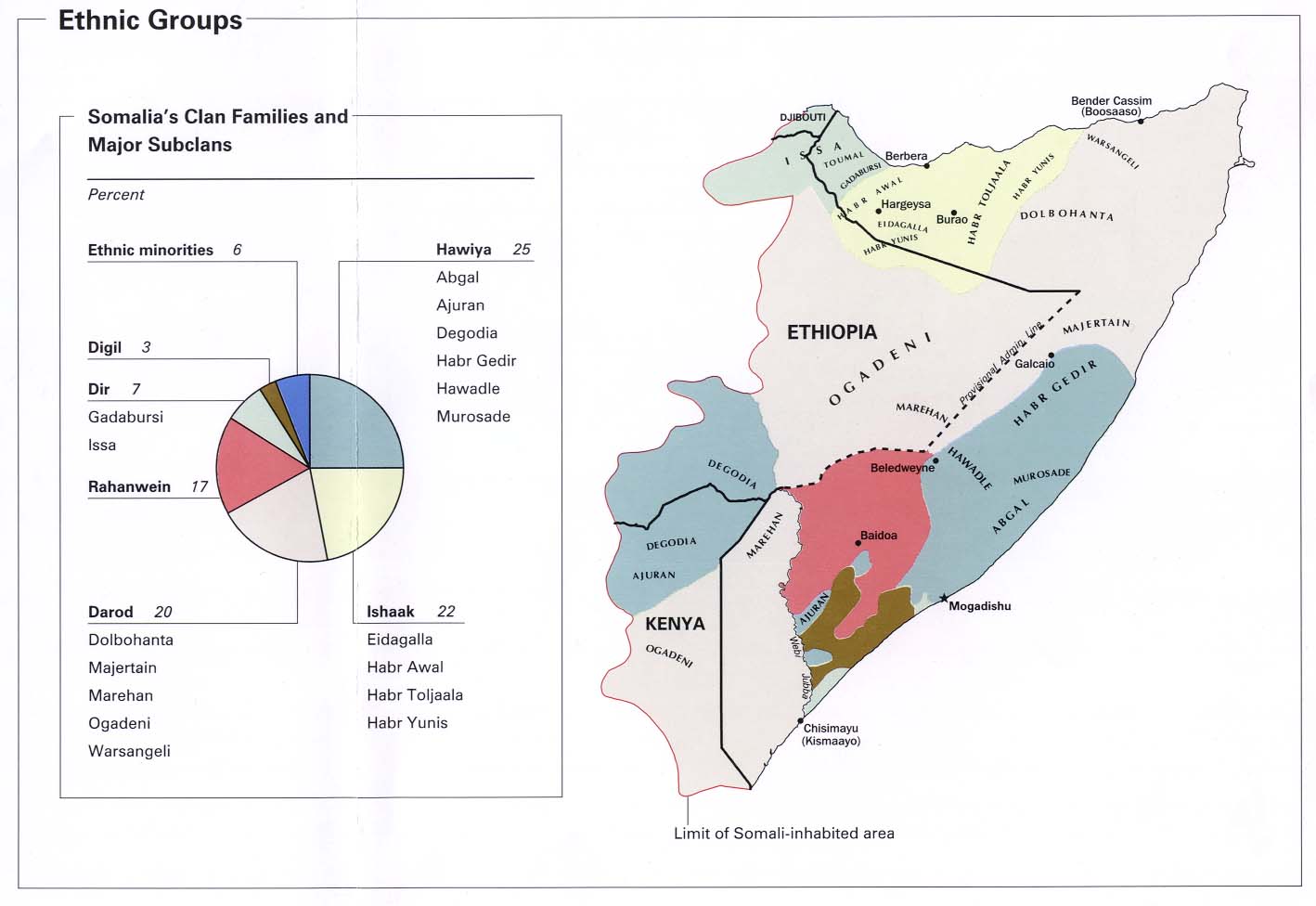
Traditional territory inhabited by the various Somali clans shown[40]Traditional Somali tribes' territories 1977
The Darod are believed to be a large Somali clan both in terms of population size and land inhabitation. The Darod constitute a big presence in the Somali Region of Ethiopia[41] and are also one of the largest Somali clan in North Eastern Province of Kenya.[42] Within Somalia, the Darod are also one of the largest clans, with traditional strongholds in the north, modern day Puntland state which is dominated by the Harti subclan of Darod. In addition, the Marehan, Ogaden, Jidwaaq, and Harti Darod members are also settled further down south in the Gedo region as well as the Middle Jubba and Lower Jubba regions of Somalia. The Darod in Somalia, roughly corresponds to the Darod's settled within the Jubbaland and Puntland states. In Somaliland the Darod settle the eastern Sool, Sanaag regions and the Buhoodle district of Togdheer
The Darod clan has produced numerous noble Somali men and women over the centuries, including many Sultans. Traditionally, the Darod population was mostly concentrated in the northern and northeastern cities across the Gulf of Aden and upper Indian Ocean coast in the Horn of Africa. Darod noble men ruled these settlement pockets until the European colonial powers changed the political dynamics of Somalia during the late 19th century. Before many Darods began pushing southward in the mid-1850s, the Majeerteen Sultanate and Sultanate of Hobyo held steadfast in solidly established posts from Alula to Hobyo.
There is no clear agreement on the clan and sub-clan structures and many lineages are omitted. The following listing is based upon the World Bank's Conflict in Somalia: Drivers and Dynamics from 2005 and the United Kingdom's Home Office publication, Somalia Assessment 2001.[43][44]
Darod is buried in an old town called Haylaan near Badhan in the north-eastern Sanaag region of Somalia. His wife Dobira is buried just outside the town. The surrounding buildings and the mosque near the tomb was built by the former president of Somalia Abdullahi Yusuf.
Darod is believed to be the son of the famous Arabian Sheikh, Ismail bin Ibrahim Al-Jabarti, who is buried in the Zabid District of Yemen. Tradition holds that he is descended from the Banu Hashim.
Mohamud Ali Magan, Marehan, Somali Foreign Affairs, Consul General to United States Of America and Canada
Aar Maanta, Somali-British singer-songwriter, actor, composer, instrumentalist and music producerAmina Mohamed, Dhulbahante, former chairman of the International Organization for Migration and the World Trade Organisation's General Council
Yusuf Mohamed Ismail, Majeerteen, former ambassador of Somalia to the United Nations Human Rights Office in Geneva
Ahmed Rasta, Marehan, singer. nicknamed Boqorka Codka (King of Voice.)
Saado Ali Warsame, singer-songwriter and former MP in the Federal Parliament of SomaliaAar Maanta, Ogaden, Somali-British singer-songwriter, actor, composer, instrumentalist and music producer.
Ahmed Biif, Dishiishe, former singer whom turned into a preacher[55]
Haji Yusuf Barre, Dhulbahante, commander of the biggest battle in Darawiish history, i.e. Jidbali; made the last stand at Taleh
Yusuf Agararan, Dhulbahante, led most successful Darawiish raid since Dul Madoba
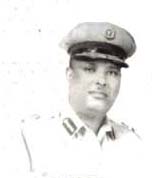
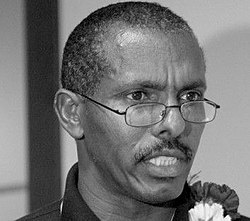
Ibraahin Xoorane, Dhulbahante, Darawiish commander who killed Richard CorfieldJama Ali Korshel, Somali Army General, former Head of Somali Police and one of the leaders of 1969 coup d'état of Somalia
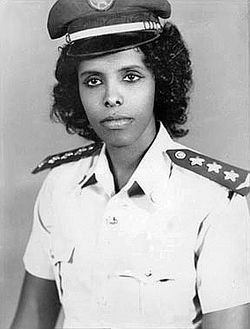
Asli Hassan Abade, first and only female Somali pilotMohamed Aden Sheikh, Marean premier Somali intellectual and former head of Somali Technological Development, Minister of Information, Minister of Education, Head of the Ideology Bureau SRRC
Abdiweli Gaas, Majeerteen current president of Puntland
Abdi Shire Warsame, Marehan, former Somali ambassador to Kenya and China and former Foreign Affairs State minister in Transitional National Government
Ahmed Mohamed Islam(Axmed Madoobe), Ogaden, President of Jubbaland State of Somalia
Abdiwahid Gonjeh, Marehan, former prime minister of Somalia, member of upper house
Ahmed Elmi Osman (Karaash), Dhulbahante, Minister of Interior of Puntland and former president of Khatumo State
Fatimo Isaak Bihi, Marehan, first Somali female ambassador, Ambassador to Geneva, Director of the African Department of the Ministry of Foreign Affairs
Abdiasis Nur Hersi, Awrtable, the former Minister of Labor and Sports from 1970 to 1977[61]
Abdirizak Haji Hussein, Majeerteen, former prime minister of Somalia, and former secretary general of the Somali Youth League.
Abdirizak Jurile, Dishiishe, veteran politician, diplomat and professor. Former TFG minister of planning & International Cooperation, Former MP, former executive director of numerous UN and International organisations, Senator
Hirsi Magan Isse, Majeerteen, scholar and one of the leaders of the Somalian revolution
Nathif Jama Adam, Ogaden, Governor of Garissa County and former Head of the Sharjah Islamic Bank's Investments & International Banking Division
Abdirahman Nur Hersi, Awrtable, The former Minister of Finance in Somalia and founding member and executive Vice President of the Islamic Development Bank[63]
^Grant, Peter (2018). Somalia. Archived from the original on 2020-03-22. Retrieved 2019-09-18. Darood is the largest clan among all Somalis across borders.
^Lewis, IM (2019). A Modern History Of Somalia. the Dulbahante and Warsangeli divisions of the Darod who, with a strength of perhaps one and a half million, are the largest and most widely distributed of all the Somali clan-families.
^Rima Berns McGown, Muslims in the diaspora, (University of Toronto Press: 1999), pp.27–28
^ibn ʻAbd al-Qādir ʻArabfaqīh, Shihāb al-Dīn Aḥmad (2013). The Conquest of Abyssinia: 16th Century [English] (in Arabic). Tsehai Publishers & Distributors. p. 125. ISBN9780972317269.
^ abHirsch, Bertrand (2011). "2. Le port de Zeyla et son arrière-pays au Moyen Âge : Investigations archéologiques et retour aux sources écrites". The port of Zeyla and its hinterland in the Middle Ages. Annales d'Éthiopie Hors-Série / Special Issues. French Center for Ethiopian Studies. pp. 27–74. ISBN978-2-8218-8265-2.
^ibn ʻAbd al-Qādir ʻArabfaqīh, Shihāb al-Dīn Aḥmad (2013). The Conquest of Abyssinia: 16th Century [English] (in Arabic). Tsehai Publishers & Distributors. p. 125. ISBN9780972317269.
^I.M. Lewis, A pastoral democracy: a study of pastoralism and politics among the Northern Somali of the Horn of Africa, (LIT Verlag Münster: 1999), pp.128–129
^Cerulli, Enrico (1957). Somalia: Storia della Somalia. L'Islām in Somalia. Il Libro degli Zengi (in Italian). Istituto poligrafico dello Stato P.V.
^Enciclopedia italiana di scienze, lettere ed arti. Vol. 32. Istituto della Enciclopedia Italiana fondata da Biovanni Freccani. 1950.
^Hassan, Ali Jama (2013). Who Cares about Somalia. Schiler. pp. 86–88. ISBN9783899300758.
^Lewis, I. M. (2003). A Modern History of the Somali: Nation and State in the Horn of Africa. Eastern African Studies. Athens, OH: Ohio University Press. p. 26. ISBN978-0-8214-4573-0.
^Pankhurst, Richard (July 2003). Conquest Of Abyssinia. Tsehai Publishers & Distributors. p. 44. ISBN9780972317252.
^Al-Din, Sihab (July 2003). Conquest of Abyssinia. Tsehai Publishers & Distributors. p. 76. ISBN9780972317252.
^Shihāb al-Dīn Aḥmad ibn ʻAbd al-Qādir ʻArabfaqīh, Translated by Paul Stenhouse, Richard Pankhurst (2003). The conquest of Abyssinia: 16th century. Tsehai Publishers & Distributors. p. 77. ISBN9780972317269. Archived from the original on 2024-05-22. Retrieved 2016-09-27.{{cite book}}: CS1 maint: multiple names: authors list (link)
^"Cahiers d'études africaines". Cahiers d'études africaines. 2: 30. 1961. Archived from the original on 2023-07-17. Retrieved 2023-07-17 – via Google books.
^Shihāb al-Dīn, ibn ʻAbd al-Qādir ʻArabfaqīh (2003). The Conquest of Abyssinia 16th Century. Tsehai Publishers & Distributors. p. 141. ISBN9780972317252.
^al-Dīn, Shihāb (2003). The Conquest of Abyssinia. Tsehai Publishers & Distributors. p. 125. ISBN0972317260.
^Richard Pankhurst, An Introduction to the Economic History of Ethiopia, from Early Times to 1800
Hunt, John A. (1951). "Chapter IX: Tribes and Their Stock". A General Survey of the Somaliland Protectorate 1944–1950. London: Crown Agent for the Colonies. Accessed on October 7, 2005 (from Civic Webs Virtual Library archive).
Lewis, I.M. (1955). Peoples of the Horn of Africa: Somali, Afar, and Saho, Part 1, London: International African Institute.
Lewis, I. M. (1961). A pastoral democracy: a study of pastoralism and politics among the Northern Somali of the Horn of Africa, reed. Münster: LIT Verlag, 1999.
The Darod (Somali: Daarood) are one of the four principal clan families of the Somali people, classified as noble nomadic pastoralists within the broader Samaale grouping and recognized as among the most numerous and territorially extensive.[1][2][3] Subdivided into major lineages including the Ogaden, Marehan, and Harti (the latter comprising subclans such as Majeerteen, Dhulbahante, and Warsangeli), the Darod maintain a patrilineal structure central to Somali social organization.[1][2] Predominantly distributed across northeastern and south-central Somalia—particularly dominating the Puntland region through Harti subclans—as well as the Ogaden territories of eastern Ethiopia and northern Kenya, they embody the pastoralist ethos of mobility and clan reciprocity that underpins much of Somali society.[3][2][1] The Darod have historically wielded significant political influence, exemplified by their advocacy for pan-Somali nationalism and representation in governance through mechanisms like the 4.5 clan power-sharing formula, with notable leaders including former presidents Siad Barre (Marehan) and Abdullahi Yusuf Ahmed (Harti).[3][2]
Origins and Mythohistory
Traditional Genealogical Accounts
According to Somali oral traditions, the Darod clan-family traces its patrilineal origins to Sheikh Abdirahman bin Isma'il al-Jabarti, commonly known as Darod or Sheikh Darod, a religious figure reputed to have migrated from the Arabian Peninsula in the 10th or 11th century CE. These accounts describe his departure from Yemen—specifically the region of Zabid or Hadhramaut—due to familial disputes or religious persecution, followed by his arrival at the port of Zeila on the northern Somali coast, where he intermarried with local Somali women and propagated Islamic teachings as a scholar of the al-Jabarti lineage.[4] The narrative positions Sheikh Darod as a saintly progenitor whose descendants proliferated across the Horn of Africa, blending Arab-Islamic influences with indigenous pastoralist societies.[5]Such genealogical recitations, preserved through poetry, storytelling, and elder assemblies, function primarily to affirm collective identity and segmentary lineage ties rather than serve as precise historical chronicles.[6] In Somali society, these tol (genealogies) delineate patrilineal descent from eponymous ancestors like Darod, structuring kinship into nested tiers—from clan-family to dia-paying groups—that regulate inheritance, conflict resolution via blood compensation (diya), and territorial claims.[2] By invoking a shared apical ancestor, the traditions reinforce social cohesion, legitimize authority among nobles and elders, and provide a framework for alliances or feuds, adapting dynamically to political exigencies while embedding early Islamic motifs to enhance prestige.[7] This mythic-historical charter underscores the Darod's self-perception as bearers of religious erudition, though its chronological details often prioritize symbolic utility over verifiable chronology.[6]
Debates on Arab Descent and Genetic Evidence
The purported descent of the Darod from Sheikh Darod, described in clan genealogies as an Arab sheikh who migrated from the Arabian Peninsula (often Yemen or Hadhramaut) around the 10th-11th century, remains unsubstantiated by independent historical records from that era, relying instead on endogenous oral traditions and later colonial-era compilations that blend myth with kinship narratives.[8] These accounts, while central to Darod identity, show no corroboration in contemporaneous Arabic, Persian, or East African chronicles, which document Somali-Arab trade but not a foundational sheikhly immigration founding major clans.[9] Historians critique such genealogies as retrospective constructs, potentially conflating sporadic Arab traders, scholars, or Sufi missionaries with wholesale ancestral origins to forge ties to prophetic lineages and elevate pastoral elites.[10]Genetic analyses undermine the narrative of significant recent Arab paternal descent, revealing Somali Y-DNA profiles dominated by haplogroup E1b1b (E-M35 subclades, reaching 77.6% frequency in samples), a lineage deeply rooted in Northeast Africa and associated with proto-Cushitic expansions rather than Arabian J1 or E-M123 markers typical of Semitic populations.[11] While minor West Eurasian haplogroups like T-M184 (around 10%) appear, they reflect ancient dispersals or limited medieval admixture via coastal trade, not a bottleneck from a single Arab progenitor; clan-specific Darod sampling aligns with this broader Somali pattern, showing no elevated Arabian signals.[12] Autosomal DNA further indicates that non-African components in Somalis (estimated 30-50%) derive primarily from early back-migrations into the Horn of Africa predating Islamic-era contacts, clustering Somalis nearer to ancient East Africans and Cushitic neighbors than to Yemenis or peninsular Arabs.[13][14] Recent genome-wide sequencing confirms negligible 1,000-year-old Arabian genomic imprint, prioritizing indigenous ethnogenesis over migratory founder myths.[15]These discrepancies suggest the Arab descent lore functions as a socio-cultural mechanism to legitimize hierarchical status, reinforce Islamic orthodoxy, and delineate endogamous boundaries amid inter-clan rivalries, rather than reflecting verifiable patrilineal history; such myths obscure the Cushitic substrate of Somali ethnogenesis while paralleling similar origin tales in other Muslim East African societies.[16] Empirical prioritization reveals how unexamined genealogical claims can perpetuate identity silos, complicating modern understandings of shared Horn ancestry despite minimal genetic differentiation across clans.[17][18]
Early Historical Settlements and Kingdoms
The Gidaya kingdom, flourishing from the 12th to 14th centuries in eastern Ethiopia near present-day Jijiga, is associated with the Geri subclan of the Darod through references in the 16th-century Arabic chronicle Futuh al-Habasha, which describes Somali groups in the region engaging in pastoralism and local trade networks amid interactions with Adal Sultanate forces.[19] This polity emerged during a period of Islamic state formation in the Horn of Africa, where Darod-linked groups maintained mobile herding economies rather than fixed agricultural settlements, as evidenced by the chronicle's portrayal of Somali contingents as nomadic warriors supporting Muslim campaigns against Ethiopian highlands.[20]By the late 13th century, the Warsangali Sultanate, founded by the Warsangali (Harti) branch of the Darod in northeastern Somalia's Sanaag region, established a more structured polity centered on coastal trade hubs like Mait, extending influence over pastoral territories and engaging in commerce with Arabian and Indian Ocean networks until the 19th century.[21] Documentary evidence from colonial-era treaties confirms its administrative continuity, but early foundations relied on Darod clan alliances for governance and defense, prioritizing livestock herding over sedentary urbanization.Darod expansions into the Ogaden lowlands and Sanaag interiors accelerated in the 15th and 16th centuries, driven by pastoral quests for grazing lands, as Darod clans like the Ogaden migrated southwest from northeastern Somalia, integrating into multi-clan sultanates while clashing with Ethiopian highland polities documented in royal chronicles.[20] These movements coincided with Oromo migrations from southern Ethiopia, leading to competitions over arid pastures where Darod herders, emphasizing camel-based nomadism, adapted through inter-clan alliances rather than territorial conquests. Encounters with Portuguese explorers along the Somali coast in the early 16th century, including raids on ports, further highlighted Darod mobility, as subclans contributed to decentralized defenses without forming permanent fortifications.[20] Archaeological traces of medieval Somali pastoral sites, such as temporary wells and stockades in the Ogaden, underscore this herder lifestyle over kingdom-building.
Lineage and Subdivisions
Primary Sons and Lineages
Traditional genealogical accounts within Darod society attribute the clan's primary lineages to five sons of Sheikh Darod: Ahmed bin Abdirahman, who founded the Sade branch leading to groups like the Harti confederation; Yusuf bin Abdirahman, progenitor of the Geri; Isma'il bin Abdirahman, ancestor of the Dhulbahante; Muhammad bin Abdirahman, associated with the Kablalax; and Hussein bin Abdirahman, linked to the Tanaade.[22][7] These eponymous figures serve as the schematic foundation for Darod segmentation, with descent traced patrilineally to define membership and obligations, though the accounts blend historical migration narratives with mythical elements lacking corroboration in non-oral records.[2]Darod kinship operates under agnatic principles, where xisaab—the genealogical reckoning—determines an individual's position within the lineage tree, exclusively through male forebears, restricting affiliation to one clan-family, one primary lineage, and one diya-paying group.[23] This system governs diya (blood money) distributions in conflict resolution, apportioning liability proportionally to genealogical proximity: closer kin, such as those within 3–5 generations, bear heavier shares, fostering internal cohesion while enabling alliances via xeer customary law.[5][2]These core divisions, observable in 19th-century European explorer logs and early ethnographies predating formal colonization around 1880s–1890s treaties, demonstrate stability in broad structure but practical fluidity, as dominant lineages historically absorbed marginalized or defeated subgroups through marriage or adoption, adapting to pastoral mobility and resource pressures without altering foundational tol (patriline) identities.[24]
Major Subclans and Their Structures
The Darod clan family exhibits a segmentary lineage structure typical of Somali pastoral societies, where descent groups segment into nested levels— from broad subclans to smaller reer (lineages) and dia-paying units—that manage resources, mediate disputes, and form temporary alliances based on genealogical proximity. This hierarchical organization, rooted in patrilineal reckoning, balances centralized authority among elders with decentralized autonomy, enabling adaptation to environmental stresses like drought but also fostering intra-clan rivalries when segments compete over wells or grazingrights. Major subclans include the Harti confederation, Ogaden, and Marehan, each comprising multiple reer that trace descent from eponymous ancestors and function as corporate groups for blood compensation (diya) and mutual defense.[2][1]The Harti, one of the most prominent Darod branches, encompasses the Majeerteen, Dhulbahante, and Warsangeli subclans, with internal structures organized around senior lineages that hold ritual and arbitration roles while junior reer handle day-to-day pastoral coordination. For instance, Majeerteen hierarchies prioritize elder councils (oday) from dominant reer for decision-making on migration routes and feud settlements, reflecting a pragmatic segmentation where alliances shift based on threat levels rather than fixed genealogy.[2][25] Similarly, the Ogaden subclan divides into numerous reer, such as the Reer Yusuf and Abdalla, which operate as semi-autonomous units for livestockherding and water access, with overarching clan assemblies resolving inter-reer tensions through proportional diya shares. The Marehan, though numerically smaller, maintains a tight-knit structure of lineages emphasizing warrior traditions and collective raiding, where segmentary opposition allows smaller units to coalesce against external pressures.[2][26]Adaptive mechanisms like sheegad illustrate the flexibility within Darod structures, permitting weaker or dispersed lineages to seek incorporation into a dominant subclan by assuming its nominal descent, thereby gaining protection and resource-sharing rights in exchange for loyalty and tribute. This practice, distinct from fictive kinship, underscores causal realism in clan dynamics: it enhances group resilience against nomadic uncertainties but risks diluting genealogical purity claims over generations. Overall, these subclans collectively position the Darod as the largest Somali clan family, with demographic estimates suggesting they comprise a significant portion of the population, often exceeding 20% in regional surveys.[2][26]
Geographic Distribution and Demographics
Core Territories in Somalia
The Darod clan's core territories in Somalia are concentrated in the northeastern and southern regions, particularly Puntland, Jubaland, Sool, and Sanaag, where subclans maintain dominance amid the post-1991 state collapse and reliance on pastoral nomadic livelihoods.[1] These areas reflect traditional settlements shaped by mobility across arid rangelands for herding camels, cattle, sheep, and goats, with patterns persisting despite insecurity and resource competition.[2] In Puntland, the Majeerteen subclan, part of the Harti confederation, predominates in Bari, Nugaal, and Mudug regions, including key settlements like Bosaso, Garowe, and Galkacyo, supporting the region's semi-autonomous governance since 1998.[27]In Jubaland, the Ogaden subclan holds significant control, especially in Lower Juba and around Kismayo, where the Mohamed Zubier sub-clan has dominated politically, economically, and militarily since 2012.[28] The Dhulbahante subclan occupies much of Sool region, while the Warsangeli inhabit eastern Sanaag, both contributing to Harti influence in these disputed borderlands with Somaliland.[29] Urban footholds extend to Mogadishu and Kismayo, where Darod communities persist despite numerical minority status in Hawiye-dominated Mogadishu and historical vulnerabilities.[30]Civil war displacements have altered densities, particularly in southern territories, with UNHCR estimating 1.1 million internally displaced persons across Somalia by 2014, many from Darod areas due to clan targeting and famine exacerbating nomadic disruptions.[31] Post-1991 assessments indicate reduced Darod concentrations in southern pastoral zones as families relocated northward or to urban peripheries, though core regional strongholds remain intact through clan-based resource access.[1]
Presence in Neighboring Countries and Diaspora
Darod populations extend substantially into Ethiopia's Somali Region, known historically as the Ogaden or Jujaaland, where subclans such as the Ogaden form the demographic core of ethnic Somali communities. The Ogaden subclan, the largest Darod branch in the region, accounts for 40 to 50 percent of the Somali population there, with the broader Darod family dominating due to pastoral migration patterns that predate modern borders.[32] Estimates place the number of ethnic Somalis in Ethiopia at over 2 million, predominantly concentrated in this arid plateau where clan-based grazing rights and kinship ties facilitate fluid cross-border movement, often overriding national delineations imposed by colonial and post-colonial agreements.[33]In Kenya, Darod subclans including the Ogaden, Marehan, and Degodia maintain settlements primarily in the North Eastern Province, contributing to a total ethnic Somali population of approximately 2.78 million as per the 2019 national census. These groups inhabit semi-arid rangelands along the Somali border, where traditional pastoralism and clan alliances sustain economic exchanges and dispute resolutions that span the Kenya-Somalia frontier, undermining the enforcement of state-centric border controls. Clan networks here enable seasonal migrations for livestock, reinforcing loyalties that prioritize lineage over citizenship and occasionally escalating into resource-based conflicts.The 1991 onset of Somalia's civil war accelerated Darod dispersal into a global diaspora, with significant communities forming in Yemen, the United Kingdom, and the United States amid refugee outflows exceeding 1 million Somalis initially. Yemen hosted hundreds of thousands of Somalis pre-2015, drawn by historical trade links and labor opportunities, though many relocated following the Yemeni conflict.[34] In the UK, Somali populations, including Darod, number around 100,000, concentrated in London, while the US hosts over 150,000, notably in Minnesota. The overall Somali diaspora exceeds 2 million, sustained by remittances totaling billions annually that bolster clan solidarity but also perpetuate irredentist sentiments, as familial obligations conflict with host-country integration and fuel transnational advocacy for Somali-inhabited territories.[35] These ties causally maintain cultural continuity yet hinder assimilation, as clan elders mediate disputes across continents, preserving pre-state social orders.
Social Structure and Traditional Roles
Nobility, Elders, and Governance Systems
Traditional Darod governance features hierarchical elements centered on noble lineages known as ugaasyo, hereditary chiefs or sultans drawn from specific subclans such as those in the Harti and Ogaden branches, who historically regulated access to pastures, water, and settlements through pastoral politics.[36] These ugaasyo wielded authority over territorial domains, often mediating inter-clan alliances and conflicts, as seen in pre-colonial sultanates like the Majeerteen under figures such as Sultan Ali Yusuf Kenadid in the late 19th century.[2] While Darod society emphasizes patrilineal descent for leadership, this system embeds nepotism by privileging bloodlines over merit, contrasting claims of pastoralegalitarianism that overlook entrenched noble privileges among "noble" clans like Darod.[2]Complementing noble oversight, elders (odayaal) from broader clan segments enforce xeer, the unwritten customary law governing disputes through negotiation, mediation, and arbitration, prioritizing restitution like diya blood-money payments over punitive measures.[2] In Darod contexts, odayaal convene in councils to apply xeer precedents, drawing on oral traditions and Islamic influences for resolutions in pastoral conflicts over resources, as documented in ethnographic accounts of Somali customary practices.[37] This elder-led mechanism proved effective for maintaining order in decentralized, kin-based pre-state societies by leveraging social pressures and collective enforcement, yet it inherently favors intra-clan solidarity, often exacerbating nepotistic exclusions.[2]Decision-making excludes women and lower castes (sabo, including occupational groups like artisans), confining formal roles to adult males of noble or free pastoralist lineages, despite myths of egalitarian access rooted in nomadic mobility.[38] Women may influence informally through kinship networks but hold no titles like ugaasyo or arbitration seats, reflecting patrilineal norms that limit their agency in public governance.[38] Similarly, sabo are barred from elder councils due to ritual impurity perceptions, perpetuating a de facto caste system that undermines universal participation claims.[2]Empirically, these systems excelled in small-scale dispute resolution during nomadic eras, resolving feuds via elder arbitration with high compliance rates tied to clan honor, but reveal limits in scalability for larger polities, where lineage loyalties foster factionalism over impartial rule.[39]Nepotism arises causally from kin-selection incentives, prioritizing subclan interests that hinder broader coordination, as evidenced by historical failures to consolidate Darod territories into enduring states without external pressures.[2] While adaptive for low-density pastoralism, the reliance on personal authority and oral consensus proves inefficient for complex administration, contributing to governance vacuums in transitions to centralized authority.[39]
Economic and Pastoral Livelihoods
The Darod clan's primary economic activity revolves around camel pastoralism, a subsistence strategy adapted to the arid and semi-arid landscapes of northeastern Somalia, where clans maintain customary rights over key wells and grazing corridors to facilitate seasonal migrations. Camels serve as multi-purpose assets for milk production, meat, hides, and pack transport, enabling herders to traverse vast rangelands while minimizing dependence on fixed water sources. This system, governed by clan-based xeer (customary law), allocates primary access to resources within Darod territories, such as those held by subclans like the Majerteen and Dhulbahante, though temporary alliances permit use by allied groups during favorable conditions.[40][41]Such mobility inherently links pastoral strategies to territorial fluidity, heightening vulnerability to disputes when overlapping routes or resource scarcity arise, as clans prioritize herd survival through preemptive control of dry-season reserves. Post-19th century, coastal Darod groups diversified into regional trade networks, leveraging sultanate-era ports for livestock and frankincense exports to the Arabian Peninsula, which supplemented pastoral income amid colonial encroachments. Somalia's national camel population stands at approximately 7 million head, with Darod pastoralists in northern and eastern zones contributing disproportionately due to the clan's dominance in camel-suited environments, contrasting with more agro-pastoral southern groups.[42][43]Recurrent environmental shocks amplify these risks; the 2011 Horn of Africa drought, one of the severest in decades, wiped out up to 60% of livestock in affected pastoral areas, driving Darod herders toward urban influxes and intensifying livestock raids as a coping mechanism amid depleted herds and banditry. These raids, often clan-mediated responses to scarcity, underscore how pastoral dependence on mobile assets perpetuates cycles of retaliation over grazing access, with economic recovery hindered by lost capital in breeding stock. Pastoralism accounts for roughly 40-50% of Somalia's GDP and sustains over half the population, yet Darod systems remain exposed without formalized infrastructure for water and veterinary support.[44][45]
Political Influence and State-Building
Pre-Colonial and Colonial Era Roles
In the pre-colonial period, Darod clans established influential sultanates in northeastern Somalia, notably the Majeerteen Sultanate, which emerged in the mid-18th century and reached its zenith under Boqor Osman Mahamuud in the 19th century. This polity controlled key coastal territories corresponding to parts of modern Puntland, enforcing maritime regulations, facilitating spice trade with Arabia, and maintaining centralized authority over domestic matters through fortified ports like Alula and Bender Cassim.[46] Similarly, the Sultanate of Hobyo, founded in 1878 by Yusuf Ali Kenadid—a figure linked to Majeerteen lineages—expanded inland, leveraging alliances to secure arms and economic leverage against regional rivals. These structures demonstrated Darod initiative in state-building, prioritizing territorial control and trade networks over nomadic pastoralism alone.[47]Darod rulers proactively engaged European powers to enhance their positions, signing protection treaties that preserved internal autonomy while granting limited coastal access. On April 7, 1889, Boqor Osman Mahamuud formalized a protectorate agreement with Italy, securing recognition and potential military support in exchange for basing rights, which bolstered the sultanate against internal and external threats. The Hobyo Sultanate followed suit, entering Italian protection around the same period, allowing Sultan Kenadid to consolidate power amid competition with neighboring polities. These pacts reflected strategic agency, as Darod leaders navigated imperial interests to acquire modern weaponry and diplomatic leverage, rather than passive subjugation.[46][48]During colonial administration, British indirect rule in the north incorporated Darod elders in eastern protectorates, such as those of the Harti branches including Warsangeli and Dhulbahante, who mediated customary law and local governance under minimal direct oversight. This approach, emphasizing clan hierarchies, enabled Darod representatives to influence resource allocation and dispute resolution in areas like Sool and Sanaag. In Italian Somaliland, authorities initially conceded autonomy to allied sultanates, fostering cooperative relations that facilitated infrastructure development and trade concessions until fuller incorporation post-1920s.[49][50]In the post-World War II decolonization phase, Darod communities, with significant populations in transborder regions like the Ogaden, championed irredentist visions of Greater Somalia, advocating unification of Somali-inhabited territories. This stance, evident in participation across political leagues like the Somali Youth League, shaped negotiations leading to the 1960 independence and merger of British Somaliland and Italian Somalia, prioritizing pan-Somali territorial claims over localized divisions.[51][52]
Post-Independence Leadership and Siad Barre's Regime
Following Somalia's independence on July 1, 1960, initial civilian governments under presidents Aden Abdullah Osman and Abdirashid Ali Shermarke featured limited Darod representation, with power largely held by Hawiye and other clans through parliamentary systems that emphasized multi-clan coalitions rather than dominance by any single group. The 1969 assassination of Shermarke prompted a military coup led by Major General Mohamed Siad Barre, a Marehan Darod, who established the Supreme Revolutionary Council (SRC), dominated by Darod officers and marking a shift toward Darod overrepresentation in executive and security apparatuses.[53] Barre's regime, spanning 1969 to 1991, pursued a centralized dictatorship that nominally rejected clanism in favor of "scientific socialism" and pan-Somali unity, yet systematically favored his Marehan subclan in appointments to key ministries, military commands, and state enterprises, fostering systemic corruption through nepotism and resource allocation that prioritized Marehan networks over meritocratic or egalitarian principles.[53][54]Barre's early policies yielded tangible advancements, including national literacy campaigns that expanded access to education and infrastructure projects such as roads, ports, and cooperatives aimed at rural development, which temporarily boosted state capacity and reduced illiteracy from near-total levels in nomadic areas.[55] However, these gains were undermined by repressive mechanisms, including the National Security Service's surveillance and executions of critics, and a blend of socialist nationalizations with selective Islamism that suppressed independent religious movements while invoking Islamic rhetoric for legitimacy.[54] Marehan favoritism extended to control over import-export monopolies and land grants, alienating fellow Darod subclans like the Majerteen and Ogaden, who perceived exclusion despite shared ethnic ties, thus eroding intra-Darod solidarity and amplifying perceptions of Barre's rule as clan-based predation rather than nation-building.[53][56]The 1977-1978 Ogaden War exemplified the regime's strategic miscalculations and clan dynamics, as Barre mobilized Ogaden Darod militias and regular forces for the invasion of Ethiopia's Ogaden region—home to ethnic Somalis—but the campaign collapsed after Soviet and Cuban intervention shifted against Somalia, resulting in heavy casualties, economic devastation from arms expenditures exceeding GDP, and refugee inflows that strained resources.[57] The defeat fueled backlash among Darod subclans, particularly Ogaden groups who bore frontline losses without commensurate postwar rewards, while Barre's post-war purges targeted perceived disloyal Darod elements, deepening rifts and highlighting how clan favoritism prioritized Marehan survival over broader coalition-building.[53] This erosion of trust—rooted in Barre's reliance on kin loyalty amid policy failures—primed institutional fragility, as alienated allies withdrew support, rendering the state vulnerable to internal dissolution by 1991 independent of external pressures alone.[58]
Involvement in Conflicts and Clan Dynamics
Civil War Atrocities and Targeting of Darod
In the wake of Siad Barre's flight from Mogadishu on January 26, 1991, United Somali Congress (USC) militias, dominated by Hawiye subclans such as Habr Gedir and Abgal, seized the capital and systematically targeted Darod clan members perceived as Barre loyalists, including Marehan, Ogaden, and Majerteen subgroups.[59] These attacks involved house-to-house searches, summary executions, looting, rape, and forced expulsions, framing the violence as retribution for Barre's prior abuses but escalating into deliberate clan-based elimination.[60] Lidwien Kapteijns documents this as the onset of "clan cleansing," where USC leaders propagated anti-Darod rhetoric via radio broadcasts and manipulated segmentary alliances to justify mass killings, countering portrayals of the events as mere anarchy or mutual combat.[61]The scale of violence in Mogadishu from November 1991 to April 1992 included an estimated 10,000 to 14,000 civilian deaths, predominantly unarmed Darod residents, with perpetrators using artillery, machine guns, and grenades in residential areas.[62][59] Specific incidents encompassed mass graves near the city outskirts and targeted slaughters at checkpoints, displacing over 300,000 Darod southward or abroad to Ethiopia and Kenya by mid-1992.[63] Factionalism within Darod-aligned groups like the Somali Salvation Democratic Front (SSDF), a Majerteen-led entity, weakened coordinated resistance, allowing USC dominance and exacerbating internal vulnerabilities.[63]In northern Somalia, Somali National Movement (SNM) forces, mainly Isaaq, consolidated control over Hargeisa and Burco by May 1991, enacting reprisals against Darod settlers and perceived regime collaborators through evictions, beatings, and sporadic killings.[59] These actions, though less documented than southern massacres, contributed to the flight of thousands of Darod families, reinforcing patterns of territorial homogenization amid retaliatory cycles rooted in Somalia's fluid clan genealogies rather than solely Barre's authoritarian legacy.[64] Overall, the 1991 atrocities affected an estimated 50,000 Darod through direct fatalities and immediate displacements, with Human Rights Watch attributing much of the civilian toll to clan-motivated excesses by victorious militias.[59]
Modern Territorial Disputes and Al-Shabaab Interactions
In the Sool and Sanaag regions, the Dhulbahante sub-clan of the Darod has persistently rejected Somaliland's claims since the 2010s, viewing them as an imposition of Isaaq dominance rather than reflecting local preferences for alignment with federal Somalia or autonomy.[65] In 2010, Dhulbahante leaders declared the short-lived Harti Bah Somali State (HBM-SSC) to assert independence from both Somaliland and Puntland, followed by the formation of the Khatumo State in 2012 as a vehicle for negotiating union with Somalia's federal government.[66] Escalating clashes culminated in the 2023 Las Anod conflict, where Dhulbahante militias, supported by some Fiqishiini and minority groups, fought Somaliland forces for over six months, resulting in hundreds of casualties and the temporary expulsion of Somaliland administration from key areas.[67] This pragmatism stems from the weak central state, where subclans prioritize territorial control and resource access over abstract national borders, often leading to fluid alliances with Puntland when it suits local power balances.[68]Darod-dominated areas in Jubaland, including territories of the Ogaden and Marehan subclans, have seen significant Al-Shabaab recruitment since the 2010s, driven by economic marginalization and clan rivalries that the group exploits for manpower.[69] Al-Shabaab has targeted disenfranchised Ogaden youth in Lower Juba, offering financial incentives and protection against rival clan militias, contributing to the group's estimated 2,000 annual recruits across Somalia.[70] However, internal Darod rifts have fragmented these dynamics; ACLED data from 2023 records over 375 political violence events in southern Somalia, including clan militias clashing with Al-Shabaab while also fighting each other, as seen in Gedo and Lower Juba where Marehan-Ogaden tensions allowed jihadist incursions.[71] This strategic engagement reflects self-preservation in state vacuums, where subclans tolerate or collaborate with Al-Shabaab to counter federal or rival clan advances, though defections occur when government offensives offer better payoffs.[72]By 2024-2025, federal electoral processes intensified Darod exclusion, with clan bargaining under the 4.5 power-sharing formula—allocating fixed quotas to major clans like Darod—sparking tensions in Jubaland and Puntland over direct voting proposals perceived as diluting subclan vetoes.[73] Darod leaders in these regions critiqued the model as favoring Hawiye-dominated Mogadishu, exacerbating federal-state frictions and enabling Al-Shabaab to recruit from aggrieved segments amid stalled 2026 polls.[74] Analysts argue this clan-centric system entrenches veto power, fragmenting national unity by prioritizing sub-clan bargaining over merit-based governance, as evidenced by rising inter-clan clashes from 90 in 2023 to 168 in 2024, many in Darod areas.[45][75] Such dynamics perpetuate a cycle where weak institutions force pragmatic, short-term alliances, including with jihadists, hindering broader state consolidation.[76]
Cultural and Religious Legacy
Sheikh Darod's Tomb and Pilgrimages
The tomb of Sheikh Darod, regarded by Darod clan adherents as the burial site of their eponymous ancestor, is located in the village of Haylaan within the Hadaaftimo Mountains of the Sanaag region in northern Somalia.[77][78] The structure itself remains largely undocumented archaeologically, with no systematic excavations reported, situating it amid a landscape of limited empirical investigation into medieval Somali sites.[79] This scarcity of material evidence underscores a reliance on oral traditions for its historical framing, potentially amplifying legendary elements over verifiable chronology.Frequent pilgrimages to the tomb draw Darod clan members seeking barakah, a concept of inherent spiritual blessing or potency attributed to pious figures in Somali Sufi-influenced Islam, believed to confer protection, fertility, or prosperity.[77] These visits involve rituals such as circumambulation, prayer recitations, and offerings, reinforcing communal ties among dispersed subclans like the Majerteen, Ogaden, and Warsangeli. While fostering social cohesion in a patrilineal society prone to fragmentation, such practices exhibit causal continuities with pre-Islamic Horn of Africa customs of ancestor veneration at sacred locales, risking interpretive syncretism where empirical lineage claims prioritize mythic unity over documented genealogy.[80]The site's persistence amid regional instability highlights its instrumental role in clan identity maintenance, yet the absence of contemporaneous inscriptions or artifacts leaves its attribution to a singular 10th-11th century figure unsubstantiated by physical proxies, favoring narrative utility in perpetuating a foundational myth that binds diverse groups under shared descent rhetoric.[81] This dynamic illustrates how ritual loci can sustain affective solidarity, even as they diverge from strictly evidentiary historiography.
Contributions to Somali Oral Traditions and Identity
The Darod clan's oral traditions prominently feature gabay epics that extol the exploits of warriors from sub-clans like the Ogaden and Majerteen, embedding narratives of migration, conquest, and lineage descent from Sheikh Abdirahman bin Isma'il al-Jabarti to affirm collective heroism and territorial claims.[82] These compositions, characterized by alliterative meter and rhythmic scansion pioneered by figures such as Rage Ugas Warfa of the Ogaden, function as mnemonic devices for genealogical recitation (abtiris), which delineate Darod branches and reinforce patrilineal hierarchies essential to clan arbitration and social order.[82] Such poetry not only archives pre-colonial skirmishes and pastoral migrations but also mobilizes group solidarity during feuds, with verses invoking ancestral valor to rally fighters and negotiate truces.In Puntland, a Darod-dominated region encompassing Majerteen heartlands, these traditions permeate local music and performance arts, where gabay integrates with rhythmic chants and storytelling to celebrate resilience amid arid pastoralism and maritime heritage, sustaining festivals that blend verse with instrumental accompaniment like the tanbura lute.[83] This cultural output fosters sub-regional pride, evident in communal recitations that adapt epic motifs to contemporary challenges, such as resource disputes, thereby embedding Darod identity in performative expressions that echo across Somali coastal enclaves.Darod lineages have influenced religious scholarship through participation in Sufi tariqa orders like the Qadiriyya, where descendants invoke Sheikh Darod's saintly aura to merge clan piety with mystical devotion, often channeling dhikr rituals and pilgrimages into affirmations of sub-clan exclusivity within broader tariqa networks.[84] This syncretism elevates oral hagiographies of holy forebears, blending Sufi esotericism with genealogical lore to legitimize spiritual authority, as seen in tariqa lodges that prioritize kin-based initiation over universalist tenets.While these contributions cultivate robust intra-clan cohesion via shared mythic heritage, they concurrently perpetuate segmentary tribalism by prioritizing parochial loyalties, which analysts argue undermines pan-Somali unity through entrenched oppositions that fracture alliances and exacerbate factionalism in governance.[85] In the diaspora, Darod associations replicate these dynamics by organizing around sub-clan ties for mutual aid and advocacy, often sidelining national reconciliation efforts in favor of lineage-based networking that mirrors homeland divisions.[86]
Notable Darod Individuals
Rulers and Political Leaders
In the pre-colonial era, Darod leaders established influential sultanates along the Somali coast. Boqor Osman Mahamuud, ruler of the Majeerteen Sultanate from the late 19th century until 1927, expanded territorial control and engaged in diplomacy with European powers, signing a protectoratetreaty with Italy in 1889 that preserved local autonomy while facilitating trade. His reign emphasized naval strength and resistance to external encroachments, though internal rivalries, such as with cousin Yusuf Ali Kenadid, strained unity. Similarly, Ali Yusuf Kenadid, sultan of Hobyo from 1911 to 1925 as successor to his father Yusuf Ali Kenadid, maintained a semi-independent state amid Italian colonial pressures, fostering economic ties through ports but ultimately succumbing to full colonization by 1925.[87]Mohamed Siad Barre, from the Marehan sub-clan of Darod, seized power in a bloodless military coup on October 21, 1969, establishing a socialist regime that lasted until his ouster in January 1991. He pursued pan-Somalism by invading Ethiopia's Ogaden region in July 1977, initially capturing territory with Somali National Army forces numbering over 50,000, but suffered defeat by March 1978 due to Soviet and Cuban intervention, resulting in 25,000 Somali casualties and mass displacement.[53] Barre's rule featured infrastructure development and literacy campaigns raising rates from 5% to 60% by the 1980s, yet devolved into authoritarianism with clan favoritism toward Marehan and Darod allies, suppression of dissent via the National Security Service, and policies exacerbating famine during the 1980s droughts through resource mismanagement and civil war escalation.[88]Abdullahi Yusuf Ahmed, a Majeerteen Darod, founded the Somali Salvation Democratic Front in 1978 to oppose Barre and later established Puntland as an autonomous administration on August 1, 1998, implementing a hybrid clan-based governance that stabilized the northeast by curbing piracy and fostering relative security through 2004. Elected transitional federal president on October 14, 2004, he relocated the government to Baidoa amid Mogadishu insecurity but struggled with clan alliances, leading to Islamist insurgency gains and his resignation on December 29, 2008, after failing to consolidate power beyond Darod strongholds.[89] His legacy includes Puntland's endurance but criticism for prioritizing regional interests over national unity, contributing to fragmented federalism.Mohamed Abdullahi Mohamed, known as Farmajo and also Marehan Darod, served as prime minister from 2010-2011 before winning the presidency on February 10, 2017, with promises of anti-corruption reforms and clan balance via the 4.5 power-sharing formula.[1] His administration advanced military offensives against Al-Shabaab, reclaiming territory in southern Somalia, yet faced accusations of authoritarianism, including the arrest of opposition figures and delays in 2021 elections that sparked protests and a constitutional crisis resolved only by his exit in May 2022.[90] Farmajo's diaspora background, including U.S. citizenship renounced upon return, influenced technocratic appointments but failed to mitigate clan tensions, underscoring persistent challenges in Somali state-building.[91]
Military Figures and Warriors
In the 19th century, Warsangali sultans of the Darod Harti branch maintained territorial integrity amid sporadic conflicts with Ethiopian kingdoms, leveraging diplomatic treaties with European powers and localized military defenses suited to the rugged northeastern Somali landscape.[92] These efforts preserved the sultanate's autonomy until colonial encroachments intensified, with rulers adapting traditional cavalry tactics to counter expansionist threats from Abyssinia.[93]During Siad Barre's regime, Darod sub-clans, particularly Marehan, Dhulbahante, and Majeerteen, dominated the Somali National Army's officer corps, comprising key command positions due to Barre's favoritism toward his own and allied groups.[94] Following a failed 1978 coup, Barre further entrenched Darod officers in the forces, enhancing loyalty but fostering clan-based resentments that contributed to post-regime purges of Darod elements from the military structure. General Mohammed Said Hersi Morgan, a Majeerteen Darod, exemplified this era as Defense Minister in 1990 and de facto Commander-in-Chief, directing counterinsurgency operations against northern rebellions using combined arms tactics, including air support and rapid mechanized assaults, though his campaigns drew accusations of excessive force.[95]Post-1991, Harti Darod militias adapted state military training to clan warfare, forming groups like the Somali National Front under Morgan to reclaim southern territories through guerrilla maneuvers and urban engagements.[95] These forces faced criticisms for contributing to warlord fragmentation, prioritizing clan strongholds over national cohesion, yet demonstrated tactical flexibility in fluid alliances against rival factions.[96] In later years, Darod figures such as General Abdullahi Anod, a Marehan, rose to lead the Somali National Army as Chief of Defense Forces in 2014, focusing on counter-terrorism operations with integrated international support.[97]
Intellectuals, Inventors, and Professionals
Osman Yusuf Kenadid, a member of the Majerteen sub-clan, invented the Osmanya script in the 1920s as an indigenous alphabet for the Somali language, designed to promote literacy without reliance on Arabic or Latin influences; the script featured 26 consonants and 10 vowels and was implemented in schools and newspapers in Italian Somaliland until the 1972 shift to Latin orthography.[98] Shire Jama Ahmed, from the Ogaden branch, advanced Somali linguistics by developing the modern Latin-based orthography in the 1950s–1960s, incorporating unique characters like ⟨c⟩ for /ʕ/ and ⟨x⟩ for /ħ/, which standardized written Somali and was ratified nationally in 1972 after committee evaluations. These efforts reflect early intellectual pushes for cultural autonomy amid colonial legacies.In professional sports, Abdi Bile of the Harti sub-clan excelled as a middle-distance runner, winning the 1987 World Championships gold in the 1500 meters with a time of 3:36.68, securing African titles in 1985 and 1988, and setting national records that endured for decades; his achievements elevated Somali visibility in global athletics during the Siad Barre era.[99] Alim A. Fatah, associated with the Warsangeli, holds multiple U.S. patents for engineering innovations, including medical devices and mechanical systems, stemming from his studies abroad and reflecting diaspora technical contributions.[100] However, chronic instability since the 1991 civil war has driven substantial emigration of Darod professionals, including engineers involved in Puntland's resource sectors and academics, resulting in brain drain that limits domestic impact despite overseas successes in fields like healthcare and technology.[94]


 Somalia
 Ethiopia
 Kenya
Kenya Yemen
Yemen Oman
Oman



.jpg)



![[2]](http://www.lib.utexas.edu/maps/africa/somalia_ethnic_grps_2002.jpg)
