Hubbry Logo
FarlFarlMain
Open search
Farl
Community hub
Farl
logo
8 pages, 0 posts
0 subscribers
Be the first to start a discussion here.
Farl
Farl
from Wikipedia

Farl
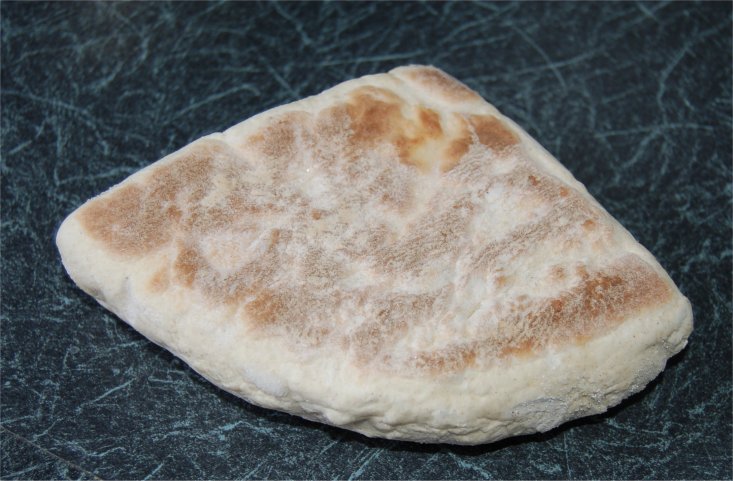
A soda bread farl. This would have been cut from the rest of the bread along the straight upper and right edges.
TypeBread shape

A farl is any of various quadrant-shaped flatbreads and cakes, traditionally made by cutting a round into four pieces. In Ulster, the term generally refers to soda bread (soda farls) and, less commonly, potato bread (potato farls), which are also ingredients of an Ulster fry.

It is made as farls (that is to say, flat rounds about 3/4 inch thick which are then cut into quarters). Modern commercially mass-produced potato farls, however, are often rectangular in form.

In Scotland today, the word is used less than in Ulster, but a farl can be a quarter piece of a large flat scone, bannock, or oatcake. It may also be used for shortbread when baked in this particular shape.[1]

Etymology

[edit]

Farl is a shorter form of fardel, the word once used in some parts of Lowland Scotland for "a three-cornered cake, usually oatcake, generally the fourth part of a round".[2][3] In earlier Scots, fardell meant a fourth or quarter.[1][2]

Method

[edit]

A farl is made by spreading the dough on a girdle or frying pan in a rough circular shape. The circle is then cut into four equal pieces and cooked. Once one side is done the dough is flipped to cook the other side.

See also

[edit]

References

[edit]
[edit]
Revisions and contributorsEdit on WikipediaRead on Wikipedia
from Grokipedia
Farl is a traditional unleavened or lightly leavened originating from , particularly , shaped as a thin, triangular cut from a circular disc, with the name deriving from the Gaelic term fardel, meaning "four parts." It is typically prepared using simple ingredients like , , or mashed potatoes, and cooked on a rather than in an oven, making it a quick and accessible staple in rural households. The most common varieties include soda farls, which incorporate bicarbonate of soda and for leavening, reflecting the 19th-century introduction of baking soda to that revolutionized bread-making for those using low-gluten flours like or . These are often marked with a before cooking, a practice said to aid even rising or ward off evil spirits, and are a key component of the Ulster fry breakfast alongside eggs, bacon, and . Another notable type is the potato farl, made primarily from boiled and mashed floury es mixed with and a small amount of or , fried until golden, and associated with 's potato-centric culinary heritage dating back centuries. Potato farls, part of a broader family of Irish potato breads like , highlight the ingredient's role in sustaining populations during times of scarcity and remain popular for their versatility, served with , jam, or savory toppings. Farls embody Ireland's rustic baking traditions, adapted to local resources and open-hearth cooking methods before widespread use, and continue to be valued for their simplicity and cultural ties to Gaelic heritage. While primarily Irish, similar triangular scones appear in under names like tattie scones, underscoring shared Celtic influences.

Etymology and Origins

Etymology

The term farl derives from the Scots word fardel, a denoting a quarter or fourth part of a whole, which reflects the traditional method of shaping into a round and dividing it into four triangular pieces for cooking. This usage emerged in to describe a three-cornered piece of , such as or , typically one quadrant of a larger circular bannock marked with a before . In the Ulster-Scots dialect prevalent in , farl specifically refers to a quadrant-shaped slice of , emphasizing its geometric form and regional adaptation in griddle-cooked preparations. The identifies farl as a variant or alteration of fardel, with the earliest documented use appearing in in the works of Scottish poet Allan Ramsay, where it denotes a portion of . The word's evolution traces to medieval Scots adaptations of broader Germanic roots, where fardel originally signified a bundle or load from Proto-Germanic fardiz (burden), later extending to mean a divided part or fold in culinary contexts. By the late , it appeared in , such as Robert Burns's 1786 poem "The Holy Fair," describing a farl o' cake. In 19th-century Scottish and Irish cookbooks, farl commonly referenced griddle-cooked quarters of or flour-based breads, solidifying its association with simple, hearthside baking.

Historical Development

Farl emerged in the in and as a simple , ideal for rural households lacking ovens and relying on open hearths for cooking. Derived from Scots traditions, these flatbreads were typically divided into quarters after shaping, allowing for efficient preparation using basic ingredients like , , and sometimes oats, suited to the region's agrarian . The development of farl accelerated in the and following the introduction of baking soda (bicarbonate of soda) from , which served as a quick in place of . This innovation coincided with the Irish Potato Famine (1845–1852), when potato crop failures led to wheat scarcity and economic hardship, making soda-leavened farls a practical, fast alternative to traditional breads amid limited resources. Baking soda became commercially available in Ireland around 1840, directly contributing to the invention of soda farls as an accessible staple. During the 19th-century , driven by famine and emigration, farls gained prominence as a portable, non-perishable food that emigrants could easily transport on long voyages to destinations like . Irish immigrants adapted and shared farl in new communities, preserving cultural ties through this durable bread form. In the , farls were documented in regional cookbooks and scholarly works, such as Lucy M. Long's 1993 analysis of traditions in , which highlighted their integration into everyday diets. These accounts, alongside Ulster recipe collections, cemented farls' status as a enduring element of local cuisine.

Preparation

Ingredients

Traditional farl dough relies on a simple combination of core ingredients: or , baking soda as the primary leavening agent, salt for flavor, and (or sour milk) to supply the acidity needed to activate the baking soda and produce for rising. These components reflect the bread's quick-bread nature, eliminating the need for and allowing preparation in under an hour. Standard proportions for a basic soda farl recipe typically involve approximately 2 cups (250g) of plain wheat flour, 1 teaspoon of baking soda, ½ teaspoon of salt, and about 1 cup (225-250ml) of buttermilk, mixed and kneaded briefly into a soft, sticky dough that is then shaped and divided. Some recipes include a small amount of sugar for flavor. This ratio ensures a balanced rise and texture, with the buttermilk's tang balancing the soda's potential bitterness. Regional adaptations highlight flour variations, such as the use of wholemeal or coarse in Ireland to create a hearty, textured crumb that enhances the farl's rustic quality. In , —finely ground —serves as the base for oat farls, which are often unleavened and combined with a small amount of fat like and water (or in modern variants) for binding, yielding a denser, nuttier product suited to local grains. Historical substitutions arose during ingredient shortages, where water mixed with an acid like or lemon juice, or plain , replaced to maintain the necessary acidity without altering the 's functionality significantly. For potato farls, a variant originating from resourceful use of abundant es, mashed cooked potatoes are incorporated into the alongside , salt, and , stretching limited supplies while adding moisture and structure. These are typically unleavened. Nutritionally, farl is predominantly high in carbohydrates from the base, offering quick energy suitable for labor-intensive lifestyles, with a typical serving providing around 250-300 calories, 50g of carbohydrates, and modest protein (about 9g) per farl. The inclusion of introduces a tangy flavor and contributes to a tender crumb by tenderizing the , while also providing minor benefits and calcium, all without relying on for leavening.

Cooking Techniques

Farl dough is prepared by lightly the mixture just until it comes together, avoiding overworking to prevent a tough texture, then shaping it into a round about ½ inch (1.25 cm) thick on a floured surface. A deep cross is scored across the top with a knife, dividing the round into four equal farls, which allows for even cooking and easy separation. The traditional method involves heating a cast-iron , known as a in or bakestone in some regions, over medium heat until evenly hot, then placing the farls floured-side down without added fat for soda varieties. Cook for 5 to 8 minutes per side, turning once, until the exterior is and the farls sound hollow when tapped on the bottom, ensuring the interior is fully cooked without sogginess. Modern adaptations use non-stick skillets, but maintaining medium heat is crucial to avoid undercooking, which can result in dense or sodden centers. For potato farls, the technique shifts to shallow-frying in a hot pan with melted or fat over medium heat to achieve a crisp exterior, typically 3 to 5 minutes per side until golden. This variation enhances flavor and texture compared to dry griddling, though care must be taken to prevent burning by using a mix of and if needed. If a is unavailable, farls can be in a preheated at 400°F (200°C) for 15 to 20 minutes (adjusted for thinner shape), placed on a floured baking sheet, though this yields a less authentic crust than stovetop methods. Over-kneading remains a key pitfall across techniques, as it develops excess and toughens the crumb, while uneven heat distribution leads to inconsistent browning and underdone interiors.

Varieties

Soda Farl

Soda farl refers to the traditional Irish preparation of shaped into triangular quarters, leavened chemically with baking soda and an acid such as rather than , allowing for rapid preparation without extended rising time. The term "farl" derives from the Scots word fardel, meaning "a fourth part," describing how a flattened round of dough is divided into quadrants before cooking. The distinct centers on white or wholemeal flour combined with , salt, and baking soda, producing a tangy, dense crumb without the inclusion of potatoes or oats. The 's reacts with the baking soda to release carbon dioxide, creating lift while imparting a mild sourness to the flavor. This results in a soft, moist interior contrasted by a crisp, golden exterior achieved through cooking. Traditionally, the dough is formed into a round about ½ inch thick and 7–8 inches in diameter, yielding four farls each approximately 4–6 inches wide at the base. Soda farls are best consumed fresh due to their limited of 2–3 days at , though they can be toasted to revive staleness. In 19th-century Irish households, particularly after the Great Famine, this served as a daily staple, valued for its simplicity and use of accessible ingredients like soft and sour milk.

Potato Farl

Potato farl is a traditional originating from , particularly associated with , where it serves as a staple in the Ulster Fry breakfast. It consists primarily of mashed boiled es mixed with , , and salt, relying on the natural in the potatoes for binding without the use of chemical leaveners like baking soda. A typical composition uses about 450g (1 lb) of floury potatoes, such as King Edward or Rooster varieties, combined with 120-225g (1-2 cups) of plain and 25-30g of for richness, seasoned simply with salt to enhance the earthy flavors. The preparation begins with the peeled potatoes until tender, typically for 15-20 minutes, followed by draining and them smooth while hot to avoid lumps. The mashed potatoes are then incorporated with the sifted , melted , and salt, kneaded briefly into a soft, sticky that requires minimal handling to preserve . This is rolled out to a thickness of about 5mm (¼ inch) on a floured surface and shaped into a round before being quartered into triangular farls, a method reflecting the of "farl" from the Scots word "fardel," meaning a fourth. The resulting product is denser and moister than wheat-based breads, owing to the high content that imparts a subtle sweetness. In , potato farl is also known as "" or "fadge," highlighting its regional variations and role as an economical way to utilize leftover boiled in traditional cooking. It is commonly fried in or over medium heat for 3-4 minutes per side until golden and crispy-edged, often on a as detailed in general farl cooking techniques, yielding a soft interior with a satisfying crust. This method contrasts with baked breads, producing a hearty texture ideal for pairing with savory toppings such as melted , cheese, , or , which complement its mild, comforting potato essence.

Oatmeal Farl

Oatmeal farl is an unleavened or lightly leavened made primarily from or a mixture of and , common in Irish rural traditions where oats were a staple . The dough typically combines fine or medium with a small amount of wheat , salt, and water or , sometimes including a pinch of baking soda for slight lift in modern versions. It is shaped into a round, about ½ inch thick, cut into quarters, and cooked on a for 3-5 minutes per side until crisp and golden. This variety reflects Ireland's historical reliance on oats for bread-making, offering a nutty flavor and hearty texture suited to simple meals, often served with or cheese.

Regional Variations

In , farls are closely linked to bannocks, traditional flatbreads primarily made from oat flour or , which are cooked on a or over an open fire. These bannocks originated from meal but evolved to use oats in the west and highlands, where they hold cultural significance in festivals such as and , often prepared as unleavened or lightly leavened rounds that rise slightly in the center during cooking. When divided into quarters after cooking, these bannocks yield farls, maintaining the triangular shape tied to the term's meaning "fourth part." In , farls take a distinct form as oven-bottom breads, historically baked directly on the floor of communal stone ovens in villages and towns, using yeasted white dough for a richer, more substantial texture compared to unleavened Irish versions. These are typically formed into a thick round or boule shape, about 2 inches high, slashed across the top before at high heat to create a crusty exterior while keeping the interior soft. Regional examples from emphasize this method, producing thicker, flatter loaves often referred to as oven-bottom muffins or buns, which are less triangular and more circular, reflecting adaptations to local infrastructure and preferences for sandwich fillings like cheese or . The use of white in these English farls historically signified relative affluence, distinguishing them from coarser oat or wholemeal regional breads. Modern global adaptations of farl extend its influence beyond the , incorporating local ingredients and tastes while preserving the quick-leavened structure. In the United States, Irish soda farls are often enriched with raisins or currants, creating a sweeter variation; while akin to the round loaf "spotted dog," these American versions are sometimes prepared in the traditional quartered farl form for a scone-like quality, typically baked or griddled and enjoyed as a item or tea bread. This American twist emphasizes the bread's versatility, blending Irish heritage with preferences for mildly sweet, fruit-studded loaves. In , damper—a cooked over campfires or in ovens—mirrors farl's simplicity using self-rising flour, salt, and liquid, sometimes flattened and quartered for portability, evoking similar frontier traditions though not always labeled as farl. Throughout the , farls evolved with commercialization in the , where mass-produced versions, particularly farls, shifted from handmade triangular shapes to rectangular forms for easier and distribution in , making the more accessible while retaining its regional flavors. This development, accelerating with in-store bakeries from the onward, bridged traditional cooking and modern convenience without altering core preparation techniques.

Cultural Role

In Irish Traditions

In Irish culinary traditions, farl serves as a staple in the Ulster fry, a traditional breakfast originating from Northern Ireland that features fried soda or potato farls alongside bacon, sausages, eggs, black and white puddings, mushrooms, and tomatoes. This hearty meal, cooked in a single pan to maximize flavor and efficiency, reflects the practical and nourishing rural fare of the region, often prepared using simple, locally available ingredients to sustain working families. Northern Ireland exhibits a distinct regional in farls, favoring the quartered, griddle-cooked form of over the round loaves more common in southern , a preference rooted in 20th-century cultural practices and where farls represent everyday domestic ingenuity rather than elaborate baking. This tradition underscores the area's emphasis on quick, versatile breads suited to the local climate and lifestyle, as highlighted in folkloristic analyses of Irish . Farl's socio-cultural significance deepened during 19th-century hardships, including the Great Famine, when in farl form emerged as a symbol of economic resilience; its simple recipe—relying on bicarbonate of soda, , and —allowed impoverished households to produce affordable, leavened bread without or ovens, aiding survival and adaptation in post-famine . This bread's widespread adoption during the era of mass and cemented its role as an emblem of Irish ingenuity and endurance. In festive contexts, farls are commonly prepared and enjoyed as part of meals across and in communities, where potato or soda varieties are fried and served warm with and . These occasions highlight farl's versatility in blending savory elements with sweeter accompaniments, evoking a sense of cultural continuity.

In Scottish Traditions

In Scottish culinary customs, farl holds a prominent place as a quartered form of bannock, a traditional -based integral to Highland life. farls, made from simple dough cooked on a , were commonly eaten alongside —another staple—or as portable trail food by Highlanders during travels and military campaigns, providing sustenance for their endurance in rugged terrains. This association underscores farl's role in gatherings, where such hardy, easily transportable breads supported communal events and daily survival in the Highlands and Lowlands. The preparation of farl reflects Scotland's cooking heritage, utilizing a flat iron "" pan over peat-fired hearths, a method traceable to when ovens were scarce in rural homes. This technique, dating back to at least the early , allowed for quick baking of unleavened or lightly leavened doughs on open fires, preserving the bread's crisp texture and nutritional value from local oats. In communities, farl symbolized thrift, relying on minimal ingredients and basic tools like the to feed families amid economic hardship. Bannocks, often cut into farls, are part of Scottish culinary heritage and may be featured in modern celebrations of holidays such as Burns Night or . These roles highlight farl's enduring presence in seasonal rituals, often paired with cheeses or simple accompaniments to evoke communal warmth. Literarily, farl appears in Sir Walter Scott's novels, such as A Legend of Montrose, set amid 17th-century Highland conflicts, where it denotes a quartered portion of peasant bread, evoking everyday rural fare. In regional Scots dialect, the term derives from "fardel," signifying a fourth part, applied to any such divided in Lowland and Highland speech.

Contemporary Uses

In the and , pre-packaged soda farls have become a staple in supermarkets, reflecting the commercialization of traditional baking since the early 20th century. Brands such as Irwin's Bakery, established in 1912 in , , produce sliced soda farls distributed nationwide and even exported internationally, including to the by 2014. Other prominent producers include Ormo Bakery, baking since 1875, and retailers like and , offering both soda and potato farls in multi-packs for convenient consumption. These products are often marketed for quick toasting or use in breakfast dishes, making farl accessible beyond home preparation. Health-conscious adaptations have emerged in the , aligning with broader wellness trends emphasizing and wholegrain options. Commercial gluten-free soda farl mixes, such as those from The Gluten Free Patisserie, are available in the UK, allowing consumers to replicate the traditional recipe without . These variations cater to dietary needs, incorporating alternative flours while maintaining the quick-cooking method, and are promoted as part of a growing market for allergen-friendly baked goods projected to reach significant global value by 2030. Farl has gained international presence through fusion and adoption in communities, particularly in the United States. In American Irish pubs and restaurants, soda and farls appear on menus as components of full Irish breakfasts or standalone items, such as soda farls with at Shawn O'Donnell's Irish Pub or paired with eggs and bangers at Kells Irish Restaurant & Pub. This integration often positions farl as an appetizer or side, sometimes alongside elements in St. Patrick's Day offerings, highlighting its role in preserving Irish culinary identity abroad. A revival of farl production and education has occurred since the 2010s, driven by workshops in key regions like . Establishments such as Tracey's Farmhouse Kitchen and Wee Buns Cookery School offer hands-on classes where participants learn to make soda and farls using traditional techniques, often in historic settings near . In , similar baking experiences at venues like Ballintaggart Farm emphasize Scottish-influenced breads, contributing to a broader resurgence in heritage baking. Recipes for farl have proliferated on , inspiring home cooks to experiment with quick, no-yeast versions. Despite these innovations, farl faces challenges from declining home baking traditions, as convenience foods dominate modern diets in Ireland and . However, a resurgence is evident through , with farm-based experiences and artisanal producers in revitalizing old methods and fostering community interest in sustainable, local baking.

References

  1. https://en.wiktionary.org/wiki/farl
Add your contribution
Related Hubs
User Avatar
No comments yet.