Hubbry Logo
Food pyramid (nutrition)Food pyramid (nutrition)Main
Open search
Food pyramid (nutrition)
Community hub
Food pyramid (nutrition)
logo
8 pages, 0 posts
0 subscribers
Be the first to start a discussion here.
Food pyramid (nutrition)
from Wikipedia
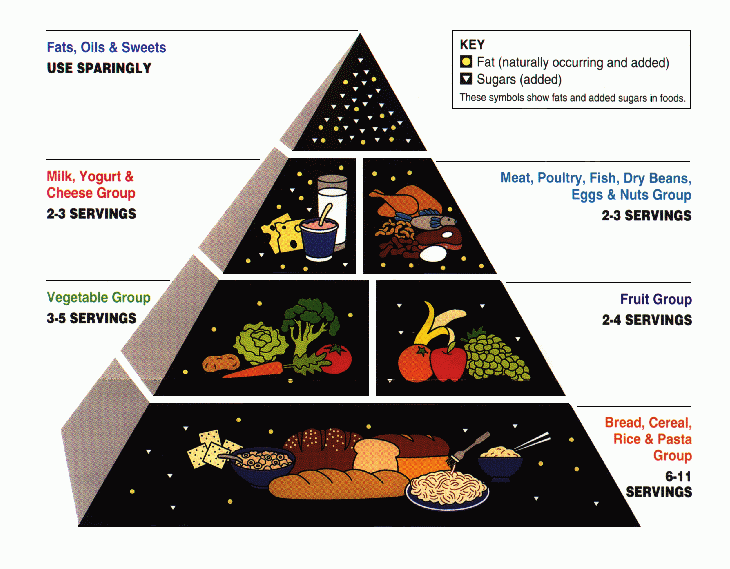
The USDA's original food pyramid, from 1992 to 2005[1]

A food pyramid is a representation of the optimal number of servings to be eaten each day from each of the basic food groups.[2] The first pyramid was published in Sweden in 1974.[3][4][5] The 1992 pyramid introduced by the United States Department of Agriculture (USDA) was called the "Food Guide Pyramid" or "Eating Right Pyramid". It was updated in 2005 to "MyPyramid", and then it was replaced by "MyPlate" in 2011.[6][7]

Swedish origin

[edit]
The "Basic Seven" developed by the United States Department of Agriculture, 1946

Amid high food prices in 1972, Sweden's National Board of Health and Welfare developed the idea of "basic foods" that were both cheap and nutritious, and "supplemental foods" that added nutrition missing from the basic foods. Anna-Britt Agnsäter, chief of the test kitchen for Kooperativa Förbundet (a cooperative Swedish retail chain), held a lecture the next year on how to illustrate these food groups. Attendee Fjalar Clemes suggested a triangle displaying basic foods at the base. Agnsäter developed the idea into the first food pyramid, which was introduced to the public in 1974 in KF's Vi magazine.[3][4][5] The pyramid was divided into basic foods at the base, including milk, cheese, margarine, bread, cereals and potato; a large section of supplemental vegetables and fruit; and an apex of supplemental meat, fish and egg. The pyramid competed with the National Board's "dietary circle", which KF saw as problematic for resembling a cake divided into seven slices, and for not indicating how much of each food should be eaten. While the Board distanced itself from the pyramid, KF continued to promote it.

Food pyramids were developed in other Scandinavian countries, as well as West Germany, Japan and Sri Lanka. The United States later developed its first food pyramid in 1992.

Food pyramid published by the WHO and FAO

[edit]

The World Health Organization, in conjunction with the Food and Agriculture Organization, published guidelines that can be effectively represented in a food pyramid relating to objectives in order to prevent obesity, improper nutrition, chronic diseases and dental caries based on meta-analysis [8][9] though they represent it as a table rather than as a "pyramid". The structure is similar in some respects to the USDA food pyramid, but there are clear distinctions between types of fats, and a more dramatic distinction where carbohydrates are categorized on the basis of free sugars versus sugars in their natural form. Some food substances are singled out due to the impact on the target issues that the "pyramid" is meant to address. In a later revision, however, some recommendations are omitted as they automatically follow other recommendations while other sub-categories are added. The reports quoted here explain that where there is no stated lower limit in the table below, there is no requirement for that nutrient in the diet.

A "simplified" representation of the "Food Pyramid" from the 2002 Joint WHO/FAO Expert Consultation recommendations
Dietary factor 1989 WHO Study Group recommendations 2002 Joint WHO/FAO Expert Consultation recommendations
Total fat 15–30% 15–30%
Saturated fatty acids (SFAs) 0–10% <10%
Polyunsaturated fatty acids (PUFAs) 3–7% 6–10%
n-6 PUFAs 5–8%
n-3 PUFAs 1–2%
Trans fatty acids <1%
Monounsaturated fatty acids (MUFAs) By difference
Total carbohydrate 55–75% 55–75%
Free sugars 0–10% <10%
Complex carbohydrate 50–70% No recommendation
Protein 10–15% 10–15%
Cholesterol 0–300 mg/day < 300 mg/day
Sodium chloride (Sodium) < 6 g/day < 5 g/day (< 2 g/day)
Fruits and vegetables ≥ 400 g/day ≥ 400 g/day
Pulses, nuts and seeds ≥ 30 g/day (as part of the 400 g of fruit and vegetables)
Total dietary fiber 27–40 g/day From foods
Non-starch polysaccharide (NSP) 16–24 g/day From foods

All percentages are percentages of calories, not of weight or volume. To understand why, consider the determination of an amount of "10% free sugar" to include in a day's worth of calories. For the same amount of calories, free sugars take up less volume and weight, being refined and extracted from the competing carbohydrates in their natural form. In a similar manner, all the items are in competition for various categories of calories.

The representation as a pyramid is not precise, and involves variations due to the alternative percentages of different elements, but the main sections can be represented.

USDA food pyramid

[edit]

History

[edit]
The USDA's food pyramid from 2005 to 2011, MyPyramid

The USDA food pyramid was created in 1992 and divided into six horizontal sections containing depictions of foods from each section's food group. It was updated in 2005 with black and white vertical wedges replacing the horizontal sections and renamed MyPyramid. MyPyramid was often displayed with the food images absent, creating a more abstract design. In an effort to restructure food nutrition guidelines, the USDA rolled out its new MyPlate program in June 2011. My Plate is divided into four slightly different sized quadrants, with fruits and vegetables taking up half the space, and grains and protein making up the other half. The vegetables and grains portions are the largest of the four.

A modified food pyramid was proposed in 1999 for adults aged over 70.[10][11]

Vegetables

[edit]

A vegetable is a part of a plant consumed by humans that is generally savory but is not sweet. A vegetable is not considered a grain, fruit, nut, spice, or herb. For example, the stem, root, flower, etc., may be eaten as vegetables. Vegetables contain many vitamins and minerals; however, different vegetables contain different balances of micronutrients, so it is important to eat a wide variety of types. For example, orange and dark green vegetables typically contain vitamin A, dark green vegetables contain vitamin C, and vegetables like broccoli and related plants contain iron and calcium. Vegetables are very low in fats and calories, but ingredients added in preparation can often add them.

Grains

[edit]

These foods provide complex carbohydrates, which are the body's primary source of energy and provide quality nutrition in any case. Examples include corn, wheat, pasta, and rice. Grains, when digested, break down into glucose, the body's preferred energy source. Complex carbohydrates also provide dietary fiber, which supports digestive health and lowers the risk of heart disease.

Fruits

[edit]

In terms of food (rather than botany), fruits are the sweet-tasting seed-bearing parts of plants, or occasionally sweet parts of plants which do not bear seeds. These include apples, oranges, grapes, bananas, etc. Fruits are low in calories and fat and are a source of natural sugars, fiber and vitamins. Processing fruit when canning or making into juices may add sugars and remove nutrients. The fruit food group is sometimes combined with the vegetable food group. Note that a massive number of different plant species produce seed pods which are considered fruits in botany, and there are a number of botanical fruits which are conventionally not considered fruits in cuisine because they lack the characteristic sweet taste, e.g., tomatoes or avocados.

Dairy

[edit]

Dairy products are produced from the milk of animals, usually but not exclusively cattle. They include milk, yogurt and cheese. Milk and its derivative products are a rich source of dietary calcium and also provide protein, phosphorus, vitamin A, and vitamin D. However, many dairy products are high in saturated fat and cholesterol compared to vegetables, fruits and whole grains, which is why skimmed products are available as an alternative. Historically, adults were recommended to consume three cups of dairy products per day.[12] More recently, evidence is mounting that dairy products have greater levels of negative effects on health than previously thought and confer fewer benefits. For example, recent research has shown that dairy products are not related to stronger bones or less fractures; on the contrary, another study showed that milk (and yogurt) consumption results in higher bone mineral density in the hip. Overall, the majority of research suggests that dairy has some beneficial effects on bone health, in part because of milk's other nutrients.[13][14][15]

Meat and beans

[edit]

Meat is the tissue—usually muscle—of an animal consumed by humans. Since most parts of many animals are edible, there is a vast variety of meats. Meat is a major source of protein, as well as iron, zinc, and vitamin B12. The category of meats, poultry, and fish include beef, chicken, pork, salmon, tuna, shrimp, and eggs.

The meat group is one of the major compacted food groups in the food guide pyramid. Since many of the same nutrients found in meat can also be found in foods like eggs, dry beans, and nuts, such foods are typically placed in the same category as meats, as meat alternatives. These include tofu, products that resemble meat or fish but are made with soy, eggs, and cheeses. For those who do not consume meat or animal products (see Vegetarianism, veganism and Taboo food and drink), meat analogs, tofu, beans, lentils, chickpeas, nuts and other high-protein vegetables are also included in this group. The food guide pyramid suggests that adults eat 2–3 servings per day. One serving of meat is 4 oz (110 g), about the size of a deck of cards.

Oils and sweets

[edit]

A food pyramid's tip is the smallest part, so the fats and sweets in the top of the Food Pyramid should comprise the smallest percentage of the diet. The foods at the top of the food pyramid should be eaten sparingly because they provide calories, but not much in the way of nutrition. These foods include salad dressings, oils, cream, butter, margarine, sugars, soft drinks, candies, and sweet desserts. On the 1992–2005 pyramid, the fat circle and sugar triangle are scattered throughout the pyramid to represent the naturally occurring fats and sugars in various foods. The idea of this is to reduce the temptation to eat so much junk food and excessive fats and sugars, as there is already enough fat and sugar in the rest of the diet. For example, the triangles in the Fruit Group represent the fact that sugar is inevitable in that group.

Criticism and controversy

[edit]
USDA food pyramid
Inside the pyramid

Certain dietary choices that have been linked to heart disease, such as an 8 oz (230 g) serving of hamburger daily, were technically permitted under the pyramid. The pyramid also lacked differentiation within the protein-rich group ("Meat, Poultry, Fish, Dry Beans, Eggs, and Nuts").[16] The development of the US food pyramid has been influenced by food lobbyists undermining its credibility.[17][18][19][20][21]

In April 1991, the U.S. Department of Agriculture (USDA) halted publication of its Eating Right Pyramid, due to objections raised by meat and dairy lobbying groups concerning the guide’s display of their products. Despite the USDA’s explanations that the guide required further research and testing, it was not until one year later—after its content was supported by additional research—that the Eating Right Pyramid was officially released. This time, even the guide’s graphic design was altered to appease industry concerns. This incident was only one of many in which the food industry attempted to alter federal dietary recommendations in their own economic self-interest.[22]

Some of the recommended quantities for the different types of food in the old pyramid have also come under criticism for lack of clarity. For instance, the pyramid recommends two to three servings from the protein-rich group, but this is intended to be a maximum. The pyramid recommends two to four fruit servings, but this is intended to be the minimum.[23]

The fats group as a whole have been put at the tip of the pyramid, under the direction to eat as little as possible, which some people have considered problematic. The guide instructs people to limit fat intake as much as possible, which can cause health problems because fat is essential to overall health.[24][25][26] Research suggests that unsaturated fats aid in weight loss, reduce heart disease risk,[27] lower blood sugar, and even lower cholesterol.[28][29][30] Also, they are very long sustaining, and help keep blood sugar at a steady level.[31][32] On top of that, these fats help brain function as well.[33]

Several researchers have said that food and agricultural associations exert undue political power on the USDA.[34][35] Food industries, such as milk companies, have been accused of influencing the United States Department of Agriculture into making the colored spots on the newly created food pyramid larger for their particular product. The milk section has been described as the easiest to see out of the six sections of the pyramid, making individuals believe that more milk should be consumed on a daily basis compared to the others.[36] Joel Fuhrman says in his book Eat to Live that U.S. taxpayers must contribute $20 billion on price supports to artificially reduce the price of cattle feed to benefit the dairy, beef and veal industries, and then pay the medical bills for an overweight population.[37] He asks if the USDA is under the influence of the food industry, because a food pyramid based on science would have vegetables at its foundation.[37]

These controversies prompted the creation of pyramids for specific audiences, including a Vegetarian Diet Pyramid.[38][39][40]

The successor to the Food Pyramid called MyPlate has also received numerous criticisms, but unlike the Food Pyramid, which was very well known, the MyPlate program has yet to become publicly well known, with as many as "3 out of 4 Americans [having] no idea what the government's MyPlate dietary guide [even] is."[41]

MyPlate

[edit]
The MyPlate food guide icon

MyPlate is the current nutrition guide published by the United States Department of Agriculture, depicting a place setting with a plate and glass divided into five food groups. It replaced the USDA's MyPyramid guide on June 2, 2011, concluding 19 years of USDA food pyramid diagrams.

See also

[edit]

References

[edit]
[edit]
Revisions and contributorsEdit on WikipediaRead on Wikipedia
from Grokipedia
The food pyramid in nutrition is a visual guide depicting recommended proportions and servings of food groups for a , with the Department of Agriculture's (USDA) 1992 Food Guide Pyramid placing grains (, , , and ) at the base with 6-11 daily servings, followed by 3-5 servings, 2-4 servings, 2-3 servings, and 2-3 or protein servings, while advising minimal use of fats, oils, and sweets at the apex. Developed to operationalize the , it aimed to promote nutrient adequacy and moderation amid concerns over chronic diseases like heart disease and . However, the pyramid's emphasis on high carbohydrate intake from often , coupled with limited differentiation between healthy and unhealthy fats, has drawn empirical criticism for aligning poorly with subsequent evidence on metabolic health, including associations between elevated glycemic loads and increased and risks observed post-1992. These flaws prompted revisions, evolving into the more personalized in 2005 and the plate-based in 2011, which prioritize , fruits, and proteins over grains to better reflect causal links between dietary patterns and health outcomes.

Historical Origins

Swedish Development (1974)

In the early 1970s, experienced significant food price inflation, leading to widespread public protests and demands for affordable guidelines. The Swedish National Board of Health and Welfare responded by commissioning the to develop basic, economical meal plans that prioritized staple foods while maintaining nutritional balance. Kooperativa Förbundet (KF), a major consumer cooperative retail chain, took on the task, with Anna-Britt Agnsäter, head of its test kitchen, designing the inaugural food pyramid model. Agnsäter, motivated by prior circular dietary representations that confused portion sizes, adapted a triangular structure to visually emphasize proportional consumption: a broad base of inexpensive staples like cereals, bread, potatoes, and vegetables; a middle tier for dairy, proteins such as meat, fish, and eggs; and a narrow apex for fats, oils, and sweets to be used sparingly. This pyramid was first published in KF's consumer magazine Vi in 1974, aiming to guide households toward cost-effective yet purportedly healthy eating amid economic constraints rather than deriving from extensive clinical trials. The model reflected Sweden's emphasis on self-sufficiency and affordability, favoring carbohydrate-heavy bases reflective of available , but it has been critiqued retrospectively for underemphasizing protein variety and over-relying on visual simplicity without robust empirical validation of long-term health outcomes. Unlike later iterations, the Swedish pyramid prioritized economic realism over isolated , influencing subsequent international adaptations by providing a scalable graphic framework.

Early International Adaptations

In 1980, Nutrition Australia introduced the as an adaptation of the Swedish model, aiming to provide simple visual guidance for balanced, affordable nutrition amid evolving dietary science emphasizing reduced . The pyramid retained the tiered structure, with the base recommending 6-10 daily servings of breads, cereals, rice, pasta, and noodles—predominantly whole grains—to supply energy from complex carbohydrates, reflecting assumptions that high-carb diets supported and health without excess calories. The middle tiers promoted 4-6 servings of and 2-4 of fruits for vitamins, minerals, and , followed by 2 servings each of products and lean meats, , eggs, nuts, or for protein and calcium, with moderation urged to limit saturated fats. At the apex, fats, oils, and sweets were confined to occasional use, aligning with nutritional consensus prioritizing low-fat patterns to mitigate cardiovascular risks, though later critiques highlighted insufficient evidence for broad fat restriction across populations. This adaptation was disseminated through public education campaigns, school programs, and , influencing Australian dietary habits by promoting plant-based staples over processed items. The Australian version diverged slightly by incorporating local staples like and more prominently and adding explicit serving numbers, facilitating practical application in diverse households. It served as a bridge between the Swedish prototype and later global iterations, predating widespread adoption elsewhere and underscoring the pyramid's appeal for conveying proportional intake without rigid counts. Empirical data from the era, including rising concerns, prompted its emphasis on portion control, though causal links to improved outcomes remained observational rather than rigorously tested.

Major Implementations

WHO and FAO Pyramid (1980s–1990s)

In the 1980s and 1990s, the World Health Organization (WHO) and Food and Agriculture Organization (FAO) collaborated on dietary guidelines to address the rising prevalence of chronic noncommunicable diseases, including cardiovascular conditions, diabetes, and certain cancers. These efforts culminated in key reports, such as the 1990 WHO Technical Report Series No. 797, "Diet, Nutrition and the Prevention of Chronic Diseases," which synthesized evidence from epidemiological studies emphasizing the role of diet in disease prevention. The guidelines promoted a macronutrient profile featuring complex carbohydrates from 55% to 75% of total energy intake, total fat below 30% (with saturated fats under 10% and polyunsaturated fats at 6-10%), and protein at 10-15%. Cholesterol intake was advised to stay under 300 mg per day, alongside reduced sugar and salt consumption. The conceptual food pyramid derived from these recommendations prioritized plant-based foods at its base, reflecting a hierarchical structure where grains, cereals, and starchy formed the foundation for daily energy needs, comprising the majority of caloric intake through unrefined sources like whole grains and . Fruits and occupied the next tier, recommended in abundance for their , vitamins, and minerals, with targets of at least 400 grams daily across all populations. products, including lean meats, , eggs, and low-fat , were positioned higher, suggesting moderation to limit and , while fats, oils, sugars, and alcohol crowned the apex, to be consumed sparingly or avoided. This structure aimed to foster diets protective against and heart disease by shifting reliance from animal fats to complex carbohydrates. These guidelines influenced national food guides worldwide, though WHO and FAO did not issue a universal graphic pyramid until later adaptations; instead, they provided foundational principles for pyramid-style visualizations in various countries. The recommendations drew from observational data, such as cohort studies linking high-fat diets to coronary risk, but lacked robust evidence at the time, with causal inferences later scrutinized for factors like overall calorie excess. Joint FAO/WHO consultations, including preparations for the 1992 International Conference on Nutrition, reinforced these by advocating food-based dietary guidelines tailored to local contexts, emphasizing of staple foods in developing regions. Despite intentions to reduce global , implementation varied, and subsequent critiques highlighted potential underemphasis on and overreliance on carbohydrate-heavy bases amid emerging metabolic research.

USDA Food Pyramid (1992)

The USDA Food Guide Pyramid was released in April 1992 by the (USDA) in collaboration with the Department of Health and Human Services (HHS), serving as the first graphical illustration of recommended daily food group servings to operationalize the . It depicted a pyramid structure to convey the principle of eating more from the base (grains and carbohydrates) and progressively fewer servings ascending to the apex (fats, oils, and sweets), promoting variety, , and proportionality in diet. The pyramid was developed over several years by the USDA's Human Nutrition Information Service, drawing on analyses of typical American food intakes, nutrient requirements, and prior food wheel models used in educational programs, with a one-year delay in public release reportedly to refine messaging amid stakeholder input. At its core, the pyramid divided foods into five major groups plus a discretionary category: grains (bread, cereal, rice, pasta) at the base with 6-11 servings recommended daily to provide from complex carbohydrates; (3-5 servings) and fruits (2-4 servings) in the next tier for vitamins, minerals, and ; (, , cheese; 2-3 servings) and proteins (meat, poultry, fish, beans, eggs, nuts; 2-3 servings, with emphasis on lean, low-fat options) in the middle; and fats, oils, and sweets (use sparingly) at the top to limit added sugars and saturated fats. Servings were scaled for levels around 1,600 to 3,000 daily, prioritizing whole grains, five or more fruits and , and fat intake below 30% of calories, aligned with contemporaneous epidemiological associations between dietary fat—particularly saturated—and coronary heart disease risk from cohort studies like the . The pyramid's design adapted international precedents, such as Sweden's 1974 basic food circle, but emphasized a total diet approach tailored to U.S. consumption patterns, aiming to reduce chronic disease by shifting from high-fat processed foods toward plant-based carbohydrates as the dietary foundation. USDA research underpinning it incorporated from the Data Bank and surveys like the Nationwide Food Consumption Survey, though the low-fat, high-carbohydrate orientation reflected prevailing consensus from bodies like the rather than randomized controlled trials establishing causality for broad population recommendations. It was disseminated via posters, pamphlets, and school programs, influencing public until its replacement in 2005.

Structural Components

Base: Grains and Carbohydrates

In major food pyramid implementations, such as the USDA's 1992 Food Guide Pyramid, the base comprises the grain group—encompassing breads, cereals, , and —positioned to represent the largest daily consumption category for providing foundational through . This structure derives from earlier models, including the Swedish pyramid introduced in 1974, which similarly prioritized staple carbohydrate sources like cereals and potatoes as dietary bedrock to meet caloric needs affordably and accessibly. Recommendations specify 6 to 11 servings daily for adults in the USDA pyramid, scaled by total requirements: approximately 6 servings for 1,600 kcal diets, 9 for 2,200 kcal, and 11 for 2,800 kcal or higher, equating to roughly 45-65% of calories from carbohydrates when including other sources. The WHO and FAO guidelines from the 1980s-1990s echoed this by advocating whole grains and starchy foods as the dietary base for provision, targeting 55-75% of from carbohydrates in developing contexts where staples like and predominate. The rationale centers on carbohydrates as the body's preferred fuel, broken down into glucose for immediate and sustained energy, with whole grains additionally supplying (e.g., 3-5 grams per serving in oats or ), , iron, and magnesium to support and prevent deficiencies. This positioning stems from 1977 U.S. Dietary Goals, which elevated carbohydrates to 55-60% of intake to displace fats amid epidemiological associations between and coronary heart disease, though such links relied on observational data prone to by lifestyle factors rather than randomized trials establishing . A key distinction exists between whole grains, retaining bran and germ for intact nutrients and fiber that moderates glycemic response, and refined varieties, which lose up to 80% of fiber and associated phytonutrients during milling, necessitating for partial restoration. The 1992 pyramid urged "at least three servings" of whole grains but grouped them indistinguishably with refined options, potentially underemphasizing processing's impact on metabolic outcomes like insulin sensitivity. Empirical data from the era, including NHANES surveys, showed U.S. grain intake skewed toward refined products, averaging under 1 gram of per 1,000 kcal despite guidelines.

Middle Tiers: Vegetables, Fruits, Proteins, and Dairy

The middle tiers of the USDA's Food Guide Pyramid encompassed (3–5 servings daily), fruits (2–4 servings daily), the protein group comprising , , , dry beans, eggs, and nuts (2–3 servings daily), and the group including , , and cheese (2–3 servings daily). These tiers were placed above the grain base to promote dietary variety and supply micronutrients underrepresented in carbohydrate-heavy staples, while their moderate serving ranges reflected higher and potential for excess intake compared to grains. A serving of equated to 1 of raw leafy greens or ½ of cooked varieties, emphasizing dark green and orange options for beta-carotene and content. Fruits were typified by one medium apple or ¾ juice, prioritizing whole forms over processed to maximize intake. Vegetables and fruits were grouped adjacently to underscore their roles as low-calorie sources of vitamins, minerals, and phytochemicals that grains alone could not adequately provide, with epidemiological data from the era linking higher intake to reduced risks of chronic diseases via and effects. Key nutrients included (e.g., 70–90 mg daily recommendation met by or ), precursors for epithelial integrity, for blood pressure regulation (targeting 4,700 mg daily), and soluble fiber for glycemic control and cholesterol modulation. The protein group addressed needs unmet by plant sources alone, delivering iron (up to 18 mg daily for women), for immune enzyme function, and like niacin and B12 for energy metabolism, with recommendations favoring lean cuts to limit saturated fats amid prevailing low-fat dietary guidelines. The group was included for bioavailable calcium (1,000–1,300 mg daily recommended) and to support mineralization, particularly in growing children and postmenopausal women, though whole-milk options were de-emphasized due to content. These tiers collectively aimed to fulfill 20–30% of daily caloric needs while meeting Recommended Dietary Allowances for most micronutrients, based on analyses of national consumption surveys showing deficiencies in pre-pyramid diets. However, the serving caps for proteins and stemmed from assumptions that excess animal-derived contributed to coronary risk via , a view later contested by randomized trials demonstrating no causal link in moderate consumption.

Apex: Fats, Sweets, and Discretionary Calories

In the 1992 USDA Food Guide Pyramid, the apex represents fats, oils, and sweets, depicted as the smallest segment at the top to signify minimal consumption. This category includes solid fats such as , , , and ; liquid oils for cooking; and sweeteners like table sugar, , , and high-fructose products found in candies, sodas, fruit drinks, desserts, and baked goods. Official guidance advised using these sparingly, with total dietary fat limited to no more than 30% of daily calories, primarily to curb excessive energy intake from sources low in essential nutrients like vitamins, minerals, and . The rationale emphasized these items' high —fats providing 9 kcal per gram compared to 4 kcal per gram for carbohydrates and proteins—coupled with minimal contributions, positioning them as contributors to caloric surplus rather than nutritional foundation. Within this tier, distinctions were minimal; for instance, essential fatty acids from oils were acknowledged but not differentiated from less beneficial saturated fats, reflecting the era's broad low-fat paradigm that grouped all lipids together despite varying metabolic impacts. Subsequent updates formalized "discretionary calories" in the 2000 Dietary Guidelines for Americans, defining them as the remaining caloric allowance—ranging from 100 to 400 kcal daily for a 2,000 kcal diet, or about 5-20% of total intake—available after selecting nutrient-dense foods from lower pyramid tiers. These calories explicitly cover solid fats (e.g., intermuscular fat in meats, tropical oils), added sugars (e.g., in processed snacks), and alcohol, allowing flexibility for occasional indulgences while prioritizing nutrient adequacy first. In MyPyramid (2005), this concept reinforced the apex's role, urging consumers to allocate such calories judiciously to avoid displacing core food groups, though national data from the early 2000s showed average added sugar intake exceeding 20 teaspoons daily, far surpassing recommendations.

Scientific Foundations and Assumptions

Origins of the Low-Fat Paradigm

The diet-heart hypothesis, positing that dietary saturated fats elevate serum cholesterol levels and thereby increase coronary heart disease (CHD) risk, emerged in the mid-20th century amid rising cardiovascular mortality in Western nations. Physiologist advanced this view in the 1950s, drawing on cross-cultural observations of fat intake and heart disease rates, though initial formulations relied on ecological correlations rather than controlled trials. , initiated in 1958 and involving baseline data collection from 12,763 men across the , , , , the , , and , reported in 1970 a positive association between consumption and CHD incidence over five years of follow-up. However, the study's selective inclusion of countries—ignoring data from 15 others where high-fat diets did not align with elevated CHD—has been critiqued for , as reanalyses of broader datasets showed no consistent linear relationship. Institutional endorsement followed swiftly, with the (AHA) issuing its first public dietary advisory in 1961, urging reduction in intake through substitution with polyunsaturated fats like vegetable oils, targeted initially at CHD patients but extended to the general by the 1970s. This reflected prevailing assumptions from observational epidemiology that total and s drove hypercholesterolemia, despite limited randomized evidence; early trials, such as the 1966 Los Angeles Veterans Administration study, showed modest reductions but no clear mortality benefits. By prioritizing fat restriction over comprehensive metabolic causation, these recommendations implicitly elevated carbohydrates as the default energy source, aligning with agricultural surpluses in grains but diverging from ancestral diets higher in fats from whole foods. The paradigm crystallized in policy via the 1977 "Dietary Goals for the United States," drafted by Senator George McGovern's Select on Nutrition and Needs, which advised cutting total fat from approximately 40% to 30% of caloric intake, to under 10%, and boosting complex carbohydrates to 55-60%. Chaired by non-nutritionist experts and relying on testimony from Keys and allies like Stamler, the report extrapolated from associative data—such as national fat consumption correlating with CHD trends—without awaiting confirmatory interventions, amid internal scientific dissent over causality and potential carbohydrate-driven risks like . This marked the first U.S. governmental pivot toward population-wide low-fat advocacy, influencing subsequent USDA frameworks and embedding the assumption that fat calories were inherently obesogenic and atherogenic, supplanted by starches for and energy, despite emerging concerns over refined carbs' glycemic impacts. The 's political impetus, responding to food price inflation and alarms, prioritized actionable simplicity over evidentiary rigor, setting a critiqued for conflating with causation in metabolic etiology.

Carbohydrate-Centric Rationale and Evidence at Inception

The carbohydrate-centric design of the USDA Food Guide Pyramid, released in April 1992, stemmed from the prevailing low-fat dietary paradigm established in the 1977 Dietary Goals for the United States, which recommended increasing carbohydrate intake to 55-60% of total energy while limiting overall fat to no more than 30% and saturated fat to 10%. This shift aimed to mitigate coronary heart disease (CHD) risk, drawing on epidemiological associations between high saturated fat consumption and elevated serum cholesterol levels, as observed in selective cross-national comparisons like Ancel Keys' Seven Countries Study (1970), which linked animal fat intake in post-World War II European and U.S. populations to higher CHD incidence rates (e.g., 5-10 times greater in high-fat cohorts versus Mediterranean or Japanese groups). However, this evidence relied heavily on ecological correlations rather than controlled trials, overlooking confounding variables such as total calorie excess, sugar intake, and physical activity differences across populations. Proponents at the time, including the Senate Select Committee on Nutrition and Human Needs led by Senator , argued that complex carbohydrates from grains, fruits, and could supply the majority of caloric needs efficiently (4 kcal/g versus 9 kcal/g for fats) while promoting , gastrointestinal health via , and density without the purported atherogenic effects of fats. The 1977 goals cited limited U.S. data showing average carbohydrate intake at 42% of calories—below levels in lower-CHD nations—and positioned grains as an affordable, abundant staple to replace fat-derived calories, supported by early metabolic ward studies indicating stable blood glucose from starches. These recommendations influenced subsequent USDA frameworks, including the 1980 , which echoed the call for more complex carbohydrates to address diets deemed deficient in them relative to excessive fats and sugars. By 1992, the translated this into a with the , , , and group at the base, prescribing 6-11 daily servings (e.g., one serving equating to 1 slice or ½ ) calibrated across 1,600-3,000 kcal diets to achieve 50-60% contribution, ensuring adequacy for thiamin, niacin, iron, and while aligning with the 1990 Dietary Guidelines' emphasis on moderation in fats (≤30% calories). The serving range derived from prior models like the 1984 Food Wheel, factoring average requirements and grain-based "foundation diets" for baselines, with the rationale that abundant, low-cost grains could form the dietary bulk post-fat restriction without risking undernutrition. This structure presupposed carbohydrates' neutrality or benefit for metabolic health, based on observational trends in populations with high-starch traditional diets (e.g., rural Asians consuming 70-80% carbs with low ), though such evidence conflated factors and ignored emerging data on insulin dynamics from . Critics within the at inception noted the absence of randomized controlled trials validating high-carbohydrate regimens for long-term outcomes, highlighting reliance on associative data prone to in studies like Keys'.

Empirical Outcomes and Health Correlations

Prior to the introduction of the USDA Food Pyramid in 1992, U.S. nutritional guidance emphasized balanced intake across food groups without a strong hierarchical structure favoring carbohydrates. The USDA's Basic Four Food Groups, established in 1956 and used until 1979, recommended daily servings from , meats, , and cereals or breads, aiming for adequacy rather than macronutrient restriction. This framework reflected post-World War II emphases on protein-rich and dairy-inclusive diets, with less focus on limiting fats compared to later guidelines. The first official , issued in 1980 jointly by the USDA and HHS, marked a shift influenced by emerging concerns over s and , advising to "avoid too much , , and " while increasing consumption to about 48% of energy intake from complex sources like and fruits. Macronutrient data from national surveys indicate that average energy intake remained relatively stable from the to the late 1970s, with s comprising approximately 40-42% of calories and around 42%, reflecting diets higher in animal products and fewer processed foods. By the , early signs of transition appeared, with per capita availability declining slightly as vegetable oils rose, but overall consumption stayed above 35% of calories through 1990. Health outcomes during this period showed lower obesity prevalence compared to subsequent decades. In 1960-1962, adult rates were around 13-15%, rising modestly to about 15% by 1976-1980, with severe under 1%. hovered near 5% in the late . Cardiovascular disease mortality, peaking in the mid-1960s, began a sustained decline from 1970 onward, dropping 59% by 1990, attributed in part to reduced and better medical interventions rather than dietary shifts alone. These trends occurred amid stable caloric intake and without widespread promotion of high-carbohydrate, low-fat eating patterns later codified in the pyramid.

Post-Pyramid Epidemiological Data (Obesity and Metabolic Disease Rise)

Following the introduction of the USDA Food Pyramid in 1992, which emphasized grains and carbohydrates as the dietary foundation, U.S. adult prevalence rose markedly. National Health and Nutrition Examination Survey (NHANES) data indicate that age-adjusted rates increased from 23.2% in 1988–1994 to 30.5% by 1999–2000, continuing to 42.4% in 2017–2018. By 2021–2023, prevalence stabilized around 40.3%, with severe at 9.7%. This trajectory reflects a near doubling from late-20th-century baselines, coinciding with heightened consumption of aligned with pyramid recommendations. Type 2 diabetes prevalence, a key , paralleled this escalation. CDC estimates show diagnosed among adults aged 18+ rose from 4.6% in 1988–1994 to 11.7% by 2017–2020, with total (diagnosed plus undiagnosed) prevalence climbing from about 7–8% in the early 1990s to 13.2% in 2017–2020. Incidence rates more than doubled from 3.2 cases per 1,000 adults in 1990 to 8.8 per 1,000 by the early 2000s before leveling. These shifts occurred amid increased intake, which rose by approximately 62 grams per day for women from 1971 to 2000, driven partly by grain-based foods. Metabolic syndrome, encompassing , central , , and , also surged. NHANES data reveal prevalence among adults aged 18+ increased from 25.3% in 1988–1994 to 34.2% in 2007–2012, affecting over one-third of the population by the mid-2000s. Despite minor declines in some metrics post-2000 (e.g., from 25.5% in 1999–2000 to 22.9% in 2009–2010 using biologic thresholds), overall trends indicate persistent elevation linked to dietary patterns favoring high glycemic loads. These epidemiological patterns underscore a post-1992 from prior stability, with empirical correlations to macronutrient shifts but multifactorial influences including reduced .

Criticisms and Controversies

Industry Influence and Policy Capture

In April 1991, the (USDA) withdrew its proposed "Eating Right Pyramid" food guide shortly before its scheduled release, following objections from and industry representatives who argued that the graphic unduly minimized recommended servings of their products relative to grains and cereals. The draft pyramid positioned grains at the base with a recommended 6-11 daily servings, reflecting testing preferences for a broad foundation of sources, while allocating , poultry, , and to narrower upper tiers with 2-3 servings each, aligning with emerging low-fat dietary emphases but threatening industry market shares. and lobbyists contended that this structure implied reduced consumption of animal proteins and fats, prompting direct interventions with USDA officials and threats of legal challenges over the use of public funds for what they deemed unbalanced guidance. The incident exemplified the USDA's inherent policy capture, stemming from its to both promote agricultural production—bolstering surpluses in , , and —and issue unbiased advice, a tension that privileged commodity interests over independent scientific assessment. producers, facing domestic in the late and early , benefited from the pyramid's carbohydrate-centric base, which encouraged higher intake of , corn, and derivatives to absorb without explicit documentation equivalent to that of animal agriculture sectors. A revised pyramid was issued in after internal adjustments that retained the -heavy structure while softening some low-fat messaging to mitigate further industry backlash, illustrating how federal guidelines evolved through iterative accommodations rather than pure empirical derivation. This pattern of influence extended beyond the pyramid's design, as —facilitated by campaign contributions and revolving-door personnel ties—repeatedly shaped USDA outputs to align with economic imperatives, such as sustaining demand for subsidized staples amid farm policy objectives. Critics, including experts, highlighted that such capture subordinated causal evidence—later linked to metabolic disorders from excessive refined carbohydrates—to sectoral self-interest, with the 1991 withdrawal marking a pivotal public admission of these dynamics.

Macronutrient Imbalances and Causal Health Detriments

The USDA Food Pyramid's recommendation of 6-11 daily servings of grains and cereals, positioned at the base to comprise the majority of caloric intake, promoted a macronutrient profile skewed toward 55-60% carbohydrates, often from refined sources like white bread and pasta, while limiting total fat to under 30% of calories. This imbalance encouraged overconsumption of high-glycemic carbohydrates, which elevate postprandial blood glucose and trigger repeated insulin surges, fostering a state of chronic hyperinsulinemia. In mechanistic terms, sustained insulin elevation promotes hepatic de novo lipogenesis and adipose tissue expansion while suppressing fat oxidation, directly contributing to visceral fat accumulation and metabolic dysregulation independent of total caloric intake. Randomized controlled trials (RCTs) demonstrate causality between such high-carbohydrate, low-fat regimens and adverse outcomes, as interventions reducing intake while increasing content yield measurable improvements in insulin sensitivity and . For instance, in a 2-year RCT involving 322 participants, a (20 g/day carbs initially, then ) resulted in greater (4.7 kg vs. 2.9 kg) and reduction compared to a (30% fat), with enhanced HDL cholesterol and no increase in LDL , indicating reversal of metabolic detriments tied to carbohydrate excess. Meta-analyses of similar trials in patients confirm that low-carbohydrate diets (≤40% carbs) outperform low-fat approaches in reducing HbA1c (by 0.34-0.47%), fasting glucose, and markers like HOMA-IR, with effect sizes persisting up to 12 months and correlating with carbohydrate restriction levels. These findings establish a causal pathway: excessive refined intake drives via pancreatic beta-cell exhaustion and ectopic lipid deposition in liver and muscle, exacerbating risks for and non-alcoholic . Beyond insulin dynamics, the pyramid's fat restriction inadvertently amplified reliance on carbohydrate-derived calories, which fail to satiate as effectively as fats and proteins, leading to compensatory and energy imbalance. Physiological evidence from feeding studies shows that high-glycemic meals increase hunger hormones like while blunting signals, resulting in 500-1000 kJ greater daily intake compared to low-glycemic alternatives. In obese individuals with , this manifests as accelerated progression to frank disease; cohort data adjusted for confounders link quintile increases in refined consumption to 37% higher incidence, mediated by rising fasting insulin levels. Long-term detriments include elevated cardiovascular risk through atherogenic (high triglycerides, low HDL), with RCTs attributing 20-30% greater small dense LDL formation to carbohydrate-heavy profiles over fat-balanced ones. While some observational data dispute total effects, intervention evidence consistently implicates refined, high-load subtypes in causal harm, underscoring the pyramid's failure to differentiate whole from processed sources.

Debunking Normalized Low-Fat Dogma

The low-fat dietary paradigm, which positioned fats—particularly saturated fats—as primary drivers of (CVD) and recommended their restriction to below 10% of energy intake, originated from observational associations like ' in the 1950s-1970s but faltered under (RCT) scrutiny. Early RCTs designed to test cholesterol-lowering via fat reduction, such as the Minnesota Coronary Experiment (1968-1973), replaced saturated fats with polyunsaturated vegetable oils rich in , achieving a 13.8% serum cholesterol drop yet yielding no mortality benefit and a 22% higher death risk per 30 mg/dL cholesterol reduction. Similarly, the Sydney Diet Heart Study (1966-1973) demonstrated that substituting saturated fats with increased all-cause mortality by 62%, CVD death by 70%, and CHD death by 74% over 39 months. Large-scale interventions like the Dietary Modification Trial (1993-2005), involving 48,835 postmenopausal women assigned to a (20% calories from , emphasizing grains and ), failed to reduce CVD incidence, , or total mortality after 8.1 years, despite an 8.2% absolute intake reduction. was negligible beyond the first year (2.2 kg initially, stabilizing at 0.4 kg greater than controls by year 7), contradicting expectations that restriction would curb . These outcomes persisted in extended follow-up through 2010, showing no long-term or risk reduction. Meta-analyses of RCTs further undermine low-fat efficacy. A 2021 review of 17 trials found low-fat, high-carbohydrate diets inferior to low-carbohydrate, high-fat approaches for (standardized mean difference -1.01 kg) and HDL-cholesterol improvement, with no CVD advantage. Another 2015 analysis of 17 RCTs reported low-carbohydrate diets yielding 1.15 kg greater at 6-12 months versus low-fat diets, alongside better triglycerides and glycemic control, though LDL-cholesterol effects varied. Observational biases in , amplified by institutional reluctance to challenge lipid-heart hypotheses despite RCT contradictions, perpetuated the dogma; for instance, recovered data from suppressed trials revealed harms from substitutions overlooked in initial reports. Empirical trends post-1980s, when low-fat guidelines proliferated, show U.S. fat intake declining from 36% to 32% of calories by while consumption rose to 55%, correlating with tripling from 13% to 34% of adults by 2004—outcomes attributable to refined carb surges rather than persistence. from supports this: s provide satiety and metabolic stability, whereas excess s elevate insulin and de novo , fostering storage and absent in low- adherents who often compensated with hypercaloric carbs. Recent shifts, including 2020 Dietary Guidelines de-emphasizing strict caps, reflect accumulating RCT evidence prioritizing whole-food quality over blanket phobia.

Alternatives and Successors

MyPlate Transition (2011)

The United States Department of Agriculture (USDA) unveiled MyPlate on June 2, 2011, as a replacement for the MyPyramid food guidance system introduced in 2005 and the original Food Guide Pyramid from 1992. This shift marked the end of nearly two decades of pyramid-based visuals, adopting instead a simple plate icon divided into four sections—vegetables (40% of the plate), grains (30%), proteins (20%), and fruits (10%)—with a side glass representing dairy. MyPlate was launched alongside the 2010 Dietary Guidelines for Americans, aiming to provide a more intuitive, meal-focused representation of balanced eating to combat persistent public confusion over the abstract, stair-stepped pyramid design. Proponents within the USDA argued that the plate format better aligned with everyday eating habits and leveraged modern technology for interactive online tools, making it easier for consumers to visualize portion sizes without complex calculations. The transition responded to criticisms of the pyramid's perceived complexity and failure to curb rising obesity rates, which had climbed from 23% adult prevalence in 1988 to over 34% by 2008, prompting calls for clearer messaging amid epidemiological data linking poor dietary adherence to metabolic diseases. However, MyPlate retained core emphases from prior guidelines, recommending that at least half of grains be whole and encouraging low-fat dairy, while de-emphasizing added sugars and solid fats without specifying limits or distinguishing healthy versus unhealthy fats explicitly. Despite the visual simplification, MyPlate faced scrutiny for not sufficiently addressing macronutrient imbalances perpetuated by earlier models, such as over-reliance on carbohydrates comprising up to 65% of caloric intake through grains and fruits without adequate differentiation between refined and whole sources. Critics, including nutrition researchers, noted its omission of explicit guidance on saturated fats, sugars—the primary driver of caloric overconsumption per intake data—and overall caloric control, potentially reinforcing high-glycemic load diets correlated with insulin resistance in longitudinal studies like the Nurses' Health Study. Empirical assessments post-launch showed limited population-level impact; by 2022, only 22% of U.S. adults reported awareness of MyPlate, with self-reported users exhibiting modestly healthier nutrient profiles in cross-sectional surveys, though causation remained unproven and obesity rates continued rising to 42% by 2018, suggesting the guidelines failed to reverse causal trends in metabolic health tied to carbohydrate dominance. MyPlate's implementation included partnerships with food manufacturers for labeling and school programs, but analyses indicated persistent industry sway, as grain and dairy sectors retained prominent placement despite evidence from randomized trials favoring lower-carb interventions for weight management. While the model promoted vegetable and fruit intake more visibly than the pyramid—aligning with protective effects observed in cohort studies reducing cardiovascular risk by 20-30% with higher produce consumption—it did not incorporate emerging data on ketogenic or Mediterranean patterns outperforming standard low-fat advice in glycemic control and inflammation markers. Overall, the transition represented incremental reform rather than a paradigm shift, maintaining a framework critiqued for prioritizing caloric distribution over biochemical causality in nutrient processing.

Evidence-Supported Models (Harvard, Low-Carb Approaches)

The , developed by researchers at the Harvard T.H. Chan School of , prioritizes daily exercise and body weight control at its foundation, followed by generous intake of and fruits, whole grains, healthy fats such as and canola oils, nuts and , fish and poultry, with limited , , , potatoes, sugary beverages, and trans fats at the apex; it also recommends moderate alcohol and multivitamin use where appropriate. This model draws from large-scale prospective cohort studies, including the and Health Professionals Follow-up Study, which tracked over 100,000 participants for decades and linked adherence to reduced risks of , , and certain cancers through multivariate-adjusted analyses of dietary patterns. Unlike the USDA pyramid's emphasis on total servings of grains regardless of refinement, Harvard's version differentiates whole from processed carbohydrates, reflecting evidence that refined carbs elevate and postprandial insulin spikes, contributing to metabolic dysregulation. Low-carbohydrate dietary approaches, typically restricting carbs to under 130 grams daily while increasing protein and fats from whole-food sources like meats, eggs, nuts, and non-starchy , have demonstrated superior short- to medium-term outcomes in randomized controlled trials (RCTs) for and metabolic health compared to low-fat regimens. A of 13 RCTs involving over 1,400 participants with found low-carb diets yielded greater reductions in body weight (mean difference -2.0 kg) and triglycerides, with comparable or better improvements in HDL , attributing benefits to reduced insulin and enhanced oxidation. In individuals with , a of 23 RCTs showed low-carb interventions led to significantly greater reductions in HbA1c (mean difference -0.47%) and glucose versus low-fat diets, facilitating reductions in up to 95% of participants in some trials due to improved glycemic control from minimized carbohydrate-induced . These models converge on empirical causal mechanisms: excessive refined carbohydrates drive and visceral fat accumulation, as evidenced by RCTs where low-carb adherence reversed hepatic and improved insulin sensitivity indices more effectively than calorie-matched low-fat plans. Long-term from cohort studies support Harvard's quality-focused for cardiovascular risk reduction, with quintile analyses showing 20-30% lower coronary events among high adherers, while low-carb variants excel in reversal, with remission rates up to 60% at one year in intensive applications. Both challenge the original 's carb-heavy base by prioritizing from proteins and fats, reducing ad calorie intake without explicit restriction, though adherence wanes beyond 12 months in unrestricted settings.

Ongoing Guideline Reforms (2020s Developments)

The Dietary Guidelines for Americans, 2020-2025, released on December 29, 2020, by the U.S. Department of Agriculture (USDA) and the Department of Health and Human Services (HHS), maintained a focus on nutrient-dense dietary patterns while emphasizing limits on added sugars (<10% of calories), saturated fats (<10% of calories), and sodium, building on prior editions without a full reversal of carbohydrate-heavy foundations inherited from the food pyramid era. These guidelines promoted patterns like the Healthy U.S.-Style Eating Pattern, which allocated 45-65% of calories to carbohydrates, primarily from whole grains and fruits, amid ongoing debates over metabolic health outcomes linked to high glycemic loads. The process for the 2025-2030 guidelines, initiated in 2023 with the appointment of the Dietary Guidelines Advisory Committee (DGAC), culminated in the committee's Scientific Report submitted to USDA and HHS on December 12, 2024, which recommended further reductions in red and processed meats in favor of plant-based proteins, while still advising moderation in saturated fats based on associations with cardiovascular risk in observational data. Public comments on the report were solicited through February 10, 2025. The final guidelines were unveiled on January 7, 2026, reclaiming the food pyramid as a visual tool with an inverted structure featuring a broad base of proteins (including red meat), full-fat dairy, healthy fats, and vegetables, with smaller sections for fruits and whole grains toward the apex, built around the slogan “eat real food.” Key changes include prioritizing higher protein intake at every meal, endorsing full-fat rather than low-fat dairy, explicitly criticizing highly processed and ultraprocessed foods (especially those high in added sugars and refined carbohydrates), treating any added sugar as discretionary with recommendations to cap it at about 10 grams per meal for adults and delay added sugars for children until later childhood, and emphasizing whole-food fat sources like meat, eggs, nuts, and avocados instead of low-fat processed products. Implementation is expected to influence federal nutrition programs. In late 2025, under HHS leadership influenced by Robert F. Kennedy Jr., announcements indicated potential departures from longstanding restrictions on saturated fats, with plans for new guidance encouraging higher intake of nutrient-dense animal fats, citing emerging evidence from randomized trials questioning prior causal links to heart disease and highlighting benefits for satiety and metabolic markers. These reforms have drawn divided opinions: supporters point to meta-analyses indicating no consistent mortality benefit from saturated fat reduction when replaced by refined carbohydrates, while critics, including organizations like the Center for Science in the Public Interest, contend that the revisions overlook established associations between saturated fats, red meat, and cardiovascular risks. This shift reflects growing scrutiny of low-fat paradigms, potentially signaling a broader reevaluation of macronutrient ratios in official policy. Internationally, the World Health Organization's 2023 updates reaffirmed limits on saturated fats to <10% of energy intake for adults and children, prioritizing polyunsaturated fats over animal sources, though without addressing low-carbohydrate interventions' efficacy in insulin resistance.

References

Add your contribution
Related Hubs
User Avatar
No comments yet.