Hubbry Logo
Fort Street High SchoolFort Street High SchoolMain
Open search
Fort Street High School
Community hub
Fort Street High School
logo
8 pages, 0 posts
0 subscribers
Be the first to start a discussion here.
Fort Street High School
from Wikipedia

Fort Street High School (FSHS) is a government funded, co-educational, academically selective, secondary day school, located in Petersham, an Inner Western suburb of Sydney, New South Wales, Australia. Its forerunner, Fort Street Model School, was established in Fort Street, Observatory Hill, Sydney, in 1849, the first government high school in Australia and, notably, the first school not founded by parents and community, as a private business or by a religious organisation.[3][4] Today, it remains a state school operated by New South Wales Department of Education. As an academically selective secondary school, it draws students from a wide area across greater metropolitan Sydney.

Key Information

To avoid confusion arising from the school's history of separation, amalgamation, and relocation, the present school is designated Fort Street High School, Petersham for official government purposes.

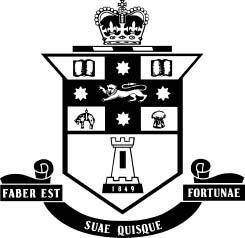
The school's Latin motto is Faber est suae quisque fortunae, translated as "Each person is the maker of his own fortune", a phrase attributed to the ancient Roman Appius Claudius Caecus.

Fort Street High School has a sister school, Suginami Sogo High School, in Tokyo, Japan.[1]

In 2010, The Age reported that, historically, Fort Street High School ranked equal fourth among Australian schools, based on the number of alumni who had been honoured as a Companion of the Order of Australia (AC).[5][note a]

History

[edit]

Fort Street Model School

[edit]

The history of public education in Australia began when the governor of New South Wales, Charles FitzRoy, established a Board of National Education on 8 January 1848 to implement a national system of education throughout the Colony of New South Wales. The board decided to create two model schools, one for boys and one for girls. The site of Fort Street Model School was chosen as the old Military Hospital at Fort Phillip, on Observatory Hill.[6] This school was not only intended to educate boys and girls, but also to serve as a model for other schools in the colony. The school's name is derived from the name of a street that ran into the grounds of the hospital and became part of the playground during its reconstruction. The street name is perpetuated in the small street in Petersham that leads to the present school.[6]

Fort Street Model School in 1872

The school was officially established on 1 September 1849, when the conversion of the building was approved by the government.[6] This original school building is visible today beside the southern approaches to the Sydney Harbour Bridge. The establishment of Fort Street Model School marked the establishment of a non-denominational system of school, where the government undertook the education of its people, separate from religion. The influence of the Fort Street Model School was substantial, forming the basis for education throughout the colonies:

At the same time at the Fort Street National School in Sydney William Wilkins was teaching pupil-teachers how to lead the children of New South Wales out of darkness into the light. He was holding out to them that bright prospect of the day when every locality however remote and every family however humble was supplied with the ameliorating influences of an education, which would teach every man, woman and child in the colony to form the habits of regularity, cleanliness, orderly behaviour, and regard for the rights of both public and private property, as well as the habit of obedience to the law, and respect for duly constituted authority. In Melbourne, Adelaide and Hobart his counterparts were preaching the same gospel of humanity marching forward, reaching upward for the light. – Manning Clark, A History of Australia, Vol. 4, The Earth Abideth Forever 1851–1888

In 1881, the school was raised to the status of Superior Public School.[7]

A cigarette card from c. 1920 showing the crest and colours of Fort Street Boys' High School

Formation of Fort Street Public, Boys' High, and Girls' High Schools

[edit]

In 1911, the school was split into one primary and two secondary schools: Fort Street Public School, Fort Street Boys' High School and Fort Street Girls' High School. Due to space limitations at Observatory Hill, in 1916, the boys' school was moved to the school's present site, on Taverner's Hill, Petersham. The girls' school remained at Observatory Hill until 1974/75, when the two schools were amalgamated to form the current co-educational school at Petersham. During that time, its grounds continued to be consumed by the growing city; for example, the Sydney Harbour Bridge, which opened in 1932, took most of the playground. Fort Street Public School remains at Observatory Hill.[6]

For many years from 1912 George Mackaness was the English master and deputy headmaster at Fort Street Boys' High School. He published Inspirational Teaching (1928) on his teaching techniques.[8]

21st century

[edit]

The school celebrated its sesquicentenary in 1999.[6]

By the 21st century, its student population is a diverse one; students come from over 100 suburbs in Sydney, from places as far as Hornsby, the Blue Mountains, Cabramatta, Fairfield, and Canterbury, and a range of cultural backgrounds. Students past and present are referred to as "Fortians".[9]

Ronald Horan was for many years a master at the school. As well as writing foreign language textbooks, he was the author of a history of the school, Fort Street, the School which was later followed by Maroon and Silver.[citation needed]

On 5 August 2022, a stonemason working at the school died in an accident. The worker had been restoring the facade of the 170-year-old public school when he was crushed by a sandstone concrete slab weighing several tonnes.[10]

Campus

[edit]

Fort Street High School is located on a single campus adjacent to Parramatta Road in Petersham, a suburb in the inner-west of Sydney. The school occupies almost the entire street block, and is surrounded by Parramatta Road, Palace Street and Andreas Street with access from Fort Street.[11][12]

The Petersham campus centres on the Romanesque Revival main building (formerly known to most staff and students simply as "the old block") now named the Wilkins Building[13] after William Wilkins, who played an instrumental role in the formation of the education system in New South Wales in the latter half of the nineteenth century. The other buildings include the Kilgour building, the Memorial Hall and the newest additions, the Cohen and Rowe buildings, which were completed in 2004.[citation needed]

School facilities include a library, a gymnasium, an oval, futsal courts, basketball courts, volleyball courts, cricket practice nets, a canteen, a STEM makerspace and a performing arts block.[citation needed]

After years of campaigning for insulation, the school received funding for noise reduction technology, as it is located beneath an air corridor. Work on in the school was scheduled to start in mid-2010 and began in the Memorial Hall at the request of the school principal, Roslynne Moxham, to provide a quiet environment for exams being held in the hall including the Higher School Certificate. It was completed in January 2012, with the completion of insulation in the Wilkins and Kilgour blocks.[14]

The school's original Observatory Hill campus is now used by the National Trust of Australia.[citation needed]

Extra-curricular activities

[edit]

Sport

[edit]

Fort Street High also offers sports as part of its formal and co-curricular programs. Year 7 to 10 students experience sports through the Physical Education program, and Years 8 to 11 have the option to participate in zone and knockout sports. Year 12 students are not required to undertake sport but may partake if requested. Students who are not involved in competition undertake in Year 8 skill-based sport, and in Years 9 to 11 recreational sports. Sports offered include Ultimate Frisbee, hockey, rugby union, aerobics, basketball, ice skating, netball, K-pop dancing, pilates, soccer, water polo, cricket, tennis, baseball, volleyball, recreational gym, Oz-tag, rock climbing and touch football.[15]

Instrumental Music Program (IMP)

[edit]

The Instrumental Music Program[16] is the largest co-curricular program in the school involving over 300 students. In 2002, it won the Director-General's School Achievement Award for providing opportunities for students to enrich and expand their expertise as musicians and performers.[17] The large ensembles include the Wind Ensemble, Wind Orchestra, Concert Band, Training Band, Symphony Orchestra, Philharmonic Orchestra and Vocal Ensemble. In addition, the extension ensembles include the Jazz Orchestra, Big Band, Jazz Ensemble, Percussion Ensembles, and Chamber Choir.

Charity Committees

[edit]

Each year group has a charity committee, focusing on different issues and charities throughout the year. They often hold highly successful fundraising stalls, such as cake stalls, student hairspray salons, live entertainment, raffles and gold-coin donation drives. In 2015, the Year 8 Charity Committee (class of 2019) established a team to participate in the annual Seven Bridges Walk, raising over $21,100. They have since established this as an annual tradition, where over $88,351 has been raised by the Year 8 Charity Committees from 2015 to 2019 inclusive. [18][19][20][21][22][23] It is also a tradition for the Year 12 Charity Committee to run the World's Greatest Shave, an annual fundraiser run by the Leukaemia Foundation which raises awareness and funds for blood cancer research and treatment. [24][25]

Robotics Club (FSHS Robotics)

[edit]

FSHS Robotics[26][27] is a student-run robotics club with the aim of providing students passionate in STEM with a holistic experience of engineering from conception to production in preparation for the RoboCup Junior Australia (RCJA) competition.[28]

Maker Society

[edit]

The Fort Street High School Maker Society[29] is a co-curricular group where students can complete a variety of STEM activities. Students choose one or more STEM-related activities such as the Aeronautical Velocity,[30] STEM Video Game[31] or Formula 1 in Schools[32] challenges and work on the activity during Maker Society sessions, all under the supervision and guidance of the TAS (Technology and Applied studies) teachers. It provides a social hub to inspire students to start their own projects, as well as a makerspace which contains facilities such as a laser cutter, multiple 3D printers, a CNC machine and various electronic test equipment.[citation needed]

Student Representative Council (SRC)

[edit]

The student body is represented by the Student Representative Council (SRC). The SRC also run, in collaboration with the P&C, the biennial Fort Street Festival (Fort Fest), which allows students to open a stall at the school on the day, usually a Sunday at the beginning of June. [citation needed] It features a Talent Quest (previously the Battle of the Bands), a program where individuals and groups compete to win prizes. There are stalls from various student groups, including the Environment Committee, the Student Anti-Racism Network, and Amnesty International. In 2010, other stalls included Nova 96.9, NSW Police and the NSW Fire Department.[33] Fort Fest was paused during Covid times, however, resumed in 2024, celebrating the 175th anniversary of the school.[34]

Environment Committee

[edit]

The Environment Committee is a student body that was formed in late 2007 by Paul Pagani, a teacher at the school. The committee currently has over 40 members ranging from Years 7 to 12, and is led by a president. The Environment Committee works in partnership with other schools in the local area, such as Petersham Public School and Newtown High School of the Performing Arts. In a nod towards the school's heritage, the Committee worked closely with the Observatory Hill Environmental Educational Centre, including the planning of EcoTour 2010. The committee's past and present projects include running a Recycling Program run with the assistance of Visy, installing two water tanks (each having a 2000L capacity),[35] installing 6 1.5 kW Solar Panels, regenerating plants with indigenous natives along Andreas Street, controlling a worm farm and running the annual Earth Hour. The Environmental Committee introduced the Composting program in 2022, run on a fortnightly roster with student volunteers.[citation needed]

STIVE

[edit]

For more than 20 years, Fort Street High School has supported a student led and mentored, voluntary Christian program called STIVE (students alive).[36]

Other

[edit]

Other extracurricular activities include debating (the Year 7 and 8 team was the state champion in 2010[37]), public speaking, mock trial (Fort Street was the 2009 New South Wales Champions), mooting (Fort Street was the winning team of the 2021 University of Western Sydney Kirby Cup[38]), Tournament of Minds, Duke of Edinburgh's Award Scheme,[39] theatresports, photography, and dance.

School traditions

[edit]
School assemblies and special events are held at the Memorial Hall

Fort Street utilises a house system. The school is organised into five official houses, to which each student is assigned. The houses are named after prominent alumni of the school, each representing different areas of endeavour: Joshi, named after Nalini Joshi, the first female professor in the School of Mathematics and Statistics at the University of Sydney; Kirby, named after Michael Kirby, former Justice of the High Court of Australia; Mawson, named after Douglas Mawson, Antarctic explorer; Preston, named after artist Margaret Preston; and Sheikh, named after Simon Sheikh, Australian activist and CEO of superannuation fund Future Super. Houses compete in sporting and academic endeavours for the Kennedy Cup, named after athlete Clarice Kennedy.[40]

Since 1899, the school has published the Fortian magazine, the school's annual review and yearbook. The name later came to refer to all students of the schools past and present.[41] An extensive alumni network is maintained through the school's alumni association, the Fortians' Union, formed by the amalgamation of the Old Boys' Union and the Fort Street Old Girls' Union. In addition to maintaining the alumni network, the Union also assists the school and promotes its traditions. It holds an annual dinner each October, with some student reunions held concurrently with this event.[42] The Fortians' Union publishes Faber Est, a monthly newsletter.

An annual Speech Day is held near the beginning of each year at which student achievements are recognised and awards are presented. An address is given by a prominent Fortian, principal and valedictorian of the previous year's graduating class. In the past, Speech Day events have been held at various venues, including the school's Memorial Hall and the Sydney Opera House.[41] In recent years, the ceremony has been held at Sydney Town Hall.

Throughout its history, the various Fort Street schools have had a number of school songs.[43] At present, at assemblies, the simply-named School Song which is Come Let the Strains resound that Echo Fort Street's Glory and Gaudeamus igitur are sung at the beginning of assemblies, with Fort Street's Name Rings Around the World sung as the recessional, at its conclusion.

FLOP (Fortians' Last Outstanding Performance), an annual student revue performed by outgoing Year 12 students, has been performed for many years, beginning in 1976.[44] It usually involves humorous sketches, often parodying school life and teachers, and, in the digital era, the primary medium has been video. These are usually filmed in and out of class time after students' HSC Trial exams, taking place in early Term 3. These are shown during the graduation assembly - also known as FLOP. Musical pieces, both serious and funny, were once often performed. In its more recent years, various restrictions were imposed on FLOP, including a ban on the use of cars in videos, and a requirement for videos to not include swearing and nudity (a FLOP 2002 video involved a full-length nudity scene). In 2010, FLOP was officially 'cancelled', however, in line with Fort Street students' long history of being a prominent source of progressive activism in Australia,[45] the decision was fiercely contested by student-led protest groups and FLOP continued in its rebellious nature, including during 2021,[46] when due to COVID-19, students were absent from school for most of their final term – when the filming takes place.[47]

Alumni

[edit]

Fort Street alumni, as well as current attendees, are traditionally called "Fortians". Prominent former students include Australia's first Prime Minister, Edmund Barton, a Governor-General of Australia, and five justices of the High Court of Australia (including Michael Kirby), the highest number among government schools in Australia and the second highest among all schools in Australia. Fortians have also served as the President of the United Nations General Assembly (Herbert Evatt) and the President of the International Court of Justice (Percy Spender) (in each case, the only Australians to date to hold such positions), justices of the Supreme Court of New South Wales, Federal Court of Australia and other state and federal courts, Premiers of New South Wales, and Chancellors of the University of Sydney, the University of New South Wales and other universities. Among its graduates are also well known celebrities. In 2010, The Age reported that Fort Street High School ranked equal fourth among Australian schools based on the number of alumni who had received a top Order of Australia honour.[5]

See also

[edit]

References

[edit]

Further reading

[edit]
[edit]
Revisions and contributorsEdit on WikipediaRead on Wikipedia
from Grokipedia
Fort Street High School is a fully selective, co-educational public in Petersham, Sydney, New South Wales, . Established on 1 September 1849 as the Fort Street Model School by the Government, it holds the distinction of being the oldest government high school in . The school originated in a renovated built in 1815 at Observatory Hill, serving initially as a model for public education under the National Schools system. In 1911, it divided into separate boys' and girls' high schools, with the boys' school relocating to Petersham in 1916 and the institutions reuniting as a co-educational entity in 1975 at the current Taverners Hill campus. This heritage underscores its role in shaping early Australian education, with preserved archives including over 170 years of student publications, artifacts, and memorabilia that document its contributions to national development. Renowned for academic rigor, the school enrolls approximately 920 students from diverse suburbs, with a significant multicultural cohort speaking up to 40 languages. In the 2024 Higher School Certificate examinations, 22% of its cohort achieved an above 98, and 49% exceeded 95, reflecting its consistent high performance among selective schools. It has produced numerous distinguished across politics, law, science, and other fields, as cataloged in official records.

History

Origins and Early Development (1849–1900)

In 1849, the established the Fort Street Model School—also known as the Fort Street National School—in the repurposed on Observatory Hill in , a structure originally built in 1815 under Governor . This initiative, overseen by the newly formed Board of National Education in 1848, aimed to demonstrate effective public schooling practices amid the colony's sparse educational infrastructure, where prior efforts had relied heavily on denominational institutions funded by religious groups. The school's dual mandate focused on teacher training through the adjoining Fort Street Training School, which prepared instructors for New South Wales public schools, while simultaneously delivering primary and to co-educational classes of boys and girls from diverse socioeconomic backgrounds, including children of former convicts. By prioritizing instruction, it marked an early shift toward secular public education in the , countering the sectarian divisions that had limited access in earlier systems and enabling broader empirical demonstration of standardized curricula and . Enrollment reflected growing demand, with the institution serving as a benchmark for colonial schools; modifications occurred as early as 1850 to accommodate operations. Through the late nineteenth century, the school expanded its secondary offerings, evolving into a Superior Public School by to better support advanced instruction, while maintaining high enrollment relative to the colony's total—such as 1,322 pupils in 1870 out of 20,916 across all public schools. This period underscored its role in fostering , as early cohorts of talented students progressed to professions contributing to colonial administration and economy, validating the model's efficacy in resource-constrained settings through sustained teacher output and pupil advancement.

Separation into Boys' and Girls' High Schools (1900–1980)

In 1911, Fort Street was restructured into three distinct institutions: Fort Street Public School for , Fort Street Boys' High School, and Fort Street Girls' High School, reflecting the government's push to formalize amid rising demand for specialized instruction. This separation emphasized academic , with entry based on competitive examinations that prioritized intellectual aptitude over socioeconomic background, fostering environments tailored to gender-specific developmental needs while maintaining rigorous standards in core subjects like , languages, and sciences. Both high schools upheld a tradition of selective admissions, drawing top performers from primary schools across and contributing to the colony's pipeline through preparation for exams introduced in the late 19th and early 20th centuries. The Boys' High School relocated to a new campus at Taverners Hill in Petersham in , accommodating expanded facilities for growing cohorts while the Girls' High School continued operations at the original Observatory Hill site until later decades. This move supported operational adaptations to surging enrollments, driven by and increased access to ; by the early , public school numbers had multiplied, with selective high schools like Fort Street exemplifying merit-based progression that correlated with higher rates of professional attainment. Curricular milestones included systematic preparation, evidenced by student successes in proficiency scholarships for subjects such as and English , which underscored the schools' role in equipping graduates for tertiary study and public roles. During , alumni from both schools enlisted in significant numbers, with honour rolls commemorating those who served; the Boys' High School later dedicated a Memorial Hall in 1925 to honor fallen Fortians, symbolizing communal sacrifice and resilience. saw further contributions, including 103 community members lost, as recorded on the Second World War Honour Roll, with students and staff supporting war efforts through , training programs, and direct enlistment that linked the schools' disciplined ethos to national defense needs. Post-war expansions addressed enrollment pressures and modernized infrastructure, incorporating updated laboratories and classrooms to sustain academic excellence amid demographic shifts; by the 1949 centenary, the institutions had produced generations of graduates entering , , and sciences, with notable alumni achieving senior positions in and scientific research, attributable to the selective intake's emphasis on foundational skills and intellectual discipline.

Merger and Contemporary Evolution (1980–Present)

In 1975, Fort Street Boys' High School and Fort Street Girls' High School amalgamated to form the co-educational Fort Street High School, operating from the existing Petersham campus originally established for the boys' school in 1916. This merger aligned with broader Department of Education reforms in the 1970s promoting co-education in public secondary schools, transitioning from single-sex selective institutions to integrated models while preserving academic selectivity. The amalgamation consolidated resources at the Taverner's Hill site, enabling shared facilities and a unified administrative structure amid declining enrollments in separate schools and fiscal pressures on state education budgets. Throughout the late 20th and early 21st centuries, Fort Street High School maintained its status as a fully selective public high school under NSW policies, admitting students via competitive academic testing with a cap of 150 places per cohort. Enrollment has remained stable, with approximately 150 students per year in Years 7–10 and 160–170 in senior years, reflecting consistent demand despite periodic bureaucratic adjustments to selective entry criteria, including efforts to increase access for disadvantaged or regional applicants. The school has demonstrated resilience to funding constraints typical of public selective institutions, prioritizing core academic programs over expansive expansions, though it has navigated challenges from statewide policy shifts, such as 2022–2025 initiatives reallocating up to 20% of selective places for low-SES students—measures that have had limited uptake at Fort Street, where disadvantaged enrollment remains below 5%. Facility modernizations have been incremental, focusing on maintenance of heritage structures like the assembly hall while integrating basic upgrades for STEM laboratories and digital infrastructure to support a balanced emphasizing both sciences and . Academic performance has sustained high rankings, with the school placing 23rd statewide in the 2023 Higher School Certificate results based on the percentage of Distinguished Achiever exams. This outcome underscores ongoing integration of rigorous STEM offerings—such as advanced studies—with traditional , amid NSW's evolving selective framework that prioritizes merit-based entry but introduces equity quotas potentially diluting competitive pools without proportionally boosting underrepresented groups at elite schools like Fort Street. Recent policy debates, including gender balance mandates effective from 2026, highlight bureaucratic tensions, as the school's cohort is currently 24% female, prompting adjustments that test institutional adaptability without compromising selectivity.

Admissions and Selectivity

Entry Requirements and Process

Entry to Fort Street High School occurs primarily at through the merit-based Selective High School Placement Test, a statewide examination administered by the Department of to identify students with high academic potential. The test comprises four components: a reading test evaluating comprehension of texts, a mathematical reasoning test assessing problem-solving in , a thinking skills test measuring verbal and non-verbal reasoning, and a writing task gauging expressive and persuasive abilities. These elements are designed to prioritize innate cognitive over rote preparation, though resources are widely available and may influence outcomes despite standardization efforts. Applications for the test open in of Year 5, with the examination held in March of Year 6; results determine placement offers issued in June, based solely on scaled composite scores without socioeconomic quotas or provisions that could dilute merit selection. The school admits approximately 150 students annually into , drawing from top statewide performers to maintain its capacity limit. Historical minimum entry scores have ranged from 211 to 216 out of a possible 300, corresponding to the upper percentiles of test-takers and reflecting the competitive threshold for admission. For borderline cases or placement appeals, the process may involve review by the department, but standard entry relies on test rankings without routine interviews or additional assessments. Eligibility requires Australian citizenship, , or citizenship, with documentation verified upon acceptance. Subsequent-year entries (Years 8–11) follow a separate application via the department, often including school-specific tasks like essays, but these are secondary to the primary Year 7 intake mechanism.

Student Demographics and Competitiveness

Fort Street High School maintains an enrollment of approximately 930 students across Years 7 to 12, with enrollment capped at 150 students per year group in Years 7-10 and 160-170 in Years 11-12. The student body is predominantly sourced from the metropolitan area, representing over 100 suburbs, reflecting a broad geographic draw within the urban region. Linguistically, the school exhibits significant diversity, with 73% of students from language backgrounds other than English, though this composition aligns with patterns in selective schools where test preparation often correlates with family investment in education. Socio-educational metrics reveal an overrepresentation of students from higher-achieving family backgrounds, as indicated by the school's Index of Community Socio-Educational Advantage (ICSEA) value of 1184—well above the national median of 1000—derived from parental occupation, , and indigenous status data. This advantage persists despite the school's public funding and merit-based entry, with minimal intake from disadvantaged groups; for placements in 2025, under-represented students comprised 0-4% of offers at Fort Street, consistent with statewide trends where high cognitive demands favor prepared applicants. Longitudinal data on professions show diverse origins, including and professional fields, underscoring that selectivity amplifies outcomes without inherent exclusion beyond academic thresholds. Admission competitiveness underscores the school's elite status, with Year 7 entry determined by a standardized placement test encompassing English, , and thinking skills components, yielding only 150 spots amid statewide where approximately 18,500 students sit the for around 4,200 total selective placements. For premier schools like Fort Street, effective acceptance rates fall below 10%, as evidenced by minimum entry scores around 216 out of 300 in recent cycles and sustained demand exceeding capacity by factors of 10 or more per place. This rigorous filtering—open to all via public application—cultivates peer effects that empirically boost academic performance, as high-ability cohorts enable advanced instruction and motivation, countering critiques of inaccessibility given the absence of fees or .

Academic Programs and Performance

Curriculum Structure and Offerings

Fort Street High School's curriculum is structured in alignment with the New South Wales Education Standards Authority (NESA) syllabus, emphasizing compulsory core subjects in the junior years that build foundational knowledge in key disciplines, transitioning to greater student choice in electives during middle and senior years to foster depth in areas of aptitude and interest. The program prioritizes content mastery through differentiated instruction, particularly for academically capable students, with opportunities for subject acceleration to enable advanced progression without diluting core competencies. This framework supports rigorous preparation for the Higher School Certificate (HSC), with a broad array of offerings designed for university pathways. In Years 7 and 8, the curriculum consists entirely of compulsory subjects mandated by NESA, including English (8 periods per fortnight in Year 7), Mathematics (7 periods), Science, semesterized History and Geography, Personal Development, Health and Physical Education (PDHPE), Technology (mandatory), Drama, Music, Visual Arts, and Languages. Languages introduce students to Chinese, French, German, and Japanese (one semester each in Year 7, followed by 100 hours of a chosen language in Year 8 at 6 periods per fortnight), promoting early exposure to linguistic structures and cultural contexts. Additional components like Fortitude (Year 7) and Fortunae (wellbeing lessons) integrate personal development without supplanting academic focus. Years 9 and 10 maintain mandatory core subjects—English (8 periods), (7 periods), , , , and PDHPE—while introducing three electives (6 periods each) selected from options such as , continuations in Chinese, French, German, or Japanese; ; ; Elective or ; Electronics; Engineering; Food Technology; Graphics Technology; Music; Photographic and Digital Media; or Visual Arts. This stage allows customization to align with individual strengths, such as advanced technical skills or humanities depth, while ensuring balanced exposure to NESA Stage 5 requirements. For Years 11 and 12, students undertake the HSC with English (Advanced or Extension, 2 units minimum) as the sole mandatory subject, supplemented by 5-6 elective units chosen from a comprehensive list including Ancient History, Biology, Chemistry, Drama, Economics, French Continuers, Geography, Legal Studies, Mathematics (various levels), Physics, and Visual Arts, alongside extension courses in areas like English Extension 2, History Extension, Mathematics Extension 2, Music Extension, and Science Extension. Acceleration is available in select subjects such as Biology, Business Studies, Chemistry, French, Music, and Mathematics, enabling high-ability students to advance coursework and pursue enriched challenges commensurate with their capabilities. The gifted education approach incorporates teacher training from the University of New South Wales (initiated in 2016 and ongoing) to deliver tailored differentiation, emphasizing critical thinking, self-reliance, and mastery over rote progression. Languages unavailable on-site can be accessed via the NSW School of Languages or Saturday School of Languages for continuity.

Standardized Testing and HSC Outcomes

In 2023, 180 students from Fort Street High School sat for the Higher School Certificate (HSC) examinations, with the school achieving a statewide of 23rd based on overall performance metrics reported by . The attained an of 99.85, while 121 students earned Distinguished Achiever status with marks of 90 or above in one or more subjects, including notable results in English Advanced, Mathematics Extension 1, and Legal Studies. The 2024 HSC cohort comprised 150 students, of whom 33 (22%) secured an ATAR above 98 and 49% achieved an ATAR exceeding 95. Band 6 results (top performance band) were recorded across key subjects such as Advanced, Mathematics Extension 2, English Advanced, Chemistry, and Physics, with the school securing 13 state-level top achiever placements overall. Subject-specific excellence included high rankings in Legal Studies and Mathematics Extension courses, where multiple students placed in the top percentiles statewide. Historical trends demonstrate statistical consistency in the school's HSC outcomes, with statewide rankings remaining within the top 30 for over a decade, including 24th in 2022 (179 students examined). This stability reflects sustained high proportions of Distinguished Achievers, averaging around 30-40% of exams sat achieving band 5 or 6 results in recent years, particularly in STEM and subjects like and legal studies.

Long-Term Academic Metrics and Comparisons

Over the past decade, Fort Street High School has maintained strong HSC outcomes, with approximately 84% of course results in the top two bands (Band 5 or 6) in 2023, consistent with prior years including 83.5% in 2022. The school's state-wide ranking hovered around 23rd to 24th in recent years, reflecting steady performance among ' top public selective institutions. In 2024, 49% of the cohort achieved an above 95, and 22% exceeded 98, underscoring the concentration of high-achieving students enabled by selective entry. When compared to non-selective comprehensive schools, Fort Street and other fully selective high schools exhibit markedly superior metrics, with median ATARs typically surpassing 90—far above the state median of 71.55 in 2024. This disparity arises principally from the merit-based admission process, which identifies and admits students in the top percentiles of academic aptitude, rather than from disparities in per-student funding or facilities, as selective public schools operate within the same state system as comprehensives. Empirical patterns show selective schools dominating the upper echelons of HSC results, validating the causal role of talent aggregation in driving outcomes and demonstrating efficient public investment returns through elevated per-capita achievements. Long-term indicators further affirm this meritocratic efficacy. Nearly 95% of graduates proceed directly to , with 65% securing ATARs in the 90s, positioning them for admission to Australia's elite Group of Eight institutions such as the and UNSW, where competitive programs demand scores above 90. Historical analyses, including a 2010 study reported in , ranked Fort Street equal fourth nationally among Australian schools based on alumni attainment of high scholarly distinctions, indicating sustained downstream impacts from rigorous selection and academic focus. These metrics rebut critiques of selectivity by emphasizing superior individual outcomes and societal value from nurturing high-ability cohorts, without reliance on that dilutes performance concentrations.

Campus and Facilities

Historical Site and Architectural Features

Fort Street High School's current campus in , occupies a prominent urban site on Parramatta Road at Taverners Hill, to which Fort Street Boys' High School relocated in 1916 from the original Observatory Hill location. This relocation established the foundation for the school's enduring physical presence in Sydney's , with the site expanding over subsequent decades to accommodate growing enrollments while retaining elements from the pre-merger Boys' and Girls' High School periods. Fort Street Girls' High School joined the Petersham campus in 1975, consolidating operations on this location until the present day. The campus features several heritage structures integral to its historical identity, including the Wilkins Building, a preserved edifice adapted for administrative and archival use, encompassing the Old Principal's Office. This building contributes to the site's architectural character, reflecting early 20th-century educational design influences adapted from colonial precedents. Additional period buildings, such as the Memorial Hall, serve as assembly spaces and embody the school's commemorative traditions from the interwar and mid-century eras. The Fort Street Museum, housed within the heritage Wilkins Building, maintains an archive of artifacts spanning the Boys' and Girls' High School tenures, including student uniforms, badges, photographs, honor boards, trophies, and historical publications like The Fortian. These collections preserve tangible links to past curricula and student life, such as early and visual materials documenting and setups from the selective high school phases. The Petersham site's proximity to central underscores its role in fostering community-embedded , with the preserved structures enabling ongoing historical engagement without modern infrastructural overlays.

Modern Infrastructure and Upgrades

Since the early 2000s, Fort Street High School has undertaken targeted infrastructure enhancements to support academic and extracurricular functions, primarily funded through Department of Education capital works programs supplemented by parent contributions via the school's Parents and Citizens Association (P&C). Notable upgrades include the modernization of and laboratories by contractors focusing on practical enhancements for and technical instruction. The school was renovated to create multi-use workspaces for individual study and , incorporating digital resources such as eBooks via Wheelers platform and extended homework support sessions. integration has emphasized expanded device access and policies for mobile learning, building on earlier technology plans to facilitate subject delivery across STEM disciplines. A significant heritage restoration project commenced in 2022, involving structural upgrades to buildings like the Wilkins Building, aimed at preserving functionality while addressing maintenance backlogs; however, the works were marred by a fatal on August 5, 2022, which killed stonemason Alistair Bidmead under several tonnes of and stone. Investigations by SafeWork NSW followed, but the project proceeded to completion by October without reported long-term interruptions to school operations, enabling continued use of restored spaces. Current facilities emphasize utilitarian improvements, including an installed in early 2023 for (P&C-funded at $30,000), resurfacing of the indoor gymnasium, and repaving of the Fountain Quad courtyard for safer access. infrastructure received upgrades such as new sound systems ($30,000 P&C contribution) and lighting for drama rehearsal rooms to enhance production capabilities. Sustainability efforts include a 2023 with native edible plants and over 200 trees planted site-wide, supporting through hands-on functionality rather than symbolic initiatives. These enhancements, despite occasional funding constraints from state budgets, prioritize direct educational utility over expansive new builds.

Student Life and Extracurricular Activities

Sports and Physical Education

Fort Street High School offers a range of competitive inter-school sports through the Northern Suburbs Sports Zone, including basketball, cricket, touch football, ultimate frisbee, and volleyball for summer grade competitions. Students in Years 8 to 11 participate in zone carnivals and knockout events, with pathways to NSW Combined High Schools (CHS) representative teams. Additional offerings encompass badminton, European handball, fencing, netball, Oztag, soccer, swimming, and tennis, fostering skills in discipline and teamwork that align with the school's academic priorities. Participation remains high, with all students engaged in integrated and programs led by qualified instructors, extending to broader co-curricular options like and . This involvement, affecting a majority of students across year levels, supports state-level achievements, such as the ultimate A team's third-place finish out of 20 teams in the Australian Youth Ultimate Championships and contributions to NSW representative squads. The program has yielded notable successes, including the Open Girls team's three consecutive wins at the 2023 Australian Schools Championship. These outcomes reflect a commitment to competitive excellence over diluted inclusivity, balancing rigorous training with academic demands in a selective environment where sports serve as a complement to scholarly pursuits rather than a primary focus. Internal house rivalries enhance motivation during grade sports, promoting collective effort without overshadowing inter-school representation.

Arts, Music, and Performing Programs

Fort Street High School's Instrumental Music Program encompasses 14 ensembles, comprising orchestras, wind bands, jazz ensembles, percussion ensembles, and choirs, with weekly rehearsals leading to regular performances. These groups participate in annual concerts, including the IMP Winter Concert held on 27 June in the school hall and the IMP Summer Concert in December, as well as themed events such as Concert for Life on 25 September featuring the Vocal Ensemble, Chamber Choir, and Community Choir. Drama initiatives include student-led productions showcased at M.A.D Night, an event combining , , and performances, and the annual Senior Performing Arts Night. These align with HSC preparations, where students present works during showcases postponed or rescheduled to accommodate external events, such as the 2023 HSC and Showcase. Visual arts programs feature exhibitions of student works, highlighted at M.A.D Night and the Visual Arts Exhibition during Senior Performing Arts Night on 25 November. Selected pieces qualify for ARTEXPRESS, the state-wide display of top-ranking Higher School Certificate visual arts submissions, demonstrating program outcomes in competitive assessment. The broader creative and performing arts offerings, including subject-based art clubs with sessions in various mediums held weekly in designated spaces, emphasize skill development without specified quotas, integrating with core to foster personal growth.

Academic and Technical Clubs

Fort Street High School maintains several student-led clubs emphasizing intellectual and technical pursuits, including , maker activities, and debating, which extend classroom learning through practical application and competitive problem-solving. These groups attract participants based on demonstrated interest and aptitude, promoting skills in , , and logical argumentation independent of formal grading structures. The FSHS Robotics club, established in 2007, engages students in mechanical, software, and by designing and constructing robots for competitions and skill-building exercises. Operating as a student-run initiative, it emphasizes hands-on experimentation with technologies such as sensors and programming frameworks to solve real-world challenges. Teams participate in inter-school events, fostering processes grounded in empirical testing and . Complementing robotics efforts, the & Makers Society provides a dedicated makerspace for technology-driven projects, where students prototype devices and explore interdisciplinary STEM applications. Activities include collaborative builds using tools like 3D printers and microcontrollers, encouraging self-directed innovation and peer instruction over prescribed curricula. This club integrates with robotics teams for competition preparation, such as intra-school challenges, to cultivate proficiency in fabrication and systems integration. The debating and public speaking program trains participants in structured argumentation, drawing on coaches experienced in international tournaments to teach evidence-based reasoning and rebuttal techniques. Students compete in the Premier's Debating Challenge, with Fort Street teams securing victories in preliminary rounds as recently as 2024 and maintaining competitive presence in 2022 events. Historical successes include the Year 7 and 8 team claiming state championship status in 2010, highlighting the program's emphasis on analytical depth and rhetorical precision.

Leadership and Community Service Initiatives

The Student Representative Council (SRC) serves as the primary student governance body at Fort Street High School, comprising 50 elected members from Years 7 to 12 who represent student interests in school decision-making processes. Elected annually at the end of Term 3, with Year 11 students selecting the executive positions of President, Vice President, Secretary, and Treasurer, the SRC convenes weekly meetings with the principal, leads school assemblies and roll call groups, and participates in broader committees such as the School Council and Parents and Citizens Association. Members commit to a formal pledge during a Term 4 induction ceremony, emphasizing responsibilities toward student well-being, rights, and fostering positive relationships within the school community. In addition to representational duties, the SRC organizes practical initiatives that promote personal responsibility and direct school improvements, such as collaborating with the Environment Committee on waste reduction efforts and hosting fundraising events including the annual Rose Drive and Dance. These activities enable student-led input on internal matters like and event planning, with representatives also attending district and state forums to advocate for localized educational enhancements. The council's focus on verifiable outcomes, such as organizing inter-school stationery drives in support of targeted aid organizations like Hoa Mai School, underscores a commitment to tangible, community-oriented impacts rather than abstract . The Environment Committee, a student-led group meeting weekly on Thursdays during lunch, directs efforts to minimize the school's through cooperative projects driven by members' leadership and environmental interest. Formed in alignment with state-mandated environmental plans, it prioritizes actionable measures like waste audits and implementations within the , integrating with SRC initiatives for broader efficacy. This hands-on approach fosters self-directed among participants, yielding direct reductions in school-generated waste. Community service at the school emphasizes volunteer-driven programs that build individual skills and address immediate needs, including the Student 2 Student Reading Program where senior volunteers tutor younger peers via regular phone sessions to enhance . , operated Thursdays before classes, provides meals to students in need, promoting nutritional support through peer organization. Participation in scheme requires students aged 14 and older to complete components alongside skill-building and expeditions, with mentors guiding participants toward Bronze-level achievements. Events like the annual World's Greatest Shave, coordinated by student charity groups, raise funds for organizations such as the Foundation through head-shaving pledges, demonstrating measurable personal commitment to health-related causes. These initiatives highlight localized, evidence-based contributions that reinforce and direct causal benefits over generalized .

Traditions and School Culture

House System and Competitions

The house system at Fort Street High School was introduced in 1945 separately to the boys' and girls' high schools, primarily to enhance participation in sporting activities and foster competitive spirit among students. In the boys' school, the sports master advocated for the system, dividing students into houses such as Mearns, which immediately raised standards in athletics and other events. The girls' school similarly adopted houses to promote organization and rivalry, with early discussions noting long-standing interest among senior students. Following the merger of the boys' and girls' schools on the current Petersham site in 1975, the persisted and expanded to encompass both sporting and academic competitions, maintaining its role in dividing the student body into smaller, competing units led by house captains and vice-captains. Houses accrued points through inter-house carnivals and merit-based achievements, such as profile points for extracurricular involvement, thereby encouraging broad participation and merit-driven rewards without diminishing the original competitive ethos. In its contemporary form, the school operates five houses—Barton, , Kirby, Mawson, and Preston—named after notable alumni or figures exemplifying academic, creative, and exploratory excellence, which compete annually for the Kennedy Cup. The cup, honoring former student and athlete Clarice Kennedy who set multiple Australian records in events from 75 yards to two miles, is awarded to the house with the highest cumulative points from sports events, academic merits, and other competitions, culminating in privileges like a picnic day for winners. This framework sustains historical continuity by linking individual and group efforts to school-wide motivation and cohesion.

Ceremonies, Symbols, and Values

The school's , Faber est suae quisque fortunae ("Each person is the maker of their own destiny"), derived from classical Roman origins, emphasizes individual agency and as foundational principles. This , adopted since the school's establishment in , is incorporated into the school crest, which features heraldic elements symbolizing its enduring heritage and has been in use circa that founding year. The crest, along with and silver as the official colors, appears on uniforms and official insignia, reinforcing a sense of continuity and pride in empirical achievement over imposed collectivism. Annual ceremonies include Speech Day, a longstanding where academic accomplishments are recognized, often held at prestigious venues such as , with historical programs dating back to at least 1939. ANZAC commemorations foster values of remembrance and civic duty, with school activities highlighting the sacrifices of past students in . These events, rooted in the school's public education origins, prioritize factual historical reflection rather than abstracted narratives. Core values center on academic excellence, personal responsibility, and resilience, as codified in the Fortian Code: "Be your best, Be respectful, Be responsible." These align causally with the motto's focus on self-made fortune, evidenced by the school's selective emphasis on critical thinking and ethical problem-solving, rather than equity-driven dilutions. The Ron Horan Museum preserves these elements through archives of documents, images, and artifacts, including exhibitions on historical traditions, ensuring empirical continuity against institutional shifts in educational priorities.

Alumni and Broader Impact

Notable Graduates and Achievements

Fort Street High School alumni have demonstrated exceptional success in elite professions, with of overrepresentation in high-impact roles such as national leadership and positions, attributable to the institution's meritocratic selection and academic rigor rather than socioeconomic privilege. For instance, the school has produced Australia's inaugural and multiple justices, underscoring a pattern of advancement through intellectual discipline in a public selective framework. In politics and government, Sir Edmund Barton (class of circa 1858) served as Australia's first Prime Minister from 1901 to 1903, subsequently joining the High Court as one of its founding justices on September 5, 1903. Neville Wran (1942) led as New South Wales Premier from 1976 to 1986, overseeing economic reforms and infrastructure projects that boosted state growth. H.V. Evatt (1905–1911), after excelling at the school as captain and senior old boy, became a High Court justice in 1930, later serving as federal Opposition Leader (1951–1960) and President of the United Nations General Assembly (1948–1949). Sir Garfield Barwick (circa 1919) acted as Attorney-General (1958–1964) before appointment as Chief Justice of the High Court (1964–1981), authoring pivotal constitutional rulings. The judiciary reflects similar outcomes, with alumni including Sir Alan Taylor (1913–1915), a High Court justice from 1952 to 1969, and others like Sir Robert Ellicott (post-1940s), who served as Commonwealth Solicitor-General and federal Attorney-General. This concentration—encompassing at least five High Court justices from a single public school—highlights the causal link between Fort Street's competitive entry (based on statewide exams) and preparation for complex legal reasoning, contrasting with less selective institutions. In science, Gordon Ada (1940s), an Emeritus Professor of at the Australian National University, advanced research and was elected Fellow of the Australian Academy of Science in 1964. Maria Skyllas-Kazacos (1969) pioneered the vanadium redox flow battery at the , earning the in 1999 for contributions to sustainable energy storage. Nalini Joshi (1977), Professor of Mathematics at the , became the first female president of the Australian Mathematical Society (2008–2010) and received the for mathematical modeling in physics. Business leaders include (1958), founder of a major advertising agency sold in 1973 for significant profit, later honored with the Australian Marketing Institute's Hall of Fame induction. Gary Pemberton (1956) chaired from 1993 to 2000 and headed the Sydney 2000 Olympics organizing efforts. Kenneth Thomas (1926–1928) built TNT into Australia's second-largest transport company by 1972 through innovative logistics expansion. These trajectories evidence the school's emphasis on analytical skills enabling entrepreneurial scaling in competitive markets. Recent graduates continue this pattern, with many securing entry to top institutions like the and pursuing trajectories in , STEM, and ; for example, HSC distinguished achievers in subjects like and often advance to roles in quantitative fields, reflecting sustained selective rigor.

Contributions to Public Life and Professions

of Fort Street High School have demonstrated substantial influence in Australia's , particularly through leadership in and . Historical records indicate that graduates have occupied senior roles such as heads of Premier's Departments in and Victoria, Director-General of , and commissioners in areas including and . This output aligns with the school's origins as a model public institution established in to cultivate capable administrators for an expanding colonial , contributing to the of operations. In the judiciary, Fort Street alumni have been disproportionately represented at the highest levels, including multiple founding justices of the and subsequent Chief Justices, alongside judges in state Supreme Courts, Federal Court, and specialized tribunals. Their involvement has extended to policy reforms, such as advancements in commissions, health legislation like the National Health Act of 1953, and educational frameworks that shaped secondary schooling structures. These contributions reflect a pattern of empirical impact, where rigorous academic preparation translated into causal advancements in institutional efficiency and legal precedents, rather than mere representational diversity. Beyond direct roles, alumni networks amplify societal returns by providing structured and resources to current students, including volunteer engagement with academic departments and career guidance programs. The Fortians Union, established in 1894, facilitates this through initiatives like student mentoring schemes and annual events that connect professionals with the school, thereby sustaining a pipeline of high-caliber public contributors. In innovation sectors, graduates have driven economic value via breakthroughs in fields such as , environmental engineering, and battery technology, underpinning productivity gains without reliance on unsubstantiated equity narratives. Aggregate data from school archives document over 150 such distinguished outputs, underscoring a positive return on public investment in selective focused on merit-based excellence.

Criticisms and Debates

Pressures of Selective Education

Students at Fort Street High School experience significant academic pressures inherent to its selective entry model, where admission is based on competitive testing that selects high-achieving peers. This environment drives exceptional outcomes, such as in the 2024 Higher School Certificate (HSC) examinations, where 49% of the cohort achieved an () above 95, and 22% exceeded 98, contributing to the school's state ranking of 28th overall. However, anecdotal accounts from highlight trade-offs, including intense stress from onward, with one former student describing "unbelievable" pressure to perform and resultant social stunting that felt like being "robbed of a standard high school experience." Peer competition causally elevates performance by raising baseline expectations and effort, as evidenced in studies of incentives that boost individual output through rivalry, yet it correlates with elevated burnout risks in high-achieving adolescents. At Fort Street, this manifests in reports of declining and disengagement by upper years among some attendees, where constant comparison exacerbates anxiety and . The school's high HSC completion rates— with 150 students sitting exams in from an entering cohort implying minimal attrition—underscore the meritocratic benefits, as low dropout in selective NSW schools reflects sustained motivation amid pressure, though empirical data on internal burnout remains limited to self-reports rather than longitudinal tracking. To mitigate these pressures, Fort Street employs a multifaceted framework, including dedicated counselling services addressing learning barriers, peer relations, and emotional regulation, alongside programs, mentoring, and overnight camps. communications acknowledge exam-related stress as normative, promoting strategies like exercise to reduce levels, while student support officers collaborate on interventions. Proponents of selective view such competition as essential for fostering resilience and elite outcomes, arguing it prepares students for real-world demands without undue coddling. In contrast, critics advocate holistic reforms emphasizing balanced development to avert long-term costs, though evidence suggests selective grouping yields net academic gains despite these tensions.

Equity and Access Concerns

Critics of selective high schools in , including Fort Street High School, contend that entrance examinations confer advantages to students from higher socioeconomic backgrounds, who are more likely to access private coaching and preparatory resources, resulting in skewed enrollment demographics. Despite the public nature of these institutions and the absence of tuition fees, data indicate that students—defined by factors such as low parental , , or residency in lower-income areas—comprise a minority in selective cohorts, with only around 20% of places reserved under the NSW government's equity placement model for under-represented groups. This model prioritizes applicants from targeted demographics in initial allocations, yet analyses reveal ongoing under-enrollment of such students, exacerbating perceptions of inequitable access. Fort Street High School's admission process for relies exclusively on performance in a standardized academic merit test, with no socioeconomic quotas or mechanisms applied to dilute rankings, allowing for the concentration of high-ability students irrespective of background. While the school receives targeted funding for socioeconomic equity loading—approximately $21,537 per student in 2024 to address additional needs—this reflects a recognition of existing disparities rather than preventive measures at entry. Proponents of argue that such clustering enables tailored curricula and peer-driven advancement, yielding empirically superior academic outcomes; for instance, in 2024, 49% of Fort Street's cohort achieved an above 95, compared to the state median of around 70 and only 18% statewide exceeding 90. These disparities in results underscore the causal benefits of ability-matched environments, where high-performing peers foster competition and knowledge acceleration, outweighing critiques centered on input inequities. Left-leaning advocates for equity often advocate non-selective alternatives or expanded quotas to mitigate biases, positing that potential rather than test-honed should guide access, though such views overlook evidence that selective models identify and nurture innate talent more effectively than diluted groupings. In contrast, defenses, aligned with causal analyses of educational productivity, highlight that while socioeconomic gaps persist—potentially due to differential home environments and resource investment—purely test-based entry minimizes subjective interventions and maximizes system-wide gains, as selective schools like Fort Street consistently rank among NSW's top performers without relying on private fees or . Longitudinal studies present mixed findings on non-academic outcomes, with minimal long-term advantages in or employment beyond initial boosts, yet the NSW Department of maintains that selective clustering supports gifted 's core rationale of optimized learning trajectories.

References

Add your contribution
Related Hubs
User Avatar
No comments yet.