Hubbry Logo
R/K selection theoryR/K selection theoryMain
Open search
R/K selection theory
Community hub
R/K selection theory
logo
8 pages, 0 posts
0 subscribers
Be the first to start a discussion here.
R/K selection theory
from Wikipedia
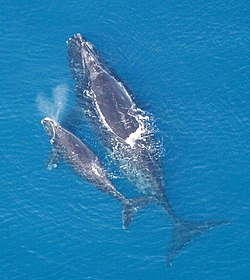
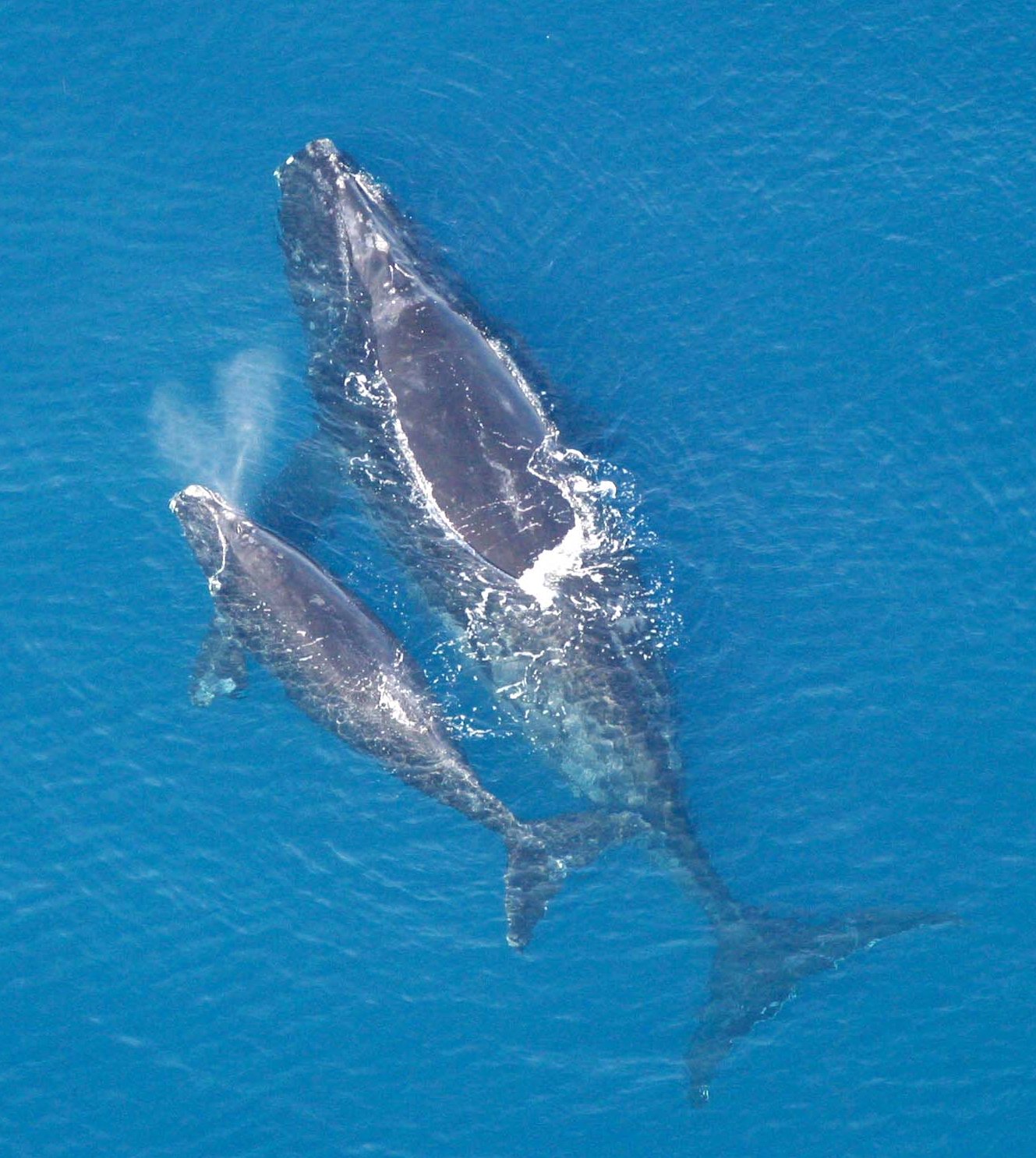
A North Atlantic right whale with solitary calf. Whale reproduction follows a K-selection strategy, with few offspring, long gestation, long parental care, and a long period until sexual maturity.

The r/K selection theory is an evolutionary hypothesis examining the selection of traits in an organism that trade off between quantity and quality of offspring. Species which produce more offspring at the expense of reduced individual parental investment are termed r-strategists, while those which make greater parental investment at the expense of a reduced quantity of offspring are termed K-strategists. The occurrence of the two varies widely, seemingly to promote success in particular environments.

The concepts of quantity or quality offspring are sometimes referred to in ecology as "cheap" or "expensive", a comment on the expendable nature of the offspring and parental commitment made.[1] The stability of the environment can predict if many expendable offspring are made or if fewer offspring of higher quality would lead to higher reproductive success. An unstable environment would encourage the parent to make many offspring, because the likelihood of all (or the majority) of them surviving to adulthood is slim. In contrast, more stable environments allow parents to confidently invest in one offspring because they are more likely to survive to adulthood.

The terminology of r/K-selection was coined by the ecologists Robert MacArthur and E. O. Wilson in 1967[2] based on their work on island biogeography;[3] although the concept of the evolution of life history strategies has a longer history[4] (see e.g. plant strategies).

The theory was popular in the 1970s and 1980s, when it was used as a heuristic device, but lost importance in the early 1990s, when it was criticized by several empirical studies.[5][6] A life history paradigm has replaced the r/K selection paradigm, but continues to incorporate its important themes as a subset of life history theory.[7] Some scientists now prefer to use the terms fast versus slow life history as a replacement for, respectively, r versus K reproductive strategy.[8]

Overview

[edit]
A litter of rats with their mother. The reproduction of rats follows an r-selection strategy, with many offspring, short gestation, less parental care, and a short time until sexual maturity. The same applies to mice.

In r/K selection theory, selective pressures are hypothesised to drive evolution in one of two generalized directions: r- or K-selection.[2] These terms, r and K, are drawn from standard ecological formula as illustrated in the simplified Verhulst model of population dynamics:[9]

where N is the population, r is the maximum growth rate, K is the carrying capacity of the local environment, and  dN / dt (the derivative of population size N with respect to time t) is the rate of change in population with time. Thus, the equation relates the growth rate of the population N to the current population size, incorporating the effect of the two constant parameters r and K. (Note that when the population size is greater than the carrying capacity then 1 - N/K is negative, which indicates a population decline or negative growth.) The choice of the letter K came from the German Kapazitätsgrenze (capacity limit), while r came from rate.

r-selection

[edit]

r-selected species are those that emphasize high growth rates, typically exploit less-crowded ecological niches, and produce many offspring, each of which has a relatively low probability of surviving to adulthood (i.e., high r, low K).[10] A typical r species is the dandelion (genus Taraxacum).

In unstable or unpredictable environments, r-selection predominates due to the ability to reproduce rapidly. There is little advantage in adaptations that permit successful competition with other organisms, because the environment is likely to change again. Among the traits that are thought to characterize r-selection are high fecundity, small body size, early maturity onset, short generation time, and the ability to disperse offspring widely.

Organisms whose life history is subject to r-selection are often referred to as r-strategists or r-selected. Groups of organisms known for exhibiting r-selected traits are bacteria, diatoms, insects, grasses, cephalopods, fowl, and rodents.

K-selection

[edit]
A bald eagle, an individual of a typical K-strategist species. K-strategists have longer life expectancies, produce fewer offspring, and when young tend to be altricial requiring extensive care by parents.

By contrast, K-selected species display traits associated with living at densities close to carrying capacity and typically are strong competitors in such crowded niches, that invest more heavily in fewer offspring, each of which has a relatively high probability of surviving to adulthood (i.e., low r, high K). In scientific literature, r-selected species are occasionally referred to as "opportunistic" whereas K-selected species are described as "equilibrium".[10]

In stable or predictable environments, K-selection predominates as the ability to compete successfully for limited resources is crucial and populations of K-selected organisms typically are very constant in number and close to the maximum that the environment can bear (unlike r-selected populations, where population sizes can change much more rapidly).

Traits that are thought to be characteristic of K-selection include large body size, long life expectancy, and the production of fewer offspring, which often require extensive parental care until they mature. Organisms whose life history is subject to K-selection are often referred to as K-strategists or K-selected.[11] Organisms with K-selected traits include large organisms such as elephants, sharks, humans, and whales, but also smaller long-lived organisms such as Arctic terns,[12] parrots, and eagles.

Continuous spectrum

[edit]

Although some organisms are identified as primarily r- or K-strategists, the majority of organisms do not follow this pattern. For instance, trees have traits such as longevity and strong competitiveness that characterise them as K-strategists. In reproduction, however, trees typically produce thousands of offspring and disperse them widely, traits characteristic of r-strategists.[13]

Similarly, reptiles such as sea turtles display both r- and K-traits: Although sea turtles are large organisms with long lifespans (provided they reach adulthood), they produce large numbers of unnurtured offspring.

The r/K dichotomy can be re-expressed as a continuous spectrum using the economic concept of discounted future returns, with r-selection corresponding to large discount rates and K-selection corresponding to small discount rates.[14]

Ecological succession

[edit]

In areas of major ecological disruption or sterilisation (such as after a major volcanic eruption, as at Krakatoa or Mount St. Helens), r- and K-strategists play distinct roles in the ecological succession that regenerates the ecosystem. Because of their higher reproductive rates and ecological opportunism, primary colonisers typically are r-strategists and they are followed by a succession of increasingly competitive flora and fauna. The ability of an environment to increase energetic content, through photosynthetic capture of solar energy, increases with the increase in complex biodiversity as r species proliferate to reach a peak possible with K strategies.[15]

Eventually a new equilibrium is approached (sometimes referred to as a climax community), with r-strategists gradually being replaced by K-strategists which are more competitive and better adapted to the emerging micro-environmental characteristics of the landscape. Traditionally, biodiversity was considered maximized at this stage, with introductions of new species resulting in the replacement and local extinction of endemic species.[16] However, the intermediate disturbance hypothesis posits that intermediate levels of disturbance in a landscape create patches at different levels of succession, promoting coexistence of colonizers and competitors at the regional scale.

Application

[edit]

While usually applied at the level of species, r/K selection theory is also useful in studying the evolution of ecological and life history differences between subspecies, for instance the African honey bee, A. m. scutellata, and the Italian bee, A. m. ligustica.[17] At the other end of the scale, it has also been used to study the evolutionary ecology of whole groups of organisms, such as bacteriophages.[18] Other researchers have proposed that the evolution of human inflammatory responses is related to r/K selection.[19]

Some researchers, such as Lee Ellis, J. Philippe Rushton, and Aurelio José Figueredo, have attempted to apply r/K selection theory to various human behaviors, including crime,[20] sexual promiscuity, fertility, IQ, and other traits related to life history theory.[21][22] Rushton developed "differential K theory" to attempt to explain variations in behavior across human races.[22][23] Differential K theory has been debunked as being devoid of empirical basis, and has also been described as a key example of scientific racism.[24][25][26]

Status

[edit]

Although r/K selection theory became widely used during the 1970s,[27][28][29][30] it also began to attract more critical attention.[31][32][33][34] In particular, a review in 1977 by the ecologist Stephen C. Stearns drew attention to gaps in the theory, and to ambiguities in the interpretation of empirical data for testing it.[35]

In 1981, a review of the r/K selection literature by Parry demonstrated that there was no agreement among researchers using the theory about the definition of r- and K-selection, which led him to question whether the assumption of a relation between reproductive expenditure and packaging of offspring was justified.[36] A 1982 study by Templeton and Johnson showed that in a population of Drosophila mercatorum under K-selection the population actually produced a higher frequency of traits typically associated with r-selection.[37] Several other studies contradicting the predictions of r/K selection theory were also published between 1977 and 1994.[38][39][40][41]

When Stearns reviewed the status of the theory again in 1992,[42] he noted that from 1977 to 1982 there was an average of 42 references to the theory per year in the BIOSIS literature search service, but from 1984 to 1989 the average dropped to 16 per year and continued to decline. He concluded that r/K theory was a once useful heuristic that no longer serves a purpose in life history theory.[43]

More recently, the panarchy theories of adaptive capacity and resilience promoted by C. S. Holling and Lance Gunderson have revived interest in the theory, and use it as a way of integrating social systems, economics, and ecology.[44]

Writing in 2002, Reznick and colleagues reviewed the controversy regarding r/K selection theory and concluded that:

The distinguishing feature of the r- and K-selection paradigm was the focus on density-dependent selection as the important agent of selection on organisms' life histories. This paradigm was challenged as it became clear that other factors, such as age-specific mortality, could provide a more mechanistic causative link between an environment and an optimal life history (Wilbur et al. 1974;[31] Stearns 1976,[45] 1977[35]). The r- and K-selection paradigm was replaced by new paradigm that focused on age-specific mortality (Stearns, 1976;[45] Charlesworth, 1980[46]). This new life-history paradigm has matured into one that uses age-structured models as a framework to incorporate many of the themes important to the rK paradigm.

— Reznick, Bryant, and Bashey, 2002[7]

Alternative approaches are now available both for studying life history evolution (e.g. Leslie matrix for an age-structured population) and for density-dependent selection (e.g. variable density lottery model[47]).

See also

[edit]

References

[edit]
Revisions and contributorsEdit on WikipediaRead on Wikipedia
from Grokipedia
r/K selection theory posits a spectrum of life-history strategies in evolutionary ecology, where organisms evolve to prioritize either rapid population growth through numerous offspring with minimal parental investment (r-selection) in unpredictable or low-density environments, or sustained fitness near the habitat's carrying capacity via fewer offspring, extended development, and high parental care (K-selection) in stable, competitive settings. The framework derives from the logistic growth equation, where r represents the intrinsic rate of increase and K the maximum sustainable population size, highlighting trade-offs between reproduction and survival under density-dependent pressures. Originating in Robert MacArthur and E.O. Wilson's 1967 analysis of island biogeography and formalized by Eric Pianka in 1970, the theory explains variations across taxa, such as opportunistic breeders like rodents exemplifying r-strategies versus long-lived species like elephants embodying K-strategies. While influential in the 1970s for linking environmental stability to demographic traits, r/K theory has faced scrutiny for oversimplifying continuous life-history gradients into a binary opposition, prompting shifts toward broader models incorporating genetic trade-offs and phenotypic plasticity. Empirical support persists in studies of wild populations, such as reciprocal transplant experiments in birds demonstrating density-dependent selection favoring high-r phenotypes at low densities and competitive K-traits near capacity. Extensions to human behavioral ecology, including proposals linking racial or cultural differences in mating patterns, impulsivity, and sociality to ancestral environmental pressures, remain contentious, with proponents citing cross-national data on fertility and aggression but critics highlighting methodological flaws and ethical concerns amid institutional resistance to hereditarian explanations. Despite such debates, the theory underscores causal mechanisms in adaptation, emphasizing how resource predictability shapes reproductive tactics over generations.

Core Concepts

Definition and Fundamental Trade-offs

r/K selection theory describes two idealized ends of a spectrum of life-history strategies evolved in response to varying population densities and environmental stability, as framed by the logistic model of population growth. In this model, populations grow exponentially at low densities via the intrinsic rate r but approach an equilibrium at carrying capacity K, where resources limit further increase. r-selection predominates in unstable or low-density conditions favoring rapid colonization and proliferation, while K-selection arises in stable, resource-limited settings near K emphasizing competitive persistence and efficiency. The fundamental trade-off underpinning these strategies centers on reproductive allocation: organisms face a constraint in total parental resources, necessitating a balance between offspring quantity (fecundity) and quality (per-offspring investment, including care and provisioning that boosts survival odds). r-strategists prioritize high offspring numbers with minimal individual investment to maximize r amid high mortality and ephemeral opportunities, yielding traits like small body size, early maturity, and semelparity (single large reproductive bout). Conversely, K-strategists allocate resources to fewer offspring for higher competitive viability and longevity near K, featuring delayed reproduction, iteroparity (repeated breeding), and extended parental care. This quantity-quality inverse relationship stems from finite energy budgets, where diverting effort to more offspring dilutes per-capita success, and vice versa, as empirically observed across taxa from microbes to vertebrates. These strategies reflect broader colonization-competition dynamics: r-types excel at exploiting vacant niches but falter under density-dependent pressures like predation or intraspecific rivalry, while K-types thrive in saturated habitats through superior resource acquisition and defense, albeit at the cost of slower recovery from perturbations. Empirical models confirm this via stochastic control, where r-selection boosts variance in fitness at low densities, and K-selection stabilizes it at high densities, underscoring the adaptive value of each under specific demographic regimes. No species embodies pure r- or K-extremes; real adaptations blend traits modulated by ecological context, with the theory serving as a heuristic for predicting life-history evolution rather than a rigid binary.

Characteristics of r-Selection

r-selected species exhibit life history traits that maximize population growth rate (r) in environments where densities are low and resources are abundant but unpredictable. These traits include high fecundity, with individuals producing a large number of offspring per reproductive event to compensate for high juvenile mortality rates. Offspring are typically small, precocial or altricial with minimal parental investment, allowing for rapid colonization of disturbed or ephemeral habitats. In species like fish, which typically exhibit r-selected traits such as high fecundity and minimal parental care, the strategy is driven by high juvenile mortality rates. Hypothetically, if all fish eggs survived, eliminating this high mortality, the selective pressure favoring numerous low-investment offspring would diminish. Instead, pressures would shift toward K-selected traits, including fewer offspring, greater parental investment, larger size at maturity, and improved competitive abilities in dense, resource-limited environments, as the compensatory advantage of r-strategies disappears over evolutionary time. Additional characteristics encompass short generation times and early age at first reproduction, enabling quick adaptation to fluctuating conditions. r-selected organisms often display Type III survivorship curves, where mortality is highest early in life, and they prioritize reproductive effort over somatic maintenance, leading to shorter lifespans. These strategies are evident in species like insects and small rodents, which thrive in unstable ecosystems by exploiting temporary resource booms.

Characteristics of K-Selection

K-selected species exhibit life history traits suited to stable, predictable environments where population densities approach the carrying capacity of the habitat, emphasizing competitive interactions and resource efficiency over rapid population growth. These traits include a low reproductive rate, with individuals producing few offspring per reproductive event, often at intervals that allow for significant recovery and preparation. Populations of K-strategists tend to remain close to equilibrium levels, with mortality primarily driven by density-dependent factors such as intraspecific competition rather than environmental stochasticity. Key adaptations involve extended parental investment, manifesting in prolonged gestation periods—sometimes lasting several months to years—followed by slow maturation and extended care that enhances offspring survival rates. K-strategists often achieve larger body sizes, longer lifespans exceeding decades in many cases, and delayed maturity, which postpones reproduction until individuals can compete effectively. These species typically demonstrate greater energy efficiency, enhanced protection mechanisms, and specialized traits for resource exploitation in crowded conditions, such as superior competitive abilities or behavioral adaptations for territory defense. In ecological terms, the strategy aligns with logistic population growth models where net reproductive success (r) is modulated by proximity to K, favoring individuals that maximize fitness through quality offspring rather than sheer numbers. This contrasts with opportunistic colonization, as K-selection promotes traits like low dispersal rates and specialist diets that reinforce persistence in saturated niches. Empirical observations in vertebrates, such as birds of prey with clutch sizes of 1-3 eggs and multi-year fledging dependencies, exemplify these patterns.

Continuum of Strategies

r/K selection theory describes reproductive strategies as occupying positions along a continuum, rather than fitting strictly into r- or K-selected categories, allowing for intermediate adaptations shaped by environmental pressures such as population density, resource predictability, and disturbance frequency. This spectrum reflects trade-offs in life-history traits, where organisms allocate resources between producing numerous offspring with minimal investment (favoring r-like traits) and fewer offspring with substantial parental care and competitive abilities (favoring K-like traits), with the optimal position determined by the balance of extrinsic mortality risks and intraspecific competition. Species placement on the r-K continuum correlates with habitat stability: in unpredictable or low-density environments, selection favors higher reproductive rates and earlier maturity (r-end), while stable, density-dependent conditions promote delayed reproduction, larger body sizes, and longevity (K-end), though few taxa embody pure extremes due to overlapping selective forces. For instance, many avian species exhibit intermediate strategies, producing moderate clutch sizes with biparental care, enabling flexibility in variable temperate habitats where seasonal resources fluctuate. Empirical studies of wildflowers demonstrate this gradation, with annuals in disturbed sites showing r-like rapid cycling and perennials in competitive grasslands displaying K-like investment in vegetative persistence and seed dormancy. The continuum accommodates phenotypic plasticity and evolutionary shifts; populations may adjust traits across generations in response to changing conditions, as observed in microbial communities where opportunistic bacteria (r-like) dominate post-disturbance, yielding to competitive specialists (K-like) as densities approach carrying capacity. Quantitative models, such as those integrating fecundity-survivorship trade-offs, further quantify positions via metrics like the intrinsic rate of increase (r) relative to carrying capacity (K), underscoring that real-world strategies rarely align perfectly with theoretical poles but instead optimize fitness along the gradient. This framework has been refined to account for multidimensional axes beyond simple r-K, yet the core continuum persists as a foundational descriptor of life-history evolution.

Historical Development

Origins in Population Ecology

The logistic model of population growth, formulated by Belgian mathematician Pierre François Verhulst in 1838, provided the mathematical foundation for distinguishing reproductive strategies based on density-dependent regulation. This model is expressed as where N is population size, r is the intrinsic per capita growth rate maximized under low density and minimal competition, and K is the carrying capacity representing the resource-limited equilibrium density. In uncrowded conditions (far below K), selection pressures favor traits enhancing r, such as rapid maturation and high fecundity, to exploit transient opportunities. Conversely, near K, intensified intraspecific competition shifts selection toward efficient resource use, parental investment, and competitive persistence, stabilizing populations at equilibrium. Theoretical advancements linking these parameters to evolutionary outcomes emerged in the early 1960s. Robert H. MacArthur's 1962 analysis in Proceedings of the National Academy of Sciences generalized theorems of natural selection, demonstrating that in variable environments, genotypes maximizing r—through higher reproductive rates—predominate during population expansions from low densities, while those optimizing fitness near equilibrium (K) emphasize survival and density-dependent efficiencies. MacArthur's work highlighted how environmental stochasticity and density fluctuations drive divergent selection on life-history traits, laying groundwork for interpreting ecological strategies through growth parameters. The explicit r/K framework crystallized in 1967 with MacArthur and Edward O. Wilson's The Theory of Island Biogeography, where they coined the terms "r-selection" and "K-selection" to describe opposing forces in community assembly on islands. Applied to biogeographic dynamics, r-selection characterizes pioneer species invading empty habitats at low densities, prioritizing rapid proliferation to preempt competitors, whereas K-selection defines mature community dominants adapted to saturated, resource-constrained conditions. This formulation integrated population-level parameters with evolutionary ecology, predicting that life-history trade-offs align with regime-specific selection: opportunistic exploitation under r-dominance versus conservative efficiency under K-dominance. Subsequent refinements, such as Eric R. Pianka's 1970 elaboration in The American Naturalist, cataloged empirical trait correlates, solidifying the theory's role in predicting adaptive responses to density regimes in population ecology.

Key Formulations and Influential Works

The logistic equation, dNdt=rN(1NK)\frac{dN}{dt} = rN\left(1 - \frac{N}{K}\right), forms the mathematical foundation of r/K selection theory, where NN represents population size, rr the intrinsic per capita growth rate at low density, and KK the environmental carrying capacity. This model, originally derived by Pierre-François Verhulst in 1838 to describe density-dependent population regulation, implies divergent selective pressures: r-selection predominates when populations are well below KK, favoring traits that maximize rr through rapid reproduction and colonization; K-selection dominates near KK, favoring traits that enhance survival and competitive resource partitioning under resource limitation. Robert MacArthur and E.O. Wilson coined the terms "r-selection" and "K-selection" in their 1967 monograph The Theory of Island Biogeography, applying the framework to explain species traits in island colonization dynamics, where transient, low-density invaders exhibit r-like strategies (e.g., high fecundity, small body size) and equilibrium incumbents show K-like traits (e.g., longevity, parental care). The work built on earlier density-dependence ideas but formalized the dichotomy as a predictive tool for life-history evolution, influencing subsequent ecological modeling despite later refinements to account for non-logistic density effects. Eric Pianka's 1970 paper "On r- and K-Selection" in The American Naturalist provided a seminal elaboration, listing correlated traits such as early maturity and semelparity for r-strategists versus delayed reproduction and iteroparity for K-strategists, and emphasizing environmental instability as a driver of r-selection. Pianka's synthesis, drawing directly from MacArthur and Wilson's formulation, popularized the theory across taxa, including contrasts between insects (often r-selected) and vertebrates (often K-selected), and spurred empirical tests in diverse systems like microbial communities and plants. Subsequent influential contributions include T.R.E. Southwood's 1976 analysis of "bionomic strategies" in insects, linking habitat persistence to K-like traits via beta-selection (density-independent survival), and David Reznick et al.'s 2002 revisit in Ecology, which critiqued but affirmed the theory's role in galvanizing comparative life-history studies by highlighting population regulation's causal influence on trait evolution. These works extended the original logistic-based predictions, incorporating trade-offs like fecundity versus offspring quality, while underscoring the theory's heuristic value despite empirical challenges from trait covariances.

Empirical Evidence

Observations in Non-Human Populations

In ecological studies, r/K selection patterns manifest through density-dependent trade-offs in reproductive traits across non-human taxa, where low-density or disturbed environments favor rapid population growth via high fecundity and minimal parental investment (r-selection), while stable, resource-limited conditions near carrying capacity promote competitive survival via fewer, higher-quality offspring (K-selection). These observations align with foundational population models, such as the logistic equation, predicting shifts in selective pressures as populations approach equilibrium. Empirical evidence from avian populations supports this dichotomy; in collared flycatchers (Ficedula albicollis), studies have shown selection for high intrinsic growth rates (r) and short development times at low densities, contrasting with advantages in competitive ability and delayed maturation at high densities, consistent with ongoing r- and K-selection. Similarly, in small mammals like rodents, litters can exceed 10-12 offspring per female with gestation periods under 30 days and minimal post-natal care, enabling explosive population irruptions in ephemeral habitats but high juvenile mortality rates exceeding 90% in uncrowded phases. In contrast, large vertebrates exhibit K-selected traits adapted to chronic competition; North Atlantic right whales (Eubalaena glacialis) produce single calves after 12-16 month gestations, with calves nursing for up to 12 months and reaching sexual maturity only after 8-10 years, yielding low annual fecundity (approximately 0.2-0.33) but enhanced offspring survival through extended maternal investment. Elephants (Loxodonta spp.) mirror this, with inter-calf intervals of 4-5 years, 22-month gestations, and multi-year allomaternal care in herds, sustaining populations near habitat limits where adult survival exceeds 95% annually but perturbations like poaching amplify density-independent risks. Microorganisms, such as bacteria in chemostat cultures, demonstrate analogous shifts: unchecked r-like exponential phases with doubling times under 20 minutes give way to K-like stationary states dominated by efficient resource competitors as densities approach nutrient-imposed limits. These patterns hold across taxa but vary continuously; for example, semelparous salmon (Oncorhynchus spp.) invest heavily in a single reproductive bout (thousands of eggs but post-spawning death), blending r-fecundity with K-like somatic maintenance trade-offs, underscoring context-dependent expressions rather than discrete categories. Field manipulations, such as disturbance experiments in microbial communities, further confirm that intensified r-selection under frequent perturbations increases trait variability and invasion success, while K-selection stabilizes diversity in undisturbed assemblages.

Specific Examples from Wildlife and Microorganisms

Rodents such as rats (Rattus spp.) and mice (Mus spp.) illustrate r-selection in wildlife through high fecundity and short generation times; female Norway rats can produce 4-7 litters annually, each containing 6-12 offspring, with weaning occurring after about three weeks and minimal extended parental care. Insects like fruit flies (Drosophila melanogaster) exemplify this strategy with generation times as short as 10 days under favorable conditions, females laying up to 500 eggs, and larvae maturing rapidly without parental investment. Salmon (Oncorhynchus spp.) broadcast thousands of eggs in gravel nests, with adults often dying post-spawning, prioritizing quantity over individual survival or care. In microorganisms, bacteria predominantly follow r-selection, maximizing growth rates (r) in resource-rich, low-density environments; for example, Escherichia coli can double its population every 20-30 minutes in nutrient-abundant media, relying on rapid binary fission rather than competitive adaptations. Opportunistic pathogens like Vibrio spp. thrive as r-strategists in fluctuating aquatic environments, proliferating quickly during nutrient pulses but declining under competition. K-selection manifests in large mammals like elephants (Loxodonta spp. and Elephas spp.), which have 22-month gestations, produce one calf per birth (every 4-5 years), and provide years of maternal protection and social rearing to enhance offspring survival near carrying capacity (K). Whales, such as the North Atlantic right whale (Eubalaena glacialis), follow suit with single calves born after 12-16 month gestations, nursing for up to a year while mothers defend and teach foraging behaviors in stable, density-limited oceanic niches. Among birds, bald eagles (Haliaeetus leucocephalus) lay 1-3 eggs per clutch (typically one successful fledgling), with biparental care extending months, aligning with K-strategies in territorial, resource-constrained habitats. In microbial contexts, K-strategists include slow-growing oligotrophs like certain soil bacteria that compete efficiently at high densities via resource scavenging, contrasting r-types in saturated environments.

Applications

In Ecological Processes and Succession

In ecological succession, r/K selection theory frames the sequential replacement of species as a shift from r-dominated early stages, where disturbances create low-density, resource-rich conditions favoring rapid colonization and reproduction, to K-dominated late stages near carrying capacity, where intensified competition selects for efficient resource exploitation and persistence. Early successional species, often exhibiting high intrinsic growth rates (r), small size, short generation times, and extensive dispersal mechanisms, rapidly exploit transient opportunities, as seen in pioneer plants like annual herbs in post-agricultural fields or bacteria with glycolytic metabolisms in nascent microbial mats. This aligns with density-independent growth phases modeled by the logistic equation, where populations expand exponentially until competitive pressures emerge. As succession progresses, declining disturbance rates and accumulating biomass elevate density-dependent factors, shifting selective pressures toward K-strategists with traits such as delayed reproduction, larger body sizes, parental investment, and defenses against competitors or herbivores. In secondary plant succession, for instance, initial r-selected annuals and grasses yield to perennial forbs and shrubs, eventually supplanted by trees in climax communities, reflecting a colonization-competition tradeoff where strong K-selection enhances competitive dominance under low disturbance. Empirical models parameterizing r-selection strength (e.g., via growth rate α) and K-selection strength (e.g., via competitive parameter β) predict unimodal diversity-disturbance relationships when both are prominent, peaking at intermediate disturbances that prevent K-monopoly while allowing r-colonizers. Microbial succession provides analogous evidence, with tree-hole bacterial communities transitioning from r-like fast-growing opportunists (e.g., Serratia spp. with high nutrient uptake genes) in early flooded stages to diverse K-like assemblages (e.g., Streptomyces and Paenibacillus with sporulation and amino acid synthesis for nutrient scarcity) as resources deplete and stability increases. These patterns underscore r/K theory's utility in explaining assembly rules, though outcomes vary with environmental filters like soil nutrient gradients or rainfall, which modulate the pace of transition from opportunistic exploitation to competitive equilibrium.

Extensions to Human Life Histories and Societal Patterns

In human life history theory, r/K selection concepts have been extended to explain intra- and inter-population variation in reproductive timing, offspring quantity, parental investment, and associated behavioral traits, framing "fast" strategies—characterized by early sexual maturation, higher fertility rates, multiple mating partners, and reduced paternal care—as analogous to r-selection under unpredictable or resource-scarce conditions, while "slow" strategies—featuring delayed reproduction, fewer offspring, stable pair-bonding, and extensive investment—align with K-selection in stable environments. Early formulations drew directly from r/K frameworks to model these trade-offs, positing that extrinsic mortality risks and environmental harshness cue shifts toward faster strategies to maximize reproductive output before death, supported by cross-cultural data showing inverse correlations between childhood socioeconomic stability and adult impulsivity or teen pregnancy rates. Empirical evidence from twin studies and longitudinal cohorts, such as the Dunedin Study, indicates heritable components to these strategies, with faster life histories predicting lower educational attainment and higher criminality, though environmental calibration (e.g., via pathogen exposure or family disruption) explains up to 20-30% of variance in speed metrics like age at first birth. Extensions to societal patterns apply r/K logic to aggregate outcomes, such as fertility differentials across socioeconomic strata or nations, where high-welfare systems in developed economies—by subsidizing reproduction costs—may sustain r-like patterns in lower-income groups, evidenced by persistent gaps in total fertility rates (e.g., 2.5+ children per woman in U.S. low-SES households versus 1.6 in high-SES as of 2020 data), contrasting with K-like declines in East Asia (1.1-1.3 births per woman in Japan and South Korea by 2023). J. Philippe Rushton proposed a "differential K theory" linking racial group differences to evolutionary pressures, with East Asians exhibiting the slowest strategies (e.g., longest gestation at 39.9 weeks, lowest twinning rates at 4 per 1,000 births, highest IQ averages around 105), Europeans intermediate (39.7 weeks gestation, IQ ~100), and sub-Saharan Africans fastest (38.6 weeks, twinning 50 per 1,000, IQ ~70), corroborated by compilations of over 100 physiological and behavioral indicators from UN and WHO datasets, though these claims rely on averaged population metrics and face challenges in disentangling genetic from cultural confounders. Similarly, Richard Lynn extended r/K to criminality, finding higher psychopathy and impulsivity scores in groups with faster reproductive profiles, aligning with arrest rate disparities (e.g., U.S. homicide rates 7-8 times higher among African Americans versus whites in FBI 2022 statistics), attributing this to selection in high-mortality ancestral environments favoring quantity over quality in offspring. These applications predict societal shifts during demographic transitions, where declining infant mortality (from 200+ per 1,000 in pre-industrial Europe to under 5 by 2020 in OECD nations) enables K-like strategies, reducing average family sizes from 5-7 children historically to 1.5-2 today, with evidence from Bangladesh and Kerala showing rapid fertility drops post-sanitation improvements without coercive policies. Cultural analogs, such as collectivist versus individualist norms, mirror r/K continua, with high-trust, low-corruption societies (e.g., Denmark's 1.7 fertility, strong monogamy enforcement) fostering slower strategies via institutional investment in offspring quality, per indices like the World Values Survey correlating societal stability with delayed marriage ages (28+ years in Western Europe versus 20-22 in sub-Saharan Africa). However, critics note that human strategies form a fuzzy continuum rather than discrete r/K poles, with no single "fast" or "slow" syndrome capturing all variance, as evidenced by principal component analyses of life history traits explaining only 10-15% of individual differences.

Scientific Criticisms

Oversimplifications and Empirical Discrepancies

Critics have argued that r/K selection theory oversimplifies life-history evolution by presenting strategies as a binary dichotomy between rapid reproduction (r-selection) and competitive efficiency (K-selection), whereas empirical observations indicate a continuum of traits modulated by phenotypic plasticity, genetic correlations, and multifaceted selective pressures beyond population density.083[1509:RAKSRT]2.0.CO;2) This framework neglects the complexity of natural selection, treating density-dependent regulation as the primary driver while underemphasizing interactions with extrinsic mortality, resource availability, and environmental variability.083[1509:RAKSRT]2.0.CO;2) For instance, Stearns (1992) characterized the theory's appeal as stemming from its convenience and alignment with prevailing population dynamics ideas, but highlighted its limitations in capturing the full spectrum of trade-offs in growth, reproduction, and survival. Laboratory experiments have revealed empirical discrepancies, such as in selections on Drosophila melanogaster, where lines bred for high intrinsic growth rates (r) under low-density conditions exhibited superior performance at low densities but inferior competitive ability and lower fitness at high densities, contrary to expectations that r-selected traits would simply yield to K-strategies under density pressure.083[1509:RAKSRT]2.0.CO;2) Similarly, studies on pitcher-plant mosquitoes (Wyeomyia smithii) demonstrated variation in larval competitive ability linked to density but no corresponding divergence in life-history traits like development time or fecundity, undermining the theory's prediction of coupled shifts in reproductive and somatic investment.083[1509:RAKSRT]2.0.CO;2) These findings illustrate how the theory's assumptions about uniform selection gradients fail to account for context-dependent outcomes, including stochastic internal variation and non-linear density effects. By the early 1990s, r/K selection had been largely supplanted by demographic optimization models, such as those employing the Euler-Lotka equation, which prioritize age-specific mortality schedules over density regimes to explain trait evolution, as these better align with observed patterns across taxa.083[1509:RAKSRT]2.0.CO;2) Empirical work, including long-term studies on Trinidadian guppies (Poecilia reticulata), further exposed discrepancies by showing that predation-induced mortality—rather than density per se—drives shifts toward earlier maturity and higher fecundity, with density modulating but not solely determining outcomes.083[1509:RAKSRT]2.0.CO;2) Such evidence underscores the theory's heuristic value in stimulating research but its inadequacy as a standalone predictive tool, prompting integration into broader life-history frameworks that incorporate multiple causal factors.

Challenges from Density-Dependence and Trait Correlations

The r/K selection framework posits that density-dependent regulation, as modeled by the logistic equation dNdt=rN(1NK)\frac{dN}{dt} = rN\left(1 - \frac{N}{K}\right), drives the evolution of distinct life-history syndromes: rapid reproduction and growth at low densities (r-selection) versus efficient resource competition and parental investment near carrying capacity K (K-selection). However, this relies on assumptions about the form of density dependence that do not hold universally; for instance, overcompensatory density dependence (e.g., in Ricker models) can produce oscillatory dynamics and chaotic attractors, favoring cyclic trait expressions like pulsed reproduction rather than stable K-oriented equilibria. Undercompensatory forms, such as Beverton-Holt recruitment, may instead promote persistent low-level fluctuations without clear convergence to K, undermining predictions of uniform K-selection in crowded conditions. These variations imply that selective pressures from density are context-specific and nonlinear, often resulting in hybrid strategies rather than dichotomous outcomes. Empirical discrepancies arise because density-dependent effects interact with extrinsic factors like predation or environmental stochasticity, which can decouple r and K as proxies for selection regimes; for example, high-density populations may still experience r-like selection if mortality is predominantly density-independent. Stearns (1977) critiqued the framework for ambiguities in classifying mortality sources and interpreting data, noting that tests often conflate correlation with causation in density effects on traits. Regarding trait correlations, r/K theory assumes tight pleiotropic or developmental linkages forming coherent syndromes (e.g., high fecundity correlating with short lifespan and minimal parental care for r-strategists), yet genomic and phylogenetic studies reveal mosaic trait distributions across taxa, with body size, reproductive effort, and longevity evolving semi-independently due to modular genetic architectures. Genetic correlations, while constraining adaptation, do not consistently align with r/K axes; for instance, selection for increased r can inadvertently elevate K through correlated physiological efficiencies, contradicting expected trade-offs. This modularity supports a continuum of strategies in modern life-history theory, where pace-of-life gradients incorporate behavioral and physiological traits beyond simplistic density bins, rendering r/K's correlational assumptions empirically tenuous.

Controversies and Ideological Debates

Political Misapplications and Rejections

r/K selection theory has been misapplied in political contexts to frame ideological differences as evolved reproductive strategies, positing conservatives as embodying K-selected traits like monogamy, high parental investment, and future-oriented planning, while liberals align with r-selected traits such as high mating effort, novelty-seeking, and support for redistributive policies that allegedly reduce personal accountability. This interpretation appears in works like J. Philippe Rushton's extensions of r/K to human behavioral variation, where group differences in reproduction and socialization are linked to societal stability, implying policy implications for welfare and immigration. Such framings overlook that political orientations correlate more strongly with cultural transmission and economic incentives than fixed evolutionary archetypes, leading to deterministic errors like assuming r-selected environments inevitably produce liberal governance without accounting for historical reversals in fertility and ideology. Critics argue these political extensions constitute misapplications by conflating interspecies patterns with intraspecific human diversity, where traits like fertility rates—e.g., sub-Saharan Africa's total fertility rate of 4.6 in 2023 versus Europe's 1.5—do not causally dictate ideology but reflect density-dependent and resource factors modifiable by policy. In online political discourse, particularly among right-leaning groups, r/K has been invoked to critique multiculturalism, claiming K-selected societies collapse under r-selected immigration pressures, a view unsubstantiated by longitudinal data showing assimilation effects over generations. Rejections of r/K's political applications often stem from ideological concerns over biological explanations for behavioral disparities, with mainstream academia dismissing human extensions as pseudoscientific due to associations with hereditarian hypotheses on race and crime. For instance, Rushton's r/K model ranking East Asians highest in K-traits (e.g., lower twinning rates of 1.2 per 1,000 vs. 12 for Blacks), Whites intermediate, and Blacks lowest faced vehement opposition, including calls for censorship, reflecting broader institutional resistance to findings challenging environmental determinism. Richard Lynn's 2018 revisit linking r/K to criminality differences—e.g., higher psychopathy scores in r-selected groups—was critiqued not primarily on data grounds but for implying innate policy-resistant behaviors, amid systemic biases in social sciences favoring nurture-over-nature narratives. Defenders contend that such rejections prioritize egalitarian ideology over empirical patterns, like consistent correlations between life-history speed and political extremism across 50+ nations in studies from 2010 onward, where faster r-traits predict left-authoritarianism as strongly as slower K-traits predict right-authoritarianism. This meta-awareness highlights how left-leaning dominance in peer review—e.g., over 90% of social psychologists self-identifying as liberal in 2012 surveys—amplifies scrutiny of politically inconvenient theories while underemphasizing their predictive utility in areas like fertility declines in high-K welfare states.

Racial and Behavioral Difference Hypotheses

J. Philippe Rushton proposed that differential r/K selection pressures across ancestral environments produced heritable differences in life history strategies among major human racial groups, with sub-Saharan Africans (Negroids) evolving toward r-selection due to unpredictable, low-density conditions favoring quantity over quality in reproduction; Europeans (Caucasoids) adopting intermediate strategies in temperate, seasonal climates; and East Asians (Mongoloids) shifting toward K-selection in stable, high-density Northeast Asian environments emphasizing quality, planning, and investment. This hypothesis posits a suite of correlated traits, including reproductive effort (e.g., gestation length, twinning rates, sexual promiscuity), parental investment (e.g., family stability, infant mortality care), cognitive capacity (e.g., brain size, IQ), and behavioral tendencies (e.g., impulsivity, aggression). Rushton argued these patterns align with macroevolutionary r/K gradients observed in other species, where r-strategists prioritize rapid reproduction in unstable habitats and K-strategists invest in fewer offspring under resource competition. Empirical support for the hypothesis draws from cross-cultural datasets on physiological and behavioral metrics. For instance, Negroid populations exhibit higher dizygotic twinning rates (approximately 4 per 1000 births versus 3 for Caucasoids and 2 for Mongoloids), earlier sexual maturation (by 6-12 months), and greater sexual partner counts (e.g., self-reported lifetime averages of 20+ for African samples versus 10-15 for European and Asian), traits aligned with r-selection's emphasis on mating effort over parenting. K-selected traits predominate among Mongoloids, including larger cranial capacities (averaging 1415 cm³ versus 1364 cm³ for Caucasoids and 1280 cm³ for Negroids, based on forensic and autopsy data), higher IQ scores (105 versus 100 and 85, respectively, from standardized tests across nations), and lower rates of single motherhood (under 5% versus 20-50% in Negroid groups). Behavioral differences extend to impulsivity and rule-following, with r-selected groups showing elevated psychopathy and criminality rates; Richard Lynn's analysis linked national crime indices to r/K metrics, finding stronger correlations with fast life history indicators like high fertility and low IQ (r = -0.65 for homicide rates and IQ). Proponents contend these patterns persist after controlling for socioeconomic status, as evidenced by adoption studies (e.g., Minnesota Transracial Adoption Study, where Black adoptees in White families scored IQs 89 versus 106 for White adoptees) and within-group variations tied to genetic ancestry rather than culture alone. Rushton's compilations from over 50 traits across global samples demonstrate a consistent three-way racial gradient, challenging purely environmental explanations given high within-race heritabilities (e.g., 0.5-0.8 for IQ from twin studies). However, mainstream academic critiques, often from ecologically oriented psychologists, argue that r/K oversimplifies human evolution—where density-dependence is weak and cultural factors dominate—and accuse Rushton of selective data aggregation, ignoring counterexamples like high-SES Black achievement gaps narrowing minimally (e.g., U.S. Black-White IQ differential stable at 15 points since 1970s testing). Such rejections frequently invoke ethical concerns over "racism," though Rushton's datasets derive from peer-reviewed anthropology and psychology literature, highlighting potential ideological filtering in source evaluation within left-leaning institutions. Extensions to behavioral hypotheses link r/K gradients to societal outcomes, such as higher impulsivity and lower future-orientation in r-selected groups correlating with elevated rates of violence (e.g., U.S. FBI data showing Black offenders at 50% of homicides despite 13% population share) and dependency on welfare systems favoring short-term reproduction. Life history theory, a broader framework encompassing r/K, supports these via fast-slow continua where early stress accelerates r-traits like risk-taking, with racial averages reflecting ancestral calibrations rather than transient environments. Despite empirical consistencies, the hypothesis remains marginalized, with recent revivals in evolutionary psychology emphasizing multivariate models over strict r/K dichotomies to address trait covariances.

Current Status

Integration with Life History Theory

r/K selection theory posits that evolutionary pressures from population density—low density favoring rapid reproduction (r-selection) and high density near carrying capacity favoring competitive efficiency and parental investment (K-selection)—shape suites of life history traits. This framework aligns with life history theory (LHT), which models organismal resource allocation trade-offs across growth, survival, and reproduction in response to ecological variables like mortality schedules and resource predictability. Within LHT, r- and K-strategies emerge as conditional optima: r-like traits (e.g., semelparity, small body size, short lifespan) predominate in disturbance-prone habitats with weak density-dependence, while K-like traits (e.g., iteroparity, delayed reproduction, larger offspring) prevail where stable resources enforce competition. Empirical integrations refine r/K as a heuristic within LHT's continuous "pace-of-life" spectrum, incorporating physiological, behavioral, and demographic covariation beyond binary categorization. For instance, studies on fish like guppies (Poecilia reticulata) show predation-driven shifts toward r-strategies (earlier maturity, more offspring) in high-mortality sites, mirroring density-independent selection, whereas nutrient-limited, low-predation sites foster K-strategies via enhanced juvenile survival investment—outcomes predicted by LHT's optimization of fitness under trade-offs. Similarly, in plants, r-selected annuals dominate early succession with high seed output, transitioning to K-selected perennials in mature communities under resource scarcity, validating density-regulation's role in trait evolution. These patterns hold across taxa, with meta-analyses confirming positive correlations between longevity, body size, and parental care intensity in stable environments. Contemporary LHT extends r/K by emphasizing extrinsic mortality over strict density-dependence, resolving discrepancies where unpredictable hazards select fast life histories irrespective of crowding; for example, avian clutch sizes covary with adult survival rates, not just habitat density. This synthesis revives r/K themes through quantitative models like the fast-slow continuum, where behavioral plasticity (e.g., risk-taking in r-strategists) integrates with reproductive tactics, supported by longitudinal data from mammals and insects showing heritable pace-of-life syndromes. Despite critiques of oversimplification, LHT's incorporation sustains r/K's predictive utility for understanding adaptive divergence, as evidenced by experimental evolution in microbes under fluctuating densities yielding intermediate strategies.

Recent Empirical Studies and Revivals

A 2016 experimental study on a wild bird population provided direct empirical evidence for ongoing r- and K-selection through a reciprocal density manipulation. Using long-term data from Hoge Veluwe National Park, researchers found that at low population densities, selection favored larger clutch sizes to maximize intrinsic growth rates (r), while at high densities near carrying capacity (K), smaller clutches were preferred due to intensified competition, with fitness models showing a significant negative effect of large clutches under crowded conditions (β = -0.0002, p < 0.05). This density-dependent shift in optimal reproductive traits stabilized population clutch sizes around 11-16 eggs, supporting the theory's prediction of trade-offs between rapid colonization and competitive persistence. Theoretical revivals have extended r/K frameworks to incorporate stochasticity and maternal strategies. A 2016 analysis using stochastic control theory and nonlinear population models unified r- and K-strategies as optimal solutions maximizing a characteristic fitness function under density effects, revealing that r-strategies prioritize intrinsic rates of increase in uncrowded conditions, while K-strategies evolve as evolutionarily stable equilibria emphasizing carrying capacity, though not always maximizing it unless interactions are uniform. Complementing this, a 2019 maternal risk-management model classified 87 animal species into divergent selection categories—such as predation-selected (high quantity, low quality offspring, e.g., fish with N > 10 survivors) and scarcity-selected (high quality, e.g., elephants with survival S > 0.1)—by linking finite breeder investment to replacement rates (w = 2), assuming independent quantity-quality trade-offs and finite capital per event. These extensions address limitations in classical r/K by integrating individual variability and risk, reviving its applicability beyond simplistic dichotomies. Such work has spurred reconsiderations of r/K's role in life-history evolution, particularly in ecology, where density regulation continues to predict trait selection despite broader integrations with multidimensional models. Empirical validations like the avian density experiments counter earlier critiques of lacking direct evidence, affirming causal links between environmental stability and reproductive tactics in natural settings.

References

Add your contribution
Related Hubs
User Avatar
No comments yet.