



Community hub
Recent from talks
Contribute something
Nothing was collected or created yet.
University of South Australia
View on Wikipedia
The University of South Australia is a public research university based in Adelaide, South Australia. Established in 1991, it is the successor of the former South Australian Institute of Technology. Its main campuses along North Terrace are adjacent to the Australian Space Agency in Lot Fourteen and forms part of the Adelaide BioMed City research precinct. It also has a presence in the Adelaide Technology Park in Mawson Lakes. In mid-2023, it agreed to merge with the neighbouring University of Adelaide to form Adelaide University.
Key Information


Its earliest antecedent institutions were both founded in the Jubilee Exhibition Building of the former Royal South Australian Society of Arts. The South Australian Institute of Technology was founded in 1889 as the School of Mines and Industries and the South Australian College of Advanced Education dates back to the School of Art in 1856. The institute later gained university status during the Dawkins Revolution following their merger in 1991. Its expansion over three decades, including to sites on the west end of North Terrace, and broadening fields of studies later contributed to its status as the state's largest university with 34,878 students in 2023.
The university comprises six campuses including the City East and City West campuses along North Terrace, a tech-oriented campus in Mawson Lakes, the Magill campus specialising in social sciences and two regional campuses in Mount Gambier and Whyalla. Its academic activities are currently divided between the seven academic units. In 2023, the university had a revenue of A$715.5 million. It is a member of the Australian Technology Network, an association of technology-focussed universities, but will join the Group of Eight following the merger.
Notable alumni of the university include the incumbent foreign affairs minister Penny Wong, the Human Rights Watch director Tirana Hassan, the founding editor-in-chief of Vogue China Angelica Cheung, former state premier Steven Marshall and retired politician Christopher Pyne. It also manages several museums and exhibitions in a range of fields, including the Samstag Museum and Adelaide Planetarium, and is a part of the state's space and defence industry.
History
[edit]The University of South Australia was formed in 1991 following by the merger between the South Australian Institute of Technology with three campuses belonging to the South Australian College of Advanced Education.[2]
Antecedent institutions
[edit]School of Art
[edit]
The South Australian School of Art, the earliest antecedent institution of the University of South Australia, was established in 1856 at the former Royal South Australian Society of Arts.[6][2] The independent art school, which went through many name changes, resided for most of its history at the Jubilee Exhibition Building which was later transferred to the University of Adelaide in 1929.[7][2][8] It remained on its campus until 1962 when the building was demolished to make way for several university buildings.[2][9][10] It is one of the oldest art schools in Australia, and the oldest public art school.[11] The SASA Gallery in the Kuarna Building, which showcases creative works by students and researchers, is the modern descendant of the school.[12][13]
As of 2025[update] the South Australian School of Art is incorporated into UniSA Creative, which includes the disciplines of architecture and planning; art and design; journalism, communication, and media; film, television, and visual effects; and the creative industries.[14]
South Australian Institute of Technology
[edit]The Jubilee Exhibition Building was also the birthplace of the South Australian Institute of Technology which was established in 1889 as the SA School of Mines and Industries.[9][15][16] It moved to the neighbouring Brookman Building in 1903, named after the Scottish-born businessman George Brookman who contributed £15,000 towards its construction.[17][18][19]
(GN03182).jpg)
The building, which took three years to complete, was opened by then-state governor Samuel Way.[19] It is located on the site formerly the eastern annexe of the Jubilee Exhibition Building on the corner of North Terrace and Frome Road between the University of Adelaide and the then-Royal Adelaide Hospital.[19] When opened, only the main hall was named after George Brookman, and a plaque commemorating his contribution is still located in the hall.[19] The Brookman Building in the nearby Grenfell Street, now the site of the Grenfell Centre, was his business headquarters.[19]
The institute maintained strong ties with the neighbouring University of Adelaide that included the co-ordination of teaching, laboratories and examinations across fields of engineering and sciences.[20][21][22] Despite the university later establishing its own faculty of engineering in 1937, the reciprocal relationship remained intertwined to its University Council and studies completed at the institute were recognised as equivalent studies eligible for credit towards university courses.[20][21][23][24] The institute later expanded to the regional city of Whyalla in 1962 and to the Adelaide suburb of Mawson Lakes in 1972 as The Levels.[15][2][23] In 1965, it was designated an advanced college which initiated an expansion in the variety of courses available.[12] The campuses on North Terrace, Mawson Lakes and Whyalla all remain a part of the University of South Australia.[2]

South Australian College of Advanced Education
[edit]The Adelaide Teachers College, which changed names and shifted locations multiple times throughout its existence, was established in 1876.[25][26] Despite not being located at the University of Adelaide campus until 1900, students from the institution attended university lectures since at least 1878.[25][26] In 1921, it renamed to the Adelaide Teachers College, in line with other interstate teachers colleges.[25][26] Despite offers from the university to take control of the college, which was heavily integrated into the university, the Education Department retained administrative authority throughout its early history.[25][26] The Hartley Building was built as its permanent home in 1927.[25][27][26]
The college eventually renamed to the Adelaide College of the Arts and Education.[25][22] It also established additional teachers colleges in other parts of the city including Magill.[25][28][2] Following a series of mergers,[2][29][28] the colleges expanded to become advanced colleges which all later amalgamated with the original mother college to become the South Australian College of Advanced Education in 1982.[25][30][31] The combined institution continued its presence alongside the University of Adelaide with which it maintained joint teaching, facilities and committees.[22][32][33][25] The campus merged with the latter university in 1991 with three of the remaining campuses merging with the SAIT to establish the University of South Australia.[34][7]

Merger and establishment
[edit]Stronger demand for advanced college places throughout the country resulted from a broadening appeal of higher education beyond the traditionally elite education provided by the universities.[35][36][37] Advanced colleges were originally designed to complement universities, forming a binary system modelled on that of the United Kingdom.[37][38][39][40][41] It was originally created by the Menzies government following World War II on the advice of a committee led by physicist Leslie H. Martin, during a period of high population growth and corresponding demand for secondary and tertiary education.[35][41][42][43] This sector ceased to exist when, between 1989 and 1992, the Hawke-Keating government implemented the sweeping reforms of Education Minister John Dawkins that dismantled the binary system.[37][41][44] The states, eager for increased education funding, merged the colleges either with existing universities or with each other to form new universities.[37][39][40][41][43][45] Following its expansion and increasing autonomy from the University of Adelaide, the South Australian Institute of Technology was given the option to merge with either TAFE South Australia or the South Australian College of Advanced Education.[7][20][21] It chose to merge with the latter advanced college resulting in the establishment of the University of South Australia, which continues to remain neighbours with the University of Adelaide.[7][45][46]
The University of South Australia became the state's third public university, a continuation of the former South Australian Institute of Technology that merged with most of the SACAE, and maintained their historical presence next to the University of Adelaide, in the suburbs of Mawson Lakes and Magill and in the regional city of Whyalla.[47][2][48] Its expansion over the next few decades, including to sites on the west end of North Terrace, and broadening fields of studies contributed to its status as the state's largest university by student population.[47][48][49] It also became the second-largest university nationally by number of online students, either in the state or from other parts of the country, and expanded to Mount Gambier in 2005.[44][50] In 2021, the university celebrated its 30th birthday.
Ongoing merger with the University of Adelaide
[edit]In June 2018, the University of South Australia and the University of Adelaide began discussions regarding the possibility of a merger. The proposition was dubbed a "super uni" by then South Australian premier, Steven Marshall, and Simon Birmingham,[51][52][53] but the merger was called off in October 2018 by the University of South Australia, which was less keen.[54][55] Vice-chancellor David Lloyd, in an email to University of South Australia staff, claimed that the amalgamation lacked a compelling case. This statement was contradicted by the University of Adelaide's chancellor who said that the merger continues to be in the state's best interests and a spokesperson for the university added that it was still open to future talks.[56][57][55] Following the release of several internal FOI documents retrieved by ABC News, it was later revealed that the merger talks failed due to disagreements on the post-merger institution's leadership structure.[55] The name Adelaide University of South Australia was agreed upon by both universities and Chris Schacht, who previously served on the University of Adelaide Council, alleged that the merger talks failed due to disagreement on which vice-chancellor would replace the other following their amalgamation.[55]

In early 2022, the topic of a merger was raised again by the new state government led by premier Peter Malinauskas, which proposed setting up an independent commission to investigate the possibility of a merger between the state's three public universities should they decline.[56][58] He had made an election promise to take a heavy-handed approach towards the merger to reduce students departing to higher-ranking institutions on the east coast and to improve the state's ability to attract international students and researchers.[58][56] At the time, staff's opinions were evenly divided on the idea of the commission.[57] Following the appointment of merger advocate Peter Høj as University of Adelaide vice-chancellor, both universities announced that a merger would once again be considered.[59][60] The universities began a feasibility study into a potential merger at the end of the year.[60] The invitation to merger negotiations was rejected by Flinders University, the state's third public university.[61]
The agreement for the merger was reached on 1 July 2023 by the two universities, which then accounted for approximately two-thirds of the state's public university population, in consultation with the South Australian Government.[1][62][63][4][64] The rationale for the amalgamation was a larger institutional scale may be needed in order to increase the universities' ranking positions, ability to secure future research income and a net positive impact on the state economy.[65][66] The two universities argued that by combining their expertise, resources and finances into a single institution, they can be more financially viable, with stronger teaching and research outcomes.[67] Support for the merger among existing staff were mixed, with a National Tertiary Education Union SA survey showing that only a quarter were in favour of the amalgamation.[68][1] Warren Bebbington, who previously served as vice-chancellor at the University of Adelaide, described the proposed institution as a "lumbering dinosaur" in reference to its timing during an ongoing federal review of the higher education sector.[65] Vice-chancellor Colin Stirling described plans to provide the new institution with A$300 million in research funding and scholarships as "unfair" to students who choose to study at Flinders University.[65] The combined figure was later revised to A$464.5 million to include land purchases, with an additional A$40 million research fund set up for Flinders University.[69]

In November 2023, legislation passed state parliament enabling the creation of the new university to be named Adelaide University, previously a colloquial name used by the University of Adelaide.[69][70] An application for self-accreditation authority was submitted to the Tertiary Education Quality and Standards Agency (TEQSA) on 15 January 2024, which was needed for the institution to offer courses that issue qualifications.[71][72] Following approval on 22 May 2024, students starting studies at the pre-merger institutions from 2025 onwards will be issued degree certificates from Adelaide University.[73][74] Students enrolled on or prior to 2024 will also be able to opt in adding antecedent institutions' names and logos on their parchments.[74] The combined institution is expected to become operational by January 2026, with an additional transitional period extending to 2034.[67][75] It is projected to have 70,000 students at launch, with one-in-four students being international students, and contribute approximately A$4.7 billion to the Australian economy annually.[76] The amalgamation has been subject to mixed reactions.
Campuses and buildings
[edit]The university has six campuses in South Australia including the City East and City West campuses in the Adelaide city centre, the two metropolitan campuses in Magill and Mawson Lakes and two regional campuses in Mount Gambier and Whyalla.[77]
.jpg)
City East
[edit]The City East campus is located on the corner of North Terrace and Frome Road, next to the University of Adelaide.[78] The main Brookman Building, constructed in 1903 and named after its benefactor George Brookman, formed part of the original School of Mines and Industries later renamed to the South Australian Institute of Technology.[17][19] It was inherited by the university, which also later expanded to the west end of the terrace as City West.[47][48] The David Murray Library is the main library on the site and is located in the Brookman Building.[79][80][81] It is named after Scottish-born merchant and politician David Murray who donated £2000 towards the library.[82][83]
The original SAIT campus has undergone several building upgrades and expansions. The Basil Hetzel Building was opened in 2005 and includes 2,000 square metres (22,000 sq ft) of multipurpose biomechanical, pharmaceutical and microbiological laboratory space.[84] There was also a major reconstruction to the main Brookman Building from 2008 to 2009 to include a new outdoor plaza, a new exercise physiology clinic, outdoor walkways, student lounges and other upgrades.[85] Some other notable buildings on the east end of the campus include the Playford Building, Bonython Jubilee Building and Centenary Building.[46]

City West
[edit]The City West campus is located on the west end of North Terrace.[86] As the university had expanded to the west end of North Terrace over several decades following its establishment, the buildings on the site are considerably newer than on the east.[87][88][47][48] The Bradley Building is home to various clinical and simulation facilities in the fields of healthcare and medicine,[89][90][91] form part of the Adelaide BioMed City Precinct which also includes the affiliated Royal Adelaide Hospital and the South Australian Health and Medical Research Institute.[92]
The Hawke Building, also the chancellery, is named after former prime minister Bob Hawke and was constructed in 2007.[93][94] It is also home to the Bob Hawke Prime Ministerial Centre, Kerry Packer Civic Gallery, Samstag Museum, the Allan Scott Auditorium with a seating capacity of 400 seats and the Bradley Forum with 150 seats.[95][96][97]

The adjacent Jeffrey Smart Building, named after artist Jeffrey Smart, was constructed in 2014.[98][99] It is a student hub that comprises "open plan" teaching and learning spaces, the main library on the east end and a central green common area with an outdoor cinema.[100][101][102][103]
Pridham Hall is a gymnasium and multi-sport facility constructed in 2018.[104] It was designed as a collaboration between Norwegian architecture firm Snøhetta, JPE Design Studio and JamFactory.[105] It features a 25 metres (82 ft) heated swimming pool, gymnasium, dance studio, a sloping roof amphitheatre and a 1,600 square metres (17,000 sq ft) convertible great hall that can be used for both sports or hosting events with up to 2,000 attendees.[106][105][107] It was funded largely by alumni, including its namesake Andrew Pridham and his family who donated A$5 million toward its construction.[108] Other buildings on the east end include the Kaurna Building, Barbara Hanrahan Building, Yungondi Building, Lewis O'Brien Building, Elton Mayo Building, David Pank Building, Catherine Helen Spence Building, Dorrit Black Building, Way Lee Building, Sir George Kingston Building, Sir Hans Heysen Building, Rowland Rees Building, Liverpool Street Studios and the Enterprise Hub.[93]
Magill
[edit]
The Magill campus was established in 1973 and is located on St Bernards Road in the eastern Adelaide suburb of Magill.[2][109] The campus specialises in the social sciences, psychology, neuroscience, teacher education, sports science, journalism, creative industries, human services, social work, media and communication.[110] It also hosts several media studios, research laboratories, health clinics, a Samsung SMARTSchool and the de Lissa Institute of Early Childhood and Family Studies named after Montessori education pioneer Lillian Daphne de Lissa.[110][111]
The parkland campus includes the heritage-listed Murray House, named after Scottish-born pastoralist Alexander Borthwick Murray.[112] Built in 1884 and later expanded, the stone building incorporates Victorian-era Italianate and Gothic Revival architecture styles.[112] According to legend, a blonde girl or young woman in Victorian-era attire named May supposedly haunts the manor, scaring patrons from the balcony or stairways.[113][114] The urban myth, one of many supposed Ghosts of Murray Park, are akin to the white lady phenomenon in other parts of the world.[113][114] The house replaced an earlier home built in 1854.[114]
As part of the merger, the entirety of the campus has been sold for housing and commercial re-development.[115] Approximately half of the campus is currently leased back to the university for a period of up to 10 years.[115][116]
Mawson Lakes
[edit]
The Mawson Lakes campus, established in 1972 as The Levels, is located in the northern Adelaide suburb of Mawson Lakes along 144 hectares (360 acres) of wetlands.[2][117] It specialises in fields of science, engineering, computer science, environmental sciences, civil aviation and teacher education.[2][110] It is also home to the Adelaide Planetarium and several information technology and engineering laboratories, including a defence research lab and the Future Industries Institute.[117][110] The campus also has Airbus A320 and Boeing 737 flight and airport simulators and offers pilot training through its aviation academy at the nearby Parafield Airport.[118][110][119]
It is also neighbours with the Adelaide Technology Park which is home to the Australian offices of Lockheed Martin, Raytheon, Northrop Grumman, General Dynamics, Saab among other multinational companies in the space and defence technology sectors.[117][120]
As part of the merger, more than half of the campus has been sold for housing and commercial development.[115][116] It is one of two campuses belonging to the University of South Australia where land was sold.[115]
Whyalla
[edit]The Whyalla campus was established in 1962 and is the largest regional campus in South Australia.[121] Located in city of Whyalla in the Eyre Peninsula, it is set on 22 hectares (54 acres) and offers studies in teacher education, nursing, midwifery, physiotherapy, occupational therapy, social work and human services.[121][110]
Mount Gambier
[edit]Based in the Limestone Coast, the Mount Gambier campus was established in 2005 and offers studies in commerce, teacher education, nursing, midwifery, social work and human services.[50][122][110] It is located in Mount Gambier, the largest regional city in South Australia.[122] The campus also conducts research on forest management.[123]
Governance and structure
[edit]
Academic units
[edit]The establishment of academic units is formally the responsibility of its University Council.[124] The university is divided into seven academic units.[125] These include:
- UniSA Allied Health & Human Performance
- UniSA Business
- UniSA Clinical & Health Sciences
- UniSA Creative
- UniSA Education Futures
- UniSA Justice & Society
- UniSA STEM
University Council
[edit]The main governing body of the institution is its Council.[124] It is the executive committee responsible for managing operations, setting policies and appointing the chancellor and vice-chancellor.[124] The Council comprises the chancellor, vice-chancellor, a member of the academic staff, a member of the professional staff, an undergraduate student, a postgraduate student, at least one member with a commercial background, two members with prior experience in financial management and other members appointed by the selection committee.[124] The selection committee, which comprises the chancellor and six other appointed members, can appoint members to the Council.[124]
Chancellor and Vice-Chancellor
[edit]The chancellor of the university is a limitless term position that is mainly ceremonial and is held by former politician John Hill who succeeded Pauline Carr who left to serve the same position at Adelaide University in May 2024.[126][127] John was appointed by the University Council.[124][126] The current vice-chancellor is Irish biochemist David Lloyd,[128] who began his role in January 2013 following the departure of Peter Høj who left to serve the same position at the University of Adelaide.[129] While the chancellor's office is ceremonial, the vice-chancellor serves as the university's de facto principal administrative officer.[124] The university's internal governance is carried out by the University Council formed through the University of South Australia Act 1991.[124]
Finances
[edit]In 2023, the university had a revenue of A$715.47 million (2022 – A$667.5 million), an expenditure of A$732.66 million (2022 – A$675.49 million) and net assets of A$1.46 billion (2022 – A$1.48 billion).[4]
Academic profile
[edit]
The university is currently a member of the Australian Technology Network, a coalition of technology-focussed Australian universities, but is expected to join the Group of Eight following its merger with the University of Adelaide.[130][131] It is a close partner with the Australian Space Agency, whose national headquarters is located adjacently on Lot Fourteen, and its City East campus forms part of the Adelaide BioMed City research precinct.[92][132] The Mawson Lakes campus is also adjacent to the Adelaide Technology Park which is home to the Australian offices of Lockheed Martin, Raytheon, Northrop Grumman, General Dynamics, Saab among other multinational companies in the space and defence technology sectors.[120]
It also offers some degree programs in Brisbane and Hong Kong as part of a joint ventures with local institutions.[133]
.jpg)
Research and publications
[edit]In the 2018 ERA National Report, the Australian Research Council evaluated work produced between 2014 and 2018.[134] 100 per cent of the university's research activity was judged to be "at or above world standard" (3-5*).[135]
Research institutes
[edit]The university operates a number of disciplinary-specific research institutes and centres in partnership with other research institutions and private enterprises.[136] Notable examples include:
- Future Industries Institute
- Ehrenberg-Bass Institute for Marketing Science
- Sansom Institute for Health Research
Libraries and archives
[edit]There are currently five libraries located across five campuses, excluding Mount Gambier.[81]
David Murray Library
[edit]Established in 1903, the David Murray Library is located in the Brookman Building.[79][80][81] It is named after Scottish-born merchant and politician David Murray who donated £2000 towards the library.[82][137]

Jeffrey Smart Building
[edit]The Jeffrey Smart Building, named after artist Jeffrey Smart, is a library on the east end of North Terrace.[98][99] It comprises "open plan" teaching and learning spaces and a central green common area.[100][101][102][103]
Bob Hawke Prime Ministerial Library
[edit]The Bob Hawke Prime Ministerial is the prime ministerial library of Bob Hawke who served between 1983 and 1991.[138] Established in 1997, it was the first of its kind in the world to be founded during the lifetime of a prime minister.[139] The Bob Hawke Collection forms the bulk of its archives and includes a large collection of his notes, personal papers, state gifts, biographical texts, newspaper extracts, photographs, political comics, articles, recordings and transcripts of speeches and media events, including documents from ministers from his cabinet.[139][140] Notable artefacts held at the library include a hide belt gifted by former President Ronald Reagan, the jacket he wore to the 1983 America's Cup celebrations, a replica of a Panther Model 100 motorcycle that he crashed as a university student and several prime ministerial briefcases.[140][139] The library, which was expanded following his death in 2019, is located in the Hawke Centre.[113][141][81]
Other libraries
[edit]The Mawson Lakes and Magill campuses also have their own libraries.[81]
Museums, galleries and centres
[edit]The university is home to several museums, galleries and other exhibitions.[142] These include:
MOD.
[edit]MOD. (Museum of Discovery) is described as "a futuristic museum of discovery" featuring exhibitions designed by researchers to showcase "how research shapes our understanding of the world around us to inform our futures".[143][144] It is located in the Bradley Building.[145]
Samstag Museum of Art
[edit]The Samstag Museum of Art is a contemporary art gallery located at the Hawke Building. Established in 2007, its history dates back to 1977 as the College Gallery.[146] It is named after Anne and Gordon Samstag and is located at the Hawke Building.[146][147]

Adelaide Planetarium
[edit]Constructed in 1972, the Adelaide Planetarium is a planetarium at the Mawson Lakes campus.[149][150] It hosts public exhibitions and short courses that are open to the public.[149][150]
Architecture Museum
[edit]The Architecture Museum includes a collection of 400,000 items including drawings, photographs, correspondence, photographs and personal papers mostly donated by architects who worked in the state during the 20th century.[151] It is also a library comprising books, journal articles, research and other literature.[151] It was formally established in 2005, though the collection has been available to the public since the 1990s.[151] Its early collection was donated by Donald Leslie Johnson, an architecture historian and curator, who began collecting the works in the 1970s due to a lack of a repository in the state.[151] The museum, which also conducts research in the field of architecture and the built environment, is located in the Kaurna Building.[151]
Other exhibitions
[edit]The SASA Gallery showcases creative works by students and researchers.[152] It is located in the Kaurna Building.[153] It is the modern descendant of the SA School of Art (SASA) established in 1856.[12][13]
The Bob Hawke Prime Ministerial Centre and Kerry Packer Civic Gallery have exhibitions that change regularly.[154][155]
Other sub-units and events
[edit]Innovation Collaboration Centre
[edit]The Innovation Collaboration Centre is the university's startup incubator.[156] The incubator provides the Venture Catalyst General, Space and Social Enterprise programs for students and the community to build early-stage startup companies.[156] The incubator offers office space, mentoring, access to industry experts, workshops, university resources and funding to companies accepted into the program.[157][158][159]
Lecture series
[edit]The UniSA Nelson Mandela Lecture series is an annual event presented by the Bob Hawke Prime Ministerial Centre.[160] Established in 2008 in honour of former South African president Nelson Mandela, who served as the Hawke Centre's inaugural international patron from 2001 to 2013, the address has been given almost every year since its establishment.[160] It seeks to promote the concepts of human rights, freedom, truth and reconciliation in life and public affairs.[160]
Academic reputation
[edit]| University rankings | |
|---|---|
| Global – Overall | |
| ARWU World[161] | 401–500 (2025) |
| CWTS World[162] | 564[b] (2024) |
| QS World[163] | =340 (2025) |
| QS Employability[164] | 301–500 (2022) |
| THE World[165] | 301–350 (2025) |
| USNWR Global[166] | =424 (25/26) |
| National – Overall | |
| ARWU National[167] | 21–24 (2025) |
| CWTS National[168] | 23[b] (2024) |
| ERA National[169] | 24 (2018) |
| QS National[170] | 22 (2025) |
| THE National[171] | 20–24 (2025) |
| USNWR National[172] | 24 (25/26) |
| AFR National[173] | 15 (2024) |
In the 2024 Aggregate Ranking of Top Universities, which measures aggregate performance across the QS, THE and ARWU rankings, the university attained a position of #313 (22nd nationally).[174]
- National publications
In the Australian Financial Review Best Universities Ranking 2024, the university was ranked #15 amongst Australian universities.[175]
- Global publications
In the 2025 Quacquarelli Symonds World University Rankings (published 2024), the university attained a tied position of #340 (22nd nationally).[176]
In the Times Higher Education World University Rankings 2025 (published 2024), the university attained a position of #301–350 (tied 20–24th nationally).[177]
In the 2025 Academic Ranking of World Universities, the university attained a position of #401–500 (tied 21–24th nationally).[178]
In the 2025–2026 U.S. News & World Report Best Global Universities, the university attained a tied position of #424 (24th nationally).[179]
In the CWTS Leiden Ranking 2024,[b] the university attained a position of #564 (23rd nationally).[180]
Student outcomes
[edit]The Australian Government's QILT[c] conducts national surveys documenting the student life cycle from enrolment through to employment.[181] These surveys place more emphasis on criteria such as student experience, graduate outcomes and employer satisfaction[181] than perceived reputation, research output and citation counts.[182]
In the 2023 Employer Satisfaction Survey, graduates of the university had an overall employer satisfaction rate of 81%.[183]
In the 2023 Graduate Outcomes Survey, graduates of the university had a full-time employment rate of 69% for undergraduates and 89.7% for postgraduates.[184] The initial full-time salary was A$69,400 for undergraduates and A$98,000 for postgraduates.[184]
In the 2023 Student Experience Survey, undergraduates at the university rated the quality of their entire educational experience at 77.4% meanwhile postgraduates rated their overall education experience at 77.8%.[185]
Accreditation
[edit]The University of South Australia possesses self-accrediting authority from the Tertiary Education Quality and Standards Agency[186] and also has numerous additional specialised accreditations for its programs. Its teacher education programs are accredited by the Teachers Registration Board of South Australia.[187] Its law programs are accredited by the Legal Practitioners' Education and Admission Council.[188] Its healthcare programs are accredited by the relevant National Board of the Australian Health Practitioner Regulation Agency or their affiliated agencies.[189] Its engineering programs are accredited by Engineers Australia[190] and its information technology programs are accredited by the Australian Computer Society.[191] Most programs are also recognised in other states, territories and New Zealand through reciprocal arrangements.[192][193]
Admissions process
[edit]The admissions process is managed by the South Australian Tertiary Admissions Centre.[194][195] Established in 1977, it is the main administrative body processing applications for tertiary institutions in South Australia and the Northern Territory.[195][196]
Qualifications that can be used for consideration include Australian and New Zealand high school certificates or international equivalent, a Grade Point Average from prior higher education, TAFE and other RTO qualifications, competitive scores from a Skills for Tertiary Admissions Test and prior work experience or military service with the Australian Defence Force.[197][198] Some courses have additional pre-requisites.[199] Additionally, the South Australian Institute of Business and Technology, Eynesbury College, the English Language Centre and TAFE South Australia offer pathways into university programs.[200]
Students starting studies from 2025 onwards will be issued degree certificates from Adelaide University with past alumni and continuing students having the option to add the University of South Australia name and logo on their parchments.[201]
Tuition, loans and financial aid
[edit]For international students starting in 2025, tuition fees range from A$30,900 to A$46,200 per academic year depending on the field of study.[202] Domestic students[d] may be offered a federally-subsidised Commonwealth Supported Place (CSP) which substantially decreases the student contribution amount billed to the student.[204] The maximum student contribution amount limits that can be applied to CSP students are dependent on the field of study.[205]
Since 2021, Commonwealth Supported Places have also been limited to 7 years of equivalent full-time study load (EFTSL), calculated in the form of Student Learning Entitlement (SLE).[206] Students may accrue additional SLE under some circumstances (e.g. starting a separate one-year honours program) or every 10 years.[206] Domestic students are also able to access the HECS-HELP student loans scheme offered by the federal government.[207] These are indexed to the Consumer or Wage Price Index, whichever is lower, and repayments are voluntary unless the recipient passes an income threshold.[207]
The university also offers several scholarships, which come in the form of bursaries or tuition fee remission.[208] Domestic students studying full-time may also receive social security payments for the duration of their studies[209] and there is a Relocation Scholarship for students moving to or from a regional areas in Australia.[210]
Student life
[edit]
Sports and athletics
[edit]Founded in 2013, UniSA Sport has 28 sports clubs and competes as Team UniSA.[211][212] It includes several clubs that predate the university.[213][214][215] This includes its hockey club which was affiliated with the antecedent South Australian Institute of Technology since 1970.[216]
Student union
[edit]The University of South Australia Student Association (USASA, formerly UniLife) is a democratic organisation run by students.[217] The association operates both as the representative voice for university students and as a provider of a wide range of services.[217] The union also supports a range of services, including 71 clubs and societies, social events and an advice service.[217][218]
Student magazine
[edit]The USASA produces the Verse Magazine which was established in 2014 and has an annual print run of 12,000 copies.[219][220] The two magazine publish artwork and written pieces including creative writing, essays, opinion pieces, photography, poetry and visual art.[220][219]

Residential colleges
[edit]St Mark's College was founded in 1925 by the Anglican Diocese of Adelaide and is the oldest of the colleges.[221] It was developed by some former residents of the Universities of Oxford and Cambridge among others with the goal of developing a similar collegiate lifestyle.[221]
Aquinas College was founded as a men's college in 1950 by the Catholic Church at Montefiore House, the former residence of Samuel Way.[222][223] It later expanded to surrounding sites and became co-residential in 1975.[222]

Lincoln College was founded in 1952 by the Methodist Church and named after the Lincoln College at the University of Oxford.[224] Originally established as a men's college, it became co-residential in 1973.[225] It features several heritage-listed buildings.[226]
St Ann's College was founded as a women's college in 1947.[227] The college's honorary founder is politician Josiah Symon who in 1924 suggested that female students should have somewhere to live.[227] It became co-educational in 1973.[227]
There are also other private student accommodation providers in the city centre and near other campuses.[228] Additionally, Whyalla campus manages its own student village.[229]
Notable alumni and staff
[edit]The University of South Australia's alumni also includes students from the two antecedent institutions and their predecessors.[230]
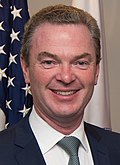
Notable alumni of the university include the incumbent foreign affairs minister Penny Wong,[231] the Human Rights Watch director Tirana Hassan,[232] the founding editor-in-chief of Vogue China Angelica Cheung,[233] former state premier Steven Marshall[234] and retired politician Christopher Pyne.[235]
- Notable alumni of the university include:
-

-

-

-
-

-
![Poh Ling Yeow[236] Celebrity chef](//upload.wikimedia.org/wikipedia/commons/thumb/5/5c/Poh_Ling_Yeow_in_May_2013_%28cropped%29.jpg/120px-Poh_Ling_Yeow_in_May_2013_%28cropped%29.jpg)
-
![Tammy Franks[237] Leader of the SA Greens](//upload.wikimedia.org/wikipedia/commons/thumb/c/cb/Tammy_Franks%2C_2017.jpg/120px-Tammy_Franks%2C_2017.jpg)
-
![Beverley Bolin[238] First female architect in South Australia](//upload.wikimedia.org/wikipedia/commons/thumb/2/24/Beverley_Bolin_1943-01-23_9-41-59_pm.png/120px-Beverley_Bolin_1943-01-23_9-41-59_pm.png)
.jpg)

.jpg)


![Poh Ling Yeow[236] Celebrity chef](https://en.wikipedia.org/wiki/File:Poh_Ling_Yeow_in_May_2013_(cropped).jpg)
![Tammy Franks[237] Leader of the SA Greens](https://en.wikipedia.org/wiki/File:Tammy_Franks,_2017.jpg)
![Beverley Bolin[238] First female architect in South Australia](https://en.wikipedia.org/wiki/File:Beverley_Bolin_1943-01-23_9-41-59_pm.png)
Controversies
[edit]Initial merger discussions
[edit]The University of South Australia and the University of Adelaide had previously engaged to discuss a merger in 2018 but failed due to disagreements from the latter about the post-merger leadership structure.[54][55][56][57]
Opinion polling on staff
[edit]The National Tertiary Education Union SA conducted a survey of 1,100 university staff and found that three-quarters of respondents were against the merger.[1][68][239] In addition, the state government has been accused of coercing the universities to agree to merge, indicating that a commission of inquiry would be established to find ways to compel the two universities to merge had their councils refused to do so, with less financial support available.[1][68][240]
Andrew Miller, the state secretary of the union, raised concerns that staff were under "extreme psychosocial pressure" to meet the 2026 launch deadline.[241] Backing his claims with communications from the Integration Management Office staff responsible for merging the two institutions, he added that the "Game of Thrones" perception among staff competing "for the final spots of the new Adelaide University" was causing tensions, breakdowns and disharmony.[241] The institutions' vice-chancellors David Lloyd and Peter Høj criticised the claims, referring to them as "whispers of Little Birds or Littlefingers",[242] though they had previously admitted that the "two-by-two approach across the board" was "not as linear as first conceived".[241]
In 2025, a FOI document obtained by The Australian found an increase in bullying and harassment reports at the University of Adelaide following the announcement of the merger.[243] It added concerns from staff that the merger would result in a "meat grinder producing poorly educated students" that would be seen as "walking dollar signs".[243]
The post-merger plan to switch to a trimester academic calendar has also been criticised by the union whose internal poll showed that more than 4 in 5 members were against the move.[244]
Land re-development
[edit]In February 2024, the State Government drew criticism for its plans to convert land it had purchased from two University of South Australia campuses for housing and commercial re-development.[115] As part of the merger agreement, the land was to be sold to the South Australian Government for A$114.5 million and leased back to the university for a period of up to 10 years.[115] Following the release of several internal FOI documents retrieved by InDaily from the Premier's Office, it was later revealed that the land was "earmarked for future development" for residential and commercial purposes.[115]
The original media release replaced the phrase with "short-term transitional lease to university", referring to the leaseback period of 10 years, following concerns from UniSA vice-chancellor David Lloyd that the original draft would "create enormous community reaction which will be particularly unhelpful at this time".[115] The land sales account for the entirety of the Magill campus and approximately 50% of the Mawson Lakes campus.[115]
Tram stop
[edit]The university is served by two stops on the Glenelg tram line, University and City West, which connects the City East and City West campuses respectively along North Terrace.[245][78][86]
| Preceding station | Adelaide Metro | Following station | ||
|---|---|---|---|---|
| Art Gallery towards Adelaide Entertainment Centre
|
Glenelg tram line (closed outside of the CBD until 2026)
|
Botanic Gardens Terminus
| ||
See also
[edit]Notes
[edit]- ^ The university is expected to merge with the University of Adelaide by 1 January 2026.[1]
- ^ The City East, City West Magill and Mawson Lakes campuses are located in the Greater Adelaide metropolitan area with two regional campuses in Whyalla and Mount Gambier.
- ^ a b c The CWTS Leiden Ranking is based on P (top 10%).
- ^ Abbreviation for Quality Indicators for Learning and Teaching.[181]
- ^ According to the Higher Education Support Act 2003, domestic students include permanent residents and New Zealand citizens in addition to Australian citizens.[203]
References
[edit]- ^ a b c d e Richards, Stephanie; Boscaini, Joshua; Kagi, Jacob (1 July 2023). "University of South Australia and University of Adelaide reach agreement to merge". ABC News. Sydney, New South Wales: Australian Broadcasting Corporation. Archived from the original on 8 March 2024. Retrieved 26 March 2024.
- ^ a b c d e f g h i j k l m "Our Proud Antecedent History". University of South Australia. Adelaide, South Australia. Archived from the original on 2 February 2024. Retrieved 9 May 2024.
- ^ a b "Brand Guidelines 2019" (PDF). University of South Australia. Adelaide, South Australia. 2019. Archived (PDF) from the original on 30 March 2024. Retrieved 15 October 2024.
- ^ a b c d e f g h "2023 Annual Review" (PDF). University of South Australia. Adelaide, South Australia. 30 June 2024. Archived (PDF) from the original on 1 September 2024. Retrieved 19 September 2024.
- ^ "UniSA's new friends celebrate academic success". University of South Australia. Adelaide, South Australia. Archived from the original on 17 July 2024. Retrieved 15 October 2024.
- ^ Aland, Jenny (May 2023). "FRIENDS SASA 170-YEAR HISTORY BOOK". Friends of the South Australian School of Art. Adelaide, South Australia. Archived from the original on 14 March 2024. Retrieved 19 August 2024.
- ^ a b c d "School of Art (from 1856) and Institute of Technology (1889) part of new University of South Australia 1991". Adelaide AZ. Adelaide, South Australia. Archived from the original on 3 October 2023. Retrieved 11 July 2024.
- ^ "Remembering the Jubilee Exhibition Building". Adelaide City Heritage. Adelaide, South Australia: National Trust of South Australia. 31 August 2017. Archived from the original on 17 July 2024. Retrieved 17 July 2024.
- ^ a b "Jubilee building, for 1887 global exhibition attended by twice Adelaide's population, demolished in 1962". Adelaide AZ. Adelaide, South Australia. Archived from the original on 10 July 2024. Retrieved 10 July 2024.
- ^ "Jubilee Exhibition Building (1887-1962)". Heritage For The People. Adelaide, South Australia. Archived from the original on 1 December 2023. Retrieved 19 August 2024.
- ^ McCulloch, Alan McLeod (1977). Encyclopedia of Australian art (Repr. with corrections ed.). Melbourne, Victoria: Hutchinson of Australia. ISBN 978-0-09-081420-6.
- ^ a b c "Milestones". University of South Australia. Adelaide, South Australia. Archived from the original on 18 February 2012. Retrieved 14 October 2024.
- ^ a b "School of Art History Project". University of South Australia. Adelaide, South Australia. Archived from the original on 1 March 2009. Retrieved 14 October 2024.
- ^ "UniSA Creative". Home. Retrieved 2 May 2025.
- ^ a b "School of Mines and Industries starts formal technical education in South Australia from 1889". Adelaide AZ. Adelaide, South Australia. Archived from the original on 11 July 2024. Retrieved 11 July 2024.
- ^ "A legacy that helped shape SA". University of South Australia. Adelaide, South Australia. 3 October 2023. Archived from the original on 11 July 2024. Retrieved 11 July 2024.
- ^ a b "SCHOOL OF MINES". The Advertiser. Adelaide, South Australia. 24 February 1902. p. 5. Archived from the original on 12 November 2022. Retrieved 20 August 2024.
- ^ "A legacy that helped shape SA". University of South Australia. Adelaide, South Australia. Retrieved 13 October 2024.
- ^ a b c d e f Elton, Jude (20 May 2021). "Brookman Building". SA History Hub. Adelaide, South Australia: Government of South Australia (History Trust of South Australia). Archived from the original on 29 February 2024. Retrieved 11 July 2024.
- ^ a b c "South Australian School of Mines and Industries". The University of Adelaide. Adelaide, South Australia. Archived from the original on 1 March 2024. Retrieved 3 July 2024.
- ^ a b c "SA School of Mines and Industries". The University of Adelaide. Adelaide, South Australia. Archived from the original on 14 May 2024. Retrieved 3 July 2024.
- ^ a b c Harvey, Nick; Fornasiero, Jean; McCarthy, Greg; Macintyre, Clem; Crossin, Carl (June 2013). Harvey, Nick; Fornasiero, Jean; McCarthy, Greg; Macintyre, Clem; Crossin, Carl (eds.). A History of the Faculty of Arts at the University of Adelaide 1876-2012 (PDF). Adelaide, South Australia: University of Adelaide Press. doi:10.1017/9781922064363. hdl:2440/74965. ISBN 9781922064363. Archived (PDF) from the original on 14 February 2024.
- ^ a b Edgar, Suzanne (2000), "Reginald Theodore Kleeman (1901–1979)", Australian Dictionary of Biography, vol. 15, Canberra, Australian Capital Territory: Australian National University (which owns "National Centre of Biography"), archived from the original on 3 December 2023, retrieved 11 July 2024
- ^ "Faculty of Engineering". The University of Adelaide. Adelaide, South Australia. Archived from the original on 23 March 2023. Retrieved 30 June 2024.
- ^ a b c d e f g h i Hernen, Danielle (2020). "Adelaide Teachers College". The University of Adelaide. Adelaide, South Australia. Archived from the original on 2 December 2023. Retrieved 10 July 2024.
- ^ a b c d e "Adelaide Teachers College". The University of Adelaide. Adelaide, South Australia. Archived from the original on 14 May 2024. Retrieved 18 August 2024.
- ^ "Hartley Building (originally Adelaide Teachers College), The University of Adelaide". Experience Adelaide. Adelaide, South Australia: The Corporation of the City of Adelaide (Adelaide Economic Development Agency). Archived from the original on 7 July 2024. Retrieved 19 August 2024.
- ^ a b "Adelaide and suburban teachers college became colleges of advanced education all merged as South Australian CAE". Adelaide AZ. Archived from the original on 5 March 2024. Retrieved 11 July 2024.
- ^ Sergeant, Kate. "Guides: UniSA Calendars: CAEs (1973-1981)". University of South Australia. Adelaide, South Australia. Archived from the original on 14 July 2024. Retrieved 23 September 2024.
- ^ "South Australian College of Advanced Education Act 1982" (PDF). South Australian Legislation. Adelaide, South Australia: Government of South Australia. 7 January 1982. Archived (PDF) from the original on 28 June 2024. Retrieved 19 August 2024.
- ^ "SA College of Advanced Education". The University of Adelaide. Adelaide, South Australia. Archived from the original on 14 July 2024. Retrieved 23 September 2024.
- ^ "SA College of Advanced Education". The University of Adelaide. Adelaide, South Australia. Archived from the original on 14 May 2024. Retrieved 11 July 2024.
- ^ "Parchments, transcripts and AHEGS". University of South Australia. Adelaide, South Australia. Archived from the original on 22 March 2024. Retrieved 1 July 2024.
- ^ Sergeant, Kate. "Guides: UniSA Calendars: SACAE (1982-1990)". University of South Australia. Adelaide, South Australia. Archived from the original on 8 July 2024. Retrieved 23 September 2024.
- ^ a b Wesley, Michael (7 September 2023). "Robert Menzies and Australia's Universities". Robert Menzies Institute. Melbourne, Victoria: The University of Melbourne. Archived from the original on 19 April 2024. Retrieved 13 July 2024.
- ^ Heffernan, Troy (26 May 2021), "The History of Education in Australia", Oxford Research Encyclopedia of Education, Oxford, United Kingdom: University of Oxford (which owns "Oxford University Press"), doi:10.1093/acrefore/9780190264093.013.1459, ISBN 978-0-19-026409-3, archived from the original on 13 July 2024, retrieved 13 July 2024
- ^ a b c d Skuja, Eric; Clarke, John; Birney, Damien (2 September 1997). "Diversity and the New Binary System in Australian Higher Education" (PDF). Australasian Association for Institutional Research. Melbourne, Victoria. Archived (PDF) from the original on 26 February 2017. Retrieved 13 July 2024.
- ^ Meek, Vincent Lynn (July 1990). "The rise and fall of the binary policy of higher education in Australia∗". Journal of Education Policy. 5 (3). Abingdon, United Kingdom: Taylor & Francis: 282–292. doi:10.1080/0268093900050309. ISSN 0268-0939.
- ^ a b Mahony, David (January 1994). "A Comparison of the Australian and British Post Binary Higher Education Systems". Higher Education Research & Development. 13 (1). Abingdon, United Kingdom: Taylor & Francis: 71–84. doi:10.1080/0729436940130107. ISSN 0729-4360.
- ^ a b Mahony, David (1993). "The Construction and Challenges of Australia's Post-Binary System of Higher Education". Oxford Review of Education. 19 (4). Abingdon, United Kingdom: Taylor & Francis: 465–483. doi:10.1080/0305498930190404. ISSN 0305-4985. JSTOR 1050566. Archived from the original on 13 July 2024. Retrieved 13 July 2024.
- ^ a b c d Beddie, Francesca (25 August 2014). "A differentiated model for tertiary education: past ideas, contemporary policy and future possibilities". National Centre for Vocational Education Research. Adelaide, South Australia. Archived from the original on 9 July 2024. Retrieved 13 July 2024.
- ^ "SPEECH BY RT. HON. SIR ROBERT MENZIES, K.T., C.H., Q.C., M.P., ON TERTIARY EDUCATION IN AUSTRALIA" (PDF). PM Transcripts. Canberra, Australian Capital Territory: Australian Government, Department of the Prime Minister and Cabinet. 24 March 1965. Archived (PDF) from the original on 13 July 2024. Retrieved 13 July 2024.
- ^ a b Abbott, Malcolm; Doucouliagos, Chris (July 2003). "The changing structure of higher education in Australia, 1949-2003" (PDF). Deakin University. Melbourne, Victoria. Archived (PDF) from the original on 26 May 2023. Retrieved 14 July 2024.
- ^ a b "2022 Section 1 Commencing students". Department of Education. Canberra, Australian Capital Territory: Australian Government. 18 December 2023. Archived from the original on 11 July 2024. Retrieved 20 August 2024.
- ^ a b "Australian Higher Education Institutions as at 4 November 2004" (PDF). Australian Vice-Chancellors' Committee (later Universities Australia). Canberra, Australian Capital Territory. 2004. Archived from the original (PDF) on 10 November 2006. Retrieved 13 July 2024.
- ^ a b "City East Campus" (PDF). University of South Australia. Adelaide, South Australia. Archived (PDF) from the original on 7 May 2024. Retrieved 17 July 2024.
- ^ a b c d Sumerling, Patricia; McDougall, Katrina (August 2006). "The City of Adelaide: A Thematic History". McDougall & Vines. Adelaide, South Australia. Archived from the original on 16 December 2019. Retrieved 28 August 2024.
- ^ a b c d Mackinnon, Alison (July 2016). A New Kid on the Block: the University of South Australia in the Unified National System. Melbourne, Victoria: Melbourne University Publishing (The University of Melbourne). ISBN 9780522870572.
- ^ "A history of enterprise". University of South Australia. Adelaide, South Australia. 24 February 2016. Retrieved 13 October 2024.
- ^ a b Watkinson, Julie; Ellis, Bronwyn Joan; Sawyer, Janet (October 2010). "Collaborative development of a university presence in regional South Australia". ResearchGate. Berlin, Germany. Archived from the original on 20 August 2024. Retrieved 20 August 2024.
- ^ Griffiths, Luke (19 June 2018). "South Australian universities in merger talks". The Australian. Sydney, New South Wales: News Corporation (which owns "News Corp Australia"). Archived from the original on 21 January 2022. Retrieved 19 June 2018.
- ^ "University of Adelaide and UniSA to explore potential merger to create new institution". ABC News. Sydney, New South Wales: Australian Broadcasting Corporation. 19 June 2018. Archived from the original on 19 June 2018. Retrieved 19 June 2018.
- ^ "Adelaide Uni and UniSA in merger talks". The Advertiser. Adelaide, South Australia: News Corporation (which owns "News Corp Australia"). 19 June 2018. Retrieved 21 August 2024.
- ^ a b "South Australian universities decide against merger". ABC News. Sydney, New South Wales. 23 October 2018. Archived from the original on 25 October 2018. Retrieved 24 October 2018.
- ^ a b c d e Siebert, Bension (20 January 2021). "University of Adelaide texts, emails reveal backstory to merger breakdown". ABC News. Sydney, New South Wales: Australian Broadcasting Corporation. Archived from the original on 5 February 2024. Retrieved 7 May 2024.
- ^ a b c d Siebert, Bension (31 October 2020). "Labor promises commission on merging South Australia's three top universities". ABC News. Sydney, New South Wales: Australian Broadcasting Corporation. Archived from the original on 25 January 2024. Retrieved 9 July 2024.
- ^ a b c Richards, Stephanie (3 June 2022). "Uni staff divided over latest merger push". InDaily. Adelaide, South Australia: Solstice Media. Archived from the original on 5 June 2022. Retrieved 5 June 2022.
- ^ a b Kelsall, Thomas (27 June 2023). "'The government has them in a headlock': Uni merger decision imminent". InDaily. Adelaide, South Australia: Solstice Media. Archived from the original on 30 June 2023. Retrieved 21 August 2024.
- ^ Chapman, Jemma (3 June 2022). "Uni staff divided over latest merger push". InDaily. Adelaide, South Australia: Solstice Media. Archived from the original on 29 June 2023. Retrieved 9 July 2024.
- ^ a b "University of Adelaide and UniSA revive merger talks, with single uni pitched for 2026". ABC News. Sydney, New South Wales. 7 December 2022. Archived from the original on 5 May 2024. Retrieved 4 July 2023.
- ^ Richards, Stephanie (8 December 2022). "Flinders Uni 'rejected invitation' to merge with Adelaide Uni/UniSA". InDaily. Adelaide, South Australia: Solstice Media. Archived from the original on 1 April 2024. Retrieved 17 July 2024.
- ^ Richards, Stephanie; Lim, Josephine; Clarke, Bernadette (16 August 2023). "University merger delay could come at $250 million cost, but impact on jobs unclear". ABC News. Sydney, New South Wales: Australian Broadcasting Corporation. Archived from the original on 20 February 2024. Retrieved 26 March 2024.
- ^ "2023 Pocket Statistics" (PDF). The University of Adelaide. Adelaide, South Australia. June 2024. Archived (PDF) from the original on 1 July 2024. Retrieved 19 September 2024.
- ^ "2023 Annual Report" (PDF). Flinders University. Adelaide, South Australia. 30 June 2023. Archived (PDF) from the original on 19 September 2024. Retrieved 19 September 2024.
- ^ a b c McClaren, Rory (18 August 2023). "The unis might be in unison, but is the SA merger deal a unicorn?". ABC News. Sydney, New South Wales: Australian Broadcasting Corporation. Archived from the original on 10 April 2024. Retrieved 7 May 2024.
- ^ "Report of the Joint Committee on the Establishment of Adelaide University" (PDF). Parliament of South Australia. 17 October 2023. Archived (PDF) from the original on 26 April 2024. Retrieved 7 May 2024.
- ^ a b Richards, Stephanie; Boscaini, Joshua; Kagi, Jacob (1 July 2023). "University merger deal reached to create one of Australia's largest education institutions". ABC News. Sydney, New South Wales: Australian Broadcasting Corporation. Archived from the original on 8 March 2024. Retrieved 4 July 2023.
- ^ a b c Kelsall, Thomas (16 June 2023). "Uni staff fears over merger impact on education and research". InDaily. Adelaide, South Australia: Solstice Media. Archived from the original on 11 August 2024. Retrieved 21 August 2024.
- ^ a b "University merger legislation clears parliament". InDaily. Adelaide, South Australia: Solstice Media. 16 November 2023. Archived from the original on 26 March 2024. Retrieved 7 May 2024.
- ^ "Search". Trove. Canberra, Australian Capital Territory: National Library of Australia. Archived from the original on 14 July 2024. Retrieved 14 July 2024.
- ^ "TEQSA application submitted". The University of Adelaide. Adelaide, South Australia. Archived from the original on 7 May 2024. Retrieved 7 May 2024.
- ^ "Application Guide for Self-Accrediting Authority" (PDF). Tertiary Education Quality and Standards Agency. Canberra, Australian Capital Territory: Australian Government. 19 September 2022. Archived (PDF) from the original on 20 March 2023. Retrieved 7 May 2024.
- ^ "Adelaide University". Tertiary Education Quality and Standards Agency. Melbourne, Victoria. 22 May 2024. Archived from the original on 25 June 2024. Retrieved 25 June 2024.
- ^ a b "FAQs". Adelaide University. Archived from the original on 6 May 2024. Retrieved 7 May 2024.
- ^ "Our Strategic Ambition and Direction 2024-2034" (PDF). Adelaide University. 15 April 2024. Archived (PDF) from the original on 8 May 2024. Retrieved 8 May 2024.
- ^ "Turning to the future: Adelaide University will bring about much change". InDaily. Adelaide, South Australia: Solstice Media. 14 October 2024. Retrieved 17 October 2024.
- ^ "Where are the UniSA campuses located?". University of South Australia. Adelaide, South Australia. Archived from the original on 7 May 2024. Retrieved 15 October 2024.
- ^ a b "City East campus". University of South Australia. Adelaide, South Australia. Archived from the original on 7 October 2024. Retrieved 15 October 2024.
- ^ a b O'Neill, Sally (1974), "David Murray (1829–1907)", Australian Dictionary of Biography, vol. 5, Canberra, Australian Capital Territory: Australian National University (which owns "National Centre of Biography"), archived from the original on 29 July 2024, retrieved 7 October 2024
- ^ a b "David Murray Library at UniSA City East". StudentVIP. Sydney, New South Wales: Student Services Australia. Archived from the original on 8 October 2024. Retrieved 7 October 2024.
- ^ a b c d e "Library locations and spaces". University of South Australia. Adelaide, South Australia. Archived from the original on 1 August 2024. Retrieved 7 October 2024.
- ^ a b Elton, Jude. "Brookman Building". SA History Hub. Adelaide, South Australia: Government of South Australia (History Trust of South Australia). Archived from the original on 7 October 2024. Retrieved 7 October 2024.
- ^ "A legacy that helped shape SA". University of South Australia. Adelaide, South Australia. 3 October 2023. Archived from the original on 8 October 2024. Retrieved 8 October 2024.
- ^ "Basil Hetzel Building". University of South Australia. Adelaide, South Australia. Archived from the original on 26 April 2012. Retrieved 27 October 2013.
- ^ "UniSA Facilities Management Unit Announcement". University of South Australia. Adelaide, South Australia. 20 April 2011. Archived from the original on 7 August 2011. Retrieved 30 May 2011.
- ^ a b "City West campus". University of South Australia. Adelaide, South Australia. Archived from the original on 8 October 2024. Retrieved 15 October 2024.
- ^ "Hawke Building opens" (Press release). University of South Australia. 9 October 2007. Archived from the original on 9 January 2011. Retrieved 27 October 2013.
- ^ "From Blueprint to Landmark – UniSA City West buildings launched" (Press release). University of South Australia. 26 April 2005. Archived from the original on 11 April 2011. Retrieved 27 October 2013.
- ^ "University of South Australia Bradley Building". Hansen Yuncken. Melbourne, Victoria. Archived from the original on 18 May 2024. Retrieved 7 October 2024.
- ^ "Adelaide Health and Medical Sciences". Lyons. Melbourne, Victoria. Archived from the original on 19 May 2024. Retrieved 17 July 2024.
- ^ "Adelaide Health and Medical Sciences Building". AECOM. Dallas, Texas. Archived from the original on 4 December 2018. Retrieved 17 July 2024.
- ^ a b "Adelaide BioMed City". SA Health (Department for Health and Wellbeing). Adelaide, South Australia: Government of South Australia. Archived from the original on 10 June 2024. Retrieved 7 October 2024.
- ^ a b "City West Campus" (PDF). University of Adelaide. Archived (PDF) from the original on 29 March 2024. Retrieved 7 May 2024.
- ^ "Location". University of South Australia. Adelaide, South Australia. Archived from the original on 11 July 2024. Retrieved 7 October 2024.
- ^ "The Bob Hawke Prime Ministerial Centre". University of South Australia. Adelaide, South Australia. Archived from the original on 17 September 2024. Retrieved 7 October 2024.
- ^ Hurst, Rachel (1 January 2008). "Hawke Building". Architecture Australia. Melbourne, Victoria: Royal Australian Institute of Architects (which owns "Architecture Media"). Archived from the original on 29 May 2024. Retrieved 7 October 2024.
- ^ "A precast icon of character, innovation and leadership" (PDF). National Precast Concrete Association Australia. Adelaide, South Australia. Archived (PDF) from the original on 4 October 2024. Retrieved 7 October 2024.
- ^ a b "Jeffrey Smart Building". University of South Australia. Adelaide, South Australia. Archived from the original on 24 July 2024. Retrieved 7 October 2024.
- ^ a b "UniSA honours Jeffrey Smart". University of South Australia. Adelaide, South Australia. Archived from the original on 23 July 2024. Retrieved 7 October 2024.
- ^ a b Phelps, Katrina (16 September 2014). "Jeffrey Smart Building". University of South Australia. Adelaide, South Australia. Archived from the original on 24 July 2024. Retrieved 7 October 2024.
- ^ a b "2015 National Architecture Awards: Education Commendation". Architecture Australia. Adelaide, South Australia: Royal Australian Institute of Architects (which owns "Architecture Media"). 5 November 2015. Archived from the original on 30 May 2024. Retrieved 7 October 2024.
- ^ a b "UniSA Jeffery Smart Learning Centre". Wilson Architects. Brisbane, Queensland. Archived from the original on 16 March 2024. Retrieved 7 October 2024.
- ^ a b "Jeffrey Smart Building". Wardle. Adelaide, South Australia. Archived from the original on 28 July 2024. Retrieved 7 October 2024.
- ^ "Pridham Hall". Snøhetta. Oslo, Norway. Archived from the original on 20 April 2024. Retrieved 7 October 2024.
- ^ a b van Es, Karl (17 October 2019). "Snøhetta, JPE Design Studio and Jam Factory Completes University of South Australia's Pridham Hall". Åvontuura. Toronto, Ontario. Archived from the original on 7 October 2024. Retrieved 7 October 2024.
- ^ "Pridham Hall Swimming Pool" (PDF). Hydrilla. Adelaide, South Australia. Archived (PDF) from the original on 14 July 2024. Retrieved 7 October 2024.
- ^ "UniSA's Pridham Hall, Adelaide Sloping Roof Garden - Fytogreen Australia". Fytogreen. Melbourne, Victoria. 24 April 2018. Archived from the original on 18 May 2024. Retrieved 7 October 2024.
- ^ "EMBED YOURSELF IN THE DNA OF PRIDHAM HALL". University of South Australia. Adelaide, South Australia. Archived from the original on 13 July 2024. Retrieved 7 October 2024.
- ^ "Magill campus". University of South Australia. Adelaide, South Australia. Archived from the original on 7 October 2024. Retrieved 15 October 2024.
- ^ a b c d e f g "Study in 2025" (PDF). University of South Australia. Adelaide, South Australia. July 2024. Archived (PDF) from the original on 3 June 2024. Retrieved 7 October 2024.
- ^ Jones, Helen (2001). "Lillian Daphne de Lissa". SA History Hub. Adelaide, South Australia: Government of South Australia (History Trust of South Australia). Archived from the original on 18 April 2024. Retrieved 7 October 2024.
- ^ a b "Murray House Conservation Plan" (PDF). University of South Australia. Adelaide, South Australia: Swanbury Penglase Architects. July 2001. Archived (PDF) from the original on 6 July 2024. Retrieved 7 October 2024.
- ^ a b c "101 things you might not know about UniSA" (PDF). University of South Australia. Adelaide, South Australia. 2021. Archived (PDF) from the original on 18 July 2024. Retrieved 7 October 2024.
- ^ a b c "Ghosts of Campbelltown". Campbelltown City Council. Adelaide, South Australia. Archived from the original on 8 April 2024. Retrieved 7 October 2024.
- ^ a b c d e f g h i Kelsall, Thomas (16 February 2024). "FOI documents shed light on how to spin Adelaide's university merger". InDaily. Adelaide, South Australia: Solstice Media. Archived from the original on 16 February 2024. Retrieved 7 May 2024.
- ^ a b "Mawson Lakes Campus". Adelaide University. Adelaide, South Australia. Archived from the original on 26 September 2024. Retrieved 7 October 2024.
- ^ a b c "Mawson Lakes campus". University of South Australia. Adelaide, South Australia. Archived from the original on 7 October 2024. Retrieved 15 October 2024.
- ^ "UniSA prepares for perfect landing with second simulator". University of South Australia. Adelaide, South Australia. February 2022. Archived from the original on 25 March 2022. Retrieved 7 October 2024.
- ^ "Study Bachelor of Aviation (Pilot) at the University of South Australia (UniSA). Information for International students". University of South Australia. Adelaide, South Australia. Archived from the original on 18 July 2024. Retrieved 7 October 2024.
- ^ a b "Businesses". Technology Park Adelaide. Adelaide, South Australia: Government of South Australia. Archived from the original on 3 October 2024. Retrieved 7 October 2024.
- ^ a b "Whyalla campus". University of South Australia. Adelaide, South Australia. Archived from the original on 7 October 2024. Retrieved 15 October 2024.
- ^ a b "Mount Gambier campus". University of South Australia. Adelaide, South Australia. Archived from the original on 8 October 2024. Retrieved 15 October 2024.
- ^ "Research projects". University of South Australia. Adelaide, South Australia. Archived from the original on 19 July 2024. Retrieved 7 October 2024.
- ^ a b c d e f g h "University of South Australia Act 1990" (PDF). South Australian Legislation. Adelaide, South Australia: Parliament of South Australia. 1990. Archived (PDF) from the original on 8 December 2022. Retrieved 15 October 2024.
- ^ "Academic Units". University of South Australia. Adelaide, South Australia. Archived from the original on 7 October 2024. Retrieved 7 October 2024.
- ^ a b "Introducing UniSA's new Chancellor". University of South Australia. Adelaide, South Australia. Archived from the original on 6 October 2024. Retrieved 7 October 2024.
- ^ Williams, John (10 May 2024). "Adelaide University Transition Council update". The University of Adelaide. Adelaide, South Australia. Retrieved 7 October 2024.
- ^ "Vice Chancellor and President Professor David Lloyd". University of South Australia. Adelaide, South Australia. Archived from the original on 1 October 2024. Retrieved 7 October 2024.
- ^ "Professor Peter Høj". IP Group. London, United Kingdom. Archived from the original on 4 August 2024. Retrieved 4 August 2024.
- ^ "Our Members". Australian Technology Network of Universities. Melbourne, Victoria. Archived from the original on 4 October 2024. Retrieved 15 October 2024.
- ^ Savage, Crispin (2 July 2023). "Councils confirm support to transform higher education in SA". The University of Adelaide. Adelaide, South Australia. Archived from the original on 28 March 2024. Retrieved 7 October 2024.
- ^ "Research and Development". South Australian Space Industry Centre. Adelaide, South Australia: Australian Space Agency. Archived from the original on 3 May 2024. Retrieved 10 May 2024.
- ^ "Search". University of South Australia. Adelaide, South Australia. Archived from the original on 9 October 2024. Retrieved 9 October 2024.
- ^ "State of Australian University Research". Excellence in Research for Australia. Canberra, Australian Capital Territory: Australian Research Council. 2019. Archived from the original on 2 May 2024. Retrieved 1 July 2024.
- ^ "Research at UniSA". University of South Australia. Adelaide, South Australia. Archived from the original on 26 September 2024. Retrieved 7 October 2024.
- ^ "Research at UniSA". University of South Australia. Adelaide, South Australia. Archived from the original on 7 October 2024. Retrieved 15 October 2024.
- ^ "A legacy that helped shape SA". A legacy that helped shape SA. Adelaide, South Australia. 3 October 2023. Archived from the original on 8 October 2024. Retrieved 8 October 2024.
- ^ Piggott, Michael (January 2005). "Australian Prime Ministerial Libraries—Comments and Reflections". Australian Academic & Research Libraries. 36 (1). Melbourne, Victoria: 74–83. doi:10.1080/00048623.2005.10755294. ISSN 0004-8623. Archived from the original on 2 June 2024. Retrieved 7 October 2024 – via Taylor & Francis.
- ^ a b c Bundy, Alan (January 2005). "For Someone Special: The Development of the Bob Hawke Prime Ministerial Library". Australian Academic & Research Libraries. 36 (1). Adelaide, South Australia: 14–24. doi:10.1080/00048623.2005.10755288. ISSN 0004-8623. Archived from the original on 27 June 2022. Retrieved 7 October 2024 – via Taylor & Francis.
- ^ a b Bramston, Troy; Dalgleish, Paul (June 2021). "Bob Hawke: Guide to archives of Australia's prime ministers" (PDF). National Archives of Australia. Canberra, Australian Capital Territory: Australian Government. ISBN 9781922209276. Archived (PDF) from the original on 23 January 2024. Retrieved 7 October 2024.
- ^ "The Bob Hawke Collection". Museum of Australian Democracy at Old Parliament House. Canberra, Australian Capital Territory: Australian Government. Archived from the original on 16 April 2024. Retrieved 7 October 2024.
- ^ "Galleries, museums and centres". University of South Australia. Adelaide, South Australia. Archived from the original on 8 October 2024. Retrieved 15 October 2024.
- ^ "About Us". MOD (Museum of Discovery). Adelaide, South Australia: University of South Australia. Archived from the original on 2 October 2024. Retrieved 7 October 2024.
- ^ "Vision & Design Principles". MOD (Museum of Discovery). Adelaide, South Australia: University of South Australia. Archived from the original on 2 October 2024. Retrieved 7 October 2024.
- ^ "Plan Your Visit". MOD (Museum of Discovery). Adelaide, South Australia: University of South Australia. Archived from the original on 2 October 2024. Retrieved 7 October 2024.
- ^ a b "About". University of South Australia. Adelaide, South Australia. Archived from the original on 6 October 2024. Retrieved 7 October 2024.
- ^ "Visit". University of South Australia. Adelaide, South Australia. Archived from the original on 6 October 2024. Retrieved 7 October 2024.
- ^ "K Mak At The Planetarium: ~ Adelaide Fringe 2024 Review". The Clothesline. Adelaide, South Australia. Archived from the original on 8 October 2024. Retrieved 8 October 2024.
- ^ a b "Adelaide Planetarium". University of South Australia. Adelaide, South Australia. Archived from the original on 19 August 2024. Retrieved 7 October 2024.
- ^ a b "About". University of South Australia. Adelaide, South Australia. Archived from the original on 24 July 2024. Retrieved 7 October 2024.
- ^ a b c d e "Architecture Museum". University of South Australia. Adelaide, South Australia. Archived from the original on 9 September 2024. Retrieved 7 October 2024.
- ^ "SASA Gallery". University of South Australia. Adelaide, South Australia. Archived from the original on 6 October 2024. Retrieved 7 October 2024.
- ^ "Visit". University of South Australia. Adelaide, South Australia. Archived from the original on 22 July 2024. Retrieved 7 October 2024.
- ^ "About". University of South Australia. Adelaide, South Australia. Archived from the original on 15 September 2024. Retrieved 7 October 2024.
- ^ "Kerry Packer Civic Gallery". University of South Australia. Adelaide, South Australia. Archived from the original on 2 August 2024. Retrieved 7 October 2024.
- ^ a b "Innovation & Collaboration Centre". University of South Australia. Adelaide, South Australia. Archived from the original on 10 October 2024. Retrieved 15 October 2024.
- ^ "Venture Catalyst". University of South Australia. Adelaide, South Australia. Archived from the original on 9 October 2024. Retrieved 15 October 2024.
- ^ "Venture Catalyst Space". University of South Australia. Adelaide, South Australia. Archived from the original on 9 October 2024. Retrieved 15 October 2024.
- ^ "Venture Catalyst". University of South Australia. Adelaide, South Australia. Archived from the original on 9 October 2024. Retrieved 15 October 2024.
- ^ a b c "UniSA Nelson Mandela Lecture series". University of South Australia. Adelaide, South Australia. 29 January 2014. Archived from the original on 9 October 2024. Retrieved 15 October 2024.
- ^ "Academic Ranking of World Universities". Shanghai: Shanghai Ranking Consultancy.
- ^ "CWTS Leiden Ranking". CWTS Leiden Ranking (Centre for Science and Technology Studies). Leiden: Leiden University.
- ^ "QS World University Rankings: Top Global Universities". QS World University Rankings. London: Quacquarelli Symonds.
- ^ "QS Graduate Employability Rankings". QS World University Rankings. London: Quacquarelli Symonds.
- ^ "World University Rankings". London: Times Higher Education.
- ^ "Best Global Universities Rankings". Washington, D.C.: U.S. News & World Report.
- ^ "Academic Ranking of World Universities". Shanghai: Shanghai Ranking Consultancy.
- ^ "CWTS Leiden Ranking". CWTS Leiden Ranking (Centre for Science and Technology Studies). Leiden: Leiden University.
- ^ "ERA Research Excellence Rankings Analysis". Melbourne: Australian Education Network.
- ^ "QS World University Rankings: Top Global Universities". QS World University Rankings. London: Quacquarelli Symonds.
- ^ "World University Rankings". London: Times Higher Education.
- ^ "Best Global Universities in Australia". Washington, D.C.: U.S. News & World Report.
- ^ "Best Universities Ranking". Australian Financial Review. Sydney: Nine Entertainment.
- ^ "University Results". Aggregate Ranking of Top Universities. Sydney, New South Wales: University of New South Wales.
- ^ "Best Universities Ranking". Australian Financial Review. Sydney, New South Wales: Nine Entertainment.
- ^ "QS World University Rankings 2025: Top Global Universities". QS World University Rankings. London, United Kingdom: Quacquarelli Symonds.
- ^ "World University Rankings". Times Higher Education. London, United Kingdom: Inflexion.
- ^ "ShanghaiRanking's Academic Ranking of World Universities". Academic Ranking of World Universities. Shanghai, China: Shanghai Ranking Consultancy.
- ^ "Best Global Universities Rankings". U.S. News & World Report. Washington, D.C., United States.
- ^ "CWTS Leiden Ranking". CWTS Leiden Ranking (Centre for Science and Technology Studies). Leiden, Netherlands: Leiden University.
- ^ a b c "About". Quality Indicators for Learning and Teaching. Canberra, Australian Capital Territory: Australian Government. Archived (PDF) from the original on 2 January 2025. Retrieved 14 January 2025.
- ^ Bridgestock, Laura (19 April 2021). "World University Ranking Methodologies Compared". Quacquarelli Symonds. London, United Kingdom. Archived from the original on 2 January 2025. Retrieved 14 January 2025.
- ^ "2023 Employer Satisfaction Survey" (PDF). Quality Indicators for Learning and Teaching. Canberra, Australian Capital Territory: Australian Government. May 2024. Archived (PDF) from the original on 2 January 2025. Retrieved 14 January 2025.
- ^ a b "2023 Graduate Outcomes Survey: National Report" (PDF). Quality Indicators for Learning and Teaching. Canberra, Australian Capital Territory: Australian Government. May 2024. Archived (PDF) from the original on 20 December 2024. Retrieved 14 January 2025.
- ^ "2023 Student Experience Survey" (PDF). Quality Indicators for Learning and Teaching. Canberra, Australian Capital Territory: Australian Government. May 2024. Archived (PDF) from the original on 2 January 2025. Retrieved 14 January 2025.
- ^ "University of South Australia". Tertiary Education Quality and Standards Agency. Melbourne, Victoria. Archived from the original on 13 May 2025. Retrieved 13 June 2025.
- ^ "Initial Teacher Education Programs". Teachers Registration Board of South Australia. Adelaide, South Australia. 31 May 2023. Archived from the original on 16 March 2025. Retrieved 13 June 2025.
- ^ "Bachelor of Laws (Honours)". University of South Australia. Adelaide, South Australia. Archived from the original on 28 April 2025. Retrieved 13 June 2025.
- ^ "Accreditation authorities". Australian Health Practitioner Regulation Agency. Melbourne, Victoria. Archived from the original on 3 December 2024. Retrieved 11 January 2025.
- ^ "Engineers Australia accredited programs". Engineers Australia. Canberra, Australian Capital Territory. Archived from the original on 20 April 2025. Retrieved 13 June 2025.
- ^ "Accredited Courses". Australian Computer Society. Sydney, New South Wales. Archived from the original on 22 May 2025. Retrieved 13 June 2025.
- ^ "AQF qualifications". Australian Qualifications Framework. Canberra, Australian Capital Territory: Department of Education (Australian Government). Archived from the original on 15 December 2024. Retrieved 11 January 2025.
- ^ "A User's Guide: To the Mutual Recognition Agreement (MRA) and the Trans-Tasman Mutual Recognition Arrangement (TTMRA)". Ministry of Business, Innovation and Employment (New Zealand Government). Canberra, Australian Capital Territory: Australian Government. 2014. Archived (PDF) from the original on 13 July 2024. Retrieved 15 December 2024.
- ^ "Institutions". South Australian Tertiary Admissions Centre. Adelaide, South Australia. Archived from the original on 2 October 2024. Retrieved 7 July 2024.
- ^ a b "What is SATAC?". University of South Australia. Adelaide, South Australia. Archived from the original on 23 March 2018. Retrieved 15 October 2024.
- ^ "SATAC's role". South Australian Tertiary Admissions Centre. Adelaide, South Australia. Archived from the original on 17 March 2024. Retrieved 15 September 2024.
- ^ "Undergraduate admission pathways". South Australian Tertiary Admissions Centre. Adelaide, South Australia. Archived from the original on 14 March 2024. Retrieved 15 September 2024.
- ^ "Postgraduate entry requirements". South Australian Tertiary Admissions Centre. Adelaide, South Australia. Archived from the original on 29 July 2024. Retrieved 15 September 2024.
- ^ "Information for nursing and midwifery applicants". South Australian Tertiary Admissions Centre. Adelaide, South Australia. Archived from the original on 11 July 2024. Retrieved 15 September 2024.
- ^ "Pre-entry and pathway programs". University of South Australia. Adelaide, South Australia. Archived from the original on 9 October 2024. Retrieved 9 October 2024.
- ^ "What parchment will I receive?". Adelaide University. Adelaide, South Australia. Archived from the original on 2 October 2024. Retrieved 7 October 2024.
- ^ "2025 International Study Guide" (PDF). University of South Australia. Adelaide, South Australia. July 2024. Archived (PDF) from the original on 22 October 2024. Retrieved 8 March 2025.
- ^ "5. Domestic and overseas students". Department of Education. Canberra, Australian Capital Territory: Australian Capital Territory. 16 November 2023. Archived from the original on 21 September 2024. Retrieved 12 November 2024.
- ^ "Commonwealth supported places (CSPs)". Study Assist. Canberra, Australian Capital Territory: Department of Education (Australian Government). 30 July 2024. Archived from the original on 18 January 2025. Retrieved 7 February 2025.
- ^ "Student contribution amounts". Study Assist. Canberra, Australian Capital Territory: Department of Education (Australian Government). 7 January 2025. Archived from the original on 21 January 2025. Retrieved 7 February 2025.
- ^ a b "Student learning entitlement (SLE)". Study Assist. Canberra, Australian Capital Territory: Department of Education (Australian Government). 21 November 2024. Archived from the original on 21 December 2024. Retrieved 3 January 2025.
- ^ a b "HECS-HELP". Study Assist. Canberra, Australian Capital Territory: Department of Education (Australian Government). 10 January 2025. Archived from the original on 29 January 2025. Retrieved 7 February 2025.
- ^ "Scholarships". University of South Australia. Adelaide, South Australia. Archived from the original on 5 March 2025. Retrieved 8 March 2025.
- ^ "Payments you can get while studying". myGov. Canberra, Australian Capital Territory: Australian Government. 21 January 2025. Archived from the original on 25 March 2025. Retrieved 27 March 2025.
- ^ "Relocation Scholarship". Services Australia. Canberra, Australian Capital Territory: Department of Social Services (Australian Government). 5 April 2022. Archived from the original on 29 March 2025. Retrieved 3 April 2025.
- ^ "About Us". UniSA Sport. Adelaide, South Australia: University of South Australia. Archived from the original on 4 October 2024. Retrieved 7 October 2024.
- ^ "Join Team UniSA". UniSA Sport. Adelaide, South Australia. Archived from the original on 4 October 2024. Retrieved 7 October 2024.
- ^ "UniSA Eagles American Football Club". UniSA Sport. Adelaide, South Australia: University of South Australia. Archived from the original on 4 October 2024. Retrieved 7 October 2024.
- ^ "Mawson Lakes Cricket Club". UniSA Sport. Adelaide, South Australia: University of South Australia. Archived from the original on 4 October 2024. Retrieved 7 October 2024.
- ^ "About Us". UniSA Sport. Adelaide, South Australia: University of South Australia. Archived from the original on 9 July 2024. Retrieved 7 October 2024.
- ^ "History". UniSA Sport. Adelaide, South Australia: University of South Australia. Archived from the original on 18 July 2024. Retrieved 7 October 2024.
- ^ a b c "We are USASA". University of South Australia Student Association. Adelaide, South Australia. Archived from the original on 4 October 2024. Retrieved 7 October 2024.
- ^ "Clubs & Societies". University of South Australia Student Association. Adelaide, South Australia. Archived from the original on 3 October 2024. Retrieved 15 October 2024.
- ^ a b "About". Verse Magazine. Adelaide, South Australia: University of South Australia Student Association. Archived from the original on 15 September 2024. Retrieved 7 July 2024.
- ^ a b "Your Student Guide" (PDF). University of South Australia Student Association. Adelaide, South Australia. Archived (PDF) from the original on 9 October 2024. Retrieved 9 October 2024.
- ^ a b "Preparing for our centenary: steps towards the founding of St Mark's College in 1925". St Mark's College. Adelaide, South Australia. 14 December 2020. Archived from the original on 9 November 2023. Retrieved 13 August 2024.
- ^ a b "College History". Aquinas College. Adelaide, South Australia. 21 December 2018. Archived from the original on 1 August 2024. Retrieved 13 August 2024.
- ^ Bray, John Jefferson (1990), "Sir Samuel James Way (1836–1916)", Australian Dictionary of Biography, vol. 12, Canberra, Australian Capital Territory: Australian National University (which owns "National Centre of Biography"), archived from the original on 13 August 2024, retrieved 13 August 2024
- ^ "About Us". Lincoln College. Adelaide, South Australia. Archived from the original on 19 July 2024. Retrieved 13 August 2024.
- ^ "Our History". Lincoln College. Adelaide, South Australia. Archived from the original on 3 June 2024. Retrieved 13 August 2024.
- ^ "Lincoln College". The University of Adelaide. Adelaide, South Australia. Archived from the original on 27 October 2022. Retrieved 6 September 2024.
- ^ a b c "ABOUT US". St Ann's College. Adelaide, South Australia. 6 December 2023. Archived from the original on 1 August 2024. Retrieved 13 August 2024.
- ^ "Student Accommodation" (PDF). University of South Australia. Adelaide, South Australia. June 2023. Archived (PDF) from the original on 29 September 2023. Retrieved 7 October 2024.
- ^ "Whyalla Student Village". University of South Australia. Adelaide, South Australia. Archived from the original on 25 July 2024. Retrieved 7 October 2024.
- ^ "Parchments, transcripts and AHEGS". University of South Australia. Adelaide, South Australia. Archived from the original on 20 January 2024. Retrieved 21 August 2024.
- ^ a b "Senator the Honourable Penny Wong". University of South Australia. Adelaide, South Australia. 2016. Archived from the original on 3 March 2024. Retrieved 15 July 2024.
- ^ a b "Law students visit Woomera detainees". The University of Adelaide. Adelaide, South Australia. 31 August 2001. Archived from the original on 4 June 2023. Retrieved 22 August 2024.
- ^ a b "Angelica Cheung". University of South Australia. Adelaide, South Australia. Archived from the original on 24 September 2024. Retrieved 7 October 2024.
- ^ a b "The Durham MBA and Steven Marshall, former Premier of South Australia". Durham University. Durham, United Kingdom. 9 February 2024. Archived from the original on 15 July 2024. Retrieved 15 October 2024.
- ^ a b Pyne, Christopher. "Experience". Pyne Online. Adelaide, South Australia. Archived from the original on 9 October 2024. Retrieved 15 October 2024.
- ^ "Poh Ling Yeow". University of South Australia. Adelaide, South Australia. Archived from the original on 8 October 2024. Retrieved 15 October 2024.
- ^ "About Tammy". Tammy Franks. Adelaide, South Australia. Archived from the original on 4 October 2024. Retrieved 15 October 2024.
- ^ "Beverly Louise Bolin". The University of Adelaide. Adelaide, South Australia. Archived from the original on 22 July 2024. Retrieved 15 October 2024.
- ^ "Union demands evidence that SA university merger will deliver better quality education and research". The National Tribune. Toowoomba, Queensland. 16 June 2023. Archived from the original on 4 July 2023. Retrieved 4 July 2023.
- ^ Kelsall, Thomas (30 June 2023). "Govt's carrot-and-stick approach to uni merger". InDaily. Adelaide, South Australia: Solstice Media. Archived from the original on 10 July 2023. Retrieved 4 July 2023.
- ^ a b c Kelsall, Thomas (30 May 2024). "'Game of Thrones' culture claim in SA university merger". InDaily. Adelaide, South Australia: Solstice Media. Archived from the original on 14 July 2024. Retrieved 21 August 2024.
- ^ Lloyd, David; Høj, Peter (21 August 2024). "Adelaide University merger is no Game of Thrones". Times Higher Education. London, United Kingdom: Inflexion. Archived from the original on 21 August 2024. Retrieved 21 August 2024.
- ^ a b Willis, Belinda (22 January 2025). "Bullying and harassment spike at Adelaide University as Uni SA merger fears revealed in Freedom of Information laws report". The Australian. Sydney, New South Wales: News Corp Australia (News Corporation). Archived from the original on 13 June 2025. Retrieved 13 June 2025.
- ^ Kelsall, Thomas (4 July 2024). "New Adelaide University academic calendar under fire". InDaily. Adelaide, South Australia: Solstice Media. Archived from the original on 5 July 2024. Retrieved 11 July 2024.
- ^ "Route GLNELG". Adelaide Metro. Adelaide, South Australia: Government of South Australia. Archived from the original on 10 August 2024. Retrieved 14 August 2024.
Sources
[edit]- Sumerling, Patricia; McDougall, Katrina (August 2006). "The City of Adelaide: A Thematic History". McDougall & Vines. Adelaide, South Australia. Archived from the original on 16 December 2019.
- Hodder, Edwin (July 2013). The History of South Australia Volume II. Adelaide, South Australia. ISBN 9781334291111. Archived from the original on 28 April 2024.
{{cite book}}: CS1 maint: location missing publisher (link) - Mackinnon, Alison (July 2016). A New Kid on the Block: the University of South Australia in the Unified National System. Melbourne, Victoria: Melbourne University Publishing (The University of Melbourne). ISBN 9780522870572.
External links
[edit]
- Official website

- Accreditation information at Tertiary Education Quality and Standards Agency
- Student association
- Verse Magazine - a student magazine

34°55′14″S 138°36′16″E / 34.920690°S 138.604558°E


| International | |
|---|---|
| National | |
| People | |
| Other | |
University of South Australia
View on GrokipediaHistory
Antecedent Institutions and Early Foundations
The University of South Australia's antecedent institutions originated in the colonial era to meet South Australia's needs for specialized education in art, teaching, and technical skills. The South Australian School of Art, established in 1856, was Australia's oldest art school and initially operated under various names such as the School of Design before evolving into key components of later advanced education colleges.[5] In 1876, the Adelaide Teachers College, originally known as the Training School, was founded to prepare educators, featuring a practice schoolroom for up to 75 children and drawing on academic subjects from the University of Adelaide. This institution underwent name changes, including to the University Training College, and by 1973 became the Adelaide College of Advanced Education, contributing to the teacher education stream that fed into the South Australian College of Advanced Education (SACAE).[1][5] The South Australian School of Mines and Industries, founded in 1889 in the Exhibition Building on North Terrace, provided technical and vocational training essential for industrial development, later relocating to the Brookman Building in 1903. Renamed the South Australian Institute of Technology (SAIT) in 1960, it focused on engineering, mining, and applied sciences, forming the technical backbone of UniSA's precursors.[1][5][6] These institutions— the School of Art, teachers colleges, and School of Mines—laid the groundwork for SAIT and SACAE through mergers and expansions in the 20th century, emphasizing practical, industry-aligned education over traditional university models until their amalgamation into UniSA in 1991.[1]Establishment and Initial Merger
 and the Magill, Salisbury, and Underdale campuses of the South Australian College of Advanced Education (SACAE).[1] This amalgamation created South Australia's second public university, combining SAIT's technical and vocational heritage—rooted in institutions like the Adelaide School of Mines founded in 1889—with SACAE's focus on teacher training and advanced education programs originating from 19th-century colleges.[5] The merger integrated SAIT's North Terrace and The Levels campuses with SACAE's specified sites, forming a unified institution with approximately 20,000 students and emphasizing applied and professional education.[7] The merger was facilitated by South Australian state legislation under the Higher Education Council Act, aligning with federal reforms introduced by Minister for Employment, Education and Training John Dawkins in the late 1980s, which sought to consolidate colleges of advanced education and institutes of technology into comprehensive universities to enhance Australia's higher education competitiveness and access.[8] These Dawkins Reforms, including the 1988 Unified National System, reduced the number of higher education providers while expanding university status to former non-university institutions, thereby increasing enrollment capacity amid growing demand for skilled graduates in a post-industrial economy.[9] UniSA's formation exemplified this shift, preserving practical training traditions while adopting university-level research and degree-awarding powers, though initial challenges included integrating disparate administrative cultures and campus infrastructures.[10] At inception, the university operated across five main campuses, with governance led by an interim council appointed by the South Australian government to oversee the transition, including curriculum alignment and staff rationalization to avoid redundancies common in such consolidations.[11] This structure positioned UniSA as a leader in vocational-oriented higher education, distinguishing it from the more research-intensive University of Adelaide, and laid the foundation for its subsequent growth into one of Australia's larger universities by student numbers.[12]Expansion and Key Milestones Post-1991
Following its establishment in 1991, the University of South Australia undertook significant campus rationalization and infrastructure investments to consolidate operations and enhance facilities. Between 2005 and 2007, the Blueprint 2005 initiative, valued at $140 million, facilitated the closure of the Underdale campus and the development of new buildings across City West, City East, and Mawson Lakes campuses, including the opening of the Hawke Building in October 2007 as the university's chancellery.[1] These changes optimized space utilization and supported growing enrollment, positioning UniSA as South Australia's largest university by student numbers, exceeding 32,000 by the early 21st century.[13] Key research expansions included the establishment of the Ian Wark Research Institute and the Institute for Telecommunications Research in 1994, focusing on materials science and advanced communications technologies, respectively.[1] In 1993, UniSA co-founded the Australian Technology Network (ATN), a coalition of five technology-focused universities including Queensland University of Technology, Curtin University, RMIT University, and University of Technology Sydney, to promote collaborative industry engagement and policy advocacy.[1] International outreach grew through partnerships with institutions in over 30 countries since 1993, such as Beijing Jiaotong University and Hong Kong Baptist University, enabling student exchanges and joint programs that have graduated alumni from 140 nations.[1] Strategic planning marked further milestones, with the 1996 launch of the Flexible Learning Centre to integrate online and blended delivery modes, and the 1997 adoption of seven Graduate Qualities emphasizing employability skills alongside a commitment to Aboriginal reconciliation.[1] The 2010 Horizon 2020 plan targeted decade-long growth in research output and industry ties, refined in 2013 by Crossing the Horizon to sharpen enterprise orientation, and succeeded in 2018 by Enterprise25, aiming for enhanced global rankings among young universities.[1] Regional investments, such as over $22 million in the Whyalla campus via the Regional Connections Project, upgraded learning facilities and supported localized programs in nursing, engineering, and maritime studies.[14] In 2023, UniSA agreed to merge with the University of Adelaide to form Adelaide University, set to open in 2026, representing a major structural evolution while retaining focus on vocational and applied research strengths; this followed decades of adjacency on North Terrace and shared precinct developments like Adelaide BioMed City.[15] These developments underscore UniSA's adaptation to higher education reforms, prioritizing practical innovation over traditional academic models.[1]Campuses and Infrastructure
Metropolitan Campuses
The University of South Australia operates four metropolitan campuses within the Adelaide metropolitan area: City West, City East, Magill, and Mawson Lakes.[16] These campuses collectively support a range of undergraduate and postgraduate programs across disciplines including business, health sciences, education, engineering, and information technology.[17] The City West campus is situated on the western edge of Adelaide's central business district, adjacent to North Terrace and within walking distance of Adelaide Railway Station.[18] It features modern teaching facilities, including studios for creative industries and the Jeffrey Smart Building, which provides learning spaces and library services.[19] Sports amenities at the campus include Pridham Hall, equipped with an indoor pool, gymnasium, weights room, cardio area, and multi-sport courts.[20] [21] The City East campus lies in the heart of the Adelaide CBD, near Rundle Mall.[22] It specializes in health-related disciplines, offering programs in human movement, sport science, podiatry, pharmacy, and medical radiation.[23] [24] Key facilities encompass laboratories, a gymnasium, and fitness centers tailored to exercise and health sciences education.[25] [21] The Magill campus, located approximately 8 kilometers east of the CBD in Adelaide's eastern suburbs, occupies 15 hectares of parkland settings.[26] It primarily hosts education, communication, and arts programs, supported by industry-standard facilities such as the Samsung SMARTSchool, research laboratories, practical studios, a theatre, seasonal pool, and gymnasium.[26] [27] [21] The Mawson Lakes campus is positioned about 20 minutes north of the Adelaide city center, adjacent to Technology Park Adelaide and wetlands areas.[28] Focused on science, engineering, and information technology, it includes purpose-built laboratories for networking, cybersecurity, civil engineering, and mechanical systems, along with a library, gymnasium, indoor courts, and squash facilities.[28] [21] [29]Regional and Specialized Facilities
The University of South Australia operates regional campuses in Whyalla and Mount Gambier to extend access to higher education in rural and remote areas of South Australia. The Whyalla campus, the largest regional university campus in the state, occupies a 22-hectare site on the Eyre Peninsula and functions as a primary tertiary education hub for northern and western regions, providing on-site teaching, research, and student accommodation facilities alongside industry-standard learning spaces and a central student lounge.[30][31] The Mount Gambier campus, situated on the Limestone Coast and established in 2005, includes a $12.5 million purpose-built learning centre opened in 2016, featuring simulated environments for disciplines such as nursing, education, midwifery, and social work, as well as modern study areas including a central piazza for collaborative work.[32][33][34] Supplementary study centres in Port Lincoln, Port Augusta, and Ceduna facilitate blended and online learning for regional students.[35] Specialized facilities at the university support targeted research and educational activities. The Adelaide Planetarium, located at the Mawson Lakes campus, delivers immersive interactive sessions on astronomy, including public showings on the first and third Saturdays of each month at 11 a.m., 1 p.m., 3 p.m., and 7:30 p.m., alongside school programs and courses ranging from beginner to advanced levels.[36][37] The Future Industries Institute maintains over $80 million in dedicated research infrastructure, encompassing advanced laboratories and equipment for industry-responsive projects in areas such as materials science and energy technologies.[38] Additional specialized assets include the Clinical Trial Facility, equipped with 10 consultation rooms, exercise areas, analytical laboratories, and a volunteer kitchen for health-related studies, and the Bradley Building, which houses cancer research operations within Adelaide's biomedical precinct.[39][40]Recent Developments in Facilities
In 2023, the South Australian government acquired UniSA's Magill campus as part of the merger agreement forming Adelaide University, with plans to redevelop the 23-hectare site into a mixed-use residential community while preserving heritage elements like Murray House and significant open spaces for public use.[41][42] Community consultations, extended through 2024, emphasized low-density housing, sports fields, and green areas to address local concerns over high-rise development, reflecting a shift from educational to civic infrastructure.[43] This divestment reduces UniSA's metropolitan footprint but enables reinvestment in core facilities amid the merger transition.[44] At the Mount Gambier campus, construction began in April 2025 on the Forestry Centre of Excellence, a collaborative facility funded jointly by UniSA and the state government to advance research in sustainable forestry, wood products, and bioeconomy innovation.[45] Announced in 2024, the centre integrates with existing campus infrastructure and a co-located technical college, aiming to support regional industry training and address skills gaps in South Australia's Green Triangle forestry sector, which contributes over $2 billion annually to the economy.[46][47] Specialized research facilities have also seen targeted expansions, including a new tissue culture laboratory opened in February 2025 at UniSA's City West campus to accelerate pediatric cancer research through advanced cell modeling and drug testing.[48] Funded by a $36,100 grant, this addition enhances biopharmaceutical capabilities in partnership with institutions like the Women's and Children's Hospital. Smaller-scale upgrades, such as voice recording studios at City West and Mawson Lakes campuses scheduled for June 2025, support media and IT programs with industry-standard equipment.[49] These developments prioritize high-impact, niche infrastructure over broad expansions, aligning with fiscal constraints and the impending Adelaide University integration by 2026.[50]Governance and Administration
University Council and Leadership
The University Council is the principal governing body of the University of South Australia, established under the University of South Australia Act 1990, which vests it with broad powers to direct the institution's affairs.[51] Comprising up to 16 members, the Council includes ex-officio positions such as the Vice-Chancellor, elected representatives from academic staff, professional staff, and students, and appointed external members selected for their professional expertise in areas like law, business, and public administration.[52] Current elected members include Professor Craig Williams (academic staff) and Ms Vanessa Matthews (professional staff), alongside student representatives such as Mr Oliver Shephard-Bayly (USASA President) and Ms Dasuni Imansa Jaburuthugoda Gamarachchige (postgraduate).[52] Appointed members encompass figures like Mr Michael Abbott AO KC and Ms Mary Patetsos AM, with the Chair of the Academic Board, Professor Deirdre Tedmanson, also serving in an advisory capacity.[52] The Council's core functions include approving the University's strategic plans, major policies, statutes, and by-laws; monitoring operational performance; and appointing and overseeing the Vice-Chancellor as chief executive.[51] It delegates specific oversight to standing committees, such as those for audit, risk, and nominations, while receiving advice from the Academic Board on scholarly matters.[51] Meetings occur seven times per year, ensuring regular review of institutional direction amid South Australia's higher education landscape, including the ongoing merger with the University of Adelaide to form Adelaide University.[53] Leadership is headed by Chancellor The Hon. John Hill, appointed in May 2024 after serving as Deputy Chancellor since December 2018; Hill's prior career includes over a decade as a South Australian government minister in portfolios such as environment, health, and education.[54] As the honorary titular head, the Chancellor presides over Council and represents the University in ceremonial capacities.[55] The executive head is Vice-Chancellor and President Professor David Lloyd, who manages daily operations and reports to Council; Lloyd, holding a PhD in medicinal organic chemistry from Dublin City University, brings expertise in computer-aided drug design from prior roles including Vice-President for Research at Trinity College Dublin.[56] He concurrently serves as co-Vice-Chancellor of Adelaide University.[56] Supporting the Vice-Chancellor are Pro Vice-Chancellors responsible for specialized domains: Professor Tina Brodie for Aboriginal Leadership and Strategy, Mr Rishen Shekhar for International, Professor David Waugh for Health and Medical Research and Engagement, and Professor Esther May for Teaching and Learning.[53] This structure aligns with the Act's emphasis on balanced representation to foster accountable stewardship, though appointed members predominate, reflecting a model common in Australian public universities where external expertise informs decisions on resource allocation and strategic priorities.[52]Financial Management and Funding Sources
The University of South Australia's funding derives primarily from Australian Commonwealth Government grants, which include block funding for teaching and learning under the Commonwealth Grant Scheme, as well as research block grants administered through the Department of Education. State government contributions from South Australia supplement these, supporting infrastructure and specific initiatives, while local government provides minor operational support. In the year ended 30 June 2023, government funding constituted approximately 42.1% of total revenue, amounting to A$326.1 million.[57][58] Tuition fees and charges, particularly from full-fee-paying international students, form the largest revenue stream, reflecting the sector-wide dependence on overseas enrollments amid capped domestic places under federal policy. This category, encompassing goods and services revenue, accounted for 51.7% or A$400.9 million in 2023. Research income from competitive grants by bodies such as the Australian Research Council and National Health and Medical Research Council, alongside industry partnerships, contributes a smaller but critical portion, often tied to higher education research development metrics. Ancillary sources include investments (A$21.8 million in 2023) and donations (0.3% or A$2.2 million). Total revenue reached A$715.5 million in 2023, up from A$667.5 million in 2022, though preliminary 2024 figures indicate growth to approximately A$804 million amid recovering international student numbers.[57][58][59] Financial management falls under the University Council, which approves budgets and oversees strategy, with the Vice Chancellor responsible for operational execution. Annual financial statements are prepared on an accrual basis and audited unqualified by the Auditor-General for South Australia, ensuring compliance with the Higher Education Support Act 2003 and Australian Accounting Standards. Despite sector pressures from volatile international fees and stagnant domestic funding, UniSA recorded an operating deficit of A$17.1 million in 2023 (-2.4% of operating revenue), attributed to investments in facilities and staff amid post-pandemic recovery; this aligns with broader Australian university trends where nearly 70% operated at deficit by 2023 due to funding model constraints. Cost controls include efficiency measures in procurement and energy use, though reliance on fee income exposes vulnerability to policy changes like enrollment caps or visa restrictions.[60][61][62]Administrative Structure and Reforms
The University of South Australia's administrative structure is governed by the University Council, which serves as the primary governing authority under the University of South Australia Act 1990. The Council comprises up to 16 members, including 10 external appointees and 6 internal representatives, and meets seven times annually to oversee institutional management, approve strategic plans, major policies, statutes, and by-laws, monitor operations, and appoint the Vice-Chancellor.[63][64] Chaired by Chancellor The Hon. John Hill, the Council delegates operational authority to sub-committees and the Academic Board while retaining ultimate accountability for governance.[53] Executive leadership is headed by Vice-Chancellor and President Professor David Lloyd, who functions as the chief executive responsible for day-to-day administration and implementation of Council directives.[53] Supporting this are Pro Vice-Chancellors overseeing specialized portfolios, including Aboriginal Leadership and Strategy (Professor Tina Brodie), International (Mr. Rishen Shekhar), Health and Medical Research and Engagement (Professor David Waugh), and Teaching and Learning (Professor Esther May).[65] The structure includes a Provost and Chief Academic Officer serving as standing Acting Vice-Chancellor, alongside Deputy Vice-Chancellors and chiefs for areas such as operations, academic services, people and culture, and staff.[66] Academically, the university operates through seven units delivering programs, with administrative divisions handling student services, research support, and enterprise functions.[67] Significant reforms have centered on a proposed merger with the University of Adelaide, announced in June 2023 via a joint heads of agreement between the institutions and the South Australian government, aiming to form Adelaide University by 2026 to enhance research capacity, global competitiveness, and economic impact.[68] The merger, legislated in late 2023, involves integrating operations, campuses, and staff while preserving certain brand elements until full transition; it seeks to combine UniSA's applied focus with Adelaide's research strengths, backed by $450 million in transitional funding.[69][70] As of October 2025, preparatory integration continues, with new student applications ceasing at both legacy universities from August 2025 and the entity set to launch operations in January 2026, though critics have questioned potential redundancies and short-term disruptions without evidence of proportional efficiency gains.[71][8] No prior major internal administrative overhauls are documented beyond standard compliance with national higher education regulations.[72]Academic Profile
Program Offerings and Enrollment
The University of South Australia delivers over 200 undergraduate and postgraduate degrees through seven academic units: Allied Health and Human Performance; Business; Creative Industries and Design; Education, Arts and Social Sciences; Information Technology and Mathematical Sciences; Law, Psychology and Justice; and Nursing and Midwifery.[73] These programs span disciplines including business, law, education, arts, design, social sciences, health sciences, nursing, engineering, information technology, and environmental studies, with an emphasis on industry partnerships and practical application.[74] Undergraduate offerings primarily consist of bachelor's degrees, while postgraduate options include coursework-based graduate certificates, diplomas, and master's degrees, alongside research degrees such as masters by research and doctorates.[74] Short courses and executive education programs supplement these for professional development, and UniSA College provides pathway options like diplomas, foundation studies, and undergraduate certificates to facilitate entry into full degrees.[75] Total enrollment exceeds 36,300 students across its programs, including more than 5,800 international students from over 100 countries.[76] The university annually awards over 7,350 qualifications, reflecting steady throughput in its degree offerings.[76] Domestic students predominate, supported by a structure that aligns with South Australia's vocational and professional education heritage, though international enrollment has contributed to overall growth in recent years.[76]Admissions and Student Demographics
Admissions to the University of South Australia for domestic undergraduate students are primarily managed through the South Australian Tertiary Admissions Centre (SATAC), which assesses applications based on the Australian Tertiary Admission Rank (ATAR) or an equivalent selection rank derived from Year 12 results or other qualifications.[77] For 2025 entry, eligible Year 12 students in South Australia can secure guaranteed admission to certain programs using either their overall selection rank or the grades from their three highest-scoring 20-credit subjects, reflecting a policy aimed at broadening access beyond sole reliance on ATAR scores.[78] Program-specific minimum entry requirements vary, with competitive courses in fields like health sciences and engineering typically demanding higher ATAR thresholds, often above 70, while foundational or enabling programs maintain lower barriers such as an ATAR of 50 or equivalent to support non-traditional entrants.[79] International applicants submit direct applications to UniSA, requiring completion of a qualification equivalent to Australian Year 12, such as high school diplomas from overseas systems, along with demonstrated English proficiency via tests like IELTS (minimum overall 6.0 with no band below 5.5) or equivalents like TOEFL.[80] Pathway programs, including foundation studies, are available for those not meeting direct entry criteria, facilitating progression to degree-level study. Postgraduate admissions emphasize prior academic performance, with bachelor's degrees or equivalents required, and some programs incorporating work experience or standardized tests like GMAT for business fields.[81] UniSA's student body totals over 36,300, encompassing both undergraduate and postgraduate levels across its campuses.[2] International students constitute more than 5,800 of this enrollment, representing approximately 16% of the total and primarily originating from Asia, in line with national trends in Australian higher education where overseas cohorts have rebounded post-2020 disruptions but remain below pre-pandemic peaks.[2] [60] The gender distribution skews female, with women comprising about 58% of students, consistent with broader patterns in Australian universities where enrollment in humanities, education, and health disciplines—key offerings at UniSA—drives higher female participation.[82] Around 41% of domestic undergraduates hail from first-generation university families, where parental education did not extend beyond Year 12, underscoring UniSA's role in expanding access to vocational and professional pathways in South Australia.[83]Teaching Quality and Delivery Methods
The University of South Australia emphasizes practical, industry-oriented teaching that integrates real-world applications into curricula across disciplines. This approach prioritizes work-integrated learning (WIL), where students engage in placements, simulations, and projects with industry partners to apply theoretical knowledge. WIL is embedded in many programs, enabling students to develop professional competencies through authentic workplace experiences.[84] Teaching quality at UniSA is assessed through national surveys such as the Quality Indicators for Learning and Teaching (QILT) Student Experience Survey. In the 2021-22 ComparED results, UniSA ranked first in South Australia for teaching quality among public universities for postgraduate students. Undergraduate teaching quality scores placed it ninth nationally among public institutions in the 2019-20 survey. Student satisfaction with overall educational experience varies by field; for example, teacher education undergraduates reported 73.2% positive experiences, below the national average of 77.8%.[3][85][86] Delivery methods combine traditional and flexible formats to accommodate diverse learners. Core instruction occurs via face-to-face lectures, tutorials, and seminars on campuses, supplemented by blended learning that incorporates online modules through the learnonline platform. This platform supports asynchronous access to resources, virtual collaborations, and assessments, allowing for hybrid models in courses like science and business. Intensive delivery options and evening classes further enhance accessibility.[87][88][89] UniSA recognizes teaching excellence internally through awards such as the Unstoppable Teaching and Learning Awards, which honor innovative practices in student-centered pedagogy and curriculum design. These initiatives aim to foster evidence-based improvements, though national metrics indicate room for enhancement in learner engagement compared to top-ranked peers.[90]Research and Scholarly Output
Research Institutes and Centers
The University of South Australia operates eight university research institutes alongside eighteen supported research centres, prioritizing applied research that aligns with industry demands and addresses practical challenges in fields such as health sciences, engineering, materials science, and social policy. This structure supports interdisciplinary collaboration, with 97 percent of UniSA's research activity rated at or above world-class standard in the 2018 Excellence in Research for Australia evaluation.[91][92] Key institutes include the Future Industries Institute, established in 2014 to drive innovation across sustainable resources, smart energy, medical technologies, and advanced manufacturing. Housing over 300 researchers, it emphasizes translational outcomes through partnerships with sectors like renewable energy and defence, developing technologies such as thin-film coatings for heat reflection and resource extraction efficiency.[93][94] In health research, the Centre for Cancer Biology, jointly operated with SA Pathology, investigates molecular mechanisms of cancer progression, including lymphatic development and therapeutic resistance, aiming to translate findings into clinical applications within Adelaide's BioMed City precinct. The UniSA Cancer Research Institute, housed in the Bradley Building, further advances oncology through integrated laboratory and clinical studies.[92][40] Additional centres focus on specialized domains, such as the Centre for Research in Educational and Social Inclusion, which analyzes policies for vulnerable populations and school exclusion dynamics, and the Australian Research Centre for Interactive and Virtual Environments, integrating virtual reality and digital twins into architectural design and cognition studies. These entities secure substantial external funding, exceeding AUD 100 million annually in recent years, fostering economic impact via commercialization and regional partnerships.[92][95]Publications, Funding, and Impact Metrics
In the 2018 Excellence in Research for Australia (ERA) evaluation conducted by the Australian Research Council, 100% of the University of South Australia's assessed research outputs in 4-digit Fields of Research were rated at or above world-class quality, reflecting strong performance across disciplines including engineering, health sciences, and applied sciences.[3] This assessment combined peer review of selected publications with bibliometric indicators such as citation rates relative to international benchmarks. While total annual publication volume is not centrally reported, institutional outputs contribute to Australia's higher education research and development (HERD) framework, with UniSA emphasizing quality over quantity in fields aligned with industry needs, such as sustainable technologies and biomedical engineering.[96] Research funding for UniSA derives primarily from Australian government sources via the Australian Research Council (ARC) and National Health and Medical Research Council (NHMRC), alongside industry partnerships and internal allocations. In 2023, UniSA secured $3.4 million through six ARC Discovery Projects grants supporting investigations into sustainable desalination, artificial intelligence education, and related applied areas.[97] Similarly, in 2024, the university received over $3.5 million from ARC Discovery Projects for six teams, focusing on innovation in ableism reduction and other societal challenges.[98] UniSA ranks as Australia's top young university for industry research income in the 2024 Times Higher Education Young University Rankings, indicating robust external collaborations that supplement government funding, though overall research income dipped by $1.5 million in 2023 compared to 2022 amid fluctuating grant success rates.[3][60] Impact metrics underscore UniSA's applied research orientation, with the university achieving the top ranking in Australia for research engagement and impact in the 2018 ARC Engagement and Impact assessment, evaluating translation of outputs into policy, industry adoption, and societal benefits.[3] Citation-based measures, such as those in SCImago Institutions Rankings, position UniSA competitively among Australian peers for normalized citation impact in engineering and health fields, though self-citations and field-specific variations influence overall h-index equivalents for the institution.[99] These outcomes prioritize demonstrable real-world application over raw citation volume, aligning with Australia's HERD reporting emphasis on expenditure efficiency and partner contributions.[100]Global and National Rankings
In global university rankings, the University of South Australia (UniSA) is positioned in the 301–350 band in the Times Higher Education (THE) World University Rankings 2025, reflecting scores of 22.4 for teaching, 36 for research environment, 80.6 for research quality, 96.2 for industry engagement, and 84 for international outlook.[101] In the QS World University Rankings 2025, UniSA ranks 340th worldwide, with particular strengths in employer reputation and international student ratio contributing to its methodology-based score.[102] The U.S. News & World Report Best Global Universities ranking places UniSA at 424th globally, emphasizing bibliometric indicators such as publications and citations.[103] In the Academic Ranking of World Universities (ARWU) 2024 by ShanghaiRanking, UniSA falls within the 401–500 range, driven by metrics like highly cited researchers and per capita academic performance, though it lags behind research-intensive peers in Nobel-related indicators.[104] Nationally, UniSA ranks 20th among Australian universities in the EduRank 2025 assessment, which aggregates research output across 223 topics, and 24th in the U.S. News Australia-specific ranking.[105][103] It holds 21st in Australia per a meta-ranking aggregating 26 sources as of March 2025, underscoring its mid-tier status among the nation's 39 public universities, particularly in applied fields over pure research volume.[104] Among younger institutions, UniSA is rated 43rd globally in the THE Young University Rankings 2024, highlighting its performance since establishment in 1991.[3]| Ranking Body | Global Position | Australian Position | Year | Key Methodology Focus |
|---|---|---|---|---|
| THE World University Rankings | 301–350 | ~15–20th | 2025 | Teaching, research, industry, outlook[101] |
| QS World University Rankings | 340th | ~20th | 2025 | Academic reputation, employer view, citations[102] |
| U.S. News Best Global Universities | 424th | 24th | Latest | Publications, citations, reputation[103] |
| ARWU (ShanghaiRanking) | 401–500 | ~20th | 2024 | Alumni/staff awards, publications, PCP[104] |