Hubbry Logo
Evening gloveEvening gloveMain
Open search
Evening glove
Community hub
Evening glove
logo
8 pages, 0 posts
0 subscribers
Be the first to start a discussion here.
Evening glove
Evening glove
from Wikipedia

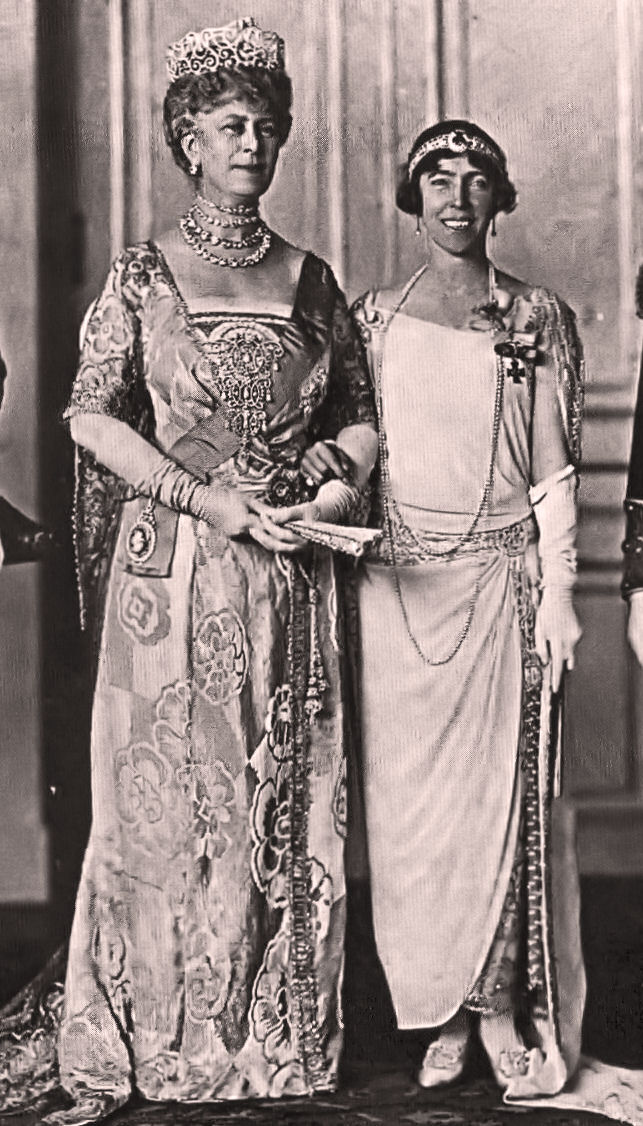
Queen Mary of the United Kingdom and Queen Elisabeth of Belgium wearing evening gloves at Belgian court.

An evening glove or opera glove is a type of glove that reaches beyond the elbow. They are traditionally worn by women on formal occasions.

Women's gloves for formal and semi-formal wear come in three lengths for women: wrist, elbow, and opera or full-length (over the elbow, usually reaching to the biceps but sometimes to the full length of the arm).

The most expensive full-length gloves are custom-made of kidskin. Many other types of leather, most usually soft varieties of cowhide, are used in making full-length gloves; patent leather and suede are especially popular as alternatives to kidskin, and are often more affordable than kidskin. Satin and stretch satin materials are extremely popular, and there are mass-produced varieties as well. More unusual glove materials include leathers made from salmon, python, and stingray.[1]

History

[edit]
Mary II wearing elbow length gloves c. 1690

Western world

[edit]

While the etymology of the term opera glove is unknown, gloves of above-the-elbow length have been worn since at least the late 18th century, and gloves reaching to or just below the elbow have been worn by women in Western countries since the 17th century; in an extant engraving of England's Queen Mary dating from the 1690s she is shown wearing elbow-length gloves. Over-the-elbow gloves were first widely popular during the Regency/Napoleonic period (circa 1800–1825), and waned in popularity during the early and mid-Victorian periods (circa 1830–1870), but enjoyed their greatest vogue in the last two decades of the 19th century and the years of the 20th century prior to the start of World War I. During that period, they were standard for both daytime and evening wear; even some swimming costumes were accessorized with opera gloves. Etiquette considered gloves to be mandatory accessories for both men and women of the upper classes, so it was uncommon to see a well-dressed woman at a public occasion who was not wearing gloves of some sort. According to several fashion historians, over-the-elbow gloves were re-popularized during the late 19th century by actresses Sarah Bernhardt in France (to disguise what she considered her overly thin arms) and Lillian Russell in the United States.[2]

Marilyn Monroe wearing evening gloves in "Gentlemen Prefer Blondes"

The opera glove has enjoyed varying popularity in the decades since World War I, being most prevalent as a fashion accessory in the 1940s through the early 1960s, but continues to this day to be popular with women who want to add a particularly elegant touch to their formal attire. They have enjoyed minor revivals in fashion design on several occasions, being popular in haute couture collections in the late 2000s.[2] Opera gloves of varying materials, particularly satin, lace, and kidskin, continue to be highly popular accessories for bridal, prom, debutante, and quinceañera gowns and at very formal ballroom dances (white opera gloves are still mandatory for female debutantes at the Vienna Opera Ball[3]).

They are sometimes worn by entertainers such as can-can dancers and burlesque performers in particular during the performance of a Gown-and-glove striptease. In popular culture, probably the best-known images incorporating opera gloves are those of Rita Hayworth in Gilda (1946) Marilyn Monroe in Gentlemen Prefer Blondes (1953), Cinderella from Disney's 1950 film Cinderella and Audrey Hepburn in Breakfast at Tiffany's.

Japan

[edit]

In Japan, some ladies wear long gloves all day in summer, to protect the ideal irojiro (色白), or fair skin, which represents beauty, grace, and high social status (as well as purity and divinity in local religions), and avoid any form of tanning.[4]

[edit]

See also

[edit]

References

[edit]
[edit]
Revisions and contributorsEdit on WikipediaRead on Wikipedia
from Grokipedia
An evening glove, also known as an glove, is a formal ladies' accessory consisting of a fitted that covers the hand and extends beyond the , often reaching the mid-upper or . These gloves are traditionally worn for evening social occasions such as operas, balls, dinners, and galas, serving both practical and symbolic purposes by protecting the skin, concealing perceived imperfections like sharp elbows, and denoting elegance, modesty, and high social status. Crafted from fine, luxurious materials including kid leather, , , , or , they feature precise construction with elements like gussets for fit, buttons or slits at the wrist (as in the mousquetaire style), and sometimes embroidery or beading for added sophistication. The origins of evening gloves date to the , when they evolved from practical hand coverings into fashionable statements of wealth and power, particularly during the reign of Queen Elizabeth I (1558–1603), who popularized elaborate, jeweled gauntlets extending up the arm in portraits and court attire. By the 17th and 18th centuries, gloves became essential accessories across European nobility, made from high-quality kid leather or and often scented or embroidered, with lengths adapting to changing sleeve fashions—tied above the elbow when sleeves were short. In the , during the Victorian and Edwardian eras, evening gloves reached peak prominence as symbols of refined femininity, typically measuring 19 to 23 inches and required by for formal events to cover forearms modestly and signal non-manual labor class. Their popularity declined in the early amid the World Wars and shifting social norms, which favored shorter, more practical attire, but they experienced revivals in the with flapper styles and later through Hollywood's , where icons like embodied their glamour. In the late 20th and 21st centuries, evening gloves have persisted in and red carpet fashion, as seen in designs by houses like Schiaparelli and Yves Saint Laurent, blending historical opulence with modern interpretations such as or metallic fabrics. Today, they remain a versatile emblem of timeless sophistication, occasionally worn by celebrities and in contemporary shows to evoke allure, including a notable resurgence at the 2025 Golden Globes and in Fall/Winter 2025 collections.

Definition and Characteristics

Definition

An evening glove, also known as an opera glove, is a formal accessory consisting of a long that extends beyond the , typically measuring 16 to 22 inches or more in length from the thumb seam. Traditionally worn by women, it pairs with evening attire such as ball gowns or tuxedos to enhance elegance during formal events. Unlike short gloves, which reach only to the , or day gloves designed for use and often limited to the , evening gloves prioritize arm coverage and sophistication for nighttime occasions like s, balls, or galas. Standard variants include opera length, which extends above the elbow to the mid-upper arm; ballet length, reaching the upper arm or armpit and typically worn with strapless evening gowns; and mousquetaire, featuring a removable secured by buttons at the for ease of use. While primarily a feminine accessory, evening gloves have historical variants for men, such as white formal pairs worn with tuxedos in the early . They gained widespread popularity as a staple of formal in the 19th and 20th centuries.

Physical Features

Evening gloves are characterized by a form-fitting that closely follows the contours of the , accentuating its natural lines with a subtle taper from the upper to the for an elegant, elongated appearance. This snug fit ensures mobility while providing a polished look, often achieved through stretchable construction in modern designs. Closures vary to balance ease of wear and sophistication, including traditional button fastenings along the inner or —typically three small s for secure attachment—or contemporary zippers for quick donning; alternatively, many slip-on styles rely on inherent elasticity without additional hardware. Styling options range from minimalist plain, seamless constructions that emphasize clean lines to ornate variations featuring , beading, or trims for added embellishment. Practical adaptations include fingerless designs, which expose the fingertips for ease in handling utensils or glassware during events, and gauntlet styles with flared cuffs that offer a dramatic yet functional flair. These gloves are intentionally designed to complement sleeveless or short-sleeved evening gowns, creating a continuous, seamless line that enhances overall attire harmony; a three-quarter variant, reaching the upper , serves as an occasional alternative to the traditional elbow- standard. Sizing and customization prioritize a tailored fit, with measurements taken at key points such as the hand knuckles for the base and upper —typically around the bicep or where the glove terminates—for the elongated portions, allowing for left- and right-hand specificity in pieces. Modern iterations often incorporate elastic panels for adjustable comfort across a range of sizes, accommodating variations without custom alterations.

History

Origins and Early Development

The origins of evening gloves trace back to ancient protective arm coverings that gradually evolved into symbols of status and refinement. In , linen gloves dating to 1343–1323 B.C. were discovered in Tutankhamun's tomb, used for handling reins and signifying royal utility. Similarly, a fresco from the ancient Minoan site of Akrotiri on the island of Thera (modern ) depicts early glove-like hand protections used in boxing, while Homer's references gloves worn to shield against brambles, highlighting their initial practical role in labor and daily tasks. During the medieval period in , gloves transitioned from utilitarian items to markers of , laying foundational elements for later fashion developments. Knights employed metal gauntlets extending past the wrist for battlefield protection and intimidation, while and adopted white versions for ceremonial purposes, such as in English rituals from A.D. 973 onward. Fur-lined mittens and gloves from sites in , made from deer, hare, sheep, or fox skins, further illustrate their protective origins in harsh climates. By the , these evolved into ostentatious accessories, often jeweled, embroidered, or scented, worn or carried in courts to denote rank and used as diplomatic gifts. In the 17th and 18th centuries, gloves emerged as deliberate fashion statements in European courts, influenced by figures like , who in the popularized perfumed gloves at the French court to mask the odor of tanned and elevate women's attire. These early styles typically reached mid-forearm, featuring extravagant ornamentation in , , or , and served as gifts between , such as from gallants to mistresses. The opulence of Versailles under amplified this trend, integrating gloves into courtly displays of wealth and etiquette, with Queen Mary II of England commissioning elbow-length pairs in 1690 as a status emblem. This shift toward formal evening use occurred during the Enlightenment, driven by conventions that mandated covered arms for modesty amid revealing dress sleeves. As attendance surged in , long gloves became essential for women in theaters, concealing skin while allowing elegant movement, with styles extending above the elbow by the late . A pivotal milestone was the influx of silk imports from via the , which supplied fine raw materials from and , enabling the creation of luxurious, lightweight designs that enhanced the tactile appeal and durability of these emerging evening accessories.

19th and 20th Centuries in the West

In the (1837–1901), evening gloves reached the height of popularity in Western fashion, particularly among the upper classes, where they symbolized refined femininity and . Made primarily from soft kid leather, these gloves typically featured 12 to 20 buttons along the arm, extending from the wrist to the mid- or upper arm to complement sleeveless or short-sleeved evening gowns at balls and operas. strictly mandated their wear for such formal occasions, with white kid leather deemed essential for evening attire; removal was only permitted upon being seated at dinner or during dancing to avoid soiling. Innovations in the , including the widespread adoption of the button hook for fastening, facilitated the production of these longer, more elaborate styles, solidifying their role as indispensable accessories. During the Edwardian and interwar periods (1901–1940s), evening gloves evolved toward even greater elongation, often reaching length of 18 inches or more to the bicep or beyond, enhancing the dramatic silhouette of high-necked or off-the-shoulder gowns. remained the preferred material for , though and variants gained traction; Hollywood stars like popularized these luxurious, form-fitting styles in films, influencing global trends toward glamorous, elongated designs. shortages prompted shifts to washable fabrics like , while the era temporarily adapted lengths, shortening some evening gloves to wrist or mid-forearm for youthful, liberated looks, though full lengths persisted for black-tie events. By the 1930s, designers such as revived 20-button gloves, pairing them with surrealist evening wear amid interwar opulence. further accelerated material constraints, leading to synthetic alternatives like as became scarce, rendering long gloves a rare luxury. The mid-20th century (1950s–1970s) marked the decline of evening gloves in Western fashion, driven by post-World War II casualization and the embrace of bare arms in everyday and formal attire. A brief resurgence occurred in the with Christian Dior's "New Look," which incorporated elbow-length gloves to accentuate feminine silhouettes in full-skirted gowns, evoking pre-war elegance. However, by the , youth-driven cultural shifts and the rise of minimalist, sleeveless designs rendered gloves optional and increasingly obsolete, with norms relaxing to favor simplicity over tradition. Synthetic nylons briefly sustained shorter variants for evening wear, but overall, the accessory faded from prominence, reflecting broader societal moves toward informality.

Adoption in Japan

The adoption of evening gloves in Japan began during the (1868–1912) as part of broader efforts to modernize society and engage with international diplomacy. Imported through elite social circles, these accessories symbolized cosmopolitan sophistication and were integrated into formal attire for events at venues like the hall, where Japanese women wore Western-style gowns to host foreign dignitaries and attend balls. A notable early example is the 1873 official portrait of , who appeared in a low-neckline paired with long white gloves, illustrating their role in ceremonial Western dress among the imperial court. During the Taishō period (1912–1926), evening gloves gained further traction among urban women, particularly the moga (modern girls), who blended them with traditional kimono ensembles for social outings and modern balls, creating hybrid styles that emphasized individualism and global flair. These gloves, often in lace or satin to complement obi sashes, were worn alongside other Western accessories like parasols and cloche hats, reflecting a cultural shift toward eclectic fashion that preserved Japanese aesthetics while embracing modernity. Fashion magazines in Tokyo, such as those published by department stores like Mitsukoshi, played a key role in the 1920s by promoting these Western-Japanese fusions through illustrations and advertisements, popularizing shorter glove variants to harmonize with kimono sleeves. In the Shōwa period (1926–1989), this integration continued in urban settings, with evening gloves serving as markers of elegance in hostess clubs and formal gatherings, though wartime restrictions temporarily curbed their prominence before a resurgence tied to economic recovery and revived social nightlife. Overall, in , evening gloves evolved from symbols of elite Western alignment to emblems of harmonious cultural fusion, prioritizing aesthetic balance with traditional elements over the connotations seen in Western contexts.

Materials and Construction

Common Fabrics

Evening gloves have traditionally been crafted from premium materials prized for their durability, elegance, and tactile qualities. Kid leather, derived from soft goatskin, is a longstanding favorite due to its supple texture, sheen, and resistance to wear, allowing for a close-fitting that enhances the glove's formal appearance. offers lightweight elegance and exceptional dyeability, making it ideal for evening wear where fluidity and a subtle luster are desired. For added textured luxury, provides a smooth, reflective surface, while imparts a , opulent feel suitable for dramatic ensembles. In the post-1940s era, synthetic alternatives emerged to offer affordability without sacrificing style, including and , which mimic the drape and sheen of while being more accessible for . Contemporary options include vegan materials like , engineered to replicate the look and flexibility of , appealing to ethical preferences and providing durability in non-animal-derived forms. The color palette for evening gloves emphasizes versatility and sophistication, with classics such as , , and dominating for their timeless compatibility with formal attire. Jewel tones like emerald and ruby add dramatic flair for evening events, evoking luxury and contrast against darker gowns. In the , historical preferences leaned toward softer pastels, reflecting the era's refined aesthetic and expanding dye techniques. Dyeing and finishing processes further customize evening gloves, with hand-dyeing enabling precise, custom shades that align with specific outfits or skin tones. Leather variants often receive treatments like conditioning oils or beeswax applications to enhance water resistance, preserving the material's integrity during wear.

Manufacturing Techniques

In the 19th century, evening gloves were crafted through labor-intensive handmade processes, beginning with the selection and cutting of patterns from fine hides like kid leather. Artisans used hand tools or early innovations such as the "main de fer" (iron hand) mold, invented by French glovemaker Xavier Jouvin in 1834, which enabled the simultaneous cutting of multiple leather sheets into glove shapes for greater efficiency while maintaining precision. Seams were then hand-stitched using traditional techniques: the French piqué method positioned seams on the inside for a smooth, elegant exterior and enhanced elasticity, while the English inseam method placed seams on the outside, often with visible topstitching for durability. Buttonholes, essential for fastening longer evening styles, were meticulously hand-worked, reinforced with gimp thread for strength or fitted with pearl buttons secured by specialized hooks. The early marked a shift toward in evening glove production, driven by industrial advancements that reduced reliance on manual labor. Cutting dies replaced hand patterns, allowing for uniform shapes across batches, while specialized glove-sewing machines—such as the "comb" model patented in the late and refined thereafter—automated stitching of complex curves like thumbs and fingers. By the post-World War II era, assembly lines further transformed the industry, integrating sequential stations for cutting, sewing, and finishing to support for a growing consumer market, particularly in and the . Modern manufacturing techniques for evening gloves emphasize precision, , and customization, often incorporating advanced technologies while building on traditional principles. Laser-cutting systems provide exact contours with minimal waste, ideal for delicate materials and ensuring consistent sizing even in intricate designs. For synthetic variants, 3D machines produce seamless structures directly on the , eliminating post-construction and allowing for form-fitting results that mimic the suppleness of natural fibers. protocols, including tension gauges during stitching and visual inspections, maintain even distribution to avoid wrinkles or distortions that could impair wear. Customization remains a hallmark for high-end evening gloves, starting with bespoke measuring of the hand, fingers, and arm length to achieve a tailored fit. Artisans or machines then adapt patterns accordingly, incorporating decorative via computerized machines that apply motifs like floral patterns or monograms with fine thread for added elegance.

Etiquette and Social Role

Usage in Formal Attire

Evening gloves are traditionally paired with or off-the-shoulder gowns to create an elongated arm , enhancing the overall elegance of the ensemble. This pairing is particularly effective with sleeveless or short-sleeved formal dresses, where the gloves extend from the to above the elbow, balancing the exposure of the shoulders and décolletage. During dining portions of events, requires removing the gloves entirely—slipping them off from the before consuming or other foods to avoid stains—then folding them neatly under the on the lap until the meal concludes. In event-specific contexts, evening gloves serve as an essential accessory for black-tie galas, performances, and formal weddings, where they complement floor-length gowns and contribute to a polished, sophisticated appearance. For jewelry coordination, rings are worn underneath the gloves to avoid bulk, while bracelets or cuffs are placed over the fabric for a layered effect, ensuring no adornments are hidden beneath to maintain a streamlined look. These gloves synergize well with complementary accessories such as handheld fans, evening clutches, and tiaras, creating a cohesive formal ensemble often seen in high-society settings. Historically, they were paired with corsets in 19th-century Western ball attire to provide full arm coverage alongside structured bodices. For practical comfort during extended formal events, many evening gloves feature breathable silk linings that wick away moisture and prevent overheating, allowing wearers to maintain poise over several hours. Mousquetaire-style variants with wrist buttons facilitate partial removal for brief interactions, such as handshakes, without fully doffing the glove.

Cultural Norms

In the , evening gloves symbolized modesty, as exposing bare arms in public was deemed improper and contrary to ideals of propriety and . They also signified and refinement, with fine materials like kid leather or indicating and , while concealing roughened hands from manual labor to mask working-class origins. Furthermore, gloves promoted by shielding hands from dirt, perspiration, and potential disease transmission during social interactions. Strict governed their use, including removal before consuming solids or liquids to avoid soiling, with gloves placed on the lap beneath a during meals. In church settings, they were worn as a mark of respect and to uphold , particularly during formal occasions like weddings. Cross-cultural variations highlight differing emphases; in Western societies, mismatched glove colors with an outfit constitute a , denoting poor taste and inadequate coordination. Evening gloves reinforced gender dynamics by embodying through elegant coverage and graceful presentation of the arms and hands. While primarily a women's accessory, evening gloves were historically worn by men in formal white-tie attire. Modern male usage remains exceptional, largely confined to drag or theatrical where they amplify exaggerated feminine aesthetics and challenge traditional norms.

Modern Usage and Revival

Contemporary Fashion

In the 2010s and , evening gloves experienced a notable revival on runways, with designers incorporating them into couture collections for added drama and sophistication. Valentino featured opera-length gloves with frilled details in their Spring 2020 Couture show, blending traditional elegance with voluminous ruffles. Similarly, Schiaparelli showcased long black velvet gloves in their Fall-Winter 2025/26 collection, pairing them with sleek silhouettes to evoke surrealist flair, while their Fall-Winter 2024 line included matching velvet gloves with crepe skirts for a cohesive, elongated look. Contemporary iterations often emphasize edginess through metallic finishes and sheer fabrics, as seen in textured sheer purple opera gloves from emerging labels like Nana Jacqueline, which add a modern, translucent layer to evening ensembles. This revival extended to major 2025 events, where opera gloves became a standout accessory on red carpets. At the 82nd Golden Globes in January 2025, celebrities including in a pale yellow gown, , and in designs wore black and white opera gloves, reviving Old Hollywood glamour. Similarly, at the in May 2025, themed around tailored brilliance, and others accessorized with sheer opera gloves, with SEYMOURE serving as the exclusive luxury glove designer in a Vogue-GQ collaboration. Celebrity endorsements have further propelled evening gloves as a red carpet staple, amplifying their dramatic appeal in high-profile settings. popularized the trend with her bold red elbow-length gloves at the 2015 Oscars, pairing them with a white gown to create a striking contrast that sparked widespread memes and discussions. More recently, royals like , have worn custom satin gloves to state banquets, such as the 2023 event honoring the , where she opted for ivory Paula Rowan designs to complement her gown, upholding a tradition of formal glamour. At awards and galas, figures like and have adopted gloves for added edge, with incorporating them into a 2022 look and channeling vintage Hollywood vibes. Adaptations for inclusivity have broadened evening gloves' accessibility in 21st-century , with offering options beyond traditional and styles. Plus-size variants, such as stretchy gloves from Cornelia James tailored to individual arm measurements, ensure a flattering fit for diverse body types. designs, including sheer gloves from We Love Colors available in men's , promote gender-neutral wear for formal occasions. Shorter elbow-length versions in breathable fabrics, like those from Dents, cater to casual formals by providing elegance without full coverage, making them suitable for everyday elevated attire. Evening gloves continue to appear at global events, merging high with cultural contexts. At the 2022 Met Gala themed "In America: An Anthology of ," celebrities including and wore gloves as a nod to opulence, turning the accessory into the evening's dominant trend. In modern settings, long satin gloves from brands like Dents remain a preferred choice for audience attire, enhancing formal black-tie ensembles at performances. Blends with have emerged in urban weeks, where designers pair gloves with casual layers for a hybrid aesthetic, as highlighted in street-style coverage from and New York.

Collectibility and Reproduction

Vintage evening gloves from the to command significant interest among collectors, with well-preserved originals often fetching $100 to $500 per pair at auctions and specialty sales, though exceptional pieces with notable can exceed this range. For example, a pair of above-elbow evening gloves with pearl buttons sold for $75 on Ruby Lane in a listing highlighting their collectible bridal appeal. In contrast, three pairs of white kid long evening gloves from the /, part of Hepburn's personal collection, realized £6,875 (approximately $9,000 at the time) at in 2017. Condition plays a pivotal role in valuation, with factors such as intact buttons, minimal fabric wear, absence of stains, and overall structural integrity greatly enhancing desirability, as noted in guides to accessories. Modern reproductions of evening gloves are crafted by artisan makers who draw on historical patterns to recreate authentic styles, often using techniques from vintage sewing guides like Butterick's B5370 pattern for unlined historical gloves spanning multiple eras. Sustainable options have emerged, such as runway opera gloves made from recycled nylon, aligning with eco-conscious fashion trends while mimicking classic silhouettes. These reproductions are widely available online through specialty boutiques and platforms like Etsy, where handmade pairs in kid leather or silk evoke 1920s-1950s designs. Preservation of evening gloves requires careful techniques to mitigate degradation from , , and handling; experts recommend storage in acid-free boxes within a cool, dry environment to protect delicate fabrics like kid leather. Restoration efforts, including re-dyeing faded areas or repairing seams, are typically handled by professional conservators using archival methods to preserve original materials without alteration. Evening gloves hold substantial cultural value, as evidenced by institutional collections such as those at the , which include French leather examples from ca. 1880 and British leather pairs from ca. 1958, showcasing their role in formal attire evolution. Beyond museums, these gloves influence contemporary and historical reenactments, where replicas in or are employed to authentically depict Regency or Victorian ensembles in events and performances.

References

Add your contribution
Related Hubs
User Avatar
No comments yet.