Hubbry Logo
OrthoticsOrthoticsMain
Open search
Orthotics
Community hub
Orthotics
logo
8 pages, 0 posts
0 subscribers
Be the first to start a discussion here.
Orthotics
Orthotics
from Wikipedia

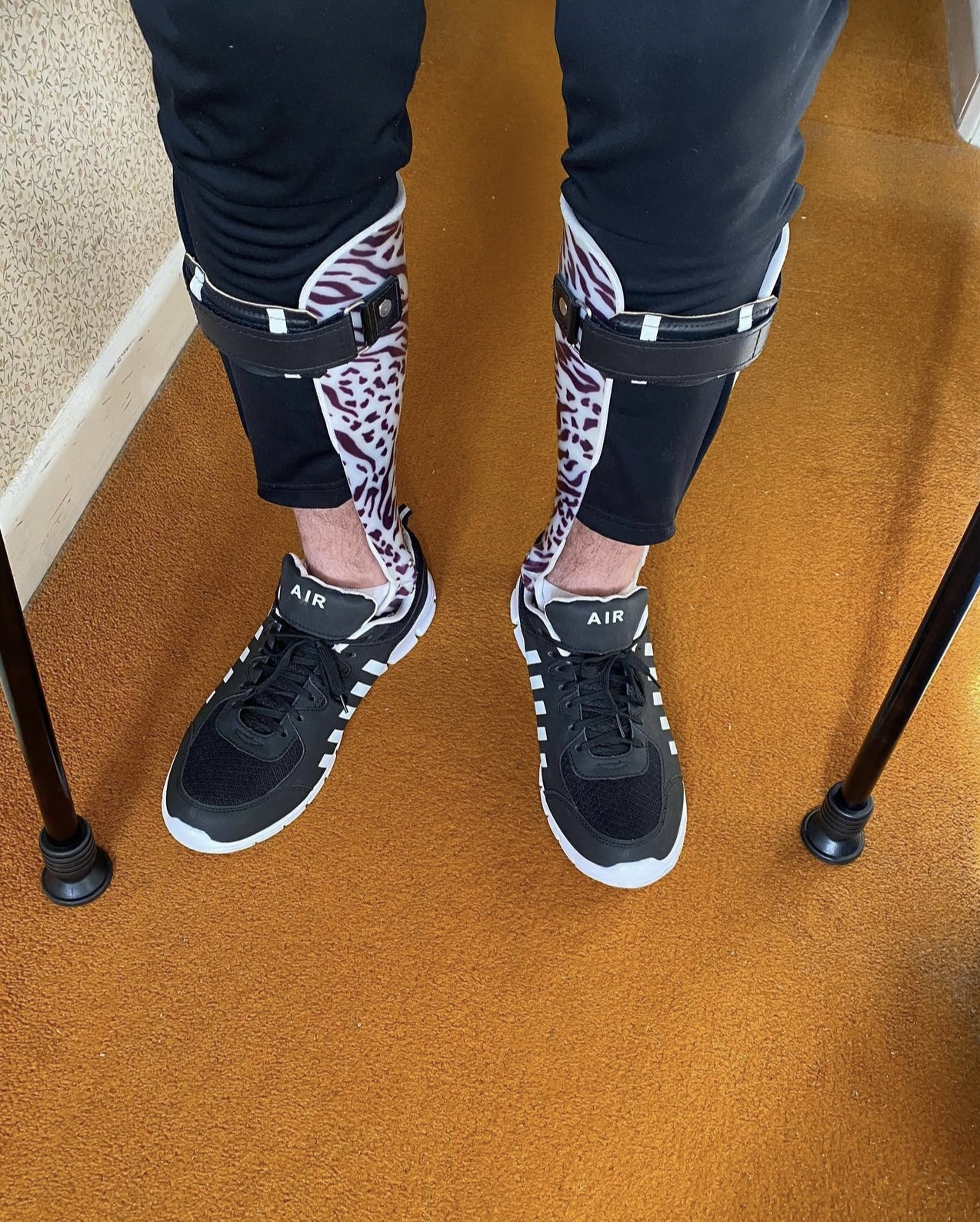
A pair of AFO (Ankle Foot Orthosis) braces being used to aid bilateral foot drop

Orthotics (Greek: Ορθός, romanizedortho, lit.'to straighten, to align') also known as orthology is a medical specialty that focuses on the design and application of orthoses, sometimes known as braces, calipers, or splints.[1] An orthosis is "an externally applied device used to influence the structural and functional characteristics of the neuromuscular and skeletal systems."[2] Orthotists are medical professionals who specialize in designing orthotic devices such as braces or foot orthoses.

Classification

[edit]
Codification of Orthoses

Orthotic devices are classified into four areas of the body according to the international classification system (ICS):[2] orthotics of the lower extremities, orthotics of the upper extremities, orthotics for the trunk, and orthotics for the head. Orthoses are also classified by function: paralysis orthoses and relief orthoses.[3]

Under the International Standard terminology, orthoses are classified by an acronym describing the anatomical joints they support.[2] Some examples include KAFO, or knee-ankle-foot orthoses, which span the knee, ankle, and foot; TLSO, or thoracic-lumbar-sacral orthoses, supporting the thoracic, lumbar and sacral regions of the spine. The use of the International Standard is promoted to reduce the widespread variation in the description of orthoses, which is often a barrier to interpreting research studies.[4]

The transition from an orthosis to a prosthesis can be fluid. An example is compensating for a leg length discrepancy, equivalent to replacing a missing part of a limb. Another example is the replacement of the forefoot after a forefoot amputation. This treatment is often made from a combination of a prosthesis to replace the forefoot and an orthosis to replace the lost muscular function (ortho prosthesis).[citation needed]

Orthotist

[edit]

An orthotist is a specialist responsible for the customising, manufacture, and repair of orthotic devices (orthoses).[5] The manufacture of modern orthoses requires both artistic skills in modeling body shapes and manual skills in processing traditional and innovative materials— CAD/CAM, CNC machines and 3D printing are involved in orthotic manufacture.[6] Orthotics also combines knowledge of anatomy and physiology, pathophysiology, biomechanics and engineering.[7]

In the United States, while orthotists require a prescription from a licensed healthcare provider, physical therapists are not legally authorized to prescribe orthoses. In the U.K., orthotists will often accept referrals from doctors or other healthcare professionals for orthotic assessment without requiring a prescription.[8]

Prescription and manufacturing

[edit]

Orthoses are offered as:

  • Custom-fabricated products – they are in the foreground of an optimal supply and are individually manufactured. If the physical examination of a patient is carried out precisely, the clinical picture often shows a combination of several functional deviations. Each functional deviation can be slight or severe. The combination of the functional deviation and its characteristics leads to a detailed indication. A major advantage of custom-made products is that the various necessary orthotic functions when doing the configuration of the orthotics can be optimally matched to the determined functional deviations. Another advantage of custom-made products is that each orthosis is made to fit the individual body shape of the patient. Custom-fabricated products were traditionally made by following a trace of the extremity with measurements to assist in creating a well-fitted device. Subsequently, the advent of plastics and later even more modern materials such as carbon fiber composites and aramid fibers as materials of choice for construction necessitated the idea of creating a plaster of Paris mold of the body part in question. This method is still extensively used throughout the industry. By introducing composite materials made of carbon fiber materials and aramid fibers embedded in an epoxy resin matrix, the weight of modern orthoses is extremely reduced. With this technique, modern orthoses can achieve perfect stiffness in the areas where this is necessary (e.g., the connection between the ankle and knee joint) and flexibility in the areas where flexibility is required (e.g., in the area of the forefoot on the foot part of an orthosis).
  • Semi-finished products – they are used for fast supply in the case of diseases that occur frequently. They are manufactured industrially and in some cases can be adapted to the anatomical body conditions. Semi-finished products are also referred to as prefabricated products and custom fitted products, but in these cases it is not custom-fabricated.
  • Finished products – these include short-term orthoses or bandages for a limited duration of therapy and are manufactured industrially. Finished products are also referred to as off-the-shelf products.

Both custom-fabricated products and semi-finished products are used in long-term care and are manufactured or adapted by the orthotist or by trained orthopedic technicians according to the prescription. In many countries the physician or clinician defines the functional deviations in his prescription, e.g. paralysis (paresis) of the calf muscles (M. Triceps Surae) and derives the indication from this, e.g. orthotic to restore safety when standing and walking after a stroke. The orthotist creates another detailed physical examination and compares it with the prescription from the physician. The orthotist describes the configuration of the orthosis, which shows which orthotic functions are required to compensate for the functional deviation of the neuromuscular or skeletal system and which functional elements must be integrated into the orthosis for this. Ideally, the necessary orthotic functions and the functional elements to be integrated are discussed in an interdisciplinary team between physician, physical therapist, orthotist and patient.

Lower limb orthoses

[edit]
Patient after spinal cord injury with incomplete paraplegia (lesion height L3) with a knee-ankle-foot orthosis with an integrated stance phase control knee joint

All orthoses that affect the foot, the ankle joint, the lower leg, the knee joint, the thigh or the hip joint belong to the category of orthoses for the lower extremities.[2]

Paralysis orthoses

[edit]

Paralysis orthoses are used for partial or complete paralysis, as well as complete functional failure of muscles or muscle groups, or incomplete paralysis (paresis). They are intended to correct or improve functional limitations or to replace functions that have been lost as a result of the paralysis. Functional leg length differences caused by paralysis can be compensated for by using orthosis.[9]

For the quality and function of a paralysis orthosis, it is important that the orthotic shell is in total-contact with the patient's leg to create an optimal fit, which is why a custom-made orthotic is often preferred. As reducing the weight of an orthosis significantly lessens the energy needed to walk with it, the use of light weight and highly resilient materials such as carbon fiber, titanium and aluminum is indispensable for the manufacture of a custom-made orthosis.[10]

The production of a custom-made orthotic also allows the integration of orthotic joints, which means the dynamics of the orthotic can be matched exactly with the pivot points of the patient's anatomical joints. As a result, the dynamics of the orthosis take place exactly where dictated by the patient's anatomy. Since the dynamics of the orthosis are executed via the orthotic joints, it is possible to manufacture the orthotic shells as stable and torsion-resistant, which is necessary for the quality and function of the orthosis. The orthosis thus offers the necessary stability to regain the security that has been lost due to paralysis when standing and walking.[11]

In addition, an orthosis can be individually configured through the use of orthosis joints. In this way, the combination of the orthotic joints and the adjustability of the functional elements can be adjusted to compensate for any existing functional deviations that have resulted from the muscle weakness.[12][13][14][15][16][17] The goal of a high-quality orthotic fitting is to adjust the functional elements so precisely that the orthosis provides the necessary support while restricting the dynamics of the lower extremities as little as possible to preserve the remaining functionality of the muscles.[11]

Determination of strength levels for physical examination

[edit]

In the case of paralysis due to disease or injury to the spinal/peripheral nervous system, a physical examination is needed to determine the strength levels of the affected leg's six major muscle groups and the orthosis's necessary functions.

Description of the functions of the large muscle groups used to define the functional elements of a paralysis orthosis intended to compensate for restricted muscle functions
  1. The dorsiflexors move the foot through concentric muscle work around the axis of the ankle in the direction of dorsiflexion and control the plantar flexion through eccentric muscle work.
  2. The plantar flexors contribute significantly to being able to stand upright by actuating the forefoot lever and thereby increasing the standing area when standing. This group of muscles moves the foot in the direction of plantar flexion.
  3. The knee extensors extend the knee in the direction of the knee extension.
  4. The knee flexors bend the knee in the direction of the knee flexion.
  5. The hip flexors bend the hip joint toward the hip flexion.
  6. The hip extensors stretch the hip joint in the direction of the hip extension and, at the same time, extend the knee in the direction of the knee extension.

According to Vladimir Janda, a muscle function test is carried out to determine strength levels.[18] The degree of paralysis is given for each muscle group on a scale from 0 to 5, with the value 0 indicating complete paralysis (0%) and the value 5 indicating normal strength (100%). The values between 0 and 5 indicate a percentage reduction in muscle function. All strength levels below five are called muscle weakness.

The combination of strength levels of the muscle groups determines the type of orthosis (AFO or KAFO) and the functional elements necessary to compensate for restrictions caused by the reduced muscular strength levels.[medical citation needed]

Physical examination for paralysis due to diseases or injuries to the spinal cord and/or the peripheral nervous system

[edit]

Paralysis may be caused by injury to the spinal or peripheral nervous system after spinal cord injury, or by diseases such as spina bifida, poliomyelitis and Charcot-Marie-Tooth disease. In these patients, knowledge of the strength levels of the large muscle groups is necessary to configure the orthotic for the necessary functions.[medical citation needed]

Physical examination for paralysis due to diseases or injuries to the central nervous system

[edit]

Paralysis caused by diseases or injuries to the central nervous system (e.g. cerebral palsy, traumatic brain injury, stroke, and multiple sclerosis) can cause incorrect motor impulses that often result in clearly visible deviations in gait.[19][20] The usefulness of muscle strength tests is therefore limited, as even with high degrees of strength, disturbances to the gait pattern can occur due to the incorrect control of the central nervous system.

Cerebral palsy and traumatic brain injury
[edit]
The Amsterdam Gait Classification facilitates the assessment of the gait pattern in CP patients and patients with traumatic brain injury and helps to determine the gait type.

In ambulatory patients with alternative mobility experiences due to cerebral palsy or traumatic brain injury, the gait pattern is analysed as part of the physical examination in order to determine the necessary functions of an orthosis.[21][22]

One way of classifying gait is according to the "Amsterdam Gait Classification", which describes five gait types. To assess the gait pattern, the patient is viewed directly, or via a video recording, from the side of the leg being assessed. At the point when the leg is mid-stance the knee angle and the contact of the foot with the ground are assessed.[21] The five gait types are:

  1. Type 1, the knee angle is normal and foot contact is complete.
  2. Type 2, the knee angle is hyperextended and the foot contact is complete.
  3. Type 3, the knee angle is hyperextended and foot contact is incomplete (only on the forefoot).
  4. Type 4, the knee angle is flexed and foot contact is incomplete (only on the forefoot).
  5. Type 5, the knee angle is flexed and foot contact is complete, this is also known as crouch gait.

Patients with paralysis due to cerebral palsy or traumatic brain injury are usually treated with an ankle-foot orthosis (AFO). Although in these patients the muscles are not paralyzed but being sent the wrong impulses from the brain, the functional elements used in the orthotics are the same for both groups. The compensatory gait is an unconscious reaction to the lack of security when standing or walking that usually worsens with increasing age;[20] if the right functional elements are integrated into the orthosis to counter this, and maintain physiological mobility, the right motor impulses are sent to create new cerebral connections.[23] The goal of an orthotic is the best possible approximation of the physiological gait pattern.[24]

Stroke
[edit]
The N.A.P. Gait classification facilitates the assessment of the gait pattern in stroke patients and helps to determine the gait type.

In the case of paralysis after a stroke, rapid care with an orthosis is necessary. Often areas of the brain are affected that contain "programs" for controlling the musculoskeletal system.[25][26][27] With the help of an orthosis, physiological standing and walking can be relearned, preventing long term health consequences caused by an abnormal gait pattern.[28] According to Vladimir Janda, when configuring the orthotic it is important to understand that the muscle groups are not paralyzed, but are controlled by the brain with wrong impulses, and this is why a muscle function test can lead to incorrect results when assessing the ability to stand and walk.[citation needed]

An important basic requirement for regaining the ability to walk is that the patient trains early on to stand on both legs safely and well balanced. An orthosis with functional elements to support balance and safety when standing and walking can be integrated into physical therapy from the first standing exercises, and this makes the work of mobilizing the patient at an early stage easier. With the right functional elements that maintain physiological mobility and provide security when standing and walking, the necessary motor impulses to create new cerebral connections can occur.[23] Clinical studies confirm the importance of orthoses in stroke rehabilitation.[29]

Patients with paralysis after a stroke are often treated with an ankle-foot orthosis (AFO), as after a stroke stumbling can occur if only the dorsiflexors are supplied with incorrect impulses from the central nervous system. This can lead to insufficient foot lifting during swing phase of walking, and in these cases, an orthosis that only has functional elements to support the dorsiflexors can be helpful. Such an orthosis is also called drop foot orthosis. When configuring a foot lifter orthosis, adjustable functional elements for setting the resistance can be included, which make it possible to adapt the passive lowering of the forefoot (plantar flexion) to the eccentric work of the dorsal flexors during loading response.[12][13]

In cases where the muscle group of the plantar flexors is supplied with wrong impulses from the central nervous system, which leads to uncertainty when standing and walking, an unconscious compensatory gait can occur.[20] When configuring an orthosis functional elements that can restore safety when standing and walking must be used in these cases; a foot lifter orthosis is not suitable as it only compensates for the functional deviations caused by weakness of the dorsiflexors.

Patients with paralysis after stroke who are able to walk have the option of analysing the gait pattern in order to determine the optimal function of an orthosis. One way of assessing is the classification according to the "N.A.P. Gait Classification", which is a physiotherapeutic treatment concept.[30] According to this classification, the gait pattern is assessed in the mid-stance phase and described as one of four possible gait types.

This assessment is a two step process; in the first step, the patient is viewed from the side of the leg to be assessed, either directly or via a video recording. In gait type 1 the knee angle is hyperextended, while in type 2, the knee angle is flexed. In the second step, the patient is viewed from the front to determine if the foot is inverted, if it is the letter "a" is added to the gait. This is associated with a varus deformity of the knee. If instead the patient stands on the inner edge of the foot (eversion), which is associated with a valgus deformity of the knee, the letter "b" is added to the gait type. Patients are thus classified as gait types 1a, 1b, 2a or 2b. The goal of orthotic fitting for patients who are able to walk is the best possible approximation of the physiological gait pattern.[medical citation needed]

Multiple sclerosis (MS)
[edit]
Determination of the strength levels of the large muscle groups, taking into account the muscular fatigue typical of MS patients using the example of the muscle group of the dorsal extensors

In the case of paralysis due to multiple sclerosis, the degree of strength of the six major muscle groups of the affected leg should be determined as part of the physical examination in order to determine the necessary functions of an orthosis, just as in the case of diseases or injuries to the spinal/peripheral nervous system. However, patients with multiple sclerosis may experience muscular fatigue as well. The fatigue can be more or less pronounced and, depending on the severity, can lead to considerable restrictions in everyday life. Persistent stress, such as from walking, causes a deterioration in muscle function and has a significant effect on the spatial and temporal parameters of walking, for example by significantly reducing the cadence and walking speed.[31][32][33] Fatigue can be measured as muscle weakness. When determining the strength levels of the six major muscle groups as part of the patient's medical history, fatigue can be taken into account by using a standardized six-minute walking test.[34] According to Vladimir Janda the muscle function test is carried out in combination with the six-minute walk test in the following steps:

  1. First muscle function test (without muscular fatigue)
  2. Six-minute walk test directly followed by
  3. Second muscle function test (with muscular fatigue)

This sequence of muscle function test and six-minute walk test is used to determine whether muscular fatigue can be induced. If the test reveals muscular fatigue, the strength levels and measured fatigue should be included in the planning of an orthosis, and when determining the functional elements.[medical citation needed]

Functional deviations in the case of paralysis of large muscle groups

[edit]

Paralysis of the dorsiflexors – weakness of the dorsiflexors results in a drop foot. The patient's foot cannot be sufficiently lifted during the swing phase while walking, as the necessary concentric work of the dorsiflexors can not be activated.[35] There is a risk of stumbling, and the patient cannot influence the shock absorption when walking (gait phase, loading response), as the eccentric work of the dorsiflexors is limited.[35] After initial heel contact the forefoot either slaps too quickly on the floor via the heel rocker, which creates an audible noise, or the foot does touch the floor with forefoot first, which disrupts gait development.[36]: 178–181 [37]: 44–45, 50–54 and 126 [38]

Paralysis of the plantar flexors – If the plantar flexors are weak, the muscles of the forefoot lever are either inadequately activated or not activated at all. The patient has no balance when standing and has to support themself with aids such as crutches. The forefoot lever required for energy-saving walking in the gait phases from mid-stance to pre-swing cannot be activated by the plantar flexors. This leads to excessive dorsiflexion in the ankle joint in terminal stance and a loss of energy while walking. The center of gravity of the body lowers towards the end of the stance phase and the knee of the contralateral leg is flexed excessively. With each step, the center of gravity must be raised above the leg by straightening the excessively flexed knee. Since the plantar flexors originate above the knee joint, they also have a knee-extension effect in the stance phase.[36]: 177–210 [37]: 72 [38]

Paralysis of the knee extensors – if the knee extensors are weak, there is an increased risk of falling when walking, as between loading response to the mid-stance the knee extensors control knee flexion inadequately, or not at all. To control the knee, the patient develops compensatory mechanisms that lead to an incorrect gait pattern, for example by exaggerated activation of the plantar flexors, leading into hyperextension of the knee, or when initial contact is with the forefoot and not the heel in order to prevent the knee-flexing effect of the heel rocker.[36]: 222, 226 [37]: 132, 143, 148–149 [38]

Paralysis of the knee flexors – if the knee flexors are weak, it is more difficult to flex the knee in pre-swing.[36]: 220 [37]: 154 [38]

Paralysis of the hip flexors – if the hip flexors are weak, it is more difficult to flex the knee in pre-swing.[36]: 221 [37]: 154 [38]

Paralysis of the hip extensors – the hip extensors help control of the knee against unwanted flexion when walking between loading response and mid-stance.[36]: 216–17 [37]: 45–46 [38]

Functional elements in paralysis of large muscle groups

[edit]

The functional elements of an orthosis ensure the flexion and extension movements of the ankle, knee and hip joints. They correct and control the movements and secure the joints against undesired incorrect movements, and help avoid falls when standing or walking.[citation needed]

Functional elements in paralysis of the dorsiflexors – if the dorsiflexors are weak, an orthosis should lift the forefoot during the swing phase in order to reduce the risk of the patient stumbling. An orthosis that has only one functional element for lifting the forefoot in order to compensate for a weakness in the dorsiflexors is also known as a drop foot orthosis. An AFO of the drop foot orthosis type is therefore not suitable for the care of patients with weakness in other muscle groups, as these patients require additional functional elements to be taken into account. Initial contact with the heel should be achieved by lifting the foot through the orthosis, and if the dorsiflexors are very weak, control of the rapid drop of the forefoot should be taken over by dynamic functional elements that allow for adjustable resistance of plantar flexion. Orthoses should be adapted to the functional deviation of the dorsiflexors in order to correct the shock absorption of the heel rocker lever during loading response, but should not block plantar flexion of the ankle joint as this leads to excessive flexion in the knee and hip and an increase in the energy needed for walking. This is why static functional elements are not recommended when there are newer technical alternatives.[12][36]: 105 [37]: 134 [38]

Functional elements in paralysis of the plantar flexors – in order to compensate for a weakness of the plantar flexors, the orthosis has to transfer large forces that the strong muscle group would otherwise take over. These forces are transmitted in a similar way to a ski boot during downhill skiing via the functional elements of the foot part, ankle joint and lower leg shell. Dynamic functional elements are preferable for the ankle joint as static functional elements would completely block the dorsiflexion, which would have to be compensated for by the upper body, resulting in an increased energy cost when walking.[15] The functional element's resistance to protect against unwanted dorsiflexion should be able to be adapted according to the weakness of the plantar flexors. In the case of very weak plantar flexors, the functional element's resistance against undesired dorsiflexion must be very high in order to compensate for the functional deviations this causes.[39][16] Adjustable functional elements allow the resistance to be adjusted exactly to the weakness of the muscle, and scientific studies recommend adjustable resistance in patients with paralysis or weakness of the plantar flexors.[13][14]

Functional elements in paralysis of knee extensors and hip extensors – in the case of weak knee extensors or hip extensors, the orthosis must take over the stability and stance phase control when walking. Different knee-securing functional elements are needed depending on the weakness of these muscles. In order to compensate for functional deviations with slightly weakness of these muscle groups, a free moving mechanical knee joint with the mechanical pivot point behind the anatomical knee pivot point can be sufficient. In the case of significant weakness, knee flexion when walking must be controlled by functional elements that mechanically secure the knee joint during the early stance phases between loading response and mid stance. Stance phase control knee joints which lock the knee in the early stance phases and release it for knee flexion during the swing phase can be used here, with these joints, a natural gait pattern can be achieved despite mechanically securing against unwanted knee flexion. In these cases, locked knee joints are often used, and while they have a good safety function, the knee joint remains mechanically locked during the swing phase while walking. Patients with locked knee joints have to manage the swing phase with a stiff leg, which only works if the patient develops compensatory mechanisms, such as by raising the body's center of gravity in the swing phase (Duchenne limping) or by swinging the orthotic leg to the side (circumduction). Stance phase control knee joints and locked joints can both be mechanically "unlocked" so the knee can be flexed to sit down.[17]

Ankle–foot orthoses (AFO) in the field of paralysis orthoses
[edit]
Ankle-foot orthosis for the care of patients after stroke, cerebral palsy, multiple sclerosis and other paralyzes of the dorsiflexors and plantar flexors. Designation of the orthosis according to the body parts included in the orthosis fitting: ankle and foot, English abbreviation: AFO for ankle-foot orthoses.

AFO is the abbreviation for ankle-foot orthoses, which is the English name for an orthosis that spans the ankle and foot.[2] In the treatment of paralyzed patients, they are mainly used when there is a weakness of the dorsiflexors or plantar flexors.[40][41]

Through the use of modern materials, such as carbon fibers and aramid fibers, and new knowledge about processing these materials into composite materials, the weight of orthotics has been reduced significantly. In addition to the weight reduction, these materials and technologies have created the possibility of making some areas of an orthosis so rigid that it can take over the forces of the weakened muscles (e.g. the connection from the ankle joint to the frontal contact surface on the shin), while at the same time leaving areas requiring less support very flexible (e.g. the flexible part of the forefoot).[42]

It is now possible to combine the required rigidity of the orthotic shells with the dynamics in the ankle,[43] with this, other new technologies, and the possibility of producing lightweight but rigid orthoses, new demands have been made of orthotics:[44][45]

  • Despite the necessary rigidity, the orthoses should not block the mobility of the ankle.
  • Despite the necessary rigidity, the orthoses should not block the functionality of the muscles, but rather promote it.
  • Despite the necessary rigidity, contractures and spasticity should not be stimulated.

A custom-made AFO can compensate for functional deviations of muscle groups, it should be configured according to the patient data through a function and load calculation so that it meets the functional and load requirements. In calculating or configuring an AFO, variants are optimally matched to individual requirements for the functional elements of the ankle joint, for the stiffness of the foot shell, and for the shape of the lower leg shell. The size of these components is selected by matching their resilience to the load data.[medical citation needed]

An ankle joint based on new technology is the connection between the foot shell and the lower leg shell and at the same time contains all the necessary adjustable functional elements of an AFO.[clarification needed]

Depending on the combination of the degree of paralysis of the dorsiflexors or plantar flexors, different functional elements to compensate for their weakness can be integrated into the ankle joint; if both muscle groups are affected, the elements should be integrated into one orthotic joint. The necessary dynamics and resistance to movements in the ankle can be adapted via adjustable functional elements in the ankle joint of the orthosis, which allows it to compensate for muscle weaknesses, provide safety when standing and walking, and still allow as much mobility as possible. For example, adjustable spring units with pre-compression can enable an exact adaptation of both static and dynamic resistance to the measured degree of muscle weakness. Studies show the positive effects of these new technologies.[12][14][15][39][16] It is of great advantage if the resistances for these two functional elements can be set separately.[13]

An AFO with functional elements to compensate for a weakness of the plantar flexors can also be used for slight weakness of the knee-securing muscle groups, the knee extensors and the hip extensors.[medical citation needed]

A drop foot orthosis is an AFO that only has one functional element for lifting the forefoot in order to compensate for a weakness in the dorsiflexors.[46] If other muscle groups, such as the plantar flexors, are weak, additional functional elements must be taken into account, making a drop foot orthosis unsuitable for patients with weakness in other muscle groups.

Ankle-foot orthosis (AFO) manufactured using old technology from polypropylene in a variant that is also called "Hinged AFO". It can be used to support an isolated foot drop, but it will block plantar flexion. This AFO cannot transmit the high forces required to counterbalance weak plantar flexors while standing and walking.

In 2006, before these new technologies were available, the International Committee of the Red Cross published in its 2006 Manufacturing Guidelines for Ankle-Foot Orthoses, with the aim of providing people with disabilities worldwide standardized processes for the production of high-quality, modern, durable and economical devices.[47]

Because new technologies are not widely used, AFOs are often made from polypropylene-based plastic, mostly in the shape of a continuous "L" shape, with the upright part behind the calf and the lower part under the foot, however, this only offers the rigidity of the material. AFOs made of polypropylene are still called "DAFO" (dynamic ankle-foot orthosis), "SAFO" (solid ankle-foot orthosis) or "Hinged AFO". DAFOs are not stable enough to transfer the high forces required to balance the weak plantar flexors when standing and walking, and SAFOs block the mobility of the ankle joint. A "Hinged AFO" only allowed for the compensation that could be achieved with the orthotic joints of the time, for example, they commonly block plantar flexion, as the joints cannot simultaneously transmit the large forces that are required to compensate for muscle deviations while also offering the necessary dynamics.[medical citation needed]

While there was a multitude of AFOs with differing designs in clinical practice, there was also a clear lack of details regarding the design and the materials used for manufacture, leading Eddison and Chockalingam to call for a new standardization of the terminology.[48][49] With a focus on caring for children with cerebral palsy there is a recommendation to investigate the potential for gait pattern improvement via the design and manufacture of orthotics made of polypropylene.[50] On the other hand, integrating orthotic joints with modern functional elements into the production of older technologies using polypropylene is unusual because the orthotic shells made of polypropylene either could not transfer the high forces or would be too soft.[medical citation needed]

New studies now show the better possibilities for improving the gait pattern through the new technologies.[12][15][39][16][13]

The International Committee of the Red Cross published its manufacturing guidelines for ankle–foot orthoses in 2006, and, unfortunately, today's terminologies are still based those guidelines and therefore require a particularly high level of explanation.[47] The intent was to provide standardized procedures for the manufacture of high-quality modern, durable and economical devices to people with disabilities throughout the world. However, with the new technologies available, the main types mentioned are in need of revision today.

AFO known as: SAFO
AFO known as:
SAFO
Designation of the orthosis according to one function: S for solid

plus the body parts included in the orthosis fitting: ankle and foot, English abbreviation: AFO for ankle-foot orthoses

"SAFO"

Designation given by the Red Cross in 2006:

Rigid AFO[47]

  • Provides functional elements against a drop foot and for stabilization when standing
  • Blocks both plantar flexion and dorsiflexion, with all negative consequences
  • Alignment not adjustable
  • Stiffness in Plantarflexion not adjustable
  • Stiffness in Dorsiflexion not adjustable
AFO known as: DAFO
AFO known as:
DAFO
Designation of the orthosis according to one function: D for dynamic

plus the body parts included in the orthosis fitting: ankle and foot, English abbreviation: AFO for ankle-foot orthoses

"DAFO"

Designation given by the Red Cross in 2006:

Flexible AFO[47]

  • Provides a functional element against a drop foot.
  • Does not provide safety when standing and walking if the plantar flexors are weak
  • Alignment not adjustable
  • Resistance in Plantarflexion not adjustable
  • Resistance in Dorsiflexion not adjustable
AFO known as: Hinged AFO
AFO known as:
Hinged AFO
Designation of the orthosis according to one function: Hinged

plus the body parts included in the orthosis fitting: ankle and foot, English abbreviation: AFO for ankle-foot orthoses

"Hinged-AFO"

"Hinged" simply means a flexible connection between the two parts of the orthosis. The joint itself does not offer any further functional elements.

Designation given by the Red Cross in 2006:[47]

AFO with Tamarack Flexure Joint

  • Provides a functional element against a drop foot.
  • Does not provide safety when standing and walking if the plantar flexors are weak.
  • Blocks plantar flexion with all negative consequences
  • Alignment not adjustable
  • Stiffness in Plantarflexion not adjustable
  • Resistance in Dorsiflexion not adjustable
AFO known as: Posterior Leaf Spring
AFO known as:
Posterior Leaf Spring
Designation of the orthosis according to one function:

"Posterior Leaf Spring"

Spring made from flexible material behind (posterior) the ankle

A DAFO often also known as "Posterior Leaf Spring"

Not mentioned by the Red Cross in 2006
  • Provides functional elements against a drop foot.
  • Stabilization when standing and walking for weak plantar flexors with energy return
  • Provides dynamics in the ankle but prevents the physiological plantar flexion caused by the heel lever, as the movement of the orthosis takes place behind the ankle joint
  • Alignment not adjustable
  • Stiffness in Plantarflexion not adjustable
  • Stiffness in Dorsiflexion not adjustable
AFO known as: FRAFO
AFO known as:
FRAFO
Designation of the orthosis according to one function:

FR for Floor reaction

plus the body parts included in the orthosis fitting: ankle and foot, English abbreviation: AFO for ankle-foot orthoses

"FRAFO"

Designation is misleading as other orthoses also have this function

Not mentioned by the Red Cross in 2006
  • Provides functional elements against a drop foot.
  • Stabilization when standing and walking for weak plantar flexors.
  • Blocks both plantar flexion and dorsiflexion, with all negative consequences
  • Alignment not adjustable
  • Resistance in Plantarflexion not adjustable
  • Resistance in Dorsiflexion not adjustable
AFO with stiff carbon fiber frame and dynamic ankle joint for adjustable stiffness through separately adjustable spring resistance in plantar- and dorsiflexion
Designation of the orthosis according to the body parts included in the orthosis fitting: ankle and foot, English abbreviation: AFO for ankle-foot orthoses.

Plus further descriptions, such as:
- ventral shell with torsionally rigid reinforcement to focus the dynamics on the ankle joint
- dynamic ankle joint with precompressed spring elements to control plantarflexion and dorsiflexion

Not mentioned by the Red Cross in 2006 Depending on which functional elements are integrated in the ankle joint used, such an orthosis can enable the following functions:[12][15][39][16][13]
  • provides dynamics in the ankle
  • Adjustable alignment
  • Adjustable resistance for shock absorption during loading response
  • Adjustable resistance to prevent drop foot
  • Adjustable resistance for stabilization when standing and walking for weak plantar flexors with energy return
Knee-ankle-foot orthosis (KAFO) in the field of paralysis orthoses
[edit]
Knee-ankle-foot orthosis for the treatment of patients e.g. with paraplegia after spinal cord injury, poliomyelitis or multiple sclerosis. Designation of the orthosis according to the body parts included in the orthosis fitting: knee, ankle and foot, English abbreviation: KAFO for knee-ankle-foot orthoses.

KAFO is the abbreviation for knee-ankle-foot orthoses, which spans the knee, ankle and foot.[51] In the treatment of paralyzed patients, a KAFO is used when there is a weakness of the knee or hip extensors.[17][40][41] They have two orthotic joints: an ankle joint between the foot and lower leg shells and a knee joint between the lower leg and thigh shells.[citation needed]

KAFOs can be roughly divided into three variants, depending on whether the mechanical knee joint is: locked, unlocked or locked and unlocked.[medical citation needed]

KAFO with locked knee joint - The mechanical knee joint is locked both when standing and also when walking (in both the stance and swing phases) in order to achieve the necessary stability. To sit, the user can unlock the knee joint. When walking with a locked knee joint it is difficult for the user to swing the leg forward and, in order to not stumble, the leg must be swung forward and out in a circular arc (circumduction) or the hip must be raised unnaturally to swing the stiff leg. Each of these incorrect gait patterns can lead to secondary diseases in the bone and muscle system, and such compensatory movement patterns lead to increased energy consumption when walking. The film Forrest Gump impressively shows how the main character Forrest Gump is additionally hindered in his urge to move by such orthoses.[relevant?] For centuries, KAFOs were built with mechanical knee joints that stiffened the knee of the paralyzed leg, and even today, such orthotic fittings are still common. Typical designations for a KAFO with a locked knee joint include "KAFO with Swiss lock" or "KAFO with drop lock lock".[medical citation needed]

KAFO with unlocked knee joint - An unlocked knee joint can move freely both when standing and when walking, both in the stance phase and in the swing phase. In order for the leg to swing through without stumbling, knee flexion of approximately 60° is allowed; the user does not need to unlock the knee joint to sit. As a KAFO with an unlocked knee joint can provide only minor compensation for paralysis-related issues while standing and walking, an orthotic knee joint with a rearward displacement of the pivot point can be installed in order to increase safety. However, even with this, a KAFO with a non-locked knee joint should only be used in cases of minor paralysis of the knee and hip extensors. With more severe paralysis and low levels of strength in these muscle groups, there is a significant risk of falling. A typical designation for a KAFO with a unlocked knee joint is, among other things, "KAFO with knee joint for movement control".[medical citation needed]

KAFO with locked and unlocked knee joint - The mechanical knee joint of a KAFO with locked and unlocked knee joint is locked when walking in the stance phase,[52] providing the necessary stability and security for the user. The knee joint is then automatically unlocked in the swing phase, allowing the leg to be swung through without stumbling. In order to be able to walk efficiently, without stumbling, and without compensating mechanisms, the joint should allow knee flexion of approximately 60° in the swing phase. The first promising developments of automatic knee joints, or stance phase locking knee joints, emerged in the 1990s. In the beginning there were automatic mechanical constructions that took over the locking and unlocking, now[when?] automatic electromechanical and automatic electrohydraulic systems are available that make standing and walking safer and more comfortable. Various terms are used for a KAFO with a locked and unlocked knee joint. Typical designations are "KAFO with automatic knee joint" or "KAFO with stance phase control knee joint". In scientific articles, the English term Stance Control Orthoses SCO is often used, but as this term differs from the ICS classification, one of the first two terms is preferable.

Different functional elements to compensate for weakness of the dorsiflexors or plantar flexors can be integrated into the ankle joint of the orthosis depending on the degree of paralysis of the two muscle groups. It is of great advantage if the resistances for these two functional elements can be set separately.[13] The functional elements to compensate for paralysis of the knee-securing muscle groups of the knee and hip extensors are integrated into the knee joint of the orthosis via knee-securing functional elements. A KAFO can use a variety of combinations of different variants in the stiffness of the foot shell, the different variants of the functional elements of a dynamic ankle joint, the variants in the shape of the lower leg shell, and the functional elements of a knee joint to compensate for the user's limitations.[41]

Hip-knee-ankle-foot orthosis (HKAFO) in the field of paralysis orthoses
[edit]

HKAFO is the abbreviation for hip-knee-ankle-foot orthoses; which is the English name for an orthosis that spans the hip, the knee, the ankle and the foot.[51] In the treatment of paralyzed patients, a HKAFO is used when there is a weakness of the pelvic stabilizing trunk muscles.[41]

Relief orthoses

[edit]

Relief Orthoses are used when there is degeneration to a joint (from "wear and tear" for example) or after an injury such as a torn ligament.[53] Relief orthoses are also used after operations such as operations on the joint ligaments, other bony, muscular structures, or after a complete replacement of a joint.[54][55]

Relief orthosis may also be used to:[citation needed]

  • Control, guide, limit and/or immobilize an extremity, joint or body segment for a particular reason
  • Restrict movement in a given direction
  • Assist movement generally
  • Reduce weight-bearing forces for a particular purpose
  • Aid rehabilitation from fractures after the removal of a cast
  • Otherwise correct the shape and/or function of the body, to provide easier movement capability or reduce pain

Ulcer healing orthoses (UHO)

[edit]

A custom-made ankle/foot orthosis can be used for the treatment of patients with foot ulcers, it is a rigid L-shaped support member with a rigid anterior support shell on an articulated hinge. The plantar portion of the L-shaped member has at least one ulcer-protecting hollow to allow the user to transfer their weight away from the ulcer to facilitate treatment. The anterior support shell is designed with a lateral hinged attachment to take advantage of the medial tibial flare structure to enhance the weight-bearing properties of the orthosis. A flexible, polyethylene hinge attaches the support shell to the L-shaped member and straps securely attach the anterior support shell to the user's lower leg.[56]

Foot orthoses (FO)

[edit]
A custom ankle-foot orthotic (AFO) specifically designed and fabricated based on a runner's individual foot and ankle anatomy and biomechanics

Foot orthoses (commonly called orthotics) are devices inserted into shoes to provide support for the foot by redistributing ground reaction forces acting on the foot joints while standing, walking or running. They may be either pre-moulded (also called pre-fabricated) or custom made according to a cast or impression of the foot. They are used by everyone from athletes to the elderly to accommodate biomechanical deformities and a variety of soft tissue conditions. Foot orthoses are effective at reducing pain for people with painful high-arched feet, and may be effective for people with rheumatoid arthritis, plantar fasciitis, first metatarsophalangeal (MTP) joint pain[57] or hallux valgus (bunions). For children with juvenile idiopathic arthritis (JIA) custom-made and pre-fabricated foot orthoses may also reduce foot pain.[58] Foot orthoses may also be used in conjunction with properly fitted orthopedic footwear in the prevention of diabetic foot ulcers.[59][60] A real-time weight bearing orthotic can be created using a neutral position casting device and the Vertical Foot Alignment System VFAS.[citation needed]

Ankle–foot orthoses (AFO) in the field of relief orthoses

[edit]
Knee orthosis with toothed gear segment joints for the care of patients e.g. after a cruciate ligament tear. Designation of the orthosis according to the body parts included in the orthosis fitting: the knee, English abbreviation: KO for knee orthoses.

An AFO can also be used to immobilize the ankle and lower leg in the presence of arthritis or a fracture. Ankle–foot orthoses are the most commonly used orthoses, making up about 26% of all orthoses provided in the United States.[61] According to a review of Medicare payments from 2001 to 2006, the base cost of an AFO was about $500 to $700.[62]

Knee orthoses (KO) in the field of relief orthoses

[edit]

A knee orthosis (KO) or knee brace extends above and below the knee joint and is generally worn to support or align the knee. In the case of diseases causing neurological or muscular impairment of muscles surrounding the knee, a KO can prevent flexion, extension, or instability of the knee. If the ligaments or cartilage of the knee are affected, a KO can provide stabilization to the knee by replacing their functions. For instance, knee braces can be used to relieve pressure from diseases such as arthritis or osteoarthritis by realigning the knee joint. In this way a KO may help reduce osteoarthritis pain,[63] however, there is no clear evidence about the most effective orthosis or the best approach to rehabilitation.[64] A knee brace is not meant to treat an injury or disease on its own, but is used as a component of treatment along with drugs, physical therapy and possibly surgery. When used properly, a knee brace may help an individual to stay active by enhancing the position and movement of the knee or reducing pain.[medical citation needed]

Prophylactic, functional and rehabilitation braces

[edit]

Prophylactic braces are used primarily by athletes participating in contact sports. Evidence indicates that prophylactic knee braces, like the ones football linemen wear that are often rigid with a knee hinge, are ineffective in reducing anterior cruciate ligament tears, but may be helpful in resisting medial and lateral collateral ligament tears.[65]

Functional braces are designed for use by people who have already experienced a knee injury and need support while recovering from it, or to help people who have pain associated with arthritis. They are intended to reduce the rotation of the knee, support stability, reduce the chance of hyperextension, and increase the agility and strength of the knee. The majority of these are made of elastic. They are the least expensive of all braces and are easily found in a variety of sizes.[medical citation needed]

Rehabilitation braces are used to limit the movement of the knee in both medial and lateral directions, these braces often have an adjustable range of motion, and can be used to limit flexion and extension following ACL reconstruction. They are primarily used after injury or surgery to immobilize the leg and are larger in size than other braces, due to their function.

Soft braces

[edit]
Knee bandage/Knee brace

A soft brace, sometimes called soft support or a bandage, belong to the field of orthoses and are supposed to protect the joints from excessive loads. Soft braces are also classified according to regions of the body. In sport, bandages are used to protect bones and joints, and prevent and protect injuries.[66] Bandages should also allow proprioception. They mostly consist of textiles, some of which have supportive elements. The supporting functions are low compared to paralysis and relief orthoses, though they are sometimes used prophylactically or to optimize performance in sport.[67] At present, the scientific literature does not provide sufficient high quality research to allow for strong conclusions on their effectiveness and cost-effectiveness.[68]

Upper limb orthoses

[edit]

Upper-limb (or upper extremity) orthoses are mechanical or electromechanical devices applied externally to the arm, or segments of it, in order to restore or improve function or structural characteristics of the arm segments enclosed in the device. In general, musculoskeletal problems that may be alleviated by the use of upper limb orthoses include those resulting from trauma[69] or disease (arthritis for example). They may also benefit individuals who have a neurological impairment from a stroke, spinal cord injury, or peripheral neuropathy.[citation needed]

Types of upper-limb orthoses

[edit]
  • Upper-limb orthoses
    • Clavicular and shoulder orthoses
    • Arm orthoses
    • Functional arm orthoses
    • Elbow orthoses
  • Forearm-wrist orthoses
  • Forearm-wrist-thumb orthoses
  • Forearm-wrist-hand orthoses
  • Hand orthoses
  • Upper-extremity orthoses (with special functions)

Spinal orthoses

[edit]
Measurement of pelvic tilt during physical examination to determine whether spinal orthoses are indicated to treat scoliosis
Halo brace used to immobilize the cervical spine
Jewett hyperextension body brace fitted to adolescent female patient in full support body suit. Designated TLSO as the orthosis fits the thoracic, lumbar and sacroiliac regions, making for a thoraco-lumbo-sacral orthosis.

Scoliosis, a condition describing an abnormal curvature of the spine, may in certain cases be treated with spinal orthoses,[70] such as the Milwaukee brace, Boston brace, Charleston bending brace, or Providence brace. As scoliosis most commonly develops in adolescent females who are undergoing their adolescent growth spurt, compliance is hampered by patient concerns about appearance and movement restrictions caused by the brace.[citation needed]

Spinal orthoses may also be used in the treatment of spinal fractures. A Jewett brace, for instance, may be used to aid healing of an anterior wedge fracture involving the T10 to L3 vertebrae, and a body jacket may be used to stabilize more involved fractures of the spine. There are several types of orthoses for managing cervical spine pathology.[71] The halo brace is the most restrictive cervical thoracic orthosis in use; it is used to immobilize the cervical spine, usually following fracture, and was developed by Vernon L. Nickel at Rancho Los Amigos National Rehabilitation Center in 1955.[72]

Head orthoses

[edit]

Helmets such as a cranial molding orthoses is an example of orthoses for the head.[73] These devices are often suggested for infants with positional plagiocephaly.[74][75]

See also

[edit]

References

[edit]
[edit]
Revisions and contributorsEdit on WikipediaRead on Wikipedia
from Grokipedia
Orthotics is the branch of healthcare that involves the science and practice of evaluating, measuring, designing, fabricating, assembling, fitting, adjusting, and servicing orthoses—custom-fabricated or custom-fitted devices designed to support, align, prevent, or correct deformities and dysfunctions in the neuromuscular and musculoskeletal systems. These devices, also known as braces or splints, limit or assist motion in specific body segments, stabilize weakened parts, and enhance overall function for individuals with conditions such as injuries, , neurological disorders, or congenital deformities. The origins of orthotics trace back to ancient civilizations, where rudimentary splints and supports were used to treat fractures and deformities, with archaeological evidence from including wooden splints used on a fractured of a dating to circa 2750 BC. Significant advancements occurred during the 19th and 20th centuries, driven by wartime needs and epidemics like ; for instance, the invention of the Thomas splint in revolutionized lower limb treatment. The modern era of orthotics emerged in the early 1970s, transitioning from craft-based methods to a clinical specialty incorporating like plastics, carbon fiber, and metals, alongside evidence-based designs to improve outcomes. Orthotic devices are classified by rigidity and anatomical application: soft orthotics provide cushioning and pressure relief using materials like foam or gel, ideal for care or prevention; semi-rigid orthotics offer moderate support with plastics or composites to control motion in conditions like ; and rigid orthotics use durable materials such as carbon fiber for structural correction in severe deformities. By body region, common types include foot orthoses (insoles for alignment), ankle-foot orthoses (AFOs for stability post-stroke), knee-ankle-foot orthoses (KAFOs for lower limb weakness), spinal orthoses (braces for ), and orthoses (splints for or elbow support). Applications span rehabilitation, , and preventive care, reducing injury risk in athletes, improving in neurological patients, and mitigating progression by redistributing biomechanical stresses. Orthotics are provided by certified orthotists, healthcare professionals trained through graduate programs combining clinical evaluation, , and fabrication techniques, often working in multidisciplinary teams with physicians and physical therapists. Recent innovations, including and smart sensors for real-time adjustments, continue to enhance efficacy, with ongoing research emphasizing personalized, evidence-based interventions to optimize mobility and .

Fundamentals

Definition and Scope

Orthotics are medical devices designed to support, align, prevent, or correct musculoskeletal deformities and abnormalities, thereby enhancing bodily function and mobility. The term derives from the Greek "ortho," meaning "straight" or "correct," combined with the "-tic," indicating something pertaining to, reflecting their role in straightening or aligning body structures. These external appliances, often rigid or semi-rigid, address weaknesses or deformities in body parts such as limbs, the spine, or joints, and are applied to manage conditions ranging from congenital issues to acquired injuries. The primary purposes of orthotics include biomechanical correction to optimize movement patterns, pain relief through load distribution and joint stabilization, by mitigating abnormal stresses on tissues, and support for rehabilitation to facilitate recovery and restore function. For instance, they can redistribute forces during activities to reduce strain on vulnerable areas, thereby alleviating discomfort and promoting in therapeutic contexts. Orthotics differ from prosthetics, which replace absent or surgically removed body parts such as limbs, whereas orthotics provide supplementary support to existing without substitution. They also extend beyond simple footwear inserts, which primarily offer cushioning for the feet, by encompassing devices for the entire body, including upper limbs, , and . Key concepts in orthotics include static orthoses, which immobilize or support without permitting motion across affected joints, and dynamic orthoses, which allow or assist with movement to encourage flexibility and function. Additionally, orthotics are categorized as custom-fabricated for precise individual fit based on assessments or off-the-shelf prefabricated options for general use. Common examples include braces for spinal alignment, splints for joint protection, and insoles for foot support.

Historical Development

The origins of orthotics trace back to ancient civilizations, where early forms of supportive devices were crafted from available materials to aid mobility and correct deformities. In , around 2400 BCE, supportive footwear and prosthetic-like aids made from leather were used, as depicted in hieroglyphics and evidenced by archaeological finds such as wooden and leather toes attached to mummified remains dating to approximately 1000 BCE. Similarly, Greek physicians like described the use of metal and leather supports for limb stabilization in the 5th century BCE, marking some of the earliest documented applications of orthotic principles. During the medieval period, significant advancements emerged in , particularly through the work of French surgeon in the . Paré, often regarded as the father of modern orthotics, developed iron braces and corsets to treat spinal deformities like scoliosis, incorporating perforated designs for breathability and adjustability; these devices were detailed in his 1575 writings and represented a shift toward more structured metal supports for long-term use. The 19th and 20th centuries brought further innovations driven by medical and material progress. In the 1850s, Dutch military surgeon Anthonius Mathijsen introduced plaster of Paris casts by impregnating linen bandages with gypsum, revolutionizing immobilization for fractures and deformities during conflicts like the . Post-World War II, the adoption of rubber components for cushioning and early plastics like thermoplastics in the enabled lighter, more flexible orthoses, such as ankle-foot designs, improving patient comfort and functionality. Professional standardization also advanced in the , with the American Board for Certification in Orthotics, Prosthetics & Pedorthics issuing the first certifications in 1951 to ensure practitioner competency. The polio epidemics of the mid-20th century, peaking in the , spurred widespread use of leather-and-steel leg braces to support weakened limbs, affecting thousands and highlighting the need for durable lower-limb orthotics. In the post-2000 era, digital technologies transformed orthotic fabrication. and manufacturing (CAD/CAM) systems, first explored in the but widely integrated after 2000, allowed for precise scanning and customization of devices, reducing production time and improving fit accuracy. The 2010s marked the advent of for orthoses, with early clinical applications around 2010 enabling of custom supports using additive manufacturing techniques. These developments have been influenced by demographic shifts, including aging populations, driving market growth; the global prosthetics and orthotics sector, valued at approximately USD 6.56 billion in 2024, is projected to expand due to increased demand for mobility aids among the elderly.

Professionals and Processes

Role of Orthotists

An is a healthcare professional specifically educated and trained to assess, design, fabricate, fit, and manage orthotic devices to address musculoskeletal and neuromuscular impairments. In the , is typically obtained through organizations such as the American Board for in Orthotics, Prosthetics & Pedorthics (ABC) or the Board of / (BOC), which ensure practitioners meet standardized competencies in orthotic patient care without differences in core tasks or duties between the two bodies. Internationally, the International Society for Prosthetics and Orthotics (ISPO) recognizes Category I practitioners as fully qualified for independent clinical practice in orthotics. Training to become an generally requires a in orthotics and prosthetics or a related field, followed by a specialized and a one-year residency program accredited by the National Commission on Orthotic and Prosthetic (NCOPE). The residency provides hands-on clinical experience in orthotic management, preparing candidates for certification exams administered by ABC or BOC. Under ISPO standards, Category I equates to a with integrated clinical components, enabling full-scope practice globally. Orthotists play a central in patient care by conducting comprehensive evaluations, including reviews, physical examinations, and analyses to determine functional needs and orthotic suitability. They collaborate closely with physicians and rehabilitation teams to develop customized treatment plans, fabricate or select appropriate devices, and perform fittings to optimize outcomes. Ongoing responsibilities include on device use, monitoring progress through follow-up visits, and making adjustments to ensure efficacy and comfort. Ethical practice is fundamental to the , guided by codes such as the ABC Code of , which mandates orthotists to prioritize needs, document medical necessity for treatments, and use reasonable efforts to promote adherence through and supportive care. This includes avoiding over-prescription by ensuring orthoses are justified by clinical and goals, thereby fostering trust and compliance while preventing unnecessary interventions. In humanitarian and global contexts, ISPO-aligned guidelines further emphasize equitable access and culturally sensitive care to enhance engagement. Recent developments underscore the profession's value, as the 2025 Medicare , Prosthetics, Orthotics, and Supplies (DMEPOS) fee schedule implements a 2.4% net increase for non-competitive bidding orthotic services, reflecting adjustments for and productivity to support clinical delivery.

Prescription and Fitting

The prescription of orthotics begins with a comprehensive initial assessment, including a detailed , , and review of the patient's to identify functional impairments and biomechanical issues. such as X-rays or MRI may be employed if underlying structural abnormalities, like fractures or joint instability, are suspected, ensuring the prescription addresses specific pathologies. Goal-setting follows, where clinicians collaborate with the patient to define objectives, such as enhancing stability for balance disorders or promoting mobility for ambulatory limitations, tailored to the individual's vocational and daily activity demands. Device selection then occurs, choosing between prefabricated or custom orthotics based on the assessment, with custom options preferred for complex deformities requiring precise biomechanical correction. The fitting process commences post-prescription with capturing the patient's through , digital scanning, or foam impressions to create a mold that replicates the foot or limb contours accurately. During fabrication, adjustments are made to align with therapeutic goals, followed by a trial wear session where the evaluates fit, comfort, and function, making iterative modifications such as padding additions or strap tensions to prevent pressure points. Patients receive instructions on proper donning, doffing, and wear schedules, with follow-up visits to refine the device for optimal efficacy and to monitor skin integrity. Outcomes of orthotic prescriptions are evaluated using standardized metrics to quantify improvements in function and , such as the Functional Independence Measure (FIM), which assesses independence in daily activities on a 7-point scale across motor and cognitive domains. Other common tools include the 10-Metre Walk Test for gait speed and the Physiological Cost Index for energy expenditure, which have demonstrated large effect sizes in clinical studies of lower limb orthoses. These measures guide adjustments and long-term monitoring, ensuring the orthotic meets patient-specific goals. Common challenges in orthotic prescription and fitting include patient non-compliance, often due to discomfort, ill fit, or inconvenience, which can be mitigated through targeted on benefits, wear protocols, and . Contraindications encompass skin allergies to materials like or metals, which may provoke , necessitating alternative components or pre-use patch testing. Additional barriers involve functional mismatches or skin irritation from friction, addressed via customized designs and regular follow-ups to enhance adherence rates. Regulatory oversight for orthotics falls under the FDA, with most devices classified as Class I, exempt from premarket notification, including simple insoles (product code QMA) intended for general support. Custom braces and more complex orthoses, such as ankle-foot devices, are typically Class I or II with special controls to ensure safety and effectiveness, as outlined in 21 CFR Part 888, with no substantive changes reported in 2025 guidelines. Compliance with these regulations mandates proper labeling, reporting, and quality system adherence during prescription and fitting.

Classification Systems

Functional Categories

Orthotics are classified into functional categories based on their primary biomechanical roles, which determine how they interact with the body to achieve therapeutic outcomes such as immobilization, motion facilitation, load reduction, or . This approach emphasizes the device's purpose in supporting or correcting movement patterns, distinct from anatomical or material-based groupings. Static orthoses are designed to immobilize joints or body segments, preventing motion to promote or stability. These devices lack and apply rigid support to maintain a fixed position, commonly used in scenarios requiring rest for tissues, such as splints for where alignment must be preserved during recovery. By restricting all movement across the targeted , static orthoses reduce stress on injured structures and facilitate controlled recovery phases. Dynamic orthoses, in contrast, permit controlled motion while providing assistance or resistance, enabling functional activities without complete immobilization. Incorporating elements like springs, elastic bands, or hinges, these devices support natural during tasks such as walking; for instance, spring-loaded ankle-foot orthoses aid in by assisting dorsiflexion in individuals with weakened muscles. This category enhances patient engagement in rehabilitation by balancing support with mobility, often improving outcomes in neuromuscular conditions through gradual motion restoration. Relief orthoses focus on reducing mechanical load or on specific tissues to alleviate or prevent further damage, redistributing forces away from vulnerable areas. Materials like polyurethane foams or custom-molded inserts are employed to offload weight, as seen in total contact orthoses for ulcer healing that minimize shear and peak pressures on the plantar surface. These devices prioritize comfort and tissue preservation, with studies showing reductions in peak plantar pressures in high-risk populations when using accommodative designs. Prophylactic orthoses aim to prevent injuries by enhancing joint stability and absorbing impact during high-risk activities, particularly in athletic contexts. Functional knee braces, for example, limit excessive valgus loading to reduce the incidence of medial collateral ligament strains in contact sports, with some studies reporting relative risk reductions of up to 58% in knee ligament injuries among braced athletes compared to controls. These orthoses provide external reinforcement without impeding performance, making them essential for injury risk mitigation in dynamic environments, though overall evidence remains mixed. The classification of orthotics by function has evolved significantly since the 1970s, transitioning from craft-based descriptive systems developed by organizations like the International Society for Prosthetics and Orthotics (ISPO) to standardized international frameworks. Early ISPO efforts laid groundwork for global consistency. By the 1980s and 1990s, these were formalized into ISO standards, including ISO 8549 for terminology and ISO 9999 for assistive product classification, emphasizing biomechanical roles. Modern iterations, such as ISO 13404-1 (2024) for lower limb orthoses and ISO 22523 for requirements and test methods for external orthoses, incorporate rigorous performance metrics to ensure devices meet clinical efficacy through load-bearing and motion analysis protocols. This progression has enhanced interoperability, quality assurance, and evidence-based prescribing in orthotics practice.

Anatomical Classifications

Orthotics are classified anatomically according to the primary body regions they support, facilitating targeted interventions for region-specific impairments while bridging to more detailed functional and manufacturing considerations. This approach organizes devices by anatomical location, such as the lower limbs, upper limbs, spine, cranium, and hybrid systems spanning multiple areas, to address localized biomechanical needs like stability, alignment, or protection. Lower limb orthotics primarily emphasize weight-bearing support to enhance gait, balance, and load distribution, often prescribed for conditions involving muscle weakness or joint instability. Ankle-foot orthoses (AFOs), for instance, represent a key example; in a study of stroke patients, AFOs were prescribed to approximately 43%. These devices are commonly used, reflecting the high incidence of lower extremity disorders such as osteoarthritis and neurological impairments. In contrast, upper limb orthotics prioritize fine motor assistance, supporting precise movements in the hands, wrists, and arms to aid tasks requiring dexterity, such as grasping or manipulation, due to the upper extremities' specialized role in coordinated function. Spinal orthotics focus on alignment for posture correction, stabilizing the vertebral column to counteract deformities and maintain structural integrity during upright activities. These devices apply corrective forces to the torso, often addressing conditions like or early progression. Cranial orthotics, meanwhile, serve dual purposes of protection and shaping, particularly in pediatric applications where custom helmets remodel abnormal skull contours, such as in deformational , by guiding natural growth patterns. Hybrid systems integrate support across multiple anatomical regions in full-body orthoses, designed for severe, multifaceted conditions like advanced , building on foundational designs such as the to provide comprehensive stabilization from the cervical spine to the . This classification underscores how anatomical targeting enables orthotics to complement functional roles, such as immobilization or mobility aid, without overlapping into specialized fabrication details.

Manufacturing Techniques

Design Principles

Orthotic design is fundamentally grounded in biomechanical principles that ensure effective support, stability, and functionality while minimizing adverse effects on the body. Central to this is load distribution, where orthoses are engineered to redistribute forces across anatomical structures to prevent localized pressure points and reduce injury risk; for instance, in lower limb orthoses, forces are balanced to support weight-bearing without overloading joints or soft tissues. Joint alignment is another core principle, achieved by positioning the orthosis to maintain or correct anatomical axes, often employing three-point pressure systems to control angular motion and stabilize joints like the ankle or . Lever systems further enhance stability by acting as mechanical arms that generate corrective forces, such as in spinal orthoses where pressure equals total force divided by the contact area, allowing precise angular corrections without excessive bulk. These principles collectively optimize , posture, and energy efficiency, drawing from musculoskeletal to mimic natural joint mechanics. Customization methods in orthotic design prioritize patient-specific adaptations to achieve optimal fit and performance. Traditional plaster casting captures detailed anatomical contours by molding wet plaster directly onto the body segment, providing a precise negative impression for fabrication, though it can be time-intensive and uncomfortable. Digital scanning has emerged as a non-invasive alternative, using 3D or techniques to generate accurate surface models in minutes, enabling virtual modifications before production. Advanced simulations, such as finite element analysis (FEA), further refine designs by modeling stress distribution and deformation under simulated loads, predicting potential failure points and ensuring biomechanical compatibility without physical prototypes. These methods integrate to produce orthoses tailored to individual pathologies, such as varus alignment corrections in ankle-foot orthoses. Quality standards ensure orthotic safety and reliability, with ISO 10993-1 serving as the primary framework for biocompatibility evaluation of medical devices, including orthotics, by assessing , , and irritation risks based on contact duration and material composition. For external orthoses, this involves risk-based testing to confirm non-toxicity and tissue compatibility, particularly for skin-contacting devices. Durability testing complements this by subjecting dynamic orthoses to cyclic fatigue protocols under regulatory requirements like those in 21 CFR Part 890, simulating extended use to ensure structural integrity. These standards, enforced through regulatory bodies like the FDA, guarantee that orthoses withstand mechanical demands while posing minimal biological risks. Iterative design processes incorporate prototyping and patient feedback to refine orthotic efficacy. Initial prototypes, often created via from digital scans, allow for rapid physical testing and adjustments based on wear trials, where patients provide input on comfort, fit, and functional limitations. This feedback loop enables sequential modifications, such as altering leverage points or padding, to better align with biomechanical goals and user needs, reducing revision rates and enhancing long-term adherence. As of 2025, (AI) tools are increasingly incorporated into CAD software to predict stress distributions and optimize designs for individual anatomies, further enhancing . For example, certain integrations of computer-aided design (CAD) software with 3D printing, such as LutraCAD with Raise3D printers, have been reported to reduce production times by approximately 50% compared to traditional methods, streamlining orthotic production through automated modeling and simulation tools that eliminate manual drafting errors and accelerate customization workflows.

Materials and Fabrication Methods

Orthotics are fabricated using a range of materials selected for their mechanical properties, biocompatibility, and suitability for patient-specific applications. Thermoplastics, such as polypropylene, are widely employed for their rigidity and ability to be molded into supportive structures, providing the necessary stiffness for lower limb orthoses while maintaining flexibility under load. Composites like carbon fiber reinforced polymers offer lightweight strength and enhanced energy return, increasingly adopted in dynamic orthoses; for instance, materials such as ProComp®, which infuses carbon fibers between polypropylene layers, improve stiffness without adding significant weight, contributing to a growing market segment projected at $500 million in 2025. Soft materials, including ethylene-vinyl acetate (EVA) foams and Poron polyurethane, serve as padding and cushioning layers to distribute pressure and enhance comfort during prolonged wear. Fabrication methods for orthotics balance precision, customization, and efficiency. Traditional thermoforming involves heating thermoplastic sheets and vacuum-forming them over positive casts of the patient's anatomy, a cost-effective technique valued for its simplicity and scalability in producing rigid shells. Additive manufacturing via 3D printing enables direct production from digital scans, allowing for complex geometries and patient-specific designs like custom insoles, with material waste reduced to less than 5% compared to subtractive processes. CNC milling, a subtractive method, carves orthotic components from solid blocks of material such as foams or composites, offering high precision for prototypes but generating more waste than 3D printing. Metals like aluminum or titanium are occasionally used in durable components for their strength, though their added weight can compromise wearability, while silicone interfaces provide hypoallergenic skin contact to prevent irritation. Sustainability trends in orthotics fabrication have gained momentum since , with the emergence of recyclable bioplastics and biodegradable alternatives aimed at reducing environmental impact from disposable devices. These materials, including plant-based polymers, are being integrated into liners and supports to facilitate end-of-life , aligning with broader efforts in medical equipment to minimize plastic waste. Cost considerations vary significantly by production approach: off-the-shelf orthotics typically range from $50 to $200, leveraging standardized for affordability, whereas custom-fabricated devices, often involving or CNC milling, cost $500 to $3,000 due to labor-intensive personalization and .

Lower Limb Orthoses

Orthoses for Paralysis and Neuromuscular Conditions

Orthoses for paralysis and neuromuscular conditions in the lower limbs are designed to compensate for muscle weakness, spasticity, or loss of motor control, enabling improved mobility and preventing secondary complications such as joint deformities. These devices, including ankle-foot orthoses (AFOs) and more comprehensive systems like hip-knee-ankle-foot orthoses (HKAFOs), support weight-bearing and facilitate gait patterns that mimic natural locomotion. Assessment begins with muscle strength grading using the scale, which evaluates power from 0 (no contraction) to 5 (normal strength against full resistance). This 0-5 scale helps clinicians determine the extent of or weakness in key lower limb muscles, such as the tibialis anterior and gastrocnemius, guiding orthosis selection. , often involving observational or instrumented methods, identifies abnormalities like drop foot, characterized by inadequate dorsiflexion during swing phase, leading to toe drag or foot slap. In neuromuscular conditions, this analysis quantifies asymmetries in step length, , and ground reaction forces to tailor orthotic interventions. Common types include reciprocating gait orthoses (RGOs), which are HKAFO variants using cable or linkage systems to promote alternating leg movement for individuals with thoracic-level injuries (T1-T12). In a multicenter study of 74 patients with complete traumatic injuries, RGOs enabled functional in 31 participants at six months post-training, with usage influenced by younger age, higher lesion levels, and stair-climbing ability. Hybrid systems combining (FES) with orthoses deliver timed electrical impulses to paralyzed muscles while mechanical bracing provides stability, enhancing standing and walking in paraplegic patients. These FES-orthosis hybrids have shown potential to restore reciprocal patterns, though challenges like and device weight persist. Functional elements such as s ensure knee-ankle coordination by locking the in extension during stance for stability and allowing flexion in swing for clearance. Automatic hinge mechanisms in leg orthoses achieve this through or spring-loaded designs that resist flexion under load but permit free movement otherwise. Carbon fiber struts, often posterior in AFOs, provide by flexing during mid-stance and releasing stored to assist push-off, reducing metabolic cost compared to rigid alternatives. These orthoses address conditions like poliomyelitis, multiple sclerosis (MS), and stroke, where lower motor neuron damage or central nervous system lesions impair dorsiflexion and plantarflexion control. For instance, AFOs in polio survivors prevent equinus deformities by maintaining neutral ankle alignment, while in MS and stroke patients, they counteract spasticity-induced plantar flexion contractures that limit range of motion. In stroke cases with mild contractures (under 10 degrees), posterior shell AFOs have been shown to improve dorsiflexion during gait without exacerbating stiffness. Clinical outcomes demonstrate enhanced mobility, with studies reporting 20-30% increases in walking speed for users of dynamic AFOs or FES hybrids in neuromuscular . For example, FES-assisted drop foot systems improved speed by 25% in pilot tests among and SCI patients, alongside gains in step length and . Overall, these interventions boost energy efficiency and functional independence, though long-term adherence depends on user training and device customization.

Relief and Support Orthoses

Relief and support orthoses for the lower limbs primarily aim to alleviate pressure on vulnerable tissues, facilitate , and stabilize joints under load, particularly in conditions where mobility is preserved but tissue integrity is compromised. These devices distribute weight away from high-pressure areas, such as the plantar surface of the foot or medial compartment, using rigid or semi-rigid structures to promote recovery without restricting overall function. Common indications include ulcers, where offloading prevents further tissue breakdown, and post-injury swelling, such as ankle sprains or trauma, where support minimizes and aids gradual return to . Unlike dynamic orthoses for motor deficits, these focus on protective stabilization for stressed but intact musculoskeletal structures. Key types encompass ulcer healing orthoses like total contact casts (TCCs), which encase the foot and leg to achieve even pressure distribution across the entire plantar surface, reducing peak forces by up to 50% compared to standard footwear. TCCs are a for neuropathic ulcers, with randomized controlled trials demonstrating healing rates of 70-90% within 6-12 weeks, significantly outperforming removable offloading devices in both speed and completeness of closure. Foot orthoses for arch support, often custom-molded insoles, elevate and cushion the medial longitudinal arch to counteract collapse in flatfoot or pes planus, indicated for chronic arch strain or preventive support in high-risk populations. Systematic reviews indicate limited that these orthoses may reduce foot and improve function in adults with flatfoot, though benefits are most pronounced when customized to individual . Ankle-foot orthoses (AFOs) designed for varus or valgus incorporate medial or lateral uprights and T-straps to correct angular deformities, thereby unloading the affected ankle compartment during stance phase. These are prescribed for valgus post-injury or varus alignment in early , helping to maintain neutral positioning and reduce joint stress. For the , unloader braces apply a three-point force system to shift load from the medial compartment in , achieving a 10-20% reduction in medial peak pressure and adduction moment, as evidenced by biomechanical studies and randomized trials showing sustained pain over 3-6 months. Modular designs in these orthoses, featuring adjustable straps and interchangeable components, allow for progressive weight-bearing protocols, enabling clinicians to incrementally increase support as healing advances and patient tolerance improves. To address concerns about potential weakening of foot muscles, foot orthoses are best paired with targeted strengthening exercises for intrinsic foot muscles, such as short foot exercises or towel scrunches, to maintain or enhance muscle strength. Consultation with a podiatrist or orthotist for assessment and proper fitting—comparing custom versus over-the-counter options—ensures appropriate support while allowing users to stay active, preserving or improving function. Exercises should be performed barefoot for optimal muscle activation, with orthotics worn during weight-bearing activities for part of the day.

Soft and Prophylactic Braces

Soft and prophylactic braces represent a category of flexible lower limb orthotics designed primarily for mild support, injury prevention, and early rehabilitation, utilizing materials like and elastic fabrics to provide compression without significantly impeding natural motion. Common types include knee sleeves, which encase the knee for warmth and stability; elastic ankle wraps, which offer adjustable compression around the ankle; and prophylactic (ACL) braces tailored for athletic activities, featuring lightweight hinges or straps to mitigate valgus stresses during dynamic movements. These devices are typically available over-the-counter (OTC) in standardized sizes, allowing users to select based on limb circumference measurements for optimal fit, though proper sizing is crucial to avoid slippage or inadequate support. These braces find primary applications in post-surgical rehabilitation and the prevention of overuse injuries in active populations. In post-ACL reconstruction recovery, neoprene knee sleeves facilitate gradual return to function by enhancing joint awareness and reducing perceived instability during daily activities and light exercises. For overuse conditions such as shin splints—medial tibial stress syndrome common in runners—soft calf or shin supports provide targeted compression to alleviate periosteal irritation and promote tissue recovery without halting training entirely. Prophylactic ACL braces are particularly employed in contact sports like football and soccer to safeguard against non-contact ligament strains, while elastic ankle wraps serve as preventive measures for individuals with prior sprains during sports or occupational tasks involving repetitive foot impacts. The benefits of these braces center on non-restrictive support that enhances —the body's sense of joint position—and controls swelling through gentle compression, thereby supporting rehabilitation without the bulk of rigid alternatives. Neoprene sleeves, for instance, improve joint position sense in fatigued states, particularly benefiting those with baseline proprioceptive deficits by providing cutaneous feedback that refines neuromuscular control. Compression from elastic materials aids reduction in post-injury phases, potentially accelerating recovery timelines, while the flexibility preserves essential for therapeutic exercises. Evidence from meta-analyses supports their prophylactic value, with bracing and taping reducing ankle sprain incidence by 50-70% in at-risk athletes, attributed to mechanical restriction of excessive inversion. Similarly, soft orthoses have demonstrated efficacy in lowering tibial rates in military recruits by up to 50% through distributed load absorption. For prophylactic bracing in sports, systematic reviews indicate variable but potential reductions in medial collateral ligament injuries by 50% in some cohorts, though results for ACL protection remain inconsistent across studies. Despite these advantages, soft and prophylactic braces have notable limitations, particularly in addressing severe deformities or high-load scenarios where greater structural control is required. Their compressible materials, such as , flatten over time with repeated use, diminishing support and necessitating more frequent replacements, making them less suitable for profound misalignments like advanced flatfoot or significant . OTC versions rely on user-selected , which may lead to suboptimal fit if limb measurements are imprecise, potentially exacerbating rather than alleviating symptoms in complex cases. Guidelines recommend measuring the affected area at its widest point and consulting sizing charts from manufacturers to ensure , but is advised for persistent issues. Overall, these braces excel in preventive and mild rehabilitative roles but should be complemented with targeted exercises for long-term outcomes.

Upper Limb Orthoses

Shoulder and Arm Supports

Shoulder and arm supports encompass a range of orthotic devices aimed at stabilizing the proximal , particularly the and , to promote , reduce , and restore function following or . These orthoses typically target the and surrounding structures, providing immobilization or controlled motion to address or . Unlike distal devices, they emphasize gross stability for and daily activities, often integrating with broader functional support strategies in rehabilitation. Key types include the figure-of-8 brace, which encircles the shoulders in a crossed pattern to approximate fractured ends and maintain alignment during healing. This design is particularly suited for midshaft fractures, where conservative management is preferred in non-displaced cases. Another prominent type is the immobilizer, a padded sling-like device that secures the arm against the torso, commonly used for injuries to minimize tension on repaired tendons and prevent re-injury during the acute phase. For conditions involving restricted motion, abduction splints position the arm in slight elevation to counteract adhesions, as seen in adhesive capsulitis. These orthoses serve critical functions such as post-fracture alignment to ensure proper bone union without surgical intervention and abduction support for to facilitate gradual range-of-motion gains through sustained stretch. In rotator cuff pathology, immobilizers reduce shear forces on the , aiding tissue repair while allowing limited pendular exercises to maintain circulation. Overall, they mitigate excessive glenohumeral translation and support positioning to alleviate biomechanical stress. Design features prioritize patient comfort and efficacy, incorporating adjustable straps for individualized tension and sizing to accommodate swelling fluctuations. Padded axillary interfaces, often made from foam or gel, distribute pressure evenly to prevent nerve compression, skin breakdown, or irritation during prolonged wear. Lightweight or fabric composites enhance compliance by balancing rigidity with breathability. Indications for shoulder and arm supports primarily include traumatic injuries like fractures and tears, as well as degenerative conditions such as glenohumeral , where compromises joint integrity. These devices are frequently prescribed in post-operative scenarios or for non-surgical management of , with trauma accounting for a substantial portion of orthotic applications in clinical practice. Clinical outcomes demonstrate efficacy in pain management and functional recovery; for instance, studies on hemiplegic shoulder pain post-stroke indicate that orthoses significantly reduce subluxation-related discomfort and are well-tolerated with extended use. In adhesive capsulitis trials, abduction splinting combined with stretching yielded notable pain relief and improved abduction range by up to 30 degrees on average, enhancing daily activities without adverse effects. For rotator cuff repairs, immobilizers have shown comparable healing rates to slings while supporting early rehabilitation, with pain scores decreasing in over 50% of patients within weeks.

Hand and Wrist Orthoses

Hand and wrist orthoses encompass a range of devices tailored to immobilize, support, or mobilize the distal upper extremity, addressing conditions that impair grip, dexterity, and comfort. These orthoses are essential for managing inflammatory, traumatic, and neurological disorders by maintaining optimal alignment, reducing pain, and facilitating recovery. Unlike proximal upper limb supports, they emphasize precision in the carpal and metacarpal regions to preserve fine motor function. Common types include the cock-up splint, which positions the in neutral extension to alleviate compression in (CTS). This design minimizes tunnel pressure during rest or activity, promoting symptom reduction without restricting forearm motion. For (RA), resting pan splints support the hand in a functional posture—wrist slightly extended, metacarpophalangeal joints flexed, and abducted—to counteract ulnar deviation and prevent deformities during inactive periods. These splints are typically worn at night or during flare-ups to manage swelling and stiffness. In terms of functions, thumb spica orthoses immobilize the thumb metacarpal and to treat De Quervain's tenosynovitis, isolating the abductor pollicis longus and extensor pollicis brevis to reduce inflammation and support healing. Dynamic splints, equipped with outriggers and elastic bands, enable controlled extension or flexion following tendon repairs in zones V-VI of the hand, encouraging early active motion while guarding against rupture or adhesions. These functional orthoses balance protection with rehabilitation to optimize long-term outcomes. Fabrication of hand and wrist orthoses often involves thermoplastic molding, where low-temperature materials like Orfit or Aquaplast are heated to 65-75°C and contoured directly onto the patient's limb for a precise, lightweight fit that accommodates individual . This method ensures and adjustability, with materials selected based on rigidity needs—firmer for immobilization, more resilient for dynamic applications. Static-progressive splints, constructed with adjustable hinges or turnbuckles, deliver serial for contractures by incrementally positioning the or fingers at end-range, typically over 4-6 weeks to regain motion without . Indications for these orthoses span post-surgical scenarios, such as after release or , where they protect incisions and promote scar remodeling for 2-4 weeks. In neurological contexts, like stroke-related hemiplegia, static orthoses maintain anti-spastic positioning to prevent flexor synergies and shortening, often integrated briefly with supports for holistic care. Soft variants may complement these for prophylactic use in early RA or overuse prevention. Clinical evidence supports their efficacy, particularly for CTS, where night splinting in neutral position yields approximately 70% symptom relief in mild cases, as outlined in 2025 guidelines emphasizing conservative management before escalation. Randomized trials confirm cock-up splints reduce pain and improve function over 4-6 weeks, with moderate evidence from APTA, AAOS, and recommendations. For and post-stroke applications, orthoses demonstrate pain mitigation during use, though long-term functional gains vary by compliance and intervention duration.

Spinal and Thoracic Orthoses

Cervical and Thoracic Supports

Cervical and thoracic supports encompass a range of orthotic devices designed to stabilize the upper spine, addressing trauma-related injuries and postural deformities such as . These orthoses primarily target the cervical (neck) and thoracic (upper back) regions to restrict excessive motion, support healing, and maintain alignment following events like whiplash, fractures, or injuries. By limiting flexion and extension, they reduce stress on injured tissues and promote natural recovery processes without invasive intervention. Common types include the Philadelphia collar for cervical support and thoracic extension braces for upper back conditions. The Philadelphia collar, a rigid orthosis, is widely used for whiplash injuries and stable cervical fractures, providing immobilization to prevent further damage during the acute phase. Thoracic extension braces, such as the Taylor brace, are indicated for and vertebral body fractures in the thoracic spine, extending support to the lumbar region when necessary to counteract forward curvature and promote hyperextension. These devices function by constraining rotational, lateral, and anterior-posterior movements, thereby facilitating fracture healing and reducing the risk of non-union in trauma cases. Design features emphasize rigidity and comfort for effective long-term use. Cervical collars like the model typically consist of foam-lined rigid plastics molded into a two-piece structure that encircles the , occiput, and chest, offering adjustable fit through straps. Thoracic braces often employ four-panel systems with posterior aluminum or plastic stays and anterior sternal supports, allowing customization for body size and progressive weaning as advances. These materials provide biomechanical stability while minimizing , with semi-rigid variants incorporating breathable fabrics for extended wear in posture correction scenarios. However, prolonged use may lead to muscle weakening or issues, necessitating monitoring and combination with . Indications for these supports include acute injuries, post-operative stabilization after cervical fusion or thoracic procedures, and conservative management of postural in older adults. They are particularly beneficial in trauma settings to immobilize unstable segments and in non-traumatic cases to alleviate chronic strain from poor posture. For instance, post-whiplash patients benefit from collars to limit motion and support ligamentous healing, while kyphotic individuals use extension braces to redistribute loads and prevent progression. Clinical outcomes demonstrate benefits in and spinal alignment, though is mixed for some applications. While traditionally used, recent studies suggest rigid cervical collars provide limited benefits for and in whiplash-associated disorders compared to early , with mixed on improvements in neck range of motion and posture after 6-12 weeks. Thoracic orthoses for have been associated with reduced thoracic kyphotic angles by up to 10-15 degrees and enhanced back extensor strength, leading to better balance and decreased fall in elderly patients. Overall, these devices yield substantial relief—often reported as moderate to significant reductions—and improved functional alignment, supporting their role in both acute trauma recovery and chronic posture correction.

Lumbar and Sacroiliac Orthoses

Lumbar and sacroiliac orthoses are specialized devices designed to provide support and stability to the lower spine and pelvic region, primarily addressing conditions affecting the and s. These orthoses work by restricting excessive motion, enhancing , and redistributing mechanical loads to alleviate pain and promote healing. They are commonly prescribed for acute and chronic lower back issues, with lumbosacral corsets and sacroiliac joint belts representing key variants tailored to specific anatomical needs. However, prolonged use may lead to muscle weakening or skin issues, necessitating monitoring and combination with . Lumbosacral corsets, often constructed from elastic fabrics with rigid stays, encircle the lower abdomen and back to limit flexion and rotation while increasing intra-abdominal pressure. This mechanism unloads the intervertebral discs, particularly in cases of disc herniation, by elevating hydrostatic pressure within the abdominal cavity to counter compressive forces on the spine. For instance, these corsets can reduce disc pressure by up to 30-50% during forward bending, supporting conservative management of herniated discs. Sacroiliac joint belts, narrower and positioned around the pelvis, focus on compressing the sacroiliac joints to stabilize the pelvic girdle, especially beneficial for pregnancy-related pain where ligament laxity exacerbates instability. Design features of these orthoses vary by rigidity and application. Hyperextension braces, such as the Jewett orthosis, incorporate anterior and posterior sternal and pubic pads to promote thoracic-lumbar hyperextension, effectively immobilizing the spine in a neutral or extended position. The Jewett brace is particularly suited for stable compression fractures of the thoracolumbar junction, preventing further vertebral collapse by countering flexion forces. In contrast, softer designs like flexible SI belts use adjustable straps for targeted pelvic compression without restricting overall mobility. These elements ensure biomechanical control while accommodating daily activities. Indications for lumbar and sacroiliac orthoses include associated with lumbar radiculopathy, where they reduce irritation through postural support, and osteoporosis-related vertebral compression fractures, aiding in pain control and fracture stabilization. They are also indicated for , including pregnancy-induced , affecting 20-70% of pregnant individuals, depending on diagnostic criteria. Evidence from recent systematic reviews supports short-term benefits, with lumbar orthoses providing pain relief of up to 50% in acute episodes and improving functional outcomes like mobility within 4-6 weeks. For SI belts, randomized trials show potential reductions in pregnancy-related intensity, though evidence is mixed and long-term benefits are unclear. However, long-term efficacy remains limited, as recent reviews (as of 2024) indicate no significant prevention of pain recurrence beyond 6 months and potential muscle weakening with prolonged use, emphasizing their role as adjuncts to rather than standalone treatments.

Cranial and Head Orthoses

Helmet Therapy for Deformities

Helmet therapy, also known as cranial orthosis or molding helmet therapy, is a non-invasive treatment primarily used to correct deformational and other positional cranial asymmetries in infants, where the skull develops a flattened or asymmetrical shape due to prolonged pressure on one area during early development. This condition affects up to 1 in 5 infants and is distinct from , as it results from external forces rather than premature suture fusion. The therapy leverages the rapid skull growth in infants under 12 months, applying gentle, targeted pressure to redirect bone development toward a more symmetrical shape. Two main types of devices are employed: custom-molded helmets and dynamic orthotic bands. Custom-molded helmets, such as cranial remolding orthoses (CROs), are fabricated from lightweight plastics like and are precisely shaped using 3D scans of the infant's head to create openings that allow growth in flattened areas while restricting expansion elsewhere. Dynamic bands, exemplified by the Dynamic Orthotic Cranioplasty (DOC) Band, are adjustable, semi-rigid devices made from materials like that apply corrective forces through tension straps, making them suitable for moderate cases where less intensive molding is needed. Both types are prescribed after initial conservative measures, such as repositioning and , fail to resolve moderate to severe asymmetry, as recommended by the Congress of Neurological Surgeons (CNS). The treatment process typically begins with a clinical assessment between 4 and 6 months of age, when skull growth is most malleable, involving or to capture the head's contours for device customization. The orthosis is then fitted, and the wears it for 23 hours per day—removable only for and —for a duration of 3 to 6 months, depending on the severity of the and response to . Progress is monitored through regular clinic visits, often biweekly, to adjust fit as the head grows and ensure optimal pressure distribution. AAP guidance emphasizes early intervention to maximize outcomes, with studies showing significant head shape improvements when initiated before 6 months. For instance, one cohort achieved a mean reduction in index (CVAI) from 9.8% to 5.4% post-treatment. However, the efficacy of helmet remains debated, with some randomized controlled trials finding no significant advantage over conservative repositioning alone. While generally safe, helmet therapy carries risks primarily related to skin health, including , redness, or minor pressure sores in up to 96% of users due to prolonged contact and moisture buildup. These issues are mitigated through daily cleaning with mild , barrier creams, and vigilant monitoring during adjustment visits every two weeks to prevent escalation. No serious complications like infections or growth restriction have been widely reported in clinical reviews. As of 2025, advancements in materials have introduced lightweight composites and 3D-printed designs, which enhance comfort and compliance for extended wear compared to traditional models. These innovations, including improved ventilation and customizable semi-rigid elements, are increasingly adopted for milder cases, building on established protocols while minimizing discomfort.

Protective Head Gear

Protective head gear in orthotics encompasses non-therapeutic devices designed primarily to prevent injuries from external impacts or falls, rather than to correct deformities. These include rigid helmets for high-risk occupational and recreational activities, as well as softer alternatives for vulnerability. Common types feature hard-shell helmets for cyclists, which typically consist of a outer shell with internal liners to absorb shock during collisions, and similar designs for construction workers, where reinforced hard hats protect against falling objects and overhead hazards. For individuals with conditions like , soft caps or padded helmets provide cushioning during seizures to minimize head trauma from sudden falls, often using flexible materials like for comfort and full coverage including the chin and ears. Performance standards ensure these devices meet minimum safety thresholds, with ASTM F1446 outlining test methods for impact resistance, including drop tests to measure limits on an instrumented headform. Padding materials, such as expanded polystyrene (EPS) foam, are integral to energy absorption; upon impact, the foam deforms to dissipate force, significantly reducing transmitted to the head in controlled tests. In applications like , such helmets have demonstrated significant , with a Norwegian case-control study finding that bicycle helmet use reduced the risk of by 60%, including concussions from rotational and linear forces. Medically, post-craniotomy shields—custom or adjustable padded helmets—protect surgical sites during recovery, allowing safe mobility while preventing secondary impacts that could compromise healing. Despite these benefits, protective head gear faces limitations that can affect usability. Heat buildup is a primary concern, as enclosed designs trap and reduce , leading to discomfort, , and headaches during prolonged wear in warm environments, with studies showing notable temperature increases inside non-ventilated helmets. Compliance issues are particularly pronounced in children, where poor fit or perceived discomfort results in inconsistent use; one analysis of U.S. bicycle accidents revealed that over 80% of involved children were unhelmeted, often due to social and fitting barriers. Regulations aim to mitigate such drawbacks, with the U.S. Consumer Product Safety Commission (CPSC) enforcing its bicycle helmet standard to include impact and retention requirements, while industry trends incorporate ventilation features in certified designs to enhance comfort without compromising protection.

Emerging Applications

Technological Advances

Recent advancements in 3D printing have revolutionized orthotics by enabling on-demand custom production, allowing for rapid fabrication of personalized devices directly from digital scans. This technology facilitates the creation of intricate, patient-specific designs that traditional methods cannot achieve as efficiently, reducing production times from weeks to hours. For instance, 3D printing has been shown to cut production costs by 60-70% through minimized material waste and labor, making orthotics more accessible. Smart orthotics integrate embedded sensors to provide real-time gait monitoring, enhancing user feedback and clinical oversight. These devices, such as ankle-foot orthoses (AFOs) equipped with inertial measurement units, transmit data on ankle angles and moments wirelessly to mobile applications, allowing orthotists to adjust treatments dynamically. Examples include the Smart AFO system, which streams gait metrics in real time via , supporting remote monitoring for conditions like drop foot. IoT-enabled smart orthoses further enable continuous tracking of movement patterns, improving adherence and outcomes in rehabilitation. Robotic exoskeletons represent a major leap in powered orthotic systems, particularly for individuals with , by providing motorized assistance for ambulation. The ReWalk Personal Exoskeleton, first approved by the FDA in 2014 for patients, enables standing and walking through hip and knee actuation controlled by body shifts. In 2025, the ReWalk 7 Personal Exoskeleton received FDA clearance and began sales, featuring improved battery life and cloud connectivity for better . Prototypes, such as those demonstrated by ReWalk in 2023, incorporate AI for autonomous decision-making including terrain detection and adaptive modulation. Ongoing developments aim to enhance safety and natural movement in real-world settings, with clinical trials showing improved mobility metrics. Artificial intelligence is transforming orthotic design through predictive modeling, which analyzes patient data like scans and to generate personalized fits. AI algorithms process 3D foot models and patterns to optimize device geometry, ensuring precise alignment and comfort without extensive trial-and-error. Platforms like Footprint. use smartphone-based assessments to create custom orthotics in minutes, leveraging for predictive sizing and material selection. This approach has been applied in splints and lower limb devices, where AI from single-image predicts fitting parameters with high accuracy. The orthotics sector is experiencing significant market growth, projected to reach USD 13.3 billion by 2035, fueled by innovations in composite materials and tele-rehabilitation integration. Advanced composites enhance device lightness and durability, while tele-rehab platforms allow remote adjustments via sensor data, expanding access in underserved areas. This expansion reflects a of approximately 5.7% from 2025 onward, driven by rising demand for personalized and tech-enabled solutions.

Specialized Uses in Sports and Pediatrics

In sports, custom orthotic insoles are widely used by runners to mitigate impact forces during high-intensity activities. custom foot orthoses have been shown to reduce vertical loading rates by approximately 12% at both low and high running speeds compared to control conditions or orthoses, thereby lowering the risk of overuse injuries such as stress fractures. Prophylactic knee braces, designed for athletes in contact sports like soccer and , help prevent tears by modulating knee movements in the coronal and transverse planes, reducing ACL strain during dynamic activities. Pediatric orthotics emphasize growth-accommodating designs to support developing musculoskeletal systems. For adolescent idiopathic , the —a rigid thoracolumbar sacral orthosis—prevents progression in about 73% of cases with initial Cobb angles between 20° and 40°, often achieving curve stabilization or modest reduction of around 13° on average after treatment. In treating congenital , the employs serial long-leg casts followed by abduction orthotic bracing to gradually correct foot deformities, yielding success rates greater than 90% in maintaining correction when adhered to through . Adaptations for pediatric users prioritize lightweight materials to enhance mobility and compliance, such as carbon fiber ankle-foot orthoses (AFOs) that provide slimline support while allowing natural progression in active children. In athletes, these devices can improve by reducing oxygen consumption at moderate intensities, potentially enhancing endurance performance metrics like sustained speed. Recent evidence underscores orthotics' role in ; for instance, prophylactic knee bracing has reduced (MCL) injuries by up to 50% in collegiate athletes compared to non-braced controls. In , custom orthotics contribute to lower extremity injury reductions of 20-30% by optimizing during repetitive motions. Accessibility remains a challenge, particularly in developing regions where high costs limit orthotic provision; in sub-Saharan Africa, device expenses often exceed annual household incomes, restricting utilization among eligible patients, particularly children, despite proven efficacy.

References

Add your contribution
Related Hubs
User Avatar
No comments yet.