Hubbry Logo
Pre-ejaculatePre-ejaculateMain
Open search
Pre-ejaculate
Community hub
Pre-ejaculate
logo
8 pages, 0 posts
0 subscribers
Be the first to start a discussion here.
Pre-ejaculate
Pre-ejaculate
from Wikipedia
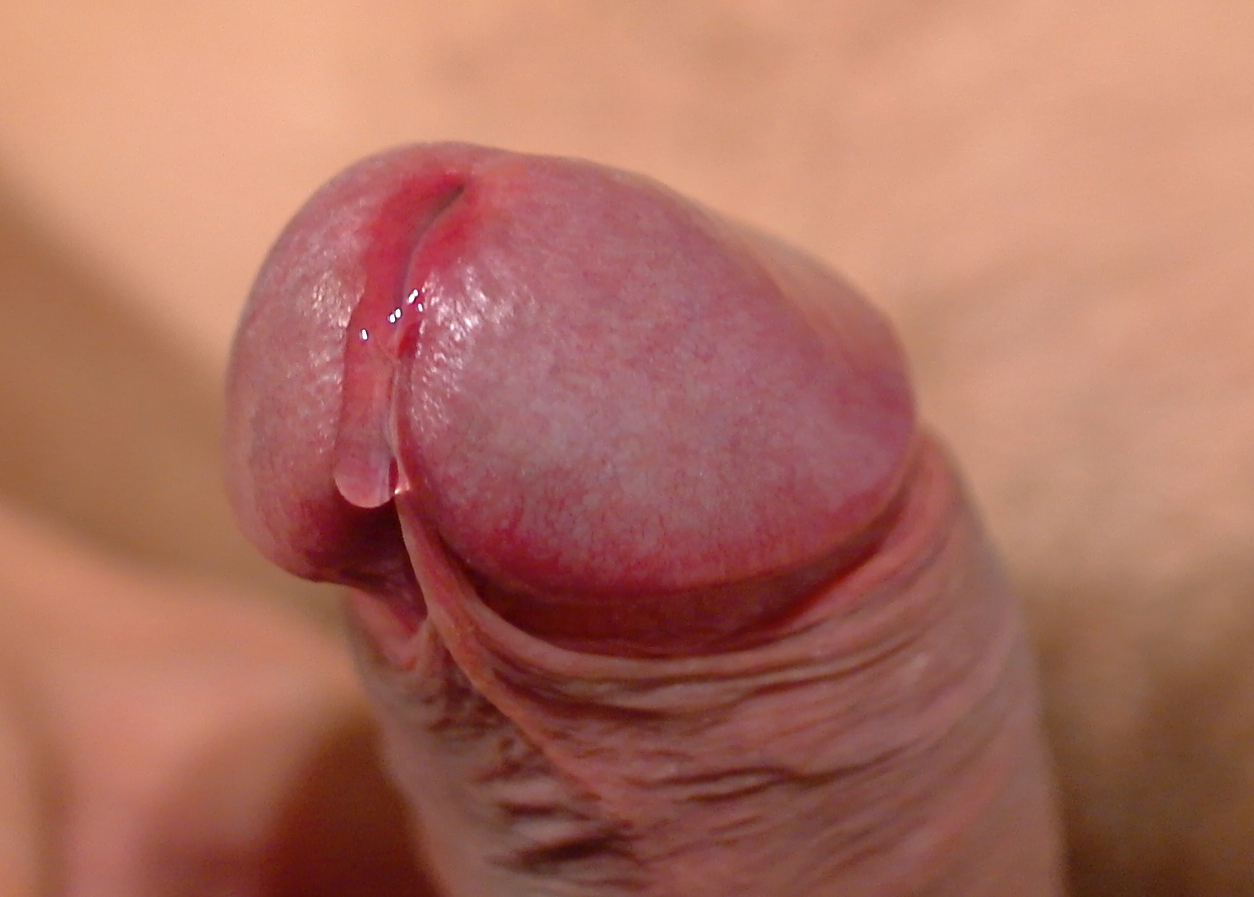
Pre-ejaculate on the glans of the penis

Pre-ejaculate (also known as pre-ejaculatory fluid, pre-seminal fluid or Cowper's fluid, and colloquially as pre-cum) is a clear, colorless, viscous fluid that is emitted from the urethra of the penis during sexual arousal and in general during sexual activity. It is similar in composition to semen but has distinct chemical differences. The presence of sperm in the fluid varies from low to absent. Pre-ejaculate functions as a natural lubricant and an acid neutralizer.

Origin and composition

[edit]

The fluid is discharged from the urethra of the penis during arousal, masturbation, foreplay or at an early stage during sexual intercourse, some time before the individual fully reaches orgasm and semen is ejaculated. It is primarily produced by the bulbourethral glands (Cowper's glands), with the glands of Littré (the mucus-secreting urethral glands) also contributing.[1][2] The amount of fluid that is issued varies widely among individuals. Some individuals do not produce any pre-ejaculate fluid,[3] while others emit as much as 5 ml (0.18 imp fl oz; 0.17 US fl oz).[1][4]

Pre-ejaculate fluid contains chemicals associated with semen, such as acid phosphatase, but other semen markers, such as gamma-glutamyltransferase, are absent.[5]

Function and risks

[edit]

Pre-ejaculate neutralizes acidity in the urethra caused by residual urine, creating a more favorable environment for the passage of sperm.[2] The vagina is normally acidic, so the deposit of pre-ejaculate before the emission of semen may change the vaginal environment to promote sperm survival.[1] Pre-ejaculate also acts as a lubricant during sexual activity,[1] and plays a role in semen coagulation.[1]

Low levels or no sperm exists in pre-ejaculate, although studies examined small samples of men.[4][6] Two contrary studies found mixed evidence, including individual cases of a high sperm concentration.[7][8] There is evidence – dating to a 1966 Masters and Johnson study[9] – that pre-ejaculate may contain sperm that can cause pregnancy, which is a common basis of argument against the use of coitus interruptus (withdrawal) as a contraceptive method.[4][6]

Studies have demonstrated the presence of HIV in most pre-ejaculate samples from infected men.[6][10][11]

Overproduction

[edit]

In rare cases, an individual may produce an excessive amount of pre-ejaculate fluid, which may be treatable by a 5-alpha-reductase inhibitor, such as finasteride.[1]

References

[edit]
Revisions and contributorsEdit on WikipediaRead on Wikipedia
from Grokipedia
Pre-ejaculate, also termed pre-ejaculatory , consists of a clear, viscous produced by the paired bulbourethral glands (Cowper's glands) located inferior to the in males, released into the during prior to . This , typically comprising mucus-like glycoproteins and , functions to lubricate the distal —reducing for passage—and to buffer residual urinary acidity, creating a more neutral environment conducive to sperm viability. Empirical studies reveal variability in pre-ejaculate's cellular content, with motile spermatozoa detectable in 16-41% of samples from healthy men, often in low concentrations that nonetheless confer a measurable for as a contraceptive . Conversely, analyses of men experienced in withdrawal motile as rare or absent in most pre-ejaculate specimens, though inconsistent findings underscore the method's reliability. These observations derive from direct microscopic examination of fluid obtained via penile stimulation, highlighting physiological differences across individuals rather than uniform absence of gametes. Pre-ejaculate's emission is modulated by both autonomic and somatic neural inputs, ensuring timed release synchronized with arousal phases.

Anatomy and Physiology

Glands Involved

The pre-ejaculatory fluid, also known as pre-ejaculate or Cowper's fluid, is primarily produced by the bulbourethral glands (Cowper's glands), paired structures approximately the size of peas located inferior to the gland and posterior to the at the base of the . These glands secrete a clear, viscous, alkaline rich in glycoproteins, enzymes, and mucins during , typically in volumes of a few drops to up to 4 milliliters, serving to lubricate the urethral lining and neutralize residual acidic urine. Contributions to pre-ejaculate also arise from the glands of Littre (periurethral or urethral glands), which are scattered mucus-secreting glands embedded within the along the penile urethra, opening directly into the urethral lumen at multiple sites. These glands provide additional mucinous to facilitate the passage of and spermatozoa, integrating their secretions with those from the bulbourethral glands during the pre-ejaculatory phase. Minor involvement may occur from the glands of Morgagni, small mucus-secreting structures near the urethral , though their contribution is less consistently documented and typically secondary to the primary sources. Overall, these accessory glands operate independently of , with their secretions forming a sperm-free under normal conditions, distinct from prostatic or seminal vesicular contributions to full ejaculate.

Secretion Process

The secretion of pre-ejaculate begins during , when neural signals from the stimulate the bulbourethral glands (also known as Cowper's glands) to and . These glands, located inferior to the and embedded in the , feature tubuloalveolar structures lined by that synthesizes a clear, viscous, alkaline composed primarily of , mucoproteins, and glycoproteins. The process is triggered in the excitement and plateau phases of the sexual response cycle, with glandular occurring via exocrine mechanisms into short ducts that open into the bulbous portion of the spongy . The fluid's emission from the urethral meatus involves both autonomic innervation—primarily via the cavernous nerves for glandular production—and somatic contributions from striated musculature surrounding the glands and urethra, which facilitate expulsion through coordinated contractions during arousal or intercourse. This dual neural control ensures the fluid clears residual urine acidity and lubricates the urethra prior to ejaculation, with contributions potentially from urethral glands of Littre along the penile urethra. Secretion volumes vary widely among individuals, typically ranging from a few drops to 5 mL or more, influenced by arousal intensity and glandular activity. Physiological studies indicate that androgen dependence maintains glandular and function, as diminishes post-castration without testosterone replacement, underscoring hormonal modulation alongside neural triggers. The alkaline of the (pH approximately 7.2–7.8) arises from and other buffers produced during glandular synthesis, aiding urethral without involvement in typical cases.

Physiological Regulation

The of pre-ejaculate from the bulbourethral (Cowper's) glands is primarily regulated by neural mechanisms triggered during , involving both autonomic and somatic pathways. Sympathetic innervation, originating from lower thoracic and segments via the and pelvic , stimulates glandular contraction and , contributing to the alkaline that precedes . Parasympathetic inputs from pelvic ganglia may also modulate arousal-related responses, though sympathetic dominance facilitates the emission phase. This operates involuntarily, without conscious control, as signals from higher centers integrate sensory stimuli to activate peripheral effectors. Somatic innervation via the pudendal nerve provides additional regulation, particularly for the expulsion of glandular secretions through striated musculature surrounding the ducts, as demonstrated in mammalian models including rats and humans. Coordination between smooth and striated muscles ensures efficient delivery of pre-ejaculate into the urethra, neutralizing residual acidity and preparing the tract for semen passage. Hormonal influences, primarily androgens like testosterone, maintain glandular structure and baseline secretory capacity during puberty and adulthood but do not directly govern acute arousal-induced release, which remains neurally mediated. Pathological disruptions, such as spinal cord injuries affecting thoracolumbar sympathetic outflows, can impair regulation, leading to reduced or absent pre-ejaculate production and altered sexual function. Variability in secretion volume (typically 0.1–2 mL) arises from individual differences in glandular size, arousal intensity, and neural integrity, though empirical data on precise quantitative controls remain limited.

Composition and Variability

Chemical Components

Pre-ejaculate consists primarily of a clear, viscous, mucus-like fluid rich in glycoproteins and mucins, secreted by the bulbourethral (Cowper's) glands during . This composition provides and contributes to the fluid's slippery texture, with mucins staining positively in histological analyses of glandular secretions. The fluid exhibits an alkaline pH, enabling it to neutralize residual acidity from urine in the urethra prior to ejaculation. It contains numerous enzymes, though specific types beyond general proteolytic activity remain undetailed in human studies, alongside trace amounts of prostate-specific antigen (PSA) potentially from extraprostatic sources. Biochemical analyses indicate low to moderate levels of proteins, including albumin, but human-specific quantitative data on sugars, ions, or lipids are limited compared to seminal plasma; the fluid's saltiness arises from ionic components supporting its osmotic properties. Overall, its composition differs markedly from ejaculate, lacking spermatozoa and focusing on preparatory roles rather than nutritive support for gametes.

Sperm Content Evidence

Scientific studies on the sperm content of pre-ejaculatory fluid have yielded mixed results, with evidence indicating that viable spermatozoa can be present in some samples but are often absent or present in low concentrations. A 2011 study involving 27 healthy men collected 40 pre-ejaculate samples after at least 24 hours of abstinence, finding motile sperm in 41% of participants and across 37% of samples overall; concentrations ranged from low to comparable with those in full ejaculates in some cases, and sperm presence was consistent within individuals—either always present or always absent. This variability suggests that residual sperm from prior ejaculations in the urethra may contaminate pre-ejaculate in susceptible men, even after urination. Subsequent research has confirmed the potential for motile sperm but highlighted lower prevalence. In a 2016 analysis of pre-ejaculatory fluid from healthy males, actively mobile spermatozoa were detected in 16.7% of samples. A 2020 review of six human trials noted that while three reported no sperm, the others documented its presence, underscoring methodological challenges like sample collection timing and prior sexual activity. Factors such as recent ejaculation without intervening urination increase the likelihood of sperm contamination, as pre-ejaculate itself is produced by accessory glands without spermatozoa. A 2024 pilot study of 57 pre-ejaculate samples from withdrawal-experienced men emphasized low risk under "perfect use" conditions, where motile sperm were absent in most cases or appeared inconsistently in insufficient quantities (e.g., only one participant showed consistent presence across samples). This contrasts with the 2011 findings, potentially due to stricter collection protocols simulating ideal withdrawal practice, including arousal without prior ejaculation. Overall, peer-reviewed evidence supports that while pre-ejaculate typically contains few or no sperm, the irregular presence of viable spermatozoa in a minority of men and samples precludes dismissing fertility risk entirely.

Biological Functions

Lubrication and Urethral Preparation

Pre-ejaculate, produced by the bulbourethral (Cowper's) glands, functions primarily to lubricate the spongy urethra, enabling the unobstructed passage of semen during ejaculation by coating the mucosal lining with a viscous, mucus-like secretion. This lubrication minimizes friction between the urethral walls and the ejaculate, which reduces mechanical stress on spermatozoa and prevents potential damage to the urethral epithelium. The fluid's slippery consistency arises from its high mucin content, which forms a protective barrier that facilitates rapid and efficient semen expulsion. In addition to lubrication, pre-ejaculate contributes to urethral preparation by flushing out residual urine, desquamated cells, and accumulated mucus from the urethral lumen prior to ejaculation. This cleansing action, triggered by sympathetic nervous stimulation during sexual arousal, ensures a patent and debris-free conduit, optimizing hydrodynamic flow for the subsequent seminal emission. Empirical observations from anatomical studies confirm that without this preparatory secretion, urethral obstruction or irritation could impede ejaculatory efficiency, though direct quantitative data on friction reduction remains limited to histological and functional inferences.

Neutralization of Acidity

The pre-ejaculatory fluid produced by the bulbourethral (Cowper's) glands exhibits alkaline properties, with a pH typically higher than that of urine, it to neutralize residual acidity in the . , which precedes pre-ejaculate secretion, generally has a pH between 4.5 and 8.0 but frequently remains acidic after voiding, creating an environment hostile to spermatozoa, whose viability and are optimal at a pH above 7.0. This neutralization buffers the urethral lumen, facilitating the safe passage of sperm during subsequent ejaculation without exposure to damaging acidic residues. Empirical descriptions from anatomical studies confirm that the fluid's alkalinity derives from its mucous composition, which lacks significant sperm content but includes mucins and electrolytes that elevate local pH. While some sources suggest a secondary role in mitigating vaginal acidity (pH 3.8–4.5) upon deposition, the limited volume of pre-ejaculate—typically 0.1–1 mL—renders this effect minimal compared to the buffering capacity of full semen volume (2–5 mL). Primary physiological evidence emphasizes urethral protection as the core function, supported by consistent observations in reproductive physiology reviews. Disruption of this neutralization, such as in cases of dysfunction, may contribute to reduced viability, though direct clinical correlations remain understudied. No large-scale experimental quantify exact pH shifts , but assessments of glandular secretions align with the alkaline profile necessary for acid-base in the reproductive tract.

Associated Risks and Evidence

Pregnancy Potential

Pre-ejaculatory fluid, or , can contain spermatozoa, thereby presenting a potential for if deposited in the , though indicates this is generally low to infrequent presence and low concentrations of viable . A 2024 pilot study examining 70 paired pre-ejaculate and ejaculate samples from 24 healthy men experienced in withdrawal contraception found motile in only 12.9% of pre-ejaculate samples, with just 10% of those exhibiting concentrations exceeding 1 million per milliliter—a threshold associated with clinical —and total motile counts deemed insufficient for substantial fertilization probability given the 's small volume (typically 0.1-1 mL). This aligns with observations that in pre-ejaculate often derive from residual urethral semen rather than direct glandular production, and their motility and viability diminish rapidly outside full ejaculate. Earlier reveals greater variability in sperm detection rates, underscoring methodological differences such as participant selection and protocols. A 2011 study of 27 men reported spermatozoa in 41% of pre-ejaculate samples, including motile forms in 37%, concluding a non-negligible from pre-ejaculate alone. In contrast, a 2020 review of six human trials noted that three found no sperm in samples, while others detected it inconsistently, attributing discrepancies to factors like prior ejaculation without urination, which allows residual sperm migration into the urethra. Such findings imply that pregnancy potential hinges on individual physiology and behaviors, such as urethral hygiene; urinating prior to intercourse may flush residuals, potentially reducing but not eliminating sperm presence. The contribution of pre-ejaculate to unintended pregnancies is evident in the efficacy data for coitus interruptus, where perfect-use failure rates approximate 4% annually—partly attributable to pre-ejaculatory sperm—compared to 20-22% with typical use involving imperfect timing or volume control.00250-6/fulltext) No studies demonstrate zero risk, as even low sperm counts (e.g., 10^3-10^5 per sample) can suffice for conception under optimal conditions like ovulation timing and cervical mucus favorability, though probabilistic models suggest overall odds remain far below those of full ejaculation. This underscores withdrawal's limitations as a standalone method, with evidence favoring barrier or hormonal contraception for higher reliability.

STI Transmission

Pre-ejaculate can facilitate the transmission of sexually transmitted (STIs) as it originates from the bulbourethral glands and transits the , where pathogens may reside if the harbors an . This exposure occurs during penile-vaginal, penile-anal, or other insertive sexual activities, even absent ejaculation. For HIV, from peer-reviewed studies confirms the presence of HIV-infected leukocytes in pre-ejaculatory , establishing it as a plausible vector for sexual transmission. Two investigations detected viable HIV-containing cells in pre-ejaculate samples, though these were non-spermatozoal and of uncertain . A 1992 analysis further posited pre-ejaculate's role in HIV dissemination based on sampling from infected men.92659-4/fulltext) However, a 2016 cohort study of 12 HIV-positive men on virologically suppressive highly active antiretroviral therapy (HAART) found HIV-1 RNA undetectable in all pre-ejaculatory samples, with no of replication-competent virus, suggesting minimal transmission risk in suppressed individuals lacking genital ulcers or co-. Bacterial STIs such as Neisseria gonorrhoeae (gonorrhea) and Chlamydia trachomatis (chlamydia), which preferentially infect urethral mucosa, can contaminate pre-ejaculate during its passage, enabling transmission without ejaculatory fluid. STI pathogen DNA, including these agents, has been identified in semen from asymptomatic carriers, correlating with urethral proximity and poor fluid quality, implying analogous risks for pre-ejaculate. Clinical data affirm that these infections transmit via insertive sex sans ejaculation, as bacteria adhere to and shed from epithelial linings contacted by pre-ejaculate. Viral STIs like herpes simplex virus (HSV) and human papillomavirus (HPV) may likewise propagate through pre-ejaculate if active shedding occurs in the genital tract, though direct pathogen detection in this fluid remains understudied relative to semen. Syphilis (Treponema pallidum) transmission risk parallels, given spirochetal presence in mucosal exudates. The coitus interruptus (withdrawal) method offers no STI prophylaxis, as pre-ejaculate exposure persists, with epidemiological reviews citing sustained per-act risks comparable to unprotected intercourse for untreated infections. Barrier methods or pre-exposure prophylaxis remain essential for risk reduction.

Clinical and Abnormal Aspects

Overproduction

Overproduction of pre-ejaculate, also termed copious pre-ejaculation, involves the secretion of excessive clear mucoid fluid exceeding the typical volume of a few drops, potentially surpassing 5 mL during sexual arousal, primarily from the bulbourethral (Cowper's) glands and possibly accessory glands such as Littre's or Morgagni's glands. This fluid serves to lubricate the urethra and neutralize residual acidity but can lead to noticeable leakage. Such overproduction is infrequently reported in clinical and typically occurs in otherwise healthy men aged 20 to 40 years, often those with infrequent sexual activity or unmarried status, suggesting a possible link to dihydrotestosterone (DHT) rather than underlying . It manifests as social from soaking through during , but lacks association with physical or systemic , distinguishing it from conditions like prostatorrhea (excess prostatic during straining). Management focuses on reassurance, as no treatment is medically necessary; patients may use absorbent materials for practical if distress persists. In select cases, 5-α-reductase inhibitors such as or have resolved symptoms after 6 months of use, as documented in anecdotal reports from affected individuals, though broader remains unestablished to . Consultation with a physician is advised to rule out confounding erectile issues or differentiate from other discharges. Scientific evidence for methods to intentionally increase pre-ejaculate volume is extremely limited, with virtually no human clinical trials targeting Cowper's gland secretion. Anecdotal claims promote supplements such as pygeum and lecithin for increasing volume, but robust studies linking them to enhanced pre-ejaculate production are absent. For lecithin, available data are restricted to animal studies, such as one in roosters demonstrating increased semen volume, and in vitro applications for sperm cryopreservation, without evidence in humans for pre-ejaculate. Similarly, pygeum shows limited evidence for improving general sexual function but no support for increasing pre-ejaculate volume.

Underproduction or Absence

Underproduction or absence of pre-ejaculate, primarily secreted by the bulbourethral (Cowper's) glands, is infrequently documented as a isolated clinical entity but manifests predominantly in age-related physiological decline. In older males, glandular secretory activity diminishes, resulting in markedly reduced or total absence of pre-ejaculatory fluid during sexual arousal, as observed in comparative studies of sexual response across age groups. This reduction correlates with broader declines in accessory gland function, potentially linked to androgen sensitivity loss or autonomic nerve degeneration, though direct causation remains understudied. Pathological contributors include cowperitis, an inflammation of the bulbourethral glands often triggered by bacterial infections such as Escherichia coli or Chlamydia trachomatis, which can lead to glandular or scarring impairing secretion if chronic or recurrent. Obstructive conditions like syringocele—a congenital cystic dilation of the gland's duct—affect approximately 1.5% of pediatric males and may persist into adulthood, causing urethral blockage that secondarily reduces fluid output, accompanied by symptoms such as or urinary tract infections. Calculi within the glands, more prevalent in elderly patients with comorbidities like diabetes, further exacerbate hypofunction through mechanical obstruction. Such deficiencies are typically asymptomatic unless contributing to ejaculatory discomfort or infertility evaluations, where low pre-ejaculate volume may signal broader accessory gland hypofunction. Diagnosis involves urethroscopy or imaging to identify inflammation, cysts, or atrophy, with management focusing on treating underlying infections via targeted antibiotics (e.g., ciprofloxacin for 7-14 days in acute cowperitis) or surgical intervention for obstructions. Absence in younger individuals may reflect normal variation or parasympathetic arousal deficits, but lacks robust epidemiological data beyond anecdotal reports in dysfunction syndromes.

Delayed Post-Activity Leakage

The delayed appearance of pre-ejaculate or a similar clear fluid after sexual activity has ended, typically minutes to hours later, is a normal and benign physiological occurrence. This leakage occurs due to residual pre-ejaculatory fluid that has pooled in the urethra during arousal, which may dribble out as pelvic muscles relax, or with subsequent movement or the influence of gravity. The fluid is generally clear and mucoid, distinguishing it from semen, which is thicker and whitish, or from pathological urethral discharges associated with infections or other conditions, which often present with accompanying symptoms such as pain, odor, or discoloration. This phenomenon is not indicative of any underlying pathology and requires no medical intervention, though individuals experiencing concern should consult a healthcare provider to rule out other causes.

Myths, Misconceptions, and Debates

Common Beliefs vs. Empirical Data

A prevalent belief holds that pre-ejaculatory fluid contains no viable sperm, rendering the withdrawal method (coitus interruptus) highly effective for contraception without risk of pregnancy from pre-ejaculate alone. Empirical studies contradict this, demonstrating motile in pre-ejaculate samples from a subset of men. For instance, a 2011 analysis of 40 pre-ejaculate specimens from 27 healthy volunteers identified motile spermatozoa in 16 (41%), with concentrations up to 23 million per ml in some cases, indicating potential fertility even without full ejaculation. A 2010 study similarly reported in 37% of samples, often originating from residual urethral contents rather than direct prostatic or seminal vesicle contribution. However, more recent research using stringent protocols—such as abstinence from ejaculation for at least 48 hours and careful sample isolation—reveals lower prevalence among men experienced in perfect withdrawal technique. In a 2024 pilot involving 24 participants providing 70 paired samples, motile sperm appeared in only 9 (12.9%) pre-ejaculate instances, with just 7 exhibiting counts potentially relevant for conception (≥1 million/ml), and none exceeding 10 million/ml. This variability underscores that while pre-ejaculate is typically sperm-poor, individual factors like recent prior ejaculation or incomplete urethral clearance can introduce viable gametes, contributing to the method's typical-use failure rate of 18-22% annually. Another common misconception posits pre-ejaculate as sterile and incapable of transmitting sexually transmitted infections (STIs), often leading to assumptions of negligible risk in non-ejaculatory exposure. Data from physiological and epidemiological sources indicate otherwise: pre-ejaculate can harbor pathogens from the male genital tract or prior infections, facilitating transmission of HIV, gonorrhea, chlamydia, and others upon mucosal contact, akin to semen. Laboratory evidence confirms pre-ejaculate's alkaline composition and urethral origin enable pathogen viability, with STI risk elevated in withdrawal scenarios due to prolonged pre-ejaculatory fluid exchange. Beliefs minimizing pre-ejaculate's in or often overlook its empirical contributions, yet affirm its primary function as a urethral rinse and vaginal pH buffer, produced by Cowper's glands independently of . Overstated claims of "copious" volumes causing issues like lack substantiation, as typical output remains 0.1-1 , with overproduction rare and not empirically linked to enhancement beyond standard variability.

Implications for Contraceptive Methods

Pre-ejaculate poses a to the of the withdrawal method (), in which the is withdrawn from the before to avert deposition, as pre-ejaculate is secreted during and may contain viable that enters the vaginal prior to withdrawal. Empirical studies indicate variable presence in pre-ejaculate: a 2011 analysis of 27 men found motile spermatozoa in 37% of pre-ejaculate samples, with concentrations and motility comparable to fertile in those cases, though total counts remained low (typically under 23 million). In contrast, a 2024 pilot study of 24 experienced withdrawal users reported in only 12.9% of 70 pre-ejaculate samples, with motile absent or insufficient for significant pregnancy (>1 million/mL) in most instances. A review of six prior human trials noted methodological inconsistencies, with three finding no but suffering from small samples and inadequate differentiation of fluid types. These findings contribute to the withdrawal method's documented rates, attributed partly to pre-ejaculate leakage: perfect use yields approximately 4% over , while typical use reaches 20-22%, reflecting challenges in precise timing and residual urethral from prior ejaculations. Practices such as urinating between ejaculations may reduce but do not eliminate this , as some men exhibit consistent presence regardless. For barrier methods like condoms, pre-ejaculate poses a very low pregnancy risk if the condom is properly donned prior to any genital contact and remains in place during intercourse, as the pre-ejaculate is trapped inside the sheath and does not contact the vagina; studies indicate that viable sperm presence in pre-ejaculate is rare overall. However, delayed application or slippage allows potential exposure akin to withdrawal. Hormonal contraceptives, intrauterine devices, and sterilization methods remain unaffected, as they target , implantation, or viability irrespective of source. Spermicides alone offer against pre-ejaculate to inconsistent spermicidal action and method inefficacy (18-28% typical ). Overall, pre-ejaculate underscores withdrawal's inferiority to more reliable options, with no supporting its use as standalone contraception.

References

Add your contribution
Related Hubs
User Avatar
No comments yet.