Hubbry Logo
Pulled hamstringPulled hamstringMain
Open search
Pulled hamstring
Community hub
Pulled hamstring
logo
8 pages, 0 posts
0 subscribers
Be the first to start a discussion here.
Pulled hamstring
Pulled hamstring
from Wikipedia
Pulled hamstring
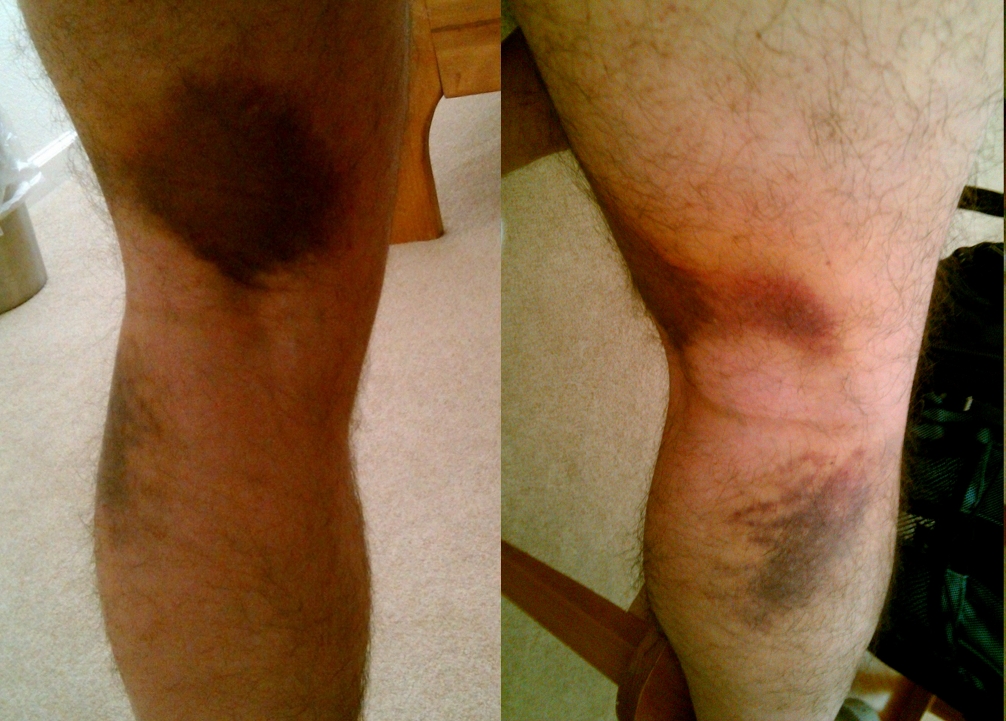
Two images of the same strain. One of the pictures was shot through a mirror.

Straining of the hamstring, also known as a pulled hamstring, is defined as an excessive stretch or tear of muscle fibers and related tissues. Hamstring injuries are common in athletes participating in many sports. Track and field athletes are particularly at risk, as hamstring injuries have been estimated to make up 29% of all injuries in sprinters.[1] Hamstring injuries can also come with a hip injury from sprinting. Symptoms for a hip injury are pain, aching and discomfort while running or any physical exercise.

The biceps femoris long head is at the most risk for injury, possibly due to its reduced moment of knee and hip flexion as compared to the medial hamstrings.[2]

Causes of hamstring strain

[edit]

The muscle group is prone to injuries due to the explosive nature of movement in sports and thus causing overload and overstretching of the hamstring musculature.

The other causes may be:

  • Previous injury
  • Poor muscle strength
  • Poor flexibility
  • Inadequate warm-up
  • Fatigue
  • Imbalance
  • Overuse

This condition is most commonly seen in:

  • Athletes involved in football, baseball, American football, rugby
  • Dancers and water skiers
  • Sports involving cross-country skiing, downhill skiing, judo, cricket, and bull riding

Diagnosis

[edit]

Grades

[edit]
Pulled hamstring

Grade 1

[edit]

Sensation of cramp or tightness and a slight feeling of pain when the muscles are stretched or contracted.[citation needed]

Grade 2

[edit]

With a grade two hamstring strain there is immediate pain which is more severe than the pain of a grade one injury. It is confirmed by pain on stretch, swelling and contraction of the muscle.

Grade 3

[edit]
Bruising due to strained hamstring; horizontal lines show where bandage was.

A grade three hamstring strain is a severe injury. There is an immediate burning or stabbing pain and the individual is unable to walk without pain. The muscle is completely torn and there may be a large lump of muscle tissue above a depression where the tear is.

After a few days with grade two and three injuries, a large bruise may appear below the injury site caused by the bleeding within the tissues.

Treatment

[edit]

Recommended treatment for this injury consists of the RICE protocol: rest, ice, compression and elevation.[3] The RICE method is primarily used to reduce bleeding and damage within the muscle tissue. Lower grade strains can easily become worse if the hamstring is not rested properly. Complete ruptures require surgical repair and rehabilitation.

Initial treatment of the injury, regardless of the severity of the strain, is the same. Within the first five days, the hamstring is rested in an elevated position with an ice pack applied for twenty minutes every two hours. A compression bandage is applied to limit bleeding and swelling in the tissues. After five days of rest, active rehabilitation begins.

Epidemiology

[edit]

An academic study found that the most common and prevalent musculoskeletal injury in the world is a hamstring strain.[4] The study further explains that hamstring strains represented 15% of all injuries per club per season also had a 34% chance of recurrence.[4] Another study showed that a previous hamstring injury is one of the most cited risks for future injury, with as many as one-third of active individuals experiencing a re-injury within 2 weeks of returning to activity.[5] A meta-analysis article showed evidence that a history of hamstring injury and being of older age were associated with increased risk of hamstring strains.[6] One study found that men and master athletes (athletes older than forty) were at an increased risk of hamstring strains compared with women and younger athletes.[7] Women were approximately 3 times more likely to develop hamstring strain than males with the majority of these being non-sporting scenarios.[8] Similarly the average age of non-sporting hamstring strains are from the ages of 40 to 60.[8] Many of these non-sporting injuries are sustained during road traffic accidents, slipping, and falling.[8] These results also show that hamstring strains account for 50% of muscle injuries received by sprinters and are the most common injury in hurdling.[9] One explanation is that older active individuals may be at greater risk due to lower levels of eccentric knee flexor strength compared with their younger counterparts.[7] However, it is unclear whether flexibility serves as a risk factor; this topic should be researched in the future to further understand the relationship between flexibility and risk of injury.[10] Muscle weakness has also been an implication as a predisposing factor for both primary and recurring hamstring strain injuries.[11] Over a 10-year study more than 51.3% of hamstring strains occurred during the preseason of athletics.[11] In another study, that analyzed 25 NCAA sports over four years, it was clearly shown that hamstring strain rates are higher in the preseason.[10] The factors that are being implicated in this trend are the relative deterioration and muscle weakness that occur during the off-season.[9]

The hamstrings undergo a complex dynamic process during gait, making it unsurprising that they are frequently injured. They must first contract concentrically during the end of the stance phase in order to bend the knee and allow the foot (along with dorsiflexion at the ankle) to clear the ground. At the end of the swing phase, the hamstrings must eccentrically contract while applying a braking moment to knee extension, then immediately change functions to again concentrically contract and produce hip extension. Studies have shown that "the hamstring group reaches peak elongation and acts eccentrically at the hip and knee during the late swing phases of running"[12] and that "the hamstrings are most active and develop the greatest torques at the hip and knee during the late swing through midstance phase of running."[12] Thus, the hamstrings reach their maximum length while attempting to forcefully contract eccentrically and switch functions to immediately produce a concentric contraction, which makes the terminal part of swing phase the most vulnerable for injury.

There have been many other proposed predisposing factors to injury. These include muscle weakness, muscle imbalance, poor flexibility, fatigue, inadequate warm up, poor neuromuscular control, and poor running technique.[12] One of the few predisposing factors that most researchers agree upon however is previous hamstring injury. Brokett et al. (2004)[13] stated that "the athletes most at risk of a hamstring strain are those with a previous history of such injury" and noted that 34% of the hamstring injuries were recurrences." Cameron et al. also found that 34% of injuries recur in the same season. Arnason et al.[1] generalized these numbers, saying that previous injury was in itself an independent risk factor for re-injury.

When examining sprint related activities, strengthening programs should target exercises associated with horizontal force production and high levels of hamstring activity.[14] When analyzing correlations between exercises like the Upright-hip-extension and the Nordic hamstring curl without hip flexion, a demonstration of no more than an average of 60% hamstring activation was measured. This is less stress than is seen in maximal sprinting. Sprint related activities like the A-Switch, A-Skip, Bounding, dribbles, etc., progressed to maximal sprinting display better physical preparation and specificity. This is conjunction with isometric variations like the hamstring iso-hold, iso-switch, iso-catch, along with the Upright-hip-extension and Nordic hamstring without hip flexion compliment as strength exercises. Typical return to play protocols for hamstring strain for sprint demands must include the sprint related activities above progressing to qualities like acceleration, late acceleration, maximum velocity, and speed endurance for effective rehabilitation and preparation for sport demands. Thus exercises like the Upright-Hip-Extension and Nordic Hamstring Curl without Hip Flexion in isolation will not adequately prepare for sport related activities.

References

[edit]
[edit]
Revisions and contributorsEdit on WikipediaRead on Wikipedia
from Grokipedia
A pulled hamstring, medically termed a , is an injury involving the overstretching or tearing of the muscle group—comprising the biceps femoris, semitendinosus, and semimembranosus muscles—that run along the back of the thigh from the to below the , facilitating extension and flexion. These injuries are classified into three grades based on severity: grade 1 (mild strain with minimal tearing), grade 2 (partial tear causing moderate pain and loss of function), and grade 3 (complete tear leading to significant weakness and inability to bear weight). strains commonly occur in athletes during high-speed activities like sprinting or sudden acceleration/deceleration, affecting approximately 12-16% of all muscle injuries in such as soccer and track, with recent data indicating an increasing incidence (6.4% rise per year in average cohort age from 2015-2024 in the United States). Symptoms typically manifest as a sudden, sharp in the posterior , often accompanied by a "popping" or tearing sensation, followed by swelling, bruising, tenderness, and . is generally favorable for milder strains, with most athletes returning to sport within weeks if appropriate management is followed, though severe cases and recurrences pose challenges.

Anatomy of the Hamstring

Muscle Composition

The hamstring muscle group comprises three primary muscles located in the posterior compartment of the : the biceps femoris, semitendinosus, and semimembranosus. These muscles are biarticular, crossing both the and joints, and are primarily composed of type I and type II fibers arranged in a or pennate pattern, with proximal and distal tendinous attachments that facilitate force transmission. The biceps femoris, the most lateral muscle of the group, consists of a long head and a short head. The long head originates from the and the , while the short head arises from the lateral lip of the and the lateral supracondylar line of the ; both heads converge to insert via a common tendon on the head of the and the lateral tibial condyle. This muscle features a bipennate structure in its short head for enhanced power generation, contributing to the group's overall lateral stability and function in knee flexion with lateral . The semitendinosus, positioned superficially on the medial side, originates from the inferomedial impression on the and inserts on the medial surface of the proximal as part of the pes anserinus , blending with the tendons of the gracilis and sartorius muscles. It is characterized by a long, slender belly that transitions into a prominent distally, making up a significant tendinous component relative to its muscular portion, and supports medial flexion and internal rotation within the hamstring complex. The semimembranosus, the deepest and most medial muscle, originates from a broad area on the posterior superior to the other hamstrings and inserts primarily on the medial tibial condyle, with expansions forming the and other reinforcing structures on the capsule. Its flat, broad, and membranous of origin and insertion provide extensive surface area for attachment, positioning it as the largest by cross-sectional area and emphasizing its role in stabilizing the medial during flexion and extension. The hamstring muscles receive innervation primarily from branches of the (L4-S3), with the long head of the femoris and both medial hamstrings (semitendinosus and semimembranosus) supplied by the tibial division, while the short head of the femoris is innervated by the common fibular division. supply is derived from the proximally and perforating branches of the along the , ensuring adequate to the muscle bellies and tendons.

Biomechanical Role

The hamstring muscles, comprising the femoris, semitendinosus, and semimembranosus, primarily function to flex the and extend the through both concentric and eccentric contractions. Additionally, they contribute to pelvic stabilization by controlling anterior and maintaining alignment during dynamic movements, working in coordination with the . These actions are essential for lower limb and control, with the hamstrings generating greater at the compared to the due to their force-length properties. In the gait cycle, the hamstrings play a critical role across phases, particularly during the late swing and early stance, where they undergo eccentric contraction to decelerate extension and flexion ahead of foot strike. This eccentric loading is amplified in sprinting, as the muscles reach near-maximum length and contract forcefully to control forward swing, facilitating rapid deceleration and preventing excessive hyperextension. Such demands highlight their vulnerability, as the combination of high-speed lengthening and force production places substantial stress on the muscle-tendon unit. The hamstrings interact synergistically with the and other lower limb muscles to ensure balanced force distribution and joint stability, particularly at the where coactivation counteracts anterior tibial shear forces during extension. This reciprocal relationship maintains dynamic equilibrium, with the hamstrings providing posterior stabilization to offset quadriceps dominance in activities like running. The proximal myotendinous junction, near the , emerges as a primary stress point due to its exposure to peak tensile forces during these eccentric phases, predisposing it to strain under rapid lengthening conditions.

Causes and Risk Factors

Injury Mechanisms

A pulled hamstring, or hamstring , typically results from excessive tensile forces applied to the muscle-tendon unit during dynamic activities, leading to partial or complete tearing of muscle fibers. These injuries often occur in sports involving high-speed movements, where the hamstrings are subjected to rapid lengthening or forceful contraction beyond their physiological limits. Common scenarios include sudden sprinting, as seen in or soccer, where the injury frequently happens during the late swing phase of the gait cycle, when the hamstring muscles are at maximum length and velocity while eccentrically controlling extension and flexion. Kicking motions, such as in soccer or , represent another frequent trigger, involving rapid flexion combined with extension that stretches the hamstrings extensively. Rapid deceleration or acceleration, like in or , can also initiate the strain by imposing sudden overload on the muscle group. Strains are classified biomechanically as either eccentric or concentric overloads. Eccentric strains predominate during deceleration phases, where the hamstrings lengthen under tension to absorb and control forward leg swing, often resulting in high strain rates at the musculotendinous junction. Concentric strains occur during , involving forceful shortening of the muscle against resistance, though these are less common than eccentric types. In severe cases, particularly grade 2 or 3 strains, athletes report an audible or palpable "popping" sensation, indicative of acute fiber rupture, accompanied by immediate sharp that halts activity. Biomechanically, these injuries arise from high-speed that exceeds the muscle's tolerance, with peak forces occurring when the hamstrings operate near their maximum active , generating excessive stress on the proximal or distal attachments. The biceps femoris long head is particularly vulnerable due to its greater elongation during these motions compared to other components, such as the semitendinosus, which is less frequently affected in sports like soccer; however, the management of injuries to these muscles remains similar. Such mechanisms highlight the role of the hamstrings in extension and flexion during locomotion, where momentary imbalances in force production can precipitate failure.

Predisposing Conditions

A history of previous injury is one of the strongest predisposing factors for future strains, with recurrence rates reported between 12% and 48% in professional soccer players and up to 34% within one year in Australian football athletes. The risk is particularly elevated in the initial weeks following return to activity, reaching 13% in the first week among Australian football players, due to incomplete tissue remodeling and persistent neuromuscular deficits. This pattern underscores the importance of addressing residual weaknesses from prior injuries to mitigate repeated occurrences. Muscle imbalances, particularly a lower hamstring-to-quadriceps strength , significantly heighten susceptibility to hamstring strains. In a prospective study of male college players, those who sustained injuries exhibited a hamstring-to-quadriceps of 0.47 compared to 0.53 in uninjured players, indicating relative hamstring weakness as a key vulnerability. Such imbalances can arise from training regimens that disproportionately emphasize quadriceps development, leading to eccentric overload on the s during high-speed activities like sprinting. Poor flexibility in the muscles is associated with increased risk, as reduced limits the muscle's ability to absorb strain effectively. Injured athletes in the same football cohort demonstrated lower flexibility (25.3° versus 19.8° in uninjured peers), highlighting tightness as a modifiable predisposing condition. Inadequate warm-up exacerbates this by failing to elevate muscle and extensibility prior to activity, while from prolonged exertion diminishes energy absorption capacity, particularly in the later stages of training or competition. Overuse through repetitive high-intensity movements, common in sports involving frequent sprints, further compounds these risks by promoting cumulative microtrauma without sufficient recovery. Age-related declines in muscle elasticity and coordination contribute to higher incidence, with risk escalating notably after age 23. Prospective studies indicate that athletes over 23 years are 1.3 to 3.9 times more likely to incur strains, rising to 2.8 to 4.4 times for those over 25, attributed to reduced muscle cross-sectional area and altered patterns. This predisposition intensifies with advancing age, as annual risk increases by approximately 30% in professional athletes, emphasizing the role of age-induced biomechanical changes.

Signs and Symptoms

Acute Presentation

A pulled hamstring typically manifests as a sudden, sharp in the posterior during high-speed activities such as sprinting or sudden , often accompanied by a tearing or audible popping sensation that signals muscle fiber disruption. This acute is severe enough to halt the activity immediately, with affected individuals frequently hopping on the uninjured leg or collapsing to the ground. In the immediate aftermath, localized swelling develops in the posterior within the first few hours, alongside marked tenderness upon at the injury site, reflecting the inflammatory response to muscle damage. Bruising or ecchymosis soon follows, appearing over the and posterior and potentially extending distally to the below the as from ruptured vessels tracks through tissue planes. Functionally, the injury impairs on the affected , resulting in an abnormal stiff-legged characterized by avoidance of and flexion, along with difficulty straightening the or bending forward. Pain intensity and the extent of these limitations vary by strain severity, from mild discomfort allowing partial ambulation in lower-grade injuries to profound agony and complete inability to walk in severe cases.

Ongoing Effects

Following the initial sharp pain and swelling associated with a pulled hamstring, patients often experience persistent discomfort that interferes with daily function. This includes ongoing pain during activities such as walking or running, which can manifest as a dull ache in the back of the thigh. Weakness in knee flexion becomes noticeable, with strength deficits up to 60% in affected muscles, limiting the ability to bend the knee effectively. Reduced range of motion is common, as scar tissue formation and muscle guarding restrict flexibility in the posterior thigh. Muscle spasms and stiffness frequently develop or persist beyond the acute phase, contributing to a sensation of tightness that worsens with prolonged sitting or standing. In severe cases, nerve-related symptoms may emerge, such as radiating pain resembling due to irritation of the from scar tissue or inflammation, often indicated by a positive . If the injury is not properly managed, complications can arise, including chronic pain that lingers for months and an elevated risk of re-injury, with recurrence rates approaching 33% within one year and often resulting in more severe subsequent strains. These ongoing effects highlight the hamstring's vulnerability to incomplete healing, potentially leading to prolonged disability. Functional limitations are a key ongoing impact, with individuals facing challenges in sports involving sprinting or kicking, such as soccer or , and even basic tasks like climbing stairs or walking more than a few steps without discomfort. This can impair overall mobility and until full recovery is achieved.

Diagnosis

Physical Examination

The physical examination of a suspected hamstring strain begins with a detailed history taking to establish the onset, mechanism of , and any prior episodes. Patients typically report an acute onset of sharp in the posterior during high-speed activities such as sprinting or sudden deceleration, often with an audible "pop" in more severe cases. A of previous hamstring injuries is a key risk factor, as recurrence rates can exceed 30% in athletes. Palpation is performed with the patient in a , involving gentle pressure along the posterior thigh from the to the to identify localized tenderness, swelling, or ecchymosis. In complete tears, a palpable gap or defect may be evident in the muscle belly, while proximal injuries often cause pain at the ischial tuberosity, exacerbated by sitting. The location and extent of tenderness can help predict recovery time, with more proximal sites associated with longer rehabilitation periods. Functional tests assess pain, strength, and (ROM) through specific maneuvers, always comparing the affected side to the contralateral limb. The test involves passive flexion with the knee extended; limitation or pain before reaching 80 degrees indicates involvement. Resisted knee flexion is tested in at 15 degrees (long-head emphasis) and 90 degrees (short-head emphasis), where weakness or pain reproduction suggests strain severity. Active and passive ROM evaluations, including knee extension against gravity and passive , reveal deficits due to pain or guarding, typically reduced by 20-30% acutely. Differentiation from other conditions is crucial during examination to rule out mimics. Lumbar radiculopathy may present with similar posterior pain but is distinguished by positive neural tension tests like the slump test, showing radiating below the without significant hamstring-specific weakness or tenderness. (ACL) tears, while sometimes causing a pop sensation, involve instability and effusion rather than isolated posterior findings, confirmed by targeted tests such as the Lachman maneuver. These assessments guide initial management while avoiding overlap with symptoms like localized pain and weakness.

Diagnostic Imaging

Diagnostic imaging plays a crucial role in confirming hamstring strains when clinical examination suggests moderate to severe injury (such as significant swelling, bruising, or inability to bear weight) or when the diagnosis is unclear, particularly for suspected grade 2 or 3 strains. Imaging is not routinely required for mild strains but is indicated to assess the extent of muscle fiber disruption, identify associated complications like hematomas or avulsions, and guide prognosis. X-rays are primarily used to rule out associated bony injuries, such as avulsion fractures at the or apophyseal fractures, which are more common in adolescents due to the vulnerability of growth plates during rapid skeletal development. These radiographs provide a quick, low-cost evaluation of integrity but do not visualize damage effectively. serves as a cost-effective initial modality for dynamic assessment of injuries, allowing real-time visualization of muscle tears, , and integrity through detection of hypoechoic or anechoic regions indicating or fiber discontinuity. It is particularly useful in acute settings for guiding interventions like hematoma aspiration and offers advantages in accessibility and serial monitoring, though its accuracy depends on operator expertise and may miss deeper injuries compared to other methods. Magnetic resonance imaging (MRI) is considered the gold standard for evaluating hamstring strains, providing detailed visualization of muscle fiber disruption, intramuscular (appearing as high signal intensity on T2-weighted sequences), hemorrhage, and involvement, which helps differentiate strain grades and predict recovery timelines. For instance, injuries involving more than 50% of the muscle cross-section or proximal femoris avulsions on MRI are associated with longer recovery periods exceeding six weeks. MRI is especially valuable in complex cases, such as those with suspected proximal or when findings are inconclusive, offering superior contrast without radiation exposure.

Classification of Severity

Hamstring strains are classified into three grades of severity, based on the extent of muscle fiber tearing and functional impairment. In professional football (soccer), most hamstring injuries are grades 1 and 2, with an average layoff of about 17 days. The semitendinosus muscle is less frequently affected than the biceps femoris, but management is similar. Recovery times vary depending on the injury's extent, location (proximal/distal), treatment, and rehabilitation.

Grade 1 Strain

A grade 1 strain represents the mildest form of injury, characterized by minimal tearing of muscle fibers with no appreciable tissue disruption and no or minimal loss of strength or function. This type of strain typically involves only a few muscle fibers being damaged or slightly ruptured, without significant impact on the muscle's power or endurance. It can occur from either acute mild overload during sports activities or repetitive strain and overuse, such as during prolonged running or inadequate warm-up. Symptoms of a grade 1 are generally subtle and include a sensation of tightness or mild in the posterior , often appearing suddenly during activity or the following day. There is typically no noticeable swelling, bruising, or ecchymosis, and individuals can usually walk normally without limping. The injury is detectable through slight discomfort or elicited by passive of the or active knee flexion against resistance, but without substantial functional impairment. Recovery from a grade 1 strain is rapid and favorable, usually taking 1 to 3 weeks with conservative care including rest, ice, compression, elevation (), and gradual reintroduction of activity. In professional soccer, grade 1 strains typically require 8-15 days (1-2 weeks). focusing on gentle and strengthening can facilitate return to full function, with studies showing an average rehabilitation period of about 12 to 26 days depending on the athlete's and management protocol. When properly managed, the risk of recurrence is low, often below 10% in the short term, emphasizing the importance of progressive loading to restore flexibility and strength.

Grade 2 Strain

A grade 2 strain is characterized by a partial tear of the muscle fibers, resulting in noticeable and a during ambulation. This moderate disrupts a portion of the muscle tissue, leading to identifiable partial structural damage without complete rupture. Symptoms typically include moderate pain in the posterior thigh, swelling, bruising (ecchymosis), localized tenderness, and pain elicited during resisted knee flexion. These manifestations often cause a partial loss of function, such as difficulty with walking or propelling the leg forward, distinguishing it from milder strains with minimal disruption. Recovery from a grade 2 generally requires 4 to 8 weeks, with most individuals regaining full function through nonoperative management. In professional soccer, grade 2 strains typically require 3-6 weeks (average 3-4 weeks). is often essential, focusing on progressive , strengthening, and restoration of flexibility to support safe return to activity. Without adequate strengthening and flexibility restoration, grade 2 strains carry a higher of recurrence, as incomplete rehabilitation can leave residual weaknesses that predispose to reinjury.

Grade 3 Strain

A grade 3 strain represents the most severe form of injury, characterized by a complete rupture of the musculotendinous unit, often resulting in a palpable gap in the tissue along with substantial loss of function. This type of strain typically occurs at the proximal origin near the or involves a full avulsion where the tears away from the . Symptoms of a grade 3 strain are acute and debilitating, including sudden, sharp pain in the posterior thigh that may produce a "" sensation, followed by extensive bruising and swelling that can extend below the . Patients often experience an inability to bear weight or walk without significant assistance, accompanied by a visible or palpable defect in the muscle and marked . In cases of proximal avulsion, sitting may become extremely painful, and there is a risk of associated at the . Recovery from a grade 3 strain is prolonged, typically requiring 3 to 6 months or longer for return to full activity, with strength recovery reaching approximately 87% at 6 to 12 months and 98% after more than 12 months. In professional soccer, grade 3 strains typically require 1-3 months or more. Surgical intervention is frequently necessary, particularly for proximal tears with greater than 2 cm retraction or avulsions, involving reattachment of the to the using anchors; acute repair within 4 to 6 weeks post-injury is preferred to minimize scarring. Distal repairs may allow for shorter rehabilitation timelines of about 3 months, while proximal repairs often extend to at least 6 months. Complications associated with grade 3 strains can include chronic , persistent , and a high risk of reinjury if healing is incomplete. involvement is a notable concern, potentially leading to —where scar tissue impinges on the —or sciatic , causing gluteal and radiating symptoms. Delayed surgical repair increases the likelihood of nerve scarring and unsatisfactory non-surgical outcomes for significant retractions.

Treatment and Recovery

Initial Management

The initial management of a pulled hamstring focuses on minimizing further tissue damage, controlling inflammation and swelling, and alleviating in the acute phase following injury. The standard approach employs the protocol, which stands for , , Compression, and , to promote early healing and reduce complications such as excessive hemorrhage or . Rest involves immediately ceasing the activity that caused the injury and avoiding any movements that provoke pain, swelling, or discomfort in the posterior thigh; for moderate to severe strains, crutches may be necessary to offload weight-bearing and prevent limping, which could exacerbate the injury. Ice should be applied using a cloth-wrapped pack or bag of frozen vegetables directly to the affected area for 15-20 minutes every 2-3 hours while awake, particularly during the first 48-72 hours, to constrict blood vessels and limit swelling—individuals with conditions like diabetes or vascular disease should consult a provider before icing. Compression entails wrapping the thigh with an elastic bandage from the foot upward to mid-thigh, ensuring it's snug but not tight enough to cause numbness, increased pain, or swelling below the wrap, and loosening it if symptoms arise; this helps control edema by limiting fluid accumulation. Elevation requires positioning the leg above heart level when lying down, using pillows for support, to facilitate venous return and further reduce swelling. Pain management in the initial phase typically includes over-the-counter nonsteroidal anti-inflammatory drugs (NSAIDs) such as ibuprofen or naproxen to address both discomfort and inflammation, or acetaminophen for pain relief if NSAIDs are contraindicated; these should be used for 5-7 days as needed, following dosage guidelines and consulting a healthcare provider for underlying conditions like gastrointestinal issues. During the acute protection phase, which spans the first 48-72 hours, the injured must be shielded from , loading, or any eccentric contractions to prevent re-injury or prolonged , with gradual progression to gentle only as allows. This transitions into an early rehabilitation protection phase of 3-5 days, focusing on controlling and while introducing minimal mobility. For severe grade 3 injuries involving complete tears with muscle retraction greater than 2 cm, surgical repair is often recommended to reattach the torn muscle-tendon unit, typically performed within 1-2 weeks of to optimize outcomes. Post-operative management follows similar initial principles, with immobilization in a brace for 1-4 weeks, followed by progressive rehabilitation over 3-6 months. Medical attention should be sought promptly if there is inability to bear weight on the affected , severe preventing walking more than four steps, persistent or worsening swelling, or signs of complications such as numbness or significant bruising extending beyond the .

Rehabilitation and Return to Activity

Rehabilitation for a pulled hamstring typically follows a phased approach to promote tissue healing, restore function, and minimize reinjury risk. In professional soccer, most hamstring injuries are grades 1 and 2 strains, with an average layoff of about 17 days. The early protection phase, lasting 3-5 days, focuses on controlling and through rest, ice, compression, and elevation, while introducing gentle, submaximal isometric exercises and -monitored walking to maintain mobility without exacerbating the injury. During this period, activities such as bilateral eccentric sliders and light hip thrusts are incorporated under guidance to protect the muscle fibers. The repair phase, spanning approximately 1-6 weeks depending on severity, emphasizes gentle and progressive loading to facilitate tissue remodeling. Physical therapists introduce eccentric exercises, such as Nordic hamstring curls, to target the muscle's lengthening phase, alongside balance training on unstable surfaces to enhance and stability. , including single-leg hops and drills, begins as pain subsides, ensuring symmetrical movement patterns. This phase builds on initial management by shifting to active recovery, with timelines adjusted based on injury severity. In the remodeling phase, which may extend beyond 6 weeks, the focus turns to strengthening and sport-specific drills to restore full performance capacity. High-intensity , Romanian deadlifts, and sprint progressions are integrated to improve muscle power and . Neuromuscular control programs, such as the Progressive and Trunk Stabilization (PATS) protocol, incorporate trunk stabilization and multi-planar exercises to enhance lumbopelvic coordination and reduce recurrence rates compared to traditional methods. Return-to-play criteria ensure safe resumption of activity and include pain-free full , similar strength between limbs with deficits typically less than 10% (assessed via isokinetic testing where available), and successful completion of tests like repeated sprints and deceleration drills without or . Psychological readiness and clearance are also evaluated. Recent advances include blood flow restriction (BFR) , which uses low-load eccentric exercises (e.g., 30% of ) with partial vascular occlusion to achieve strength gains comparable to high-load , promoting muscle adaptation while minimizing stress on healing tissue. These methods, alongside neuromuscular programs, have shown promise in reducing reinjury by improving fascicle length and eccentric strength.

Prevention Strategies

Training and Conditioning

Training and conditioning programs for preventing hamstring strains emphasize targeted strengthening, flexibility enhancement, and structured loading to build muscle resilience, particularly in athletes involved in high-speed activities. Evidence-based protocols focus on eccentric exercises, which lengthen the muscle under tension to mimic the demands of sprinting and deceleration, thereby reducing risk by up to 51% when incorporated consistently. These programs are most effective when tailored to individual needs, addressing underlying weaknesses that predispose athletes to strains, such as eccentric strength deficits. Compliance greater than 50% to these structured programs is essential for achieving significant risk reduction. Strengthening exercises form the cornerstone of hamstring conditioning, with Nordic curls, Romanian deadlifts, and glute-ham raises recommended for their ability to target the effectively. The Nordic curl, performed by kneeling and lowering the torso forward while resisting with the s, is a premier eccentric exercise that has been shown in systematic reviews to halve hamstring rates in soccer players when included in prevention programs. Romanian deadlifts, involving a hinge with a or dumbbells to emphasize hamstring elongation, and similar eccentric exercises improve eccentric strength and fascicle length, contributing to a 28% reduction in lower extremity injuries overall. Glute-ham raises, executed on a specialized or with bodyweight, similarly enhance hamstring and gluteal during eccentric phases. For optimal gains, these exercises should be performed in 2-3 sets of 8-12 repetitions, progressing volume based on tolerance to avoid overload. Flexibility training complements strengthening by maintaining optimal muscle length and joint range, with dynamic warm-ups preferred pre-activity and static stretches post-activity to minimize strain risk. Dynamic warm-ups, such as leg swings—where one leg is swung forward and backward in a controlled arc—improve flexibility and neuromuscular activation without reducing power output, unlike static methods during warm-up. Static stretches, held for 20-30 seconds targeting the hamstrings (e.g., seated forward bends), are best after activity to enhance recovery and long-term extensibility, supporting by increasing tolerance to stretch. Combining these approaches has been linked to short-term gains in hamstring flexibility. Eccentric loading programs specifically simulate sprint demands by progressively challenging the hamstrings during lengthening contractions, fostering adaptations like increased muscle fascicle length and strength symmetry. Protocols often integrate Nordic curls with variations like the Askling L-protocol, which uses machine-assisted leg curls at high speeds to target eccentric phases, demonstrating superior outcomes in reducing reinjury rates compared to conventional methods. These programs typically span 8-12 weeks, starting with submaximal loads and advancing to sport-specific intensities, resulting in enhanced metrics such as sprint speed alongside protection. Periodization ensures sustainable integration of hamstring training into athletes' weekly routines, balancing intensity and recovery to prevent overuse while maximizing resilience. A common approach involves a 10-week preseason phase with 2-3 sessions per week of eccentric exercises like Nordic curls (e.g., 3 sets of 6-8 reps), transitioning to maintenance dosing (1-2 sessions weekly) during the competitive season to sustain benefits without fatigue accumulation. This structured progression, informed by athlete monitoring, has been shown to reduce hamstring strain incidence by 51% in elite sports when adhered to, emphasizing compliance for long-term efficacy.

Risk Mitigation Techniques

Implementing proper warm-up routines is a key strategy for reducing the incidence of hamstring strains by enhancing muscle temperature, flexibility, and neuromuscular activation prior to activity. These routines typically involve 10-15 minutes of light cardiovascular exercise, such as or , followed by dynamic stretches that mimic sport-specific movements, like leg swings or walking lunges. Evidence indicates that such warm-ups significantly increase hamstring flexibility immediately after performance, which correlates with a lower of acute strains during high-intensity efforts. Dynamic elements in warm-ups are particularly effective, as they prepare the muscle for eccentric loading without the potential flexibility decrements associated with static alone. Considerations for and playing surfaces also play a in mitigating biomechanical stresses that contribute to injuries. Selecting with adequate cushioning and appropriate traction—such as cushioned shoes or boots designed for firm ground—helps absorb impact forces and prevent excessive shear on the posterior during or deceleration. Studies on cleat-surface interactions demonstrate that mismatched with playing surfaces, like high-traction cleats on slick turf, can elevate lower limb risks, including strains, by altering ground reaction forces. Similarly, opting for consistent, well-maintained surfaces reduces variability in traction and hardness, which has been linked to higher strain rates in sports like soccer. Monitoring athlete fatigue through structured workload management further lowers hamstring strain risk by preventing overload. Incorporating rest days and tracking training volume via the acute:chronic workload ratio (ACWR)—calculated as the of workload over the past week to the average over the past four weeks—allows coaches to maintain ratios below 1.5. Pre-season screening tools, such as functional movement assessments (e.g., the Functional Movement Screen), identify at-risk individuals by evaluating asymmetries and movement quality, enabling targeted interventions to address potential vulnerabilities like poor lumbo-pelvic control before the season begins. These screens have demonstrated moderate predictive value for lower limb injuries, including strains, in athletic populations.

Epidemiology

Incidence and Prevalence

Hamstring strains are among the most common musculoskeletal injuries in , accounting for 12-16% of all reported injuries across various athletic populations. In field-based sports such as soccer, the incidence rate is approximately 0.81 injuries per 1,000 hours of exposure, representing about 10% of total injuries sustained. These injuries contribute significantly to time lost from and , with rates reaching 13% over a typical 9-month season in professional settings. Certain sports exhibit particularly high incidence due to demands involving high-speed running and explosive movements. In soccer, rates can escalate to 3.0-4.1 injuries per 1,000 hours during compared to 0.4-0.5 per 1,000 hours in . Similarly, reports up to 0.77 hamstring strains per 1,000 athlete-exposures, while and track running (especially sprinting) show comparable elevated risks, often exceeding 0.6 per 1,000 exposure hours in elite and collegiate athletes. Recurrence is a notable concern, with rates ranging from 22-34% within two years of the initial injury, particularly in requiring repeated sprinting. In men's professional football, injury rates have increased from 12% to 24% of all injuries over the 2001/02 to 2021/22 seasons in elite clubs. Recent studies as of 2024–2025 indicate the pattern of high incidence persists, with injuries comprising 12–26% of all injuries in sporting populations, including an increased incidence from 2015 to 2024 and an average of 7 injuries per club per season in elite Australian football with a 26% recurrence rate. This high reinjury frequency underscores the challenges in full recovery and highlights the need for targeted prevention.

Demographic Patterns

Hamstring strains exhibit distinct patterns across demographic groups, with incidence varying by age, sex, profession, and geographic factors. Acute injuries peak in young adults aged 16 to 25 years, particularly in sports involving high-speed running, where the rapid transition from eccentric to concentric places significant stress on the . In contrast, individuals over 40 years experience higher rates of chronic hamstring issues, attributed to age-related muscle degeneration, reduced regenerative capacity, and prolonged recovery times from strains. These patterns reflect a shift from acute overload in youth to degenerative vulnerabilities in later adulthood. Males demonstrate a slightly higher incidence of hamstring strains compared to females, with an injury rate ratio of approximately 1.62 in collegiate athletes across various sports, largely due to greater participation in contact and high-intensity activities like soccer. In professional soccer, incidence rates range from 0.3 to 1.9 per 1000 exposure hours in males versus 0.3 to 0.5 in females, underscoring sex-based differences in exposure and biomechanics. Among professions, elite athletes face elevated risks, particularly sprinters and track-and-field competitors, where strains account for up to 48% of all injuries in major championships and 87% occur within sprint and power disciplines. Incidence is rising among recreational runners, with injuries comprising about 6.7% of reported cases in large-scale events like marathons, driven by increasing participation among non-professionals. Older adults in physically demanding occupations or leisure activities also show growing chronic rates, linked to cumulative wear and reduced muscle resilience. Geographically, hamstring strains appear more prevalent in colder climates and regions with uneven , as evidenced by higher rates in northern European soccer teams compared to southern counterparts, potentially due to reduced muscle flexibility in low temperatures. In contrast, very high-temperature environments correlate with lower incidence, with rates reduced by nearly half relative to moderate zones. Recent analyses of Asian professional football indicate a higher burden of hamstring injuries compared to , despite overall lower volumes, possibly influenced by regional training practices and surfaces.

References

Add your contribution
Related Hubs
User Avatar
No comments yet.