Hubbry Logo
AllelopathyAllelopathyMain
Open search
Allelopathy
Community hub
Allelopathy
logo
8 pages, 0 posts
0 subscribers
Be the first to start a discussion here.
Allelopathy
Allelopathy
from Wikipedia
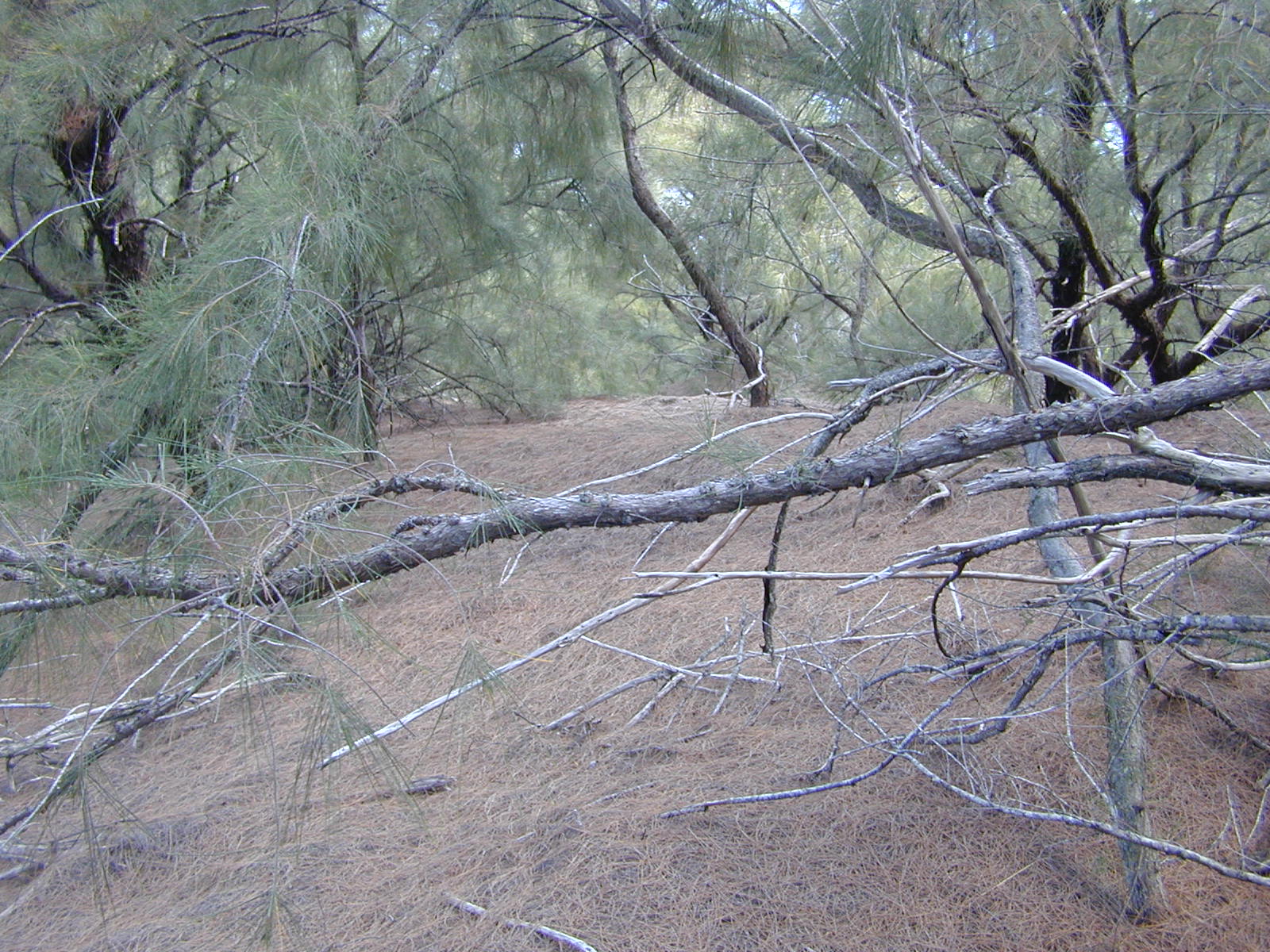
Casuarina equisetifolia litter completely suppresses germination of understory plants as shown here despite the relative openness of the canopy and ample rainfall (>120 cm/yr) at the location.

Allelopathy is a biological phenomenon by which an organism produces one or more biochemicals that influence the germination, growth, survival, and reproduction of other organisms. These biochemicals are known as allelochemicals and can have beneficial (positive allelopathy) or detrimental (negative allelopathy) effects on the target organisms and the community. Allelopathy is often used narrowly to describe chemically mediated competition between plants; however, it is sometimes defined more broadly as chemically mediated competition between any type of organisms. The original concept developed by Hans Molisch in 1937 seemed focused only on interactions between plants, between microorganisms and between microorganisms and plants. Allelochemicals are a subset of secondary metabolites, which are not directly required for metabolism (i.e. growth, development and reproduction) of the allelopathic organism.

Allelopathic interactions are an important factor in determining species distribution and abundance within plant communities, and are also thought to be important in the success of many invasive plants. For specific examples, see black walnut (Juglans nigra), tree of heaven (Ailanthus altissima), black crowberry (Empetrum nigrum), spotted knapweed (Centaurea stoebe), garlic mustard (Alliaria petiolata), Casuarina/Allocasuarina spp., and nut grass (Cyperus rotundus).

Allelopathy is classified as a biotic factor, as it involves chemical interactions between living organisms, most commonly among plants. In allelopathic interactions, certain species release chemical compounds into the environment that inhibit the germination, growth, or reproduction of neighboring organisms. This process provides a competitive advantage to the allelopathic species by directly interfering with the development of potential competitors.[1]

Allelopathy is frequently mistaken for resource competition, another biotic factor in which organisms compete for limited abiotic resources such as sunlight, water, and soil nutrients.[1] However, the two processes are functionally distinct. While allelopathy involves the introduction of inhibitory chemical agents into the environment, resource competition results from the depletion of essential environmental resources. In many ecological contexts, both forms of competition may operate concurrently, complicating efforts to isolate the specific contribution of allelopathy.

Further complexity arises from the fact that certain allelochemicals may indirectly limit resource availability, thereby mimicking the effects of resource competition. Additionally, the production and efficacy of allelochemicals are influenced by a range of environmental variables, including nutrient availability, temperature, and soil pH.[1] Although the existence of allelopathy is widely accepted in ecological literature, individual cases often remain contentious. Moreover, the specific physiological and ecological mechanisms through which allelochemicals affect target species are still the subject of ongoing research.

History

[edit]

The term allelopathy from the Greek-derived compounds allilon- (αλλήλων) and -pathy (πάθη) (meaning "mutual harm" or "suffering"), was first used in 1937 by the Austrian professor Hans Molisch in the book Der Einfluss einer Pflanze auf die andere - Allelopathie (The Effect of Plants on Each Other - Allelopathy) published in German.[2] He used the term to describe biochemical interactions by means of which a plant inhibits the growth of neighbouring plants.[3][4] In 1971, Whittaker and Feeny published a review in the journal Science, which proposed an expanded definition of allelochemical interactions that would incorporate all chemical interactions among organisms.[2][5] In 1984, Elroy Leon Rice in his monograph on allelopathy enlarged the definition to include all direct positive or negative effects of a plant on another plant or on micro-organisms by the liberation of biochemicals into the natural environment.[6] Over the next ten years, the term was used by other researchers to describe broader chemical interactions between organisms, and by 1996 the International Allelopathy Society (IAS) defined allelopathy as "Any process involving secondary metabolites produced by plants, algae, bacteria and fungi that influences the growth and development of agriculture and biological systems."[7] In more recent times, plant researchers have begun to switch back to the original definition of substances that are produced by one plant that inhibit another plant.[2] Confusing the issue more, zoologists have borrowed the term to describe chemical interactions between invertebrates like corals and sponges.[2]

Long before the term allelopathy was used, people observed the negative effects that one plant could have on another. Theophrastus, who lived around 300 BCE noticed the inhibitory effects of pigweed on alfalfa. In China around the first century CE, the author of Shennong Ben Cao Jing, a book on agriculture and medicinal plants, described 267 plants that had pesticidal abilities, including those with allelopathic effects.[8] In 1832, the Swiss botanist De Candolle suggested that crop plant exudates were responsible for an agriculture problem called soil sickness.

Allelopathy is not universally accepted among ecologists. Many have argued that its effects cannot be distinguished from the exploitation competition that occurs when two (or more) organisms attempt to use the same limited resource, to the detriment of one or both. In the 1970s, great effort went into distinguishing competitive and allelopathic effects by some researchers, while in the 1990s others argued that the effects were often interdependent and could not readily be distinguished.[2] In 1994, D. L. Liu and J. V. Lowett at the Department of Agronomy and Soil Science, University of New England in Armidale, New South Wales, Australia, published two papers in the Journal of Chemical Ecology that developed methods to separate the allelochemical effects from other competitive effects, using barley plants and inventing a process to examine the allelochemicals directly.[9][10] In 1994, M.C. Nilsson at the Swedish University of Agricultural Sciences in Umeå showed in a field study that allelopathy exerted by Empetrum hermaphroditum reduced growth of Scots pine seedlings by ~ 40%, and that below-ground resource competition by E. hermaphroditum accounted for the remaining growth reduction.[11] For this work she inserted PVC-tubes into the ground to reduce below-ground competition or added charcoal to soil surface to reduce the impact of allelopathy, as well as a treatment combining the two methods. However, the use of activated carbon to make inferences about allelopathy has itself been criticized because of the potential for the charcoal to directly affect plant growth by altering nutrient availability.[12]

Some high-profile work on allelopathy has been mired in controversy. For example, the discovery that (−)-catechin was purportedly responsible for the allelopathic effects of the invasive weed Centaurea stoebe was greeted with much fanfare after being published in Science in 2003.[13] One scientist, Dr. Alastair Fitter, was quoted as saying that this study was "so convincing that it will 'now place allelopathy firmly back on center stage.'"[13] However, many of the key papers associated with these findings were later retracted or majorly corrected, after it was found that they contained fabricated data showing unnaturally high levels of catechin in soils surrounding C. stoebe.[14][15][16] Subsequent studies from the original lab have not been able to replicate the results from these retracted studies, nor have most independent studies conducted in other laboratories.[17][18] Thus, it is doubtful whether the levels of (−)-catechin found in soils are high enough to affect competition with neighboring plants. The proposed mechanism of action (acidification of the cytoplasm through oxidative damage) has also been criticized, on the basis that (−)-catechin is actually an antioxidant.[18]

Examples

[edit]
Garlic mustard

Plants

[edit]

Many invasive plant species interfere with native plants through allelopathy. A famous case of purported allelopathy is in desert shrubs. One of the most widely known early examples was Salvia leucophylla, because it was on the cover of the journal Science in 1964. Bare zones around the shrubs were hypothesized to be caused by volatile terpenes emitted by the shrubs. However, like many allelopathy studies, it was based on artificial lab experiments and unwarranted extrapolations to natural ecosystems. In 1970, Science published a study where caging the shrubs to exclude rodents and birds allowed grass to grow in the bare zones. A detailed history of this story can be found in Halsey 2004.

Garlic mustard is another invasive plant species that may owe its success partly to allelopathy. Its success in North American temperate forests may be partly due to its excretion of glucosinolates like sinigrin that can interfere with mutualisms between native tree roots and their mycorrhizal fungi.

Allelopathy has been shown to play a crucial role in forests, influencing the composition of the vegetation growth, and also explains the patterns of forest regeneration. The black walnut (Juglans nigra) produces the allelochemical juglone, which affects some species greatly while others not at all. However, most of the evidence for allelopathic effects of juglone comes from laboratory assays, and it thus remains controversial to what extent juglone affects the growth of competitors under field conditions. The leaf litter and root exudates of some Eucalyptus species are allelopathic for certain soil microbes and plant species. The tree of heaven, Ailanthus altissima, produces allelochemicals in its roots that inhibit the growth of many plants. Spotted knapweed (Centaurea stoebe) is considered an invasive plant that also utilizes allelopathy.

Applications

[edit]

Agriculture

[edit]

Allelochemicals are a useful tool in sustainable farming due to their ability to control weeds. The possible application of allelopathy in agriculture is the subject of much research. Using allelochemical-producing plants in agriculture results in significant suppression of weeds and various pests. Some plants will even reduce the germination rate of other plants by 50%. Current research is focused on the effects of weeds on crops, crops on weeds, and crops on crops. This research furthers the possibility of using allelochemicals as growth regulators and natural herbicides to promote sustainable agriculture. Agricultural practices may be enhanced through the utilization of allelochemical-producing plants. When used correctly, these plants can provide pesticide, herbicide, and antimicrobial qualities to crops. Several such allelochemicals are commercially available or in the process of large-scale manufacture. For example, leptospermone is an allelochemical in lemon bottlebrush (Melaleuca citrina). Although it was found to be too weak as a commercial herbicide, a chemical analog of it, mesotrione (tradename Callisto), was found to be effective. It is sold to control broadleaf weeds in corn, but also seems to be an effective control for crabgrass in lawns. Sheeja (1993) reported the allelopathic interaction of the weeds Chromolaena odorata (Eupatorium odoratum) and Lantana camara on selected major crops.

Many crop cultivars show strong allelopathic properties, of which rice (Oryza sativa) has been most studied. Rice allelopathy depends on variety and origin: Japonica rice is more allelopathic than Indica and Japonica–Indica hybrid.[19] More recently, a critical review on rice allelopathy and the possibility for weed management reported that allelopathic characteristics in rice are quantitatively inherited, and several allelopathy-involved traits have been identified. The use of allelochemicals in agriculture provides for a more environmentally friendly approach to weed control, as they do not leave behind residues. Currently used pesticides and herbicides leak into waterways and result in unsafe water quality. This problem could be eliminated or significantly reduced by using allelochemicals instead of harsh herbicides. The use of cover crops also results in less soil erosion and lessens the need for nitrogen-heavy fertilizers.

Mechanisms

[edit]

Allelochemical interactions between plants can be performed through various mechanisms, which continue to be studied and refined through ongoing research. Evidence indicates that these compounds can influence plant growth by inhibiting germination, suppressing growth, and disrupting reproductive processes through toxic substance emissions.

Germination Inhibitor

[edit]

A germination inhibitor is a chemical compound that prevents seed sprouting by disrupting the signals required for germination. (−)-Catechin is a naturally occurring antioxidant released by spotted knapweed (Centaurea stoebe) and is an example of a potential germination inhibitor. This species produces significantly higher levels of (−)-catechin compared to other plants, facilitating its competitive advantage over native vegetation, including forbs and grasses.[20]

In addition to (−)-catechin, plants such as big sagebrush (Artemisia tridentata) emit volatile compounds including camphor, monoterpene, cineole, and methyl jasmonate (MeJA), all of which have shown qualities to inhibit seed germination. Methyl jasmonate (MeJA), in particular, is highly effective at preventing the germination of native tobacco seeds.[21] Furthermore, when sagebrush is subjected to herbivory, it releases up to 1000 times more MeJA, which further suppresses the germination of nearby plant species.[22][23] This phenomenon demonstrates how plants use chemical signals to influence interspecific competition and improve their chances of survival. Although these studies mentioned have shown effects on plants when reviewed in a laboratory environment, it continues to be reviewed as research of allelopathic seed germination is difficult to identify and conclude as the determining factor as competition and other a biotic factors cannot be reasoned out as the contributing factor.

Growth and Reproduction Suppressor

[edit]

Allelopathic plants release chemical compounds that specifically inhibit the growth and reproductive processes of neighboring plant species. A well-known example is Johnson grass (Sorghum halepense), which synthesizes the allelochemical sorgoleone. This compound plays a critical role in the plant's competitive ability by suppressing the growth and reproductive success of other species. Research has demonstrated that johnson grass significantly affects the distribution of neighboring plants by inhibiting both their growth and reproductive functions.[24]

Growth chamber experiments have shown that leachates from the shoots and roots of Johnson grass substantially reduce the growth and reproductive output of little bluestem (Schizachyrium scoparium), demonstrating the direct effects of allelopathy on plant community dynamics.[25] This inhibition of growth and reproduction promotes the dominance of Johnson grass in areas where it occurs, thereby altering the composition of local plant communities.

See also

[edit]

References

[edit]

Further reading

[edit]
[edit]
Revisions and contributorsEdit on WikipediaRead on Wikipedia
from Grokipedia
Allelopathy is a in which an organism, typically a , produces and releases biochemical compounds known as allelochemicals that influence the growth, development, survival, or reproduction of other organisms, often neighboring , through chemical inhibition or stimulation. These allelochemicals are secondary metabolites, such as phenolics, terpenoids, and alkaloids, released into the environment via exudates, leaching, volatilization, or the of residues. The term "allelopathy" was coined in 1937 by Austrian plant physiologist Hans Molisch, building on earlier observations dating back to ancient times, such as around 300 B.C. noting the weed-suppressing effects of on . While often associated with negative impacts like growth suppression, allelopathy can also promote positive interactions, such as stimulating beneficial microbes, depending on the concentration, type of allelochemical, and environmental conditions. In ecological systems, allelopathy plays a crucial role in shaping plant communities by mediating , influencing , and maintaining through selective inhibition of competitors. For instance, invasive species like black walnut () release , a potent allelochemical that inhibits the growth of nearby , contributing to its dominance in forests. Mechanisms underlying allelopathic effects are governed by both genetic and environmental factors; genes encoding enzymes like regulate allelochemical synthesis, while stressors such as nutrient deficiency or can enhance production, as seen in cultivars releasing momilactone B to suppress barnyardgrass. properties, including , microbial activity, and , further modulate allelochemical bioavailability and persistence, with compounds like sorgoleone from roots persisting in for extended periods due to slow degradation under certain conditions. Recent research as of 2025 continues to explore evolutionary aspects, such as the novel weapons hypothesis, and applications in . Agriculturally, allelopathy offers sustainable strategies for weed management and regenerative farming, reducing reliance on synthetic herbicides amid rising resistance issues. Cover crops such as (Secale cereale) release benzoxazinoids that suppress weeds like foxtail and by up to 78% in field trials, while sorghum's sorgoleone targets broadleaf weeds without harming crops when integrated properly. Research by pioneers like Elroy L. Rice in the mid-20th century established allelopathy as a key interference mechanism, and ongoing studies explore of allelopathic traits into crops for enhanced . Challenges include verifying causal effects in complex field settings and balancing inhibition to avoid harming desired species, but advancements promise eco-friendly applications in organic and .

Introduction

Definition

Allelopathy is a biological phenomenon in which one produces and releases biochemical compounds, known as allelochemicals, that directly or indirectly influence the growth, , , or other physiological processes of another , typically in a negative manner. These allelochemicals are primarily secondary metabolites, such as phenolics, terpenoids, and alkaloids, which are synthesized by the donor and exuded into the environment through various pathways including exudation, volatilization, or of residues. The term "allelopathy" originates from the Greek words allelo- (meaning mutual or of each other) and -pathy (meaning ), reflecting its initial connotation of mutual among organisms. It was first coined in 1937 by Austrian Hans Molisch to describe chemical interactions between . Over time, the concept has been refined, with Elroy L. Rice's 1984 definition emphasizing it as any process involving secondary metabolites produced by , , , or fungi that impact neighboring biota, encompassing both stimulatory and inhibitory effects. A key distinction of allelopathy from resource competition lies in its mechanism: while competition arises from the indirect depletion of shared resources like nutrients, water, or light, allelopathy operates through direct chemical mediation that alters the recipient organism's biochemistry without resource scarcity. Although predominantly inhibitory—suppressing germination, growth, or nutrient uptake—allelopathy can also manifest positive effects, such as facilitating establishment in certain ecological contexts like nurse plant interactions.

Scope and Importance

Allelopathy encompasses a broad range of organisms beyond its primary association with , extending to microorganisms such as and fungi, which produce or mediate allelochemicals to influence neighboring species; and , including that regulate communities through inhibitory compounds. This phenomenon manifests across diverse ecosystems, including terrestrial settings like forests and grasslands where plant allelochemicals shape community structure, aquatic environments such as lakes and oceans where algal and microbial interactions maintain species balance, and agroecosystems where cover crops and rotations leverage allelopathy for integrated management. Allelopathy plays a critical role in regulating by modulating species dominance, succession, and coexistence through chemical interference, thereby preventing monocultures and promoting . In , it facilitates natural suppression and sustainable pest management, reducing reliance on synthetic chemicals and enhancing resilience. Amid 2025 global challenges like soil degradation—affecting 1.7 billion people through diminished yields—allelopathy supports climate-resilient practices by improving and nutrient cycling in degraded lands. Recent recognition of allelopathy aligns with , particularly SDG 2 (Zero Hunger) and SDG 15 (Life on Land), by promoting eco-friendly farming that minimizes environmental harm. Economically, its application in systems can lower costs and mitigate resistance issues while boosting yields in sustainable agroecosystems.

Historical Development

Early Observations

Early observations of allelopathy date back to ancient times, with Roman naturalist documenting the toxic effects of walnut trees ( spp.) on surrounding vegetation in his Naturalis Historia around 77 AD, noting that "the walnut tree is pernicious to anything that grows beneath its canopy." Such accounts highlighted unexplained barren areas under certain trees, attributing them to harmful influences rather than mere shade. Similarly, ancient agricultural practices in and frequently encountered "soil sickness," where repeated cropping of the same field led to declining yields, prompting early speculations about residual effects from prior plants that impaired successors. In the , these anecdotal reports gained more systematic attention from agronomists. Swiss botanist , in his 1832 work Physiologie Végétale, proposed that plant residues in the soil release chemical substances that inhibit the growth of subsequent crops, offering a chemical explanation for observed failures in continuous . De Candolle's insights extended to broader field observations, such as bare zones beneath trees like in , where 19th-century explorers and settlers noted sparse undergrowth, initially puzzling over why little vegetation thrived in the vicinity of these dominant . However, early interpreters often conflated these phenomena with depletion or activity, leading to the widespread use of terms like "soil sickness" or "soil fatigue" to describe unproductive lands without pinpointing allelopathic mechanisms. This confusion persisted, as remained largely observational and lacked controlled validation. These pre-20th-century accounts nonetheless laid essential groundwork for later scientific exploration.

Modern Research Milestones

The term "allelopathy" was coined by Austrian plant physiologist Hans Molisch in his 1937 book Der Einfluss einer Pflanze auf die andere – Allelopathie, which described the direct biochemical interactions between , encompassing both inhibitory and stimulatory effects. Following , laboratory bioassays emerged as a key method to confirm the chemical basis of these interactions, with early experiments in the 1950s demonstrating that water-soluble extracts from donor could inhibit and growth in receiver , distinguishing allelopathy from resource competition. These bioassays, often using or sand media to simulate conditions, provided for the release of phytotoxic compounds, laying the groundwork for quantitative assessments of allelopathic potential. In the 1960s and 1970s, breakthroughs included the detailed characterization of (5-hydroxy-1,4-naphthoquinone) from black () roots, with studies confirming its role in inhibiting susceptible plants through root absorption and , as evidenced by controlled pot experiments showing reduced growth in seedlings exposed to . Concurrently, allelopathy research in Asia, particularly at the (IRRI) and in , identified variety-specific inhibitory effects on weeds like , leading to breeding programs that selected for high-allelopathic cultivars such as PI312777, which suppressed biomass by up to 50% in field trials during the 1970s and 1980s. Influential ecologist Elroy L. Rice advanced the field through his syntheses, proposing in the 1980s that allelopathy plays a central role in old-field succession and community structure, supported by long-term field and lab data from ecosystems. From the 2000s onward, genomic tools revolutionized allelopathy research, with identifying the SOR1 gene in (Sorghum bicolor) in 2004 as key to sorgoleone biosynthesis, a that inhibits root growth; a 2021 study assembled the full pathway in to demonstrate its phytotoxic effects. Inderjit, through comprehensive reviews in the 2000s, emphasized integrating allelopathy with soil ecology, highlighting how microbial degradation modulates compound persistence and advocating for field-validated bioassays to bridge lab-field gaps. In the 2020s, advanced volatile detection, with untargeted profiling showing volatile organic compounds inhibit seed germination and disrupt in receiver like .

Biochemical Mechanisms

Production and Release of Allelochemicals

Allelochemicals are primarily synthesized through secondary metabolic pathways in , serving as defense compounds against biotic interactions. The is central to the production of , including and coumarins, by deriving precursors from aromatic like and . In parallel, the facilitates the of terpenoids, such as sesquiterpenes, through the formation of isoprenoid units that contribute to volatile allelochemicals. Genetic regulation of these pathways involves s, notably MYB family members, which activate genes encoding enzymes like (PAL) in the phenylpropanoid branch, thereby controlling the flux toward specific allelochemicals. For instance, the MYB57 transcription factor in modulates PAL2 expression to enhance phenolic production under competitive conditions. Recent studies using / have edited genes like PAL to dissect allelochemical synthesis pathways (as of 2025). The diversity of allelochemicals spans several chemical classes, each tailored to environmental deployment. , such as tricin, and coumarins are common phenolics derived from the , while polyacetylenes represent aliphatic compounds with antimicrobial properties. Terpenoids, including sorgoleone from the , exemplify lipophilic allelochemicals. Benzoxazinoids, like DIMBOA in , arise from modified shikimate-derived indole precursors and accumulate in tissues for rapid release. These compounds vary in structure to target different biological processes, though their primary role involves interference with neighboring organisms. Release of allelochemicals occurs via multiple mechanisms, ensuring dissemination into the or atmosphere. Root exudation, often through across root cell membranes, is a predominant pathway, with compounds like sorgoleone comprising up to 90% of lipid exudates in roots. Volatilization enables gaseous emission of and indoles from leaves, facilitating aboveground interactions. Leaching from foliage or litter, as seen with from black walnut, and decomposition of plant residues further contribute, releasing phenolics into ; in some , such exudates and leachates can represent significant fractions, up to several percent of dry weight. Environmental factors profoundly influence both production and release rates. Abiotic stresses, including and herbivory, elevate allelochemical synthesis by upregulating pathways like phenylpropanoid , as evidenced by increased momilactone B in under competition. Soil pH modulates release and persistence; acidic conditions enhance phenolic solubility and mobility, while alkaline pH accelerates degradation of compounds like DIMBOA. Microbial communities in further regulate dynamics by metabolizing allelochemicals, with degradation rates varying by compound—e.g., flavonoids around 2 hours—thus affecting . These interactions underscore the context-dependent nature of allelopathic deployment.

Modes of Action

Allelochemicals, primarily secondary metabolites such as phenolics and terpenoids, target specific physiological processes in recipient , leading to inhibitory effects on growth and development. These compounds interfere with cellular functions at multiple levels, often inducing stress responses that disrupt normal and . One primary target is , where allelochemicals like and certain phenolics interfere with microtubule assembly, preventing proper segregation during and averting cells from entering mitotic phases. This disruption halts and shoot meristem activity, limiting overall expansion. Similarly, inhibition plays a key role; for instance, phenolic acids such as ferulic and vanillic acids block (PAL), a critical in the phenylpropanoid pathway, thereby reducing and synthesis essential for reinforcement and defense. Key effects manifest in seed germination inhibition through reactive oxygen species (ROS) imbalance, where allelochemicals such as 2-benzoxazolinone (BOA) elevate ROS levels, damaging DNA and proteins in embryonic tissues and preventing radicle emergence. Growth suppression occurs via hormone mimicry or interference, with auxin analogs like certain naphthoquinones disrupting polar auxin transport and signaling, leading to abnormal cell elongation and apical dominance loss. Reproduction is also impacted, as pollen allelopathy induces sterility by releasing toxins that inhibit pollen tube growth or gamete viability, reducing fertilization success in recipient plants. At the molecular level, allelochemicals alter , downregulating photosynthesis-related genes such as psbA (encoding the D1 protein of ), which impairs electron transport and reduces under phenolic stress. is amplified through cycling, as seen with and , where one-electron reductions generate semiquinone radicals that perpetuate ROS production, overwhelming antioxidant defenses like . The of allelochemicals follows a dose-response , with threshold concentrations often in the low micromolar to millimolar range for many phenolics, below which effects may be negligible or even stimulatory (), but above which inhibition intensifies. Synergism with abiotic factors, such as or nutrient limitation, enhances these effects by increasing allelochemical and recipient plant susceptibility, amplifying ROS accumulation and metabolic disruption.

Examples in Nature

Plant-Plant Interactions

Allelopathy manifests prominently in plant-plant interactions through the release of chemical compounds that inhibit the growth, , or survival of neighboring species. A classic example is the black walnut tree (), which produces , a allelochemical concentrated in its leaves, roots, and husks. This compound leaches into the soil via root exudates, rainfall, or decomposition, creating a toxicity zone up to 50-80 feet from the trunk that suppresses sensitive herbaceous plants such as tomatoes, potatoes, and apples by disrupting , respiration, and nutrient uptake. Similarly, sorghum (Sorghum bicolor) exhibits strong allelopathic effects via sorgoleone, a lipid-soluble secreted from hydrophobic root hairs as an . In natural fields and semi-natural settings, sorgoleone inhibits the root growth and seedling emergence of competing grasses and broadleaf s, such as and , by interfering with electron transport in and uptake at concentrations as low as 28 μM. This suppression contributes to reduced weed biomass by up to 50% in sorghum stands, highlighting its role in maintaining competitive dominance in dryland ecosystems. Autotoxicity, a form of intraspecific allelopathy, occurs when inhibit their own species, often in continuous monocultures. In cucumbers (Cucumis sativus), root exudates containing cucurbitacins and phenolic acids such as accumulate in soil during successive plantings, leading to reduced seed germination, stunted root elongation, and lowered seedling vigor. This phenomenon exacerbates soil sickness in semi-natural or field settings, where autotoxic effects intensify and disrupt hormonal balance in subsequent generations. While most allelopathic interactions are inhibitory, rare positive effects can occur through facilitation in harsh environments. Big sagebrush (), a dominant shrub in semi-arid North American steppes, sometimes acts as a nurse plant, enhancing seedling establishment of associated species like pinyon pine () by providing shade, moisture retention, and modified soil chemistry that counters its own volatile terpenoids' suppressive tendencies under low-resource conditions. In these cases, the net interaction shifts toward facilitation, for example, nearly 100% survival for pinyon pine seedlings under shrubs compared to 6% in open areas. Globally, invasive species amplify plant-plant allelopathy in invaded habitats. Eucalyptus species, such as E. camaldulensis in South African riparian zones, release phenolics and terpenes like 1,8-cineole from leaf litter and bark, inhibiting native grasses and forbs by reducing germination by up to 60% and altering soil microbial activity, which facilitates their spread and reduces biodiversity in semi-natural woodlands. In Asian rice systems, varietal differences in allelopathy are evident; for instance, certain Oryza sativa cultivars like PI312777 from China exhibit stronger suppression of barnyardgrass (Echinochloa crus-galli) through root exudates rich in momilactones and phenolics, inhibiting weed growth by 40-70% more than non-allelopathic varieties like Huahui 354, influencing community dynamics in flooded paddies.

Interactions with Microorganisms and Animals

Allelopathy manifests in microbial communities through the production of secondary metabolites that inhibit competitors, extending beyond plant interactions to influence bacterial and fungal dynamics in and other environments. Bacteria such as Streptomyces species secrete antibiotics, including penicillin analogs, to suppress the growth of neighboring microbes, with production often induced by the detection of closely related competitors sharing biosynthetic pathways. This occurs in approximately 48% of pairwise interactions, enhancing the producer's resource access under nutrient-limited conditions. Fungi contribute similarly by releasing mycotoxins—secondary metabolites like coumarins and alkaloids—that target bacterial growth, reducing competition and promoting fungal dominance in shared niches such as rhizospheres. In aquatic ecosystems, exemplify algal allelopathy by producing that adversely affect grazers. Toxins such as , released by , inhibit feeding and reduce survival in species like Daphnia pulicaria and by disrupting protein phosphatases and inducing , thereby limiting predation and maintaining bloom dominance. Cylindrospermopsin from Cylindrospermopsis raciborskii similarly impairs reproduction and lifespan, with escalating in response to cues. Among animals, allelopathic interactions involve chemical defenses that deter herbivores or competitors across kingdoms. Marine sponges, such as those in the order Verongiida, produce brominated alkaloids derived from bromotyrosine, which serve as potent feeding deterrents against predators by eliciting aversion responses and reducing grazing pressure. These compounds, often concentrated in sponge tissues, inhibit without lethal effects on the , allowing the sponges to persist in predator-rich reefs. also employ allelochemicals, including interspecific pheromones and volatiles, as repellents; for instance, certain species release terpenoids that deter competing from shared resources, modulating community structure through behavioral avoidance. Recent insights from 2025 underscore the role of plant allelochemicals in modulating gut microbiomes, revealing cross-kingdom effects. In , gut bacteria like Bacteroides uniformis metabolize ingested plant secondary metabolites, such as phenolic glycosides (e.g., ), into aglycones like saligenin, which reshape microbial communities by inhibiting pathogens such as and promoting beneficial taxa for host . This detoxification and diversification process enhances herbivore adaptation to allelopathic plants, with structural variations in metabolites driving specialized enzymatic responses in the . These dynamics mirror plant-based mechanisms, where allelochemicals similarly regulate associated microbes.

Ecological and Evolutionary Roles

In Community Dynamics

Allelopathy plays a key role in structuring communities by creating distinct zonation patterns, such as bare zones beneath allelopathic shrubs where is inhibited, preventing the establishment of competing and promoting spatial segregation. In shrublands, volatile allelochemicals like diffuse through the air or , forming inhibition zones that limit growth and maintain open patches, as observed in Mediterranean and semi-arid ecosystems where these patterns recur predictably around dominant shrubs. This chemical interference reduces competitive overlap, allowing for the persistence of less dominant in adjacent areas and contributing to heterogeneous architectures. By selectively inhibiting potential dominant , allelopathy helps maintain within stable communities, countering and fostering coexistence through mechanisms like intransitive , where the inhibitory effects cycle among without a single winner. For instance, in mixed grasslands, allelochemicals from certain plants suppress the growth of aggressive competitors, preserving genotypic and over time. This process is particularly evident in systems where no single can monopolize resources due to reciprocal chemical suppression, enhancing overall . Persistent allelochemicals in create long-lasting legacies that alter microbial communities, influencing rates, nutrient cycling, and subsequent plant succession by favoring tolerant microbes while suppressing sensitive ones. These legacies can delay or redirect successional trajectories, as residual toxins modify microbiomes, reducing pathogen loads for allelopathic producers but hindering colonization by non-adapted species. In forest s, such effects persist for years, shaping the trajectory from early to late successional stages by conditioning the microbial environment for . Allelopathy interacts synergistically with biotic and abiotic factors like herbivory and to modulate dynamics; for example, damage can induce greater release of volatile allelochemicals, amplifying inhibition of neighboring , while in fire-prone systems, post- toxin breakdown facilitates herb resurgence until shrubs reestablish chemical barriers. Theoretical models extending the Lotka-Volterra framework incorporate allelopathic terms as density-dependent inhibition factors, demonstrating how chemical interactions stabilize coexistence or alter equilibrium points in multi-species communities. In California chaparral ecosystems, allelopathy from shrubs like creates bare zones up to 2 meters wide by volatilizing that inhibit understory herbs, structuring post-fire succession and maintaining low-diversity shrub dominance until the next disturbance. Similarly, in understories, such as those in the western Brazilian Amazon, leaf leachates from dominant trees like exhibit allelopathic potential, suppressing and growth of understory , which contributes to sparse vegetation layers and influences light-dependent succession patterns.

In Invasive Species Success

Allelopathy plays a significant role in the success of invasive plant species by enabling them to suppress native competitors through the release of biochemicals, often more effectively in novel environments where recipients lack evolutionary defenses. The novel weapons hypothesis posits that invasive plants produce allelochemicals that exert stronger suppressive effects on native species compared to their effects on co-evolved species from the invader's home range, due to the natives' co-evolutionary naivety toward these "novel" compounds. However, a July 2025 systematic review of 41 empirical studies found insufficient evidence to support the hypothesis, with limited testing of key postulates and a lack of field-validated links to fitness and population dynamics, suggesting allelopathy may often be a side-effect rather than an adaptive invasion strategy. Despite these critiques, the mechanism has been proposed to contribute to invasion success by disrupting native plant germination, growth, and mutualistic interactions, allowing invaders to dominate resources and alter community composition. A prominent example is garlic mustard (), an invasive biennial herb in North American forests, which releases —a —from its roots and decaying tissues. Sinigrin hydrolyzes into and other toxic volatiles that inhibit seed germination and seedling growth of native plants, such as jewelweed (). Field and lab studies demonstrate that even low soil concentrations of sinigrin from garlic mustard invasions suppress native tree seedlings like sugar maple () and lead to long-term dominance by the invader. Similarly, cheatgrass (), an annual grass invading North American rangelands, exhibits allelopathic traits through root exudates and litter leachates that inhibit native perennial grasses, contributing to its rapid spread and displacement of communities. Invasive species often show rapid evolutionary adaptation in allelochemical production, enhancing their competitive edge in new ranges. For instance, invasive populations of () in produce higher levels of phenolic allelochemicals than native or non-invasive counterparts, resulting in stronger inhibition of recipient and greater belowground competitive ability, likely driven by selection pressures post-introduction. Recent genetic studies, including those from 2023, highlight how epigenetic modifications—such as —facilitate in invasive , enabling upregulated allelochemical synthesis without genetic mutations and thereby boosting invasiveness in variable environments. These adaptations underscore allelopathy's dynamic role in invasion ecology. From a perspective, recognizing allelopathy as a driver of invasive success informs strategies to mitigate , as unchecked invasions lead to declines in native plant diversity in affected habitats through persistent legacies of suppressive chemicals. Interventions like early detection and removal of invaders before set can prevent allelochemical buildup in soils, preserving native communities and functions in invaded rangelands and forests.

Practical Applications

In Agriculture and Weed Management

Allelopathy plays a significant role in agriculture through the use of cover crops to suppress weeds naturally, particularly in no-till systems where soil disturbance is minimized. Cereal rye (Secale cereale) is a prominent example, releasing benzoxazinoids such as 2,4-dihydroxy-7-methoxy-1,4-benzoxazin-3-one (DIMBOA) from its roots and residues, which inhibit weed germination and growth by disrupting cell division and enzyme activity in target plants. Studies have demonstrated that rye cover crops can reduce weed biomass by 50-95% depending on residue levels and environmental conditions, with high biomass (e.g., over 8,000 kg/ha) achieving up to 94% suppression of broadleaf weeds in subsequent crops like soybean. Integration of rye into no-till rotations enhances soil health by increasing organic matter and reducing erosion, while its allelopathic effects complement physical suppression from residue mulch, leading to more sustainable weed management without tillage. Breeding programs have targeted enhanced allelopathic traits in staple crops to develop varieties with built-in weed suppression capabilities. For (Oryza sativa), researchers have identified and selected genotypes with high allelopathic potential, such as those producing phenolic acids and momilactones that inhibit s like barnyardgrass (Echinochloa crus-galli), with mutant lines showing up to 50% greater inhibition than standard varieties. In (Triticum aestivum), breeding efforts focus on varieties releasing hydroxamic acids and other phenolics, with screening revealing up to threefold variation in suppressive activity against grasses and broadleaves. Although sorgoleone—a potent from —is not native to rice or wheat, ongoing projects in the 2020s aim to transfer its biosynthetic pathway using root-hair-specific promoters to enhance allelopathy in these cereals, potentially reducing weed pressure in systems. These cultivars are integrated into rotations to minimize inputs while maintaining yields, drawing on natural variation for non-GM selections where regulatory hurdles limit transgenics. In (IPM), allelopathic rotations diversify strategies, delaying the onset of resistance by introducing non-chemical modes of action. For instance, rotating allelopathic crops like or with susceptible ones disrupts life cycles and reduces resistant populations, such as glyphosate-resistant horseweed, with studies showing 30-50% lower densities in diversified systems compared to continuous monocultures. This approach minimizes applications by 20-50%, yielding economic savings estimated at $10-25 per through lower input costs and stable yields, particularly in cereal-based systems where resistance affects over 500 biotypes globally. Allelopathy thus supports IPM by enhancing crop competitiveness and microbial diversity, indirectly boosting resilience to pests beyond direct suppression. Despite these benefits, challenges persist, including crop autotoxicity where allelochemicals inhibit the releasing itself, leading to reduced and yields in continuous cropping. In and , autotoxic effects from have been shown to decrease seedling biomass by 15-60% and rates by 10-30%, necessitating rotation intervals of 1-2 years to mitigate soil residue buildup. As of 2025, advancements include to enhance allelopathic traits in through genetic modification and precision application technologies like drones for bio delivery, which help reduce herbicide dependence while addressing autotoxicity via strategies such as .

In Forestry and Horticulture

In forestry, Eucalyptus plantations leverage allelopathy for natural suppression of understory vegetation, reducing competition for resources and facilitating tree establishment on nutrient-poor sites. Eucalyptus urophylla, for instance, releases species-specific allelochemicals that inhibit the growth and survival of up to 20 broad-leaved understory species, with stronger effects at higher concentrations, often outweighing resource competition in limiting native woody community diversity over a decade. This suppression mechanism supports monoculture plantations but can be mitigated by interplanting tolerant species like Helicia cochinchinensis to maintain biodiversity. Black walnut () allelopathy poses significant challenges in systems within , as and other phenolics from , leaves, and husks inhibit the and growth of associated crops or understory , reducing productivity in alley cropping setups. Fresh walnut leaf litter extracts, in particular, significantly suppress barley and maize seedling growth, with older leaves showing stronger inhibitory effects. Solutions include spatial management, such as planting susceptible at distances greater than 20 meters from walnut trees, or using tolerant intercrops like certain grasses to sustain yields without chemical interventions. In , with marigolds ( spp.) exploits allelopathy to inhibit plant-parasitic nematodes in orchards and ornamental gardens. French marigolds (T. patula) release alpha-terthienyl from their roots, a potent that suppresses root-knot (Meloidogyne spp.) and (Pratylenchus spp.) nematodes, affecting up to 14 genera without harming most crops when used as borders. Varieties like 'Toreador' are preferred for their high efficacy, though requires pre-planting as a for two months to allow nematicide accumulation in soil. Allelopathic mulches enhance in and nursery by releasing inhibitory compounds alongside physical barriers. bark and hardwood chips, common in these settings, contain phenolics and terpenoids like β-pinene that reduce weed seed and radicle growth in species such as , with water eluates from or mulches showing up to 50% inhibition in lab tests. These mulches also improve retention, making them suitable for container-grown ornamentals while minimizing use. For site preparation, allelopathic residues from serve as sustainable alternatives to slash-and-burn practices, suppressing herbaceous weeds through root exudates and leaching without mechanical or chemical disturbance. Mulches derived from allelopathic like barley straw reduce and weed establishment on deforested sites, promoting survival in restoration projects. This approach, combined with nurse plants, enhances early growth of target trees by limiting competition, as demonstrated in trials where allelochemicals controlled weeds more effectively than untreated controls.

References

Add your contribution
Related Hubs
User Avatar
No comments yet.