Hubbry Logo
Fluid compartmentsFluid compartmentsMain
Open search
Fluid compartments
Community hub
Fluid compartments
logo
8 pages, 0 posts
0 subscribers
Be the first to start a discussion here.
Fluid compartments
Fluid compartments
from Wikipedia
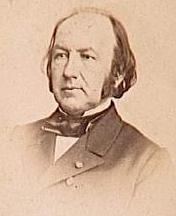
Claude Bernard, French physician who introduced the concept of homeostasis

The human body and even its individual body fluids may be conceptually divided into various fluid compartments, which, although not literally anatomic compartments, do represent a real division in terms of how portions of the body's water, solutes, and suspended elements are segregated. The two main fluid compartments are the intracellular and extracellular compartments. The intracellular compartment is the space within the organism's cells; it is separated from the extracellular compartment by cell membranes.[1]

About two-thirds of the total body water of humans is held in the cells, mostly in the cytosol, and the remainder is found in the extracellular compartment. The extracellular fluids may be divided into three types: interstitial fluid in the "interstitial compartment" (surrounding tissue cells and bathing them in a solution of nutrients and other chemicals), blood plasma and lymph in the "intravascular compartment" (inside the blood vessels and lymphatic vessels), and small amounts of transcellular fluid such as ocular and cerebrospinal fluids in the "transcellular compartment".

The normal processes by which life self-regulates its biochemistry (homeostasis) produce fluid balance across the fluid compartments. Water and electrolytes are continuously moving across barriers (eg, cell membranes, vessel walls), albeit often in small amounts, to maintain this healthy balance. The movement of these molecules is controlled and restricted by various mechanisms. When illnesses upset the balance, electrolyte imbalances can result.

The interstitial and intravascular compartments readily exchange water and solutes, but the third extracellular compartment, the transcellular, is thought of as separate from the other two and not in dynamic equilibrium with them.[2]

The science of fluid balance across fluid compartments has practical application in intravenous therapy, where doctors and nurses must predict fluid shifts and decide which IV fluids to give (for example, isotonic versus hypotonic), how much to give, and how fast (volume or mass per minute or hour).

Intracellular compartment

[edit]

The intracellular fluid (ICF) is all fluids contained inside the cells, which consists of cytosol and fluid in the cell nucleus.[3] The cytosol is the matrix in which cellular organelles are suspended. The cytosol and organelles together compose the cytoplasm. The cell membranes are the outer barrier. In humans, the intracellular compartment contains on average about 28 liters (6.2 imp gal; 7.4 U.S. gal) of fluid, and under ordinary circumstances remains in osmotic equilibrium. It contains moderate quantities of magnesium and sulfate ions.

In the cell nucleus, the fluid component of the nucleoplasm is called the nucleosol.[4]

Extracellular compartment

[edit]

The interstitial, intravascular and transcellular compartments comprise the extracellular compartment. Its extracellular fluid (ECF) contains about one-third of total body water.

Intravascular compartment

[edit]

The main intravascular fluid in mammals is blood, a complex mixture with elements of a suspension (blood cells), colloid (globulins), and solutes (glucose and ions). The blood represents both the intracellular compartment (the fluid inside the blood cells) and the extracellular compartment (the blood plasma). The average volume of plasma in the average (70-kilogram or 150-pound) male is approximately 3.5 liters (0.77 imp gal; 0.92 U.S. gal). The volume of the intravascular compartment is regulated in part by hydrostatic pressure gradients, and by reabsorption by the kidneys.

Interstitial compartment

[edit]

The interstitial compartment (also called "tissue space") surrounds tissue cells. It is filled with interstitial fluid, including lymph.[5] Interstitial fluid provides the immediate microenvironment that allows for movement of ions, proteins and nutrients across the cell barrier. This fluid is not static, but is continually being refreshed by the blood capillaries and recollected by lymphatic capillaries. In the average male (70-kilogram or 150-pound) human body, the interstitial space has approximately 10.5 liters (2.3 imp gal; 2.8 U.S. gal) of fluid.

Transcellular compartment

[edit]

The transcellular fluid is the portion of total body fluid that is formed by the secretory activity of epithelial cells and is contained within specialized epithelial-lined compartments. Fluid does not normally collect in larger amounts in these spaces,[6][7] and any significant fluid collection in these spaces is physiologically nonfunctional.[8] Examples of transcellular spaces include the eye, the central nervous system (CNS), the peritoneal and pleural cavities, and the joint capsules. A small amount of fluid, called transcellular fluid, does exist normally in such spaces. For example, the aqueous humor, the vitreous humor, the cerebrospinal fluid, the serous fluid produced by the serous membranes, and the synovial fluid produced by the synovial membranes are all transcellular fluids. They are all very important, yet there is not much of each. For example, there is only about 150 milliliters (5.3 imp fl oz; 5.1 U.S. fl oz) of cerebrospinal fluid in the entire CNS at any moment. All of the above-mentioned fluids are produced by active cellular processes working with blood plasma as the raw material, and they are all more or less similar to blood plasma except for certain modifications tailored to their function. For example, the cerebrospinal fluid is made by various cells of the CNS, mostly the ependymal cells, from blood plasma.

Fluid shift

[edit]

Fluid shifts occur when the body's fluids move between the fluid compartments. Physiologically, this occurs by a combination of hydrostatic pressure gradients and osmotic pressure gradients. Water will move from one space into the next passively across a semi permeable membrane until the hydrostatic and osmotic pressure gradients balance each other. Many medical conditions can cause fluid shifts. When fluid moves out of the intravascular compartment (the blood vessels), blood pressure can drop to dangerously low levels, endangering critical organs such as the brain, heart and kidneys; when it shifts out of the cells (the intracellular compartment), cellular processes slow down or cease from intracellular dehydration; when excessive fluid accumulates in the interstitial space, oedema develops; and fluid shifts into the brain cells can cause increased cranial pressure. Fluid shifts may be compensated by fluid replacement or diuretics.

Third spacing

[edit]

"Third spacing" is the abnormal accumulation of fluid into an extracellular and extravascular space. In medicine, the term is often used with regard to loss of fluid into interstitial spaces, such as with burns or edema, but it can also refer to fluid shifts into a body cavity (transcellular space), such as ascites and pleural effusions. With regard to severe burns, fluids may pool on the burn site (i.e. fluid lying outside of the interstitial tissue, exposed to evaporation) and cause depletion of the fluids. With pancreatitis or ileus, fluids may "leak out" into the peritoneal cavity, also causing depletion of the intracellular, interstitial or vascular compartments.

Patients who undergo long, difficult operations in large surgical fields can collect third-space fluids and become intravascularly depleted despite large volumes of intravenous fluid and blood replacement.

The precise volume of fluid in a patient's third spaces changes over time and is difficult to accurately quantify.

Third spacing conditions may include peritonitis, pyometritis, and pleural effusions.[9] Hydrocephalus and glaucoma are theoretically forms of third spacing, but the volumes are too small to induce significant shifts in blood volumes, or overall body volumes, and thus are generally not referred to as third spacing.

See also

[edit]

References

[edit]
Revisions and contributorsEdit on WikipediaRead on Wikipedia
from Grokipedia
Fluid compartments refer to the distinct physiological spaces within the where , electrolytes, and other solutes are distributed, primarily divided into the intracellular fluid (ICF) and (ECF), with total comprising approximately 50–60% of body weight in adults. The ICF, which accounts for about two-thirds (roughly 40% of body weight) of total , consists of the enclosed within cell membranes and serves as the medium for intracellular metabolic processes. In contrast, the ECF, making up the remaining one-third (about 20% of body weight), surrounds cells and includes plasma (approximately 5% of body weight) in the vascular system, interstitial fluid (about 12–15% of body weight) bathing tissues, and minor transcellular fluids such as and . These compartments maintain osmotic equilibrium across semipermeable cell membranes, regulated by hydrostatic and oncotic pressures as described by the Starling equation, ensuring proper essential for nutrient transport, waste removal, and overall . Disruptions in fluid distribution, influenced by factors like age, sex, and —where infants have higher total (up to 75%) and obese individuals lower proportions due to adipose tissue's low content—can lead to conditions such as or .

Overview

Definition and total body water

Fluid compartments refer to the distinct physiological spaces within the human body where water and dissolved solutes are distributed and maintained, primarily categorized into intracellular and extracellular regions. These compartments ensure the proper functioning of cells and tissues by regulating the osmotic balance and transport of essential substances. The intracellular compartment encompasses all fluid enclosed within cell membranes, while the extracellular compartment includes fluid outside the cells, such as in blood plasma and interstitial spaces. Total body water (TBW) represents the sum of water in all these compartments and averages approximately 60% of body weight in lean adult males, equivalent to about 42 liters in a 70-kg individual. In adult females, this percentage is lower at around 50%, or roughly 30 liters in a 60-kg person, due to differences in . These values are determined using dilution techniques with isotopes like oxide, which allow precise measurement by tracking the distribution of a known amount of tracer throughout the body's water spaces. Variations in TBW percentage arise from factors such as age, , and ; for instance, TBW is higher at birth (around 70-75%) and decreases progressively with aging due to reduced muscle mass and increased deposition. Males typically exhibit higher TBW relative to body weight than females because of greater lean muscle mass, which contains more water than tissue. Additionally, obese individuals have a lower TBW percentage since holds less water (about 10-20%) compared to muscle (70-80%). Hydration status also influences TBW, with reducing total water volume and overhydration increasing it, affecting overall . In a typical adult, TBW is broadly apportioned as two-thirds intracellular fluid and one-third extracellular fluid, providing a foundational framework for understanding fluid distribution.

Distribution across compartments

In the human body, total body water (TBW) is distributed between two primary compartments: the intracellular fluid (ICF) and the extracellular fluid (ECF). The ICF, which encompasses the fluid within all cells, constitutes approximately 40% of body weight, representing about two-thirds of TBW. This compartment is essential for cellular processes and is uniformly distributed across the body's trillions of cells. The ECF, comprising the remaining one-third of TBW or about 20% of body weight, is the fluid outside cells and serves as the medium for and exchange. It is further subdivided into the intravascular compartment (plasma within blood vessels, approximately 5% of body weight), the compartment (fluid surrounding cells, about 15% of body weight), and the transcellular compartment (a minor portion, roughly 1% of body weight, including fluids like cerebrospinal and synovial fluids). For context, plasma volume specifically ranges from 3% to 5% of body weight in healthy adults. The distribution of body fluids varies with age and physiological state, reflecting changes in . Neonates have a higher TBW , around 75-80% of body weight, due to greater ECF proportions, while elderly individuals exhibit lower TBW at 45-50% of body weight, with reduced ICF relative to total mass. These variations influence hydration status and fluid management across life stages. Fluid compartment volumes are typically measured using dilution techniques, such as with oxide (D₂O) to quantify TBW by tracking the equilibration of the tracer in . Other methods derive compartment sizes indirectly, like using radiolabeled indicators for ECF or plasma. Accurate measurement is crucial for understanding balanced distribution, which maintains by ensuring osmotic equilibrium and organ function.
CompartmentApproximate % of Body WeightProportion of TBW
Intracellular Fluid (ICF)40%2/3
Extracellular Fluid (ECF)20%1/3
Intravascular (Plasma)5%~1/12 of TBW
15%~1/4 of TBW
Transcellular<1%Minor

Intracellular fluid

Composition and volume

The intracellular fluid (ICF) constitutes approximately two-thirds of total body water, amounting to about 25-28 liters in a typical 70 kg adult male, with the remainder distributed in the (ECF). This volume is dynamically maintained by semipermeable cell membranes that regulate solute and water movement, ensuring cellular integrity and function. The composition of ICF is distinctly rich in certain electrolytes and organic compounds, reflecting its role in supporting intracellular processes. is the predominant cation at around 140 mEq/L, while sodium levels remain low at approximately 10 mEq/L, creating essential electrochemical gradients across the . Magnesium and anions are also highly concentrated, alongside substantial amounts of proteins such as enzymes and structural elements, which contribute to the fluid's buffering capacity. The of ICF typically ranges from 7.0 to 7.2, slightly more acidic than the ECF's 7.4. ICF osmolality is maintained at 280-300 mOsm/kg, closely matching that of the ECF to prevent osmotic imbalances, though achieved through different ionic profiles—primarily and organic phosphates rather than sodium. This equilibrium supports the ICF's function as a metabolic reservoir within cells, where subcellular organelles like mitochondria and create localized variations in concentrations and to facilitate production and .

Functions and cellular interactions

The intracellular fluid (ICF) serves as the primary solvent for metabolic reactions within cells, enabling the dissolution and transport of substrates, enzymes, and products essential for biochemical processes such as and protein synthesis. This aqueous environment facilitates the of molecules and s, supporting enzymatic activities that maintain cellular production and . Additionally, the ICF acts as a medium for ion signaling, where the sodium-potassium (Na+/K+-ATPase) pump actively maintains steep electrochemical gradients by extruding three sodium s (Na+) out of the cell in exchange for two potassium s (K+) per ATP molecule hydrolyzed, thereby preserving the low intracellular Na+ and high K+ concentrations critical for cellular . These gradients not only regulate osmotic equilibrium but also provide the electrical potential necessary for various cellular functions. Furthermore, the ICF cushions organelles, protecting structures like the nucleus and mitochondria from mechanical stress during cellular movement or deformation. In terms of cellular interactions, the ICF plays a pivotal role in generating action potentials through voltage-gated channels embedded in the plasma , where rapid influx of Na+ and efflux of K+ across the alter the intracellular composition, propagating electrical signals in excitable cells such as neurons and myocytes. This process relies on the pre-existing gradients sustained by the ICF, allowing for the and phases that enable impulse transmission and . The ICF also contributes to cell volume regulation via aquaporins, which are water channel proteins that facilitate rapid water movement across the in response to osmotic changes, preventing excessive swelling or shrinkage during fluctuations in extracellular osmolality. For instance, aquaporin-mediated water efflux helps restore volume after hypotonic stress by allowing regulatory volume decrease mechanisms to activate. Regulation of the ICF involves osmotic balance maintained by ion pumps like Na+/K+-ATPase, which counteracts passive ion leaks to preserve volume and composition, while hormones such as insulin influence solute transport, promoting via translocation of transporters to the plasma membrane, thereby increasing intracellular glucose availability for metabolism. Disruptions in these processes, as seen in where low extracellular sodium leads to osmotic water influx and cellular swelling, can impair neurological function and highlight the ICF's vulnerability to imbalances.

Extracellular fluid

General properties and composition

The extracellular fluid (ECF) functions as the body's internal environment, termed the milieu intérieur by , providing a stable medium for cellular activities despite external fluctuations. In a typical 70-kg , the ECF volume is approximately 14 liters, accounting for about one-third of total and enabling the exchange of nutrients, electrolytes, and waste products. Water and small solutes in the ECF are freely diffusible across walls, except at specialized barriers such as the blood-brain barrier or renal , which maintain compartment-specific compositions. The solute profile of ECF is dominated by sodium at 140 mEq/L and at 103 mEq/L, with around 24 mEq/L contributing to anion balance; remains low at 4 mEq/L. Proteins are present in minimal concentrations throughout most of the ECF but are notably higher in the plasma portion, aiding without dominating the overall ionic milieu. This composition yields an osmolality of 280–300 mOsm/kg, ensuring osmotic equilibrium with intracellular while preventing cellular swelling or shrinkage. pH in the ECF is tightly regulated at approximately 7.4 through the bicarbonate buffer system, which equilibrates carbon dioxide and water to form carbonic acid that dissociates into hydrogen ions and bicarbonate: \ceCO2+H2OH2CO3H++HCO3\ce{CO2 + H2O ⇌ H2CO3 ⇌ H+ + HCO3-} This reversible reaction, catalyzed by carbonic anhydrase, allows rapid adjustment of acidity via pulmonary ventilation and renal excretion. Unlike intracellular fluid, which features high potassium (around 140 mEq/L) and low sodium for enzymatic functions, the ECF's sodium dominance facilitates tissue perfusion, ion gradients for nerve and muscle activity, and efficient delivery of oxygen and nutrients to cells. The ECF subdivides into intravascular, interstitial, and transcellular components, each sharing these core properties while adapting to local roles.

Intravascular compartment

The intravascular compartment consists of the fluid within the blood vessels, primarily plasma, which forms the liquid portion of and circulates through the cardiovascular system. In a typical , plasma volume is approximately 3 liters, representing about 55% of the total of around 5 liters. This volume can vary between 3 and 5 liters depending on factors such as body size, sex, and hydration status. The , or the proportion of red blood cells in , influences the effective fluid volume in this compartment, as higher hematocrit reduces the plasma fraction. Plasma composition is characterized by a high concentration of proteins, totaling 6 to 8 grams per deciliter (g/dL), which distinguishes it from other s. , the most abundant plasma protein at 3.5 to 5 g/dL, plays a critical role in maintaining , approximately 25 mmHg, which helps retain fluid within the vessels. Other proteins, such as globulins and fibrinogen, contribute to immune function and clotting, respectively, while electrolytes and nutrients are also present but at concentrations similar to the broader . The primary functions of the intravascular compartment include the transport of nutrients, oxygen, and hormones throughout the body via circulation, as well as the removal of . Plasma serves as the medium for these processes, carrying dissolved gases bound to in red blood cells and distributing hormones like insulin and . Fluid exchange between the intravascular and compartments is governed by forces, where hydrostatic pressure (about 36 mmHg at the arteriolar end of capillaries, dropping to 15 mmHg at the venous end) drives fluid out, while pulls fluid back in, resulting in net slightly exceeding to support lymphatic drainage. Regulation of plasma volume occurs mainly through hormonal mechanisms that adjust renal water and sodium handling. Aldosterone, released from the via the renin-angiotensin-aldosterone system in response to low or sodium levels, promotes sodium reabsorption in the distal , leading to increased water retention and expansion of plasma volume. Antidiuretic hormone (ADH), or , secreted from the in response to high or low , enhances water reabsorption in the collecting ducts, thereby concentrating and maintaining intravascular volume. These mechanisms work synergistically to stabilize circulation and prevent or .

Interstitial compartment

The interstitial compartment, a major subdivision of the (ECF), consists of the fluid that surrounds and bathes tissue cells outside of vessels and lymphatics. It forms the immediate microenvironment for cells, facilitating essential exchanges while maintaining tissue integrity. In a typical , the interstitial fluid volume is approximately 10-11 liters, constituting the largest portion of the ECF, which totals around 14 liters. The composition of interstitial fluid closely resembles that of plasma but is notably protein-poor, with a protein concentration of about 2 g/dL compared to 7 g/dL in plasma. This lower protein content arises from the selective permeability of walls, which limits the passage of large molecules. concentrations, including sodium, potassium, chloride, and , mirror those of the broader ECF averages, ensuring osmotic balance across tissue spaces. Additionally, the interstitial space includes , an amorphous gel-like matrix rich in glycosaminoglycans such as and proteoglycans, which contribute to tissue hydration and structural support. Key functions of the interstitial compartment center on supporting cellular metabolism through the diffusion of nutrients like oxygen, glucose, and from capillaries to cells, as well as the removal of metabolic waste products such as and lactate. This passive exchange occurs across concentration gradients, enabling efficient local without . Lymphatic vessels play a critical role by draining excess interstitial fluid back into the circulation, preventing undue accumulation and maintaining ; approximately 2-4 liters of fluid are returned daily via this route. Access to the interstitial compartment is regulated by endothelial barriers in capillaries, where small inter-endothelial gaps and fenestrations permit the free passage of , ions, and small solutes (up to ~10 nm in size) while restricting larger proteins and colloids through tight junctions and the layer. This semi-permeable nature ensures that the interstitial fluid remains low in proteins, supporting the gradient that drives fluid into vessels.

Transcellular compartment

The transcellular compartment refers to a specialized subdivision of the (ECF), comprising fluids secreted by epithelial cells into enclosed spaces lined by epithelia and separated from other ECF components by cellular barriers. These fluids constitute approximately 1% to 3% of total body weight, or about 1 liter in a 70 kg adult, and are often excluded from standard ECF volume calculations due to their isolation by tight junctions that limit free . Key examples of transcellular fluids include (CSF), , aqueous and vitreous humors in the eye, , pleural fluid, and gastrointestinal secretions. Their compositions vary based on the secreting but generally reflect processes rather than simple from plasma; for instance, CSF has a low protein concentration (about 15-45 mg/dL compared to 6,000-8,000 mg/dL in plasma), higher sodium (138 mmol/L) and (119 mmol/L), but lower (2.8 mmol/L) and calcium levels. , in contrast, is viscous with for lubrication, while and pleural fluids are typically low in protein and rich in electrolytes similar to interstitial fluid. These fluids serve distinct functions tailored to their locations, primarily providing to reduce in joints (as in ) and protection by cushioning organs against mechanical stress, such as CSF surrounding the to absorb impacts and maintain . Ocular humors help maintain and optical clarity, while serous fluids like peritoneal and pleural variants facilitate organ movement and prevent adhesions. Volume and composition are tightly regulated through epithelial secretion and reabsorption, ensuring despite their small overall contribution to ECF.

Fluid dynamics

Mechanisms of fluid shifts

Fluid shifts between body compartments are primarily driven by osmotic, hydrostatic, and oncotic pressures, ensuring the maintenance of across intracellular and extracellular spaces. is the key passive mechanism, where moves across semi-permeable cell membranes following solute concentration gradients, facilitated by channels that selectively permit rapid transport without solute passage. These , such as AQP1 and AQP4, are integral membrane proteins that respond to osmotic gradients, allowing to equilibrate between the intracellular fluid (ICF) and (ECF) to prevent cellular swelling or shrinkage. complements by enabling passive movement of small solutes like ions and gases along their concentration gradients, contributing to the overall balance of electrolytes that indirectly influences distribution. In contrast, mechanisms, exemplified by the Na⁺/K⁺-ATPase pump, consume ATP to maintain ionic gradients—pumping sodium out of cells into the ECF and into the ICF—thereby sustaining the osmotic differences that drive fluid shifts. Within the ECF, fluid exchange between the intravascular (plasma) and interstitial compartments is governed by the Starling , which quantifies net across walls. The is expressed as: Jv=Kf[(PcPi)σ(πcπi)]J_v = K_f \left[ (P_c - P_i) - \sigma (\pi_c - \pi_i) \right] where JvJ_v represents the volume of moved per unit time, KfK_f is the reflecting permeability and surface area, PcP_c and PiP_i are the hydrostatic pressures in the and , σ\sigma is the for plasma proteins, and πc\pi_c and πi\pi_i are the oncotic pressures in the and , respectively. This balance typically results in slight net at the arterial end of capillaries (driven by higher PcP_c) and at the venous end (favored by oncotic pull from plasma proteins), with lymphatics returning excess interstitial to circulation. These forces ensure that approximately 20 liters of are filtered and reabsorbed daily in a healthy , maintaining ECF volume stability. Hormonal regulation fine-tunes these shifts to respond to changes in hydration or status. hormone (ADH), released from the in response to increased , enhances in the renal collecting ducts by inserting channels into the apical membrane, thereby increasing ECF volume and promoting osmotic equilibration with the ICF. , secreted by the under stimulation from the renin-angiotensin-aldosterone system, promotes sodium retention in the distal , which osmotically draws into the ECF to expand its volume without significantly altering ICF proportions. These hormones primarily act at the but influence compartment-wide shifts by altering overall solute and loads. Under normal physiological conditions, transient fluid redistributions occur, such as postprandial shifts where flow to the splanchnic circulation increases by about 50-70% following a , drawing a minor portion of ECF volume to support gastrointestinal absorption and without disrupting total balance. This redistribution is mediated by neural and hormonal signals, including cholecystokinin, ensuring efficient processing while the integrated mechanisms above rapidly restore equilibrium.

Third spacing and pathological shifts

Third spacing refers to the pathological sequestration of in transcellular or potential spaces, such as the (resulting in ), (pleural effusions), or pericardial sac, where it becomes unavailable for normal circulation and is effectively removed from the functional (ECF) compartment. This phenomenon expands the non-functional ECF volume while contributing to intravascular , as the sequestered does not participate in effective circulating volume. Common causes of third spacing include , which increases capillary permeability and allows protein-rich fluid to leak into third spaces; , which lowers plasma and impairs fluid reabsorption; and trauma or , which trigger systemic inflammatory responses leading to widespread fluid shifts. For instance, post-surgical third spacing can persist for up to 72 hours due to endothelial barrier dysfunction from release. Pathological fluid shifts also occur in conditions like , where elevated hydrostatic pressure in the pulmonary and systemic capillaries drives fluid from the intravascular space into the interstitial and transcellular compartments, manifesting as or . Conversely, in , hyperosmolality in the ECF prompts osmotic fluid movement from the intracellular fluid (ICF) to the ECF to restore vascular volume, potentially exacerbating imbalances if prolonged. Clinically, third spacing leads to symptoms such as unexplained weight gain despite stable intake, localized swelling, decreased urine output, and signs of like , despite overall fluid overload. Treatment focuses on addressing the underlying cause, often using diuretics to mobilize sequestered fluid or intravenous to restore in severe cases. For example, during the , cytokine-mediated capillary leak contributed to third spacing through pleural effusions in about 7% of hospitalized patients.

References

Add your contribution
Related Hubs
User Avatar
No comments yet.