


Community hub
Recent from talks
Contribute something
Nothing was collected or created yet.
Pitaya
View on Wikipedia


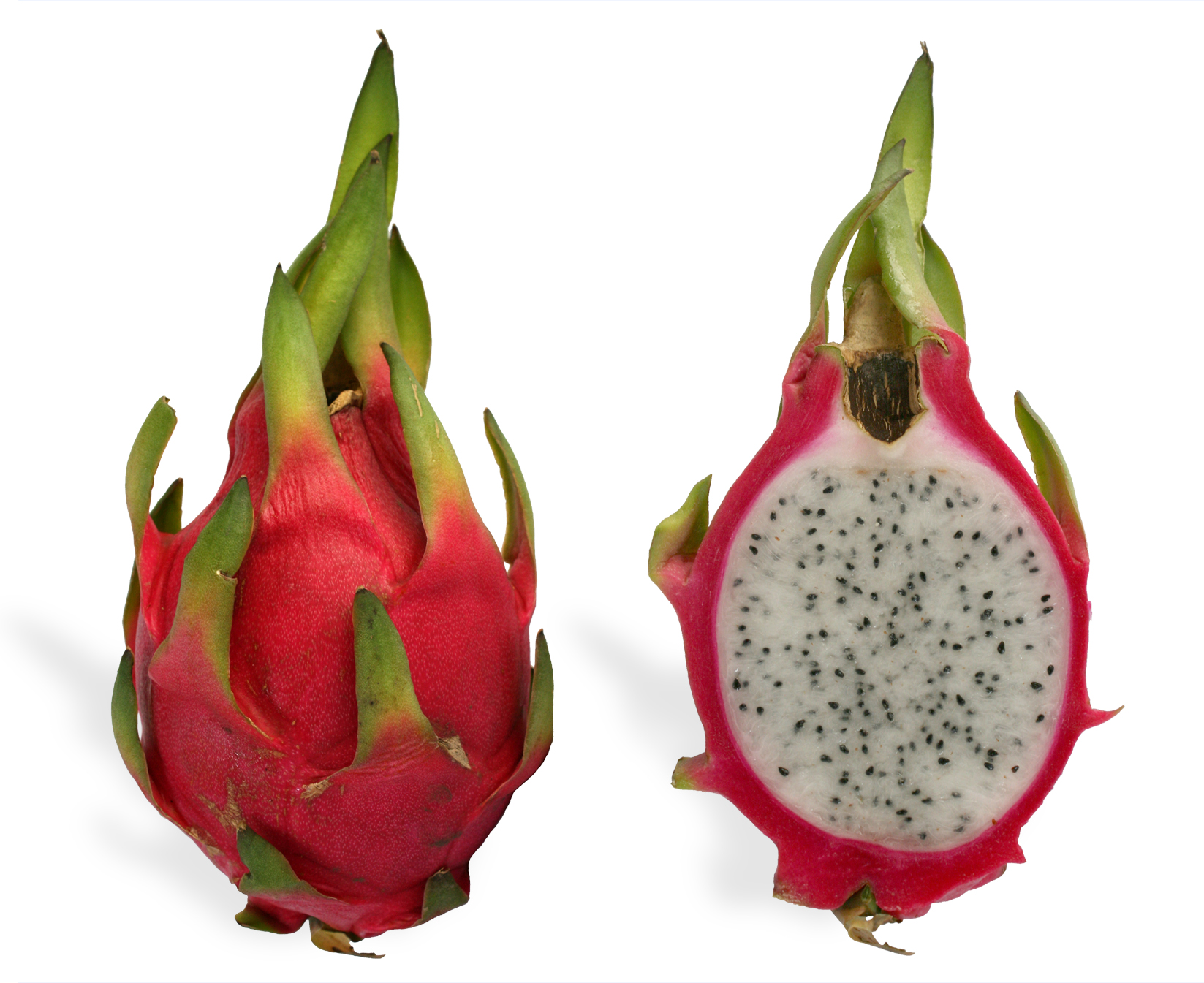
Pitaya (/pɪˈtaɪ.ə/), pitahaya (/ˌpɪtəˈhaɪ.ə/) or commonly known as dragon fruit (and strawberry pear) is the fruit of several cactus species indigenous to the region of southern Mexico and along the Pacific coasts of Guatemala, Costa Rica, and El Salvador.[1][2] Pitaya is cultivated in East Asia, South Asia, Southeast Asia, continental America, the Caribbean, Australia, Brazil, Madeira (Portugal),[3] and throughout tropical and subtropical regions of the world.
Pitaya usually refers to fruit of the genus Stenocereus, while pitahaya or dragon fruit refers to fruit of the genus Selenicereus (formerly Hylocereus), both in the family Cactaceae.[1][2][4] The common name in English, dragon fruit, derives from the leather-like skin and scaly spikes on the fruit exterior, resembling dragon skin. Depending on the variety, pitaya fruits may have sweet- or sour-tasting flesh that can be red, white, or yellow in color.
Vernacular names
[edit]These fruits are commonly known in English as strawberry pear or dragon fruit, a name used since 1963, apparently resulting from the leather-like skin and prominent scaly spikes on the fruit exterior.[5] The fruit is often designated as "Vietnamese dragon fruit" as Vietnam is the lead exporter.[6] The fruit may also be known as a strawberry pear.[2][7]
The names pitahaya and pitaya derive from Mexico, and pitaya roja in Central America and northern South America, possibly relating to pitahaya for names of tall cacti species with flowering fruit.[2][8]
Geography
[edit]
Pitaya or dragon fruit is native to the region of southern Mexico and along the Pacific coasts of Guatemala, Costa Rica, and El Salvador.[1][2] It was introduced to Indochina by the French around 1860.[9] The dragon fruit is cultivated in East Asia, South Asia, Southeast Asia, the United States, the Caribbean, Australia, and throughout tropical and subtropical regions of the world.[1][2]
Varieties
[edit]Stenocereus
[edit]Stenocereus fruit (sour pitayas) are a variety that is commonly eaten in the arid regions of the Americas. They are more sour and refreshing, with juicier flesh and a stronger taste.
The sour pitaya or pitaya agria (S. gummosus) in the Sonoran Desert has been an important food source for indigenous peoples of the Americas. The Seri people of northwestern Mexico still harvest the fruit, and call the plant ziix is ccapxl "thing whose fruit is sour".
The fruit of related species, such as S. queretaroensis and the dagger cactus or pitaya de mayo (S. griseus),[4]: 223–225 are also locally important foods. The fruit of the organ pipe cactus (S. thurberi, called ool by the Seris) is the pitaya dulce "sweet pitaya".
Dragon fruit, Selenicereus
[edit]
Sweet pitayas come in three types, all with leathery, slightly leafy skin:[4]: 215–216
- Selenicereus undatus (Pitaya blanca or white-fleshed pitaya, also known as Hylocereus undatus) has pink-skinned fruit with white flesh. This is the most commonly seen "dragon fruit".
- Selenicereus costaricensis (Pitaya roja or red-fleshed pitaya, also known as Hylocereus costaricensis, and possibly incorrectly as Hylocereus polyrhizus) has red-skinned fruit with red flesh.
- Selenicereus megalanthus (Pitaya amarilla or yellow pitaya, also known as Hylocereus megalanthus) has yellow-skinned fruit with white flesh.
The fruit normally weighs from 150 to 600 grams (5+1⁄2 to 21 oz); some may reach 1 kg (2 lb 3 oz).[10] Early imports from Colombia to Australia were designated "Hylocereus ocampensis" (or "Cereus repandus", the red fruit) and "Cereus triangularis" (supposedly, the yellow fruit or the three-sided cross-section of the stem).
Cultivation
[edit].jpg)

After a thorough cleaning of the seeds from the pulp of the fruit, the seeds may be stored when dried. The ideal fruit is unblemished and overripe.
Seeds grow well in a compost or potting soil mix – even as a potted indoor plant. Pitaya cacti usually germinate after between 11 and 14 days after shallow planting. As they are cacti, overwatering is a concern for home growers. As their growth continues, these climbing plants will find something to climb on, which can involve putting aerial roots down from the branches in addition to the basal roots. Once the plant reaches a mature 4.5 kilograms (10 pounds) in weight, the plant may flower.[clarification needed]
Commercial plantings can be done at high density with between 1,100 and 1,350 per hectare (445 and 546/acre). Plants can take up to 60 months/260 weeks to come into full commercial production, at which stage yields of 20 to 30 metric tons (22 to 33 short tons) can be expected.[11]
Pitaya flowers bloom overnight and usually wilt by the evening.[12] They rely on nocturnal pollinators such as bats or moths for fertilization. Self-fertilization will not produce fruit in some species and while crossbreeding has resulted in several "self-fertile" varieties, cross-pollinating with a second, genetically distinct plant of the same species generally increases fruit set and quality. This limits the capability of home growers to produce the fruit. However, the plants can flower between three and six times per year depending on growing conditions. Like other cacti, if a healthy piece of the stem is broken off, it may take root in the soil and become its own plant.
The plants can endure temperatures up to 40 °C (104 °F) and short periods of frost but will not survive long exposure to freezing temperatures. The cacti thrive most in USDA zones 10–11 but may survive outdoors in zone 9a or 9b.[2][13]
Selenicereus has adapted to live in dry tropical climates with a moderate amount of rain. In numerous regions, it has escaped cultivation to become a weed and is classified as an invasive weed in some countries.[1]
Pests and diseases
[edit]Stems and fruits are susceptible to several diseases caused by fungi, bacteria, a nematode, and a virus.[14] Overwatering or excessive rainfall can cause the flowers to drop and fruit to rot.[15] The bacterium Xanthomonas campestris causes the stems to rot. Dothiorella fungi can cause brown spots on the fruit. Other fungi known to infect pitaya include Botryosphaeria dothidea, Colletotrichum gloeosporioides and Bipolaris cactivora.[14]
Uses
[edit]Culinary
[edit]The fruit's texture is sometimes likened to that of the kiwifruit because of its black, crunchy seeds. The seed oil contains linoleic acid.[16] Dragon fruit is used to flavor and color juices and alcoholic beverages, such as "Dragon's Blood Punch" and the "Dragotini".[17] The flowers can be eaten or steeped as tea.[18]
The red and purple colors of some Selenicereus fruits are due to betacyanins, a family of pigments that includes betanin, the same substance that gives beets, Swiss chard, and amaranth their red color.[19][20]
Nutrition
[edit]| Nutritional value per 100 g (3.5 oz) | |||||||||||||||||||||||||||||||||||||||||||||
|---|---|---|---|---|---|---|---|---|---|---|---|---|---|---|---|---|---|---|---|---|---|---|---|---|---|---|---|---|---|---|---|---|---|---|---|---|---|---|---|---|---|---|---|---|---|
| Energy | 57 kcal (240 kJ) | ||||||||||||||||||||||||||||||||||||||||||||
15.2 g | |||||||||||||||||||||||||||||||||||||||||||||
| Sugars | 9.75 g | ||||||||||||||||||||||||||||||||||||||||||||
| Dietary fiber | 3.1 g | ||||||||||||||||||||||||||||||||||||||||||||
0.14 g | |||||||||||||||||||||||||||||||||||||||||||||
0.36 g | |||||||||||||||||||||||||||||||||||||||||||||
| |||||||||||||||||||||||||||||||||||||||||||||
| Other constituents | Quantity | ||||||||||||||||||||||||||||||||||||||||||||
| Water | 84 g | ||||||||||||||||||||||||||||||||||||||||||||
| †Percentages estimated using US recommendations for adults,[21] except for potassium, which is estimated based on expert recommendation from the National Academies.[22] | |||||||||||||||||||||||||||||||||||||||||||||
Raw pitaya is 84% water, 15% carbohydrates, and contains negligible protein and fat (table). In a reference amount of 100 grams (3.5 oz), pitaya provides 57 kilocalories (240 kilojoules) of food energy, with no micronutrients in significant content (table).
Seed oils
[edit]The fatty acid compositions of the seed oils of Selenicereus costaricensis, syn. Hylocereus costaricensis (red-fleshed pitaya) and Selenicereus undatus, syn. Hylocereus undatus (white-fleshed pitaya) were similar: myristic acid (negligible), palmitic acid (17%), stearic acid (5%), palmitoleic acid (about 1%), oleic acid (22%), cis-vaccenic acid (3%), linoleic acid (50%), and α-linolenic acid (1%).[16]
Gallery
[edit]-
 Pitaya "tree"
 -
 Plantation in Naozhou Island
 -
 Nocturnal flowering
 -
 Yellow S. megalanthus
 -
 Red S. costaricensis
 -
 Jus buah naga, purple pitaya juice, Indonesia
 -
 Red, yellow and white fruits
 -
 Dress for a folk dance called Flor de Pitahaya "Pitahaya Flower" from Baja California Sur displayed at the Museo de Arte Popular in Mexico City
 -
 Dissected pitaya


.jpg)


.jpg)
See also
[edit]- List of culinary fruits
- Opuntia – prickly pear cacti with edible "cactus figs" or tunas fruit
References
[edit]- ^ a b c d e "Hylocereus undatus (dragon fruit)". Invasive Species Compendium. CABI (Centre for Agriculture and Bioscience International). 3 January 2018. Retrieved 19 April 2018.
- ^ a b c d e f g Morton JF (1987). "Strawberry pear, Hylocereus undatus Britt. and Rose; Cereus undatus Haw.; In: Fruits of Warm Climates". Center for New Crops and Plant Products, Department of Horticulture and Landscape Architecture, Purdue University. pp. 347–348. Retrieved 23 August 2025.
- ^ "Direcção de Agricultura quer produção de pitaia no Porto Santo | Funchal Notícias | Notícias da Madeira - Informação de todos para todos! | Notícias da Madeira e do Porto Santo". Funchal Notícias (in Brazilian Portuguese). 16 January 2024. Retrieved 25 August 2025.
- ^ a b c Janick J, Paull RE, eds. (2008). "C". The Encyclopedia of Fruit and Nuts. Cambridge, United Kingdom: CABI (Centre for Agriculture and Bioscience International). pp. 215–216, 222–226. ISBN 978-0-85199-638-7.
- ^ "Dragon fruit". Merriam-Webster Dictionary. 2019. Retrieved 25 March 2019.
- ^ Menon J, Roth V (21 June 2022). Agricultural Trade between China and the Greater Mekong Subregion Countries: A Value Chain Analysis. ISEAS-Yusof Ishak Institute. ISBN 978-981-5011-13-5.
- ^ Mitcham EJ, Tonetto de Freitas S (August 2013). "Quality of pitaya fruit (Hylocereus undatus) as influenced by storage temperature and packaging" (PDF). Scientia Agricola. 70 (4): 257–262. doi:10.1590/S0103-90162013000400006. ISSN 0103-9016.
- ^ "Dragon fruit". National Library Board, Singapore Government. 2017. Archived from the original on 21 November 2016. Retrieved 19 March 2017.
- ^ Nobel PS (10 July 2002). Cacti: Biology and Uses. University of California Press. p. 192. ISBN 978-0-520-23157-3.
- ^ Rojas-Sandoval J, Praciak A (2022). "Hylocereus undatus (dragon fruit)". Invasive Species Compendium. CABI (Centre for Agriculture and Bioscience International). doi:10.1079/cabicompendium.27317. Retrieved 12 October 2020.
- ^ "Dragon Fruit – Amorentia Sweet Dragon Fruit". Retrieved 5 June 2018.
- ^ Boning CR (2006). Florida's Best Fruiting Plants: Native and Exotic Trees, Shrubs, and Vines. Sarasota, Florida: Pineapple Press, Inc. p. 185. ISBN 978-1-56164-372-1.
- ^ Setzer, Kenneth (26 July 2014). "Dragon fruit surprisingly easy to grow". Miami Herald. Archived from the original on 20 March 2017. Retrieved 19 March 2017.
- ^ a b Balendres M, Bengoa J (2019). "Diseases of dragon fruit (Hylocereus species): Etiology and current management options". Crop Protection. 126 104920. Bibcode:2019CrPro.12604920B. doi:10.1016/j.cropro.2019.104920. S2CID 202020863.
- ^ Masyahit M, Sijam K, Awang Y, et al. (February 2013). "The Occurrence of Anthracnose Disease Caused by Colletotrichum Gloeosporioides on Dragon Fruit (Hylocereus SPP.) in Peninsular Malaysia" (PDF). Acta Horticulturae (975): 187–195. doi:10.17660/actahortic.2013.975.20. ISSN 0567-7572.
- ^ a b Ariffin AA, Bakar J, Tan CP, et al. (2008). "Essential fatty acids of pitaya (dragon fruit) seed oil" (PDF). Food Chemistry. 114 (2): 561–64. doi:10.1016/j.foodchem.2008.09.108.
- ^ Small E (2011). Top 100 Exotic Food Plants. CRC Press. p. 105. ISBN 9781439856888. Archived from the original on 18 November 2017. Retrieved 29 July 2017.
- ^ K LT (2012). Edible Medicinal and Non-Medicinal Plants: Volume 1, Fruits. Springer Science & Business Media. p. 641. ISBN 9789048186617. Archived from the original on 18 November 2017. Retrieved 29 July 2017.
- ^ O. P. S. Rebecca, A. N. Boyce and S. Chandran (2010), "Pigment identification and antioxidant properties of red dragon fruit (Hylocereus polyrhizus)" African Journal of Biotechnology, volume 9, issue 10, pp. 1450–54.
- ^ C. S. Tang and M. H. Norziah (2007) "Stability of betacyanin pigments from red purple pitaya fruit (Hylocereus polyrhizus): Influence of pH, temperature, metal ions and ascorbic acid" Indonesian Journal of Chemistry, volume 7, issue 3, pp. 327–31.
- ^ United States Food and Drug Administration (2024). "Daily Value on the Nutrition and Supplement Facts Labels". FDA. Archived from the original on 27 March 2024. Retrieved 28 March 2024.
- ^ "TABLE 4-7 Comparison of Potassium Adequate Intakes Established in This Report to Potassium Adequate Intakes Established in the 2005 DRI Report". p. 120. In: Stallings VA, Harrison M, Oria M, eds. (2019). "Potassium: Dietary Reference Intakes for Adequacy". Dietary Reference Intakes for Sodium and Potassium. pp. 101–124. doi:10.17226/25353. ISBN 978-0-309-48834-1. PMID 30844154. NCBI NBK545428.
External links
[edit] Media related to Pitaya at Wikimedia Commons

Pitaya
View on GrokipediaEtymology and nomenclature
Vernacular names
Pitaya is known by a variety of vernacular names that reflect its regional cultivation and cultural contexts, often emphasizing its distinctive appearance or mythical associations. The term "pitaya" entered Spanish from the Taíno language of the Caribbean, where "pitahaya" means "scaly fruit," referring to the fruit's textured exterior. In Mexico, indigenous Nahuatl speakers refer to certain species as "cuauhnochtli," a name highlighting its prickly nature. English speakers commonly call it "dragon fruit," a modern marketing term especially for climbing varieties introduced to Southeast Asia, or the older "strawberry pear," evoking its shape and mild flavor. In Spanish-speaking regions of Latin America, "pitahaya" is widely used, with local variations such as "pitahaya de mayo" in central Mexico for columnar cactus fruits ripening in May. Southeast Asian names often invoke dragons due to the fruit's spiky skin; for example, red-fleshed varieties are termed "red pitaya" in markets across Vietnam, Thailand, and Indonesia. The following table summarizes key vernacular names by language and region:| Language/Region | Common Names | Notes |
|---|---|---|
| English (global) | Dragon fruit, strawberry pear | "Dragon fruit" popularized in export markets; "strawberry pear" from 18th-century descriptions. |
| Spanish (Mexico, Central America) | Pitaya, pitahaya, pitahaya de mayo | "Pitahaya de mayo" specific to Mexican Stenocereus harvests in spring. |
| Nahuatl (Mexico) | Cuauhnochtli | Indigenous term for edible cactus fruits. |
| Vietnamese (Southeast Asia) | Thanh long | Translates to "green dragon"; major export variety. |
| Chinese (Southeast Asia) | Huǒlóngguǒ (火龙果) | Means "fire dragon fruit"; common in southern China and Taiwan. |
| Thai (Southeast Asia) | Kæ̂w mângkôn (แก้วมังกร) | Literally "dragon crystal"; reflects the fruit's vibrant scales. |
| Indonesian/Malay (Southeast Asia) | Buah naga | Means "dragon fruit"; used for both red and white varieties. |
Taxonomic history
Pitaya, or dragon fruit, refers to the fruits of several cactus species primarily within the family Cactaceae, subfamily Cactoideae. The vine-forming pitayas belong to the tribe Hylocereeae, while columnar types such as those in Stenocereus are classified in the tribe Cereeae.[7][8] The taxonomic history of pitaya began with early descriptions in the 19th century, but the modern classification was shaped by Nathaniel Lord Britton and Joseph Nelson Rose in their seminal 1920 work, The Cactaceae. In volume 2 of this monograph, they established the genus Hylocereus (derived from Greek hylē for "wood" or "forest" and kēros for "wax," reflecting its habitat and waxy stems) to encompass climbing, epiphytic cacti from tropical America, including species producing edible fruits like Hylocereus undatus (Haw.) Britton & Rose, the white-fleshed pitaya.[9] Britton and Rose recognized about five to six species based on morphological traits such as stem shape, flower size, and fruit characteristics, distinguishing Hylocereus from related genera like Selenicereus (initially described by Karl Schumann in 1898 for similar night-blooming cacti).[9][10] Throughout the 20th century, classifications relied on morphological and anatomical features, with revisions by taxonomists like Alwin Berger and David R. Hunt, who in the 1970s–1990s proposed adjustments to species boundaries and synonyms, such as transferring some taxa between Hylocereus and Selenicereus. For instance, Hylocereus undatus was sometimes synonymized with H. tricostatus Gosselin based on stem rib counts. However, ambiguities persisted regarding hybrid origins, as cytological studies revealed polyploidy and interspecific hybridization among vine cacti, complicating species delimitation—e.g., some yellow-fleshed varieties were debated as hybrids between Hylocereus and Selenicereus species.[11][12] Molecular phylogenetic analyses in the 2010s revolutionized the taxonomy, confirming close relationships within Hylocereeae. A landmark 2017 study by Nadja Korotkova, Thomas Borsch, and Salvador Arias analyzed DNA sequences from 60 species across the tribe, demonstrating that Hylocereus is monophyletic but nested within a paraphyletic Selenicereus, necessitating the merger of Hylocereus into Selenicereus to maintain monophyly.[7] The formal nomenclatural combinations were published by D.R. Hunt in 2017 (Cact. Syst. Initiat. 36: 35), retaining species epithets, so Hylocereus undatus became Selenicereus undatus (Haw.) D.R. Hunt, with S. undatus as the type species for white-fleshed pitaya; similar transfers applied to other pitaya producers like S. costaricensis (F.A.C. Weber) D.R. Hunt and S. megalanthus (F.A.C. Weber ex Schum.) D.R. Hunt.[7] For columnar pitayas, Stenocereus species (e.g., S. queretaroensis) remain in Cereeae, with fewer revisions but ongoing debates on synonymy due to morphological convergence. These DNA-based shifts reduced the number of recognized species while broadening intraspecific variation, aiding cultivation and conservation efforts.[8][7]Botanical description
Plant morphology
Pitaya plants exhibit epiphytic or hemiepiphytic growth habits, functioning as climbing vines that can reach lengths of up to 10 meters, supported by aerial roots that emerge from the undersides of the stems to adhere to trees or other structures.[13][14] These stems are characteristically three-angled, with flat, wavy ribs that provide structural support and facilitate climbing; the green, fleshy tissue of the stems serves as the primary photosynthetic organ, replacing traditional leaves in this leafless cactus.[13][15] Areoles, the small, cushion-like structures bearing spines, are distributed along the stem ribs and play a key role in the plant's defense and water regulation. In species like those in the Selenicereus genus, areoles are typically white and produce 1-3 short, yellowish spines, often spaced 4-6 cm apart, contributing minimally to protection while allowing for efficient gas exchange.[15][16] In contrast, Stenocereus species display more robust, columnar forms with denser, longer spines emerging from areoles, enhancing defense in terrestrial environments.[17] These adaptations underscore the plant's cactus lineage, with succulent stems enabling substantial water storage to withstand prolonged dry periods in arid tropical regions.[13][18] As perennials, pitaya plants demonstrate a growth cycle marked by seasonal branching, where new stems emerge primarily during wetter periods to capitalize on available resources, followed by reduced activity in drier seasons.[3] This cyclical pattern supports their longevity, with cultivated individuals often persisting for over 20 years under optimal conditions, allowing for sustained productivity in suitable habitats.[13][3]Flowers and fruit
Pitaya flowers are large and showy, typically measuring up to 30 cm in length and 23 cm in width, with white petals in most species, though some exhibit pink hues.[3] These hermaphroditic blooms open at night, beginning in the evening around 6:00–8:00 PM and reaching full anthesis within 3–4 hours, remaining receptive for approximately 12 hours before wilting the following morning.[3][19] The nocturnal nature of the flowers attracts specific pollinators, including bats and moths in natural settings, while bees may visit in the early morning; in cultivation, hand pollination is often employed to ensure fruit set.[3][20] Pollination in pitaya is complex, with many species in the Selenicereus genus, such as S. polyrhizus, displaying self-incompatibility due to mechanisms like herkogamy, where the stigma is positioned above the anthers, necessitating cross-pollination between compatible varieties for successful fertilization.[19][20] In contrast, S. undatus can be self-compatible under manual pollination, achieving high fruit set rates, though cross-pollination generally yields superior results.[19] The flowers produce nectar to entice pollinators, and pollen germination peaks shortly after anthesis, with tubes reaching the ovary within days.[20] Following successful pollination, the ovary develops into a berry over 30–50 days, maturing into fruits weighing 100–600 g.[19] The exterior features a thin, leathery skin that is typically red or yellow, adorned with small scales or leafy "wings" that aid in seed dispersal.[3] Internally, the flesh varies by species—white or red—surrounding numerous small, black, edible seeds embedded in a mildly sweet pulp with a texture reminiscent of kiwi fruit.[3][21][22]Varieties
Stenocereus species
The Stenocereus genus, part of the Cactaceae family, encompasses several columnar cacti native to Mexico and Central America that produce sour pitaya fruits, distinguishing them from the sweeter varieties associated with dragon fruit. Key species include Stenocereus queretaroensis, found in central and western Mexican states such as Querétaro, Jalisco, and Michoacán; S. gummosus, endemic to the Baja California peninsula; and S. stellatus, distributed in the Tehuacán Valley across Morelos, Puebla, and Oaxaca. These species thrive in arid environments and have been traditionally harvested for their edible fruits, though they remain less prominent in global markets compared to sweeter counterparts.[23][24][25] These pitayas are characterized by smaller fruits, typically weighing 50-150 grams, with green-to-red skins and white flesh that imparts a tart, acidic flavor. The plants themselves exhibit a more robust columnar growth habit, often reaching 3-6 meters in height, with thicker stems bearing heavier spines and prominent ribs for structural support in harsh conditions. Unlike the vining, milder-spined Selenicereus species that yield the commercially dominant sweet dragon fruits, Stenocereus varieties produce fruits with a pronounced sourness that limits their appeal for fresh consumption but suits processed uses like jams.[26][27][28] Stenocereus species predominantly inhabit dry tropical deciduous forests and xerophyllous scrublands, where annual precipitation ranges from 300-800 mm and elevations span 500-1,800 meters, adapting to seasonal droughts through deep root systems and water-storing tissues. Their tart fruits contribute to lower commercial value, as they are harvested mainly from wild or semi-managed stands rather than intensive orchards, reflecting a niche role in local economies. Recent developments include limited cultivation efforts in Mexico to sustain wild populations.[29][25]Selenicereus species
The genus Selenicereus encompasses several species central to the production of sweet pitaya varieties, commonly known as dragon fruit, prized for their vibrant hues and palatable fruits. Recent molecular phylogenetic studies (as of 2017) have reclassified many former Hylocereus species into Selenicereus, reflecting closer genetic relations within the genus.[30] The primary species include S. undatus, which produces fruits with pink to magenta skin and white flesh speckled with tiny black seeds, offering a mild, refreshing flavor. S. costaricensis yields fruits featuring red to purple flesh beneath pink skin, contributing a tangy yet sweet profile reminiscent of kiwi. In contrast, S. megalanthus is distinguished by its yellow skin and white flesh, delivering an intensely sweet taste that often surpasses other varieties in sugar content. These species form the backbone of commercial sweet pitaya cultivation due to their adaptability and market appeal.[31][32][33] Numerous cultivars and hybrids derived from Selenicereus species have been developed to enhance fruit quality and yield, with over 20 commercial varieties available globally. Notable examples include 'American Beauty', a hybrid primarily from S. guatemalensis (a close relative within the genus), characterized by magenta flesh and self-fertile pollination, producing medium to large fruits with earthy sweetness. Another prominent hybrid is 'Physical Graffiti', resulting from crosses between red- and white-fleshed parents, featuring light purple flesh with berry-like notes and a visually striking multi-hued appearance. These selections emphasize improved flavor profiles and ease of cultivation, expanding consumer options in fresh markets.[34][35][36] Key traits of Selenicereus-derived pitayas include larger fruit sizes, typically weighing 300–600 g, which supports efficient harvesting and transport compared to smaller wild types. Their sweetness is quantified by Brix levels ranging from 12 to 20, reflecting high soluble solids that enhance palatability and market value. The vibrant red and purple colors in flesh and skin of varieties like those from S. costaricensis stem from betacyanins, water-soluble pigments that provide antioxidant properties and visual allure. These attributes make Selenicereus pitayas dominant in international trade for sweet, dessert-oriented fruits.[37][38][39] Recent developments in Selenicereus breeding focus on hybrids with enhanced disease resistance, addressing challenges like fungal pathogens in humid growing areas. In Vietnam, programs initiated around 2023–2024 have prioritized selecting varieties such as improved 'Binh Thuan' types for better resilience while maintaining high yields. Similarly, Israel's long-term breeding efforts, ongoing since the 1980s and updated through 2024, have produced drought- and disease-tolerant hybrids suitable for arid conditions. Genetic studies, including a 2023 review of pitaya biology, have confirmed the hybrid origins of many commercial Selenicereus cultivars through analyses of hybridization and cytological evidence, guiding future selections for hybrid vigor.[40][41][2]Distribution and ecology
Native range
Pitaya species, encompassing genera such as Stenocereus and Selenicereus, originate from the tropical and subtropical regions of southern Mexico through Central America and into northern South America.[22][3] For instance, Stenocereus species like S. queretaroensis (pitaya de mayo) are native to arid zones in central and northern Mexico, including the Sonoran Desert, while Selenicereus species, such as S. undatus, thrive in the humid jungles of the Yucatán Peninsula and Pacific coasts of Guatemala and El Salvador.[42][43] These cacti inhabit diverse ecological niches, primarily tropical dry forests, coastal dunes, and scrublands, where they adapt to seasonal climates with elevations ranging from sea level to approximately 1,840 meters and annual rainfall between 350 and 2,000 millimeters.[2][44] Epiphytic or hemiepiphytic forms of Selenicereus often climb trees in semi-arid to moist forests, while columnar Stenocereus species establish in rocky, drought-prone soils along coastal and inland dunes.[42] Biodiversity hotspots for pitaya include southeastern Chiapas in Mexico and southwestern Guatemala, part of the Mesoamerican hotspot, where these species contribute to high floral diversity amid cloud and dry forests.[45] However, habitat loss poses significant threats, with deforestation in Chiapas accelerating due to agricultural expansion, including conversion to pitaya cultivation, resulting in substantial forest cover reduction as of 2023.[46] Archaeological evidence from Mesoamerica indicates pre-Columbian use and early signs of domestication for various pitaya species, dating back to ancient indigenous practices in regions like central Mexico, where cacti were integral to diets and rituals.[47][48] This human interaction has since facilitated the species' expansion beyond their native wild distributions.[22]Cultivated regions
Pitaya, also known as dragon fruit, is cultivated commercially in tropical and subtropical regions worldwide, with Vietnam serving as the leading producer and accounting for more than 50% of the global supply.[49] In Latin America, significant production occurs in Mexico, Colombia, and Ecuador, where the crop benefits from the plant's native origins in Central and South America, facilitating natural adaptation to local conditions.[50] Emerging cultivation areas include India, where the crop has expanded across nearly every state since its introduction in the 1990s; Australia; and the United States, particularly in Florida with around 44 acres dedicated to the fruit and in Southern California.[51][52][53] The crop thrives in tropical or subtropical climates with average temperatures of 20-30°C and is highly sensitive to frost, requiring protection or avoidance of areas prone to freezing conditions.[54] In drier zones, irrigation is essential to maintain soil moisture and support vine growth, as the plant's shallow roots demand consistent but not excessive water.[55] Post-2020, cultivation in Southeast Asia has seen notable growth, fueled by rising export demand from markets seeking the fruit's nutritional profile.[56] In India, however, 2025 reports highlight challenges like water scarcity, exacerbated by erratic rainfall and heat waves, which impact fruit set and overall yields.[57] Major trade routes channel pitaya exports primarily to Europe and the United States, with Ecuador directing about 60% of its 2024 shipments to the U.S. market.[58] In Latin America, organic farming has risen, as evidenced by ongoing investments in Peru during 2024 to meet premium demand in these export destinations.[59]Cultivation
Propagation and planting
Pitaya, also known as dragon fruit, is primarily propagated vegetatively through stem cuttings to ensure uniformity in fruit characteristics and faster establishment compared to seed propagation.[3] The preferred method involves selecting healthy, disease-free stems from mature plants and cutting them into segments of 30-50 cm in length, each containing at least two to three nodes.[60] These cuttings are typically allowed to callus at the cut ends for 7-10 days in a shaded, dry area to prevent rot, then planted shallowly (about 5-10 cm deep) in a well-draining medium such as sandy soil or a cactus mix.[3] Rooting usually occurs within 1-2 months under warm conditions (25-30°C), with new growth appearing as aerial roots or shoots, enabling transplanting once a robust root system develops.[61] Propagation from seeds is less common due to its slower pace and genetic variability, which can result in offspring that differ from the parent in fruit quality and plant vigor.[3] Seeds are extracted from ripe fruit, cleaned, and sown in a sterile, moist medium at 25-30°C, germinating in 1-8 weeks depending on freshness.[61] However, seedlings require 7 or more years to reach fruiting maturity, making this method suitable mainly for breeding new varieties rather than commercial production.[3] Recent advancements in tissue culture have emerged as a promising technique for producing disease-free planting stock, particularly in major producing regions like Vietnam.[62] This micropropagation method involves initiating cultures from shoot tips or nodal explants on nutrient media supplemented with hormones like auxins and cytokinins, yielding uniform plantlets free from pathogens such as Fusarium fungi.[62] In 2024, integrated protocols combining tissue culture with micro-grafting have accelerated rooting and acclimatization while enhancing adaptability to field conditions.[62] For planting, pitaya is established at densities of 1,100-1,350 plants per hectare to optimize light exposure and airflow, typically using a spacing of 2-3 meters between plants and rows.[63] Each plant requires a sturdy support structure, such as concrete pillars or wooden trellises 1.5-2 meters high, to accommodate its climbing habit and prevent stem collapse under fruit load.[3] The ideal soil is well-drained sandy loam with a pH of 5.5-7.0 and good organic matter content to support initial root development without waterlogging.[3] In tropical regions, planting can occur year-round with irrigation, though the post-rainy season is optimal to leverage residual soil moisture while minimizing fungal risks.[64] Initial growth to a self-supporting stage takes 6-12 months, during which supplemental watering and minimal fertilization aid establishment.[3]Growth requirements and practices
Pitaya plants thrive in well-drained soils with a slightly acidic to neutral pH range of 6.0 to 7.0, such as sandy loam, to prevent waterlogging and support root health.[65] Drip irrigation is recommended for efficient water delivery, with annual requirements typically ranging from 800 to 2,500 mm, adjusted based on rainfall to maintain soil moisture without excess.[66] Pruning is essential for ongoing management, conducted 1 to 3 times per year to remove tangled or overcrowded stems, thereby improving airflow and reducing disease risk while promoting vigorous growth.[67] Fertilization supports sustained productivity, with balanced NPK ratios like 6-6-6 or 8-3-9 applied during the growing season to meet nitrogen needs for vegetative growth, phosphorus for root and fruit development, and potassium for overall vigor.[68] Recent studies from 2025 indicate optimal doses of 400 g N, 300 g P₂O₅, and 650 g K₂O per plant annually for white-fleshed varieties, equivalent to approximately 400-450 kg N per hectare at standard planting densities, enhancing yield while phosphorus supplementation boosts fruit production.[69] Omitting any major nutrient can reduce yields by 28-50%, underscoring the need for balanced application; organic amendments, such as compost, are often incorporated to improve soil structure and nutrient retention.[69] Harvesting occurs 30-50 days after blooming, when fruits reach color break—showing initial skin color change—to ensure optimal quality and shelf life.[70] Yields typically reach 20-30 tons per hectare after 3-5 years of establishment, varying by cultivar and management.[71] Pitaya flowers bloom at night, attracting natural pollinators like bats and moths, but hand-pollination during this period can significantly increase fruit set and output by ensuring effective fertilization.[19]Pests, diseases, and management
Pitaya crops are susceptible to several insect pests that can significantly impact yield and fruit quality. Mealybugs (Pseudococcidae family, such as Ferrisia dasylirii) feed on plant sap, producing honeydew that promotes sooty mold and inhibits photosynthesis, leading to wilting and reduced marketability.[72] Ants often exacerbate mealybug infestations by protecting colonies from natural predators in exchange for honeydew, necessitating ant control to disrupt this symbiosis.[72] Fruit flies (Bactrocera spp., including B. dorsalis) lay eggs in ripening fruits, causing internal damage and rot that renders up to 20-80% of produce unmarketable in severe outbreaks.[73] Additionally, bats and birds damage flowers and developing fruits by feeding on them, particularly in tropical regions where nocturnal pollination relies on bats, resulting in substantial pre-harvest losses.[51] Diseases pose another major threat, with fungal pathogens being predominant. Fusarium stem rot, caused by Fusarium spp. such as F. fujikuroi and F. concentricum, leads to basal cankers, yellowing, and plant collapse, especially in poorly drained soils, with losses reaching 60% in affected fields.[51] Anthracnose, induced by Colletotrichum spp. including C. siamense and C. truncatum, manifests as dark lesions on stems, fruits, and flowers, accelerating rot under high humidity and causing widespread yield reductions in humid climates.[73] Viral diseases, notably Cactus Virus X (CVX), affect hybrids more severely, producing chlorotic spots, mottling, and stunted growth, with no curative options and spread via contaminated tools or propagation material.[74] Management relies on integrated pest management (IPM) approaches combining cultural, biological, and chemical strategies to minimize environmental impact. Cultural practices include regular pruning to improve air circulation, sanitation by removing infected parts, and bagging fruits to deter flies and birds, which can reduce disease incidence by up to 11%.[51] Biological controls feature predatory insects like lady beetles (Coccinellidae) and mealybug destroyers (Cryptolaemus montrouzieri) for pests, alongside biocontrol agents such as Trichoderma spp. and Bacillus subtilis for fungal diseases.[74] Fungicides like metalaxyl for Fusarium and mancozeb for anthracnose, applied judiciously, complement these methods, while neem oil and azadirachtin target sucking pests without broad-spectrum harm.[74] Recent climate-driven outbreaks in Asia, reported in 2025, have intensified pest and disease pressures due to erratic rainfall and humidity, particularly affecting Fusarium and anthracnose in regions like India and Vietnam.[51] Enhanced biological controls, including predatory mites (Phytoseiulus persimilis) for associated pests and entomopathogenic fungi, are gaining traction as sustainable responses to these challenges.[73]Production and economics
Global production statistics
Global pitaya production reached approximately 2 million tons in 2024.[75] This volume reflects a steady expansion, with annual growth rates of 5-7% over the past decade, fueled by rising consumer interest in nutrient-rich exotic fruits and their antioxidant properties.[76] Most commercial production is from Selenicereus species (including those formerly classified as Hylocereus), while Stenocereus species contribute a minor share primarily in niche regional markets.[22] Post-2023, Asian production has accelerated notably, exemplified by Vietnam's annual output surpassing 1 million tons and China's exceeding 1.6 million tons, representing key drivers of global totals.[77][78] The industry's economic impact is underscored by global export values exceeding $627 million in 2024, highlighting pitaya's role in international trade.[56] Sustainability factors, such as the crop's high water use efficiency through crassulacean acid metabolism (CAM) photosynthesis, enable production in arid conditions with minimal irrigation needs compared to conventional fruits.[51] Global production continued to expand in 2025, with estimates exceeding 2.1 million tons supported by health-driven demand and cultivation advancements in emerging regions, including increased output from China.[76]Major producing countries
China and Vietnam are the world's leading producers of pitaya. Vietnam accounts for a significant share of global output, primarily through cultivation of red- and white-fleshed varieties of Hylocereus undatus that are geared toward international markets. In 2024, the country produced approximately 1 million tons, supporting a robust export industry that generated approximately $600 million in revenue.[79] This dominance stems from favorable tropical climates in provinces like Binh Thuan and Long An, where large-scale orchards enable year-round harvesting and supply to major importers such as China and the United States.[80] China's production exceeded 1.6 million tons in 2024, driven by expanded cultivation in southern provinces.[78] In Central and South America, Mexico and Colombia maintain traditional production centered on Stenocereus species, such as Stenocereus queretaroensis and Stenocereus stellatus, which yield sour pitayas adapted to arid ecosystems. Mexico's output reached about 4,500 tons annually as of 2017, with a focus on organic farming practices that facilitate exports to the United States and European Union markets.[8] Colombia contributes through smallholder cultivation in regions like Antioquia, emphasizing sustainable harvesting of wild and semi-domesticated stands for niche organic trade.[81] Among emerging producers, Israel employs advanced greenhouse technologies to cultivate high-yield varieties, including the yellow-fleshed Israeli type developed since the 1990s, enabling controlled environments in arid areas like the Arava Desert for consistent production and export.[82] In India, pitaya farming is rapidly expanding in states such as Maharashtra and Gujarat, but monsoon rainfall poses challenges through excessive rainfall leading to waterlogging, root rot, and reduced yields, with well-managed orchards averaging 15-25 tons per hectare.[51] Pitaya production fosters rural economic growth across these regions by creating employment opportunities in harvesting, processing, and logistics, particularly benefiting small-scale farmers in Vietnam and Mexico. However, trade faces hurdles such as European Union pesticide residue limits tightened after 2023, which have resulted in increased border inspections and occasional rejections for Vietnamese exports exceeding maximum residue levels for substances like chlorpyrifos.[83]Uses
Culinary applications
Pitaya, commonly known as dragon fruit, is most often consumed fresh due to its mild, sweet flavor reminiscent of kiwi or pear, with the edible black seeds providing a subtle crunch. The fruit's vibrant flesh—white, pink, or red depending on the variety—is typically scooped out and eaten raw on its own, or incorporated into fruit salads and smoothies for added texture and color.[84] In salads, pitaya pairs well with greens and citrus, enhancing visual appeal while the seeds contribute a nutty bite without needing removal. In processed forms, pitaya is transformed into juices, jams, and sorbets, preserving its refreshing taste and nutritional qualities. Red-fleshed varieties are particularly valued for their betacyanins, water-soluble pigments that serve as a natural red food coloring and exhibit relative heat stability during processing, making them suitable for applications like jams and beverages where thermal treatments are involved.[85] These processed products maintain the fruit's low-calorie profile, appealing to those seeking hydrating options in desserts or drinks.[84] Regionally, pitaya features prominently in Vietnamese che, a chilled dessert cocktail that combines the fruit's flesh with coconut milk, jellies, and other tropical elements for a creamy, layered treat. In Mexican cuisine, it stars in agua fresca, a diluted fruit drink blended with water, lime, and sugar, often served chilled to combat heat. Common pairings include lime for acidity and chili for spice, as seen in salads dusted with tajín seasoning, which amplifies the fruit's subtle sweetness.[86][87][88] The unopened flower buds can be cooked and eaten as a vegetable, often boiled for salads, stir-fried with meats and vegetables, or added to soups. The flowers themselves are edible and used to brew tea, particularly in Vietnam. Young stems can be prepared like nopales from the prickly pear cactus, cooked to reduce sliminess and consumed in dishes for their sour flavor.[3][14] In recent years, pitaya has gained superfood status, particularly in vegan diets, due to its nutrient-dense composition that supports plant-based meal planning. Whole fruits maintain freshness for 5-7 days when refrigerated at 4-8°C. Cut pitaya should be stored in an airtight container or tightly wrapped in plastic wrap or foil in the refrigerator to prevent moisture loss and odor absorption; sprinkling with lemon or lime juice slows browning and extends freshness for up to 2 days.[89][90][91][92]Non-culinary uses
Pitaya extracts, particularly from the peel, are utilized in cosmetics for their antioxidant properties, with betacyanins providing potential UV protection against skin damage. Studies have demonstrated that dragon fruit peel extracts exhibit high antioxidant activity, making them suitable for skincare formulations aimed at combating oxidative stress from environmental factors like UV rays and pollution.[93][94] In pharmaceuticals, pitaya has traditional applications in Mexican folk medicine, where Mayan communities use it as a wound disinfectant, diuretic, and remedy for digestive issues such as dysentery. Emerging research highlights its anti-inflammatory effects, attributed to bioactive compounds that may aid in managing conditions involving inflammation.[95][2][96] Beyond these, pitaya stems serve as animal fodder, with trimmings supplemented in cattle diets for sustainable nutrition, while peels are sourced for natural dyes due to their betacyanin pigments, which produce vibrant colors for textile applications. Waste from pitaya processing shows biofuel potential, as demonstrated in microbial fuel cell experiments that generate electricity from fruit residues.[97][98][99] Culturally, pitaya holds symbolic value in Mexican festivals, such as the Fiesta de la Pitaya, where it is celebrated through parades and community events highlighting its harvest and regional importance.[100]Nutritional profile
Macronutrients and micronutrients
Pitaya fruit, also known as dragon fruit, exhibits a low-calorie profile typical of hydrating tropical fruits, with raw flesh providing approximately 57 kcal per 100 g, of which about 84% is water content. Macronutrient composition includes minimal protein at 0.36–1.1 g per 100 g and fat at 0.14–0.9 g per 100 g across varieties, while carbohydrates range from 9–15 g per 100 g, comprising dietary fiber (0.3–4 g) and low levels of sugars (around 8–9 g). This composition varies slightly by species: for instance, white-fleshed Hylocereus undatus has about 9.5 g carbohydrates and 0.3 g fiber, whereas red-fleshed H. polyrhizus offers 11.2 g carbohydrates and 0.9 g fiber per 100 g.[6][89][2] The fruit is a modest source of essential micronutrients, particularly vitamins and minerals that support basic metabolic functions. Vitamin C content averages 4–11 mg per 100 g (providing 4–12% of the daily value), with higher levels in yellow-fleshed Selenicereus megalanthus at 11.34 mg. B vitamins are present in trace amounts, including thiamine (vitamin B1) at 0.02–0.04 mg and riboflavin (vitamin B2) at 0.02–0.04 mg per 100 g. Key minerals include iron (0.4–3.4 mg, or 2–19% DV), magnesium (17–82 mg, or 4–20% DV), and phosphorus (18–36 mg, or 1–3% DV), with variations such as elevated iron in H. polyrhizus at 3.4 mg per 100 g in some analyses.[89][2][6] Beyond basic nutrients, pitaya is notable for its phytochemical content, which contributes to its antioxidant potential. Red-fleshed varieties like H. polyrhizus are rich in betacyanins, water-soluble pigments responsible for the vibrant color, alongside polyphenols such as gallic acid and quercetin. Yellow-fleshed types, including S. megalanthus, show higher concentrations of carotenoids like β-carotene and lycopene compared to white or red variants, as evidenced in recent compositional studies. The seeds, comprising a small portion of the fruit, yield an oil dominated by polyunsaturated fatty acids, with linoleic acid accounting for 40–55% of the total fatty acid profile.[89][2][101]| Nutrient Category | Key Components (per 100 g raw pitaya flesh, approximate averages) | Notes on Variations |
|---|---|---|
| Macronutrients | Calories: 57 kcal Water: 84 g Protein: 0.5–1 g Fat: 0.1–0.9 g Carbohydrates: 9–15 g Fiber: 0.3–4 g Sugars: 8–9 g | Higher carbs and fiber in red-fleshed varieties; lower fiber in white-fleshed. |
| Vitamins | Vitamin C: 4–11 mg (4–12% DV) Thiamine (B1): 0.02–0.04 mg Riboflavin (B2): 0.02–0.04 mg | Elevated vitamin C in yellow-fleshed S. megalanthus. |
| Minerals | Iron: 0.4–3.4 mg (2–19% DV) Magnesium: 17–82 mg (4–20% DV) Phosphorus: 18–36 mg (1–3% DV) | Iron notably higher in some red-fleshed samples. |
| Phytochemicals | Betacyanins: Variable (higher in red) Polyphenols: Present (e.g., gallic acid) Carotenoids: β-carotene, lycopene (higher in yellow) Seed oil linoleic acid: 40–55% of fatty acids | Betacyanins dominant in red varieties; carotenoids more prominent in yellow. |