Hubbry Logo
Insect euthanasiaInsect euthanasiaMain
Open search
Insect euthanasia
Community hub
Insect euthanasia
logo
8 pages, 0 posts
0 subscribers
Be the first to start a discussion here.
Contribute something
Insect euthanasia
Insect euthanasia
from Wikipedia
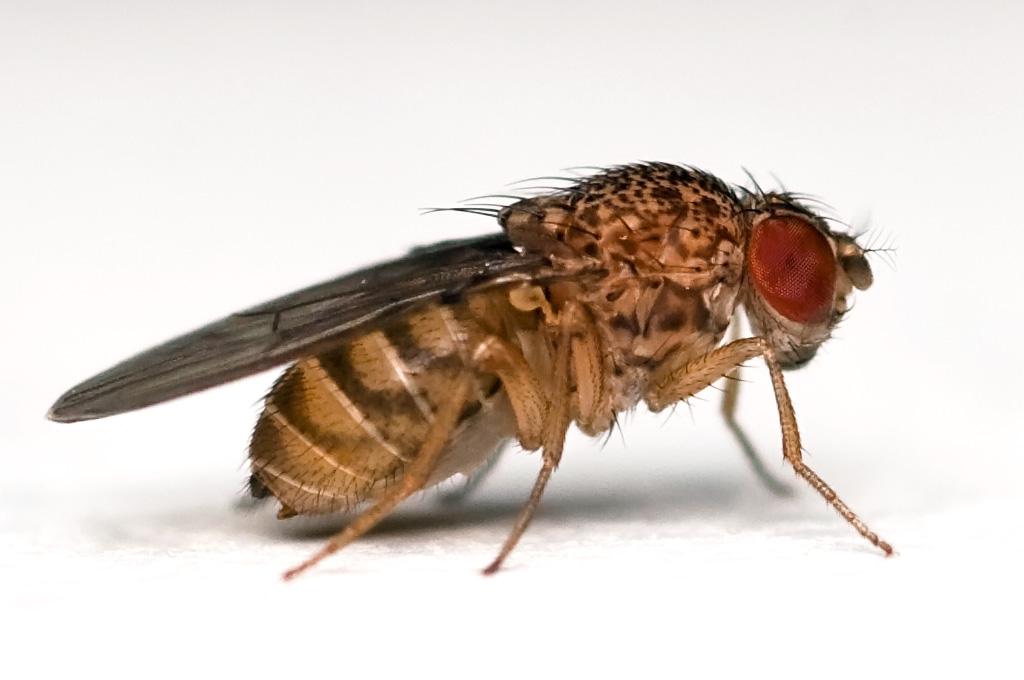
Drosophila repleta

Insect euthanasia is the process of killing insects "in a way that minimizes or eliminates pain and distress."[1]: 6  It may apply to animals in the laboratory, schools, as pets, as food, or otherwise.

Euthanasia of insects and other invertebrates has historically received limited attention.[1]: 75 [2] While vertebrate animal experimentation typically requires approval by an Institutional Animal Care and Use Committee in the United States, use of invertebrate animals has few guidelines, and many research papers make no mention of how their invertebrate subjects were killed.[3]

Many of the euthanasia methods developed for vertebrates do not transfer well to invertebrates.[4] While a number of euthanasia methods have been proposed for various invertebrate taxa,[2][5] many have not been adequately vetted, and more research is needed.[6]

Uncertainty over insect sentience

[edit]

Scientists debate the existence and extent of pain in invertebrates, including insects.[7]

Vincent Wigglesworth suggests giving insects the benefit of the doubt, in case they can suffer.[8] Cornelia Gunkel and Gregory A. Lewbart suggest that "Until the question of pain in invertebrates is clearly answered, an analgesic should be given to any animal that is subjected to a painful procedure."[5] Jeffrey A. Lockwood agrees:[9]

If we use anesthetic and it turns out that insects don’t experience pain, the material cost of our mistake is very low [...]. However, if we don’t use anesthetic and it turns out that the insects were in agony, then the moral cost of our mistake is quite high.

AVMA guidelines echo this perspective:[1]: 75–76 

While there is ongoing debate about invertebrates’ abilities to perceive pain or otherwise experience compromised welfare, the Guidelines assume that a conservative and humane approach to the care of any creature is warranted and expected by society. Consequently, euthanasia methods should be used that minimize the potential for pain or distress.

Laboratory euthanasia

[edit]
[edit]

Pentobarbital overdose

[edit]

Pentobarbital is an anesthetic drug used in medicine, human and animal euthanasia, and capital punishment. AVMA recommends overdose of pentobarbital or similar drugs as a method of invertebrate euthanasia. The dose can be chosen at comparable levels as those given to poikilotherm vertebrates, adjusted proportionally to the animal's weight. Injection into hemolymph is ideal, but for invertebrates that have an open circulatory system, "an intracoelomic injection" may be required rather than injection into blood vessels. It may help to premedicate the animal with another injected or inhaled drug.[1]: 76 

Verifying an insect's death from chemical injections is difficult, so it is often recommended to follow up anesthetic overdose with physical destruction.[2][5] Note that since insects have different nervous systems from vertebrates, decapitation alone may not always be sufficient to destroy neural function.[5]

Professor Peer Zwart has observed that commercial pentobarbital may have a pH between 9.5 and 11.0, which can coagulate the protein of snail hemocele. This might be painful to a live organism.[6]

Potassium chloride

[edit]

Potassium chloride (KCl) is one of the three drugs typically used in lethal injection in the United States. It causes hyperkalemia, which stops the heart by inducing depolarization of cellular membrane potentials. Intravenous KCl injection is unacceptable for vertebrate animals unless they have been rendered unconscious by other means.[1]

Development on American lobster:

Andrea Battison and colleagues proposed KCl for euthanasia of the American lobster.[3] The researchers injected KCl solution in order to fill with potassium ions (K+) the hemolymph sinus that holds the lobster's ventral nerve cord and the region around its supraesophageal ganglion. In normal circumstances, neurons maintain a negative membrane potential and have a high intracellular K+ concentration. When KCl is injected into hemolymph, extracellular K+ increases and begins to enter the neurons to restore equilibrium. This depolarizes the neurons and generates an action potential. Subsequent repolarization is blocked by the high intracellular K+, so the nervous system fails, and transmission of adverse sensory information is prevented. The potassium then triggers cardiac arrest within 40–90 seconds, in both warm and cold environments.[3]

While intravenous KCl is not humane for vertebrates, the researchers in this study assume that in lobsters "disruption of the CNS, its ability to process and transmit sensory input, and loss of any awareness would be almost immediate" because the injection directly targets the lobster's "brain". KCl injection produced immediate extension of claws and legs due to deactivation of motor neurons, and the researchers assume that sensory neurons degraded in a similar fashion.[3]

The lethal dose for this procedure was rather high: 1 g KCl per 1 kg of body weight. This was 10–30 times more than the required dose for intravenous mammalian killing with KCl, and it may reflect the lobster's resilient physiology. Tissues were well preserved, except for myofiber damage at the injection site, which means this technique is generally suitable for histology research.[3]

Extension to terrestrial arthropods:

Cockroach nymph

Neil A. C. Bennie and colleagues extended the technique of Battison et al. to arthropods like Blaberus giganteus, Gryllus bimaculatus, and Locusta migratoria.[10] They produced a table of suggested injection sites and doses for ten orders of arthropods. The researchers propose the name targeted hyperkalosis to describe the procedure of injecting a large dose of K+ to the thoracic ganglia. Advantages of this approach are that KCl is cheap, safe, does not need special storage, and preserves specimens for most research use cases except those that look at the neural culture itself. That said, the method is hard to use for small insects like Drosophila sp.[10]

The recommended dose is 10% v/w 300 mg/ml KCl injected between the first pair of legs for Blattodea, Phasmida, Orthoptera, Mantodea, Coleoptera, and Diptera.[11]

Techniques requiring an adjunctive method of euthanasia

[edit]

Inhaled anesthetics

[edit]

Overdose on inhaled anesthetics can work for terrestrial invertebrates like insects, but verifying death can be difficult, so it is advised to use another euthanasia method alongside them.[1]: 76  Isoflurane and sevoflurane are examples of volatile anaesthetics that can be used; afterward, the insects should be mechanically destroyed such as by crushing.[11] Systems have been developed to provide vaporized anesthetic in the minimal required amounts in order to make anesthesia more cost-effective.[12]

Pithing

[edit]

Pithing requires sufficient anatomical experience with the relevant species. It is not humane on its own and should be preceded by other means of anaesthesia.[1]: 76 

Chemical

[edit]

Chemicals like alcohol and formalin can destroy nervous tissue but are not humane by themselves and should be preceded by other means of anaesthesia.[1]: 76  Ethyl Acetate (EtOAC) or Sodium Cyanide (NaCN) are and were commonly used field chemicals in conjunction with a kill jar for collecting insect specimens by many entomologists.[13]

Freezing

[edit]

Freezing is sometimes suggested as a method of insect euthanasia.[14] Others contend that freezing is not humane on its own but should be preceded by other means of anaesthesia.[1]: 76  Cold by itself does not produce analgesia.[5] Romain Pizzi suggests that freezing, while common in "hobbyist literature", will compromise tissues of spiders for later histopathological examination, but does not make any statement about its effect on spider wellbeing.[15]

The British and Irish Association of Zoos and Aquariums (BIAZA) Terrestrial Invertebrate Working Group (TIWG) reports on a survey conducted by Mark Bushell of BIAZA institutions. He found that refrigeration and freezing were the most common methods "of euthanasia of invertebrates although research has suggested that this is probably one of the least ethical options." That said, freezing is a worst-case method if chemical or instantaneous physical destruction is not possible.[11]

Insects put in an ordinary freezer may require a day or more to be killed.[16]

Uncertain methods

[edit]

Carbon dioxide is sometimes used for terrestrial invertebrates, including insects.[17] However, its effectiveness is not known.[1]: 76  It has been reported to cause convulsions and excited behavior, perhaps suggesting animal discomfort. It is not believed to induce analgesia.[5]

John E. Cooper writes: "If a procedure is considered to be potentially painful, there may be merit in using isoflurane, halothane, or sevoflurane rather than CO2 because the extent to which the latter induces analgesia in invertebrates is not known, and its use in vertebrate animals is controversial because of concerns about its effects on the animals' health and welfare."[6]: 198 

Farm euthanasia

[edit]

Some insect farmers believe that mechanical shredding is the least painful way to kill insects suitable for human consumption.[18] Freezing is also commonly used for commercial entomophagy operations, though as discussed above, there is debate over whether freezing is fully humane.

Many insects eaten by humans are roasted, fried, boiled, or otherwise heated directly, without any effort made at euthanasia. Many pets eat live insects, which cannot be euthanized.

See also

[edit]

Notes

[edit]
Revisions and contributorsEdit on WikipediaRead on Wikipedia
from Grokipedia

Insect euthanasia denotes the intentional killing of via methods intended to preclude or attenuate distress, chiefly in entomological research, specimen preservation, and commercial insect husbandry. Standard procedures encompass cryogenic stasis through freezing, asphyxiation with , immersion in solvents like or , and direct physical disruption, with efficacy varying by such as decapods, orthopterans, or dipterans. These approaches stem from precautionary ethics amid unresolved queries on nociception, wherein display reflexive evasion of harmful stimuli yet evince decentralized ganglia sans the -like cortical integration posited for phenomenal . Empirical assays reveal motivational trade-offs in some species suggestive of , counterbalanced by observations of unperturbed comportment post-injury and phylogenetic divergences in neural architecture rendering improbable. Emerging protocols urge endpoint culling to forestall protracted malaise, spurring contention over extrapolating welfare paradigms to amid scant regulatory mandates and potential overextension of anthropocentric biases in scholarly advocacy.

Conceptual Foundations

Definition and Distinction from Routine Insecticide Use

Insect euthanasia constitutes the deliberate termination of an individual insect's life through methods selected to induce rapid unconsciousness and death while minimizing indicators of or behavioral distress, such as escape responses or prolonged agitation. This approach draws from guidelines for invertebrate handling in research, where euthanasia is recommended for specimens exhibiting unmanageable stressors or at experiment endpoints to avert potential based on observed neural and physiological responses. Techniques validated in studies include inhalant anesthetics like , which achieve irreversible immobility within minutes across species such as , or intracardial potassium chloride injection following . In contrast, routine insecticide use deploys chemical agents—such as organophosphates or pyrethroids—for population-level pest suppression in agricultural, residential, or settings, prioritizing , residual activity, and cost-effectiveness over individual welfare. These compounds typically act via disruption of neural ion channels or inhibition, which can elicit convulsions, , and extended pre-death intervals measurable in hours, without protocols to confirm humane endpoints. Empirical evaluations of responses to such exposures, including prolonged leg movements in treated with common pesticides, indicate mechanisms incompatible with rapid insensibility. The core distinction lies in intent and context: euthanasia targets solitary or captive under controlled conditions, often justified by of nociceptive pathways in species like fruit flies, whereas insecticide deployment addresses ecological or economic threats through mass application, disregarding per-insect distress as immaterial to metrics. This separation aligns with first-principles evaluation of causal pathways to death— seeks direct suppression of , while exploit indirect toxic cascades optimized for rather than velocity of oblivion. Overlap occurs rarely, as in targeted applications mimicking (e.g., freezing for small-scale control), but standard formulations lack validation for pain-minimization.

Historical Evolution of Practices

The practice of euthanizing for scientific purposes originated in the amid the rise of as a systematic , where killing jars charged with (KCN) or (NaCN) became standard for rapidly immobilizing and preserving specimens during field collection and initial research preparation. These jars, typically wide-mouthed glass vessels lined with plaster of to absorb the agent and fitted with tight stoppers, released gas upon activation, ensuring quick death but often failing to consistently relax insect tissues for optimal mounting. Early entomologists, such as William Forsell Kirby (1844–1912), documented and refined these cyanide-based agents alongside alternatives like cherry laurel leaves for their natural prussic acid content, prioritizing specimen integrity over operator safety or potential insect distress, as in was not a prevailing concern. By the early , the inherent dangers of — including rapid decomposition into toxic fumes and risks of accidental human exposure—prompted gradual shifts toward less hazardous volatile agents, such as and , though these often caused muscle stiffening that complicated dissection or pinning. Post-1940s, emerged as a preferred substitute in killing jars due to its lower toxicity, slower evaporation for sustained efficacy, and ability to maintain specimens in a relaxed state suitable for analysis, reflecting a primary driven by practical safety for researchers rather than ethical considerations for the . For soft-bodied larvae in early research on Diptera and Coleoptera, boiling water immersion was adopted to preserve cuticular structures, while inflation techniques—common until the mid-20th century—were phased out in favor of alcohol fixation. In laboratory contexts from the mid-20th century onward, non-chemical methods gained traction for euthanizing model organisms like , with and freezing supplanting jars for their simplicity and avoidance of chemical residues that could confound genetic or physiological studies. By the 1980s, guidelines from bodies like the USDA emphasized over in traps and jars, citing reduced health hazards, while emerging protocols in the 2000s incorporated (CO2) immersion or rapid cooling, motivated partly by broader discussions extending tentatively to despite scant empirical evidence of insect capacity. These adaptations prioritized verifiable and minimal experimental artifacts over unsubstantiated humane ideals, with noted as the most prevalent invertebrate euthanasia approach in surveys up to 2022, though its rapidity in inducing insensibility remains debated for larger arthropods.

Insect Sentience Debate

Empirical Evidence Suggesting Sentience

![Drosophila repleta]float-right demonstrate through specialized receptors that detect noxious thermal, mechanical, and chemical stimuli, with neural projections extending to integrative brain regions like the and central complex for processing. These structures enable behavioral modulation, as evidenced in , where descending neurons from the brain suppress nocifensive rolling responses to heat when animals are motivated by hunger or appetitive odors. Similarly, in Periplaneta americana , prior stinging experiences elevate nociceptive thresholds, indicating adaptive . Behavioral assays reveal avoidance learning and motivational trade-offs suggestive of negative affective states. Bumblebees (Bombus impatiens) persist in accessing sucrose rewards despite repeated aversive heat exposure, demonstrating memory-based cost-benefit evaluation over multiple trials. Tobacco hornworm larvae (Manduca sexta) preferentially groom and protect specifically injured prolegs, directing self-care to damaged sites rather than uniformly. Cognitive indicators include judgment biases in social hymenopterans. Honeybees (Apis mellifera) subjected to vigorous shaking exhibit pessimistic responses to ambiguous stimuli, approaching them more cautiously in subsequent extension reflex tests, a pattern linked to anxiety-like states in vertebrates. Recent observations confirm stressed honeybees maintain heightened , correlating with reduced exploratory behavior. Pharmacological responses further support centralized pain-like processing. In fruit flies and , analgesics such as reduce nocifensive behaviors without impairing general locomotion, fulfilling criteria for motivational nociceptive states. Adult flies and meet six of eight established benchmarks for pain capacity, including brain-mediated integration and modulation, while bees, wasps, and satisfy four. Honeybees self-administer analgesics in harnessed assays following electric shock, preferring treated over untreated arms.

Neurological and Philosophical Counterarguments

Neurological analyses emphasize the decentralized and rudimentary structure of insect nervous systems, consisting primarily of fused ganglia rather than a centralized vertebrate-like brain capable of integrating subjective experiences. Insects lack homologous structures to mammalian pain-processing regions, such as the neocortex or amygdala, which are implicated in the emotional and motivational dimensions of nociception. For instance, in Drosophila species, noxious stimuli elicit reflexive motor responses mediated by simple neural circuits without evidence of higher-order processing for phenomenal pain. This architecture supports adaptive behaviors like escape but does not necessitate qualia or conscious suffering, as nociceptive pathways appear confined to automatic, non-subjective modulation. Philosophically, attributing to invokes the , where behavioral proxies like aversion fail to distinguish reflexive automatism from genuine phenomenology. Proponents of parsimony argue that positing in violates , as their observable complexity—such as learning or —can be fully explained by mechanistic neural computations without invoking unobservable inner states. may function as "natural zombies," exhibiting sophisticated akin to midbrain-mediated actions in s but devoid of the integrated self-model required for subjective . Direct empirical access to insect remains impossible in principle, rendering claims speculative and unsupported by falsifiable criteria beyond anthropomorphic inference. These views prioritize causal explanations grounded in over analogies drawn from models, cautioning against overextension of thresholds to taxa with fundamentally dissimilar architectures.

Contexts Requiring Euthanasia

Laboratory and Scientific Research

In laboratory and scientific research, are commonly employed as model organisms, such as in and neurobiology experiments, requiring to conclude studies, harvest tissues, or dispose of surplus specimens while preserving experimental integrity. Protocols emphasize rapid induction of unconsciousness followed by irreversible death, adapting vertebrate guidelines to due to sparse species-specific data on . The (AVMA) 2013 Guidelines endorse physical methods like or blunt force trauma for terrestrial , provided they are executed by trained personnel to destroy the immediately. Chemical approaches include injectable agents such as (60-100 mg/kg into ) or , which induce , and inhaled anesthetics like or to achieve prior to secondary steps. Immersion in 70% or adjunctive use of formalin serves as a conditional option post-anesthesia, though direct application without prior insensibility is deemed unacceptable to avert distress. A 2012 study validated injection (dosed per body weight) as a swift euthanasia method for terrestrial arthropods, yielding death within seconds across tested species without behavioral signs of . Thermal methods, such as freezing, are acceptable only after for small , as gradual cooling minimizes ice crystal-induced damage potentially linked to suffering; direct submersion in or rapid -80°C freezing follows in protocols for like . A 2023 investigation of four cockroach (, Shelfordella lateralis, Gromphadorhina portentosa, ) confirmed exposure for 24 hours or combined with 70% immersion (0.25-0.5 hours) as 100% effective, recommending these for laboratory settings due to reliable insensibility and tissue preservation. Institutional care committees often mandate verification of via lack of response to stimuli, balancing welfare considerations with research demands like viable extraction.

Agricultural and Aquaculture Applications

Insect farming has emerged as an agricultural practice to produce protein-rich feed for and , with species such as black soldier fly larvae () and yellow mealworms () reared on organic substrates. These operations involve large-scale harvesting and killing of , prompting consideration of methods to minimize potential , though on remains limited and contested. In 2023, global capacity exceeded 10,000 tons annually, primarily for , with black soldier flies comprising over 50% of production due to their in bioconverting . Common euthanasia approaches in agricultural insect farming include mechanical grinding, which achieves instantaneous death by physical disruption, suitable for larvae destined for powdered feed products. A 2024 study on black soldier fly larvae evaluated grinding protocols, finding that high-speed shredders with blade gaps under 1 mm ensured death within 0.1 seconds, reducing risks of prolonged agitation compared to slower methods. Boiling or blanching at 100°C for 1-2 minutes is also employed, as it rapidly denatures proteins and halts neural activity, with a 2020 analysis confirming it preserves nutrient stability while achieving lethality in under 30 seconds for larvae masses. Freezing, often at -20°C for 24 hours, has been anecdotally viewed as humane by inducing torpor, but lacks analgesic effects and may prolong exposure to cold stress without anesthesia. In applications, euthanized serve as a sustainable alternative to fishmeal in aquafeed, with black soldier fly larvae incorporated at up to 50% replacement levels in salmonid diets without compromising growth rates, as demonstrated in trials from 2018-2022. Processing mirrors agricultural methods, prioritizing rapid killing to maintain feed quality; for instance, Dutch firm Protix Biosystems shreds larvae post-harvest for aquafeed powders, citing mechanical disruption as preferable to gassing due to scalability and lower energy costs. Pre-slaughter for 1-2 days evacuates gut contents, reducing microbial in feed, though this practice raises welfare concerns if experience hunger analogous to vertebrates. Regulatory gaps persist, with no standardized guidelines akin to those for vertebrates; the has called for welfare assessments in production since 2012, but adoption remains voluntary. Empirical on method derive from small-scale studies, underscoring the need for industrial validation to balance and potential considerations.

Pest Control and Incidental Killing

Pest control encompasses intentional interventions to reduce populations of that damage crops, transmit diseases, or infest human habitats, such as , mosquitoes, and agricultural pests like or locusts. Common methods include chemical insecticides, which target nervous systems for rapid and ; physical barriers or traps; and biological agents like predatory or pathogens. These approaches prioritize efficacy and economic protection over insect welfare, with —defined as humane killing to alleviate —rarely applied due to the scale and utilitarian intent of eradication. Globally, pest control contributes to the direct killing of an estimated 100 trillion to 10 quadrillion annually, including vast numbers of via pesticides and mechanical means. In agricultural settings, often overlaps with incidental killing during routine operations, where non-target perish from , harvesting machinery, or disruption. For instance, plowing fields can crush billions of soil-dwelling per , while combine harvesters inadvertently pulverize flying en masse. applications exacerbate this, rendering U.S. approximately 50 times more toxic to since the compared to earlier baselines, affecting pollinators and beneficial alongside pests. Such incidental mortality underscores the prioritization of yields, with 20-40% of global production otherwise lost to pests, necessitating interventions that kill indiscriminately. Urban and household pest management similarly involves incidental deaths, as vacuuming, swatting, or structural eliminates pests and bystanders alike, with minimal regard for sentience-based protocols. Advocates for "humane" promote prevention via sanitation, exclusion, or selective biological controls like bacteria, which cause targeted gut disruption in larvae, potentially reducing prolonged suffering compared to broad-spectrum neurotoxins. However, these methods remain secondary to conventional insecticides in practice, given the rapid proliferation of pests and risks, such as mosquito-borne diseases causing thousands of human deaths yearly. Empirical data on insect welfare in these contexts is sparse, with most efforts focused on non-target conservation rather than .

Euthanasia Methods

Physical and Mechanical Techniques

Manual crushing involves compressing the between two solid surfaces, such as or a hard implement against a firm base, to immediately disrupt the central ganglia and vital organs. This method is suitable for individual or small groups, particularly those with soft exoskeletons like flies or moths, where complete pulverization ensures no residual neural activity. The (AVMA) endorses crushing for certain , including arthropods, when performed skillfully to guarantee instantaneous death and avoid incomplete damage that could extend any potential distress. Empirical observations indicate that for small-bodied , this technique achieves death within milliseconds, as the decentralized is fully compromised by mechanical shear forces. Maceration employs high-speed rotary blades or grinders to mechanically homogenize batches of small , such as larvae or eggs, resulting in rapid tissue disruption and cessation of all physiological functions. The AVMA classifies this as conditionally acceptable for aquatic and small specimens under 4 grams, emphasizing the need for well-maintained equipment to minimize variability in efficacy. In protocols, maceration is preferred for high-throughput euthanasia in research involving or similar models, where processing times are under 5 seconds per sample, though protocols require containment to prevent aerosolized particulates. Pithing, the insertion of a fine probe to destroy neural tissue, serves as an adjunctive mechanical method following initial immobilization, targeting the ventral nerve cord in elongated insects like stick insects. This extends physical disruption beyond gross crushing, ensuring of sensory and motor ganglia. For larger orthopterans or , decapitation with scissors or razor blades severs the primary ganglia cluster, though species-specific —such as fused thoracic-abdominal nerves—may necessitate supplementary crushing of the to confirm lethality. These techniques rely on the causal principle that immediate structural failure of neural substrates precludes prolonged , supported by neuroanatomical studies showing insect ganglia's vulnerability to shear trauma. Limitations persist due to scant behavioral data on pain responses; for instance, while crushing elicits no observable escape in restrained specimens, decentralized ganglia in some could theoretically sustain localized reflexes post-disruption. Guidelines from bodies like the AVMA stress operator training and secondary verification of death, such as absence of movement for 10 minutes, to mitigate risks of incomplete . In practice, these methods are favored over chemical alternatives in sterile environments or when preserving tissue integrity for is unnecessary, as documented in entomological protocols since the early 2000s.

Chemical and Pharmacological Approaches

Chemical methods for euthanizing typically involve exposure to gases, vapors, or liquids that induce rapid unconsciousness through asphyxiation, narcosis, or cellular disruption, often requiring confirmation of death via secondary physical means due to resilience and open circulatory systems. The (AVMA) deems such approaches acceptable with conditions for , provided they minimize detectable distress and account for species-specific , though empirical data on remains limited. Inhalation of (CO2) at gradual fill rates of 30%-70% chamber volume per minute is conditionally recommended to avoid acidosis-induced from abrupt high concentrations, but studies indicate variable efficacy in , necessitating adjunctive methods like or immersion post-exposure. Pharmacological agents, particularly volatile anesthetics like , target neural depression for humane ; exposure to 4%-5% vapor for 24 hours resulted in 100% mortality across four species (, Shelfordella lateralis, Gromphadorhina portentosa, ) with no observed aversive behaviors beyond minor muscle relaxation. Combining with subsequent 70% immersion for 15-30 minutes ensured rapid death in under 30 minutes total, outperforming standalone methods in reliability. Injectable barbiturates, such as at 3.9 g/kg delivered into the , achieve 90%-100% lethality but demand anatomical precision and are infrequently used owing to ' exoskeletal barriers and lack of vascular access comparable to vertebrates. Immersion in alcohols represents a straightforward chemical approach; 70%-95% or denatures proteins and disrupts membranes, causing death in 5-30 minutes, though direct high-concentration exposure elicits retraction and mucus secretion indicative of distress in tested . A two-step protocol—initial in 5% (onset in ~10 minutes, reversible if halted)—followed by higher concentrations or formalin preserves tissue while reducing aversiveness, as validated in land snails and adaptable to permeable-skinned . In field entomology, vapors in killing jars provide efficient narcosis-to-death transition, with succumbing in minutes to 2 hours depending on size and saturation, using minimal liquid on absorbent material to avoid specimen damage; this method's rapidity supports its continued use despite debates over residual neural activity post-knockdown. Other solvents like acetone or historical agents such as have been supplanted due to slower action or toxicity risks, with guidelines favoring alternatives that align with welfare principles where insect responses permit assessment.

Thermal and Environmental Methods

Thermal methods for insect euthanasia primarily involve rapid exposure to extreme cold or heat to induce and death, often as adjunctive steps following initial to minimize potential distress. Freezing at -20°C or lower is deemed acceptable by the (AVMA) for small weighing less than 4 g, provided it occurs rapidly after anesthetic induction, as gradual chilling of unanesthetized specimens is unacceptable due to evidence of prolonged immobilization without immediate lethality. In practice, laboratory protocols for insects like fruit flies or may involve pre-chilling at 4°C followed by transfer to a -80°C freezer, achieving tissue fixation and death within minutes, though empirical studies on indicate variable efficacy across , with freezing sometimes requiring confirmation of death via secondary physical disruption. Heating methods, such as immersion in near-boiling water (approximately 90–100°C), are conditionally acceptable for small insects per AVMA guidelines, but only after anesthesia to avert aversive behavioral responses observed in unanesthetized exposures, which suggest nociceptive activation prior to death. Thermal death kinetics studies, primarily from pest control contexts, report median lethal temperatures around 45–50°C for many insect species, with exposure times of 10–30 minutes sufficient for mortality, yet welfare concerns persist due to limited data on sensory experience during hyperthermia. These approaches leverage insects' ectothermic physiology, where cellular protein denaturation or ice crystal formation disrupts vital functions, but species-specific tolerances—e.g., higher heat resistance in tropical cockroaches—necessitate validation. Environmental methods alter ambient conditions to cause hypoxia or anoxia without chemical agents, aiming for rapid oxygen deprivation to below 2% to ensure swift loss of . Exposure to inert gases like or in sealed chambers displaces oxygen effectively for small groups of , with AVMA conditionally endorsing such anoxic immersion if it achieves quick behavioral , though terrestrial may exhibit agitation during initial hypoxia onset. For aquatic or semi-aquatic , submersion in deoxygenated serves similarly, but or prolonged low-oxygen exposure without rapid is unacceptable due to extended distress. Peer-reviewed evaluations highlight uncertainties in under these conditions, recommending adjunctive verification of death, as residual neural activity may persist briefly post-immobility. exposure, while mechanically disruptive, lacks standardization for and permits short-term survival in some due to exoskeletal resilience, rendering it unreliable. Overall, these methods prioritize empirical over proven painlessness, given ongoing debates on .

Ethical and Practical Controversies

Arguments for Prioritizing Insect Welfare

A review of over 300 scientific studies has identified behavioral and neurobiological evidence indicating that certain insects, such as fruit flies, cockroaches, and bees, exhibit responses consistent with the experience of pain, including flexible wound-tending, motivational trade-offs in noxious stimuli, and avoidance learning that persists beyond immediate threat. These findings meet multiple criteria for sentience proposed in frameworks like Birch et al. (2021), with adult flies and cockroaches satisfying six out of eight indicators, prompting calls for precautionary welfare measures in research and killing practices. Proponents argue that such evidence, while not conclusive proof of subjective suffering akin to vertebrates, warrants prioritizing insect welfare to avoid underestimating potential harm, especially given insects' decentralized nervous systems that may still enable integrated nociceptive processing. Ethically, advocates for insect welfare emphasize the : even amid debate over in simple nervous systems, empirical data on pain-like behaviors justifies humane treatment to uphold consistency in expanding moral considerations from vertebrates to , as seen in legal recognitions of for cephalopods and decapods. This approach aligns with the 3Rs framework (replacement, reduction, refinement) originally for mammals but increasingly applied to , advocating refinement through analgesics or rapid insensibility in experiments to minimize distress. Furthermore, the vast scale of insect use—approximately one trillion farmed annually for food and feed, plus billions in settings—amplifies the stakes, as crude killing methods like boiling or shredding without prior could inflict widespread avoidable suffering if sentience thresholds are met. Neglect of this domain, receiving less than 0.01% of animal resources, underscores the urgency of prioritization to address ethical blind spots driven by anthropocentric biases rather than evidence. In contexts, such as termination or pest management, prioritizing welfare involves selecting methods that induce rapid , like cooling or freezing prior to mechanical dispatch, over direct immersion in lethal agents that may prolong nociceptive . 2023 guidelines for research explicitly recommend these refinements, citing behavioral indicators of stress (e.g., increased locomotion or grooming) to evaluate and mitigate harm, thereby preserving scientific validity and in entomological work. This stance counters dismissals based on ' evolutionary distance by grounding decisions in causal evidence of welfare impacts, rather than intuitive aversion, and anticipates regulatory evolution similar to the ' inclusion of farmed under animal protection laws.

Critiques of Anthropomorphic Extensions and Practical Burdens

Critics argue that extending concepts of or to often relies on anthropomorphic projections, imputing human-like subjective experiences onto organisms with fundamentally dissimilar neural architectures. typically possess nervous systems comprising 10^5 to 10^6 neurons organized in decentralized ganglia, lacking the integrated structures—such as the in cephalopods or in vertebrates—correlated with phenomenal in comparative neurobiology. While exhibit nociceptive responses to harmful stimuli, these reflexive behaviors do not demonstrate motivational trade-offs or cognitive processing indicative of as a felt state, as evidenced by the absence of opioid-mediated modulation or learning avoidance beyond simple reflexes in most species. Such interpretations risk conflating physiological detection with psychological experience, a rooted in evolutionary divergence where survival relies on rapid, non-conscious automation rather than deliberative awareness. Practical implementation of welfare measures for imposes substantial logistical and economic burdens, particularly in high-volume contexts like research and pest management. Entomologists surveyed in 2024 expressed predominant concerns over feasibility, with mandatory reporting or refined protocols projected to increase workload, costs, and accountability without proportional ethical gains given the tenuous evidence for insect . In and , where billions of are dispatched annually to avert transmission or devastation—such as mosquitoes implicated in over 700,000 human deaths yearly—scaling humane methods like prolonged or non-lethal relocation would demand infeasible infrastructure, diverting resources from verifiable human health priorities. surplus management further exemplifies these dilemmas, as euthanizing excess specimens humanely in raises ethical quandaries compounded by time-intensive procedures that could undermine research efficiency in fields reliant on models like , where rapid culling sustains genetic studies. These critiques underscore a prioritization of evidence-based , cautioning against welfare expansions that amplify operational friction absent robust causal links between insect neural activity and . In pest scenarios, for instance, forgoing efficient chemical controls in favor of unproven humane alternatives risks escalating economic losses, estimated at billions globally from unchecked infestations, thereby burdening and systems. Proponents of restraint argue that first allocating welfare scrutiny to taxa with demonstrated —via behavioral, neurophysiological, and pharmacological criteria—avoids diluting efforts across phylogeny without empirical warrant.

Regulatory Guidelines and Future Directions

Current regulatory frameworks for insect euthanasia remain limited, with most animal welfare laws in the United States and excluding . The U.S. , as amended, applies primarily to and does not mandate specific euthanasia methods for in , , or . Similarly, Institutional Animal Care and Use Committees (IACUCs), required for federally funded vertebrate under the Service Policy, typically do not oversee insect protocols, leaving euthanasia to researcher discretion without enforceable humane standards. In the EU, while are classified as "farmed animals" under certain feed and regulations since 2017, no binding welfare directives extend to , exempting insect producers from obligations like those for under Directive 98/58/EC. The (AVMA) Guidelines for the Euthanasia of Animals (2020 edition) provide conditional recommendations for some aquatic , endorsing two-step methods such as overdose followed by physical disruption, but offer no equivalent for terrestrial , noting insufficient evidence of to justify uniform standards. Voluntary guidelines have emerged from advocacy and research bodies to address this gap. The Insect Welfare Research Society's 2023 Guidelines for Protecting and Promoting Welfare in Research recommend euthanizing insects under significant, unmanageable stress using species-specific methods, such as rapid freezing for cold-tolerant species or hypoxia avoidance where feasible, emphasizing empirical assessment over assumption of capacity. These are not legally binding and reflect a precautionary approach amid debates on insect , rather than established regulatory mandates. In and , incidental killing via or mechanical means faces no welfare oversight, as evidenced by the lack of inclusion in frameworks like the U.S. Agency's evaluations, which prioritize and environmental impact over animal suffering claims for non-vertebrates. Future directions hinge on resolving uncertainties in insect sentience, with ongoing neurobiological and behavioral studies challenging prior dismissals but lacking consensus for policy shifts. A 2025 review highlights potential EU legislative gaps for species like honeybees, advocating sentience-based extensions if evidence of affective states strengthens, though critics note methodological flaws in pain attribution studies, such as conflating reflex with suffering. Entomological surveys indicate growing researcher awareness, with calls for species-specific protocols in vector control and labs to minimize potential harm without presuming equivalence to vertebrate welfare. The Royal Entomological Society's 2023 statement urges precautionary minimization of harm in uncertain cases, potentially influencing institutional policies, but widespread regulation appears improbable absent rigorous, replicable proof of sentience impacts on productivity or ethics, given insects' scale in global applications exceeding trillions annually. Advances in scalable, non-lethal alternatives or refined euthanasia validation may drive voluntary adoption over mandates.

References

Add your contribution
Related Hubs
Contribute something
User Avatar
No comments yet.