Hubbry Logo
IntegrinIntegrinMain
Open search
Integrin
Community hub
Integrin
logo
8 pages, 0 posts
0 subscribers
Be the first to start a discussion here.
Integrin
Integrin
from Wikipedia
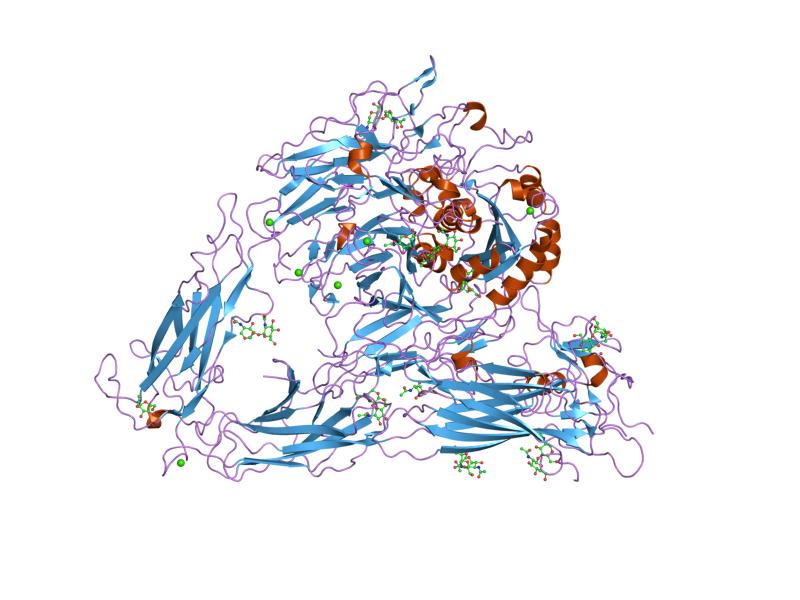
Integrin alphaVbeta3 extracellular domains
Structure of the extracellular segment of integrin alpha Vbeta3.[1]
Identifiers
SymbolIntegrin_alphaVbeta3
PfamPF08441
Pfam clanCL0159
InterProIPR013649
SCOP21jv2 / SCOPe / SUPFAM
OPM superfamily176
OPM protein2knc
Membranome13
Available protein structures:
Pfam  structures / ECOD  
PDBRCSB PDB; PDBe; PDBj
PDBsumstructure summary
Integrin alpha cytoplasmic region
Structure of chaperone protein PAPD.[2]
Identifiers
SymbolIntegrin_alpha
PfamPF00357
InterProIPR000413
PROSITEPDOC00215
SCOP21dpk / SCOPe / SUPFAM
Available protein structures:
Pfam  structures / ECOD  
PDBRCSB PDB; PDBe; PDBj
PDBsumstructure summary
Integrin, beta chain (vWA)
Identifiers
SymbolIntegrin_beta
PfamPF00362
InterProIPR002369
SMARTSM00187
PROSITEPDOC00216
SCOP21jv2 / SCOPe / SUPFAM
Available protein structures:
Pfam  structures / ECOD  
PDBRCSB PDB; PDBe; PDBj
PDBsumstructure summary
PDB1jv2​, 1kup​, 1kuz​, 1l3y​, 1l5g​, 1m1x​, 1m8o​, 1s4x​, 1txv​, 1ty3​, 1ty5​, 1ty6​, 1ty7​, 1tye​, 1u8c
Integrin beta 7 cytoplasmic domain: complex with filamin
crystal structure of the filamin a repeat 21 complexed with the integrin beta7 cytoplasmic tail peptide
Identifiers
SymbolIntegrin_b_cyt
PfamPF08725
InterProIPR014836
SCOP21m8O / SCOPe / SUPFAM
Available protein structures:
Pfam  structures / ECOD  
PDBRCSB PDB; PDBe; PDBj
PDBsumstructure summary

Integrins are transmembrane receptors that help cell–cell and cell–extracellular matrix (ECM) adhesion.[3] Upon ligand binding, integrins activate signal transduction pathways that mediate cellular signals such as regulation of the cell cycle, organization of the intracellular cytoskeleton, and movement of new receptors to the cell membrane.[4] The presence of integrins allows rapid and flexible responses to events at the cell surface (e.g. signal platelets to initiate an interaction with coagulation factors).

Several types of integrins exist, and one cell generally has multiple different types on its surface. Integrins are found in all animals while integrin-like receptors are found in plant cells.[3]

Integrins work alongside other proteins such as cadherins, the immunoglobulin superfamily cell adhesion molecules, selectins and syndecans, to mediate cell–cell and cell–matrix interaction. Ligands for integrins include fibronectin, vitronectin, collagen and laminin.

Structure

[edit]

Integrins are obligate heterodimers composed of α and β subunits. Several genes code for multiple isoforms of these subunits, which gives rise to an array of unique integrins with varied activity. In mammals, integrins are assembled from eighteen α and eight β subunits,[5] in Drosophila five α and two β subunits, and in Caenorhabditis nematodes two α subunits and one β subunit.[6] The α and β subunits are both class I transmembrane proteins, so each penetrates the plasma membrane once, and can possess several cytoplasmic domains.[7]

alpha (mammal)
gene protein synonyms
ITGA1 CD49a VLA1
ITGA2 CD49b VLA2
ITGA3 CD49c VLA3
ITGA4 CD49d VLA4
ITGA5 CD49e VLA5
ITGA6 CD49f VLA6
ITGA7 ITGA7 FLJ25220
ITGA8 ITGA8
ITGA9 ITGA9 RLC
ITGA10 ITGA10 PRO827
ITGA11 ITGA11 HsT18964
ITGAD CD11D FLJ39841
ITGAE CD103 HUMINAE
ITGAL CD11a LFA1A
ITGAM CD11b MAC-1
ITGAV CD51 VNRA, MSK8
ITGA2B CD41 GPIIb
ITGAX CD11c
beta (mammal)
gene protein synonyms
ITGB1 CD29 FNRB, MSK12, MDF2
ITGB2 CD18 LFA-1, MAC-1, MFI7
ITGB3 CD61 GP3A, GPIIIa
ITGB4 CD104
ITGB5 ITGB5 FLJ26658
ITGB6 ITGB6
ITGB7 ITGB7
ITGB8 ITGB8

Variants of some subunits are formed by differential RNA splicing; for example, four variants of the beta-1 subunit exist. Through different combinations of the α and β subunits, 24 unique mammalian integrins are generated, excluding splice- and glycosylation variants.[8]

Integrin subunits span the cell membrane and have short cytoplasmic domains of 40–70 amino acids. The exception is the beta-4 subunit, which has a cytoplasmic domain of 1,088 amino acids, one of the largest of any membrane protein. Outside the cell membrane, the α and β chains lie close together along a length of about 23 nm; the final 5 nm N-termini of each chain forms a ligand-binding region for the ECM. They have been compared to lobster claws, although they don't actually "pinch" their ligand, they chemically interact with it at the insides of the "tips" of their "pinchers".

The molecular mass of the integrin subunits can vary from 90 kDa to 160 kDa. Beta subunits have four cysteine-rich repeated sequences. Both α and β subunits bind several divalent cations. The role of divalent cations in the α subunit is unknown, but may stabilize the folds of the protein. The cations in the β subunits are more interesting: they are directly involved in coordinating at least some of the ligands that integrins bind.

Integrins can be categorized in multiple ways. For example, some α chains have an additional structural element (or "domain") inserted toward the N-terminal, the alpha-A domain (so called because it has a similar structure to the A-domains found in the protein von Willebrand factor; it is also termed the α-I domain). Integrins carrying this domain either bind to collagens (e.g. integrins α1 β1, and α2 β1), or act as cell-cell adhesion molecules (integrins of the β2 family). This α-I domain is the binding site for ligands of such integrins. Those integrins that don't carry this inserted domain also have an A-domain in their ligand binding site, but this A-domain is found on the β subunit.

In both cases, the A-domains carry up to three divalent cation binding sites. One is permanently occupied in physiological concentrations of divalent cations, and carries either a calcium or magnesium ion, the principal divalent cations in blood at median concentrations of 1.4 mM (calcium) and 0.8 mM (magnesium). The other two sites become occupied by cations when ligands bind—at least for those ligands involving an acidic amino acid in their interaction sites. An acidic amino acid features in the integrin-interaction site of many ECM proteins, for example as part of the amino acid sequence Arginine-Glycine-Aspartic acid ("RGD" in the one-letter amino acid code).

Structure

[edit]

Despite many years of effort, discovering the high-resolution structure of integrins proved to be challenging, as membrane proteins are classically difficult to purify, and as integrins are large, complex and highly glycosylated with many sugar 'trees' attached to them. Low-resolution images of detergent extracts of intact integrin GPIIbIIIa, obtained using electron microscopy, and even data from indirect techniques that investigate the solution properties of integrins using ultracentrifugation and light scattering, were combined with fragmentary high-resolution crystallographic or NMR data from single or paired domains of single integrin chains, and molecular models postulated for the rest of the chains.

The X-ray crystal structure obtained for the complete extracellular region of one integrin, αvβ3,[1] shows the molecule to be folded into an inverted V-shape that potentially brings the ligand-binding sites close to the cell membrane. Perhaps more importantly, the crystal structure was also obtained for the same integrin bound to a small ligand containing the RGD-sequence, the drug cilengitide.[9] As detailed above, this finally revealed why divalent cations (in the A-domains) are critical for RGD-ligand binding to integrins. The interaction of such sequences with integrins is believed to be a primary switch by which ECM exerts its effects on cell behaviour.

The structure poses many questions, especially regarding ligand binding and signal transduction. The ligand binding site is directed towards the C-terminal of the integrin, the region where the molecule emerges from the cell membrane. If it emerges orthogonally from the membrane, the ligand binding site would apparently be obstructed, especially as integrin ligands are typically massive and well cross-linked components of the ECM. In fact, little is known about the angle that membrane proteins subtend to the plane of the membrane; this is a problem difficult to address with available technologies. The default assumption is that they emerge rather like little lollipops, but there is little evidence for this. The integrin structure has drawn attention to this problem, which may have general implications for how membrane proteins work. It appears that the integrin transmembrane helices are tilted (see "Activation" below), which hints that the extracellular chains may also not be orthogonal with respect to the membrane surface.

Although the crystal structure changed surprisingly little after binding to cilengitide, the current hypothesis is that integrin function involves changes in shape to move the ligand-binding site into a more accessible position, away from the cell surface, and this shape change also triggers intracellular signaling. There is a wide body of cell-biological and biochemical literature that supports this view. Perhaps the most convincing evidence involves the use of antibodies that only recognize integrins when they have bound to their ligands, or are activated. As the "footprint" that an antibody makes on its binding target is roughly a circle about 3 nm in diameter, the resolution of this technique is low. Nevertheless, these so-called LIBS (Ligand-Induced-Binding-Sites) antibodies unequivocally show that dramatic changes in integrin shape routinely occur. However, how the changes detected with antibodies look on the structure is still unknown.

Activation

[edit]

When released into the cell membrane, newly synthesized integrin dimers are speculated to be found in the same "bent" conformation revealed by the structural studies described above. One school of thought claims that this bent form prevents them from interacting with their ligands, although bent forms can predominate in high-resolution EM structures of integrin bound to an ECM ligand. Therefore, at least in biochemical experiments, integrin dimers must apparently not be 'unbent' in order to prime them and allow their binding to the ECM. In cells, the priming is accomplished by a protein talin, which binds to the β tail of the integrin dimer and changes its conformation.[10][11] The α and β integrin chains are both class-I transmembrane proteins: they pass the plasma membrane as single transmembrane alpha-helices. Unfortunately, the helices are too long, and recent studies suggest that, for integrin gpIIbIIIa, they are tilted with respect both to one another and to the plane of the membrane. Talin binding alters the angle of tilt of the β3 chain transmembrane helix in model systems and this may reflect a stage in the process of inside-out signalling which primes integrins.[12] Moreover, talin proteins are able to dimerize[13] and thus are thought to intervene in the clustering of integrin dimers which leads to the formation of a focal adhesion. Recently, the Kindlin-1 and Kindlin-2 proteins have also been found to interact with integrin and activate it.[14]

Function

[edit]

Integrins have two main functions, attachment of the cells to the ECM and signal transduction from the ECM to the cells.[15] They are also involved in a wide range of other biological activities, including extravasation, cell-to-cell adhesion, cell migration, and as receptors for certain viruses, such as adenovirus, echovirus, hantavirus, foot-and-mouth disease, polio virus and other viruses. Recently, the importance of integrins in the progress of autoimmune disorders is also gaining attention of the scientists. These mechanoreceptors seem to regulate autoimmunity by dictating various intracellular pathways to control immune cell adhesion to endothelial cell layers followed by their trans-migration. This process might or might not be dependent on the sheer force faced by the extracellular parts of different integrins.[16]

A prominent function of the integrins is seen in the molecule GpIIb/IIIa, an integrin on the surface of blood platelets (thrombocytes) responsible for attachment to fibrin within a developing blood clot. This molecule dramatically increases its binding affinity for fibrin/fibrinogen through association of platelets with exposed collagens in the wound site. Upon association of platelets with collagen, GPIIb/IIIa changes shape, allowing it to bind to fibrin and other blood components to form the clot matrix and stop blood loss.

Attachment of cell to the ECM

[edit]

Integrins couple the cell-extracellular matrix (ECM) outside a cell to the cytoskeleton (in particular, the microfilaments) inside the cell. Which ligand in the ECM the integrin can bind to is defined by which α and β subunits the integrin is made of. Among the ligands of integrins are fibronectin, vitronectin, collagen, and laminin. The connection between the cell and the ECM may help the cell to endure pulling forces without being ripped out of the ECM. The ability of a cell to create this kind of bond is also of vital importance in ontogeny.

Cell attachment to the ECM is a basic requirement to build a multicellular organism. Integrins are not simply hooks, but give the cell critical signals about the nature of its surroundings. Together with signals arising from receptors for soluble growth factors like VEGF, EGF, and many others, they enforce a cellular decision on what biological action to take, be it attachment, movement, death, or differentiation. Thus integrins lie at the heart of many cellular biological processes. The attachment of the cell takes place through formation of cell adhesion complexes, which consist of integrins and many cytoplasmic proteins, such as talin, vinculin, paxillin, and alpha-actinin. These act by regulating kinases such as FAK (focal adhesion kinase) and Src kinase family members to phosphorylate substrates such as p130CAS thereby recruiting signaling adaptors such as CRK. These adhesion complexes attach to the actin cytoskeleton. The integrins thus serve to link two networks across the plasma membrane: the extracellular ECM and the intracellular actin filamentous system. Integrin α6β4 is an exception: it links to the keratin intermediate filament system in epithelial cells.[17]

Focal adhesions are large molecular complexes, which are generated following interaction of integrins with ECM, then their clustering. The clusters likely provide sufficient intracellular binding sites to permit the formation of stable signaling complexes on the cytoplasmic side of the cell membrane. So the focal adhesions contain integrin ligand, integrin molecule, and associate plaque proteins. Binding is propelled by changes in free energy.[18] As previously stated, these complexes connect the extracellular matrix to actin bundles. Cryo-electron tomography reveals that the adhesion contains particles on the cell membrane with diameter of 25 +/- 5 nm and spaced at approximately 45 nm.[19] Treatment with Rho-kinase inhibitor Y-27632 reduces the size of the particle, and it is extremely mechanosensitive.[20]

One important function of integrins on cells in tissue culture is their role in cell migration. Cells adhere to a substrate through their integrins. During movement, the cell makes new attachments to the substrate at its front and concurrently releases those at its rear. When released from the substrate, integrin molecules are taken back into the cell by endocytosis; they are transported through the cell to its front by the endocytic cycle, where they are added back to the surface. In this way they are cycled for reuse, enabling the cell to make fresh attachments at its leading front.[21] The cycle of integrin endocytosis and recycling back to the cell surface is important for migrating cells and also during animal development.[22]

Signal transduction

[edit]

Integrins play an important role in cell signaling by modulating the cell signaling pathways of transmembrane protein kinases such as receptor tyrosine kinases (RTK). While the interaction between integrin and receptor tyrosine kinases originally was thought of as uni-directional and supportive, recent studies indicate that integrins have additional, multi-faceted roles in cell signaling. Integrins can regulate the receptor tyrosine kinase signaling by recruiting specific adaptors to the plasma membrane. For example, β1c integrin recruits Gab1/Shp2 and presents Shp2 to IGF1R, resulting in dephosphorylation of the receptor.[23] In a reverse direction, when a receptor tyrosine kinase is activated, integrins co-localise at focal adhesion with the receptor tyrosine kinases and their associated signaling molecules.

The repertoire of integrins expressed on a particular cell can specify the signaling pathway due to the differential binding affinity of ECM ligands for the integrins. The tissue stiffness and matrix composition can initiate specific signaling pathways regulating cell behavior. Clustering and activation of the integrins/actin complexes strengthen the focal adhesion interaction and initiate the framework for cell signaling through assembly of adhesomes.[24]

Depending on the integrin's regulatory impact on specific receptor tyrosine kinases, the cell can experience:

Knowledge of the relationship between integrins and receptor tyrosine kinase has laid a foundation for new approaches to cancer therapy. Specifically, targeting integrins associated with RTKs is an emerging approach for inhibiting angiogenesis.[26]

Integrins are localised at the growth cone of regenerating neurons.[27]

Integrins and nerve repair

[edit]

Integrins have an important function in neuroregeneration after injury of the peripheral nervous system (PNS).[27] Integrins are present at the growth cone of damaged PNS neurons and attach to ligands in the ECM to promote axon regeneration. It is unclear whether integrins can promote axon regeneration in the adult central nervous system (CNS). There are two obstacles that prevent integrin-mediated regeneration in the CNS: 1) integrins are not localised in the axon of most adult CNS neurons and 2) integrins become inactivated by molecules in the scar tissue after injury.[27]

Vertebrate integrins

[edit]

The following are 16 of the ~24 integrins found in vertebrates:

Name Synonyms Distribution Ligands
α1β1 VLA-1 Many Collagens, laminins[28]
α2β1 VLA-2 Many Collagens, laminins[28]
α3β1 VLA-3 Many Laminin-5
α4β1 VLA-4[28] Hematopoietic cells Fibronectin, VCAM-1[28]
α4β7 LPAM-1 T cells MAD-CAM1[29][30]
α5β1 VLA-5; fibronectin receptor widespread fibronectin[28] and proteinases
α6β1 VLA-6; laminin receptor widespread laminins
α7β1 muscle, glioma laminins
αLβ2 LFA-1[28] T-lymphocytes ICAM-1, ICAM-2[28]
αMβ2 Mac-1, CR3[28] Neutrophils and monocytes Serum proteins, ICAM-1[28]
αIIbβ3 Fibrinogen receptor; gpIIbIIIa[31] Platelets[28] fibrinogen, fibronectin[28]
αVβ1 neurological tumors vitronectin, osteopontin,[32] fibrinogen
αVβ3 vitronectin receptor[33] activated endothelial cells, melanoma, glioblastoma vitronectin,[33] fibronectin, fibrinogen, osteopontin,[32] Cyr61, thyroxine,[34] TETRAC
αVβ5 widespread, esp. fibroblasts, epithelial cells vitronectin, osteopontin,[32] and adenovirus
αVβ6 proliferating epithelia, esp. lung and mammary gland fibronectin; TGFβ1+3
αVβ8 neural tissue; peripheral nerve fibronectin; TGFβ1+3
α6β4 Epithelial cells[28] Laminin[28]

Beta-1 integrins interact with many alpha integrin chains. Gene knockouts of integrins in mice are not always lethal, which suggests that during embryonal development, one integrin may substitute its function for another in order to allow survival. Some integrins are on the cell surface in an inactive state, and can be rapidly primed, or put into a state capable of binding their ligands, by cytokines. Integrins can assume several different well-defined shapes or "conformational states". Once primed, the conformational state changes to stimulate ligand binding, which then activates the receptors — also by inducing a shape change — to trigger outside-in signal transduction.

See also

[edit]

References

[edit]
[edit]
Revisions and contributorsEdit on WikipediaRead on Wikipedia
from Grokipedia
Integrins are a large family of heterodimeric transmembrane receptors that mediate to the (ECM) and to other cells, facilitating essential interactions in multicellular organisms. These receptors consist of non-covalently associated α and β subunits, each featuring an extracellular domain for binding, a single transmembrane , and a short cytoplasmic tail that connects to the . In humans, 18 α subunits and 8 β subunits combine to form at least 24 distinct integrin heterodimers, each with specific preferences and tissue distributions. Integrins were first identified in the 1970s as receptors mediating platelet adhesion, with the broader family characterized in the 1980s through work by researchers including Richard Hynes, Erkki Ruoslahti, and Timothy A. Springer, who were awarded the Lasker~DeBakey Clinical Medical Research Award in 2022 for their discoveries. The extracellular portion of integrins adopts a head-to-tail arrangement, with the α subunit often containing a seven-bladed β-propeller domain and, in some cases, an inserted I-domain for ligand recognition, while the β subunit includes an I-like domain critical for activation. Activation of integrins involves conformational changes from a low-affinity bent state to a high-affinity extended state, regulated by intracellular signals (inside-out signaling) or extracellular ligands (outside-in signaling), which enable divalent cation-dependent binding to ECM components like fibronectin, collagen, and laminin, or to counter-receptors on adjacent cells. This bidirectional signaling integrates mechanical forces and biochemical cues, linking the ECM to intracellular pathways that control cytoskeletal dynamics. Integrins play pivotal roles in fundamental biological processes, including embryonic development, , immune responses, and tissue homeostasis, by promoting , proliferation, survival, and differentiation. Dysregulation of integrin function is implicated in various pathologies, such as cancer metastasis, , and autoimmune diseases, underscoring their therapeutic potential. Evolutionarily conserved across metazoans for over 600 million years, integrins represent a of cellular and intercellular communication.

Introduction

Definition and General Role

Integrins are heterodimeric transmembrane receptors composed of non-covalently associated α and β subunits that mediate to the (ECM) as well as cell-cell interactions. These receptors function as bidirectional signaling molecules, enabling inside-out signaling where intracellular cues regulate binding affinity and outside-in signaling where extracellular engagement triggers intracellular pathways. Integrins play essential roles in fundamental cellular processes, including , migration, proliferation, and , by linking the ECM or adjacent cells to the actin cytoskeleton and modulating signaling cascades such as those involving focal adhesion kinase and Rho GTPases. For instance, they facilitate cell spreading on ECM components like through heterodimer formation on the cell surface. The integrin family is evolutionarily conserved across multicellular animals, from like sea urchins to mammals, underscoring their ancient origin in metazoan adhesion mechanisms. In humans, 18 α subunits and 8 β subunits combine to form 24 distinct heterodimers, each with specific specificities and tissue distributions. Due to their central involvement in inflammatory and immune responses, integrins represent key therapeutic targets; for example, the natalizumab inhibits α4 integrins to block leukocyte migration into the , providing efficacy in treating .

Discovery and Historical Context

The discovery of integrins began in the mid-1970s amid investigations into and the , particularly the role of in attachment. In 1976, Richard O. Hynes identified fibronectin receptors on the surface of transformed , linking the protein's distribution to intracellular filaments through studies, which suggested a transmembrane connection mediating cell-matrix interactions. This work built on earlier observations of (then called LETS protein) loss in malignant cells and laid the groundwork for recognizing receptors. Key milestones in the 1980s advanced the molecular characterization of these receptors. In 1984, Erkki Ruoslahti and Michael D. Pierschbacher identified the Arg-Gly-Asp (RGD) tripeptide sequence within as the critical motif for cell attachment, demonstrating that synthetic peptides containing RGD could mimic fibronectin's adhesive function. This was followed in by the purification of the α5β1 integrin, the primary receptor, from human osteosarcoma cells using on a column coupled to the cell-binding fragment of , confirming its ligand-binding properties. The heterodimeric structure was further characterized in subsequent studies. Early functional studies in the same decade employed monoclonal antibodies to block cell attachment; for instance, antibody CSAT (later termed J1H) against the β1 subunit inhibited spreading on , establishing integrins' direct role in . The late 1980s saw rapid progress in genetic characterization, with cDNA cloning of integrin subunits revealing their conserved structure and diversity. The β1 subunit was cloned in 1986 from chicken embryo fibroblasts, showing homology to other molecules, while human α5 and other α subunits followed in 1987, enabling and confirmation of the integrin family. In 1987, Hynes coined the term "integrin" to describe this superfamily of transmembrane receptors that integrate the with extracellular ligands. Nomenclature evolved alongside these discoveries, transitioning from ad hoc designations to a systematic framework. Integrins were initially termed "very late antigens" (VLA-1 through VLA-6) in based on their delayed expression on activated T lymphocytes, referring primarily to β1-containing heterodimers. By the early , with accumulating structural data, the community adopted the standardized αβ notation (e.g., α5β1 for the receptor), as proposed in comprehensive reviews, facilitating classification of the growing family.

Molecular Structure

Subunit Composition and Assembly

Integrins are transmembrane heterodimeric receptors composed of non-covalently associated α and β subunits, forming a 1:1 essential for their function. In humans, there are 18 distinct α subunits and 8 β subunits, which can pair to generate at least 24 different integrin heterodimers, with each α subunit typically determining the ligand-binding specificity while β subunits are shared among multiple α partners. The extracellular domains of the α and β subunits dimerize in a head-to-head configuration, creating a ligand-binding head region, while their transmembrane and cytoplasmic domains extend like legs to connect the to the . The assembly of integrin heterodimers occurs co-translationally in the (ER), where α and β subunits must pair correctly for proper folding, , and trafficking to the plasma membrane. Unpaired α or β subunits are retained in the ER and targeted for degradation via the ER-associated degradation (ERAD) pathway, ensuring that only functional heterodimers reach the cell surface. This quality control mechanism prevents the accumulation of misfolded or incomplete integrins, maintaining cellular . For instance, excess β4 subunits, if not paired with α6, are rapidly degraded in the ER. Certain β subunits exhibit variations in structure that influence their assembly and downstream functions. Notably, the β8 subunit lacks a typical cytoplasmic tail, including motifs like NPXY that are present in other β subunits and crucial for intracellular signaling; this feature results in αvβ8 integrins that primarily mediate presentation rather than direct . Such structural differences highlight the diversity in subunit composition that allows integrins to adapt to specific cellular contexts.

Domain Organization

Integrins are heterodimeric transmembrane receptors composed of α and β subunits, each featuring a modular domain architecture that spans the , plasma , and intracellular milieu. The extracellular region of the α subunit consists of a seven-bladed β-propeller domain at the , which serves as the primary site for interaction through its upper face, followed by a domain (an immunoglobulin-like β-sandwich of 140–170 residues), and two calf domains (calf-1 and calf-2, also β-sandwich folds) that form the lower leg of the subunit. Approximately half of the α subunits additionally contain an inserted I-domain (~200 residues) between blades 2 and 3 of the β-propeller, which harbors a metal ion-dependent site (MIDAS) for binding. In contrast, the β subunit's extracellular domain includes an PSI (plexin-semaphorin-integrin) domain with an α/β fold, an inserted hybrid domain (β-sandwich), a βI domain (also known as the I-like domain) containing a MIDAS motif for metal ion coordination, four cysteine-rich EGF-like repeats, and a flexible β-tail domain. The transmembrane domains of both α and β subunits are single-span α-helices, each comprising approximately 20–25 residues, which facilitate non-covalent dimerization and the transmission of mechanical forces across the . These helices exhibit specific orientations, with the α helix often perpendicular to the membrane and the β helix tilted, contributing to the overall stability of the heterodimer. Cytoplasmic domains are short, unstructured tails of 20–50 residues that extend into the , enabling interactions with the and intracellular signaling proteins; the β subunit tail notably features conserved NPxY motifs that serve as binding sites for adaptor proteins. Recent advances in cryo-electron microscopy (cryo-EM) have provided high-resolution models of full-length integrins, such as αIIbβ3, at resolutions below 4 (e.g., 3.1–3.4 for apo and ligand-bound states in native as of 2023), revealing the detailed arrangement of all 12 extracellular subdomains in bent conformations where the head (β-propeller and βI domains) is angled relative to the legs (, calf, and EGF domains), with separated transmembrane helices and no observable cytoplasmic density due to flexibility. More recent studies as of 2025 have achieved even higher resolutions, such as 2.67–2.85 for αIIbβ3 in multiple conformations from native platelet membranes, and structures of other integrins like αEβ7 in apo and ligand-bound states, further elucidating conformational dynamics and interactions without altering the core domain folds. These structures confirm the modular organization and highlight conformational flexibility between bent and extended states across inactive and active forms.

Activation and Regulation

Conformational Changes

Integrins exist predominantly in a bent, low-affinity conformation in their inactive state, characterized by a compact where the headpiece (comprising the β-propeller and β-I-like domains) folds back toward the plasma membrane-proximal legs (thigh, calf-1, and calf-2 domains in the α-subunit, and thigh and calf-1 in the β-subunit). This bent form, observed in physiological conditions with Ca²⁺/Mg²⁺ ions, exhibits minimal binding, as the headpiece is positioned too close to the membrane for effective interaction. Upon , integrins transition to an extended, high-affinity conformation through a switchblade-like mechanism, involving separation of the headpiece from the legs and splaying of the leg domains away from each other. In this extended state, induced by Mn²⁺ or high-affinity ligands like cyclo-RGDfV, the integrin achieves greater than 98% extension, enabling robust adhesion to ligands such as fibrinogen or . The pivotal intracellular trigger for this transition is the separation of the α- and β-subunit transmembrane helices, which disrupts their inhibitory association and propagates conformational changes extracellularly. This separation is driven by binding of the talin FERM domain (specifically the F3 subdomain) to the β-integrin cytoplasmic tail, which forms a salt bridge with a conserved aspartate residue (e.g., β3 D723), destabilizing the α-β salt bridge (e.g., αIIb R995-β3 D723) that maintains the inactive state. Concurrently, the talin F2 subdomain's positively charged patch interacts with the membrane, reorienting the β-transmembrane helix by approximately 20°, facilitating helix separation and initiating inside-out signaling. A critical extracellular event in is the outward swing of the hybrid domain relative to the β-I-like domain, which unlocks the -binding site. In the bent conformation, the hybrid domain is clasped against the β-I-like domain, restraining the α7 and maintaining a low-affinity pose; induces a ~60° swing, pulling downward on the α7 and allowing upward movement of the α1 in the β-I domain. This motion, linked to the extended leg conformation, enables the I-domain (in α-subunits) or β-I domain to adopt an open state for engagement. These structural shifts are allosterically regulated through changes in cation coordination at the metal ion-dependent adhesion site () within the β-I or α-I domain. In the low-affinity state, the MIDAS-bound Mg²⁺ or Ca²⁺ ion is coordinated in a manner that limits interaction with aspartate (e.g., in RGD motifs); repositions coordinating residues, enhancing Mg²⁺ affinity for the ligand's carboxylate group and forming a direct (e.g., 3.4 Å to the β1-α1 loop). This reconfiguration, propagated from transmembrane separation, increases ligand-binding affinity by orders of magnitude, stabilizing the high-affinity extended form.

Regulatory Mechanisms

Integrin is primarily regulated through inside-out signaling, where intracellular cues trigger conformational changes that increase affinity. In this , talin binds to the β-subunit cytoplasmic tails, recruiting integrins to specific plasma membrane sites and inducing their high-affinity state for ligands. Kindlin cooperates with talin by binding to the same β-tails, enhancing talin and stabilizing the activated conformation to promote potent integrin and cell adhesion.30202-2) The scaffold protein RIAM facilitates this by interacting with activated Rap1 , which recruits talin to the membrane and unfolds its autoinhibitory structure to enable integrin engagement. Negative regulation maintains integrins in a low-affinity state to prevent aberrant . Proteins such as SHARPIN and ICAP-1 inhibit talin binding to β-tails, thereby suppressing and promoting integrin internalization or sequestration. Filamin competes directly with talin for binding to the β-cytoplasmic tails, stabilizing the inactive integrin conformation and linking it to the in a manner that dampens signals.00678-2) Outside-in feedback loops reinforce integrin following initial engagement. binding to the extracellular domain transmits signals intracellularly, activating Src kinases and focal kinase (FAK), which in turn phosphorylate components that sustain the high-affinity state and promote further talin and kindlin recruitment.00242-5) Post-translational modifications fine-tune integrin affinity and localization. Phosphorylation of β-tails, such as by (PKC), modulates binding sites for regulatory proteins, thereby altering affinity and influencing activation dynamics.00238-4) Glycosylation, particularly N-linked modifications on integrin subunits, regulates trafficking from the to the plasma membrane, ensuring proper surface expression and functional maturation.

Core Functions

Cell Adhesion

Integrins serve as primary mediators of , enabling physical connections between cells and the (ECM) or adjacent cells through specific -binding interactions. These transmembrane receptors, composed of α and β subunits, recognize distinct motifs on ECM proteins and counter-receptors, facilitating stable attachments essential for tissue integrity and cellular organization. Upon ligand engagement, integrins cluster to form adhesion structures that link the ECM to the intracellular , thereby transmitting mechanical forces and supporting cellular processes. In adhesion to the ECM, integrins bind to key structural components such as , , , and . The α5β1 integrin specifically interacts with via the arginine-glycine-aspartic acid (RGD) motif, promoting and endothelial cell attachment. Similarly, α1β1 and α2β1 integrins recognize types I and IV, enabling adhesion in connective tissues and basement membranes. Laminin binding is mediated by α3β1 and α6β1 integrins, which are crucial for epithelial cell anchorage, while αvβ3 integrin engages through RGD-dependent interactions, supporting endothelial and cell adhesion in vascular contexts. Cell-cell involving integrins occurs prominently in immune responses, where the leukocyte-specific αLβ2 (LFA-1) integrin binds to intercellular molecule-1 () on endothelial cells, facilitating and firm arrest under shear flow. This interaction is vital for recruiting immune cells to sites. Upon ECM engagement, integrins cluster into , dynamic multiprotein complexes that anchor cells to the substrate. These structures incorporate intracellular proteins such as and paxillin, which connect integrin tails to the , stabilizing adhesions and distributing mechanical loads. formation begins with integrin diffusion and clustering into puncta, progressing to mature plaques that reinforce attachment. A key feature of integrin-mediated is force-dependent reinforcement through catch bonds, where applied tensile force prolongs the bond lifetime rather than dissociating it. For instance, the α5β1-fibronectin interaction exhibits catch bond behavior, allowing adhesions to strengthen under physiological shear or traction forces, thus enhancing cellular stability. These adhesions can also initiate signaling cascades, though the biochemical outputs are detailed elsewhere.

Upon ligand binding to the extracellular domain of integrins, outside-in signaling is initiated, leading to the activation of intracellular kinases such as focal adhesion kinase (FAK) and Src family kinases. This activation occurs through autophosphorylation of FAK at tyrosine 397, which serves as a docking site for Src, forming a FAK-Src complex that propagates downstream signals. These events trigger multiple pathways, including the /extracellular signal-regulated kinase (MAPK/ERK) cascade, which promotes cell proliferation, and the / (PI3K/Akt) pathway, which enhances cell survival and inhibits . A key mediator in this signaling is integrin-linked kinase (ILK), which assembles into a heterotrimeric complex with particularly interesting new Cys-His protein (PINCH) and parvin to bridge integrins with the . This ILK-PINCH-parvin (IPP) complex facilitates by regulating Rho family , such as RhoA, Rac1, and Cdc42, which control cytoskeletal dynamics and cell motility. Although ILK possesses pseudokinase activity, its primary role in the IPP complex is structural, enabling the recruitment of effectors that modulate activity and sustain signaling from focal adhesions. Integrins also engage in crosstalk with growth factor receptors, exemplified by (EGFR), where ligand-induced integrin clustering enhances EGFR and amplifies downstream signaling for cooperative regulation of and invasion. This bidirectional interaction allows integrins to modulate EGFR signaling intensity, often through shared activation of FAK and Src, leading to enhanced MAPK and PI3K pathways in response to extracellular cues. The strength of integrin-mediated signaling is quantitatively influenced by avidity modulation, where receptor clustering increases the effective binding affinity to in a dose-dependent manner, thereby amplifying downstream activation and pathway outputs. For instance, higher through clustering can shift the dose-response curve for FAK , enabling graded signaling responses proportional to ligand density. This mechanism ensures that signaling scales with strength without altering individual integrin affinity states.

Physiological and Pathological Roles

Development and Tissue Repair

Integrins play crucial roles in embryonic development, particularly during embryogenesis where they mediate cell-ECM interactions essential for morphogenetic processes. The α5β1 integrin is vital for and somitogenesis, facilitating adhesion to that drives axis elongation and segmentation in the developing . Specifically, in models, disruption of α5β1-mediated fibronectin binding leads to arrested axis elongation around embryonic day 9.0, halting somitogenesis due to impaired convergent extension movements. Furthermore, global of the β1 integrin subunit in mice results in embryonic lethality during early postimplantation stages, primarily due to failure of the to develop properly and implantation defects, underscoring β1's indispensable role in early embryonic adhesion and survival. In angiogenesis, integrins support the formation of new blood vessels during development and physiological remodeling. The αvβ3 integrin is highly expressed on endothelial cells and is required for (VEGF)-induced , where it promotes endothelial cell migration, proliferation, and tube formation by integrating signals from the ECM. Antagonists targeting αvβ3 have been developed as anti-angiogenic therapies, demonstrating inhibition of endothelial and vessel maturation in preclinical models, highlighting its therapeutic potential in modulating pathological while preserving developmental processes. During tissue repair, integrins orchestrate cellular responses to injury, including ECM remodeling and . In wound healing, the α2β1 integrin on fibroblasts binds fibrils, enabling their contraction and reorganization to form and restore tissue integrity; mice lacking α2β1 exhibit reduced formation and diminished wound strength, indicating its critical function in remodeling post-injury. Similarly, in peripheral nerve regeneration, β1 integrins, including α1β1, facilitate migration along -rich ECM scaffolds, supporting axonal regrowth and remyelination after nerve damage. Integrins also contribute to maintaining stem cell niches, ensuring self-renewal and differentiation potential. In the hematopoietic stem cell (HSC) niche within the , β1 integrins mediate adhesion to ECM components like and , which is essential for HSC retention, quiescence, and long-term repopulation capacity; disruption of β1 function impairs HSC homing and niche occupancy, leading to defective hematopoiesis. This interaction supports the maintenance of HSC stemness, analogous to pluripotency regulation in other contexts, through signaling pathways that preserve undifferentiated states.

Disease Associations

Integrins play a central role in numerous pathological processes, particularly through their dysregulation in , where specific subtypes facilitate tumor progression. The αvβ3 and αvβ5 integrins are highly expressed in tumor vasculature and promote by mediating endothelial to the and supporting signaling. In , the α6β4 integrin enhances and by linking to the and activating pro-migratory pathways such as PI3K/Akt. Therapeutic targeting of these integrins, such as with the RGD-mimetic cilengitide, which inhibits αvβ3 and αvβ5, showed promise in preclinical models but failed in Phase III trials for due to lack of overall survival benefit, highlighting challenges in integrin antagonism for . In autoimmune and inflammatory diseases, integrins mediate leukocyte trafficking and contribute to chronic inflammation. The α4β7 integrin facilitates gut-homing of T cells in (IBD), and its blockade by the , approved in 2014, induces clinical remission in and by preventing α4β7 binding to MAdCAM-1 on endothelial cells. Similarly, LFA-1 (αLβ2 integrin) drives T-cell in , but the anti-LFA-1 efalizumab, initially approved for moderate-to-severe , was withdrawn in 2009 due to risks of . Fibrosis involves excessive extracellular matrix deposition, where integrin overexpression sustains myofibroblast activation. β1 integrin is overexpressed in lung and kidney fibrosis, promoting epithelial-to-mesenchymal transition and fibroblast proliferation via TGF-β signaling; conditional genetic knockout of β1 in mouse models reduces renal cystogenesis and interstitial fibrosis in polycystic kidney disease. Recent studies (2020s) have focused on αvβ6 integrin in idiopathic pulmonary fibrosis (IPF), where it activates latent TGF-β1 to drive fibrotic remodeling; inhibitors like bexotegrast, a dual αvβ6/αvβ1 antagonist, showed dose-dependent reduction in lung fibrosis markers in early Phase II trials, but its Phase 2b/3 trial was discontinued in 2025 due to safety concerns including increased IPF-related adverse events. Other diseases linked to integrin defects include , a rare inherited bleeding disorder caused by mutations in αIIbβ3 (ITGA2B/ITGB3), leading to impaired platelet aggregation and fibrinogen binding. Emerging research post-2020 implicates αvβ3 in COVID-19-associated vascular complications, where exploits this integrin on endothelial cells to induce dysregulation and . Therapeutic strategies targeting integrins encompass monoclonal antibodies, small-molecule RGD mimetics, and gene-editing approaches. Beyond , other mAbs like (anti-α4 integrin) are used in , though with boxed warnings for PML risk. CRISPR studies reveal knockout phenotypes underscoring therapeutic potential; for instance, α9 integrin depletion in models suppresses by promoting β-catenin degradation. These advances inform ongoing trials, emphasizing combination therapies to overcome resistance observed in early integrin inhibitors, with recent focus (as of 2025) on next-generation αv inhibitors like BG00011 for IPF following discontinuations such as bexotegrast.

Diversity Across Organisms

Vertebrate Integrins

In vertebrates, integrins display a high degree of diversity, primarily through the combinatorial assembly of 18 distinct α subunits and 8 β subunits, which generate 24 unique αβ heterodimers in humans and other mammals. This repertoire enables specialized functions tailored to tissue-specific needs, with expression patterns varying across cell types such as epithelial cells, fibroblasts, and hematopoietic cells. The α subunits are categorized into subfamilies based on their ligand-binding preferences; for instance, the collagen-binding group includes α1, α2, α10, and α11, which primarily pair with β1 to interact with components like collagens. Other prominent α subunits encompass αV, which binds RGD motifs in ligands such as and , often forming complexes like αVβ3 or αVβ5, and αIIb, which is essential for platelet aggregation as part of the αIIbβ3 heterodimer that recognizes fibrinogen. The β subunits further contribute to this specificity, with β1 being the most ubiquitous and versatile, associating with at least 12 different α subunits and expressed on nearly all vertebrate cell types to support broad adhesion roles. In contrast, β2 is leukocyte-specific, forming integrins like αLβ2 (LFA-1) and αMβ2 (Mac-1) that mediate immune cell recruitment and interactions with endothelial cells. β3 is enriched in endothelial cells and platelets, where it participates in and through pairings such as αVβ3 and αIIbβ3, while β8 is notable for its role in activating latent transforming growth factor-β (TGF-β), particularly in epithelial and neuronal contexts via αVβ8. The remaining β subunits (β4, β5, β6, and β7) exhibit more restricted distributions, such as β4 in epithelial hemidesmosomes and β7 in mucosal lymphocytes, enhancing localized functions. This combinatorial diversity results in 24 functional heterodimers, each with distinct tissue expression; for example, β2-containing integrins are predominantly restricted to leukocytes, underscoring their role in immunity, whereas β1 integrins predominate in mesenchymal tissues. Evolutionarily, integrins are highly conserved, with two major α subunit families tracing back to before the deuterostome-protostome split, ensuring core mechanisms across . Subunit expansions, particularly in α and β lineages, occurred in mammals, increasing heterodimer variety compared to earlier vertebrates. In , orthologous integrins like αVβ3 support immune responses, as demonstrated in teleosts such as , where they facilitate leukocyte function and recognition.

Non-Vertebrate Integrins

Integrins in non-vertebrate organisms exhibit structural and functional conservation with their counterparts while displaying reduced diversity in subunit composition, reflecting evolutionary adaptations to simpler multicellular architectures. In model such as the fruit fly Drosophila melanogaster and the Caenorhabditis elegans, integrins mediate essential processes like muscle attachment and tissue morphogenesis, often with fewer heterodimeric combinations than the 24 found in mammals. In , the integrin repertoire includes five α subunits (αPS1 through αPS5) and two β subunits (βPS, encoded by the myospheroid gene, and βν, encoded by inflated), forming key heterodimers such as PS1 (αPS1/βν) and PS2 (αPS2/βPS). These integrins are critical for embryonic development, particularly in establishing myotendinous junctions where the αPS2/βPS complex anchors muscle fibers to the (ECM), analogous to vertebrate focal adhesions and enabling force transmission during contraction. In C. elegans, integrins are even more streamlined, with two α subunits (PAT-2 and INA-1) pairing exclusively with a single β subunit (PAT-3) to form αPAT-2/βPAT-3 and αINA-1/βPAT-3 heterodimers. The αPAT-2/βPAT-3 integrin supports body wall muscle adhesion to the , while αINA-1/βPAT-3 contributes to by facilitating epithelial cell-ECM interactions during organ formation. Structurally, non-vertebrate integrins maintain the canonical αβ heterodimeric architecture with extracellular ligand-binding domains, transmembrane regions, and cytoplasmic tails that link to the actin cytoskeleton via proteins like talin, but they feature notable simplifications compared to s. α subunits, such as those in and C. elegans, lack the inserted I-domain present in many α subunits. Ligand recognition occurs primarily through the β-propeller domain of the α subunit and the I-like domain of the β subunit, which contributes to their specificity for ECM components like and RGD motifs. β subunits in these organisms exhibit shorter cytoplasmic tails compared to many β subunits, with conserved motifs for cytoskeletal linkage via proteins like talin but fewer regulatory sites, potentially limiting bidirectional signaling complexity. These features underscore a more basal role in adhesion rather than the multifaceted signaling seen in s. Evolutionary analyses reveal that integrin-like adhesion systems predate the bilaterian radiation, with proto-integrin components emerging in the last common ancestor of , as evidenced by homologs of integrin-associated proteins (e.g., talin and kindlin) in choanoflagellates like Monosiga brevicollis, though full heterodimeric integrins are a metazoan . In basal metazoans such as cnidarians and platyhelminths, integrins support fundamental ECM adhesion for tissue integrity, diverging into the specialized forms observed in protostomes like arthropods and nematodes well before vertebrate evolution. This conservation of core adhesive functions across non-vertebrates highlights integrins' ancient role in enabling multicellularity through cell-matrix interactions.

References

Add your contribution
Related Hubs
User Avatar
No comments yet.