


Community hub
Recent from talks
Contribute something
Nothing was collected or created yet.
Life support
View on Wikipedia | This article is written like a personal reflection, personal essay, or argumentative essay that states a Wikipedia editor's personal feelings or presents an original argument about a topic. (November 2023) |
| Life support | |
|---|---|
 Endotracheal tube of an emergency ventilator system | |
| Specialty | Emergency medicine, intensive care medicine |
Life support comprises the treatments and techniques performed in an emergency in order to support life after the failure of one or more vital organs. Healthcare providers and emergency medical technicians are generally certified to perform basic and advanced life-support procedures; however, basic life support is sometimes provided at the scene of an emergency by family members or bystanders before emergency services arrive. In the case of cardiac injuries, cardiopulmonary resuscitation is initiated by bystanders or family members 25% of the time.[1] Basic life-support techniques, such as performing CPR on a victim of cardiac arrest, can double or even triple that patient's chance of survival.[2] Other types of basic life support include relief from choking (which can be done by using the Heimlich maneuver), staunching of bleeding by direct compression and elevation above the heart (and if necessary, pressure on arterial pressure points and the use of a manufactured or improvised tourniquet), first aid, and the use of an automated external defibrillator.
The purpose of basic life support (abbreviated BLS) is to save lives in a variety of different situations that require immediate attention. These situations can include, but are not limited to, cardiac arrest, stroke, drowning, choking, accidental injuries, violence, severe allergic reactions, burns, hypothermia, birth complications, drug addiction, and alcohol intoxication. The most common emergency that requires BLS is cerebral hypoxia, a shortage of oxygen to the brain due to heart or respiratory failure. A victim of cerebral hypoxia may die within 8–10 minutes without basic life-support procedures. BLS is the lowest level of emergency care, followed by advanced life support and critical care.[3]
Bioethics
[edit]As technology continues to advance within the medical field, so do the options available for healthcare. Out of respect for the patient's autonomy, patients and their families are able to make their own decisions about life-sustaining treatment or whether to hasten death.[4] When patients and their families are forced to make decisions concerning life support as a form of end-of-life or emergency treatment, ethical dilemmas often arise. When a patient is terminally ill or seriously injured, medical interventions can save or prolong the life of the patient. Because such treatment is available, families are often faced with the moral question of whether or not to treat the patient. Much of the struggle concerns the ethics of letting someone die when they can be kept alive versus keeping someone alive, possibly without their consent.[5] Between 60 and 70% of seriously ill patients will not be able to decide for themselves whether or not they want to limit treatments, including life-support measures. This leaves these difficult decisions up to loved ones and family members.
Patients and family members who wish to limit the treatment provided to the patient may complete a do not resuscitate (DNR) or do not intubate (DNI) order with their doctor. These orders state that the patient does not wish to receive these forms of life support. Generally, DNRs and DNIs are justified for patients who might not benefit from CPR, who would result in permanent damage from CPR or patients who have a poor quality of life prior to CPR or intubation and do not wish to prolong the dying process.
Another type of life support that presents ethical arguments is the placement of a feeding tube. Decisions about hydration and nutrition are generally the most ethically challenging when it comes to end-of-life care. In 1990, the US Supreme Court ruled that artificial nutrition and hydration are not different from other life-supporting treatments. Because of this, artificial nutrition and hydration can be refused by a patient or their family. A person cannot live without food and water, and because of this, it has been argued that withholding food and water is similar to the act of killing the patient or even allowing the person to die.[6] This type of voluntary death is referred to as passive euthanasia.[7]
In addition to patients and their families, doctors also are confronted with ethical questions. In addition to patient life, doctors have to consider medical resource allocations. They have to decide whether one patient is a worthwhile investment of limited resources versus another.[5] Current ethical guidelines are vague since they center on moral issues of ending medical care but disregard discrepancies between those who understand possible treatments and how the patient's wishes are understood and integrated into the final decision. Physicians often ignore treatments they deem ineffective, causing them to make more decisions without consulting the patient or representatives. However, when they decide against medical treatment, they must keep the patient or representatives informed even if they discourage continued life support. Whether the physician decides to continue to terminate life-support therapy depends on their own ethical beliefs. These beliefs concern the patient's independence, consent, and the efficacy and value of continued life support.[8] In a prospective study conducted by T J Predergast and J M Luce from 1987 to 1993, when physicians recommended withholding or withdrawing life support, 90% of the patients agreed to the suggestion and only 4% refused. When the patient disagreed with the physician, the doctor complied and continued support with one exception. If the doctor believed the patient was hopelessly ill, they did not fulfill the surrogate's request for resuscitation.[9] In a survey conducted by Jean-Louis Vincent MD, PhD in 1999, it was found that of European intensivists working in the Intensive Care Unit, 93% of physicians occasionally withhold treatment from those they considered hopeless. Withdrawal of treatment was less common. For these patients, 40% of the physicians gave large doses of drugs until the patient died. All of the physicians were members of the European Society of Intensive Care Medicine.[10]
Case studies
[edit]Sawatzky vs. Riverview Health Center Inc., November 1998
[edit]Mr. Sawatsky had Parkinson's disease and had been a patient at the Riverview Health Centre, Manitoba, Canada since May 28, 1998. When he was admitted to the hospital, the attending physician decided that if he went into cardiac arrest, he should not be resuscitated. Mrs. Sawatsky opposed the decision and the doctor complied. Later, the doctor decided that the patient needed a cuffed tracheotomy tube, which Mrs. Sawatsky opposed. In response, the hospital applied to have a Public Trustee become the patient's legal guardian and the Trustee consented to the operation. In late October, without consulting another physician or the patient's wife, the physician again made a "do not resuscitate" order after the patient developed pneumonia. Mrs. Sawatzky went to court for an interim order to remove the DNR. The "do not resuscitate" order was withdrawn.[11]
In the case law to date in 1988, the courts decided that a decision to withhold or withdraw treatment was only for the physician to make, not the courts. However, the Manitoba court decided that given the scarcity of related cases and how none of them considered the Canadian Charter of Rights and Freedoms, it would try the case. Previous courts had held that physicians should not be bound by law to provide treatment that they did not believe the patient would want. Otherwise, the physician would be acting against his conscience and his duty as a physician. However, if the patient disagreed, they can sue the physician for negligence. To avoid this, Justice Beard ruled in favor of the patient. Resuscitation is not controversial and only requires CPR, which would be performed by the first qualified person on the scene. Even if resuscitation was an ethical dilemma, it was minor given that the doctor had allowed resuscitation for several months already. In contrast with related cases in which patients were comatose, Mrs. Sawatzky provided evidence that her husband was able to communicate and believed that he could recover, but the doctor disagreed. The uncertainty of recovery pushed the Court to order the physician to allow resuscitation. Where rulings discuss end of life issues, the question is more, "Is continued life a benefit to this person" instead of, "Is it possible to treat this person". These questions are beyond the scope of the medical profession and can be answered philosophically or religiously, which is also what builds our sense of justice. Both philosophy and religion value life as a basic right for humans, rather than as the ability to contribute to society, and purposely encompasses all people. Mr. Sawatzky fell under the umbrella, so the judge ruled in his favor.[12]
Airedale NHS Trust v. Bland (1993)
[edit]The Airedale NHS Trust v. Bland case was an English House of Lords decision for a 17-year-old comatose survivor of the Hillsborough disaster. He had been artificially fed and hydrated via life support for about three years, but he had not shown any improvement while in his persistent vegetative state. His parents challenged the therapeutic life support at the High Court and wanted permission to end life support for their son. The Court decided that his "existence in a persistent vegetative state is not a benefit to the patient," but the statement did not cover the innate value of human life. The court interpreted the sanctity of life as only applicable when life could continue in the way that the patient would have wanted to live their life. If the quality of life did not fall within what the patient valued as a meaningful life, then sanctity of life did not apply. The accuracy of a proxy's decision about how to treat a patient is influenced by what the patient would have wanted for themselves. However, just because the patient wanted to die did not mean the courts would allow physicians to assist and medically kill a patient. This part of the decision was influenced by the case Rodriguez (1993) in which a British Columbian woman with amyotrophic lateral sclerosis could not secure permission for assisted suicide.[13]
Techniques
[edit]There are many therapies and techniques that may be used by clinicians to achieve the goal of sustaining life. Some examples include:
- Feeding tube
- Total parenteral nutrition
- Mechanical ventilation
- Heart/Lung bypass
- Urinary catheterization
- Dialysis
- Cardiopulmonary resuscitation
- Defibrillation
- Artificial pacemaker
These techniques are applied most commonly in the Emergency Department, Intensive Care Unit and Operating Rooms. As various life-support technologies have improved and evolved they are used increasingly outside of the hospital environment. For example, a patient who requires a ventilator for survival is commonly discharged home with these devices. Another example includes the now-ubiquitous presence of automated external defibrillators in public venues which allow lay people to deliver life support in a prehospital environment.
The ultimate goals of life support depend on the specific patient situation. Typically, life support is used to sustain life while the underlying injury or illness is being treated or evaluated for prognosis. Life-support techniques may also be used indefinitely if the underlying medical condition cannot be corrected, but a reasonable quality of life can still be expected.
Gallery
[edit]-
 Dialysis center for patients with severe chronic kidney disease
 -
 Hemodialysis machine Bellco Formula
 -
 An iron lung
 -
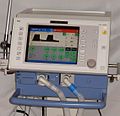 Ventilator "Evita4" on an ICU


See also
[edit]References
[edit]- ^ Iwami, Taku; Kawamura, Takashi; Hiraide, Atsushi; Berg, Robert A.; Hayashi, Yasuyuki; Nishiuchi, Tatsuya; Kajino, Kentaro; Yonemoto, Naohiro; Yukioka, Hidekazu; Sugimoto, Hisashi; Kakuchi, Hiroyuki; Sase, Kazuhiro; Yokoyama, Hiroyuki; Nonogi, Hiroshi (18 December 2007). "Effectiveness of Bystander-Initiated Cardiac-Only Resuscitation for Patients With Out-of-Hospital Cardiac Arrest". Circulation. 116 (25): 2900–2907. doi:10.1161/CIRCULATIONAHA.107.723411. Retrieved 4 January 2023.
- ^ What is CPR [Internet]. 2013. American heart association; [cited 2013 Nov 5]. Available from: http://www.heart.org/HEARTORG/CPRAndECC/WhatisCPR/What-is-CPR_UCM_001120_SubHomePage.jsp
- ^ Alic M. 2013. Basic life support (BLS) [Internet]. 3rd. Detroit (MI):Gale; [2013, cited 2013 Nov 5] Available from: http://go.galegroup.com/ps/i.do?id=GALE%7CCX2760400129&v=2.1&u=csumb_main&it=r&p=GVRL&sw=w&asid=40d96ff26746d55939f14dbf57297410
- ^ Beauchamp, Tom L., LeRoy Walters, Jefferey P. Kahn, and Anna C. Mastroianni. "Death and Dying." Contemporary Issues in Bioethics. Wadsworth: Cengage Learning, 2008. 397. Web. 9 Nov. 2013.
- ^ a b "Life Support: Information and Ethics". www.acls.net. Retrieved 2016-12-01.
- ^ Abbot-Penny A, Bartels P, Paul B, Rawles L, Ward A [2005]. End of Life Care: An Ethical Overview. Ethical Challenges in End of Life Care. [Internet]. [cited 2013 Nov 6]. Available from: www.ahc.umn.edu/img/assets/26104/End_of_Life.pdf life support bioethics
- ^ Beauchamp, Tom L., LeRoy Walters, Jefferey P. Kahn, and Anna C. Mastroianni. "Death and Dying." Contemporary Issues in Bioethics. Wadsworth: Cengage Learning, 2008. 402. Web. 9 Nov. 2013.
- ^ Gedge, E; Giacomini, M; Cook, D (2016-12-01). "Withholding and withdrawing life support in critical care settings: ethical issues concerning consent". Journal of Medical Ethics. 33 (4): 215–218. doi:10.1136/jme.2006.017038. ISSN 0306-6800. PMC 2652778. PMID 17400619.
- ^ Prendergast, T J; Luce, J M (1997). "Increasing incidence of withholding and withdrawal of life support from the critically ill". American Journal of Respiratory and Critical Care Medicine. 155 (1): 15–20. doi:10.1164/ajrccm.155.1.9001282. PMID 9001282.
- ^ Vincent, Jean-Louis (August 1999). "Forgoing life support in western European intensive care units". Critical Care Medicine. 27 (8): 1626–33. doi:10.1097/00003246-199908000-00042. PMID 10470775.
- ^ "Sawatzky v. Riverview Health Centre Inc., (1998) 132 Man.R.(2d) 222 (QB)". vLex. Retrieved 4 January 2023.
- ^ "LexView 23.0 - Court Gives Course in Medical Ethics to the Public Trustee | Lexview". Cardus.ca. Archived from the original on 2016-12-20. Retrieved 2016-12-04.
- ^ Godlovitch, Glenys; Mitchell, Ian; Doig, Christopher James (2005-04-26). "Discontinuing life support in comatose patients: an example from Canadian case law". CMAJ: Canadian Medical Association Journal. 172 (9): 1172–1173. doi:10.1503/cmaj.050376. ISSN 0820-3946. PMC 557062. PMID 15851705.
Life support
View on GrokipediaDefinition and Fundamentals
Core Concepts and Mechanisms
Life support encompasses medical interventions that artificially replicate or augment essential physiological processes to preserve life when endogenous organ functions fail, thereby preventing immediate mortality from conditions such as acute respiratory distress, circulatory collapse, or renal shutdown.[9] These systems operate on the principle of restoring homeostasis— the dynamic equilibrium of internal variables like oxygen saturation, blood pH, and fluid balance—through targeted causal interventions that bypass impaired anatomy or physiology.[10] Empirically, such support extends survival windows for potential recovery, as evidenced by its application in intensive care units where untreated organ failure correlates with mortality rates exceeding 50% in multi-organ scenarios, though outcomes depend on underlying etiology and timely reversal of primary insults.[11] At the mechanistic core, life support targets vital subsystems: respiratory support via mechanical ventilation delivers controlled tidal volumes (typically 6-8 mL/kg ideal body weight) under positive pressure to facilitate alveolar gas exchange, countering hypoventilation by generating a pressure gradient that drives oxygen into and carbon dioxide out of the bloodstream, akin to natural diaphragmatic contraction but externally imposed.[12][11] Circulatory mechanisms, such as extracorporeal membrane oxygenation (ECMO), employ pumps and oxygenators to maintain cardiac output and systemic perfusion, directly addressing pump failure by circulating blood at flows of 3-5 L/min while minimizing shear stress on blood cells.[10] Renal interventions like hemodialysis utilize diffusion and ultrafiltration across semipermeable membranes to remove uremic toxins and excess fluid, replicating glomerular filtration rates of approximately 100-125 mL/min in functional kidneys.[9] These processes integrate feedback loops, such as ventilator alarms for peak pressures exceeding 30 cmH2O to avert barotrauma, ensuring interventions align with physiological tolerances.[12] Fundamentally, these mechanisms derive from causal models of pathophysiology, where failure modes—like shunt fractions in lungs leading to venous admixture or reduced cardiac preload causing tissue hypoperfusion—are quantified and countered; for instance, ventilation strategies minimize dead space ventilation (normally 150 mL per breath) to optimize PaO2/FiO2 ratios above 200 mmHg in acute respiratory distress syndrome.[10] Success hinges on minimizing iatrogenic harm, as excessive positive end-expiratory pressure (PEEP) beyond 10-15 cmH2O can induce volutrauma, underscoring the empirical calibration required to balance support with native recovery potential.[11][12]Empirical Basis and Causal Principles
Life support systems address vital organ failure by artificially sustaining physiological processes essential for cellular homeostasis, such as oxygenation, carbon dioxide elimination, circulation, and waste removal, thereby averting immediate death from metabolic derangements. In respiratory failure, mechanical ventilation empirically demonstrates efficacy in acute respiratory distress syndrome (ARDS), where hospital mortality rates range from 40% with invasive support, reflecting improved outcomes compared to historical untreated rates exceeding 80%, attributable to strategies like low tidal volume ventilation that reduce ventilator-induced lung injury.[13][14] Causally, ventilation exploits the pressure gradient across alveolar-capillary membranes to facilitate diffusive gas exchange; positive airway pressure recruits collapsed alveoli, enhancing ventilation-perfusion matching and maintaining partial pressures of oxygen above 60 mmHg to support aerobic metabolism, while expiratory phases expel CO2 to prevent respiratory acidosis.[11][15] For circulatory support, extracorporeal membrane oxygenation (ECMO) provides empirical survival benefits in refractory cardiogenic shock, with in-hospital mortality around 62%, influenced by factors like support duration exceeding three days correlating with poorer prognosis due to complications such as thrombosis.[16] The causal mechanism involves veno-arterial ECMO diverting deoxygenated blood from the venous system, oxygenating it externally via a membrane lung, and returning it to the arterial circulation, bypassing dysfunctional cardiac output to preserve end-organ perfusion and mitigate hypoxic tissue damage.[17] In renal failure, hemodialysis empirically sustains patients awaiting transplantation or recovery, comprising 69% of kidney replacement therapies globally and extending survival in end-stage renal disease by managing uremic toxins, though long-term mortality remains high at approximately 15-20% annually due to comorbidities.[18] Causally, dialysis employs diffusion and ultrafiltration across a semipermeable membrane to replicate glomerular filtration, removing urea, creatinine, and excess electrolytes while correcting acid-base imbalances, thus preventing hyperkalemia-induced arrhythmias and encephalopathy from nitrogenous waste accumulation.[19] These interventions collectively rest on the principle that timely restoration of homeostasis interrupts the cascade from organ dysfunction to systemic failure, though empirical outcomes underscore variability tied to underlying pathology and timely initiation.Historical Development
Pre-20th Century Origins
The earliest documented attempts at mechanical ventilation trace to the 16th century, when anatomist Andreas Vesalius described in his 1555 work De Humani Corporis Fabrica a method of inserting a cannula into the trachea of a recently deceased animal and using bellows to inflate the lungs, thereby restoring visible movement in the chest and heart.[20] This experiment demonstrated the causal link between lung inflation and circulation, predating formal understanding of oxygenation but establishing insufflation as a means to mimic natural respiration.[21] By the 18th century, organized efforts to revive drowning victims spurred practical applications of artificial respiration in Europe. In 1776, the Society for the Recovery of Drowned Persons in Amsterdam advocated bellows-driven lung inflation, drawing on Vesalius's principles, though direct mouth-to-mouth or manual methods like rolling the body over a barrel were also employed amid debates over efficacy.[20] These techniques, promoted by reanimation societies across the continent, emphasized restoring pulmonary function to sustain vital signs, reflecting an empirical recognition that interrupted breathing halted circulation—a precursor to systematic life support.[22] In the 19th century, negative-pressure devices emerged as rudimentary ventilators, applying external suction to expand the chest without invasive tubes. French physician Jean-Antoine Woillez constructed a barrel-shaped cabinet in 1827 that enclosed the body and used a bellows to create intermittent negative pressure, simulating spontaneous breathing for patients with respiratory paralysis.[21] Such apparatuses, though cumbersome and limited to short-term use, laid groundwork for later negative-pressure systems by exploiting the inverse causal relationship between thoracic pressure and lung volume.[20] These pre-20th century innovations, rooted in anatomical experimentation and crisis-driven necessity, prioritized respiratory restoration over multisystem support, as other organ failures lacked viable mechanical interventions until electrical and chemical advances.[23]20th Century Milestones
The development of negative-pressure ventilators marked an early 20th-century breakthrough in respiratory life support, with Philip Drinker and Louis Shaw inventing the iron lung in 1928 at Harvard University to assist breathing in patients paralyzed by respiratory failure, such as those with polio.[24] This device, which enclosed the body in a sealed chamber and used rhythmic pressure changes to expand and contract the lungs, was first successfully applied to an eight-year-old girl at Boston Children's Hospital in October 1928, saving her life and demonstrating the feasibility of mechanical respiratory support.[25] During World War II, advances in positive-pressure mechanical ventilation emerged, initially for surgical anesthesia but adapted for prolonged support amid polio epidemics; the 1940s saw devices like the cuirass ventilator and early endotracheal intubation techniques enable better control of ventilation parameters.[20] In parallel, renal life support progressed with Willem Kolff constructing the first functional artificial kidney dialyzer in 1943 in Nazi-occupied Netherlands, using a rotating drum of cellophane tubing to filter blood and remove waste, laying the groundwork for hemodialysis despite initial limited successes until postwar refinements.[26] A pivotal circulatory milestone occurred on May 6, 1953, when John H. Gibbon Jr. performed the first successful open-heart surgery using his heart-lung machine at Jefferson Medical College Hospital, bypassing the heart and lungs in an 18-year-old patient with an atrial septal defect, enabling direct cardiac repair and transforming surgical capabilities.[27] By the mid-1950s, volume-cycled positive-pressure ventilators like the Engström model improved intensive care, supporting patients with controlled tidal volumes and reducing reliance on negative-pressure devices.[20] The late 20th century saw extracorporeal membrane oxygenation (ECMO) emerge as an advanced multisystem support, with Robert H. Bartlett and colleagues pioneering its clinical use in the early 1970s to oxygenate blood outside the body for severe respiratory or cardiac failure, building on heart-lung machine principles but extended for prolonged therapy.[28] These innovations collectively established the technological foundations for modern intensive care units, shifting life support from rudimentary aids to integrated systems capable of sustaining vital functions during acute crises.[20]Post-2000 Innovations
Since the early 2000s, extracorporeal membrane oxygenation (ECMO) has seen substantial technological refinements, including the introduction of centrifugal pumps and polymethylpentene oxygenators that reduced hemolysis and improved gas exchange efficiency, enabling longer durations of support with lower complication rates.[29] Portable and miniaturized ECMO systems emerged around 2009, facilitating ambulation and inter-hospital transport, as demonstrated in trials during the 2009 H1N1 influenza pandemic where ECMO supported severe respiratory failure cases with survival rates up to 75% in selected cohorts.[30] These devices, such as the Cardiohelp system approved in 2011, incorporated integrated monitoring to minimize clotting risks, marking a shift from stationary to mobile applications in critical care.[31] In mechanical ventilation, post-2000 developments emphasized lung-protective strategies and advanced modes like neurally adjusted ventilatory assist (NAVA), introduced in the mid-2000s, which synchronizes breaths with diaphragmatic electrical activity to reduce ventilator-induced lung injury and weaning time by up to 50% in randomized trials.[32] Proportional assist ventilation (PAV), refined in the 2010s, amplifies patient effort proportionally to enhance comfort and efficiency, supported by evidence from studies showing decreased sedation needs and shorter ICU stays.[33] Noninvasive ventilation techniques, building on 1990s foundations, incorporated helmet interfaces and high-flow nasal cannula systems by the early 2010s, reducing intubation rates in acute respiratory distress syndrome (ARDS) by 20-30% per meta-analyses.[34] Circulatory support innovations included the transition to continuous-flow left ventricular assist devices (LVADs), with the HeartMate II receiving FDA approval in 2008 as a bridge-to-transplant and destination therapy option, offering 2-year survival rates exceeding 70% compared to prior pulsatile models.[35] The SynCardia total artificial heart, implanted in over 1,800 patients since its 2010 commercialization, provided biventricular replacement with pneumatic drivers, achieving 79% bridge-to-transplant success in registry data.[36] These devices incorporated smaller profiles and magnetic levitation bearings to mitigate thrombosis, though hemocompatibility challenges persist.[37] Renal life support advanced through continuous renal replacement therapy (CRRT) enhancements, such as auto-priming circuits and multi-pump platforms introduced in the 2000s, which stabilized hemodynamics in septic AKI patients by maintaining 24-hour filtration without frequent interruptions.[38] By the 2010s, biocompatible membranes and automated dosing systems in devices like the NxStage System One reduced downtime via parallel priming, improving effluent dose delivery to 25-35 mL/kg/hour as per KDIGO guidelines.[39] These innovations correlated with a 10-15% drop in CRRT-related mortality in observational cohorts, though randomized evidence on long-term outcomes remains limited.[40]Technical Components and Methods
Respiratory Life Support Systems
Respiratory life support systems maintain gas exchange in patients with inadequate spontaneous breathing, primarily through mechanical ventilation that delivers positive airway pressure to inflate the lungs and facilitate carbon dioxide removal. Unlike physiological negative-pressure breathing, these systems use intermittent positive-pressure ventilation (IPPV), where pressurized gas is forced into the airways during inspiration.[41] This approach ensures controlled tidal volumes and respiratory rates, critical for conditions like acute respiratory distress syndrome (ARDS) or neuromuscular failure.[42] Mechanical ventilators consist of key components including a gas supply system for delivering oxygen-enriched air, pneumatic mixing valves to adjust FiO2, inhalation and exhalation circuits with unidirectional valves, and sensors monitoring pressure, flow, and volume. Modern devices integrate microprocessors for automated adjustments and alarms for deviations in parameters like peak inspiratory pressure or minute ventilation.[43] Invasive systems require endotracheal intubation or tracheostomy to secure the airway, while non-invasive ventilation (NIV) uses interfaces like full-face masks or nasal pillows for conditions such as chronic obstructive pulmonary disease exacerbations.[44] [11] Ventilation modes vary by control mechanism: volume-controlled modes deliver a set tidal volume regardless of pressure, suitable for patients with compliant lungs, whereas pressure-controlled modes limit peak pressure to prevent barotrauma, adjusting volume based on lung compliance. Hybrid modes like pressure-regulated volume control combine volume assurance with pressure limits to maintain target minute ventilation. Assist-control modes synchronize with patient efforts, reducing work of breathing, while pressure support ventilation augments spontaneous breaths with variable pressure. Protective strategies, such as low tidal volumes of 6 mL/kg predicted body weight and plateau pressures below 30 cmH2O, minimize ventilator-induced lung injury (VILI) in ARDS.[11] [45] Positive end-expiratory pressure (PEEP) maintains alveolar recruitment to improve oxygenation, typically set at 5-15 cmH2O, though excessive levels risk hemodynamic compromise via reduced venous return. Respiratory rates of 12-20 breaths per minute and FiO2 titrated to SpO2 88-95% optimize outcomes, guided by arterial blood gas analysis. Despite efficacy, complications include ventilator-associated pneumonia (VAP), occurring in up to 25% of intubated patients, barotrauma from overdistension, and diaphragmatic atrophy from disuse.[42] [46] For severe hypoxemia refractory to conventional ventilation, extracorporeal membrane oxygenation (ECMO) provides respiratory support by oxygenating blood externally, though it is resource-intensive and primarily adjunctive. High-frequency oscillatory ventilation, oscillating gas at supraphysiologic rates with low tidal volumes, has been trialed but showed no mortality benefit over conventional methods in randomized trials. Ongoing advancements focus on closed-loop systems using electrical impedance tomography for real-time lung monitoring to personalize settings.[46][47]Circulatory and Cardiac Support
Mechanical circulatory support (MCS) encompasses devices that augment or replace the heart's pumping function to maintain systemic perfusion, coronary blood flow, and end-organ oxygenation in cases of acute or chronic cardiac failure, cardiogenic shock, or post-cardiotomy stunning.[48] These systems operate on principles of counterpulsation or direct flow generation, reducing myocardial workload while enhancing diastolic pressure and cardiac output, with applications as bridge-to-recovery, bridge-to-decision, or bridge-to-transplant.[49] Empirical evidence from registries and trials indicates variable efficacy, influenced by patient selection, device type, and complications like bleeding or thrombosis, though advancements have improved short-term survival in refractory cases.[50] Temporary MCS devices provide short-term hemodynamic stabilization, typically for hours to weeks. The intra-aortic balloon pump (IABP), introduced clinically in the 1960s, uses ECG- or pressure-triggered counterpulsation: a balloon in the descending aorta inflates during diastole to boost coronary perfusion by 20-30% and deflates during systole to lower afterload by up to 15%, increasing cardiac output modestly (0.5-1 L/min).[51] It is deployed percutaneously via femoral access for high-risk percutaneous coronary interventions or weaning from cardiopulmonary bypass, but randomized trials like IABP-SHOCK II (2012) showed no mortality benefit in cardiogenic shock, limiting its routine use.[52] Percutaneous options like the Impella microaxial pump (e.g., Impella CP providing up to 4 L/min flow) or TandemHeart offer greater support by unloading the left ventricle directly, with Impella inserted retrogradely across the aortic valve to eject blood from the LV into the aorta.[53] Venoarterial extracorporeal membrane oxygenation (VA-ECMO) delivers full circulatory and respiratory support by draining venous blood, oxygenating it externally, and returning it arterially, achieving flows of 3-5 L/min to sustain organ perfusion in profound shock.[54] Initiated in the 1970s for postcardiotomy failure, its use surged during the COVID-19 pandemic for refractory cases, but the ECMO-CS trial (2023) found no 30-day mortality reduction (46.8% vs. 48.3% in controls) when added to standard care for severe cardiogenic shock, highlighting risks of limb ischemia, hemolysis, and left ventricular distension without venting.[55] Survival to discharge ranges from 40-60% in selected cohorts, per Extracorporeal Life Support Organization data, but overall in-hospital mortality exceeds 50% due to underlying disease severity.[56] Durable MCS, such as left ventricular assist devices (LVADs), supports chronic end-stage heart failure via continuous-flow pumps (e.g., HeartMate 3, FDA-approved 2017) that propel blood from the LV apex to the aorta at 4-10 L/min, reducing pulmonary pressures and enabling destination therapy.[57] First-generation pulsatile LVADs emerged in the 1980s, with pneumatic models like the HeartMate XVE approved in 2001 for bridge-to-transplant; continuous-flow iterations improved reliability, yielding 1-year survival of 84% and 2-year rates of 70-78% in INTERMACS registry data (2010-2020).[58] Right ventricular assist devices (RVADs) or biventricular systems address biventricular failure, while total artificial hearts replace both ventricles entirely, used rarely (e.g., SynCardia, supporting <1% of MCS patients) due to infection and thromboembolism risks exceeding 20-30% annually.[59] Outcomes reflect causal trade-offs: enhanced quality of life for survivors but persistent adverse events like driveline infections (15-20% incidence) necessitate multidisciplinary management.[60]Renal and Metabolic Interventions
Renal replacement therapy (RRT) serves as a critical intervention in life support for patients with acute kidney injury (AKI) in intensive care units, where up to 14% of critically ill individuals require it to manage uremia, fluid overload, and electrolyte disturbances.[61] Modalities include intermittent hemodialysis (IHD), performed several hours per session every other day, and continuous renal replacement therapy (CRRT), such as continuous venovenous hemofiltration (CVVH), hemodialysis (CVVHD), or hemodiafiltration (CVVHDF), which operate 24 hours a day at slower rates to enhance hemodynamic stability in unstable patients.[62] CRRT predominates in many ICUs, particularly in the United States, due to its capacity to avoid rapid shifts in volume and solutes that could precipitate hypotension, though randomized trials indicate no overall survival advantage over IHD.[63] [64] Timing of RRT initiation remains debated, with evidence from trials like the AKIKI and STARRT-AKI studies showing that accelerated strategies—starting at stage 2 AKI without urgent indications—do not reduce 90-day mortality compared to delayed approaches awaiting complications like hyperkalemia or refractory acidosis.[65] [66] CRRT facilitates precise control of acid-base balance and cytokine removal in sepsis-associated AKI, but meta-analyses reveal comparable renal recovery rates to IHD, with some data suggesting potential long-term dialysis dependence risks varying by modality.[67] [68] Complications include circuit clotting, hypothermia, and nutrient losses, necessitating anticoagulation and supplementation protocols.[69] Metabolic interventions complement renal support by addressing derangements in electrolytes, glucose, and acid-base status that can independently threaten life in supported patients. In ICU settings, hypokalemia, hypomagnesemia, and hyperkalemia require targeted repletion or restriction, often guided by serial monitoring to prevent arrhythmias; for instance, potassium levels below 3.5 mEq/L correlate with increased mortality risk in critically ill cohorts.[70] [71] Continuous insulin infusions maintain euglycemia (target 140-180 mg/dL) to mitigate hyperglycemia-induced organ stress, while sodium bicarbonate corrects severe metabolic acidosis (pH <7.2) only if hemodynamically tolerated, as empirical use lacks mortality benefits in randomized assessments.[72] RRT itself modulates metabolic parameters by diffusive and convective clearance, but adjunctive therapies like phosphate binders or citrate anticoagulation influence calcium and coagulation homeostasis.[73] Nutritional metabolic support via enteral or parenteral routes prevents catabolism in prolonged life support, with guidelines recommending 1.3 g/kg/day protein and energy matching measured expenditure via indirect calorimetry to avoid refeeding syndrome or overfeeding-related complications like hepatic steatosis.[74] In renal failure contexts, adjusted formulations limit potassium and phosphorus while preserving adequacy, as underfeeding exacerbates muscle wasting and immune dysfunction in these vulnerable populations.[75] Overall, these interventions sustain physiological equilibria absent organ function, though outcomes hinge on underlying disease severity rather than isolated modality choices.[76]Multisystem and Advanced Therapies
In critical care, multisystem life support therapies target multiple organ dysfunction syndrome (MODS), a condition involving derangement of two or more organ systems requiring extracorporeal interventions to sustain vital functions and bridge to recovery.[77] These approaches integrate technologies such as extracorporeal membrane oxygenation (ECMO) for cardiopulmonary support, continuous renal replacement therapy (CRRT) for renal failure, and liver detoxification systems, often delivered as multiple organ support therapy (MOST).[77] Such therapies address the interconnected nature of organ failures, where, for instance, acute kidney injury (AKI) occurs in up to 70% of ECMO patients due to hemodynamic instability and inflammation.[78] ECMO serves as a foundational modality in multisystem failure, with veno-venous (VV-ECMO) configurations supporting severe respiratory failure and veno-arterial (VA-ECMO) addressing combined cardiac and pulmonary collapse, achieving blood flows up to 4 L/min.[77] In patients with MODS, ECMO mortality ranges from 47% to 61%, with adjunct therapies like molecular adsorbent recirculating system (MARS) liver dialysis accelerating hepatic recovery and improving weaning success without added complications.[79] The EOLIA trial demonstrated ECMO's mortality reduction from 39% to 22% in severe acute respiratory distress syndrome (ARDS) with Sequential Organ Failure Assessment (SOFA) scores below 11, though efficacy diminishes in higher SOFA cases indicative of advanced multisystem involvement.[80] Combined ECMO and CRRT is frequently employed for concurrent cardiopulmonary and renal support, with CRRT doses of 35 mL/kg/h mitigating fluid overload and uremia; however, integration into the ECMO circuit raises infection risk (relative risk 1.65) and requires optimized connections to prevent pressure drops.[81][82] Retrospective data show comparable safety and efficacy between integrated and parallel setups, though outcomes vary by etiology, with higher mortality in sepsis-associated MODS.[82][83] Advanced integrated systems like the ADVanced Organ Support (ADVOS) device employ recirculating albumin dialysis to simultaneously target liver, kidney, and acid-base derangements, removing water-soluble toxins, albumin-bound substances, and adjusting pH from 7.2 to 9.0.[84] In a 2020 cohort of 34 patients with median SOFA score 17, ADVOS reduced bilirubin by 17%, creatinine by 7.1%, blood urea nitrogen by 17.6%, and ammonia by 16.4%, while improving pH in severe acidosis (from 7.19 to 7.40) and managing lactate levels averaging 10.4 mmol/L; 28-day survival was 50%, with minimal complications beyond three unrelated bleeds.[84] Despite these advances, evidence for multisystem therapies remains constrained by limited randomized trials, with benefits largely observational and serving as bridges to recovery or transplantation rather than definitive cures.[77] Complications including bleeding, thrombosis, and nutrient loss persist, alongside high costs and resource demands, underscoring the need for precise patient selection via biomarkers and SOFA scoring.[77] Modular extracorporeal platforms enable tailored combinations, but optimal timing and standardization await further validation.[85]Clinical Contexts and Applications
Acute Care and Emergencies
In acute care settings such as intensive care units (ICUs) and emergency departments, life support systems are employed to temporarily sustain vital organ functions in patients experiencing sudden, life-threatening failures due to conditions like trauma, sepsis, acute respiratory distress syndrome (ARDS), cardiogenic shock, or acute kidney injury (AKI).[9] These interventions bridge the gap until native organ recovery or definitive treatment, with mechanical ventilation serving as the cornerstone for respiratory support in over 30% of ICU admissions involving mechanical ventilation for acute failure.[86] Outcomes vary by underlying pathology, but in-hospital mortality for invasively ventilated patients often exceeds 50% in severe cases, influenced by multiorgan dysfunction.[87][88] Mechanical ventilation provides immediate respiratory support by delivering positive pressure to oxygenate blood and remove carbon dioxide in patients with acute hypoxemic or hypercapnic failure, commonly initiated via endotracheal intubation in emergencies like ARDS or post-cardiac arrest.[89] Protective strategies, such as low tidal volumes (6 mL/kg ideal body weight), reduce ventilator-induced lung injury, as evidenced by trials showing decreased mortality from 40% to 31% with this approach.[90] For refractory cases where conventional ventilation fails to maintain oxygenation (PaO2/FiO2 <80 mmHg), veno-venous extracorporeal membrane oxygenation (VV-ECMO) oxygenates blood externally, achieving survival rates of approximately 60% in adults with severe acute respiratory failure.[91][92] Circulatory life support targets acute cardiac or combined cardiopulmonary collapse, with veno-arterial ECMO (VA-ECMO) providing both oxygenation and hemodynamic augmentation in profound shock unresponsive to vasopressors or intra-aortic balloon pumps.[89] VA-ECMO supports cardiac output up to 4-5 L/min, but randomized trials like ECMO-CS indicate no significant short-term mortality benefit over optimal medical therapy alone in rapidly deteriorating cardiogenic shock, with 30-day survival around 47-50%.[55] Complications including bleeding (30-40% incidence due to anticoagulation) and limb ischemia necessitate vigilant monitoring, underscoring ECMO's role as a salvage therapy rather than first-line.[93] Renal replacement therapy (RRT) addresses AKI emergencies characterized by refractory hyperkalemia (>6.5 mEq/L), severe acidosis (pH <7.15), or uremic complications, often via continuous modalities like continuous veno-venous hemofiltration (CVVH) to avoid hemodynamic instability in critically ill patients.[94] Initiation is guided by life-threatening indications rather than early prophylactic use, as the STARRT-AKI trial demonstrated no 90-day mortality reduction with accelerated RRT (HR 1.03, 95% CI 0.92-1.15) compared to delayed strategies.[65] In resource-equipped settings, RRT sustains electrolyte balance and fluid removal, with hospital survival in AKI requiring RRT ranging from 50-60%, though long-term dialysis dependence affects 10-20% of survivors.[95] Multisystem integration, such as combining ECMO with RRT, is common in sepsis-induced failures, reflecting the causal interplay of organ derangements where timely intervention targets reversible insults like hypoperfusion.[69]Chronic and Long-Term Use
Chronic life support systems sustain patients with irreversible organ failure, such as end-stage respiratory or renal disease, where acute interventions transition to indefinite dependency. These include prolonged mechanical ventilation for chronic hypoventilation and hemodialysis or peritoneal dialysis for end-stage renal disease (ESRD). Unlike short-term applications, chronic use often involves home-based or long-term care settings, with survival influenced by underlying etiology, comorbidities, and access to multidisciplinary support.[96][97] In respiratory support, home invasive mechanical ventilation (HIMV) or non-invasive alternatives address chronic respiratory failure from conditions like amyotrophic lateral sclerosis, muscular dystrophy, or severe chronic obstructive pulmonary disease (COPD). Median survival on HIMV exceeds 19 years in select cohorts, though outcomes vary by daily usage duration, with longer application predicting extended time-to-death.[98][99] Home mechanical ventilation (HMV) improves quality of life and symptom control in obesity hypoventilation and neuromuscular disorders, but prolonged mechanical ventilation (PMV) beyond 21 days carries high risks of diaphragm dysfunction, muscle atrophy, and 5-year survival rates as low as 13% in ventilator-dependent patients.[100][101][102] Renal life support via dialysis predominates for ESRD, with over 500,000 U.S. patients reliant on maintenance hemodialysis or peritoneal dialysis as of recent data. Five-year survival stands at approximately 35% overall, lower (25%) in diabetic patients, though median survival for incident hemodialysis patients improved to 47 months by 2013 from 37 months in 2003, reflecting a 19.7% mortality reduction from 2009 to 2019.[103][96][104] Home dialysis modalities, including short daily hemodialysis, enhance health-related quality of life and feasibility for comorbid patients requiring concurrent ventilation.[105][106] Long-term use entails complications like infections, nutritional deficits, and psychological burden, necessitating integrated care to mitigate futility. Home-based systems for ventilation and dialysis enable deinstitutionalization, reducing costs and improving autonomy, though prevalence data indicate millions globally depend on such supports, with U.S. Medicaid funding long-term services for over 5 million annually, many involving organ replacement therapies.[97][107][108]Resource-Limited Settings
In resource-limited settings, such as low- and middle-income countries (LMICs), rural areas, and disaster zones, the delivery of life support faces profound constraints including shortages of advanced equipment, unreliable electricity, limited trained personnel, and inadequate infrastructure, leading to significantly higher mortality rates for conditions requiring intensive interventions. For instance, mechanical ventilation capacity remains insufficient in most LMICs, with many facilities lacking even basic ventilators, resulting in preventable deaths from respiratory failure that accounts for up to 54% of in-hospital cases progressing to acute respiratory distress. Studies indicate that invasive mechanical ventilation in these contexts yields poorer outcomes compared to high-income settings, with survival rates influenced by factors like delayed access and suboptimal weaning protocols; in northern Ethiopia, for example, ICU patients on ventilators experienced mortality driven by comorbidities and resource gaps rather than ventilation itself.[109][110][111] Respiratory support adaptations emphasize basic life support (BLS) and manual methods over sophisticated machines, as advanced ventilators like those used in ICUs are often unavailable or non-functional due to maintenance issues. Emergency airway management, critical for trauma or sepsis, is hampered by shortages of endotracheal tubes and monitoring tools, prompting reliance on improvised techniques such as bag-valve-mask ventilation sustained by minimally trained staff, though this increases risks of barotrauma and aspiration. Circulatory support is similarly constrained, with defibrillators and vasopressors scarce, shifting focus to compression-only CPR in out-of-hospital cardiac arrests, where outcomes are dismal without rapid transport to equipped centers—BLS training programs in remote LMIC areas have shown modest improvements in layperson response but falter without follow-up equipment. Renal interventions, including dialysis, are rare outside urban hubs, with conservative fluid management and peritoneal alternatives used in chronic cases, but acute kidney injury mortality exceeds 50% due to unaddressed uremia.[112][113][114] Efforts to mitigate these challenges include low-cost innovations like portable, battery-operated ventilators developed for LMICs and task-shifting to non-physician providers for protocolized care, as outlined in global critical care frameworks prioritizing early recognition and triage over prolongation. The World Health Organization advocates for scalable BLS protocols in austere environments, emphasizing training in high-burden conditions like sepsis and trauma, though implementation varies due to funding shortages. Multisystem support often defaults to palliative measures when futility arises from resource exhaustion, with ethical triage guided by prognostic scores adapted for local epidemiology, revealing systemic disparities where geo-economic factors predict ventilation success more than patient physiology. Peer-reviewed analyses underscore that while protective ventilation strategies (e.g., low tidal volumes) can be applied when equipment exists, broader survival hinges on infrastructure investments rather than isolated tech transfers.[115][116][117]Ethical and Philosophical Dimensions
Sanctity of Life Doctrine
The sanctity of life doctrine asserts that human life is inherently sacred and possesses irreducible moral value, rendering intentional killing of innocent persons impermissible under any circumstances. This principle, historically derived from Judeo-Christian theology viewing life as a divine gift, extends to bioethics by prohibiting direct harm or destruction of life, while emphasizing duties to preserve and nurture it.[118][119] In medical contexts, it underscores that life's value remains constant regardless of age, cognitive capacity, or physical condition, rejecting utilitarian assessments that subordinate human worth to subjective metrics.[118][120] Applied to life support systems, the doctrine mandates the use of interventions—such as mechanical ventilation or dialysis—that sustain vital functions when they offer reasonable benefit without imposing disproportionate burdens, distinguishing "ordinary" means (essential and non-onerous) from "extraordinary" ones (experimental or excessively painful with minimal gain).[121] It opposes withdrawing such support if the act foreseeably causes death, equating it in intent to euthanasia, though it permits forgoing treatments in terminal cases where death is imminent and independent of the intervention.[122] This stance contrasts with vitalism, which demands all possible prolongation irrespective of futility, by allowing proportionality based on clinical efficacy rather than absolute prolongation.[122] For instance, in cases involving persistent vegetative states, proponents argue against cessation of nutrition and hydration as these constitute basic care, not artificial support, preserving life's continuity unless infection or natural decline intervenes.[123] The doctrine faces contention in secular bioethics, where quality-of-life paradigms—prioritizing absence of suffering or functional autonomy—often prevail, enabling decisions to withhold or withdraw support based on perceived low value of impaired existence.[124] Critics of sanctity, including some legal scholars, contend it hinders patient-centered care by enforcing uniform preservation, potentially prolonging futile suffering amid resource constraints; however, adherents counter that quality judgments introduce discriminatory devaluation, historically linked to eugenics, and erode objective moral boundaries.[123][125] Empirical data from end-of-life studies indicate that sanctity-aligned policies correlate with higher treatment continuation rates in religious institutions, reducing euthanasia rates but raising costs, as seen in jurisdictions upholding inviolability principles post-1970s shifts toward autonomy.[126] Despite academic trends favoring quality assessments—potentially influenced by secular individualism—the doctrine persists in informing guidelines for faith-based providers, emphasizing causal responsibility: omission of feasible support equates to complicity in death when intent to forgo life preservation is present.[120][123]Patient Autonomy and Consent
Patient autonomy in the context of life support refers to the ethical and legal right of competent individuals to make informed decisions about accepting, refusing, or withdrawing interventions such as mechanical ventilation, dialysis, or artificial nutrition, even if those decisions hasten death.[127] This principle, rooted in respect for persons, holds that physicians must obtain voluntary informed consent before initiating life-sustaining treatments, disclosing material risks, benefits, alternatives, and the option to forgo care.[128] Competent patients retain the authority to revoke consent at any time, underscoring that continued treatment without ongoing agreement constitutes a violation of bodily integrity.[129] Informed consent processes for life support must account for the acuity of critical illness, where patients may experience impaired cognition due to hypoxia, sedation, or delirium, potentially limiting capacity.[130] Assessments of decision-making capacity evaluate understanding, appreciation, reasoning, and voluntariness, with temporary incapacity (e.g., from anesthesia) not negating prior refusals once restored.[129] For incapacitated patients, advance directives—such as living wills specifying refusal of specific interventions like ventilators or feeding tubes—provide evidence of prior wishes, legally binding in most jurisdictions when clearly documented and applicable to the current scenario.[131] Absent directives, surrogates apply substituted judgment, prioritizing the patient's known values over objective best interests.[132] The U.S. Supreme Court in Cruzan v. Director, Missouri Department of Health (1990) affirmed a constitutional right to refuse life-sustaining treatment under the Due Process Clause, but upheld Missouri's requirement for "clear and convincing evidence" of the patient's intent before surrogates could withdraw artificial nutrition from Nancy Cruzan, who had been in a persistent vegetative state since a 1983 automobile accident.[133] This ruling balanced autonomy with state interests in preserving life, prompting widespread adoption of advance directives; by 2023, over 40% of U.S. adults reported having one, though execution rates vary by demographics and remain below 50% in many populations.[134] Ethically, autonomy prevails over beneficence when treatments prolong suffering without restoring meaningful function, as no moral distinction exists between withholding and withdrawing support once initiated.[127] Challenges arise in reconciling autonomy with non-maleficence, particularly when families or providers perceive refusal as irrational; however, empirical studies indicate that most patients who refuse life support do so after weighing quality-of-life burdens, with regret rates under 5% post-decision.[135] In resource-constrained ICUs, autonomy may conflict with distributive justice, but ethical consensus prioritizes individual consent over utilitarian overrides absent emergencies.[136] Documentation of discussions mitigates disputes, as courts generally defer to contemporaneous refusals over retrospective interpretations.[5]Futility and Proportionality Assessments
Medical futility in life support refers to interventions, such as mechanical ventilation or extracorporeal support, that empirical data demonstrate are unlikely to improve the patient's underlying condition or achieve physiologically defined goals. Quantitative futility is characterized by a very low probability of success, typically less than 1% based on outcome studies for similar cases, while qualitative futility pertains to treatments that may sustain basic physiological functions but fail to restore consciousness, independence, or quality of life commensurate with the burdens imposed. These distinctions guide clinicians in determining whether continuing life support merely prolongs the dying process without meaningful benefit.[137][138][139] Proportionality assessments extend beyond strict futility by evaluating the balance between a treatment's potential benefits—such as extended survival with restored function—and its burdens, including pain, dependency on invasive devices, and emotional strain on families. Under the principle of proportionality, life-sustaining measures are obligatory only when the means employed bear a reasonable relation to the ends pursued, such as averting imminent death with prospect of recovery; otherwise, they may be forgone as disproportionate. In practice, this involves integrating clinical prognosis, patient values (where ascertainable), and resource implications, often formalized in protocols requiring multidisciplinary input.[140][141][142] Assessments occur primarily in intensive care settings, where approximately 80% of deaths involve withdrawal of life support deemed nonbeneficial, informed by tools like scoring systems (e.g., APACHE or SOFA) and outcome databases. The Society of Critical Care Medicine defines potentially inappropriate interventions as those unlikely to yield net benefit, advocating policies that prioritize physiologic goals over indefinite prolongation of organ failure. However, empirical challenges undermine reliability: most predictive studies suffer from small sample sizes and selection biases, yielding insufficient statistical power for confident futility judgments, which can lead to either overtreatment prolonging suffering or undertreatment denying potential recoveries.[143][144][145] Subjectivity compounds these issues, as no universal consensus exists on thresholds for futility, with physicians' predictions of mortality often overestimating death rates by 20-30% in borderline cases, influenced by institutional norms or personal biases toward resource conservation. Conflicts arise when surrogates demand continuation despite clinical consensus on futility, prompting due process policies in some hospitals that include ethics consultations and second opinions to resolve disputes without unilateral physician override. Causal analysis reveals that premature futility declarations risk causal errors, such as overlooking reversible factors, while prolonged disproportionate support can exacerbate iatrogenic harm, underscoring the need for transparent, data-driven criteria over intuitive judgments.[146][147][148]Legal Frameworks and Precedents
Foundational Cases and Rulings
In the United States, the New Jersey Supreme Court's decision in In re Quinlan (March 31, 1976) marked a pivotal precedent for withdrawing life-sustaining treatment from incompetent patients. Karen Ann Quinlan, aged 21, entered a persistent vegetative state following respiratory arrest induced by alcohol and barbiturates on April 14, 1975, requiring mechanical ventilation and artificial nutrition. Her parents petitioned to disconnect the ventilator after physicians deemed recovery futile, but the hospital refused without court approval. The court ruled 7-0 that Quinlan possessed a constitutional right to privacy under the Fourteenth Amendment, extending to refusal of extraordinary treatment, and authorized her guardian to exercise substituted judgment based on her inferred wishes and best interests, rejecting claims of homicide by omission. The ventilator was removed on May 22, 1976; Quinlan breathed independently thereafter but remained unconscious until her death from pneumonia on June 11, 1985. This ruling shifted emphasis from preserving biological life to respecting patient dignity and autonomy, influencing subsequent state laws on advance directives and proxy decision-making.[149][150] The U.S. Supreme Court's Cruzan v. Director, Missouri Department of Health (June 25, 1990) further clarified evidentiary standards for surrogate decisions on life support. Nancy Beth Cruzan, 25, suffered anoxic brain injury in a 1983 car accident, entering a persistent vegetative state sustained by a gastrostomy tube for hydration and nutrition. Her parents, as guardians, sought withdrawal after two years, citing her prior statements against prolonged dependency, but Missouri law required "clear and convincing evidence" of the patient's wishes. In a 5-4 decision, the Court upheld Missouri's standard as consistent with due process, affirming states' interests in preserving life and preventing erroneous terminations while recognizing competent adults' liberty interest in refusing unwanted medical intervention under the Fourteenth Amendment. The ruling did not mandate proxy authority absent such evidence but prompted Cruzan's coworkers to testify to her views, leading a state court to authorize tube removal on December 14, 1990; she died 12 days later. This case reinforced burdens of proof in futility disputes and spurred the 1990 Patient Self-Determination Act, mandating hospitals to inform patients of refusal rights.[133][151] In the United Kingdom, the House of Lords' ruling in Airedale NHS Trust v. Bland (February 4, 1993) established precedents for discontinuing artificial nutrition and hydration in permanent vegetative states. Anthony Bland, 17, sustained irreversible brain damage in the 1989 Hillsborough Stadium disaster, remaining in a persistent vegetative state for over three years without awareness or recovery potential, fed via nasogastric tube. The Trust sought judicial declaration to withhold feeding and antibiotics, arguing no therapeutic benefit and that continuation violated best interests under common law. Unanimously, the Lords held that while intentionally shortening life remains unlawful, withdrawing futile sustenance—deemed a medical omission rather than act—is permissible when treatment offers no benefit and burdens outweigh advantages, distinguishing it from euthanasia by emphasizing the underlying pathology as the cause of death. Tube feeding ceased on February 22, 1993, with Bland dying of starvation 13 days later on March 3. The decision prioritized objective medical assessments over sanctity-of-life absolutism, influencing guidelines like the British Medical Association's on withholding treatment and affirming physicians' discretion absent patient directives.[152][153] These cases collectively delineated boundaries between state interests in life preservation and individual rights against invasive prolongation, emphasizing evidence-based futility determinations over indefinite maintenance. Quinlan and Cruzan highlighted surrogate roles in the U.S., while Bland underscored "best interests" in jurisdictions without strong privacy rights, fostering protocols that balance empirical prognosis with ethical restraint against over-treatment. Subsequent rulings, such as those in the Terri Schiavo matter (feeding tube removed March 18, 2005, death March 31, 2005, after Florida courts upheld spousal substituted judgment), built on these foundations amid familial discord but did not alter core tenets of evidentiary rigor and non-futility.61439-0/fulltext)[154]Withdrawal of Treatment Protocols
Withdrawal of life-sustaining treatment protocols standardize the discontinuation of interventions such as mechanical ventilation, dialysis, or vasopressors in intensive care units when continued support is deemed futile or contrary to patient preferences, emphasizing palliation over prolongation of dying. These protocols typically require multidisciplinary involvement, including physicians, nurses, palliative care specialists, and ethics committees, to confirm decision-making capacity or surrogate authority, review advance directives, and assess prognosis based on objective criteria like multi-organ failure scores. In the United States, such withdrawals are legally permissible under principles of informed consent and refusal, provided documentation demonstrates shared decision-making and proportionality between burdens and benefits.[155] For mechanical ventilation withdrawal, a common sequence—known as terminal weaning—begins with reducing fractional inspired oxygen (FiO2) to 21% (room air equivalent), followed by stepwise decreases in positive end-expiratory pressure (PEEP) by 5 cm H2O every 5 minutes until the minimum setting, while monitoring for distress. Sedation and analgesia, often with opioids like morphine (starting at 0.5-2 mg/hour IV) and benzodiazepines like midazolam for anxiolysis, are administered preemptively and titrated to control symptoms such as dyspnea or agitation, without intent to hasten death but to ensure comfort. Extubation may follow if appropriate, or the endotracheal tube can remain in place to minimize procedures; family presence and rituals are encouraged, with protocols advising against routine suctioning to avoid discomfort.[156][157] Protocols distinguish withdrawal from euthanasia by framing discontinuation as allowing natural death from underlying disease rather than direct causation, though causally, removal of dependency-sustaining support leads to death within minutes to hours in ventilator cases. Individual ICUs are recommended to develop tailored protocols incorporating checklists for preparation, such as confirming code status (do-not-resuscitate orders) and preparing for post-withdrawal care logistics. Canadian consensus guidelines, published in 2016, outline preparation phases including explicit goal-setting, distress assessment via scales like the Richmond Agitation-Sedation Scale, and pharmacologic management, reporting implementation reduced variability in practices across units. Empirical data from ICUs show median survival post-withdrawal of 1-2 hours for ventilated patients, with protocols correlating to higher family satisfaction scores (e.g., 80-90% in surveys) when communication is prioritized.30201-9/fulltext)[158][159] Cross-institutional variations persist, with some protocols mandating ethics consultation for disputed cases, and legal precedents reinforcing that physicians cannot be compelled to provide non-beneficial treatment. In resource-strained settings, protocols may integrate triage elements, but withdrawal decisions remain patient-centered, avoiding bias toward cost-saving absent futility.[155]Cross-Jurisdictional Differences
In the United States, competent patients possess a constitutional right to refuse life-sustaining treatments such as mechanical ventilation or artificial nutrition, rooted in privacy and liberty interests, as affirmed by the Supreme Court in Cruzan v. Director, Missouri Department of Health (1990), which extended this to surrogates for incapacitated patients provided there is clear and convincing evidence of the patient's wishes. State laws vary, with most permitting surrogate decision-making via substituted judgment or best interests standards, though some like Missouri impose stringent evidentiary burdens to prevent abuse; court intervention is typically limited to disputes, emphasizing patient autonomy over mandatory prolongation.[155][160] In the United Kingdom, withdrawal of life support is governed by common law and the Mental Capacity Act 2005, allowing discontinuation if deemed not in the patient's best interests, even without consent for incapacitated individuals; advance decisions are binding if valid and applicable, and since the 2018 Supreme Court ruling in NHS Trust v Fratock, court approval is unnecessary when physicians and families concur, shifting focus from judicial oversight to clinical consensus while prioritizing futility assessments.[161][162] Japan lacks a dedicated statute, relying on non-binding 2007 Ministry of Health guidelines that endorse withholding or withdrawal through physician-family consensus for futile care, yet criminal risks persist—evidenced by convictions like the 1995 Tokai Case (suspended sentence for murder via omission)—fostering conservative practices where active discontinuation remains rare compared to passive withholding.[161] Korea's Life-Sustaining Treatment Decisions Act (enacted 2016, effective 2018) restricts forgoing interventions like ventilation to terminally ill patients with enumerated conditions (e.g., advanced cancer), mandating consensus among two or more family members or advance directives registered nationally, with statutory immunity for compliant physicians but overriding physician orders possible in conflicts.[161] Taiwan's framework, under the Hospice Palliative Care Act (2000, amended) and Patient Right to Autonomy Act (effective 2019), broadly authorizes refusal or withdrawal for terminal illness, irreversible coma, or persistent vegetative state via binding advance care planning, emphasizing patient autonomy with required physician disclosure and family involvement absent directives.[161] In Canada, common law permits withdrawal based on patient or surrogate consent reflecting prior wishes, akin to U.S. standards, but since the 2016 Medical Assistance in Dying legislation, eligible patients may elect clinician-administered discontinuation as part of assisted dying, expanding options beyond mere refusal while maintaining safeguards against coercion.[163][164] Australia's approaches differ by state and territory; for example, Victoria's Medical Treatment Planning and Decisions Act 2016 validates advance directives refusing life support, enabling binding refusal without court mandate, whereas federal common law influences territories, generally upholding autonomy but requiring clear documentation to avoid disputes.[165]Societal and Economic Implications
Cost-Benefit Analyses
Cost-benefit analyses of life support technologies, such as mechanical ventilation and dialysis, typically weigh financial expenditures against outcomes measured in survival duration, quality-adjusted life years (QALYs), and broader societal resource allocation. In the United States, intensive care unit (ICU) stays involving mechanical ventilation average $4,000 to $10,000 per day, with prolonged mechanical ventilation (PMV) exceeding $50,000 per patient for extended durations, driven by equipment, staffing, and complications like infections.[166] [167] These costs escalate in end-of-life care, where 1 in 5 adults die following an ICU admission, accounting for approximately 25% of total U.S. healthcare spending concentrated on the 6% of the population in their final year of life.[168] Empirical evaluations often reveal variable cost-effectiveness depending on patient prognosis. A study of PMV patients estimated $55,460 per additional life-year gained and $82,411 per QALY when compared to ventilator withdrawal, assuming base-case survival and quality metrics; this threshold exceeds common benchmarks for cost-effectiveness (e.g., $50,000–$100,000 per QALY) in irreversible conditions.[167] For elderly patients receiving ventilator support and aggressive care post-myocardial infarction, cost-effectiveness ratios ranged from $38,000 to $44,000 per QALY in low-risk groups but climbed to $70,000–$84,000 in high-risk cohorts, highlighting diminished returns with comorbidities.[169] In contrast, interventions enhancing ventilation efficiency, such as proportional-assist ventilation modes, demonstrated potential savings of about $7,000 per patient over 40 years with marginal QALY gains, proving cost-effective in 85% of simulations at a $50,000 per QALY threshold.[170]| Study Context | Cost per QALY Gained | Key Assumptions | Source |
|---|---|---|---|
| Prolonged mechanical ventilation vs. withdrawal | $82,411 | Base-case survival; U.S. ICU costs | [167] |
| Ventilator support in post-MI elderly (high-risk) | $70,000–$84,000 | Aggressive care; 1-year horizon | [169] |
| Proportional-assist vs. pressure-support ventilation | <$50,000 (85% simulations) | 40-year horizon; reduced complications | [170] |
| Continued treatment in prolonged ICU stays | Equivalent to Can $65,219 per life-year | Incremental from discontinuation; Canadian data | [171] |