Hubbry Logo
HepatocyteHepatocyteMain
Open search
Hepatocyte
Community hub
Hepatocyte
logo
8 pages, 0 posts
0 subscribers
Be the first to start a discussion here.
Hepatocyte
Hepatocyte
from Wikipedia
Hepatocyte
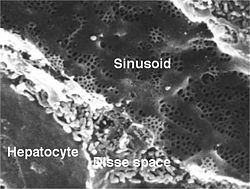
Hepatocyte and sinusoid (venule) in a section of rat liver, scanning electron micrograph
Human liver stained with hematoxylin and eosin showing hepatocytes organized into plates and lobules
Details
LocationLiver
Identifiers
MeSHD022781
THH3.04.05.0.00006
FMA14515
Anatomical terms of microanatomy

A hepatocyte is a cell of the main parenchymal tissue of the liver. Hepatocytes make up 80% of the liver's mass. These cells are involved in:

Structure

[edit]

The typical hepatocyte is cubical with sides of 20–30 μm, (in comparison, a human hair has a diameter of 17 to 180 μm).[1] The typical volume of a hepatocyte is 3.4 x 10⁻⁹ cm3.[2] Smooth endoplasmic reticulum is abundant in hepatocytes, in contrast to most other cell types.[3]

Microanatomy

[edit]

Hepatocytes display an eosinophilic cytoplasm, reflecting numerous mitochondria, and basophilic stippling due to large amounts of rough endoplasmic reticulum and free ribosomes. Brown lipofuscin granules are also observed (with increasing age) together with irregular unstained areas of cytoplasm; these correspond to cytoplasmic glycogen and lipid stores removed during histological preparation. The average life span of the hepatocyte is 5 months; they are able to regenerate.[citation needed]

Hepatocyte nuclei are round with dispersed chromatin and prominent nucleoli. Anisokaryosis (or variation in the size of the nuclei) is common and often reflects tetraploidy and other degrees of polyploidy, a normal feature of 30–40% of hepatocytes in the adult human liver.[4] Binucleate cells are also common.[citation needed]

Hepatocytes are organised into plates separated by vascular channels (sinusoids), an arrangement supported by a reticulin (collagen type III) network. The hepatocyte plates are one cell thick in mammals and two cells thick in the chicken. Sinusoids display a discontinuous, fenestrated endothelial cell lining. The endothelial cells have no basement membrane and are separated from the hepatocytes by the space of Disse, which drains lymph into the portal tract lymphatics.[citation needed]

Kupffer cells are scattered between endothelial cells; they are part of the reticuloendothelial system and phagocytose spent erythrocytes. Stellate (Ito) cells store vitamin A and produce extracellular matrix and collagen; they are also distributed amongst endothelial cells but are difficult to visualise by light microscopy.[citation needed]

Function

[edit]

Protein synthesis

[edit]

The hepatocyte is a cell in the body that manufactures serum albumin, fibrinogen, and the prothrombin group of clotting factors (except for Factors 3 and 4).[citation needed]

It is the main site for the synthesis of lipoproteins, ceruloplasmin, transferrin, complement, and glycoproteins. Hepatocytes manufacture their own structural proteins and intracellular enzymes.[citation needed]

Synthesis of proteins is by the rough endoplasmic reticulum (RER), and both the rough and smooth endoplasmic reticulum (SER) are involved in secretion of the proteins formed.[citation needed]

The endoplasmic reticulum (ER) is involved in conjugation of proteins to lipid and carbohydrate moieties synthesized by, or modified within, the hepatocytes.[5]

Proteins produced by hepatocytes that function as hormones are known as hepatokines.[citation needed]

Carbohydrate metabolism

[edit]

The liver forms fatty acids from carbohydrates and synthesizes triglycerides from fatty acids and glycerol.[6] Hepatocytes also synthesize apoproteins with which they then assemble and export lipoproteins (VLDL, HDL).[citation needed]

The liver is also the main site in the body for gluconeogenesis, the formation of carbohydrates from precursors such as alanine, glycerol, and oxaloacetate.[citation needed]

Lipid metabolism

[edit]

The liver receives many lipids from the systemic circulation and metabolizes chylomicron remnants. It also synthesizes cholesterol from acetate and further synthesizes bile salts. The liver is the sole site of bile salts formation.[citation needed]

Detoxification

[edit]

Hepatocytes have the ability to metabolize, detoxify, and inactivate exogenous compounds such as drugs (see drug metabolism), insecticides, and endogenous compounds such as steroids.[citation needed]

The drainage of the intestinal venous blood into the liver requires efficient detoxification of miscellaneous absorbed substances to maintain homeostasis and protect the body against ingested toxins.[citation needed]

One of the detoxifying functions of hepatocytes is to modify ammonia into urea for excretion.[citation needed]

The most abundant organelle in liver cells is the smooth endoplasmic reticulum.[citation needed]

Aging

[edit]

As mammalian liver cells age, damages in their DNA increase in prevalence. A review of the literature indicated that in mouse liver cells DNA damages (single-strand breaks, oxidized bases and 7-methylguanine) increase with age.[7] Also, in rat liver, DNA single- and double-strand breaks, oxidized bases, and methylated bases increase with age; and in rabbit liver, cross-linked bases increase with age.[7] Liver cells depend on DNA repair pathways that specifically protect the transcribed compartment of the genome to promote sustained functionality and cell preservation with age.[8]

Society and culture

[edit]

Use in research

[edit]

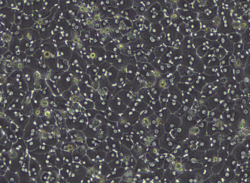
Primary hepatocytes are commonly used in cell biological and biopharmaceutical research. In vitro model systems based on hepatocytes have been of great help to better understand the role of hepatocytes in (patho)physiological processes of the liver. In addition, pharmaceutical industry has heavily relied on the use of hepatocytes in suspension or culture to explore mechanisms of drug metabolism and even predict in vivo drug metabolism. For these purposes, hepatocytes are usually isolated from animal or human[9] whole liver or liver tissue by collagenase digestion, which is a two-step process. In the first step, the liver is placed in an isotonic solution, in which calcium is removed to disrupt cell-cell tight junctions by the use of a calcium chelating agent. Next, a solution containing collagenase is added to separate the hepatocytes from the liver stroma. This process creates a suspension of hepatocytes, which can be seeded in multi-well plates and cultured for many days or even weeks. For optimal results, culture plates should first be coated with an extracellular matrix (e.g. collagen, Matrigel) to promote hepatocyte attachment (typically within 1-3 hr after seeding) and maintenance of the hepatic phenotype. In addition, and overlay with an additional layer of extracellular matrix is often performed to establish a sandwich culture of hepatocytes. The application of a sandwich configuration supports prolonged maintenance of hepatocytes in culture.[10][11] Freshly-isolated hepatocytes that are not used immediately can be cryopreserved and stored.[12] They do not proliferate in culture. Hepatocytes are intensely sensitive to damage during the cycles of cryopreservation including freezing and thawing. Even after the addition of classical cryoprotectants there is still damage done while being cryopreserved.[13] Nevertheless, recent cryopreservation and resuscitation protocols support application of cryopreserved hepatocytes for most biopharmaceutical applications.[14]

Additional images

[edit]

See also

[edit]

References

[edit]
[edit]
Revisions and contributorsEdit on WikipediaRead on Wikipedia
from Grokipedia
Hepatocytes are the predominant epithelial cells of the liver, comprising approximately 80% of its total cell and the majority of its volume, where they serve as the primary site for metabolic processing, protein synthesis, and of blood-borne substances. These polyhedral cells, typically 20–30 μm in diameter, are arranged in single-cell-thick plates or cords that radiate from the central vein within the hexagonal liver lobule, facilitating efficient exchange with sinusoidal blood flow. Structurally, hepatocytes exhibit functional polarity with distinct apical and basolateral membrane domains: the apical surface forms tight junctions around bile canaliculi for , while the basolateral surface, rich in microvilli, interfaces with the space of Disse adjacent to fenestrated sinusoidal endothelial cells, enabling nutrient uptake and waste removal without a classical . Liver lobules are metabolically zoned into three regions based on proximity to the portal triad—zone I (periportal, oxygen-rich for oxidative processes), zone II (intermediate), and zone III (pericentral, for reductive and detoxifying activities)—which influences hepatocyte specialization and regenerative capacity. This architecture supports the liver's dual blood supply from the hepatic artery and , processing roughly 1.5 liters of blood per minute. Hepatocytes perform critical metabolic functions, including the storage of glucose as during fed states and its release via during fasting, while also regulating through oxidation, cholesterol synthesis, and assembly for export. They synthesize over 85% of plasma proteins, such as and clotting factors, and conjugate for excretion, preventing toxicity. In , hepatocytes metabolize xenobiotics and drugs via phase I ( P450-mediated oxidation) and phase II (conjugation) reactions, predominantly in zone III, contributing to the liver's role as a frontline defense against harmful substances. Beyond , hepatocytes participate in innate immunity by producing acute-phase proteins and cytokines in response to or .

Structure

Morphology

Hepatocytes represent the primary parenchymal cells of the liver, accounting for approximately 80% of the organ's total mass and performing the majority of its functional roles. These cells exhibit a typical polyhedral shape, often with 5 to 12 sides, and measure 20 to 30 μm in diameter in humans, enabling efficient packing within the hepatic architecture. Each hepatocyte generally contains a single diploid nucleus that is euchromatic, reflecting high transcriptional activity, and features a prominent ; however, binucleate cells occur in up to 25% of adult human hepatocytes, a proportion that increases with age. The of hepatocytes appears basophilic owing to its abundant content associated with ribosomes and rough , supporting intense protein synthesis; in hematoxylin and eosin (H&E) preparations, it stains , highlighting the granular texture from organelles and metabolic components. Within the liver, hepatocytes are organized into one-cell-thick plates or cords that radiate outward from the central vein in classical hepatic lobules, forming a spongework separated by endothelial-lined sinusoids through which blood flows from portal tracts toward the central vein. Hepatic tissue displays zonation along the porto-central axis, dividing hepatocytes into periportal (zone 1), midzonal (zone 2), and pericentral (zone 3) regions, with gradients in cell size—pericentral hepatocytes being slightly larger—and expression that reflect varying metabolic demands and oxygen availability. For instance, zone 1 hepatocytes near portal venules express higher levels of enzymes for oxidative metabolism and , while zone 3 cells adjacent to the central vein show elevated activity of glycolytic and enzymes like cytochrome P450. This spatial heterogeneity ensures efficient processing of nutrients and xenobiotics across the lobule.

Organelles and inclusions

Hepatocytes exhibit a highly specialized intracellular , featuring an array of organelles and inclusions that occupy a significant portion of their cytoplasmic volume. The rough (RER) is abundant and forms extensive networks of flattened cisternae studded with ribosomes, contributing to the basophilic regions observed in the cytoplasm under light microscopy. These basophilic areas reflect the high density of ribosomes engaged in protein synthesis, with the RER often appearing as parallel arrays in electron micrographs. The smooth endoplasmic reticulum (SER) comprises elaborate, interconnected tubular membranes that are particularly extensive in hepatocytes, spanning much of the and forming a labyrinthine structure. This is enriched in pericentral hepatocytes and contains embedded enzymes crucial for , with its membranes often in close proximity to droplets and mitochondria. The Golgi apparatus is prominent, consisting of multiple stacks of flattened cisternae and associated vesicles, typically positioned perinuclearly or adjacent to the apical domain near bile canaliculi. These stacks facilitate the packaging and modification of proteins destined for , as well as the of components, with the trans-Golgi network showing adaptations for sorting to the canalicular membrane. Mitochondria are exceptionally numerous in hepatocytes, with estimates ranging from 500 to 4000 per cell, appearing as oval or elongated organelles distributed throughout the . Their inner membranes form densely packed cristae optimized for , while some mitochondria exhibit structural features supporting β-oxidation of fatty acids. Peroxisomes are dispersed as small, spherical, single-membrane-bound organelles within the , containing a granular matrix and crystalline cores in some cases. They play a key role in detoxifying via and in the β-oxidation of very-long-chain fatty acids, often positioned near sites of processing. Lysosomes appear as membrane-bound vesicles of varying size and density, scattered in the , while residual bodies represent indigestible remnants within secondary lysosomes, often accumulating pigments. These structures support and the degradation of damaged organelles and proteins, with lysosomes frequently observed in proximity to endocytic pathways. Glycogen granules manifest as electron-dense particles organized into α-glycogen rosettes—clusters of smaller β-particles—predominantly in the periportal regions of the , with their quantity fluctuating markedly based on nutritional status, such as during or feeding. Lipid droplets, conversely, are non-membrane-bound spheres of neutral surrounded by a monolayer, varying in size and number with dietary intake and often accumulating in pericentral hepatocytes, with distribution varying by nutritional status. Mature hepatocytes lack a classical , relying instead on decentralized microtubule-organizing centers (MTOCs) located near the bile canaliculi to nucleate and anchor for intracellular transport. These MTOCs, often associated with the Golgi apparatus, facilitate the polarized organization of the without a dominant perinuclear centrosomal structure.

Cell junctions and polarity

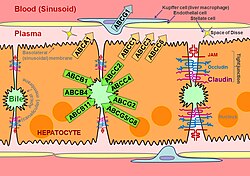
Hepatocytes exhibit a highly specialized polarity that divides their plasma membrane into distinct apical and basolateral domains, essential for maintaining the liver's architectural integrity and enabling directed functions. The apical pole consists of narrow, microvilli-lined invaginations formed between adjacent hepatocytes, creating bile canaliculi that serve as conduits for secretion. These canaliculi form a continuous network sealed at their boundaries, allowing efficient vectorial flow of toward the bile ducts without mixing with sinusoidal . In contrast, the basolateral pole of hepatocytes faces the sinusoids and the intervening space of Disse, featuring abundant microvilli that maximize surface area for the uptake of nutrients, ions, and other plasma components from the bloodstream. Unlike classical epithelia, hepatocytes lack a continuous ; instead, the (ECM) in the space of Disse, composed primarily of types IV and VI, , and , interacts with hepatocyte —particularly α5β1—to regulate , signaling, and mechanosensing. This ECM-hepatocyte interface supports bidirectional exchange while preventing excessive matrix deposition that could disrupt polarity in pathological states. Intercellular junctions play a critical role in establishing and maintaining this polarity. Tight junctions, or zonula occludens, encircle the apical canalicular domains, forming a selective barrier that prevents leakage into the bloodstream and separates the apical from basolateral membranes; these are primarily composed of claudin-1 and proteins, which confer paracellular sealing and barrier properties. Adjacent to tight junctions, adherens junctions and desmosomes provide mechanical adhesion between hepatocytes, linking the and intermediate filaments, respectively, to ensure during liver expansion and contraction. Gap junctions, predominantly formed by connexin-32, facilitate direct electrical and metabolic coupling between neighboring hepatocytes, allowing the passage of small molecules like ions and second messengers to coordinate functions across the hepatic lobule. This polarized organization underpins functional vectorial , where substrates are taken up at the basolateral membrane via sinusoidal transporters and effluxed at the apical domain through ATP-binding cassette (ABC) transporters, such as MRP2 and BSEP, ensuring unidirectional formation and . Disruption of these junctions or polarity axes, as seen in liver diseases, compromises this efficiency and contributes to or .

Development

Embryonic origins

Hepatocytes originate from the definitive , which forms during in the third week of . This process establishes the trilaminar germ layers, with the endoderm giving rise to the primitive gut tube, including the ventral region that serves as the precursor for hepatic tissue. Hepatic induction occurs around the fourth week, driven by signaling from the adjacent cardiac and . Fibroblast growth factors (FGFs), particularly FGF1, FGF2, and FGF8, from the cardiac mesoderm activate the MAPK pathway in foregut endoderm cells to promote hepatic . Concurrently, bone morphogenetic proteins (BMPs), such as BMP2 and BMP4, secreted by the septum transversum, synergize with FGFs to specify the hepatic fate, overriding default intestinal differentiation. This induction transforms a subset of ventral foregut endoderm cells into hepatoblasts, the bipotent progenitors of hepatocytes and cholangiocytes.00300-5)00463-6/fulltext) Hepatoblast specification is marked by the expression of key transcription factors, including Hhex, Foxa1, Foxa2, Gata4, and Gata6, beginning around days 22-28 of . Hhex is essential for hepatoblast differentiation and liver bud formation, as its absence leads to failure in hepatic outgrowth. The Foxa factors act as pioneer transcription factors, opening to enable hepatic gene activation, while Gata4 and Gata6 confer competence for -derived lineages. These hepatoblasts then delaminate from the foregut and migrate into the , forming the liver bud (hepatic anlage) by the end of the fourth week. The hepatoblasts exhibit dual potential, serving as bipotent progenitors that later differentiate into hepatocytes or cholangiocytes depending on local signaling cues. Additionally, during early liver development, the liver bud associates with endothelial cells and becomes a temporary hematopoietic site, supporting the and expansion of hematopoietic stem cells from the aorta-gonad-mesonephros region starting in the fifth week. This interaction facilitates the liver's role as the primary fetal production organ until the takes over.00463-6/fulltext)

Differentiation and maturation

Hepatoblasts, the bipotent progenitors of hepatocytes and cholangiocytes, initiate proliferation and differentiation during the fifth week of human gestation, driving rapid fetal liver expansion from weeks 5 to 10 primarily through WNT/β-catenin signaling. This growth phase coincides with the transition from a hematopoietic-dominant organ to one supporting hepatic functions, marked by accumulation beginning at the eighth week, which reflects early metabolic competence. By this stage, hepatoblasts express markers of hepatic commitment, setting the foundation for unipotent hepatocyte lineages. The shift from bipotent hepatoblasts to unipotent hepatocyte precursors involves key signaling pathways, where Notch activation promotes cholangiocyte differentiation while the default pathway favors hepatocyte fate. Essential transcription factors, including Hnf4α, Hnf6, and members of the C/EBP family, orchestrate this process by activating hepatocyte-specific genes; for instance, Hnf4α is critical for embryonic hepatic gene expression, while Hnf6 and C/EBPα/β further refine differentiation through feedback loops. Albumin synthesis, a hallmark of early hepatocyte function, emerges around the eighth week, underscoring the progressive maturation of biosynthetic capacity. Functional maturation accelerates in late gestation, with the onset of critical pathways such as to support neonatal glucose , the urea cycle achieving significant enzyme activity by the 13th week for nitrogen detoxification, and initial cytochrome P450 expression enabling metabolism, though full activity refines postnatally. Postnatally, hepatocytes undergo polyploidization, increasing from near-diploidy at birth to 30-40% polyploid cells in adult s (versus up to 90% in ), often via binucleation through incomplete , which correlates with reduced proliferative potential and the establishment of metabolic zones along the liver lobule for zonated functions like and . Species differences are notable: achieve polyploidy more rapidly during development, while human fetal hepatocytes exhibit limited proliferation compared to their counterparts, reflecting divergent regenerative dynamics.

Functions

Biosynthetic roles

Hepatocytes serve as the primary site for the of numerous plasma proteins essential for maintaining osmotic balance, , and immune function. Among these, albumin constitutes approximately 60% of the total plasma protein pool and is crucial for exerting , which prevents fluid leakage from the vascular compartment into tissues. Hepatocytes also synthesize α- and β-globulins, including carrier proteins such as α1-antitrypsin and , which facilitate the of hormones, , and metals in the bloodstream. These proteins are produced in significant quantities, with hepatocytes accounting for the majority of circulating levels under normal conditions. In addition to plasma proteins, hepatocytes produce most coagulation factors required for hemostasis, with the notable exception of factor VIII, which is synthesized by endothelial cells. Key examples include fibrinogen, prothrombin (factor II), and factors V, VII, IX, and X, all of which are vitamin K-dependent or non-dependent proteins assembled in the liver to enable clot formation. During or , hepatocytes upregulate the synthesis of acute-phase proteins such as (CRP) and (SAA), which serve as markers of and opsonins for clearance; this response is primarily triggered by interleukin-6 (IL-6) signaling from immune cells. Similarly, the majority of components, including central proteins like C3 and C4, are synthesized by hepatocytes to support innate immunity through opsonization, chemotaxis, and membrane attack complex formation. Hepatocytes also biosynthesize several peptide hormones and growth factors that regulate systemic . Angiotensinogen, the precursor to angiotensin II in the renin-angiotensin-aldosterone system, is predominantly produced by hepatocytes to modulate and fluid balance. Thrombopoietin, essential for maturation and platelet production, is secreted by hepatocytes in response to thrombocytopenic signals. Insulin-like growth factor-1 (IGF-1), which promotes and anabolic processes, is primarily hepatic in origin and circulates bound to carrier proteins. The biosynthetic process for these secreted molecules begins with translation on ribosomes attached to the rough endoplasmic reticulum (RER), where nascent polypeptides are translocated into the lumen for folding. Post-translational modifications, including N-linked glycosylation, occur in the Golgi apparatus to ensure proper maturation and stability. Mature proteins are then packaged into secretory vesicles derived from the trans-Golgi network and trafficked to the basolateral membrane for exocytosis into the sinusoidal blood supply. Biosynthesis in hepatocytes is tightly regulated at the transcriptional level by extracellular signals, including cytokines such as IL-6 for acute-phase reactants and hormones like insulin and for constitutive proteins like . For instance, synthesis and turnover, which averages about 10 g per day in healthy adults, adjust dynamically to nutritional status and osmotic demands to maintain plasma volume.

Metabolic regulation

Hepatocytes play a central role in , primarily through , , and , which collectively maintain systemic glucose levels. In the fed state, hepatocytes facilitate by converting excess glucose into for storage, utilizing enzymes such as activated by insulin signaling. During , predominates, where breaks down to release glucose into the bloodstream, ensuring euglycemia. , the of glucose from non-carbohydrate precursors like lactate and , occurs mainly in the liver and involves key regulatory enzymes including (PEPCK) and fructose-1,6-bisphosphatase (FBPase), which are upregulated during prolonged to sustain glucose production. Glucose homeostasis in hepatocytes is dynamically regulated by hormonal signals, particularly insulin and , through intricate signaling cascades. Postprandially, insulin binds to its receptor on hepatocytes, activating the PI3K-Akt pathway to promote via GLUT2 transporters and stimulate while inhibiting and . In contrast, during fasting, elevates cyclic AMP levels via adenylate cyclase, activating to enhance and , thereby releasing stored or newly synthesized glucose to prevent . This bidirectional control allows hepatocytes to buffer blood glucose fluctuations, storing approximately 100-120 grams of in the adult liver under normal conditions. In lipid metabolism, hepatocytes oxidize s for energy and synthesize complex lipids essential for systemic distribution. Fatty acid oxidation occurs primarily in mitochondria through β-oxidation for short- to long-chain fatty acids, generating for the TCA cycle and ATP production, while peroxisomes handle very long-chain and branched-chain fatty acids via a similar but non-energy-yielding process. Hepatocytes also synthesize via the , regulated by SREBP-2, and triglycerides through the glycerol-3-phosphate pathway involving enzymes like :diacylglycerol acyltransferase (DGAT). These triglycerides are assembled with B100 into very low-density lipoproteins (VLDL) in the and Golgi, facilitated by microsomal triglyceride transfer protein (MTP), for export to peripheral tissues. Amino acid metabolism in hepatocytes centers on catabolism for and , with and the as pivotal processes. reactions, catalyzed by aminotransferases such as (ALT) and aspartate aminotransferase (AST), transfer amino groups from to α-keto acids, producing glutamate and α-ketoglutarate for further processing. The , also known as the ornithine cycle, detoxifies by converting it to ; it begins in hepatocyte mitochondria with (), which combines , CO₂, and ATP to form in a N-acetylglutamate-activated reaction, followed by cytoplasmic steps yielding for renal excretion. This cycle processes up to 10-20 grams of daily in adults, preventing . Hepatocytes exhibit zonal specialization along the liver lobule, reflecting gradients in oxygen, nutrients, and hormones that optimize metabolic . Periportal hepatocytes (zone 1), closer to the , are enriched in gluconeogenic enzymes like PEPCK and glucose-6-phosphatase, favoring glucose production and oxidation during . In contrast, pericentral hepatocytes (zone 3), near the central vein, express higher levels of glycolytic enzymes such as and lipogenic factors like SREBP-1c, promoting and de novo in the fed state under lower oxygen conditions influenced by hypoxia-inducible factors. This metabolic zonation ensures efficient nutrient processing across the . Hepatocytes integrate these pathways during fed-fasting transitions to maintain , with emerging as a critical during . In the fed state, insulin drives anabolic processes like and , while shifts to via and , activating , , and β-oxidation. Prolonged induces in hepatocyte mitochondria, where excess from fatty acid oxidation is converted to (acetoacetate and β-hydroxybutyrate) by HMG-CoA 2, providing an alternative fuel for glucose-sparing in extrahepatic tissues like the . This transition prevents excessive protein breakdown and sustains survival for weeks.

Detoxification and excretion

Hepatocytes play a central role in the and of xenobiotics, drugs, and endogenous waste products, primarily through a multi-phase metabolic process that renders these substances more water-soluble for elimination. This involves enzymatic modifications in phase I and II, followed by in phase III, often culminating in biliary . The liver's high concentration of these enzymes and transporters makes hepatocytes the primary site for neutralizing potentially harmful compounds entering via the portal circulation. In phase I metabolism, hepatocytes utilize (CYP) enzymes, embedded in the smooth endoplasmic reticulum, to perform oxidation, , and other reactions that introduce or expose functional groups on xenobiotics, increasing their polarity. The enzyme, responsible for metabolizing about 50% of drugs, exemplifies this process by hydroxylating substrates like steroids and pharmaceuticals, though it can generate reactive intermediates that require further processing to avoid toxicity. Other key families, such as and , contribute to this initial functionalization, preparing compounds for subsequent conjugation. Phase II metabolism follows, where hepatocytes conjugate phase I products (or unchanged substrates) with endogenous moieties to enhance solubility and facilitate excretion. Glucuronidation, catalyzed by uridine 5'-diphospho-glucuronosyltransferases (UGTs) like UGT1A1, is the most common reaction, adding glucuronic acid to form glucuronides excreted in bile or urine. Sulfation via sulfotransferases and glutathione conjugation by glutathione S-transferases (GSTs) provide alternative pathways, particularly for phenols and reactive electrophiles, respectively, ensuring broad-spectrum detoxification. These reactions typically inactivate compounds, though exceptions exist where bioactivation occurs. Phase III involves ATP-dependent efflux transporters from the ATP-binding cassette (ABC) family, which export conjugated metabolites from hepatocytes into bile canaliculi or back into blood for renal clearance. (MRP2) and bile salt export pump (BSEP) are critical for biliary excretion of glucuronides and bile acids, respectively, preventing intracellular accumulation of toxins. This efflux maintains hepatocyte and directs waste toward the . Beyond xenobiotics, hepatocytes synthesize primary bile acids—cholic acid and —from in the classical pathway, with 7α-hydroxylase (CYP7A1) as the rate-limiting . These acids are then conjugated in hepatocytes with or by bile acid-CoA: N-acyltransferase (BAAT), forming water-soluble salts that are secreted into canaliculi via BSEP to promote flow and aid . Approximately 600 mL of bile is produced daily, with 75% originating directly from hepatocytes. Bilirubin metabolism exemplifies endogenous detoxification in hepatocytes, where unconjugated —derived from breakdown—is taken up from sinusoidal blood via organic anion transporting polypeptides (OATPs, e.g., OATP1B1/3) and passive . Inside the cell, UGT1A1 conjugates it with to form primarily bilirubin diglucuronide, rendering it water-soluble and excretable; unconjugated bilirubin remains albumin-bound and insoluble, while conjugated forms can enter if levels rise. The conjugated product is then effluxed into by MRP2 for intestinal elimination, preventing from bilirubin buildup. The recycles s efficiently, with hepatocytes secreting them into , where about 95% are reabsorbed in the via the apical sodium-dependent transporter (ASBT) and returned to the liver via the for reuptake and reuse, occurring 4–12 times daily. This conservation maintains a pool of roughly 3–4 g, while the secreted acids form micelles in the intestine to emulsify fats and facilitate absorption of and fat-soluble vitamins. Only 5% are lost in , necessitating ongoing hepatic synthesis to replace them. Hepatic zonation influences detoxification vulnerability, with pericentral (zone 3) hepatocytes expressing higher levels of CYP enzymes, such as CYP3A, due to gradients in oxygen, hormones, and substrates along the sinusoid. This elevated expression enhances metabolism but renders zone 3 cells more susceptible to from CYP-generated reactive species, as seen in acetaminophen overdose, where pericentral predominates.

Physiology

Liver regeneration

Liver regeneration primarily occurs through compensatory , where quiescent hepatocytes re-enter the to restore liver mass following injury, such as after partial removing up to 70% of the liver in experimental models. This process allows the liver to return to its original size within 5-7 days in , driven by the proliferation of mature hepatocytes rather than activation in acute settings. The initial priming phase involves cytokines like interleukin-6 (IL-6) and tumor necrosis factor-alpha (TNF-α), released primarily from Kupffer cells, which upregulate immediate early genes and cyclins to transition hepatocytes from the to G1. This inflammatory signaling activates transcription factors such as , preparing hepatocytes for subsequent proliferation without directly inducing . Progression to active proliferation is mediated by growth factors, including hepatocyte growth factor (HGF) secreted by non-parenchymal cells like hepatic stellate cells, which binds to the c-MET receptor to promote entry via ERK1/2 signaling. (EGF) and transforming growth factor-alpha (TGF-α) further drive and through EGFR activation, ensuring coordinated hepatocyte division. The termination of regeneration is regulated by TGF-β1, which inhibits G1/S phase transition to prevent excessive growth and is upregulated as liver mass approaches original levels, often coinciding with extracellular matrix remodeling. This negative feedback restores without overshooting the pre-injury mass. Polyploid hepatocytes, common in adult livers, exhibit reduced proliferative capacity compared to diploid cells, which divide more readily and contribute disproportionately to regeneration after injury. This ploidy-dependent difference helps balance rapid mass restoration with genomic stability. In chronic liver injury, hepatocyte proliferation is often impaired, leading to a shift toward ductular reactions involving the activation of oval cells—biliary progenitor-like cells that serve as an alternative regenerative pathway when mature hepatocytes are dysfunctional. In humans, hepatocyte-driven regeneration effectively restores function after partial resection or acute injury, but this capacity is significantly impaired in due to and altered signaling, often resulting in incomplete recovery.

Aging and senescence

With advancing age, hepatocytes undergo progressive structural and functional alterations that contribute to diminished liver performance. A hallmark of this process is the marked increase in , where the proportion of polyploid hepatocytes rises from approximately 10-20% in young rodents to over 90% in aged individuals, while in humans it increases from 25-40% in young adults to 40-50% in the elderly. This age-related polyploidization, building on baseline polyploid events during maturation, disrupts patterns, including downregulation of proliferation-related genes and upregulation of metabolic regulators, thereby promoting . Polyploid hepatocytes exhibit reduced proliferative potential, as evidenced by slower cell division rates and impaired regenerative responses following partial in aged models. Functional declines in aged hepatocytes include metabolic shifts that impair and handling. Glycogen storage capacity decreases, leading to reduced hepatic glucose regulation and increased vulnerability to metabolic stress. Concurrently, functions wane due to lowered (CYP) enzyme activity, particularly in isoforms like and , which diminishes the liver's ability to metabolize drugs and toxins efficiently. These changes are exacerbated by heightened , characterized by the accumulation of in lysosomes—a non-degradable pigment that impairs autophagic clearance—and mitochondrial dysfunction, including elevated production and mtDNA damage. Markers of senescence become prominent in aged hepatocytes, with increased positivity for senescence-associated β-galactosidase (SA-β-gal) indicating irreversible arrest. The (SASP) emerges, involving secretion of pro-inflammatory cytokines such as IL-6 and IL-8, which can drive hepatic by activating stellate cells. shortening and upregulation of cell cycle inhibitors like p21 further contribute to this proliferative arrest, limiting hepatocyte renewal. Although human hepatocytes display less pronounced compared to , functional declines—such as reduced metabolic efficiency—manifest similarly by age 70 and beyond. Interventions targeting these age-related changes show promise in preclinical models. Caloric restriction reduces markers in the liver, including SA-β-gal positivity, and preserves metabolic functions by enhancing and reducing oxidative damage. Similarly, rapamycin, an inhibitor, reverses aging-associated proteomic shifts in hepatocytes, improving mitochondrial function and mitigating polyploidy-driven gene dysregulation. These approaches may partially restore regenerative potential and delay , though human translation requires further validation.

Clinical significance

Role in liver diseases

Hepatocytes serve as the primary targets for hepatitis B virus (HBV) and hepatitis C virus (HCV) infections, where viral replication within these cells triggers immune-mediated damage rather than direct cytopathic effects. In HBV infection, the virus enters hepatocytes via the sodium taurocholate cotransporting polypeptide (NTCP) receptor, establishing persistent covalently closed circular DNA (cccDNA) in the nucleus, which sustains replication and provokes cytotoxic T-cell responses that destroy infected cells, leading to inflammation and progressive fibrosis. Similarly, HCV RNA replication in hepatocytes induces endoplasmic reticulum stress and oxidative damage, attracting immune cells that exacerbate hepatocyte apoptosis and activate hepatic stellate cells to deposit extracellular matrix, culminating in fibrosis. In alcoholic steatohepatitis and nonalcoholic steatohepatitis (), hepatocytes accumulate , primarily triglycerides, exceeding 5% of cell volume due to , de novo lipogenesis, and impaired fatty acid oxidation, initiating . This lipid overload generates , , and mitochondrial dysfunction, promoting through release and recruiting immune cells to the hepatic lobule. Hepatocyte follows, characterized by cytoskeletal disruption, Mallory-Denk bodies, and or , which further amplifies activation and fibrogenesis in both conditions. Chronic hepatocyte injury from various etiologies progresses to , where repeated and stimulate regenerative responses, forming nodules of proliferated hepatocytes surrounded by fibrotic bands that distort the liver's architecture. These regenerative nodules, often appearing as pseudoproliferation due to clustered hepatocyte clusters rather than uncontrolled growth, compress vascular structures and increase intrahepatic resistance, resulting in with elevated portal pressure above 10 mmHg. The fibrotic septa bridging portal tracts and central veins further impair sinusoidal blood flow, perpetuating hypoxia and additional hepatocyte damage. Hepatocellular carcinoma (HCC) arises from malignant transformation of hepatocytes, frequently driven by mutations in tumor suppressor genes like TP53 (e.g., R249S hotspot) and oncogenes such as CTNNB1 (β-catenin), which disrupt control and Wnt signaling, promoting uncontrolled proliferation. These genetic alterations often occur in the context of chronic liver injury, with exposure synergizing with HBV to induce TP53 mutations by forming DNA adducts, elevating HCC risk in endemic areas. While TP53 and CTNNB1 mutations can coexist, though relatively rare, they typically reflect pathways influenced by viral infections or environmental toxins. In metabolic disorders like , mutations in the ATP7B gene impair copper export from hepatocytes, causing progressive intracellular accumulation in lysosomes and mitochondria, which generates and triggers focal . Similarly, hereditary hemochromatosis due to HFE gene variants leads to , with excess and depositing primarily in hepatocytes (parenchymal pattern), inducing , inflammation, and sideronecrosis that progresses to and . Both conditions manifest hepatocyte death through toxic metal-mediated mitochondrial dysfunction and . Acute liver failure from acetaminophen overdose exemplifies direct hepatocyte toxicity, where cytochrome P450 2E1 (CYP2E1) in the centrilobular zone metabolizes the drug to the reactive metabolite N-acetyl-p-benzoquinone imine (NAPQI), depleting and causing massive when doses exceed 4 g/day. This selective vulnerability stems from high CYP2E1 expression and oxygen gradient in zone 3 hepatocytes, leading to rapid cell swelling, mitochondrial collapse, and hemorrhagic across up to 70% of the liver . Diagnostic assessment of hepatocyte damage relies on elevated serum alanine aminotransferase () and aspartate aminotransferase (AST), enzymes released from injured hepatocytes due to plasma membrane leakage, with ALT being more liver-specific and elevations >10 times the upper limit of normal indicating acute injury. In chronic diseases, persistent ALT/AST rises correlate with ongoing hepatocyte turnover and progression, serving as noninvasive markers to monitor , , and toxic insults.

Therapeutic applications

Hepatocyte transplantation involves the infusion of isolated hepatocytes into patients to treat metabolic disorders or serve as a bridge to orthotopic . In cases of , a causing severe unconjugated hyperbilirubinemia, hepatocyte transplantation has demonstrated clinical benefits by reducing serum levels by approximately 30-50%, thereby alleviating the risk of kernicterus and improving neurological outcomes in pediatric patients. For instance, in a cohort of four pediatric patients with Crigler-Najjar syndrome or glycogen storage disease type Ia, transplantation led to sustained metabolic corrections, including normalized glucose and reduced , allowing avoidance of immediate . This approach is particularly valuable as a temporizing measure, with engrafted hepatocytes providing partial functional replacement until definitive therapy. Bioartificial liver devices, such as the Extracorporeal Liver Assist Device (ELAD), utilize isolated porcine hepatocytes in an extracorporeal cartridge to support patients with acute liver failure by performing detoxification and synthetic functions. Clinical trials, including phase 2 studies, have shown that ELAD treatment can improve 30-day transplant-free survival rates compared to standard care, with metabolic support evidenced in up to 90% of treated patients bridging them to recovery or transplantation. However, larger randomized trials, such as NCT01471028, reported mixed efficacy, leading to discontinuation of ELAD development due to insufficient overall survival benefits despite short-term hemodynamic improvements. These systems highlight the potential of hepatocyte-based extracorporeal therapies to stabilize fulminant hepatic failure, though scalability and species-specific compatibility remain hurdles. Gene therapy targeting hepatocytes has emerged as a promising strategy for inherited disorders like hemophilia and α1-antitrypsin (AAT) deficiency, leveraging (AAV) vectors for liver-specific delivery. In hemophilia B, AAV8 or AAV5 vectors expressing have achieved sustained therapeutic protein levels in phase 3 trials, reducing bleeding episodes by over 80% in treated patients and enabling discontinuation of prophylactic infusions. For AAT deficiency, intramuscular or intrapulmonary AAV1 or AAV2 vectors have been tested in early-phase trials, resulting in detectable circulating AAT levels and partial restoration of protease inhibition, though concerns have prompted vector optimizations. These therapies exploit hepatocytes' high for AAV, offering durable expression without in some cases. Pharmacological targeting of hepatocyte has proven effective in managing lipid-related liver conditions, with statins modulating synthesis and uptake in hepatocytes to mitigate and . In non-alcoholic steatohepatitis (NASH), statins like reduce hepatic accumulation by inhibiting , leading to decreased and a 15-28% lower risk of disease progression or liver-related mortality in observational studies. Experimental models further demonstrate statins' antifibrotic effects by suppressing activation downstream of hepatocyte signaling, supporting their use in chronic liver diseases despite rare instances of transient enzyme elevations. This approach underscores hepatocytes' central role in , with statins providing a safe, widely accessible intervention. Despite these advances, hepatocyte transplantation and related therapies face significant challenges, including immune rejection, limited engraftment efficiency, and cryopreservation-induced viability loss. Allogeneic hepatocytes often trigger cell-mediated rejection, necessitating lifelong and resulting in engraftment rates of only 5-10%, with most transplanted cells failing to integrate long-term. Cryopreserved cells exhibit reduced post-thaw viability and inferior engraftment compared to fresh isolates, complicating logistics and donor cell availability. These barriers limit , with current protocols achieving only partial repopulation and transient benefits in most cases. As of 2025, recent advances include CRISPR-Cas9 editing of hepatocytes for genetic correction and emerging clinical trials targeting reversal. Preclinical studies using CRISPR-edited hepatocyte organoids have identified novel modulators, paving the way for targeted therapies that restore . Gene-based approaches, including CRISPR-mediated editing delivered via lipid nanoparticles, show promise in preventing progression by silencing fibrogenic pathways in hepatocytes; early-phase clinical trials for related gene therapies are ongoing as of November 2025. These innovations aim to enhance engraftment and durability, potentially transforming hepatocyte therapies into curative options.

References

Add your contribution
Related Hubs
User Avatar
No comments yet.