Hubbry Logo
NursingNursingMain
Open search
Nursing
Community hub
Nursing
logo
8 pages, 0 posts
0 subscribers
Be the first to start a discussion here.
Nursing
Nursing
from Wikipedia

Nursing
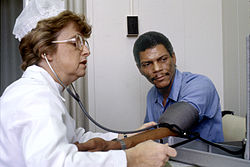
A nurse checks a patient's blood pressure.
Occupation
Activity sectors
Nursing
Description
CompetenciesCaring for general and specialized well-being of patients
Education required
Qualifications in terms of statutory regulations according to national, state, or provincial legislation in each country
Fields of
employment
Related jobs

Nursing is a health care profession that "integrates the art and science of caring and focuses on the protection, promotion, and optimization of health and human functioning; prevention of illness and injury; facilitation of healing; and alleviation of suffering through compassionate presence".[1] Nurses practice in many specialties with varying levels of certification and responsibility. Nurses comprise the largest component of most healthcare environments.[2][3] There are shortages of qualified nurses in many countries.[4]

Nurses develop a plan of care, working collaboratively with physicians, therapists, patients, patients' families, and other team members that focuses on treating illness to improve quality of life.

In the United Kingdom and the United States, clinical nurse specialists and nurse practitioners diagnose health problems and prescribe medications and other therapies, depending on regulations that vary by state.[5] Nurses may help coordinate care performed by other providers or act independently as nursing professionals. In addition to providing care and support, nurses educate the public and promote health and wellness.[6]

In the U.S., nurse practitioners are nurses with a graduate degree in advanced practice nursing, and are permitted to prescribe medications. They practice independently in a variety of settings in more than half of the United States. In the postwar period, nurse education has diversified, awarding advanced and specialized credentials, and many traditional regulations and roles are changing.[7][8]

History

[edit]

Premodern

[edit]

Nursing historians face challenges of determining whether care provided to the sick or injured in antiquity is called nursing care.[9] In the fifth century BC, for example, the Hippocratic Collection in places described skilled care and observation of patients by male "attendants", who may have provided care now provided by nurses.[10] Around 600 BC in India, it is recorded in Sushruta Samhita, Book 3, Chapter V about the role of the nurse[citation needed] as "the different parts or members of the body as mentioned before including the skin, cannot be correctly described by one who is not well versed in anatomy. Hence, anyone desirous of acquiring a thorough knowledge of anatomy should prepare a dead body and carefully, observe, by dissecting it, and examining its different parts."

In the Middle Ages, members of religious orders such as nuns and monks often provided nursing-like care.[11] Examples exist in Christian,[12] Islamic,[13] Buddhist,[14] and other traditions. The biblical figure of Phoebe is described in many sources as "the first visiting nurse".[15][16] These traditions were influential in the development of the ethos of modern nursing. Its religious roots remain in evidence in many countries. One example in the United Kingdom is the use of the historical title "sister" to refer to a senior nurse.[17]

During the Reformation, Protestant reformers shut down monasteries and convents, allowing a few hundred municipal hospices to remain in operation in northern Europe. Nuns who had been serving as nurses were given pensions or told to marry and stay home.[18] Nursing care went to the inexperienced as traditional caretakers, rooted in the Roman Catholic Church, were removed from their positions. The nursing profession in Europe was extinguished for approximately 200 years.[19]

19th century

[edit]
Russian Sisters of Mercy in the Crimea, 1854–1855

During the Crimean War, Grand Duchess Elena Pavlovna called for women to join the Order of Exaltation of the Cross (Krestodvizhenskaya Obshchina) for a year of service in military hospitals. The first section of twenty-eight "sisters", headed by Aleksandra Petrovna Stakhovich, the Directress of the Order, reached Crimea early in November 1854.[20]

Florence Nightingale was an influential figure in the development of modern nursing. No uniform had been created when Nightingale was employed during the Crimean War. Often considered the first nurse theorist, Nightingale linked health with five environmental factors: (1) pure or fresh air, (2) pure water, (3) efficient drainage, (4) cleanliness, and (5) light, especially direct sunlight. Deficiencies in these five factors resulted in a lack of health or illness.[21] Both the role of nursing and education were first defined by Nightingale.

Florence Nightingale laid the foundations of professional nursing after the Crimean War,[22] in light of a comprehensive statistical study she made of sanitation in India, leading her to emphasize the importance of sanitation. "After 10 years of sanitary reform, in 1873, Nightingale reported that mortality among the soldiers in India had declined from 69 to 18 per 1,000".[23]: 107 

Nightingale believed that nursing was a social freedom and mission for women. She believed that any educated woman could help improve the care of the ill.[24] Her Notes on Nursing (1859) was a popular call to action. The Nightingale model of nursing education led to one of the first schools of nursing to be connected to a hospital and medical school. It spread widely in Europe and North America after 1870.[25]

Nightingale included five factors that helped nurses in her time who worked amidst poor sanitation and little education. These factors include fresh air, clean water, a working drainage system, cleanliness, and good light. Nightingale believed that a clean working environment was important in caring for patients. In the 19th century, this theory was ideal for helping patients, providing a guide for nurses to alter the environment around patients for the betterment of their health.[26]

Nightingale's recommendations built upon the successes of Jamaican "doctresses" such as Mary Seacole, who like Nightingale, served in the Crimean War. Seacole practised hygiene and the use of herbs in healing wounded soldiers and those suffering from diseases in the 19th century in the Crimea, Central America, and Jamaica. Her predecessors had great success as healers in the Colony of Jamaica in the 18th century, and they included Seacole's mother (Mrs. Grant), Sarah Adams, Cubah Cornwallis, and Grace Donne, the mistress and doctress to Jamaica's wealthiest planter, Simon Taylor.[27]

Other important nurses in the development of the profession include:

Red Cross chapters, which began appearing after the establishment of the International Committee of the Red Cross in 1863, offered employment and professionalization opportunities for nurses (despite Nightingale's initial objections).[29] Catholic orders such as Little Sisters of the Poor, Sisters of Mercy, Sisters of St. Mary, St. Francis Health Services, Inc. and Sisters of Charity built hospitals and provided nursing services during this period.[citation needed][30] The modern deaconess movement began in Germany in 1836.[31] Within a half century, over 5,000 deaconesses had surfaced in Europe.[32]

Formal use of nurses in the military began in the latter half of the nineteenth century. Nurses saw active duty in the First Boer War, the Egyptian Campaign (1882),[33] and the Sudan Campaign (1883).[34]

20th century

[edit]
A recruiting poster for Australian nurses from the First World War.

In the 19th and early 20th century, nursing was considered a woman's profession, just as doctoring was a profession for men. With increasing expectations of workplace equality during the late 20th century, nursing became an officially gender-neutral profession, though in practice the percentage of male nurses remained well below that of female physicians in the 21st century.[35][36]

Hospital-based training became standard in the US in the early 1900s, with an emphasis on practical experience. The Nightingale-style school began to disappear. Hospitals and physicians saw women in nursing as a source of free/inexpensive labor. Exploitation of nurses was not uncommon by employers, physicians, and education providers.[37]

Many nurses saw active duty in the First World War, but the profession transformed again during the Second World War. British nurses of the Army Nursing Service were part of every overseas campaign.[38] More nurses volunteered for service in the US Army and Navy than any other occupation.[39][40] The Nazis had their own Brown Nurses, numbering 40,000.[41] Two dozen German Red Cross nurses were awarded the Iron Cross for heroism under fire.[42]

Registered nurse at Jefferson Medical College Hospital 1952

The development of undergraduate and post-graduate nursing degrees came after the war. Nursing research and a desire for association and organization led to the formation of professional organizations and academic journals. Nursing became recognized as a distinct academic discipline, initially tasked to define the theoretical basis for practice.[43]

Shortages

[edit]

Nurses are perceived to be in short supply around the world, particularly in South East Asia and Africa.[44] A global survey by McKinsey & Company in 2022 found that between 28% and 38% of nurse respondents in the United States, the United Kingdom, Singapore, Japan, and France said they were likely to leave their role in direct patient care in the next year. The top five factors which they said would make them stay were:

  • Safe working environment
  • Work-life balance
  • Caring and trusting team-mates
  • Meaningful work
  • Flexible work schedule

Pay ranked eighth on the list.[45] A 2023 American survey found that around 30% were considering leaving patient care.[46]

Definition

[edit]

According to the traditional interpretation physicians are concerned with curing or treating medical conditions, while nurses focus on care. In healthcare settings this line is often blurred, complicating the task of distinguishing the professions.[47] Although nursing practice varies both through its various specialties and countries, nursing organizations offer the following definitions:

Nursing encompasses autonomous and collaborative care of individuals of all ages, families, groups and communities, sick or well, and in all settings. Nursing includes the promotion of health, prevention of illness, and the care of ill, disabled and dying people. Advocacy, promotion of a safe environment, research, participation in shaping health policy and in patient and health systems management, and education are also key nursing roles.

The use of clinical judgment in the provision of care to enable people to improve, maintain, or recover health, to cope with health problems, and to achieve the best possible quality of life, whatever their disease or disability, until death.

Nursing is the protection, promotion, and optimization of health and abilities; prevention of illness and injury; alleviation of suffering through the diagnosis and treatment of human responses; and advocacy in health care for individuals, families, communities, and populations.

The unique function of the nurse is to assist the individual, sick or well, in the performance of those activities contributing to health or its recovery (or to peaceful death) that he would perform unaided if he had the necessary strength, will or knowledge.

Professional nursing

[edit]
A nurse in Indonesia examining a patient
A nurse treating a patient with burns, Ziguinchor PAIGC hospital, 1973
A nursing student demonstrate dieting in Bankura Sammilani Medical College and Hospital,India

The practice of nursing is based upon a social contract that delineates professional rights and responsibilities as well as accountability mechanisms. In almost all countries, nursing practice is defined and governed by law, and entrance to the profession is regulated at the national or state level.

The nursing community worldwide aims for professional nurses to ensure quality care, while maintaining their credentials, code of ethics, standards, and competencies, and continuing their education.[48] Multiple educational paths lead to becoming a professional nurse; these vary by jurisdiction; all involve extensive study of nursing theory and practice as well as training in clinical skills.

Nurses provide care based on the individual's physical, emotional, psychological, intellectual, social, and spiritual needs. The profession combines physical science, social science, nursing theory, and technology.

Nurses typically hold one or more formal credentials. Roles and responsibilities follow the level of education. For example, in the United States, Licensed Practical Nurses (LPN) have less education than Registered Nurses (RN) and accordingly, a narrower scope of practice.

Diversity

[edit]
A male nurse at Runwell Hospital, Wickford, Essex, in 1943

Nursing is a female-dominated profession in many countries; according to the WHO's 2020 State of the World's Nursing, approximately 90% of the nursing workforce is female.[52] For instance, the male-to-female ratio of nurses is approximately 1:19 in Canada and the United States.[53][54] This ratio is matched in many other countries. Notable exceptions include Francophone Africa, which includes the countries of Benin, Burkina Faso, Cameroon, Chad, Congo, Côte d'Ivoire, the Democratic Republic of Congo, Djibouti, Guinea, Gabon, Mali, Mauritania, Niger, Rwanda, Senegal, and Togo, which all have more male than female nurses.[55] In Europe, in countries such as Spain, Portugal, Czech Republic and Italy, over 20% of nurses are male.[55] As of 2016, 11% of nurses and midwives registered with the Nursing and Midwifery Council (NMC) in the UK were male.[56] The number of male nurses in the United States doubled between 1980 and 2000.[57] On average, male nurses in the US receive more pay than female nurses.[58]

Theory and process

[edit]

Nursing practice is the actual provision of nursing care. In providing care, nurses implement a nursing care plan defined using the nursing process. This is based around a specific nursing theory that is selected based on the care setting and the population served. In providing nursing care, the nurse uses both nursing theory and best practice derived from nursing research.[59] Many nursing theories are in use.[60] Like other disciplines, the profession has developed multiple theories derived from reflecting varying philosophical beliefs and paradigms or worldviews.

In general terms, the nursing process is the method used to assess and diagnose needs, plan outcomes and interventions, implement interventions, and evaluate outcomes. The nursing process as defined by the American Nurses Association comprises five steps: 1) evaluate, 2) implement, 3) plan, 4) diagnose, and 5) assess.[60]

Healthcare staffing platforms

[edit]

Digital health platforms connect nurses and nurse assistants with job openings in healthcare facilities such as skilled nursing homes, home health agencies, and hospitals. Platforms offer an app to facilitate communication and allow nurses to find work opportunities based on their preferences. Healthcare partners and facilities benefit from access to qualified nurses.[61] In 2017, the UK's National Health Service began trialing such a platform.[62]

Platforms such as United States–based ConnectRN, Nomad Health, Gale Healthcare solutions or Lantum add resources, career development tools, and networking opportunities.[63]

Nursing as a science

[edit]

Florence Nightingale's seminal epidemiological study examining mortality among British soldiers during the Crimean War was published in 1858.[64] With the exception of her works, nursing practice remained an oral tradition until the mid-20th century. The inaugural issue of Nursing Research, the first scientific journal specialized in nursing, came in in 1952. During the 1960s, interest in attaining PhDs increased among nurses in the US, but nursing remained a fledgling area of research, with few journals until the 1970s.[65] Nursing research is increasingly presented as a valid discipline, although lacking a prevailing definition.[66] The question is further complicated by the numerous interpretations of nursing's defining essence.[67][68]

Evidence-based practice

[edit]

During the 1980s there was an increased focus on research utilization (RU). Nursing research took an interest in clinical issues and US nursing schools began teaching research methods to facilitate interpretation and integration of scientific findings in routine practice. Several RU initiatives were active during the late 20th century, but the RU movement was superseded by evidence-based practice in the 1990s.[69] Evidence-based practice (EBP) is about using research, but unlike RU it allows for the integration of research findings with clinical expertise and patient preferences.[70] The EBP movement had originated in the field of medicine with Archie Cochrane publishing Effectiveness and Efficiency in 1972, leading up to the founding of the Cochrane Collaboration in 1993.[71] The emerging area of evidence-based medicine also applies to nursing.[72] Common barriers to the study and integration of research findings into clinical decision making include: a lack of opportunity, inexperience, and the rapid pace of evidence accumulation.[68][73]

Scope of activities

[edit]

Nurses perform a variety of different tasks. Their activities vary based on their level of training and their specialty. For example, operating room nurses work in surgical settings and perform tasks that other nurses do not.[74] Nurses may receive additional training and certifications to perform a variety of tasks. For example, in the United States, RN first assists (RNFAs) perform basic surgical procedures.[75]

Assessment

[edit]

Assessment is an essential nursing skill. Nurses assess patients' physical and mental health. In hospital settings, nurses regularly perform assessments to notice any acute changes in their patients. Nurses also assess a patient's response to medication or other treatments, such as physical activity and blood transfusions. Nurses may also take health histories. Nurses also must assess a patient's understanding of their health status and their medications. Critical thinking is an important skill for nurses to have: in emergency situations, nurses must quickly assess a patient and determine the best course of action.[76]

Medication

[edit]

Medication management and administration are common hospital nursing roles, although prescribing authority varies across jurisdictions. In many areas, RNs administer and manage medications prescribed by others. Nurses are responsible for evaluating patients throughout their care – including before and after medication administration – adjustments to medications are often made through a collaborative effort between the prescriber and the nurse. Regardless of the prescriber, nurses are legally responsible for the drugs they administer. Legal implications may accompany an error in a prescription, and the nurse may be expected to note and report the error. In the United States, nurses have the right to refuse to administer medication that they deem to be potentially harmful.[77] Some nurses take additional training that allows them to prescribe medications within their scope of practice.[78]

Patient education

[edit]

Effective patient/family education leads to better outcomes. Nurses explain procedures, recovery, and ongoing care, while helping everyone cope with the medical situation.[79]

Many times, nurses are busy, leaving little time to educate patients.[80]

Patients' families needs similar education.[80] Educating both patients and their families increases the chance for a better outcome.[81]

Nurses have to communicate in a way that can be understood by patients. Education techniques encompass conversations, visuals, reading materials, and demonstrations.[79]

Daily living assistance

[edit]

Nurses manage and coordinate care to support activities of daily living (ADL) such as hygiene and toileting. This includes assisting in patient mobility, such as moving an activity intolerant patient within a bed. They often delegate such care to nursing assistants.

Specialties

[edit]

Nursing is the most diverse of all health care professions. Nurses practice in a wide range of settings, but generally follows the needs of their patients.

The major specialties are:

Nurses with additional degrees allow for specialization. Nursing professions can be separated into categories by care type, age, gender, certain age group, practice setting, individually or in combination.[82]

Settings

[edit]

Nurses practice in a wide range of settings, including hospitals, private homes, schools, and pharmaceutical companies. Nurses work in occupational health settings[83] (also called industrial health settings), free-standing clinics, physician offices, nurse-led clinics, long-term care facilities and camps. They work on cruise ships, military bases, and in combat settings.

Nurses act as advisers and consultants to the health care and insurance industries. Many nurses also work in health advocacy and patient advocacy, helping in clinical and administrative domains.[84] Some are attorneys and others work with attorneys as legal nurse consultants, reviewing patient records to assure that adequate care was provided and testifying in court.

Nurses can work on a temporary basis, which involves doing shifts without a contract in a variety of settings, sometimes known as per diem nursing, agency nursing or travel nursing. Nurses work as researchers in laboratories, universities, and research institutions. Nurses work in informatics, acting as consultants to the creation of computerized charting programs and other software. Nurse authors publish articles and books to provide essential reference materials.

Occupational hazards

[edit]
A video describing occupational hazards that exist among nurses

The international nursing shortage[85] is in part due to their work environment. In a recent review of the literature specific to nursing performance, nurses were found to work in generally poor environmental conditions. Some jurisdictions have legislation specifying acceptable nurse-to-patient ratios.

The fast-paced and unpredictable nature of health care places nurses at risk for injuries and illnesses, including high occupational stress. Nurses consistently identify stress as a major work-related concern and have among the highest levels of occupational stress among all professions. This stress is caused by the environment, psychosocial stressors, and the demands of nursing, including mastering new technology, emotional labor, physical labor, shift work, and high workload. This stress puts nurses at risk for short-term and long-term health problems, including sleep disorders, depression, mortality, psychiatric disorders, stress-related illnesses, and overall poor health. Nurses are at risk of developing compassion fatigue and moral distress, which can damage mental health. They have high rates of occupational burnout (40%) and emotional exhaustion (43.2%). Burnout and exhaustion increase the risk for illness, medical error, and suboptimal care provision.[86]

Patient handling

[edit]

Healthcare has consistently ranked among the industries with the highest rates of musculoskeletal injuries, largely related to patient handling. Anywhere from 30 to 70% of reported musculoskeletal injuries are related to patient handling. Nurses are routinely tasked with lifting, repositioning, and mobilizing patients. According to the National Institute for Occupational Safety and Health (NIOSH) the single greatest factor in overexertion injuries is the manual lifting, moving and repositioning of patients.[87] These tasks present unique ergonomic hazards that result in a high rate of acute and cumulative musculoskeletal injuries.[88][89]

The most frequently injured body part is the back, with up to 72% of nurses reporting non-specific low back pain.[90] The US Bureau of Labor Statistics reported that for 2021-2022 the rate of overexertion injuries leading to days away from work for nurses was 45.4 per 10,000 full time employees, while nursing aids came in at 145.5 compared to the average for all industries of 26.1.[91]

Traditionally, nurses are trained in manual patient handling techniques.[92] The body of evidence has demonstrated, however, that such interventions are ineffective.[92]

Workplace violence

[edit]

Nurses are at risk for workplace violence and abuse.[93] Violence is typically perpetrated by non-staff (e.g. patients or family), whereas abuse is typically perpetrated by hospital personnel. In the US in 2011, 57% of nurses reported that they had been threatened at work; 17% were physically assaulted.[86]

The three types of workplace violence that nurses can experience are: physical violence (hitting, kicking, beating, punching, biting, and using objects);[94] psychological violence (threats or coercion); sexual violence (attempted/completed non-consensual sex act).[95]

Workplace violence can be viewed in another way: interpersonal violence and organizational coercion. Interpersonal violence is committed by workers or patients and their families. Its predominant form is verbal abuse. Organizational coercion may include excessive workloads, mandatory shifts, involuntary placement in another part of the workplace, low salaries, denial of benefits/overtime, poor working environment, and other stressors.[96] These issues affect quality of life. Managers who lack understanding of the severity of these problems and do not support workers increase worker stress.

Many factors contribute to workplace violence. These factors can be divided into environmental, organizational, and individual psychosocial. The environmental factors can include the specific setting (for example the emergency department), long patient wait times, frequent interruptions, uncertainty regarding patients' treatment, and heavy workloads.[97] Organizational factors can include inefficient teamwork, organizational injustice, lack of aggression- and stress-management programs, and distrust between colleagues.[97] Individual psychosocial factors may include nurses being young and inexperienced, previous experiences with violence, and a lack of communication skills.[97] Misunderstandings may also occur due to the communication barrier between nurses and patients.[98] An example of this could be patients' conditions being affected by medications, pain, or anxiety.

Workplace violence has many causes. The most common perpetrators of harassment or bullying of nursing students were registered nurses including preceptors, mentors, and clinical facilitators.[98] However, the main perpetrators of workplace violence against nurses were patients. 80% of serious violent incidents in health care centers were committed by patients.

Workplace violence has many effects. It has negative emotional and physical impacts on nurses. They feel depersonalized, dehumanized, worn out, and stressed out.[99] Nurses have reported burn-out due to frequent exposure to this violence.

Interventions

[edit]

Interventions can mitigate these occupational hazards. They can be individual-focused or organization-focused. Individual-focused interventions include stress management programs, which can be customized to individuals. Stress management programs can reduce anxiety, sleep disorders, and other symptoms of stress. Organizational interventions focus on reducing stressful aspects of the work environment by identifying stress generators and developing solutions to them. Combining organizational and individual interventions is most effective at reducing stress.[86] In some Japanese hospitals, powered exoskeletons are used to reduce physical loads.[100] Lumbar supports (i.e. back belts) have been trialed.[101]

Nursing ethics

[edit]

By country

[edit]

Africa

[edit]

Kenya

[edit]
Nursing in Kenya began in 1908[103] and was conducted without a formal framework until 1950. Over the decades, with demand for healthcare providers increasing due to marked growth in the population of Kenya, training programs were implemented.

South Africa

[edit]
Nurses in South Africa practise in a wide variety of specialties, with a wide variety of training and experience.

Americas

[edit]

United States

[edit]
Two nurses in Arizona, 1943

Nursing in the United States is a professional health care occupation. It is the largest such occupation, employing millions of certified professionals. As of 2023, 3,175,390 registered nurses were employed, paid a median income of $86,070.[104]

Nurses are not doctors' assistants and practice nursing in a wide variety of specialties and departments. They may act in that capacity, such as in the emergency department or in trauma care, but more often independently care for their patients or assist other nurses.[105] RNs treat patients, record their medical history, provide emotional support, and provide follow-up care. Nurses also help doctors perform diagnostic tests.[106]

Many nurses work in a hospital setting. Options there include: pediatrics, neonatal, maternity, OBGYN, geriatrics, orthopedics, medical-surgical, operating room, ambulatory, and nurse anesthetists and informatics (eHealth). Other options include community health, mental health, clinical nursing specialists, and nurse midwives.[107]

Canada

[edit]
Two nurses with a baby in the nursery at Toronto East General and Orthopaedic Hospital, 1955
Canadian nurses with wounded soldiers[108]

Nurses in Canada practise in a wide variety of settings, with various levels of training and experience. They provide evidence-based care and educate their patients about health and disease.

The role that nurses have played in the development of Canada has been recognized through the designation of seven National Historic Sites of Canada related to nursing. Five nurses' residences (the Ann Baillie Building,[109] Begbie Hall,[110] the Hersey Pavilion,[111] the Pavillon Mailloux[112] and the St. Boniface Hospital Nurses' Residence[113]) were designated in commemoration of the growing professionalism of nursing and of the expanded role of nurses in health care over the course of the 20th century. The La Corne Nursing Station[114] and the Wilberforce Red Cross Outpost[115] were designated, in part, in honour of the role played by nurses in delivering health care to isolated areas.

Nurses in every setting demonstrate their commitment to continually improving their nursing practice by annually engaging in a written reflection, an analysis of the year, and 2 learning goals. Every nurse registered in the General or Extended class is required, under the Registered Health Professions Act, 1991, to participate in the Quality Assurance (QA) program.[116]

Latin America/Caribbean

[edit]

Latin American nursing is based on three levels of training: (a) professional/registered, (b) technical, and (c) auxiliary.[117] Nursing education in Latin America and the Caribbean includes the principles and values of universal health and primary health care. These principles are based on critical and complex thinking development, problem-solving, evidence-based clinical decision-making, and lifelong learning.[118][119]

Europe

[edit]

European Union

[edit]

In the European Union, the profession of nurse requires a specific professional qualification. The qualification of nurses responsible for general care in the EU is regulated in Directive 2005/36/EC.[120] The list of regulated nursing professions is held in the regulated professions database.[121]

Germany
[edit]
Nursing in Germany is provided by different levels of professional and specialized practitioners. German-registered nurses are called Gesundheits- und Krankenpfleger (health- and sickness carer).[clarification needed] Previously, the official name for a nurse practicing in Germany was Krankenschwester (female) and Krankenpfleger (male).
Spain
[edit]
Nursing in Spain is regulated by the General Council of Official Associations of Nursing (Organización Colegial de Enfermería).[122]

United Kingdom

[edit]

Nursing in the United Kingdom is the profession of registered nurses and nursing associates in the primary and secondary care of patients. It has evolved from assisting physicians to encompass a variety of professional roles. More than 780,000 registered nurses practise in the UK, working in settings such as hospitals, health centres, nursing homes, hospices, communities, military, prisons, and academia. Many are employed by the National Health Service (NHS).[123]

Nursing is split into four fields: adults, children, mental health, and learning disability. Within these nurses may work within specialties such as medical care or theatres, and may specialise further in areas such as cardiac care.[124] Nurses often work in multi-disciplinary teams, but increasingly work independently, and may work in supporting sectors such as education or research.

The UK-wide regulator for nursing is the Nursing and Midwifery Council (NMC), and all nurses and nursing associates must be registered to practise.[125][126] Dental Nurses, nursery nurses and veterinary nurses are not regulated by the NMC and follow different training, qualifications and career pathways.

Asia

[edit]

India

[edit]
Nursing in India is the practice of providing care for patients, families, and communities in that nation to improve health and quality of life.

Hong Kong

[edit]

Nursing is a licensed professional occupation in Hong Kong. The profession is regulated by the Nursing Council of Hong Kong, a statutory body. Nurses in Hong Kong are divided into registered nurses and enrolled nurses, with the former requiring more extensive professional training.

There are a total of 59,082 nurses in Hong Kong as of 2019, with the majority of registered nurses working for the Hospital Authority. Nursing education is provided by universities, post-secondary colleges, and hospital-based nursing schools.

Japan

[edit]
Japanese nurses
Nursing in Japan did not develop as an occupation until the end of the nineteenth century. Initially introduced only in Tokyo in the late 1860s, small schools utilizing Western models were being opened by the late 1880s. In response to disaster relief, the Japanese Red Cross became an integral part of nursing development. By 1915, nurse registration had been established and public health nurses began working throughout the country. Nursing universities were established in the twentieth century and regulations were passed to develop standards for training and public health. Presently, Japan recognizes four types of nurses: Public Health Nurses, Midwives, Registered Nurses and Assistant Nurses.

Pakistan

[edit]

Nursing is a major component of Pakistan's health-care system. The topic has been the subject of extensive historical studies, is as of 2021 a major issue in the country, and has been the subject of much scholarly discussion amongst academics and practitioners.[127] In 2009, Pakistan’s government stated its intent to improve the country's nursing care.

Nursing is a health-care profession which is mainly aimed on the care of families and individuals. Nursing is important in every part of the world, especially in developing countries like Pakistan. In 2021, Pakistan faces a great shortage of trained nurses.[128]

Philippines

[edit]
Nursing in the Philippines is provided by professionally trained nurses, who also provide a quarter of the world's overseas nurses. Every year, some 20,000 nurses work in other countries.[129] Nurses in the Philippines are licensed by the Professional Regulatory Commission. The advance of nursing in the Philippines as a career was pioneered by a culture of care that is intrinsic in the Filipino people. This began before Spanish colonization.[130]

Taiwan

[edit]

In Taiwan, the Ministry of Health and Welfare regulates nursing.[131] The Taiwan Union of Nurses Association (TUNA) organizes nurses.[132]

Australia

[edit]
Two trainee nurses operating a neonatal incubator in 2011
Nursing in Australia is a healthcare profession. Nurses and midwives form the majority (54%) of Australian health care professionals.[133] Nurses are either registered or enrolled. Registered nurses have broader and deeper education than enrolled nurses. Nurse practitioners complete a yet higher qualification. Nurses are not limited to working in hospitals, instead working in a variety of settings. Beyond hospitals, nurses also work in aged-care facilities, schools, and correctional services where they can apply their practice to aid those in need. Additionally, Australian nurses are in demand as traveling nurses, particularly those with advanced qualifications to work in remote regions where healthcare is scarce.

Middle East

[edit]

Iran

[edit]
Nursing educational programs in Iran are similar to the nursing educational programs in other countries in many aspects. Holding a secondary school diploma and passing the entrance exam is necessary for the admission. The entrance exams to governmental universities and Azad University are held separately. The duration of the associate degree course for operating room and anesthesia is two years, a bachelor's degree in nursing is four years, a master's degree in nursing is two to two and a half years, and a doctorate degree in nursing is four to five years.

Islam

[edit]

In Islam, nurses provide healthcare services to patients, families and communities as a manifestation of love for Allah and Muhammad.

The nursing profession is not new to Islam. Islamic traditions include sympathy for and responsibility toward those in need.[134] This perspective had emerged during the development of Islam as a religion, culture, and civilization.

Historically, female nurses during the era of slavery in the Muslim world where often slaves, a tradition which continued in Saudi Arabia until the abolition of slavery in Saudi Arabia in 1962, where nursing was considered a dishonorable profession.[135]

Israel

[edit]

Nurses in Israel has responsibilities including hospital care, patient education, wound care, prenatal and other monitoring, midwifery, and well-baby clinics.

Nurses and midwives are regulated by the Israeli Ministry of Health.

Nursing in Israeli Jewish culture traces its origins to Shifra and Puah, two Hebrew midwives depicted in the Book of Exodus helping women in ancient Egypt give birth and keep their infants safe.

Modern-day nursing was established by nurses sent to Mandatory Palestine and later Israel by the Hadassah organization, as well as at a nursing school founded by Henrietta Szold in 1918. The United Kingdom regulated midwifery in Mandatory Palestine, but nurses were not mentioned in the regulation decree.

See also

[edit]

References

[edit]
[edit]
Revisions and contributorsEdit on WikipediaRead on Wikipedia
from Grokipedia
Nursing is the profession involving the diagnosis and treatment of human responses to health and illness, coupled with advocacy in the care of individuals, families, communities, and populations. Nurses perform a range of roles, including direct patient care such as observing symptoms, administering treatments, and recording reactions; coordinating care through case management; and contributing to broader healthcare systems by developing practice standards and quality assurance procedures. Historically, the profession was formalized in the mid-19th century through the efforts of Florence Nightingale, who during the Crimean War applied statistical analysis to demonstrate that unsanitary conditions caused most patient deaths, reducing mortality rates from 42% to 2% via sanitation reforms and establishing the first science-based nursing school in 1860. In contemporary practice, nurses operate across clinical, managerial, and enabling functions, promoting health literacy, preventing disease, and supporting evidence-based improvements amid ongoing challenges like workforce shortages driven by high turnover rates approaching 30% in hospitals, burnout from poor working conditions, and an aging population increasing demand. These shortages have led to empirical concerns over compromised patient safety, with nurses often assigned excessive patient loads and facing violence, underscoring the causal link between inadequate staffing and diminished care quality.

Definition and Fundamentals

Core Definition

Nursing is a healthcare profession centered on the protection, promotion, and optimization of health and abilities, alongside the prevention of illness and injury, facilitation of healing, and alleviation of suffering via the diagnosis and treatment of human responses to health issues. This encompasses care for individuals, families, communities, and populations across diverse settings, grounded in scientific knowledge, technical skills, and ethical principles. The profession requires formal education, licensure, and adherence to regulatory standards to ensure competent practice. At its core, nursing involves autonomous and collaborative delivery of care, emphasizing health promotion, illness prevention, patient safety, and advocacy for equitable access to healthcare services. Nurses apply evidence-based interventions, monitor physiological and psychological responses, administer treatments, and educate patients to foster recovery and adaptation. The discipline integrates biological, social, and behavioral sciences, with a focus on therapeutic relationships that uphold patient dignity from birth through end-of-life. Updated definitions from bodies like the International Council of Nurses, revised in 2025, highlight nursing's commitment to sustainable environments and system leadership while rooted in compassion and social justice. Nursing distinguishes itself through its holistic approach, addressing not only physical ailments but also emotional, social, and environmental factors influencing health outcomes. Empirical data from global health systems underscore nurses' pivotal role in reducing mortality rates, such as through standardized protocols in critical care, where adherence to evidence-informed practices has demonstrably lowered hospital-acquired infections by up to 70% in controlled studies. Regulation ensures accountability, with over 28 million nurses worldwide operating under professional codes that prioritize patient-centered outcomes over institutional biases.

Scope of Activities

The scope of nursing activities is defined by the services competent nurses are authorized to perform within legal, regulatory, and professional frameworks, guided by the nursing process of assessment, diagnosis, planning, implementation, and evaluation. This process ensures systematic, patient-centered care, where nurses collect data through physical exams, health histories, and vital sign monitoring to identify needs and risks. In the assessment phase, nurses gather subjective and objective information to form nursing diagnoses—clinical judgments about responses to health conditions—distinct from medical diagnoses. Planning follows, involving prioritized goals and evidence-based interventions, such as developing care plans tailored to individual patient preferences and conditions. Implementation entails direct actions like administering medications, performing wound care, inserting intravenous lines, and assisting with diagnostic tests or procedures under protocols. Nurses coordinate care by collaborating with physicians, therapists, and other providers, advocating for patient needs, and ensuring seamless transitions across settings like hospitals, clinics, or home health. They deliver health promotion, counseling, and education to prevent illness, manage chronic conditions, and support self-care, including teaching families about disease management and lifestyle modifications. Evaluation measures intervention effectiveness, adjusting plans as needed based on patient outcomes and feedback. Scope varies by licensure level and jurisdiction: licensed practical nurses (LPNs) perform basic tasks like monitoring vitals and providing hygiene under registered nurse (RN) supervision, while RNs handle comprehensive assessments, care planning, and delegation. Advanced practice registered nurses (APRNs), with graduate education, extend activities to include diagnosing illnesses, prescribing treatments, and ordering tests in expanded roles, particularly in primary care shortages. Internationally, the International Council of Nurses emphasizes articulating these roles to optimize contributions amid varying regulations.

Distinctions from Allied Professions

Nursing differs from the medical profession in its foundational focus on holistic patient care rather than disease-centric diagnosis and treatment. Registered nurses (RNs) apply the nursing process—encompassing patient assessment, formulation of nursing diagnoses distinct from medical ones, care planning, implementation, and evaluation—to address physiological, psychological, social, and environmental needs, often providing continuous monitoring and health education to promote recovery and prevent complications. Physicians, conversely, undergo extensive training in the biomedical model, emphasizing pathophysiology, differential diagnosis, prescriptive authority, and invasive procedures such as surgery, with full independent practice authority after completing medical school and residency programs lasting 3–7 years post-undergraduate education. This delineation arises from regulatory scopes: RNs execute physician orders for medications and treatments but lack authority to independently diagnose medical conditions or initiate therapies without protocols, reflecting nursing's emphasis on supportive, relational care over curative intervention. In comparison to physician assistants (PAs), nursing roles prioritize patient-centered wellness and coordination over generalist medical management. PAs, trained via a medical model curriculum leading to a master's degree and certification, perform histories, physical exams, order tests, diagnose illnesses, and prescribe medications under physician supervision, functioning as extenders of the physician's practice with flexibility to switch specialties. RNs, holding associate or baccalaureate degrees and licensed via the NCLEX-RN exam, focus on bedside advocacy, symptom management, and interdisciplinary collaboration without diagnostic or prescriptive independence in standard practice, though advanced practice registered nurses (APRNs) like nurse practitioners bridge some gaps via graduate education emphasizing nursing theory. These differences stem from distinct entry pathways: PA programs require prior healthcare experience and emphasize pathology, while nursing education integrates clinical rotations with foundational sciences tailored to care delivery. Nursing also contrasts with other allied health professions, such as physical therapists or respiratory therapists, by its broader mandate for direct, unlicensed task oversight and vital sign-integrated care across settings. Allied health roles, comprising about 60% of the healthcare workforce, often specialize in technical interventions—like rehabilitation exercises or diagnostic equipment operation—supporting but not leading patient care plans, whereas nurses hold accountability for overall patient safety, medication reconciliation, and response to acute changes. This stems from nursing's licensed status under nurse practice acts, enabling delegation to unlicensed assistive personnel while prohibiting independent practice beyond defined scopes, unlike the procedure-specific autonomy in allied fields. Empirical data from workforce analyses underscore nursing's unique position in preventing adverse events through vigilant monitoring, with studies showing RN presence correlating to lower mortality rates independent of physician density.

Historical Development

Pre-Modern and Early Practices

In ancient civilizations, rudimentary caregiving practices laid the groundwork for nursing, primarily handled by family members, slaves, or temple attendants rather than specialized professionals. Egyptian records, such as those from around 2500 BCE, describe healers assisting physicians in wound care and midwifery, emphasizing herbal remedies and basic hygiene, though care was informal and tied to religious rituals. In Greece (c. 700–480 BCE), Hippocratic texts promoted patient observation, nutrition, and sanitation—principles later echoed in nursing—but actual attendance fell to women in domestic roles or slaves, with midwifery as a distinct female domain involving labor support and infant care. Roman practices mirrored these, extending care through familial duty or public slaves in valetudinaria (military hospitals), where basic tasks like feeding and wound dressing occurred without formal training. The advent of Christianity in the 1st century CE introduced organized benevolence, with deaconesses providing gender-segregated care for the sick and poor, as referenced in the New Testament (e.g., Phoebe in Romans 16:1, c. 57–60 CE). By the early Middle Ages, monastic rules formalized infirmary care; St. Benedict's Rule (c. 529 CE) required monasteries to treat the infirm as "Christ himself," with monks and nuns performing duties like bathing, feeding, and prayer-based comfort in dedicated wards. Military-religious orders expanded this during the Crusades: the Knights Hospitaller, established in 1099 in Jerusalem, operated pilgrim hostels evolving into hospitals staffed by brother-nurses for surgery and hygiene, while sister-nurses focused on routine attendance, blending spiritual and practical aid amid high mortality from infection. Medieval secular hospitals, proliferating from the 12th century in Europe (e.g., over 500 in England by 1500), relied on lay women as "watchers" or nurses for basic tasks like cleaning and feeding, often funded by endowments but plagued by inconsistent standards and clerical oversight. In nunneries, sisters managed internal infirmaries with herbal knowledge and bled patients, consulting male physicians for complex cases, though care prioritized piety over empirical efficacy. Transitioning to the early modern period (16th–18th centuries), nursing remained low-status and untrained; in English workhouses and voluntary hospitals like Westminster (1719), nurses—typically impoverished widows or servants—handled menial duties amid reports of neglect, drunkenness, and rudimentary skills, with no standardized education until 19th-century stirrings. These practices underscored nursing's roots in charity and necessity, distinct from emerging physician-led medicine.

19th-Century Reforms

In the mid-19th century, nursing in Europe and North America was characterized by untrained attendants, often drawn from the lower classes, who provided rudimentary care in unsanitary hospital environments rife with preventable infections. The Crimean War (1853–1856) exposed these deficiencies, particularly at British military hospitals like Scutari, where mortality rates exceeded 40% primarily due to diseases such as typhus, dysentery, and cholera rather than battle wounds. Florence Nightingale, leading a team of 38 nurses in 1854, implemented rigorous sanitation measures including clean bedding, proper ventilation, nutritional improvements, and waste management, which contributed to a sharp decline in mortality to around 2% by 1855. Her use of statistical diagrams, such as the coxcomb chart, demonstrated that sanitary reforms prevented far more deaths than medical interventions alone, emphasizing empirical evidence over anecdotal practice. Nightingale's influence extended beyond wartime, catalyzing the establishment of formal training programs. In 1860, funded by public donations, she founded the Nightingale Training School at St Thomas' Hospital in London, the first institution to provide systematic education in hygiene, patient observation, and ethical care, producing graduates who disseminated these standards to other hospitals. This model prioritized discipline, moral character, and scientific principles, elevating nursing from a menial role to a respectable vocation for middle-class women. Similar reforms emerged in continental Europe, building on earlier initiatives like Theodor Fliedner's Deaconess Institute at Kaiserswerth (1836), which offered practical training influenced by Protestant revivalism and focused on compassionate, organized care. In the United States, the Civil War (1861–1865) accelerated adoption of these reforms, with figures like Dorothea Dix organizing nurses, though professional training lagged until post-war. The first hospital-based nursing school opened in 1872 at New England Hospital for Women and Children in Boston, followed in 1873 by programs at Bellevue Hospital in New York, Connecticut Training School in New Haven, and Boston City Hospital, all modeled on Nightingale's system and emphasizing hospital apprenticeship with classroom instruction in anatomy, hygiene, and materia medica. These developments marked the transition to professionalized nursing, reducing reliance on untrained aides and integrating causal understandings of disease transmission, such as through contaminated water and air, into standard practice.

20th-Century Professionalization

The professionalization of nursing in the 20th century involved the establishment of regulatory frameworks, standardized education, and professional organizations, primarily in the United States and Europe. Early efforts focused on licensure to ensure competency and public protection; North Carolina enacted the first nurse registration act in 1903, requiring examination for professional practice, followed by New York, New Jersey, and Virginia shortly thereafter. By 1921, 48 states had implemented similar laws regulating professional nursing. These measures shifted nursing from unregulated apprenticeship models to accountable professions, though mandatory licensure for all practicing nurses was not universally achieved until later, with goals set around 1938 to cover "all who nurse for hire." Professional associations played a pivotal role in advocacy and standardization. The American Nurses Association (ANA), originally formed in 1896 as the Nurses Associated Alumnae of the United States and Canada, was renamed in 1911 and campaigned for respect, accreditation, and policy influence. State nurses associations, emerging in the early 1900s, coordinated licensure campaigns and addressed practice issues. For marginalized groups, the National Association of Colored Graduate Nurses was founded in 1908 by 52 Black nurses to combat segregation and exclusion from mainstream bodies. Internationally, similar organizations formed, but U.S. developments set precedents for global standards. Education reforms marked a transition from hospital-based diploma programs, which emphasized service over theory, to collegiate models. The 1923 Goldmark Report advocated for university-affiliated schools to elevate nursing's scientific basis, influencing gradual shifts. Post-World War II, federal funding via the Nurse Training Act of 1964 supported expansion, leading to baccalaureate programs in the 1950s and associate degrees for technical roles. By the latter half of the century, nurses assumed expanded clinical duties, including advanced diagnostics and treatments, driven by wartime demands and technological advances. World Wars accelerated professionalization through military nursing corps, which demanded trained personnel and led to recognition of skills like triage and infection control. The U.S. Army Nurse Corps, formalized in 1901, grew exponentially during conflicts, professionalizing field nursing. These experiences informed civilian practice, emphasizing evidence-based methods over traditional caregiving. Despite progress, challenges persisted, including gender norms limiting male participation and racial barriers until mid-century integrations. By century's end, nursing featured specialized certifications, research integration, and international councils like the International Council of Nurses (founded 1899, expanded post-1900), solidifying its status as a distinct health profession. These developments prioritized empirical training and regulatory oversight, enhancing patient outcomes through verifiable competencies.

Post-2000 Developments and Crises

The adoption of electronic health records (EHRs) transformed nursing documentation and coordination of care starting in the early 2000s, with research analyzing over 1,000 publications from 2000 to 2020 showing trends toward improved interoperability and data-driven decision-making. Telemedicine expanded nursing roles in remote patient monitoring and virtual consultations, particularly accelerating after 2010 with mobile health technologies and wearable devices enabling real-time vital sign tracking. Advanced practice nursing grew globally, driven by demands for primary care providers, with international networks promoting standardized roles like nurse practitioners by the 2010s. Educational reforms emphasized higher qualifications, following the 2010 Institute of Medicine report recommending that 80% of registered nurses hold a bachelor's degree by 2020 to enhance skills in complex care environments. This shift correlated with evidence that BSN-prepared nurses exhibit stronger professional competencies post-education. Evidence-based practice integrated more systematically into curricula and workflows, supported by bibliometric analyses of nursing research from 2000 to 2019 documenting exponential growth in clinical trials and systematic reviews. Persistent workforce shortages emerged as a core crisis, with the U.S. projecting intensified registered nurse deficits by 2030 due to an aging population increasing demand by 12-15% while baby boomer retirements reduce supply. Globally, the nursing workforce reached 29.8 million by 2023, up from 27.9 million in 2018, yet regional disparities left low-income countries with densities below 10 nurses per 10,000 people. Educational bottlenecks, including faculty shortages and clinical placement limits, rejected over 91,000 qualified applicants from baccalaureate and entry-level master's programs in 2021 alone. The COVID-19 pandemic intensified these challenges, causing unprecedented burnout with surveys indicating 62% of U.S. nurses reporting increased workloads and over 100,000 exiting the profession by 2023, alongside 610,000 more planning to leave by 2027. High patient surges led to moral distress and 31% of nurses considering departure in early waves, prompting reliance on temporary staffing and overtime, which elevated costs and error risks. Post-pandemic retention issues persist, with 2025 projections forecasting shortages in 42 U.S. states and hospitals facing vacancy rates up to 20% in critical areas like ICU and emergency departments.

Education and Professional Preparation

Entry-Level Pathways

Entry-level pathways to becoming a registered nurse (RN) in the United States primarily consist of associate degree in nursing (ADN) programs, bachelor of science in nursing (BSN) programs, and, to a lesser extent, hospital-based diploma programs, all of which prepare graduates to sit for the National Council Licensure Examination for Registered Nurses (NCLEX-RN). ADN programs, typically lasting two to three years and offered at community colleges, provide foundational clinical skills and coursework in anatomy, physiology, and patient care, enabling quicker workforce entry at lower cost compared to baccalaureate options. BSN programs, spanning four years at universities, incorporate broader liberal arts education, leadership training, and research components alongside core nursing curricula, with evidence indicating improved patient outcomes and greater employability in magnet hospitals that prefer or require BSN-prepared nurses. Diploma programs, historically hospital-sponsored and lasting two to three years, focus intensely on bedside skills but have sharply declined in availability, with only a handful remaining primarily in the eastern and midwestern U.S. as of 2023, due to shifts toward degree-based education aligned with accreditation standards. All pathways require prerequisite high school-level coursework in sciences and completion of clinical hours, followed by state-specific licensure after passing the NCLEX-RN, which tests competency in safe and effective care environments. Internationally, entry-level requirements vary significantly; for instance, many countries mandate a three- to four-year bachelor's degree as the minimum for RN registration, such as the Bachelor of Nursing in Australia or the BSc in Nursing in the United Kingdom, reflecting a global trend toward baccalaureate preparation emphasized by organizations like the International Council of Nurses. In contrast, some regions retain shorter diploma or associate-equivalent programs, though harmonization efforts through bodies like the World Health Organization promote higher education to address complex healthcare demands. Licensed practical nurses (LPNs) or vocational nurses (LVNs), trained via one-year certificate programs, represent a sub-entry-level role focused on basic care under RN supervision but do not equate to full RN scope.

Licensure and Regulatory Frameworks

Nursing licensure grants legal permission to practice within defined scopes, primarily to ensure public protection through verification of education, competency, and ethical standards. Regulatory frameworks, often codified in statutes like Nurse Practice Acts, delineate permissible activities, enforce professional conduct, and impose sanctions for violations, with oversight by independent boards to mitigate risks from unqualified practitioners. These systems prioritize empirical assessment of skills via standardized examinations over self-regulation alone, as evidenced by pass rates correlating with patient safety outcomes in regulated environments. In the United States, regulation occurs at the state or territorial level through 59 independent boards of nursing, each empowered by legislation to issue licenses, investigate complaints, and set enforcement standards tailored to local needs. Initial licensure as a registered nurse (RN) requires graduation from an accredited associate degree in nursing (ADN) or bachelor of science in nursing (BSN) program, submission of transcripts, a criminal background check, and passing the National Council Licensure Examination for Registered Nurses (NCLEX-RN), administered by Pearson VUE under NCSBN oversight. The NCLEX-RN, updated periodically to reflect evolving practice demands—such as its 2023 shift to clinical judgment measurement via case studies—uses adaptive testing to evaluate entry-level proficiency, with a national first-time pass rate of 85.7% for U.S.-educated candidates in 2023. Licensed practical nurses (LPNs) follow similar processes but with shorter training and the NCLEX-PN exam focused on basic care execution. Renewal mandates, varying by jurisdiction but often biennial, include proof of continuing education (typically 20-30 hours), fee payment (around $100-200), and re-verification of fitness to practice, excluding those with unresolved disciplinary actions or substance abuse issues. The Nurse Licensure Compact (NLC), adopted by 41 states as of 2025, enables multi-state practice for qualifying RNs and LPNs via a single license, reducing administrative barriers while maintaining board authority over discipline. Advanced practice registered nurses (APRNs) face additional federal and state hurdles, including national certification from bodies like the American Nurses Credentialing Center and prescriptive authority approvals, amid ongoing debates over full practice independence evidenced by state-level expansions correlating with improved access in underserved areas. Internationally, frameworks diverge: many nations employ national regulatory authorities aligned with International Council of Nurses (ICN) guidelines emphasizing public accountability, education equivalency, and ethical codes, though enforcement rigor varies due to resource disparities. For instance, Canada's provincial colleges mirror U.S. models with NCLEX adoption since 2015 for uniformity, while the European Union's mutual recognition directive (2005/36/EC) facilitates cross-border mobility but retains national competency exams. In developing regions, ICN-supported reforms have established boards in over 130 countries by 2020, focusing on baseline standards to counter informal caregiving risks, though gaps persist where political influences undermine independence. Global harmonization efforts, like ICN's model acts, underscore causal links between stringent regulation and reduced adverse events, prioritizing evidence from peer-reviewed audits over advocacy-driven narratives.

Advanced Education and Certification

Advanced education in nursing extends beyond the bachelor's level to prepare registered nurses (RNs) for specialized clinical roles, leadership positions, and research contributions, typically requiring a Master of Science in Nursing (MSN) or higher. Programs emphasize advanced pathophysiology, pharmacology, and clinical decision-making, with MSN curricula often including at least 500 supervised clinical hours. As of 2023, the American Association of Colleges of Nursing (AACN) recommends the Doctor of Nursing Practice (DNP) as the entry-level degree for advanced practice registered nurses (APRNs), reflecting a shift from MSN-only requirements to enhance clinical competency amid increasing healthcare complexity. APRNs, comprising nurse practitioners (NPs), clinical nurse specialists (CNSs), certified registered nurse anesthetists (CRNAs), and certified nurse-midwives (CNMs), must hold national certification in their role and population focus, such as adult-gerontology or pediatrics, following graduate education. Certification exams, administered by organizations like the American Nurses Credentialing Center (ANCC) or the American Association of Nurse Practitioners (AANP), assess competencies in assessment, diagnosis, and management, with pass rates typically exceeding 85% for first-time candidates. State licensure for APRNs requires RN licensure, graduate degree verification, and certification maintenance every five years through continuing education or re-examination, though full practice authority varies by jurisdiction, with 27 states granting NPs independent practice as of 2024. Doctoral programs diverge into practice-oriented DNPs, which focus on translating evidence into clinical improvements via quality improvement projects, and research-oriented PhDs, which emphasize original dissertation research to advance nursing science. DNP graduates, numbering over 13,000 annually in recent cohorts, often pursue executive roles or APRN practice, while PhDs prepare for academia, with fewer than 1% of nurses holding this degree due to its rigorous four-to-six-year timeline. Empirical data from workforce studies indicate DNPs correlate with improved patient outcomes in primary care settings, though PhD-driven research underpins broader evidentiary foundations. Specialty certifications for non-APRN nurses, such as those in critical care or medical-surgical nursing, require an active RN license, two years of practice, and 30 continuing education hours, validated by bodies like ANCC or AACN's Board of Certification. These credentials, renewed every three to five years, demonstrate expertise in areas like progressive care (e.g., PCCN) or adult critical care (e.g., CCRN), with over 130,000 nurses certified in AACN programs alone as of 2023, linking certification to reduced error rates in high-acuity environments. Certification does not confer prescriptive authority but enhances employability and salary, with certified nurses earning 5-10% more on average per Bureau of Labor Statistics data.

Theoretical Foundations and Practice Process

Key Nursing Theories

Nursing theories encompass conceptual models and frameworks developed to explain the nature of nursing, define its scope, and guide practice by linking patient phenomena with nursing interventions. These theories, often categorized as grand theories for their broad scope, emerged primarily in the mid-20th century as nursing sought to establish itself as a distinct scientific discipline separate from medicine. Grand theories provide abstract generalizations rather than specific testable hypotheses, influencing curriculum, policy, and empirical research while emphasizing holistic patient care over purely biomedical approaches. Florence Nightingale's Environmental Theory, articulated in her 1860 work Notes on Nursing, posits that health outcomes depend on modifiable environmental factors such as ventilation, light, cleanliness, warmth, and diet, rather than inherent patient vulnerabilities alone. Nightingale's observations during the Crimean War (1853–1856) demonstrated that improving sanitation reduced mortality rates from 42% to 2% in military hospitals, establishing causality between environmental control and recovery through empirical data collection and statistical analysis. This theory laid foundational principles for infection control and hospital design, influencing modern standards like hand hygiene protocols verified by subsequent randomized trials showing reduced nosocomial infections. Virginia Henderson's Need Theory, formalized in the 1960s, identifies 14 fundamental human needs—including breathing, eating, elimination, movement, and psychological security—that nurses assist patients in meeting independently to achieve health or peaceful death. Henderson emphasized nursing's unique role in compensating for patient deficits when self-care is impaired, drawing from her clinical experience and wartime nursing to prioritize patient autonomy over dependency. Empirical support arises from its integration into care plans, where addressing unmet needs correlates with faster recovery times in postoperative settings, as evidenced by longitudinal studies on functional independence. Dorothea Orem's Self-Care Deficit Nursing Theory, published in 1971, frames nursing as actions to support patient self-care when deficits exist due to health limitations, categorizing care into wholly compensatory, partly compensatory, and supportive-educative systems based on patient agency. Orem's model, tested in clinical trials, links self-care efficacy to reduced hospital readmissions; for instance, education interventions for chronic disease management have shown 20-30% lower rehospitalization rates in peer-reviewed meta-analyses. This theory underscores causal mechanisms where knowledge and resources enable self-maintenance, challenging paternalistic care models prevalent in mid-20th-century institutions. Sister Callista Roy's Adaptation Model, introduced in 1976, views individuals as adaptive systems responding to stimuli through physiological, self-concept, role function, and interdependence modes, with nursing facilitating coping to achieve balance. Derived from systems theory, Roy's framework has been empirically validated in studies on stress responses, such as perioperative adaptation where targeted interventions improved physiological stability in 75% of cases across randomized controlled trials. It promotes realism by recognizing environmental stimuli as primary drivers of health deviations, informing protocols for chronic illness management. Jean Watson's Theory of Human Caring, developed in 1979, integrates transpersonal caring relationships, emphasizing holistic preservation of dignity through 10 carative factors like faith-hope instillation and sensitive touch, beyond technical procedures. Watson's approach, rooted in humanistic philosophy, has mixed empirical support; qualitative studies report enhanced patient satisfaction and reduced anxiety in caring-based interventions, though quantitative outcomes like mortality reduction require further causal evidence from large-scale trials. Critics note potential overemphasis on subjective elements at the expense of measurable efficacy, yet it influences palliative care where relational factors demonstrably alleviate suffering. Hildegard Peplau's Interpersonal Relations Theory, outlined in 1952, conceptualizes nursing as a therapeutic process involving orientation, identification, exploitation, and resolution phases in nurse-patient interactions to promote mental health. Grounded in psychiatric nursing experience, Peplau's model established evidence-based psychotherapy techniques in general practice, with follow-up studies showing improved patient compliance and emotional outcomes in therapeutic alliances. This theory highlights causal links between relational dynamics and behavioral change, foundational to modern mental health nursing.

Nursing Process Steps

The nursing process is a structured, evidence-based framework for clinical decision-making in nursing practice, comprising five sequential yet cyclical steps: assessment, diagnosis, planning, implementation, and evaluation. This approach, formalized in professional standards, emphasizes critical thinking, patient-centered care, and continuous improvement to address individual health needs systematically. Assessment involves the systematic collection and analysis of subjective and objective data about a patient's physiological, psychological, sociocultural, and spiritual status. Nurses gather information through patient interviews, physical examinations, review of medical records, and diagnostic tests, prioritizing comprehensive yet focused data to establish a baseline for care. This step requires distinguishing relevant cues from irrelevant ones, with ongoing reassessment as conditions change; for instance, vital signs monitoring and pain scales are standard tools to quantify physiological data. Diagnosis follows assessment, where the nurse interprets collected data to formulate nursing diagnoses—clinical judgments about actual or potential health responses, distinct from medical diagnoses. These are prioritized based on severity and urgency, using standardized terminology like that from the North American Nursing Diagnosis Association (NANDA) International, which lists over 200 diagnoses such as "impaired gas exchange" or "acute pain." Evidence supports this step's role in identifying modifiable factors, with accuracy linked to reduced adverse events; for example, a 2018 study found diagnostic errors in 12% of hospitalized patients, underscoring the need for rigorous data validation. Planning entails establishing measurable, patient-specific goals and selecting evidence-based interventions to achieve them, often documented in a care plan. Short-term and long-term outcomes are defined using SMART criteria (specific, measurable, achievable, relevant, time-bound), such as reducing blood pressure to below 140/90 mmHg within 48 hours via medication and lifestyle education. Collaboration with interdisciplinary teams ensures feasibility, and prioritization follows models like Maslow's hierarchy to address immediate threats first. Implementation is the execution of the planned interventions, including direct care actions like administering medications, wound dressing, or patient teaching, as well as indirect actions such as coordinating referrals. Nurses document all activities for accountability and legal purposes, adapting to real-time changes; delegation to unlicensed assistive personnel occurs only under supervision per regulatory guidelines. This step integrates evidence-based protocols, with studies showing structured implementation reduces care variability and improves outcomes, such as in post-operative recovery protocols. Evaluation assesses the effectiveness of interventions against established outcomes, determining if goals were met, partially met, or unmet, and revising the plan accordingly to maintain a cyclical process. Criteria include patient progress metrics, like improved mobility scores or resolved symptoms, with termination of care only when stability is achieved. Research indicates regular evaluation correlates with better patient safety; for instance, a 2020 analysis reported that iterative evaluation in intensive care units decreased readmission rates by 15%. The process's iterative nature allows for ongoing refinement, aligning with dynamic patient conditions.

Integration of Evidence-Based Methods

Evidence-based practice (EBP) in nursing entails the systematic integration of rigorously appraised research findings with clinical expertise and patient preferences to guide care decisions, aiming to optimize outcomes while minimizing variability in practice. This approach contrasts with reliance on tradition or anecdotal experience, emphasizing causal links derived from high-quality studies such as randomized controlled trials (RCTs) and meta-analyses. Adoption in nursing gained momentum in the 1990s, building on earlier statistical reforms by Florence Nightingale in the 1850s, but formalized through definitions like Sackett's 1996 framework, which nursing adapted via journals such as Evidence-Based Nursing launched in 1998. Integration occurs primarily through structured models overlaid on the nursing process, where evidence informs assessment, planning, implementation, and evaluation. For instance, the Iowa Model, developed in the 1990s and refined in subsequent decades, outlines steps including problem identification, evidence search using databases like PubMed or CINAHL, critical appraisal for validity and applicability, pilot implementation, and outcome evaluation via metrics such as reduced infection rates or patient readmissions. In planning, nurses formulate PICO(T) questions (Population, Intervention, Comparison, Outcome, Time) to acquire targeted evidence; during implementation, this merges with expertise to tailor interventions, such as adopting pressure ulcer prevention protocols validated by RCTs showing 50-60% efficacy reductions in incidence. Evaluation loops back causal feedback, adjusting based on empirical patient data rather than assumption. Empirical benefits include enhanced patient safety and efficiency; a 2020 study of over 1,000 nurses found EBP implementation correlated with 20-30% lower error rates in medication administration and shorter hospital stays for conditions like pneumonia. Cost savings arise from avoiding ineffective practices, with U.S. hospitals reporting annual reductions of $1-2 million per facility through EBP-driven protocols.00012-6/fulltext) However, adoption remains inconsistent; surveys indicate only 30-40% of nurses routinely apply EBP, limited by organizational factors. Challenges to integration stem from practical barriers and inherent limitations of evidence itself. Nurses cite insufficient time (averaging 30-60 minutes daily for literature review amid workloads), limited access to full-text journals, and inadequate training, with 50-70% reporting knowledge gaps in appraisal skills. Critically, EBP's reliance on aggregated data from RCTs often overlooks individual variability or underrepresented groups, such as ethnic minorities where evidence gaps persist, potentially exacerbating disparities rather than resolving them. Moreover, it may undervalue tacit clinical judgment in complex, non-standard cases where probabilistic evidence cannot fully substitute causal reasoning from bedside observation. Peer-reviewed critiques highlight that incomplete or biased research bases—arising from funding priorities or publication pressures—can propagate flawed guidelines, underscoring the need for nurses to exercise independent scrutiny beyond institutional endorsements. Despite these, EBP's structured skepticism toward unverified traditions fosters incremental improvements when balanced with expertise.

Clinical Roles and Specialties

Core Clinical Duties

Registered nurses (RNs) engage in core clinical duties that involve direct patient care, utilizing the nursing process of assessment, diagnosis, planning, implementation, and evaluation to deliver safe and effective interventions. These duties are defined within the scope of practice, which emphasizes evidence-based services that promote health, prevent illness, and restore well-being. A primary responsibility is patient assessment, including collecting and analyzing health data through physical examinations, recording medical histories, symptoms, and vital signs such as blood pressure, heart rate, respiratory rate, temperature, and oxygen saturation. RNs observe patients for changes in condition, document findings accurately, and use this information to identify nursing diagnoses and potential complications. Implementation of care plans includes administering medications and treatments as prescribed, verifying dosages, routes, and patient identities to minimize errors, and monitoring for adverse reactions. RNs also perform or assist with procedures such as wound care, catheter insertions, intravenous therapy initiation (where authorized), and basic diagnostic tests, while operating and monitoring medical equipment like infusion pumps and ventilators. They provide hands-on assistance with activities of daily living (ADLs), including hygiene, mobility, and nutrition, particularly for dependent patients. Evaluation involves reassessing patient responses to interventions, adjusting care plans accordingly, and collaborating with interdisciplinary teams to ensure continuity. Throughout these duties, RNs educate patients and families on health management, self-care techniques, and discharge instructions to foster independence and prevent readmissions. These activities demand adherence to infection control protocols, such as hand hygiene and sterile techniques, to mitigate healthcare-associated infections.

Specialized Clinical Areas

Specialized clinical areas in nursing represent distinct domains where registered nurses apply focused expertise to manage complex patient conditions, often requiring certification beyond basic licensure. These areas emerged from the need to address evolving medical demands, such as technological advances in monitoring and treatment protocols, with over 100 recognized nursing specialties documented by professional bodies as of 2023. The American Nurses Association endorses specialty recognition processes that emphasize standardized scopes of practice, ensuring nurses in these fields deliver targeted interventions grounded in empirical outcomes data. Critical care nursing centers on patients with acute, life-threatening illnesses or injuries, typically in intensive care units (ICUs) or emergency departments. Nurses in this area perform continuous hemodynamic monitoring, titrate vasoactive medications, and coordinate rapid response to deteriorations like sepsis or cardiac arrest, with studies showing reduced mortality rates linked to specialized staffing ratios of 1:1 or 1:2 for unstable patients. Certification through the American Association of Critical-Care Nurses (AACN), such as the CCRN credential, requires at least 1,750 hours of direct care and passing a rigorous exam, reflecting the high-stakes environment where procedural errors can exceed 10% without vigilant oversight. Pediatric nursing specializes in care for patients from birth to age 18, adapting interventions to physiological and psychological developmental stages, including pain assessment scales tailored for non-verbal children. Key duties encompass administering immunizations, managing chronic conditions like asthma or diabetes, and supporting family dynamics during hospitalizations, where evidence indicates family-integrated care models improve adherence to treatment plans by up to 30%. The Certified Pediatric Nurse (CPN) exam, administered by the Pediatric Nursing Certification Board, demands 5,000 hours of experience and covers topics like growth milestones and ethical dilemmas in assent for minors. Oncology nursing focuses on individuals diagnosed with malignant neoplasms, spanning prevention, chemotherapy administration, radiation support, and palliative phases. Nurses monitor for adverse effects such as neutropenia—where infection risk rises exponentially post-treatment—and implement evidence-based protocols like the Oncology Nursing Society's chemotherapy safety standards, which have decreased administration errors from 5.5% to under 1% in certified facilities since 2009. The Oncology Certified Nurse (OCN) certification requires 2,000 hours of oncology practice and emphasizes symptom management, with data from the National Cancer Institute linking specialized nursing to better quality-of-life scores in survivorship. Psychiatric-mental health nursing targets disorders including schizophrenia, bipolar disorder, and substance dependence, involving biopsychosocial assessments, de-escalation techniques, and medication reconciliation for antipsychotics that carry risks like tardive dyskinesia in 20-30% of long-term users. Practitioners develop individualized plans incorporating cognitive behavioral interventions and crisis stabilization, with outcomes research showing reduced readmission rates by 15-25% through therapeutic alliances. ANCC's Psychiatric-Mental Health Nursing Certification (PMH-BC) mandates 2,000 clinical hours and addresses comorbidities like co-occurring trauma, underscoring the field's reliance on longitudinal data over anecdotal recovery narratives. Additional prominent areas include perioperative nursing, which manages surgical phases from preoperative education—reducing anxiety-related cancellations by 40%—to intraoperative sterile field maintenance and postoperative complication surveillance like surgical site infections occurring in 2-5% of cases; and emergency nursing, handling undifferentiated presentations such as trauma triage using tools like the Revised Trauma Score, where rapid interventions correlate with survival improvements of 10-20% in level 1 centers. Neonatal nursing, a subset of pediatrics, specializes in high-risk infants, employing kangaroo care to stabilize preterm vital signs and surfactant therapy for respiratory distress syndrome, with survival rates exceeding 90% in modern NICUs due to specialized protocols. Each domain demands continual recertification every 3-5 years to incorporate updates from sources like PubMed-indexed trials, prioritizing causal mechanisms over institutional consensus.

Advanced Practice Extensions

Advanced practice registered nurses (APRNs) represent an extension of nursing roles beyond basic registered nurse functions, incorporating advanced clinical decision-making, diagnosis, treatment, and prescriptive authority in many jurisdictions. These professionals hold graduate-level education, typically a master's or doctoral degree in nursing, along with national certification in a specialized population or role. APRNs emerged in response to healthcare demands for expanded access, particularly in primary and underserved care, with the first nurse practitioner programs established in the 1960s at the University of Colorado. The four primary APRN roles are certified nurse practitioner (NP), clinical nurse specialist (CNS), certified registered nurse anesthetist (CRNA), and certified nurse-midwife (CNM). NPs focus on primary or acute care across populations such as pediatrics, adults, or geriatrics, performing comprehensive assessments, ordering diagnostics, and managing therapies. CNSs specialize in improving patient outcomes through expertise in a clinical area, such as oncology or critical care, emphasizing consultation, education, and system-level interventions rather than independent prescribing in all settings. CRNAs administer anesthesia and manage perioperative care, often in surgical or obstetrical contexts, with evidence indicating they provide safe anesthesia equivalent to physician anesthesiologists in rural and military settings. CNMs deliver reproductive health services, including prenatal care, labor management, and family planning, demonstrating lower rates of cesarean sections and neonatal mortality compared to physician-led models in low-risk pregnancies. Education for APRNs requires completion of an accredited program with at least 500 supervised clinical hours, followed by passing a national certification exam from bodies like the American Nurses Credentialing Center or the National Board of Certification and Recertification for Nurse Anesthetists. Licensure demands state board approval, which often includes demonstrating competency in pharmacology for prescriptive authority. Doctoral preparation, such as the Doctor of Nursing Practice (DNP), has become standard since the 2004 AACN position statement, emphasizing practice-focused training over research-oriented PhDs. Scope of practice varies significantly by jurisdiction, with full practice authority—allowing independent evaluation, diagnosis, treatment, and prescribing without physician oversight—granted in 27 states plus the District of Columbia as of 2023, including recent expansions in Utah (2023) and others. In reduced or restricted states, such as Texas or Florida, APRNs must maintain collaborative agreements with physicians, limiting autonomy and potentially increasing costs through supervision fees. These restrictions stem from debates over training depth, with physician organizations citing risks in complex cases, though empirical data from primary care settings show APRNs achieve comparable health outcomes, patient satisfaction, and cost savings—reducing hospitalizations by up to 20% in some models—relative to physicians. However, evidence is mixed for high-acuity specialties, where standardized cost analyses reveal inconsistencies due to variable reimbursement and diagnostic utilization. APRN extensions enhance healthcare delivery by addressing provider shortages, particularly in rural areas where NPs fill 20-30% of primary care roles, yielding net cost reductions of $30-50 per visit through efficient resource use. Systematic reviews confirm no significant differences in mortality or adverse events between APRN-managed and physician-managed care in ambulatory and emergency contexts, supporting causal links to improved access without quality trade-offs. Nonetheless, ongoing regulatory evolution reflects tensions between empirical equivalence in routine care and concerns over accountability in undifferentiated presentations, underscoring the need for role-specific outcome metrics.

Work Settings and Operational Contexts

Hospital and Acute Care Environments

Hospitals and acute care settings constitute the primary work environment for registered nurses, with approximately 55% of RNs employed in general medical and surgical hospitals as of recent workforce data. In these environments, nurses deliver direct patient care amid high-acuity conditions, including emergency departments, intensive care units, and post-surgical wards, where rapid assessment and intervention are essential to stabilize patients and prevent complications. Core responsibilities encompass monitoring vital signs, administering medications and intravenous therapies, performing wound care, and coordinating multidisciplinary teams to execute treatment plans tailored to individual patient needs. Nurses in acute care also conduct comprehensive physical assessments, insert catheters and lines, and respond to life-threatening events such as cardiac arrests or sepsis, often under time constraints that demand precise clinical judgment. Evidence indicates that effective nursing interventions in these settings contribute to reduced hospital readmissions and improved recovery trajectories, as nurses educate patients and families on discharge protocols and self-management strategies. However, operational demands frequently result in elevated workloads, with empirical studies linking inadequate staffing to heightened risks of adverse events, including medication errors and patient falls. Nurse-to-patient ratios profoundly influence outcomes in hospital environments; research demonstrates that safer ratios correlate with a 14% decrease in mortality rates, shorter intensive care unit lengths of stay, and a 20% enhancement in infection control within acute settings. Conversely, short staffing exacerbates nurse burnout and compromises care quality, as evidenced by higher turnover rates averaging 16.4% among hospital RNs in 2024, driven by excessive patient loads and resource constraints. Legislative efforts to mandate minimum ratios, as implemented in certain jurisdictions, have shown increases in nursing time per patient and wage expenditures, underscoring the causal link between staffing adequacy and systemic efficiency. Despite workforce projections anticipating growth to 3.3 million RNs by 2032, persistent shortages in acute care persist, amplifying challenges in maintaining evidence-based standards.

Community and Ambulatory Settings

Nurses in community settings focus on population-level health promotion, disease prevention, and addressing social determinants of health through roles such as public health nursing, home health care, and school-based services. These professionals conduct community assessments, deliver preventive interventions like vaccinations and screenings, and advocate for policy changes to improve access for underserved groups. For instance, community health nurses collaborate with local organizations to implement programs targeting chronic conditions and health disparities, emphasizing primary prevention over acute treatment. Ambulatory care nursing occurs in outpatient environments, including clinics, physician offices, and ambulatory surgery centers, where registered nurses manage episodic and chronic care without overnight stays. Responsibilities encompass patient triage, care coordination, medication administration, and education on self-management, often in multidisciplinary teams utilizing critical thinking for efficient service delivery. The American Academy of Ambulatory Care Nursing defines this practice as involving operational accountability for nursing services tailored to diverse patient needs in non-hospital settings. In the United States, about 19% of the roughly 4.7 million registered nurses were employed in ambulatory care settings as of recent workforce data, reflecting a shift toward outpatient models that reduce hospital burdens and support cost-effective care. Community and ambulatory nurses integrate evidence-based practices, such as standardized protocols for chronic disease management, which studies link to improved patient outcomes including reduced readmissions and enhanced quality of life. These settings demand adaptability to varied patient volumes and emphases on telehealth and virtual follow-ups, particularly post-2020 expansions in outpatient capabilities. Key challenges in these venues include resource limitations in community programs and high patient throughput in ambulatory clinics, yet nurses contribute to health equity by extending services to rural and low-income areas. Examples include home visits for elderly monitoring and clinic-based diabetes education, both supported by data showing decreased emergency visits through proactive interventions. Professional standards from bodies like the American Nurses Association underscore accountability for safe, coordinated care in these decentralized contexts.

Emerging Digital and Non-Traditional Venues

Telehealth nursing has emerged as a primary digital venue for nurses, enabling remote delivery of care through video, audio, and text-based consultations, with adoption surging during the COVID-19 pandemic. In April 2020, telehealth visits increased by 4000% while in-person visits declined by 52%, reflecting a shift driven by regulatory flexibilities and technological accessibility. By 2023, the global telehealth market reached $101.15 billion, projected to expand at a 24.3% compound annual growth rate through 2030, fueled by demand for convenient, cost-effective care in underserved areas. Nurses in these roles perform teletriage, symptom assessment, and chronic disease management, often bridging gaps in rural or mobility-limited populations, though efficacy depends on patient digital literacy and reliable broadband. Remote patient monitoring (RPM) represents another digital extension, where nurses oversee data from wearable devices and sensors to track vital signs and intervene preemptively, integrating with telehealth for hybrid models. This approach has improved outcomes in managing conditions like heart failure and diabetes by enabling early detection of deteriorations, with studies showing reduced hospital readmissions through continuous data oversight. Platforms facilitate nurse-led interventions, such as adjusting medications remotely, but require robust data security and algorithmic validation to avoid errors from unverified inputs. Virtual nursing within hospital systems, often centralized in remote command centers, supports bedside staff via digital oversight of multiple patients, including virtual rounding, admissions, discharges, and education to alleviate administrative burdens. Implementations, such as those using platforms like Caregility or Amwell, have addressed staffing shortages by enabling one virtual nurse to monitor 20-30 patients, enhancing safety through real-time alerts while allowing experienced nurses flexible remote work. Artificial intelligence (AI) applications in these digital venues, such as automated charting, predictive alerts, and data analysis, augment nurses by reducing administrative tasks and burnout rather than displacing them. Nursing demands irreplaceable human elements, including empathy, emotional support, physical dexterity for hands-on care, and real-time ethical judgment in unpredictable situations. Expert consensus views AI as unable to replicate the human touch essential for patient outcomes and trust, with assessments rating nursing low-risk for full automation amid demand growth from aging populations and shortages. Non-traditional venues extend to home-based roles like telephone triage and case management, where nurses coordinate care virtually for populations in correctional facilities or corporate wellness programs, prioritizing evidence-based protocols over in-person proximity. These models demand nurses adapt to digital ethics, including HIPAA compliance and equitable access, amid ongoing debates on reimbursement parity with traditional settings.

Workforce Challenges and Hazards

Physical and Ergonomic Risks

Nurses experience elevated rates of work-related musculoskeletal disorders (WMSDs), primarily due to repetitive patient handling tasks such as lifting, transferring, and repositioning, which impose high physical loads on the body. Annual prevalence of WMSDs among nurses ranges from 45% to 95% globally, with a meta-analysis estimating 77.2% for the past year. These disorders most commonly affect the lower back, neck, and shoulders, stemming from awkward postures, prolonged standing, and forceful exertions inherent in clinical duties. Patient handling activities account for a substantial portion of injuries, with low back pain (LBP) reported in 33% to 90.1% of cases among nurses, often linked to manual transfers without assistive devices. In the United States, back injuries represented 27.7% of days-away-from-work cases among registered nurses in 2016, frequently resulting from overexertion in lifting or lowering objects like patients. Nurses who regularly perform these manual tasks face odds ratios up to 2.5 times higher for LBP compared to those using mechanical aids, highlighting the causal role of unassisted physical exposure. Ergonomic factors exacerbate these risks, including repetitive motions during procedures like intravenous insertions or vital sign monitoring, which contribute to upper extremity strains. Neck pain prevalence reaches 79% in some cohorts, attributed to sustained forward head postures while charting or assisting immobile patients. In intensive care settings, where patient dependency is higher, WMSD incidence correlates with shift duration and workload intensity, with studies showing 83.9% of hospital nurses reporting symptoms impacting productivity. These injuries lead to absenteeism and long-term disability, with median recovery times for back cases often exceeding standard office worker benchmarks due to the biomechanical demands of nursing.

Psychological and Burnout Factors

Nurses experience burnout, characterized by emotional exhaustion, depersonalization, and reduced personal accomplishment, at rates exceeding 30% on average across studies, with some surveys reporting up to 62% prevalence among U.S. nurses as of 2020 and over two-thirds affected by 2023. Psychological contributors include chronic exposure to patient suffering and death, leading to compassion fatigue—a state of secondary traumatic stress where empathy wanes due to repeated emotional demands—observed in clinical settings where nurses face uncontrollable patient outcomes and moral distress from ethical conflicts, such as resource allocation during shortages. High workloads exacerbate this, with factors like role conflict, negative emotions from family-work imbalance, and insufficient peer support amplifying stress responses. These stressors correlate with elevated mental health risks, including depression and anxiety rates of 30-32% among nurses, surpassing general population benchmarks, often linked to prolonged shift work and lack of coping resources. Suicide ideation affects approximately 1 in 18 nurses annually, with registered nurses exhibiting a 16 per 100,000 suicide rate in 2023—second highest among professions—and an 18% increased risk compared to non-nurses, driven by cumulative psychological strain rather than isolated events. Burnout's psychological toll manifests in reduced job satisfaction and higher turnover intent, with 39.9% of registered nurses planning to leave or retire within five years as of 2025, underscoring the interplay of intrinsic emotional labor and extrinsic pressures like administrative burdens. To mitigate these factors, nurse wellness programs promote resilience, self-care, and well-being through evidence-based strategies such as mindfulness training, cognitive-behavioral techniques, and support for work-life balance, which reduce emotional exhaustion and enhance retention. The American Nurses Association's Healthy Nurse, Healthy Nation initiative targets areas including physical activity, nutrition, rest, quality of life, safety, and mental health to improve nurse health and counteract burnout.

Violence and Safety Interventions

Nurses face elevated risks of workplace violence compared to other professions, with healthcare workers accounting for 48% of nonfatal workplace violence injuries despite comprising only 10% of the U.S. workforce. Surveys indicate that 75-82% of nurses experience at least one incident of violence annually, including verbal abuse, physical assaults, and threats, often perpetrated by patients, visitors, or coworkers. Verbal abuse predominates, affecting over 57% of cases, followed by physical violence such as hitting or spitting, particularly in emergency departments and psychiatric units where patient agitation from substance use, delirium, or mental health crises contributes causally. Underreporting remains common due to normalized acceptance and fear of retaliation, exacerbating the issue as evidenced by a 5% rise in reported nurse assaults to 16,975 in 2023. Such violence yields measurable psychological and operational harms, including post-traumatic stress disorder (PTSD), depression, and heightened burnout among affected nurses. Annual turnover rates attributable to violence range from 15% to 36%, driving staffing shortages and increased absenteeism that strain healthcare systems financially and operationally. Physical injuries from assaults, which occur five times more frequently in healthcare than average industries, further compound these effects by necessitating medical leave and rehabilitation. Evidence-based interventions emphasize proactive risk mitigation through de-escalation training, which equips nurses to identify agitation triggers and employ verbal techniques to avert escalation, reducing incidents by up to 50% in controlled studies. Organizational strategies include patient screening for violence risk upon admission, environmental modifications like panic buttons and secure perimeters, and policy mandates for zero-tolerance reporting with managerial follow-through. Legislative efforts, such as enhanced OSHA guidelines and state-level protections, have prompted facilities to integrate multidisciplinary teams for threat assessment, though efficacy depends on nurse involvement in design to address root causes like understaffing. Cognitive behavioral therapy post-incident aids recovery from PTSD, while situational prevention models—focusing on reducing opportunity through access controls—demonstrate sustained reductions in verbal and physical aggression when combined with staff education. Despite these measures, persistent gaps in implementation highlight the need for empirical evaluation to prioritize causal factors over symptomatic responses.

Economic and Policy Dimensions

Compensation Structures and Incentives

Registered nurses in the United States typically receive compensation structured around hourly wages or annual salaries, with median hourly pay of $39.05 and annual earnings of $81,220 as of May 2022 data from the Bureau of Labor Statistics, though recent surveys indicate base pay increases of 3-4% annually into 2024 due to labor market pressures. Hourly structures predominate in hospital settings, allowing flexibility for part-time or per diem work, while salaried positions are more common in administrative or advanced practice roles. Variations occur by experience, with entry-level nurses earning around $66,680 annually at the 10th percentile and seasoned professionals reaching $101,100 at the 90th percentile. Shift differentials provide additional incentives for undesirable hours, typically adding 10-20% to base rates for evening, night, or weekend shifts; for instance, a nurse earning $40 per hour base might receive $44-$48 for nights, calculated as a premium on all hours in that shift. Overtime pay, mandated at time-and-a-half for hours exceeding 40 per week under the Fair Labor Standards Act, further boosts earnings amid high demand, though it contributes to fatigue risks. Bonuses form a key incentive layer, including sign-on payments up to $10,000-$20,000 in shortage areas to attract hires, referral bonuses of $1,000-$5,000 for successful recruitments, and retention bonuses tied to tenure milestones. Non-wage incentives, such as tuition reimbursement, loan forgiveness programs under initiatives like the Public Service Loan Forgiveness, and flexible scheduling, complement monetary structures to address retention amid shortages. Empirical studies link higher compensation to improved nurse outcomes, including reduced burnout and turnover intentions, as better pay correlates with enhanced work environments and staffing adequacy. However, despite these mechanisms, persistent shortages—exacerbated by post-pandemic burnout—have driven reliance on travel nursing contracts offering premiums 50-100% above staff rates, inflating costs without resolving underlying structural wage stagnation in permanent roles. Benefits packages, including health insurance and retirement contributions, often match or exceed private sector norms but vary by employer, with unionized settings securing higher differentials through collective bargaining.

Shortage Drivers and Empirical Impacts

The primary drivers of nursing shortages include demographic shifts, such as the retirement of an aging workforce and rising healthcare demand from an aging population, which the American Association of Colleges of Nursing projects will intensify the registered nurse (RN) deficit in the United States. During the COVID-19 pandemic from 2020 to 2021, approximately 100,000 RNs exited the workforce due to burnout, stress, and early retirement, exacerbating existing supply constraints. High attrition rates persist, with 41.5% of nurses in 2024-2025 surveys citing stress and burnout as the leading cause of turnover, compounded by heavy workloads and inadequate staffing. Limited capacity in nursing education programs, driven by a shortage of qualified faculty, further restricts new entrants, turning away thousands of qualified applicants annually. Other contributing factors involve occupational hazards and retention challenges, including inequitable workforce distribution across regions and settings, leading to localized crises even as national employment rates remain relatively stable post-pandemic. External incentives like pursuit of higher compensation elsewhere also play a role, though internal stressors such as moral injury from short staffing predominate in attrition data. The National Council of State Boards of Nursing forecasts that by 2027, nearly 900,000 RNs—or one-fifth of the 4.5 million workforce—could depart, projecting shortages in 42 states by 2030 without interventions. Empirically, nursing shortages correlate with adverse patient outcomes, including elevated hospital mortality rates and failure-to-rescue incidents, as higher RN staffing levels have been linked to reductions in these metrics alongside shorter lengths of stay. Lower nurse-to-patient ratios increase risks of missed care, such as delayed treatments in emergency departments and higher incidence of patient falls, with studies showing inverse correlations between nursing hours and fall rates. Inadequate staffing also heightens hospital-acquired infections, readmissions, and overall care disparities, straining access in underserved areas and contributing to healthcare deserts. Economically, shortages impose substantial costs, with average acute care hospitals incurring $4.75 million in annual turnover expenses in 2024, ranging from $3.85 million to $5.65 million depending on vacancy rates and reliance on agency staff or overtime. These impacts extend to broader system inefficiencies, including prolonged wait times and reduced care quality, underscoring the causal link between understaffing and diminished health outcomes without evidence of compensatory mechanisms fully mitigating effects.

Regulatory and Scope-of-Practice Debates

Debates over nursing regulation and scope of practice center on the authority granted to advanced practice registered nurses (APRNs), particularly nurse practitioners (NPs), to diagnose, treat, and prescribe independently without physician oversight. In the United States, state laws classify NP practice as full, reduced, or restricted; as of 2023, 27 states and the District of Columbia permitted full practice authority (FPA), allowing NPs to operate without collaborative agreements, while others mandate physician supervision or delegation. Proponents, including the American Association of Nurse Practitioners (AANP), argue that FPA enhances access to care in underserved areas, reduces delays from mandatory physician contracts, and aligns with evidence of NPs' training efficacy. Opponents, such as the American Medical Association (AMA), contend that such expansions undermine patient safety by equating APRN competencies with physicians' more extensive medical education, potentially leading to suboptimal management of complex cases. Empirical studies on FPA outcomes yield mixed results, reflecting methodological challenges and stakeholder biases in research funding. Randomized trials and observational data indicate that primary care delivered by NPs yields patient outcomes comparable to physicians, with lower utilization and costs—such as 6% reduced expenditures for NP patients versus physician patients in Medicare analyses. States with FPA correlate with higher health rankings, better access metrics, and increased NP service provision, suggesting causal benefits for population health amid physician shortages. However, emergency department studies show NPs associated with 7% higher costs per patient ($66 average) and worse outcomes, including increased admissions for high-acuity cases, attributing this to differences in diagnostic acuity and training depth. These discrepancies highlight that while NPs excel in routine care, physician oversight may mitigate risks in specialized or urgent scenarios, challenging claims of uniform equivalence. Regulatory barriers, such as required collaborative agreements in restricted states, impose financial burdens—often $1,000–$50,000 annually for "matchmaking" services linking NPs to physicians—deemed exploitative and unnecessary by APRN advocates, especially post-COVID waivers demonstrating safe independent practice. The National Council of State Boards of Nursing (NCSBN) promotes a consensus model for APRN uniformity, emphasizing licensure based on education and competency rather than physician delegation, yet implementation lags due to interstate compacts and lobbying by medical groups. Internationally, similar tensions exist; for instance, the UK's 2022 expansion of nurse prescribing faced physician resistance over accountability, while Canada's provincial variations mirror U.S. debates on delegation limits. Ongoing reforms, driven by workforce shortages, prioritize evidence over turf protection, but unresolved questions persist on long-term impacts for high-risk populations.

Ethical and Professional Standards

Foundational Ethical Principles

The foundational ethical principles of nursing derive from a commitment to patient welfare through evidence-based interventions and professional accountability, emphasizing duties that prioritize observable health outcomes over subjective ideologies. These principles evolved from early 19th-century reforms, particularly Florence Nightingale's insistence on nurses maintaining personal sobriety, honesty, and cleanliness to avoid iatrogenic harm during the Crimean War (1853–1856), where her statistical analyses demonstrated that environmental sanitation reduced mortality rates from 42% to 2% in military hospitals. Nightingale's model stressed moral character as essential for trustworthy care, influencing subsequent codes that formalized obligations to prevent illness, restore health, and alleviate suffering. Modern nursing ethics, as articulated in the International Council of Nurses (ICN) Code adopted in 1953 and revised periodically, rests on four core responsibilities: promoting health via preventive measures, preventing illness through hygiene and education, restoring health with competent interventions, and alleviating suffering by addressing pain and end-of-life needs without undue prolongation. These align with the principlist framework of Beauchamp and Childress (first outlined in 1979), which identifies autonomy, beneficence, non-maleficence, and justice as universal bioethical norms applicable to nursing practice. Autonomy requires respecting patients' informed decisions, such as consenting to or refusing treatments based on their values, provided capacity exists; empirical studies show this reduces regret and improves adherence when nurses facilitate comprehension without coercion. Beneficence mandates actively benefiting patients through actions like administering therapies supported by randomized controlled trials, while non-maleficence prohibits harm, including avoiding overtreatment that inflates costs without survival gains—as evidenced by analyses of unnecessary procedures in chronic care settings. Justice demands equitable resource allocation, countering disparities where, for instance, underserved populations receive 20-30% fewer preventive screenings due to systemic barriers rather than clinical merit. The American Nurses Association (ANA) Code of 1950, revised in 2015 and 2025, operationalizes these in nine provisions, starting with compassion for individual dignity and extending to advocacy against exploitation, with the 2025 update explicitly addressing self-care to sustain competence amid burnout rates exceeding 60% in high-acuity units. These principles are not abstract ideals but causal mechanisms: violations, such as breaching confidentiality without legal justification, erode trust and increase litigation risks by 15-25% per incident, per malpractice data. Nursing ethics thus prioritize verifiable efficacy—e.g., hygiene protocols halving infection rates—over unproven interventions, reflecting a realist appraisal that patient outcomes hinge on disciplined adherence rather than egalitarian platitudes.

Common Dilemmas and Resolutions

Nurses frequently encounter ethical dilemmas arising from tensions between core principles such as patient autonomy, beneficence, non-maleficence, and justice, often exacerbated by clinical constraints like resource limitations or interprofessional conflicts. These dilemmas can lead to moral distress, with studies indicating that up to 80% of intensive care unit nurses report experiencing them weekly, particularly in end-of-life scenarios where decisions involve withholding or withdrawing treatment against family wishes or physician orders. Resolutions typically involve systematic ethical decision-making frameworks, such as those outlined in the American Nurses Association (ANA) Code of Ethics, which emphasize evaluating options against professional standards and consulting ethics committees when individual judgment alone is insufficient. A prevalent dilemma concerns patient confidentiality versus the duty to protect third parties, as in cases where a patient discloses intent to harm others, invoking principles akin to the Tarasoff ruling adapted to nursing practice. Nurses must balance the ethical obligation to maintain privacy under Provision 3 of the ANA Code, which mandates safeguarding patient information, against non-maleficence toward potential victims. Empirical data from clinical studies show this conflict arises in approximately 20-30% of psychiatric nursing encounters, resolved by breaching confidentiality only when there is imminent risk, documented rationale, and legal compliance, often after multidisciplinary review to minimize harm. The International Council of Nurses (ICN) Code similarly advises prioritizing public safety through minimal disclosure, reinforcing that such actions must be justified by verifiable threats rather than speculation. Informed consent and autonomy present another common challenge, particularly when patients refuse life-sustaining treatments due to personal beliefs conflicting with clinical recommendations, as seen in scenarios involving Jehovah's Witnesses declining blood transfusions. This pits respect for autonomy—enshrined in ANA Provision 1.2, which requires honoring patient capacities for self-determination—against beneficence, with surveys revealing that 40% of nurses in acute care settings face such refusals annually, leading to heightened distress if overridden. Resolutions entail thorough documentation of competency assessments, provision of alternative options where feasible, and escalation to ethics consultations; for instance, courts have upheld patient refusals absent incapacity, guiding nurses to advocate for substituted judgment only in legally defined exceptions like guardianship. Peer-reviewed analyses emphasize that unresolved autonomy conflicts correlate with burnout rates 1.5 times higher, underscoring the need for ongoing education in negotiation techniques to align care with patient values without coercion. Resource allocation dilemmas intensify during shortages, forcing nurses to prioritize patients under triage protocols that may conflict with egalitarian justice principles, as evidenced by COVID-19 data where 60% of nurses reported rationing ventilators or medications based on prognostic scores. The ANA and ICN Codes direct resolutions through transparent, evidence-based criteria emphasizing greatest need and likelihood of benefit, rather than subjective factors like social worth, with institutional policies requiring post-event audits to ensure fairness. In practice, this involves utilitarian frameworks vetted by bioethics committees, reducing moral residue by focusing on empirical outcomes like survival probabilities derived from validated tools, though persistent inequities highlight systemic failures in workforce planning over individual ethical navigation. Reporting incompetent colleagues or physicians represents an internal professional dilemma, balancing loyalty and non-maleficence against potential retaliation, with studies showing only 50-70% of nurses escalate observed errors due to hierarchical fears. ANA Provision 4 mandates by reporting unsafe practices to protect patients, resolved through chain-of-command protocols and whistleblower protections under laws like the U.S. Nurse Licensure Compact, which safeguard reporters from when supports claims. Longitudinal indicate that formalized reporting systems, including anonymous hotlines, increase intervention rates by 25%, mitigating while preserving through objective over personal . Nurses are professionally accountable for their clinical judgments, decisions, and actions in patient care, as outlined in the American Nurses Association's Code of Ethics, Provision 4.1, which emphasizes that accountability persists even when responsibility is shared with other providers. This accountability extends to adherence to evidence-based standards of care, derived from state Nurse Practice Acts (NPAs), which define the legal scope of nursing practice and require nurses to maintain competence through ongoing education and licensure renewal. Failure to meet these standards can result in disciplinary actions by state Boards of Nursing (BONs), including investigations triggered by complaints alleging violations such as substandard practice or boundary issues. Legal liabilities for nurses primarily arise from negligence or malpractice claims, where deviations from the standard of care cause patient harm, as governed by tort law and NPAs that mandate awareness of federal and state regulations on patient rights, confidentiality under HIPAA, and medication administration. Common allegations include failure to monitor vital signs, medication errors, or inadequate documentation, with data from the National Practitioner Data Bank indicating over 11,440 malpractice reports involving nurses in 2023 alone, contributing to payouts exceeding $36 billion across nursing professionals. In malpractice suits, nurses face independent liability even under vicarious employer responsibility, with average claim costs reaching $210,513 per incident, particularly in treatment and care-related errors. Courts evaluate claims against objective standards, such as those in the ANA's Nursing Scope and Standards of Practice, which specify expectations for assessment, diagnosis, and intervention. Disciplinary processes begin with BON review of complaints, escalating to formal investigations involving evidence collection and witness interviews if a potential violation of the NPA is identified; outcomes may include fines, probation, license suspension, or revocation, with drug-related and practice-related cases comprising the majority. Nurses mitigate liabilities through meticulous documentation, which serves as primary evidence in defenses, and by participating in alternative-to-discipline programs for substance use issues, allowing monitored return to practice under BON oversight. Professional liability insurance is recommended, as employer coverage may not fully protect against personal suits, underscoring the ethical duty to prioritize patient safety amid high-stakes environments.

Global Perspectives and Variations

Patterns in Developed Economies

In developed economies, nursing workforce density exhibits wide variation, with OECD data indicating ranges from approximately 10 nurses per 1,000 population in countries like the United States and Germany to over 18 per 1,000 in Finland and Norway as of 2021. This disparity persists despite overall growth in the global nursing workforce to 29.8 million by 2023, as high-income countries grapple with unmet demand driven by aging populations and healthcare expansion. In the European Union, 15 countries reported nurse shortages in 2022 and 2023, reflecting structural imbalances where retirements outpace new entrants. An aging nursing workforce amplifies these shortages, with 21% of nurses in Europe aged 55 or older in 2023, alongside a decline in interest among youth—fewer 15-year-olds in at least half of OECD countries expressed intent to pursue nursing between 2018 and 2022. Concurrently, population aging heightens demand: in Japan, 7.3 million elderly individuals required long-term care by 2023, straining systems reliant on nurses for chronic disease management and elder care, a pattern echoed in the U.S. and Europe where older adults now constitute over 20% of populations in many nations. Turnover rates average 15.2% annually, with 38.4% of nurses intending to leave, often citing burnout and workload intensified by post-2020 pandemic effects. Demographically, the profession remains female-dominated, with women comprising 85-90% of nurses in high-income settings; in the U.S., males rose slightly to 11.2% of registered nurses by 2022 from 9.4% in 2020, yet gender imbalances limit workforce diversity and retention. Educational patterns show a shift toward higher qualifications, as U.S. projections emphasize baccalaureate-prepared nurses to meet projected 203,000 annual openings through 2031, amid broader OECD trends favoring advanced degrees for complex care roles. To offset domestic shortfalls, developed economies increasingly depend on international migration, with 16% of OECD nurses foreign-born and over 550,000 foreign-educated nurses employed across 36 high-income members by 2021. This reliance, while bolstering supply, introduces challenges like credential recognition and cultural integration, particularly in aging-heavy contexts such as Japan's caregiver programs. Overall, these patterns underscore causal pressures from demographic shifts and retention failures, necessitating targeted retention and training investments to align supply with escalating chronic and long-term care needs.

Challenges in Developing Regions

In low- and middle-income countries (LMICs), nursing faces acute shortages, with the World Health Organization estimating a global deficit of approximately 5.8 million nurses in 2023, of which around 89% are concentrated in these regions due to disparities in workforce distribution and retention. Africa exhibits the lowest nurse-to-population ratios worldwide, often more than tenfold below those in high-income countries, exacerbating health system strains amid high disease burdens like infectious outbreaks and maternal mortality. A primary driver is the migration of trained nurses to developed nations, known as , fueled by superior salaries, working conditions, and opportunities abroad; for instance, in , this has resulted in a ratio of one nurse per 1,160 patients, while surveys in LMICs indicate that up to 84% of nurses express intent to emigrate. This outflow depletes local capacity, as replacement training lags behind, particularly in sub-Saharan Africa where rapid population growth outpaces workforce expansion. Educational challenges compound these issues, including insufficient infrastructure, scarcity of qualified educators, and limited access to clinical training resources, hindering the production of competent nurses; in sub-Saharan Africa, these deficits lead to reliance on outdated curricula and hospital-based models ill-suited for community health needs. In Latin America and parts of Asia, nursing programs show heterogeneity, with overemphasis on secondary/tertiary care at the expense of primary prevention, further strained by underfunding and faculty shortages. Retention is undermined by low remuneration—often insufficient for basic needs—combined with hazardous working environments, such as exposure to violence, inadequate protective equipment, and overburdened facilities in rural or conflict-affected areas. In the Pacific and African contexts, chronic understaffing stifles service delivery, with nurses handling excessive caseloads that elevate error risks and burnout. Addressing these requires targeted investments in local incentives, standardized training aligned with epidemiological realities, and policies to curb emigration, though progress remains uneven due to fiscal constraints and governance issues.

International Organizations and Standards

The International Council of Nurses (ICN), established in 1899 as the world's first and widest-reaching federation of professional nurses' organizations, represents over 16 million nurses across more than 130 national associations and influences global health, social, educational, and economic policies to advance nursing practice and public health. The ICN develops foundational standards, including the ICN Code of Ethics for Nurses, first adopted in 1953 and revised in 2021, which outlines ethical conduct across four elements: nurses' relationships with people requiring care, ethical nursing practice, the profession itself, and collaboration with co-workers. This code emphasizes nurses' accountability for maintaining competence, promoting health equity, and upholding human rights without discrimination, serving as a benchmark for ethical decision-making in diverse clinical and policy contexts worldwide. Complementing the ICN's efforts, the World Health Organization (WHO) collaborates on nursing standards through initiatives like the Global Strategic Directions for Nursing and Midwifery (2021–2025), which prioritizes evidence-based policies to strengthen nursing workforces, enhance education, and integrate nurses into universal health coverage systems, targeting a 40% increase in nurse training capacity by 2030 to address global shortages. WHO guidelines, such as those on transforming health professionals' education (2013, updated periodically), advocate for competency-based curricula focusing on clinical skills, leadership, and interprofessional collaboration, while fact sheets highlight nurses' frontline role in primary health care, where they constitute about 59% of the global health workforce as of 2025. Jointly, the ICN and WHO maintain the International Classification for Nursing Practice (ICNP), a standardized updated biennially since 1999, that classifies nursing diagnoses, interventions, and outcomes to support data-driven , development, and in electronic across borders. In 2025, the ICN refined its a nurse as a regulated professional educated in nursing's scientific knowledge, skills, and philosophy, accountable for safe, effective care delivery, underscoring the emphasis on licensure and ongoing competency verification in international standards. These frameworks address variations in practice by promoting harmonized education benchmarks, such as minimum baccalaureate-level entry in high-resource settings, while adapting to resource constraints in low-income regions through scalable training models.

References

Add your contribution
Related Hubs
User Avatar
No comments yet.