Hubbry Logo
Azolla eventAzolla eventMain
Open search
Azolla event
Community hub
Azolla event
logo
8 pages, 0 posts
0 subscribers
Be the first to start a discussion here.
Azolla event
Azolla event
from Wikipedia
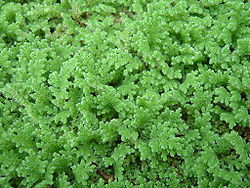
The modern fern Azolla filiculoides. Blooms of a related species may have pulled the Earth into the current icehouse world.

The Azolla event is a paleoclimatology scenario hypothesized to have occurred in the middle Eocene epoch,[1] around 49 million years ago, when blooms of the carbon-fixing freshwater fern Azolla are thought to have happened in the Arctic Ocean. As the fern died and sank to the stagnant sea floor, they were incorporated into the sediment over a period of about 800,000 years; the resulting draw-down of carbon dioxide has been speculated to have helped reverse the planet from the "greenhouse Earth" state of the Paleocene-Eocene Thermal Maximum, when the planet was hot enough for turtles and palm trees to prosper at the poles, to the current icehouse Earth known as the Late Cenozoic Ice Age.

Geological evidence of the event

[edit]
δ18O – a proxy for temperature – over the past 65 million years. The Azolla event marks the end of the Eocene optimum and the beginning of a long-term decline in global temperatures[citation needed].

In sedimentary layers throughout the Arctic basin, a unit reaching at least 8 m in thickness (the bottom of the longest core was not recovered, but it may have reached 20 m+[citation needed]) is discernible. This unit consists of alternating layers; siliceous clastic layers representing the background sedimentation of planktonic organisms, usual to marine sediments, switch with millimetre-thick laminations comprising fossilised Azolla matter.[2] This organic matter can also be detected in the form of a gamma radiation spike, that has been noted throughout the Arctic basin, making the event a useful aid in lining up cores drilled at different locations. Palynological controls and calibration with the high-resolution geomagnetic reversal record allows the duration of the event to be estimated at 800,000 years.[1] The event coincides precisely with a catastrophic decline in carbon dioxide levels, which fell from 3500 ppm in the early Eocene to 650 ppm during this event.[3]

Azolla

[edit]

Azolla has been deemed a "super-plant" as it can draw down as much as a tonne of nitrogen per acre per year[4] (0.25 kg/m2/yr); this is matched by 6 tonnes per acre of carbon drawdown (1.5 kg/m2/yr). Its ability to use atmospheric nitrogen for growth means that the main limit to its growth is usually the availability of phosphorus: carbon, nitrogen and sulphur being three of the key elements of proteins, and phosphorus being required for DNA, RNA and in energy metabolism. The plant can grow at great speed in favourable conditions – modest warmth and 20 hours of sunlight, both of which were in evidence at the poles during the early Eocene – and can double its biomass over two to three days in such a climate.[1] This rate of growth pushes the plants deep under away from sunlight where death and carbon sequestration occur.

Conditions encouraging the event

[edit]
The continental configuration during the Early Eocene resulted in an isolated Arctic basin.

During the early Eocene, the continental configuration was such that the Arctic Sea was almost entirely cut off from the wider oceans. This meant that mixing — provided today by deep water currents such as the Gulf Stream — did not occur, leading to a stratified water column resembling today's Black Sea.[5] High temperatures and winds led to high evaporation, increasing the density of the ocean, and — through an increase in rainfall[6] — high discharge from rivers which fed the basin. This low-density freshwater formed a nepheloid layer, floating on the surface of the dense sea.[7] Even a few centimetres of fresh water would be enough to allow colonization by Azolla; further, this river water would be rich in minerals such as phosphorus, which it would accumulate from mud and rocks it interacted with as it crossed the continents. To further aid the growth of the plant, concentrations of carbon (in the form of carbon dioxide) in the atmosphere are known to have been high at this time.[3]

Blooms alone are not enough to have any geological impact; to permanently draw down CO2 and cause climate change, the carbon must be sequestered by the plants being buried and the remains rendered inaccessible to decomposing organisms. The anoxic bottom of the Arctic basin, a result of the stratified water column, permitted just this; the anoxic environment inhibits the activity of decomposing organisms and allows the plants to sit unrotted until they are buried by sediment.

Global effects

[edit]

With 800,000 years of Azolla bloom episodes and a 4,000,000 km2 (1,500,000 sq mi) basin to cover, even by very conservative estimates more than enough carbon could be sequestered by plant burial to account for the observed 80% drop in CO2 by this one phenomenon alone.[citation needed] Other factors almost certainly played a role. This drop initiated the switch from a greenhouse to the current icehouse Earth; the Arctic cooled from an average sea-surface temperature of 13 °C to today's −9 °C,[1] and the rest of the globe underwent a similar change. For perhaps the first time since Snowball Earth (over half a billion years earlier), the planet had ice caps at both of its poles. A geologically rapid decrease in temperature between 49 and 47 million years ago, around the Azolla event, is evident; dropstones (which are taken as evidence for the presence of glaciers) are common in Arctic sediments thereafter. This is set against a backdrop of gradual, long-term cooling; it is not until 15 million years ago that evidence for widespread northern polar freezing is common.[8]

Alternative explanations

[edit]

While a verdant Arctic Ocean is a viable working model, skeptical scientists point out that it would be possible for Azolla colonies in river deltas or freshwater lagoons to be swept into the Arctic Ocean by strong currents, removing the necessity for a freshwater layer.[8][9]

Economic considerations

[edit]

Much of the current interest in oil exploration in the Arctic regions is directed towards the Azolla deposits [citation needed]. The burial of large amounts of organic material provides the source rock for oil, so given the right thermal history, the preserved Azolla blooms might have been converted to oil or gas.[10] In 2008 a research team was set up in the Netherlands devoted to Azolla.[11]

Azolla event
Neoproterozoic
Palæozoic
Mesozoic
Cenozoic
−600
−480
−360
−240
−120
0
Millions of years ago
Age of Earth = 4,540 million years (off to the left). Complex life started with the Palæozoic.
The "Age of the Dinosaurs" was the Mesozoic. Tool-using humans have only been around for the last few million years on the far right.

See also

[edit]

References

[edit]
Revisions and contributorsEdit on WikipediaRead on Wikipedia
from Grokipedia
The Azolla event was a major paleoclimatic episode during the early to middle Eocene epoch, around 49 million years ago (Ma), in which enormous quantities of the free-floating freshwater Azolla proliferated across the isolated Basin, leading to the formation of organic-rich, microlaminated sediments through its rapid growth, reproduction, and eventual burial. This event, spanning approximately 800,000 years from about 49.3 to 48.1 Ma, is hypothesized to have covered up to several million square kilometers of the Arctic Ocean's surface under a stratified freshwater layer, fostering ideal conditions for 's symbiotic nitrogen-fixing capabilities and high production. The proliferation of is attributed to a combination of factors, including the Ocean's semi-isolated state due to tectonic configurations, elevated atmospheric CO₂ levels (around 800–2,000 ppm) that enhanced growth, increased hydrological cycling from (such as obliquity and cycles), and influx from enhanced and riverine runoff during warmer Eocene summers. Evidence for the event comes primarily from sediment cores, such as those from the (IODP) Expedition 302 on the , which reveal thousands of Azolla-bearing laminae with high concentrations of megaspores, microspores, and biomarkers like ω-(o-alkyl) diols, alongside reduced marine microfossils indicating low . A key aspect of the Azolla event's significance lies in its potential role in global climate regulation through carbon sequestration: the burial of Azolla biomass is estimated to have locked away 0.9–3.5 × 10¹⁸ grams (900–3,500 petagrams) of organic carbon, accounting for up to 40% of the total Eocene carbon drawdown and contributing to a decline in atmospheric CO₂ from over 1,500 ppm to around 900 ppm, which facilitated the planet's transition from a greenhouse to an icehouse state. However, more recent analyses of Arctic sediment records, including lower Azolla abundances in peripheral basins like the Beaufort-Mackenzie, propose that the bloom was more localized and terrestrially influenced rather than a basin-wide oceanic event, potentially limiting its overall climatic impact to a modest fraction of the observed CO₂ reduction. The event's termination around 48.1 Ma is linked to tectonic reopening of connections to the global ocean, increased marine influence, reduced freshwater input, and possible sea-level rise, which disrupted the stratified conditions necessary for Azolla's dominance.

Background

Definition and Timeline

The Azolla event refers to a hypothesized paleoclimatic in the middle Eocene epoch, marked by extensive blooms of the free-floating, nitrogen-fixing aquatic fern that proliferated across the surface of the , leading to substantial burial of organic carbon in underlying sediments and a hypothesized drawdown of atmospheric CO₂. This event is inferred from microlaminated, organic-rich sediments recovered from the during Expedition 302, where Azolla remains dominate the palynological record, indicating sustained surface freshwater conditions conducive to its growth. The blooms are estimated to have covered up to several million square kilometers, forming dense mats that sank episodically, contributing to anoxic bottom waters and enhanced carbon preservation. Stratigraphic dating places the Azolla event at approximately 49 million years ago, spanning the interval from about 49.0 to 48.2 Ma in the late Ypresian to early Lutetian stages of the Eocene, with a total duration of roughly 800,000 years based on integrated , , and orbital tuning of sediment cores. The event's onset aligns with a phase of heightened hydrological in the Arctic Basin, while its termination coincides with a modest sea surface temperature increase from around 10°C to 13°C, signaling renewed marine influence. Occurring roughly 7 million years after the Paleocene-Eocene Thermal Maximum (PETM) at ~56 Ma—a period of extreme global warming—the Azolla event is positioned within the broader Eocene climatic framework of declining atmospheric CO₂ and polar cooling. It marks an early phase in the long-term shift from a warm world, characterized by ice-free poles and elevated tropical temperatures, toward the cooler icehouse conditions that culminated in glaciation by the late Eocene. Quantitative estimates suggest the event sequestered 0.9–3.5 × 10¹⁸ grams of carbon, potentially reducing Eocene pCO₂ by 55–470 ppm and amplifying this climatic transition. The event unfolded in distinct phases: an initial bloom onset around 49 Ma driven by freshwater stratification, a peak proliferation phase with recurrent Azolla mat formation and sinking over hundreds of thousands of years, and a subsidence phase where accumulated biomass was preserved in stratified, low-oxygen sediments, locking away carbon on geological timescales.

The Genus Azolla

Azolla is a of small, floating aquatic ferns belonging to the family Salviniaceae, characterized by their delicate, branching fronds that typically measure 1–3 cm in length and form floating mats on freshwater surfaces. These ferns maintain a unique symbiotic relationship with the cyanobacterium azollae, which resides within specialized leaf cavities called sporocarps and cavities, enabling efficient atmospheric . This symbiosis allows Azolla to thrive in nutrient-poor environments by converting dinitrogen gas into bioavailable forms, with fixation rates reaching up to 1.1 tonnes of per per year, far exceeding that of many leguminous plants at approximately 0.4 tonnes per per year. The growth characteristics of are remarkable for their rapidity and adaptability, with doubling every 3–10 days under optimal conditions, depending on , , and availability. This fast proliferation supports high production, potentially sequestering up to 6 tonnes of carbon per acre per year through and growth in suitable aquatic settings. exhibits tolerance to low levels (up to 2–3 ppt) and can flourish in phosphorus-limited or otherwise -deficient waters, owing to its nitrogen-fixing capability and efficient nutrient recycling within the symbiotic system. These traits make it resilient in fluctuating freshwater ecosystems, such as ponds, ditches, and slow-moving rivers. Evolutionarily, the genus Azolla has a fossil record extending back to the period, around 80 million years ago, with early representatives appearing in North American and Patagonian deposits. During the Eocene epoch, species such as A. prisca demonstrated adaptations to high-latitude, cooler conditions in the region, forming extensive blooms that highlight the genus's historical ecological versatility. Today, seven extant persist worldwide, including A. filiculoides, A. pinnata, and A. caroliniana, serving as modern analogs for studying ancient populations due to their conserved symbiotic and growth mechanisms. A key ecological trait of is its ability to form dense surface mats that provide shading, effectively suppressing algal and growth by limiting penetration to underlying waters. These mats can also induce anoxic conditions in the below through oxygen depletion from and reduced mixing, altering local aquatic habitats. Reproduction occurs primarily vegetatively through fragmentation, but sexually via the production of sporocarps containing megaspores and microspores, which facilitate dispersal and in populations.

Geological Evidence

Fossil Records

The primary paleontological evidence for the Azolla event comes from sediment cores drilled during (IODP) Expedition 302 on the in the central , where thick layers of sediment, up to 15 meters in thickness, are dominated by remains. These layers, spanning an interval of approximately 1.2 million years from about 49.3 to 48.1 Ma, contain abundant Azolla biomass fossils comprising over 90% of the preserved organic material in the cores. Similar Azolla-rich sediments have been identified in other Arctic and peri-Arctic sites, confirming the event's occurrence, though recent analyses suggest it may have been more localized with terrestrial influences rather than uniformly basin-wide. The fossils consist of well-preserved megaspores, microspores (in massulae), and vegetative fragments, attributable to multiple species including arctica, a described from these high-latitude marine deposits, along with at least two others. These remains indicate growth and reproduction of the in the surface waters, though intact floating mats are absent, likely due to partial before under low-oxygen conditions. The high abundance of these fossils, reaching up to 10^9 specimens per gram of in peak intervals, underscores the scale of the blooms. Stratigraphically, the Azolla event is precisely bounded by paleomagnetic reversals within chron C22r and biostratigraphic markers, including the last occurrences of certain cysts such as Achomosphaera alcicornu. This places the event firmly in the basal middle Eocene. The spatial distribution of these layers suggests that blooms covered up to approximately 4 million km² across the central basin, as evidenced by records from multiple drill sites including IODP Site M0004 on the and Ocean Drilling Program Site 913 in the Norwegian-Greenland Sea; however, lower abundances in peripheral basins like the Beaufort-Mackenzie indicate potential localization and fluvial transport. This extent reflects the semi-enclosed paleogeography of the Eocene , facilitating the fern's proliferation.

Geochemical Indicators

Geochemical evidence from sediment cores, particularly those recovered from the during the Integrated Program's Arctic Coring Expedition (ACEX), reveals distinct signatures of the event, highlighting the scale of the bloom and its role in carbon and nutrient cycling. These indicators include isotopic compositions of carbon and nitrogen in , elevated (TOC) contents, and specific lipid biomarkers derived from , all pointing to an episode of exceptional primary productivity under stratified, low-salinity surface waters in the Eocene . A prominent negative δ¹³C excursion in bulk organic matter, averaging around –27.7‰ during the Azolla phase, signifies massive photosynthetic fixation of ¹²C-enriched CO₂ by the fern, far exceeding typical background productivity levels. This isotopic shift, observed in cores spanning the event interval (~49–48 Ma), reflects the dominance of C3 photosynthesis in a high-pCO₂ environment, where reduced carbon isotope fractionation occurred due to abundant dissolved inorganic carbon. The resulting organic matter burial is estimated to have sequestered 0.9–3.5 × 10¹⁸ g of carbon, contributing to an inferred atmospheric CO₂ drawdown from ~1,500–2,000 ppm around the early-middle Eocene transition to ~650–1,000 ppm by the late middle Eocene, facilitating global cooling. Nitrogen isotope ratios (δ¹⁵N) in the sediments are characteristically low, ranging from –2.4‰ to –0.7‰, which is diagnostic of N₂ fixation by symbiotic hosted within fronds. These values contrast with higher δ¹⁵N typically associated with assimilation or in marine settings, confirming that the bloom was sustained by diazotrophic nitrogen inputs in a nutrient-limited, freshwater-influenced surface layer. Fossilized glycolipids (e.g., C₂₆ HG diols) further corroborate this , linking the isotopic signal directly to cyanobacterial activity during the event. The layers exhibit TOC concentrations of 3–6 wt% (reaching up to 10% in some intervals), markedly higher than adjacent sediments, with dominated by Azolla-specific biomarkers such as C₃₀–C₃₆ 1,ω-20 diols, C₂₉ triols, and β-sitosterol. These compounds, comprising up to 4.5 µg/g , indicate that Azolla contributed ~40% of the preserved TOC, underscoring rapid production and minimal degradation under anoxic bottom waters. Natural gamma ray logs from ACEX cores display anomalous spikes in the Azolla interval, linked to elevated thorium/potassium (Th/K) ratios arising from clay mineral alterations and organic enrichment, providing a reliable stratigraphic marker for event correlation across sites. These geophysical anomalies, combined with the chemical proxies, enable precise chronostratigraphic placement of the bloom within the early middle Eocene.

Causes and Conditions

Paleogeographic Setting

During the early to middle Eocene, approximately 50 million years ago (Ma), the basin formed as a semi-enclosed epicontinental sea through ongoing tectonic rifting that isolated it from the global . This configuration resulted from the separation of the from the Eurasian continental margin around 57 Ma, following the Paleocene-Eocene Thermal Maximum (PETM), combined with rifting in surrounding regions and subduction zones along the Pacific margins that influenced regional . The basin connected to the broader primarily via shallow sills in the proto-Fram Strait to the North Atlantic and the proto-Bering Strait to the Pacific, with the Nordic Seas gateway only intermittently open due to incomplete in the Norwegian-Greenland Sea until around 50 Ma. These restrictions limited deep-water exchange while allowing surface freshwater inputs from adjacent landmasses, including proto-Europe and , via riverine discharge. The basin spanned approximately 10 million km², extending as a broad, shallow feature with paleodepths ranging from 50 to 200 m, which promoted low circulation and stratification. This shallow epicontinental setting, bordered by continental fragments and highlands, facilitated the accumulation of organic-rich sediments during the Azolla event (49–48 Ma), as restricted gateways hindered oceanic inflow and enhanced the influence of terrestrial runoff. Paleogeographic reconstructions indicate the basin lay at latitudes of 70–80°N, where prolonged summer daylight—up to 24 hours—supported extended in surface waters. This tectonic isolation created conditions conducive to low-salinity surface waters, to which was well-adapted, enabling its proliferation across the basin. The post-PETM tectonic stability, marked by continued rifting without major volcanic disruptions in the immediate vicinity, maintained this semi-closed system for roughly 800,000 years, until increased connectivity via the gateways introduced saltier waters around 48 Ma.

Environmental Factors

The proliferation of in the Eocene was strongly influenced by hydrological conditions that established a stable, low- surface environment conducive to its growth. Increased precipitation during the Eocene climatic optimum, driven by such as obliquity and cycles, drove high river discharge into the basin, supplying substantial freshwater that formed a thin, oligohaline to mesohaline surface layer (salinity ~1–6 psu) overlying denser, more saline marine waters below, thereby creating a pronounced . This stratification, enhanced by Azolla's own mat formation which trapped rainwater and further stabilized the gradient, minimized vertical mixing and wave disturbance, allowing the to dominate the surface without being displaced. The paleogeographic isolation of the basin amplified these effects by limiting oceanic exchange and promoting the persistence of this freshwater cap. Nutrient dynamics played a pivotal role in sustaining 's accumulation under these stratified conditions. , the primary limiting for , was delivered via enhanced chemical of surrounding landmasses—intensified by the warm, humid Eocene —and transported through riverine inputs, while initial from marginal shelves may have contributed before full stratification suppressed deeper flux. was abundantly fixed by symbiotic within , enabling self-sustaining growth without reliance on external sources, and the resulting eutrophic surface waters were further supported by the of within the micro-halocline layer, where it accumulated and remained bioavailable. These conditions prevailed amid Eocene warmth, with sea surface temperatures averaging around 10–14°C, fostering high primary productivity. Optimal light and temperature regimes further favored Azolla's phototrophic expansion. The high-latitude setting provided extended polar day illumination—up to 24 hours of continuous summer sunlight for several months—maximizing for the surface-floating . Coupled with the mild Eocene temperatures (mean annual ~13°C), which aligned with Azolla's thermal tolerance, these factors enabled rapid and mat formation across vast expanses. The development of anoxic bottom waters enhanced the event's longevity by preventing the oxidative degradation of sinking organic material. Persistent stratification inhibited oxygen replenishment from the surface, leading to oxygen depletion (euxinic conditions in places) and the accumulation of sulfides, as evidenced by pyrite concentrations and laminated sediments lacking benthic . This oxygen-poor hypolimnion not only preserved remains but also facilitated regeneration from decomposing biomass, recycling it upward to support ongoing surface blooms.

Mechanisms of the Event

Bloom Dynamics

The Azolla event commenced with the initial colonization of the Eocene Ocean's brackish surface waters by the freshwater , primarily through dispersal of its resilient spores or vegetative fragments from adjacent continental margins. This colonization, dated to approximately 49 million years ago, enabled rapid vegetative propagation under nutrient-enriched conditions, leading to exponential . Within a short period, Azolla formed dense, floating mats that expanded across the basin, reaching thicknesses of 5–7 cm and covering vast areas of the estimated 4 × 10^6 km² surface. These mats established a self-sustaining feedback loop that reinforced dominance. By drastically reducing light penetration into the water column, the thick inhibited the growth of competing primary producers, such as diatoms and , which rely on . Concurrently, 's symbiotic association with the nitrogen-fixing cyanobacterium azollae allowed it to enrich the surrounding waters with bioavailable , further fueling its own proliferation while limiting resources for non-nitrogen-fixing competitors. This ecological advantage enabled sustained accumulation, with peak standing crops estimated at around 8 kg fresh weight per m². The bloom persisted for less than 800,000 years, characterized by cyclical phases tied to orbital forcings like obliquity cycles of approximately 80,000 years. Annual dynamics likely featured peak growth during warmer summer months, when temperatures exceeded 10°C and supported high photosynthetic rates, followed by die-off in cooler winters; however, dormant spores overwintered in the sediments, facilitating recolonization each spring. Overall turnover rates, with primary productivity reaching about 120 g C m⁻² year⁻¹, supported a total primary production of approximately 3.8 × 10^{17} kg of organic carbon across the basin over the event's duration.

Carbon Sequestration Process

During the Azolla event, the freshwater fixed atmospheric CO₂ through C3 , a process enhanced by its symbiotic relationship with -fixing , which provided bioavailable to support rapid accumulation without limitation. Cultivation experiments under Eocene-like conditions (elevated pCO₂ of ~1900 ppm) demonstrated that doubled compared to modern levels, achieving growth rates sufficient to cover the Basin's surface area repeatedly over the event's duration. Stable isotope analyses (δ¹³C ~ –30‰) confirm the C3 fixation pathway, while low δ¹⁵N values (–0.7 to –2.4‰) verify the role of symbiotic N₂ fixation in boosting . As mats senesced, they detached and sank rapidly through the stratified, column of the Eocene , reaching the anoxic seafloor and largely bypassing aerobic remineralization that would otherwise return fixed carbon to the atmosphere. This sinking was facilitated by the formation of a stable freshwater lens over denser marine waters, creating a low-oxygen environment that preserved integrity during descent. Sedimentation rates during the event averaged 12.7 m per million years (equivalent to ~1.3 cm/kyr), with higher rates up to ~2.4 cm/kyr in peak bloom intervals, allowing for the accumulation of thick Azolla-derived layers. Burial efficiency overall was low (~1.2% net burial relative to ), as most organic matter was remineralized despite anoxic conditions, resulting in kerogen-rich shales with (TOC) contents exceeding 5% in sediment cores from the . Although net burial relative to was low (~1.2%), the scale of blooms across ~4 million km² ensured substantial carbon drawdown, estimated at 0.9–3.5 × 10¹⁸ g C (900–3,500 Gt C) over the ~800,000-year event, equivalent to a pCO₂ reduction of 55–470 ppm under Eocene conditions. Net burial rates reached ~1.4 g C m⁻² year⁻¹, underscoring the event's role in long-term CO₂ removal. Over geological timescales, the buried Azolla biomass compacted into hydrocarbon source rocks, locking carbon away for millions of years and contributing to the formation of organic-rich sediments that persist in the Arctic Basin today. This process transformed transient biological productivity into enduring geological storage, with Azolla remains identifiable in Eocene strata as a marker of the event's extent.

Global Impacts

Climatic Effects

The massive proliferation of during the event is hypothesized to have contributed to atmospheric CO₂ drawdown of 55–470 ppm, part of the broader middle Eocene decline from ~1,500–2,000 ppm to ~900 ppm. This CO₂ sequestration lowered by diminishing the , contributing to trends over the middle Eocene. The process involved the burial of vast quantities of organic carbon in anoxic sediments, preventing its return to the atmosphere and , with total sequestered carbon estimated at 0.9–3.5 × 10¹⁸ g (detailed in Carbon Sequestration Process). In the region, the event involved a minor decline in temperatures from ~13–14°C prior to the bloom to ~10°C during the event, as evidenced by proxies like TEX₈₆. This reflects freshwater stratification rather than extreme cooling. The 's transformation from a warm, ice-free basin to one with enhanced stratification marked a step toward of cooling, ultimately facilitating the onset of Antarctic glaciation around 34 Ma during the Eocene-Oligocene Transition. The diminished CO₂ levels from the Azolla event amplified the influence of via , particularly eccentricity and obliquity variations, by lowering the threshold for initiation. This interaction promoted ice-albedo feedback loops, wherein expanding ice cover reflected more solar radiation, further reducing temperatures and sustaining the shift from greenhouse to icehouse conditions. The Azolla event coincides with early middle Eocene cooling trends, but major icehouse transition occurred later at ~34 Ma, with benthic foraminiferal δ¹⁸O values rising by ~1‰ then, indicative of cooler deep waters and continental ice.

Oceanographic and Biospheric Changes

The Azolla event, occurring approximately 49 million years ago in the middle Eocene, induced significant in the Arctic Basin through the influx of massive freshwater from surrounding landmasses, creating a persistent that separated low-salinity surface waters from denser saline deep waters. This stratification inhibited vertical mixing and deep-water formation, fostering euxinic conditions with oxygen-depleted bottom waters, as evidenced by laminated sediments, high concentrations (47–72 mg g⁻¹), and low C/S ratios (1–2) in cores. The resulting anoxia episodes promoted the deposition of organic-rich black shales, with contents reaching 3.1–6.0 wt% in the Lomonosov Ridge sediments, reflecting enhanced preservation of labile organic matter under reduced oxygenation. The dominance of Azolla mats disrupted nutrient cycling by establishing a micro-halocline (5–7 cm thick) beneath the floating biomass, which trapped phosphorus and other nutrients in the surface layer through efficient internal recycling, limiting their availability to deeper or adjacent marine ecosystems. This Azolla monopoly on surface nutrients, supported by its symbiotic nitrogen fixation and dense coverage, depleted resources for other phytoplankton, leading to an "Azolla world" characterized by suppressed marine primary productivity outside the Arctic Basin, as indicated by low C/N ratios and minimal non-Azolla organic matter in event strata. However, recent analyses indicate a more localized bloom, potentially limiting its global biospheric impacts. Biospheric shifts during the event included a marked decline in plankton, such as benthic and foraminifera, attributable to the low-salinity freshwater cap and associated from decaying , which reduced saturation in surface waters. Post-event recovery saw a rise in siliceous organisms, including diatoms, as cooling and renewed circulation favored silica-based primary producers over ones in the transitioning . Long-term effects of the event extended to the Eocene-Oligocene boundary around 34 million years ago, where the massive carbon burial (~0.9–3.5 × 10¹⁵ kg C) enhanced the efficiency of the ocean's , amplifying and contributing to faunal turnovers, including shifts in deep-sea benthic communities and the onset of glaciation.

Controversies and Alternative Hypotheses

Debates on Scale and Duration

Scientific debates surrounding the scale of the Azolla event center on the extent of basin coverage by the fern blooms, with estimates varying from localized marginal zones to up to 10 million km² or more for the entire Arctic Basin based on paleogeographic reconstructions of the Eocene . Initial hypotheses posited near-complete enclosure of the Arctic Basin under a persistent freshwater cap, facilitating widespread Azolla proliferation. However, a 2019 study analyzing sediment cores and isotopic data challenged this view, proposing that the freshwater layer was limited in extent and intermittent, preventing full basin enclosure and suggesting smaller-scale blooms confined to marginal or coastal zones. Controversies over the event's duration arise from discrepancies between core-based and climate modeling. Sedimentary records from cores indicate an approximately 800,000-year phase, with some estimates suggesting a minimum of ~160,000 years based on cyclostratigraphy, marked by repeated layers reflecting seasonal or annual deposition cycles. In contrast, some modeling approaches link the blooms to shorter, pulsed episodes driven by Milankovitch orbital cycles, particularly eccentricity variations that could have modulated freshwater input and availability on timescales of tens of thousands of years. These debates are compounded by inherent limitations in the paleontological evidence, primarily derived from a small number of (IODP) cores, such as those from Expedition 302 on the . Sampling biases from these sites, which may not represent the full basin variability, raise concerns about extrapolating local bloom records to regional scales, as core recovery gaps and diagenetic alterations could obscure the true spatial and temporal patterns. Recent research on micro-halocline dynamics has offered critiques that refine understandings of bloom sustainability, suggesting that small-scale gradients formed by mats enabled efficient from underlying waters, potentially extending bloom durations beyond initial freshwater influx estimates. This mechanism implies that limitations were less constraining than previously thought, allowing recurrent growth over multiple cycles despite variable hydrological conditions. The layers, reaching thicknesses of several meters in some cores, further support prolonged deposition but are interpreted variably in light of these findings.

Competing Explanations

One to the growth of in the posits that the fern primarily proliferated in freshwater river systems and marginal lakes surrounding the paleocean, with biomass subsequently transported to marine environments via estuarine outflows and increased fluvial discharge. This model suggests that an intensified hydrologic cycle during the middle Eocene, driven by high-latitude warmth and , facilitated the export of terrestrially sourced and associated into the Basin, where it contributed to carbon burial without requiring a persistent freshwater cap over the entire ocean. Proposed in the 2010s, this scenario challenges the traditional view of large-scale, sustained blooms within the itself by emphasizing episodic delivery from continental margins, potentially explaining the observed fossils in sedimentary records while reducing the need for improbable long-term stratification in a deep basin. Another competing explanation attributes the Eocene carbon drawdown and associated cooling primarily to enhanced triggered by tectonic uplift, particularly the initial rise of the around 50 million years ago, which increased rates and exposed fresh rock surfaces to atmospheric CO₂. Under this hypothesis, the uplift intensified chemical of on land, accelerating the conversion of CO₂ into ions that were ultimately buried in marine sediments, thereby operating independently of biological blooms like and providing a tectonic driver for the long-term decline in atmospheric CO₂ from ~1,500 ppm to ~900 ppm. More recent 2021 analyses further challenge this as the primary driver for Eocene cooling, emphasizing its greater relevance to trends. This mechanism is supported by geochemical proxies indicating elevated fluxes coinciding with Himalayan , suggesting it as a dominant control on trends rather than localized organic in the . Orbital forcings via and variations in volcanic activity have also been invoked as primary drivers of Eocene cooling, with blooms playing at most a secondary or amplifying role. Changes in Earth's orbital parameters, such as eccentricity and obliquity, modulated insolation patterns and may have initiated cooling phases by altering seasonal contrasts and ice-albedo feedbacks, as evidenced by cyclostratigraphic records showing orbital pacing in Eocene sedimentary sequences. Similarly, a potential reduction in volcanism or arc activity during the middle Eocene could have diminished CO₂ outgassing, contributing to net atmospheric drawdown over millions of years, though direct evidence for such a decline remains debated and is often linked more broadly to Cenozoic subduction dynamics. Recent 2024 studies suggest Eocene intraplate in the may have influenced local carbon cycles. These abiotic forcings highlight how astronomical and geodynamic processes might explain the observed climatic shift without relying heavily on the . Critiques of the Azolla event's primacy further question its capacity for global-scale CO₂ impact, arguing that the estimated biomass production—potentially sequestering 0.9 to 3.5 × 10¹⁸ grams of carbon—was insufficient to drive the full extent of observed cooling, implying more regional effects confined to the rather than a planet-wide phenomenon. Studies from around 2008, including analyses of sediment cores and carbon isotope excursions, suggest that while contributed to local anoxia and burial, the overall CO₂ decline aligns better with broader geochemical cycles, such as ocean circulation changes or diffuse inputs, rather than a singular bloom event dominating global budgets. This perspective underscores the event's role as one factor among multiple, with uncertainties in bloom duration and extent limiting claims of primacy.

Modern Implications

Potential for Climate Mitigation

The Azolla event has inspired modern efforts to cultivate the fern for , particularly in paddies and controlled ponds where it serves as both a and a . In systems, Azolla fixes atmospheric at rates of 0.4–1.2 kg N/ha/day and, when incorporated as , supplies 20–40 kg N/ha while reducing by 30–60% compared to conventional practices. This dual role enhances yields by 14–40% and sequesters carbon through rapid accumulation, with observed rates of up to 1.8 tons CO₂/ha/year in integrated cropping systems. Globally scaled cultivation across suitable aquatic areas could mimic the event's drawdown potential without displacing food production, as Azolla thrives in non-arable wetlands, potentially offsetting current anthropogenic CO₂ emissions equivalent to ~11.5 Gt C/year (as of 2025). Geoengineering proposals draw on the ancient event by advocating large-scale floating farms in oceans, lakes, or marginal waters to accelerate carbon burial, potentially sequestering 32.5–60 tons CO₂/ha/year under optimized conditions. These systems would involve periodic harvesting and sinking of to the , similar to the Eocene bloom, to lock away carbon for millennia. However, faces significant hurdles, including the need for sustained nutrient inputs like and to sustain growth, which could exacerbate and deplete oxygen in surrounding waters. Ecological risks are pronounced, as uncontrolled proliferation—already classified as an invasive weed in and —could smother aquatic habitats and disrupt . Economically, Azolla cultivation offers versatility as a and crop, leveraging its high productivity and low input requirements. As a feedstock, it yields viable oil content grown in ponds, reducing production costs relative to traditional oilseeds and cutting from fossil fuels through sustainable harvesting. In feed, incorporating 50% Azolla reduces overall emissions by 28.5% per 1,000 birds in systems and boosts productivity in and small ruminants, enhancing farm profitability in tropical regions. The ancient Azolla deposits, rich in , represent potential resources, but extraction poses risks of release from disturbance, potentially offsetting sequestration gains. Despite these prospects, Azolla-based mitigation is limited by slower sequestration rates compared to industrial , which can achieve gigaton-scale drawdown more rapidly without biological constraints. Scalability remains unproven, constrained by factors such as the fern's short due to high , sensitivity to temperatures above 30°C, and potential for pest infestations or invasiveness. In 2025, the awarded a grant to researchers to test Azolla as a amendment for carbon offsets, focusing on automated harvesting and modeling to cover areas like 20% of for U.S.-scale impact, though broader deployment requires further validation of long-term efficacy and minimal needs. The November 2025 Global report confirms ongoing rises in emissions, underscoring the urgency for such biological solutions.

Recent Research Developments

In 2021, researchers at (CSHL) explored the Azolla event as a model for modern carbon burial strategies, highlighting the fern's rapid growth and symbiotic as key factors enabling massive biomass accumulation during the Eocene. Subsequent genomic studies from 2021 to 2025 have advanced understanding of Azolla's genetic underpinnings for such explosive proliferation. For instance, a 2024 study sequenced the genome of Azolla caroliniana, revealing structural variations and gene duplications that likely facilitated its adaptation to nutrient-poor, freshwater environments, including enhancements in and cyanobiont critical for the Eocene bloom. Analyses of the Azolla- symbiosis have shown extensive gene loss in the cyanobiont Nostoc azollae, underscoring evolutionary adaptations that optimized and growth rates under low-light, stratified conditions akin to the during the event. A 2024 investigation by Penn State University confirmed the safety of Azolla for potential applications, identifying non-toxic strains of the symbiotic cyanobacteria Nostoc azollae that lack genes for cyanotoxin production, addressing prior concerns about toxicity in bloom biomass. This finding, published in Plants, supports Azolla's viability beyond paleoclimate contexts, with implications for scalable cultivation. In 2025, received a grant to evaluate as a carbon offset mechanism in controlled environments, simulating Eocene-like conditions to quantify sequestration rates and viability for contemporary . Preliminary models from the project suggest that deploying on 20% of Long Island's surface could offset annual U.S. emissions, informing integration with global climate simulations. Mechanistic research has refined explanations for the bloom's persistence, with renewed analyses of micro-halocline dynamics showing how Azolla mats created salinity gradients in brackish waters, enabling efficient nutrient recycling and preventing nutrient limitation over millennia. Genome sequencing efforts continue to illuminate Eocene-specific adaptations, such as whole-genome duplications around 80 million years ago that enhanced the fern's ability to maintain cyanobacterial partnerships under warming climates. Looking ahead, ongoing projects emphasize incorporating dynamics into Earth system models to predict bloom-scale cooling effects, while exploratory approaches, including , are proposed to amplify sequestration traits like growth rate and carbon storage in modern strains.

References

Add your contribution
Related Hubs
User Avatar
No comments yet.