


Community hub
Recent from talks
Contribute something
Nothing was collected or created yet.
Battle of Powder River
View on Wikipedia| Battle of Powder River | |||||||
|---|---|---|---|---|---|---|---|
| Part of the Big Horn Expedition, Great Sioux War of 1876 | |||||||
 The Powder River looking north on the battlefield | |||||||
| |||||||
| Belligerents | |||||||
|
Northern Cheyenne Oglala Lakota Sioux |
 United States United States | ||||||
| Commanders and leaders | |||||||
|
Two Moon He Dog Little Wolf Wooden Leg |
Joseph J. Reynolds Anson Mills Henry E. Noyes Alexander Moore | ||||||
| Strength | |||||||
| 100–250 | 384 | ||||||
| Casualties and losses | |||||||
|
3 killed, several people later died of exposure 3 wounded |
4 killed 6 wounded 66 frostbitten[3] | ||||||
The Battle of Powder River, also known as the Reynolds Battle, occurred on March 17, 1876, in Montana Territory, United States, as part of the Big Horn Expedition. The attack on a Northern Cheyenne and Oglala Lakota Indian encampment by Colonel Joseph J. Reynolds initiated the Great Sioux War of 1876. Although destroying a large amount of Indian property, the attack was poorly carried out and solidified Northern Cheyenne and Lakota Sioux resistance to the U.S. attempt to force them to sell the Black Hills and live on a reservation.[4]
Background
[edit]
The Treaty of Fort Laramie (1868) granted the Lakota Sioux and their northern Cheyenne allies a reservation, including the Black Hills, in Dakota Territory and a large area of "unceded territory" in what became Montana and Wyoming. Both areas were for the exclusive use of the Indians, and whites, except for government officials, were forbidden to trespass. In 1874, the discovery of gold in the Black Hills caused the United States to attempt to buy the Black Hills from the Sioux. The U.S. ordered all bands of Lakota and Cheyenne to come to the Indian agencies on the reservation by January 31, 1876, to negotiate the sale. Some of the bands did not comply and when the deadline of January 31 passed, the Commissioner of Indian Affairs, John Q. Smith, wrote that "without the receipt of any news of Sitting Bull's submission, I see no reason why... military operations against him should not commence at once." On February 8, 1876, General Phillip Sheridan telegraphed Generals George R. Crook and Alfred Howe Terry, ordering them to undertake winter campaigns against the "hostiles."[5]
In bitterly cold weather, Brigadier General George Crook, commander of the Department of the Platte, marched north with the Big Horn Expedition from Fort Fetterman near present-day Douglas, Wyoming, on March 1. General Crook's objective was to strike against the Indians while they were at their most vulnerable in winter camps. Sitting Bull, Crazy Horse, and their followers were thought to be on the Powder, Tongue, or Rosebud rivers. Crook's force consisted of 883 men, including United States Cavalry and Infantry, civilian packers, scouts, guides, and a newspaper reporter.[6] Crook's highly valued chief scout was Frank Grouard, who had lived among the Lakota and spoke their language.[7]
The soldiers had to heat their forks in the coals of their fires to prevent the tines from freezing to their tongues. A blizzard on March 5 deposited over a foot of snow and significantly delayed Crook's progress. Temperatures fell so low that the thermometers of the day could not record the cold. Crook's column slowly followed the Bozeman Trail north to Old Fort Reno, reaching it on March 5. There, the expedition established its supply base, leaving the wagons and Infantry accompanying the column, Companies C, and I, of the 4th U.S. Infantry, under Captain Edwin M. Coates. The five Cavalry battalions then marched to the head of Otter Creek. On March 16, scout Frank Grouard saw two Indian warriors observing the soldiers. He identified them as Oglala Lakota and believed that the camp of Crazy Horse might be nearby. This was reported to Crook, and at 5 p.m. he divided his command and sent Colonel Joseph J. Reynolds (a West Point classmate of President Ulysses S. Grant, and a combat veteran of both the Mexican–American War, and Civil War) on a night march with about 384 men, with rations for one day, following the trail of the two Oglalas southeast toward Powder River. Crook kept with him about 300 men. That night Frank Grouard and the other scouts followed the two Oglala Sioux's trail in the snow. It led right to what they were looking for, an Indian village, which they described as containing more than 100 lodges on the west bank of Powder River. The scouts immediately reported this information back to Colonel Reynolds.[8]
Plan of attack
[edit]In frigid weather, Reynolds' plan was for one battalion, Companies I and K, of the 2nd U.S. Cavalry under the command of Captain Henry E. Noyes, to descend the steep hills south of where the second field hospital would be established to the valley floor. One company, (K) under Captain James R. Egan, was to attack the southern end of the village. The other company (I), under Captain Noyes, was to capture the Indian pony herd estimated at 1,000 animals, grazing and spread out through the valley on both sides of the river. A second battalion, Companies E and M of the 3rd U.S. Cavalry, under the command of Captain Anson Mills, was to attack the village simultaneously from the west, and the remaining Cavalry battalion, Company E, of the 2nd U.S. Cavalry, and Company F of the 3rd U.S. Cavalry, under the command of Captain Alexander Moore, was to occupy the ridges north and west of the village, to prevent the Indians from escaping in that direction.
Battle
[edit]The village, however, was further north than anticipated, with the result that only Captain James R. Egan's 2nd Cavalry Company K of 47 men, accompanied by Second Lieutenant John G. Bourke and newspaper reporter Robert E. Strahorn, charged into the village from the south, while the other companies were delayed by the distance and rough terrain.[9]
According to Captain Egan's watch, the battle began at 9:05 a.m. on the morning of Friday, March 17. The Indians, now identified as Northern Cheyenne and a few Oglala Sioux, were surprised. Wooden Leg, an eighteen-year-old Cheyenne warrior in the village remembered the attack: "Women screamed. Children cried for their mothers. Old people tottered and hobbled away to get out of reach of the bullets singing among the lodges. Braves seized whatever weapons they had and tried to meet the attack."
The Cheyennes hurried their women and children to shelter while retreating northward out of the village, then took positions on the bluffs overlooking the village. They then directed fire toward the soldiers now in the village. Several cavalrymen of Company K, 2nd Cavalry were wounded early in the battle and a number of the company's horses were killed or wounded. Captain Egan was reinforced in the village by several more companies. When Colonel Reynolds arrived, the soldiers were still under fire. He ordered everything in the village destroyed, including dried buffalo meat. During this time, Privates Peter Dowdy of Company E, 3rd Cavalry and George Schneider of Company K, 2nd Cavalry were killed. The village and supplies proved difficult to burn, and when fire reached the gunpowder and ammunition stored in the tipis, they exploded. First Lieutenant John Gregory Bourke, General Crook's aide-de-camp, commented on the richness of the goods in the village: "bales of fur, buffalo robes, and hides decorated with porcupine quills". Some soldiers went against orders and took buffalo robes from the village, as they were freezing. Bourke later estimated that 66 men suffered from frostbite, including himself.[10]
Throughout the day, soldiers gathered in over 700 Indian ponies. The battle had lasted five hours when, at approximately 2:00 p.m., with the destruction of the village complete, Reynolds ordered his soldiers to withdraw, and the men made their way across to the east side of the frozen Powder River. Private Michael I. McCannon of Company F, 3rd Cavalry was killed around this time. During the retreat, Private Lorenzo E. Ayers of Company M, 3rd Cavalry, was seriously wounded in his right arm and leg, and was left behind in the Indian village. Although saddler Jeremiah J. Murphy of Company F, and blacksmith Albert Glawinski of Company M, 3rd Cavalry attempted to rescue Ayers, he was subsequently "cut limb to limb" by vengeful Indians. By the end of the battle, four soldiers had been killed and six wounded. For their actions, Jeremiah J. Murphy and Albert Glawinski would later be awarded the Congressional Medal of Honor on October 16, 1877. Hospital Steward William C. Bryan would also be awarded the Medal of Honor for his actions in the battle.
The last action of the battle took place about 1 mile (1.6 km) south of Hospital bluff, when First Lieutenant William C. Rawolle, commanding the rear guard, Company E, 2nd Cavalry, dismounted eight of his men in a defensive skirmish line. Lieutenant Rawolle's line remained in place for only a short time, although First Sergeant William Land reported that during this time he shot an Indian warrior from his horse. In Reynolds' premature haste to withdraw, he left behind the bodies of three dead soldiers, with one in the village, and two at the second field Hospital as well as the badly wounded Private Ayers. The soldiers withdrew approximately 21 miles (34 km) south that afternoon and evening, crossing and recrossing the frozen Powder River as needed, up the river to the confluence of the Powder River and Lodge Pole Creek (now called Clear Creek), arriving there after 9:00 p.m. in an exhausted condition. However, General Crook with the other four companies and the pack train was not there, as he had camped ten miles to the northeast and had failed to inform Colonel Reynolds of his location.[11]
The Cheyenne recaptured over 500 of their horses the next morning, March 18, as no guards for them had been posted. It was not until approximately 1:30 p.m. that day that Reynolds finally rendezvoused with General Crook. The reunited column returned to Fort Fetterman, Wyoming Territory, arriving on March 26, 1876.[12]
Although the Cheyenne and Lakota only suffered several warriors killed, and two to three wounded during the battle, they lost most of their property, and in the words of the warrior Wooden Leg: "The Cheyennes were rendered very poor. I had nothing left but the clothing I had on ... My eagle wing bone flute, my medicine pipe, my rifle, everything else of mine, were gone." The women and children walked several days to reach the Oglala Sioux village of Crazy Horse farther north near the Little Powder River, where they were given shelter and food. On the way, several Cheyennes froze to death. The army stated that the village consisted of about 104 lodges, including tipis and wikiups, while Cheyenne accounts said the village had about 40–65 tipis, and about 50 other structures. The number of warriors involved in the engagement was from 100 to 250, while there were around 384 United States soldiers and civilians present.[13]
Aftermath
[edit]Colonel Reynolds was accused of dereliction of duty for failing to properly support the first charge with his entire command; for burning the captured supplies, food, blankets, buffalo robes, and ammunition instead of keeping them for army use; and most of all, for losing hundreds of the captured horses. In January 1877, his court-martial at Cheyenne, Wyoming Territory found Reynolds guilty of all three charges. He was sentenced to suspension from rank and command for one year. His friend and West Point classmate, President Ulysses S. Grant remitted the sentence, but Joseph J. Reynolds never served again. He retired on disability leave on June 25, 1877, exactly one year after the culminating battle of the Great Sioux War at the Little Bighorn. Crook's and Reynolds' failed expedition and their inability to seriously damage the Lakota and Cheyenne at Powder River probably encouraged Indian resistance to the demands of the United States.[14]
Medals of honor
[edit]Three Medals of Honor were awarded to soldiers for their actions during the battle:
- Hospital Steward William C. Bryan, temporarily attached to Company K, 2nd United States Cavalry Regiment, "...having his horse killed under him. He continued to fight on foot, and under severe fire and without assistance conveyed two wounded comrades to places of safety, saving them from capture."
- Saddler (Private) Jeremiah J. Murphy, Company F, 3rd United States Cavalry Regiment, "...for trying to save a wounded comrade."
- Blacksmith (Private) Albert Glawinski, Company M, 3rd United States Cavalry Regiment, "During a retreat Blacksmith Glavinski selected exposed positions, he was part of the rear guard."
-
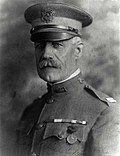 William C. Bryan
 -
 Saddler Jeremiah Murphy


Casualties
[edit]Native Americans
- Eagle Chief, Northern Cheyenne
- Whirlwind, Northern Cheyenne
- Unknown warrior, Oglala Lakota
- several women and children died of exposure following the battle
- Braided Locks, Northern Cheyenne, "one cheek furrowed by a bullet"
- Unknown warrior, Northern Cheyenne, "forearm badly shattered"
- Unknown elderly woman, Oglala Lakota, "left in the village"
United States Army
Killed in action
- Private George Schneider, Company K, 2nd Cavalry
- Private Peter Dowdy, Company E, 3rd Cavalry
- Private Michael I. McCannon, Company F, 3rd Cavalry
- Private Lorenzo E. Ayers, Company M, 3rd Cavalry
Wounded in action
- First Lieutenant William C. Rawolle, Company E, 2nd Cavalry
- Sergeant Charles Kaminski, Company M, 3rd Cavalry
- Corporal John Lang, Company E, 2nd Cavalry
- Farrier Patrick Goings, Company K, 2nd Cavalry
- Private John Droege, Company K, 2nd Cavalry
- Private Edward Eagan, Company K, 2nd Cavalry
Battlefield
[edit]In the early 20th century, a schoolteacher named Frank Theodore Kelsey filed a desert claim for land along the Powder River, land that encompassed the Reynolds battle site. Kelsey would later become a Montana state senator, and helped to get the soldiers' monument placed near the village site in 1934, but died in 1937. Since then, the battlefield has changed hands over five times. Now, the Powder River / Reynolds Battlefield, located on private land at [45 05 18 N 105 51 28 W], is accessible by Montana Secondary Highway 391 (Moorhead Road), along the Powder River, in Powder River County, Montana. It is about 1 mile (1.6 km) north of the present-day unincorporated community of Moorhead, Montana, and about 34 miles (55 km) southwest of the present-day town of Broadus, Montana.
Monuments
[edit]In 1919, a historian named Walter M. Camp learned that while the four soldiers killed in the battle had been left on the field, no headstones had been erected. With help from Major Henry R. Lemly and General Anson Mills (Mills had commanded the 1st Battalion, 3rd Cavalry at the Battle), headstones were prepared by the Quartermaster Corps and shipped by train to Arvada, Wyoming on the Powder River.
In a January 1920 address by Camp to the Order of the Indian Wars in Washington, D.C., he stated that the headstones would "be placed on the battlefield next summer." Despite this, the headstones would remain in storage in Wyoming for another 14 years.
In October 1933, Camp's 1920 address was reprinted in "Winners of the West," and came to the attention of D.C. Wilhelm of Gillette, Wyoming, who informed the writer that the headstones were still in storage. In early 1934, with help from the American Legion, Montana State Senator Frank T. Kelsey, and others, a stone and concrete monument embedded with the soldiers' headstones was placed on the Powder River Battlefield. The monument was dedicated on Memorial Day, May 30, 1934, and it still stands today.[15]

Across the county road from the soldiers' monument is the Cheyenne monument, a sandstone boulder painted with the flag of the Northern Cheyenne tribe.
Order of battle
[edit]Native Americans, Chief's Old Bear, Two Moon, and Little Coyote (Little Wolf). About 60 to 250 warriors.
| Native Americans | Tribe | Leaders |
|---|---|---|
| Northern Cheyenne
|
| |
| Lakota Sioux
|
|
United States Army, Big Horn Expedition Powder River Detachment, March 16–18, 1876, Colonel Joseph J. Reynolds, 3rd Cavalry, commanding
| Big Horn Expedition | Battalion | Companies and others |
|---|---|---|
|
|
1st Battalion
|
|
| 3rd Battalion
|
| |
| 5th Battalion
|
| |
| Medical detachment
|
| |
| Scouts, guides, staff officers, and civilians
|
|
United States Army, Col Joseph J. Reynolds (brevet Major General), 3rd United States Cavalry Regiment, in command. About 384 soldiers and scouts.
- 2nd United States Cavalry Regiment
- Company E, 53 men, First Lieutenant William C. Rawolle (brevet Lieutenant Colonel)
- Company I, 56 men, Captain Henry E. Noyes
- Company K, 47 men, Captain James R. Egan
- 3rd United States Cavalry Regiment
- Staff, 3 men, First Lieutenant George A. Drew, Second Lieutenant Charles E. Morton, Second Lieutenant John G. Bourke
- Company E, 69 men, First Lieutenant John B. Johnson
- Company F, 68 men, Captain Alexander Moore (brevet Colonel)
- Company M, 68 men, Captain Anson Mills.
- Scouts, medical officers, and civilian newspaper reporter, 19 men
United States officers at the battle
[edit]- Colonel Joseph Jones Reynolds, Headquarters, 3rd Cavalry
- Major Thaddeus Harlan Stanton, Paymaster, Headquarters, Indian Scouts
- Assistant Surgeon Curtis Emerson Munn, Medical Detachment, Department of the Platte
- Captain Anson Mills, Company M, 3rd Cavalry, Headquarters, 1st Battalion
- Captain Henry Erastus Noyes, Company I, 2nd Cavalry, Headquarters, 3rd Battalion
- Captain Alexander Moore, Company F, 3rd Cavalry, Headquarters, 5th Battalion
- Captain James Ross "Teddy" Egan, Company K, 2nd Cavalry
- First Lieutenant George Augustus Drew, Acting Assistant Quartermaster and Acting Chief of Subsistence, 3rd Cavalry
- First Lieutenant William Charles Rawolle (Wounded), Company E, 2nd Cavalry
- First Lieutenant Christopher Tomkins Hall, Company I, 2nd Cavalry
- First Lieutenant John Burgess Johnson, Company E, 3rd Cavalry
- First Lieutenant Augustus Chouteau Paul, Company M, 3rd Cavalry
- Second Lieutenant Frederick William Sibley, Company E, 2nd Cavalry
- Second Lieutenant Bainbridge Reynolds, Company F, 3rd Cavalry
- Second Lieutenant John Gregory Bourke, Aide-de-camp to General George Crook, Company D, 3rd Cavalry
- Second Lieutenant Charles E. Morton, Acting Regimental Adjutant and Quartermaster of Cavalry, Co. A, 3rd Cavalry
In popular culture
[edit]In 1951, Hollywood produced a fictional movie starring Van Heflin, Yvonne De Carlo, Jack Oakie, and Rock Hudson, released in the United States under the name Tomahawk. In the United Kingdom and elsewhere, it was given the name Battle of Powder River, although the plot was actually based on events of Red Cloud's War (also known as the Powder River War) of 1866–8, rather than on the Reynolds battle of 1876.
Further reading
[edit]- Hedren, Paul L., Powder River: Disastrous Opening of the Great Sioux War, University of Oklahoma Press, 2016.
- Vaughn, J. W., The Reynolds Campaign On Powder River, University of Oklahoma Press, 1961.
- Eckroth, David; Kallevig, Rebecca; Penfold, Michael; Held, Jaeger R.; The Powder River Fight, March 17, 1876, American Battlefield Protection Program, National Park Service, 2018.
- Dillon, Richard H., North American Indian Wars 1983.
- Greene, Jerome A. (editor), Battles and Skirmishes of the Great Sioux War, 1876–1877: The Military View, University of Oklahoma Press, 1993. ISBN 0-8061-2535-7.
- Marquis, Thomas, Wooden Leg: A Warrior Who Fought Custer. 1920.
- Voices from the Western Frontier
References
[edit]- ^ "Reynolds Battlefield". Visitmt.com. Retrieved 2019-02-02.
- ^ "Reynolds Battlefield Monument, Powder River County, Montana". Rootsweb.ancestry.com. Retrieved 2019-02-02.
- ^ 1876 Annual Report of the Secretary of War. p.29
- ^ Greene, Jerome A. Lakota and Cheyenne: Indian Views of the Great Sioux War, 1876–1877, Norman: University of Oklahoma Press, 1994, p. xvi
- ^ Commissioner of Indian Affairs to Secretary of the Interior, January 31st, 1876; Secretary of the Interior to the Secretary of War, February 1st, 1876; Colonel Drum to Gen. Terry and Gen. Crook, February 8th, 1876, National Archives.
- ^ Collins, Jr., Charles D. Atlas of the Sioux Wars, Second edition, Fort Leavenworth, Kansas: Combat Studies Institute Press, 2006, Map 14, 15
- ^ Vestal, Stanley (2008). New Sources of Indian History 1850-1891. Read Books. p. 339. ISBN 978-1-4437-2631-3. Retrieved 2009-04-25.
- ^ Porter, Joseph C. Paper Medicine Man: John Gregory Bourke and his American West, Norman: University of Oklahoma Press, 1986, pp. 30-32
- ^ Porter, pp. 32–35
- ^ Porter, pp. 34–36
- ^ "Reynold's Attack on Crazy Horse's Village on Powder River, March 17, 1876" [1], accessed 8 Jan 2013
- ^ Bourke, John Gregory On the Border with Crook, Lincoln: University of Nebraska Press, 1971, pp. 279–280
- ^ Porter, p. 36; Green, pp. 3, 7, 12
- ^ Vaughn, J. W. (1961). The Reynolds Campaign On Powder River. University of Oklahoma Press.
- ^ Brown, W. C. "Reynold's Attack On Crazy Horse's Village On Powder River, March 17, 1876". rootsweb.ancestry.com. Retrieved 1 March 2015.
| National | |
|---|---|
| Other | |

Battle of Powder River
View on GrokipediaHistorical Context
Origins of the Great Sioux War
The Treaty of Fort Laramie, signed on April 29, 1868, between the United States and representatives of the Sioux Nation (including Brulé, Oglala, Miniconjou, Yanktonai, Hunkpapa, Blackfeet, Cuthead, Two Kettle, Sans Arcs, and Santee bands) and Arapaho, established the Great Sioux Reservation encompassing approximately 25 million acres in present-day South Dakota, including the Black Hills as sacred territory owned in perpetuity by the Sioux.[6] The treaty also designated unceded Indian territory west of the reservation—spanning parts of present-day Wyoming, Montana, and the Dakotas—for Sioux and Arapaho hunting rights, to remain open "so long as the buffalo may range thereon in such numbers as to justify the chase."[6] This agreement aimed to resolve prior conflicts, such as Red Cloud's War (1866–1868), by confining most U.S. settlement east of the reservation while prohibiting military expeditions or settlements in the protected areas without tribal consent.[7] Tensions escalated in 1874 when the U.S. Army, under orders from the Grant administration to assess resources amid rumors of mineral deposits, dispatched a scientific and military expedition led by Lieutenant Colonel George Armstrong Custer into the Black Hills, contravening treaty restrictions on unauthorized entry.[8] On August 2, 1874, prospectors Horatio Ross and William McKay accompanying the expedition discovered placer gold on French Creek near present-day Custer, South Dakota, confirming viable deposits that triggered an influx of approximately 1,000 miners by late 1874 despite Sioux protests and sporadic violence against intruders.[9] The U.S. government initially attempted to enforce the treaty by evicting miners but relaxed protections as economic pressures from the gold rush mounted, allowing unchecked settlement that disrupted Sioux hunting grounds and buffalo herds already declining due to overhunting and environmental factors.[7] In response to growing encroachments, the U.S. formed the Allison Commission in 1875 to negotiate the purchase of the Black Hills from the Sioux, offering up to $6 million (equivalent to about $150 million today) during councils at Red Cloud Agency in September 1875; however, the effort failed as key leaders like Red Cloud and Spotted Tail refused to cede the sacred Paha Sapa, citing treaty guarantees, while logistical issues such as delayed annuity goods eroded trust.[10] Following the breakdown, President Ulysses S. Grant convened a meeting on November 3, 1875, with military leaders including Generals Philip Sheridan and George Crook, deciding to cease interference with miners and prioritize reservation confinement over treaty enforcement.[11] On December 6, 1875, the Bureau of Indian Affairs, under Grant's policy direction, issued an ultimatum requiring all Sioux and Cheyenne bands—estimated at 7,000–10,000 non-reservation individuals, including non-treaty followers of Sitting Bull and Crazy Horse—to assemble at agencies by January 31, 1876, or face classification as hostiles subject to military subjugation, disregarding treaty allowances for seasonal hunting in unceded lands.[12] This deadline passed amid harsh winter conditions, with many bands viewing it as an existential threat to their nomadic way of life and territorial sovereignty; the ensuing U.S. military campaigns in March 1876, including the Powder River Expedition, formalized the conflict known as the Great Sioux War.[7]Treaty Obligations and Indian Non-Compliance
The Treaty of Fort Laramie, ratified on April 29, 1868, between the United States and the Sioux Nation (encompassing Oglala, Brulé, Hunkpapa, Miniconjou, and other Lakota bands), required the tribes to vacate traditional hunting grounds west of the Missouri River and settle exclusively within the Great Sioux Reservation, encompassing present-day South Dakota west of the Missouri, including the Black Hills.[6] Signatories pledged to maintain perpetual peace, refrain from attacks on settlers, railroads, or military posts south of the North Platte River, and assemble at designated agencies for annuities and rations, with provisions allowing temporary off-reservation hunting only in unoccupied U.S. lands where game remained abundant and not in contravention of federal laws.[6] A parallel treaty on May 10, 1868, with the Northern Cheyenne and Arapaho imposed identical settlement obligations on reservations along the North Platte, prohibiting nomadic wanderings and mandating agency compliance to facilitate U.S. expansion and resource extraction.[13] Non-compliance became evident as early as the 1870s, with many Lakota Sioux and Northern Cheyenne bands—particularly non-agency "hostile" factions under leaders like Sitting Bull and Crazy Horse—rejecting permanent reservation life in favor of seasonal buffalo hunts in the unceded Powder River country and Montana Territory, regions designated for transient use but increasingly restricted by U.S. authorities.[14] U.S. Indian Office reports from 1873 onward documented recurrent absences, including the Sioux's 1873 raid on Pawnee hunters outside reservation bounds, prompting a federal ban on such off-reservation expeditions.[15] By November 1875, Inspector E.C. Watkins' assessment identified approximately 1,300 to 1,500 lodges (roughly 6,500 to 10,000 individuals) of Lakota Sioux and Northern Cheyenne operating independently in these areas, sustaining large villages through unregulated hunting and trading that defied agency oversight and treaty-mandated confinement.[16] This pattern culminated in widespread defiance of President Grant's November 9, 1875, ultimatum, which demanded all Sioux report to agencies by January 31, 1876, or face classification as hostiles subject to military coercion; an estimated 7,000 to 10,000 Lakota, including key non-compliant bands, ignored the order, maintaining encampments like those along the Powder River that harbored warriors from multiple tribes.[17] Northern Cheyenne groups, obligated under their treaty to remain near Fort Laramie or Red Cloud Agency, similarly persisted in off-reservation mobility, with villages under chiefs like Old Bear and Dull Knife exemplifying resistance to sedentary policies, as buffalo depletion and U.S. enforcement rendered treaty hunting rights untenable without agency dependence.[18] Such actions, rooted in cultural aversion to fixed settlement and reliance on migratory resources, provided the U.S. government with justification for punitive campaigns, viewing persistent off-reservation presence as a breach authorizing force to compel adherence.[14]Escalating Conflicts in the Black Hills Region
The discovery of gold in the Black Hills during Lieutenant Colonel George Armstrong Custer's expedition in July 1874 ignited a rush of prospectors into territory reserved for the Sioux under the 1868 Treaty of Fort Laramie, which designated the region as unceded Indian land for their exclusive use and occupancy.[19] [18] Custer's force of approximately 1,000 soldiers, scouts, and civilians confirmed placer gold deposits on August 2, 1874, with reports published widely, prompting initial illegal entries by dozens of miners by fall.[19] By 1875, the number of intruders swelled to around 800, as fortune-seekers defied federal orders and evaded sparse military patrols attempting to enforce the treaty.[18] The U.S. government, facing pressure from settlers and economic interests, dispatched the Allison Commission in summer 1875 to negotiate the purchase or lease of the Black Hills from Sioux leaders at the Red Cloud Agency in Nebraska; however, key figures like Sitting Bull rejected offers, including a proposed $6 million payment, viewing the land as non-negotiable sacred territory.[10] Tensions peaked during the commission's grand council from September 20–29, 1875, where warriors under Little Big Man numbering about 300 demonstrated open hostility toward commissioners, underscoring refusal to cede rights.[10] On November 3, 1875, President Ulysses S. Grant directed the military to cease expelling miners, effectively abandoning treaty enforcement and signaling tacit approval of the incursions, which emboldened further settlement.[10] In response, Lakota and Northern Cheyenne warriors conducted attacks on isolated prospectors throughout 1875, defending the region against what they perceived as systematic invasion, though no large-scale battles occurred prior to the broader campaign.[18] These sporadic clashes, coupled with non-reservation hunting by Sioux and Cheyenne bands amid declining buffalo herds, prompted Interior Secretary Columbus Delano and Indian Commissioner Edward Smith to issue an ultimatum on December 1875 requiring all Lakota, Cheyenne, and Arapaho to report to agencies by January 31, 1876, under threat of being deemed hostiles—a deadline many ignored, setting the stage for military operations.[10]The Powder River Expedition
General Crook's Overall Campaign Strategy
General George Crook, commanding the Department of the Platte, initiated the Powder River Expedition on March 1, 1876, departing from Fort Fetterman, Wyoming Territory, with approximately 1,020 troops comprising elements of the 2nd and 3rd Cavalry, 4th and 9th Infantry, and a battery of artillery.[2] [20] His overarching strategy emphasized a winter offensive to exploit the seasonal immobility of non-reservation Lakota Sioux and Northern Cheyenne bands, who were concentrated in fixed villages along the Powder, Tongue, and Yellowstone rivers after defying agency confinement in violation of the 1868 Fort Laramie Treaty.[2] [21] By targeting these encampments during deep snow and subzero temperatures—conditions that historically limited Indian mobility and pony herd foraging—Crook aimed to destroy tipis, food stores, and pony herds, thereby depriving warriors of logistical bases and compelling their surrender or dispersal before spring unification under leaders like Sitting Bull and Crazy Horse.[2] [14] Crook's operational design incorporated multi-column flexibility, detaching a vanguard under Colonel Joseph J. Reynolds on March 1 to advance rapidly northward via mule-packed trains for sustained mobility without wagon trains, while the main body under Crook followed to provide support and blockade escape routes.[2] [20] Intelligence from Crow and Shoshone scouts guided the march, prioritizing surprise dawn assaults to neutralize warriors before they could mount defenses, informed by Crook's prior successes in Apache campaigns using similar hit-and-run tactics against concentrated foes.[22] The strategy anticipated linking with eastern columns under Generals Alfred Terry and John Gibbon for a pincer convergence on the Powder River Basin, as coordinated under General Philip Sheridan's directive for simultaneous winter strikes to prevent hostiles from consolidating forces amid escalating Black Hills incursions.[21] [14] Logistical emphasis on lightweight, all-weather pack trains—carrying 200-250 pounds per mule—enabled penetration of blizzard-swept terrain, where a March 5 storm dumped over 18 inches of snow, testing but not derailing the advance.[2] Post-village destruction, Crook planned sustained pursuit to scatter remnants and secure the region against spring offensives, though severe weather and ammunition shortages ultimately forced a retrograde to Fort Fetterman after the March 17 engagement.[2] [14] This approach reflected causal realism in warfare: disrupting enemy sustainment in harsh winters to impose attrition without risking pitched battles against numerically superior mobile forces in open terrain.[20]Formation of Reynolds' Column
As part of Major General George Crook's Powder River Expedition against non-treaty Sioux and Cheyenne bands, Colonel Joseph J. Reynolds' column was detached from the main force on the evening of March 16, 1876, at Otter Creek in the Powder River country of southeastern Montana Territory.[20] Crook's overall command, numbering about 1,100 troops including ten companies of cavalry, four of infantry, and artillery elements, had marched north from Fort Fetterman, Wyoming Territory, since March 1, emphasizing mobility with pack mules over wagons to enable a winter surprise on hostile villages.[2] Upon receiving intelligence from scouts of an Indian encampment ahead, Crook directed Reynolds to advance rapidly with the cavalry to locate and assault the village, aiming to kill or capture warriors, destroy supplies, and seize the pony herd, while the infantry, artillery, and supply train followed more slowly under Crook's direct control.[20] Reynolds' column comprised six companies of mounted troops drawn primarily from the 2nd and 3rd Cavalry Regiments, organized into three battalions for the pursuit: Captain James Egan's battalion (Companies E and M, 3rd Cavalry), Captain Alexander Moore's battalion (Companies E, 2nd Cavalry and F, 3rd Cavalry), and elements under other captains including Henry Noyes and Anson Mills.[23] The detachment totaled approximately 300 cavalrymen supported by 15 Indian and civilian scouts led by Frank Grouard, equipped with Springfield carbines, pack mules for ammunition and rations, but no artillery or infantry to maintain speed in the harsh winter conditions.[20] This composition reflected Crook's tactical intent to prioritize a swift, decisive strike on the village before the Indians could detect the approach or flee, leveraging the cavalry's mobility against the element of surprise in deep snow and sub-zero temperatures.[23] The formation underscored the expedition's reliance on scout intelligence and divided operations, with Reynolds instructed to signal success via smoke and withdraw to rejoin the main column after completing the destruction, though logistical constraints and terrain would later complicate execution.[20] Crook's decision to form the column ad hoc from available cavalry units prioritized operational tempo over integrated combined-arms support, a choice driven by the need to exploit fleeting winter advantages before the hostiles dispersed in spring.[2]Intelligence and March to Contact
General George Crook's Powder River Expedition departed Fort Fetterman, Wyoming Territory, on March 1, 1876, advancing northward along the Bozeman Trail amid severe winter conditions, including deep snowdrifts, temperatures dropping to -30°F or lower, and blizzards that caused frostbite among troops and the loss of numerous horses.[2][24] Indian scouts, including Crows and Shoshones under the direction of chief scout Frank Grouard, played a central role in intelligence gathering, tracking pony trails in the snow near the Tongue River that indicated recent hostile encampments.[2][24] On March 16, 1876, Grouard sighted two Oglala Lakota warriors observing the column, prompting scouts to follow their trail through the snow, which led to the discovery of a village consisting of over 100 lodges on the west bank of the Powder River in southeastern Montana Territory.[25] Scouts estimated the encampment held 50-100 lodges and 700-1,000 inhabitants, though this intelligence was flawed, misidentifying the primary occupants as Sioux under chiefs like Crazy Horse or Sitting Bull rather than Northern Cheyenne led by Old Bear (also known as Dull Knife) with some Oglala allies.[24] Grouard and scouts such as John Shangrau confirmed the location by dawn on March 17 after overnight tracking in blizzard conditions, reporting back to Colonel Joseph J. Reynolds, who commanded the advance cavalry elements of approximately 300-383 men from the 2nd and 3rd Cavalry regiments.[24][25] Crook ordered Reynolds to detach from the main column in the late afternoon of March 16 and conduct a night march southeast along the Indian trail toward the Powder River, carrying only one day's rations, while Crook remained behind with the infantry and supply train to guard against potential threats.[25][2] The approach involved navigating steep bluffs and rough terrain under frigid conditions that further exhausted the men and animals, with no fires permitted to maintain surprise, culminating in positioning for a dawn assault on March 17.[24][25] This march covered significant ground despite the overall expedition's grueling 485-mile trek over 27 days, marked by supply shortages and terrain challenges that tested the column's endurance.[24]Course of the Battle
Dawn Surprise Attack
On March 17, 1876, after an exhausting 35-kilometer night march through sub-zero temperatures and deep snow, Colonel Joseph J. Reynolds' detachment of approximately 400 cavalrymen from six companies of the 2nd and 3rd U.S. Cavalry Regiments crested a ridge overlooking a Northern Cheyenne village of about 105 lodges situated in a ravine along the Powder River in present-day Montana Territory.[1][2] The encampment, primarily inhabited by Northern Cheyenne under Chief Morning Star (also known as Dull Knife) and augmented by a smaller Oglala Lakota band under He Dog, housed around 1,000-1,200 people, including non-combatants, with their pony herd of 800-1,000 animals grazing nearby.[1] As dawn broke around 5 a.m., scouts confirmed the village's position, and Reynolds promptly divided his forces to exploit the element of surprise: Major James Egan's battalion (two companies) was ordered to charge the southern end of the village; Captain Henry Noyes' single company was dispatched to seize the unguarded pony herd; and Captain Anson Mills' battalion (two companies) was held in reserve to support the assaults and block escape routes to the adjacent bluffs.[1] The troops advanced silently under cover of darkness and early light, with dismounted skirmishers providing initial fire support, achieving complete tactical surprise as most inhabitants remained asleep in their lodges amid the harsh winter conditions.[1][2] Egan's men initiated the assault with a mounted charge directly into the village perimeter, overrunning lodges and scattering panicked residents—predominantly women, children, and elders—who fled on foot toward protective ravines and bluffs while warriors hastily mounted to respond.[1] Simultaneously, Noyes' company successfully rounded up much of the pony herd with minimal resistance, herding hundreds of animals away from the village to deny the Cheyenne mobility.[1] This initial phase lasted mere minutes, with U.S. troops firing into lodges and preventing organized resistance, though communication delays and a premature charge by one subunit due to range misestimation slightly disrupted coordination.[1] The surprise enabled rapid penetration of the encampment, setting the stage for property destruction before Indian counterfire intensified from higher ground.[2]Seizure of the Village and Pony Herd
Following the dawn approach on March 17, 1876, Colonel Joseph J. Reynolds directed Captain James Egan's Company A of the 2nd Cavalry, numbering approximately 47 men, to charge the southern end of the Northern Cheyenne village from the south, catching the occupants largely by surprise as many were still asleep.[25][20] Egan's troopers overran the encampment of about 105 lodges, driving out Cheyenne warriors and non-combatants who fled northward amid initial confusion and scattered resistance.[25][1] Simultaneously, Captain Anson Mills' battalion advanced from the west to support the assault, securing portions of the village while Captain Alexander Moore's battalion positioned on the northwest ridges to block escape routes and screen against potential reinforcements.[25][20] With the village in hand, Reynolds' forces began looting and systematically destroying Cheyenne property, including tipis, stored food, ammunition, and robes, which ignited in fires and explosions from gunpowder caches.[25][1] Concurrently, Captain Henry Noyes' Company K of the 3rd Cavalry, with around 50 men, maneuvered northward to seize the Indian pony herd grazing over a wide area about a mile from the village, estimated at 800 to 1,000 animals.[20][25] Noyes' troopers successfully rounded up over 700 ponies despite challenges from the rugged terrain, ravines along the Powder River, and intermittent fire from fleeing warriors, herding the animals southward beyond Hospital Bluff for temporary security.[20][25] The seizure marked an initial tactical success for Reynolds' column of roughly 300 to 383 men, depriving the Cheyenne of shelter, provisions, and mobility essential for their nomadic warfare, though the herd's containment proved difficult amid ongoing skirmishing and the need to disperse guards across difficult ground.[1][20] By late morning, the village was fully under U.S. control, with Indian resistance fragmented as groups scattered into nearby bluffs and ravines.[25]Cheyenne Counteroffensive and US Retreat
Following the initial U.S. seizure of the Cheyenne village and pony herd around 9:00 a.m. on March 17, 1876, Northern Cheyenne warriors under leaders such as Two Moons and Old Bear rapidly organized a defense from bluffs and ravines overlooking the site.[20] Operating in small bands of 3-10 fighters, they executed flanking maneuvers to the east and west, directing suppressive fire at U.S. troops and targeting horses to disrupt cavalry mobility and force dismounts.[20] These tactics aimed to stampede portions of the captured herd—estimated at 600-800 animals—back toward the village while harassing soldiers attempting to consolidate control.[20] [1] U.S. forces under Colonel Joseph J. Reynolds responded by forming a horseshoe-shaped defensive line, with Captain James Egan's and Captain Anson Mills' companies facing eastward and northward, supported by Captain Alexander Moore's battalion to the north and west.[20] This position held against the Cheyenne fire for several hours, allowing partial destruction of the village—including lodges, food stores, and robes—by approximately 11:00 a.m. to noon, though the effort was hampered by scattered troops and delays in retrieving unsaddled horses from ravines, which took over an hour in some cases.[20] [4] Friendly fire incidents occurred due to Moore's initial positioning 800-1,000 yards from the village, exacerbating confusion amid the ongoing skirmishing.[20] During this phase, U.S. casualties mounted to three soldiers killed and six wounded, primarily from Cheyenne rifle fire, while Cheyenne losses remained minimal with one confirmed warrior killed.[20] [1] The sustained Cheyenne pressure, combined with U.S. logistical strains— including troop exhaustion from a prior 30-mile night march, sub-zero cold, and the burden of herding hundreds of ponies without immediate reinforcements from General George Crook's main column—prompted Reynolds to order a withdrawal southward around 2:00 p.m.[20] [25] The regiment regrouped at a defensible "Hospital Bluff" before commencing a 20-mile retreat to a campsite along Lodge Pole Creek, abandoning the partially burned village and leaving three dead soldiers behind initially due to haste; these bodies were later recovered but found mutilated.[20] [1] Cheyenne warriors pursued the column sporadically, firing on the rear guard and recapturing over half of the pony herd by the next morning amid a snowstorm, with U.S. pickets unable to fully deter the efforts.[20] [25] This counteroffensive not only salvaged much of the Cheyenne mobility but also inflicted psychological and material costs on the U.S. force, contributing to the expedition's overall failure despite the initial tactical surprise.[4]Immediate Aftermath
Destruction and Abandonment of Captured Property
Following the seizure of the Cheyenne village around 9:00 a.m. on March 17, 1876, Colonel Joseph J. Reynolds ordered the destruction of its contents to deny resources to the fleeing inhabitants. Troops systematically burned approximately 105 lodges, along with stored ammunition, clothing, food supplies such as dried meat, and buffalo robes, completing most of the work by 11:00 a.m. under covering fire from bluffs. Soldiers salvaged only small amounts of meat that could be carried in their pockets, as larger quantities proved impractical to transport amid ongoing combat.[20][24] The pony herd, estimated at 600–800 animals (primarily colts and yearlings, with fewer war ponies), was initially captured by Captain James Egan's company and herded southward under guard by scouts. However, during the subsequent retreat beginning around noon—prompted by Cheyenne counterattacks and failure to fully suppress resistance—over half the herd stampeded or was recaptured by pursuing warriors overnight on March 17–18. By morning, fewer than 200 ponies remained with the column; Major Edwin Stanton attempted to consolidate them with a small escort, but logistical strain and exhaustion led to the slaughter of about 50 captured ponies with axes and knives on General George Crook's orders, while over 100 more died en route to Fort Fetterman. Ultimately, only 96 ponies were retained by the expedition.[20][24][1] This destruction aligned with Crook's overarching directive to inflict maximum damage on non-reservation Indians, aiming to disrupt their mobility and sustenance without intent to occupy or salvage the site long-term. Yet, the hasty abandonment of non-destroyed captured items—coupled with the loss of the pony herd and incidental U.S. property like 48 overcoats discarded by Anson Mills' battalion amid terrain difficulties—contributed to perceptions of operational failure. Reynolds faced court-martial charges partly for disobeying orders to secure usable supplies rather than burn them indiscriminately and for neglecting to prevent the herd's recapture, resulting in a one-year suspension (later remitted by President Ulysses S. Grant).[20][24]Reynolds' Decisions and Initial Reports
Following the seizure of the Cheyenne village around 9:30 a.m. on March 17, 1876, Colonel Joseph J. Reynolds ordered the destruction of its contents, including lodges, food stores, and other property, while directing Captain James Egan's command to burn the structures.[20] He simultaneously tasked Company K under Captain Henry Noyes with securing the captured pony herd of approximately 600-800 animals south of Hospital Bluff, but no comprehensive plan was implemented for managing or transporting the herd or salvaged supplies due to the absence of pack animals.[20] By early afternoon, amid ongoing Cheyenne counterattacks that flanked U.S. positions and formed a defensive horseshoe, Reynolds opted for withdrawal around 2:00 p.m., citing troop exhaustion, three soldiers killed, one mortally wounded, and fears of reinforcements from larger Sioux bands.[20] Bitter cold temperatures near 30°F below zero, deep snow, and winds of 10-15 mph compounded the difficulties, though ammunition shortages were not a primary factor as troops carried sufficient rounds for the five-hour engagement.[20] The pony herd dwindled to fewer than 200 animals by the next morning, leading Reynolds to abandon the remainder to avoid further risk during the retreat to Lodgepole Creek that evening, allowing Cheyenne warriors to recapture much of the village property and surviving ponies.[20] [2] Upon rejoining General George Crook near noon on March 18, Reynolds verbally briefed him on the village's destruction, U.S. casualties, and the partial loss of the pony herd, framing the action as a tactical success without detailing the disorganized retreat or communication failures during the fight.[20] Crook initially congratulated the officers but filed charges of misbehavior before the enemy against Reynolds on March 26, later leading to a court-martial conviction for dereliction, including inadequate support for the initial charge and premature abandonment of captured assets.[20] [2] A formal written report forwarded by Crook on March 22 claimed the destruction of 105 lodges in what was misidentified as Crazy Horse's village, underestimating the Cheyenne resilience and overemphasizing material damage despite the Indians' recovery of most resources.[20]Court-Martial Proceedings Against US Officers
Following the Battle of Powder River on March 17, 1876, General George Crook initiated court-martial proceedings against Colonel Joseph J. Reynolds, the expedition's commander, charging him with dereliction of duty for failing to adequately support the initial attacking elements led by Captain Alexander Moore and for the subsequent loss of the captured Cheyenne pony herd during the retreat.[1] Crook's charges stemmed from Reynolds' decisions to withdraw prematurely without fully securing the village or pursuing the fleeing ponies, which allowed the Cheyenne to recover much of their property and livestock.[26] The general court-martial convened in January 1877 at Fort D.A. Russell in Cheyenne, Wyoming Territory, comprising a board of officers who reviewed testimony from participants, including captains Moore and James Egan, over several weeks of proceedings that examined over a thousand pages of evidence on tactical execution and command decisions.[25] Reynolds faced three specific charges: conducting the attack in a manner that endangered troops by inadequate reinforcement, abandoning captured village property without destruction, and mishandling the pony herd by diverting forces prematurely, leading to its recapture by Cheyenne warriors.[27] On January 25, 1877, the court found Reynolds guilty on all three counts, sentencing him to a one-year suspension from rank and command, forfeiture of pay for the period, and a public reprimand in general orders issued by the War Department.[25] [1] Although President Rutherford B. Hayes approved the sentence on March 10, 1877, Reynolds' military career effectively ended; he resigned his commission on April 2, 1877, amid the humiliation, and no active duty followed.[26] Captain Moore faced related scrutiny for independent actions during the assault but was not convicted, highlighting the proceedings' focus on Reynolds' overall command responsibility.[20]Casualties, Losses, and Material Impact
US Army Losses
The United States Army suffered four soldiers killed and six wounded during the engagement on March 17, 1876.[28][1] These combat losses occurred primarily among Companies E and M of the 3rd Cavalry, as they faced Cheyenne counterattacks while attempting to hold the captured village and pony herd.[1] In the hasty retreat ordered by Colonel Joseph J. Reynolds, the bodies of three killed soldiers were abandoned on the battlefield, along with one severely wounded private who was captured by Cheyenne warriors and subsequently killed.[29] Efforts to rescue the wounded man, led by Saddler Jeremiah J. Murphy and Blacksmith Albert Glawinski of Company M, 3rd Cavalry, were unsuccessful but earned both the Medal of Honor for gallantry under fire.[30] Additionally, approximately 66 soldiers suffered from severe frostbite due to the harsh winter conditions and prolonged exposure during the march and battle, exacerbating the column's effective losses without direct combat involvement.[1] No officers were among the casualties, though the overall toll contributed to the operation's tactical failure and subsequent court-martial scrutiny of Reynolds' decisions.[31]Cheyenne and Lakota Losses
Cheyenne and Lakota forces experienced minimal direct casualties from combat on March 17, 1876, reflecting the effectiveness of their rapid counterresponse despite the initial surprise. Accounts from participants and subsequent analyses indicate one to four warriors killed, primarily Cheyenne, with two to three wounded; specific Cheyenne oral traditions report a single warrior killed and another wounded during the fighting around the village and pony herd.[1] [25] The harsh late-winter conditions amplified losses indirectly, as the destruction of approximately 100 lodges, food stores, and winter clothing forced survivors—estimated at 400 to 500 Cheyenne and a smaller Lakota contingent—to flee on foot and recapture scattered ponies amid snow and subfreezing temperatures. Several women and children, lacking adequate protection, succumbed to exposure during the multi-day retreat northward to join allied bands, with reports citing 5 to 10 such deaths from hypothermia and exhaustion.[2] [20] These human losses, though outnumbered by the U.S. Army's in absolute terms, were overshadowed by the near-total material devastation, which left the group without sustainable resources and heightened vulnerability in the ongoing Great Sioux War. No comprehensive Lakota-specific casualty figures exist, as their presence was limited to a few dozen warriors supporting the Cheyenne hostiles under Old Bear.[24]Destruction of Cheyenne Resources
As U.S. troops under Colonel Joseph J. Reynolds secured the Northern Cheyenne village on the morning of March 17, 1876, they systematically destroyed its contents to prevent reuse by the fleeing inhabitants. Soldiers set fire to approximately 105 lodges, which contained household goods, clothing, and personal effects, while under intermittent fire from Cheyenne warriors on nearby bluffs.[32][33] The destruction effort was hampered by cold, wet conditions and the urgency of the Cheyenne counteroffensive, resulting in incomplete combustion of some structures and materials, though the majority were rendered unusable.[25] Substantial stores of sustenance were targeted, including massive quantities of dried buffalo meat, pemmican, and other preserved foods stockpiled for winter survival, which troops first consumed to alleviate their own shortages before torching the remainder.[4][1] Buffalo robes, essential for bedding and shelter in the harsh Plains climate, along with ammunition caches, weapons, and captured trade goods from prior raids, were also burned or otherwise ruined, depriving the Cheyenne of critical matériel.[34][33] This scorched-earth approach aimed to inflict long-term hardship, though the hasty execution amid the battle limited its thoroughness, with some items salvageable by returning Cheyenne.[4] The pony herd, numbering around 800 animals and vital to Cheyenne mobility and economy, represented another key resource; while initially seized and driven away by U.S. forces, the herd was largely recaptured by pursuing warriors during the American retreat, minimizing net loss in that category beyond incidental casualties from gunfire.[1] Overall, the destruction inflicted severe privation on the Northern Cheyenne band under Two Moons and Old Bear, exacerbating their vulnerability in the ensuing months of the Great Sioux War, though it failed to achieve decisive neutralization due to the tribe's resilience and partial recovery of unburned assets.[34][4]Strategic and Tactical Analysis
US Tactical Shortcomings
The US assault under Colonel Joseph J. Reynolds achieved initial surprise on the morning of March 17, 1876, routing the Cheyenne village and capturing over 600 ponies, but tactical errors in coordination and execution prevented decisive destruction of the enemy force.[20] Flawed intelligence overestimated the village size at 50-100 lodges and 700-1,000 warriors, leading Reynolds to approach down the wrong valley without conducting a leader's reconnaissance, which compromised situational awareness.[20] Vague orders using relative directions sowed confusion among battalion commanders, delaying the attack until 9:05 AM amid difficult terrain.[20] During the assault, poor coordination exacerbated vulnerabilities: Captain Moore's battalion opened fire from 1,000 yards, with inaccurate shots endangering Captain Egan's advancing troops, while miscommunications mispositioned units and allowed Cheyenne warriors to flank cavalry lines, forcing a hasty horseshoe defense.[20] Reynolds divided his force into independent detachments for flanking and pony herding without adequate oversight, trusting unreliable subordinates with critical tasks, which fragmented command and response times—such as Captain Noyes' 15-minute delay in mobilizing due to unsaddled horses.[20] [4] Overconfidence in an assumed surrender led to insufficient support for the initial charge, as portions of the command failed to reinforce promptly, per General Crook's assessment.[35] Efforts to destroy the village faltered as soldiers looted supplies instead of maintaining defensive lines, weakening positions against counterattacks, and suppressive fire from regrouped warriors hindered thorough demolition.[20] No contingency plan existed for utilizing captured ponies beyond herding, resulting in over half of the 700+ animals escaping during the disorganized retreat, despite orders to shoot stragglers.[20] The hasty withdrawal under sporadic fire abandoned overcoats, supplies, dead, and wounded—including Private Ayers—over 20 miles to Lodgepole Creek, enabling Cheyenne recovery of property and ponies.[20] These lapses prompted a court-martial in January 1877, where Reynolds was convicted on three charges: disobeying orders to preserve supplies, losing the pony herd through negligence, and abandoning dead and wounded, resulting in a one-year suspension from rank and command.[20] [25] The failures stemmed from disjointed command, inadequate destruction before retreat, and failure to secure gains, transforming a tactical opportunity into strategic setback.[35]
Cheyenne Defensive Effectiveness
The Northern Cheyenne warriors, numbering approximately 200 and supplemented by a smaller contingent of Oglala Lakota visitors, mounted an immediate and resilient defense against Colonel Joseph J. Reynolds' dawn surprise attack on March 17, 1876, despite the village's exposed position along the Powder River.[20] Organized in small bands of 3 to 10 fighters, they exploited the rugged terrain—deep ravines, bluffs, and scattered trees—for cover, launching flanking maneuvers from the northwest and east to envelop the advancing U.S. cavalry detachments.[20] This forced Reynolds' troops into a hasty horseshoe-shaped defensive formation, with suppressive fire from elevated positions disrupting cavalry cohesion and targeting horses to dismount soldiers, thereby slowing the assault and buying time for non-combatants.[20] Cheyenne resistance proved effective in mitigating the attack's objectives, inflicting confirmed casualties of one U.S. soldier killed and three wounded during the initial clash, with warriors sustaining only one confirmed death and one wounding themselves.[20] By sustaining pressure through continued skirmishing as U.S. forces burned about 100 lodges, the defenders enabled women, children, and elders to evacuate northward with significant possessions, while harassing the retreating column over 20 miles to recapture over 400 of the approximately 700 ponies temporarily seized.[20] Armed primarily with carbines and traditional weapons, the warriors' tactical mobility and resolve preserved the band's core fighting capacity and resources, preventing a decisive rout and allowing subsequent consolidation with larger Sioux-Cheyenne alliances.[20] Overall, the Cheyenne defense succeeded in tactical terms by leveraging numerical parity in warriors against fragmented U.S. commands, terrain advantages, and aggressive counter-pressure, which delayed destruction and minimized long-term material losses despite the village's abandonment.[20] This effectiveness stemmed from rapid adaptation to surprise rather than premeditated fortifications, underscoring the limitations of U.S. infantry-cavalry coordination in broken ground against mobile defenders.[20]Broader Campaign Implications
The Battle of Powder River, fought on March 17, 1876, represented a strategic setback for the United States Army's Powder River Expedition under Brigadier General George Crook, despite the destruction of the Northern Cheyenne village. Colonel Joseph J. Reynolds' failure to maintain control over captured pony herds—losing all but about 50 of the roughly 800 animals within two days—allowed the Cheyenne warriors, including leaders such as Two Moons, to regroup and retain significant mobility and resources. This outcome preserved much of the Indians' combat effectiveness, as the bulk of their fighting force escaped southward rather than being decisively neutralized, enabling survivors to link up with larger non-treaty Sioux and Cheyenne encampments along the Powder River and Tongue River systems.[4][20] The expedition's inability to inflict lasting damage alerted non-treaty bands to the Army's winter offensive intentions, prompting accelerated consolidation of forces under leaders like Sitting Bull and Crazy Horse. Rather than fragmenting Indian resistance as intended, the partial success at Powder River contributed to the massing of an estimated 7,000–10,000 warriors by late spring, culminating in the large villages that confronted federal columns in June. Crook's command, depleted by the engagement's losses (4 killed, 6 wounded) and subsequent supply shortages in the harsh Montana winter, retreated southward to Fort Fetterman by April 1876 without pursuing further contacts, forgoing opportunities to disrupt these gatherings. This hesitation disrupted synchronization with converging columns under Generals Alfred Terry and John Gibbon, indirectly facilitating the Sioux and Cheyenne concentration that overwhelmed Lieutenant Colonel George Custer's detachment at the Little Bighorn on June 25, 1876.[20][4] Operationally, the battle underscored the limitations of winter campaigns against mobile Plains tribes, where extreme weather, unreliable scouting, and extended supply lines hampered sustained pursuit. Crook's force, numbering about 1,100 troops, had advanced over 200 miles from Fort Fetterman but achieved negligible strategic gains, returning with minimal provisions and morale strained by the inconclusive result. This pattern of early blunders in the Great Sioux War highlighted systemic challenges in inter-column coordination and intelligence, as flawed reports overestimated the targeted camp's isolation and underestimated reinforcements, fostering overconfidence in isolated victories while exposing vulnerabilities to counterattacks. The Reynolds engagement's legacy thus extended beyond immediate tactical critiques, influencing the Army's shift to larger summer offensives but at the cost of allowing Indian forces a critical window to amplify their defensive posture.[36][20]Forces Engaged
United States Order of Battle
The United States order of battle for the Battle of Powder River on March 17, 1876, centered on a detachment of approximately 300 cavalry troopers under Colonel Joseph J. Reynolds of the 3rd Cavalry Regiment, detached from Brigadier General George Crook's Big Horn Expedition column.[20][4] This force comprised elements from the 2nd and 3rd Cavalry Regiments, organized into battalions and companies for a surprise assault on a Northern Cheyenne village, with no infantry or artillery attached.[20] Reynolds divided his command into tactical units: Captain Alexander Moore's battalion of about 100 men screened the northwest flank and engaged warriors there; Captain James Egan's company of roughly 47 troopers charged the village from the south; Captain Henry Noyes' company of around 50 men targeted the pony herd; and Captain Anson Mills' battalion provided reserve support before reinforcing defensive positions.[20] The specific companies included E, I, and K of the 2nd Cavalry, and E, F, and M of the 3rd Cavalry.[35]| Battalion/Company | Commander | Approximate Strength | Role |
|---|---|---|---|
| Moore's Battalion | Capt. Alexander Moore | 100 men | Northwest screen and engagement[20] |
| Egan's Company | Capt. James Egan | 47 men | Southern village assault[20] |
| Noyes' Company | Capt. Henry Noyes | 50 men | Pony herd capture[20] |
| Mills' Battalion | Capt. Anson Mills | Variable (reserve) | Reinforcement and defense[20] |