Hubbry Logo
Medical diagnosisMedical diagnosisMain
Open search
Medical diagnosis
Community hub
Medical diagnosis
logo
8 pages, 0 posts
0 subscribers
Be the first to start a discussion here.
Medical diagnosis
Medical diagnosis
from Wikipedia
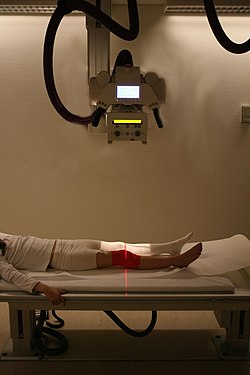
Radiography is an important tool in diagnosis of certain disorders.

Medical diagnosis (abbreviated Dx,[1] Dx, or Ds) is the process of determining which disease or condition explains a person's symptoms and signs. It is most often referred to as a diagnosis with the medical context being implicit. The information required for a diagnosis is typically collected from a history and physical examination of the person seeking medical care. Often, one or more diagnostic procedures, such as medical tests, are also done during the process. Sometimes the posthumous diagnosis is considered a kind of medical diagnosis.

Diagnosis is often challenging because many signs and symptoms are nonspecific. For example, redness of the skin (erythema), by itself, is a sign of many disorders and thus does not tell the healthcare professional what is wrong. Thus differential diagnosis, in which several possible explanations are compared and contrasted, must be performed. This involves the correlation of various pieces of information followed by the recognition and differentiation of patterns. Occasionally the process is made easy by a sign or symptom (or a group of several) that is pathognomonic.[citation needed]

Diagnosis is a major component of the procedure of a doctor's visit. From the point of view of statistics, the diagnostic procedure involves classification tests.

Medical uses

[edit]

A diagnosis, in the sense of diagnostic procedure, can be regarded as an attempt at classification of an individual's condition into separate and distinct categories that allow medical decisions about treatment and prognosis to be made. Subsequently, a diagnostic opinion is often described in terms of a disease or other condition. (In the case of a wrong diagnosis, however, the individual's actual disease or condition is not the same as the individual's diagnosis.) A total evaluation of a condition is often termed a diagnostic workup.[2]

A diagnostic procedure may be performed by various healthcare professionals such as a physician, physiotherapist, dentist, podiatrist, optometrist, nurse practitioner, healthcare scientist or physician assistant. This article uses diagnostician as any of these person categories.[citation needed]

A diagnostic procedure (as well as the opinion reached thereby) does not necessarily involve elucidation of the etiology of the diseases or conditions of interest, that is, what caused the disease or condition. Such elucidation can be useful to optimize treatment, further specify the prognosis or prevent recurrence of the disease or condition in the future.[citation needed]

The initial task is to detect a medical indication to perform a diagnostic procedure. Indications include:[citation needed]

  • Detection of any deviation from what is known to be normal, such as can be described in terms of, for example, anatomy (the structure of the human body), physiology (how the body works), pathology (what can go wrong with the anatomy and physiology), psychology (thought and behavior) and human homeostasis (regarding mechanisms to keep body systems in balance). Knowledge of what is normal and measuring of the patient's current condition against those norms can assist in determining the patient's particular departure from homeostasis and the degree of departure, which in turn can assist in quantifying the indication for further diagnostic processing.
  • A complaint expressed by a patient.
  • The fact that a patient has sought a diagnostician can itself be an indication to perform a diagnostic procedure. For example, in a doctor's visit, the physician may already start performing a diagnostic procedure by watching the gait of the patient from the waiting room to the doctor's office even before she or he has started to present any complaints.

Even during an already ongoing diagnostic procedure, there can be an indication to perform another, separate, diagnostic procedure for another, potentially concomitant, disease or condition. This may occur as a result of an incidental finding of a sign unrelated to the parameter of interest, such as can occur in comprehensive tests such as radiological studies like magnetic resonance imaging or blood test panels that also include blood tests that are not relevant for the ongoing diagnosis.

Procedure

[edit]

General components which are present in a diagnostic procedure in most of the various available methods include:

  • Complementing the already given information with further data gathering, which may include questions of the medical history (potentially from other people close to the patient as well), physical examination and various diagnostic tests.
    A diagnostic test is any kind of medical test performed to aid in the diagnosis or detection of disease. Diagnostic tests can also be used to provide prognostic information on people with established disease.[3]
  • Processing of the answers, findings or other results. Consultations with other providers and specialists in the field may be sought.

There are a number of methods or techniques that can be used in a diagnostic procedure, including performing a differential diagnosis or following medical algorithms.[4]: 198  In reality, a diagnostic procedure may involve components of multiple methods.[4]: 204 

Differential diagnosis

[edit]

The method of differential diagnosis is based on finding as many candidate diseases or conditions as possible that can possibly cause the signs or symptoms, followed by a process of elimination or at least of rendering the entries more or less probable by further medical tests and other processing, aiming to reach the point where only one candidate disease or condition remains as probable. The result may also remain a list of possible conditions, ranked in order of probability or severity. Such a list is often generated by computer-aided diagnosis systems.[5]

The resultant diagnostic opinion by this method can be regarded more or less as a diagnosis of exclusion. Even if it does not result in a single probable disease or condition, it can at least rule out any imminently life-threatening conditions.[citation needed]

Unless the provider is certain of the condition present, further medical tests, such as medical imaging, are performed or scheduled in part to confirm or disprove the diagnosis but also to document the patient's status and keep the patient's medical history up to date.[citation needed]

If unexpected findings are made during this process, the initial hypothesis may be ruled out and the provider must then consider other hypotheses.[citation needed]

Pattern recognition

[edit]

In a pattern recognition method the provider uses experience to recognize a pattern of clinical characteristics.[4]: 198,  [6] It is mainly based on certain symptoms or signs being associated with certain diseases or conditions, not necessarily involving the more cognitive processing involved in a differential diagnosis.

This may be the primary method used in cases where diseases are "obvious", or the provider's experience may enable him or her to recognize the condition quickly. Theoretically, a certain pattern of signs or symptoms can be directly associated with a certain therapy, even without a definite decision regarding what is the actual disease, but such a compromise carries a substantial risk of missing a diagnosis which actually has a different therapy so it may be limited to cases where no diagnosis can be made.[citation needed]

Diagnostic criteria

[edit]

The term diagnostic criteria designates the specific combination of signs and symptoms, and test results that the clinician uses to attempt to determine the correct diagnosis.

Some examples of diagnostic criteria, also known as clinical case definitions, are:

Clinical decision support system

[edit]

Clinical decision support systems are interactive computer programs designed to assist health professionals with decision-making tasks. The clinician interacts with the software utilizing both the clinician's knowledge and the software to make a better analysis of the patients data than either human or software could make on their own. Typically the system makes suggestions for the clinician to look through and the clinician picks useful information and removes erroneous suggestions.[7] Some programs attempt to do this by replacing the clinician, such as reading the output of a heart monitor. Such automated processes are usually deemed a "device" by the FDA and require regulatory approval. In contrast, clinical decision support systems that "support" but do not replace the clinician are deemed to be "Augmented Intelligence" if it meets the FDA criteria that (1) it reveals the underlying data, (2) reveals the underlying logic, and (3) leaves the clinician in charge to shape and make the decision.[citation needed]

Other diagnostic procedure methods

[edit]

Other methods that can be used in performing a diagnostic procedure include:

An example of a medical algorithm for assessment and treatment of overweight and obesity
  • Usage of medical algorithms
  • An "exhaustive method", in which every possible question is asked and all possible data is collected.[4]: 198 

Adverse effects

[edit]

Diagnosis problems are the dominant cause of medical malpractice payments, accounting for 35% of total payments in a study of 25 years of data and 350,000 claims.[8]

Overdiagnosis

[edit]

Overdiagnosis is the diagnosis of "disease" that will never cause symptoms or death during a patient's lifetime.[9] It is a problem because it turns people into patients unnecessarily and because it can lead to economic waste[10] (overutilization) and treatments that may cause harm. Overdiagnosis occurs when a disease is diagnosed correctly, but the diagnosis is irrelevant. A correct diagnosis may be irrelevant because treatment for the disease is not available, not needed, or not wanted.[11]

Errors

[edit]

Most people will experience at least one diagnostic error in their lifetime, according to a 2015 report by the National Academies of Sciences, Engineering, and Medicine.[12]

Causes and factors of error in diagnosis are:[13]

  • the manifestation of disease are not sufficiently noticeable
  • a disease is omitted from consideration
  • too much significance is given to some aspect of the diagnosis
  • the condition is a rare disease with symptoms suggestive of many other conditions
  • the condition has a rare presentation

Lag time

[edit]

When making a medical diagnosis, a lag time is a delay in time until a step towards diagnosis of a disease or condition is made. Types of lag times are mainly:

  • Onset-to-medical encounter lag time, the time from onset of symptoms until visiting a health care provider[14]
  • Encounter-to-diagnosis lag time, the time from first medical encounter to diagnosis[14]
    • Lag time due to delays in reading x-rays have been cited as a major challenge in care delivery. The Department of Health and Human Services has reportedly found that interpretation of x-rays is rarely available to emergency room physicians prior to patient discharge.[15]

Long lag times are often called "diagnostic odyssey".

History

[edit]

The first recorded examples of medical diagnosis are found in the writings of Imhotep (2630–2611 BC) in ancient Egypt (the Edwin Smith Papyrus).[16] A Babylonian medical textbook, the Diagnostic Handbook written by Esagil-kin-apli (fl.1069–1046 BC), introduced the use of empiricism, logic and rationality in the diagnosis of an illness or disease.[17] Traditional Chinese Medicine, as described in the Yellow Emperor's Inner Canon or Huangdi Neijing, specified four diagnostic methods: inspection, auscultation-olfaction, inquiry and palpation.[18] Hippocrates was known to make diagnoses by tasting his patients' urine and smelling their sweat.[19]

Word

[edit]

Medical diagnosis or the actual process of making a diagnosis is a cognitive process. A clinician uses several sources of data and puts the pieces of the puzzle together to make a diagnostic impression. The initial diagnostic impression can be a broad term describing a category of diseases instead of a specific disease or condition. After the initial diagnostic impression, the clinician obtains follow up tests and procedures to get more data to support or reject the original diagnosis and will attempt to narrow it down to a more specific level. Diagnostic procedures are the specific tools that the clinicians use to narrow the diagnostic possibilities.

The plural of diagnosis is diagnoses. The verb is to diagnose, and a person who diagnoses is called a diagnostician.

Etymology

[edit]

The word diagnosis /d.əɡˈnsɪs/ is derived through Latin from the Greek word διάγνωσις (diágnōsis) from διαγιγνώσκειν (diagignṓskein), meaning "to discern, distinguish".[20]

Society and culture

[edit]

Social context

[edit]

Diagnosis can take many forms.[21] It might be a matter of naming the disease, lesion, dysfunction or disability. It might be a management-naming or prognosis-naming exercise. It may indicate either degree of abnormality on a continuum or kind of abnormality in a classification. It is influenced by non-medical factors such as power, ethics and financial incentives for patient or doctor. It can be a brief summation or an extensive formulation, even taking the form of a story or metaphor. It might be a means of communication such as a computer code through which it triggers payment, prescription, notification, information or advice. It might be pathogenic or salutogenic. It is generally uncertain and provisional.

Once a diagnostic opinion has been reached, the provider is able to propose a management plan, which will include treatment as well as plans for follow-up. From this point on, in addition to treating the patient's condition, the provider can educate the patient about the etiology, progression, prognosis, other outcomes, and possible treatments of her or his ailments, as well as providing advice for maintaining health.[citation needed]

A treatment plan is proposed which may include therapy and follow-up consultations and tests to monitor the condition and the progress of the treatment, if needed, usually according to the medical guidelines provided by the medical field on the treatment of the particular illness.[citation needed]

Relevant information should be added to the medical record of the patient.

A failure to respond to treatments that would normally work may indicate a need for review of the diagnosis.

Nancy McWilliams identifies five reasons that determine the necessity for diagnosis:

  • diagnosis for treatment planning;
  • information contained in it related to prognosis;
  • protecting interests of patients;
  • a diagnosis might help the therapist to empathize with his patient;
  • might reduce the likelihood that some fearful patients will go-by the treatment.[22]

Types

[edit]

Sub-types of diagnoses include:

Clinical diagnosis
A diagnosis made on the basis of medical signs and reported symptoms, rather than diagnostic tests[citation needed]
Laboratory diagnosis
A diagnosis based significantly on laboratory reports or test results, rather than the physical examination of the patient. For instance, a proper diagnosis of infectious diseases usually requires both an examination of signs and symptoms, as well as laboratory test results and characteristics of the pathogen involved.[citation needed]
Radiology diagnosis
A diagnosis based primarily on the results from medical imaging studies. Greenstick fractures are common radiological diagnoses.[citation needed]
Electrography diagnosis
A diagnosis based on measurement and recording of electrophysiologic activity.[citation needed]
Endoscopy diagnosis
A diagnosis based on endoscopic inspection and observation of the interior of a hollow organ or cavity of the body.[citation needed]
Tissue diagnosis
A diagnosis based on the macroscopic, microscopic, and molecular examination of tissues such as biopsies or whole organs. For example, a definitive diagnosis of cancer is made via tissue examination by a pathologist.[citation needed]
Principal diagnosis
The single medical diagnosis that is most relevant to the patient's chief complaint or need for treatment. Many patients have additional diagnoses.[citation needed]
Admitting diagnosis
The diagnosis given as the reason why the patient was admitted to the hospital; it may differ from the actual problem or from the discharge diagnoses, which are the diagnoses recorded when the patient is discharged from the hospital.[23]
Differential diagnosis
A process of identifying all of the possible diagnoses that could be connected to the signs, symptoms, and lab findings, and then ruling out diagnoses until a final determination can be made.
Diagnostic criteria
Designates the combination of signs, symptoms, and test results that the clinician uses to attempt to determine the correct diagnosis. They are standards, normally published by international committees, and they are designed to offer the best sensitivity and specificity possible, respect the presence of a condition, with the state-of-the-art technology.
Prenatal diagnosis
Diagnosis work done before birth
Diagnosis of exclusion
A medical condition whose presence cannot be established with complete confidence from history, examination or testing. Diagnosis is therefore by elimination of all other reasonable possibilities.
Dual diagnosis
The diagnosis of two related, but separate, medical conditions or comorbidities. The term almost always referred to a diagnosis of a serious mental illness and a substance use disorder, however, the increasing prevalence of genetic testing has revealed many cases of patients with multiple concomitant genetic disorders.[5]
Self-diagnosis
The diagnosis or identification of a medical conditions in oneself. Self-diagnosis is very common.
Remote diagnosis
A type of telemedicine that diagnoses a patient without being physically in the same room as the patient.
Nursing diagnosis
Rather than focusing on biological processes, a nursing diagnosis identifies people's responses to situations in their lives, such as a readiness to change or a willingness to accept assistance.
Computer-aided diagnosis
Providing symptoms allows the computer to identify the problem and diagnose the user to the best of its ability.[24][5] Health screening begins by identifying the part of the body where the symptoms are located; the computer cross-references a database for the corresponding disease and presents a diagnosis.[25]
Overdiagnosis
The diagnosis of "disease" that will never cause symptoms, distress, or death during a patient's lifetime
Wastebasket diagnosis
A vague, or even completely fake, medical or psychiatric label given to the patient or to the medical records department for essentially non-medical reasons, such as to reassure the patient by providing an official-sounding label, to make the provider look effective, or to obtain approval for treatment. This term is also used as a derogatory label for disputed, poorly described, overused, or questionably classified diagnoses, such as pouchitis and senility,[citation needed] or to dismiss diagnoses that amount to overmedicalization, such as the labeling of normal responses to physical hunger as reactive hypoglycemia.
Retrospective diagnosis
The labeling of an illness in a historical figure or specific historical event using modern knowledge, methods and disease classifications.

See also

[edit]

Lists

[edit]

References

[edit]
[edit]
Revisions and contributorsEdit on WikipediaRead on Wikipedia
from Grokipedia
Medical diagnosis is the act or process of identifying or determining the nature and cause of a or through evaluation of history, examination of a , and review of laboratory test and other diagnostic test results. This process serves as the foundation for clinical decision-making, enabling healthcare professionals to develop appropriate treatment plans and improve outcomes. The diagnostic process is inherently complex and collaborative, involving clinical reasoning, information gathering, and iterative steps to pinpoint a patient's problem. Key elements include obtaining a detailed clinical history and conducting patient interviews to elicit symptoms, followed by a thorough to identify signs of illness. Diagnostic tests, such as analyses, studies, and or assessments, play a critical role in confirming or refining initial hypotheses, with the goal of determining the of a condition through evidence-based evaluation. , a systematic consideration of possible conditions, guides this phase by narrowing down alternatives based on probability and test results. Effective diagnosis relies on interprofessional teamwork among clinicians, including providers, specialists, and diagnostic support staff, while integrating to enhance accuracy and efficiency. Challenges in the process, such as diagnostic errors, underscore the need for ongoing education and quality improvement measures to minimize risks like over-diagnosis or missed conditions. Globally, standardized classifications like the (ICD) facilitate consistent coding and reporting of diagnoses, supporting epidemiological tracking and resource allocation.

Overview

Definition

Medical diagnosis is the act or process of identifying or determining the nature and cause of a or condition through the evaluation of history, symptoms, signs, and diagnostic tests. This process involves systematically gathering and interpreting clinical data to pinpoint the underlying , often requiring a combination of deductive and inductive approaches to narrow down possibilities from a broad range of potential causes. At its core, medical diagnosis integrates clinical judgment, , and probabilistic reasoning to formulate a reasoned conclusion. Clinical judgment draws on the healthcare provider's experience and expertise to interpret findings, while relies on the best available scientific research to guide decisions. Probabilistic reasoning, in particular, involves estimating the likelihood of various conditions based on symptom prevalence and test results, acknowledging the inherent uncertainties in clinical scenarios. Unlike prognosis, which predicts the likely course, duration, and outcomes of a diagnosed condition, medical diagnosis focuses solely on identifying the current or . The term originates from the Greek words dia (through) and (knowledge), reflecting the process of discerning truth by thorough investigation. This foundational step informs subsequent treatment planning by establishing a clear understanding of the patient's condition.

Importance

Accurate medical diagnosis serves as the of effective healthcare by enabling targeted treatments that directly address the underlying condition, thereby improving outcomes and minimizing from inappropriate interventions. For instance, precise identification of diseases allows clinicians to select therapies with higher rates, reducing the of adverse effects and promoting faster recovery. This foundational step ensures that resources are allocated efficiently, avoiding broad-spectrum treatments that may be ineffective or harmful. The economic implications of accurate diagnosis are profound, as it lowers overall healthcare costs by preventing misdirected therapies and unnecessary procedures. Diagnostic errors contribute to substantial financial burdens, with estimates indicating that they account for up to 17.5% of total healthcare expenditure through direct costs of misdiagnosis, underdiagnosis, and . In the United States, wasted spending on unnecessary services linked to poor diagnostics reaches approximately $750 billion annually, or about 17% of total health expenditures (as of 2025 estimates). By contrast, reliable diagnostic practices streamline care pathways and reduce long-term expenses associated with complications. In , plays a pivotal role in , enabling early detection and control of outbreaks through systematic tracking of cases. Health authorities rely on confirmed diagnoses to monitor disease patterns, allocate resources effectively during epidemics, and implement targeted interventions to curb transmission. For example, rapid diagnostic confirmation supports and strategies, preventing widespread proliferation of infectious diseases. Ethically, accurate diagnosis upholds patient autonomy by providing the clear understanding necessary for in treatment decisions. Without a reliable diagnostic foundation, patients cannot fully comprehend risks, benefits, and alternatives, undermining their right to make voluntary choices. This principle is enshrined in codes, which emphasize disclosure of diagnostic information to foster trust and respect for individual agency in healthcare.

Types

Provisional Diagnosis

A provisional diagnosis, also known as a working , is a tentative about a patient's condition formed early in the clinical evaluation to guide further investigation and management. It represents an initial assessment that identifies the most likely explanation for the patient's symptoms without full certainty, allowing clinicians to prioritize next steps efficiently. The primary purpose is to reduce diagnostic uncertainty and inform preliminary treatment decisions while awaiting confirmatory evidence, thereby optimizing resource use and patient care. The formation of a provisional is primarily based on the patient's , presenting symptoms, and initial findings. Clinicians integrate this information to generate hypotheses, often employing Bayesian reasoning to quantify the probability of potential conditions. In Bayesian terms, the posterior of a —reflecting the updated probability after considering new evidence—are computed as the product of the prior (pre-existing probability based on background ) and the likelihood ratio (how much more likely the observed data are under the hypothesized condition versus alternatives): Posterior odds=Prior odds×Likelihood ratio\text{Posterior odds} = \text{Prior odds} \times \text{Likelihood ratio} This probabilistic approach enables a structured update of diagnostic suspicions as clinical details emerge. For example, a reporting sudden-onset fever, , and might receive a provisional of , which directs the ordering of a rapid viral test for confirmation. Similarly, acute with could lead to a provisional of , prompting studies to verify. These examples illustrate how provisional diagnoses focus on the most probable cause to streamline evaluation. The provisional serves as a bridge to the definitive , evolving through iterative refinement as new from diagnostic tests and ongoing assessments accumulates. This transitional role ensures that initial hypotheses are tested and adjusted, enhancing accuracy while minimizing delays in care.

Definitive Diagnosis

A definitive marks the final confirmation of a patient's or condition, achieved by validating initial suspicions with robust, converging from the diagnostic . Building briefly from a provisional assessment, this stage emphasizes resolution through the careful synthesis of clinical findings to eliminate and guide treatment. Establishing a definitive diagnosis requires integrating multiple data sources—such as patient history, physical exam results, laboratory assays, and diagnostic imaging—until a high threshold of certainty is met, often approaching 100% probability in critical cases like those involving surgical intervention or life-threatening illnesses. This integration ensures that supportive evidence aligns without significant contradictions, meeting confirmatory criteria defined in clinical guidelines for specific conditions. Gold standard methods provide the irrefutable proof needed for finality; these include biopsy for histopathological analysis, genetic testing to identify pathogenic mutations, and specialized imaging modalities like positron emission tomography (PET) for metabolic confirmation. For example, in oncology, a biopsy serves as the gold standard, where microscopic examination of tissue reveals characteristic cellular abnormalities indicative of malignancy. A representative example is the confirmation of , where provisional suspicion from mammographic abnormalities and clinical symptoms is definitively established via a report from core needle , detailing tumor grade, receptor status, and HER2 expression to inform therapy. Similarly, in infectious diseases, definitive diagnosis of may integrate results with genetic assays for , surpassing initial presumptive tests based on symptoms and chest X-rays. Even with these methods, challenges in attaining complete certainty arise in rare instances of evolving diagnoses, where post-treatment monitoring reveals disease progression or atypical responses that necessitate diagnostic revision. Such scenarios underscore the dynamic nature of certain pathologies, like autoimmune disorders or chronic infections, where initial confirmation may require ongoing reassessment.

Differential Diagnosis

Differential diagnosis refers to the systematic method used by clinicians to identify a likely condition by considering and comparing multiple possible diseases or disorders that could account for a patient's presenting symptoms and signs. This process involves generating an initial list of potential diagnoses, often ranked by probability based on clinical presentation, and then refining it through further evaluation to arrive at the most probable cause. It is essential in because many conditions share overlapping features, such as fever or , making it critical to distinguish between them to guide appropriate treatment. The process begins with the generation of a broad differential list, frequently aided by structured mnemonics to ensure comprehensive coverage of etiologies. One widely used mnemonic is VINDICATE, which categorizes potential causes as follows: Vascular (e.g., ischemia); Infectious and inflammatory (e.g., bacterial or viral pathogens); Neoplastic (e.g., tumors); Degenerative, deficiency, and drugs (e.g., organ failure); Idiopathic, intoxication, and iatrogenic (e.g., drug side effects); Congenital (e.g., genetic anomalies); Autoimmune, allergic, and anatomic (e.g., ); Traumatic (e.g., or toxins); Endocrine (e.g., dysfunction or environmental factors). This list is then narrowed by integrating findings from patient history, , and targeted diagnostic tests, such as or assays, which help rule out less likely options and prioritize those with higher pretest probability. For instance, positive biomarkers might elevate cardiac causes over infectious ones in a relevant scenario. A common example is the for , a nonspecific symptom that can arise from life-threatening cardiac issues like , infectious processes such as , or noncardiac causes including anxiety disorders or musculoskeletal strain. Clinicians start with a broad list encompassing these possibilities, then use , levels, or chest X-rays to differentiate and exclude alternatives, thereby focusing on the most probable . This approach integrates seamlessly with history taking and to refine the differential efficiently. The importance of differential diagnosis lies in its role in mitigating cognitive biases, particularly anchoring bias, where clinicians fixate on an initial hypothesis and fail to consider alternatives, potentially leading to diagnostic errors. By encouraging a deliberate, broad consideration of possibilities before convergence, it promotes diagnostic accuracy and reduces the risk of premature closure on a single diagnosis, especially in complex cases with ambiguous symptoms. This systematic exploration is a cornerstone of clinical reasoning, enhancing patient safety across medical practice.

Diagnostic Process

History Taking

History taking is the initial phase of the medical diagnostic process, involving a with the patient to collect subjective information about their symptoms, medical background, and relevant contextual factors. This step allows clinicians to gather essential data that forms the foundation for subsequent and testing, emphasizing the patient's perspective to identify patterns and potential causes of illness. Effective history taking relies on clear communication and to elicit accurate details without leading the patient. The core components of history taking begin with the , which is a concise statement of the primary reason for the patient's visit, often expressed in their own words, such as " for two days." This is followed by the history of present illness (HPI), a detailed narrative of the current problem, covering its onset, progression, and associated factors. For symptoms like , clinicians commonly use the mnemonic: Onset (when it started), Provocation/Palliation (what worsens or relieves it), (nature of the sensation), Region/Radiation (location and spread), Severity (intensity on a scale), and Time (duration and pattern). The HPI helps contextualize the and uncover chronological details critical for . Additional components include the past medical history (PMH), which documents prior illnesses, hospitalizations, surgeries, and chronic conditions, as well as obstetric history for female patients. Family history explores hereditary risks by inquiring about illnesses in biological relatives, particularly cardiovascular, respiratory, endocrine, oncologic, psychiatric, and neurological disorders. Social history assesses lifestyle influences, such as occupation, tobacco/alcohol/drug use, diet, exercise, travel, and sexual history (using the 5 Ps: partners, practices, protection from STIs, past STI history, and pregnancy plans). Medication history lists current prescriptions, over-the-counter drugs, supplements, and allergies to evaluate interactions and adherence. Finally, the review of systems (ROS) systematically queries all major body systems (e.g., constitutional, cardiovascular, gastrointestinal) to detect unreported symptoms. Techniques for history taking prioritize open-ended questions initially, such as "Can you tell me more about your symptoms?" to encourage responses and build , transitioning to closed-ended questions like "Does the radiate to your ?" for clarification and efficiency. is integral, requiring clinicians to respect diverse beliefs, avoid assumptions about health practices, and use interpreters when language barriers exist to ensure accurate and respectful elicitation of information. In diagnosis, history taking provides the majority of clues, with studies indicating it contributes to correct diagnoses in approximately 80% of cases among medical outpatients, while also identifying risk factors like genetic predispositions or environmental exposures that guide further evaluation. Documentation of history taking often employs standardized formats like notes, where the "S" (Subjective) section captures the , HPI, PMH, family and social histories, medications, and ROS to support clinical reasoning, continuity of care, and interdisciplinary communication.

Physical Examination

The physical examination is a fundamental component of the diagnostic process in , involving a systematic hands-on to detect objective signs that support or refine the patient's . Building on the subjective information gathered from history taking, it provides observable evidence of disease through direct interaction with the patient. This bedside assessment is non-invasive and aims to identify abnormalities in structure, function, or physiology that corroborate reported symptoms or reveal unsuspected conditions. The core methods of physical examination include inspection, palpation, percussion, and auscultation, typically performed in that sequence to minimize disruption of underlying structures. Inspection entails visual observation of the patient's appearance, posture, movements, and skin for signs such as asymmetry, discoloration, or deformities. Palpation uses touch to assess texture, temperature, tenderness, and organ size, often starting lightly to avoid eliciting pain prematurely. Percussion involves tapping body surfaces to produce sounds that indicate underlying density, such as dullness over fluid-filled areas or resonance over air. Auscultation employs a to listen for internal sounds, like breath or heart activity, revealing irregularities in rhythm or flow. These techniques are applied systematically, often via a head-to-toe approach, which evaluates the body from the general survey ( and overall demeanor) through specific regions: head, , chest, , extremities, and neurological status, ensuring comprehensive coverage without omission. In targeted examinations, the focus narrows to symptoms or suspected systems for efficiency, such as abdominal in cases of reported . Light begins in non-tender quadrants to map areas of guarding, rebound tenderness, or masses, progressing to deeper assessment for or pulsations, which can indicate conditions like or . Such focused maneuvers yield specific signs that align with historical clues, enhancing diagnostic precision. Representative findings include jaundice, observed during inspection as yellowing of the or skin suggesting liver dysfunction, or heart murmurs, detected via as abnormal whooshing sounds indicating valvular issues, both serving to validate or expand on patient narratives. Despite its value, has limitations, including inherent subjectivity influenced by the examiner's experience and technique, leading to inter-observer variability where different clinicians may interpret the same findings inconsistently. For instance, assessing spleen size via can vary significantly between observers due to patient positioning or pressure applied. Additionally, its diagnostic yield diminishes after thorough history taking, contributing approximately 10-20% of new information to the overall , with studies showing it independently leads to the final diagnosis in about 12% of cases, underscoring the need for complementary methods in complex scenarios.

Diagnostic Testing

Diagnostic testing involves the application of laboratory and procedural methods to confirm or refute hypotheses formed during the clinical , building on findings from the . These tests provide objective data that help refine the diagnostic process by identifying or excluding specific pathologies. Common types include blood tests, which analyze components like cells, proteins, and electrolytes to detect conditions such as or infections; , which examines urine for abnormalities indicating , , or urinary tract infections; and biopsies, where tissue samples are extracted and microscopically analyzed to diagnose cancers or inflammatory disorders. The selection of diagnostic tests is guided by the pre-test probability—the estimated likelihood of based on patient history and examination—along with the test's inherent properties of . Sensitivity measures a test's ability to correctly identify those with the condition (true positives), defined as Sensitivity = TP / (TP + FN), where TP is true positives and FN is false negatives; high sensitivity minimizes missed cases, making it ideal for ruling out . Specificity assesses the test's accuracy in identifying those without the condition (true negatives), given by Specificity = TN / (TN + FP), with TN as true negatives and FP as false positives; high specificity is useful for confirming and avoiding unnecessary treatments. These metrics, which are intrinsic to the test and independent of prevalence, inform whether a test is appropriate for a given clinical , such as choosing a highly sensitive test when pre-test probability is low to avoid overlooking rare but serious conditions. When ordering tests, clinicians weigh a cost-benefit analysis that balances potential diagnostic yield against financial costs, patient risks, and resource utilization, with efforts to avoid over-testing that can lead to incidental findings, increased healthcare expenses, and anxiety. Overuse of tests occurs in 0.09% to 97.5% of cases across various settings, with a of 11% when assessed from a patient-indication perspective; high overuse (≥25%) is particularly noted in preoperative testing and imaging for uncomplicated , contributing to unnecessary downstream procedures and highlighting the need for evidence-based guidelines to optimize ordering. Cost-utility analyses further support selecting tests that provide the greatest incremental health benefit per unit cost, ensuring efficient without compromising care quality. Interpreting test results requires considering positive predictive value (PPV)—the probability that a positive result indicates true —and negative predictive value (NPV)—the probability that a negative result rules out —which both depend on prevalence in the tested population alongside . In low- settings, even highly specific tests may yield low PPV due to higher false positive rates, while NPV remains high; conversely, in high- scenarios, PPV increases, aiding confirmation of diagnoses. This prevalence-dependent framework ensures results are contextualized to the patient's risk profile, preventing misinterpretation that could lead to inappropriate management. Representative examples illustrate these principles: an electrocardiogram (ECG) is often ordered for suspected cardiac issues, such as arrhythmias or ischemia, where its high specificity for certain patterns like ST-elevation helps confirm acute when pre-test probability is elevated based on symptoms like . For infections, microbial cultures from blood or other sites are used to identify pathogens, with sensitivity guiding serial testing in scenarios like suspected , where positive results substantially increase post-test probability and direct antibiotic therapy.

Methods and Tools

Pattern Recognition

in medical diagnosis refers to a form of non-analytic reasoning where clinicians intuitively match a patient's clinical to familiar patterns stored in from prior experience. This process operates unconsciously and rapidly, relying on the recognition of symptom clusters or cues that evoke a specific without deliberate analysis. It is particularly prominent in expert clinicians who have developed extensive mental libraries of prototypical cases through repeated exposure. The primary advantages of pattern recognition lie in its speed and efficiency, especially for diagnosing common conditions where the presentation aligns closely with typical patterns. This intuitive approach allows experienced physicians to arrive at accurate diagnoses in seconds, bypassing slower analytical steps and enabling prompt decision-making in high-pressure settings like emergency departments. Proficiency in is honed through deliberate practice, with research indicating that mastery in clinical domains often requires at least 10 years of focused experience to build reliable intuitive judgments. Illustrative examples abound in clinical practice; for instance, a pediatrician might instantly recognize a febrile illness accompanied by a characteristic as based on the constellation of symptoms evoking a stored from past cases. Similarly, in , the triad of crushing , dyspnea, and diaphoresis in an older patient with risk factors can trigger immediate to acute . Despite its strengths, is susceptible to cognitive biases that can lead to errors, notably the , where diagnoses are overemphasized if recent or memorable cases come readily to mind, potentially overlooking less salient but more fitting alternatives. This bias has been linked to diagnostic inaccuracies in up to 15% of cases in clinical studies, underscoring the need for clinicians to balance with verification when patterns are ambiguous. It complements more deliberate differential diagnostic processes by providing initial hypotheses that can then be systematically tested.

Diagnostic Criteria

Diagnostic criteria in medicine consist of standardized sets of signs, symptoms, laboratory findings, and other clinical features used to classify and confirm diseases or disorders. These criteria provide a systematic framework for clinicians to make consistent and reproducible diagnoses, facilitating patient care, epidemiological studies, and by establishing clear thresholds for disease identification. By operationalizing diagnostic rules based on , they reduce variability in clinical judgment and enable the comparison of outcomes across populations. The development of diagnostic criteria typically involves expert panels convened by professional organizations or international bodies, who synthesize available evidence from clinical trials, observational studies, and expert opinion to define inclusion and exclusion parameters. A common approach is the , a structured, iterative process where anonymous surveys are conducted among specialists to achieve consensus on proposed criteria, minimizing bias from dominant voices in group discussions. These criteria are periodically revised to incorporate new scientific data, such as advances in biomarkers or , ensuring they remain relevant to evolving medical knowledge. For instance, updates often refine to balance the risks of underdiagnosis and . Prominent examples illustrate the application of diagnostic criteria across medical fields. The (WHO) criteria for diabetes mellitus include a fasting plasma glucose level of ≥126 mg/dL (≥7.0 mmol/L) or a 2-hour plasma glucose value of ≥200 mg/dL (≥11.1 mmol/L) during an oral , confirmed on two separate occasions unless unequivocal symptoms are present. In , the (DSM-5), published by the , outlines criteria for disorders like , requiring at least five symptoms (including depressed mood or loss of interest) persisting for two weeks, with specific exclusions for medical causes. For functional gastrointestinal disorders, the Rome IV criteria, developed by the Rome Foundation, define through recurrent associated with or changes in stool frequency or form for at least three months, emphasizing symptom patterns without structural abnormalities. Scoring systems, such as the Wells score for deep vein thrombosis (DVT), assign points to clinical features like calf swelling (1 point) or active cancer (1 point), categorizing patients into low (score <2), moderate (2-6), or high (≥7) pretest probability to guide further testing.92535-X/fulltext) In practice, diagnostic criteria often employ threshold-based decisions, such as categories, to determine diagnostic certainty. For example, conditions like acute use modified Jones criteria, where evidence of preceding streptococcal infection plus two major manifestations (e.g., , ) or one major and two minor (e.g., fever, elevated acute-phase reactants) confirm the . This structure supports probabilistic reasoning, where meeting a specified number of criteria indicates sufficient likelihood for intervention, while falling short prompts additional evaluation. Such applications enhance and inform guideline-based care across specialties.

Clinical Decision Support Systems

Clinical decision support systems (CDSS) are computerized tools designed to enhance healthcare delivery by providing patient-specific recommendations to clinicians, drawing on integrated clinical knowledge and (EHR) data to aid in diagnostic and therapeutic decision-making. These systems assist in tasks such as generating differential diagnoses, suggesting appropriate tests, and flagging potential risks, thereby supporting clinicians in complex scenarios without replacing human judgment. CDSS can be broadly classified into knowledge-based and non-knowledge-based types. rely on rule-based logic, utilizing predefined "if-then" rules derived from expert guidelines to deliver recommendations, such as alerting for contraindications based on patient data. In contrast, non-knowledge-based systems employ algorithms to analyze patterns in large datasets, enabling probabilistic predictions like risk stratification for conditions without explicit programming of every scenario. Both types often integrate with EHRs to access real-time patient information, applying diagnostic criteria dynamically to tailor suggestions. The implementation of CDSS has demonstrated benefits in reducing diagnostic errors and improving patient outcomes. A systematic meta-review found that 80% of studies on CDSS for diagnosis reported clinically significant improvements in accuracy, while 90% of broader studies noted enhanced decision-making through features like automated reminders. These systems also help mitigate errors by providing alerts for drug interactions or overlooked conditions, contributing to safer care overall. Prominent examples include Epic's CDSS module, which embeds decision aids within its EHR platform to offer real-time guidance on diagnostics and treatments. provides evidence-based recommendations for differential diagnoses and management, accessible via integration with clinical workflows. Similarly, specializes in suggesting differential diagnoses based on symptoms and history, aiding in the identification of rare or missed conditions.

Contemporary Approaches

Imaging and Laboratory Techniques

Laboratory techniques are essential for confirming diagnoses through biochemical, microbiological, and pathological analysis of biological samples. Blood chemistry tests, such as comprehensive metabolic panels, measure levels of electrolytes, glucose, proteins, and enzymes in serum or plasma to detect imbalances indicative of conditions like diabetes or kidney dysfunction. Microbiology techniques identify infectious agents via methods including culture-based identification of bacteria and fungi from specimens like blood or urine, as well as molecular approaches such as polymerase chain reaction (PCR) to amplify and detect pathogen DNA or RNA with high sensitivity. In pathology, tissue examination through biopsies provides definitive insights into cellular abnormalities, where samples are processed for histological staining and microscopic evaluation to diagnose cancers or inflammatory diseases. Imaging techniques offer non-invasive visualization of internal structures, aiding in the localization and characterization of pathologies. radiography employs to produce two-dimensional images, excelling in detecting bone fractures and lung abnormalities due to differential absorption by tissues. Computed tomography (CT) scans use multiple beams rotated around the body to generate detailed cross-sectional images, particularly useful for evaluating trauma, tumors, and vascular issues with enhanced contrast from iodinated agents. (MRI) relies on strong magnetic fields and radiofrequency pulses to align protons in the body, producing high-resolution images of soft tissues like the and muscles without . imaging transmits high-frequency sound waves via a to create real-time images of organs and fetuses, leveraging reflections for dynamic assessments such as cardiac function or abdominal fluid detection. Recent advancements have enhanced accessibility and precision in these techniques. Point-of-care testing (POCT), including rapid antigen tests for pathogens like SARS-CoV-2, enables bedside results in minutes using portable devices, reducing turnaround times compared to central labs. Integration with genomics, such as next-generation sequencing (NGS) in laboratory workflows, allows simultaneous analysis of genetic variants alongside traditional tests to identify hereditary disorders or tumor mutations. For instance, mammography, a specialized X-ray technique, compresses breast tissue to detect microcalcifications and masses for early breast cancer screening, often guiding subsequent biopsies. Biopsy procedures, frequently image-guided, extract tissue samples for pathological analysis, confirming malignancies through microscopic examination of cellular architecture. These methods are selected based on the specific needs identified during the diagnostic testing phase.

Artificial Intelligence in Diagnosis

Artificial intelligence (AI) has emerged as a transformative tool in medical diagnosis, leveraging models trained on extensive datasets to detect subtle patterns that may elude human observers. These systems, particularly convolutional neural networks (CNNs), excel in analyzing complex medical images, achieving diagnostic accuracies often comparable to or exceeding those of clinicians in controlled settings. For instance, in , CNN-based models have demonstrated pooled sensitivities and specificities exceeding 90% across various imaging modalities for classification. A prominent application of AI lies in image analysis, where algorithms process radiological and ophthalmological scans to identify with high precision. Google's DeepMind developed an AI system capable of diagnosing over 50 eye conditions from scans, matching expert ophthalmologists in accuracy and providing referral recommendations. This technology prioritizes urgent cases, such as referable diabetic , enabling faster triage in clinical workflows. Similarly, AI-driven predictive analytics have advanced diagnosis by integrating , lab results, and clinical notes to forecast onset hours before traditional criteria, as shown in the SERA algorithm, which outperformed standard scoring systems like qSOFA. Recent developments underscore AI's regulatory maturation and expanded utility. The U.S. (FDA) approved IDx-DR (now LumineticsCore) in 2018 as the first autonomous AI diagnostic system for detecting more-than-mild in settings, with ongoing studies confirming its sensitivity above 87% and specificity around 91% in diverse populations as of 2025; other systems, such as EyeArt and AEYE Health, have also received FDA clearance for similar autonomous screening tasks. Integration with wearable devices further enables real-time monitoring, where AI algorithms analyze continuous data streams from sensors to detect anomalies like irregular heart rhythms or early infection signs, facilitating proactive interventions. Emerging trends as of 2025 include the use of large language models (LLMs) for processing multimodal data, such as combining with clinical text for more comprehensive diagnostic support. Despite these advances, AI in diagnosis faces significant limitations, notably the "" nature of many models, where processes remain opaque, complicating trust and accountability. This lack of interpretability can hinder integration into practice, necessitating human oversight to validate outputs and mitigate risks of misdiagnosis in edge cases. Efforts to address these issues include developing explainable AI techniques, though widespread adoption requires balancing performance with transparency.

Telemedicine and Remote Diagnostics

Telemedicine, a subset of , involves the remote delivery of medical diagnostic services through digital communication technologies that connect healthcare providers and patients separated by distance. This includes virtual consultations via video platforms, mobile applications for symptom reporting and , and remote sensors embedded in devices to facilitate real-time or asynchronous . Essential tools for remote diagnostics encompass wearable devices and home-based monitoring kits that enable patients to collect vital health data independently. For instance, the features FDA-cleared electrocardiogram (ECG) functionality to detect and other cardiac irregularities, allowing users to generate diagnostic reports shareable with providers. Similarly, continuous glucose monitoring kits, such as those integrated with smartphone apps, permit diabetic patients to track blood sugar levels at home and transmit results for remote analysis and adjustment of treatment plans. The primary benefits of telemedicine in diagnostics lie in improved accessibility and risk mitigation, particularly for populations in remote locations. In rural areas, where specialist care is often scarce, virtual platforms bridge geographical barriers, enabling timely diagnoses without extensive travel and reducing associated costs. The surge in adoption during the from 2020 to 2025 exemplified these advantages, as telemedicine minimized in-person contact to curb infection transmission while sustaining diagnostic services amid lockdowns and overwhelmed healthcare systems. Despite these gains, telemedicine faces significant challenges in maintaining diagnostic integrity and protecting patient data. Accuracy in remote examinations can be compromised by the absence of hands-on assessment, leading to potential misinterpretations of symptoms or device readings that require clinical validation. Data privacy remains a critical concern, as the transmission of sensitive health information over digital channels heightens risks of breaches, necessitating compliance with regulations such as the Portability and Accountability Act (HIPAA) to enforce , secure platforms, and user authentication. Telemedicine often integrates with tools to bolster remote diagnostic precision, such as AI-assisted analysis of wearable data.

Risks and Limitations

Overdiagnosis

Overdiagnosis refers to the detection and labeling of medical conditions that would not have caused symptoms or harm during a person's lifetime if left undetected. This phenomenon primarily occurs in individuals through screening programs, where tests identify abnormalities that are biologically indolent or non-progressive. Unlike underdiagnosis, overdiagnosis does not involve missed cases but rather the unnecessary of harmless states, often leading to a cascade of interventions. The main causes of overdiagnosis include the expansion of population-based screening initiatives and the detection of incidental findings during diagnostic or advanced testing. As screening technologies become more sensitive, they uncover subtle deviations from normalcy—such as small, slow-growing tumors—that would otherwise remain silent throughout life. Incidental discoveries, for instance, arise when scans performed for unrelated reasons reveal anomalies, amplifying the issue in routine clinical practice. The consequences of overdiagnosis are multifaceted, encompassing psychological distress, financial burdens, and physical harms from subsequent overtreatment. Patients may experience heightened anxiety, depression, or a diminished due to the emotional weight of a "cancer" , even for non-threatening conditions. Unnecessary biopsies, surgeries, or therapies can lead to complications like infections, incontinence, or . A prominent example is via (PSA) tests, which frequently detect indolent tumors that would not progress, resulting in overtreatment without mortality benefits. Estimates suggest overdiagnosis rates of 20% to 50% in certain cancer screenings, such as breast and , highlighting the scale of this issue across screened populations. To mitigate overdiagnosis, healthcare providers should engage patients in informed risk-benefit discussions prior to screening, emphasizing personalized factors like age and family history. Selective screening guidelines, such as restricting PSA testing to men with elevated risk profiles or median PSA levels above 1 ng/mL after age 60, can reduce unnecessary detections. Additionally, promoting awareness among professionals and the public, alongside strategies like active surveillance for low-risk findings, helps avoid escalation to harmful interventions.

Diagnostic Errors

Diagnostic errors occur when the diagnostic process fails to accurately identify a 's condition, leading to misdiagnosis, missed diagnosis, or incorrect treatment decisions. According to a 2015 report by the , an estimated 5% of U.S. adults seeking outpatient care annually experience a diagnostic error, contributing to significant harm. These errors are a leading cause of adverse events in healthcare, with recent estimates indicating that approximately 795,000 suffer permanent or each year due to misdiagnosed dangerous diseases. Diagnostic errors can be broadly categorized into cognitive and system-related types. Cognitive errors stem from mental shortcuts or biases in clinical reasoning, such as —where clinicians seek information that supports an initial hypothesis while ignoring contradictory evidence—or anchoring bias, which involves fixating on the first piece of information gathered. System-related errors arise from breakdowns in healthcare processes, including laboratory mix-ups, poor communication between providers, or inadequate access to patient records. These categories often overlap, but cognitive factors account for the majority of errors in settings. Common causes of diagnostic errors include incomplete patient histories, premature closure of the diagnostic , and misinterpretation of results. For instance, clinicians may overlook key symptoms if the history-taking is rushed or if they prematurely conclude an evaluation based on partial information. A representative example is the missed diagnosis of , which frequently results from cognitive errors like availability bias—where recent experiences with similar cases influence judgment—and can lead to complications such as if not addressed promptly. The impact of diagnostic errors extends beyond individual patient outcomes to broader healthcare and legal consequences. These errors contribute to about 10% of patient deaths in the United States and are the leading cause of litigation, accounting for roughly 22% of paid claims and billions in settlements. In addition to physical harm, such as unnecessary surgeries or prolonged suffering, diagnostic errors erode trust in the healthcare system and increase overall costs. Prevention strategies focus on enhancing clinical reasoning and strengthening system safeguards. Education programs that train providers to recognize cognitive biases have shown promise in reducing error rates by promoting reflective practice. Implementing checklists—such as those prompting consideration of alternative diagnoses or verification of test results—helps mitigate premature closure and system failures. Seeking second opinions, particularly for complex cases, further bolsters accuracy by introducing diverse perspectives. Emerging tools like can assist in mitigating these errors by analyzing patterns in data that humans might overlook.

Diagnostic Delays

Diagnostic delays refer to the temporal gaps between the onset of symptoms and the establishment of a definitive medical diagnosis, which can occur across , provider, and systemic levels of the healthcare process. These lags are distinct from diagnostic errors, as they pertain to timing issues even in otherwise accurate evaluations, though they may occasionally be compounded by initial misjudgments. Such delays are prevalent in various conditions, contributing to suboptimal health outcomes by permitting disease advancement during the interim period. Patient-related causes of diagnostic delays frequently stem from individuals postponing or avoiding consultation, often by dismissing symptoms as minor, attributing them to stress or aging, or due to anxiety about potential findings. For example, in cases of acute , patients may delay seeking care because of denial or underestimation of symptom severity, extending the appraisal interval—the time from symptom recognition to deciding on action. Provider-induced delays arise from prolonged wait times for appointments, diagnostic , or specialist referrals, influenced by scheduling constraints and workload pressures in clinical settings. Systemic bottlenecks, including inefficient coordination between primary and secondary care, limited access to advanced testing facilities, and administrative hurdles in referral processes, further prolong the overall timeline. The exacerbated these delays, with persistent effects noted in 2024-2025 studies showing increased diagnostic intervals for cancers and other conditions due to backlogs. The consequences of these delays are profound, as they allow conditions to progress unchecked, leading to heightened morbidity and mortality. In ischemic stroke, delays in diagnosis beyond the critical therapeutic window—typically four and a half hours for —result in greater brain tissue damage, with each additional hour correlating to worsened functional outcomes and a substantially increased of long-term , such as impaired mobility or speech. Similarly, for many cancers, diagnostic intervals averaging 3 to 6 months from symptom onset to confirmation are linked to presentation at more advanced stages, diminishing treatment efficacy, elevating recurrence rates, and contributing to increased mortality; subsequent treatment delays can raise the by up to 10% per month in some cohorts. These impacts underscore the urgency of timely intervention, as even modest reductions in lag time can preserve and extend survival. As of , global estimates suggest up to 15% of diagnoses involve inaccuracies, delays, or errors, amplifying these risks. Measuring diagnostic delays involves standardized metrics derived from clinical and epidemiological , focusing on key intervals to pinpoint bottlenecks. The appraisal interval captures the duration from symptom awareness to the decision to seek help, while the interval tracks time to first healthcare contact, and the diagnostic interval encompasses the period from initial to confirmed . These are often quantified using patient self-reports, electronic health records, or prospective cohort studies, with guidelines recommending consistent reporting to enable cross-study comparisons and over time. For instance, total time-to-diagnosis for cancers is frequently calculated as the sum of these phases, revealing median delays of around 100-150 days in large-scale analyses. Efforts to address diagnostic delays emphasize targeted interventions at each contributing level. Fast-track diagnostic pathways, such as expedited referral systems for high-suspicion cases like colorectal or , integrate multidisciplinary teams to compress testing timelines, reducing overall lags by coordinating biopsies, , and consultations within weeks. Public awareness campaigns, which promote recognition of —such as persistent cough for or sudden weakness for —have demonstrated success in shortening intervals by fostering prompt help-seeking behaviors, with evidence from randomized trials showing up to 20% reductions in delay durations following targeted . Additionally, enhancing provider on efficient and system-level reforms like digital referral platforms help alleviate bottlenecks, collectively aiming to minimize the cumulative impact on outcomes. Recent 2025 research highlights higher mortality from diagnostic errors in settings, underscoring the need for ongoing improvements.

History

Ancient and Medieval Periods

In , medical diagnosis relied heavily on observational examination of symptoms and injuries, as documented in papyri dating back to approximately 2000 BCE. The , one of the oldest known surgical treatises, describes 48 cases involving trauma such as wounds, fractures, dislocations, and tumors, emphasizing a systematic approach to assessment through , , and interrogation of the patient to identify observable signs like swelling or impaired function. This text highlights early diagnostic reasoning based on empirical symptoms rather than explanations, marking a foundational shift toward rational evaluation in . During the classical Greek period, Hippocratic physicians advanced diagnostic methods by incorporating detailed sensory examinations, including palpation and inspection (uroscopy). (c. 460–370 BCE) advocated assessing the for irregularities in , strength, and to infer internal conditions, while uroscopy involved observing 's color, consistency, odor, and sediment to diagnose diseases and predict outcomes, often prioritizing over definitive . These techniques formed part of the broader , which stressed holistic patient observation, environmental factors, and natural causes of illness. In the Roman era, (129–c. 216 CE) refined Greek humoral theory into a dominant diagnostic framework, positing that health depended on the balance of four humors—, , yellow bile, and black bile—whose imbalances caused disease. Diagnosis involved evaluating symptoms like fever, complexion, and excretions to identify humoral excesses or deficiencies, with treatments aimed at restoration through diet, purgatives, or ; this system influenced Western medicine for over a millennium. The Medieval saw significant advancements in clinical observation, exemplified by 's (Ibn Sina) (completed 1025 CE), a comprehensive that synthesized Greek and empirical knowledge. emphasized meticulous patient history-taking, , and symptom classification, introducing systematic rules for assessing drug effects through controlled human trials to refine diagnostic accuracy and treatment efficacy, thereby elevating medicine toward a more scientific basis. In contrast, medieval European medicine often integrated humoral theory with astrological influences, where and timing depended on zodiacal positions believed to govern body parts and disease onset. Physicians consulted lunar phases and planetary alignments to interpret symptoms, such as associating fevers with Mars or digestive issues with the , blending rational observation with celestial . These ancient and medieval diagnostic practices were severely limited by incomplete anatomical knowledge—dissections were rare and often prohibited—and pervasive , including reliance on omens, divine intervention, and astrological prognostication, which overshadowed and hindered precise determination. The absence of systematic , coupled with cultural taboos, confined diagnoses to surface-level observations, perpetuating errors and ineffective interventions until later scientific revolutions.

Modern Era Developments

The modern era of medical diagnosis, building upon observational methods from ancient and medieval periods, marked a shift toward scientific instrumentation and empirical validation, beginning in the 19th century. In 1816, French physician René Laennec invented the stethoscope, a wooden tube that allowed auscultation of internal sounds without direct contact, revolutionizing the assessment of heart and lung conditions by enabling more precise detection of abnormalities like murmurs and rales. This tool laid the groundwork for physical examination as a cornerstone of diagnostic practice. Later in the century, during the 1880s, Robert Koch advanced microscopy techniques to identify specific pathogens, such as the tuberculosis bacillus in 1882, establishing microbiological criteria (Koch's postulates) for linking microbes to diseases and transforming infectious disease diagnosis from symptomatic inference to laboratory confirmation. The 20th century saw further technological leaps that integrated physics and physiology into diagnostics. In 1895, discovered X-rays, enabling non-invasive visualization of bones and internal structures, which quickly became essential for diagnosing fractures, tumors, and foreign bodies. Building on this, in 1903, Dutch physiologist developed the string for (ECG), allowing graphical recording of the heart's electrical activity to detect arrhythmias and ischemic conditions with greater accuracy than manual pulse assessment. The discovery and widespread use of antibiotics, starting with penicillin in the 1940s, further refined diagnostic approaches by necessitating pathogen identification and susceptibility testing, shifting from broad-spectrum presumptive treatment to targeted therapies based on culture and sensitivity results. Concurrently, the 1990s milestone of , pioneered by David Sackett at , emphasized integrating clinical expertise with the best available research evidence, standardizing diagnostic decision-making through systematic reviews and randomized trials to reduce variability and errors. Entering the 21st century, genomic advancements reshaped diagnosis at the molecular level. The , completed in 2003, provided a reference sequence of human DNA, enabling for hereditary disorders, , and personalized diagnostics, such as identifying BRCA mutations for risk. Post-2010, (AI) integration accelerated diagnostic precision, with models achieving dermatologist-level accuracy in classifying skin lesions from images in a 2017 study using convolutional neural networks on over 129,000 clinical photos. Similarly, AI algorithms like CheXNet in 2017 demonstrated radiologist-surpassing performance in detecting on chest X-rays, analyzing subtle patterns invisible to the . The COVID-19 pandemic from 2020 onward catalyzed rapid testing innovations, including point-of-care assays and multiplex PCR platforms that delivered results in minutes to hours, enhancing outbreak surveillance and early intervention while addressing global testing shortages. By 2025, these developments have converged to support hybrid diagnostic ecosystems combining AI, , and real-time analytics for faster, more equitable disease detection.

Terminology

Etymology

The term "diagnosis" originates from the noun diágnōsis (διάγνωσις), meaning "a distinguishing" or "discernment," derived from the verb diagignṓskein (διαγιγνώσκειν), "to distinguish" or "to discern," composed of diá (διά, "through" or "between") and gignṓskein (γιγνώσκειν, "to know" or "to learn"). This linguistic root reflects the early medical emphasis on differentiating diseases based on observable signs, as seen in the from the 5th to 4th centuries BCE, where the concept tied into ancient diagnostic practices of observation and inference. The word entered medical Latin as diagnōsis in the late 17th century, appearing in scholarly texts as a term for the scientific identification of diseases through symptoms. By 1634, it had been adopted into English medical literature, initially in the sense of "discrimination between two possibilities," evolving to denote the formal process of identifying ailments. Its modern standardization in English occurred during the 19th century, coinciding with advances in clinical methods, and it shares its core root with "prognosis" (prognōsis, "foreknowledge"), both emphasizing knowledge-based judgment in medicine. In other languages, variations emerged similarly; for instance, the French "diagnostic" first appeared in medical contexts in , borrowed from the earlier diagnostique and adapted to signify the act of discerning a condition. The form diagnōstikós (διαγνωστικός), meaning "able to distinguish," from the same Greek stem, influenced related terms like "diagnostic" in English by the 1620s.

Key Terms and Classifications

In medical diagnosis, a symptom refers to subjective evidence of disease as perceived and reported by the patient, such as or , while a sign denotes objective evidence observable by the , including measurable indicators like elevated or a . These distinctions are fundamental to clinical assessment, enabling practitioners to differentiate patient-reported experiences from verifiable findings. A syndrome, in contrast, describes a recognizable cluster or complex of symptoms and signs that collectively suggest a specific condition, often without a fully understood direct cause, as seen in examples like or . Key classification systems standardize diagnostic terminology to support consistent coding and communication. The , developed by the (WHO) and effective since 2022 with ongoing updates, serves as the global standard for systematically recording, reporting, and analyzing mortality and morbidity data through alphanumeric codes for diseases, disorders, and health conditions. Complementing this, SNOMED CT (Systematized Nomenclature of Medicine - Clinical Terms) provides a comprehensive, multilingual clinical terminology for capturing detailed healthcare data, including procedures, findings, and concepts, and is designated for use in electronic health information exchange in systems like those of the U.S. of Medicine. Diagnostic hierarchies organize conditions to reflect clinical priority and complexity. A primary diagnosis is defined as the principal condition chiefly responsible for a patient's admission or encounter, guiding the main focus of care, whereas secondary diagnoses encompass coexisting conditions that may influence treatment but are not the primary reason for the visit. Comorbidity indexing, such as the , quantifies the burden of multiple concurrent diseases by assigning weighted scores to conditions based on their associated mortality risk, aiding in prognostic assessment and resource allocation. These standardization efforts, including and , enhance interoperability in global electronic health records by enabling seamless data exchange, reducing errors in cross-system communication, and supporting evidence-based across healthcare settings.

Societal Aspects

Cultural Influences

Cultural factors significantly influence medical diagnosis by shaping perceptions of illness, help-seeking behaviors, and the integration of traditional practices with modern methods. In many Asian cultures, stigma surrounding conditions, such as , discourages open discussion and formal diagnosis, often leading to delayed or avoided treatment. For instance, the cultural emphasis on and "face" in Chinese and other East Asian societies attributes mental illness to interpersonal conflicts or personal failings, resulting in profound family shame and reluctance to seek psychiatric care. Similarly, in , societal pressures for achievement exacerbate this stigma, where individuals with may internalize labels of weakness, further hindering diagnostic processes. These variations highlight how cultural norms can perpetuate underdiagnosis of severe psychiatric disorders. The integration of traditional medicine systems with Western diagnostics exemplifies cultural adaptation in healthcare. In China, (TCM) , which assesses the to evaluate overall physiological balance, is increasingly combined with Western cardiovascular assessments to provide a holistic view of health. This approach recognizes pulse variations as indicators of systemic imbalances, complementing modern tools like monitoring, though it requires validation for broader clinical use. Likewise, in , Ayurvedic diagnostics rely on evaluating doshas (bodily humors) through methods including , tongue inspection, and history. These diagnostics are being linked to Western via computational analyses that identify molecular targets of compounds, facilitating integrated treatment plans for conditions like cancer. Such synergies allow for culturally sensitive diagnostics that respect indigenous knowledge while incorporating evidence-based Western methods. Patient beliefs rooted in or cultural explanations profoundly affect the diagnostic process, particularly during history taking. Many individuals attribute illness to causes, such as divine or ancestral spirits, which can lead to incomplete disclosure of symptoms if clinicians do not cultural contexts. For example, in some African and Indigenous communities, spiritual etiologies for physical ailments may overshadow biomedical narratives, requiring providers to incorporate religious competence to elicit accurate histories and avoid misdiagnosis. This cultural lens influences how symptoms are described and interpreted, emphasizing the need for tailored questioning that acknowledges diverse worldviews. Globally, cultural orientations impact diagnosis rates of common conditions like depression. In collectivist societies, such as those in and , depression is often underdiagnosed due to stigma and a tendency to express emotional distress somatically (e.g., as physical pain), contrasting with more overt psychological reporting in individualist Western cultures. This results in lower formal rates, as social harmony norms discourage acknowledging personal vulnerability, potentially masking the true burden of the disorder. Ethical considerations in medical diagnosis are grounded in foundational principles outlined by Beauchamp and Childress, which emphasize respect for , non-maleficence, beneficence, and . Autonomy requires that patients have the right to make informed decisions about diagnostic procedures, while non-maleficence obligates clinicians to avoid harm from unnecessary or risky tests. These principles guide the ethical practice of diagnosis by ensuring that interventions respect patient and minimize potential adverse effects. A core ethical requirement in diagnostic processes is obtaining , which involves providing patients with comprehensive information about the purpose, risks, benefits, and alternatives of tests before proceeding. This practice upholds and is both an ethical imperative and a legal standard, as failure to secure consent can undermine trust and expose patients to unintended harms. Equity in access to diagnostic services further embodies the principle of , addressing disparities where socioeconomic, geographic, or demographic factors limit timely and accurate diagnosis for marginalized populations. Ethical frameworks stress the need for policies that promote fair distribution of health resources to prevent exacerbation of health inequities. Legally, diagnostic errors can lead to under U.S. , where physicians may be held accountable if —such as failing to order appropriate tests or misinterpreting results—proximately causes patient harm. Successful claims typically require proof of a breached , resulting in damages like additional medical costs or lost . Disclosure requirements mandate that clinicians communicate diagnoses transparently to patients, aligning with ethical duties to foster informed and . Under the Health Insurance Portability and Accountability Act (HIPAA), related to diagnoses must be safeguarded, with disclosures limited to necessary purposes to prevent unauthorized access. Privacy concerns intensify with , where the European Union's (GDPR), effective in 2018, classifies genetic data as a special category requiring explicit consent for processing and stringent safeguards against re-identification. This regulation imposes fines for breaches and mandates data minimization to protect individuals from discrimination based on genetic profiles. In AI-assisted diagnostics, ethical issues arise from , which can perpetuate disparities by underperforming for underrepresented groups in training data, leading to inaccurate diagnoses and violations of justice. Addressing such bias demands diverse datasets and ongoing audits to ensure equitable outcomes. Recent guidance, such as the World Health Organization's 2024 recommendations on AI ethics for large multi-modal models, emphasizes to mitigate these risks in healthcare applications. Professional guidelines from the (AMA) reinforce these standards, with its Code of Medical Ethics urging physicians to prioritize diagnostic accuracy and disclose uncertainties to patients while advocating for just in healthcare delivery. The AMA emphasizes that ethical diagnosis involves honest communication and efforts to mitigate biases, ensuring that all patients receive competent care without prejudice.

References

Add your contribution
Related Hubs
User Avatar
No comments yet.