Hubbry Logo
DefecationDefecationMain
Open search
Defecation
Community hub
Defecation
logo
8 pages, 0 posts
0 subscribers
Be the first to start a discussion here.
Contribute something
Defecation
Defecation
from Wikipedia

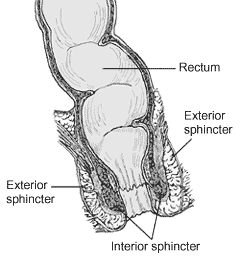
Human anatomy of the anorecturm (anus and rectum)

Defecation (or defaecation) follows digestion and is the necessary biological process by which organisms eliminate a solid, semisolid, or liquid waste material known as feces (or faeces) from the digestive tract via the anus or cloaca. The act has a variety of names, ranging from the technical (e.g. bowel movement), to the common (like pooping or crapping), to the obscene (shitting), to the euphemistic ("doing number two", "dropping a deuce" or "taking a dump"), to the juvenile ("going poo-poo" or "making doo-doo"). The topic, usually avoided in polite company, forms the basis of scatological humor.

Humans expel feces with a frequency varying from a few times daily to a few times weekly.[1] Waves of muscular contraction (known as peristalsis) in the walls of the colon move fecal matter through the digestive tract towards the rectum. Flatus may also be expulsed. Undigested food may also be expelled within the feces, in a process called egestion. When birds defecate, they also expel urine and urates in the same mass, whereas other animals may also simultaneously urinate during defecation, but the processes are spatially separated. Defecation may also accompany childbirth and death. Babies defecate a unique substance called meconium prior to eating external foods.

There are a number of medical conditions associated with defecation, such as diarrhea and constipation, some of which can be serious. A simpler and more mundane concern is the maintenance of anal hygiene, which usually calls for cleaning the area shortly after defecation. The feces expelled can carry diseases, most often through the contamination of food. E. coli is a particular concern.

Before toilet training, human feces are most often collected into a diaper. Thereafter, in many societies people commonly defecate into a toilet. A Western-style flush toilet requires a sitting position, as compared with a squat toilet. However, open defecation, the practice of defecating outside without using a toilet of any kind, is still widespread in some developing countries;[2] some people in those countries defecate into the ocean. Well-developed countries use sewage treatment plants or on-site treatment for blackwater.

Description

[edit]
Defecation postures of mammals
Video of a cow defecating

Physiology

[edit]

The rectum ampulla stores fecal waste (also called stool) before it is excreted. As the waste fills the rectum and expands the rectal walls, stretch receptors in the rectal walls stimulate the desire to defecate. This urge to defecate arises from the reflex contraction of rectal muscles, relaxation of the internal anal sphincter, and an initial contraction of the skeletal muscle of the external anal sphincter. If the urge is not acted upon, the material in the rectum is often returned to the colon by reverse peristalsis, where more water is absorbed and the feces are stored until the next mass peristaltic movement of the transverse and descending colon.

When the rectum is full, an increase in pressure within the rectum forces apart the walls of the anal canal, allowing the fecal matter to enter the canal. The rectum shortens as material is forced into the anal canal and peristaltic waves push the feces out of the rectum. The internal and external anal sphincters along with the puborectalis muscle allow the feces to be passed by muscles pulling the anus up over the exiting feces.[3]

Voluntary and involuntary control

[edit]

The external anal sphincter is under voluntary control whereas the internal anal sphincter is involuntary. In infants, the defecation occurs by reflex action without the voluntary control of the external anal sphincter. Defecation is voluntary in adults. Young children learn voluntary control through the process of toilet training. Once trained, loss of control, called fecal incontinence, may be caused by physical injury, nerve injury, prior surgeries (such as an episiotomy), constipation, diarrhea, loss of storage capacity in the rectum, intense fright, inflammatory bowel disease, psychological or neurological factors, childbirth, or death.[4]

Sometimes, due to the inability to control one's bowel movement or due to excessive fear, defecation (usually accompanied by urination) occurs involuntarily, soiling a person's undergarments. This may cause significant embarrassment to the person if this occurs in the presence of other people or a public place.

Posture

[edit]

The positions and modalities of defecation are culture-dependent. Squat toilets are used by the vast majority of the world, including most of Africa, Asia, and the Middle East.[5] The use of sit-down toilets in the Western world is a relatively recent development, beginning in the 19th century with the advent of indoor plumbing.[6]

Disease

[edit]

Regular bowel movements determine the functionality and the health of the alimentary tracts in human body. Defecation is the most common regular bowel movement which eliminates waste from the human body. The frequency of defecation is hard to identify, which can vary from daily to weekly depending on individual bowel habits, the impact from the environment, and genetics.[7] If defecation is delayed for a prolonged period the fecal matter may harden, resulting in constipation. If defecation occurs too fast, before excess liquid is absorbed, diarrhea may occur.[8] Other associated symptoms can include abdominal bloating, abdominal pain, and abdominal distention.[9] Disorders of the bowel can seriously impact quality of life and daily activities. The causes of functional bowel disorder are multifactorial, and dietary habits such as food intolerance and low fiber diet are considered to be the primary factors.[10]

Constipation

[edit]

Constipation, also known as defecatory dysfunction, is difficulty experienced when passing stools. It is one of the most notable alimentary disorders that affects different age groups in the population. Common constipation is associated with abdominal distention, pain or bloating.[11] Research has revealed that chronic constipation complied with higher risk of cardiovascular events such as coronary heart disease and ischemic stroke, while associating with an increasing risk of mortality.[12] Besides dietary factors, psychological traumas and 'pelvic floor disorders' can also cause chronic constipation and defecatory disorder respectively.[11] Multiple interventions, including physical activities, 'high-fibre diet', probiotics[13] and drug therapies can be widely and efficiently used to treat constipation and defecatory disorder.

Inflammatory bowel diseases

[edit]

Inflammatory disease is characterized as long-lasting, chronic inflammation throughout the gastrointestinal tract. Crohn's disease (CD) and ulcerative colitis (UC) are two universal types of inflammatory bowel disease that have been studied over a century. They are closely related to different environmental risk factors, family genetics, and lifestyle choices such as smoking.[14] Crohn's disease has been found to be related to immune disorders particularly.[15] Different levels of cumulative intestinal injuries can cause different complications, such as fistulae, damage of bowel function, symptom recurrence, disability, etc.[16] Patients can be children or adults. Recent research shows that immunodeficiency and monogenic disorders are the causes in young patients with inflammatory bowel diseases.[17]

Common symptoms of inflammatory bowel diseases differ by the infection level, but may include severe abdominal pain, diarrhea, fatigue, and unexpected weight loss. Crohn's disease can lead to infection of any part of the digestive tract, including ileum to anus.[18] Internal manifestations include diarrhea, abdomen pain, fever, chronic anaemia, etc. External manifestations include impact on skin, joints, eyes, and liver. Significantly reduced microbiota diversity inside the gastrointestinal tract can also be observed. Ulcerative colitis mainly affects the function of the large bowel, and its incidence rate is three times greater than that of Crohn's disease.[19] In terms of clinical features, over 90 percent of patients exhibit constant diarrhea, rectal bleeding, softer stool, mucus in the stool, tenesmus, and abdominal pain.[19] The symptoms may continue for around 6 weeks or even longer.

The inflammatory bowel diseases could be effectively treated by 'pharmacotherapies' to relieve and maintain the symptoms, which showed in 'mucosal healing' and symptoms elimination.[20] However, an optimal therapy for curing both inflammatory diseases are still under research due to the heterogeneity in clinical feature.[20] Although both UC and CD are sharing similar symptoms, the medical treatment of them are distinctively different.[20] Dietary treatment can benefit for curing CD by increase the dietary zinc and fish intake, which is related to mucosal healing of the bowel.[15] Treatments vary from drug treatment to surgery based on the active level of the CD. UC can also be relieved by using immunosuppressive therapy for mild to moderate disease level and application of biological agents for severe cases.[19]

Irritable bowel syndrome

[edit]

Irritable bowel syndrome is diagnosed as an intestinal disorder with chronic abdominal pain and inconsistency in form of stool, and is a common bowel disease that can be easily diagnosed in modern society.[21] The variation in incident rate can be explained by different diagnostic criteria in different countries, with the 18–34 age group being recognized as the high frequency incident group.[21] The definite cause of irritable bowel syndrome remains a mystery; however, it has been found to relate to multiple factors, such as 'alternation of mood and pressure, sleep disorders, food triggers, changing of dysbiosis and even sexual dysfunction'.[21] One third of irritable bowel syndrome patients has family history with the disease suggesting that genetic predisposition could be a significant cause for irritable bowel syndrome.[22]

Patients with irritable bowel syndrome commonly experience abdominal pain, changes to stool form, recurrent abdominal bloating and gas,[22] co-morbid disorders and alternation in bowel habits that caused diarrhea or constipation.[21] However, anxiety and tension can also be detected, although patients with irritable bowel disease seem healthy. Apart from these typical symptoms, rectal bleeding, unexpected weight loss and increased inflammatory markers require further medical examination and investigation.[21]

Treatment for irritable bowel disease is multimodal. Dietary intervention and pharmacotherapies can both relieve the symptoms to a certain degree. Avoiding allergic food groups can be beneficial by reducing fermentation in the digestive tract and gas production, hence effectively alleviating abdominal pain and bloating.[21] Drug interventions, such as laxatives, loperamide,[21] and lubiprostone[22] are applied to relieve intense symptoms including diarrhea, abdominal pain and constipation. Psychological treatment, dietary supplements[21] and gut-focused hypnotherapy[22] are recommended for targeting depression, mood disorders and sleep disturbance.

Bowel obstruction

[edit]

Bowel obstruction is a bowel condition which is a blockage that can be found in both the small intestines and large intestines. Increase of contractions can relieve blockages; however, continuous contractions with decreasing functionality may lead to terminated mobility of the small intestines, which then forms the obstruction. At the same time, the lack of contractility encourages liquid and gas accumulation.[23] and "electrolyte disturbances".[24] Small bowel obstruction can result in severe renal damage and hypovolemia.[24] while evolving into "mucosal ischemia and perforation".[23] Patients with small bowel obstruction were found to experience constipation, strangulation and abdominal pain and vomiting.[23] Surgical intervention is primarily used to cure severe small bowel obstruction condition. Nonoperative therapy included nasogastric tube decompression, water-soluble-contrast medium process or symptomatic management can be applied to treat less severe symptoms[23]

According to research, large bowel obstruction is less common than small bowel obstruction, but is still associated with a high mortality rate.[25] Large bowel obstruction, also known as colonic obstruction, includes acute colonic obstruction, where a blockage is formed in the colon. Colonic obstructions frequently occur within the elder population, often accompanied by significant 'comorbidities'.[26] Although colonic malignancy is revealed as the major cause of the colonic obstruction, volvulus has also been founded as a secondary common cause around the world.[25] In addition, lower mobility, unhealthy mentality and restricted living environment are also listed as risk factors. Surgery and colonic stent placements are widely applied for curing colonic obstructions.[27]

Other

[edit]

Attempting forced expiration of breath against a closed airway (the Valsalva maneuver) is sometimes practiced to induce defecation while on a toilet. This contraction of expiratory chest muscles, diaphragm, abdominal wall muscles, and pelvic diaphragm exerts pressure on the digestive tract. Ventilation at this point temporarily ceases as the lungs push the chest diaphragm down to exert the pressure. Cardiac arrest[28] and other cardiovascular complications[29] can in rare cases occur due to attempting to defecate using the Valsalva maneuver. Valsalva retinopathy is another pathological syndrome associated with the Valsalva maneuver.[30][31] Thoracic blood pressure rises and as a reflex response the amount of blood pumped by the heart decreases. Death has been known to occur in cases where defecation causes the blood pressure to rise enough to cause the rupture of an aneurysm or to dislodge blood clots (see thrombosis). Also, in releasing the Valsalva maneuver blood pressure falls; this, coupled with standing up quickly to leave the toilet, can result in a blackout.[citation needed]

Sketch of a person defecating outside by Jacques Callot (1621)

Society and culture

[edit]

Open defecation

[edit]

Open defecation is the human practice of defecating outside (in the open environment) rather than into a toilet. People may choose fields, bushes, forests, ditches, streets, canals or other open space for defecation. They do so because either they do not have a toilet readily accessible or due to traditional cultural practices.[32] The practice is common where sanitation infrastructure and services are not available. Even if toilets are available, behavior change efforts may still be needed to promote the use of toilets.

Open defecation can pollute the environment and cause health problems. High levels of open defecation are linked to high child mortality, poor nutrition, poverty, and large disparities between rich and poor.[33]: 11 

Ending open defecation is an indicator being used to measure progress towards the Sustainable Development Goal Number 6. Extreme poverty and lack of sanitation are statistically linked. Therefore, eliminating open defecation is thought to be an important part of the effort to eliminate poverty.[34]

Anal cleansing after defecation

[edit]

The anus and buttocks may be cleansed after defecation with toilet paper, similar paper products, or other absorbent material. In many cultures, such as Hindu and Muslim, water is used for anal cleansing after defecation, either in addition to using toilet paper or exclusively. When water is used for anal cleansing after defecation, toilet paper may be used for drying the area afterwards. Some doctors and people who work in the science and hygiene fields have stated that switching to using a bidet as a form of anal cleansing after defecation is both more hygienic and more environmentally friendly.[35]

Mythology and tradition

[edit]
The caganer is a defecating figurine in Spanish nativity scenes.

Some peoples have culturally significant stories in which defecation plays a role. For example:

Psychology

[edit]

Some aspects of psychology surround the act of defecation. There is an inherent desire for privacy among humans. Freud stipulated a second stage of development, the Anal Stage, which centers around the release of waste from the bladder and bowels. He categorized two types: anal retentive and anal expulsive.

See also

[edit]

References

[edit]

Further reading

[edit]
Revisions and contributorsEdit on WikipediaRead on Wikipedia
from Grokipedia

Defecation is the physiological by which animals expel , the solid waste products of , from the through the . In humans, this elimination serves to remove indigestible residues, excess , and other byproducts that accumulate in the , thereby preventing toxicity and supporting overall . The integrates involuntary propulsion via colonic and the with voluntary relaxation of the , allowing conscious control over timing.
Normal defecation frequency in healthy adults ranges from three times per week to three times per day, with variations influenced by diet, hydration, , and individual gut rather than strict daily norms. Feces typically comprise approximately 75% water and 25% solids, including undigested , dead bacterial cells, proteins, fats, and inorganic matter, reflecting the efficiency of nutrient absorption upstream in the digestive tract. Disruptions in this process, such as chronic or incontinence, can signal underlying disorders like or neurological impairments, underscoring defecation's role as a of gastrointestinal and systemic . Across species, defecation exhibits adaptive variations, such as postural adjustments in humans versus quadrupeds, driven by anatomical constraints and evolutionary pressures for and .

Definition and Biological Essentials

Core Process and Necessity

Defecation represents the culminating stage of gastrointestinal transit, through which the body expels indigestible food residues, bacterial biomass, and metabolic byproducts that remain after enzymatic digestion and nutrient absorption primarily occur in the proximal digestive tract. Upon entering the , fluid undergoes progressive via water and , transforming into cohesive fecal matter typically consisting of 75% water and 25% solids, encompassing undigested fibers such as , sloughed mucosal cells, and microbial constituents derived from colonic . This consolidation ensures efficient packaging of waste for expulsion, distinguishing defecation from fluid-based eliminations like , which filters soluble nitrogenous compounds through renal mechanisms, or , which reflexively discards incompletely processed upper gastrointestinal contents to avert . The necessity of defecation stems from its role in forestalling deleterious accumulation of luminal contents, which, if unchecked, engenders colonic distension, heightened intraluminal pressure, and risks of mechanical obstruction or bacterial translocation. Physiological data reveal that unexpelled promote ongoing , yielding and gases that elevate osmotic loads and demands, thereby sustaining gut barrier function and averting complications such as , where hardened residues resist peristaltic propulsion. In the absence of regular evacuation, empirical cases document megarectum formation and systemic sequelae, including derangements from prolonged retention, underscoring defecation's causal primacy in preserving digestive and forestalling from waste stasis.

Fecal Composition and Waste Elimination

Human feces consist primarily of , which comprises approximately 75% of the total wet weight, with the remaining 25% being dry solids. The dry solids are dominated by bacterial , accounting for 25-54% of the dry weight, alongside undigested carbohydrates and (primarily and ), residual proteins and fats, sloughed intestinal epithelial cells, and inorganic constituents such as salts of calcium, iron, magnesium, and phosphates. These components reflect the culmination of digestive processes, where the absorbs and electrolytes from residual , concentrating non-absorbable residues into a semi-solid form suitable for expulsion. Dietary factors significantly influence fecal composition, particularly the proportion of undigested , which adds bulk by retaining water and resisting microbial breakdown. High-fiber intake, such as from increased consumption of fruits, , and whole grains, elevates fecal dry weight and overall volume by 20-50% compared to low-fiber diets, as fiber ferments partially in the colon to produce while the indigestible portion increases stool mass. Conversely, low-fiber or high-fat diets reduce bulk, leading to denser, lower-volume output due to enhanced water . Gut transit time, typically 24-72 hours from to in healthy adults, modulates this by determining exposure to colonic absorption and microbial activity; prolonged transit concentrates solids further, while shorter times preserve higher water content. Defecation eliminates non-nutritive and potentially harmful materials, including bilirubin derivatives processed by gut into stercobilin (imparting the characteristic brown color) and unabsorbed converted to neutral sterols and acids. It also expels excess microbial cells and any ingested or opportunistic pathogens, preventing their overproliferation and accumulation in the gut lumen. Average daily fecal output in adults ranges from 100 to 250 grams of wet weight, varying with diet, hydration, and transit dynamics, with this elimination critical for by clearing metabolic byproducts that could otherwise contribute to mucosal irritation or if retained.

Evolutionary and Comparative Foundations

Adaptations in Humans and Predators Avoidance

Humans possess a highly developed capacity for voluntary control over defecation, primarily mediated by the , a under regulation, which enables deferral of elimination until safe conditions arise. This control contrasts with many prey species, where defecation is often reflexive and involuntary, potentially leaving scent trails that facilitate predator tracking via olfactory cues. A 2013 hypothesis posits that such voluntary restraint evolved in hominins as a survival adaptation for predator evasion, allowing individuals to suppress fecal odor signals during vulnerable activities like or migration, thereby reducing detection risk in predator-rich environments. supports this: in hominins steepened the anorectal angle and strengthened support, enhancing sphincter continence beyond that observed in quadrupedal primates, such as gorillas, which exhibit poorer voluntary control. Prey animals frequently employ reflexive defecation under stress, which may scatter to confuse pursuers but simultaneously broadcasts location through persistent scents, whereas human-like control permits strategic deposition in concealed or communal sites, minimizing individual exposure. Fossil evidence from coprolites of prehistoric humans reveals high parasite burdens, such as helminths, linked to omnivorous diets and practices, suggesting that evolving continence facilitated later improvements and microbiome adaptations by enabling waste isolation from living areas. In ancestral social groups, scheduled communal elimination—aligned with first-principles of energy efficiency—likely conserved time and reduced per capita vulnerability, as individuals could synchronize defecation in guarded locales rather than interrupting activities individually. This trait, absent in many herbivores with lax , underscores a shift from prey-like reflexive elimination to predator-oriented restraint, conferring selective advantages in ecosystems where olfactory predation predominated.

Comparative Defecation in Mammals

In most mammals, defecation is a reflexive triggered by colonic distension and often synchronized with feeding cycles, with duration averaging approximately 12 seconds across regardless of body size. This universality stems from hydrodynamic principles governing fecal pellet ejection, where length and gut scaling optimize expulsion velocity. Herbivores exhibit high-frequency defecation due to diets rich in indigestible , necessitating rapid transit to extract maximal nutrients; for instance, rabbits produce both hard fecal pellets and nutrient-dense cecotropes multiple times daily in response to continuous . Such patterns result in frequent, small-volume expulsions that minimize retention time and support , contrasting with the bulkier, less frequent outputs of carnivores processing protein-dense, compact meals. Carnivores, like wolves or lions, typically defecate once or twice daily, decoupling elimination from immediate to prioritize during hunts. Humans diverge from this mammalian baseline through extended colonic storage, often spanning 24 to 72 hours, enabling volitional deferral of defecation—a trait posited as an evolutionary for predator evasion by avoiding scent trails at vulnerable times. While all therian mammals expel via an (distinct from the cloaca of monotremes), the human puborectalis muscle sustains a sharper anorectal for prolonged continence, permitting discretionary timing absent in species reliant on reflexive postprandial release. This capacity supports cultural norms, differing from the more instinct-driven, ecologically tuned patterns in other mammals where defecation often serves immediate territorial or foraging functions.

Physiological Mechanisms

Anatomical Structures Involved

The , the terminal segment of the , transitions into the , where it facilitates the initial shaping and temporary storage of fecal matter prior to defecation. The itself serves as the primary reservoir for feces, measuring approximately 12-15 cm in length and located within the , bounded proximally by the and distally by the . Continence is maintained by the anal sphincters: the internal anal sphincter, a thickening of the rectal smooth muscle that operates involuntarily, and the external anal sphincter, a striated muscle under voluntary control, which encircles the anal canal. The internal sphincter constitutes the downward extension of the rectum's circular smooth muscle layer, terminating about 1 cm proximal to the anal verge. The puborectalis muscle, a component of the group within the , forms a U-shaped sling around the anorectal junction, creating the anorectal angle of 90-110 degrees at rest, as measured via imaging modalities such as MRI. This angle is acutely bent due to the puborectalis' posterior pull on the , contributing to fecal retention; dynamic MRI studies confirm variations in this angle, with empirical data showing mean resting values around 90-100 degrees in healthy adults. The levator ani muscles, encompassing the puborectalis, pubococcygeus, and iliococcygeus, form the pelvic diaphragm that supports visceral structures and modulates anorectal positioning during defecation mechanics. Vascular supply to these structures includes branches of the inferior rectal arteries from the internal pudendal artery, ensuring oxygenation to the sphincters and pelvic floor.

Neural Reflexes and Muscular Coordination

The defecation process relies on a spinal initiated by rectal distension from fecal accumulation, which triggers the rectoanal inhibitory reflex (RAIR). This reflex, mediated by the within the of the and , causes transient relaxation of the smooth muscle to allow fecal sampling and permit passage if appropriate. Inhibitory , primarily via nitrergic and peptidergic pathways from intramural neurons, underlies this relaxation, ensuring coordinated response without central input. Voluntary modulation occurs through somatic innervation of the striated external anal sphincter and puborectalis muscle by the (arising from S2-S4 spinal segments), enabling conscious contraction to defer defecation or override the RAIR during inappropriate timing. This somatic control integrates with the reflex arc at the spinal level, where sacral reflexes facilitate expulsion upon decision to void, involving relaxation of the external sphincter alongside internal sphincter inhibition. Autonomic regulation balances the process: parasympathetic efferents from sacral outflow (, S2-S4) promote propulsive peristalsis in the and while synergizing with RAIR for internal relaxation, whereas sympathetic fibers from the (L1-L2) generally inhibit colonic and maintain tone to prevent untimely evacuation. Muscular coordination culminates in expulsion via synchronized rectal contraction, descent, and sphincteric relaxation, generating intra-rectal pressures that overcome residual resistance. Anorectal manometry studies quantify these dynamics, demonstrating that effective defecation requires a positive , with rectal pressures typically exceeding 50 mmHg during straining to elicit the urge and drive fecal propulsion against pressures of 40-80 mmHg at rest or squeeze. Disruption in these reflexes, as measured by absent or blunted RAIR (relaxation <10-20% of baseline), correlates with impaired coordination and continence issues.

Sensory Feedback and Control Mechanisms

Sensory feedback in defecation originates from mechanoreceptors embedded in the rectal mucosa and muscular layers, which detect wall distension due to fecal accumulation and activate extrinsic afferent neurons to signal the brain. These mechanoreceptors, including superficial mucosal types for urgency and deeper intramural ones for compliance, respond to stretch rather than simple volume or pressure, enabling graded sensations from initial awareness to imperative urge. Holding in stool during this process is commonly described as feeling like the presence of something in the rectum, due to the physiological sensation of rectal distension and pressure from accumulated stool triggering these stretch receptors, a description frequently used in casual language and on forums like Reddit. Afferent signals travel via pelvic splanchnic nerves and the vagus to the spinal cord and brainstem, integrating into the gut-brain axis for conscious perception without reliance on psychological mediation. These sensory mechanisms can produce pleasurable sensations during defecation. Relief from accumulated rectal pressure offers immediate comfort, while the process stimulates the vagus nerve, activating parasympathetic responses that reduce heart rate and blood pressure, fostering relaxation or euphoria known as "poo-phoria". Pudendal nerve endings in the anal canal contribute tactile pleasure, and in males, proximity to the prostate may allow indirect stimulation enhancing the effect. The gut's role in serotonin production and endorphin release further supports mood elevation via the gut-brain axis. The urge to defecate emerges at empirically measured rectal volumes, typically with a desire to defecate at 50-100 mL and a maximal urge threshold around 150-300 mL in healthy adults, as quantified by balloon distension in anorectal manometry studies. These thresholds vary individually but reflect adaptive feedback to prevent over-distension, with volumes exceeding 300 mL risking pressure elevation and reflex activation independent of volition. Voluntary control integrates these sensory inputs at cortical levels, allowing inhibition of the defecation reflex through descending signals to the pontine micturition center and sacral cord until appropriate timing. This capacity matures post-infancy, correlating with myelination and neural pathway development, such that reliable cortical override typically solidifies by 18-36 months when children gain bowel continence. Disruption of afferent-efferent loops, such as from pudendal nerve damage, impairs threshold detection and volitional hold, underscoring the causal role of intact sensory wiring over behavioral factors alone. Feedback mechanisms form closed loops wherein rectal distension triggers rectoanal inhibitory reflexes, relaxing the internal sphincter while preserving external sphincter tone under cortical command, thus averting retention-induced stasis. This gut-brain interplay, mediated by visceral afferents, prioritizes physiological homeostasis, with empirical data from manometry confirming loop efficacy in coordinating expulsion without invoking unsubstantiated emotive influences.

Normal Variations and Influencing Factors

Frequency, Consistency, and Volume Norms

In healthy adults, normal defecation frequency ranges from three times per week to three times per day, as established by population-based studies assessing bowel habits without underlying gastrointestinal disorders. This range reflects median values from large cohorts, where deviations outside it often correlate with altered transit or dietary factors but are not inherently pathological in isolation. Stool consistency, evaluated via the Bristol Stool Scale, is ideally types 3 or 4, characterized as banana- or sausage-shaped, formed yet soft with cracks or smooth, indicating efficient colonic water absorption and motility; healthy bowel movements occur smoothly without significant abdominal pain, bloating, or urgency, and exhibit normal brown color without blood, black stool, or other abnormalities. Average daily fecal volume in adults is approximately 100-200 grams, with median wet weights reported at 106 grams in balanced-diet cohorts, varying by fiber intake but stable within this band for eubiotic gut function. Colonic transit time in healthy adults, measured by scintigraphy, typically spans 24-72 hours, representing the duration for radiolabeled markers to progress from cecum to rectum under normal peristaltic propulsion. This metric, derived from geometric center calculations in imaging protocols, confirms efficient segmentation and mass movement without stasis. Sex differences in frequency and transit are minimal post-puberty, with studies showing no significant divergence after adjusting for body mass and lifestyle confounders. Age-related variations deviate from adult norms: newborns pass meconium within 48 hours of birth, transitioning to frequent loose stools (up to 5-10 times daily in breastfed infants under 1 month), driven by immature reabsorption and high lactose load. By 4 years, frequency stabilizes toward adult patterns, averaging 1-2 daily movements. In the elderly (over 65), frequency often reduces to 1-3 times weekly in subsets, linked to decreased motility and medication effects, though population medians remain near once daily without universal decline. These shifts underscore developmental and degenerative influences on baseline norms rather than uniform pathology.

Dietary, Lifestyle, and Demographic Influences

Dietary fiber intake influences defecation primarily through effects on stool bulk, water retention, and colonic transit time. Soluble fibers, such as psyllium, form gels that retain water in the stool, increasing its bulk and softening consistency, as demonstrated in randomized controlled trials showing improved stool frequency and reduced straining in constipated individuals. Meta-analyses of cohort studies indicate that daily intakes of 25-30 grams of fiber optimize bowel regularity by enhancing fecal mass without excessive fermentation-related gas. In contrast, low-residue diets, which minimize fiber, slow colonic transit by reducing fecal mass, as evidenced by scintigraphy studies comparing solid low-fiber versus liquid diets. Adequate hydration synergizes with fiber; epidemiological data link higher fluid intake (e.g., >2 liters daily) to softer stools and increased frequency, particularly when combined with fiber supplementation in RCTs. Physical activity promotes gastrointestinal motility via mechanical stimulation and neuroendocrine pathways, countering the reduced peristalsis seen in sedentary states. Randomized trials and meta-analyses confirm that aerobic exercise, such as walking, accelerates colonic transit and elevates bowel sound parameters indicative of enhanced motility, with benefits observed within sessions. Accelerometer-based cohort studies associate sedentary behavior—prolonged sitting exceeding 8 hours daily—with prolonged transit times and higher risk, independent of diet, through diminished and intra-abdominal pressure. Moderate-to-vigorous activity levels inversely correlate with odds, per large-scale analyses adjusting for confounders like age and BMI. Psychological stress influences defecation frequency through the gut-brain axis, where acute or chronic stress disrupts motility via neuroendocrine effects, potentially leading to reduced frequency or irregularity. Certain medications, including opioids and anticholinergics, reduce bowel movement frequency across age groups by inhibiting peristalsis and altering fluid dynamics, independent of demographic factors. Demographic factors modulate defecation through hormonal and physiological shifts. Constipation prevalence rises with age, affecting up to 28% of those over 65 versus 2-10% in younger adults, linked to decreased colonic contractility and rectal sensation. Women experience constipation 1.5-2 times more frequently than men across ages, with self-reported stool frequency averaging 11.1 versus 12.8 per week in population surveys. In pregnancy, elevated progesterone relaxes intestinal smooth muscle, slowing transit and increasing constipation rates to 40% by the second trimester. Postmenopausal estrogen decline correlates with heightened constipation in women, as lower levels impair motility and mucosal defenses, per observational data and animal models suggesting estrogen's protective role over progesterone. These patterns persist after adjusting for lifestyle confounders in multivariate analyses.

Postural Techniques and Empirical Debates

In Western-style toilets, the sitting posture involves a seated position on a raised , which maintains a degree of angulation in the anorectum due to the puborectalis muscle's sling effect, partially straightened by forward leaning or foot elevation. This configuration requires greater intra-abdominal pressure for expulsion compared to more flexed positions, as measured by and manometry in observational studies. Squatting, prevalent in traditional Asian and Middle Eastern facilities, flexes the hips to approximately 35 degrees or less, fully elongating the rectum by relaxing the puborectalis muscle and straightening the anorectal angle to near 90-100 degrees, facilitating gravity-assisted passage per anorectal manometry data. Biomechanical models indicate this posture reduces outlet obstruction by minimizing the rectoanal kink, potentially lowering expulsion time in healthy subjects. A 2003 Israeli study using simulated defecation with strain gauges found required 30% less straining force than sitting, with intermediate results for a semi-squatting position on a . However, a 2025 scoping review of 28 studies (including manometry, , and surveys up to 2024) concluded that while shows biomechanical advantages in rectal evacuation and reduced strain—aligning with evolutionary postures in non-human primates—evidence from randomized controlled trials remains sparse, with most data from small cohorts or simulations lacking long-term outcomes. Proponents argue 's "natural" alignment decreases chronic straining risks, but critics highlight sitting's superior via separation from waste and accessibility for mobility-impaired individuals, without robust causal links to disorder prevention. Claims of preventing or lack strong empirical support; cross-sectional surveys in squat-toilet regions report lower prevalence, but confounders like diet and preclude causation, and no RCTs demonstrate superiority over sitting with adjuncts like footstools. The urges caution against overgeneralizing benefits, noting individual variability in dynamics and the need for prospective trials to resolve debates on musculoskeletal strain versus ergonomic trade-offs.

Health Disorders and Risks

Primary Pathologies (Constipation, Diarrhea, Incontinence)

is characterized by infrequent bowel movements, typically fewer than three per week, accompanied by symptoms such as hard or lumpy stools, straining during defecation, sensation of incomplete evacuation, and manual maneuvers to facilitate passage. These symptoms reflect slowed colonic transit or outlet dysfunction, distinguishing functional forms like chronic idiopathic or with constipation (IBS-C) from organic causes such as mechanical obstruction due to tumors or adhesions. Prevalence estimates range from 9-20% in adults, with higher rates in females and those over 65, though self-reported rates may inflate due to subjective perceptions varying by age and demographics. Empirical data challenge longstanding assumptions of causation, showing no positive association between chronic and ; in fact, lower bowel movement frequency correlates with reduced odds of diverticula in studies. Diarrhea involves the passage of three or more loose or watery stools per day, often with urgency and increased frequency beyond normal for the individual. Acute episodes last under two weeks and frequently stem from , serving a potential adaptive role in expelling enteric pathogens from the gut lumen to limit systemic spread, as evidenced in models of where microbiota-mediated clearance follows diarrheal flushing. However, this mechanism risks severe , , and nutrient loss, particularly in vulnerable populations. Chronic diarrhea, persisting over four weeks, affects 4-5% of Western populations and may indicate (IBD) like Crohn's or , marked by mucosal inflammation, bloody stools, and extraintestinal manifestations such as fever or weight loss, versus functional disorders like IBS with diarrhea (IBS-D), which lack histological damage and rely on symptom clusters without objective inflammation. Individuals should consult a healthcare professional if experiencing sudden changes in bowel movements, fewer than three per week accompanied by discomfort (indicating possible constipation), more than three per day with loose stools (indicating possible diarrhea), pain during defecation, blood in the stool, or unexplained weight loss. Fecal incontinence manifests as recurrent involuntary leakage of stool, ranging from solid to liquid forms, often with urgency or loss of control over flatus. Symptoms include soiling, , or full evacuation without warning, linked to anal sphincter weakness, , or neuropathy, with prevalence rising sharply in aging populations due to comorbidities like or mobility decline. Community-based studies report rates of 7-10% in adults over 65, escalating to higher figures in institutionalized elderly, though major incontinence (weekly solid stool loss) affects under 1% in those over 40 living independently. Diagnosis trends for related functional disorders like IBS show potential over-attribution, with prevalence doubling from 6.1% to 11% in U.S. adults during 2020-2022, possibly reflecting heightened awareness, stress-induced symptoms misclassified as , or diagnostic expansion beyond strict criteria rather than true incidence surges.

Underlying Causes and Empirical Correlations

Opioids, commonly prescribed for , induce through activation of mu-opioid receptors in the , which inhibits gastrointestinal , reduces fluid secretion into the intestinal lumen, and increases anal tone, collectively slowing colonic transit time. This mechanism is supported by clinical observations where up to 40-80% of chronic opioid users develop , independent of effects. Dietary fiber deficiency contributes to motility failure in constipation by failing to provide sufficient bulk to stimulate mechanoreceptors in the colonic wall, thereby reducing propulsive contractions and leading to harder, drier stools that resist evacuation. Cohort studies, including those analyzing dietary intake patterns, correlate low fiber consumption (below 25 grams daily) with increased constipation prevalence, though excessive fiber without adequate hydration can exacerbate symptoms in some cases. Gut microbiome dysbiosis, characterized by reduced abundance of short-chain fatty acid-producing bacteria like Bifidobacterium and Faecalibacterium, shows empirical correlation with chronic constipation in 2020s metagenomic analyses of fecal samples, potentially impairing motility via altered metabolite production without establishing direct causality. Pelvic floor dysfunction, involving dyssynergic contraction or weakness of the puborectalis and muscles, mechanistically hinders stool expulsion during defecation attempts, as evidenced by anorectal manometry studies in patients with refractory . This outlet obstruction accounts for approximately 25-50% of chronic cases resistant to laxatives, distinct from colonic inertia. While correlates with altered gut motility via the brain-gut axis, empirical data from analyses indicate it is not a primary , with mechanistic deficiencies like shortfall or neuromuscular incoordination predominating. Neurological disorders such as impair defecatory reflexes through pathology affecting the , leading to delayed colonic transit and reduced anorectal inhibitory reflexes, with preceding motor symptoms in up to 60% of cases per longitudinal cohorts. In , a congenital aganglionosis of the distal colon due to failed migration of cells, genetic mutations—particularly in the RET proto-oncogene (accounting for 15-35% of familial cases)—correlate with absent enteric neurons, causing tonic contraction and functional obstruction, as confirmed by genome-wide association studies. For diarrhea, infectious etiologies predominate, with bacterial pathogens like , , and enterotoxigenic Escherichia coli accelerating transit through enterotoxin-induced fluid hypersecretion and mucosal inflammation, as demonstrated in outbreak cohorts where these account for 20-40% of acute cases. Fecal incontinence often correlates with weakened anal sphincter integrity from obstetric trauma or neuropathy, impairing continence mechanisms, though cohort data emphasize multifactorial contributions over singular causes.

Associated Complications and Long-Term Effects

Chronic constipation predisposes individuals to anorectal complications, including and anal fissures, arising from repeated straining that elevates intra-abdominal pressure and traumatizes vascular and mucosal tissues. , characterized by hardened stool retention in the due to impaired , often leads to as softer proximal stool leaks around the obstruction, mimicking . This sequence underscores a preventable causal pathway where untreated stasis exacerbates retention and subsequent leakage. Chronic diarrhea disrupts fluid and homeostasis, causing losses of sodium, potassium, chloride, and bicarbonate that manifest as , , and . These derangements impair neuromuscular function, cardiac rhythm, and renal perfusion, with severe cases progressing to or arrhythmias if fluid deficits accumulate. In aging populations, progressive decline in colonic contractility and neural coordination fosters colonic , marked by diminished propulsive activity and extended transit times. A 2025 analysis of lower bowel aging attributes heightened prevalence to these deficits, independent of comorbidities like medications or immobility. Chronic stasis from such has been linked to elevated risk in observational data, posited via prolonged mucosal contact with fecal mutagens, though studies indicate weak or absent causality after confounder adjustment. Open defecation practices correlate strongly with soil-transmitted helminth infections, as fecal contamination of soil facilitates egg transmission of parasites like Ascaris lumbricoides and hookworms. WHO data estimate 1.5 billion global cases, disproportionately burdening unsanitized regions where prevalence exceeds 30-40% in open-defecation communities versus lower rates in improved sanitation settings. Longitudinal evidence ties these infections to sustained nutritional deficits and anemia, amplifying morbidity in endemic areas.

Diagnostics, Treatments, and Innovations

Evaluation Techniques and Metrics

Evaluation of defecation function typically commences with a thorough history and , incorporating self-reported stool characteristics assessed via the , which categorizes feces into seven types based on shape and consistency, with types 1–2 indicating hard, lumpy stools suggestive of and types 6–7 indicating loose or watery stools suggestive of . This scale facilitates objective description of stool form to gauge severity of or altered bowel habits. Functional defecation disorders, such as dyssynergic defecation or inadequate defecatory propulsion, are diagnosed using the Rome IV criteria, which require fulfillment of diagnostic standards for or with constipation, alongside evidence of impaired evacuation during repeated defecation attempts—manifested as paradoxical anal contraction, inadequate relaxation (e.g., anal pressure increase >20% or failure to relax >20%), or reduced propulsion (e.g., intrarectal pressure rise <20 mmHg)—confirmed by anorectal testing or imaging, plus inability to expel a 50 mL water-filled rectal balloon within 2 minutes; symptoms must persist for the last 3 months with onset at least 6 months prior. Non-invasive physiologic assessments prioritize the balloon expulsion test, wherein a lubricated, 50 mL water-filled balloon is placed in the rectum, and failure to expel it within 1–2 minutes in a seated or left-lateral position indicates outlet dysfunction due to impaired pelvic floor coordination or propulsion, serving as a simple office-based screen with high specificity for dyssynergic defecation when combined with history. Anorectal manometry provides quantitative metrics of anal resting and squeeze pressures (normal resting 40–80 mmHg, squeeze >100 mmHg), rectal sensation thresholds, and rectoanal inhibitory reflex, while simulating defecation to detect through failure of puborectalis relaxation or inappropriate contraction, aiding in patients with suspected functional disorders unresponsive to initial laxatives. For dynamic evaluation, —using fluoroscopic or MRI imaging with rectal contrast—quantifies metrics like anorectal angle change (<10–15 degrees normalization during straining), rectal evacuation percentage (>70% normal at 30 seconds), and descent (0–2.5 cm normal), revealing structural or functional anomalies such as or intussusception contributing to . Colonoscopy is reserved for cases with alarm features (e.g., , , ) or refractory symptoms to exclude organic obstructions like colorectal neoplasms or strictures, though its diagnostic yield remains low (1–5%) in uncomplicated chronic without such red flags.

Conservative and Medical Interventions

Conservative interventions for defecation disorders emphasize lifestyle modifications as first-line approaches, supported by clinical guidelines prioritizing non-pharmacological strategies when feasible. Increasing intake to 25-35 grams per day through sources such as fruits, vegetables, and whole grains softens stool and promotes regularity by enhancing colonic transit, with evidence from systematic reviews indicating improved outcomes in chronic without the risks associated with medications. Adequate hydration, targeting 2-3 liters of fluid daily, complements fiber by preventing dehydration-induced stool hardening, while regular , such as walking or for at least 30 minutes most days, stimulates and reduces transit time, as demonstrated in cohort studies linking inactivity to worsened symptoms. These measures yield sustained benefits in , outperforming isolated pharmacological reliance in long-term adherence and avoiding side effects like imbalances. For persistent constipation, osmotic laxatives such as (PEG) 3350 represent evidence-based escalation, with randomized controlled trials (RCTs) showing superior efficacy over in achieving treatment success ( 1.74, 95% CI 1.25-2.41) and faster symptom relief compared to alternatives like , while maintaining a favorable safety profile in both adults and children. laxatives, including or senna, offer short-term relief by inducing colonic contractions but carry risks of dependency and potential habituation with chronic use, as noted in expert reviews questioning long-term gut integrity despite reliable acute efficacy. therapy, particularly for dyssynergic defecation involving paradoxical contraction, achieves response rates of 70-80% in specialized RCTs by retraining rectoanal coordination through visual and sensory feedback, providing a targeted alternative to with durable outcomes in tertiary settings. In cases of , antidiarrheal agents like effectively reduce stool frequency and urgency in acute watery episodes by slowing intestinal via mu-opioid receptor , with FDA approval affirming its role in traveler's and , though cautioned against in infectious etiologies to avoid prolonging pathogen clearance. For severe structural issues such as , surgical interventions like abdominal rectopexy restore anatomy and alleviate symptoms, with studies reporting symptom improvement in the majority of patients but recurrence rates around 16% necessitating careful patient selection and postoperative monitoring. Overall, guidelines advocate sequencing from conservative measures to targeted medical options, balancing efficacy against risks like dependency or recurrence based on empirical data from RCTs and cohort analyses.

Recent Technological Advances (e.g., 2020s Smart Systems)

In the , smart toilet systems have emerged as non-invasive tools for monitoring defecation patterns, leveraging sensors and AI to analyze stool characteristics and behavioral metrics in real time. A 2025 study detailed a mountable smart toilet equipped with optical sensors, pressure sensors, and LED strips that captured from 45 defecation events across 11 participants, enabling the identification of biometric patterns such as defecation duration, volume estimates, and incomplete evacuation indicators akin to tenesmus through integrated temporal analysis. This system processes visual and pressure data to differentiate normal from aberrant defecation, potentially aiding early detection of gastrointestinal irregularities, though its validation remains limited to small-scale pilots without large-population longitudinal outcomes. Commercial prototypes, such as Kohler's Dekoda device launched in October 2025, incorporate AI-driven cameras to assess waste for hydration status, gut health markers, and blood traces, transmitting insights via apps while emphasizing user privacy through encrypted data handling. Similarly, the Throne One system, introduced in 2025, uses to evaluate stool consistency, color, and hydration without requiring user input, aiming to flag or irregular bowel movements proactively. These advancements build on earlier prototypes like Stanford's 2020 mountable but incorporate post-2020 refinements in AI accuracy and integration for broader home-use feasibility. Fecobionics, a wireless device simulating stool consistency with embedded sensors, has advanced assessment since 2020 by measuring intraluminal pressures, anorectal angles, and evacuation dynamics during simulated defecation in clinical settings. Studies from 2022 demonstrated its utility in characterizing patterns via preload-afterload diagrams, revealing deficits in rectal propulsion and anal relaxation not captured by traditional , which uses dissimilar liquid contrasts. Ongoing trials as of 2025 continue to refine Fecobionics for integrating sampling links to systemic health, though empirical correlations to profiles require further validation beyond controlled cohorts. Despite promise, these technologies face challenges including sensor accuracy variability (e.g., influenced by lighting or user positioning), data privacy risks from continuous monitoring, and the need for diverse empirical testing to confirm clinical reliability over subjective patient reports. Peer-reviewed evaluations underscore that while pilot data show high specificity for basic metrics like stool form, broader adoption hinges on addressing ethical concerns and scaling beyond lab prototypes.

Sociocultural and Environmental Dimensions

Historical and Cultural Practices

In prehistoric societies, individuals typically defecated at a distance from living areas to reduce risks and avoid attracting predators during the vulnerable act, an evident in ethnographic studies of groups like the Baka in , who designated fixed sites while prioritizing . The on engineered early flushing mechanisms around 2000 BCE at sites like the Palace of , employing terracotta pipes, cisterns, and gravity-fed water to rinse waste into drainage systems, tailored to urban palace demands rather than widespread adoption. Ancient Romans expanded scale with the , an open-channel sewer initiated in the 6th century BCE under Tarquinius Priscus to channel urban effluent and stormwater from the Forum into the River, prioritizing flood control and waste evacuation in a densely populated environment. Across and , squat-style pits—simple ground-level depressions or ceramic fixtures—prevailed for centuries, leveraging natural squatting postures that minimized construction costs and simplified hosing or scraping for reuse, suited to agrarian and nomadic resource constraints without implying universal biomechanical intent. Medieval European towns depended on cesspits, unlined or brick-reinforced excavations beneath privies to accumulate solid waste while allowing liquid seepage, a pragmatic containment method in the absence of piped systems, though periodic emptying by gong farmers was required to prevent overflows. Coprolite examinations from 14th-century latrines in , , and , , disclose high parasite burdens including eggs and whipworms, underscoring how cesspit leakage and incomplete isolation fostered fecal-oral pathogen cycles amid variable urban densities.

Hygiene Methods and Open Defecation Realities

Anal cleansing after defecation primarily employs , often via handheld devices like the lota or , or dry materials such as . Empirical evidence indicates water-based methods achieve superior by more thoroughly removing fecal residue and reducing bacterial load compared to dry wiping alone. For instance, wetting with prior to use minimizes in conditions like , as friction from dry paper exacerbates mucosal damage. Clinical observations further note that water cleansing eliminates residual odors and pathogens more effectively than paper, which can leave traces of and promote skin over repeated use. Open defecation persists globally, affecting 419 million people as of 2022 data updated in 2024, predominantly in rural and low-income settings where infrastructure lags. In , despite declines under initiatives like , approximately 12.5% of households—equating to over 162 million individuals—lacked toilets in recent surveys, with rural areas showing relapse rates where one-sixth of the population continues the practice. This exposure facilitates fecal-oral transmission of pathogens, directly causal in outbreaks of , , and diarrheal diseases through contaminated and soil. Helminths like thrive in such environments, with eggs surviving in open feces and infecting via ingestion, perpetuating cycles of enteric infection and . Community-Led Total Sanitation (CLTS) programs seek to eliminate by fostering behavioral change through community mobilization, yet 2023-2024 reviews highlight mixed efficacy, with challenges including cultural resistance, relapse after certification, and incomplete sustainability. In high-density populations, empirical priorities favor robust practices over mere , as unconfined amplify disease vectors regardless of location; individual accountability in disposal remains foundational to breaking transmission chains.

Psychological Aspects and Taboos

Disgust toward represents an innate emotional response evolved to facilitate pathogen avoidance by motivating avoidance of contamination risks. Empirical studies in demonstrate that fecal matter serves as a primary cue eliciting , activating behavioral immune mechanisms that predate conscious reasoning and promote behaviors essential for survival in ancestral environments. This aversion is universal across cultures, with neural revealing consistent in brain regions associated with threat detection upon exposure to fecal stimuli. Deviations such as , involving from feces, occur rarely and qualify as a under DSM-5 criteria, potentially escalating to a disorder if causing distress or impairment, though population prevalence estimates remain below 1% based on clinical samples. Cultural taboos surrounding defecation amplify this into social norms that enforce and , thereby reducing disease transmission in communal settings. These prohibitions, while adaptive for , often induce that discourages individuals from discussing or seeking treatment for bowel irregularities, with qualitative studies documenting delayed care in cases of incontinence or chronic constipation due to perceived stigma. Potty training emerges as a critical volitional , typically achieved between 18 and 30 months, when children gain cognitive and neuromuscular maturity to recognize bodily signals and exercise deliberate control, marking a transition from reflexive to intentional elimination. Freud's theory of the , positing that conflicts during shape adult traits like orderliness or obstinacy, has faced substantial criticism in modern for lacking empirical validation. Contemporary surveys and longitudinal data reveal no causal pathway from early defecation experiences to generalized anxiety or , with associations between bowel disorders and anxiety better explained by bidirectional stress-gut interactions rather than Freudian fixation. Instead, psychological factors such as resilience predict bowel habit stability more reliably than purported anal-phase dynamics, underscoring the primacy of observable physiological and environmental correlates over speculative psychoanalytic constructs.

Public Health Impacts and Sanitation Debates

Poor sanitation contributes to approximately 829,000 annual deaths from diarrhoeal diseases globally, primarily through fecal-oral transmission pathways exacerbated by and inadequate management. These impacts disproportionately affect low-income regions, where limited infrastructure amplifies risks of , typhoid, and other enteric infections, with empirical models estimating that improved sanitation could avert up to 1.4 million disability-adjusted life years per year in alone. Debates on addressing center on (CLTS), which emphasizes behavioral change through local mobilization, versus infrastructure-heavy approaches like subsidized or sewer systems. Systematic reviews indicate CLTS achieves short-term gains in latrine coverage but often lacks without hardware support, with relapse rates exceeding 30% in some rural settings after two years. Recent 2024 analyses from cadre-led CLTS implementations in and favor hybrid models combining community engagement with targeted infrastructure, yielding 20-40% higher sustained open-defecation-free status compared to education-alone interventions. Empirical prioritization of latrine provision over standalone stems from randomized trials showing interventions increase usage odds by 2-5 times, as behavioral nudges alone fail to overcome access barriers in resource-constrained areas. Fecal pollution from untreated contaminates waterways, affecting an estimated 1.8 billion who rely on fecally compromised drinking sources, leading to elevated microbial loads and nutrient overloads that trigger algal blooms and degradation. In coastal and riverine systems, this manifests as persistent increases in fecal indicator , with decade-long monitoring in revealing upward trends despite regulatory efforts, underscoring causal links to non-point source runoff from . Skepticism toward universal adoption in low-resource areas arises from their dependence on reliable supplies and treatment , which often prove unsustainable in arid or underserved contexts, consuming up to 6 liters per flush and exacerbating . Composting toilets offer an alternative by enabling onsite and nutrient recycling, reducing use by over 90% while producing stabilized for , as evidenced by EPA assessments of their role in closing nutrient loops without contributing to waterway . Such systems align with causal realities of resource limits, prioritizing dry sanitation over water-intensive models for higher in fecal containment.

References

Add your contribution
Related Hubs
Contribute something
User Avatar
No comments yet.