Hubbry Logo
SurgeonSurgeonMain
Open search
Surgeon
Community hub
Surgeon
logo
8 pages, 0 posts
0 subscribers
Be the first to start a discussion here.
Surgeon
Surgeon
from Wikipedia
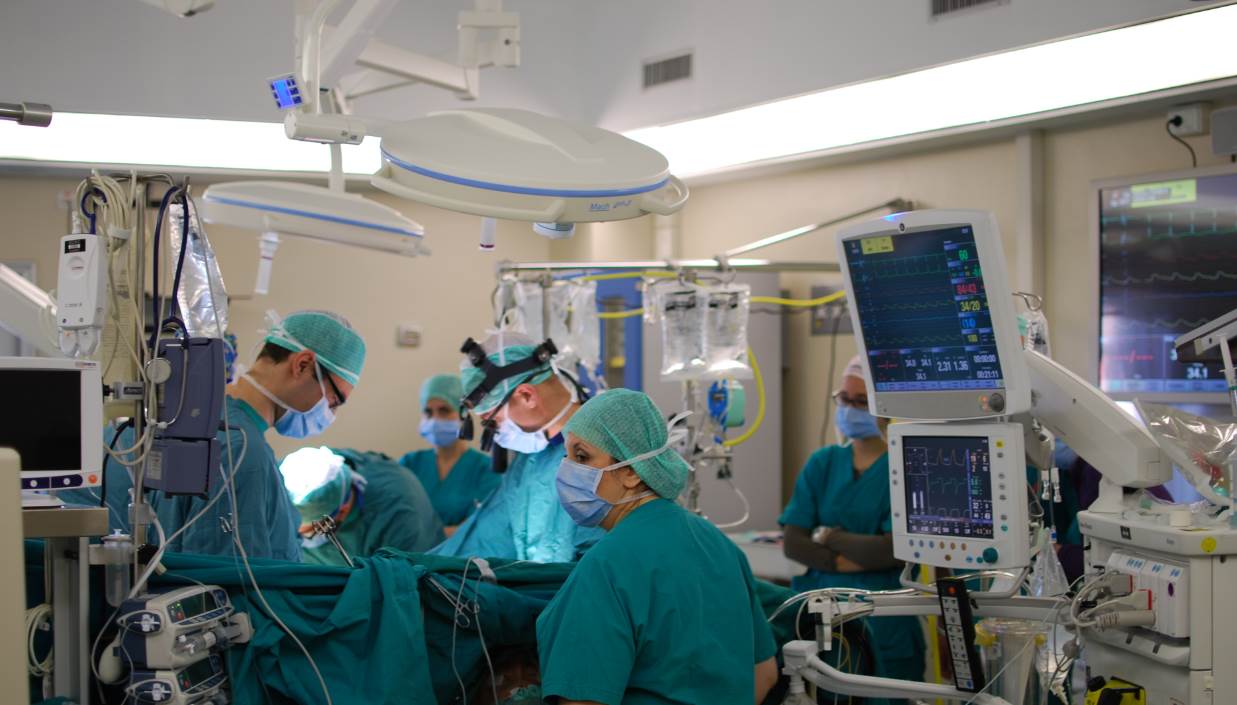
Surgeons performing operations

In medicine, a surgeon is a medical doctor who performs surgery. Even though there are different traditions in different times and places, a modern surgeon is a licensed physician and received the same medical training as physicians before specializing in surgery.

In some countries and jurisdictions, the title of 'surgeon' is restricted to maintain the integrity of the craft group in the medical profession. A specialist regarded as a legally recognized surgeon includes podiatry, dentistry, and veterinary medicine. It is estimated that surgeons perform over 300 million surgical procedures globally each year.[1][2]

History

[edit]
Al-Zahrawi, the Islamic Golden Age physician widely considered one of the '"Fathers of Modern Surgery"

The first person to document a surgery was the 6th century BC Indian physician-surgeon, Sushruta. He specialized in cosmetic plastic surgery and even documented an open rhinoplasty procedure.[3] His magnum opus Suśruta-saṃhitā is one of the most important surviving ancient treatises on medicine and is considered a foundational text of both Ayurveda and surgery. The treatise addresses all aspects of general medicine, but the translator G. D. Singhal dubbed Sushruta "the father of surgical intervention" on account of the extraordinarily accurate and detailed accounts of surgery to be found in the work.[4]

After the eventual decline of the Sushruta School of Medicine in India, surgery was largely ignored until the Islamic Golden Age surgeon Al-Zahrawi (936–1013) re-established surgery as an effective medical practice. He is considered the greatest medieval surgeon to have appeared from the Islamic World, and has also been described as the father of surgery.[5] His greatest contribution to medicine is the Kitab al-Tasrif, a thirty-volume encyclopedia of medical practices.[6] He was the first physician to describe an ectopic pregnancy, and the first physician to identify the hereditary nature of haemophilia.[7]

His pioneering contributions to the field of surgical procedures and instruments had an enormous impact on surgery but it was not until the 18th century that surgery emerged as a distinct medical discipline in England.[7]

In Europe, surgery was mostly associated with barber-surgeons who also used their hair-cutting tools to undertake surgical procedures, often at the battlefield and also for their employers.[8] With advances in medicine and physiology, the professions of barbers and surgeons diverged; by the 19th century barber-surgeons had virtually disappeared, and surgeons were almost invariably qualified doctors who had specialized in surgery. Surgeon continued, however, to be used as the title for military medical officers until the end of the 19th century, and the title of Surgeon General continues to exist for both senior military medical officers and senior government public health officers.

Titles in the Commonwealth

[edit]

In 1950, the Royal College of Surgeons of England (RCS) in London began to offer surgeons a formal status via RCS membership. The title Mister became a badge of honour, and today, in many Commonwealth countries, a qualified doctor who, after at least four years' training, obtains a surgical qualification (formerly Fellow of the Royal College of Surgeons, but now also Member of the Royal College of Surgeons or a number of other diplomas) is given the honour of being allowed to revert to calling themselves Mr, Miss, Mrs or Ms in the course of their professional practice, but this time the meaning is different. It is sometimes assumed that the change of title implies consultant status (and some mistakenly think non-surgical consultants are Mr too), but the length of postgraduate medical training outside North America is such that a qualified surgeon may be years away from obtaining such a post: many doctors previously obtained these qualifications in the senior house officer grade, and remained in that grade when they began sub-speciality training. The distinction of Mr (etc.) is also used by surgeons in the Republic of Ireland, some states of Australia, Barbados, New Zealand, South Africa, Zimbabwe, and some other Commonwealth countries.[9] In August 2021, the Royal Australasian College of Surgeons announced that it was advocating for this practice to be phased out and began encouraging the use of the gender neutral title Dr or appropriate academic titles such as Professor.[10]

The reason for the otherwise undistinguished title of "mister" is historical. In the 18th century only physicians, with an MD degree, were entitled to call themselves "doctor". Most surgeons did not have a degree—in the Middle Ages they were also barbers, expert users of cutting tools—and were considered inferior and subordinate to physicians; "Mr" was initially a lower honorific, but came to be a badge of honour.[11]

Military titles

[edit]

In many English-speaking countries the military title of surgeon is applied to any medical practitioner, due to the historical evolution of the term. The US Army Medical Corps retains various surgeon United States military occupation codes in the ranks of officer pay grades, for military personnel dedicated to performing surgery on wounded soldiers.

Specialties

[edit]
The Gross Clinic, 1875, Philadelphia Museum of Art and the Pennsylvania Academy of Fine Arts

Some physicians who are general practitioners or specialists in family medicine or emergency medicine may perform limited ranges of minor, common, or emergency surgery. Anesthesia often accompanies surgery, and anesthesiologists and nurse anesthetists may oversee this aspect of surgery. Surgeon's assistant, surgical nurses, surgical technologists are trained professionals who support surgeons.

In the United States, the Department of Labor description of a surgeon is "a physician who treats diseases, injuries, and deformities by invasive, minimally-invasive, or non-invasive surgical methods, such as using instruments, appliances, or by manual manipulation".[12]

Around the world, the array of 'surgical' pathology that a surgeon manages does not always require surgical methods. For example, surgeons treat diverticulitis conservatively using antibiotics and bowel rest. In some cases of small bowel obstruction, particularly where a patient has had previous abdominal surgery, the surgeon treats the patient with fluid resuscitation, nasogastric decompression of the stomach, which gives rise to resolution of the intestinal obstruction in cases where adhesions are the aetiology of the obstruction. The same is true for other craft groups in surgery.

Pioneer surgeons

[edit]
Russian surgeon Nikolay Pirogov – a pioneer of field surgery
Victor Horsley pioneered neurosurgery

Organizations and fellowships

[edit]

References

[edit]
Revisions and contributorsEdit on WikipediaRead on Wikipedia
from Grokipedia
A (in Hindi: शल्यचिकित्सक (shalya chikitsak), meaning a medical practitioner who performs surgery, or commonly transliterated and used as सर्जन (sarjan)) is a physician who specializes in , a branch of focused on treating injuries, diseases, and deformities through operative procedures that involve manual or instrumental intervention on the body. These professionals evaluate patients preoperatively to diagnose conditions requiring , lead surgical teams during operations using tools such as scalpels, lasers, and endoscopes, and provide postoperative care to ensure recovery and manage complications. perform both emergent procedures for urgent conditions like trauma and elective surgeries for planned interventions, such as tumor removals or organ transplants. Surgeons practice in numerous specialties, each addressing specific anatomical or systemic areas, with the American College of Surgeons recognizing 14 main ones: cardiothoracic surgery, colon and rectal surgery, general surgery, gynecology and obstetrics, gynecologic oncology, neurological surgery, ophthalmology, oral and maxillofacial surgery, orthopaedic surgery, otolaryngology (head and neck surgery), pediatric surgery, plastic surgery, urology, and vascular surgery. For instance, general surgeons handle a broad range of abdominal and trauma cases, while neurosurgeons focus on the brain, spine, and nervous system. Many surgeons further subspecialize through fellowships in areas like pediatric cardiothoracic surgery or hand surgery to address complex, niche conditions. Becoming a surgeon requires extensive and , typically spanning at least 13 years after high school: a four-year , four years of to earn an M.D. or D.O., and residency programs that vary by specialty but typically last five to eight years or more. Additional fellowship , lasting one to three years, is often pursued for subspecialties, followed by through rigorous examinations to verify competence. Surgeons must also obtain state medical licenses and maintain certification through to stay current with advancing technologies like robotic-assisted . In their professional practice, surgeons work primarily in hospitals, outpatient surgical centers, or private clinics, often collaborating with anesthesiologists, nurses, and other specialists as leaders of multidisciplinary teams. They emphasize throughout all phases of care, from preoperative to postoperative monitoring, and may engage in , , or administrative roles depending on their setting, such as academic or private practice. Key qualities for success include manual dexterity, stamina for long procedures, decision-making under pressure, and strong communication skills to counsel patients.

Definition and Role

Definition

A is a physician qualified to perform surgical operations, which typically involve the incision, excision, alteration, or manipulation of body tissues to treat injuries, diseases, or deformities. This role requires extensive medical training beyond , enabling surgeons to diagnose conditions preoperatively, execute procedures, and manage postoperative care using advanced tools and techniques. The term "surgeon" derives from the Latin chirurgus, which originates from the Greek kheirourgía meaning "hand work," reflecting the profession's emphasis on manual skill in operating on the body. In most jurisdictions, surgeons must hold a (MD) or (DO) degree, distinguishing medical surgeons from other surgical specialists such as podiatric surgeons (who earn a Doctor of Podiatric Medicine, DPM, and focus on foot and ankle conditions) or oral and maxillofacial surgeons (primarily trained as dentists with DDS or DMD degrees and additional surgical residency). This description primarily reflects practices in the United States; qualifications may vary internationally. Core attributes of surgeons include exceptional manual dexterity for precise procedures, deep knowledge of human anatomy to navigate complex structures, and the ability to make rapid decisions under high-pressure conditions. They also adhere to rigorous ethical standards, such as obtaining , which ensures patients understand the risks, benefits, and alternatives of as a fundamental aspect of ethical practice.

Responsibilities

Surgeons bear primary responsibility for the comprehensive care of patients undergoing surgical procedures, encompassing preoperative , intraoperative execution, and postoperative management to ensure optimal outcomes and . In the preoperative phase, surgeons confirm the through thorough , including review, , and diagnostic tests, to establish the necessity of . They conduct risk assessments to identify comorbidities, allergies, or factors that could complicate the procedure, such as cardiovascular conditions or interactions, and develop individualized surgical plans that minimize risks while maximizing therapeutic benefits. This involves obtaining consultations from relevant specialists, presenting treatment options with associated risks and alternatives to the , and securing , which is a fundamental ethical and legal requirement ensuring patients understand and voluntarily agree to the intervention. During the intraoperative period, surgeons perform the surgical procedure with technical competence, directing the operative team to maintain a sterile environment through adherence to aseptic techniques, including proper hand , instrument sterilization, and draping protocols to prevent infections. They coordinate closely with anesthesiologists to select and monitor methods, ensuring hemodynamic stability and pain control throughout the operation, while making real-time decisions to address unforeseen complications like bleeding or anatomical variations. The surgeon's oversight extends to verifying the surgical site's preparation and equipment functionality prior to incision, upholding standards that eliminate preventable risks such as wrong-site . Postoperatively, surgeons direct immediate recovery monitoring in the postanesthesia care unit, assessing , levels, and early signs of complications such as hemorrhage, , or , and initiating interventions like care, drainage management, or medication adjustments. They oversee the transition to ward care, coordinating with nursing staff for ongoing dressing changes and mobility support, while scheduling follow-up visits to evaluate long-term , functional recovery, and the need for rehabilitation or additional therapies. In cases of adverse events, surgeons disclose findings to patients and families, manage complications promptly, and determine safe discharge criteria based on clinical stability. Ethical and legal obligations form the cornerstone of surgical practice, requiring surgeons to adhere to principles of beneficence, non-maleficence, and , including the strict maintenance of to avoid iatrogenic harm and the ethical imperative to obtain valid before any procedure. In emergency situations, such as trauma or acute abdominal conditions, surgeons must provide timely intervention while respecting rights, often invoking when immediate action is life-saving, and document all decisions to comply with legal standards. They are also bound to handle medical errors transparently, reporting incidents and participating in quality improvement to prevent recurrence. Surgeons collaborate extensively with multidisciplinary teams, including anesthesiologists for perioperative planning, nurses for procedural assistance and postoperative monitoring, and other specialists for integrated care, fostering communication to enhance and efficiency in the operating room. This is essential for protocols like the World Health Organization's surgical checklist, which reduces errors through shared verification steps.

Education and Training

Prerequisites and Medical School

Aspiring surgeons in the United States must first complete an undergraduate , typically in a science-related field, to meet the entry requirements for . This preparation includes prerequisite coursework such as one year each of , , , and physics, often with components, along with one year of English and recommended courses in biochemistry, , and social sciences. These pre-medical courses build foundational knowledge in the biological and physical sciences essential for understanding human anatomy and physiological processes relevant to surgery. Admission to medical school also requires satisfactory performance on the (MCAT), a standardized exam administered by the Association of American Medical Colleges (AAMC) that assesses problem-solving, , and knowledge of natural, behavioral, and social sciences. The MCAT is mandatory for all U.S. MD-granting programs and most DO programs, with scores influencing competitiveness for admission. Medical school in the U.S. generally spans four years and culminates in either a (MD) degree from allopathic institutions or a (DO) degree from osteopathic schools, both qualifying graduates for residency training. The MD and DO pathways share similar curricula but differ in emphasis, with DO programs incorporating osteopathic manipulative medicine focused on musculoskeletal health. The first two years of emphasize basic sciences, including , , biochemistry, , and , which provide the scientific foundation for surgical decision-making and understanding disease mechanisms. These preclinical years involve lectures, laboratory work, and integrated to correlate basic science concepts with clinical applications. The latter two years shift to clinical rotations, where students rotate through core clerkships such as , , , and , gaining exposure to patient care in and outpatient settings. During clinical rotations, particularly the surgery clerkship, students receive an introduction to surgical principles, including preoperative , intraoperative assistance, and postoperative , often through observing procedures and participating in ward rounds. Early hands-on skills training, such as suturing, knot-tying, and basic wound care, is integrated into the via simulations, workshops, and supervised practice to develop procedural competence before residency. Globally, structures vary significantly; in contrast to the U.S. model of four years post-baccalaureate, many European countries offer six-year undergraduate programs that admit students directly after , combining preclinical and clinical training in a unified . These integrated programs in , such as those in the , , and , emphasize early clinical exposure while covering similar foundational sciences, though entry often relies on national exams rather than a separate .

Residency and Fellowship

Following medical school, aspiring surgeons in the United States enter a general surgery residency program, typically lasting five years, as mandated by the Accreditation Council for Graduate Medical Education (ACGME) and the American Board of Surgery (ABS). This postgraduate training emphasizes progressive clinical responsibility, beginning with foundational rotations in areas such as surgery, trauma, gastrointestinal procedures, and vascular interventions, before advancing to more complex exposures like thoracic and . Residents gain increasing operative independence over the course of the program, starting as assistants in procedures and culminating in leading surgeries under supervision, with a requirement to perform at least 850 operative cases, including 200 as the primary surgeon. After completing residency, many surgeons pursue fellowship to subspecialize, which generally spans 1 to 3 years depending on the field. For instance, fellowships often require 2 to 3 years, focusing on advanced techniques in heart, lung, and esophageal procedures. These programs build on residency skills through intensive clinical practice, research, and specialized simulations, preparing fellows for in their chosen area. Key milestones in surgical training, as outlined by the ACGME, track residents' and fellows' development across competencies like patient care, procedural skills, and , progressing from novice levels (e.g., observing and assisting) to aspirational expertise (e.g., independently managing complex cases). incorporates simulation-based for high-stakes procedures and culminates in rigorous board examinations, such as the ABS Qualifying Examination, to assess readiness for independent practice. Residency and fellowship impose demanding schedules, with ACGME regulations capping clinical and educational work at 80 hours per week, averaged over four weeks, including no more than 24 consecutive hours of duty to mitigate fatigue-related errors. Despite these limits, surgical trainees face elevated burnout risks, with studies reporting prevalence rates up to 69% among residents, linked to high stress, mistreatment, and work-life imbalance, often manifesting as depression or . Internationally, equivalents like the UK's pathway to Fellowship of of Surgeons (FRCS) involve 2 years of core surgical training followed by 6 years of higher specialty training in , emphasizing similar progressive autonomy and examinations.

Certification and Licensure

Board certification serves as a voluntary but widely recognized marker of a surgeon's expertise and commitment to ongoing professional standards, typically pursued after completing residency training. In the United States, the American Board of Surgery (ABS) oversees certification for general surgeons, requiring candidates to have finished an accredited residency program of at least five years, hold a full and unrestricted medical license, and pass a two-part examination process. The Qualifying Examination is a multiple-choice test assessing foundational knowledge in surgical principles, while the Certifying Examination is an oral evaluation of clinical judgment and decision-making skills. Initial certification is time-limited, with surgeons needing to demonstrate continuous qualification through recertification every 10 years. State licensure, which grants the legal right to practice medicine, is mandatory and regulated by individual state medical boards in the United States, with requirements varying by jurisdiction but generally including graduation from an accredited , completion of residency, and passing all steps of a licensing examination sequence accepted by the board, such as the (USMLE) for MD graduates or the Comprehensive Osteopathic Medical Licensing Examination (COMLEX-USA) or USMLE for DO graduates. Additional elements often include background checks, verification of credentials, and sometimes a jurisprudence exam on state-specific laws. International reciprocity for licensure remains limited; while some states participate in compacts like the Interstate Medical Licensure Compact for easier multi-state practice within the U.S., foreign-trained surgeons typically must meet equivalent standards, often including additional training or exams, with no uniform global agreement facilitating seamless cross-border practice. Maintenance of certification ensures surgeons remain current, involving the ABS Continuous Certification program that mandates earning 90 continuing medical education (CME) credits every three years, participation in practice improvement activities such as quality assessments, and periodic cognitive evaluations, culminating in a recertification exam. Special considerations include ties to malpractice insurance, where board-certified surgeons often qualify for lower premiums due to demonstrated lower rates of malpractice claims—studies show uncertified surgeons face nearly twice the hazard rate of malpractice payments compared to those who achieve certification. Globally, while standards differ by country, the World Health Organization (WHO) promotes safe surgical practices through initiatives like the Safe Surgery Saves Lives program, emphasizing the need for qualified personnel but deferring specific certification and licensure to national regulatory bodies.

Surgical Specialties

Major Specialties

General surgery encompasses a wide range of procedures involving the , , endocrine system, and soft tissues, serving as a foundational specialty for many others. Surgeons in this field perform operations such as appendectomies, repairs, cholecystectomies, and trauma interventions, often using minimally invasive laparoscopic techniques to manage conditions like acute or bowel obstructions. typically involves a five-year residency focused on core surgical principles, including and critical care, with general surgery acting as a prerequisite for fellowships in related areas like vascular or . Colon and rectal surgery specializes in disorders of the colon, , and , including cancers, , and functional disorders. Procedures include colectomies, low anterior resections, and sphincter-preserving operations, often employing laparoscopic or robotic approaches. Training involves a six-year residency or a five-year residency followed by a one-year colorectal fellowship. Gynecology and obstetrics focuses on the , performing surgeries such as hysterectomies, cesarean sections, and ovarian cystectomies, alongside . Training occurs through a four-year residency that integrates surgical and medical management of . addresses cancers of the female genital tract, involving complex debulking surgeries, lymphadenectomies, and fertility-sparing procedures. It requires a three- to four-year fellowship after obstetrics and gynecology residency. Oral and maxillofacial surgery treats conditions of the mouth, jaws, and face, including trauma, tumors, and congenital defects, with procedures like and dental implants. Training spans four to six years, often combining dental and medical degrees. concentrates on the musculoskeletal system, addressing disorders of bones, joints, ligaments, and tendons through corrective procedures. Common interventions include joint replacements (e.g., or ), fracture fixation with plates and screws, and arthroscopic repairs for or degenerative conditions like . Residency training lasts five years, emphasizing trauma management and reconstructive techniques, and often overlaps with in handling acute injuries. Neurosurgery specializes in the diagnosis and surgical treatment of disorders affecting the , , and peripheral nerves. Typical procedures involve tumor resections, spinal fusions for , and aneurysm clippings to prevent hemorrhagic strokes. It requires a rigorous seven-year residency, independent of training, focusing on advanced and minimally invasive approaches like stereotactic navigation. Cardiothoracic surgery targets diseases of the heart, lungs, esophagus, and major blood vessels within the chest cavity. Surgeons perform coronary artery bypass grafting, heart valve repairs or replacements, and lung resections for cancer, often utilizing cardiopulmonary bypass machines. Training pathways include an integrated six-year program or a five-year general surgery residency followed by a two- to three-year cardiothoracic fellowship, highlighting the specialty's reliance on general surgical foundations. Urology focuses on the urinary tract in both sexes and the , including the , , , and adrenal glands. Key procedures encompass prostatectomies for cancer, nephrectomies for tumors, and for stone removal, with a strong emphasis on endoscopic and robotic techniques. Urologists complete a five- to six-year residency after , training independently but occasionally collaborating with general surgeons on complex abdominal cases. Plastic and reconstructive surgery involves restoring form and function to damaged tissues, addressing congenital defects, trauma, burns, and oncologic resections. Examples include cleft palate repairs, breast reconstructions post-mastectomy, and skin grafts for wound coverage. While cosmetic enhancements like rhinoplasty are included, the core training—six to seven years via integrated or general surgery-based pathways—prioritizes reconstructive expertise. Vascular surgery deals with disorders outside the heart and , managing arteries, veins, and lymphatic vessels. Surgeons conduct endovascular repairs, carotid endarterectomies to prevent , and bypass grafts for . It typically follows a five-year residency with a two-year vascular fellowship, or a five-year integrated program, underscoring its evolution from . Otolaryngology, or ear, nose, and throat () surgery, treats conditions of the head and neck, including sinuses, , and salivary glands. Common operations involve tonsillectomies, sinus surgeries for chronic , and thyroidectomies for nodules. The five-year residency is standalone, providing comprehensive training in both medical management and surgical interventions like endoscopic procedures. Ophthalmology surgically manages eye and vision-related disorders, from s and to retinal detachments. Procedures such as cataract extraction, laser trabeculoplasty, and vitreoretinal surgeries restore or preserve sight. Training consists of a one-year followed by three years of residency, independent of other surgical fields, with an emphasis on microsurgical precision. These major specialties often intersect in multidisciplinary teams, with general surgery providing a broad base that informs training overlaps in fields like vascular and cardiothoracic surgery, while others maintain distinct pathways to ensure specialized expertise.

Subspecialties and Emerging Fields

Pediatric surgery represents a key subspecialty within general surgery, focusing on the diagnosis, operative, and postoperative management of surgical conditions in infants, children, and adolescents, addressing unique anatomical and physiological challenges distinct from adult patients. This field encompasses a broad range of procedures, from congenital anomaly corrections to trauma care, with subspecialists often serving as consultants for complex cases like oncology or anorectal malformations. Surgical oncology, another critical subspecialty, specializes in the surgical treatment of cancer, integrating multidisciplinary approaches to tumor resection, staging, and palliative care across various organ systems. Transplant surgery, as a subspecialty of general and other major fields, involves the procurement, preservation, and implantation of organs such as kidneys, livers, and hearts, with techniques like warm dissection—performed before cold perfusion to minimize ischemia—and cold dissection ensuring organ viability during transport. Organ procurement protocols emphasize standardized multiorgan recovery to optimize donor utilization, including peritoneal cooling with slush ice for preservation. Emerging fields in surgery are transforming traditional practices through technological integration, building on foundational major specialties to enhance precision and outcomes. Robotic surgery, exemplified by the , enables minimally invasive procedures with enhanced dexterity and 3D visualization, widely adopted in specialties like and gynecology for reduced recovery times and lower complication rates. Minimally invasive and endoscopic techniques further advance this by using small incisions or natural orifices to access internal structures, minimizing tissue trauma and promoting faster healing, as seen in laparoscopic cholecystectomies and transoral endoscopic surgeries. Regenerative surgery leverages therapies and to repair or replace damaged tissues, such as using mesenchymal stem cells for postprostatectomy incontinence or reconstruction, offering alternatives to conventional grafts. Interventional fields are evolving to blend surgical and radiological expertise in hybrid operating rooms (ORs), which integrate advanced imaging like and CT directly into the surgical suite for real-time guidance during complex procedures such as endovascular repairs. These hybrid environments facilitate seamless transitions between open and image-guided interventions, improving accuracy and reducing patient transfers. Telemedicine in remote , or telesurgery, employs robotic systems and high-speed networks like to allow surgeons to operate on patients across distances, as demonstrated in transatlantic procedures and rural applications, enhancing access in underserved areas while maintaining haptic feedback and video quality. Future trends in surgery increasingly incorporate (AI) for preoperative planning, where algorithms analyze imaging data to predict optimal incision paths and simulate outcomes, helping to reduce operative times in orthopedic cases. facilitates patient-specific implants and surgical models, such as custom cranial plates or vascular stents, derived from CT scans to improve fit and reduce revision rates in reconstructive procedures. However, these advancements raise ethical concerns, including the potential for to displace surgeons, data privacy in AI systems, and equitable access to technologies, necessitating guidelines on liability and human oversight to ensure .

History of Surgery

Ancient and Medieval Periods

Surgery in ancient times originated as a rudimentary practice intertwined with religious and empirical observations, with evidence of procedures dating back to prehistoric eras but documented clearly from civilizations like around 3000 BCE. In , trephination—drilling or scraping holes in the to relieve pressure or treat ailments—was performed as early as the Dynastic Period (c. 3200–323 BCE), often on living patients to address or perceived spiritual imbalances, as indicated by healed edges in archaeological remains. Egyptian healers also gained anatomical knowledge through mummification, which involved organ removal and wound treatment using linen bandages soaked in resins and for effects. In ancient , the , composed around 600 BCE by the physician in Kashi (modern ), represents one of the earliest comprehensive surgical texts, detailing over 300 procedures including the pioneering of techniques such as using cheek flaps for reconstructing amputated noses—a method still referenced as the "Indian flap." classified surgeries into eight categories, emphasized anatomical on cadavers (despite cultural taboos), and advocated for aseptic practices like using wine as an , establishing him as a foundational figure in surgical history. Greek contributions advanced surgery through systematic observation during the Hippocratic era (c. 460–370 BCE), where the outlined trauma care methods, including reduction, management, and suturing with linen threads, prioritizing non-invasive interventions and prognosis based on clinical signs. and his followers promoted ethical standards like "do no harm" and used tools such as scalpels and for procedures like trephination, though limited by humoral theory which attributed diseases to bodily fluid imbalances rather than pathogens. Roman surgery built on Greek foundations, with (c. 25 BCE–50 CE) documenting wound care in his encyclopedic De Medicina, recommending irrigation with vinegar for , ligature of vessels to control bleeding, and dressings to prevent infection in battlefield injuries. described over 50 surgical instruments and procedures for cataracts, hernias, and tumors, emphasizing cleanliness and gradual wound closure. Claudius Galen (c. 129–216 CE), a prominent Roman physician of Greek origin, advanced anatomical knowledge through vivisections on animals (as human dissection was restricted), describing muscle functions, nerves, and the in works like On Anatomical Procedures, which influenced medical thought for centuries despite some inaccuracies from extrapolating animal anatomy to humans. During the Medieval period, the (8th–13th centuries) saw significant surgical progress, particularly through Abu al-Qasim al-Zahrawi (936–1013 CE) in Cordoba, whose 30-volume served as a definitive surgical encyclopedia, illustrating over 200 instruments (many innovative, like sutures and ) and detailing procedures for , , and orthopedics. Al-Zahrawi's work, translated into Latin, bridged ancient knowledge with and stressed for and herbal poultices for healing. In , surgery was often relegated to barber-surgeons by the , who formed guilds such as the London (c. 1308), performing , tooth extractions, and amputations alongside grooming; these guilds regulated practice but were viewed as manual trades inferior to physician-led humoral . Throughout these periods, surgery faced severe limitations due to the absence of effective anesthesia beyond herbal mixtures like mandrake, opium, hemlock, and "dwale" (a soporific of bile, lettuce, vinegar, and opium) used in medieval times to induce sleep, which were unreliable and risky. Infection control was nonexistent, as germ theory was unknown until the 19th century, leading to high mortality from sepsis treated only with herbal remedies such as willow bark for pain or garlic for purported antisepsis; procedures relied on wine rinses or cautery, but postoperative infections often proved fatal.

Modern Era and Innovations

The Renaissance marked a pivotal shift in surgical practice through advancements in anatomical knowledge and techniques. ' seminal work, De humani corporis fabrica (1543), revolutionized by providing accurate illustrations based on direct human dissections, correcting centuries of errors from ancient texts and enabling surgeons to perform procedures with greater precision. Similarly, introduced the ligature method for in the mid-16th century, replacing with silk threads to control bleeding during amputations, which reduced patient pain and infection rates while promoting humane surgical care. The brought transformative innovations that addressed pain, , and visualization in surgery. William T.G. Morton's public demonstration of ether anesthesia on October 16, 1846, at allowed painless operations, dramatically expanding the feasibility of complex procedures. Joseph Lister's adoption of carbolic acid (phenol) as an in 1867, inspired by Pasteur's germ theory, drastically lowered postoperative rates—from over 50% to under 5% in his ward—establishing the antiseptic principle that became foundational to modern surgery. Wilhelm Röntgen's discovery of X-rays in 1895 further advanced diagnostics and intraoperative guidance, enabling surgeons to visualize internal structures non-invasively and reducing exploratory incisions. In the 20th century, surgery evolved with pharmacological and procedural breakthroughs. The by in 1928, and its clinical application during , transformed postoperative care by combating bacterial infections, making elective and trauma surgeries safer and contributing to a decline in surgical mortality from 20-30% pre-antibiotics to under 5%. The first successful kidney transplant in 1954, performed by Joseph Murray between identical twins, pioneered and techniques, leading to over 100,000 annual transplants worldwide by the century's end. Minimally invasive , popularized in the 1980s with tools like the computer-chip camera, reduced recovery times and complications; for instance, the first laparoscopic in 1987 shortened hospital stays from days to hours. The 21st century has integrated , , and crisis responses into surgical practice. Genomic profiling now enables personalized surgery, tailoring procedures and drug responses based on individual DNA variations, as seen in precision where tumor sequencing guides targeted resections and improves outcomes in select cancers. Robotic systems like the , FDA-approved in 2000, enhance precision in complex operations such as prostatectomies, with studies showing 50% less blood loss and shorter hospital stays compared to open surgery. The disrupted elective procedures, with global cancellations exceeding 28 million surgeries in 2020 alone, leading to increased wait times and potential excess mortality from delayed care. Despite these advances, global disparities persist in surgical access. Approximately two-thirds of the world's population lacks access to safe, affordable surgical care, with particularly low access in low- and middle-income countries (around 90% in the lowest-income settings) compared to over 90% access in high-income nations, contributing to millions of preventable deaths annually from untreated conditions like trauma and obstetric complications; surgical conditions account for approximately 16.9 million deaths worldwide each year. According to analyses, scaling up surgical systems in low-resource settings could avert millions of deaths over the coming decades, as recommended by initiatives like the Lancet Commission on Global Surgery.

Notable Surgeons

Pioneer Surgeons

Ambroise Paré (1510–1590), often regarded as the father of modern surgery, revolutionized during the by introducing humane and effective techniques for wound care. Serving as a barber-surgeon in the , Paré abandoned the brutal practice of with hot irons for in amputations, instead advocating the use of ligatures to tie off blood vessels, which reduced pain, infection rates, and mortality among wounded soldiers. His innovations, including the "crow's beak" for applying ligatures, stemmed from a pivotal experience in 1537 during the siege of , where he ran out of boiling oil traditionally used for and treated remaining patients with a soothing ointment, observing better outcomes. Paré's emphasis on gentle treatment, as encapsulated in his famous phrase "I dressed him, God healed him," laid foundational principles for ethical and less invasive surgical practice. Joseph Lister (1827–1912), a British surgeon, pioneered in the late 19th century, dramatically lowering postoperative infection rates that had plagued operations. Inspired by Louis Pasteur's germ theory, Lister introduced carbolic acid (phenol) as an agent in 1867 at , applying it to dress wounds, sterilize instruments, and spray operating rooms to combat microbial contamination. In treating compound fractures, he used a carbolic acid-soaked lint to cover wounds and ligated vessels with previously boiled in the solution, achieving survival rates exceeding 80% compared to the prior 40–50%. Lister's methods evolved into a comprehensive system, including hand washes and instrument baths, transforming from a high-risk procedure into a safer discipline and earning him recognition as the founder of modern technique. William Halsted (1852–1922), an American surgeon at , advanced aseptic surgery and in the early by emphasizing meticulous sterility and structured training. Halsted refined aseptic techniques by introducing thin rubber gloves in 1890, initially to protect his nurse's hands from caused by mercuric chloride solutions but soon adopting them universally to prevent surgical site infections, a practice that became standard worldwide. He also invented the modern surgical residency model, establishing a graded, hands-on training program in 1890 that prioritized laboratory research and progressive responsibility, influencing global surgical education for over a century. Halsted's for , though now largely replaced, exemplified his tissue-sparing yet thorough approach, contributing to surgery's development. Other pioneers expanded surgical frontiers in specialized domains. (1829–1894), an Austrian surgeon, performed the first successful partial in 1881 for gastric cancer, removing the and reconnecting the to the (), which enabled treatment of otherwise fatal abdominal malignancies and founded modern gastrointestinal surgery. In 1885, he refined this with the reconstruction, anastomosing the to the , improving outcomes for peptic ulcers and cancers. (1873–1944), a French surgeon, developed precise vascular suturing techniques in the early , including the method for end-to-end anastomoses, which allowed successful vessel repairs and transplants in animals and humans. His work earned the 1912 in Physiology or Medicine and paved the way for and cardiovascular surgery. The enduring impacts of these pioneers are evident in contemporary practice: Paré's ligature remains a core hemostatic tool, Lister's principles underpin control protocols, and Halsted's gloves and residency system form the backbone of operating room safety and surgical training worldwide. Billroth's gastric resections evolved into minimally invasive laparoscopic procedures, while Carrel's suturing techniques are integral to bypass and vascular repairs.

Contemporary Figures

Contemporary surgeons have made profound impacts through groundbreaking procedures, safety innovations, and efforts to promote equity in the field. Since the mid-20th century, figures like have advanced cardiovascular techniques, while others such as have focused on systemic improvements to reduce surgical errors worldwide. These contributions not only enhance patient outcomes but also address broader challenges in surgical practice and access. In recent years, surgeons like Teodor Grantcharov have advanced surgical safety through AI and data analytics, developing real-time surgical coaching systems used in hospitals worldwide as of 2024. Denton Cooley (1920–2016), a pioneering cardiovascular surgeon, performed one of the earliest successful human heart transplants in the United States on May 3, 1968, at St. Luke's Hospital in , with the patient, Everett Thomas, surviving 204 days. The following year, in 1969, he achieved a milestone by implanting the first fully in a patient, Haskell Karp, who survived for three days post-procedure; this device, developed with Domingo Liotta, paved the way for temporary mechanical cardiac support systems. Cooley's innovations extended to coronary artery bypass grafting, which he helped popularize, and he founded the Texas Heart Institute, where he conducted over 100,000 open-heart surgeries, significantly expanding the feasibility of complex cardiac interventions. Atul Gawande (born 1965), a general and endocrine surgeon at , has been a leading advocate for surgical safety and quality improvement. As the primary developer of the World Health Organization's Surgical Safety Checklist in 2008, Gawande's 19-item tool—designed to enhance team communication and standardize procedures—demonstrated in a global study across eight hospitals a 36% reduction in postoperative complications and a 47% decrease in mortality rates. His work, including the establishment of the Ariadne Labs for health systems innovation, has influenced surgical protocols in over 4,000 facilities worldwide, emphasizing preventable errors as a major cause of surgical harm. Ben Carson (born 1951), a pediatric and former director of pediatric neurosurgery at , gained international recognition for leading the first successful separation of in 1987. The 22-hour operation on the Binder twins, conjoined at the back of the head and sharing a blood supply, involved a multidisciplinary team and innovative use of intracranial venous circulation mapping to minimize risks; both infants survived with manageable deficits, marking a breakthrough in neurosurgical techniques for such cases. Carson's career also included advancements in for , performing the procedure on over 100 patients with high success rates in seizure control. Emerging contributions from women surgeons, inspired by trailblazers in STEM like astronaut who encouraged female participation in scientific fields, highlight innovations in and beyond. (1942–2019), an and inventor, developed the Laserphaco Probe in 1986, a device that uses laser technology for precise removal, enabling non-invasive incision, fragmentation, and aspiration in a single step to restore vision more efficiently. As the first Black woman to secure a medical for this technique and the first female chair of an ophthalmology residency program in the U.S., Bath's work addressed disparities in eye care access, particularly for underserved communities. These figures exemplify diversity and broader impact in surgery, breaking racial and gender barriers while advancing . Bath's inventions improved surgical equity for marginalized populations, influencing community programs that prioritize blindness prevention in low-resource settings. Similarly, Gawande's has been adapted for resource-limited environments through WHO partnerships, reducing surgical mortality by up to 40% in low- and middle-income countries and fostering inclusive training for women surgeons via organizations like the Association of Women Surgeons. Such efforts underscore ongoing commitments to equitable surgical care worldwide, with women leading expansions in global surgical workforces, as seen in programs like the College of Surgeons of East, Central and (COSECSA), which has trained a growing number of female surgeons since 2006 to address regional shortages, with women now comprising about 10% of the surgical workforce.

Professional Titles and Organizations

Titles and Nomenclature

In the and other countries, surgeons traditionally use the titles "Mr.," "Mrs.," "Miss," or "Ms." upon completing their surgical training, reverting from the "Dr." title held during and early postgraduate years. However, as of 2025, there is an ongoing debate about replacing these gendered titles with "Dr." to promote and modernize professional nomenclature. This convention stems from historical distinctions between surgeons, who were once barber-surgeons without full medical degrees, and physicians who held doctoral qualifications. The title "surgeon" itself is not legally protected in , allowing non-medically qualified individuals in fields like to use it, though the Royal of Surgeons has advocated for protection to ensure public clarity on qualifications. Post-qualification, surgeons in the UK and often append "FRCS" (Fellow of the Royal College of Surgeons) to their names, signifying successful completion of rigorous examinations and recognition of advanced surgical competence by one of the royal surgical colleges, such as the Royal College of Surgeons of . This fellowship is a professional qualification required for independent surgical practice and is used alongside the traditional courtesy titles. In the United States, surgeons typically hold the degree of (MD) or (DO) and use the title "Dr." throughout their careers, without the UK-style reversion to "Mr./Ms." Qualified surgeons may further designate themselves as "FACS" (Fellow of the ), a credential earned after medical school graduation, specialty , and meeting ethical and professional standards evaluated by the college. In the , surgeons generally use the MD or equivalent national , with specialist registration under EU directives, though there is no unified equivalent to FACS; national bodies provide similar fellowship recognitions. The title "surgeon" receives varying protection across US states, often bundled with broader safeguards for "physician and surgeon" under medical practice acts. Academic and administrative ranks among surgeons include "," conferred by universities for teaching, research, and scholarly contributions, progressing from to Full based on achievements. roles, such as "Chief of Surgery," denote administrative oversight of surgical departments, often held by senior surgeons with FACS or equivalent credentials. These ranks are distinct from clinical titles and emphasize institutional hierarchy.

Organizations and Fellowships

The (ACS), founded in 1913, serves as a leading national organization dedicated to advancing surgical care through education, research, and advocacy for surgeons in the United States. It supports surgeons by establishing standards for ethical practice, (CME), and professional development, while also providing resources such as clinical guidelines and quality improvement programs. The , established by in 1800, functions as a key professional body in the , focusing on regulating surgical training, examinations, and standards to ensure high-quality patient care. It oversees the of surgical training programs and promotes in surgical and practice across various specialties. On the international level, the International College of Surgeons (ICS), founded in 1935, unites surgeons worldwide to foster excellence in surgical practice through global , research collaboration, and humanitarian initiatives. Similarly, the International Federation of Surgical Colleges (IFSC), established in 1958, coordinates efforts among surgical colleges and societies to advance surgical and standards on a global scale. Fellowship in these organizations typically requires surgeons to demonstrate commitment to ethical standards, completion of accredited , and ongoing engagement, such as participation in CME for ACS fellows. Benefits include access to specialized journals, networking opportunities, advocacy for policy issues affecting , and career advancement resources, enabling fellows to stay abreast of best practices and contribute to the field. For instance, Royal College fellowships emphasize leadership in surgical innovation and provide platforms for international collaboration. These bodies play a vital role in regulation by accrediting residency and fellowship programs to ensure they meet rigorous educational and safety criteria, as seen in the ACS's verification processes for optimal surgical outcomes. They also develop evidence-based guidelines, such as those from the ACS on perioperative care and quality metrics, which help standardize surgical procedures and improve globally.

References

Add your contribution
Related Hubs
User Avatar
No comments yet.