


Community hub
Recent from talks
Contribute something
Nothing was collected or created yet.
Guava
View on Wikipedia

Guava (/ˈɡwɑːvə/ GWAH-və),[1] also known as the 'guava-pear' in various regions, is a common tropical fruit cultivated in many tropical and subtropical regions.[2] The common guava Psidium guajava (lemon guava, apple guava) is a small tree in the myrtle family (Myrtaceae), native to Mexico, Central America, the Caribbean and northern South America.[2]

The name guava is also given to some other species in the genus Psidium such as strawberry guava (Psidium cattleyanum) and to the pineapple guava, Feijoa sellowiana. In 2019, 55 million tonnes of guavas were produced worldwide, led by India with 75% of the total. Botanically, guavas are berries.
Etymology
[edit]The term guava appears to have been in use since the mid-16th century.[3] The name derived from the Taíno,[4] a language of the Arawaks as guayabo for guava tree via the Spanish for guayaba.[3] It has been adapted in many European and Asian languages, having a similar form.[2]
Origin and distribution
[edit]Guavas originated from an area thought to extend from Mexico, Central America or northern South America throughout the Caribbean region.[2][5][6] Archaeological sites in Peru yielded evidence of guava cultivation as early as 2500 BC.[6]
Guava was adopted as a crop in subtropical and tropical Asia, parts of the United States (Florida and Hawaii), tropical Africa, and Oceania.[5] Guavas were introduced to Florida, US in the 19th century[2] and are grown there as far north as Sarasota, Chipley, Waldo and Fort Pierce. However, they are a primary host of the Caribbean fruit fly and must be protected against infestation in areas of Florida where this pest is present.[7]
Guavas are cultivated in several tropical and subtropical countries.[2][5] Several species are grown commercially; apple guava and its cultivars are those most commonly traded internationally.[2] Guavas also grow in southwestern Europe, specifically the Costa del Sol on Málaga (Spain) and Greece where guavas have been commercially grown since the middle of the 20th century and they proliferate as cultivars.[5] Mature trees of most species are fairly cold-hardy and can survive temperatures slightly colder than −4 °C (25 °F) for short periods of time, but younger plants will likely freeze to the ground.[8]
Guavas are of interest to home growers in subtropical areas as one of the few tropical fruits that can grow to fruiting size in pots indoors. When grown from seed, guava trees can bear fruit in two years, and can continue to do so for forty years.[2]
Types
[edit]The most frequently eaten species, and the one often simply referred to as "the guava", is the apple guava (Psidium guajava). Guavas are typical Myrtoideae, with tough dark heavy leaves that are opposite, simple, elliptic to ovate, and 5–15 centimetres (2–6 in) long. The flowers are white, with five petals and numerous stamens. The fruits are many-seeded berries.[9]
-
 Apple guava flower
 -
 White guava
 -
 'Thai maroon' guava, a red apple guava cultivar
.jpg)


Ecology
[edit]Psidium species are eaten by the caterpillars of some Lepidoptera, mainly moths like the Ello Sphinx (Erinnyis ello), Eupseudosoma aberrans, E. involutum, and Hypercompe icasia. Mites, like Pronematus pruni and Tydeus munsteri, are known to be crop pests of the apple guava (P. guajava) and perhaps other species.[2] The bacterium Erwinia psidii causes rot diseases of the apple guava.[10]
The fruit is cultivated and favored by humans, and many other animals such as birds consume it, readily dispersing the seeds in their droppings. In Hawaii, strawberry guava (P. littorale) has become an aggressive invasive species threatening extinction to more than 100 other plant species.[11][12] By contrast, several guava species have become rare due to habitat destruction and at least one (Jamaican guava, P. dumetorum) is already extinct.
Guava wood is used for meat smoking in Hawaii, and is used at barbecue competitions across the United States. In Cuba and Mexico, the leaves are used in barbecues.
Fruit
[edit]Guava fruits, usually 4 to 12 centimetres (1+1⁄2 to 4+1⁄2 in) long, are round or oval depending on the species.[2] They have a pronounced and typical fragrance, similar to lemon rind but less sharp. The outer skin may be rough, often with a bitter taste, or soft and sweet. Varying between species, the skin can be any thickness, is usually green before maturity, but may be yellow, maroon, or green when ripe. The pulp inside may be sweet or sour and off-white ("white" guavas) to deep pink ("red" guavas). The seeds in the central pulp vary in number and hardness, depending on species.[2]
Production
[edit] India India |
26.3 |
 Indonesia Indonesia |
4.1 |
 China China |
3.8 |
 Pakistan Pakistan |
2.8 |
 Mexico Mexico |
2.5 |
 Brazil Brazil |
2.1 |
| World | 59.2 |
| *includes mangoes and mangosteens. Source: FAOSTAT of the United Nations[13] | |
In 2022, world production of guavas was 59 million tonnes, led by India with 44% of the total (table; mangoes and mangosteens included). Secondary producers were Indonesia and China.
Uses
[edit]| Nutritional value per 100 g (3.5 oz) | |||||||||||||||||||||||||||||||||||||||||||||||
|---|---|---|---|---|---|---|---|---|---|---|---|---|---|---|---|---|---|---|---|---|---|---|---|---|---|---|---|---|---|---|---|---|---|---|---|---|---|---|---|---|---|---|---|---|---|---|---|
| Energy | 285 kJ (68 kcal) | ||||||||||||||||||||||||||||||||||||||||||||||
14.32 g | |||||||||||||||||||||||||||||||||||||||||||||||
| Sugars | 8.92 g | ||||||||||||||||||||||||||||||||||||||||||||||
| Dietary fiber | 5.4 g | ||||||||||||||||||||||||||||||||||||||||||||||
0.5 g | |||||||||||||||||||||||||||||||||||||||||||||||
2.55 g | |||||||||||||||||||||||||||||||||||||||||||||||
| |||||||||||||||||||||||||||||||||||||||||||||||
| Other constituents | Quantity | ||||||||||||||||||||||||||||||||||||||||||||||
| Water | 81 g | ||||||||||||||||||||||||||||||||||||||||||||||
| Lycopene | 5200 µg | ||||||||||||||||||||||||||||||||||||||||||||||
| †Percentages estimated using US recommendations for adults,[14] except for potassium, which is estimated based on expert recommendation from the National Academies.[15] | |||||||||||||||||||||||||||||||||||||||||||||||
Culinary
[edit]In Mexico and other Latin American countries, the beverage agua fresca is often made with guava. The entire fruit is a key ingredient in punch, and the juice is often used in culinary sauces (hot or cold), ales, candies, dried snacks, fruit bars, and desserts, or dipped in chamoy. Pulque de guayaba ("guayaba" is Spanish for guava) is a common alcoholic beverage in these regions.[16][better source needed]
In many countries, guava is eaten raw, typically cut into quarters or eaten like an apple; it is also eaten with a pinch of salt and pepper, cayenne powder or a mix of spices (masala). In the Philippines, ripe guava is used in cooking sinigang. Guava is a snack in Cuba as pastelitos de guayaba; and in Taiwan, sold on many street corners and night markets during hot weather, accompanied by packets of dried plum powder mixed with sugar and salt for dipping. In east Asia, guava is commonly eaten with sweet and sour dried plum powder mixtures. Guava juice is consumed in many countries. The fruit is also often included in fruit salads.
Because of its high level of pectin, guavas are extensively used to make candies, preserves, jellies, jams, and marmalades (such as Brazilian goiabada and Colombian and Venezuelan bocadillo), and as a marmalade jam served on toast.[2]
Red guavas can be used as the base of salted products such as sauces, substituting for tomatoes, especially to minimize the acidity. A drink may be made from an infusion of guava fruits and leaves, which in Brazil is called chá-de-goiabeira, i.e., "tea" of guava tree leaves.
Nutrition
[edit]A raw common guava is 81% water, 14% carbohydrates, 3% protein, and 0.5% fat (table). In a reference amount of 100 grams (3.5 oz), raw guava supplies 285 kilojoules (68 kilocalories) of food energy and is a rich source of dietary fiber and vitamin C (254% of the Daily Value, DV), with moderate levels of folate (12% DV) and potassium (14% DV, table). Raw guava contains lycopene (table).
Phytochemicals
[edit]Guava leaves contain both carotenoids and polyphenols, such as (+)-gallocatechin and leucocyanidin.[17] As some of these phytochemicals produce the fruit skin and flesh color, guavas that are red-orange tend to have more polyphenol and carotenoid content than yellow-green ones.
Seed oil
[edit]Guava seed oil may be used for culinary or cosmetics products. It is rich in linoleic acid.[18]
Folk medicine
[edit]Since the 1950s, guavas – particularly the leaves – have been studied for their constituents, potential biological properties and history in folk medicine.[19]
Parasites
[edit]Guavas are one of the most common hosts for fruit flies like A. suspensa, which lay their eggs in overripe or spoiled guavas. The larvae of these flies then consume the fruit until they can proceed into the pupa stage.[20] This parasitism has led to millions in economic losses for nations in Central America.[21]
Fungal pathogens, Neopestalotiopsis and Pestalotiopsis species are causal agents of guava scab in Colombia.[22]
Propagation
[edit]Air layering is an effective method for propagating guava plant. It allows for the production of new plants while maintaining the parent plant’s characteristics. This technique involves selecting a healthy branch making a small incision on the branch, and applying rooting hormone to encourage root development.[23] The branch is then wrapped in moist peat moss and covered with plastic to help retain moisture. After several weeks, roots will form, and then a new plant can be severed from the parent and transplanted into soil. This method is particularly beneficial for guava due to its high success rate and ability to produce fruit-bearing plants quickly.[24]
Gallery
[edit]-
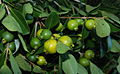 Yellow-fruited cherry guava, (sometimes called lemon guava) Psidium littorale var. littorale
 -
 Strawberry guava, Psidium littorale var. cattleyanum
 -
 A rotten guava
 -
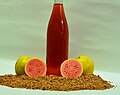 Guava seed oil


See also
[edit]References
[edit]- ^ "Cambridge Advanced Learner's Dictionary & Thesaurus". Cambridge University Press. Retrieved 20 August 2012.
- ^ a b c d e f g h i j k l Morton JF (1987). "Guava". Fruits of Warm Climates. Purdue University. pp. 356–363. Retrieved 24 April 2015.
- ^ a b "Guava". Online Etymology Dictionary. 2022. Retrieved 2 September 2022.
- ^ "Guayaba". deChile.net. 2022.
- ^ a b c d "Psidium guajava (guava)". CABI: Invasive Species Compendium. 2017. Retrieved 9 October 2017.
- ^ a b Clement, Charles R. (2005). Prance, Ghillean; Nesbitt, Mark (eds.). The Cultural History of Plants. Routledge. p. 93. ISBN 0415927463.
- ^ Boning, Charles R. (2006). Florida's Best Fruiting Plants: Native and Exotic Trees, Shrubs, and Vines. Sarasota, Florida: Pineapple Press, Inc. p. 99. ISBN 1-56164-372-6.
- ^ Sauls JW (December 1998). "Home fruit production – Guava". Texas A&M Horticulture Program. Retrieved 2012-04-17.
- ^ Judd, WS; Campbell, CS; Kellogg, EA; Stevens, PF; Donoghue, MJ (2002). Plant systematics, a phylogenetic approach. Sinauer Associates, Inc. pp. 398–399. ISBN 0878934030.
- ^ Pomini AM; Manfio GP; Araújo WL; Marsaioli AJ. (2005). "Acyl-homoserine lactones from Erwinia psidii R. IBSBF 435T, a guava phytopathogen (Psidium guajava L.)". Journal of Agricultural and Food Chemistry. 53 (16): 6262–6265. doi:10.1021/jf050586e. PMID 16076103.
- ^ Price J (14 June 2008). "Strawberry guava's hold has proven devastating". Honolulu Star Bulletin. Retrieved 7 December 2014.
- ^ "Leveling the Playing Field in Hawai'i's Native Forests" (PDF). Conservation Council for Hawai‘i. 2010. Archived from the original (PDF) on 15 December 2014. Retrieved 7 December 2014.
- ^ "Production of guavas in 2022; Pick lists by Crops/Regions/Production Quantity/Year". United Nations, Food and Agriculture Organization Corporate Statistical Database. 2024. Retrieved 3 December 2024.
- ^ United States Food and Drug Administration (2024). "Daily Value on the Nutrition and Supplement Facts Labels". FDA. Archived from the original on 2024-03-27. Retrieved 2024-03-28.
- ^ "TABLE 4-7 Comparison of Potassium Adequate Intakes Established in This Report to Potassium Adequate Intakes Established in the 2005 DRI Report". p. 120. In: Stallings, Virginia A.; Harrison, Meghan; Oria, Maria, eds. (2019). "Potassium: Dietary Reference Intakes for Adequacy". Dietary Reference Intakes for Sodium and Potassium. pp. 101–124. doi:10.17226/25353. ISBN 978-0-309-48834-1. PMID 30844154. NCBI NBK545428.
- ^ Onstott, Jane (2010). National Geographic Traveler: Mexico. National Geographic Books. p. 36. ISBN 9781426205248.
aguas frescas national geographic.
- ^ Seshadri, TR; Vasishta, K (1965). "Polyphenols of the leaves of psidium guava—quercetin, guaijaverin, leucocyanidin and amritoside". Phytochemistry. 4 (6): 989–92. doi:10.1016/S0031-9422(00)86281-0.
- ^ Kobori CN; Jorge N (2005). "Caracterização dos óleos de algumas sementes de frutas como aproveitamento de resíduos industriais" [Characterization of some seed oils from fruits for utilization of industrial residues] (PDF). Ciênc Agrotec (in Portuguese). 29 (5): 108–14. doi:10.1590/S1413-70542005000500014.
- ^ de Boer, HJ; Cotingting, C (2014). "Medicinal plants for women's healthcare in southeast Asia: a meta-analysis of their traditional use, chemical constituents, and pharmacology". J Ethnopharmacol. 151 (2): 747–67. doi:10.1016/j.jep.2013.11.030. PMID 24269772.
- ^ van Whervin, L. Walter (1974-03-01). "Some Fruitflies (Tephritidae) in Jamaica". PANS Pest Articles & News Summaries. 20 (1): 11–19. doi:10.1080/09670877409412331. ISSN 0030-7793.
- ^ Baranowski, Richard; Glenn, Holly; Sivinski, John (1993-06-01). "Biological Control of the Caribbean Fruit Fly (Diptera: Tephritidae)". The Florida Entomologist. 76 (2): 245. doi:10.2307/3495721. ISSN 0015-4040. JSTOR 3495721.
- ^ Solarte, F.; Munoz, C.G.; Maharachchikumbura, S.S.N.; Alvarez, E. (2018). "Diversity of Neopestalotiopsis and Pestalotiopsis spp., causal agents of guava scab in Colombia". Plant Disease. 102 (1): 49–59. doi:10.1094/PDIS-01-17-0068-RE. hdl:10568/89977.
- ^ "A Step-by-Step Guide to Propagating Guava Plants Through Air Layering". February 8, 2024.
- ^ "A Guide to Understand Guava Plant/Tree Propagation: Check How this Guide Helps Guava Farmers". www.agrifarming.in. September 6, 2022.
Guava
View on GrokipediaEtymology and Taxonomy
Etymology
The English word "guava" entered the language in the 1550s, derived from the Spanish "guayaba" (or variant "guaya"), which traces back to the Arawak (specifically Taíno) term "guayabo" or "guayaba," denoting the guava tree in indigenous languages of the West Indies.[11][12] This indigenous American origin reflects the plant's native range in tropical regions of the Americas, where it was known long before European contact.[13] In European languages, the name evolved through colonial encounters with similar phonetic adaptations from American indigenous terms, including Portuguese "goiaba" and French "goyave" or "goyavier," both influenced by Spanish intermediaries during the Age of Exploration.[14][15] These variations spread via trade routes established by Portuguese and Spanish explorers in the 16th century, incorporating the fruit into [Old World](/page/Old World) vocabularies while retaining echoes of its Arawakan roots.[11] The guava's dissemination through colonial trade led to further linguistic adaptations in Asia and Africa, where names often drew parallels to familiar fruits like pears due to its shape and texture. In Hindi, "amrud" (or "amrood") derives from the Turkish "armud," meaning pear, introduced via Persian and Mughal influences during historical trade networks. In Swahili, "mpera" stems from the Portuguese "pera" (pear), reflecting the fruit's arrival in East Africa through Portuguese maritime commerce in the 16th century.[16][17] The scientific genus name Psidium, assigned by Carl Linnaeus in 1753, originates from the Ancient Greek "psidion," a term for the pomegranate (Punica granatum), alluding to the superficial resemblance between guava fruits and pomegranates in shape or seed arrangement.[18] This Latinized nomenclature highlights early European botanists' tendency to classify New World plants by analogy to known Old World species.[19]Botanical Classification
The guava belongs to the kingdom Plantae, phylum Tracheophyta, class Magnoliopsida, order Myrtales, family Myrtaceae, and genus Psidium.[20][21] The primary species is Psidium guajava L., established through binomial nomenclature by Carl Linnaeus in his 1753 work Species Plantarum (volume 1, page 470), where it was described based on cultivated material from the Netherlands.[22][23] The lectotype specimen is Herbarium Clifford 184, housed at the Natural History Museum in London (BM).[23] The genus Psidium encompasses approximately 100–150 species of tropical shrubs and small trees, primarily native to the Neotropics, with P. guajava as the type species.[24][25] Related species include Psidium cattleianum Sabine (strawberry guava), a slow-growing evergreen shrub reaching 2–4 m tall with small, pear-shaped fruits (1–2 cm diameter) that are bright red or yellow and contain fewer seeds than P. guajava, often exhibiting invasive tendencies in non-native habitats; and Psidium friedrichsthalianum (O. Berg) Nied. (Costa Rican guava), a small tree producing round, greenish-yellow fruits (2–3 cm diameter) with acidic, whitish flesh and numerous small seeds, distinguished by its stronger tangy flavor and harder texture when ripe compared to common guava.[26][27][28] Variations within P. guajava include subspecies such as var. guajava, the typical form with standard fruit characteristics, and var. pomiferum (L.) Duthie, historically recognized for its pear-shaped fruits but now often treated as a synonym under the species due to overlapping traits.[29][23] Phylogenetically, Psidium resides in the tribe Myrteae within Myrtaceae, a family of over 3,800 species that diversified in the Southern Hemisphere, sharing evolutionary affinities with genera like Eucalyptus (in tribe Eucalypteae, known for oil-rich leaves) and Syzygium (including S. aromaticum, the clove tree, valued for its aromatic buds).[30][31][32]Description
Plant Morphology
The guava plant (Psidium guajava) is an evergreen shrub or small tree that typically attains a height of 3 to 10 meters, characterized by a spreading, densely branched crown that often droops low to the ground.[33][17] This overall form supports its adaptation to tropical environments, where the plant's architecture allows for efficient light capture and structural stability in humid, variable conditions.[25] The root system is shallow and fibrous, featuring extensive lateral spread that primarily remains within the top 30 to 45 centimeters of soil, enabling effective absorption of surface water and nutrients in tropical settings.[34][35] The stem develops a slender trunk up to 20 centimeters in diameter, covered in smooth, grayish to reddish-brown bark that peels off in thin, patchy flakes, revealing a mottled appearance on older sections.[36][17] Young branches are quadrangular in cross-section and covered with fine hairs, contributing to the plant's pubescent juvenile phase.[37][17] Leaves are arranged oppositely on the branches, elliptical to ovate in shape, measuring 5 to 15 centimeters in length, with a glossy dark green upper surface and a duller, sometimes hairy lower surface marked by prominent veins.[38][36] These leaves also contain aromatic glands that release a distinctive scent when crushed, enhancing the plant's sensory profile.[37][39] Guava exhibits rapid initial growth, reaching maturity within a few years under favorable conditions, and demonstrates moderate to high drought tolerance once established, relying on its shallow roots for resilience in drier periods.[40][36] Additionally, it has a strong capacity to coppice, regrowing vigorously from stumps or cut branches after pruning, which supports its persistence in managed landscapes.[41][35]Flowers and Fruit
The flowers of Psidium guajava are bisexual and self-fertile, featuring white petals that are linear-ovate and approximately 2 cm long, arranged in axillary clusters of 1 to 3.[42] They measure 2 to 3 cm in diameter, with numerous showy stamens on pale white filaments about 12 mm long and straw-colored anthers, alongside an inferior ovary containing many ovules.[42] The calyx splits into 2 to 4 whitish, sparsely hairy lobes, and the style is around 10 mm long with a green, capitate stigma.[42] Flowering occurs year-round on new lateral shoots in tropical regions, though it often peaks during dry seasons in subtropical areas, with full bearing typically achieved 5 to 8 years after planting.[42] Pollination is primarily entomophilous, with bees as the principal agents, and self-pollination rates range from 60% to 75%, though some cultivars exhibit partial self-incompatibility or produce seedless fruit.[25] Pollen remains viable for up to 42 hours, while the stigma is receptive for about 2 days.[42] The fruit is a berry, typically round to ovoid or pear-shaped, measuring 4 to 12 cm in length and 2 to 6 cm in diameter, with a thin skin that turns from green to yellow (sometimes red-flushed) at maturity.[42][34] The fleshy mesocarp, or pulp, is juicy and varies in color from creamy white to pink or red depending on the variety, while the endocarp surrounds a central cavity.[42] Fruits develop over 130 to 190 days from flowering, reaching weights up to 500 g.[43] Seeds are numerous, ranging from 100 to 500 per fruit (up to 632 in some cases), hard, reniform or kidney-shaped, cream to brown in color, and embedded in the soft pulp; they are primarily dispersed by animals through zoochory and by humans via anthropochory.[27][44] Maturity is indicated by a color shift from green to yellow on the skin, accompanied by softening of the flesh and development of a strong, sweet aroma, typically 4 to 6 months after flowering.[45][46]Origin and Distribution
Native Range
The guava (Psidium guajava) is native to tropical America, with its original range extending from southern Mexico southward through Central America into northern South America, including regions of Peru, Brazil, and Venezuela.[47][48] Archaeological evidence indicates that guava was present and utilized in pre-Columbian contexts across this range, with macroremains dating back to approximately 4000 years ago in coastal Peru and earlier records from 9490 to 6505 cal BP in southwestern Amazonia.[49][50] Additional findings from sites in Colombia, the Antilles (such as Montserrat), and Mesoamerica (including Belize) place guava use around 2600 cal BP, suggesting early human interaction with the species in Mayan-influenced areas by 2000 BCE.[44] In its native habitats, guava thrives in lowland tropical forests, along riverbanks and riparian zones, and in disturbed areas such as forest edges and scrublands, typically at elevations from sea level up to 1,500 meters.[17][51] These environments provide the warm, humid conditions essential for its growth as a pioneer species that readily colonizes open or semi-open spaces.[52] Centers of genetic diversity for guava are concentrated in the Amazon basin—particularly in Brazilian and Peruvian Amazonia—and along Central American corridors in Mesoamerica, reflecting these areas as key origins for the species' evolutionary history.[50][53] Genetic studies reveal distinct gene pools in these regions, with the Brazilian Amazonia identified as a probable primary center of domestication.[50] Indigenous peoples in these native regions domesticated guava prior to European contact, selectively cultivating it for its fruit as a food source and for medicinal purposes, which facilitated its early dispersal within the Americas.[44][54] This pre-colonial human influence is evidenced by the species' integration into traditional agroforestry systems and its etymological ties to indigenous languages of the region.[55]Global Spread and Cultivation
Guava (Psidium guajava) was introduced to non-native regions primarily through the efforts of Spanish and Portuguese explorers during the 16th century, who transported the fruit from its tropical American origins to parts of Asia, Africa, and the Pacific islands as part of colonial trade and agricultural exchanges.[56] Portuguese traders specifically carried guava to coastal areas of India and Africa, where it quickly naturalized due to its adaptability.[57] Spanish colonizers facilitated its spread to the Philippines and other Pacific locales, establishing early cultivation sites that supported further dissemination across Southeast Asia.[56] Today, guava is cultivated extensively in tropical and subtropical regions worldwide, with India leading as the largest producer, accounting for approximately 44% of global output in recent years.[58] Other major cultivation areas include China, Thailand, Indonesia, Brazil, and Mexico, where the fruit supports both commercial orchards and small-scale farming.[59] In the United States, Florida serves as a key non-native hub for guava cultivation, benefiting from the state's warm climate to produce fruit year-round, though on a smaller scale compared to Asian and Latin American counterparts.[34] Guava has demonstrated remarkable adaptation to introduced environments, thriving in subtropical to tropical climates with average temperatures between 20°C and 30°C and requiring well-drained soils with moderate rainfall.[60] It tolerates both humid and arid conditions but remains sensitive to frost, with temperatures below 0°C potentially causing damage to young plants and reduced yields in established ones.[61] Despite its economic value, guava has become invasive in several introduced regions, including Hawaii, Florida, and parts of southern Africa, where it forms dense thickets that outcompete native vegetation through rapid growth and prolific seed production.[62] In these areas, bird-dispersed seeds facilitate widespread establishment in disturbed habitats like pastures, forests, and roadsides, leading to ecological disruptions.[62] Management efforts, such as mechanical removal or biological controls, are often employed to mitigate its spread.[62] According to the OECD-FAO Agricultural Outlook 2025-2034 (published July 2025), global production of guavas is projected to increase by 2.8% per annum over the next decade, reaching 86 million tonnes by 2034 from 62 million tonnes in 2023, with growing production in Southeast Asia—particularly in countries like Thailand and Indonesia—scaling up to meet export markets.[63] This growth reflects broader trends in global tropical fruit consumption, with steady increases in planted acreage to support health-focused food sectors.[63]Ecology
Habitat and Growth Conditions
Guava (Psidium guajava) is primarily adapted to tropical and subtropical climates, where it requires full sunlight exposure to support vigorous growth and fruit production.[34] Optimal temperature ranges for growth and development fall between 23°C and 28°C, with physiological processes slowing or ceasing below 15°C.[34] The plant flourishes with annual rainfall of 1,000 to 2,000 mm, preferably well-distributed throughout the year to maintain consistent moisture without excess during fruit ripening, which can degrade quality.[25] It tolerates brief dry periods of up to several weeks, during which growth pauses but resumes upon rehydration, though prolonged drought leads to reduced vigor and fruit set.[33][34] Soil conditions significantly influence guava's establishment and productivity, favoring well-drained types such as sandy loams or volcanic soils that prevent water accumulation.[64] A pH range of 4.5 to 7.0 is ideal for nutrient uptake, though it can adapt to slightly alkaline conditions up to 8.2 with supplemental iron if needed; heavy clay soils are suitable only if drainage is adequate, as the species is highly sensitive to waterlogging, which causes root rot.[34][64] In terms of elevation, guava occurs naturally from sea level to approximately 1,800 meters in tropical regions, with fruiting possible up to 2,000 meters under suitable conditions.[42] Regarding environmental stresses, guava demonstrates moderate salinity tolerance, enduring soil electrical conductivities of 1.5 to 1.8 dS/m without severe impacts on growth, though higher levels induce leaf chlorosis and reduced yields.[65] It possesses inherent wind resistance, allowing trees pruned to 1.8 to 3 meters to withstand strong gusts, but in open, coastal, or high-wind areas, it remains susceptible to structural damage from hurricanes.[34] Short-term flooding for 7 to 14 days is tolerated, but extended saturation harms root systems.[34]Ecological Role and Interactions
Guava (Psidium guajava) plays a significant role in tropical ecosystems through its pollination mechanisms, primarily facilitated by insects. The flowers are chiefly pollinated by honeybees (Apis mellifera), which contribute to 25.70% to 41.30% of cross-pollination, along with native stingless bees that actively collect guava pollen in regions like Guatemala and Costa Rica.[66][67] Stingless bees and other wild bees, including bumblebees, visit guava flowers moderately dependently, enhancing fruit set, while wind pollination plays a minor role compared to these biotic agents.[68][69] Seed dispersal of guava occurs mainly through animal-mediated processes, integrating the plant into broader trophic dynamics. Birds, such as thrushes, and mammals including monkeys, bats, and ungulates consume the fleshy fruits and excrete viable seeds, facilitating long-distance spread in tropical environments.[44] Human activities further promote dispersal via cultivation and transport of fruits.[44] Within food webs, guava supports wildlife as a food source and structural element in tropical forests. Its fruits are readily eaten by birds and mammals, providing nutritional resources during fruiting seasons, while leaves are consumed by herbivores like howler monkeys, contributing to their dietary intake of alien fruit species in altered habitats.[25][70] The tree's dense foliage offers shelter, nesting sites for birds, and foraging opportunities for insects, enhancing local biodiversity in native tropical forest understories.[71][72] Guava forms beneficial symbiotic relationships with soil microorganisms that bolster its ecological persistence. Arbuscular mycorrhizal fungi (AMF) colonize guava roots, enhancing phosphorus and other nutrient absorption while interacting with free-living nitrogen fixers to increase overall microbial activity.[73][74] In agricultural contexts, inoculation with nitrogen-fixing bacteria such as Azotobacter can improve growth in nutrient-poor soils.[75] In introduced regions, guava exhibits invasive tendencies that disrupt native ecosystems. It forms dense thickets that outcompete indigenous vegetation, reducing biodiversity by shading understory plants and limiting their light access.[62] Additionally, guava invasion alters soil chemistry, increasing phosphorus levels and moisture while decreasing pH, which favors its proliferation but hinders native plant recovery.[76][77]Cultivation
Propagation Methods
Guava (Psidium guajava) can be propagated through both sexual and asexual methods, with the choice depending on the need for genetic uniformity and disease resistance. Sexual propagation via seeds is straightforward but produces variable offspring, while asexual techniques such as air-layering, cuttings, grafting, and tissue culture ensure true-to-type plants, particularly for commercial cultivars. These methods are widely used in tropical and subtropical regions to establish orchards efficiently. Seed propagation is the simplest approach, utilizing fresh seeds extracted from ripe fruit, which germinate readily without stratification. Seeds are sown in sandy or well-drained media at depths of about 1-2 cm, achieving germination rates of 80-90% within 2-3 weeks under temperatures of 25-30°C. However, seedlings exhibit high genetic variability, leading to inconsistent fruit quality and maturity times of 3-8 years before bearing. This method is suitable for rootstock production but less ideal for elite varieties.[34][3][78] Vegetative propagation preserves desirable traits and accelerates fruiting. Air-layering involves girdling a 1-2 cm wide bark strip on branches of 2-3 cm diameter, applying rooting hormone if needed, and wrapping with moist sphagnum moss enclosed in plastic. Roots form in 6-8 weeks, with success rates exceeding 80% when performed during the rainy season (June-July in many regions), allowing quick establishment of new plants. Stem cuttings, typically semi-hardwood segments of 10-15 cm from current-season growth with 2-3 leaves, are dipped in indole-3-butyric acid (IBA) at 2000-3000 ppm and rooted in a sand-perlite mix under mist with bottom heat of 24-29°C. Rooting occurs in 4-6 weeks, yielding 70-90% success for hormone-treated cuttings.[34][78][79] Grafting is preferred for propagating true-to-type varieties on rootstocks resistant to guava wilt caused by Fusarium oxysporum. Common techniques include cleft and veneer grafting, where scions of 10-15 cm terminal shoots are joined to young, vigorous seedling rootstocks (e.g., varieties like Psidium friedrichsthalianum showing wilt resistance). Grafting is performed in the dormant season (February-March), with success rates of 60-80% under controlled humidity, promoting earlier fruiting within 2-3 years. This method enhances disease tolerance and vigor in commercial plantings.[34][80][81] Tissue culture, or micropropagation, enables mass production of disease-free plants from shoot tips or nodal explants. Explants are cultured on Murashige and Skoog (MS) basal medium supplemented with cytokinins like benzylaminopurine (BAP) at 0.5-2.5 mg/L for shoot multiplication, achieving 4-6 shoots per explant in 4 weeks. Rooting follows on MS with auxins like IBA (0.5-1 mg/L), yielding 90-100% acclimatized plants. This technique is valuable for conserving elite, wilt-resistant genotypes and rapid scaling.[82][83] Best practices emphasize timing propagation during the rainy season to leverage natural humidity, reducing stress on cuttings and layers while achieving 70-90% overall success rates. Use sterile media and fungicides (e.g., 0.3% Captan) to prevent damping-off, and select healthy parent material for all methods. For commercial applications, integrate varietal selection to match propagation with targeted yield traits.[81][34][84]Commercial Production and Yield
India leads global guava production, accounting for approximately 5.26 million metric tons in 2023-24 (as of 2025 estimates), cultivated across about 358,000 hectares.[85] China follows as the second-largest producer with around 3.79 million metric tons annually.[86] Recent FAO projections indicate global production of mangoes, mangosteens, and guavas at approximately 62 million tons in 2024, of which guava comprises about 15%, equating to roughly 9.3 million tons for guava specifically (as of 2025). Precise guava figures remain challenging due to aggregation in major reports.[63][87] Yields vary significantly by variety, soil management, and climate, typically ranging from 20 to 50 tons per hectare under optimal conditions, with high-density planting systems achieving higher outputs.[88] In tropical regions, guava trees can be harvested 2-3 times per year, enabling continuous production and contributing to economic viability for farmers.[89] Varietal preferences influence yields; for instance, in India, the Allahabad Safeda cultivar is favored for its high productivity and market demand, producing fruits with white flesh and minimal seeds.[90] The guava market exhibits steady growth, with a projected compound annual growth rate (CAGR) of 5-7% driven by rising demand for fresh fruit, juices, and concentrates in food and beverage sectors.[91] Global projections for 2025 estimate the guava concentrate segment at $241.5 million, reflecting expanded use in processed products amid increasing health-conscious consumption.[92] However, challenges persist, including post-harvest losses of 20-40% primarily due to chilling injury during transport and storage, which affects fruit quality and marketability.[93] Sustainable practices are gaining traction to mitigate environmental impacts and improve yields. Integrated farming systems incorporating cover crops help maintain soil health and reduce erosion in major producing regions. In Brazil and Mexico, recent shifts toward organic production emphasize reduced pesticide use and biodiversity enhancement, supporting long-term viability for smallholder farmers.[94][9]Uses
Culinary Applications
Guava fruit is widely consumed fresh, typically eaten raw with its thin, edible skin intact, often chilled to enhance its refreshing quality. This preparation is prevalent as a snack in Latin American and Asian countries, where the fruit's juicy flesh and numerous small, hard seeds provide a distinctive crunch. In salads, such as those incorporating unripe guava for added tartness, it contributes to light, vibrant dishes common in tropical regions.[95][96][97] The fruit's versatility extends to numerous processed products, including juices, nectars, jams, and jellies, where the natural pectin from its seeds aids in achieving a firm set without additional thickeners. Guava paste, known as dulce de guayaba in Cuban and Mexican cuisines, is prepared by simmering the pulp with sugar until it forms a dense, sliceable confection, often used as a filling for pastries or eaten alone. In Brazilian cuisine, this paste—called goiabada—is traditionally paired with creamy white cheese in a beloved duo named Romeu e Julieta, balancing the fruit's sweetness with savory creaminess. Cuban casquitos de guayaba further exemplify stewed preparations, where peeled and seeded fruits are cooked slowly in sugar syrup to yield tender, ruby-red segments served alongside cheese.[96][98][99] Beyond sweets, guava features in diverse cooking methods, such as stewing for desserts, blending into curries, or fermenting into wines and vinegars, particularly in traditional Indian practices. In Indian cuisine, unripe guava forms the base for chutneys, where its crisp, astringent flesh is spiced with cumin, green chilies, and coriander to create a tangy condiment. Thai som tam salads incorporate shredded unripe guava for crunch and acidity, pounded with lime, fish sauce, and chilies in a variation called tum farang. Southeast Asian desserts often highlight guava in ice creams and candies, infusing them with the fruit's bold essence. The sensory appeal of guava stems from its musky, tropical flavor profile, driven by volatile esters like ethyl butanoate, alongside the textural contrast of its seeds in seed-inclusive dishes.[96][100][97][101][102]Industrial and Other Uses
Guava seeds serve as a valuable industrial byproduct, with oil extraction typically yielding 12-13% through solvent methods, higher than supercritical CO₂ extraction at around 10%. This oil is rich in unsaturated fatty acids, particularly linoleic acid at up to 78.4%, which contributes to its emollient properties in cosmetics, such as in moisturizers and skin care formulations.[103][104][105] Extracts from guava leaves and bark find applications in natural dyeing and leather processing due to their phenolic content. Leaf extracts produce yellow dyes suitable for textiles, leveraging compounds like flavonoids for colorfastness. Bark extracts, containing high tannin levels (up to 54% yield in processing), are used in vegetable tanning for leather, offering an eco-friendly alternative to synthetic agents by binding proteins effectively.[106][107][108] The hardwood of guava trees, dense and with a specific gravity of 0.8, is utilized in rural settings for crafting tool handles, fence posts, and small-scale furniture or carvings. It also serves as an excellent source for charcoal production, valued for its high heat output and low ash content in both traditional and briquette forms.[109][33][110][111] Recent research highlights guava biomass, especially fruit waste, as a promising feedstock for biofuel, with ethanol yields reaching 4.28% through fermentation processes, supporting sustainable energy initiatives in regions like India. Additionally, guava leaves provide nutritional value as animal fodder, rich in minerals like magnesium and manganese, enhancing livestock diets in tropical areas. In modern commercial applications, guava leaves are processed into herbal tea products, including dried leaves, loose leaf tea, or tea bags. These products are widely available for purchase on online platforms such as Amazon and are often promoted for their antioxidant properties, immune support, and traditional medicinal uses.[112][113] The tree is also planted ornamentally for hedges, forming dense barriers due to its evergreen foliage and adaptability.[114][115][116][33]Nutrition and Health
Nutritional Profile
Guava fruit is a nutrient-dense tropical produce, providing 68 kcal of energy per 100 grams of raw, fresh fruit, with a composition dominated by high water content at approximately 80.8 grams, making it hydrating and low in overall caloric density.[117] The macronutrient profile includes moderate carbohydrates at 14.32 grams, primarily from natural sugars and fiber, low total fat at 0.95 grams (with saturated fat contributing 0.27 grams), and a modest amount of protein at 2.55 grams.[117] Dietary fiber stands out at approximately 5.4-7 grams, much of which is soluble pectin that aids in digestive health, providing 18% of the adequate intake for adult males on average.[117] In terms of micronutrients, guava is exceptionally rich in vitamin C, offering an average of 218 milligrams per 100 grams (242% RDA for adult males)—more than four times the amount found in oranges (approximately 53 milligrams per 100 grams)—surpassing the recommended daily allowance for adults by over 240%. One medium guava (55–100 grams edible portion) delivers approximately 125–228 mg of vitamin C, ranking among the highest per serving among common fruits, alongside its low caloric content of about 40–70 kcal and high fiber.[117][118][119] It also provides vitamin A at 31 micrograms retinol activity equivalents, supporting vision and immune function, along with B vitamins such as thiamine (0.067 milligrams), folate (49 micrograms, approximately 8-12% RDA), and vitamin B6 (0.11 milligrams, 11% RDA).[117] Key minerals include potassium at 417 milligrams, which contributes to electrolyte balance, magnesium at 22 milligrams for enzymatic roles, and iron at 0.26 milligrams, though bioavailability may vary.[117] Guava provides negligible amounts (0%) of vitamin B12, vitamin D, and selenium, with choline and most other nutrients below 5% RDA, consistent with its plant-based nature.[120][117] Nutritional variations occur between ripe and unripe guavas, with ripe fruit exhibiting higher vitamin C levels due to biochemical changes during maturation, while unripe guavas tend to have elevated starch content that converts to sugars upon ripening and higher levels of some antioxidants such as phenolics and flavonoids.[121] The edible skin contributes significantly to the overall nutrient profile, containing higher concentrations of vitamin C and fiber compared to the flesh, enhancing the fruit's value when consumed whole.[122]| Nutrient | Amount per 100g (raw) | % Daily Value* |
|---|---|---|
| Energy | 68 kcal | 3% |
| Water | 80.8 g | - |
| Protein | 2.55 g | 5% |
| Total Fat | 0.95 g | 1% |
| Carbohydrates | 14.32 g | 5% |
| Dietary Fiber | 5.4 g | 19% |
| Vitamin C | 228.3 mg | 254% |
| Vitamin A | 31 µg | 3% |
| Thiamine (B1) | 0.067 mg | 6% |
| Folate | 49 µg | 12% |
| Potassium | 417 mg | 9% |
| Magnesium | 22 mg | 5% |
| Iron | 0.26 mg | 1% |
Phytochemicals and Bioactive Compounds
Guava fruit is rich in secondary metabolites, particularly polyphenols and carotenoids, which contribute to its bioactive profile. Polyphenols, the predominant class, include flavonoids such as quercetin and catechins, along with phenolic acids like gallic and ferulic acids.[116][123][124] Carotenoids, another key group, encompass beta-carotene and, in pink-fleshed varieties, lycopene as the primary pigment responsible for coloration.[125][126] These compounds exhibit structural diversity, with flavonoids featuring a flavan nucleus and carotenoids forming conjugated polyene chains that enable light absorption and antioxidant functions.[127] Terpenoids and volatile compounds further characterize guava's phytochemical composition, primarily in the form of essential oils that impart its distinctive aroma. Key volatiles include eugenol and 1,8-cineole, which are monoterpenoids and sesquiterpenoids derived from the plant's biosynthetic pathways, contributing to fruity and spicy notes in the fruit and leaves.[128][129] These compounds are biosynthesized via the mevalonate and methylerythritol phosphate pathways, influencing sensory qualities and potential bioactivity.[130] The antioxidant capacity of guava is notably high, with an Oxygen Radical Absorbance Capacity (ORAC) value of approximately 2,550 µmol Trolox equivalents (TE) per 100 g for both white- and red-fleshed varieties, reflecting the synergistic effects of its polyphenols and carotenoids.[131] Recent metabolomics studies in 2025 have identified key quality markers, such as specific flavonoids and phenolic acids, using techniques like LC-MS and GC-MS to map variations in fruit composition across developmental stages and environmental factors.[132] Phytochemical distribution varies across fruit parts, with the highest concentrations of polyphenols and carotenoids found in the peel and seeds compared to the pulp.[133][134] Cultivar differences are pronounced; for instance, red-fleshed types exhibit elevated lycopene levels, up to 52 mg/kg, enhancing their pigment profile relative to white-fleshed counterparts.[135][136] Extraction of these bioactive compounds typically employs solvent-based methods, such as ethyl acetate maceration or ultrasound-assisted extraction, to isolate polyphenols and carotenoids for research purposes.[137][138] These techniques facilitate the development of guava-derived nutraceuticals, leveraging by-products like peels and seeds for concentrated bioactive formulations.[139]Traditional Medicine and Health Benefits
Guava has been employed in traditional medicine across indigenous American and Asian cultures for centuries, particularly for gastrointestinal ailments and wound care. In Latin American and Caribbean practices, guava leaves are brewed into teas or decoctions to treat diarrhea and dysentery, attributed to their high tannin content that provides antidiarrheal effects by reducing intestinal motility and fluid secretion.[140] The fruit has been used in African and Asian folk remedies to prevent and treat scurvy, leveraging its rich vitamin C content to combat deficiency symptoms like bleeding gums and fatigue. Additionally, guava bark is applied topically in indigenous American and Asian traditions for wound healing, where its astringent and antimicrobial properties from tannins and other polyphenols aid in reducing inflammation and promoting tissue repair.[140] Modern research supports several traditional applications of guava, with evidence from in vitro and animal studies highlighting its pharmacological potential. Recent studies as of 2025 have demonstrated the antibacterial properties of guava leaf extracts against Escherichia coli, with flavonoids and phenolic compounds contributing to membrane disruption.[141] For antidiabetic effects, guava leaves (often as tea or extract) have stronger, more consistent evidence for lowering fasting blood sugar through mechanisms like inhibiting glucose absorption and improving insulin signaling, while the fruit lowers fasting blood sugar through high dietary fiber (especially soluble fiber in the flesh, ~9g per medium fruit) that slows glucose absorption and improves insulin sensitivity over time; low glycemic index (12–24) that leads to gradual sugar release; and antioxidants and compounds that may enhance glucose uptake in cells, with eating without peel appearing more beneficial for fasting levels.[142][143] Quercetin—a key flavonoid in guava—has been shown to enhance insulin sensitivity and lower blood glucose levels in preclinical models by inhibiting alpha-glucosidase enzymes and reducing oxidative stress; consumption should be in moderation with blood sugar monitoring.[144] Anti-inflammatory activity is mediated via flavonoids like quercetin and kaempferol, which suppress pro-inflammatory cytokines such as TNF-α and IL-6 in cellular assays, aligning with traditional uses for conditions involving inflammation.[145] Clinical evidence from randomized controlled trials (RCTs) indicates modest benefits for metabolic health. In a clinical trial, daily consumption of guava leaf tea (200 mL per meal) for 8-12 weeks showed reductions in fasting blood glucose and improvements in HbA1c levels in patients with type 2 diabetes, though effects were modest and not always statistically significant.[145] Cardiovascular benefits have been observed in a 12-week trial where intake of 0.5-1 kg of guava fruit daily lowered systolic blood pressure by 9 mmHg and total cholesterol by 9.9%, attributed to its potassium content (which supports vascular relaxation) and soluble fiber (which binds bile acids to reduce lipid absorption).[146] These effects underscore guava's potential role in managing hypertension and dyslipidemia. Guava leaves, known as "Foglie di guava" in Italian, are commercially available on platforms such as Amazon in various forms including dried leaves, fresh leaves, loose leaf tea, and tea bags. These products are often promoted for their antioxidant properties, immune support, and traditional medicinal uses. Common forms include guava leaf tea, prepared by steeping 5-10 g of dried leaves in hot water daily, and fruit extracts in supplements at 500-1000 mg/day; however, ingestion of whole seeds should be limited due to trace cyanogenic glycosides that may release low levels of cyanide in the gut, potentially causing mild digestive upset in excess. As of 2025, research gaps persist, particularly the need for more long-term human RCTs to establish optimal dosing, safety in pregnant populations, and efficacy beyond short-term metabolic improvements.Pests and Diseases
Common Parasites and Pathogens
Guava plants (Psidium guajava) face significant threats from various insect pests, fungal pathogens, bacterial infections, nematodes, and parasitic plants, which can compromise plant health, fruit quality, and overall productivity. These biological agents are particularly prevalent in tropical and subtropical regions where guava is cultivated, leading to substantial economic impacts in unmanaged orchards.[147][3] Among the primary insect pests, fruit flies of the genus Anastrepha, such as Anastrepha suspensa (Caribbean fruit fly), target mature or overripe guava fruits by laying eggs under the skin, with larvae tunneling through the pulp and causing fruit softening, decay, and emergence holes. These pests are widespread in the Americas, including Florida, the Caribbean, Cuba, Jamaica, Puerto Rico, and Hispaniola, where they contribute to infestation rates of 20-46% and associated yield losses of 16-40%.[147][3][148] Guava weevils (Conotrachelus psidii) pose another severe threat, as their larvae bore into fruits, feeding on the pulp and seeds, which can result in 70-100% yield losses in heavily infested areas. This pest is noted in regions like Florida and the Caribbean, where it causes extensive fruit damage and drop.[3][147] Aphids, such as Aphis gossypii, feed on plant sap and excrete honeydew, fostering the growth of sooty mold fungi on leaves and fruits, which discolors surfaces and reduces photosynthetic efficiency and market value. These aphids are common across guava-growing areas and indirectly exacerbate environmental stress on the host plant.[147][149] Nematodes, particularly root-knot nematodes like Meloidogyne enterolobii, attack guava roots, causing galls, reduced nutrient and water uptake, wilting, and stunting. These pests often interact with Fusarium wilt pathogens to cause guava decline syndrome, leading to yield losses of 50-100% in severely infested orchards in regions such as Florida, India, and Brazil.[150][151] Fungal pathogens are major contributors to guava decline, with anthracnose caused by Colletotrichum gloeosporioides producing sunken, dark necrotic lesions on fruits, flowers, and young tissues, often leading to fruit rot and considerable postharvest losses under humid conditions. This disease thrives in warm, wet environments and can affect up to 30% of yields in susceptible cultivars.[152][153] Fusarium wilt, induced by Fusarium oxysporum f. sp. psidii, manifests as leaf chlorosis, wilting, stunting, and root decay, particularly in poorly drained soils, and is a soil-borne issue causing severe plant mortality in subtropical regions like India and Florida. This pathogen has been linked to widespread orchard losses, amplifying vulnerabilities in guava production.[154][155] Bacterial infections, such as bacterial blight caused by Erwinia psidii, result in dark lesions on leaves, stems, and fruits, starting as water-soaked areas that expand to cause dieback and defoliation, reducing the plant's vigor and fruit set in affected orchards in Brazil and other tropical regions.[156] Parasitic plants from the Loranthaceae family, such as mistletoes (e.g., Tapinanthus spp. and Dendrophthoe falcata), attach to guava stems as hemiparasites, extracting water and nutrients, which weakens the host and promotes dieback in regions like Sudan and parts of Africa and Asia. Overall, these parasites and pathogens can collectively cause yield reductions of up to 50% in unmanaged guava orchards, with regional variations—such as heightened fruit fly pressure in Asia—exacerbating losses in specific locales.[157][158][159]Management and Control
Effective management of pests and diseases in guava cultivation relies on a multifaceted approach that integrates cultural, chemical, biological, and regulatory strategies to minimize crop losses while promoting sustainability. Cultural practices form the foundation of prevention, including crop rotation to disrupt pest life cycles, sanitation through the removal and destruction of infected plant debris to reduce pathogen inoculum, and the selection of resistant varieties such as 'Victoria' and 'Captain', which exhibit tolerance to anthracnose caused by Colletotrichum species.[160] These practices help maintain orchard health by limiting the spread of common threats like fruit flies and fungal pathogens referenced in prior sections on parasites and pathogens. Chemical controls are employed judiciously for targeted intervention, with copper-based fungicides such as copper oxychloride recommended for managing anthracnose, applied preventively during flowering and repeated as needed to suppress spore germination without excessive residue buildup.[152] For insect pests, organic options like neem oil sprays at concentrations of 400 ml per 10 liters of water, combined with liquid soap as an emulsifier, effectively deter fruit flies and other chewing insects when applied every 10 days during fruit development.[161] Synthetic insecticides such as spinosad are used against fruit flies and moths, targeting larvae in baits or foliar applications, particularly in integrated programs to avoid resistance development.[147] Biological methods offer environmentally friendly alternatives, harnessing natural enemies to suppress pest populations. Predatory parasitoid wasps, including species like Diachasmimorpha longicaudata, are released to parasitize fruit fly larvae within infested fruits, achieving up to 90% mortality in unsprayed guava orchards under optimal conditions.[162] Additionally, antagonistic fungi such as Trichoderma harzianum are applied as soil amendments or seed treatments to outcompete and inhibit soil-borne pathogens causing guava decline, enhancing root health and reducing disease incidence by promoting beneficial microbial communities.[163] Integrated pest management (IPM) synthesizes these tactics, emphasizing monitoring through visual scouting and pheromone traps to establish action thresholds for timely interventions, such as trapping fruit flies at densities exceeding 5 adults per trap per week.[164] Recent advancements as of 2025 incorporate climate-resilient strategies, including adaptive forecasting models for pest outbreaks under variable weather patterns.[165] Quarantine measures are critical for international trade, particularly in export regions like the European Union, where strict protocols target invasive pests such as oriental fruit flies; these include mandatory hot water treatments or irradiation of guava fruits to ensure pest-free status, preventing introductions that could devastate local agriculture.[166]References
- https://en.wiktionary.org/wiki/guava