Hubbry Logo
James RothmanJames RothmanMain
Open search
James Rothman
Community hub
James Rothman
logo
8 pages, 0 posts
0 subscribers
Be the first to start a discussion here.
James Rothman
James Rothman
from Wikipedia

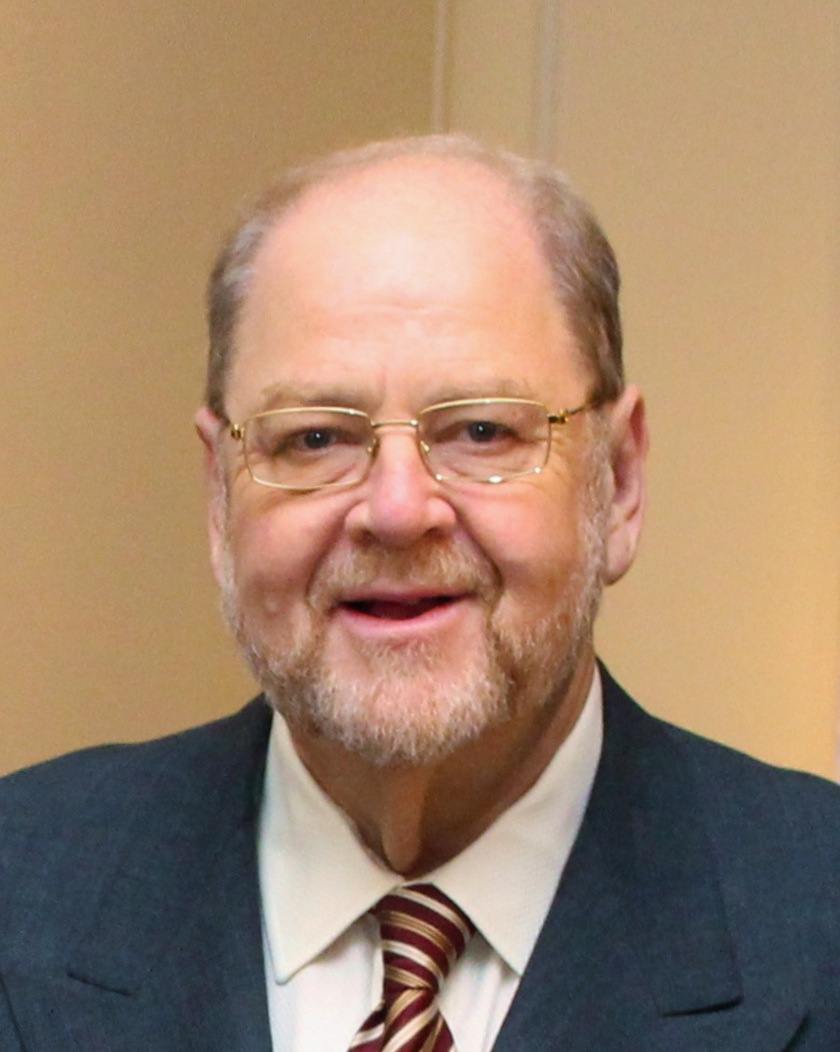
James Edward Rothman (born November 3, 1950) is an American biochemist. He is the Fergus F. Wallace Professor of Biomedical Sciences at Yale University, the Chairman of the Department of Cell Biology at Yale School of Medicine, and the Director of the Nanobiology Institute at the Yale West Campus.[2] Rothman also concurrently serves as adjunct professor of physiology and cellular biophysics at Columbia University[3] and a research professor at the UCL Queen Square Institute of Neurology, University College London.[4]

Key Information

Rothman was awarded the 2013 Nobel Prize in Physiology or Medicine, for his work on vesicle trafficking (shared with Randy Schekman and Thomas C. Südhof).[5][6] He received many other honors including the King Faisal International Prize in 1996,[7] the Louisa Gross Horwitz Prize from Columbia University and the Albert Lasker Award for Basic Medical Research both in 2002.[8][9]

Education

[edit]

Rothman earned his high school diploma from Pomfret School in 1967, then received his B.A. in physics at Yale University in 1971 and his Ph.D. in biological chemistry at Harvard in 1976 working with Eugene Patrick Kennedy.[10]

Career and research

[edit]

Following his Ph.D., Rothman did postdoctoral research with Harvey Lodish at Massachusetts Institute of Technology working on glycosylation of membrane proteins.[1][10] He moved to the Department of Biochemistry at Stanford University in 1978. He was at Princeton University, from 1988 to 1991, before coming to New York to found the Department of Cellular Biochemistry and Biophysics at Memorial Sloan-Kettering Cancer Center, where he also served as vice-chairman of Sloan-Kettering Institute. In 2003, he left Sloan-Kettering to become a professor of physiology at Columbia University's College of Physicians and Surgeons and the head of Columbia's Center for Chemical Biology.[11] He moved from Columbia to Yale in 2008, retaining a part-time appointment at Columbia. Since 2013 he is also holding a position as Distinguished Professor-in-Residence at the Shanghai Institute for Advanced Immunochemical Studies of ShanghaiTech University.[12]

In 1995, Rothman joined the Amersham plc scientific advisory board. When Amersham was acquired by GE Healthcare in 2003,[13] Rothman was appointed as the Chief Science Advisor to GE Healthcare.[14]

Nobel Prize Ceremony: James Rothman receives his award from king of Sweden.

Rothman's research[15] details how vesicles—tiny sac-like structures that transport hormones, growth factors, and other molecules within cells—know how to reach their correct destination and where and when to release their contents. This cellular trafficking underlies many critical physiological functions, including the propagation of the cell itself in division, communication between nerve cells in the brain, secretion of insulin and other hormones in the body, and nutrient uptake. Defects in this process lead to a wide variety of conditions, including diabetes and botulism.

His former postdoctoral students include Gero Miesenböck (postdoc)[16][17] and Suzanne Pfeffer.[18]

Awards and honors

[edit]

Rothman was awarded the 2010 Kavli Prize Neuroscience together with Richard Scheller and Thomas C. Südhof for "discovering the molecular basis of neurotransmitters release".[19]

Rothman was awarded the 2013 Nobel Prize in Physiology or Medicine together with Randy Schekman and Thomas C. Südhof for "their discoveries of machinery regulating vesicle traffic, a major transport system in our cells."[20][21][22]

Rothman is a Member of the National Academy of Sciences and its Institute of Medicine.[10]

Personal life

[edit]

He is the son of Martin Rothman, a pediatrician, and Gloria Hartnick, both Jewish.[23]

See also

[edit]

References

[edit]
[edit]
Revisions and contributorsEdit on WikipediaRead on Wikipedia
from Grokipedia
James Edward Rothman (born November 3, 1950) is an American renowned for his pioneering work on the molecular mechanisms of vesicle trafficking in cells, for which he shared the 2013 in Physiology or Medicine with and Thomas C. Südhof. His discoveries elucidated how proteins are transported within and between cells via vesicles, revealing the precise machinery that ensures accurate delivery and fusion of these membrane-bound compartments. This foundational research has transformed understanding of cellular logistics, with implications for diseases involving disrupted transport, such as and neurological disorders. Rothman was born in Haverhill, Massachusetts, and attended Pomfret School before earning a B.A. in physics summa cum laude from in 1971. He then pursued graduate studies at , obtaining a Ph.D. in biological chemistry in 1976 under the supervision of James E. Darnell Jr. Following postdoctoral work at the and the , he joined the faculty at in 1978 as an assistant professor, advancing to full professor by 1984. Rothman's breakthrough came in the early 1980s when he developed an system to study protein transport between Golgi apparatus stacks, demonstrating that vesicle budding and fusion require specific protein coats like COPI and v-SNAREs for targeting. In landmark 1984 publications, he identified the N-ethylmaleimide-sensitive factor (NSF) and soluble NSF attachment proteins () as essential for vesicle fusion, establishing the SNARE hypothesis that governs membrane docking and merger. These findings built on Schekman's genetic screens in and complemented Südhof's work on synaptic vesicles, collectively defining the principles of intracellular membrane traffic. Throughout his career, Rothman held prominent positions, including the E.R. Squibb Chair at (1988–1991), Chairman of Cellular Biochemistry and at (1991–2004), and Professor and Director of the Program in Cellular Biochemistry and at (2004–2008). Since 2008, he has served as a professor of at , where he was chairman of the Department of from 2008 to 2023, was appointed the of in 2017, and founded and directs the Nanobiology Institute. His contributions have earned numerous accolades, including the for Basic Medical Research in 2002 and the in in 2010, and he is a member of the .

Early Life and Education

Family Background and Childhood

James Edward Rothman was born on November 3, 1950, in Haverhill, Massachusetts. He was the eldest of three sons born to Martin Rothman (1915–2005), a pediatrician who practiced in Haverhill, and Gloria Rothman (née Hartnick, born 1923), who managed the household and her husband's medical office. Both parents were Jewish, with Rothman's paternal lineage tracing back to Basarabian roots in Fălești, Moldova, where his grandfather lived during the 19th and early 20th centuries before emigrating to the United States around 1910. His younger brothers, Richard (born 1953) and John (born 1955), completed the family. Rothman's early childhood in Haverhill was marked by a supportive environment that nurtured his intellectual curiosity, particularly in science. His father's career as a small-town pediatrician profoundly influenced him, sparking an early interest in biology through hands-on experiences such as accompanying house calls and assisting in the home laboratory starting at age eight. The family valued education, providing resources that allowed Rothman to explore electronics, build rockets, and engage with the era's scientific excitement, including the 1957 Sputnik launch and the ensuing space race. He attended local public schools for elementary and middle school, where his self-directed learning led him to master trigonometry in seventh grade and calculus by ninth grade. In 1964, Rothman enrolled at the , a preparatory institution in , from which he graduated early in 1967 after completing an advanced junior-year curriculum. There, he deepened his passion for physics amid a rigorous academic setting that emphasized scientific inquiry. His exceptional performance in the sciences during high school paved the way for admission to that same year, where he began undergraduate studies in .

Academic Training

Rothman earned a degree in physics from in 1971, graduating summa cum laude as a Scholar of the House. During his undergraduate studies, he developed an interest in applying physical principles to biological problems, which laid the groundwork for his later work in biochemistry. He pursued graduate studies at , where he was initially enrolled in the MD-PhD program before focusing on research. Rothman completed his Ph.D. in biological chemistry in 1976 under the supervision of Eugene P. Kennedy, a pioneer in membrane biochemistry. His doctoral thesis investigated the asymmetric biosynthesis of bacterial membrane lipids, elucidating how the achieves its structural asymmetry. Following his Ph.D., Rothman undertook a postdoctoral fellowship in the Department of Biology at the from 1976 to 1978, supported by the Damon Runyon Cancer Research Foundation. There, he worked in the laboratory of Harvey F. Lodish, concentrating on the mechanisms of protein transport and insertion into cell membranes. This training equipped him with advanced biochemical techniques for analyzing membrane dynamics, providing essential tools for his subsequent research on intracellular vesicle trafficking.

Professional Career

Early Appointments

Following his postdoctoral training at the Massachusetts Institute of Technology, James Rothman joined the Department of Biochemistry at as an assistant professor in 1978. He was promoted to with tenure in 1981 and to full professor in 1984, remaining at Stanford until 1988. At Stanford, Rothman established his independent research program by building a laboratory team, initially collaborating with Graham Warren to investigate sorting mechanisms. His early research shifted from membrane biogenesis—his focus during graduate and postdoctoral work—to the mechanisms of intracellular protein transport, where he developed pioneering assays to study vesicle fusion events. This work was supported by access to pooled NIH funds from senior faculty, enabling Rothman to expand his experimental resources despite being an early-career investigator. In 1988, Rothman moved to as the Professor of , a position he held until 1991. There, he continued to grow his research group and broadened investigations into the secretory pathways, integrating cellular and biochemistry to further elucidate protein trafficking processes.

Leadership and Institutional Roles

In 1991, James Rothman joined the (MSKCC), where he founded and chaired the Department of Cellular Biochemistry and Biophysics in the Sloan Kettering Institute from 1991 to 2004, while also serving as vice chairman of the institute and holding the Paul A. Marks Chair of . Rothman then moved to Columbia University Medical Center in 2004, serving as the Wu Professor of , chair of the Department of and Cellular Biophysics, and director of the Sulzberger Center until 2008. Returning to Yale University in 2008, Rothman was appointed the Fergus F. Wallace Professor of Biomedical Sciences and later became the of Cell Biology, a position he holds today; he has chaired the Department of Cell Biology at the since 2008 and founded and directs the Nanobiology Institute at Yale's West Campus. Rothman maintains adjunct and international academic roles, including as an of and cellular at since 2008 and as a research professor at the UCL Queen Square Institute of , , since 2014; he has also served as a distinguished professor-in-residence at the Shanghai Institute for Advanced Immunochemical Studies, ShanghaiTech University, since 2015. In industry, following the 2003 acquisition of by , Rothman was appointed chief scientific advisor to from 2003 to 2008, where he advised on advancements in imaging technologies as part of the executive committee. In April 2025, Rothman joined the board of directors of Alveo Technologies.

Scientific Research

Vesicle Trafficking Mechanisms

James Rothman's research in the 1990s at and revolutionized the understanding of intracellular vesicle trafficking by elucidating the molecular basis of membrane fusion specificity. His work demonstrated that vesicle fusion is not a passive process but requires precise protein interactions to ensure cargo is delivered to the correct cellular compartment, preventing errors in processes such as protein secretion and neurotransmitter release. Central to Rothman's discoveries were the SNARE (soluble N-ethylmaleimide-sensitive factor attachment protein receptor) proteins, identified as key mediators of membrane fusion specificity during his time at Sloan Kettering. In 1993, Rothman and colleagues purified a 7S complex of three synaptic proteins—syntaxin, SNAP-25, and VAMP (also known as synaptobrevin)—from tissue using cell-free assays that recapitulated vesicle fusion. These proteins, termed SNAP receptors or SNAREs, were shown to form a stable complex that bridges vesicle and target membranes, providing the specificity for fusion events. This finding built on earlier membrane studies from Rothman's graduate work, which explored dynamics in bilayers. Rothman developed sophisticated cell-free assays to dissect the roles of NSF (N-ethylmaleimide-sensitive factor) and SNAP (soluble NSF attachment protein) in SNARE-mediated fusion. In a landmark 1993 study, his team used an system derived from Golgi membranes and synaptic vesicles to show that NSF, an , binds to SNAREs via to form a 20S particle, which is essential for fusion. Experimental evidence revealed that by NSF disassembles the post-fusion SNARE complex, recycling the SNARE proteins to enable subsequent fusion events. This process is ATP-dependent and essential for the SNARE cycle. This disassembly step was visualized through sequential assembly and disruption in the assay, confirming NSF and act post-fusion to reset the system. Rothman's model of vesicle trafficking describes a stepwise process integrating multiple protein families for accurate transport. Vesicles bud from donor membranes via coat proteins such as for endocytic pathways or COPI and COPII for intra-Golgi and ER-to-Golgi traffic, concentrating cargo and deforming the membrane. Uncoated vesicles then tether to target membranes through Rab GTPases, which recruit factors to bring membranes into proximity. Finally, SNARE proteins drive fusion: v-SNAREs on the vesicle pair with cognate t-SNAREs on the target, zipping into a four-helix bundle that pulls membranes together and merges them. This conceptual framework highlights ATP-dependent priming by NSF as crucial for initiating SNARE engagement after tethering. The identification of v-SNARE and t-SNARE pairing rules further underscored SNAREs' role in specificity. Rothman's group reconstituted recombinant SNAREs into liposomes and tested fusion, finding that only compatible pairs—such as VAMP (v-SNARE) with syntaxin and SNAP-25 (t-SNAREs)—drive membrane fusion, with 9 out of 275 tested combinations proving fusogenic, mirroring cellular pathways. In a 1998 study, they demonstrated that minimal SNARE assemblies, termed SNAREpins, suffice for fusion between separate lipid bilayers, confirming the proteins' direct mechanical role. These pairing rules link directly to cellular processes like neurotransmitter release, where synaptic v-SNARE VAMP pairs with t-SNAREs on the plasma membrane to enable rapid upon .

Broader Applications and Collaborations

Rothman's discoveries on vesicle trafficking have profound implications for understanding and treating various diseases linked to defects in membrane fusion processes. In , impairments in insulin secretion from pancreatic beta cells arise from disrupted vesicle , highlighting how SNARE-mediated fusion failures contribute to metabolic disorders. Similarly, results from botulinum neurotoxins produced by , which specifically cleave SNARE proteins to block fusion, leading to . Neurological disorders, such as those involving synaptic transmission failures, are also tied to vesicle trafficking defects, where aberrant fusion in neurons can underlie neurodegeneration. These insights have opened avenues for therapeutic interventions, particularly in neurodegeneration, by identifying SNARE complexes and associated regulators as potential drug targets to restore synaptic function. Rothman's work has influenced advancements in through his mentorship of Miesenböck, whose development of light-activated tools for neural control builds on vesicle fusion mechanisms to manipulate synaptic release with precision. Rothman's collaborations have been pivotal in expanding vesicle research across systems. His long-term partnership with integrated biochemical assays with yeast genetic screens to elucidate vesicle formation and transport pathways. Joint efforts with Thomas Südhof focused on synaptic vesicles, revealing how calcium sensors like synaptotagmin regulate fusion timing, which culminated in their shared 2013 in or . Recent publications from Rothman's Yale laboratory continue to advance these themes, particularly on Munc13's role in vesicle docking. In a 2025 Nature Communications paper, Rothman and colleagues, including Manindra Bera and Frédéric Pincet, demonstrated that two successive Munc13 oligomers—an upright trimer for vesicle tethering and a lateral hexamer for SNARE assembly—scaffold docking and priming, with mutations disrupting release in C. elegans. A related 2023 study in PNAS by Rothman, Kirill Grushin, and others showed diacylglycerol-dependent Munc13 hexamers cooperatively bind vesicles to enhance priming efficiency. Rothman's contributions have shaped education and research priorities, with SNARE mechanisms now a cornerstone in textbooks on membrane dynamics and influencing funding for studies in intracellular .

Awards and Honors

Pre-Nobel Recognitions

In 1996, James Rothman received the King Faisal International Prize in for his pioneering work on the mechanisms of protein within cells, particularly his development of assays that recapitulated the conditions for vesicle fusion and demonstrated the role of soluble NSF attachment proteins () in this process. That same year, he received the for identifying the proteins essential to intracellular traffic and vesicle fusion, marking the field's maturation from conceptual framework to mechanistically defined pathways. In 2002, Rothman shared the Louisa Gross Horwitz Prize from with Randy W. Schekman and Thomas C. Südhof for their collective discoveries on the molecular machinery controlling protein transport between membrane compartments in eukaryotic cells, a body of work that validated the vesicle trafficking model through genetic and biochemical approaches. That same year, he was co-recipient of the , alongside Schekman, for elucidating the cellular machinery that regulates membrane fusion during vesicle transport, with specific acclaim for Rothman's identification of SNARE proteins as key mediators of this fusion specificity. Rothman's growing acclaim in the field of was further underscored by his election to the in 1993 and as a Fellow of the American Academy of Arts and Sciences in 1994, both recognizing his foundational biochemical insights into dynamics. He also became a Fellow of the American Association for the Advancement of Science in 2007. In 2010, Rothman received the in , shared with Randy W. Schekman and Thomas C. Südhof, for discovering the molecular machinery for release. That year, he also shared the Massry Prize, awarded by the Keck School of Medicine at the with Schekman, honoring contributions to understanding the biochemical machinery underlying intracellular membrane trafficking. Additionally, he was awarded the E.B. Wilson Medal by the American Society for for outstanding achievement in cell biology research. These honors collectively affirmed the transformative impact of Rothman's reconstitution of vesicle fusion assays, which provided direct evidence for the precision of protein sorting and delivery in cellular compartments.

Nobel Prize in Physiology or Medicine

On October 7, 2013, the Nobel Assembly at the announced that the in Physiology or Medicine was awarded jointly to James E. Rothman, Randy W. Schekman, and Thomas C. Südhof "for their discoveries of machinery regulating vesicle traffic, a major transport system in our cells." This recognition highlighted Rothman's contributions to elucidating the protein complexes, particularly SNAREs, that enable precise fusion of vesicles with target membranes, ensuring accurate cargo delivery within cells. Rothman delivered his Nobel Lecture on December 7, 2013, at the Karolinska Institutet's Aula Medica in , titled "The Principle of Membrane Fusion in the Cell." In the lecture, he emphasized the evolutionary conservation of SNARE proteins across eukaryotes, noting that components like NSF (the mammalian counterpart to Sec18) and v-/t-SNARE pairs maintain fusogenic specificity in pathways from to humans, underscoring a universal mechanism for membrane fusion. The prize, worth 8 million Swedish kronor (approximately $1.2 million USD) and divided equally among the three laureates, amplified interest in research. Media coverage following the announcement spotlighted the work's relevance to diseases involving disrupted vesicle trafficking, such as —where insulin secretion falters—and , where amyloid-beta accumulation may stem from faulty neuronal transport. During the Nobel ceremony on December 10, 2013, Rothman's acceptance reflected the collaborative nature of his discoveries, crediting key partnerships with scientists like Graham Warren and Franz Wieland that advanced SNARE identification. This Nobel capped earlier accolades like the , affirming vesicle trafficking as a cornerstone of cellular physiology.

Personal Life and Legacy

Family and Personal Details

James Rothman is married to Joy Hirsch, a distinguished professor of neurobiology and at , with whom he shares residences in New York and New Haven. Their partnership has provided mutual support during Rothman's frequent career transitions across institutions, underscoring the role of family stability in his professional pursuits. The couple has two children—a son and a daughter—whose privacy Rothman has largely preserved from public scrutiny, though they have occasionally joined him in reflecting on family roots. Rothman's heritage traces to a Jewish family with origins in , now part of , where his ancestors lived in the in the town of Fălești. In October 2025, Rothman visited Fălești, touring family-related sites including the and speaking to students at the local about the power of . His father, Martin Rothman, a dedicated pediatrician in , and his mother, Gloria, instilled values of intellectual curiosity and education that influenced Rothman's path. Rothman has two brothers: (born 1953), a retired neuropharmacologist now working as a , and John (born 1955), an attorney specializing in . Rothman maintains a low public profile on personal matters, focusing disclosures primarily on elements tied to his biographical narrative rather than intimate family dynamics.

Ongoing Influence and Recent Activities

Since joining Yale University in 2008 as the Sterling Professor of Cell Biology and Chairman of the Department of Cell Biology, James Rothman has continued to lead the Rothman Lab, which as of September 2025 employs diverse biophysical, biochemical, and cell biological approaches to elucidate mechanisms of intracellular transport and vesicle secretion. Rothman remains an active speaker, delivering the opening keynote at the American Physiology Summit in on April 24, 2025, where he discussed his career transition from physics to and emphasized the value of questioning established scientific paradigms. In October 2025, he participated in a with young scientists at the Academy of Sciences of during the International Conference on Nanotechnologies and , highlighting his Bessarabian heritage and the societal role of . Through mentorship, Rothman has shaped the careers of prominent researchers, including Suzanne Pfeffer, who conducted her postdoctoral work under his guidance at Stanford in the early 1980s and later advanced studies in vesicular trafficking. His foundational discoveries in vesicle fusion continue to influence fields such as , where former collaborators like Gero Miesenböck have applied SNARE-mediated mechanisms to light-controlled neural modulation, and systems that leverage targeted vesicular transport for therapeutic applications. In 2024, Rothman joined Celesta Capital as a senior advisor, providing expertise to the venture firm on investments. Rothman's broader impact persists through public engagements. While no major awards have followed his 2013 , his work garners sustained recognition.

References

Add your contribution
Related Hubs
User Avatar
No comments yet.