
_–_f_14072024.jpg/250px-Lexus_RX_500h_F_SPORT+_(V)_–_f_14072024.jpg)


_–_f_14072024.jpg/2000px-Lexus_RX_500h_F_SPORT+_(V)_–_f_14072024.jpg)
Community hub
Recent from talks
Contribute something
Nothing was collected or created yet.
Lexus RX
View on Wikipedia
| Lexus RX | |
|---|---|
_%E2%80%93_f_14072024.jpg) Lexus RX 500h F Sport Performance (TALH17, Germany) | |
| Overview | |
| Manufacturer | Toyota |
| Also called | Toyota Harrier (Japan, 1997–2013) |
| Production | December 1997 – present |
| Model years | 1998–present |
| Body and chassis | |
| Class |
|
| Body style | 5-door SUV |
| Layout | |
| Chassis | Unibody |
| Chronology | |
| Successor |
|
The Lexus RX (Japanese: レクサス・RX, Hepburn: Rekusasu RX) is a luxury crossover SUV sold since 1998 by Lexus, a luxury division of Toyota. Originally released in its home market of Japan in late 1997 as the Toyota Harrier, export sales began in March 1998 as the Lexus RX.[1]
Considered as the first luxury crossover SUV by many sources,[2][3][4] five generations of the RX have been produced to date, the first being compact in size, and the latter classified as mid-size. Both front- and four-wheel drive configurations have been used on the RX series, and several gasoline powertrain options, including V6 engines and hybrid systems, have been offered. In the Lexus model lineup, the RX sits below the larger Lexus LX (marketed as the Toyota Land Cruiser body-on-frame SUVs outside North America, respectively), and below the body-on-frame, but also mid-size GX SUV. The name "RX" stands for "Radiant Crossover".[5] It has also been labelled as "Recreational Cross Country" in some markets.[6] The RX's current Toyota counterpart is the Highlander/Kluger; past counterparts included the Harrier and Venza.
The first-generation RX 300, fitted with a 3.0-liter V6 engine, began sales in 1998. The Japanese market Harrier released in 1997 also offered a 2.2-liter inline-four, later uprated to 2.4 liters. The second-generation RX 300 (3.0-liter V6) and RX 330 (3.3-liter V6) models went on sale in 2003, with both variants supplanted by the more powerful RX 350 (3.5-liter V6) in 2006. Like the previous series, a 2.4-liter inline-four engine was sold alongside the 3.0-liter V6 in the Japanese market Harrier. In 2005, a hybridized gasoline-electric version of the 3.3-liter second-generation model was made available as the RX 400h in export markets and as the Harrier Hybrid in Japan. For the third generation released in 2009, both RX 350 (3.5-liter V6) and RX 450h (3.5-liter V6 hybrid) models were initially offered, with an entry-level RX 270 (2.7-liter inline-four) offered by Lexus in some Asian markets, including in Japan, since 2010. Since the release of the third generation, Japanese sales have occurred under the RX name as opposed to Harrier as had been the case previously. In the fourth generation, a turbocharged (2.0-liter inline-four) RX 200t/300 model was introduced to replace the previous 2.7-liter unit.
The RX has been assembled at Toyota Motor Kyushu since launch. The RX and RX Hybrid were the first Lexus models to be built outside Japan, with North American market versions produced at the Toyota Motor Manufacturing Canada plant in Cambridge, Ontario beginning 2003 (RX) and expanded in 2014 (RX Hybrid).[7] Hybrid transaxles are built at the Kokura plant in Kitakyushu, Fukuoka since 2009.[8][9]
First generation (XU10; 1998)
[edit]| First generation | |
|---|---|
 Pre-facelift Lexus RX 300 (US) | |
| Overview | |
| Model code | XU10 |
| Also called | Toyota Harrier (Japan) |
| Production |
|
| Model years | 1999–2003 (Lexus RX) |
| Assembly | Japan: Miyawaka, Fukuoka (TMK)[9] |
| Designer | Makoto Oshima (1995) |
| Body and chassis | |
| Related | Lexus ES/Toyota Windom (XV20) |
| Powertrain | |
| Engine | |
| Transmission | 4-speed U140E/F automatic |
| Dimensions | |
| Wheelbase | 2,615 mm (103.0 in)[10] |
| Length | 4,580 mm (180.3 in) |
| Width | 1,815 mm (71.5 in) |
| Height | 1,670 mm (65.7 in) |
1998–2000
[edit]The idea concept behind the RX—a crossover between a luxury sedan and SUV—started in 1993 when it was hypothesized by TMS (Toyota Motor Sales) and Toyota Motor executives during a luncheon in Nagoya. By 1994, that vehicle was officially proposed by TMS executives at product planning meeting in Toyota City, Japan and put into development. In December 1995, the final design directed under designer Makoto Oshima was approved for production, and prototypes later went into testing in 1996.[1] In Japan, the company was selling the Toyota Caldina which offered AWD capability and a spacious interior.
.jpg)
Prior to the RX public debut, a concept sport utility vehicle, the SLV, previewed the model at the Chicago Auto Show on 9 February 1997.[11] The SLV name stood for Sport Luxury Vehicle. The production-ready concept combined the characteristics of an SUV, wagon, and sedan,[12] and featured high-ground clearance and an elevated seating position. The concept's overall design intent was to be commonly used for suburban driving.[11] At the debut of the concept vehicle, it was reported that the crossover was to be based on the ES 300 sedan, and would go into production with an entry-level price of over US$30,000.[11]
The RX was built on a unibody chassis.[13] Its exterior design was not typical of existing four-door vehicles at its introduction.[14] Among design features, the vehicle featured front triangular quarter-windows, door-mounted side mirrors, a rear liftgate with top-mounted spoiler, and translucent front and rear light covers with round lenses.[13][14] The exterior color scheme was two-tone, with the bumper and lower body-side cladding a grey color.[14] The RX 300 possessed a drag coefficient of Cd=0.36.[13] The first-generation Lexus RX was built in Kyushu, Japan.[13]
Introduced in Japan in December 1997 along with V6 powered versions, the four-cylinder powered Harrier was available in front-wheel drive (SXU10) and all-wheel drive (SXU15) form. The 2.2 L 5S-FE I4 produced 102 kW (137 hp) JIS and 191 N⋅m (141 lb⋅ft) of torque.[15] Both models were fitted with a 4-speed automatic transmission.[15] The Japanese-market Toyota Harrier could be optioned with JBL sound system, sport seats, and a leather steering wheel.[15] The Harrier found success in the Japanese market, and was also shipped as grey imports to right hand drive markets in Asia and Canada.[16][17]

The V6-powered model was available in front-wheel drive (MCU10) and all-wheel drive (MCU15) form, which comprised all RX 300 sales in export markets from March 1998 to 2003, and Harrier V6 sales in Japan from 1997 to 2003. The 3.0 L 1MZ-FE V6 was rated at 164 kW (220 hp) and 301 N⋅m (222 lb⋅ft).[14][15] The transmission, a 4-speed automatic unit, offered a "Snow" mode which started the vehicle in second gear for better traction in adverse weather conditions.[18] For the RX 300, a 240-watt, 7-speaker Pioneer sound system was standard, while a premium Nakamichi customized sound system was available as an option. Interior features further included Walnut wood trim and an optional in-dash six-CD changer.[18] The overall RX 300 concept, which directed SUV qualities to an on-road vehicle, was based on market research which found that merely 7 percent of SUV owners drove off-road.[18] The RX 300 interior featured leather trim, two rows of seating, and a rear cargo area which could be concealed beneath a tonneau cover.[14] The center dashboard was dominated by a central liquid crystal display (LCD) multi-information screen for audio, climate, and performance data (including fuel economy),[14] along with a U-shaped wood trim piece and a pair of air conditioning vents.[13] The gear shift was mounted at the base of the center console, thus leaving open space below for additional storage space, legroom, or movement to the passenger-side seat.[13][14] The rear seats could be adjusted forward and back, as well as fold flat for increased cargo room.[14][19] Total cargo volume with the seats folded was 130 cu ft (3.68 m3).[14]
Safety features included driver and passenger front airbags, front seat-mounted side torso airbags, anti-lock brakes, side impact door beams, daytime running lights, and five headrests as standard.[14] Vehicle Stability Control, an electronic stability program, was optional at the RX 300's debut,[13] and became standard in 2000.[20] The Insurance Institute for Highway Safety (IIHS) rated the RX 300 "Good" overall in their frontal offset crash test.[21]
2000–2003
[edit]

In 2000, the RX 300 was refreshed with revised headlights and tail lights, along with the option of high-intensity discharge (HID) headlamps.[19] The interior also gained the option of a DVD-based navigation system.[19] A burgundy exterior color, Venetian Red Pearl, was only offered on 1999–2000 year models.[22]
In November 2000, the 2.2-liter 5S-FE engine in the Harrier was replaced by the 2.4-liter 2AZ-FE four-cylinder engine, producing 117 kW (157 hp) JIS and 221 N⋅m (163 lb⋅ft) of torque.[23] As before, the engine was offered with either front-wheel drive (ACU10) or all-wheel drive (ACU15) versions.[23] A small facelift was also performed on the Harrier. Options included sport-tuned suspension and DVD voice navigation.[23]
In 2001, a limited edition "Silversport" was offered that included a monochromatic paint scheme in Millennium Silver or Black with an all black interior and perforated leather seats.[24] Exclusively for 2002, Lexus introduced the limited RX 300 "Coach Edition," featuring perforated leather trim in the interior, honeycomb grille, Coach badging on the exterior and interior, and a set of Coach luggage.[25]
Awards won by the first-generation Lexus RX include most appealing luxury SUV by J.D. Power and Associates in 1998,[26] Motor Trend Sport/Utility of the Year for 1999, Money magazine's Best Deal on the Road in the SUV class in 1999, and Kelley Blue Book's Best to Hold Value Award in 1999, 2000, and 2001.[27]
The RX 300 sold over 370,000 units in its five years on the market.[28] It was successful in terms of sales, and became the best-selling Lexus model shortly after its introduction.[18] Its popularity contributed to the growth of the premium crossover SUV market, with several rival makes launching competing models in response to the RX 300.[18][19]
Second generation (XU30; 2003)
[edit]| Second generation | |
|---|---|
_Sports_Luxury_wagon_(2011-04-02)_01.jpg) RX 330 (pre-facelift) | |
| Overview | |
| Model code | XU30 |
| Also called | Toyota Harrier (Japan) |
| Production |
|
| Model years | 2004–2009 |
| Assembly |
|
| Designer | Hiroshi Suzuki and Takumi Ichikawa[29] |
| Body and chassis | |
| Platform | Toyota K platform |
| Related | |
| Powertrain | |
| Engine | |
| Transmission | |
| Dimensions | |
| Wheelbase | 2,715 mm (106.9 in) |
| Length |
|
| Width | 1,844 mm (72.6 in) |
| Height |
|
| Chronology | |
| Successor | Toyota Harrier (XU60) (Japan) |
2003–2006
[edit]In 1999, development began on the XU30 platform under chief engineer Yukihiro Okane. Design work was started under Makoto Oshima and would continue into 2000 when a concept design by Hiroshi Sukuki was approved. By early 2001, the final production design was green-lighted by the executive board, with the first prototypes being tested in 2002. Design patents were filed on 1 April 2002 under No. 794 at the Japanese Patent Office and on 21 April 2003 at the United States Patent and Trademark Office.[30][31]
The XU30 was previewed in January 2003 at the North American International Auto Show. Featuring a sleeker body style than its predecessor, the XU30 claimed to have a drag coefficient of Cd=0.35 and new LED tailamps.[32][33] From the inside, the RX 330 interior featured genuine Golden Bird's Eye Maple or Walnut wood trim, a sliding multi-level center storage console, dual-zone climate control, and power tilt/telescopic steering column. Available options included a 210-watt, 11-speaker Mark Levinson premium sound system, DVD-based navigation system with backup camera, rear seat DVD player with wireless headphones, panoramic three panel moonroof, and heated seats.[34]
_Sports_Luxury_wagon_04.jpg)

All RX models came standard with eight airbags, including dual front airbags, front row side torso airbags, side curtain airbags, a driver's knee airbag; Vehicle Stability Control (VDIM on RX 400h) and a tire-pressure monitoring system were standard. An Adaptive Front-lighting System (AFS) with HID headlamps and a backup camera (w/navigation system) were optional. In Japan, the Toyota Harrier was the first worldwide production car with optional radar-assisted Pre-Collision System (PCS) (Forward collision warning only, no autonomous braking).[35] front and side view monitoring and cornering assist monitor with threat monitor.[36] The Lexus RX received a "Good" overall rating in the Insurance Institute for Highway Safety frontal crash test.[37] U.S. National Highway Traffic Safety Administration (NHTSA) crash test results in 2004 rated the RX 330 the maximum five stars in the Frontal Driver, Frontal Passenger, Side Driver, and Side Rear Passenger categories, and four of five stars in the Rollover category.[38]
In February 2003, the second-generation Toyota Harrier (codename ACU30 and MCU30 for the front-wheel drive models, and ACU35 and MCU35 for the all-wheel drive models) was launched in Japan. The Harrier was fitted either a 2.4 L I4 or 3.0 L V6 with or without all-wheel drive, and a new 5-speed automatic transmission with +/- shift along with available "AIRS" air-suspension on the 3.0 L V6 models. The new RX launched for European and Asian markets in early 2003, where it was sold as the RX 300 (MCU30/MCU35) and made in Japan. Asian markets included Singapore, where it succeeded the previously sold Harrier, South Korea, and Taiwan. The RX 300 featured a 3.0 L V6, with only the all-wheel drive version available, and air-suspension could be specified.
In North America, the RX 330 series began sales in March 2003 for the 2004 model year. Here, the car was badged RX 330 denoting its larger 3.3-liter V6.[39] The RX 330 (MCU33/MCU38) was powered by a 3.3-liter ULEV certified 3MZ-FE V6, rated at 230 hp (170 kW) SAE and 238 lb⋅ft (323 N⋅m) linked to a 5-speed automatic and was offered in either front or all-wheel drive. New technology features included Adaptive Front-lighting System (AFS) with swivel headlights,[40] height-adjustable air suspension on the all-wheel drive models, Dynamic Laser Cruise Control system, and rain-sensing wipers. All North American models were initially built in Japan until September 2003 when production of the RX 330 began in Cambridge, Ontario, Canada.[7] For each year of the second and third generation RX, a small number of non-hybrid RXs were assembled in Japan.[citation needed]
Lexus debuted the RX 400h (MHU38) at the 2004 North American International Auto Show, with plans to launch the vehicle in the U.S. market. The equivalent Harrier Hybrid debuted in Japan on 22 March 2005, the same day as the Toyota Highlander Hybrid.[citation needed] Hybrid production began in March 2005 at Toyota Motor Kyushu.[9] The Lexus RX 400h made its U.S. sales debut in mid-2005, with over 9,000 pre-orders at launch.[41] The RX 400h's arrival in the U.S. had been delayed by several months; Lexus had announced in November 2004 that the American launch of the hybrid Lexus SUV would occur for the 2006 model year.[42] The RX 400h became the first production premium hybrid vehicle when it went on sale in 2005.[43]


Compared to the Lexus RX 330 and RX 350, the RX 400h featured a different front grille and round fog lights, and also differently styled LED tail lights in place of the conventional LED ones on the RX 330/RX 350. Different exterior colors were offered. In 2007, Hybrid badging was added to the rear side doors. The RX 400h interior featured a hybrid information display on the navigation screen showing electrical motor, gasoline engine, and regenerative braking activation in real time.[44] Some RX 400h models without navigation screens displayed the information on a small monochrome display on the instrument panel. When launched in 2005, the RX 400h came exclusively with brushed aluminum interior accents, in place of the wood trim offered in the standard RX. This changed in 2006, when the RX 400h became available with Bird's Eye Maple wood trim.
Since its launch, the all-wheel drive RX 400h/Harrier Hybrid was sold at a substantial premium over the non-hybrid RX 300/RX 330/RX 350/Harrier.[45] In the U.S., the initial base price was US$49,185, which was a US$5,600 premium over a similarly equipped RX 330/RX 350.[43] A front-wheel drive version of the RX 400h debuted in 2006, with a base MSRP approximately US$1,400 less than the all-wheel drive RX hybrid.[46] For 2007, along with the reduction of the federal hybrid tax credit for its hybrids, Lexus lowered the base price of the RX 400h to US$42,580 and US$41,180 for the respective all-wheel and front-wheel drive versions.[47] The list price in Japan for the Harrier Hybrid ranged from ¥4.095 million to ¥4.62 million.[48] Based on the 2010 Lexus RX redesign, there was no RX 400h for the 2009 model year. However, the RX 400h did receive a facelift for the 2008 model year, featuring a blue Lexus badge and a rear spoiler that matches the body color.
The gasoline-powered part of the RX 400h engine system was a 3.3-liter 3MZ-FE V6, very similar to the one found in the RX 330. It produced 211 PS (155 kW; 208 hp) and 288 N⋅m (212 lbf⋅ft).[49] The gasoline engine was aided by a maximum of two additional electric motors, one driving the front wheels, producing 167 PS (123 kW; 165 hp) and 333 N⋅m (246 lbf⋅ft) and connected to the CVT gearbox,[49] and the other driving the rear wheels, producing 68 PS (50 kW; 67 hp) and 130 N⋅m (96 lbf⋅ft).[49] The whole system, called Lexus Hybrid Drive (also Hybrid Synergy Drive), produced a maximum of 272 PS (200 kW; 268 hp).[49] With Lexus Hybrid Drive, under normal driving conditions, only the front motor and gasoline engine were used. The rear motor was only used under full-throttle acceleration or when the front wheels lost traction.[43] An Ni-MH battery was responsible for powering the motors,[43] and charged by generators during deceleration or sharp cornering.[45] Standard features included an Electronically Controlled Brake and Vehicle Dynamics Integrated Management stability control system.
The RX 400h gasoline engine switched off automatically and the car ran completely on electricity when either stationary, decelerating, or being driven at slow speeds—less than 60 km/h (40 mph).[43] Not only did the hybrid drive in the RX 400h improve fuel economy, but with the assistance of the electric motor, the RX 400h could reach 0–97 km/h (0–60 mph) in 7.3 seconds,[43] quicker than the gasoline-only RX. Despite the increased performance, the RX 400h/Harrier Hybrid consumed roughly the same amount of gasoline as a compact four-cylinder sedan[50] and it qualified as a Super Ultra Low Emission Vehicle (SULEV) in the US.[44] Passing power at lower and mid engine rpm's was noticeably improved due to the electric motor. The water pump for the gasoline engine is driven by the camshaft belt. To improve efficiency, and because the gasoline engine shuts down during electric-only operation,[51] the alternator, power steering pump, and air conditioner compressor are beltless; rather than being tied to engine output,[51] these components are powered by electric motors via the battery instead.[51][52]
The RX 400h served as the launch vehicle of the Lexus hybrid lineup, which later expanded to include hybrid versions of other Lexus vehicles, including the GS 450h and LS 600h/LS 600h L, and in 2009, the first ever designated-hybrid (no gasoline model available) Lexus, the HS 250h.
In January 2005, Lexus introduced the RX 330 "Thundercloud Edition" for the U.S. market, featuring a chrome horizontal-slatted grille, unique 5-spoke 18" alloy wheels, black Bird's Eye Maple wood trim, Thundercloud badges and carpeted floor mats, and two special exterior colors (Thundercloud Metallic and Thundercloud Flint Mica). Production was limited to 6,500 units.[53]
2006–2008
[edit]_Sports_Luxury_wagon_02.jpg)
_Sports_Luxury_wagon_03.jpg)
In 2006 for the 2007 model year, the RX received a mid-cycle refresh consisting of a new 3.5-liter 2GR-FE V6 replacing the 3.3-liter 3MZ-FE V6 engine on non-hybrid models, updating the vehicle's name from RX 330 to RX 350, with new model codes GSU30 and GSU35. The RX 350 also featured an updated, Lexus Generation V DVD navigation system with improved graphics, voice controlled destination inputs, and a new feature called "bread crumbs." Bread crumbs will enable drivers to retrace their steps. The new navigation system also featured voice dial systems and the ability to enter destinations by voice address while driving.

In 2007 for the 2008 model year, the RX received a revised grille, chrome door handles, available new seven-spoke 18-inch alloy wheels with a liquid graphite finish, and Brandy Wine Mica or Desert Sage Metallic were new exterior choices. Black Bird's Eye Maple wood with grey interior was a new interior option for that year.
In February 2008 for the 2009 model year, Lexus added a new Pebble Beach Edition, limited to 6000 units, with a base MSRP of US$41,580 – US$42,980. These limited production models have "Pebble Beach" badges on front fenders and embroidered front floor mats, were available in Black Onyx and Truffle Mica color, and came equipped with limited-edition 18-inch alloy wheels, a color-keyed rear spoiler, and a chrome-finished grille. Buyers also received a choice of custom amenities designed to complement the Pebble Beach lifestyle. RX 350, RX 400h, and Harrier 350G's Production ended in December 2008. Harrier 240G and Harrier Hybrid's production ended in July 2013 and replaced by Toyota Harrier (XU60) in November 2013.
The RX 330 was named most appealing luxury SUV by J.D. Power and Associates in 2004.[54] It was also the Best Overall Value in the SUV market over US$30,000 in 2003, 2004, and 2005 according to Intellichoice.[55][56] The Lexus RX 400h was one of only four SUVs to achieve recognition on J.D. Power and Associates' 2006 Automotive Environmental Index of the top 30 most environmentally friendly vehicles.[57] J.D. Power also awarded the RX 400h the top spot for entry-luxury SUVs in its 2005 Automotive Performance, Execution and Layout Study on owners' attitudes towards new vehicle designs.[58] At the 2005 GreenFleet Awards in the United Kingdom, recognizing environmentally friendly transportation, Lexus was recognized for introducing the RX 400h with the 4x4 Manufacturer of the Year title.[59] The RX 400h was named SUV of Texas at the 2005 Texas Truck Rodeo awards,[60] and was awarded recognition as a CNET editor's choice vehicle in 2005.[61]
Safety
[edit]Third generation (AL10; 2008)
[edit]| Third generation | |
|---|---|
_Prestige_wagon_(2011-04-22)_02.jpg) RX 350 (pre-facelift) | |
| Overview | |
| Model code | AL10 |
| Production | November 2008 – September 2015 |
| Model years | 2010–2015 |
| Assembly |
|
| Designer | Masanari Sakae, Hiroyuki Tada, Shinno Kato and Tokiko Gamou[64][65] |
| Body and chassis | |
| Platform | Toyota K platform |
| Related | |
| Powertrain | |
| Engine | |
| Transmission | |
| Dimensions | |
| Wheelbase | 2,741 mm (107.9 in) |
| Length | 4,770 mm (187.8 in) |
| Width | 1,885 mm (74.2 in) |
| Height |
|
2008–2012
[edit]Development of the third-generation RX began in 2004. Chief engineer Takayuki Katsuda headed development, with design being conducted from 2005. In late 2006, design work by Masanari Sakae was chosen, with the final designs that were presented as 1:1 scale models being green-lighted for production in the first half of 2007. On 9 October 2007, design patents were filed at the Japanese Patent Office (7 April 2008 in the U.S.) for both a conceptual variant and two production variants (RX and RX 450h). The first North American pre-production prototypes were sent to Cambridge, Canada in early 2008 for testing prior to the first RX 350 rolling off the production line on 28 November 2008.[67][68][64] A hybrid concept vehicle, the LF-Xh, previewed the third-generation RX's design direction at international auto shows a year prior to the production model's debut. The LF-Xh, which stands for Lexus Future-Crossover(X) hybrid, was first shown at the 2007 Tokyo Motor Show. The LF-Xh featured a V6 engine with electric motors, LED headlights and taillights, and a concept interior.[69]
Lexus debuted the third-generation RX on 19 November 2008. The AL10 series is built in Japan and Canada, with North American models primarily built in Cambridge, Ontario, Canada. American RX 350 sales began in February 2009 as a 2010 model. For 2009, the front-wheel drive RX 350 starts at US$36,800 while the all-wheel drive version starts at US$38,200. EPA-estimated fuel economy is improved at city/highway/combined 18/25/21 mpg for the FWD RX 350 and 18/24/20 mpg for the AWD model.[70] The RX 350 (GGL10/GGL15) features a revised 3.5-liter 2GR-FE V6 engine producing 275 hp (205 kW) with a wider power curve,[71][72] it remains ULEV-II certified and now uses a six-speed automatic transmission with sequential shift.[72]
_Sports_Luxury_wagon_04.jpg)
_Sports_wagon_01.jpg)
The third-generation RX's new transmission can lock-up its torque converter from 2nd through 6th gears to improve fuel economy. By dropping the center locking differential, a new Active Torque Control all-wheel drive system diverts anywhere from 50% or up to 100% power to the front wheels for reduced drivetrain associated efficiency losses which in turn increases fuel efficiency. An Electric Power Steering (EPS) system replaces the previous belt-driven hydraulic pump. A double wishbone rear suspension setup replaces the previous MacPherson strut design for improved handling and greater cargo space, while an optional Sports Package adds a performance-tuned suspension.[71]
The AL10 RX's new exterior styling adopts the L-finesse design language, and outer features include a rear spoiler which hides the rear window wiper and radio antenna creating a less cluttered appearance. The drag coefficient on the latest RX 350 has been reduced to Cd=0.33.[71] Exterior dimensions are increased, with cargo room increased by five percent over the prior generation.[71] For the interior, major standard features include SmartAccess, a keyless entry and start system, electrochromic heated side mirrors, UV reducing exterior glass, Bluetooth, power tilt/telescoping steering wheel, power 10-way driver and passenger seats, sliding and reclining rear seats and a power rear hatch. The instrument cluster's multi-function display uses an organic light-emitting diode (OLED) display instead of a thin film transistor (TFT-LCD) display. New cabin technologies include VoiceBox Technologies conversational speech voice recognition system, the first of its kind in the U.S.,[73] which can recognize general speech commands. The new hard disk drive HDD-based navigation system no longer uses a touchscreen, instead replacing it with Lexus' Remote Touch controller, similar in function to a computer mouse, with haptic feedback. Optional accessory features include XM Satellite Radio, a 15-speaker 330-watt Mark Levinson Surround Sound audio system, a dual-screen Rear Seat Entertainment System (RSES), 19-inch wheels, heated and ventilated front seats, power front seat cushion extender, perforated and semi-aniline leather seats, a smog sensor for the HVAC system, power folding side view mirrors, and navigation system. With XM subscription the navigation adds real-time NavTraffic and NavWeather updates.[74][75]
The third-generation RX comes standard with a twin-chamber front passenger airbags, side torso airbags for the front row, side curtain airbags for front and rear rows, and knee airbags for the front row. Active headrests become standard to help reduce whiplash injuries. Vehicle Stability Control (VSC) and Hill Assist Control (HAC) which helps prevent the vehicle from rolling backwards on inclines are standard while a more advanced Vehicle Dynamics Integrated Management (VDIM) system is optional.[76] VDIM is designed to be more subtle and less intrusive in performance than VSC alone, VDIM can also engage prior to an actual skid taking place acting as a preventative measure. The Adaptive Front-lighting System (AFS) remains optional, while a new bi-xenon optional Intelligent Highbeam feature is added, this system can dim the high-beams automatically whenever traffic is detected. Other optional safety features include a Pre-Collision System (PCS) and a Head-up Display (HUD) which helps the driver keep attention on the road ahead by displaying navigation, speed, and audio information on the windshield; the HUD uses high-intensity LEDs displaying high contrast white figures on the windshield allowing it to be read in direct sunlight.[74] The optional navigation system offers a backup camera and a Wide-View Side Monitor utilizes a camera on the passenger side view mirror to help eliminate blind spots on the passenger side at low speeds, this system does not include the 180° wide-angle front camera found in the LX 570. To further help improve visibility, water-repellent glass is used on the front doors.


Introduced in 2009 as a 2010 model year vehicle, the RX 450h (GLV10/GLV15) premiered alongside its non-hybrid counterpart, the RX 350. Manufacturer's specifications indicated largely identical outward dimensions for the RX 450h with the RX 350.[75] The RX 450h was scheduled to go on sale in the U.S. in mid to late 2009,[71] with sales introductions for the RX 450h in Asia (including Japan) and Europe in the same year. The RX 450h features an upgraded 3.5 L 2GR-FXE V6 engine (shared with the RX 350) which produces 245 hp (183 kW) at 6000 rpm,[72] along with a new inverter which boosts total horsepower to 297 hp (221 kW) (with the electric motors providing an added 22 hp (16 kW)).[71][72] The new inverter is 8 kg lighter, and more efficient. Up to three electric motors are used in the hybrid system, including two dual motors for the forward wheels (123 kW output), and a third for the rear wheels on the AWD model (50 kW; engages when slippage is detected or the throttle pressed firmly).[77] The RX 450h V6 engine now runs on the Atkinson cycle for added efficiency.[71] Compared to the prior Otto cycle system, the Atkinson cycle has a lower compression ratio, along with higher expansion ratio inside engine cylinders. This system uses less energy to form fuel-air mixtures, and releases more energy.[77] A lighter, more free-flowing oil (0W-20) is also used, reducing friction energy loss and oil pump power requirements.[77] Two additional systems are added to the RX 450h's Lexus Hybrid Drive powertrain, an exhaust heat recovery system to reduce engine warm-up periods (optimizing engine start-stop times, particularly in cold conditions),[78] and a cooled exhaust gas-recirculation system to reduce fuel pumping loss.[72] The electric motors use the first automotive application of liquid cooling on both sides of the high-current transistors, allowing greater contribution from the electric motors versus the gasoline engine.[77]
Fuel efficiency for the RX 450h, according to EPA testing, is increased by twenty percent over the previous RX 400h.[79] Initial manufacturer data pointed to an increase of at least eight percent over the prior model.[71] In the U.S., the RX 450h is certified with a 2009 EPA fuel economy rating of 32 mpg city, 28 highway for the FWD model, and 30 mpg city, 28 highway for the AWD model.[77] This 30 mpg combined rating compares with the 20 mpg combined rating of the non-hybrid RX model.[77] The powertrain is linked to an instrument panel Eco light indicator, which enables drivers to monitor their fuel efficiency as it correlates with accelerator modulation.[77]
In August 2010, Lexus began offering the RX 270 (AGL10), a front-wheel drive model with a 2.7-liter 1AR-FE inline-four engine, in Japan,[80] China,[81] and Russia.[82] The RX 270 was a new entry-level offering for the RX lineup, produced with a lower base price and fewer emissions.[81] It was introduced at the 2010 Moscow Auto Show, and aimed to circumvent the additional taxes applied to automobiles with large engine displacements and higher emissions; import cars in China over 3.0 L are subject to additional fees.[83]
In July 2010, Bloomberg reported that an all-electric Lexus RX had been developed in partnership with Tesla Motors.[84] The RX was fitted with a Tesla-designed battery pack, and is to be used as a test mule for electric vehicle development.[84]
2012–2015
[edit]A facelift was designed through late 2010 and patented on 7 January 2011 under European design registration number 001845801-0004.[85] The facelift was unveiled at the March 2012 Geneva Motor Show with new wheels, interior colors, new head and tail lamps and new grilles. New LED running lights were introduced as well. The F Sport was introduced, with a honeycomb grille, 8-speed automatic transmission, and a unique sportier interior. In the US, the new model uses the Lexus Enform telematics system, which includes the Safety Connect SOS system and Shazam tagging. Sales began worldwide in April 2012 for the RX 350 and RX 450h, with sales for the F-Sport variants starting in July of the same year.
-
 RX 350 (facelift)
 -
 RX 350 (facelift)
 -
 RX 450h (facelift)
 -
 RX 450h (facelift)
_Luxury_wagon_(2012-09-01)_01.jpg)
_Luxury_wagon_(2012-09-01)_02.jpg)


Several awards won by the third-generation Lexus RX include AutoPacific Vehicle Satisfaction Award for Luxury Crossover SUV,[86] Kelley Blue Book Best Resale Value Award for Luxury Utility Vehicle,[87] and Residual Value Award for Near Luxury SUV from Automotive Lease Guide.[88] The Insurance Institute for Highway Safety (IIHS) has awarded the RX 350 its Top Safety Pick accolade.[89][90] In 2013, J.D. Power and Associates named the RX as the most dependable vehicle in the U.S.; it was the first time a SUV/crossover had ever been listed as such.[91]
The U.S. National Highway Traffic Safety Administration (NHTSA) crash test results has given the RX 350 the maximum five star rating in the Frontal Driver, Frontal Passenger, Side Driver, and Side Rear Passenger categories, and four of five stars in the Rollover category at a risk of 16.4%.[92] The Insurance Institute for Highway Safety rated the RX 350 a Top Safety Pick given "Good" overall ratings in both frontal offset and side crash tests, the RX also received "Good" ratings in all 14 measured categories.[89][90] In 2014 (for the 2015 U.S. model year), the North American Lexus RX 350 gains new standard equipment such as the popular display audio package and LED front fog lamps. Navigation equipped models receive an upgraded 19 inch wheel finish as well as an easier to use remote touch controller. The 2015 model year F-Sport models now have the option of a cabernet red interior.
Safety
[edit]| Overall: | 
|
| Frontal driver: | 
|
| Frontal passenger: |
|
| Side driver: |
|
| Side passenger: |
|
| Side pole driver: |
|
| Rollover AWD: | 16.4%
|
| Category | Rating |
|---|---|
| Moderate overlap frontal offset | Good |
| Side impact | Good |
| Roof strength | Good1 |
- 1 strength-to-weight ratio: 4.27
Fourth generation (AL20; 2015)
[edit]| Fourth generation | |
|---|---|
 2018 Lexus RX 450h Luxury pre-facelift (GYL20, UK) | |
| Overview | |
| Model code | AL20[95][96] |
| Production | September 2015 – September 2022[97] |
| Model years | 2016–2022 |
| Assembly |
|
| Designer | Gen Ikeda[98] |
| Body and chassis | |
| Body style | 5-door SUV |
| Platform | Toyota K platform |
| Related | |
| Powertrain | |
| Engine | |
| Power output | List
|
| Transmission |
|
| Dimensions | |
| Wheelbase | 2,790 mm (109.8 in)[99] |
| Length |
|
| Width | 1,895 mm (74.6 in)[99] |
| Height | 1,685–1,720 mm (66.3–67.7 in)[99] |
| Curb weight | 1,915–2,210 kg (4,222–4,872 lb) |
| Chronology | |
| Successor | Lexus TX (for RX L)[100] |
2015–2019
[edit]
The fourth generation of the RX was presented at the April 2015 New York International Auto Show[98] and the September 2015 Frankfurt Motor Show and released in late 2015.[101][102] Departing from the clear taillight design, the RX continues in the design way of the RC (XC10), the IS (XE30), and the NX (AZ10) which were recently introduced at the time. The front features the brand's "Spindle Grille", which was introduced on the LF-Gh (GS Mk4 Concept) in 2011. The first production vehicle it was introduced on was the CT hatchback in 2011.[103] On the grille is a chrome-plated border, and the headlights feature triple L-shape LEDs. Two headlight designs are available, consisting of a compact Bi-LED which comes standard, or an L-shape LED, accompanied by 18 separate LEDs. The "Intelligent High Beam" (IHB) is a system that automatically switches between high and low beams, depending on driving situation.[104][105] The rear also features what the brand calls the "spindle design" theme, with rear L-shaped taillights which wrap around the rear fender section to enhance functionality. The C-pillar is blacked out which are to give a floating roof effect.[104] General exterior features include flush-fitting headlight washers, dual exhausts, an optional panoramic sunroof, aluminum roof rails, redesigned door handles which include the SmartAccess card key, and a door handle illumination.[104] The drag coefficient on the fourth-generation RX had reached 0.33 Cd. The aerodynamic enhancements not only improve the drag coefficient, but also help with stability and cabin noise.
Retaining a few of its exterior colors from the previous generation, the new colors include the Caviar, Autumn Shimmer and Nightfall Mica. The paint features a scratch-resistant coat that restores itself if scratched using a high-performance macromolecular polymer. The paint also features significant gloss retention to help maintain the gloss and color over a long period of time.[104] The vehicle is larger than the previous generation, with a 50 mm (2-inch) increase in wheelbase, providing more interior room throughout. To counter issues with the previous version's F-Sport ride quality being too firm, in the pursuit of sporty handling, the new generation features an Adaptive Variable Suspension (AVS) to adjust ride quality as needed. An active anti-roll bar from the European specification third generation RX was added to the F-Sport package. Twenty-inch alloy wheels are also available, as is a panoramic sunroof.[106][107]
.jpg)
The interior of the RX features round seat cushions, providing better support for the passengers. The driver and front passenger seats feature elegant quilting, harmonized with the interior door panel trim. The armrests now are less stiff, and use softer materials for a more comfortable ride. Like the door trim panels and back of the front seats, the armrest surfaces now feature a quilted pattern. For the first time on a Lexus, the interior door handles feature a knobless door lock for a more refined design.[105]
The AL20 features a redesigned 8.0-inch infotainment display that is now based on a horizontal axis; the dashboard is lowered to give the vehicle a spacious feeling. The 12.3-inch display is optional, and adds premium features such as wider viewing, navigation integrated into the dashboard, a premium audio system, and the Lexus Enform App. The 15-speaker Mark Levinson premium audio system is optional, and rear-seat entertainment.[108]
Safety systems consist of the Pre-Collision System with Pedestrian Detection, Lane Departure Alert (LDA) with Steering Assist, Intelligent High Beam (IHB), Lexus Safety System (from 2017) and All-Speed Dynamic Radar Cruise Control. General systems include anti-lock brakes, ABS brakes, stability control, front-impact airbags, side impact airbags, overhead airbags, knee airbags, pretensioners, anti-whiplash, and a security system which detects vehicle intrusion. The RX also adds an ignition disable device, which prevents the vehicle from starting unless the original key is used.[109]
From the 2017 model year, the F-Sport Package is now available on front-wheel drive models. All F-Sport models are equipped with a heated steering wheel. All models are now equipped with Lexus Safety System+.[108] For the 2018 model year, the RX L was introduced. The 450h receives a cheaper trim level in its lineup that decreases its price. For the United States, the Premium package for the 450h adds wood and leather interior trim, automatic folding exterior mirrors, and for the driver's seat, steering wheel, and mirrors, the RX lets you recall recent changes from when the owner was last in the vehicle.[110] The RX adds primarily technical changes for the 2019 model year. Adjustments include optional parking sensors with blind-spot monitoring, rear cross-traffic alert, exterior automatically dimming mirrors, and an omnidirectional camera system. The Lexus Enform Remote app now features smart watch and the Amazon Alexa integration. A two-tone instrument panel is added on models equipped with the Premium package and the "Noble Brown" exterior color. Trims consist of the RX350, RX450h, RX350L, RX350 F-Sport, RX450hL, and the RX450h F-Sport.[111]
- RX L
In November 2017, Lexus announced three-row seven-passenger models of the RX, the RX 350 L and RX 450h L. The L model is 11 cm (4.3 in) longer than the two-row model but have the same wheelbase. The L model features a redesigned rear and a more upright rear window to maximize rear space. With all seats upright, the volume stands at 7 cu ft (200 L). Folding the rear seat, the volume triples to 23 cu ft (650 L). With all seats folded, volume stands at 58 cu ft (1,600 L), up 2 liters from the standard length RX.[112]
The L is available in models consisting of the RX350L gasoline model and the RX450hL gasoline full hybrid. The RX L was replaced by the larger TX as multiple sources stated that the L did not have enough third row space.[113]
-
 2018 Lexus RX 350L (GGL20, US)
 -
 2018 Lexus RX 350L (GGL20, US)


2019–2022
[edit]
The RX and RX L received a facelift in May 2019 for the 2020 model year.[114][115] The facelifted model is equipped with the Lexus Safety System+ 2.0, upgraded from the Lexus Safety System+.[116] For the interior, the standard 8.0-inch touchscreen was replaced by the 12.3-inch which was optional on the previous model.[117] The Luxury trim was added to the 350 and the 450hL.[118] For 2021, the "Black Line Special Edition" limited variant was added for F-Sport models. It features black 20-inch wheels, blue stitching for the leather interior, and either a white or medium blue exterior paint.[119] Furthermore, in 2020, for the 2021 model year, both blind-spot monitoring and rear cross-traffic alert became standard, and wireless smartphone charging became available as an option.[120] Smartphone mirroring systems (both Apple CarPlay and Android Auto) were also introduced. The "Glazed Caramel" color was available as an interior color and replaced the Noble Brown color.[119] In 2021, for the 2022 model year daytime bicyclist detection and low-light pedestrian detection and with Road Sign Assists and Lane Tracing Assist became available.[121] New color choices were available, including Cloudburst grey, Iridium, and Grecian Water. The Black Line model was available in 2022, with 2,500 examples built.[122]
-
 2021 Lexus RX 450h (GYL20; facelift)
 -
 2020 Lexus RX 450h (GYL20; facelift)
 -
 2022 Lexus RX 350L (GGL21; facelift)
 -
 Interior (AGL20; facelift)


Models
[edit]AGL20 / AGL25
[edit]
The RX 200t FWD (AGL20) and the RX 200t AWD (AGL25) were revealed at the 2015 Auto Shanghai along with the facelifted Mk6 Lexus ES. Replacing the RX 270 (AGL10), the model is powered by the same 2.0-liter 8AR-FTS turbocharged inline-four engine as the NX 200t AGZ10. It is available in both front- and all-wheel drive.[123] It was later renamed to RX 300 in 2018. It has a top speed of 200 km/h (120 mph) and a 0-100 km/h (62 mph) time of 9.7 seconds.[124]
Using its 2.0 I4 turbo, the RX 200t / 300 produces 235 hp (175 kW) or 238 hp (177 kW) depending on model, and 350 N⋅m (260 lbf⋅ft). In terms of performance, the 300 was replaced by the fifth-generation RX 350h.
GGL20 / GGL25
[edit]
The RX 350 FWD (GGL20) and the RX 350 AWD (GGL25) features 3.5-liter V6 carried from the previous model, except an additional 25 hp (19 kW) was added, giving a total output of 295–300 hp (220–224 kW), depending on model. The extended length model's codes are GGL21 for the 350L and GGL26 for the 450hL. The 350 features Drive Mode Select, with Eco, Normal and Sport modes. The 12.3-inch screen comes on the 350.[125] The vehicle has a top speed of 198–200 km/h (123–124 mph), and depending on model, has a 0–100 km/h (0–62 mph) time of around 8.5 seconds.
With its 3.5 L 2GR-FKS engine, the 350 produces an output of either 295 hp (220 kW) or 300 hp (220 kW) depending on trim. In terms of performance, the RX has a similar output to the fifth-generation RX 450h+ plug-in hybrid model, however is replaced by the 350 model.[clarification needed]
GYL20 / GYL25
[edit]
The RX 450h FWD (GYL20) and the RX 450h AWD (GYL25) is the hybrid electric model of the 350 model. It features the same V6 engine as the 350, but adds two synchronous motors and an 1.872 kWh NiMH battery. Replacing the original AL10 450h, the 450h uses an electrically controlled continuously variable transmission (eCVT) with manual shifting mode.[126] In terms of performance, its top speed is 200 km/h (125 mph), and the 0 to 100 km/h (62 mph) time is 7.7 seconds. The V6 AWD 450h uses the E-Four all-wheel drive system, however the F Sport model uses basic 4WD.[127]
The 450h features motors at both the front and rear axles. The engine has an output of 195 kW (262 hp) and 335 N⋅m (247 lbf⋅ft). The front motor produces 125 kW (167 hp) and 335 N⋅m (247 lbf⋅ft), and the less powerful rear motor produces 51 kW (68 hp) and 139 N⋅m (103 lbf⋅ft). The engine and dual-motors combined bring a full output of 230 kW (308 hp).[citation needed]
The 450h was replaced by the 450h+ PHEV model.[citation needed] The 450h F Sport was replaced by the 500h F Sport model.[citation needed]
Powertrain
[edit]| Type | Model | Engine code | Displ. | Power | Torque | Combined system output | Electric motor | Battery | Trans. | Model code | Layout | Cal. years |
|---|---|---|---|---|---|---|---|---|---|---|---|---|
| Gasoline | 200t/300 | 8AR-FTS | 1,998 cc (2.0 L) I4 | 238 hp (177 kW; 241 PS) @ 4,800-5,600 rpm | 350 N⋅m (35.7 kg⋅m; 258 lb⋅ft) @ 1,650-4,000 rpm | - | - | - | 6-speed automatic | AGL20 | FWD | 2016–2022 |
| AGL25 | AWD | |||||||||||
| Gasoline | 350 | 2GR-FKS | 3,456 cc (3.5 L) V6 | 300 hp (224 kW; 304 PS) @ 6,300 rpm | 363 N⋅m (37.0 kg⋅m; 268 lb⋅ft) @ 4,700 rpm | - | - | - | 8-speed automatic | GGL20[a] | FWD | 2015–2022 |
| GGL25[b] | AWD | |||||||||||
| Gasoline hybrid | 450h | 2GR-FXS | 3,456 cc (3.5 L) V6 | Engine: 262 hp (195 kW; 266 PS) @ 6,000 rpm
Front motor: 167 hp (125 kW; 169 PS) Rear motor: 68 hp (51 kW; 69 PS) |
Engine: 335 N⋅m (34.2 kg⋅m; 247 lb⋅ft) @ 4,600 rpm
Front motor: 335 N⋅m (34.2 kg⋅m; 247 lb⋅ft) Rear motor: 139 N⋅m (14.2 kg⋅m; 103 lb⋅ft) |
313 hp (233 kW; 317 PS) | 2x synchronous motor | 1.872 kWh, 288 V NiMH | eCVT | GYL20 | FWD | 2016–2022 |
| GYL25 | AWD |
Safety
[edit]| Test | Points | % |
|---|---|---|
| Overall: |
| |
| Adult occupant: | 31.8 | 83% |
| Child occupant: | 40.3 | 82% |
| Pedestrian: | 28.7 | 79% |
| Safety assist: | 9.7 | 74% |
The fourth-generation RX was awarded "Top Safety Pick+" in 2016 and 2017 by IIHS.[129][130]
| Small overlap front (Driver) | Good | |
| Moderate overlap front (Original Test) | Good | |
| Side (Original Test) | Good | |
| Roof strength | Good | |
| Head restraints and seats | Good | |
| Headlights | Acceptable | Marginal |
| Front crash prevention (Vehicle-to-vehicle) | Advanced | |
| Child seat anchors (LATCH) ease of use | Good+ | |
Fifth generation (ALA10/ALH10; 2022)
[edit]| Fifth generation | |
|---|---|
 Lexus RX 350 | |
| Overview | |
| Model code |
|
| Production | October 2022 – present |
| Model years | 2023–present |
| Assembly |
|
| Designer | Jōta Kusakari[132] |
| Body and chassis | |
| Platform | TNGA: GA-K[133] |
| Related | |
| Powertrain | |
| Engine | |
| Electric motor | List
|
| Power output | List
|
| Transmission | |
| Hybrid drivetrain |
|
| Battery |
|
| Electric range | 86 km (53 mi) (WLTC, RX 450h+) |
| Dimensions | |
| Wheelbase | 2,850 mm (112.2 in) |
| Length | 4,890 mm (192.5 in) |
| Width | 1,920 mm (75.6 in) |
| Height | 1,695–1,705 mm (66.7–67.1 in) |
| Curb weight | 1,870–2,160 kg (4,123–4,762 lb) |
The fifth-generation RX was unveiled on 31 May 2022.[134] Built on the GA-K platform, it is available in four models: RX 350, RX 350h, RX 450h+, and RX 500h F Sport Performance. The RX 500h model is equipped with Direct4 all-wheel drive system.[135]
The fifth-generation RX[136] maintains the same overall length as the former model, although the wheelbase has grown to 2,850 mm (112.2 in) (extended by 60 mm [2.4 in]) with the wider body at 1,920 mm (75.6 in) (widened by 25 mm [1.0 in]). The switch to the GA-K platform resulted in a lower weight by 90 kg (198.4 lb), and a lower center of gravity by 15 mm (0.6 in) as well as wider tracks. The newer platform, revised dimensions, and fitment of suspension components allow for larger interior space.[134]
Unlike the previous generation, this vehicle comes with only five-passenger seating, no seven-passenger seating with the third row is offered.[137] The three-row model from the previous generation called the RX L was replaced by the TX in 2023.[113]
The front "spindle grille" found on most Lexuses was redesigned into a more three-dimensional mass, evolving into a design element Lexus calls "spindle body". The grille is smaller and less pointed than before. The A pillars have also been moved back to emphasize the elongated hood.[134]
The front fenders are made of aluminum, while the B pillars are made of 2 GPa class hot-stamped steel, which is claimed as a world first in terms of both safety and weight reduction. The mounting points for the rear suspension and its member mounting points have been highly reinforced using short-pitch welding, laser screw welding, and structural adhesives, creating a rigid high-torsion rear body frame. For a more linear steering response, highly rigid die-cast aluminum is used for the steering support. Adaptive Variable Suspension (AVS) is standard on F Sport models.[134]
-
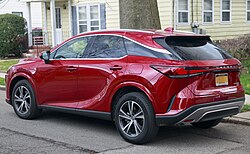 Rear view
 -
 RX 500h F Sport Performance
 -
 RX 500h F Sport Performance (Rear view)
 -
 RX 450h+
 -
 RX 450h+ (rear view)
 -
 Interior

_1X7A7076.jpg)
_1X7A7079.jpg)
_1X7A7074.jpg)
_1X7A7075.jpg)
_interior.jpg)
Powertrain
[edit]The fifth-generation RX is offered with four-cylinder engines from Toyota's Dynamic Force family, with the 3.5-liter V6 option dropped entirely.
Model Spec
|
RX 300 (China Only) 2.0 L S20A-FTS |
RX 350 2.4 L T24A-FTS |
RX 350h 2.5 L A25A-FXS |
RX 450h+ 2.5 L A25A-FXS |
RX 500h F Sport 2.4 L T24A-FTS |
|---|---|---|---|---|---|
| Power | 182 kW (244 hp; 247 PS) at 6000 | 205 kW (275 hp; 279 PS) at 6000 | 183 kW (246 hp; 249 PS) at 6000 | 227 kW (304 hp; 308 PS) at 6000 | 273 kW (366 hp; 371 PS) at 6000 |
| Torque | 380 N⋅m (280 lbf⋅ft) at 1800-4000 rpm | 430 N⋅m (317 lbf⋅ft) at 1700-3600 rpm | 315 N⋅m (232 lbf⋅ft) at 4600 rpm | 270 N⋅m (200 lbf⋅ft) | 460 N⋅m (340 lbf⋅ft) at 2000-3000 rpm |
| Top speed | 180 km/h (112 mph) | 200 km/h (124 mph) | 209 km/h (130 mph) | ||
| Transmission | 8-speed Direct Shift-8AT automatic | 1-speed eCVT | 1-speed eCVT | 6-speed Direct Shift-6AT automatic | |
| 0–100 km/h (0–62 mph) | 8.0 sec | 7.6 sec | 7.9 sec | 6.5 sec | 6.2 sec |
| Propulsion system | Gasoline | Power-split hybrid | Plug-in hybrid | Parallel hybrid | |
| Car battery | - | 1.29 kWh nickel–metal hydride | 18.1 kWh lithium-ion battery | 1.44 kWh nickel–metal hydride | |
| Layout | Front-engine, four-wheel drive | Front-engine, four-wheel drive or front-wheel drive | Front-engine, four-wheel drive using E-four or front-wheel drive | ||
Safety
[edit]| Test | Points | % |
|---|---|---|
| Overall: |
| |
| Adult occupant: | 34.33 | 90% |
| Child occupant: | 44 | 89% |
| Pedestrian: | 48.17 | 89% |
| Safety assist: | 14.90 | 93% |
The 2023 RX was awarded "Top Safety Pick+" by IIHS.[141]
| Small overlap front (Driver) | Good |
| Small overlap front (Passenger) | Good |
| Moderate overlap front (Original Test) | Good |
| Moderate overlap front (Updated Test) | Poor |
| Side (Updated Test) | Good |
| Headlights | Good |
| Front crash prevention (Vehicle-to-vehicle, Day) | Advanced |
| Front crash prevention (Vehicle-to-vehicle, Night) | Advanced |
| Child seat anchors (LATCH) ease of use | Good |
Sales
[edit]The success of the Lexus RX has been particularly strong in the United States, where it has been the best-selling luxury SUV since its introduction.[143] As one of the earliest luxury crossovers on the market, the RX has inspired similar competitors from rival marques.[144] The Lexus RX is the top selling Lexus hybrid, with global sales of 335,000 units through March 2016, out of one million Lexus hybrids delivered since 2005.[145]
As of April 2015, Lexus had accumulated more than 2.1 million RX models worldwide.[146] The Lexus RX 400h/RX 450h is the top selling Lexus hybrid, with global sales of 335,000 units through March 2016, out of one million Lexus hybrids sold worldwide.[145]
| Year | US sales (Hybrid; PHEV) | Canada | Europe (Hybrid; PHEV)[147][148] | China |
|---|---|---|---|---|
| 1998 | 42,191[149] | |||
| 1999 | 73,498[149] | 65 | ||
| 2000 | 89,864[150] | 1,585 | ||
| 2001 | 77,426[150] | 6,161 | ||
| 2002 | 72,963[151] | 5,093 | ||
| 2003 | 92,366[151] | 7,386 | ||
| 2004 | 106,531[152] | 4,307[153] | 11,329 | |
| 2005 | 108,775[152] (20,674)[154] | 4,857[153] | 11,279 | |
| 2006 | 108,348[155] (20,161)[154] | 4,623[153] | 14,322 | |
| 2007 | 103,340[155] (17,291)[154] | 4,665[153] | 13,909 | |
| 2008 | 84,181[156] (15,200)[154] | 6,221[153] | 11,189 | |
| 2009 | 93,379[157] (14,464)[158] | 8,828[153] | 10,451 | |
| 2010 | 95,790[159] (15,113)[160] | 7,383[153] | 10,443 | |
| 2011 | 82,595[161] (10,723)[162] | 6,760[153] | 6,771 | |
| 2012 | 95,381[161] (12,223)[162] | 7,130[153] | 6,750 | |
| 2013 | 103,920[163] (11,307)[164] | 7,789[153] | 5,707 | |
| 2014 | 107,490[165] (9,351)[166] | 7,913[153] | 4,452 | |
| 2015 | 100,610[167] (7,722)[168] | 7,063[153] | 3,248 | |
| 2016 | 109,435[169] (8,561)[170] | 8,147[153] | 8,654 | |
| 2017 | 108,307[171] (8,568)[172] | 9,402[173] | 7,661 | |
| 2018 | 111,641 (15,656)[174] | 9,329[175] | 7,193 | |
| 2019 | 111,036 (16,116)[176] | 8,827[177] | 6,805 | |
| 2020 | 101,059 (14,411)[178] | 9,228[179] | 5,506 | 48,617[180] |
| 2021 | 115,320 (18,981)[181] | 10,331[182] | 5,347 | 49,255[180] |
| 2022 | 96,041 (17,194)[183] | 4,996[182] | 10,750 (6,440)[184] | |
| 2023 | 114,033 (32,965; 656)[185] | 15,529 (6,744; 5,125)[186] | ||
| 2024 | 118,636 (42,876; 4,248)[187] | 13,772 (6,215; 4,427)[188] |
Notes
[edit]References
[edit]- ^ a b Dawson, Chester (2004). Lexus: The Relentless Pursuit. NJ: Jon Wiley & Sons. p. 218. ISBN 0-470-82110-8.
- ^ Schroeder, Don (June 1998). "Tested: 1998 Lexus RX300 Begins the Luxury Crossover Craze". Car and Driver.
- ^ Voelk, Tom (17 March 2016). "Video Review: Lexus Adds a Few Twists to the New RX350". The New York Times. Retrieved 1 February 2022.
- ^ Goodwin, Antuan (16 July 2019). "2020 Lexus RX first drive review: Sharper image". CNET. US. Retrieved 1 February 2022.
- ^ "Lexus RX (RX350)". Toyota Motor Corporation. Retrieved 30 December 2012.
- ^ "Site Map". Australia: Lexus. Archived from the original on 11 April 2014.
- ^ a b Mahler, Jonathan. The Lexus Story: The Behind the Scenes Story of the #1 Automotive Luxury Brand in America. 2004: DK Melcher Media, NY. ISBN 0-9717935-7-3., p. 182
- ^ Blanco, Sebastian (23 April 2009). "Lexus RX 450h: you can't have pockets in hybrid production area". AutoblogGreen. Retrieved 18 July 2014.
- ^ a b c d "Affiliates (Toyota wholly-owned subsidiaries)-Toyota Motor Kyushu, Inc". Toyota Motor Corporation. 2012. Retrieved 14 February 2014.
- ^ "2003 RX300 Owner's Manual" (PDF). US. 2002. p. 345. Archived from the original (PDF) on 28 November 2021. Retrieved 28 November 2021.
- ^ a b c "A Sport-Ute in Every Driveway?, BusinessWeek.com". Bloomberg Businessweek. 7 February 1997. Archived from the original on 29 June 1997. Retrieved 3 February 2011.
- ^ "– 2007 Lexus RX 350". Cars.com. Retrieved 3 February 2011.
- ^ a b c d e f g "1999 Lexus RX 300 Review – New Car Test Drive". Newcartestdrive.com. Retrieved 3 February 2011.
- ^ a b c d e f g h i j "InsideLine Full Test: 1999 Lexus RX300". Insideline. Insideline.com. 1 January 1999. Retrieved 3 February 2011.
- ^ a b c d 中古車情報誌Gooの株式会社プロトコーポレーション. "型式:GF-MCU15W|ハリアー(トヨタ)の総合情報 – Goo-net". goo-net.com. Retrieved 1 April 2018.
- ^ "SUV-per Harrier". New Straits Times. 2 March 2003. Archived from the original on 16 July 2012.
- ^ Leu, Richard (25 March 2005). "'Green' people-carriers". Bangkok Post. Archived from the original on 17 July 2012.
- ^ a b c d e "Full Test: 2000 Lexus RX300". Insideline.com. 1 January 1999. Retrieved 3 February 2011.
- ^ a b c d "2001 Lexus RX 300". Autoblog. Retrieved 27 May 2015.
- ^ "Lexus RX 300 Review – Research New & Used Lexus RX 300 Models". edmunds.com. Retrieved 1 April 2018.
- ^ "IIHS-HLDI: Lexus RX 300". Iihs.org. 29 March 2006. Archived from the original on 29 November 2008. Retrieved 3 February 2011.
- ^ "Lexus Knowledge Base". Lexus. 1999–2000. Archived from the original on 27 September 2007. Retrieved 30 July 2007.
- ^ a b c 中古車情報誌Gooの株式会社プロトコーポレーション. "型式:TA-ACU10W|ハリアー(トヨタ)の総合情報 – Goo-net". goo-net.com. Retrieved 1 April 2018.
- ^ "Lexus Knowledge Base" (PDF). Lexus. Archived from the original (PDF) on 13 August 2011. Retrieved 1 September 2012.
- ^ "Lexus Knowledge Base" (PDF). Lexus. Archived from the original (PDF) on 16 October 2006. Retrieved 1 September 2012.
- ^ "J.D. Power and Associates 2004 Automotive Performance, Execution and Layout (APEAL) Study". Jdpower.com. 13 January 2011. Retrieved 3 February 2011.
- ^ "CARFAX – Kelley Blue Book-Models to Best Hold Its Value". Carfax.com. Archived from the original on 25 November 2003. Retrieved 3 February 2011.
- ^ "Autochannel 2004 Lexus RX330 Review". Theautochannel.com. Retrieved 3 February 2011.
- ^ US D512000, Suzuki, Hiroshi & Ichikawa, Takumi, "Motor vehicle and toy replica", published 29 November 2005, assigned to Toyota Motor Co. Ltd.
- ^ US D505359, Suzuki, Hiroshi & Ichikawa, Takumi, "Automobile", published 24 May 2005, assigned to Toyota Motor Co. Ltd.
- ^ "Detroit Auto Show: New Lexus 330 Debuts". theautochannel.com. Retrieved 1 April 2018.
- ^ "Lexus Knowledge Base" (PDF). Lexus. 2005. Archived from the original (PDF) on 17 January 2009. Retrieved 8 November 2008.
- ^ "New Lexus To Redefine 4WD Style, drive.com.au". Archived from the original on 12 July 2012. Retrieved 24 September 2006.
- ^ Massy, Kevin (25 July 2006). "2007 Lexus RX 350 Review". CNET. Retrieved 15 November 2008.
- ^ "Our Brands". springerprofessional.de.
- ^ "Technical Development Electronics Parts". Toyota Motor Corporation. 2012. Retrieved 14 January 2015.
- ^ "IIHS-HLDI: Lexus RX". Archived from the original on 21 September 2012. Retrieved 1 September 2012.
- ^ "Safercar.gov – 2004 Lexus RX330 4-DR. w/SAB". Archived from the original on 18 April 2008.
- ^ "Lexus RX Chronology". Archived from the original on 15 June 2006. Retrieved 24 September 2006.
- ^ "DENSO". Archived from the original on 29 July 2012. Retrieved 26 February 2009.
- ^ Llanos, Miguel (14 September 2004). "Lexus hybrid SUV orders set record". NBC News. Retrieved 17 October 2010.
- ^ Healey, James (8 February 2004). "Hybrid Lexus SUV delayed". USA Today. Retrieved 15 November 2008.
- ^ a b c d e f Job, Ann M. (30 September 2005). "Lexus introduces first luxury hybrid SUV". Associated Press. Archived from the original on 2 March 2006. Retrieved 22 July 2016.
- ^ a b Petersen, Thane (8 March 2006). "Hybrid Heaven in a Lexus". Bloomberg Businessweek. Archived from the original on 13 March 2006. Retrieved 6 May 2007.
- ^ a b "Lexus RX 400h". Bloomberg Businessweek. 25 April 2005. Archived from the original on 15 April 2005. Retrieved 6 May 2007.
- ^ "Lexus introduces front-wheel drive RX 400h". Automotive World. November 2005. Retrieved 15 November 2008.
- ^ "2007 Lexus Full Line Pricing" (Press release). US: Toyota. August 2006. Retrieved 15 November 2008. [dead link]
- ^ "Toyota Releases 2 Hybrid Models in Japan". Asia Africa Intelligence Wire. 25 March 2005. Retrieved 15 November 2008.
- ^ a b c d Pander, Von Jürgen (23 June 2005). "Lexus RX 400h: Scotty, Energie!". Der Spiegel. Retrieved 15 November 2008.
- ^ Rothwell, Rob. "Front-Wheel Drive Lexus RX 400h Not Coming to Canada". American Auto Press. Archived from the original on 10 March 2009. Retrieved 15 November 2008.
- ^ a b c "Frank, Randy (2006). Design News – Hybrids Keep Getting Better". designnews.com. Archived from the original on 18 December 2011. Retrieved 1 April 2018.
- ^ "Lexus Introduces RX 400h, the World's First Luxury Hybrid SUV". New Atlas. 1 February 2005.
- ^ Hanley, Mike (2005). "2005 Lexus RX 330 Thundercloud Edition". Cars.com. Archived from the original on 22 January 2009. Retrieved 15 November 2008.
- ^ "J.D. Power and Associates 2004 Automotive Performance, Execution and Layout (APEAL) Study". Jdpower.com. Retrieved 17 October 2010.
- ^ "IntelliChoice Reveals Best Overall Value Award Winners for 2003 Model Year Vehicles". Motortrend.com. 14 February 2003. Retrieved 17 October 2010.
- ^ "2005 Intellichoice Best Overall Value Awards". Intellichoice.com. Archived from the original on 3 July 2007. Retrieved 17 October 2010.
- ^ "2006 J.D. Power Automotive Environmental Index". Jdpower.com. Retrieved 17 October 2010.
- ^ "2005 J.D. Power Automotive Performance, Execution and Layout Study". Jdpower.com. Retrieved 17 October 2010.
- ^ "Lexus receives Green Fleet 4x4 Manufacturer of the Year award". Easier.com. 24 September 2005. Retrieved 17 October 2010.
- ^ "Texas Truck Rodeo Awards". Testdrivereport.com. Archived from the original on 30 September 2007. Retrieved 17 October 2010.
- ^ Cooley, Brian (28 May 2005). "2006 Lexus RX 400h review". CNET. Retrieved 17 March 2016.
- ^ "ANCAP results for Lexus RX330". ancap.com.au. 2003.
- ^ "Affiliates (Toyota wholly-owned subsidiaries)-Toyota Auto Body Co., Ltd". Toyota Motor Corporation. 2012. Retrieved 14 February 2014.
- ^ a b US D626886, Sakae, Masanari; Tada, Hiroyuki & Kato, Shinno et al., "Automobile and toy replica thereof", published 9 November 2010, assigned to Toyota Motor Co. Ltd.
- ^ US D689795, Takei, Tatsuya; Sakae, Masanari & Tada, Hiroyuki, "Automobile and/or toy replica thereof", published 17 September 2013, assigned to Toyota Motor Co. Ltd.
- ^ Swan, Tony (January 2013). "2013 Lexus RX350 F Sport". Car and Driver. Retrieved 17 March 2016.
- ^ Anderson, Scott. "Manning Up The Lexus RX 350". autofieldguide.com. Archived from the original on 17 October 2015. Retrieved 1 April 2018.
- ^ US D602399, Sakae, Masanari; Tada, Hiroyuki & Kato, Shinno et al., "Automobile and toy replica thereof", published 20 October 2009, assigned to Toyota Motor Co. Ltd.
- ^ "LF-XH Future Models, LFXH – Lexus Australia". Lexus.com.au. Archived from the original on 24 June 2010. Retrieved 28 February 2010.
- ^ Lavrinc, Damon (8 January 2009). "First Drive: 2010 Lexus RX350 and RX450h". Autoblog. Retrieved 27 May 2015.
- ^ a b c d e f g h Evans, Scott (19 November 2008). "Live From LA: 2010 Lexus RX350 and RX450h Hybrid Revealed". Motor Trend. Retrieved 19 November 2008.
- ^ a b c d e Wong, Jonathan (19 November 2008). "Lexus launches its redone RX family at L.A. show". AutoWeek. Archived from the original on 30 December 2008. Retrieved 19 November 2008.
- ^ Schweinsberg, Christie (6 November 2008). "Upcoming Lexus RX First Vehicle in U.S. to Offer VoiceBox Technologies Conversational Voice Recognition". Ward's Auto. Retrieved 19 November 2008.
- ^ a b Goodwin, Antuan (19 November 2008). "2010 Lexus RX gets update, new Remote Touch controller". CNET. Archived from the original on 21 January 2009. Retrieved 19 November 2008.
- ^ a b "Lexus Stages World Debut of All-New RX 350 and RX 450h at Los Angeles Auto Show" (Press release). US: Lexus.[permanent dead link]
- ^ Dowling, Joshua (26 November 2008). "Executive Style – Just what the doctor ordered". The Age. Melbourne. Retrieved 26 November 2008.
- ^ a b c d e f g Ulrich, Lawrence (7 June 2009). "The Greening of the Hybrid Crossover". The New York Times. Retrieved 31 August 2009.
- ^ "2010 Lexus RX 450H Review". Four Wheeler Magazine. May 2009. Retrieved 31 August 2009.
- ^ "2010 Lexus RX 450h Rated at 32/28 MPG City/Highway". KickingTires. Archived from the original on 30 August 2009. Retrieved 31 August 2009.
- ^ "Nikkei – Toyota Launches Entry-Level Lexus SUV in Japan". nikkei.com. Retrieved 1 April 2018.
- ^ a b "济南雷克萨斯RX270接受预定 订金五万元_雷克萨斯RX_济南车市-网上车市". jn.cheshi.com. Retrieved 1 April 2018.
- ^ "Lexus привезет в Москву новый седан и доступную версию кроссовера RX" [Lexus to bring a new sedan and an affordable version of the RX crossover to Moscow]. Auto.Lenta.Ru (in Russian). 17 August 2010. Archived from the original on 18 January 2011.
- ^ "Japan: Lexus reveals four-cylinder RX 270 – Automotive World". automotiveworld.com. 26 August 2010. Retrieved 1 April 2018.
- ^ a b "Tesla to build electric Lexus RX.co.uk". autocar.co.uk. Archived from the original on 3 April 2012. Retrieved 1 April 2018.
- ^ "001845801-0004". European Union Intellectual Property Office. 5 April 2011. Archived from the original on 11 January 2015. Retrieved 14 August 2019.
- ^ "AutoPacific Announces 2010 Vehicle Satisfaction Awards". autopacific.com. Archived from the original on 12 March 2012. Retrieved 1 April 2018.
- ^ Korzeniewski, Jeremy (3 December 2009). "Toyota tops Kelley Blue Book best resale value awards". Autoblog. Retrieved 27 May 2015.
- ^ "ALG Automotive Insights & Outlook". JDPowerValues. Archived from the original on 15 May 2012.
- ^ a b "IIHS safety ratings". IIHS. Archived from the original on 26 June 2009. Retrieved 1 April 2018.
- ^ a b "IIHS safety ratings". IIHS. Archived from the original on 21 September 2012. Retrieved 1 April 2018.
- ^ "Car Reviews & Ratings, Cars for Sale". jdpower.com. Archived from the original on 27 March 2013. Retrieved 1 April 2018.
- ^ "2013 Lexus RX350 SUV AWD" National Highway Traffic Safety Administration (click Rollover)
- ^ "2015 Lexus RX350 SUV AWD". Retrieved 30 September 2015.
- ^ "2015 Lexus RXMidsize luxury SUV". IIHS. Retrieved 30 September 2015.
- ^ RX450h HV "F Sport". Japan: Lexus. Retrieved 18 April 2020.
- ^ RX "F Sport". Japan: Lexus. Retrieved 18 April 2020.
- ^ "Production Schedule MY2016". US: Toyota. Retrieved 18 September 2015.
- ^ a b "The All-New 2016 Lexus RX Makes Global Debut at the New York International Auto Show" (Press release). US: Lexus. 1 April 2015.
- ^ a b c d "2018 RX 450hL AWD Product Information" (Press release). US: Lexus. Archived from the original on 3 December 2017. Retrieved 3 December 2017.
- ^ Tan, Paul (10 June 2023). "2024 Lexus TX replaces the RX L, 7-seater SUV but we won't get it, built exclusively for North America – paultan.org". Paul Tan's Automotive News. Retrieved 10 June 2023.
- ^ "Le Nouveau Lexus RX 450H à Francfort". la Revue Automobile (in French). 26 August 2015.
- ^ Thuot, Alice (26 August 2015). "Les nouveautés Lexus à Francfort". auto-info (in French).
- ^ "The Lexus Spindle Grille". Car Body Design.
- ^ a b c d "Lexus Safety System: IHB" (PDF). Lexus Learn.
- ^ a b "All-new fourth generation 2016 Lexus RX redefines segment with style, ride comfort and luxury utility" (Press release). US: Lexus. 9 September 2015. Retrieved 31 July 2025.
- ^ Edelstein, Stephen (6 April 2015). "2016 Lexus RX 450h Hybrid Unveiled at New York Auto Show". Green Car Reports. Retrieved 7 April 2015.
- ^ Johnson, Davey G. (9 January 2015). "2016 Lexus RX Spy Photos". Car and Driver. US. Retrieved 7 April 2015.
- ^ a b "2017 Lexus RX Review, Pricing and Specs". Car and Driver. 13 July 2017.
- ^ "2016 Lexus RX 350 Safety Features". Autoblog. 22 August 2024.
- ^ "2018 Lexus RX Pricing, Review and Specs". Car and Driver. 16 May 2018.
- ^ "2019 Lexus RX Pricing, Review and Specs". Car and Driver. 13 May 2019.
- ^ Fink, Greg (29 November 2017). "2018 Lexus RX 350 L / RX 450h L: The RX Gets an Extra-Length Rx". Car and Driver. US. Retrieved 13 June 2018.
- ^ a b Dorian, Drew (2023). "2024 Lexus TX". Car and Driver. US. Retrieved 10 June 2023.
- ^ Simone, Clint (29 May 2019). "2020 Lexus RX And RXL Break Cover With Facelift And Improved Tech". Motor1. US. Retrieved 30 May 2019.
- ^ Tan, Danny (30 May 2019). "2020 Lexus RX facelift – minor nip/tuck, added tech/kit". paultan.org. Malaysia. Retrieved 30 May 2019.
- ^ Wong, Brian (29 May 2019). "2020 Lexus RX and RXL Preview: Rejuvenating an Aging Icon". Cars. US. Retrieved 13 August 2019.
- ^ Ganz, Andrew (29 May 2019). "2020 Lexus RX adds touchscreen infotainment, Android Auto compatibility". The Car Connection. US. Retrieved 14 August 2019.
- ^ "2021 Lexus RX Pricing, Review and Specs". Car and Driver. 7 August 2019.
- ^ a b "2021 Lexus RX Pricing, Review and Specs". Car and Driver. 13 August 2020.
- ^ Counts, Reese (13 October 2020). "Lexus RX 350 Prices, Reviews, and Pictures | Edmunds". Edmunds.com.
- ^ McGlaun, Shane (20 July 2021). "2022 Lexus RX 350L and 450hL SUVs revealed". SlashGear. US. Retrieved 23 July 2021.
- ^ "2022 Lexus RX Pricing, Review and Specs". Car and Driver. 25 August 2021.
- ^ "2016 Lexus RX200t revealed at Shanghai auto show". Drive. Australia. 20 April 2015.
- ^ "2015 Lexus RX IV 200t (238 Hp) Automatic". Auto-Data.net.
- ^ "2016 Lexus RX 350". PCMag. 13 June 2018.
- ^ "2020 Lexus RX Crossover Is a Slightly Improved Luxury SUV". Car and Driver. 24 July 2019.
- ^ "2015 Lexus RX IV 450h V6 (313 Hp) Hybrid E-Four e-CVT". Auto-Data.net.
- ^ "ANCAP results for Lexus RX all variants". ancap.com.au. 2015.
- ^ "2016 Lexus RX 4-door SUV". IIHS-HLDI crash testing and highway safety. Retrieved 3 July 2024.
- ^ "2017 Lexus RX 4-door SUV". IIHS-HLDI crash testing and highway safety. Retrieved 3 July 2024.
- ^ Lexus RX Euro NCAP 2015 results
- ^ "LEXUS、新型「RX」を発売" [Lexus launches all-new RX]. Toyota Global Newsroom (Press release). Toyota City, Japan: Toyota Motor Corporation. 18 November 2022. Retrieved 18 November 2022.
- ^ "World Premiere of the All-New Lexus RX" (Press release). Toyota. 1 June 2022. Retrieved 1 June 2022.
- ^ a b c d Lye, Gerard (1 June 2022). "2023 Lexus RX debuts – fifth-gen SUV gets bold new design; 3.5L V6 dropped; RX 500h with 373 PS added". paultan.org. Malaysia. Retrieved 1 June 2022.
- ^ Gauthier, Michael (31 May 2022). "2023 Lexus RX Breaks Cover With Evolutionary Styling And A 367 HP Hybrid Powertrain". Carscoops.com. United States: Carscoops. Retrieved 1 June 2022.
- ^ "New Level Lexus Rx 500h F Sport". Carmilds Future car News Update. 27 March 2024. Retrieved 30 March 2024.
- ^ "2023 Lexus RX Preview". J.D. Power. 2 June 2022. Retrieved 23 July 2022.
- ^ "2023 Lexus RX: Everything You Need To Know". Top Speed. 20 January 2023.
- ^ Wardlaw, Christopher. "2023 Lexus RX 500h Review". Edmunds.
- ^ "ANCAP results for Lexus RX all variants". ancap.com.au. 2022.
- ^ "2023 Lexus RX 4-door SUV". IIHS-HLDI crash testing and highway safety. Retrieved 3 July 2024.
- ^ Lexus RX Euro NCAP 2022 results
- ^ "Best-Selling Luxury Cars 2005 –". Forbes. 12 December 2005. Retrieved 3 February 2011.
- ^ Gross, Ken (1 September 2000). "Lexus The Truckmaker". Automotive Industries. Archived from the original on 7 July 2011. Retrieved 15 November 2008.
- ^ a b "Lexus Hybrid Owners, Thanks a Million" (Press release). Japan: Toyota. 12 April 2016. Retrieved 13 April 2016.
- ^ "The All-New 2016 Lexus RX Makes Global Debut at the New York International Auto Show" (Press release). US: Lexus. 1 April 2015. Retrieved 11 September 2015.
- ^ Europe = EU27 + UK + Switzerland + Norway + Iceland
- ^ Sales, ModelLexus Car SalesLexus Model (31 January 2014). "Lexus RX European sales figures". carsalesbase.com. Retrieved 18 April 2022.
- ^ a b "Lexus RX US car sales figures". carsalesbase.com. 7 November 2015. Retrieved 18 April 2022.
- ^ a b "Lexus sales figures 2000–2001". Theautochannel.com. Retrieved 3 February 2011.
- ^ a b "Lexus sales figures 2002–2003". Theautochannel.com. Retrieved 3 February 2011.
- ^ a b "Lexus sales figures 2004–2005". Theautochannel.com. Retrieved 3 February 2011.
- ^ a b c d e f g h i j k l m "Lexus RX Sales Figures -". goodcarbadcar.net. 2 January 2011. Retrieved 1 April 2018.
- ^ a b c d "U.S. Department of Energy HEV sales figures". National Renewable Energy Laboratory (US). 2009. Archived from the original on 15 February 2010. Retrieved 26 March 2010.
- ^ a b "Lexus sales figures 2006–2007". Theautochannel.com. Retrieved 3 February 2011.
- ^ "Lexus sales figures 2008". Theautochannel.com. Retrieved 3 February 2011.
- ^ "Lexus sales figures 2009". Theautochannel.com. Retrieved 3 February 2011.
- ^ "December 2009 Dashboard: Year-End Tally". Hybridcars.com. 20 January 2010. Archived from the original on 22 January 2010. Retrieved 3 February 2011.
- ^ "Lexus sales figures 2010". Theautochannel.com. Retrieved 9 April 2012.
- ^ Cob, Jeff (8 January 2011). "December 2010 Dashboard". Hybrid Cars. US. Retrieved 23 March 2017.
- ^ a b "Lexus December 2012 Sales Report, Plus Year-End Totals". lexusenthusiast.com. Retrieved 1 April 2018.
- ^ a b Cob, Jeff (8 January 2013). "December 2012 Dashboard". Hybrid Cars. US. Retrieved 23 March 2017.
- ^ "Lexus December 2013 Sales Report (Including Year-End Sales Totals)". lexusenthusiast.com. Retrieved 1 April 2018.
- ^ Cob, Jeff (6 January 2014). "December 2013 Dashboard". Hybrid Cars. US. Retrieved 23 March 2017.
- ^ "December 2014 and Year-End Sales Chart" (Press release). US: Toyota. 5 January 2015. Archived from the original on 7 January 2015. Retrieved 6 January 2015.
- ^ Cob, Jeff (6 January 2015). "December 2014 Dashboard". Hybrid Cars. US. Retrieved 23 March 2017.
- ^ "December 2015 Sales Chart" (Press release). US: Toyota. 5 January 2016. Archived from the original on 25 July 2018. Retrieved 11 July 2016.
- ^ Cob, Jeff (6 January 2016). "December 2015 Dashboard". Hybrid Cars. US. Retrieved 23 March 2017.
- ^ "December 2016 Sales Chart" (Press release). US: Toyota. 4 January 2017. Retrieved 8 March 2017.
- ^ Cob, Jeff (5 January 2017). "December 2016 Dashboard". Hybrid Cars. US. Retrieved 23 March 2017.
- ^ "December 2017 Sales Chart" (Press release). US: Toyota. 3 January 2018. Archived from the original on 18 July 2018. Retrieved 1 April 2018.
- ^ "December 2017 Dashboard". Hybrid Cars. US. 4 January 2018. Retrieved 1 April 2018.
- ^ "Toyota Canada Inc. Records Best Sales Year Ever in 2017" (Press release). Canada: Toyota. 3 January 2018. Retrieved 1 April 2018.
- ^ "December 2018 Sales Chart" (Press release). US: Toyota. 3 January 2019. Archived from the original on 4 February 2019. Retrieved 19 January 2019.
- ^ "Toyota Canada Inc. Records Best Year Ever with 231,646 Vehicles Sold in 2018" (Press release). Canada: Toyota. 3 January 2019. Retrieved 19 January 2019.
- ^ "Toyota Motor North America Reports December 2019, Year-End Sales" (Press release). US: Toyota. 3 January 2020. Retrieved 31 March 2020.
- ^ "Toyota Canada Inc. Ends the Decade with its Best Year Ever: 237,091 Vehicles Sold in 2019, Up 2.4%" (Press release). Canada: Toyota. 3 January 2020. Retrieved 31 March 2020.
- ^ "Toyota Motor North America Reports December 2020, Year-End Sales" (Press release). US: Toyota. 5 January 2021.
- ^ Sales, Timothy Cain·Lexus. "Lexus RX Sales Figures". GCBC. Retrieved 1 October 2021.
- ^ a b "2021进口车销量前十五名排行,涨跌几乎平分秋色-汽车-汽车区-虎扑社区" [The top 15 imported car sales in 2021 are ranked]. bbs.hupu.com. Retrieved 27 December 2022.
- ^ "Toyota Motor North America Reports U.S. December, Year-End 2021 Sales" (Press release). US: Toyota. 4 January 2022.
- ^ a b Sales, Lexus Model. "Lexus RX Sales Figures". GCBC. Retrieved 25 November 2023.
- ^ "Toyota Motor North America reports year-end 2022 U.S. sales results" (Press release). US: Toyota. 4 January 2023. Retrieved 13 June 2023.
- ^ "Toyota Motor Europe's market share increases to a record 7.3% in 2022, +0.9% points year-on-year" (Press release). Europe: Toyota. 16 January 2023. Retrieved 13 June 2023.
- ^ "Toyota Motor North America Reports 2023 U.S. Sales Results" (Press release). US: Lexus. 3 January 2024. Retrieved 19 April 2024.
- ^ "Toyota Motor Europe posts all-time sales record in 2023" (Press release). Europe: Toyota. 23 January 2024. Retrieved 19 April 2024.
- ^ "Toyota Motor North America Reports 2024 U.S. Sales Results". Toyota (Press release). US. 3 January 2025. Retrieved 11 January 2025.
- ^ "Toyota's multi-pathway approach leads to record sales". Toyota. Europe. 15 January 2025. Retrieved 20 May 2025.
External links
[edit]
A division of Toyota Motor Corporation | |||||||||
| Current models |
| ||||||||
| Discontinued | |||||||||
| Future vehicles | |||||||||
| Concept vehicles | |||||||||
| Motorsport | |||||||||
| Technology |
| ||||||||
| Key people | |||||||||
| See also | |||||||||


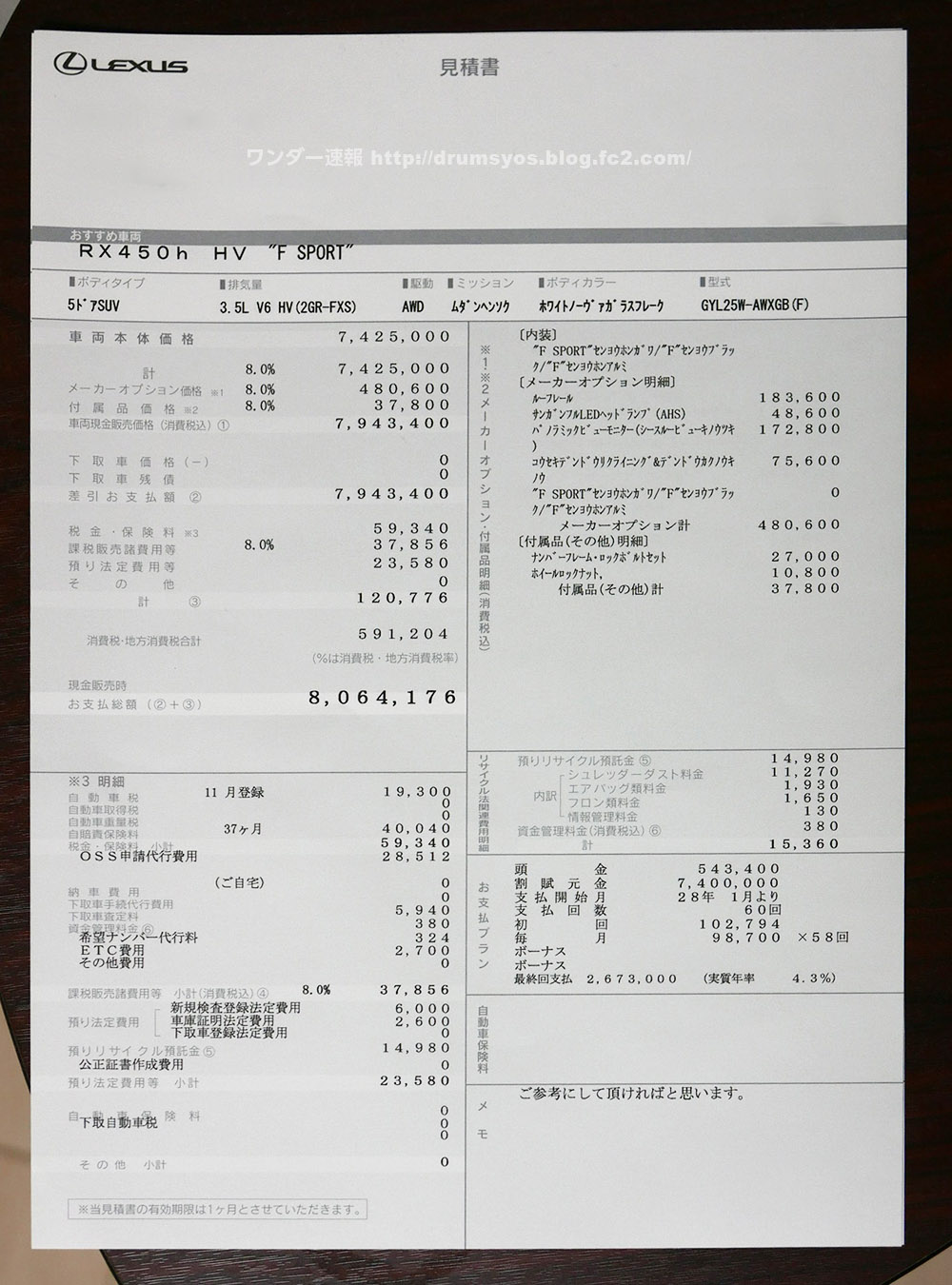
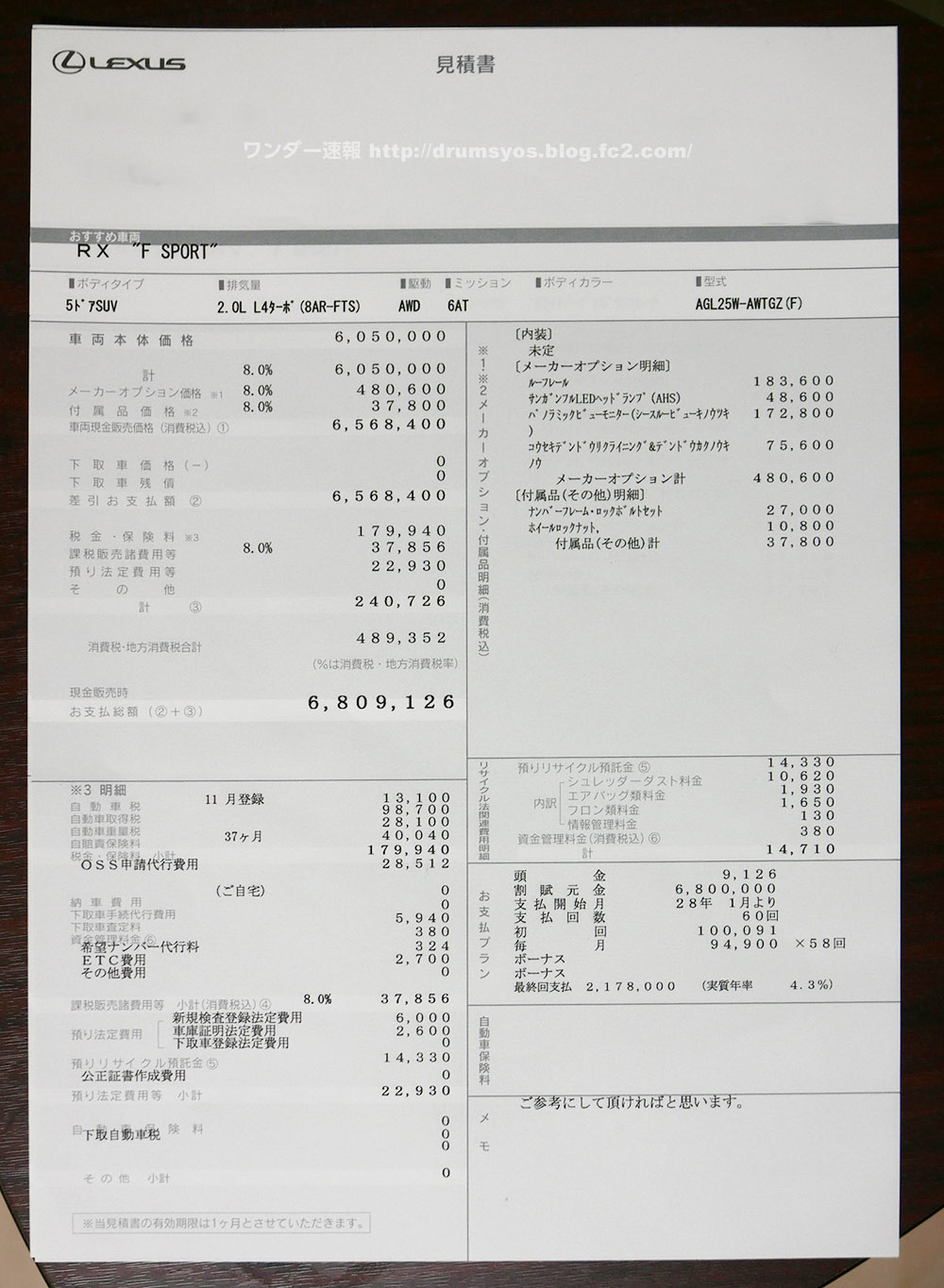
Lexus RX
View on GrokipediaFirst generation (XU10; 1998)
Initial production (1998–2000)
The Lexus RX debuted as the brand's inaugural luxury crossover SUV, introducing the RX 300 model in May 1998 for the 1999 model year, primarily targeting the North American market as a refined alternative to traditional body-on-frame SUVs like the Acura MDX.[1][6] Positioned at a base price of $34,980, the RX 300 emphasized car-like ride quality and premium amenities over off-road capability, quickly establishing itself as a segment pioneer with approximately 42,000 units sold in its debut year.[1] Production commenced in December 1997 at Toyota Motor Kyushu's facility in Miyawaka, Fukuoka, Japan, marking the plant's initial foray into luxury vehicle assembly.[7] The RX 300 was powered by a 3.0-liter DOHC V6 engine (1MZ-FE) producing 220 horsepower at 5,800 rpm and 222 lb-ft of torque at 4,000 rpm, paired with a four-speed automatic transmission.[8] Front-wheel drive was standard, with all-wheel drive available as an option for enhanced traction in varied conditions. The vehicle rode on a platform derived from the Toyota Harrier sold in Japan, incorporating shared components from the Toyota Camry and Lexus ES sedans to optimize cost efficiency while delivering a smooth, unibody construction that prioritized on-road comfort.[9][10] Standard features included 16-inch aluminum alloy wheels fitted with P225/70R16 all-season tires, a leather-trimmed interior with power-adjustable front seats, and a premium eight-speaker audio system.[11] The cabin offered 30 cubic feet of cargo space behind the rear seats, which could fold flat for expansion, though no hybrid powertrain was offered at launch.[12] This configuration underscored the RX 300's role in blending SUV versatility with sedan-like sophistication, setting the stage for future powertrain evolutions in subsequent generations.Mid-cycle refresh (2000–2003)
The mid-cycle refresh for the first-generation Lexus RX, introduced for the 2001 model year, focused primarily on subtle aesthetic enhancements to maintain the vehicle's appeal in the luxury crossover segment. The exterior received updated headlights with a crystal-style design and revised taillights that incorporated more distinctive Lexus styling cues, contributing to a refreshed front fascia without altering the overall body proportions. These changes aimed to sharpen the RX's visual identity while preserving its aerodynamic profile, with a drag coefficient of 0.36. Interior refinements included the addition of an optional DVD-based GPS navigation system, enhancing the cabin's technological offerings alongside standard walnut wood trim accents for a premium feel.[13] In the Japanese market, where the RX was sold as the Toyota Harrier, the refresh aligned with the introduction of updated variants, including the RX 300 equivalent featuring the familiar 3.0-liter V6 engine. Minor engine tuning maintained output at 220 horsepower at 5,800 rpm and 222 lb-ft of torque at 4,000 rpm, paired with the existing four-speed automatic transmission for smooth performance. The base Harrier model saw an upgrade from a 2.2-liter inline-four to a 2.4-liter unit producing 157 horsepower, available in front-wheel or all-wheel drive configurations, broadening appeal without major mechanical overhauls to the top-end powertrain. Ride comfort was prioritized through the existing MacPherson strut front and dual-link rear suspension setup, which provided a compliant handling characteristic suited to urban and highway driving. An optional run-flat tire package was available, allowing continued mobility for up to 50 miles at reduced speeds in the event of a puncture, underscoring the model's emphasis on reliability. North American production of the refreshed RX concluded in 2003 as the second generation prepared for launch, with global first-generation sales surpassing 370,000 units by the end of its run.[14]Powertrain
The first-generation Lexus RX was equipped exclusively with a 3.0-liter DOHC V6 engine (1MZ-FE), producing 220 horsepower at 5,800 rpm and 222 lb-ft of torque at 4,000 rpm.[15] This gasoline engine was paired with a four-speed automatic transmission and offered in front-wheel drive as standard, with all-wheel drive available as an option for improved traction.[16] No hybrid or alternative powertrains were available during this generation, emphasizing reliable V6 performance in a unibody crossover platform derived from the Toyota Camry. In the Japanese market Toyota Harrier variant, a base 2.4-liter inline-four (2AZ-FE) producing 157 horsepower was offered post-refresh, but the Lexus RX retained the V6 configuration globally.Safety features
The first-generation Lexus RX 300 (1999–2003) featured a suite of standard safety equipment focused on crash protection and stability for its era. Dual front airbags and front side torso airbags were standard, along with anti-lock braking system (ABS), side-impact door beams, daytime running lights, and five headrests for occupant protection.[11] Vehicle Stability Control (VSC) was optional for 1998–1999 models and became standard from 2000, helping to mitigate skids by modulating engine power and brakes. The 2001 refresh added Brake Assist, which applied maximum braking force in emergency situations, and a three-point center rear seatbelt.[17] The RX earned a "Good" rating from the Insurance Institute for Highway Safety (IIHS) in the frontal offset crash test for 1999–2003 models, reflecting strong structural integrity in moderate overlap impacts.[18] No advanced driver-assistance systems like those in later generations were present, but the unibody design contributed to a low center of gravity and stable handling.Second generation (XU30; 2003)
Launch (2003–2006)
The second-generation Lexus RX, designated XU30, was unveiled at the North American International Auto Show in Detroit in January 2003 as a 2004 model year vehicle, marking a significant evolution from its predecessor while retaining the unibody platform architecture. The initial offering, the RX 330, featured a larger body with an overall length of 186.2 inches, providing enhanced interior space including increased legroom for rear passengers. Cargo capacity behind the rear seats measured 38.3 cubic feet, expandable to 84.7 cubic feet with the 40/60-split folding rear seats lowered, allowing greater versatility for luxury buyers seeking a premium crossover SUV. This model positioned the RX as a more spacious and refined alternative in the midsize luxury segment, emphasizing comfort and practicality.[19][20][1] Powering the RX 330 was a 3.3-liter V6 engine (3MZ-FE) producing 230 horsepower and 242 lb-ft of torque, paired with a five-speed automatic transmission and available all-wheel drive, delivering smooth performance suitable for urban and highway driving. Standard features included 17-inch alloy wheels, dual-zone automatic climate control, and an eight-speaker audio system, with options such as a navigation system and the premium 11-speaker Mark Levinson surround sound audio enhancing the upscale cabin experience. The vehicle launched globally, debuting in the United States in May 2003 with a starting price of $35,275 for the front-wheel-drive model, while in Europe and Japan it was marketed as the Toyota Harrier, broadening Lexus's appeal in international luxury markets.[21][22][23] In 2005, Lexus expanded the lineup with the RX 400h, the world's first luxury hybrid SUV, introduced as a 2005 model year vehicle in April of that year. This variant combined the same 3.3-liter V6 with electric motors for a total system output of 268 horsepower, achieving EPA-estimated fuel economy of 31 mpg city and 26 mpg highway. The hybrid's debut underscored Lexus's commitment to sustainable luxury, offering seamless power delivery through its electronically controlled continuously variable transmission while maintaining the RX's refined ride and available all-wheel drive.[24][25]Facelift (2006–2009)
The 2007 model year marked a mid-cycle refresh for the second-generation Lexus RX (XU30), introducing refined exterior styling and interior upgrades to enhance luxury and technology. Externally, the front fascia featured a revised grille with headlights that extended into the hood for a more integrated look, accompanied by fog lamps now embedded in the updated bumper design. At the rear, changes included a hexagonal rear window, an integrated spoiler, and distinctive three-pod LED taillamps with an arrowhead-like configuration for improved visibility and modern aesthetics. Standard 17-inch alloy wheels were fitted, with optional 18-inch wheels available, and an optional multi-panel moonroof provided an expansive panoramic view.[26] Interior enhancements focused on comfort and connectivity, with added sound insulation in the instrument panel, door panels, floor mats, and an acoustic glass windshield to minimize road, wind, and powertrain noise. Bluetooth wireless technology became standard on models equipped with the navigation system, enabling hands-free calling with voice-activated dialing by name or number. Other updates included a standard six-disc CD changer in the eight-speaker audio system, an optional Mark Levinson premium 11-speaker setup, and an upgraded navigation interface with voice recognition, rearview camera, and higher-resolution display. A power rear liftgate was now standard, and cargo space measured 38.3 cubic feet behind the seats, expanding to 84.7 cubic feet with the 60/40-split rear seats folded. An optional nine-inch rear-seat entertainment screen added family-friendly versatility.[26][27][28] Under the hood, the RX 350 replaced the prior RX 330, adopting a new 3.5-liter V6 engine (2GR-FE) detuned slightly from its base output to deliver 270 horsepower and 251 lb-ft of torque while complying with ULEV II emissions standards—a net gain of 40 horsepower over the previous 3.3-liter unit. Paired with a five-speed automatic transmission featuring refined shift logic for smoother operation, it achieved 0-60 mph acceleration in about 7.3 seconds for front-wheel-drive models. The RX 400h hybrid variant carried over unchanged from the launch period, retaining its 3.3-liter V6 and electric motors for 268 total system horsepower. Minor suspension tuning improved ride quality and handling responsiveness, with an optional four-wheel air suspension system offering automatic leveling and four height modes (Auto, High, Normal, Low) for varied driving conditions.[29][30][26] Production of the second-generation RX continued through 2009, concluding as the third generation debuted for the 2010 model year. The lineup proved popular, with U.S. sales totaling over 499,000 units during its run.[1][31]Powertrain
The second-generation Lexus RX (XU30) offered V6 gasoline and hybrid powertrains. The RX 330 (2004–2006) was powered by a 3.3-liter V6 engine (3MZ-FE) producing 230 horsepower at 5,600 rpm and 242 lb-ft of torque at 3,600 rpm, paired with a five-speed automatic transmission. The 3MZ-FE is an interference engine, requiring timing belt replacement every 90,000–100,000 miles along with the water pump and tensioners to avoid potential severe valve and piston damage from belt failure; rare oil sludge or gelling can occur if oil changes are neglected, with minor leaks from valve covers or water inlet pipes developing over time and occasional misfires or lean codes from sensor or PCV issues.[32] Vehicle-level problems such as radiator failures or dashboard cracking are more prevalent than engine-specific issues, and Consumer Reports rates the RX 330 as average in reliability compared to contemporaries.[33] Available in front-wheel drive or all-wheel drive, it achieved EPA fuel economy ratings of 18 mpg city and 24 mpg highway for front-wheel-drive models.[21] From 2007, the RX 350 featured a 3.5-liter V6 engine (2GR-FE) delivering 270 horsepower at 6,200 rpm and 251 lb-ft of torque at 4,700 rpm, also with a five-speed automatic transmission and optional all-wheel drive. Fuel economy was rated at 20 mpg city and 26 mpg highway for front-wheel-drive variants. The RX 400h hybrid, introduced in 2005, combined the 3.3-liter V6 with electric motors for 268 total system horsepower, using an electronically controlled continuously variable transmission (eCVT) and available all-wheel drive, with EPA estimates of 31 mpg city and 26 mpg highway. All models supported a maximum towing capacity of 3,500 pounds when properly equipped.[34][24]Safety features
The second-generation Lexus RX included a range of passive and active safety features. Standard equipment comprised anti-lock braking system (ABS) with electronic brake-force distribution, traction control (standard from 2004), and Vehicle Stability Control (VSC, standard from 2006). Airbags included dual front airbags, front side-impact airbags, a driver's knee airbag, and side curtain airbags for all rows (standard from 2006, optional earlier). Three-point seatbelts were fitted for all seating positions, with front pre-tensioners and force limiters, and LATCH anchors for child seats.[35][36] In crash testing, the RX earned a "Good" rating from the Insurance Institute for Highway Safety (IIHS) for moderate overlap front impacts (tested on 2004 model, applicable 2004–2009), though head restraints and seats received a "Poor" rating. The National Highway Traffic Safety Administration (NHTSA) awarded 5 stars for frontal crash protection (driver and passenger) and 4–5 stars for side impacts, depending on the model year, with a 4-star rollover resistance rating.[37][38]Third generation (AL10; 2008)
Initial models (2008–2012)
The third-generation Lexus RX (AL10) made its world debut at the 2008 Los Angeles Auto Show on November 19, for the 2009 model year, introducing a sportier exterior design with a more aggressive spindle-like grille, sharper headlights, and a lower stance compared to the previous generation. The flagship RX 350 model was powered by a revised 3.5-liter V6 engine (2GR-FE), delivering 270 horsepower and 248 lb-ft of torque, paired with a five-speed automatic transmission for smooth acceleration and refined performance. Built on an updated version of the Toyota K platform, the RX featured a wheelbase of 106.9 inches, providing enhanced interior space and stability while maintaining the crossover's car-like handling. An optional F Sport package was available, adding sport-tuned suspension, unique styling elements, and 19-inch alloy wheels to emphasize the model's athletic character.[39] Key standard features included a backup camera integrated into the rearview mirror and an optional hard disk drive (HDD) navigation system with voice recognition and real-time traffic updates, enhancing convenience for urban driving. In Japan, a three-row variant of the RX 450h hybrid was offered exclusively, accommodating up to seven passengers with a foldable third row, catering to family-oriented buyers in that market. The hybrid RX 450h carried over the core hybrid technology from the second-generation RX 400h but with refinements for improved efficiency. Launch pricing in the United States started at $37,500 for the front-wheel-drive RX 350, positioning it competitively in the luxury crossover segment.[40][41] Sales of the initial third-generation RX launched strongly, with over 88,000 units sold in the US during 2009 despite a challenging economic climate, making it Lexus's best-selling model and a leader in the luxury SUV category. In Europe, the RX captured significant market share among premium crossovers, benefiting from its reputation for reliability and luxury, with sales exceeding 20,000 units in the debut year across key markets like the UK and Germany. The model's blend of advanced technology, spacious cabin, and all-wheel-drive availability contributed to its immediate appeal in both regions.[31][42]Facelift (2012–2015)
The 2013 model year marked a mid-cycle refresh for the third-generation Lexus RX, introducing updated styling and features that carried through to 2015. This facelift emphasized a bolder aesthetic aligned with Lexus's evolving design language, while incorporating efficiency-oriented refinements and a new performance-oriented trim. The changes were unveiled at the 2012 Geneva Motor Show and went on sale in North America later that year.[43] Exterior updates centered on the front fascia, where the spindle-shaped grille made its debut, replacing the prior inverted-trapezoid design and creating a more angular, aggressive profile. Headlamps were revised to include integrated LED daytime running lights for improved visibility and modern appeal. At the rear, taillights received subtle revisions with LED elements and larger reflectors, complemented by a standard power-opening liftgate across all models. Four new paint options—Silver Lining Metallic, Claret Mica, Deep Sea Mica, and Fire Agate Pearl—expanded customization choices. These modifications enhanced the RX's presence without altering its overall dimensions or three-row seating availability, which had been discontinued in the U.S. market after the 2009 model year.[43][44] Interior enhancements focused on usability and luxury, with a redesigned center console offering greater storage capacity and a new steering wheel design for better ergonomics. The Remote Touch controller, a joystick-style interface for navigation and multimedia systems, became a standard feature on navigation-equipped models, allowing precise control from the center console without reaching for the screen. Trim options included a new Ebony Bird's-Eye Maple wood finish and saddle-colored leather upholstery with contrast stitching, elevating the dual-zone cockpit layout that separated display and control areas. Audio upgrades featured a standard 12-speaker system, with an optional 15-speaker Mark Levinson premium setup available.[43][45] The RX 350 retained its 3.5-liter V6 engine, delivering 275 horsepower and 257 lb-ft of torque, paired with a six-speed automatic transmission for both front-wheel-drive and all-wheel-drive configurations. However, the newly introduced F Sport trim upgraded to an eight-speed automatic with paddle shifters for quicker response and better efficiency, while adding 19-inch alloy wheels and a sport-tuned suspension with firmer damping for sharper handling. F Sport models also included unique exterior accents like a mesh grille extension and aggressive bumper design, though engine output remained unchanged and no adaptive variable suspension was offered.[46][44][47] The RX 450h hybrid variant saw no major powertrain overhaul but gained a new sport mode that optimized throttle mapping, steering effort, and shift logic for more engaging driving. Its 3.5-liter Atkinson-cycle V6, combined with front and rear electric motors (and a third for all-wheel drive), produced 295 total system horsepower via a continuously variable transmission. Efficiency improvements stemmed from refined exhaust-heat recovery and cooled exhaust-gas recirculation systems, yielding EPA estimates of 30 mpg city/28 highway for all-wheel-drive models—among the best in its luxury midsize SUV class at the time.[43][1][48] Production of the facelifted third-generation RX ended in 2015, as the lineup transitioned to the fourth generation. Over its full run from 2009 to 2015, the third-generation RX achieved global sales exceeding 1 million units, solidifying its position as a bestseller in the luxury crossover segment.[31]Powertrain
The third-generation Lexus RX offered a 3.5-liter V6 gasoline engine in the RX 350 model, initially producing 270 horsepower at 6,200 rpm and 248 lb-ft of torque at 4,700 rpm for the 2009 model year, updated to 275 horsepower and 257 lb-ft for 2010 and later. This engine (2GR-FE) was paired with a five-speed automatic transmission in early models, upgrading to a six-speed automatic from 2010, with front-wheel drive standard and all-wheel drive optional. The F Sport variant, introduced in the 2013 facelift, featured an eight-speed automatic transmission with paddle shifters for enhanced performance.[39][49][46] The hybrid RX 450h utilized a 3.5-liter Atkinson-cycle V6 engine (2GR-FXE) producing 245 horsepower, combined with electric motors for a total system output of 295 horsepower. It employed a planetary gear-type electronically controlled continuously variable transmission (eCVT) and was available only with all-wheel drive, achieving EPA fuel economy ratings of 26 mpg city and 22 mpg highway for 2009 models, improving to 30 mpg city and 28 mpg highway by 2013. All models supported a maximum towing capacity of 3,500 pounds when properly equipped.[50][48]Safety features
The third-generation Lexus RX came standard with 10 airbags, including dual front airbags, front and rear side-mounted torso airbags, front and rear side curtain airbags, and driver and passenger knee airbags. It also included Vehicle Stability Control (VSC) with traction control, anti-lock braking system (ABS), electronic brake-force distribution (EBD), and brake assist as standard safety equipment across all trims. An optional pre-collision system with dynamic radar cruise control was available on higher trims, providing warning and automatic braking in potential collision scenarios.[51][52] The RX earned strong crash test ratings, receiving five stars overall from the National Highway Traffic Safety Administration (NHTSA) for frontal and side impacts in models from 2010 to 2015. The Insurance Institute for Highway Safety (IIHS) awarded it a Top Safety Pick rating for 2010-2012 models, upgrading to Top Safety Pick+ for 2013-2015 facelifted versions after improved small overlap frontal testing performance. Rearview camera and blind-spot monitoring were optional features, enhancing visibility and collision avoidance.[53][37]Fourth generation (AL20; 2015)
Launch (2015–2019)
The fourth-generation Lexus RX (AL20) made its global debut at the 2015 New York International Auto Show as a 2016 model year vehicle, introducing a bolder aesthetic and refined performance to the midsize luxury crossover segment.[54] The lineup launched with the RX 350, powered by a carryover 3.5-liter V6 engine from the prior generation but revised for 295 horsepower and 267 lb-ft of torque, paired with an eight-speed automatic transmission.[55] A hybrid variant, the RX 450h, followed shortly after with a combined 308 horsepower from the same V6 integrated with electric motors.[56] Built on the Toyota K platform shared with models like the Highlander, the new RX featured enhancements for greater structural rigidity, including additional spot welds, structural adhesive bonding, and high-tensile steel in key areas, contributing to improved handling and ride quality.[57] Exterior design emphasized Lexus's evolving spindle grille, now more prominently sculpted and integrated with aggressive LED headlights and a muscular bumper for a bolder front fascia.[54] The side profile introduced a distinctive floating roof effect via blacked-out C-pillars, enhancing the coupe-like silhouette while maintaining practical cargo space.[58] Interior amenities included a standard 8-inch display audio system with Lexus Enform connectivity, supporting navigation, Bluetooth, and USB integration, though Apple CarPlay became available as a dealer-installed upgrade starting with 2018 models.[59] The RX offered seating for five passengers in a two-row configuration as standard, with no three-row option at launch to prioritize rear legroom and a flat load floor over expanded capacity.[60] Priced starting at $41,900 for the front-wheel-drive RX 350, the model delivered strong initial demand, with U.S. sales reaching over 7,000 units in its first full month on the market and contributing to Lexus's record truck sales in early 2016.[61][62]Facelift (2019–2022)
The 2020 facelift of the Lexus RX introduced subtle yet refined updates to the exterior design, featuring a revised front fascia with an emboldened spindle grille and sharper character lines for a more dynamic appearance, along with updated rear styling and a new standard 18-inch wheel design across all models.[63][64] These changes aimed to enhance the vehicle's visual presence while maintaining its established luxury crossover profile. Building on the fourth-generation platform launched in 2015, the refresh emphasized evolutionary improvements rather than a complete overhaul.[1] Interior enhancements focused on modern connectivity and comfort, with the addition of an optional 12.3-inch touchscreen infotainment system supporting Apple CarPlay and Android Auto for the first time, alongside new color combinations such as Flare Red and Black-and-White.[65][66] The three-row RX 350L variant, initially introduced in 2018, was further highlighted in this update with expanded seating options for up to seven passengers and power-folding third-row seats, catering to families seeking additional versatility without compromising luxury.[67] Additionally, the F Sport Handling trim became available, incorporating adaptive variable suspension, retuned steering, and exclusive 20-inch wheels for improved dynamics.[68] The hybrid RX 450h powertrain remained largely unchanged from prior years, retaining its 3.5-liter V6 engine paired with electric motors for a total output of 308 horsepower, but benefited from the overall styling revisions and minor suspension tweaks including a stiffer rear anti-roll bar.[69] Production of this hybrid model concluded in 2022 to facilitate the transition to the fifth-generation RX.[1] Fuel efficiency saw minor gains for the base RX 350, achieving EPA estimates of 20 mpg city and 27 mpg highway in front-wheel-drive configuration, underscoring Lexus's commitment to balanced performance and economy.[70]Models and variants
The fourth generation Lexus RX (AL20) was available in multiple variants differentiated by chassis codes, drivetrain options, and body styles, catering to diverse customer preferences for luxury crossovers. The core lineup included the two-row RX 350 in front-wheel-drive (chassis code AGL20) and all-wheel-drive (AGL25) configurations, both utilizing a 3.5-liter V6 gasoline engine for smooth performance and ample power. Complementing this was the RX 450h hybrid variant, exclusively offered with all-wheel drive under chassis codes GGL20 and GGL25, combining the same V6 with an electric motor system for enhanced efficiency without sacrificing refinement. These powertrain pairings emphasized Lexus's focus on balancing luxury, performance, and fuel economy across the range. Introduced in 2018 as part of the model's evolution, the three-row RX 350L variant expanded seating capacity to seven passengers while maintaining the RX's signature comfort. It shared the AGL20/AGL25 chassis foundation adapted for the longer wheelbase under codes GYL20 (front-wheel drive) and GYL25 (all-wheel drive), retaining the 3.5-liter V6 powertrain for family-oriented versatility. No hybrid three-row option was available in this generation. Trim levels for all variants included a base model with essential luxury features, a mid-level Luxury trim adding premium materials and advanced comforts like heated/ventilated seats, and the sport-oriented F Sport trim featuring unique styling, adaptive suspension, and performance accents. These trims allowed buyers to customize based on style and capability needs. Regional variations highlighted market-specific adaptations, such as the Japan-exclusive RX 200t with a 2.0-liter turbocharged inline-four engine in front-wheel or all-wheel drive, offering a more compact powertrain alternative not available in the U.S. market. Similarly, select international markets received diesel options like the RX 450d, but these were absent from North American lineups to align with regional emissions and demand preferences.[71]Powertrain
The fourth-generation Lexus RX (AL20) primarily utilized a 3.5-liter V6 engine across its gasoline and hybrid variants. The RX 350 featured the 2GR-FKS engine, producing 295 horsepower at 6,300 rpm and 268 lb-ft of torque at 4,700 rpm, paired with an eight-speed automatic transmission available in front-wheel drive or all-wheel drive configurations.[55] This setup achieved EPA-estimated fuel economy of 20 mpg city and 27 mpg highway for front-wheel-drive models, and 19/26 mpg for all-wheel drive.[72] The hybrid RX 450h combined the same 3.5-liter V6 with Toyota's Hybrid Synergy Drive system, including a planetary gear-type electrically controlled continuously variable transmission (eCVT) and electric motors, delivering a total system output of 308 horsepower.[64] Exclusively all-wheel drive, it offered improved efficiency with EPA ratings of 31 mpg city, 30 mpg highway, and 30 mpg combined.[73] Regional variants included the RX 200t with a 2.0-liter turbocharged inline-four (235 hp, 258 lb-ft) and eight-speed automatic, and the RX 450d diesel hybrid (313 hp combined) in select markets outside North America. All models supported a maximum towing capacity of 3,500 pounds when properly equipped.[71]Safety features
The fourth-generation Lexus RX introduced Lexus Safety System+ 2.0 as standard equipment starting with the 2016 model year, enhancing active safety through integrated radar and camera technologies.[58] This suite included the Pre-Collision System with Pedestrian Detection, capable of applying automatic emergency braking at speeds up to 102 mph for vehicles and 50 mph for pedestrians; Dynamic Radar Cruise Control for full-speed range adaptive cruising; Lane Departure Alert with Steering Assist to help maintain lane position; and Automatic High Beams for improved nighttime visibility.[74] The RX featured a robust passive safety structure with ten standard airbags, including front, side, curtain, knee, and rear side variants, along with a rigid body incorporating high-strength steel for occupant protection.[57] It consistently earned the Insurance Institute for Highway Safety (IIHS) Top Safety Pick+ rating from 2016 through 2022, performing strongly in frontal, side, roof strength, and advanced crash prevention tests.[75] Additional features like Blind Spot Monitor with Rear Cross-Traffic Alert and a rearview camera were available, with the 2020 facelift adding standard Apple CarPlay compatibility for enhanced driver connectivity without compromising safety focus.Fifth generation (ALA10/ALH10; 2022)
Launch and models (2022–2024)
The fifth-generation Lexus RX (ALA10 for non-hybrid models and ALH10 for hybrids) was unveiled on May 31, 2022, during the Lexus New Product Showcase in Plano, Texas, introducing a fully redesigned luxury crossover SUV for the 2023 model year.[76] Built on the new GA-K platform shared with other Toyota and Lexus vehicles, the RX benefits from enhanced structural rigidity, reduced weight by up to 198 pounds compared to the previous generation, and a wheelbase extended by 2.36 inches for improved stability and rear passenger space.[77] Overall vehicle length measures 192.5 inches, maintaining the compact footprint of its predecessor while prioritizing electrification across the entire lineup, with no V6 engine options available.[77] The initial model offerings consist of four variants, all emphasizing hybrid or plug-in hybrid powertrains for enhanced efficiency and performance. The entry-level RX 350 features a 2.4-liter turbocharged inline-four engine producing 275 horsepower and 317 lb-ft of torque, paired with an eight-speed automatic transmission; it is available in front-wheel drive, with all-wheel drive optional.[78] The RX 350h combines a 2.5-liter inline-four with hybrid electric motors for a total system output of 246 horsepower, exclusively with all-wheel drive and a continuously variable transmission.[78] The RX 450h+ plug-in hybrid integrates the same 2.5-liter engine with a larger battery pack and electric motors, yielding 304 total system horsepower and an estimated 37-mile electric-only range, also standard with all-wheel drive.[79] Topping the range, the RX 500h F Sport Performance employs a turbocharged 2.4-liter hybrid system with front and rear electric motors for 366 horsepower and 406 lb-ft of torque, delivering sport-tuned handling via all-wheel drive and adaptive variable suspension.[80] Key standard features include Lexus Safety System+ 3.0 with advanced driver aids, a 9.8-inch touchscreen infotainment system (with a 14-inch upgrade available), wireless Apple CarPlay and Android Auto compatibility, and a hands-free power liftgate for convenience.[76] Pricing began at $48,550 for the RX 350 front-wheel-drive model, positioning it competitively in the midsize luxury SUV segment.[81] The 2.4-liter turbocharged engine in the RX 350 and RX 500h is derived from powerplants used in other recent Lexus models like the NX.[80]2025 updates
For the 2025 model year, the Lexus RX receives minor refinements without a full redesign, maintaining its core platform and powertrain configurations from the fifth-generation launch.[82][83] A key interior upgrade standardizes the 12.3-inch digital instrument cluster across all trims, replacing the previous 7-inch display for enhanced driver information visibility and integration with the infotainment system.[83][84] New F Sport Design and F Sport Handling trims introduce distinctive styling elements, including performance-inspired exterior accents, sport-tuned suspension on the Handling variant, and upgraded interior materials for a more dynamic appeal.[85][86][87] The RX 500h F Sport Performance gains a limited-run Black Line Special Edition, featuring a blacked-out exterior with orange accents, unique 21-inch wheels, and exclusive interior trim.[88] Dynamic Rear Steering becomes available on additional hybrid models like the RX 450h+ and RX 350h, improving low-speed maneuverability and high-speed stability while contributing to reduced cabin noise through refined vehicle dynamics management.[87][89] Fuel efficiency ratings remain unchanged from prior years, with over-the-air software updates enhancing the infotainment system's connectivity and user interface responsiveness.[90] These tweaks reinforce the RX's position as a bestseller, with 2024 U.S. sales reaching 118,636 units.[91]2026 updates
For the 2026 model year, the Lexus RX receives minor specification enhancements without a major redesign or refresh.[3] A new Premium grade is introduced for the RX 450h+ plug-in hybrid, expanding the available trims. Wireless phone charging becomes standard across all models. An Appearance Package, featuring black exterior styling and specific wheel designs, is now available on F SPORT Handling and F SPORT Performance grades.[3] The RX retains standard Lexus Safety System+ 3.0, including Full-Speed Dynamic Radar Cruise Control with new Curve Speed Management for adjusted curve speeds, Lane Tracing Assist for lane centering, Proactive Driving Assist, and Pre-Collision System. Available Traffic Jam Assist, which requires an active Drive Connect subscription or trial, provides hands-free steering assistance in low-speed congested traffic on limited-access roadways, including automatic stop and resume capabilities. No higher-level autonomous systems, such as Teammate Advanced Drive for highway hands-free driving, are offered on the RX.[3]Powertrain
The fifth-generation Lexus RX introduced a lineup of electrified powertrains, marking a shift away from traditional V6 engines to more efficient inline-four configurations, with no pure gasoline V6 option available.[92] The base RX 350 model features a 2.4-liter turbocharged inline-four engine (T24A-FTS), producing 275 horsepower and 317 lb-ft of torque, paired with an eight-speed automatic transmission and available in front-wheel drive or all-wheel drive.[93] This setup delivers EPA-estimated fuel economy of 22 mpg city and 29 mpg highway for front-wheel-drive variants, emphasizing responsive performance while prioritizing efficiency over the previous generation's V6.[85] The turbocharged engine's adoption builds on similar technology seen in fourth-generation Lexus siblings like the NX, adapting it for broader SUV applications.[94] Hybrid variants expand the RX's efficiency focus, with the RX 350h utilizing a 2.5-liter Atkinson-cycle inline-four engine (A25A-FXS) combined with electric motors for a total system output of 246 net combined horsepower.[92] This self-charging hybrid system employs an electronically controlled continuously variable transmission (eCVT) and standard all-wheel drive, achieving EPA ratings of 37 mpg city, 34 mpg highway, and 36 mpg combined.[87] For extended electric-only capability, the plug-in hybrid RX 450h+ pairs the same 2.5-liter engine with a larger battery and front/rear motors, delivering 304 total system horsepower and an EPA-estimated 37-mile all-electric driving range, after which it operates as a conventional hybrid.[95] The performance-oriented RX 500h F SPORT Performance integrates the 2.4-liter turbocharged inline-four with a high-capacity hybrid battery and front/rear electric motors, yielding 366 total system horsepower and 406 lb-ft of torque through the innovative DIRECT4 all-wheel-drive system.[96] This setup propels the vehicle from 0 to 60 mph in 5.9 seconds, blending acceleration with an eCVT for seamless power delivery.[97] Across all models, the maximum towing capacity is 3,500 pounds when properly equipped, supporting light-duty hauling without compromising the vehicle's luxury orientation.[98]Safety features
The fifth-generation Lexus RX, introduced in 2023, incorporates the Lexus Safety System+ 3.0 as standard equipment across all trims, building on the fourth-generation's LSS+ 2.0 with enhanced sensor fusion and predictive algorithms for improved collision avoidance.[76] This suite includes Proactive Driving Assist, which uses navigation data and radar to anticipate road conditions, gently adjusting steering and braking to maintain smooth control during highway driving or in traffic.[99] Intersection Support, part of the Pre-Collision System, detects oncoming vehicles, pedestrians, or cyclists at intersections and can apply brakes or provide steering assistance to mitigate left-turn or right-turn collisions.[100] Additionally, Emergency Steering Assist enables evasive maneuvers by providing precise steering input and brake application when an obstacle is detected, helping to avoid or lessen the severity of impacts.[101] The RX earned the Insurance Institute for Highway Safety (IIHS) Top Safety Pick+ rating for the 2023 model year based on initial tests, with Good ratings in side crash tests and Acceptable in pedestrian crash prevention. However, in the updated moderate overlap front crash test conducted in December 2023, it received a Poor rating. For 2024-2025 models, the IIHS awarded a Top Safety Pick rating (not +), reflecting the Poor in updated moderate overlap front but Good in updated side and Acceptable in pedestrian prevention (nighttime).[102][103] It features ten airbags, including dual front, side, curtain, knee, and front passenger cushion variants, along with Traffic Jam Assist, which combines low-speed adaptive cruise control and lane centering to reduce driver workload in congested conditions.[104] For the plug-in hybrid RX 450h+ variant, the high-voltage battery is positioned under the floor within the GA-K platform's rigid structure, providing inherent protection against frontal and side impacts while maintaining low center of gravity for stability.[105] The 2025 model year introduces refined Curve Speed Management within Dynamic Radar Cruise Control, which proactively reduces speed on approaching curves based on navigation mapping and sensor inputs, enhancing stability without abrupt interventions.[106] However, the fifth-generation RX has faced a safety recall in 2023 for software glitches affecting the Panoramic View Monitor system, where a programming error could cause the rearview camera to freeze or display a blank screen in reverse, potentially increasing low-speed collision risk; dealers provide a free software update to address this.[107]Sales and marketing
Annual sales figures
The Lexus RX has achieved cumulative global sales exceeding 3.5 million units by 2024, reflecting its enduring popularity as a luxury crossover SUV since its debut in 1998.[4] This milestone underscores the model's consistent performance across markets, with the United States serving as its largest market, where sales reached 118,636 units in 2024, the highest to date.[91] Sales figures vary by generation, highlighting evolving consumer preferences for luxury, performance, and efficiency. The first generation (1998–2003) sold approximately 500,000 units worldwide, establishing the RX as a pioneer in the luxury SUV segment. The second generation (2003–2009) saw growth to around 800,000 units, benefiting from expanded hybrid options and refined styling. The third generation (2008–2015) reached about 1 million units, driven by improved fuel efficiency and advanced safety features. The fourth generation (2015–2022) delivered roughly 1.2 million units, capitalizing on the SUV boom and hybrid popularity. The fifth generation (2022–present) had surpassed 300,000 units by the end of 2024, with strong initial demand for its electrified powertrains.[1]| Generation | Years | Approximate Worldwide Sales |
|---|---|---|
| First | 1998–2003 | 500,000 units |
| Second | 2003–2009 | 800,000 units |
| Third | 2008–2015 | 1,000,000 units |
| Fourth | 2015–2022 | 1,200,000 units |
| Fifth | 2022–present | 300,000+ units (as of 2024) |