Hubbry Logo
Neural crestNeural crestMain
Open search
Neural crest
Community hub
Neural crest
logo
8 pages, 0 posts
0 subscribers
Be the first to start a discussion here.
Neural crest
Neural crest
from Wikipedia
Neural crest
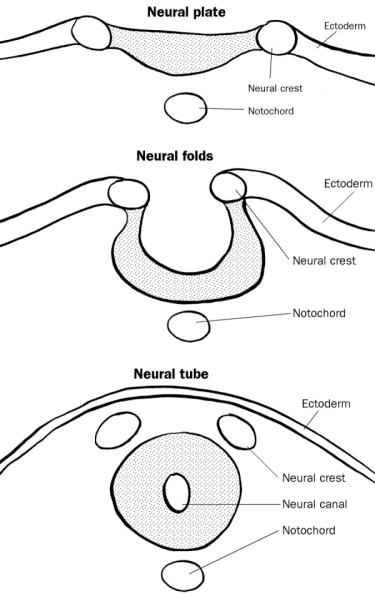
The formation of neural crest during the process of neurulation. Neural crest is first induced in the region of the neural plate border. After neural tube closure, neural crest cells delaminate from the region between the dorsal neural tube and overlying ectoderm and migrate out towards the periphery.
Identifiers
MeSHD009432
TEcrest_by_E5.0.2.1.0.0.2 E5.0.2.1.0.0.2
FMA86666
Anatomical terminology

The neural crest is a ridge-like structure that is formed transiently between the epidermal ectoderm and neural plate during vertebrate development. Neural crest cells originate from this structure through the epithelial-mesenchymal transition, and in turn give rise to a diverse cell lineage—including melanocytes, craniofacial cartilage and bone, smooth muscle, dentin, peripheral and enteric neurons, adrenal medulla and glia.[1][2]

After gastrulation, the neural crest is specified at the border of the neural plate and the non-neural ectoderm. During neurulation, the borders of the neural plate, also known as the neural folds, converge at the dorsal midline to form the neural tube.[3] Subsequently, neural crest cells from the roof plate of the neural tube undergo an epithelial to mesenchymal transition, delaminating from the neuroepithelium and migrating through the periphery, where they differentiate into varied cell types.[1] The emergence of the neural crest was important in vertebrate evolution because many of its structural derivatives are defining features of the vertebrate clade.[4]

Underlying the development of the neural crest is a gene regulatory network, described as a set of interacting signals, transcription factors, and downstream effector genes, that confer cell characteristics such as multipotency and migratory capabilities.[5] Understanding the molecular mechanisms of neural crest formation is important for our knowledge of human disease because of its contributions to multiple cell lineages. Abnormalities in neural crest development cause neurocristopathies, which include conditions such as frontonasal dysplasia, Waardenburg–Shah syndrome, and DiGeorge syndrome.[1]

Defining the mechanisms of neural crest development may reveal key insights into vertebrate evolution and neurocristopathies.

History

[edit]

The neural crest was first described in the chick embryo by Wilhelm His Sr. in 1868 as "the cord in between" (Zwischenstrang) because of its origin between the neural plate and non-neural ectoderm.[1] He named the tissue "ganglionic crest," since its final destination was each lateral side of the neural tube, where it differentiated into spinal ganglia.[6] During the first half of the 20th century, the majority of research on the neural crest was done using amphibian embryos which was reviewed by Hörstadius (1950) in a well known monograph.[7]

Cell labeling techniques advanced research into the neural crest because they allowed researchers to visualize the migration of the tissue throughout the developing embryos. In the 1960s, Weston and Chibon utilized radioisotopic labeling of the nucleus with tritiated thymidine in chick and amphibian embryo respectively. However, this method suffers from drawbacks of stability, since every time the labeled cell divides the signal is diluted. Modern cell labeling techniques such as rhodamine-lysinated dextran and the vital dye diI have also been developed to transiently mark neural crest lineages.[6]

The quail-chick marking system, devised by Nicole Le Douarin in 1969, was another instrumental technique used to track neural crest cells.[8][9] Chimeras, generated through transplantation, enabled researchers to distinguish neural crest cells of one species from the surrounding tissue of another species. With this technique, generations of scientists were able to reliably mark and study the ontogeny of neural crest cells.

Induction

[edit]

A molecular cascade of events is involved in establishing the migratory and multipotent characteristics of neural crest cells. This gene regulatory network can be subdivided into the following four sub-networks described below.

Inductive signals

[edit]

First, extracellular signaling molecules, secreted from the adjacent epidermis and underlying mesoderm such as Wnts, BMPs and Fgfs separate the non-neural ectoderm (epidermis) from the neural plate during neural induction.[1][4]

Wnt signaling has been demonstrated in neural crest induction in several species through gain-of-function and loss-of-function experiments. In coherence with this observation, the promoter region of slug (a neural-crest-specific gene) contains a binding site for transcription factors involved in the activation of Wnt-dependent target genes, suggestive of a direct role of Wnt signaling in neural crest specification.[10]

The current role of BMP in neural crest formation is associated with the induction of the neural plate. BMP antagonists diffusing from the ectoderm generates a gradient of BMP activity. In this manner, the neural crest lineage forms from intermediate levels of BMP signaling required for the development of the neural plate (low BMP) and epidermis (high BMP).[1]

Fgf from the paraxial mesoderm has been suggested as a source of neural crest inductive signal. Researchers have demonstrated that the expression of dominate-negative Fgf receptor in ectoderm explants blocks neural crest induction when recombined with paraxial mesoderm.[11] The understanding of the role of BMP, Wnt, and Fgf pathways on neural crest specifier expression remains incomplete.

Neural plate border specifiers

[edit]

Signaling events that establish the neural plate border lead to the expression of a set of transcription factors delineated here as neural plate border specifiers. These molecules include Zic factors, Pax3/7, Dlx5, Msx1/2 which may mediate the influence of Wnts, BMPs, and Fgfs. These genes are expressed broadly at the neural plate border region and precede the expression of bona fide neural crest markers.[4]

Experimental evidence places these transcription factors upstream of neural crest specifiers. For example, in Xenopus Msx1 is necessary and sufficient for the expression of Slug, Snail, and FoxD3.[12] Furthermore, Pax3 is essential for FoxD3 expression in mouse embryos.[13]

Neural crest specifiers

[edit]

Following the expression of neural plate border specifiers is a collection of genes including Slug/Snail, FoxD3, Sox10, Sox9, AP-2 and c-Myc. This suite of genes, designated here as neural crest specifiers, are activated in emergent neural crest cells. At least in Xenopus, every neural crest specifier is necessary and/or sufficient for the expression of all other specifiers, demonstrating the existence of extensive cross-regulation.[4] Moreover, this model organism was instrumental in the elucidation of the role of the Hedgehog signaling pathway in the specification of the neural crest, with the transcription factor Gli2 playing a key role.[14]

Outside of the tightly regulated network of neural crest specifiers are two other transcription factors Twist and Id. Twist, a bHLH transcription factor, is required for mesenchyme differentiation of the pharyngeal arch structures.[15] Id is a direct target of c-Myc and is known to be important for the maintenance of neural crest stem cells.[16]

Neural crest effector genes

[edit]

Finally, neural crest specifiers turn on the expression of effector genes, which confer certain properties such as migration and multipotency. Two neural crest effectors, Rho GTPases and cadherins, function in delamination by regulating cell morphology and adhesive properties. Sox9 and Sox10 regulate neural crest differentiation by activating many cell-type-specific effectors including Mitf, P0, Cx32, Trp and cKit.[4]

Neural Crest.
Putative neural crest gene-regulatory network functioning at the neural plate border in vertebrates. Red arrows represent proven direct regulatory interactions. Black arrows show genetic interactions based on loss-of-function and gain-of-functions studies. Gray lines denote repression. Adapted from Bronner-Fraser 2004

Migration

[edit]
Delamination of neural crest cells during development. Downregulation of CAMs and tight junction proteins is followed by secretion of MMPs and subsequent delamination.

The migration of neural crest cells involves a highly coordinated cascade of events that begins with closure of the dorsal neural tube.

Delamination

[edit]

After fusion of the neural folds to create the neural tube, cells originally located in the neural plate border become neural crest cells.[17] For migration to begin, neural crest cells must undergo a process called delamination that involves a full or partial epithelial–mesenchymal transition (EMT).[18] Delamination is defined as the separation of tissue into different populations, in this case neural crest cells separating from the surrounding tissue.[19] Conversely, EMT is a series of events coordinating a change from an epithelial to mesenchymal phenotype.[18] For example, delamination in chick embryos is triggered by a BMP/Wnt cascade that induces the expression of EMT promoting transcription factors such as SNAI2 and FOXD3.[19] Although all neural crest cells undergo EMT, the timing of delamination occurs at different stages in different organisms: in Xenopus laevis embryos there is a massive delamination that occurs when the neural plate is not entirely fused, whereas delamination in the chick embryo occurs during fusion of the neural fold.[19]

Prior to delamination, presumptive neural crest cells are initially anchored to neighboring cells by tight junction proteins such as occludin and cell adhesion molecules such as NCAM and N-Cadherin.[20] Dorsally expressed BMPs initiate delamination by inducing the expression of the zinc finger protein transcription factors snail, slug, and twist.[17] These factors play a direct role in inducing the epithelial-mesenchymal transition by reducing expression of occludin and N-Cadherin in addition to promoting modification of NCAMs with polysialic acid residues to decrease adhesiveness.[17][21] Neural crest cells also begin expressing proteases capable of degrading cadherins such as ADAM10[22] and secreting matrix metalloproteinases (MMPs) that degrade the overlying basal lamina of the neural tube to allow neural crest cells to escape.[20] Additionally, neural crest cells begin expressing integrins that associate with extracellular matrix proteins, including collagen, fibronectin, and laminin, during migration.[23] Once the basal lamina becomes permeable, neural crest cells can begin migrating throughout the embryo.

Migration

[edit]
Migration of neural crest cells during development. Grey arrows indicate the direction of the paths crest cells migrate. (R=Rostral, C=Caudal)

Neural crest cell migration occurs in a rostral to caudal direction without the need of a neuronal scaffold such as along a radial glial cell. For this reason the crest cell migration process is termed "free migration". Instead of scaffolding on progenitor cells, neural crest migration is the result of repulsive guidance via EphB/EphrinB and semaphorin/neuropilin signaling, interactions with the extracellular matrix, and contact inhibition with one another.[17] While Ephrin and Eph proteins have the capacity to undergo bi-directional signaling, neural crest cell repulsion employs predominantly forward signaling to initiate a response within the receptor bearing neural crest cell.[23] Burgeoning neural crest cells express EphB, a receptor tyrosine kinase, which binds the EphrinB transmembrane ligand expressed in the caudal half of each somite. When these two domains interact it causes receptor tyrosine phosphorylation, activation of rhoGTPases, and eventual cytoskeletal rearrangements within the crest cells inducing them to repel. This phenomenon allows neural crest cells to funnel through the rostral portion of each somite.[17]

Semaphorin-neuropilin repulsive signaling works synergistically with EphB signaling to guide neural crest cells down the rostral half of somites in mice. In chick embryos, semaphorin acts in the cephalic region to guide neural crest cells through the pharyngeal arches. On top of repulsive repulsive signaling, neural crest cells express β1and α4 integrins which allows for binding and guided interaction with collagen, laminin, and fibronectin of the extracellular matrix as they travel. Additionally, crest cells have intrinsic contact inhibition with one another while freely invading tissues of different origin such as mesoderm.[17] Neural crest cells that migrate through the rostral half of somites differentiate into sensory and sympathetic neurons of the peripheral nervous system. The other main route neural crest cells take is dorsolaterally between the epidermis and the dermamyotome. Cells migrating through this path differentiate into pigment cells of the dermis. Further neural crest cell differentiation and specification into their final cell type is biased by their spatiotemporal subjection to morphogenic cues such as BMP, Wnt, FGF, Hox, and Notch.[20]

Clinical significance

[edit]

Neurocristopathies result from the abnormal specification, migration, differentiation or death of neural crest cells throughout embryonic development.[24][25] This group of diseases comprises a wide spectrum of congenital malformations affecting many newborns. Additionally, they arise because of genetic defects affecting the formation of the neural crest and because of the action of teratogens [26]

Waardenburg syndrome

[edit]

Waardenburg syndrome is a neurocristopathy that results from defective neural crest cell migration. The condition's main characteristics include piebaldism and congenital deafness. In the case of piebaldism, the colorless skin areas are caused by a total absence of neural crest-derived pigment-producing melanocytes.[27] There are four different types of Waardenburg syndrome, each with distinct genetic and physiological features. Types I and II are distinguished based on whether or not family members of the affected individual have dystopia canthorum.[28] Type III gives rise to upper limb abnormalities. Lastly, type IV is also known as Waardenburg-Shah syndrome, and afflicted individuals display both Waardenburg's syndrome and Hirschsprung's disease.[29] Types I and III are inherited in an autosomal dominant fashion,[27] while II and IV exhibit an autosomal recessive pattern of inheritance. Overall, Waardenburg's syndrome is rare, with an incidence of ~ 2/100,000 people in the United States. All races and sexes are equally affected.[27] There is no current cure or treatment for Waardenburg's syndrome.

Hirschsprung's disease

[edit]

Also implicated in defects related to neural crest cell development and migration is Hirschsprung's disease, characterized by a lack of innervation in regions of the intestine. This lack of innervation can lead to further physiological abnormalities like an enlarged colon (megacolon), obstruction of the bowels, or even slowed growth. In healthy development, neural crest cells migrate into the gut and form the enteric ganglia. Genes playing a role in the healthy migration of these neural crest cells to the gut include RET, GDNF, GFRα, EDN3, and EDNRB. RET, a receptor tyrosine kinase (RTK), forms a complex with GDNF and GFRα. EDN3 and EDNRB are then implicated in the same signaling network. When this signaling is disrupted in mice, aganglionosis, or the lack of these enteric ganglia occurs.[30]

Fetal alcohol spectrum disorder

[edit]

Fetal alcohol spectrum disorder is among the most common causes of developmental defects.[31] Depending on the extent of the exposure and the severity of the resulting abnormalities, patients are diagnosed within a continuum of disorders broadly labeled fetal alcohol spectrum disorder (FASD). Severe FASD can impair neural crest migration, as evidenced by characteristic craniofacial abnormalities including short palpebral fissures, an elongated upper lip, and a smoothened philtrum. However, due to the promiscuous nature of ethanol binding, the mechanisms by which these abnormalities arise is still unclear. Cell culture explants of neural crest cells as well as in vivo developing zebrafish embryos exposed to ethanol show a decreased number of migratory cells and decreased distances travelled by migrating neural crest cells. The mechanisms behind these changes are not well understood, but evidence suggests PAE can increase apoptosis due to increased cytosolic calcium levels caused by IP3-mediated release of calcium from intracellular stores. It has also been proposed that the decreased viability of ethanol-exposed neural crest cells is caused by increased oxidative stress. Despite these, and other advances much remains to be discovered about how ethanol affects neural crest development. For example, it appears that ethanol differentially affects certain neural crest cells over others; that is, while craniofacial abnormalities are common in PAE, neural crest-derived pigment cells appear to be minimally affected.[32]

DiGeorge syndrome

[edit]

DiGeorge syndrome is associated with deletions or translocations of a small segment in the human chromosome 22. This deletion may disrupt rostral neural crest cell migration or development. Some defects observed are linked to the pharyngeal pouch system, which receives contribution from rostral migratory crest cells. The symptoms of DiGeorge syndrome include congenital heart defects, facial defects, and some neurological and learning disabilities. Patients with 22q11 deletions have also been reported to have higher incidence of schizophrenia and bipolar disorder.[33]

Treacher Collins syndrome

[edit]

Treacher Collins syndrome (TCS) results from the compromised development of the first and second pharyngeal arches during the early embryonic stage, which ultimately leads to mid and lower face abnormalities. TCS is caused by the missense mutation of the TCOF1 gene, which causes neural crest cells to undergo apoptosis during embryogenesis. Although mutations of the TCOF1 gene are among the best characterized in their role in TCS, mutations in POLR1C and POLR1D genes have also been linked to the pathogenesis of TCS.[34]

Cell lineages

[edit]

Neural crest cells originating from different positions along the anterior-posterior axis develop into various tissues. These regions of the neural crest can be divided into four main functional domains, which include the cranial neural crest, trunk neural crest, vagal and sacral neural crest, and cardiac neural crest.

Cranial neural crest

[edit]

The cranial neural crest migrates dorsolaterally to form the craniofacial mesenchyme that differentiates into various cranial ganglia and craniofacial cartilages and bones.[21] These cells enter the pharyngeal pouches and arches where they contribute to the thymus, bones of the middle ear and jaw and the odontoblasts of the tooth primordia.[35]

Trunk neural crest

[edit]

The trunk neural crest gives rise to two populations of cells.[36] One group of cells fated to become melanocytes migrates dorsolaterally into the ectoderm towards the ventral midline. A second group of cells migrates ventrolaterally through the anterior portion of each sclerotome. The cells that stay in the sclerotome form the dorsal root ganglia, whereas those that continue more ventrally form the sympathetic ganglia, adrenal medulla, and the nerves surrounding the aorta.[35]

Vagal and sacral neural crest

[edit]

Vagal and sacral neural crest cells develop into the ganglia of the enteric nervous system and the parasympathetic ganglia.[35]

Cardiac neural crest

[edit]

Cardiac neural crest develops into melanocytes, cartilage, connective tissue and neurons of some pharyngeal arches. Also, this domain gives rise to regions of the heart such as the musculo-connective tissue of the large arteries, and part of the septum, which divides the pulmonary circulation from the aorta.[35] The semilunar valves of the heart are associated with neural crest cells according to new research.[37]

Evolution

[edit]

Several structures that distinguish the vertebrates from other chordates are formed from the derivatives of neural crest cells. In their "New head" theory, Gans and Northcut argue that the presence of neural crest was the basis for vertebrate specific features, such as sensory ganglia and cranial skeleton. Furthermore, the appearance of these features was pivotal in vertebrate evolution because it enabled a predatory lifestyle.[38][39]

However, considering the neural crest a vertebrate innovation does not mean that it arose de novo. Instead, new structures often arise through modification of existing developmental regulatory programs. For example, regulatory programs may be changed by the co-option of new upstream regulators or by the employment of new downstream gene targets, thus placing existing networks in a novel context.[40][41] This idea is supported by in situ hybridization data that shows the conservation of the neural plate border specifiers in protochordates, which suggest that part of the neural crest precursor network was present in a common ancestor to the chordates.[5] In some non-vertebrate chordates such as tunicates a lineage of cells (melanocytes) has been identified, which are similar to neural crest cells in vertebrates. This implies that a rudimentary neural crest existed in a common ancestor of vertebrates and tunicates.[42]

Neural crest derivatives

[edit]

Ectomesenchyme (also known as mesectoderm):[43] odontoblasts, dental papillae, the chondrocranium (nasal capsule, Meckel's cartilage, scleral ossicles, quadrate, articular, hyoid and columella), tracheal and laryngeal cartilage, the dermatocranium (membranous bones), dorsal fins and the turtle plastron (lower vertebrates), pericytes and smooth muscle of branchial arteries and veins, tendons of ocular and masticatory muscles, connective tissue of head and neck glands (pituitary, salivary, lachrymal, thymus, thyroid) dermis and adipose tissue of calvaria, ventral neck and face

Endocrine cells: chromaffin cells of the adrenal medulla, glomus cells type I/II.

Peripheral nervous system: Sensory neurons and glia of the dorsal root ganglia, cephalic ganglia (VII and in part, V, IX, and X), Rohon-Beard cells, some Merkel cells in the whisker,[44][45] Satellite glial cells of all autonomic and sensory ganglia, Schwann cells of all peripheral nerves.

Enteric cells: Enterochromaffin cells.[46]

Melanocytes, iris muscle and pigment cells, and even associated with some tumors (such as melanotic neuroectodermal tumor of infancy).

See also

[edit]

References

[edit]
[edit]
Revisions and contributorsEdit on WikipediaRead on Wikipedia
from Grokipedia
The neural crest is a unique, transient population of multipotent cells in embryos that originates at the border between the and non-, undergoing epithelial-to-mesenchymal transition to migrate extensively and differentiate into diverse derivatives such as peripheral neurons, , melanocytes, craniofacial and , and adrenal chromaffin cells. This embryonic structure, often dubbed the "fourth germ layer" due to its pivotal role in development, emerges during around the third week of in humans, specifically between days 21 and 28 post-fertilization. Neural crest cells (NCCs) are specified early in at the border through interactions involving signaling molecules like BMP, Wnt, and FGF, which activate a conserved including transcription factors such as , , and Snail2. Their development proceeds along a rostrocaudal axis, with cephalic NCCs contributing to head and neck structures like the and cranial ganglia, cardiac NCCs forming elements of the heart's outflow tract, trunk NCCs giving rise to dorsal root ganglia and melanocytes, and vagal/sacral NCCs populating the . Migration is tightly regulated by extracellular cues, including ephrins, semaphorins, and components, allowing NCCs to delaminate from the dorsal and follow stereotypical pathways while avoiding barriers like the somitic sclerotome. Evolutionarily, the neural crest represents a hallmark of , appearing over 500 million years ago and enabling the formation of complex features like the vertebrate head and , transforming the ancestral . This multipotency, akin to behavior with limited self-renewal, underscores the neural crest's role in and highlights its clinical relevance in neurocristopathies—disorders such as Hirschsprung disease, , and neuroblastomas arising from NCC dysfunction or malignancy.

Overview

Definition and characteristics

The neural crest is a transient, multipotent cell population that arises at the dorsal aspect of the during early embryogenesis. These cells originate from the and represent a unique developmental entity capable of giving rise to a wide array of cell types across multiple tissue systems. Unlike traditional germ layers, the neural crest's versatility in contributing to both neural and non-neural derivatives underscores its foundational role in formation. Key characteristics of neural crest cells include their ability to undergo epithelial-to-mesenchymal transition (EMT), enabling delamination from the epithelium, followed by extensive long-distance migration through the embryo and subsequent differentiation into diverse lineages such as neurons, , melanocytes, and craniofacial . Morphologically, premigratory neural crest cells form part of the pseudostratified epithelium at the border, where they express specific transcription factors including and FoxD3, which are essential for maintaining their multipotency and initiating their developmental program. Due to these extensive contributions that extend beyond the scope of the , , and —the three primary s—the neural crest is often classified as a "fourth germ layer" in development. This designation highlights its evolutionary significance as a innovation, conserved across all species but absent in , thereby distinguishing from other chordates.

Embryonic origin and timing

The neural crest originates at the border, a transitional zone between the prospective neural ectoderm and the non-neural surface , during the stages of embryogenesis. This border region emerges as the forms, positioning the neural crest dorsally along the developing neural axis. The formation of the neural crest is closely linked to the dynamic of the , where convergent extension movements narrow and elongate the tissue, elevating the lateral edges into neural folds that enclose the . These processes integrate signals from adjacent tissues, including the underlying and overlying surface , which help stabilize the border domain and refine its identity before . Timing of neural crest formation varies across vertebrate species but generally aligns with neural tube closure. In mice, specification of the neural crest begins around embryonic day 8.5 (E8.5), with initial cell emergence from the dorsal neural tube occurring between E8.5 and E9.5, and full delamination extending to E10.5 along the trunk axis. In humans, this process takes place during the third to fourth weeks of gestation, coinciding with early somitogenesis and neural tube formation. In chick embryos, neural crest progenitors are specified at Hamburger-Hamilton (HH) stages 8-9, with overt formation and initial migration evident by HH stage 10. Across species, neural crest formation exhibits axial variations along the anterior-posterior axis, progressing in a wave-like manner from cranial to caudal regions. Anterior (cranial) neural crest emerges first, contributing to head structures, while trunk and posterior (vagal and sacral) populations follow sequentially, reflecting the spatiotemporal progression of and formation. This patterned emergence ensures coordinated development, with interactions between the forming , surface , and paraxial modulating the timing and extent of crest production at each level.

Developmental Biology

Induction and specification

The induction of the neural crest begins during in vertebrate embryos, where interactions between the and underlying establish the neural plate border, a transient zone that gives rise to neural crest precursors. Key inductive signals emanate from the dorsal and , including bone morphogenetic proteins (BMPs), Wnts, and fibroblast growth factors (FGFs), which promote the formation of this border domain. Specifically, BMP signaling, initially inhibited by antagonists like Noggin during early to allow neural induction, is later activated at neurula stages to maintain neural crest competence, often in synergy with canonical Wnt/β-catenin and FGF pathways that regulate downstream effectors. These signals induce border specifiers that suppress neural genes such as , preventing full neural commitment while priming cells for neural crest fate. The neural plate border is specified by a set of transcription factors that interpret these inductive cues, including homeobox genes like Msx1 and Dlx family members, as well as paired-box genes Pax3 and Pax7. These border specifiers are expressed early in gastrulation and define the transitional domain between presumptive neural and epidermal tissues, integrating BMP, Wnt, and FGF inputs to restrict alternative fates. Subsequent commitment to the neural crest lineage involves a core set of neural crest specifiers, such as the SRY-related HMG-box factors Sox9 and Sox10, the forkhead factor FoxD3, and the basic helix-loop-helix protein Twist1. These factors form a hierarchical gene regulatory network (GRN) that stabilizes neural crest identity, with upstream border specifiers activating the core module during late gastrulation to early neurulation. Downstream effector genes, including the zinc-finger transcription factor Snail2 (also known as Slug) and the GTPase RhoB, are then upregulated to prepare cells for epithelial-to-mesenchymal transition (EMT), though full delamination occurs later. Classic experimental models, such as grafting assays, have confirmed the necessity of these inductive signals and GRN components for neural crest formation. In these chimeras, transplantation of presumptive neural crest regions from quail donors into chick hosts at gastrula stages demonstrates that exposure to BMP/Wnt/FGF-rich environments is required for border specification and specifier expression, with ablation of dorsal signals abolishing neural crest markers like Sox10. More recent advances using single-cell sequencing (scRNA-seq) have revealed the dynamic nature of specifier expression during induction, showing transitional states from border to premigratory neural crest cells with heterogeneous activation of Sox9, Sox10, and FoxD3 in species like , , and , highlighting probabilistic fate decisions within the GRN. Epigenetic mechanisms further refine neural crest specification through Polycomb group (PcG) proteins, which establish bivalent domains at key loci. In cranial neural crest cells, the PcG component deposits marks alongside activating H3K4me2, poising positional identity genes (e.g., those directing craniofacial fates) for rapid activation by local signals post-specification. This bivalency, observed in over 80% of relevant promoters at embryonic day 10.5 in mouse, maintains multipotency within the GRN and prevents premature differentiation, ensuring adaptability to environmental cues during subsequent development.

Migration and delamination

Neural crest cells undergo delamination from the dorsal through an epithelial-to-mesenchymal transition (EMT), a that enables their detachment and subsequent migration. During EMT, neural crest cells downregulate epithelial such as N-cadherin (CDH2), facilitating a shift toward mesenchymal characteristics and to fibronectin-rich substrates. This cadherin switch is complemented by the upregulation of cadherin-11 (CDH11), which supports cell survival and motility post-delamination. activation, particularly matrix metalloproteinases (MMPs) like MMP2 and MMP9, plays a critical role by degrading basement membrane components, including and IV, to create migration channels; for instance, MMP9 targets CDH2 and to promote EMT in chick cranial neural crest cells. Following , neural crest cells migrate along distinct pathways, including dorsal routes toward the skin and , and ventral paths to the pharyngeal arches and gut. Guidance during migration is provided by the (ECM), with and serving as permissive substrates that interact with such as α5β1 to direct cell movement. like SDF-1 () and its receptor further orient migration, particularly in cardiac neural crest cells, where signaling from placodal cells and the influences trajectories in chick and embryos. Neural crest cells also secrete to remodel the ECM ahead of their advance, enhancing in permissive corridors. Migration occurs in both collective and individual modes, with trunk neural crest cells often forming chainlike arrays through rostral somites via filopodial contacts and N-cadherin-mediated adhesion, while individual cells exhibit biased random walks but show increased directionality in groups. Inhibition zones, such as those in caudal somites, restrict entry through repulsive signals like ephrin-B1 and semaphorins, confining cells to rostral pathways; non-canonical Wnt/PCP signaling supports chain formation but does not directly inhibit in rostral regions. Regulatory factors include signaling, where neuregulin-1 (NRG1) from the dorsal aorta times trunk neural crest emigration in chick embryos. Semaphorins (e.g., Sema3A, Sema3F) and ephrins (e.g., ephrin-B1) guide by repulsion at boundaries, as seen in cephalic and trunk neural crest in and chick models. Recent studies using live imaging have revealed collective delamination waves, where approximately 20-30% of cranial cells in embryos exit via cell rather than pure EMT, driven by mechanical forces sensed through channels under tissue tension. This mechanism, observed in time-lapse sequences over 130 minutes, transitions cells to a mesenchymal state post-exit, highlighting the role of mechanical cues in EMT. Experimental evidence from time-lapse microscopy in and demonstrates that confinement by ECM components like versican promotes collective migration in streams, with optimal cluster sizes correlating to pathway width for enhanced directionality. In trunk neural crest, 3D confocal imaging shows chain formation along the anterior-posterior axis, while grafts reveal disrupted upon versican knockdown.

Derivatives and Lineages

Neural derivatives

The neural crest gives rise to a diverse array of neural cell types that form critical components of the peripheral nervous system (PNS), including sensory and autonomic neurons as well as glial cells. These derivatives arise from multipotent neural crest cells that undergo specification and differentiation influenced by intrinsic genetic programs and extrinsic environmental signals. In the trunk region, neural crest cells contribute to the formation of dorsal root ganglia (DRG), which house sensory neurons responsible for transmitting somatosensory information from the body to the . Similarly, cranial neural crest cells populate the trigeminal ganglia, providing sensory innervation to the face and oral cavity. Autonomic neurons also originate from neural crest progenitors, with sympathetic neurons deriving primarily from trunk-level crest cells that migrate ventrally to form paravertebral and prevertebral ganglia, enabling responses such as and increased through noradrenergic signaling. Parasympathetic neurons, in contrast, emerge from vagal and sacral neural crest populations, contributing to ganglia that regulate visceral functions like and glandular via transmission. Schwann cells, the myelinating glia of the PNS, envelop peripheral axons to facilitate rapid nerve conduction and provide trophic support; these cells trace their lineage to neural crest-derived precursors, which arise from bipotent glia-neuron progenitors during early development. The (ENS), often termed the "second brain," forms an extensive network of neurons and glia within the , primarily colonized by vagal neural crest cells that migrate rostrocaudally along the gut, with additional contributions from sacral crest cells to the . Differentiation of these neural lineages is guided by key signaling molecules, including neurotrophins such as (NGF) and (BDNF), which promote neuronal survival and outgrowth—NGF supporting sympathetic and maintenance, while BDNF influences specification from pluripotent crest cells. Notch signaling plays a pivotal role in promoting glial fates, such as differentiation, by inhibiting neuronal differentiation in bipotent progenitors through mechanisms. Recent studies have identified neural crest stem cells (NCSCs) persisting in the adult PNS, particularly in the enteric ganglia and peripheral nerves, where they retain multipotency to generate neurons and , offering potential for tissue regeneration following injury. These adult NCSCs can be isolated from sites like the gut or and differentiate into functional PNS components , highlighting their therapeutic promise for repairing peripheral neuropathies.

Non-neural derivatives

The neural crest gives rise to a diverse array of non-neural cell types, primarily through ectomesenchymal lineages that contribute to connective, skeletal, endocrine, and pigmentary tissues across the body. These derivatives arise from specific regional populations of neural crest cells, which undergo epithelial-to-mesenchymal transition and migrate to distant sites before differentiating into specialized functions. Unlike neural fates, these non-neural contributions emphasize structural support, secretion, and pigmentation, highlighting the multipotency of neural crest progenitors. Melanocytes, the pigment-producing cells responsible for , , and eye coloration, originate exclusively from trunk neural crest cells. These cells migrate dorsolaterally through the developing to populate the , where they produce via melanosomes to protect against UV . Differentiation and survival of melanocyte precursors, known as melanoblasts, depend on Kit signaling, a pathway activated by (SCF), which promotes proliferation, migration, and resistance to during their journey from the neural crest to peripheral tissues. Adrenal chromaffin cells, which form the endocrine component of the , derive from trunk neural crest progenitors that migrate ventrally to associate with the developing . These cells secrete catecholamines such as adrenaline and noradrenaline in response to stress, playing a critical role in the . Chromaffin cells share a common sympathoadrenal lineage with sympathetic neurons, diverging through differential expression of transcription factors like Hand2 and Phox2b, which suppress neuronal traits while promoting neuroendocrine differentiation; their similarity to neurons is evident in shared synthesis pathways but distinct in lacking axons. Cranial neural crest cells contribute substantially to the craniofacial , forming the and elements of the head and face through ectomesenchymal and chondrogenesis. For instance, cells populating the first differentiate into Meckel's cartilage, a transient structure that serves as a template for the and associated like the and . These progenitors undergo skeletogenic differentiation under the influence of signals such as BMP and FGF from the pharyngeal , resulting in the membranous and endochondral bones that define facial architecture. Neural crest-derived ectomesenchyme also forms key connective tissues in the eye and teeth. In the eye, periocular neural crest cells migrate to the anterior chamber, differentiating into the , a essential for maintaining corneal transparency through fluid transport and . In dental development, neural crest cells contribute to the and follicle, providing connective tissue stroma that supports odontogenesis and periodontal ligament formation. Odontoblasts, the dentin-secreting cells lining the pulp, originate from cranial neural crest-derived ectomesenchymal cells within the . These columnar cells extend processes into the matrix, depositing collagen-rich predentin that mineralizes to form the protecting the pulp. Their differentiation is induced by epithelial-mesenchymal interactions during , involving transcription factors like Msx1 and to initiate matrix secretion and sensory innervation integration. From the cardiac neural crest, progenitors migrate into the outflow tract and pharyngeal arches, differentiating into cells that ensheath the great vessels, including the . These cells provide structural integrity and contractile properties to the tunica media of the and pulmonary trunk, essential for cardiovascular . Their development requires signals like Notch and TGF-β to promote mesenchymal-to-smooth muscle transition, ensuring proper remodeling of the arterial system during septation. Cranial neural crest cells also contribute to the leptomeninges, specifically the and , which envelop the . These layers provide structural support, facilitate cerebrospinal fluid circulation, and contribute to the blood-brain barrier formation. Neural crest-derived meningeal fibroblasts arise from ectomesenchymal progenitors and integrate with mesodermal components to form the protective meningeal coverings. Recent studies have clarified additional non-neural contributions, including neural crest-derived mesenchymal cells in the thymic stroma. These cells, originating from third pharyngeal pouch neural crest, integrate into the thymic to support epithelial organization and T-cell maturation through production and signaling. Single-cell analyses reveal their dynamic role in thymus , distinguishing them from mesodermal stromal components.

Regional variations

The neural crest exhibits significant regional variations along the anteroposterior axis of the , with cells originating from distinct axial levels displaying differences in migratory behavior, developmental potency, and derivative contributions. These variations arise during the specification phase and are influenced by positional cues, leading to subpopulations such as cranial, cardiac, vagal, trunk, and sacral neural crest. Foundational lineage-tracing studies in avian and murine models have demonstrated that neural crest cells from anterior regions contribute to a broader array of tissues compared to those from more posterior levels, reflecting an intrinsic axial identity. Cranial neural crest cells, arising from the and regions anterior to the otic vesicle, possess high ectomesenchymal potential and migrate in streams to populate the pharyngeal arches. These cells give rise to the , including cranial bones and , as well as cranial ganglia such as the trigeminal and vestibulocochlear ganglia. Unlike more posterior populations, cranial neural crest cells exhibit plasticity in morphogenesis, with environmental cues in the branchial arches guiding their differentiation into mesenchymal derivatives rather than strict fate restriction prior to migration. Cardiac neural crest cells originate from the post-otic hindbrain, specifically rhombomeres 6-8, and migrate through the pharyngeal arches to the outflow tract of the developing heart. They play a critical role in septation of the cardiac outflow tract, contributing to the division between the aorta and pulmonary trunk, and provide parasympathetic innervation to the heart via neurons in the cardiac ganglia. Ablation experiments in chick embryos have shown that these cells are essential for proper alignment of the great arteries, underscoring their specialized cardiovascular function. Vagal and sacral neural crest cells are specialized for (ENS) colonization, with vagal cells emerging from the adjacent to somites 1-7 to innervate the , and sacral cells from the caudal (somites 24-28) targeting the . Vagal neural crest cells migrate extensively along the gut axis, diversifying into neurons and that form the ENS network, while sacral cells provide a secondary contribution to the distal regions. This division reflects a transitional role between cranial and trunk populations, with vagal cells showing intermediate migratory behaviors. Trunk neural crest cells, derived from the thoracic and lumbar spinal cord levels (somites 8-23), primarily generate neural derivatives such as peripheral nervous system (PNS) neurons and glia, including dorsal root ganglia and sympathetic chain, as well as melanocytes that migrate dorsolaterally to the skin. These cells have limited skeletogenic ability compared to cranial populations, with migration pathways strictly guided by prior fate specification, such as ventromedial routes for neural fates and dorsolateral for melanoblasts. A key feature of neural crest regionalization is the potency gradient along the anteroposterior axis, where anterior (cranial) cells are multipotent, capable of mesenchymal and neural fates, while posterior (trunk and sacral) cells are more restricted to neural lineages. This gradient has been evidenced by heterotopic transplantation experiments, in which cranial neural crest cells transplanted to trunk levels can adopt skeletogenic fates, but trunk cells placed anteriorly fail to form . Hox genes further refine this regional identity by establishing axial patterning; for instance, Hoxa2 specifies cranial in pharyngeal arches, while posterior Hox clusters (e.g., Hox6-9) define trunk and sacral domains. Recent single-cell sequencing (scRNA-seq) studies have revealed heterogeneity underlying these regional differences, identifying transcriptionally distinct subpopulations at early stages. In murine embryos, scRNA-seq of delaminating neural crest cells showed cranial s biased toward mesenchymal genes (e.g., Twist1, Prrx1), while trunk s expressed neuronal markers (e.g., Neurog2), with bipotent intermediates marking fate bifurcations. further confirmed Hox-dependent clustering, highlighting how molecular heterogeneity emerges prior to migration and contributes to the observed potency gradients.

Clinical Significance

Neurocristopathies overview

Neurocristopathies are a diverse group of congenital disorders resulting from abnormalities in neural crest cell development, migration, or differentiation during embryogenesis. These conditions arise because neural crest cells, which are multipotent progenitors contributing to multiple tissues, fail to properly specify, delaminate, or populate target sites, leading to defects in derivatives such as the peripheral , craniofacial structures, and melanocytes. Common themes in neurocristopathies include genetic mutations affecting key transcription factors that regulate neural crest potency and migration, such as , which is essential for maintaining multipotency and directing differentiation. For instance, mutations disrupt the proliferation, migration, and survival of neural crest cells, resulting in reduced cellular potency and impaired lineage commitment. Migration failures are particularly prevalent, often causing incomplete colonization of tissues like the (ENS). Neurocristopathies are classified into syndromic forms, which involve multi-system involvement (e.g., craniofacial, cardiac, and pigmentary anomalies), and isolated forms affecting a single system or tissue. Syndromic examples include , while isolated cases like , characterized by aganglionic bowel segments due to failed ENS migration, have a prevalence of approximately 1 in 5,000 live births. Pathophysiological mechanisms encompass dysregulation of , which prematurely eliminates neural crest cells, and incomplete migration leading to tissue , such as in the ENS or craniofacial . Craniofacial dysmorphology often stems from defective neural crest contributions to skeletal and connective tissues, while ENS migration defects result in functional gastrointestinal impairments. Recent advances from 2024 to 2025 have enhanced understanding through genetic screening techniques, such as multi-omics approaches and targeted panels for neural crest genes, identifying novel variants in conditions like . models, including induced pluripotent stem cell-derived neural crest organoids, have enabled recapitulation of disease phenotypes and testing of therapeutic interventions, such as gene editing to restore migration. Diagnostic approaches typically combine imaging modalities, like MRI and CT for craniofacial or vascular anomalies, with using panels targeting neural crest specifier genes to confirm etiology and guide management.

Specific disorders

is a neurocristopathy characterized by , pigmentation abnormalities, and sometimes dystopia canthorum, arising from defects in neural crest-derived melanocytes and otic vesicles. Mutations in the gene, encoding a essential for neural crest cell survival and differentiation, cause type 1 Waardenburg syndrome (WS1) by disrupting melanocyte development in the skin, hair, and . Similarly, mutations, which impair the regulation of genes like MITF involved in melanocyte lineage specification, underlie type 2 (WS2) and type 4 (WS4) forms, leading to reduced neural crest progenitor proliferation and migration to pigmentary and auditory structures. These genetic alterations result in incomplete , with affecting approximately 60% of WS1 cases and 70-90% of WS2 cases due to failed inner ear melanocyte function. Hirschsprung's disease (HSCR) manifests as aganglionic from the failure of enteric neural crest cells (ENCCs) to migrate, proliferate, and differentiate into the (ENS), particularly from vagal neural crest origins. The RET proto-oncogene, a critical for ENCC guidance via GDNF signaling, accounts for up to 50% of familial and 15-35% of sporadic HSCR cases through loss-of-function variants that halt distal gut colonization. EDNRB variants, encoding the B receptor involved in ENCC proliferation and migration, contribute to 5% of cases, often in syndromic forms with pigmentation defects, exacerbating the absence of ganglion cells in the distal bowel and leading to functional obstruction. or digenic inheritance involving RET and EDNRB can shift ENCC fate, resulting in variable aganglionic segments from short-segment to total colonic involvement. DiGeorge syndrome (22q11.2 deletion syndrome) features conotruncal heart defects, thymic , and due to impaired cardiac neural crest cell contributions to outflow tract septation and pharyngeal pouch development. The TBX1 gene within the deleted region encodes a T-box that regulates neural crest cell migration and survival in the pharyngeal arches, with causing abnormal remodeling and thymic in approximately 60-80% of cases, with rare complete aplasia. TBX1 modulates signaling and downstream targets like FGF8, disrupting the non-autonomous interactions between neural crest and endodermal cells essential for third/fourth pharyngeal pouch formation. This leads to interrupted or in approximately 75% of patients, alongside immune deficiencies from failed T-cell maturation. Treacher Collins syndrome (TCS) involves mandibular hypoplasia, downslanting palpebral fissures, and from craniofacial skeletal malformations originating in cranial neural crest cells. Mutations in TCOF1, encoding the nucleolar protein , disrupt ribosomal biogenesis and increase neuroepithelial during neural crest induction, reducing the progenitor pool available for first and second derivatives. of TCOF1 elevates p53-mediated cell death in prefusion neural folds, leading to hypoplastic and zygoma in 90% of cases, with variable severity due to autosomal dominant . Treacle's role in transcription is critical for neural crest proliferation, and its deficiency impairs mesenchymal in facial prominences. Fetal alcohol spectrum disorder (FASD) encompasses a range of craniofacial, cardiac, and neurodevelopmental anomalies from prenatal exposure disrupting neural crest cell induction and migration. inhibits Sonic hedgehog (SHH) signaling and increases , reducing cranial neural crest cell survival and altering frontonasal and maxillary process fusion, resulting in midface and smooth in affected individuals. Cardiac defects like ventricular septal defects arise from impaired cardiac neural crest outflow tract contributions, with perturbing BMP and Wnt pathways essential for crest cell . Exposure during to stages heightens vulnerability, with facial dysmorphology serving as a for neural crest disruption. CHARGE syndrome, caused by CHD7 mutations, presents with coloboma, heart defects, , retarded growth, genital anomalies, and ear abnormalities from widespread neural crest dysfunction. CHD7, a remodeler, regulates enhancers for genes like SEMA3 and ROBO1 involved in neural crest guidance, with loss-of-function leading to defective migration and differentiation in cranial and cardiac crest populations. Mutations disrupt ATP-dependent remodeling, impairing neural crest specification and contributing to conotruncal anomalies and malformations in 80-90% of cases. Neuroblastoma, a pediatric , arises from sympathoadrenal neural crest progenitors due to proliferative and differentiative defects, often involving MYCN amplification that drives uncontrolled trunk neural crest expansion. High-risk cases exhibit arrested differentiation at the sympathoblast , leading to adrenal or paraspinal tumors with metastatic potential in 50% of patients under age 5. Neural crest origin is evidenced by expression of markers like PHOX2B, with genomic instability from ALK or alterations exacerbating oncogenic transformation. Emerging therapies for neurocristopathies target neural crest defects directly. CRISPR/Cas9 editing has corrected RET mutations (e.g., G731del) in patient-derived induced pluripotent stem cells (iPSCs), restoring ENCC migration and functionality in Hirschsprung models. Enteric (ENSC) transplants from human iPSCs repopulate aganglionic colon in preclinical studies, improving gut by 40-60% in HSCR models through grafted integration. These approaches hold promise for vagal and cardiac crest-related disorders, though clinical translation requires addressing engraftment efficiency and immune compatibility.

Evolution

Origins in chordates

The neural crest, a transient population of multipotent cells unique to vertebrates, is absent in non-chordate animals such as fruit flies (Drosophila melanogaster) and nematodes (Caenorhabditis elegans), where no equivalent migratory ectodermal cells with similar gene regulatory networks (GRNs) or developmental potential have been identified. This absence underscores the neural crest as a chordate-specific innovation that arose during the early evolution of vertebrates, approximately 520 million years ago. In the basal chordate group Cephalochordata, represented by amphioxus (Branchiostoma species), the neural crest first emerges in a rudimentary form as non-migratory border cells at the edges of the neural plate. These cells express a subset of vertebrate neural crest markers, including Msx, Dlx, and Zic genes, but lack the full epithelial-to-mesenchymal transition (EMT) and multipotency characteristic of vertebrate neural crest. This partial GRN in amphioxus suggests an evolutionary precursor to the neural crest, rooted in conserved signaling pathways like BMP and Wnt that pattern the neural plate border across bilaterians, though full EMT and delamination occur only in more derived chordates. Among Urochordata (tunicates), such as and Ecteinascidia turbinata, more advanced neural crest homologs appear as migratory cells originating from the borders, expressing genes like Delta-Notch, , Twist, Pax3/7, and FoxD, which drive limited migration and differentiation into pigment cells or sensory neurons. These cells exhibit partial multipotency but not the broad developmental repertoire of neural crest, indicating an intermediate evolutionary stage. Recent phylogenetic analyses, bolstered by genomic data from 2023 onward, confirm that urochordates form the to vertebrates within the , with cephalochordates as the basal outgroup to this pairing, implying that neural crest-like features evolved after the divergence from amphioxus but before the tunicate-vertebrate split around 520 million years ago. This positioning highlights urochordates as the closest models for studying neural crest origins, with shared migratory progenitors providing insights into the transition to vertebrate innovations. The emergence of the neural crest in chordates is closely linked to the "New Head" hypothesis, where these multipotent cells enabled the evolutionary elaboration of the cranium, sensory organs, and branchial structures by contributing mesenchymal components to the head . Indirect fossil evidence from , such as Myllokunmingia and (~520 million years ago), supports this through the presence of proto-branchial arches and dermal armor, interpreted as neural crest-derived based on their mesenchyme-like composition and position. While GRNs involving BMP and Wnt are conserved in invertebrate neural borders for ectodermal patterning, the chordate-specific integration of these with EMT regulators like and Twist facilitated the neural crest's role in head diversification.

Role in vertebrate diversification

The neural crest played a pivotal role in the of the head, particularly through the cranial neural crest, which contributed to the formation of jaws and sensory structures in gnathostomes (jawed s). This innovation marked a significant diversification from jawless ancestors, enabling predatory behaviors and the "new head" hypothesis, where neural crest cells provided mesenchymal contributions to the craniofacial , including branchial arches that developed into jaws. In gnathostomes, these cells populate premandibular and pharyngeal regions, giving rise to skeletal elements like the trabeculae and Meckel's cartilage, which underpin the structural complexity absent in agnathans. The evolution of the peripheral nervous system (PNS) in jawed vertebrates saw an expansion driven by neural crest-derived neurons and glia, supporting more complex sensory and autonomic functions essential for advanced behaviors. Trunk neural crest cells in early vertebrates contributed to sympathetic and enteric neurons, with diversification in gnathostomes allowing for elongated migration paths and integration into diverse circuits, such as those for and gut innervation. This expansion facilitated adaptations like enhanced sensory processing in aquatic and terrestrial environments. Neural crest adaptations have driven phenotypic diversity across vertebrates, including pigment patterns in and amphibians, where multipotent crest cells generate melanophores, iridophores, and xanthophores for and signaling. In mammals, neural crest contributes to dental diversity, with variations in morphology arising from region-specific crest populations that pattern odontoblasts and enamel organs, enabling specialized feeding strategies. Comparatively, agnathans like the exhibit limited neural crest contributions, with restricted migration and fewer derivatives such as rudimentary ganglia, contrasting the extensive, multipotent crest in teleosts that supports and scale development. Genetic co-option underpinned these innovations, as neural crest gene regulatory networks (GRNs) were repurposed from ancestral border specifiers like Zic, /7, and genes, which were integrated into a vertebrate-specific module activating downstream effectors such as SoxE and . Recent evo-devo studies highlight neural crest involvement in limb , with crest-derived Schwann cells influencing fin ray patterning in teleosts through signaling crosstalk. In axolotls, neural crest contributions to regenerative niches, including peripheral glia, enhance limb regrowth capacity. Recent studies (2025) indicate that neural crest acquisition also facilitated the of the thyroid gland from the , enhancing endocrine complexity in vertebrates.

History

Discovery and early observations

The neural crest was first described in 1868 by Swiss embryologist Wilhelm His, who observed a band of cells, termed the "ganglion ridge" or Zwischenstrang, along the dorsal margins of the neural tube in chick embryos; he proposed these cells as the origin of spinal and cranial ganglia based on serial section reconstructions. In 1879, British anatomist Milnes Marshall coined the term "neural crest" while studying olfactory organ development in vertebrates, describing it as an ectodermal ridge that delaminates and migrates to form peripheral ganglia, thereby emphasizing its role in early organization. Early 20th-century advances in experimental embryology further elucidated neural crest migration. In 1907, American zoologist Ross Granville Harrison pioneered techniques using frog neural tube explants, demonstrating active cellular outgrowth and migration patterns consistent with neural crest and movement away from the . By the 1920s, vital dye labeling experiments confirmed these origins and pathways; German embryologist Walter Vogt applied non-toxic dyes like Nile Blue to gastrulae and neurulae, mapping presumptive neural crest territories and tracing their contributions to ectomesenchyme and peripheral structures. Complementary work in chick embryos by researchers such as L.S. Stone used similar vital staining and transplantation to visualize migration routes and contributions to , establishing the neural crest as a distinct, migratory population arising transiently at the border. A key debate in the late 19th and early 20th centuries centered on the germ-layer origin of neural crest cells, with some researchers, influenced by classical germ-layer theory, attributing mesenchyme-like derivatives (e.g., craniofacial ) to rather than . This controversy, ignited by Julia Platt's 1893 observations of ectodermal contributions to mudpuppy skeletal elements, was resolved through heterotopic grafting experiments; studies by Lewis S. Stone (1926) and Carl P. Raven (1931) in amphibians showed that transplanted neural folds (ectodermal) generated donor-specific and pigment cells in host mesodermal environments, confirming the ectodermal origin and of neural crest cells. In the 1960s and 1970s, French developmental biologist Nicole Le Douarin advanced these findings using interspecific chimeras, where neural crest grafts into chick hosts were tracked via species-specific nuclear markers; these experiments definitively proved the multipotency of neural crest cells, as -derived cells populated diverse host derivatives including melanocytes, neurons, , and connective tissues across axial levels.

Key molecular and genetic advances

In the 1980s and early 1990s, key advances in understanding the epithelial-to-mesenchymal transition (EMT) essential for neural crest delamination came from the isolation of the Slug gene, a zinc finger transcription factor of the Snail family, which was shown to regulate cell behavior during vertebrate development, including neural crest emigration from the neural tube. This discovery established Slug as a critical driver of EMT, with antisense experiments demonstrating its necessity for neural crest migration in chick embryos. During the 1990s, genetic studies linked s in the to neural crest defects, notably through analysis of the Dominant (Dom) mouse model, where a in disrupted neural crest development and led to Hirschsprung disease-like phenotypes. Concurrently, human studies identified s in patients with Waardenburg-Hirschsprung syndrome (WS4), a neurocristopathy involving pigmentation, , and defects, confirming Sox10's role in neural crest specification and differentiation across species. The saw the development of (GRN) models that integrated multiple transcription factors and signaling pathways controlling neural crest formation, as proposed by Meulemans and Bronner-Fraser, who outlined hierarchical interactions among border specifiers like Tfap2 and FoxD3, and crest specifiers such as /10 and Snail2. These models highlighted the elucidation of Wnt and BMP signaling pathways, where Wnt ligands promote neural crest induction at the border and BMP gradients regulate and migration, with combinatorial Wnt/BMP activity maintaining neural crest multipotency in avian and models. In the 2010s, CRISPR/Cas9 enabled precise knockouts of neural crest specifier genes, confirming their roles; for instance, targeted disruption of Tfap2a in chick embryos abolished border formation, while knockouts impaired and glial differentiation, validating the GRN hierarchy . Additionally, (iPSC)-derived neural crest stem cells (NCSCs) emerged as powerful tools for disease modeling, allowing generation of patient-specific NCSCs to recapitulate neurocristopathies like and through defects in migration and differentiation. Recent advances from the early 2020s onward have leveraged spatial transcriptomics to map neural crest migration dynamics, revealing spatiotemporal gene expression patterns during enteric neural crest cell wavefront progression in mouse embryos, including upregulated motility genes like Sema3a in leading cells. Epigenetic studies have further identified timing mechanisms in crest progenitors, with chromatin remodelers like Hmga1 showing bimodal roles in specification and delamination via CRISPR-validated knockouts, linking epigenetic barriers to developmental progression. Milestones include the 2016 recognition of EMT's broader developmental significance, building on Slug/Snail discoveries, and the advent of human organoid models integrating neural crest lineages to study diseases like DiGeorge syndrome, where ectodermal organoids reveal defective NC migration origins. Further, single-cell multi-omics and spatial transcriptomics have elucidated cranial neural crest patterning (2024), while studies on hominoid-specific transposable elements have shown their role in reshaping neural crest migration epigenomes (2025).

References

Add your contribution
Related Hubs
User Avatar
No comments yet.