Hubbry Logo
NeurocognitionNeurocognitionMain
Open search
Neurocognition
Community hub
Neurocognition
logo
8 pages, 0 posts
0 subscribers
Be the first to start a discussion here.
Neurocognition
Neurocognition
from Wikipedia

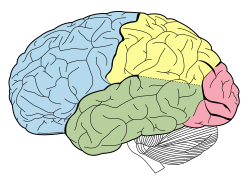
Neurocognitive functions are cognitive functions closely linked to the function of particular areas, neural pathways, or cortical networks in the brain, ultimately served by the substrate of the brain's neurological matrix (i.e. at the cellular and molecular level). Therefore, their understanding is closely linked to the practice of neuropsychology and cognitive neuroscience – two disciplines that broadly seek to understand how the structure and function of the brain relate to cognition and behaviour.[citation needed]

A neurocognitive deficit is a reduction or impairment of cognitive function in one of these areas, but particularly when physical changes can be seen to have occurred in the brain, such as aging related physiological changes or after neurological illness, mental illness, drug use, or brain injury.[1][2]

A clinical neuropsychologist may specialise in using neuropsychological tests to detect and understand such deficits, and may be involved in the rehabilitation of an affected person. The discipline that studies neurocognitive deficits to infer normal psychological function is called cognitive neuropsychology.

Etymology

[edit]

The term neurocognitive is a recent addition to the nosology of clinical Psychiatry and Psychology. It was rarely used before the publication of the DSM-5, which updated the psychiatric classification of disorders listed in the "Delirium, Dementia, and Amnestic and Other Cognitive Disorders" chapter of the DSM-IV.[3] Following the 2013 publication of the DSM-5, the use of the term "neurocognitive" − increased steadily.[4]

Adding the prefix "neuro-" to the word "cognitive" is an example of pleonasm because analogous to expressions like "burning fire" and "black darkness", the prefix "neuro-" adds no further useful information to the term "cognitive". In the field of clinical neurology, clinicians continue using the simpler term "cognitive", due to the absence of evidence for human cognitive processes that do not involve the nervous system.[citation needed]

See also

[edit]

References

[edit]

Further reading

[edit]
Revisions and contributorsEdit on WikipediaRead on Wikipedia
from Grokipedia
Neurocognition refers to the of cognitive processes and functions as they relate to underlying activity and neural mechanisms. It encompasses core domains including , , executive functioning, processing speed, , and perceptual abilities, which are investigated to understand how the enables learning, , and to the environment. This field bridges and , emphasizing the integration of behavioral performance with structure and function. Central to neurocognition is the examination of how specific regions and networks support cognitive abilities, often revealed through advanced techniques such as (fMRI), (EEG), and event-related potentials (ERPs). For instance, is closely linked to activity, while relies on interactions between the hippocampus and medial temporal lobes. These investigations highlight neurocognition's role in identifying biomarkers for cognitive health, with applications extending to aging, where declines in processing speed and executive function are associated with structural changes like reduced integrity. In clinical contexts, neurocognition provides insights into impairments across various conditions, informing diagnostic and rehabilitative strategies. Standardized assessments, such as the MATRICS Consensus Cognitive Battery, measure deficits in domains like verbal learning and , aiding in the evaluation of disorders including and neurodegenerative diseases. Interventions like cognitive training and non-invasive (e.g., , tDCS) target these deficits to enhance functional outcomes, underscoring neurocognition's practical significance in improving . Ongoing continues to refine these approaches, integrating genetic and environmental factors to predict cognitive trajectories.

Introduction

Definition

Neurocognition refers to the scientific study of cognitive processes—such as thinking, learning, remembering, and problem-solving—as they are implemented and influenced by specific neural mechanisms within the and . This field examines how these mental functions emerge from underlying brain activity, including neural pathways and physiological processes that support or modulate . The study of neurocognition is inherently multidisciplinary, drawing from to understand behavioral patterns, to investigate biological substrates, and to link cognitive deficits with brain dysfunction. This integration allows researchers to explore cognition not in isolation but as a product of interconnected neural systems, fostering advancements in both theoretical models and practical applications. In contrast to general cognition, which primarily addresses observable behaviors and mental operations without emphasizing biological underpinnings, neurocognition prioritizes the neural foundations that enable these processes. For instance, everyday tasks like depend on synchronized neural activities that integrate sensory input, retrieval, and evaluative judgments, highlighting the brain's role in shaping cognitive outcomes.

Etymology and Historical Development

The term "neurocognition" combines the prefix "neuro-," derived from the word neûron meaning "" or "sinew," with "," which originates from the Latin cognoscere meaning "to become acquainted with" or "to know." This nomenclature reflects the field's emphasis on the neural underpinnings of mental processes, distinguishing it from broader psychological inquiries into . The noun form "neurocognition" gained traction in the 1980s and 1990s as formalized, often used interchangeably with aspects of that discipline to denote brain-based cognitive functions. The historical roots of neurocognition trace back to 19th-century efforts to localize mental functions in the brain, beginning with phrenology's pseudoscientific mapping of skull shapes to personality traits in the early 1800s by , though this approach lacked empirical rigor. A pivotal milestone came in 1861 when French neurologist identified a lesion in the left inferior frontal gyrus of patient "Tan" (Louis Leborgne), who exhibited severe despite intact comprehension, providing the first anatomical evidence linking brain regions to specific cognitive abilities like . This discovery shifted inquiries from holistic views of the mind toward modular neural localization, laying groundwork for . The 20th century saw neurocognition emerge through the of the 1950s and 1960s, which challenged behaviorism's rejection of internal mental states by integrating , , and . Key figures included , whose 1957 critique of B.F. Skinner's argued for innate cognitive structures in , and George A. Miller, who in 1956 proposed limits on capacity (the "magical number seven, plus or minus two") at the seminal . By the late 1970s, and George A. Miller coined the term "" during a conversation, formalizing the interdisciplinary study of brain-cognition links. In the 1980s, neurocognition advanced with computational models and clinical insights from pioneers like Michael I. Posner, who developed frameworks for attention networks using reaction-time paradigms, and Tim Shallice, whose supervisory attentional system model explained executive control deficits in patients. The rise of , exemplified by David E. Rumelhart and James L. McClelland's 1986 Parallel Distributed Processing volumes, introduced simulations of learning and , bridging biology and computation. The field's institutionalization culminated in 1994 with the founding of the Cognitive Neuroscience Society by Gazzaniga and others, fostering annual meetings and standardized methodologies that propelled neurocognition into mainstream research.

Core Cognitive Domains

Attention and Perception

Attention refers to the cognitive processes that enable individuals to selectively focus on specific stimuli or tasks while filtering out irrelevant information, playing a crucial role in guiding and in neurocognition. It manifests in distinct types, including sustained attention, which maintains vigilance over extended periods to detect infrequent or unpredictable events; selective , which prioritizes relevant stimuli amid distractions; and divided , which distributes cognitive resources across multiple concurrent tasks, often at the cost of performance efficiency. These types are not mutually exclusive but interact dynamically to support adaptive processing in complex environments. Perception, in contrast, encompasses the organization and interpretation of sensory inputs to form coherent representations of the world. It operates through bottom-up mechanisms, which are stimulus-driven and rely on raw sensory data to build perceptions from basic features like edges and colors, and top-down mechanisms, which are influenced by prior , expectations, and to shape interpretation. The interplay between these processes ensures efficient sensory integration, with bottom-up pathways providing rapid, automatic detection and top-down influences refining ambiguous inputs for goal-directed . Neural mechanisms underlying attention involve coordinated activity across frontal and parietal brain regions. The parietal lobe, particularly the superior parietal lobule, supports spatial attention by mapping visual space and facilitating shifts in focus. The frontal eye fields, located in the prefrontal cortex, contribute to orienting attention toward salient stimuli, integrating sensory and motor signals to direct gaze and covert attention. A foundational framework for these mechanisms is Posner's orienting model, which delineates three attention networks: the alerting network for achieving and sustaining arousal; the orienting network for disengaging, shifting, and reorienting attention; and the executive control network for detecting conflicts and resolving interference. These networks exhibit functional specificity, with the alerting system modulated by norepinephrine pathways and the orienting system reliant on parietal-frontal circuits. Key experiments illustrate these processes through measurable interference effects. The demonstrates selective attention's vulnerability to conflict, where naming the ink color of a word (e.g., the word "red" printed in blue ink) is slower and more error-prone than neutral naming due to automatic reading processes overriding color perception. This interference highlights the competition between automatic and controlled attentional processes. Similarly, the phenomenon reveals temporal limits in attention allocation during (RSVP) tasks, where identifying a second target (T2) shortly after the first (T1, within 200-500 ms) impairs detection, suggesting a refractory period in attentional processing. Attention and perception interact closely, with perceptual organization influencing attentional deployment in visual processing. Perceptual biases guided by Gestalt principles—such as proximity (grouping nearby elements) and similarity (grouping like features)—facilitate automatic capture of by structuring sensory input into meaningful wholes, thereby modulating search efficiency and reducing . For instance, grouped elements following these principles elicit faster attentional shifts and enhanced neural responses in early visual areas compared to ungrouped displays. This interaction underscores how bottom-up perceptual cues can bias top-down attentional priorities, optimizing real-time sensory interpretation. overlap with attention in executive control network activities, such as during perceptual tasks. Assessment of these mechanisms often employs electrophysiological techniques like EEG to capture event-related potentials reflecting attentional orienting.

Processing Speed

Processing speed refers to the efficiency and rapidity with which cognitive operations are performed, such as reacting to stimuli or completing simple perceptual-motor tasks. It is a foundational cognitive domain that influences overall cognitive performance, as slower processing can bottleneck higher-order functions like and executive control. In neurocognition, processing speed is often measured by tasks requiring quick responses, such as symbol-digit coding or choice reaction time tests, where declines are early markers of cognitive aging or neurological impairment. Neural underpinnings involve integrity and myelination, particularly in frontoparietal networks, which facilitate rapid signal transmission. The and play key roles, with disruptions in these areas, as seen in conditions like , leading to slowed processing. Processing speed develops rapidly in childhood, peaks in early adulthood, and declines gradually with age, correlating with reductions in brain volume and connectivity.

Memory Systems

Memory systems in neurocognition encompass the brain's mechanisms for acquiring, maintaining, and accessing information, categorized primarily into declarative and non-declarative types based on their content, neural substrates, and conscious accessibility. Declarative memory involves explicit, consciously accessible knowledge of facts and events, divided into episodic memory, which captures personal experiences tied to specific contexts and times, and semantic memory, which stores general knowledge about the world, such as concepts and facts. Episodic memory relies on the hippocampus for forming and retrieving context-bound traces, while semantic memory depends on distributed networks in the anterior temporal lobes for abstract representations. In contrast, non-declarative memory operates implicitly, influencing behavior without conscious awareness, including procedural memory for skills and habits, mediated by the basal ganglia, and priming, which facilitates processing of previously encountered stimuli through neocortical regions. The formation and utilization of memories occur through distinct stages: encoding, consolidation, and retrieval. Encoding transforms sensory input into a durable neural trace, often guided by attentional processes that select relevant for further processing. Consolidation stabilizes these traces, progressing from initial synaptic changes to systems-level integration, with playing a critical role in replaying experiences to strengthen long-term storage across hippocampal and cortical networks. Retrieval involves reactivating stored , typically cue-dependent, where contextual or associative cues facilitate access to the memory trace. Influential models have shaped understanding of these systems. The Atkinson-Shiffrin multi-store model posits a sequential architecture with sensory registers for brief input retention, a short-term store limited to about seven items for active rehearsal, and a long-term store for permanent retention, emphasizing rehearsal as the gateway from short- to long-term memory. Tulving's encoding specificity principle further refines retrieval dynamics, asserting that memory performance depends on the overlap between encoding and retrieval contexts, such that cues effective only if they match the original learning conditions enhance recall. Neural mechanisms underpin these processes with region-specific contributions. The hippocampus is central to within episodic systems, as evidenced by place cells—neurons that fire selectively when an animal occupies specific locations—first identified in rats by O'Keefe in 1971, supporting navigation and context binding. The modulates emotional memory by enhancing consolidation and retrieval of affectively charged events through interactions with the hippocampus and , prioritizing salient experiences for survival relevance.

Executive Functions

Executive functions refer to a set of higher-order cognitive processes that enable goal-directed , including the ability to , inhibit impulses, and adapt to changing demands. These processes are essential for regulating thought and action in complex, novel situations, distinguishing them from more automatic or habitual responses. Core components include , which involves suppressing prepotent or irrelevant responses to maintain focus on relevant information; , which temporarily holds and manipulates information for ongoing tasks; and , which allows shifting mental sets or perspectives in response to environmental changes. The neural basis of executive functions is primarily rooted in the (PFC), with specific subregions supporting distinct aspects. The (DLPFC) is critically involved in , facilitating the active maintenance and manipulation of information through its connections with parietal and temporal regions. In contrast, the (OFC) plays a key role in , particularly in evaluating rewards and suppressing impulsive actions based on emotional and contextual cues. A influential framework, the unity and diversity model proposed by Miyake et al., posits that while these components share a common executive resource—evidenced by moderate correlations in individual differences—they also exhibit separable processes, as demonstrated through latent variable analyses of tasks targeting shifting, updating, and inhibition. This model highlights both the integrated ("unity") and differentiated ("diversity") nature of , supported by genetic and evidence. Key paradigms for assessing executive functions include the (WCST), which measures through participants' ability to sort cards by changing rules, with perseverative errors—repeatedly applying an outdated rule—indicating deficits in set-shifting. Similarly, the task evaluates planning efficiency by requiring participants to move disks between pegs to match a target configuration in the minimum moves, emphasizing foresight and to avoid rule violations. These tasks reveal impairments in clinical populations, such as those with damage, where increased perseverations or excess moves correlate with PFC dysfunction. Executive functions mature progressively from childhood through adulthood, with significant development occurring during due to myelination and in the PFC. and improve steadily from early childhood, reaching adult-like levels by late or early adulthood, while continues to refine into the mid-20s. Peak performance typically occurs in mid-life, around ages 40-50, after which subtle declines may emerge, particularly in tasks requiring rapid shifting, though crystallized aspects like remain stable longer. This trajectory underscores the protracted development of PFC-dependent processes, influencing adaptive behaviors across the lifespan.

Language and Social Cognition

Language processing in neurocognition encompasses distinct domains that underpin the comprehension and production of spoken and . Phonological processing, which involves the recognition and manipulation of speech sounds, is primarily associated with activation in the posterior (STG). This region facilitates the mapping of acoustic signals to phonetic representations, enabling the segmentation of continuous speech into meaningful units. Syntax, the structural rules governing sentence formation, engages in the left , which supports hierarchical processing of grammatical relationships and for phrase structure. Semantic processing, responsible for deriving meaning from words and sentences, relies on in the posterior , where lexical representations and conceptual associations are integrated to support comprehension. Social cognition extends neurocognitive frameworks to interpersonal understanding, involving the inference of others' mental states and emotional experiences. (ToM), the ability to attribute beliefs, intentions, and desires to others, activates a network including the medial prefrontal cortex (mPFC) for self-referential processing and the (TPJ) for perspective-taking and agency attribution, as outlined in Frith's social brain model that emphasizes interconnected regions for mentalizing. , the shared experience of others' emotions, is mediated by the mirror neuron system, particularly in the , where neurons fire both during action execution and observation, facilitating emotional resonance and . Key theoretical frameworks have shaped understanding of these processes. Chomsky's theory of posits an innate biological endowment for , enabling children to rapidly learn complex across diverse s through a genetically specified faculty. Frith's model of the social brain network integrates ToM and within a distributed system, highlighting how disruptions in mPFC-TPJ connectivity contribute to social impairments in conditions like autism. Bilingualism influences neurocognitive and social processing by enhancing executive control mechanisms, such as and task-switching, due to constant language selection demands. Structural adaptations include increased gray matter density in prefrontal regions like the , supporting and delaying age-related decline. These effects underscore bilingualism's role in bolstering adaptive social through refined attentional modulation.

Neurobiological Foundations

Neural Substrates and Brain Regions

The , particularly the , serves as a primary neural substrate for , including , , and . This region's involvement is evidenced by its role in maintaining goal-directed behavior and modulating , as disruptions here impair the ability to override automatic responses. The contributes significantly to and language processing, with structures like the hippocampus enabling the formation of declarative memories and the supporting auditory comprehension and semantic representation. For instance, the hippocampus plays a key role in encoding, linking anatomy to cognitive domains such as memory systems. The underpins spatial attention and visuospatial integration, where the directs attentional shifts toward relevant stimuli in the environment. Meanwhile, the functions as the core substrate for , processing basic features like color, shape, and motion through the primary (V1) and extending to higher-order areas for . Large-scale brain networks further elucidate the distributed nature of neurocognitive substrates. The (DMN), encompassing the medial , , and hippocampus, activates during introspective states such as and autobiographical , facilitating self-referential processing and internal mentation. Connections between the hippocampus and regions within the DMN support the integration of past experiences into future-oriented . In contrast, the , anchored in the anterior insula and dorsal , detects behaviorally relevant stimuli and coordinates switches between internal and external focus, enabling rapid prioritization of salient events. These networks highlight how neurocognition emerges from coordinated activity across regions rather than isolated structures. Lesion studies have provided foundational insights into regional specificity. The case of , who in 1848 sustained prefrontal damage from a tamping iron accident, demonstrated profound personality alterations, including diminished impulse control and emotional regulation, underscoring the frontal lobe's role in and executive integrity. Similarly, split-brain research by Roger Sperry in the 1960s, involving patients with severed , revealed hemispheric specialization: the left hemisphere dominates language and analytical tasks, while the right excels in visuospatial processing, illustrating interhemispheric divisions in neurocognitive functions. Such assessments via lesions confirm anatomical mappings to without relying on advanced imaging. Neural plasticity mechanisms, including and , allow these substrates to adapt over time. In the hippocampus, neurogenesis generates new dentate granule cells that integrate into existing circuits, supporting learning and adaptability in adulthood. , mediated by during development, refines connectivity by eliminating excess synapses, thereby optimizing neural efficiency and circuit maturation across brain regions like the cortex and hippocampus. These processes ensure that neurocognitive substrates remain dynamic, responding to experience and developmental demands.

Neurotransmitters and Neural Circuits

Neurocognition relies on the intricate interplay of neurotransmitters and neural circuits that facilitate and processing across networks. Neurotransmitters act as chemical messengers modulating synaptic activity, while neural circuits form interconnected pathways that integrate sensory, motivational, and executive signals to support cognitive functions such as , , and . These elements ensure balanced excitation and inhibition, enabling adaptive responses to environmental demands. Dopamine, a key catecholamine , plays a central role in reward processing and motivation through the , originating in the and projecting to the . This pathway promotes aroused states and directs toward rewarding stimuli, influencing goal-directed behaviors and learning. Serotonin, synthesized in the , modulates mood regulation and emotional processing, with projections to the that fine-tune and impulse control. , released from neurons in the , enhances attentional mechanisms by optimizing cortical information processing and facilitating sensory encoding. Meanwhile, glutamate serves as the primary excitatory , driving , while GABA provides inhibitory balance to prevent neural overload, maintaining an excitation-inhibition equilibrium essential for stable cognitive operations. Neural circuits amplify these neurotransmitter effects through structured connectivity. Thalamocortical loops, involving reciprocal projections between the and cortex, act as gates for sensory input, selectively filtering and relaying information to higher cortical areas to support perceptual awareness and cognitive integration. Cortico-striatal pathways, linking the cortex to the , facilitate habit formation by reinforcing stimulus-response associations, particularly via the direct and indirect pathways in the that modulate action selection and . Dysregulation of these systems can impair neurocognitive functions. In , dopamine imbalances in the mesolimbic and mesocortical pathways disrupt , leading to deficits in and cognitive control due to excessive subcortical signaling and prefrontal hypodopaminergia. Similarly, cholinergic deficits originating in the contribute to memory impairment in , as reduced innervation to the hippocampus and cortex hinders and episodic recall. Pharmacological modulation targets these circuits for cognitive enhancement. Selective serotonin reuptake inhibitors (SSRIs) increase serotonin availability in raphe-cortical pathways, promoting and improving executive function and in mood disorders by facilitating relearning and reducing negative bias in information processing.

Methods of Assessment

Neuropsychological Testing

Neuropsychological testing involves the administration of standardized behavioral tasks to evaluate cognitive functions such as , , , and executive abilities, providing indirect inferences about integrity and neurocognitive status. These assessments are essential in neurocognition for identifying patterns of impairment, tracking changes over time, and informing clinical decisions without relying on physiological measures. Tests are designed to be sensitive to specific cognitive domains while minimizing factors like sensory or motor limitations. Key categories of tests target core neurocognitive domains. For intelligence, the Wechsler Adult Intelligence Scale-Fifth Edition (WAIS-5), released in 2024, measures overall IQ through subtests assessing verbal comprehension, visual spatial, fluid reasoning, , and processing speed, yielding a Full Scale IQ score that reflects general . In memory assessment, the (WMS), originally developed in 1945 and revised multiple times, including the fifth edition (WMS-5) released in September 2025, evaluates immediate and delayed recall, recognition, and visual-spatial via tasks like story recall and visual reproduction, helping to distinguish between encoding, storage, and retrieval deficits. is commonly probed using the Continuous Performance Test (CPT), introduced in 1956, which requires sustained vigilance to respond to target stimuli amid distractors, quantifying errors of omission and commission to detect lapses in selective and sustained . Executive functions are assessed with tools like the (TMT), adapted by Reitan in 1958 from earlier versions, where Part A measures visuomotor speed and Part B evaluates set-shifting by alternating between numbers and letters, revealing and abilities. Administration of these tests follows strict protocols to ensure reliability, with norms stratified by age and to account for demographic influences on performance. For instance, older adults or those with lower education levels may score lower on timed tasks due to slower processing speeds, necessitating adjusted cutoffs for impairment classification. However, concerns about persist, as laboratory-based tests may not fully capture real-world cognitive demands, such as multitasking in daily environments, potentially limiting their generalizability. Scoring typically involves raw scores converted to standardized metrics, such as T-scores or scaled scores, which are aggregated into composite indices for domain-specific interpretation. For example, the WAIS-5 provides index scores for each cognitive domain, allowing clinicians to identify relative strengths and weaknesses. Interpretation also draws on qualitative error patterns, such as perseverations in the TMT, to infer lateralization; right-hemisphere lesions may produce more spatial errors, while left-hemisphere damage often yields verbal or sequencing deficits. These inferences support hypotheses about localized brain dysfunction, though they require corroboration from multiple tests. Cultural adaptations are crucial to mitigate in non-Western populations, where unfamiliar stimuli or linguistic structures can artifactually lower scores. Guidelines from the International Test Commission recommend forward-backward translation, local norming, and content modifications, such as replacing culturally irrelevant items in the WAIS-5 for use in Latin American or Asian cohorts, to enhance equivalence and reduce disparities in diagnostic accuracy. Such adjustments have improved validity in diverse groups, ensuring fairer assessments across global contexts.

Neuroimaging and Electrophysiological Techniques

Neuroimaging techniques provide non-invasive methods to visualize structure and function during cognitive processes, offering insights into the neural correlates of neurocognition. (fMRI) relies on the blood-oxygen-level-dependent (BOLD) signal, which detects hemodynamic changes coupled to neural activity, achieving a of approximately 1-3 mm. This technique maps regional activation by measuring variations in blood flow and oxygenation in response to cognitive tasks, such as or retrieval. Positron emission tomography (PET) assesses metabolic activity through tracers like 18F-fluorodeoxyglucose (FDG), which tracks cerebral as a proxy for neuronal demands. Seminal work established the deoxyglucose method, quantifying local glucose utilization via Michaelis-Menten kinetics of tracer transport. In neurocognition, PET reveals patterns of hypometabolism in regions like the posterior cingulate during memory tasks. Structural magnetic resonance imaging (MRI), analyzed via voxel-based morphometry (VBM), quantifies gray matter volume by segmenting T1-weighted images and performing statistical comparisons across voxels. This approach identifies subtle atrophy in cognitive networks, such as reduced hippocampal volume associated with memory decline. Electrophysiological methods directly record neural electrical activity with high temporal precision. Electroencephalography (EEG) captures event-related potentials (ERPs), such as the P300 component, which reflects attentional allocation and cognitive processing during oddball tasks. The P300 latency and amplitude index working memory and selective attention, peaking around 300 ms post-stimulus. Magnetoencephalography (MEG) measures magnetic fields generated by intracellular currents, enabling source localization of neural generators with millisecond . In cognitive studies, MEG localizes oscillatory activity in or networks, complementing EEG by reducing signal distortion from tissues. Intracranial recordings, often obtained from patients via depth electrodes, provide high-fidelity signals from deep brain structures during cognitive tasks. These recordings reveal single-unit and underlying or memory encoding, offering superior spatial specificity compared to scalp methods. Each technique has distinct advantages and limitations in probing neurocognition. fMRI excels in spatial localization (~1-3 mm) but suffers from poor temporal resolution (~seconds) due to hemodynamic delays, limiting its use for rapid cognitive dynamics. Conversely, EEG and MEG provide excellent temporal resolution (~ms) for tracking event timing but have lower spatial resolution (~cm for EEG, improved in MEG), complicating precise source identification. PET offers metabolic insights but involves radiation exposure and lower resolution (~4-6 mm). Task paradigms in these methods manipulate to isolate neural responses. Block designs alternate sustained periods of task and rest, maximizing signal detection for overall activation but risking . Event-related designs present stimuli jittered in time, allowing of transient responses to individual events like target detection, though with reduced statistical power. These paradigms are tailored to technique strengths, such as event-related for EEG's temporal sensitivity.

Clinical Applications

Neurocognitive Disorders

Neurocognitive disorders encompass a range of pathological conditions characterized by significant cognitive decline from a previous level of functioning, as defined in the DSM-5-TR by the . These disorders are classified into mild neurocognitive disorder (NCD), which involves modest cognitive impairments that do not severely interfere with independence but may require some support, and major NCD (often termed ), marked by substantial decline leading to marked interference in daily activities. The subtypes include NCD due to , vascular NCD, NCD with Lewy bodies, NCD due to , frontotemporal NCD, and others attributable to , HIV infection, or substance use. Alzheimer's disease, the most common cause of major NCD, primarily manifests with progressive loss due to the accumulation of amyloid-beta plaques and tau neurofibrillary tangles in the , leading to hippocampal atrophy that correlates with cognitive decline. , often resulting from multi-infarct pathology due to cumulative strokes, predominantly affects such as planning, problem-solving, and processing speed, with deficits exacerbated by lesions from . can lead to NCD through , which disrupts widespread neural connectivity and commonly impairs , , and information processing speed. Progression from (MCI), a prodromal state often considered a mild NCD, to major occurs in approximately 10-15% of cases annually, particularly in amnestic MCI subtypes, with the APOE ε4 serving as a key predictive factor that more than doubles the risk of conversion to Alzheimer's-type . features prominent early loss of , including impaired , , and recognition of facial emotions, stemming from degeneration in frontal and temporal lobes. In Parkinson's disease-related NCD, executive slowing and deficits in set-shifting arise from dopaminergic neuron loss in the , disrupting frontostriatal circuits essential for . Epidemiologically, MCI affects 10-20% of individuals over age 65, with prevalence rising sharply with advancing age, while major NCD impacts about 10-11% in this group (as of 2025). Key risk factors include advanced age, which independently elevates susceptibility through cumulative neuronal vulnerability, and , which promotes vascular damage and increases MCI risk by approximately 40% via and reduced cerebral blood flow.

Diagnosis, Interventions, and Rehabilitation

Diagnosis of neurocognitive issues typically involves multimodal approaches that integrate clinical history, cognitive assessments, laboratory tests, and neuroimaging to achieve high diagnostic accuracy. Biomarkers such as cerebrospinal fluid (CSF) analysis for low amyloid-β42 and elevated total tau (t-tau) and phosphorylated tau (p-tau) levels are particularly valuable for Alzheimer's disease (AD), offering up to 90% accuracy when combined with brain imaging in predicting progression from mild cognitive impairment to AD. Genetic testing, including apolipoprotein E (APOE) ε4 allele genotyping, serves as a risk assessment tool for late-onset AD, though it is not recommended for routine screening due to its probabilistic nature rather than deterministic role. Differential diagnosis is crucial, distinguishing insidious, progressive cognitive decline in dementia from the acute, fluctuating symptoms of delirium, often through careful history-taking and exclusion of reversible causes like infections or medications. Pharmacological interventions target specific neurocognitive deficits to alleviate symptoms and slow progression. Cholinesterase inhibitors like donepezil enhance transmission, improving and delaying cognitive decline in AD patients, with significant reductions in Neuropsychiatric Inventory scores observed over 24 weeks compared to . Recent anti-amyloid monoclonal antibodies, such as and , target amyloid-beta plaques and have demonstrated slowing of cognitive decline by 27-35% in early AD and MCI stages in clinical trials as of 2025. For schizophrenia-related cognitive impairments, atypical antipsychotics such as and provide modest neurocognitive benefits, including enhancements in executive function and , particularly in first-episode patients when initiated early. Non-pharmacological strategies emphasize behavioral and technological methods to bolster cognitive resilience. Computerized cognitive training programs, such as those targeting through adaptive exercises, yield immediate improvements in spatial and verbal tasks, with some effects persisting at six-month follow-up in populations with -related deficits. EEG-based trains individuals to modulate brain wave patterns, leading to gains in , , and executive function in patients, as demonstrated in protocols involving theta/beta ratio adjustments over multiple sessions. Rehabilitation focuses on restoring functional abilities through targeted therapies and outcome evaluation. , adapted for spatial , restricts use of the unaffected side to promote engagement with neglected space, resulting in improved visuospatial and daily activity post-stroke. Outcome measures like the Functional Independence Measure assess gains in , showing significant improvements with large effect sizes (r = 0.61) following intensive rehabilitation protocols.

Current Research and Future Directions

Emerging Methodologies and Technologies

has emerged as a pivotal technique for precisely controlling neuronal activity in animal models, enabling researchers to dissect the neural circuits underlying cognitive processes such as learning and . By expressing light-sensitive channels in specific populations, optogenetic allows for millisecond-precision or inhibition, revealing causal relationships in neurocognitive functions like in . Recent advancements, including minimally invasive upconversion nanoparticles for deeper tissue penetration, have expanded its application to neurodegenerative models, such as , where targeted modulation improves motor-cognitive coordination without invasive fiber optics. Complementing , advances full-brain mapping through high-resolution electron microscopy, reconstructing synaptic connectivity to uncover the structural basis of . Post-2020 developments, such as automated serial-sectioning and AI-assisted reconstruction, have enabled nanoscale mapping of mammalian brain volumes, identifying wiring patterns linked to in mouse models. For instance, the achieved the largest to date in 2025, integrating functional data to model in visual processing circuits. These maps provide a scaffold for simulating neurocognitive dynamics, bridging and . In digital tools, precision neurocognition represents a 2025 framework leveraging AI to enable personalized cognitive phenotyping, analyzing subtle behavioral signatures from digital assessments to predict individual vulnerability to disorders like Alzheimer's. This approach integrates multimodal data—such as response latencies and error patterns from app-based tasks—to stratify cognitive profiles at unprecedented granularity, surpassing traditional diagnostics in sensitivity for early detection. Concurrently, mobile EEG systems facilitate real-world data collection, capturing neural oscillations during naturalistic activities like walking or social interaction, with signal quality comparable to lab settings as demonstrated in 2025 community studies. These portable devices, often wireless and dry-electrode based, yield insights into ecological validity of cognitive processes, such as attention in dynamic environments. AI applications in neurocognition increasingly focus on models that predict (MCI) progression using multimodal data, including , , and clinical metrics. A 2024 ensemble model integrating longitudinal MRI and cognitive scores achieved 92.92% accuracy in forecasting MCI-to-dementia conversion within four years, highlighting the power of for trajectory modeling. Similarly, multimodal fusion techniques from the same year reported 80-90% accuracy in classifying progression risk, emphasizing biomarkers like hippocampal volume changes and pathology. These predictive tools support early intervention by simulating personalized outcomes, advancing from population-level statistics to individual forecasts. Wearable smart devices are transforming monitoring through non-invasive sensors tracking (HRV) and eye-tracking, providing continuous biomarkers of mental effort in daily life. HRV, reflecting autonomic balance, correlates with executive function demands, with 2025 studies showing reduced variability during high-load tasks via wrist-based photoplethysmography. Eye-tracking wearables, such as smart glasses, quantify pupillary responses and gaze patterns to index attentional shifts, achieving robust detection of cognitive overload in real-time applications like simulations. Integrated AI algorithms process these signals for adaptive alerts, enhancing neurocognitive assessment beyond controlled settings.

Challenges, Controversies, and Ethical Considerations

One of the primary methodological challenges in neurocognition research is the reproducibility crisis, particularly evident in (fMRI) studies, where replication rates for group activations have been reported as low as 10-20% in some meta-analyses due to factors like small sample sizes and variability in experimental protocols. This issue is compounded by complex data workflows, including preprocessing pipelines that can introduce inconsistencies, leading to inflated false positives in brain-wide association studies. Additionally, variability in neurocognitive performance confounds group averages, as intra- fluctuations across tasks—such as reaction times or error rates—can mask true population-level effects and reduce statistical power in studies of cognitive traits. For instance, factors like length and parcellation choices in functional connectivity analyses further exacerbate these discrepancies, highlighting the need for larger, more standardized datasets to account for such heterogeneity. Controversies in neurocognition persist around the debate in cognitive plasticity, where genetic predispositions interact dynamically with environmental influences to shape adaptability, challenging simplistic dichotomies and emphasizing bidirectional gene-environment interplay throughout development. from suggests that while innate neural circuits provide a foundation, experiential factors like and stress can profoundly alter synaptic pruning and myelination, underscoring that plasticity is neither purely hereditary nor entirely environmentally determined. Another ongoing debate concerns localizationism versus distributed functions, with traditional views positing discrete regions for specific cognitive processes clashing against modern of combinatorial coding across networks, where mental representations emerge from widespread, overlapping activations rather than isolated modules. This tension is particularly acute in understanding higher-order cognition, as functional localization evolves toward hybrid models integrating both focal and diffuse processing hierarchies. Ethical considerations in neurocognition are multifaceted, particularly regarding through nootropics, which raise equity concerns as access to cognitive boosters like disproportionately benefits affluent individuals, potentially widening socioeconomic disparities in educational and professional outcomes. Privacy issues surrounding brain data from are amplified under regulations like the General Data Protection Regulation (GDPR), which classifies neural scans as sensitive biometric information requiring stringent anonymization to prevent reidentification risks, yet current deidentification tools often fall short in fully mitigating these threats. Furthermore, obtaining from vulnerable populations, such as patients, poses significant challenges, as fluctuating capacity necessitates ongoing assent processes and proxy involvement to ensure while avoiding exploitation in research settings. In neurocognitive studies involving , ethical protocols emphasize repeated evaluations of decisional capacity and inclusive recruitment to balance scientific validity with participant rights. Future gaps in neurocognition research include the underrepresentation of diverse populations, with racial and ethnic minorities comprising less than 20% of participants in many Alzheimer's neuroimaging trials despite higher disease risks in these groups, leading to biased models that overlook cultural and genetic variations. This lack of inclusivity extends to neurological research broadly, where underserved communities are systematically excluded, perpetuating health inequities. Integrating —such as and neighborhood factors—into neurocognitive models remains underdeveloped, yet preliminary evidence indicates these elements predict variability in executive function and outcomes beyond biological markers alone. Addressing this requires interdisciplinary frameworks that embed social contexts to enhance the generalizability and equity of findings.

References

Add your contribution
Related Hubs
User Avatar
No comments yet.