Hubbry Logo
RibonucleaseRibonucleaseMain
Open search
Ribonuclease
Community hub
Ribonuclease
logo
8 pages, 0 posts
0 subscribers
Be the first to start a discussion here.
Ribonuclease
Ribonuclease
from Wikipedia
Ribonuclease
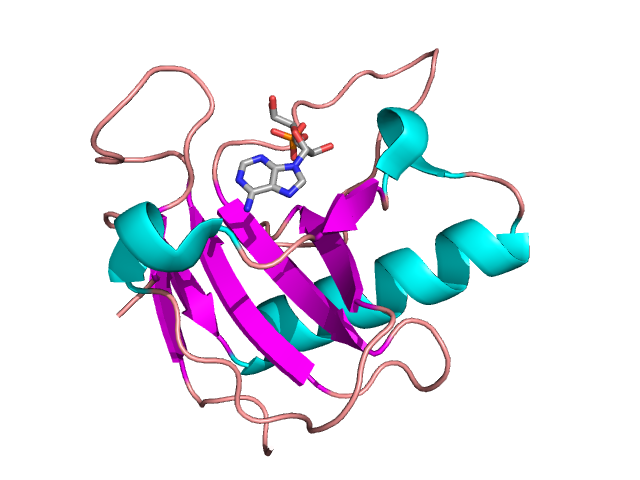
Ustilago sphaerogena Ribonuclease U2 with AMP PDB entry 3agn[1]
Identifiers
SymbolRibonuclease
PfamPF00545
InterProIPR000026
SCOP21brn / SCOPe / SUPFAM
Available protein structures:
Pfam  structures / ECOD  
PDBRCSB PDB; PDBe; PDBj
PDBsumstructure summary
PDB1mgwA:56-137 1mgrA:56-137 1uckB:11-92

1i70A:11-92 2sarA:11-92 1ucjB:11-92 1lniB:11-92 1ay7A:11-92 1t2hB:11-92 1boxA:11-92 1uclA:11-92 1rgeB:11-92 1t2iA:11-92 1c54A:11-92 1rsnB:11-92 1gmqA:11-92 1uciA:11-92 1sarB:11-92 1gmpA:11-92 1rgfA:11-92 1rggB:11-92 1rghB:11-92 1i8vB:11-92 1gmrB:11-92 1ynvX:11-92 1py3B:79-159 1pylA:79-159 2rbiB:72-161 1goyA:72-161 1gouB:72-161 1govA:72-161 1bujA:72-161 1baoB:67-156 1bsdA:67-156 1banB:67-156 1brhA:67-156 1brgC:67-156 1brkC:67-156 1bnsA:67-156 1bnfB:67-156 1bgsB:67-156 1bnjB:67-156 1bsaB:67-156 1bsbC:67-156 1b3sB:67-156 1x1wB:67-156 1bniB:67-156 1b2xB:67-156 1b2zA:67-156 1bscC:67-156 1bseB:67-156 1x1yB:67-156 1briC:67-156 1b2uC:67-156 1b27C:67-156 1b20B:67-156 1bnr :67-156 1b2sC:67-156 1yvs :67-156 1brsC:67-156 1brjC:67-156 1bneA:67-156 1bngC:67-156 1a2pA:67-156 1x1uB:67-156 1fw7A:67-156 1rnbA:67-156 1b21C:67-156 1x1xB:67-156 1brnM:67-156 1b2mA:46-129 1i0vA:46-129 1rls :46-129 1fysA:46-129 1bviB:46-129 1i2eA:46-129 2hohD:46-129 3rnt :46-129 6gsp :46-129 4gsp :46-129 1lowA:46-129 1i0xA:46-129 1birB:46-129 1trqA:46-129 1det :46-129 1i2gA:46-129 3bu4A:46-129 1rn1A:46-129 1rnt :46-129 4hohD:46-129 1rga :46-129 4bu4A:46-129 1rhlA:46-129 5bu4A:46-129 1hz1A:46-129 1trpA:46-129 5hohA:46-129 7gspA:46-129 1ygw :46-129 1gsp :46-129 1bu4 :46-129 6rnt :46-129 1ch0B:46-129 1rgcB:46-129 4bir :46-129 2rnt :46-129 3hohD:46-129 1rgl :46-129 1rn4 :46-129 1fzuA:46-129 1lovA:46-129 5gsp :46-129 9rnt :46-129 3bir :46-129 1q9eC:46-129 1i3fA:46-129 5birA:46-129 1g02A:46-129 1loyA:46-129 2birA:46-129 1ttoA:46-129 2aadB:46-129 1lra :46-129 1i3iA:46-129 2bu4A:46-129 2gsp :46-129 1hyfA:46-129 3gsp :46-129 1iyyA:46-129 7rnt :46-129 2aae :46-129 8rnt :46-129 5rnt :46-129 1i2fA:46-129 4rnt :46-129 1rgk :46-129 1rms :21-102 1rds :21-102 1fut :45-127 1rcl :45-127 1fus :45-127 1rck :45-127 1rtu :23-113 1aqzA:82-174 1jbrB:82-174 1jbtA:82-174 1jbsA:82-174

1de3A:83-175 1r4yA:83-175

Ribonuclease (commonly abbreviated RNase) is a type of nuclease that catalyzes the degradation of RNA into smaller components. Ribonucleases can be divided into endoribonucleases and exoribonucleases, and comprise several sub-classes within the EC 2.7 (for the phosphorolytic enzymes) and 3.1 (for the hydrolytic enzymes) classes of enzymes.

Function

[edit]

Ribonucleases are found in all domains of life as well as in viruses. While some families of RNases, such as EndoU-like RNases, are ubiquitous, others, such as RNase A, are only found in a subset of vertebrates.[2] RNases play a role in a multitude of processes including antiviral defense, mRNA regulation, RNA maturation of coding and noncoding RNA, RNA interference and replication in retroviruses.[3]

Some cells also secrete copious quantities of non-specific RNases such as A and T1. RNases are, therefore, extremely common, resulting in very short lifespans for any RNA that is not in a protected environment. All intracellular RNAs are protected from RNase activity by a number of strategies including 5' end capping, 3' end polyadenylation, formation of an RNA·RNA duplex, and folding within an RNA protein complex (ribonucleoprotein particle or RNP).[citation needed]

Another mechanism of protection is ribonuclease inhibitor (RI), which binds to certain ribonucleases with the highest affinity of any protein-protein interaction; the dissociation constant for the RI-RNase A complex is between 10-14 and 10-16 M under physiological conditions.[4] Recombinant RNase inhibitors (RRIs), which are in-vitro synthesized RI, are used in most laboratories that study RNA to protect their samples against degradation from environmental RNases.[5]

Similar to restriction enzymes, which cleave highly specific sequences of double-stranded DNA, a variety of endoribonucleases that recognize and cleave specific sequences of single-stranded RNA have been recently classified.[6]

RNases play a critical role in many biological processes, including angiogenesis and self-incompatibility in flowering plants (angiosperms).[7][8] Many stress-response toxins of prokaryotic toxin-antitoxin systems have been shown to have RNase activity and homology.[9]

Classification

[edit]

Major types of endoribonucleases

[edit]
Structure of RNase A
  • EC 4.6.1.18: RNase A is an RNase that is commonly used in research. RNase A (e.g., bovine pancreatic ribonuclease A: PDB: 2AAS​) is one of the hardiest enzymes in common laboratory usage; one method of isolating it is to boil a crude cellular extract until all enzymes other than RNase A are denatured. It is specific for single-stranded RNAs. It cleaves the 3'-end of unpaired C and U residues, ultimately forming a 3'-phosphorylated product via a 2',3'-cyclic monophosphate intermediate.[10][11] It does not require any cofactors for its activity.[12]
  • EC 3.1.26.4: RNase H is a ribonuclease that cleaves the RNA in a DNA/RNA duplex to produce ssDNA. RNase H is a non-specific endonuclease and catalyzes the cleavage of RNA via a hydrolytic mechanism, aided by an enzyme-bound divalent metal ion. RNase H leaves a 5'-phosphorylated product.[13]
  • EC 3.1.26.3: RNase III is a type of ribonuclease that cleaves rRNA (16s rRNA and 23s rRNA) from transcribed polycistronic RNA operon in prokaryotes. It also digests double-stranded RNA (dsRNA)-Dicer family of RNAse, cutting pre-miRNA (60–70bp long) at a specific site and transforming it in miRNA (22–30bp), that is actively involved in the regulation of transcription and mRNA life-time.
  • EC number 3.1.26.-??: RNase L is an interferon-induced nuclease that, upon activation, destroys all RNA within the cell
  • EC 3.1.26.5: RNase P is a type of ribonuclease that is unique in that it is a ribozyme – a ribonucleic acid that acts as a catalyst in the same way as an enzyme. One of its functions is to cleave off a leader sequence from the 5' end of one stranded pre-tRNA. RNase P is one of two known multiple turnover ribozymes in nature (the other being the ribosome). In bacteria RNase P is also responsible for the catalytic activity of holoenzymes, which consist of an apoenzyme that forms an active enzyme system by combination with a coenzyme and determines the specificity of this system for a substrate. A form of RNase P that is a protein and does not contain RNA has recently been discovered.[14]
  • EC number 3.1.??: RNase PhyM is sequence specific for single-stranded RNAs. It cleaves 3'-end of unpaired A and U residues.
  • EC 4.6.1.24: RNase T1 is sequence specific for single-stranded RNAs. It cleaves 3'-end of unpaired G residues.
  • EC 4.6.1.19: RNase T2 is sequence specific for single-stranded RNAs. It cleaves 3'-end of all 4 residues, but preferentially 3'-end of As.
  • EC 4.6.1.20: RNase U2 is sequence specific for single-stranded RNAs. It cleaves 3'-end of unpaired A residues.
  • EC 3.1.27.8: RNase V is specific for polyadenine and polyuridine RNA.
  • EC 3.1.26.12: RNase E is a ribonuclease of plant origin, which modulates SOS responses in bacteria, for a response to the stress of DNA damage by activation of the SOS mechanism by the RecA/LexA dependent signal transduction pathway that transcriptionally depresses a multiplicity of genes leading to transit arrest of cell division as well as initiation of DNA repair.[15]
  • EC 3.1.26.-: RNase G It is involved in processing the 16'-end of the 5s rRNA. It is related to chromosome separation and cell division. It is considered one of the components of cytoplasmic axial filament bundles. It is also thought that it can regulate the formation of this structure.[16]

Major types of exoribonucleases

[edit]

RNase specificity

[edit]

The active site looks like a rift valley where all the active site residues create the wall and bottom of the valley. The rift is very thin and the small substrate fits perfectly in the middle of the active site, which allows for perfect interaction with the residues. It actually has a little curvature to the site which the substrate also has. Although usually most exo- and endoribonucleases are not sequence specific, recently CRISPR/Cas system natively recognizing and cutting DNA was engineered to cleave ssRNA in a sequence-specific manner.[17]

RNase contamination during RNA extraction

[edit]

The extraction of RNA in molecular biology experiments is greatly complicated by the presence of ubiquitous and hardy ribonucleases that degrade RNA samples. Certain RNases can be extremely hardy and inactivating them is difficult compared to neutralizing DNases. In addition to the cellular RNases that are released, there are several RNases that are present in the environment. RNases have evolved to have many extracellular functions in various organisms.[18][19][20] For example, RNase 7, a member of the RNase A superfamily, is secreted by human skin and serves as a potent antipathogen defence.[21][22] In these secreted RNases, the enzymatic RNase activity may not even be necessary for its new, exapted function. For example, immune RNases act by destabilizing the cell membranes of bacteria.[23][24]

References

[edit]

Sources

[edit]
  • D'Alessio G and Riordan JF, eds. (1997) Ribonucleases: Structures and Functions, Academic Press.
  • Gerdes K, Christensen SK and Lobner-Olesen A (2005). "Prokaryotic toxin-antitoxin stress response loci". Nat. Rev. Microbiol. (3) 371–382.
[edit]
Revisions and contributorsEdit on WikipediaRead on Wikipedia
from Grokipedia
Ribonucleases (RNases) are a diverse group of enzymes that catalyze the hydrolysis of phosphodiester bonds in , cleaving it into smaller or , and are ubiquitous in all living organisms where they play critical roles in . These enzymes are classified into endoribonucleases, which cleave internally within RNA strands, and exoribonucleases, which progressively degrade from the ends, with major families including the RNase A superfamily (characterized by pyrimidine-specific cleavage), the RNase T2 family (broad substrate specificity), and the RNase III family (specialized for double-stranded RNA). The prototype RNase A, isolated from bovine , is a 124-amino-acid protein with a compact structure featuring four disulfide bonds and an involving , , and other residues that facilitate general acid-base at near-neutral . Beyond RNA degradation and processing—such as maturation of , turnover, and quality control—RNases contribute to cellular stress responses, regulation, and innate immunity, with examples like human RNase 7 exhibiting antibacterial activity and angiogenin (RNase 5) promoting and rRNA transcription. Dysregulation of RNases is implicated in diseases including cancer, neurodegeneration, and infections, underscoring their biomedical significance, while their stability and specificity have made them valuable tools in and .

Fundamentals

Definition and Properties

Ribonucleases (RNases) are a diverse class of enzymes primarily classified under EC 3.1 for many hydrolytic activities, EC 2.7.7 for phosphorolytic activities (e.g., polynucleotide phosphorylase), and EC 4.6.1 for enzymes like pancreatic ribonuclease that proceed via cyclic phosphate intermediates that catalyze the or phosphorolysis of phosphodiester bonds in , thereby facilitating RNA degradation or . These enzymes specifically target the RNA backbone, cleaving it to produce fragments with 5'-phosphate and 3'-hydroxyl termini (for many endoribonucleases) or 5'-hydroxyl and 3'-phosphate termini (for RNase A-like enzymes), depending on the mechanism. RNases are ubiquitous across all domains of life, including , , and eukaryotes, where they play critical roles in cellular . They are typically small proteins, often ranging from 10 to 15 kDa in molecular weight, such as bovine pancreatic RNase A (13.7 kDa) and RNase T1 (11 kDa), and exhibit high stability, with some remaining active for years under refrigerated conditions or refolding after denaturation. Many RNases require divalent cations like Mg²⁺ or Zn²⁺ as cofactors to coordinate the substrate or stabilize the during , although exceptions like RNase A operate via acid-base mechanisms without metals. Their optimal activity generally occurs at neutral to slightly alkaline pH values, typically 7 to 8, aligning with physiological conditions in most organisms. In terms of basic enzymatic kinetics, RNases follow Michaelis-Menten behavior, with representative model enzymes like RNase A or RNase T1 displaying Km values in the range of 10 to 100 μM for small RNA substrates such as dinucleotides (e.g., GpC Km ≈ 160 μM for RNase T1). Unlike deoxyribonucleases (DNases), which specifically hydrolyze phosphodiester bonds in DNA, RNases exhibit a strong preference for single-stranded RNA due to recognition of the 2'-hydroxyl group on ribose, rendering them inactive or minimally active on DNA substrates. This specificity underscores their distinct biochemical roles in RNA-centric processes, including turnover.

Historical Discovery

The discovery of ribonuclease activity traces back to 1920, when Walter Jones identified an enzyme in pig pancreas extracts capable of degrading yeast nucleic acid, specifically targeting RNA components. This observation marked the initial recognition of RNA-degrading enzymes in biological tissues and spurred early investigations into their properties. A significant milestone came in 1939, when Moses Kunitz purified and crystallized ribonuclease A (RNase A) from bovine pancreas, establishing it as one of the first enzymes to be isolated in pure form and enabling detailed biochemical analysis. Building on this foundation, the 1950s and 1960s saw pivotal structural studies by Christian Anfinsen on RNase A, demonstrating that a protein's native conformation is determined by its amino acid sequence—a discovery that contributed to his 1972 Nobel Prize in Chemistry. During this period, microbial ribonucleases also emerged in research, notably RNase T1 isolated in 1957 from the fungus Aspergillus oryzae by Kimiko Sato and Fujio Egami, which provided a model for studying guanosine-specific RNA cleavage. Advancements in the late 20th century shifted focus to broader RNase diversity through and . In the 1980s, Sidney Altman's work revealed RNase P as a , where the component alone catalyzes tRNA precursor processing, challenging traditional views of enzymatic . From the 1980s to the , genomic sequencing facilitated the identification and classification of RNase families across species, including the vertebrate-specific RNase A superfamily, which expanded understanding of their evolutionary diversification. Post-2000 bioinformatics analyses have illuminated the ancient origins of ribonucleases, tracing essential enzymes like RNase P back to the (LUCA), suggesting their role in early cellular RNA processing predates the divergence of bacterial and archaeal domains.

Biological Roles

RNA Processing and Maturation

Ribonucleases (RNases) play pivotal roles in the maturation of various species, ensuring proper processing, stability, and in both eukaryotic and prokaryotic cells. In eukaryotes, RNases facilitate the cleavage and trimming of precursor RNAs to generate functional mature forms, while in prokaryotes, they contribute to rapid mRNA turnover adapted to changing environmental conditions. These processes are essential for regulation, assembly, and preventing the accumulation of aberrant transcripts. RNase P is a ribonucleoprotein complex critical for the 5' end maturation of transfer RNAs (tRNAs) by endonucleolytically removing the 5' leader sequence from precursor tRNAs (pre-tRNAs). This processing step generates the mature 5' terminus required for tRNA function . In eukaryotes, RNase P consists of an RNA subunit and multiple protein components, with the RNA acting as the catalytic moiety, while bacterial RNase P is simpler, featuring a single RNA and a few proteins. The enzyme's activity ensures ordered tRNA maturation, including coordination with by RNase Z. In rRNA biogenesis, RNase III performs initial endonucleolytic cleavages on the primary (rRNA) transcript to separate the precursors of the small and large ribosomal subunits. In eukaryotes, such as , RNase III cleaves the pre-rRNA at sites associated with the U3 (snoRNA), initiating the separation of 18S, 5.8S, and 25S/28S rRNAs. RNase MRP, a related ribonucleoprotein complex, further processes the pre-rRNA by cleaving at site in the 1 (ITS1), which is essential for 5.8S rRNA maturation and subsequent assembly. These cleavages are conserved across eukaryotes and are crucial for efficient nucleolar processing and export of ribosomal subunits. mRNA turnover in eukaryotes predominantly follows a deadenylation-dependent pathway, where shortening of the 3' poly(A) tail by deadenylase complexes like the CCR4-NOT complex exposes the mRNA to further degradation. Subsequent decapping by the DCP1/DCP2 complex removes the 5' , allowing 5'-3' exonucleolytic decay mediated by the XRN family of RNases, particularly XRN1 in the . XRN1 processively degrades the decapped mRNA body, ensuring rapid clearance of obsolete transcripts and maintaining cellular . In prokaryotes, analogous pathways exist but are adapted for faster turnover. Quality control mechanisms rely on RNases to eliminate aberrant mRNAs, such as those with premature termination codons (PTCs). In (NMD), the endonuclease SMG6 cleaves mRNAs near the PTC after recruitment by phosphorylated UPF1, generating decay intermediates that are further degraded by exonucleases. This prevents the production of truncated proteins and is conserved in metazoans. Similarly, in no-go decay (NGD), which targets stalled on defective mRNAs, SMG6 and SMG7 facilitate endonucleolytic cleavage upstream and downstream of the stall site, promoting ribosome rescue and mRNA degradation to avoid proteotoxic stress. Specific examples highlight the versatility of RNases in these processes. In , the nuclear Rat1 (orthologous to XRN2) aids in transcription termination by degrading the nascent downstream of the poly(A) site, facilitating release and preventing read-through transcription. In like , RNase E acts as a key endoribonuclease that initiates mRNA decay by cleaving at internal sites, thereby controlling transcript stability and enabling rapid adaptation to stress; its thermosensitive mutants exhibit prolonged mRNA half-lives, underscoring its regulatory impact.

Defense and Immunity

Ribonucleases play a crucial role in innate immunity by degrading microbial , thereby inhibiting replication and facilitating clearance in multicellular organisms. In the skin, RNase 7 exhibits potent activity against viruses such as herpes simplex virus type 1 (HSV-1), where it restricts infection of by promoting degradation of incoming viral particles. Similarly, RNase 8 contributes to cutaneous defense, displaying broad-spectrum properties that extend to effects against enveloped viruses through cleavage. Angiogenin, also known as RNase 5, inhibits replication in a dose-dependent manner by targeting viral , a mechanism observed in T-cell-derived secretions that suppress both X4 and R5 strains during early infection stages. In bacterial defense, ribonuclease toxins such as colicin E3 function as produced by to target competing , cleaving 16S rRNA at the decoding of the 30S ribosomal subunit and thereby impairing protein synthesis and accelerating tRNA dissociation. Against viruses, RNase L serves as a key effector in the interferon-induced 2′,5′-oligoadenylate (2-5A) synthetase pathway, where activation by 2-5A oligomers leads to dimerization and endonucleolytic cleavage of viral and cellular single-stranded RNAs, suppressing replication of viruses like encephalomyocarditis virus and vesicular stomatitis virus. This pathway is essential for establishing an antiviral state, as RNase L deficiency results in heightened susceptibility to infections in animal models. Eosinophil-derived ribonucleases, including eosinophil-derived neurotoxin (EDN, or RNase 2) and (ECP, or RNase 3), are stored in eosinophil granules and released during parasitic infections to combat helminths. EDN promotes host defense against helminths like by inducing maturation and type 2 immune responses, while its ribonuclease activity contributes to degradation in target cells. ECP exhibits potent helminth-killing activity against nematodes such as and larvae through degradation and membrane disruption, with its cationic properties enhancing bactericidal effects against Gram-negative and Gram-positive pathogens like and . Both EDN and ECP rely on their enzymatic activity for antiviral roles as well, targeting viruses such as via degradation of viral genomes. In mammals, the RNase A family contributes to microbial defense in secretions such as and , where members like RNase 4 and RNase 5 exhibit antimicrobial activity by disrupting bacterial integrity and inhibiting growth of pathogens including in bovine . These RNases are secreted at mucosal sites to provide a first line of protection against microbial invasion. Additionally, RNases participate in by fragmenting tRNAs into stress-induced small RNAs, a process mediated by angiogenin that inhibits and promotes signals during cellular stress or viral infection. Pathogens have evolved countermeasures to evade host RNases, exemplified by the nonstructural protein 15 (nsp15), an endoribonuclease that cleaves viral double-stranded to prevent recognition by host sensors like RIG-I and , thereby subverting responses and the RNase L pathway. This evasion enhances viral virulence by limiting dsRNA accumulation that would otherwise activate RNase L-mediated degradation and .

Classification

Endoribonucleases

Endoribonucleases are a class of ribonuclease enzymes that catalyze the of phosphodiester bonds at internal positions within molecules, generating fragments with 5'- and 3'-hydroxyl termini. Unlike exoribonucleases, which degrade progressively from the ends, endoribonucleases produce discrete internal cuts that facilitate RNA processing, maturation, and turnover across diverse biological contexts. These enzymes often exhibit specificity for single-stranded or double-stranded substrates. Their catalytic mechanisms vary; many require divalent metal ions, such as Mg²⁺, to coordinate the two-metal-ion fold that activates a molecule for nucleophilic attack on the phosphodiester backbone, while others, such as the RNase A superfamily, employ general acid-base without metals. The RNase A superfamily represents a major group of endoribonucleases that specifically cleave single-stranded after (C or U). The prototype, bovine pancreatic RNase A, is a well-studied that uses two residues (His12 and His119) and a (Lys41) for acid-base at near-neutral pH, without requiring metal ions. This vertebrate-specific superfamily includes 13 members in humans, divided into (RNases 1–4, 6–8) and non-canonical (RNases 5, 9–13) subgroups, with roles in RNA degradation, host defense, and physiological processes like (e.g., RNase 5/angiogenin). The RNase T2 family comprises ancient, non-specific endoribonucleases with broad substrate preferences for single-stranded , found across , fungi, , and animals. These enzymes feature conserved motifs (e.g., two histidines and a histidine-aspartate dyad) for metal-independent and contribute to RNA turnover, stress responses, and development; for example, human RNASET2 (RNase T2) is implicated in innate immunity and cancer. Unlike the RNase A family, T2 members lack strict base specificity and are often secreted or localized to specific cellular compartments. The RNase III family represents a prominent group of endoribonucleases specialized for cleaving double-stranded RNA (dsRNA) structures, playing essential roles in and gene regulation. Members of this family, characterized by tandem RNase III domains, recognize dsRNA stems and introduce staggered cuts that generate 2-nucleotide 3' overhangs. For instance, , a multidomain RNase III conserved in eukaryotes, processes long dsRNA precursors into small interfering RNAs (siRNAs) or microRNAs (miRNAs) during the biogenesis of regulatory small RNAs, thereby enabling sequence-specific silencing of target transcripts. Similarly, , another RNase III family member in mammals, functions in the nucleus as part of the complex with DGCR8 to excise hairpin loops from primary miRNA (pri-miRNA) transcripts, yielding precursor miRNAs (pre-miRNAs) that are exported for further Dicer-mediated processing. RNase H enzymes constitute another major class of endoribonucleases that specifically target the RNA strand within RNA-DNA hybrids, cleaving it via a mechanism that favors the hybrid structure over pure RNA or DNA substrates. These enzymes are crucial for removing RNA primers during DNA replication and resolving RNA-DNA hybrids that arise in transcription, preventing genomic instability. In retroviral reverse transcription, host or viral RNase H activity degrades the RNA template after its conversion to DNA by reverse transcriptase, facilitating the completion of proviral DNA synthesis. RNase H typically exhibits both endonucleolytic and limited exonucleolytic activity, with directionality influenced by the hybrid's structural variants, and relies on Mg²⁺ or Mn²⁺ for catalysis. RNase P is a ubiquitous endoribonuclease dedicated to the maturation of transfer RNA (tRNA) precursors by precisely cleaving the 5' leader sequence, ensuring functional tRNA formation in all domains of life. In most organisms, RNase P is a ribonucleoprotein complex where the catalytic RNA subunit performs the endonucleolytic cleavage, augmented by protein components for stability and substrate recognition; however, protein-only variants exist in some organelles and bacteria, highlighting evolutionary diversity in its composition. The enzyme recognizes the tRNA's mature domain and cleaves upstream in a Mg²⁺-dependent manner, producing the characteristic 5'-phosphate on the tRNA. In , RNase E and its homolog RNase G form a distinct family of endoribonucleases critical for mRNA processing and degradation, often initiating the decay pathway by internal cleavages that expose transcripts to exonucleases. RNase E, a key component of the RNA degradosome in , preferentially cleaves at single-stranded AU-rich regions near the 5' end or ribosome binding sites, influencing global and rRNA/tRNA maturation. RNase G shares structural similarity with RNase E's catalytic domain but primarily processes 16S rRNA and certain mRNAs, demonstrating functional specialization within prokaryotes. Both enzymes operate via a scanning mechanism from the 5' monophosphate end, with Mg²⁺ coordination essential for their hydrolytic activity. Viral endoribonucleases, such as the PA-X protein derived from the polymerase acidic (PA) gene via ribosomal frameshifting, exemplify pathogen-encoded enzymes that cleave host mRNAs internally to suppress antiviral responses and promote . PA-X targets spliced host transcripts in the nucleus, usurping cellular splicing machinery to generate premature termination codons and degrade nascent mRNAs, thereby achieving host shutoff. This Mg²⁺-dependent endonuclease activity underscores the of endoribonucleolytic strategies by viruses to manipulate host metabolism.

Exoribonucleases

Exoribonucleases are a class of ribonuclease enzymes that catalyze the sequential removal of from the 5' or 3' ends of molecules, typically in a processive manner that allows efficient degradation without dissociation from the substrate. These enzymes play essential roles in RNA turnover, processing, and by trimming RNA ends after initial endonucleolytic cleavages. Unlike endoribonucleases, which cleave internally, exoribonucleases focus on terminal degradation, contributing to the overall fidelity of RNA metabolism. Exoribonucleases are primarily classified by their directionality of RNA degradation: 5' to 3' or 3' to 5'. In eukaryotes, the major 5'-3' exoribonucleases include XRN1, which operates in the to degrade decapped mRNAs and participate in mRNA surveillance, and XRN2 (also known as Rat1 in ), a nuclear involved in 5' to 3' RNA decay, rRNA processing, and transcription termination by . These enzymes are hydrolytic, using a magnesium-dependent to cleave phosphodiester bonds and release 5'-monophosphate . In bacteria, 5'-3' exoribonucleases are less prevalent but include RNase J1 in species like , which exhibits dual exo- and endonucleolytic activity for rRNA maturation and mRNA decay. The 3'-5' exoribonucleases encompass a diverse group, with eukaryotic examples dominated by the RNA exosome complex, a multi-subunit assembly where the catalytic subunit Rrp44 (Dis3 in humans) performs hydrolytic degradation of structured and unstructured RNAs in both nucleus and . In , RNase II serves as a key hydrolytic 3'-5' exoribonuclease for non-coding RNA turnover and mRNA degradation, processively removing nucleotides until encountering secondary structures. Another prominent bacterial is polynucleotide phosphorylase (PNPase), which functions via a phosphorolytic mechanism, utilizing inorganic to cleave RNA and produce nucleoside diphosphates, thereby aiding in RNA degradation under varying phosphate conditions. The distinction between hydrolytic and phosphorolytic mechanisms influences energy efficiency and substrate specificity, with phosphorolysis reversible under high nucleotide concentrations to support RNA . In mRNA surveillance, exoribonucleases ensure the rapid elimination of aberrant transcripts, such as those with premature stop codons or improper processing, by processively degrading them from the ends following endonucleolytic initiation. For instance, in eukaryotes, XRN1 degrades cytoplasmic mRNAs flagged by , while the exosome complex handles nuclear surveillance of pre-mRNAs. In , RNase II and PNPase collaborate in polyadenylation-stimulated decay pathways to prevent accumulation of faulty RNAs. This directional degradation maintains cellular and prevents toxic aggregates.

Structure and Mechanism

Structural Features

Ribonucleases (RNases) exhibit diverse structural motifs that underpin their catalytic functions, with core domains often characterized by mixed α/β folds. In the RNase A superfamily, representative members like bovine pancreatic RNase A display a compact featuring a four-stranded β-sheet flanked by α-helices, stabilized by four bonds that enhance thermal stability and resistance to . This α/β positions key residues for substrate interaction, exemplifying the superfamily's prevalence in eukaryotic secretory pathways. In contrast, fungal RNases such as RNase T1 from adopt a distinct fold with a central α-helix packed against two antiparallel β-sheets, forming an elongated pleated sheet that supports guanine-specific cleavage. The architecture of RNases is highly conserved, facilitating general acid-base through key residues. In the RNase A superfamily, residues (His12 and His119) and (Lys41) form a , where the histidines act as proton donors and acceptors, while the stabilizes the via electrostatic interactions. Similarly, in metal-dependent RNases like RNase H, the coordinates two divalent metal ions (typically Mg²⁺) via groups from aspartates and glutamates, with a conserved (e.g., His124 in E. coli RNase H) aiding in activation and product release. These elements ensure precise without sequence specificity in many cases. Complex RNases often incorporate modular structures with auxiliary domains for substrate recognition and processing. For instance, bacterial RNase E features an N-terminal catalytic domain linked to an S1 RNA-binding domain, which adopts an α/β fold to clamp onto single-stranded , enhancing substrate delivery to the . In eukaryotic RNA exosomes, the core exoribonuclease subunit (e.g., Rrp44/Dis3) integrates with associated DEAD/DExH-box domains, such as those in Mtr4, which unwind structured RNAs to facilitate degradation by the exosome's phosphorolytic or hydrolytic activities. Oligomerization states vary among RNases, influencing activation and specificity. Many function as monomers, like RNase A and T1, but others require dimerization for activity; RNase L, an interferon-induced endoribonuclease, forms a crossed homodimer upon binding 2-5A activator, aligning two pseudo-kinase domains to position the nuclease domains for RNA cleavage. Evolutionary conservation of RNase folds spans kingdoms, as evidenced by structural classifications. The RNase A-like fold and RNase H-like fold appear in , , and eukaryotes, reflecting ancient divergence and adaptation for RNA metabolism. Bioinformatics analyses via and CATH databases highlight these shared topologies, underscoring their ubiquity in processing.

Catalytic Mechanisms

Ribonucleases (RNases) primarily catalyze the or phosphorolysis of phosphodiester bonds in through distinct biochemical pathways. The hydrolytic mechanism, prevalent in many endoribonucleases, involves general acid-base where active-site residues facilitate nucleophilic attack by or the substrate's 2'-hydroxyl group, leading to chain cleavage. In contrast, the phosphorolytic pathway employs inorganic phosphate as the nucleophile, avoiding direct involvement and producing nucleoside diphosphates. In the hydrolytic mechanism, exemplified by the classic case in bovine pancreatic RNase A, catalysis proceeds via a two-step process. First, the 2'-hydroxyl group of the performs an inline SN2 displacement on the adjacent phosphorus atom, forming a 2',3'-cyclic phosphate intermediate and cleaving the backbone; this step is promoted by general base catalysis from His12, which deprotonates the 2'-OH to generate the , while His119 acts as a general acid to protonate the departing 5'-oxygen of the . The second step hydrolyzes the cyclic intermediate to yield a 3'-phosphate product, with His12 and His119 roles reversed—His12 protonating the 2'-oxygen and His119 abstracting a proton from water to activate it as the . This mechanism stabilizes the pentacoordinate through hydrogen bonding and electrostatic interactions at the . The phosphorolytic pathway, as seen in polynucleotide phosphorylase (PNPase), differs by using inorganic phosphate (P_i) as the for processive 3'–5' RNA degradation. In the presence of high P_i concentrations and Mg²⁺ cofactor, phosphate attacks the , releasing nucleoside diphosphates (NDPs) without incorporating water into the reaction; this reversible process requires a 3' single-stranded RNA overhang of at least 7–10 for substrate binding. The mechanism is sequence-independent but halted by secondary structures like double-stranded RNA. Metal-dependent , characteristic of enzymes like RNase H, relies on a two-metal- mechanism to activate the and stabilize the . Two Mg²⁺ ions, coordinated approximately 4 Å apart within the (often involving aspartate residues), position the substrate: one ion lowers the pK_a of the 2'-OH to generate a nucleophilic for inline attack on , while the other neutralizes negative charge on the leaving group's 5'-oxygen, facilitating departure and forming the 2',3'-cyclic phosphate intermediate. This enhances catalytic efficiency, with activity showing bell-shaped dependence on metal concentration. Transition state analogs, such as , mimic the pentacoordinate phosphorane intermediate in hydrolytic RNases. forms a stable complex with RNase A, where the adopts a trigonal bipyramidal resembling the SN2-like ; nonbridging V–O bonds weaken upon binding, and bond lengths shorten by ~0.012–0.15 Å compared to solution, supporting an associative character in the of 2',3'-cyclic phosphate. These analogs bind tightly (K_i in the nanomolar range) and have informed mechanistic studies by revealing active-site . RNase catalysis exhibits pH dependence governed by the protonation states of key residues, often resulting in bell-shaped rate profiles. For RNase A, optimal k_cat/K_m occurs at pH 6.0, reflecting the need for His12 in its neutral (deprotonated) form as a base and His119 in its protonated form as an acid, with macroscopic pK_a values of ~6.1 and ~7.1, respectively; deviations at extreme pH lead to inactive protonation states, such as both histidines protonated below pH 5 or deprotonated above pH 8. This profile underscores the precise ionization requirements for acid-base catalysis across RNases.

Specificity and Regulation

Substrate and Sequence Specificity

Ribonucleases exhibit diverse substrate and sequence specificities that enable them to target particular molecules within complex cellular environments, primarily through recognition of sequences, secondary structures, and chemical modifications. This selectivity ensures precise RNA processing while minimizing off-target cleavage, with preferences often dictated by geometries that accommodate specific bases or RNA conformations. Cleavage preferences vary markedly among RNases, with many displaying base-specific endonucleolytic activity on single-stranded . For instance, bovine pancreatic RNase A preferentially hydrolyzes the immediately following nucleotides ( or uracil), generating a 2',3'-cyclic intermediate that is subsequently resolved to a 3'-. In contrast, Aspergillus oryzae RNase T1 exhibits strict specificity, cleaving single-stranded exclusively after residues to produce oligonucleotides with 3'- termini. These sequence biases arise from hydrogen bonding interactions in the enzyme's base-recognition pocket, as revealed by structural studies of inhibitor complexes. Structural specificity further refines RNase targeting, distinguishing between single- and double-stranded RNA forms. , an RNase III family member, shows a strong preference for double-stranded RNA substrates longer than 20 base pairs, processing them into ~21-23 small interfering RNAs with 2-nucleotide 3' overhangs, while largely ignoring single-stranded or highly structured RNAs. Conversely, the 5'-3' exoribonuclease XRN1 favors single-stranded RNA with a monophosphorylated 5' terminus, processively degrading it from the 5' end but stalling at double-stranded regions or stable hairpins unless unwound. This duality allows RNases to participate in distinct pathways, such as 's role in versus XRN1's in mRNA decay. RNA modifications can profoundly alter RNase susceptibility by sterically hindering access or disrupting base-pairing recognition. For example, 2'-O-methylation at the ribose 2' position confers resistance to many endoribonucleases, including RNase A and T1, by blocking the 2'-hydroxyl group essential for in cleavage mechanisms. Similarly, pseudouridylation, which isomerizes to , enhances RNA stability against RNase degradation, as seen in non-coding RNAs where it impairs processing by RNase T2, thereby evading immune-mediated cleavage. These modifications thus serve as protective elements in targeted RNAs, modulating RNase activity without altering sequence. Allosteric influences, particularly substrate-induced conformational changes, fine-tune specificity in multifunctional RNases. In bacterial RNase P, binding of precursor tRNA substrates triggers a conformational shift in the ribozyme's catalytic core, optimizing the for precise endonucleolytic cleavage at the tRNA 5' leader sequence. This induced fit mechanism, involving rearrangements in the P4-P6 domain, ensures selectivity for mature tRNA generation while rejecting non-cognate substrates. Experimental determination of RNase specificity relies on assays using synthetic to map cleavage sites and kinetics. For example, fluorogenic or radiolabeled oligos allow quantification of base preferences through product analysis via or HPLC, as applied to RNase A's pyrimidine bias. Additionally, SELEX (systematic evolution of ligands by exponential enrichment) identifies high-affinity aptamers as surrogate substrates, revealing sequence motifs that bind and modulate RNase activity, such as those selected against RNase P's C5 protein component. These methods provide quantitative insights into recognition determinants, often complemented by structural techniques like .

Regulatory Mechanisms

Ribonuclease activity is tightly regulated through various post-translational modifications that modulate stability, localization, and catalytic efficiency. In , particularly during T7 infection, the T7 phosphorylates RNase E, leading to stabilization of specific RNase E substrates and altered degradation patterns, thereby influencing host and phage RNA processing. Additionally, ubiquitination targets subunits of the eukaryotic RNA exosome for proteasomal degradation, ensuring ordered assembly and preventing accumulation of orphan subunits that could disrupt complex function in mRNA decay and RNA . Inhibitors and activators provide precise control over RNase function in response to cellular signals. In the innate immune response, 2',5'-oligoadenylates (2-5A) synthesized by oligoadenylate synthetases bind and activate RNase L, an endoribonuclease that cleaves single-stranded viral and cellular RNAs at UU or UA dinucleotides, thereby inhibiting viral replication. Conversely, the ribonuclease inhibitor (RI) protein, a cytosolic leucine-rich repeat protein, forms an extremely tight complex with pancreatic-type RNases such as RNase A, with a dissociation constant (Kd) of approximately 10 fM under physiological conditions, effectively neutralizing their activity to prevent unintended RNA degradation. Compartmentalization spatially restricts RNase activity to specific cellular locales, preventing off-target RNA cleavage. For instance, XRN2, a 5'-3' exoribonuclease involved in nuclear RNA surveillance and decay, is predominantly nuclear but can undergo re-localization to the or other nuclear subcompartments via nuclear export signals, allowing it to participate in processes like transcription termination and resolution while avoiding cytoplasmic mRNA interference. Feedback loops enable RNases to self-regulate their expression levels, maintaining in RNA turnover. In , RNase E autoregulates its own synthesis by directly cleaving the of its rne mRNA, reducing translation when RNase E levels are high; this process depends on a stem-loop structure in the mRNA that serves as a for RNase E concentration. Pathological dysregulation of RNases can contribute to disease progression, particularly in cancer. Overexpression of RNase 7, an antimicrobial ribonuclease, has been observed in , where elevated plasma levels correlate with tumor development and promote ROS1 , enhancing oncogenic signaling and suggesting RNase 7 as a potential therapeutic target.

Applications and Challenges

Biotechnological Uses

Ribonucleases (RNases) play a pivotal role in biotechnological applications, particularly in RNA sequencing workflows where RNase protection assays (RPAs) enable precise mapping and quantification of RNA transcripts. RPAs involve hybridizing labeled RNA probes to target mRNAs, followed by RNase digestion of unprotected regions, allowing detection of specific RNA sequences with high sensitivity for mapping transcription start sites and splice junctions. This technique is especially valuable for analyzing low-abundance RNAs in complex samples, offering advantages over Northern blotting due to its ability to discriminate closely related transcripts. Additionally, RNase H facilitates cDNA synthesis by selectively degrading the RNA template in RNA-DNA hybrids after reverse transcription, ensuring clean removal of primers and mRNA remnants without affecting the synthesized DNA strand. This step is critical in protocols using wild-type M-MLV reverse transcriptase with RNase H activity, which degrades the RNA template to prevent interference in downstream PCR amplification. RNase H-minus variants are used when preserving RNA-DNA hybrids is desired. In therapeutic contexts, RNases have been harnessed for targeted cancer treatment, with Onconase (also known as ranpirnase or pRNAse), derived from the Northern leopard frog (Rana pipiens), tested in clinical trials as an antitumor agent. Onconase exhibits cytotoxic effects by degrading cellular tRNA and inhibiting protein synthesis in tumor cells. In a phase III trial, Onconase was administered at doses up to 480 µg/m² weekly to 154 patients with malignant mesothelioma, showing a median survival of 8.4 months versus 8.2 months for doxorubicin in intent-to-treat analysis (no significant difference), but 11.6 months versus 9.6 months in a treatment target subgroup (p=0.04). Earlier phase II trials showed improved survival compared to best supportive care. Although phase III results indicated limitations as a monotherapy, as of 2025, limited preclinical research explores combinations such as with dihydroartemisinin for refractory cancers. Angiogenin, an RNase A family member (RNase 5), has also emerged in neurodegeneration therapeutics, where modulators aim to enhance its neuroprotective functions in amyotrophic lateral sclerosis (ALS) and Parkinson's disease by promoting stress-induced tRNA cleavage and cell survival signaling. Pathogenic mutations in angiogenin reduce its RNase activity, exacerbating neuronal stress responses, prompting development of small-molecule activators to restore enzymatic function and mitigate disease progression. Synthetic biology leverages engineered RNases for precise RNA manipulation, including CRISPR-RNase fusions that enable efficient knockdown of target transcripts. For instance, CasRx, a compact Cas13d variant fused with an RNase domain, achieves up to 95% knockdown of endogenous mRNAs and non-coding RNAs in cells by collateral cleavage upon targeting, outperforming traditional RNAi methods in specificity and minimal off-target effects. Similarly, type VI-D CRISPR effectors like Cas13d have been engineered for , allowing programmable degradation of viral RNAs or disease-associated transcripts in synthetic circuits. RNase-based antivirals further exemplify this, with host-derived RNases such as RNase L activated by interferon-stimulated genes to cleave viral single-stranded genomes, inhibiting replication of enveloped viruses like and in preclinical models. Programmable RNase H-dependent , such as (LNA) chimeras, have shown potent antiviral activity by recruiting cellular RNases to degrade conserved viral motifs, reducing viral titers by over 4 log10 in cell cultures. Industrially, RNases are integral to reagent production, where RNase-free formulations are essential to prevent RNA degradation in sensitive assays like qRT-PCR and extraction kits. These reagents, certified free of detectable RNase activity through DEPC treatment or in controlled environments, ensure integrity of s during downstream applications. Bovine pancreatic RNase A, a well-characterized endoribonuclease, is widely used in laboratory purification protocols to selectively hydrolyze contaminants from DNA preparations, achieving high-purity yields without nicking DNA. Its heat-stable nature allows effective removal of RNA at 37°C, followed by inactivation via heat or inhibitors, making it a staple in biotech workflows for recombinant protein and isolation. Recent advances in the have focused on delivery systems to enhance RNase specificity and for therapeutic RNA degradation. Liposome-based split-and-mix RiboTACs (ribonuclease-targeting chimeras), which recruit endogenous RNases to degrade oncogenic RNAs, have demonstrated targeted tumor cell killing with reduced systemic toxicity, paving the way for applications in cancer. These platforms protect RNases from degradation while enabling site-specific delivery via tumor-homing ligands, with preclinical studies reporting up to 80% reduction in target levels in xenograft models.

Contamination in Molecular Biology

Ribonucleases (RNases) pose a significant challenge in due to their ubiquity and stability, originating from sources such as , bacterial contaminants, airborne dust particles, and laboratory reagents often contaminated with pancreatic RNase A during preparation. Bodily fluids like introduce RNases via direct contact, while environmental exposure occurs through microbial aerosols and surface dust settling on equipment. Additionally, non-RNase-free , buffers, and commercial preparations frequently harbor trace RNases, exacerbating contamination risks in RNA workflows. RNase contamination leads to rapid RNA degradation, with even minute amounts capable of reducing RNA to minutes at , resulting in substantial yield losses in techniques like (RT-PCR) and RNA sequencing. This enzymatic activity hydrolyzes phosphodiester bonds in RNA, compromising sample integrity and introducing artifacts in downstream analyses, such as false negatives or biased profiles. To mitigate these risks, prevention strategies include treating solutions with 0.1% overnight followed by autoclaving to inactivate RNases, though this method is unsuitable for amine-containing buffers like Tris. RNase inhibitors, such as RNasin (a recombinant protein that non-covalently binds and inhibits RNases A, B, and C), are added directly to reactions to protect during isolation, cDNA synthesis, and transcription. Certified RNase-free plastics, tips, and DEPC-treated water further minimize introduction from labware and reagents. of surfaces with solutions like RNaseZap and routine changes are essential practices in dedicated RNase-free workspaces. Detection of RNase contamination relies on activity assays using RNA substrates, where degradation is visualized via or quantified with fluorescent or colorimetric kits. Commercial tools like the RNaseAlert Lab Test Kit employ a modified RNA substrate that fluoresces upon cleavage, enabling sensitive detection in buffers, water, and equipment swabs. These methods confirm RNase absence before experiments, with gel-based assays comparing RNA integrity in test samples against controls. In research contexts, RNase contamination has historically impacted studies exploring the hypothesis by necessitating stringent controls to maintain RNA stability during evolution experiments simulating prebiotic conditions. More recently, in single-cell sequencing (scRNA-seq), trace RNases from RNase-rich tissues or lab environments degrade low-abundance transcripts, reducing sensitivity and introducing artifacts that require computational correction tools like SoupX.

References

Add your contribution
Related Hubs
User Avatar
No comments yet.