Hubbry Logo
search
logo
Syringa
Syringa
current hub
2301719

Syringa

logo
Community Hub0 Subscribers
Read side by side
from Wikipedia

Syringa
Syringa vulgaris,
common lilac
Scientific classification Edit this classification
Kingdom: Plantae
Clade: Tracheophytes
Clade: Angiosperms
Clade: Eudicots
Clade: Asterids
Order: Lamiales
Family: Oleaceae
Tribe: Oleeae
Subtribe: Ligustrinae
Genus: Syringa
L.
Synonyms[1]
  • Lilac Mill.
  • Liliacum Renault
  • Busbeckia Hécart, nom. inval.
  • Ligustrina Rupr.

Syringa is a genus of 12 currently recognized species of flowering woody plants in the olive family or Oleaceae[1] called lilacs. These lilacs are native to woodland and scrub from southeastern Europe to eastern Asia, and widely and commonly cultivated in temperate areas elsewhere.[2][3][4][5]

The genus is most closely related to Ligustrum (privet), classified with it in Oleaceae tribus Oleeae subtribus Ligustrinae.[6]

Lilacs are used as food plants by the larvae of some moth species, including lilac leaf mining moth,[7] privet hawk moth,[8] copper underwing, scalloped oak and Svensson's copper underwing.

Description

[edit]
Purple lilac bush

Lilacs are small trees, ranging in size from 2 to 10 metres (6 ft 7 in to 32 ft 10 in) tall, with stems up to 20 to 30 centimetres (7.9 to 11.8 in) diameter. The leaves are opposite (occasionally in whorls of three) in arrangement, and their shape is simple and heart-shaped to broad lanceolate in most species, but pinnate in a few species (e.g. S. protolaciniata, S. pinnatifolia).[9]

Flowers

[edit]

The flowers are produced in spring, each flower being 5 to 10 millimetres (0.20 to 0.39 in) in diameter with a four-lobed corolla, the corolla tube narrow, 5 to 20 millimetres (0.20 to 0.79 in) long; they are monoecious, with fertile stamens and stigma in each flower. The usual flower colour is a shade of purple (often a light purple or "lilac"), but white, pale yellow and pink, and even a dark burgundy color are also found.

The flowers grow in large panicles, and in several species have a strong fragrance. Flowering varies between mid spring to early summer, depending on the species.[3][4][5][10] One particular cultivar, trademark Bloomerang, first blooms in spring and then again late summer through fall.[11][12]

Fruit

[edit]

The fruit is a dry, brown capsule, splitting in two at maturity to release the two winged seeds.[3][4][5][10]

Etymology

[edit]

The English common name "lilac" is from the French lilac[10][13][14] via the Arabic: لِيلَك, romanizedlīlak from Persian: ليلنج, romanizedlilanj meaning the indigo plant[15] or نیلک nilak meaning "bluish";[13] both lilanj and nilak come from Persian نیل nīl "indigo" or نیلي nili "dark blue".[15]

Taxonomy

[edit]

The genus Syringa was first formally described in 1753 by Carl Linnaeus and the description was published in Species Plantarum.[16][17] The genus name Syringa is derived from Ancient Greek word syrinx meaning "pipe" or "tube" and refers to the hollow branches of S. vulgaris.[18][19]

Homonym Syringa Tourn. ex Adans. is a heterotypic synonym of Philadelphus.[16]

Cultivation and uses

[edit]
A white, double-flowered cultivar
Dormant lilac buds
Lilac wood

Lilacs are popular shrubs in parks and gardens throughout the temperate zone, and several hybrids and numerous cultivars have been developed. The term French lilac is often used to refer to modern double-flowered cultivars, thanks to the work of prolific breeder Victor Lemoine. Lilacs grow most successfully in well-drained soils, particularly those based on chalk.[20] They flower on old wood, and produce more flowers if unpruned. If pruned, the plant responds by producing fast-growing young vegetative growth with no flowers, in an attempt to restore the removed branches. Lilac bushes can be prone to powdery mildew disease.

Lilac wood is not commonly used or commercially harvested due to the small size of the tree.[21] It is a relatively hard wood, with an estimated Janka hardness of 2,350 lbf (10,440 N), and is reportedly good for woodturning.[21] The sapwood is typically cream-coloured and the heartwood can have various streaks of brown and purple.[21]

Species have been historically used in various traditional medicines in Asia for treating ailments including cough, diarrhea, acute icteric hepatitis, vomiting, abdominal pain, and bronchitis.[22] Compounds isolated from species of Syringa include phenylpropanoids such as syringin and iridoids such as oleuropein.[22] Substituent compounds, such as iridoids, as well as crude extracts from Syringa plants have been shown to have to have effects including antitumor, antihypertensive, anti-inflammatory, antioxidant, and antifungal activities in pharmacological studies.[23]

Symbolism

[edit]

Lilacs are often considered to symbolize first love.[24]

In Greece, Macedonia, Lebanon, and Cyprus, the lilac is strongly associated with Easter time because it flowers around that time; it is consequently called paschalia.

In the poem When Lilacs Last in the Dooryard Bloom'd, by Walt Whitman, lilacs are a reference to Abraham Lincoln.

The music-hall song by Ivor Novello, We'll Gather Lilacs, first performed in 1945, speaks of the longing of two lovers to be reunited in a traditional English rural setting. It has since been recorded and performed by numerous artists.[25]

Syringa vulgaris is the state flower of New Hampshire, because it "is symbolic of that hardy character of the men and women of the Granite State."[26]

Festivals

[edit]
Lilacs as showcased in the Lilac Celebration held each May at the Royal Botanical Gardens near Hamilton, Ontario, Canada

Several locations in North America hold annual Lilac Festivals, including:

  • The Arnold Arboretum in Boston, Massachusetts, which celebrates "Lilac Sunday" every May. The Arboretum shows off its collection of over 422 lilac plants, of 194 different varieties.[27] Lilac Sunday is the only day of the year when picnicking is allowed on the grounds of the Arboretum.
  • Lombard, Illinois, called the "Lilac Village", which has an annual lilac festival and parade in May. The village also contains Lilacia Park, a garden with over 200 varieties of lilacs, as well as over 50 kinds of tulips.
  • Mackinac Island, in Michigan, which celebrates a weeklong lilac festival and lilac parade each June.
  • Rochester, New York, which has held its Lilac Festival since 1898, hosts the longest-running festival in North America. Held in Highland Park, this celebration features 1,200 shrubs, representing over 500 varieties, many of which were developed in Rochester. It is the largest collection of varieties at any single place.
  • The Royal Botanical Gardens near Hamilton, Ontario, which holds its Lilac Celebration each May.
  • Spokane, Washington, known as the "Lilac City", which holds an annual lilac festival and lilac parade.
  • Franktown, Ontario, Canada, known as the Lilac Capital of Canada, holds an annual festival. With drystone masonry demonstrations and horse pulled wagon rides.[28]
  • Calgary, Alberta, Canada, holds an annual one-day Lilac Festival, which is primarily a street festival.

Species

[edit]

Species and subspecies currently accepted as of July 2016:[16][3]

  • Syringa emodi Wall. ex Royle – Himalayan lilac - northern India, Pakistan, Tibet, Nepal
  • Syringa josikaea J.Jacq. ex Rchb.f. – Hungarian lilac - Carpathian Mountains of Romania and Ukraine
  • Syringa komarowii C.K.Schneid. – nodding lilac - Gansu, Hubei, Shaanxi, Sichuan, Yunnan
  • Syringa oblata Lindl. – early blooming lilac or broadleaf lilac - Korea, Gansu, Hebei, Henan, Jilin, Liaoning, Inner Mongolia, Ningxia, Qinghai, Shaanxi, Shandong, Shanxi, Sichuan
  • Syringa pinetorum W.W.Sm. – Sichuan, Tibet, Yunnan
  • Syringa pinnatifolia Hemsl. – Gansu, Inner Mongolia, Ningxia, Qinghai, Shaanxi, Sichuan
  • Syringa pubescens Turcz. – Korea, Gansu, Hebei, Henan, Hubei, Jilin, Liaoning, Ningxia, Qinghai, Shaanxi, Shandong, Shanxi, Sichuan
  • Syringa reticulata (Blume) H.Hara (syn. S. pekinensis) – Japanese tree lilac - Primorye, Japan, Korea, Gansu, Hebei, Heilongjiang, Henan, Jilin, Liaoning, Inner Mongolia, Ningxia, Shaanxi, Shanxi, Sichuan
  • Syringa tomentella Bureau & Franch. – Sichuan, Tibet, Yunnan
  • Syringa villosa Vahl – villous lilac - Primorye, Korea, Hebei, Shanxi, Heilongjiang, Jilin, Liaoning
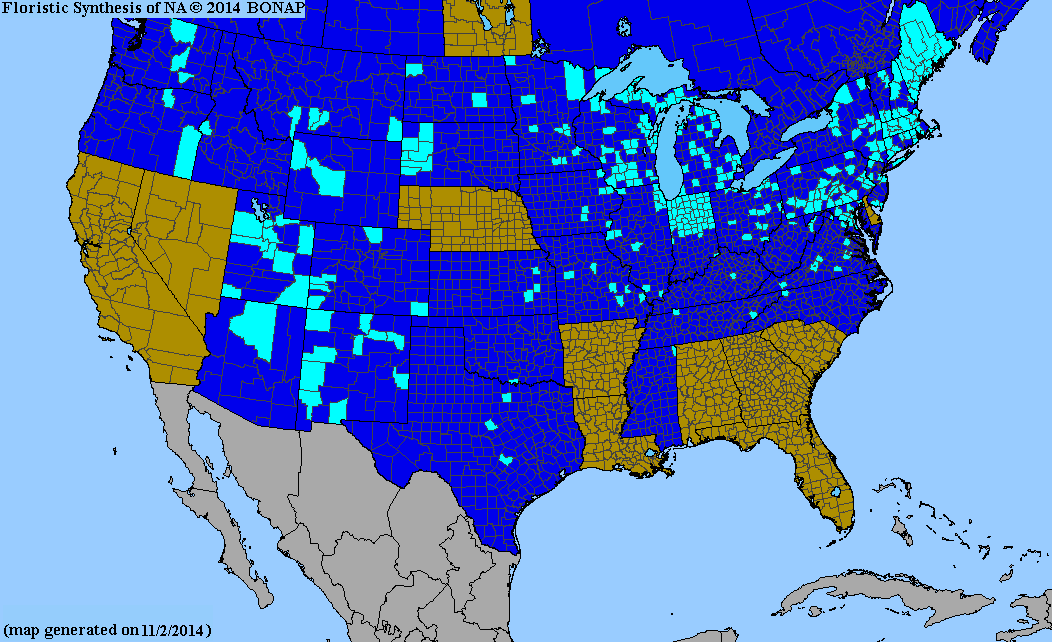
  • Syringa vulgaris L. – common lilac - native to Balkans; naturalized in western and central Europe, and many scattered locations in North America[29]

Hybrids

[edit]
  • S. × chinensis (S. vulgaris × S. persica)
  • S. × diversifolia (S. oblata × S. pinnatifolia)
  • S. × henryi (S. josikaea × S. villosa)
  • S. × hyacinthiflora (S. oblata × S. vulgaris)
  • S. × josiflexa (S. josikaea × S. komarowii)
  • S. × laciniata (S. protolaciniata × S. vulgaris) – cut-leaf lilac or cutleaf lilac
  • S. × persica L. (syn Syringa protolaciniata) – Persian lilac - Afghanistan, Pakistan, western Himalayas, Gansu, Qinghai
  • S. × prestoniae (S. komarowii × S. villosa)
  • S. × swegiflexa (S. komarowii × S. sweginzowii)
[edit]

References

[edit]
[edit]
Revisions and contributorsEdit on WikipediaRead on Wikipedia
from Grokipedia
Syringa is a genus of approximately 12 to 13 species of deciduous flowering shrubs and small trees in the olive family (Oleaceae), commonly known as lilacs.[1][2] These plants are characterized by their opposite, undivided leaves, hollow stems, and large panicles of fragrant, tubular flowers that bloom in spring (typically mid to late spring, but as early as early spring in some species such as S. oblata), typically in shades of purple, lavender, white, or pink.[3][4] Native to woodland and scrub habitats in southeastern Europe and temperate Asia—primarily China and the Balkans—lilacs are renowned for their ornamental value and have been widely cultivated for centuries.[2][1] The genus name Syringa derives from the ancient Greek word syrinx, meaning "pipe" or "tube," referring to the hollow pith in the stems, which were historically used to fashion pipes or reeds.[5] First formally described by Carl Linnaeus in 1753, the taxonomy of Syringa has seen some variation in species counts, with modern authorities like the Plants of the World Online recognizing 13 accepted species, including notable ones such as the common lilac (S. vulgaris) from the Balkans and the Persian lilac (S. persica) from southwestern Asia.[5][1] Key species exhibit diverse growth habits, from suckering multi-stemmed shrubs reaching 3–5 meters tall to tree-like forms up to 8 meters, all featuring heart-shaped to ovate leaves and inflorescences that attract pollinators like bees and butterflies.[6][7] Lilacs have a rich history of cultivation, with S. vulgaris introduced to Western Europe from the Ottoman Empire in the 16th century and becoming a staple in gardens by the 18th century, leading to thousands of hybrids bred primarily in France during the 19th century.[8] In North America, species like the Japanese tree lilac (S. reticulata) were introduced in the late 19th century for ornamental landscaping, windbreaks, and urban plantings, valued for their hardiness in USDA zones 3–7 and resistance to many pests.[9] Beyond aesthetics, lilac flowers yield essential oils for perfumes, and historically, parts of the plant were used in traditional medicine for treating fevers, rheumatism, and headaches, though such uses are now largely obsolete.[10][11] Today, Syringa species symbolize renewal and are featured in festivals, such as the Rochester Lilac Festival, underscoring their cultural significance in temperate regions worldwide.[5]

Biology and Morphology

Leaves and Growth Habit

Syringa species are deciduous shrubs or small trees that typically grow to heights of 2 to 8 meters, exhibiting a multi-stemmed habit that often leads to suckering from the base and the formation of dense thickets.[12][10] The overall form is upright to rounded, with branches arising from multiple stems near ground level, contributing to a bushy appearance in many taxa.[13] Leaves in the genus are arranged oppositely on the stems, simple, and entire-margined, generally ovate to lanceolate in shape and petiolate, though some species show subsessile or pinnatisect variations.[14] They measure 5 to 12 cm in length on average, with widths of 3 to 8 cm, and are often pointed at the apex; the base may be rounded, truncate, or cordate in different species.[10] For instance, Syringa vulgaris features heart-shaped (cordate) leaves that are dark gray-green and glabrous, while S. reticulata has elliptic to ovate leaves with slightly downy undersides.[10][15] In series Pubescentes, leaves are pubescent, particularly on the abaxial surface, providing a denser texture compared to the glabrous foliage of series Syringa.[16] Stems are stout and erect in youth, supporting the shrubby architecture, with bark that is smooth and gray to gray-brown on younger branches, featuring small raised lenticels and leaf scars. The pith within the stems is spongy and can be readily removed, resulting in hollow tubes—a feature referenced in the genus name.[5] As plants mature, the bark develops longitudinal furrows, becomes fissured, and may peel or flake, adding textural interest to older specimens.[17][18] This progression from smooth to rough bark is characteristic across the genus, though some species like S. reticulata retain a cherry-like, reddish-brown peeling quality longer on trunks.[19]

Flowers

The flowers of Syringa species are borne in large, terminal panicles that typically measure 8–20 cm in length and often develop in pairs on the previous year's growth. These inflorescences consist of numerous small, perfect, hermaphroditic blooms arranged in a conical or pyramidal fashion, emerging from the shrub's upright branches. Each individual flower has a 4-merous corolla that is tubular at the base, approximately 6–10 mm long, flaring outward into four spreading lobes at the apex, measuring 5–8 mm across. The calyx is short and tubular with four teeth, enclosing two inserted stamens and a single pistil with a style.[20][10][7] Lilac bushes (Syringa spp.) form flower buds on old wood (previous year's growth) shortly after blooming in the previous spring. In early spring, these buds swell and develop as temperatures rise, preparing to open into fragrant panicles. In temperate climates, buds are likely visible and swelling by early March (e.g., March 6). Flower color in the genus varies but is predominantly lavender to white across most species, such as the lilac-purple blooms of S. vulgaris, though certain variants and hybrids exhibit pinkish hues (e.g., in S. × chinensis) or pale yellow tones (e.g., in S. vulgaris 'Primrose'). The panicles are supported by the shrub's sturdy, opposite leaves, which provide structural stability during peak bloom. These fragrant blooms arise from essential oils, including monoterpenes like linalool as a key volatile component, along with compounds contributing coumarin-like notes that enhance the characteristic sweet, floral scent.[7][21][22] Syringa species typically bloom in spring, with common lilac (Syringa vulgaris) blooming mid to late spring (April-June), while early varieties like Syringa oblata bloom earlier in early to mid-spring from pinkish-lilac buds, often 10 days earlier than common types. The flowering period lasts 2–3 weeks depending on local climate and cultivar. Pollination is primarily entomophilous, facilitated by insects such as long-tongued bees and butterflies that are drawn to the nectar-rich flowers.[10][23][4][24]

Fruit and Seeds

The fruits of Syringa species are dry, leathery capsules, typically 1–2 cm long, that develop from the fertilized ovaries of the flowers. These capsules split longitudinally into two halves at maturity, releasing the enclosed seeds.[7][25] Each capsule contains 2–6 flat, winged seeds, with the wing-like structures aiding in dispersal. Seed dispersal occurs primarily via wind (anemochory), facilitated by the lightweight, membranous wings, though gravity causes local drop and animals may occasionally transport seeds through adhesion or ingestion.[10][25][26] Syringa seeds maintain viability for 1–2 years when stored in dry conditions, such as in bags or sacks at cool temperatures. Capsules begin green in summer, maturing to brown by autumn, at which point dehiscence typically occurs. In tree-form species like S. reticulata, capsules are somewhat larger, reaching up to 2.5 cm in length and often produced in prominent clusters.[20][10][27]

Taxonomy and Classification

Etymology

The genus name Syringa originates from the Ancient Greek word syrinx, meaning "pipe" or "tube," in reference to the hollow or easily hollowed stems of plants in this group, which were historically used as reeds or pipes.[7][5] The common name "lilac" derives from the Persian word nīlak (meaning "bluish," from nīl for "indigo" or "blue"), which entered Arabic as līlak and later Spanish and French as lilac, reflecting the pale bluish-purple hue of the flowers in early European introductions from the Middle East.[28][29] The genus Syringa was formally established by Carl Linnaeus in his 1753 work Species Plantarum, where he described S. vulgaris and reassigned the name from its prior use for the unrelated mock-orange genus Philadelphus, whose stems also lent themselves to pipe-making; this reclassification has remained stable without major alterations.[5][30]

Phylogenetic History

The genus Syringa belongs to the tribe Oleeae within the subfamily Oleoideae of the Oleaceae family. Molecular phylogenetic analyses using chloroplast genes like rbcL and nuclear ribosomal internal transcribed spacer (ITS) sequences have positioned Syringa in the subtribe Ligustrinae, where it forms a clade with Ligustrum as its closest relative, characterized by shared traits such as opposite leaves and paniculate inflorescences.[31] More distant relatives in the tribe Oleeae include Jasminum in the subtribe Jasmininae, with divergence supported by multi-locus datasets including trnL-F and rps16.[32] The taxonomic history of Syringa began with Carl Linnaeus's 1753 description in Species Plantarum, establishing the genus as monotypic based on S. vulgaris from southeastern Europe.[33] During the 19th century, extensive botanical explorations in Asia led to the addition of numerous species, expanding the genus to include diverse shrubs and small trees primarily from eastern Asia. Post-2000 DNA-based studies, employing markers such as ITS, ETS, and chloroplast intergenic spacers (psbA-trnH, trnC-petN), have described approximately 25–30 species, though modern classifications accept around 12–13, resolving previous uncertainties in species delimitation and hybrid origins.[34] Estimates from molecular clock analyses calibrated with fossil records indicate that Syringa diverged from the Oleaceae common ancestor in northern East Asia approximately 43 million years ago during the Eocene (range: 38–48 million years ago).[35] Biogeographic reconstructions using resequenced genomes of multiple species further support an Asian cradle, with subsequent migrations accounting for relict populations in Europe.[36] A pivotal revision came from a 2002 analysis of nuclear ribosomal DNA (ITS and ETS) sequences, which demonstrated the paraphyly of Syringa due to the nesting of the related genus Ligustrum within it, prompting recommendations to merge or recircumscribe the taxa based on shared synapomorphies like tubular corollas.[37] Subsequent chloroplast genome comparisons have refined the internal structure, confirming two main subgenera—Syringa (shrubby species with simple leaves) and Ligustrina (arborescent species with often reticulate venation)—supported by both morphological and genetic evidence.[38]

Species Diversity

The genus Syringa encompasses approximately 12–13 accepted species (though up to 25–30 taxa including subspecies have been described) of deciduous shrubs and small trees, with the majority native to eastern Asia—particularly China, Korea, and Japan—while a few occur in southeastern Europe.[1][39][40] The center of diversity lies in China, where over 10 accepted species are documented (as of 2025), many endemic to mountainous regions.[1] Prominent examples include S. vulgaris, the common lilac originating from the Balkan Peninsula, which grows as a multi-stemmed shrub up to 7 m tall with heart-shaped leaves and large, fragrant panicles of lavender-purple flowers up to 20 cm long.[41] S. reticulata, known as the Japanese tree lilac, is a tree-form species reaching 10–12 m in height, native to Japan, Korea, northern China, and Russia, featuring ovate leaves, exfoliating bark, and upright panicles of creamy-white flowers 15–25 cm in length.[42] S. pubescens, a shrubby species from central and eastern China to Korea, typically grows 2–4 m tall, distinguished by its densely pubescent young shoots and leaves, and compact inflorescences of pale pink to white flowers about 10 cm long.[43] Species exhibit notable morphological variation, including growth habits ranging from compact shrubs under 2 m to trees exceeding 10 m, leaf shapes from broadly ovate and entire to lanceolate or pinnately lobed, and inflorescence sizes varying from short, dense clusters (5–10 cm) to elongated panicles (up to 30 cm).[40] Certain species, such as S. pinnatifolia native to northwestern China, hold endangered status due to habitat fragmentation and overexploitation, emphasizing conservation needs in their arid, high-altitude habitats.[44] Taxonomic studies continue to reveal new diversity in Southwest China, exemplified by the description of S. yunnanensis—a shrub with slender branches, elliptic leaves, and lilac-pink flowers in loose panicles—highlighting the region's untapped botanical richness despite its earlier formal recognition in the late 19th century.[45] These findings align with broader phylogenetic groupings that cluster Asian species based on shared traits like pubescence and inflorescence structure.[46]

Ecology and Distribution

Native Habitats

Syringa species are native to temperate forests, woodlands, and scrub habitats in southeastern Europe and across temperate eastern Asia, ranging from the Balkans in the west to Japan in the east. These environments typically feature mixed deciduous and coniferous stands at elevations between 1000 and 3000 meters, where the plants occupy understory positions or edge communities. In southeastern Europe, the common lilac (S. vulgaris) is native to rocky hillsides, scrubby areas, and open woodlands in the Balkan Peninsula, often at elevations below 1000 meters.[7] For instance, S. emodi occurs on slopes in the western Himalayas at 2000–3000 meters, while S. villosa is found near gullies, riversides, and thickets from 300 to 1600 meters in northern China, Korea, and the Russian Far East. In these indigenous ranges, Syringa thrives in well-drained loamy soils with neutral to slightly alkaline pH, often in gravelly or rocky substrates that prevent waterlogging. Ecologically, the genus serves as an understory component in associations with trees such as oaks (Quercus spp.) and pines (Pinus spp.), contributing to soil stabilization on slopes through its fibrous root systems. The fragrant flowers provide essential nectar for pollinators, including native bees, butterflies, and moths, supporting local biodiversity in these woodland ecosystems.[47][3][48] Climatically, Syringa species are adapted to continental temperate conditions, exhibiting hardiness in USDA zones 3–7 and tolerating cold winters down to -30°C, as seen in high-elevation Himalayan and northern Chinese populations. However, they show sensitivity to high summer humidity, which can promote fungal issues in their native moist valley floors. An example is S. oblata, which inhabits open forests, thickets, and river valleys in Korea and northern China at 100–2600 meters, where it benefits from seasonal dry periods.[4][49]

Global Spread and Invasiveness

Lilacs (Syringa spp.), originating from woodland and scrub habitats in southeastern Europe and eastern Asia, were introduced to broader European cultivation in the 16th century via trade routes from the Ottoman Empire. The common lilac (S. vulgaris), native to the Balkan Peninsula, reached Central Europe around 1563 through diplomatic exchanges, quickly gaining popularity in gardens for its fragrant blooms.[50][51] By the 18th century, French nurserymen had developed numerous hybrids, further promoting the genus across the continent.[8] The genus arrived in North America during colonial times, with the earliest documented plantings of S. vulgaris occurring in the 1750s at the Governor Wentworth estate in Portsmouth, New Hampshire.[52] Today, Syringa species are extensively cultivated in temperate zones worldwide, spanning North America, Europe, and parts of Asia and Oceania, where they thrive in mild climates and are valued for ornamental use. In introduced regions, S. vulgaris has naturalized extensively in the northeastern United States and Canada, often forming dense thickets through prolific suckering that allows clonal spread.[53] While it escapes cultivation and can compete with native understory plants via vegetative reproduction, overall invasiveness remains low due to limited seed viability and poor germination in non-native soils without specific stratification conditions, restricting widespread seed dispersal.[54][55] Certain species, such as S. reticulata, show greater potential for naturalization in some areas, forming monocultures that shade out natives, though the genus as a whole poses minimal ecological disruption compared to more aggressive invasives.[56] Conservation concerns affect some Syringa species in their native ranges in Europe and Asia, which face threats from habitat loss due to deforestation and urbanization. For instance, S. josikaea, restricted to temperate forests in the Carpathians, is classified as Endangered on the IUCN Red List (as of 2018) primarily from habitat destruction and fragmentation.[57] Ex situ conservation in botanic gardens supports the genus through living collections, seed banking, and in vitro propagation, preserving genetic diversity and aiding reintroduction efforts for threatened taxa.[58][59]

Cultivation and Horticulture

Propagation Methods

Syringa species, commonly known as lilacs, can be propagated through both sexual and asexual methods, with the choice depending on the desired genetic fidelity and production goals. Sexual propagation via seeds introduces genetic variability, suitable for breeding or producing rootstocks, while asexual methods like cuttings, layering, and grafting preserve specific cultivars, particularly important for hybrids.[60] Seed propagation involves collecting mature seeds from dehisced capsules in fall and subjecting them to cold stratification to break dormancy. Seeds are moistened and stratified at 4°C for 60 to 90 days, after which they are sown in a well-drained medium in early spring under controlled conditions with consistent moisture and light.[61] Germination success varies by species and conditions, with rates of 60-65% reported for fall-sown non-stratified seeds of Syringa reticulata, though common lilac (S. vulgaris) often shows lower and more erratic rates due to variable genetics, typically ranging from 20-50% post-stratification.[62][60] Asexual propagation via cuttings is effective for many Syringa cultivars. Softwood cuttings, taken from new growth in mid-summer (June to July), are 8-10 inches long, with the base dipped in indole-3-butyric acid (IBA) rooting hormone at 1000-3000 ppm in talc form before insertion into a moist, sterile medium under high humidity and bottom heat.[63][64] Hardwood cuttings, collected in late winter, follow a similar process but root more slowly without heat. Rooting success reaches 80-92% with hormone treatment, producing uniform clones.[65] Layering provides a simple, though slower, method for propagating suckers or low branches. For root suckers, a trench is dug around the shoot in early spring, severing it from the parent while retaining roots, then transplanted directly; this yields high success for basal shoots.[66] For aerial layering, a low branch is wounded, treated with IBA, and buried in soil in summer, remaining until roots form after 1-2 years, after which it is severed and potted.[63] This technique is reliable but time-intensive, often taking two years for adequate root development.[60] Grafting is the preferred commercial method for hybrid lilacs to ensure vigor and true-to-type plants. Scions are typically whip-and-tongue grafted onto rootstocks of Syringa vulgaris in late winter (February) on the bench, with the union sealed in wax and stored in a cool, shaded frame until callusing occurs.[60] This approach leverages the robust root system of S. vulgaris, achieving high compatibility and rapid establishment for cultivars.[60]

Growing Requirements

Syringa species thrive in full sun, receiving at least six hours of direct sunlight daily to promote abundant blooming and overall vigor.[67] Insufficient light can lead to reduced flower production and leggy growth. They prefer well-drained, fertile loamy soil with a neutral to slightly alkaline pH between 6.5 and 7.5, which supports healthy root development and prevents issues from waterlogging.[24][68] Once established, Syringa plants require moderate watering, typically about one inch per week during dry periods, but they become drought-tolerant and need less frequent irrigation in subsequent years.[69] They are hardy in USDA zones 3 through 7, tolerating cold winters down to -40°F (-40°C), though applying a layer of mulch around the base in fall can provide additional winter protection in colder regions.[67][70] Pruning should occur immediately after flowering to remove spent blooms and shape the plant, encouraging new growth for the next season's flowers on current-year wood.[70] Nutrient requirements are low; a balanced, low-nitrogen fertilizer applied sparingly in early spring suffices, as excessive nitrogen promotes leafy growth at the expense of blooms.[71][67]

Pests, Diseases, and Maintenance

Syringa plants, commonly known as lilacs, are susceptible to several pests that can damage stems and foliage. The lilac borer (Podosesia syringae), a clearwing moth whose larvae tunnel into the bases of stems and trunks, causes wilting, dieback, and visible sawdust-like frass at entry holes, particularly affecting stressed or young plants.[72] Aphids feed on new growth, leading to curled and distorted leaves and the development of sooty mold from their honeydew secretions.[73] Diseases pose significant threats to lilac health, especially in humid environments. Powdery mildew, caused by the fungus Erysiphe syringae, manifests as white, powdery coatings on leaves and shoots, reducing photosynthesis and causing premature leaf drop, with Syringa vulgaris being particularly vulnerable.[74] Verticillium wilt, induced by the soilborne fungus Verticillium dahliae, leads to vascular blockage, resulting in yellowing, wilting, and branch dieback that can eventually kill the plant.[75] Effective maintenance involves integrated pest management (IPM) strategies that prioritize cultural, biological, and minimal chemical interventions. Annual pruning to remove dead or infested wood, ideally in late winter or after flowering, helps control borers and improves airflow to prevent mildew, while soil solarization or fumigation may reduce verticillium inoculum in affected areas.[74] For pests, biological controls like encouraging natural predators (e.g., ladybugs for aphids) or applying neem oil sprays are recommended over broad-spectrum insecticides; if necessary, targeted applications of carbaryl in spring target lilac borer adults.[76] Selecting resistant cultivars and monitoring for early symptoms further minimize disease impacts without relying on routine fungicides.[77]

Cultural and Practical Uses

Ornamental and Landscaping Applications

Syringa species, commonly known as lilacs, are widely utilized in ornamental landscaping due to their dense growth habit and fragrant blooms. Common lilac (Syringa vulgaris) is particularly valued for forming hedges and screens, where its vigorous, multi-stemmed structure provides effective privacy and windbreaks when planted in rows spaced 6-10 feet apart.[67] Larger varieties, such as tree lilacs (Syringa reticulata), serve as specimen plants in borders or focal points, enhancing garden aesthetics with their upright form and creamy white flowers that emit a sweet fragrance.[78] In pollinator gardens, lilacs attract bees, butterflies, and hummingbirds, supporting biodiversity while adding vertical interest through their spring panicles.[10] In landscape design, lilacs integrate seamlessly through mass plantings that create bold color blocks during bloom season, ideal for parks or large estates where purple, lavender, or white hues provide seasonal drama. Certain cultivars can be trained into espalier forms against walls, utilizing their flexible branches for formal or artistic displays in urban or courtyard settings.[79][8] Historically, lilacs featured prominently in Victorian-era gardens for their perfume potential, with flowers often harvested for scent extraction to complement formal parterres and woodland edges. Commercially, Syringa flowers are harvested as cut blooms for bouquets, prized for their longevity and aroma in floral arrangements. Essential oils derived from the flowers are used in perfumery, though extraction yields are low due to the delicate nature of the petals, making them a niche but valued component in natural fragrance formulations.[80]

Symbolism and Folklore

In Western culture, lilacs (Syringa) symbolize first love, youthful innocence, and renewal, primarily due to their early spring blooming, which heralds the end of winter and the rebirth of nature.[81] This association ties the flower to themes of confidence and the joy of new beginnings, often evoking the purity of emotions in romantic contexts.[82] During the Victorian era, the language of flowers attributed specific meanings to lilacs, with purple varieties denoting the first emotions of love and field lilacs representing humility and modest sentiments.[83] These interpretations reflected the flower's role in discreet communication, where gifting lilacs conveyed pure, unpretentious affection.[84] Lilacs were introduced to Europe from the Ottoman Empire in the 16th century.[8] Their fragrant blooms contributed to the sensory appeal of enclosed gardens, blending aesthetic beauty with cultural resonance.[85] Modern associations link lilacs to remembrance, particularly through Walt Whitman's 1865 elegy "When Lilacs Last in the Dooryard Bloom'd," which uses the flower as a poignant emblem of grief and eternal memory following Abraham Lincoln's assassination.[86] This poetic legacy has influenced their use in memorials, where lilacs evoke enduring tribute and national mourning.[81] In the United States, the purple lilac (S. vulgaris) was designated New Hampshire's state flower in 1919, chosen for its hardiness mirroring the state's resilient character and its widespread blooming as a symbol of communal pride.[87] Historically, parts of the lilac plant were used in traditional medicine for treating fevers, rheumatism, and headaches, though such uses are now largely obsolete.[10]

Festivals and Events

The Rochester Lilac Festival, held annually in Highland Park in Rochester, New York, is one of the oldest and largest celebrations of lilacs in the world, originating in 1898 when crowds first gathered to view the blooming shrubs.[88] Now spanning 10 days in May, coinciding with Mother's Day weekend, the event attracts over 500,000 visitors and features more than 1,200 lilac shrubs representing over 500 varieties, alongside parades with marching bands and floats, live music performances, food vendors, and arts exhibits.[89][90] In Poland, lilac appreciation is prominent through events like the Dni Lilaków (Lilac Days) at the Kórnickie Arboretum near Poznań, an annual festival since the 1990s that showcases extensive collections of Syringa vulgaris with guided tours, markets, and educational exhibits on cultivation.[91] Other notable lilac events include Lilac Days at Highland Park in Rochester, which emphasize hybrid lilac shows and garden tours, though distinct from the main festival. Internationally, Canada's Warkworth Lilac Festival highlights a Millennium Lilac Trail with 300 shrubs of 83 varieties, featuring artisan markets and live entertainment over a weekend in late May.[92] In Ukraine, spring lilac blooms are appreciated in various regions, including Kyiv, with opportunities for viewing during May.[93] These gatherings often evoke themes of renewal associated with lilac's spring emergence, as explored in broader cultural contexts.

Hybrids and Cultivars

Hybrid Origins

The development of Syringa hybrids began in the late 19th century, primarily driven by European breeders seeking to enhance floral traits such as bloom timing, color variation, and form. French nurseryman Victor Lemoine (1823–1911) pioneered systematic hybridization starting in 1876, crossing the common lilac (S. vulgaris) with the early-blooming S. oblata to produce S. × hyacinthiflora, a group noted for its reblooming tendencies and extended flowering period compared to parental species.[94][95] Lemoine's firm in Nancy, France, continued this work through the 1920s under his son Émile and successors, introducing hybrids that combined the fragrance and robustness of S. vulgaris with the precocious blooming of S. oblata.[96][97] Breeding techniques emphasized controlled hand-pollination to achieve desired outcomes, including greater color diversity—from whites and lavenders to deep purples—and improved disease resistance against common lilac ailments like powdery mildew. Most S. × hyacinthiflora cultivars are diploid (2n=2x=46), like their parents (S. vulgaris and S. oblata), though polyploidy occurs in some other lilac hybrids to enhance vigor and fertility.[98][99] As of 2023, these efforts had resulted in over 3,500 cultivar names worldwide, including about 1,300 registered ones, cataloged by the International Lilac Society; no major new hybrid series have been introduced as of 2025.[100][101] Modern breeding has increasingly incorporated S. meyeri, a compact Korean species, to develop dwarf forms suitable for urban landscapes, yielding hybrids with reduced stature (typically 1.5–2 meters) while retaining fragrant blooms and mildew resistance.

Notable Varieties

One prominent cultivar in the Syringa genus is S. × josiflexa 'Royalty', a hardy selection featuring upright panicles of lightly fragrant violet-purple flowers. Developed by Isabella Preston and F. Leslie at the Central Experimental Farm in Ottawa, Canada, it was introduced in 1936 specifically to withstand extreme cold, thriving in USDA hardiness zones 2 through 7.[102][103][104] Another celebrated variety is S. vulgaris 'Charles Joly', distinguished by its dense, showy panicles of double magenta flowers that emit a strong, sweet fragrance. This upright deciduous shrub, reaching 10-12 feet tall, has earned the Royal Horticultural Society's Award of Garden Merit for its exceptional bloom quality and scent.[105][106] Recent innovations like the 'Bloomerang' series, introduced in 2010 by Proven Winners, extend the appeal through reblooming habits, producing waves of fragrant flowers from spring into fall on compact plants hardy to zones 3-7. Dwarf varieties derived from species like S. meyeri offer compact growth to about 1.5 meters tall with fragrant blooms, making them well-suited for small gardens and borders.[107][108]

References

User Avatar
No comments yet.