Hubbry Logo
BuxusBuxusMain
Open search
Buxus
Community hub
Buxus
logo
8 pages, 0 posts
0 subscribers
Be the first to start a discussion here.
Contribute something
Buxus
Buxus
from Wikipedia

Buxus
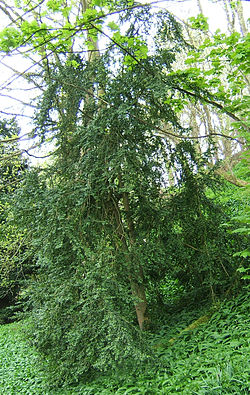
Common box, Buxus sempervirens
Scientific classification Edit this classification
Kingdom: Plantae
Clade: Tracheophytes
Clade: Angiosperms
Clade: Eudicots
Order: Buxales
Family: Buxaceae
Genus: Buxus
L.
Species

About 70 species; see text

Buxus sempervirens
Buxus sinica foliage
Buxus henryi foliage
Buxus wallichiana foliage and seed capsules
Buxus sempervirens bark
Buxus sempervirens bark closeup
Buxus sempervirens - MHNT

Buxus is a genus of about seventy species in the family Buxaceae. Common names include box and boxwood.[1][2][3]

The boxes are native to western and southern Europe, southwest, southern and eastern Asia, Africa, Madagascar, northernmost South America, Central America, Mexico and the Caribbean, with the majority of species being tropical or subtropical; only the European and some Asian species are frost-tolerant. Centres of diversity occur in Cuba (about 30 species), China (17 species) and Madagascar (9 species).

They are slow-growing evergreen shrubs and small trees, growing to 2–12 m (rarely 15 m) tall. The leaves are opposite, rounded to lanceolate, and leathery; they are small in most species, typically 1.5–5 cm long and 0.3–2.5 cm broad, but up to 11 cm long and 5 cm broad in B. macrocarpa. The flowers are small and yellow-green, monoecious with both sexes present on a plant. The fruit is a small capsule 0.5–1.5 cm long (to 3 cm in B. macrocarpa), containing several small seeds.

The genus splits into three genetically distinct sections, each section in a different region, with the Eurasian species in one section, the African (except northwest Africa) and Madagascan species in the second, and the American species in the third. The African and American sections are genetically closer to each other than to the Eurasian section.[4]

The genomes of Buxus austro-yunnanensis and Buxus sinica have been sequenced.[5][6]

Selected species

[edit]

Europe, northwest Africa, Asia

[edit]

Africa, Madagascar

[edit]

Americas

[edit]

Selected cultivars

[edit]

Uses

[edit]

Cultivation

[edit]

Box plants are commonly grown as hedges and for topiary.

In Britain and mainland Europe, box is subject to damage from caterpillars of Cydalima perspectalis which can devastate a box hedge within a short time. This is a recently introduced species first noticed in Europe in 2007 and in the UK in 2008 but spreading. There were 3 UK reports of infestation in 2011, 20 in 2014 and 150 in the first half of 2015.[7]

Wood carving

[edit]
The white pieces are made of boxwood. The black piece is ebonized, not made of ebony.

Owing to its fine grain it is a good wood for fine wood carving, although this is limited by the small sizes available. It is also resistant to splitting and chipping, and thus useful for decorative or storage boxes.

Traditional Japanese boxwood combs are called Tsuge Gushi and have been in production since the Heian Period.[8]

As a timber or wood for carving it is "boxwood" in all varieties of English.

Owing to the relatively high density of the wood, boxwood is often used for chess pieces; unstained boxwood for the white pieces, and stained ('ebonized') boxwood for the black pieces in lieu of ebony.[9]

The extremely fine endgrain of box makes it suitable for woodblock printing and woodcut blocks, for which it was the usual material in Europe. In the 16th century, boxwood was used to create intricate decorative carvings, including intricate rosary prayer beads. As of 2016, the largest collection of these carvings is at the Art Gallery of Ontario in Toronto.[10]

High quality wooden spoons have usually been carved from box, with beech being the usual cheaper substitute.

Musical instruments

[edit]
19th-century English flute made of boxwood (detail)

Due to its high density, resistance to chipping, and relatively low cost, boxwood has been used to make parts for various stringed instruments since antiquity.[11] It is mostly used to make tailpieces, chin rests and tuning pegs, but may be used for a variety of other parts as well. Other woods used for this purpose are rosewood and ebony.

Boxwood was a common material for the manufacture of recorders in the eighteenth century, and a large number of mid- to high-end instruments made today are produced from one or other species of boxwood. Boxwood was once a popular wood for other woodwind instruments, and was among the traditional woods for Great Highland bagpipes before tastes turned to imported dense tropical woods such as cocuswood, ebony, and African blackwood.[12]

Historical

[edit]
Boxwood mathematical drawing instruments (Marquois scales)

Prior to the development of plastics, boxwood was important to a wide range of fields from engineering to arts, construction to cartography, due to its density and stability making it one of the best available materials for measurement scales and technical drawing rulers. Alternative materials of the era were ivory, paper, and metal. Disadvantages of ivory included that it would slightly shrink over time, the size and shape of blanks was limited by that of the tusk, and supply was limited. Paper was soft, difficult to use, and did not last long. Metal marked the surface it was being used on and increased expense.[13] Ebony was another dense and stable wood prized for drawing instruments but typically only if scales were not necessary; boxwood's light color contrasted much better with scales.

Devices made of boxwood included set squares, scale rulers, yardsticks, folding rulers, slide rules, Marquois scales, T-squares, protractors, and a wide range of other measuring, metering, and straight-edge devices and tools, as well as general functional items such as combs, weaving shuttles, etc.

A boxwood rule generally refers to a style of folding ruler with brass hinge(s).[14]

General Thomas F. Meagher decorated the hats of the men of the Irish Brigade with boxwood during the American Civil War, as he could find no shamrock.[15]

See also

[edit]

References

[edit]
[edit]
Revisions and contributorsEdit on WikipediaRead on Wikipedia
from Grokipedia
Buxus is a of approximately 70 species of shrubs and small trees in the Buxaceae, native to regions across , , , , and parts of . These are characterized by their dense, compact growth habit, opposite, leathery leaves that are typically small and glossy, and inconspicuous dioecious or monoecious flowers borne in axillary clusters, followed by capsular fruits. Young branches are often four-angled (tetragonous), and the species exhibit a wide range of sizes, from low-growing shrubs as small as 0.15 m to trees reaching up to 6 m in height. Taxonomically, Buxus belongs to the order Buxales within the , as recognized by the IV (APG IV) classification system published in 2016. The genus was first formally described by in his in 1753, with the name deriving from the pyxos, referring to . Distribution spans temperate to subtropical zones, with highest diversity in mountainous and woodland habitats; for example, species like are native to and western , while others such as Buxus balearica occur in the Mediterranean region and . The plants are generally monoecious, with simple, exstipulate leaves that are leathery and persistent, contributing to their ornamental appeal. Buxus species are highly valued in for their versatility, deer resistance, and ability to withstand shearing, making them ideal for formal hedges, , foundation plantings, and edging in landscapes. Widely cultivated since ancient times—evidenced by —their evergreen foliage provides year-round structure and winter interest in temperate climates. The fine-grained, hard wood of select species, notably , has long been prized for applications, including , musical instrument parts, combs, writing tablets, and ornamental items, due to its durability and close texture. However, some species face threats from pests like boxwood leafminer, box tree moth, and diseases such as , prompting ongoing research into resistant cultivars.

Description

Physical characteristics

Buxus is a of approximately 100 of shrubs and small trees, typically reaching heights of 1-9 m. The plants exhibit dense, multibranched growth with quadrangular stems resulting from decussate branching patterns, and the bark is smooth and grayish in appearance. These characteristics contribute to their compact, bushy form, often used in formal . The leaves are arranged oppositely on the stems, simple, entire-margined, and leathery in texture, typically elliptic to ovate in shape and measuring 1.5-5 cm in length. In some , such as Buxus macrocarpa, leaves can reach up to 11 cm long. They are glossy dark green on the upper surface and lighter green beneath, providing a lustrous appearance year-round. Flowers are small, measuring 3-4 mm in diameter, yellowish-green, and apetalous, occurring in dense axillary clusters. Buxus are mostly monoecious, bearing both male and female flowers on the same plant, with unisexual blooms that are inconspicuous but functionally adapted for insect pollination. The is a dry, three-valved capsule, typically 0.5-1.5 cm long and globose to ovoid, which dehisces loculicidally to release two black, shiny per locule; in species like Buxus macrocarpa, capsules can attain 3 cm in length. The wood is pale yellow, fine-grained, and straight, with a high of approximately 0.91 g/cm³, making it valued for its hardness and uniformity in applications.

Reproduction

Buxus species are mostly monoecious, bearing both male and female flowers on the same plant, typically flowering in spring. Inflorescences measure 1-2 cm across and contain 4-8 flowers. Male flowers possess 4 stamens, while female flowers include a and 6 staminodes. Pollination in Buxus is primarily entomophilous, mediated by insects such as bees and flies, though wind can contribute under certain conditions. The genus is self-compatible, yet outcrossing predominates, as evidenced by variable selfing rates across populations that favor genetic diversity through insect vectors. Fruit development results in a three-valved capsule that undergoes explosive dehiscence at maturity, propelling seeds several meters from the parent plant—typically 1.5 m on average, up to 3 m maximum. Seeds feature an elaiosome that attracts ants for myrmecochorous dispersal. Vegetative reproduction occurs in some species via clonal growth from root suckers, enabling local spread without . Seeds maintain viability for 1-2 years under suitable storage, with in temperate species often necessitating cold stratification to overcome and synchronize with seasonal conditions.

Taxonomy and phylogeny

Classification

The genus Buxus belongs to the family Buxaceae in the order Buxales, a supported by the IV system based on molecular phylogenetic evidence that distinguishes Buxales from previously associated orders such as Violales. In earlier taxonomic systems, Buxaceae was often aligned with or Celastraceae due to morphological similarities, but DNA sequence data from and nuclear markers have confirmed its separation as a distinct lineage within the . The genus was formally established by in his (1753), with Buxus sempervirens designated as the . Subsequent revisions in the , notably by Henri Ernest Baillon in his Monographie des Buxacées (1874), expanded the understanding of its morphological diversity and intercontinental distribution, recognizing key sectional divisions based on leaf and traits. Modern taxonomic treatments, informed by molecular phylogenies from the 2010s onward, have affirmed the of Buxus within Buxaceae, resolving it as a cohesive distinct from sister genera like Didymeles and . Buxus is currently divided into three main sections reflecting its biogeographic patterns: section Buxus (Eurasian species, approximately 20 taxa), sections Buxella and Notobuxus (African and Madagascan species, around 15 taxa), and section Tricera ( species, about 50 taxa, primarily in the and ). This sectional arrangement, first outlined by 19th-century botanists and refined through phylogenetic analyses, underscores the genus's disjunct distribution and adaptive radiations. The total number of accepted species is approximately 101, though taxonomic debates persist regarding the status of hybrids, varieties, and potential synonyms, particularly in regions of high endemism like . In older treatments, genera such as were occasionally grouped more closely with Buxus under broader familial concepts, but molecular data now clearly delineate them as separate lineages within Buxaceae.

Genetic studies

The genomes of Buxus austro-yunnanensis and B. sinica have been sequenced, providing chromosome-level assemblies of approximately 664 Mb and 850 Mb, respectively. These studies identified independent whole-genome duplication events in each , leading to expansions in families that enhance adaptations such as stress resistance through duplicated copies involved in environmental response pathways. Phylogenetic analyses employing nuclear (ITS) regions and plastid matK gene sequences have delineated Buxus into three principal clades—African, American, and Eurasian—with strong support for the American clade as basal to the others, reflecting an early divergence of lineages. Interspecific hybridization between Buxus sections is infrequent but confirmed in controlled crosses, such as between B. balearica (African clade) and B. sempervirens (Eurasian clade), yielding viable offspring with intermediate traits verified via (AFLP) markers and . Ploidy assessments across Buxus species reveal a predominantly diploid state (2n=28), with tetraploid variants (2n=56) occurring in select lineages; correlates with processes, particularly in the diverse Madagascan where chromosome doubling facilitated ecological niche shifts. Conservation genetics investigations highlight reduced in insular Buxus populations, such as those on islands and the Balearic archipelago, resulting from historical bottlenecks that diminished allelic variation and increased vulnerability to environmental stressors. Molecular clock estimates place the origin of Buxus at approximately 60–70 million years ago in during the , with subsequent vicariance driven by accounting for the genus's disjunct intercontinental distributions.

Distribution and habitat

Native distribution

The genus Buxus is native primarily to the , with its range encompassing temperate and Mediterranean regions of Europe (such as B. sempervirens in western and ), western Asia, and , while extending into tropical and subtropical zones across multiple continents. The distribution reflects a disjunct pattern, with significant representation in , , and the , often in forested or scrubby from to high elevations. Major centers of diversity include , where approximately 30–40 species occur, representing the highest concentration within the genus; , with about 17 native species; , hosting 9 endemic species; and , with around 4 species in areas like , , and . The Eurasian section (sect. Buxus) spans temperate to Mediterranean climates from across to the , including species in countries like , , , , Korea, , , and . In and , sections such as Buxella and Notobuxus are distributed across sub-Saharan regions including , DR Congo, , , , , and the , with a notable concentration of 9–10 species on . The American section extends from the (e.g., B. floridana in ), through (Mexico to Panamá), to northern including and , as well as Caribbean islands like , , , , and . While many Buxus species have been widely introduced for ornamental purposes—such as B. microphylla in and —some have become naturalized in regions outside their native range, including . The genus occupies a broad altitudinal gradient, from in coastal areas to over 3,000 m in the and , adapting to varied elevations across its distribution.

Ecological roles

Buxus species commonly function as shrubs in temperate and subtropical forests, where their dense, foliage provides essential cover and for small mammals, birds, and , supporting through shelter and microhabitats. In regions like the and , Buxus forests host at least 286 associated , including 132 fungi, 98 , and 44 lichens, with 63 obligate taxa at risk of if Buxus declines. Their shade-tolerant nature allows persistence in beech-oak woodlands, enhancing structural complexity beneath taller canopies. The dense root systems and foliage of Buxus contribute to , particularly on steep slopes in Mediterranean maquis and tropical montane forests, where they trap sediment more effectively than species like (2.8 times greater) or (1.5 times greater), thereby reducing erosion. By protecting stream banks, Buxus helps maintain and storage in watersheds, preventing sediment runoff into aquatic systems. In , Buxus exhibits versatility: it acts as a in disturbed areas of the , colonizing open sites, while its enables it to persist as a late-successional component in established woodlands, influencing future canopy composition by creating differential safe sites that favor species like over . Buxus forms symbiotic mycorrhizal associations with soil fungi, which enhance nutrient uptake—particularly and —in nutrient-poor soils, improving resilience and contributing to overall health. These relationships involve arbuscular mycorrhizal fungi that extend reach, fostering mutual benefits in and rocky substrates common to Buxus habitats. The presence of toxic alkaloids, such as cyclobuxine, in Buxus leaves deters herbivory by generalist mammals and insects, shaping food webs by limiting consumption and promoting specialized pollinators or tolerant species while reducing pressure on associated flora. This influences trophic interactions, as larvae of herbivores like moth sequester or excrete these compounds, altering community dynamics. As slow-growing evergreens, Buxus contribute moderately to in forests, storing carbon in long-lived biomass and soils, with potential for enhanced storage in conservation areas under REDD+ frameworks, though their low growth rates limit overall rates compared to faster . In , serves as an indicator for soils, thriving in well-drained, base-rich substrates like rendzinas and brown earths, where it signals suitable conditions for associated calcicole communities in dry grasslands and woodlands. However, Buxus shows vulnerability to , particularly , with experimental throughfall exclusion reducing growth by up to 30% and increasing water stress, potentially leading to decline in Mediterranean populations as temperatures rise and precipitation decreases.

Diversity and selected species

Eurasian species

Eurasian species of Buxus are primarily adapted to temperate climates across , northwest , and , where they thrive in a range of habitats from rocky woodlands to mountainous regions. These are typically shrubs or small trees, featuring dense foliage that provides year-round cover and contributing to in erosion-prone areas. Many exhibit notable chemical defenses, including elevated levels of steroidal alkaloids such as cyclomicrobuxine, which deter herbivores by interfering with neural functions and . This alkaloid richness is a key in Eurasian taxa, enhancing survival in environments with intense browsing pressure from mammals and . The common box () is the most widespread Eurasian species, native from and northwest to northern . It forms dense shrubs or small trees up to 6-9 meters tall in the wild, with multi-stemmed growth and opposite, oval leaves measuring 1.5-3 cm long that remain glossy green year-round. In its natural sub-Mediterranean habitats, such as open woodlands and rocky slopes, it tolerates partial shade and well-drained soils, often forming thickets that support diverse . Historically significant for its durable and ornamental qualities, it has been integral to European landscapes for . Buxus balearica, native to the western Mediterranean region including the , southern and eastern , , northwest Africa, and southern , represents a specialized adaptation to insular, drought-prone environments. This grows 3-5 meters tall, with broader, oblong leaves up to 4 cm long that are leathery and drought-resistant, enabling survival in rocky, limestone-rich maquis vegetation alongside species like . Its compact form and tolerance for arid conditions make it a keystone in fragile coastal ecosystems, where it helps prevent . profiles similar to continental relatives provide chemical protection against local herbivores. In temperate , Buxus sinica () occupies forested slopes and riverbanks from to and Korea. As a or small reaching 2-4 meters in height, it features small, elliptic leaves and demonstrates strong cold hardiness, surviving temperatures down to -25°C in its native range. This resilience allows it to colonize higher elevations and northern latitudes, where it contributes to mixed deciduous-evergreen understories. The species is particularly noted for its high content of medicinal alkaloids, including buxsinine, which underscore its role in traditional and ecological defense mechanisms. Buxus microphylla (Japanese box), native to central and southern , is a compact growing 1-2 meters tall with the finest foliage among Eurasian boxwoods—leaves just 0.5-1.5 cm long, densely arranged for a refined texture. Adapted to temperate coastal and mountainous forests, it prefers well-drained, acidic soils and partial shade, forming low hedges in natural settings that buffer wind and retain moisture. Its slow growth and small scale make it ideal for miniaturization in traditional , reflecting cultural appreciation of its precise, scale-like branching. Like other Eurasian congeners, it produces defensive alkaloids that protect against foliage feeders. Further east in the , Buxus wallichiana inhabits subtropical to temperate forests from eastern to , often at elevations of 1,000-2,500 meters. This attains 3-5 meters in height, with lanceolate leaves up to 5 cm long that emit a subtle aromatic scent when crushed, possibly linked to volatile terpenoids aiding in attraction or repulsion. In its rugged, monsoon-influenced habitats, it anchors slopes and provides browse, though its bitter foliage—due to accumulation—limits consumption by wildlife. This species highlights the transitional adaptations of Eurasian Buxus toward more seasonal climates.

African and Madagascan species

The genus Buxus exhibits a notable radiation in , with nine endemic resulting from the island's long-term isolation, which has fostered high levels of and morphological diversity. These often feature leaves with revolute or weakly serrulate margins, adaptations that may aid in water retention in varying tropical conditions. A representative Madagascan species is Buxus macrocarpa, a tree reaching 5–15 m in height with notably large leaves measuring 8–11 cm long, occurring in humid evergreen forests of the Bay of Antongil region. In continental , Buxus hildebrandtii is found in seasonally dry tropical habitats from eastern to northern and , forming shrubs or small trees up to 3–8 m tall with elliptic leaves. Buxus nyasica, endemic to southern (with historical records near the Tanzanian border), is an endangered shrub or small tree around 3 m high, restricted to montane subtropical forests on the Nyika Plateau and Mulanje Mountains. Further south, Buxus macowanii inhabits coastal forests, hill slopes, and valleys in the to southern , growing as a slow-growing or 2–4 m tall with a dense crown of shiny, opposite leaves. This species occurs in fire-prone fynbos-adjacent ecosystems, where periodic fires shape the vegetation structure, though specific fire-resprouting mechanisms are not well-documented for Buxus. Buxus natalensis (sometimes associated with variable forms akin to smaller-statured variants) is widespread in sub-Saharan coastal forests from to , typically reaching 1–3 m and showing tolerance to semi-arid conditions through its habit. African and Madagascan Buxus species commonly display thicker leaf cuticles, an that helps reduce during extended dry seasons in their subtropical and tropical ranges.

New World species

The represents a major center of diversity for the genus Buxus, with approximately 50 endemic taxa concentrated in the archipelago, particularly , where 35 species and 7 occur exclusively. These species diverged from an ancestral Cuban lineage around 3 million years ago, dispersing to other islands and continental areas while adapting to specialized substrates like ultramafic outcrops and karsts. Habitats range from dry to semi-evergreen forests and montane rainforests, often in xeric conditions where many taxa exhibit nickel hyperaccumulation as an ecological to serpentine soils. Unlike many relatives, New World Buxus species are typically dioecious, with separate male and female individuals, which influences their reproductive strategies in fragmented island environments. Cuba serves as a for Caribbean Buxus, hosting around 30 endemic that are predominantly small shrubs with reduced, sclerophyllous leaves suited to arid, nutrient-poor conditions on and ultramafic rocks. These endemics, such as those in the B. glomerata group, thrive in dry forests and coastal thickets, contributing to the archipelago's high plant rates. Dispersal from has led to isolated populations on nearby islands like , , and , though many face threats from and . Notable among Caribbean species is Buxus vahlii, a dioecious growing to 2–3 m tall, endemic to formations in the semi-evergreen forests of northern and northwestern and St. Croix in the U.S. . Restricted to just a few sites supporting fewer than 1,300 individuals, it is federally endangered due to , , and quarrying, with populations declining since the . Buxus citrifolia, another dioecious or small tree reaching 4–6 m, occurs in seasonally dry tropical forests from through northern and extends into lowlands, including Cuban areas, where it forms part of the in xeric woodlands. On the continental side, Buxus sclerophylla exemplifies Mesoamerican diversity as a 3–5 m tall dioecious distributed across dry forests in southern ( and ) and . These continental species often occupy similar xeric niches to their island counterparts but show broader dispersal patterns, contrasting with the high insularity of endemics. Overall, New World Buxus diversity underscores the region's role as a evolutionary cradle, with ongoing driven by geological isolation and edaphic specialization.

Cultivation

Growing conditions

Buxus species thrive in well-drained soils with a neutral to slightly alkaline , ideally between 6.5 and 7.5, and are highly intolerant of waterlogging or poorly drained sites. Heavy clay soils should be amended to improve drainage, as water accumulation can lead to . These plants perform best in full sun to partial shade, with afternoon shade recommended in warmer regions to prevent foliage scorching from intense midday light. Hardiness varies by species and cultivar, but most are suitable for USDA zones 5 to 9, with Buxus sempervirens reliably hardy to zone 5 in protected locations. These shrubs tolerate temperatures from -29°C to 35°C, depending on species and cultivar. Established Buxus requires moderate watering, about 2.5 cm weekly during dry periods, and develops good drought tolerance thereafter, though extreme aridity can cause leaf yellowing. Young plants need consistent moisture to promote root development without allowing soil to become soggy. Buxus grows slowly at a rate of 8 to 15 cm per year, making regular essential for maintaining compact shapes in hedges, topiaries, or formal landscapes. Young plants may require frost protection, such as ing or windbreaks, during harsh winters below -10°C. To optimize conditions in acidic soils, lime can be added to adjust upward, while a 5 to 8 cm layer of organic around the base helps retain and moderate temperature fluctuations. These cultivation preferences align with the genus's native to soils in many Eurasian and North African habitats.

Propagation and care

Buxus species are commonly propagated vegetatively to preserve specific cultivars, though seed propagation is also possible. Semi-hardwood cuttings, taken in summer from current season's growth, root effectively when treated with (IBA) rooting hormone at concentrations of 1000-3000 ppm, achieving success rates of 50-70% in controlled environments with mist propagation. Due to threats from , propagation of resistant cultivars such as 'Green Velvet' or 'Winter Gem' is recommended. Seeds should be sown fresh in a as soon as ripe, with optional cold stratification at 4°C for 60 days to promote more uniform , which typically occurs within 1-6 months at 15-20°C. Layering, particularly mound or ground layering, is suitable for producing larger specimens while still attached to the parent plant, allowing roots to develop over one to two seasons before separation. Grafting onto resistant rootstocks, such as those from varieties, enhances disease tolerance in propagated plants. Ongoing care ensures healthy growth and longevity in cultivated settings. Prune annually after flowering in late spring or early summer to shape hedges or topiary, removing up to one-third of the new growth to maintain density without stressing the plant. Fertilize sparingly in spring with a balanced NPK formulation (e.g., 10-10-10) at half the recommended rate for shrubs, applied around the base to avoid root burn, as excessive nitrogen promotes weak growth susceptible to pests. In cold climates (USDA zones 5-6), protect roots with a 2-4 inch layer of organic mulch in late fall to insulate against freeze-thaw cycles, and ensure good air circulation by avoiding overhead watering to prevent foliar diseases like boxwood blight. For container-grown plants, repot every 2-3 years in spring into a slightly larger pot with well-draining soil, teasing out circling roots to encourage outward growth. Common cultivars such as 'Green Velvet', a compact hybrid of Buxus sempervirens and B. microphylla, follow similar propagation and care protocols, thriving with minimal adjustments for their smaller stature. With proper maintenance, including consistent moisture without waterlogging and protection from extreme conditions, Buxus plants in landscapes can achieve a lifespan of 20-50 years.

Uses

Ornamental uses

Buxus species, commonly known as boxwoods, are primarily valued in ornamental for their dense, foliage and slow growth rate, which make them ideal for formal hedges, borders, and . These shrubs respond well to , allowing gardeners to maintain precise shapes and structures in landscapes. Their compact habit and year-round green color provide consistent visual appeal, often contrasting effectively with seasonal perennials and flowering plants in mixed borders. Popular cultivars enhance these applications; for instance, 'Suffruticosa', the dwarf English boxwood, is favored for intricate parterres and low edging due to its miniature scale and tolerance for close shearing. Similarly, var. japonica 'Winter Gem' offers cold hardiness suitable for northern climates, making it a reliable choice for small hedges and foundation plantings where winter interest is essential. Historically, boxwoods have been integral to formal garden designs since Roman times, when they were shaped into and hedges, a practice enabled by advanced water management systems. This tradition continued in European knot gardens, exemplified by the elaborate parterres at Versailles, where formed the structured outlines of symmetrical patterns. In modern landscaping, boxwoods extend beyond traditional uses to include container planting for patios and balconies, cultivation—particularly with for its fine-textured leaves and branching—and groundcover in rock gardens, where low-growing varieties fill spaces without overwhelming. Their shearable nature and persistence allow for versatile aesthetic integration in both formal and informal settings. The global ornamental trade in boxwoods is substantial, with millions of sold annually to support landscaping demands; in the United States alone, approximately 12 million are marketed each year, valued at $140 million.

Industrial and artisanal uses

The wood of Buxus , commonly known as boxwood, is prized for its fine, uniform grain and even texture, which provide exceptional stability and resistance to splitting, making it highly suitable for intricate and precision work. These physical properties have historically positioned boxwood as a preferred for artisanal applications where detail and are essential. In carving traditions, boxwood's density and close grain enable the creation of detailed miniatures, such as chess sets and game pieces, valued for their smooth finish and longevity. Japanese tsuge-gushi combs, crafted from var. sinica, exemplify this use, with production techniques dating back to the (8th century CE) and involving hand- to produce combs that distribute oils evenly without static. Similarly, beads and nuts carved from boxwood emerged in 16th-century Northern European workshops, where the wood's fine structure allowed for micro-scale religious scenes, often no larger than a , serving as portable devotional objects. Boxwood's acoustic qualities and have made it a staple in components. Recorders and bagpipe chanters are frequently turned from boxwood for its resonant tone and resistance to warping, a practice documented in historical European instrument-making from the onward. Violin pegs, including replicas of those on 18th-century instruments like Antonio Stradivari's Alard , utilize boxwood for its smooth turning and grip under string tension. Prior to the widespread adoption of plastics in the , boxwood's straight grain and dimensional stability rendered it ideal for drafting and measuring tools. Rulers and set squares were commonly made from it, as seen in 19th-century English examples preserved in collections for their precision in . Slide rules, such as 12-inch boxwood models used for volumetric calculations in and , featured engraved scales that benefited from the wood's fine surface. Marquois scales, employed in British military surveying from the late 18th century, were also crafted from boxwood to ensure accuracy in proportional mapping. In printing, boxwood blocks revolutionized 19th-century , particularly through artists like , who exploited the wood's end-grain hardness to produce detailed illustrations for books and texts. The blocks, often type-high for direct press use, allowed for fine lines and tonal effects unattainable with other woods. Additional artisanal applications include high-quality spoons and brush backs, where boxwood's durability and non-porous nature prevent absorption and ensure hygiene in daily use. However, the plant's alkaloids render it toxic if ingested, limiting direct medicinal applications, though purified extracts from species like have been investigated for pharmaceutical potential, including antiproliferative effects against cancer cells in preclinical studies. Sustainability concerns arise from overharvesting for specialty , contributing to the endangered status of some Buxus populations in native ranges, prompting calls for managed cultivation to meet demand without further depletion.

Pests, diseases, and threats

Insect pests

Buxus species, commonly known as boxwoods, are susceptible to several pests that primarily affect cultivated in nurseries, landscapes, and gardens. These pests can cause significant defoliation, aesthetic damage, and in severe cases, plant mortality, particularly in regions where boxwoods are valued for ornamental purposes. Key threats include invasive and native that target leaves, buds, and stems, with management focusing on early detection and targeted interventions to minimize spread. The box tree moth (), an native to , was first detected in in 2007 and has since spread rapidly, posing a major threat to Buxus in cultivation. It was first detected in in 2021 and has since established in several states including New York, , , , and as of 2025. Larvae feed voraciously on leaves, often webbing them together with and , leading to complete defoliation if unchecked; the moth completes 2–5 generations per year depending on climate, with overwintering as partially grown larvae. In warmer regions, up to four generations can occur annually, allowing populations to build quickly from eggs laid in clusters on leaf undersides to adults emerging in spring. Another significant pest is the boxwood leafminer (Monarthropalpus flavus), a native whose larvae tunnel within leaves, creating mines that result in blistering and browning. Adults emerge in spring around , laying eggs on new foliage; larvae hatch and feed internally through summer, with one per year and overwintering as partially grown larvae inside the mined leaves, pupating in early spring. This feeding disrupts leaf function, causing premature drop and branch dieback over multiple seasons. The boxwood psyllid (Psylla buxi) affects new growth by having nymphs suck sap from buds and tender leaves, inducing cupping and curling that persists for years. Nymphs overwinter under bud scales or as eggs, emerging in spring to feed; they excrete honeydew, which can attract and promote growth on foliage. While primarily causing cosmetic damage rather than mortality, heavy infestations can stunt twig growth on susceptible varieties. Boxwood spider mites (Eurytetranychus buxi) are tiny arachnids that thrive in hot, dry conditions, producing fine on undersides while feeding on cell contents, leading to and bronzing. Eggs overwinter on foliage, in spring to produce several generations (up to 5–6 per year in warm climates), with the life cycle completing in 18–21 days; populations peak in . Damage appears as a dull, grayish cast on leaves, potentially exacerbating stress from other pests. Common damage symptoms across these pests include leaf defoliation from and feeding, blistering and from leafminers, and cupping from psyllids, often culminating in twig dieback and reduced plant vigor. In severe outbreaks, such as those of the in European nurseries from 2011 to 2015, economic losses reached millions due to plant replacement and control costs, with ornamental trade particularly affected as boxwoods represent a high-value crop. These impacts can interact with fungal issues to form disease complexes, worsening overall decline. Effective monitoring relies on traps to detect adult moths early in the season, placed in high-risk areas like nurseries from onward to track flight periods and inform treatments. Visual for larval , mines, or is essential for other pests, while encouraging natural predators such as birds—which consume larvae—and parasitic wasps can help suppress populations in integrated management strategies.

Fungal diseases

Buxus species, commonly known as boxwoods, are susceptible to several fungal diseases that can cause significant damage, particularly in humid environments or under stress conditions. These pathogens primarily affect leaves, stems, and , leading to symptoms such as spotting, , and rot. Major fungal diseases include , Volutella blight, Macrophoma , and root rots caused by species. Boxwood blight, caused by the fungus Calonectria pseudonaviculata, is one of the most destructive diseases affecting Buxus. Initial symptoms appear as dark brown spots with yellow halos or borders, often on lower leaves, progressing to extensive defoliation and dieback. Characteristic stem cankers form on green stems, distinguishing it from other blights. The produces spores that spread via splashing , , overhead irrigation, or contaminated tools and plants, thriving in temperatures of 64–80°F (18–27°C) with high . Volutella blight, caused by Pseudonectria buxicola (formerly Volutella buxi), typically acts as a secondary following environmental stress like winter injury or poor vigor. Symptoms include reddish-brown discoloration of leaves and twigs, leading to dieback, with pinkish-orange spore masses forming on blighted stems during wet periods. Unlike , it lacks black stem cankers and primarily affects weakened , causing sparse foliage and gradual decline. Spread occurs through spores on infected debris or tools, favored by dense canopies and high moisture. Macrophoma leaf spot, associated with fungi like Neofusicoccum species (previously classified under Macrophoma), results in dark brown to black lesions on leaves, often with yellow margins and a shot-hole appearance as centers fall out. This disease is more prevalent in humid, warm conditions and can lead to premature leaf drop if severe, though it rarely kills the plant. Lesions may coalesce, causing twig dieback, and spores disperse via wind or rain splash from infected foliage. Root rots in Buxus are primarily caused by species, such as P. cinnamomi and P. nicotianae, which attack roots and lower stems in poorly drained s. Symptoms include , yellowing foliage, , and root decay, often with reddish-brown discoloration and a soft, rotten texture; collar rot may girdle the base, leading to sudden plant collapse. The spreads through water, contaminated tools, or nursery stock, exacerbated by overwatering or compacted . Boxwood blight first emerged in the in the and spread rapidly across before reaching the in 2011, where it was detected in and ; it is now established globally in regions with suitable climates. Certain cultivars, such as 'Green Beauty' and 'Green Gem', exhibit partial resistance to through trials showing reduced symptom severity. More recent resistant varieties include the NewGen® series (e.g., NewGen Liberty®, NewGen Freedom®) and Better Boxwood® collections, developed in the 2020s through targeted breeding programs. Management of these fungal diseases emphasizes cultural practices and targeted treatments. Sanitation involves removing and destroying infected plant material, sterilizing tools between uses, and avoiding overhead watering to reduce spore dispersal. Improving air circulation through pruning and site selection helps prevent humid microclimates. Fungicides such as chlorothalonil or propiconazole can suppress boxwood and Volutella blights when applied preventively during wet seasons, while phosphites are used for Phytophthora root rots; however, they do not cure established infections. Selecting resistant cultivars and ensuring well-drained soils are key preventive measures across all diseases.

Conservation

Threatened species

Several species within the genus Buxus are classified as threatened according to the criteria, primarily due to their restricted ranges, small population sizes, and vulnerability to alteration. Endemic taxa in island and montane ecosystems are particularly at risk, with ongoing declines driven by anthropogenic pressures and natural disturbances. Buxus vahlii, known as Vahl's boxwood, is listed as Endangered under both the and the U.S. Endangered Species Act. Endemic to and St. Croix in the U.S. Virgin Islands, its global population is estimated at 3,500–4,481 mature individuals across 6–7 known locations (as of 2021), with the largest subpopulation in Hato Tejas, (approximately 1,000 individuals). Major threats include urban and industrial development, such as quarrying and projects, which have fragmented habitats in areas like Peñuelas and Aguadilla; additionally, hurricanes like Irma and María in 2017 caused significant damage through landslides and subsequent invasion by exotic species, along with invasive pests like the lobate lac scale (Paratachardina pseudocerifera), human-induced fires, and climate change impacts. In , Buxus nyasica is assessed as Endangered by the IUCN, being endemic to montane forests in where habitat loss from has severely restricted its distribution. The species faces ongoing pressure from and , contributing to inferred population declines exceeding 50% over the past three generations. Buxus arborea, endemic to Jamaica, holds Vulnerable status on the IUCN Red List due to extensive habitat loss in its native dry limestone forests. Deforestation for agriculture and charcoal production has reduced suitable habitat, leading to fragmented populations and estimated declines of 30-50% in mature individuals over recent decades. Similarly, Buxus obtusifolia is Vulnerable per the IUCN, occurring in seasonally dry forests of southeastern Kenya and eastern Tanzania. Overharvesting for its durable wood, combined with deforestation for farmland, poses the primary risks, with population reductions inferred from habitat conversion rates. Recent assessments include Buxus portoricensis (Vulnerable, 2024), endemic to humid forests in with 7–10 locations and unknown trend, and Buxus yunquensis (assessed 2024), a Cuban endemic in montane habitats. Across threatened Buxus species, common drivers of endangerment include for and development, and climate change impacts like altered patterns that exacerbate . Many endemics exhibit declines of 30-50% over the last three generations, often compounded by low that limits resilience to these stressors.

Conservation efforts

Conservation efforts for Buxus species encompass a range of strategies aimed at protecting habitats, preserving , and mitigating threats through legal protections, ex situ measures, restoration initiatives, and ongoing . Several endemic species in , such as Buxus species in the Sierra de Nipe and Sierra del Cristal, benefit from inclusion in s like the Mensura-Piloto National Park, which safeguards ecosystems where these occur. In , Buxus macowanii is conserved within coastal forest habitats, including those on hill slopes and river valleys, though specific protected area designations emphasize broader forest management. Legal protections play a crucial role, particularly for Buxus vahlii, which has been listed as endangered under the U.S. since 1985, prompting recovery plans that include protection and reintroduction efforts in collaboration with organizations like the Puerto Rico Conservation Trust. In Iran, preservation measures for the endangered Buxus hyrcana involve coordinated actions by the Department of Environment and Forests, Range and Watershed Management Organization, including the removal and burning of infected trees to prevent disease spread. Ex situ conservation supports these in situ efforts through seed banking and propagation in botanical gardens. The National Botanical Garden of Iran maintains ex situ collections of Buxus hyrcana, contributing to the preservation of this from . Similarly, the in the United States holds for Buxus vahlii, facilitating propagation and potential reintroductions to bolster wild populations. Restoration projects in the Mediterranean region target , integrating it into efforts to enhance resilience in habitats. For instance, the EU-funded in the Lesse and Lomme valleys in includes management of stable formations as part of broader habitat restoration. Additional initiatives promote the use of resprouting species like Buxus in Mediterranean pine forest to increase and stability. Research drives these conservation actions, with recent assessments updating the status of several species, including Buxus portoricensis and Buxus yunquensis in 2024, to inform targeted interventions. Breeding programs focus on developing blight-resistant cultivars, with meta-analyses ranking Buxus varieties for resistance to and interspecific hybridization efforts yielding promising selections like those in the Better Boxwood® series. Community involvement emphasizes sustainable practices, particularly in regions with historical . In the Indian Himalayas, efforts to model suitability for Buxus wallichiana aim to guide sustainable harvesting and reduce pressure on wild populations, supporting local cottage industries while promoting conservation.

References

Add your contribution
Related Hubs
Contribute something
User Avatar
No comments yet.