Hubbry Logo
ChipsealChipsealMain
Open search
Chipseal
Community hub
Chipseal
logo
8 pages, 0 posts
0 subscribers
Be the first to start a discussion here.
Chipseal
Chipseal
from Wikipedia
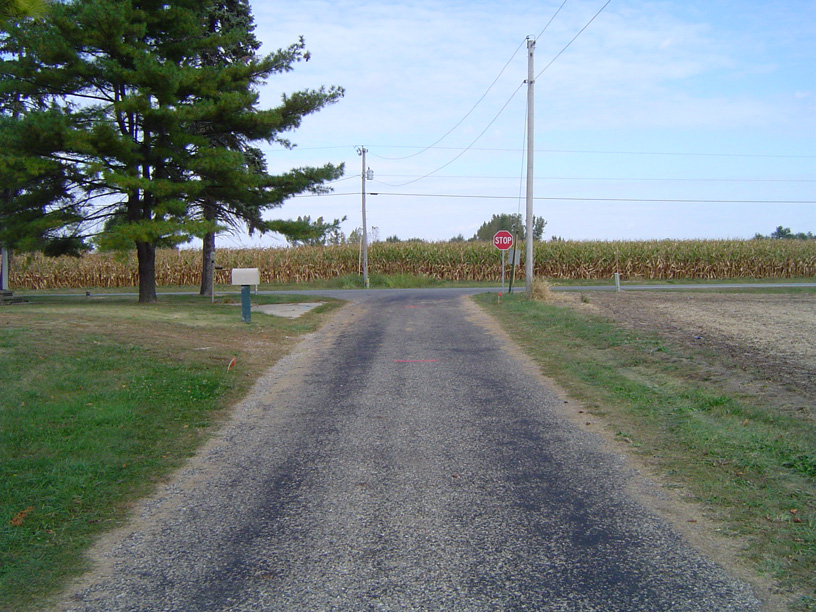
A chipseal road near Kempton, Indiana in the United States

Chipseal (also chip seal or chip and seal or spray seal) is a pavement surface treatment that combines one or more layers of asphalt with one or more layers of fine aggregate. In the United States, chipseals are typically used on rural roads carrying lower traffic volumes, and the process is often referred to as asphaltic surface treatment. This type of surface has a variety of other names including tar-seal[1] or tarseal,[2] tar and chip, sprayed seal[3] surface dressing,[4] or simply seal.[5]

In Australia as well as New Zealand, chipseal roads are common, including usage on major highways.

Uses

[edit]

Chipsealing is cheaper than resurfacing an asphalt concrete or a Portland cement concrete pavement, but not as long-lasting.

A chipseal road in the United Kingdom

Installation

[edit]
Advisory sign to alert people that not all gravel have been pressed into the surface

Chipseals are constructed by evenly distributing a thin base of hot tar, bitumen or asphalt onto an existing pavement and then embedding finely graded aggregate into it. The aggregate is evenly distributed over the hot seal spray, then rolled into the bitumen using heavy rubber tired rollers creating a paved surface. A chip-seal-surfaced pavement can optionally be sealed with a top layer, which is referred to as a fog seal or enrichment.

The introduction of polymer-modified bitumen and emulsion binder has increased chipseal's ability to prevent crack reflection and improve stone retention by improving the properties of the bitumen binder. Newer techniques use asphalt emulsion (a mixture of liquid asphalt, surfactant, and water) instead of asphalt. This has been shown to help reduce aggregate loss and reduce cost of installation, but can increase stripping (separation of the binder from the aggregate). It reduces emissions of volatile organic compounds (VOCs) due to the lower solvent content. New methods also utilize cross linking styrene acrylic polymers which also provide quality water resistance. Chips precoated with about one percent bitumen have been used successfully to minimize aggregate loss and to give the surface a black look.

It can keep good pavement in good condition by sealing out water, but provides no structural strength and will repair only minor cracks. While the small stones used as surface yield a relatively even surface without the edges of patches, it also results in a very rough surface that leads to louder rolling noise from automobile wheels.

Although chipseal is a cost-effective way to repair roads, it has drawbacks. Loose crushed stone may remain on the surface due to underapplication of bitumen or excess stone. If not removed, this can cause safety and environmental issues such as cracked windshields, chipped paint, crashes (especially for motorcyclists, bicyclists, and small trucks), and clogging of drainage systems. Sweeping the road after the emulsion sets is therefore essential. Sometimes, proper chipseal removal is necessary. This is done by waterblasting trucks with waterpressure up to 2,500 bar.

Waterblasting truck for chipseal removal

Using chips precoated with bitumen can help minimize this. Overapplication of emulsion may lead to bleeding, where excess asphalt rises to the surface, creating a smooth, slippery layer when wet and bubbling in hot weather. Tires can fling this tar-like substance onto cars, which can only be removed with solvent or diesel fuel.

Chip seal installation over gravel roads

[edit]

Chip seal products can be installed over gravel roads to eliminate the cost of grading, road roughness, dust, mud, and the cost of adding gravel lost from grading. Adding chip seal over gravel is about 25% of the price of resurfacing with asphalt, $170,000 for a 4-mile project done in Minnesota[6] compared to $760,000 had it been redone with asphalt. The surface lasts for 5–7 years. Patch work can be done with a bucket of tar sealer and more chip seal over the top. The chip seal matt surface handles thermal variation well and doesn't crack like asphalt roads. A thin penetrating emulsion primer (PEP) coat is usually applied over the gravel before the chip seal matt is applied.

Noise and vibrational effects

[edit]
A close-up view of chipseal surface

The rough wearing surface of the chipseal generates more roadway noise at any operating speed than do typical asphalt or concrete surfaces. These sound intensities increase with higher vehicle speeds.[7] There is a considerable range in acoustical intensities produced depending upon the specific tire tread design and its interaction with the roadway surface type.

The rough surface causes noticeable increases in vibration and rolling resistance for bicyclists, and increased tire wear in all types of tires.

Vehicle speed can affect the set up time with chipseal. Shortly after construction (depending on weather conditions) the set speed for chipseal is 10–15 miles per hour (16–24 km/h) for the first 24–48 hours after construction.[citation needed]

See also

[edit]

References

[edit]
[edit]
Revisions and contributorsEdit on WikipediaRead on Wikipedia
from Grokipedia
Chipseal, also known as chip seal or seal coat, is a pavement preservation technique that applies a thin layer of asphalt binder—typically an or hot-applied asphalt—directly onto an existing , followed immediately by the uniform spreading of crushed aggregate chips, which are then rolled to embed them into the binder, creating a protective . This non-structural surface treatment seals minor cracks, waterproofs the pavement to prevent infiltration, and provides a new skid-resistant texture, extending the service life of asphalt or roads by sealing surface deterioration and arresting raveling. Commonly used on low- to moderate-volume rural or suburban roads, chipseal is a cost-effective alternative to full resurfacing, with a typical design life of 4 to 7 years depending on levels and . The origins of chipseal trace back to the early , with its modern form developed in by F.M. Hanson in as a method for constructing and maintaining low-cost roads using available aggregates and bituminous binders. By the 1920s, it was adopted in the United States for resurfacing existing pavements and building new low-volume roads, evolving through innovations like the McLeod design method in the 1960s, which standardized aggregate and binder application rates based on traffic, pavement condition, and material properties. Today, chipseal remains a staple in pavement programs across , particularly in states like , , and , where it is applied during dry summer months to optimize curing and performance. The process begins with thorough surface preparation, including , crack sealing, and patching to ensure , followed by the calibrated spraying of binder at rates typically between 0.37 and 0.52 gallons per . Aggregate chips, selected for their angular shape, durability, and size (often with a median of 0.25 to 0.30 inches and low flakiness), are then distributed at 18 to 30 pounds per and embedded using pneumatic rollers within minutes to prevent displacement. Excess chips are swept away after initial curing, and traffic is often restricted initially to allow full embedment, minimizing loose stones that could damage vehicles. Chipseal offers several advantages, including its low cost—typically one-fourth to one-fifth that of asphalt overlays—improved macrotexture for better wet-weather traction (mean texture depth of at least 0.9 mm), reduced glare from the aggregate surface, and protection against oxidation and moisture damage that accelerates cracking. However, it has limitations: it is unsuitable for high-traffic or heavily distressed pavements due to risks of chip loss, binder bleeding (flushing), or inadequate durability under turning maneuvers, and initial applications may produce loose aggregates that require sweeping and can pose hazards like chips. Despite these drawbacks, proper design and execution, informed by methods like those from or the McLeod system, ensure reliable performance on appropriate roadways.

Overview and History

Definition and Basic Principles

Chipseal, also known as chip seal or seal coat, is a low-cost pavement preservation technique that creates a durable wearing surface by applying a thin layer of binder—typically emulsified asphalt—directly onto an existing pavement or base, followed immediately by the uniform spreading of clean, angular aggregate chips, which are then compacted into the binder to form a protective seal. This method is widely used on low- to medium-traffic roads, providing an economical alternative to thicker asphalt overlays while extending the service life of underlying pavements. The basic principles of chipseal rely on the chemical and mechanical interactions between the binder and aggregate to achieve performance. The binder wets and adheres the aggregate chips to the pavement surface, ensuring they remain in place after the breaks and cures, while the angular shape of the chips promotes for and enhanced skid resistance under traffic loads. Additionally, the embedded chips form a waterproof barrier that seals fine cracks in the underlying surface, preventing moisture infiltration, oxidation, and further deterioration. Key components of chipseal include the binder layer, which is applied at a thickness typically ranging from 1 to 2 mm to ensure adequate coverage without excess, and the aggregate chips, selected in sizes typically 6 to 10 mm (1/4 to 3/8 inch) for optimal embedment and performance. Compaction is achieved through multiple passes of pneumatic-tired rollers shortly after aggregate placement, embedding the chips 50 to 70% into the binder to secure and minimize displacement. Chipseal differs from related treatments such as microsurfacing, which employs a polymer-modified mixed with finer aggregates to create thicker, smoother lifts for rut filling and higher durability, or seal, a thinner preventive overlay using a polymer-enhanced blend of , fine aggregate, filler, and for crack sealing on low-wear surfaces.

Historical Development

Chipseal technology emerged in the early , with origins in the as wearing courses for low-volume roads. Systematic experiments began in the 1930s and , where or asphalt binders were applied over roads to create durable, low-cost surfaces. , engineer F.M. Hanson formalized early design principles in 1935, focusing on aggregate size and binder application rates to optimize adhesion and performance on rural routes. These initial methods relied on hot-applied binders and manual spreading, addressing the growing demand for improved road surfaces amid rising automobile use. In the , the McLeod method was developed in , standardizing aggregate and binder application rates based on traffic, pavement condition, and material properties. Post-World War II material shortages and economic pressures drove widespread adoption of chipseal in the late 1940s and 1950s, particularly for maintaining extensive rural networks where full asphalt paving was unaffordable. In the United States and , the technique transitioned from labor-intensive manual processes to mechanized application using distributor trucks and rollers by the mid-1950s, enabling faster construction and greater scalability. This shift supported post-war expansion, with chipseal proving effective for stabilizing gravel bases under increasing traffic loads. Key innovations in the 1960s included the introduction of emulsified asphalt binders, which allowed application at ambient temperatures and reduced energy demands compared to hot bitumen methods. By the 1990s, polymer modifications to binders enhanced , improving resistance to cracking and aggregate loss in high-traffic areas. The technology spread globally in the mid-20th century, with early adoption in for rural networks starting in the 1950s and in , where it was known as surface dressing for similar low-volume applications. In the United States, the American Association of and Transportation Officials (AASHTO) established initial guidelines for chipseal design and specifications in the 1970s, standardizing practices for aggregate selection and binder rates. Since the 2010s, research has focused on eco-friendly binders, including bio-based alternatives derived from renewable sources, to mitigate environmental impacts while maintaining performance in chipseal applications.

Materials and Components

Binders and Emulsions

In chipseal construction, binders serve as the adhesive layer that secures aggregate chips to the pavement surface, ensuring durability and performance under traffic and environmental stresses. The primary binders used are asphalt emulsions, which are mixtures of asphalt cement, water, and emulsifying agents that allow for application at ambient temperatures. These emulsions are classified as cationic (positively charged particles, e.g., CRS-2 or PMCRS-2h) or anionic (negatively charged, e.g., RS-2 or PMRS-2), with cationic types often preferred for their better adhesion to a wider range of aggregates and reduced sensitivity to moisture. Rapid-setting emulsions, such as high-float rapid-setting (HFRS-2) or polymer-modified rapid-setting (CRS-2P), are standard for chipseals due to their quick demulsification, which promotes rapid aggregate embedment and minimizes displacement during rolling. Cutback asphalt, a solvent-thinned hot-applied binder (e.g., RC-250), was historically common but is now less favored owing to volatile organic compound emissions; it provides similar adhesion but requires heating for application. Emerging options include bio-based binders derived from renewable sources like lignin or vegetable oils, which aim to reduce petroleum dependency while maintaining compatibility, and rubber-modified binders incorporating crumb rubber (typically 15-25% by weight) for enhanced elasticity in high-stress environments. Key properties of these binders influence their sprayability, curing, and efficacy. , measured in Saybolt Furol seconds (SFS) at 50°C (122°F), typically ranges from 50-200 SFS for to ensure uniform distribution without excessive runoff or clogging of spray equipment; higher viscosities (up to 400 SFS) are used in polymer-modified variants for better aggregate retention. Breaking time, the period for the emulsion to separate and convert to asphalt residue, is engineered to 1-2 hours under typical conditions, allowing sufficient time for chip application and initial rolling while preventing premature flushing. Residue content, the percentage of asphalt remaining after , is generally 60-65% for chipseal emulsions, providing a robust film for without excess . These properties are verified through standardized tests, such as those outlined in ASTM D2397 for cationic emulsions, which assess sieve test, storage stability, and demulsibility to confirm and . Selection of binders is guided by site-specific factors to optimize and longevity. Climate plays a critical role: rapid-setting emulsions are chosen for hot, dry regions to accelerate breaking and reduce chip displacement from or early , while polymer-modified options suit extreme temperature swings by improving flexibility. volume influences the choice, with higher-residue, rubber-modified binders preferred for low-volume roads (<2,000 vehicles/day) to allow deeper embedment under lighter loads, and quick-setting cationic emulsions for high- areas (>7,500 AADT) to minimize open-to-traffic delays. Compatibility with aggregates is evaluated through tests like the sand equivalency or aggregate retention assays, ensuring no stripping under wet conditions; anionic emulsions may require pH adjustments for siliceous aggregates, while cationics offer broader versatility. Overall, binders must conform to ASTM D2397 (cationic) or D977 (anionic) standards, with content verified per AASHTO M316 for modified types. Application rates for binders are calibrated to achieve 60-80% aggregate embedment, typically ranging from 1.5-2.5 L/m² (0.25-0.45 gal/yd²) for standard emulsions, adjusted upward for rough or oxidized surfaces to fill voids. The rate is determined using established design methods such as the McLeod method. To enhance performance, additives such as are incorporated into binders at 3-5% by weight of asphalt. Styrene-butadiene-styrene (SBS) is a common elastomeric that increases elasticity, reducing low-temperature cracking and improving fatigue resistance under repeated loading; it is blended into emulsions (e.g., CRS-2P) during manufacturing to maintain sprayability. Rubber modifiers, like ground tire rubber, further improve cohesion and temperature susceptibility when added at similar levels. These modifications are particularly beneficial in variable climates, extending without altering core application processes.

Aggregates and Additives

Aggregates serve as the primary cover material in chipseal applications, providing skid resistance, protection to the underlying binder, and a durable wearing surface. These materials are typically or that must interlock effectively with the binder to ensure long-term performance. Preferred aggregates are angular and cubical in shape to maximize and minimize dislodgement under , with single-sized gradations commonly used to achieve uniform embedment depths of around 70%. Common types of aggregates include natural sources such as limestones, granites, sandstones, and gravels, as well as synthetic options like expanded aggregates, slag, or recycled asphalt pavement. Natural aggregates dominate due to their availability and cost-effectiveness, but synthetic types, such as expanded or clay, offer benefits like reduced weight to prevent damage and enhanced for better binder absorption. Selection criteria emphasize cleanliness, with dust content limited to 1-2% to promote , and tested via methods like Los Angeles Abrasion (AASHTO T 96) to ensure resistance to breakdown under load. Aggregate size is determined by the average least dimension (ALD), typically ranging from 1/4 to 3/8 inch for standard applications, adjusted based on volume and surface texture—finer gradations for low-traffic roads and coarser for high-traffic to improve stability. Additives in chipseal primarily modify the binder to enhance overall system performance, though some pre-treatments apply to aggregates. Polymer additives, such as or elastomeric types, are incorporated into emulsified or hot-applied asphalt binders to improve elasticity, chip retention, and resistance to or flushing, particularly on high-traffic roads exceeding 500 average daily vehicles. These modifications, often at 3% by weight, increase binder and cohesion. Other additives include anti-stripping agents to prevent moisture-induced aggregate loss and coating aids like in fog seals to boost and visibility. For aggregates, pre-coating with a thin filler or film is occasionally used in hot-mix seals to reduce dust and improve bonding, though this is less common with emulsions. All additives must comply with standards like AASHTO M 316 for polymer-modified emulsions to ensure compatibility and environmental safety.

Construction and Installation

Surface Preparation

Surface preparation is a critical step in chipseal application to ensure proper of the binder and aggregates, preventing premature failure due to poor bonding. The process begins with a thorough assessment of the existing pavement surface to identify and address any distresses that could compromise the treatment's performance. Inspectors evaluate for cracks, potholes, ruts, and other defects, such as rutting limited to less than 3/8 inch (10 mm) and avoiding areas with structural distress like alligator cracking. Cracks wider than 1/4 inch (6 mm) must be sealed using hot-poured sealant to prevent infiltration and ensure a stable base, while potholes and ruts are patched with asphalt prior to proceeding. Additionally, the surface must be dry to avoid diluting the binder during application, which could reduce its effectiveness in binding the aggregates. Cleaning methods follow the assessment to remove contaminants that hinder binder adhesion. The pavement is swept using power brooms—rotary for rural areas or pick-up brooms for urban settings—to eliminate , , , loose aggregate, and . jetting or blowing may be employed for stubborn residues, ensuring the surface is completely dry and free of or clay films. Raised pavement markers and thermoplastic markings are removed, and any holes from their extraction are filled to create a uniform substrate. This cleaning promotes optimal contact between the binder and the existing surface, facilitating the mechanical interlock of aggregates. Priming is applied selectively based on the substrate type to enhance bonding. For existing asphalt bases, a tack coat of diluted at a residual rate of 0.04-0.07 gal/yd² (0.17-0.30 /m²) is sprayed to improve , especially on low-texture or oxidized surfaces. On soft or unstable subgrades, stabilization may involve incorporating lime or additional chips into the base to increase and prevent deformation under traffic. These measures ensure the underlying material supports the chipseal layer without shifting. Geometric checks verify the pavement's profile to facilitate proper drainage and uniform application. The pavement profile should be verified to ensure adequate drainage and uniform application, with appropriate cross-slopes to prevent water ponding, which could lead to emulsion displacement or aggregate loss. Any irregularities are corrected through milling or filling to achieve a smooth, consistent profile that supports the chipseal's longevity. Timing considerations focus on environmental conditions to optimize curing and performance. Application is ideally conducted when air and surface temperatures exceed 10°C (50°F) and are rising, with suitable down to 4°C (40°F) in some cases, but avoiding temperatures above 60°C (140°F) to prevent rapid setting. Low humidity (below 50%) and wind speeds under 20 mph are preferred, and no rain should occur within 24 hours after application to allow full breaking and curing of the , typically 2-6 hours depending on conditions. These parameters ensure the binder properly coats the aggregates for effective sealing.

Application Process

The application process for chipseal on standard paved surfaces begins with the distribution of the binder, typically an asphalt emulsion or hot-applied asphalt, using calibrated trucks equipped with spray bars. These trucks apply the binder at a pressure range of 0.3-0.5 MPa to achieve even coverage without or puddling, with the spray bar height adjusted for double or triple overlap across a width of 3-4 meters. The binder rate, as determined from prior material specifications, is precisely controlled via ground-speed sensors to ensure consistent application, often in the range of 0.20-0.45 gallons per depending on surface conditions. Immediately following binder application, aggregate chips are spread using self-propelled chip spreaders to cover the surface uniformly, with the spreading timed to occur within less than 5 minutes—ideally 90 seconds or sooner—to prevent the binder from setting and causing pickup by equipment tires. The spreader follows closely behind the distributor, typically no more than , depositing clean, pre-heated aggregate at rates aligned with binder volume for optimal interlock. Initial compaction follows promptly with pneumatic-tire rollers, which seat the aggregate into the binder through 3-5 passes at speeds of 8-10 km/h (5 mph maximum) to achieve 50-70% embedment depth without displacing chips. These rollers, weighing 10-15 tons with uniform tire pressures around 80-100 psi, provide the necessary action for bonding; at least two rollers are used in tandem to cover the full mat width continuously. After rolling, the chipseal undergoes a curing period of 24-48 hours under controlled light traffic, limited to 20-25 mph with pilot vehicles to allow binder setting and water evaporation from emulsions without dislodging chips. Final brooming with rotary or sweepers removes loose aggregate, typically performed 2-4 hours post-application for initial cleanup and again after 24 hours for thorough removal, ensuring a uniform surface. Quality control during application involves monitoring embedment depth through core samples, targeting 50-70% penetration of aggregate into the binder, and verifying voids at 10-15% for adequate permeability and to avoid flushing or raveling. For double-seal variants, a second binder-aggregate layer is applied after initial rolling and brooming of the first layer, using finer aggregate (half the size of the base layer) at reduced rates to fill interstices and enhance durability. All steps emphasize real-time adjustments based on weather, traffic, and material tests to maintain performance standards.

Installation on Gravel Roads

Installing chipseal on gravel roads requires specific adaptations to account for the loose and unstable nature of the aggregate base, focusing on stabilization to create a suitable foundation before applying the seal. The process begins with grading the existing surface to provide a uniform and proper drainage, typically at a 4% . This is followed by compaction using pneumatic or vibratory rollers to achieve structural integrity and reduce future settlement. To enhance binding in weaker subgrades, or lime may be incorporated into the top layer to improve cohesion and load-bearing capacity without fully paving the road. Binder application on gravel roads necessitates adjustments for better penetration into the porous surface, using higher rates, typically around 2.0-2.5 L/m² compared to paved applications to saturate the loose material effectively. Slower-setting emulsions, such as medium-setting types, are preferred over rapid-setting ones to allow deeper absorption and minimize or pooling. After the binder is sprayed uniformly with calibrated distributors, aggregates are spread immediately at a rate designed for one-stone thickness, followed by heavier rolling with steel-wheel or pneumatic rollers—typically 5-7 passes at low speeds (under 5 mph)—to achieve 60-80% embedment depth, particularly on softer bases where initial seating is challenging. A phased approach is commonly employed to optimize performance and address voids in the initial layer. A single chipseal is applied first, allowing 1-2 weeks for curing and to aid embedment, after which a fog seal—a emulsion spray at 0.20-0.35 gal/yd² (0.65-1.5 L/m²)—is added to fill remaining gaps, reduce loose chips, and enhance durability. Challenges during installation include managing dust through pre-wetting or palliatives to maintain and equipment efficiency, as well as preventing rutting by ensuring adequate stabilization and avoiding over-compaction that could displace fines. Success is often measured by achieving a smooth ride post-construction. This technique is particularly prevalent in rural areas of the and , where low-traffic gravel roads benefit from cost-effective surfacing. In the U.S., the has provided guidelines for such applications since the 1990s, emphasizing preparation and quality control to extend service life on unpaved networks. practices incorporate engineering-based designs with macrotexture measurements to ensure skid resistance on rural highways.

Applications and Benefits

Common Uses

Chipseal is primarily applied to low-to-medium rural roads with average annual daily (AADT) volumes under 5,000 vehicles per day, where it serves as a cost-effective surface treatment for maintaining drivability without requiring full reconstruction. It is also commonly used on road shoulders to enhance stability and seal edges, as well as for temporary surfaces during phases or on low-volume access paths. In non-road applications, chipseal finds use in lots and residential driveways, particularly in rural or suburban settings where is light and smooth aesthetics are secondary to durability. Due to the mobility of chipseal application equipment, such as distributors and rollers, it is ideally suited for stretches of 5-20 km, allowing efficient coverage without excessive setup disruptions. In the United States, chipseal accounts for a substantial portion of rural pavement treatments, comprising around 44% of paved secondary roads in states like according to assessments. As a specialized treatment, chipseal is frequently applied as a seal coat over aged asphalt pavements to rejuvenate the surface and extend by 5-7 years through crack sealing and oxidation protection. It is also employed on taxiways in low-wear zones at facilities, where FAA guidelines (AC 150/5370-10H) permit chip seals for low-severity distress to provide in areas with small operations. Globally, chipseal is widely used in developing countries as a cost-effective sealing method for rural networks, enabling rapid expansion with limited resources. In , chipseal forms the majority of the road system, applied to approximately 88% of the network including major highways, reflecting its adaptability to varied terrains and traffic patterns. However, chipseal is unsuitable for high-speed highways exceeding 80 km/h, as the initial loose aggregate chips pose hazards like windshield damage and reduced traction during the embedment period.

Advantages Over Other Surfaces

Chipseal offers significant cost advantages over hot-mix asphalt (HMA), typically costing 20-50% less, with application rates around $1-3 per square meter compared to $5-10 per square meter for HMA overlays on low-traffic roads. Additionally, chipseal installation is rapid, allowing crews to treat up to several kilometers per day, far exceeding the pace of HMA placement which requires more equipment and curing time. In terms of versatility, chipseal conforms well to irregular or uneven surfaces where HMA might require extensive preparation, and it provides effective by sealing cracks and preventing moisture infiltration into the underlying pavement. On gravel roads, chipseal binds loose aggregates, offering superior control compared to untreated while stabilizing the surface for improved drivability. Chipseal promotes through the incorporation of recycled aggregates, such as reclaimed asphalt pavement, which can comprise up to 50% of the material, reducing the demand for virgin resources. It also requires lower energy input than HMA, as emulsified binders are applied at ambient temperatures without the need for heating, leading to energy savings of approximately 50% during production and installation. Recent studies as of 2024 confirm chipseal's cost-effectiveness for low-traffic rural roads, with life spans of 7-10 years. Compared to untreated gravel surfaces, chipseal excels in crack sealing and pothole mitigation by sealing gaps that allow water ingress and aggregate displacement, reducing pothole formation over time. Relative to HMA, chipseal cures faster, permitting light traffic within 24 hours versus several days for HMA to achieve full strength and avoid deformation. The macrotexture depth of chipseal, typically 1-2 mm, enhances skid resistance by providing greater than smooth HMA or , achieving a exceeding 0.5 as measured by ASTM E303 standards.

Performance and Limitations

Durability and Maintenance

Chipseal surfaces generally provide a of 4 to 7 years on low-volume roads with light , though this can vary based on levels, climate, and material quality. The embedment of aggregate chips into the binder is a critical factor for longevity, with levels exceeding 60%—ideally approaching 70%—promoting better retention and reducing early wear. Environmental influences, such as frequent rainfall, can accelerate aggregate stripping by promoting water infiltration and weakening the binder-aggregate bond. Common failure modes in chipseal pavements include loose chips and aggregate loss, which often occur within the first 6 months due to inadequate initial embedment, high early traffic, or improper rolling. Over time, typically after 3 to 5 years, oxidation of the binder leads to cracking and raveling as the surface hardens and becomes brittle. Flushing, where excess binder rises to the surface, can also develop, sometimes exacerbated by spills that soften the and cause . To maintain chipseal integrity, annual sweeping removes loose material and prevents buildup that could lead to uneven wear. An optional initial fog seal, applied within 1-4 weeks post-application at approximately 0.25-1 L/m² (0.05-0.20 gal/sy) of , can improve chip retention and embedment; renewal fog seals may be used later if distress appears, potentially extending . Potholes and localized distresses are addressed through patching with small-scale chipseal applications to restore surface uniformity without full resurfacing. Monitoring chipseal performance involves annual visual inspections to identify early signs of distress like raveling or cracking, supplemented by deflection testing using tools such as the Falling Weight Deflectometer (FWD) to assess integrity and structural capacity. For extended durability, techniques like sandwich seals—where a chipseal layer is embedded between asphalt courses in overlays—can provide performance similar to double chip seals, typically 4-7 years.

Noise, Vibration, and Safety Effects

Chipseal surfaces typically generate higher tire-pavement noise levels compared to hot mix asphalt (HMA) pavements due to the exposed aggregate texture, which increases sound emissions from interaction. Measurements indicate that chipsealed pavements produce approximately 2 dB(A) more than HMA at typical speeds, with on-board sound intensity (OBSI) levels averaging around 104 dB(A) for chip seals. Using close-graded aggregates may mitigate this by developing a smoother texture. Vibration effects from chipseals result in a rougher ride quality initially, as the embedded chips create surface irregularities that transmit more vibrations to vehicles. The international roughness index (IRI) for newly applied chipseals often starts at approximately 2-4 m/km, reflecting this harsher profile, but traffic and weathering typically smooth the surface, lowering IRI to below 3 m/km within the first year. Employing pneumatic rollers during installation helps minimize initial vibration by better embedding aggregates and reducing protrusions. In terms of safety, chipseals enhance wet skid resistance through their macrotexture, which provides drainage and grip; British number (BPN) values exceeding 45 are commonly achieved and serve as a threshold for opening to . However, loose chips immediately after application can pose hazards by reducing , damaging windshields, and increasing the risk of vehicle hydroplaning or loss of control. To address this, reduced speed limits of 30-50 km/h (20-30 mph) are recommended for the first 1-2 weeks until chips embed fully. Mitigation strategies for , , and include applying double chipseals or using rubberized binders, which can lower by up to 5 dB while improving aggregate retention and ride smoothness. Installing in transitional areas and precoating aggregates further reduces loose chip hazards and enhances overall during the curing period. Studies from the National Cooperative Highway Research Program (NCHRP) in the 2000s highlight that improper embedment in chipseals can elevate crash risks in wet conditions due to reduced and loose aggregates, underscoring the need for precise construction practices. Recent studies (as of 2023) explore polymer-modified emulsions and advanced monitoring techniques, such as automated distress detection, to further enhance chipseal durability and performance in varying climates.

Environmental and Economic Aspects

Environmental Impact

Chipseal, also known as chip sealing or surface dressing, presents a mixed environmental profile due to its use of asphalt emulsions and aggregates, which can reduce certain emissions compared to traditional hot mix asphalt (HMA) while posing risks from material sourcing and runoff. The process typically involves cold-applied bituminous binders, leading to lower (VOC) emissions than HMA production, with reductions estimated at over 80%. However, asphalt emulsion production and application still contribute to , approximately 0.5 kg CO₂ equivalent per square meter of paved surface, primarily from binder manufacturing and transportation. Runoff from asphalt-based chipseal surfaces introduces minimal polycyclic aromatic hydrocarbons (PAHs) into waterways through binder leaching, with concentrations typically below detectable limits (e.g., <1 μg/L) in , unlike coal-tar sealants. This low potential for contamination is further supported by the use of polymer-modified binders, which enhance overall binder stability and . The sourcing of aggregates for chipseal contributes to habitat disruption through quarrying activities, which involve land excavation, dust generation, and biodiversity loss in extraction sites. To address resource depletion, reclaimed asphalt pavement (RAP) can be incorporated into chipseal treatments, substituting some virgin materials and reducing demand for new quarried resources while promoting sustainability. Advancements in include the integration of bio-asphalts derived from plant oils, which have been tested in chipseal applications since 2015 and can reduce dependency through partial binder replacement with renewable alternatives. Recent innovations as of 2025 include functional chipseals using recycled aggregates for enhanced properties like heat healing and , further improving environmental performance. Additionally, chipseal's macrotexture compared to dense HMA provides better traction and may allow limited drainage through surface voids, though it does not promote significant percolation like porous pavements. Regulatory frameworks further shape chipseal's environmental management, requiring compliance with the EU's REACH regulation for chemical substances in binders to ensure safe handling and minimal ecological release. In the U.S., stormwater permits under the NPDES program mandate the implementation of sediment controls, such as silt fences and stabilization measures, during chipseal installation to prevent erosion and pollutant discharge into waterways.

Cost Considerations

The initial cost of chipsealing typically ranges from $1.20 to $2.40 per square meter ($1 to $2 per ), encompassing materials and labor, though this varies by region—for instance, urban areas incur higher expenses due to additional traffic control measures. The binder, often an asphalt , is a significant component of the total initial cost, influenced by material specifications and application rates. Lifecycle cost analysis over a 10-year period for chipseal on low-traffic roads generally totals $2.40 to $4.80 per square meter, including periodic maintenance such as resealing every 4 to 6 years, compared to $8.40 to $12 per square meter for hot mix asphalt (HMA) overlays over the same timeframe, resulting in cost savings for chipseal on low-volume routes. Key factors include aggregate transportation, which can comprise 20 to 30% of expenses in remote or rural areas due to hauling distances, rates of $500 to $1,000 per day for spreaders and rollers, and annual adjustments of 3 to 5%. A standard budgeting formula for chipseal projects is: Total cost = (Material rate × Area) + (Labor hours × Wage) + Overhead (15-20%), where material rates incorporate binder and aggregate pricing. For example, applying this to a 1 km² project at average rates yields approximately $1.5 million. strategies, such as bulk purchasing of aggregates and binders, can reduce overall costs by 10 to 15%, while federal grants under programs like the U.S. Fixing America's Surface Transportation (FAST) Act provide funding support for rural chipseal initiatives, lowering net expenses for eligible low-traffic applications.

References

Add your contribution
Related Hubs
User Avatar
No comments yet.