Hubbry Logo
Fire coralFire coralMain
Open search
Fire coral
Community hub
Fire coral
logo
8 pages, 0 posts
0 subscribers
Be the first to start a discussion here.
Fire coral
Fire coral
from Wikipedia

Fire coral
Millepora dichotoma
Scientific classification Edit this classification
Kingdom: Animalia
Phylum: Cnidaria
Class: Hydrozoa
Order: Anthoathecata
Suborder: Capitata
Family: Milleporidae
Fleming, 1828
Genus: Millepora
Linnaeus, 1758
Diversity
15 species
Fire coral range
Synonyms

(Family)

(Genus)

  • Palmipora de Blainville, 1830

Fire corals (Millepora) are a genus of colonial marine organisms that exhibit physical characteristics similar to that of coral. The name coral is somewhat misleading, as fire corals are not true corals but are instead more closely related to Hydra and other hydrozoans, making them hydrocorals. They make up the only genus in the monotypic family Milleporidae.

Anatomy and reproduction

[edit]

While most fire corals are yellow or orange, they can also be found in shades of brown, green, and even blue, providing a vibrant display underwater.[1]

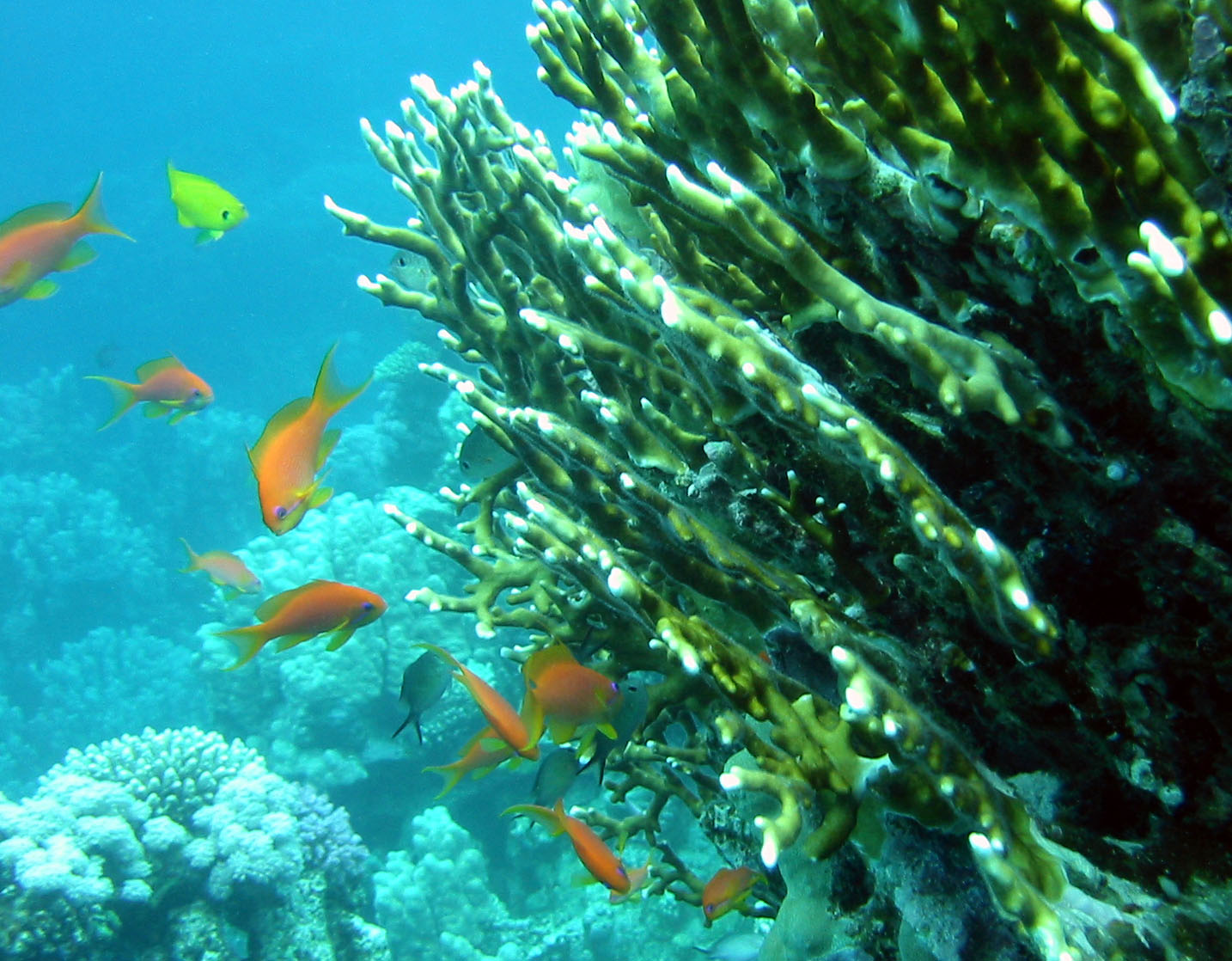
Fire coral has several common growth forms; these include branching, plate, and encrusting. Branching fire coral adopts a calcareous structure which branches off into rounded, finger-like tips. Plate-growing fire coral forms a shape similar to that of fellow cnidarian lettuce corals - erect, thin sheets, which group together to form a colony. In encrusting fire coral, growth takes place on the surface structure of calcareous coral or gorgonian structures.[2]

The gonophores in the family Milleporidae arise from the coenosarc (the hollow living tubes of the upright branching individuals of a colony), within chambers embedded entirely in the coenosteum (the calcareous mass forming the skeleton of a compound coral).

Reproduction in fire corals is more complex than in other reef-building corals. The polyp of fire coral releases a medusa that releases its eggs in the water stream. Then another male medusa fertilizes the eggs with its sperm, which then produces a planula.[3] A planula then floats in the water until it finds a reef it is able to attach to and grow back into a polyp, settling on a hard surface. Then the cycle repeats.[4]

Habitat and predators

[edit]

Fire corals are found on reefs in tropical and subtropical waters, such as the Indian Ocean, Pacific Ocean, and Atlantic Ocean and the Caribbean Sea.[5][6] They are found in shallow reefs where the most amount of sunlight is able to reach them, allowing for a higher rate of photosynthesis of the algae that lives in their tissues. Fire corals thrive in an environment with a high, strong current, and warm water.[3] They are found in almost all places in the world, except for cold coastal regions. They are also abundant on upper reef slopes and in lagoons, and occur down to 40 meters (131 ft) deep.

Fire corals' predatory threats are mainly from fire worms, certain nudibranchs, and filefish.[7] They are predators to the algae that lives within them, and zooplankton/phytoplankton.[3]

Biology and behaviors

[edit]

The polyps of fire corals are near microscopic size and are mostly embedded in the skeleton and connected by a network of minute canals.[8] All that is visible on the smooth surface are pores of two sizes: gastropores and dactylopores. In fact, Millepora means ‘thousand pores’. Dactylozooids have long fine hairs that protrude from the skeleton. The hairs possess clusters of stinging cells and capture prey, which is then engulfed by gastrozooids, or feeding polyps, situated within the gastropores. As well as capturing prey, fire corals gain nutrients via their special symbiotic relationship with algae known as zooxanthellae. The zooxanthellae live inside the tissues of the coral, and provide the coral with food, which they produce through photosynthesis, so require sunlight. In return, the coral provides the algae with protection and access to sunlight. The hollow tubes in fire coral can also be used to store oxygen to offset any organism that bumps into it.[3]

Stings, symptoms, and treatments

[edit]
Millepora alcicornis

Upon contact, an intense pain can be felt, lasting from two days to two weeks. Occasional relapses of post-treatment inflammation are common. Prominent side effects can include skin irritation, stinging or burning pain, erythema (skin redness), fever, and/or urticarian (hives) lesions. These side effects are due to venom released from the nematocyte, as venom is part of the defense mechanism of the fire coral. Despite its mild to moderate potential for pain, the venom is nonlethal to humans. The very small nematocysts on fire corals contain tentacles, protruding from numerous surface pores (similar to jellyfish stingers). In addition, fire corals have a sharp, calcified external skeleton that can scrape the skin.[medical citation needed]

The following treatments are suggestions; always seek a medical professional first.

  1. Rinse with seawater. Freshwater will cause the cnidae to release more venom, which will increase pain, so stay clear of freshwater.
  2. Apply vinegar or isopropyl alcohol. This helps to deactivate the venom.
  3. Heat can also help to deactivate the venom.
  4. Remove any parts of the fire coral; tweezers and tape work very well.
  5. Keep the infected area still because movement can cause the venom to spread.
  6. Apply hydrocortisone cream two to three times daily as needed for itching. Stop immediately if any signs of infection appear.

Again, these are just suggestions; always seek a medical professional first.[8][medical citation needed]

Threats and conservation

[edit]

Fire corals face the many threats impacting coral reefs globally, including poor land management practices releasing more sediment, nutrients, and pollutants into the oceans and stressing the fragile reef ecosystem. Overfishing has ‘knock-on’ effects that result in the increase of macroalgae that can outcompete and smother corals, and fishing using destructive methods physically devastates the reef. A further potential threat is the increase of coral bleaching events, as a result of global climate change.[9]

Coral bleaching is also a major threat to all types of coral. Coral bleaching is when the coral expels the zooxanthella that they feed on, which causes them to turn white, hence "bleaching." Corals can not live long in this state, yet if environmental conditions return to normal, then the zooxanthella can return and the coral will return healthy again.[4]

Most fire coral species have brittle skeletons that can easily be broken, for example, during storms, or by divers when diving for leisure, or when collecting fish for the aquarium trade. For instance, the yellowtail damselfish (Chrysiptera parasema) tends to dwell close to the branching fire coral colonies, and retreats into its branches when threatened. In Brazil, fire coral colonies are extensively damaged when harvesting the yellowtail damselfish, as the corals are often deliberately smashed and fishes hiding amongst the branches are ‘shaken out’ into plastic bags.[10]

Fire corals are listed on Appendix II of the Convention on International Trade in Endangered Species (CITES).[11]

Species

[edit]
Millepora exaesa holotype specimen and bottle encrusted by the species, Natural History Museum of Denmark

Sixteen species of Millepora are currently recognised:[12]

Further reading

[edit]

References

[edit]
[edit]
Revisions and contributorsEdit on WikipediaRead on Wikipedia
from Grokipedia
Fire corals encompass species of the genus Millepora within the family Milleporidae, colonial hydrozoans that construct rigid, calcareous exoskeletons mimicking the form of true stony corals but classified under the class Hydrozoa rather than Anthozoa, thus termed hydrocorals. These sessile organisms thrive in shallow, sunlit tropical and subtropical marine environments across the Atlantic, Indian, and Pacific Oceans, often encrusting substrates or forming upright branches on reef slopes and lagoons where water flow is moderate to strong. Distinguished by their gastrovascular polyps equipped with nematocysts that discharge venomous stinging cells, fire corals inflict immediate, burning dermal reactions upon tactile contact, serving as a primary defense mechanism against predators and incidental human encounters. As framework builders on coral reefs, they contribute to structural complexity despite comprising a distinct cnidarian lineage, with species like Millepora alcicornis exemplifying branching morphologies prevalent in the Caribbean.

Taxonomy and classification

Phylogenetic position and distinction from true corals

Fire corals of the genus Millepora occupy a distinct phylogenetic position within the phylum , specifically in the class under the subclass Hydroidolina and order (formerly Capitata), family Milleporidae. This places them in the subphylum , which includes organisms capable of producing both polyp and stages in their life cycles, contrasting with the exclusively polypoid . Molecular studies, including analyses of species like Millepora alcicornis and Millepora complanata, confirm their deep divergence from anthozoans, with Milleporidae forming a monophyletic group within hydrozoans that diverged approximately 500 million years ago during the period. In contrast to true corals, which belong to the class and order , fire corals lack the defining anthozoan traits such as bilateral in polyps and septate corallites. corals produce rigid via deposition within individual corallites housing solitary or colonial polyps with six-fold radial and tentacles in multiples of six. Fire corals, as hydrozoans, exhibit a coenosteum—a continuous perforated by scattered gastropores (for feeding gastrozooids) and dactylopores (for defensive dactylozooids), without discrete corallites or septa. Their polyps are dimorphic and microscopic, integrated into a shared living tissue (coenosarc) that lacks the muscular retractor systems typical of anthozoan polyps.
FeatureFire Corals (Millepora, )True Corals (, )
Class
Polyp OrganizationDimorphic (gastrozooids, dactylozooids); microscopic, in poresMonomorphic or dimorphic; larger, in corallites
Skeleton StructurePorous coenosteum, no Septate corallites with walls
SymmetryVariable, often irregularSix-fold radial
Life Cycle StagesPolyp and (medusae rare)Polyp only
This table highlights the fundamental morphological and developmental distinctions, supported by histological and genetic evidence, underscoring why Millepora species are classified as hydrocorals rather than stony corals despite their similar reef-building role. Fire corals' nematocysts also differ, featuring unique types like microbasic euryteles absent in anthozoans, further delineating their evolutionary lineage.

Etymology and historical classification

The common name "fire coral" derives from the intense, burning sensation caused by contact with the organism's nematocysts, which deliver a painful sting comparable to a burn. This vernacular term reflects empirical observations of its defensive mechanism rather than any thermal property, as the colonies lack heat-generating capabilities. The genus name Millepora, established by in (10th edition, 1758), originates from Latin roots: mille meaning "thousand" and pora (from Greek poros, "pore"), alluding to the multitude of small pores visible on the calcareous skeleton, known as the coenosteum. These pores include gastropores for gastrozooids and dactylopores for dactylozooids, distinguishing the structure from that of true corals. Historically, Millepora species were misclassified among stony corals (class Anthozoa) due to their rigid, branching calcareous skeletons and reef-building morphology, which superficially resembled scleractinians. Linnaeus initially placed the genus within Madrepora, a polyphyletic group encompassing various calcifying cnidarians. By the early 19th century, advancements in microscopy revealed distinct polyp dimorphism—feeding gastrozooids and defensive dactylozooids—prompting reclassification as hydrozoans (class Hydrozoa, order Anthoathecata). The family Milleporidae was formally defined by John Fleming in 1828, solidifying their separation from anthozoans based on reproductive and skeletal evidence. This distinction, confirmed through comparative anatomy, underscores that fire corals are more closely related to jellyfish than to scleractinian corals, despite ecological convergence in tropical reefs.

Accepted species

The genus Millepora contains 14 accepted according to the (WoRMS), a peer-reviewed database of marine taxonomy. These exhibit varying morphologies and distributions, primarily in tropical and subtropical waters, though taxonomic revisions continue due to and limited molecular data, with some sources recognizing 16–19 . The accepted species are:
  • Millepora alcicornis Linnaeus, 1758 (widespread in the Atlantic)
  • Millepora boschmai de Weerdt & Glynn, 1991 ()
  • Millepora complanata Lamarck, 1816 (Atlantic and )
  • Millepora dichotoma Forsskål, 1775 ( and )
  • Millepora exaesa Forsskål, 1775 (, including type locality in the )
  • Millepora foveolata d'Orbigny, 1828 ()
  • Millepora intricata Milne Edwards & Haime, 1851 ()
  • Millepora latifolia Boschma, 1948 ()
  • Millepora murrayi Ridley, 1884 ()
  • Millepora nitida Verrill, 1868 ()
  • Millepora platyphylla Hemprich & Ehrenberg, 1834 ()
  • Millepora squarrosa Lamarck, 1816 (Atlantic)
  • Millepora striata Duchassaing & Michelotti, 1864 ()
  • Millepora tenera Boschma, 1948 ()
Recent molecular studies suggest potential cryptic within some taxa, such as M. dichotoma and M. platyphylla, but WoRMS maintains the current delimitations based on morphological and distributional evidence.

Physical description

Colony morphology and growth forms

Fire coral colonies consist of a rigid, known as the coenosteum, perforated by surface pores housing gastrozooids for feeding and dactylzooids for defense, with the living tissue forming a thin, colorful layer over the . Colonies initiate growth as encrusting forms, spreading thin layers over hard substrates such as rocks, dead , or shipwrecks, before developing upright structures influenced by local conditions. Common growth forms include encrusting, branching, plate-like, massive, and columnar morphologies, with branching and plate-like variants predominant in shallow environments. Branching forms, as in Millepora alcicornis, feature cylindrical or finger-like branches up to 50 cm tall, often bushy or lattice-like with white tips on pale to brown branches, enabling overgrowth of neighboring gorgonians. Plate-like or blade-like forms, typical of Millepora complanata or M. platyphylla, produce flat, expansive leaflike structures reaching 30–60 cm in height, while massive forms appear bulky in lagoonal settings. Encrusting and columnar variants occur on vertical or inclined substrates, with intermediates blending traits like partial branching on plate bases. Morphology exhibits , where genetically identical clones produce distinct forms across habitats; for instance, M. platyphylla forms "sheet-tree" structures on upper slopes but encrusting or massive colonies on mid-slopes and back reefs. Environmental factors such as water flow, substrate inclination, and depth drive these variations: high-energy fore-reefs favor encrusting bases with denser branches on vertical surfaces, low-flow lagoons promote taller, sparser branching, and turbulent shallows select bladed forms for stability. This plasticity, observed in and populations, underscores adaptive responses rather than strict species-specific morphologies, with genetic analyses revealing cryptic species despite form overlaps.

Microscopic anatomy and skeletal structure

The skeletal framework of fire corals (genus Millepora) is an internal primarily composed of , secreted by the colonial polyps and forming a rigid, porous structure known as coenosteum that encases and interconnects the living tissues. This skeleton exhibits a trabecular microstructure characterized by short fibers with relatively poor crystallinity, distinguishing it from the longer, more ordered fibers in scleractinian corals. The coenosteum contains a network of minute canals that facilitate nutrient and among polyps, with the overall arising from two distinct pore types: larger gastropores (approximately 0.1–0.3 mm in diameter) for feeding gastrozooids and smaller dactylopores (0.05–0.1 mm) for defensive dactylozooids. Microscopically, the polyps are dimorphic and embedded within the coenosteum, with gastrozooids functioning in nutrient uptake and dactylozooids in prey capture and colony defense via nematocysts. Gastrozooids are simple, tubular structures lacking tentacles, comprising an al epidermis, a thin , and an endodermal gastrodermis housing symbiotic Symbiodinium dinoflagellates that contribute to and . Dactylozooids are elongated and filamentous, extending slightly beyond the skeleton surface, lined with batteries of nematocysts in the ectoderm for stinging, and connected to the gastrozooids via solenia—fine tubular extensions of the coenosarc (common tissue layer). The coenosarc itself is a continuous epithelial sheet over the skeleton, with cellular layers adapted for rapid retraction into pores upon disturbance, minimizing exposure. Skeletal deposition occurs via extracellular calcification within the coenosteum's canals, where precipitates around organic matrices secreted by calicoblastic cells in the , resulting in a hollow, encasing that supports expansion without solid infilling. Histological sections reveal the aragonite fibers oriented perpendicular to growth surfaces, with interpore walls thickened by successive layering, enabling mechanical resilience in turbulent environments. This microstructure contrasts with true corals' septa and , reflecting Millepora's hydrozoan phylogeny and adaptation for polymorphic polyp integration.

Reproduction and life cycle

Asexual reproduction mechanisms

Fire corals in the genus Millepora primarily propagate asexually through fragmentation, a process in which branches or portions of the colony break off due to physical disturbance, such as wave action or predation, and subsequently reattach to suitable substrates to develop into independent, genetically identical colonies. This clonal mechanism facilitates rapid local and dominance in habitats, often outpacing sexual in stable or recovering environments. Colonial expansion and maintenance also involve sympodial growth, characterized by the iterative of new polyps and skeletal extensions from branch tips or lateral edges, enabling continuous tissue and deposition without producing dispersive propagules. Unlike some cnidarians, Millepora do not produce asexual larvae or planulae via , limiting long-distance dispersal to fragmentation events. Fragmentation rates can vary by and morphology; for instance, branching forms like Millepora alcicornis exhibit higher propensity for detachment and reestablishment compared to encrusting types.

Sexual reproduction and larval development

Fire corals (Millepora spp.) are gonochoric, with separate colonies producing gametes through broadcast spawning mediated by medusoids. occurs within specialized ampullae embedded in the coenosteum, where medusoids develop and mature gonads; males release , while females produce 2–5 zooxanthellate oocytes per medusoid. Spawning is seasonal, typically aligning with spring or summer in temperate regions and triggered by rising temperatures, with variations by species and location—for instance, M. cf. exaesa spawns in December and M. cf. platyphylla in January off Reunion Island, while M. dichotoma in the exhibits multiple spawning events (4–6 per season) from June to September. Medusoids emerge from ampullae, swim briefly for 1–3 hours, and release gametes synchronously just , after which they perish without feeding structures, relying on stored energy. Fertilization yields embryos that develop into zooxanthellate, bipolar, ciliated larvae within less than 12 hours post-spawning. These planulae exhibit limited , often crawling rather than actively swimming, as observed in M. exaesa, and can survive over one month in the before settling. Upon settlement, typically within 10 meters of parent colonies in sites like , planulae metamorphose into primary polyps that initiate new colonies through subsequent asexual , leading to sibling aggregations and limited dispersal. This reproductive strategy supports localized recruitment, with genetic studies confirming clonal propagation post-settlement alongside sexual input. Observations indicate planulae preferentially attach to hard substrates, metamorphosing rapidly to form the characteristic encrusting or branching growth forms.

Recent research on reproductive ecology

A 2024 histological and in-situ monitoring study of three fire coral species—Millepora dichotoma, M. exaesa, and M. platyphylla—in the northern documented rapid reproductive cycles, with initiating in early summer and complete medusae development achieved in approximately 14 days, far shorter than the 9–10 months observed in scleractinian corals. Spawning occurred seasonally from June to August over six years (2016–2021), with medusae release synchronized to sunset and peaking around lunar phases: M. dichotoma exhibited 4–6 breeding events per season, each spanning 2–5 nights near new or full moons (±2 days); M. exaesa showed 1–2 events aligned with the first quarter moon; and M. platyphylla events preceded new or full moons. These species demonstrated temporal , breeding on distinct nights to minimize hybridization risk, while two medusae cohorts (Stage I: 123 µm; Stage II: 340 µm) were identified in M. dichotoma, supporting multiple spawning bouts. Sex ratios varied among species but were generally near 1:1, with M. dichotoma at 1.0 females:1.3 males (not significantly deviating from parity) and M. exaesa skewed toward males at 1.0:3.0 (p=0.008), potentially reflecting adaptive responses to local . Medusae sizes differed, with M. dichotoma producing larger individuals (667 µm) than M. exaesa (402 µm), correlating with higher breeding frequency and colony size in the former (p=0.0002 compared to M. exaesa). High , evidenced by right-skewed colony size distributions, was linked to these prolific events, though abundance and size declined with depth (p=0.0002) and showed a 61% drop in shallow (0.5–3 m) M. dichotoma colonies from 1969 to 2021 (p=0.015). Reproductive phenology appeared resilient to environmental stressors, including fluctuations and , with no significant impact on planulae settlement from light regimes (p=0.13 for M. dichotoma). This multi-event strategy enhances larval supply and population persistence, highlighting fire corals' ecological adaptability in warming reefs. A 2023 genomic further noted that Millepora vertically transmit algal symbionts to eggs, a trait uncommon among broadcast-spawning hydrozoans, which may bolster offspring fitness in variable conditions.

Habitat and distribution

Global geographic range

Fire corals of the genus Millepora exhibit a pantropical distribution, inhabiting coral reefs in the warm waters of the Atlantic, Indian, and Pacific Oceans. The genus includes about 19 species, with seven confined to the tropical Atlantic and twelve present in the Indo-Pacific region. They are generally absent from polar and temperate zones, limited by low water temperatures below approximately 20°C. In the , fire corals predominate in the western tropical sector, including the , , and coastal areas from southward to , with sporadic occurrences in the eastern Atlantic such as the . Species like Millepora alcicornis and Millepora complanata are common here, often forming extensive colonies on shallow reefs. The hosts the greatest diversity and abundance, spanning from the and east African coast through the to the central Pacific, including locations such as the , , and various island chains. Millepora platyphylla, for instance, is widely distributed across surf-exposed edges in this vast area. Recent surveys confirm their presence in northern at depths of 7-13 meters, indicating resilience in dynamic tropical environments.

Preferred environmental conditions

Millepora species, commonly known as fire corals, inhabit tropical and subtropical marine environments with sea surface temperatures typically ranging from 22 to 30 °C, where seasonal warming in spring and summer often correlates with heightened reproductive activity. These hydrozoans require normal salinities of approximately 32–36 practical salinity units, consistent with oligotrophic tropical waters that support their symbiotic dinoflagellates (* spp.) for . Excessive deviations, such as sustained exposure above 30 °C, can induce bleaching responses akin to those in scleractinian corals. Optimal depths span the to about 50 m, though peak abundance occurs between 1 and 40 m, where sufficient irradiance (high levels) enables energy acquisition via while minimizing light limitation at greater depths. Zonation patterns on reefs reflect gradients in physical factors: colonies achieve highest densities on fore-reefs exposed to wave energy, with larger forms developing in nearshore shallows benefiting from enhanced water motion. Moderate to strong currents and are essential, fostering varied growth morphologies—such as encrusting plates in high-flow regimes—and facilitating delivery while dispersing gametes and planulae. Low is critical, as elevated particulate loads from runoff inhibit settlement and overgrowth, restricting distribution to clear-water habitats with minimal terrigenous influence. These conditions collectively enable Millepora to occupy competitive niches in frameworks, often dominating exposed surfaces where scleractinians are sparse.

Zonation within reef systems

Fire corals (Millepora spp.) occupy varied positions within coral reef systems, typically from the to depths of 40–50 m, with zonation driven by hydrodynamic forces, light intensity, and substrate type. Robust, platelike, or massive morphologies prevail in shallow, high-energy zones like the reef crest and upper fore-reef, where strong water movement aids stability and nutrient delivery, while more delicate branching forms characterize calmer, deeper fore-reef slopes. In the fore-reef and outer slopes, species such as M. cf. platyphylla exhibit high densities and extend from the crest to 35 m, showing in growth forms adapted to varying . M. tenera often dominates immediately adjacent to the crest, benefiting from elevated water flow. Coverage in these zones remains generally low, under 10% of the , though localized "Millepora zones" can form where fire corals outcompete scleractinians. Lagoonal and back-reef areas host fire corals sporadically, including encrusting forms of M. cf. exaesa at shallow depths near shore (e.g., 2 m), but with reduced abundance compared to exposed margins due to lower energy and higher sedimentation risks. Patch and bank reefs also support populations, as seen with M. alcicornis across multiple habitats in , including surf zones. Regional variations highlight resilience to stressors; in the northern Maldives' Ihavandhippolhu , post-bleaching recovery has concentrated Millepora in exposed ocean reefs at 7–13 m, contrasting historical shallow reef-flat dominance before the 1998 . Such patterns underscore fire corals' preference for turbulent, well-oxygenated waters over protected lagoons.

Ecology

Trophic interactions and feeding

Fire corals of the genus Millepora primarily capture through specialized gastrozooids equipped with tentacles armed in nematocysts, which sting and immobilize prey particles suspended in water currents. These polyps extend into the water column to intercept small crustaceans, larvae, and other planktonic organisms, with feeding efficiency enhanced by their preference for high-flow environments that deliver resources. Unlike strictly autotrophic builders, Millepora species supplement heterotrophic nutrition via with algae (), which provide photosynthetic products accounting for a portion of their energy needs, particularly in shallow, illuminated habitats. In trophic networks, fire corals function as mixotrophs, occupying an intermediate position by converting planktonic into while contributing to higher trophic levels through structural that supports associated . Reef fishes, including species from families such as Pomacentridae and Labridae, exhibit feeding associations with Millepora colonies, often foraging on entrapped , dislodged mucus, or epifaunal within the branches, thereby facilitating nutrient cycling. These interactions underscore Millepora's role in South Atlantic and reefs, where their branching morphology fills niches absent in scleractinian corals, enhancing and prey availability for reef dwellers. Empirical observations indicate that such fish behaviors do not typically harm the hydrocoral but may indirectly boost its feeding by stirring water and reducing sediment fouling.

Predators, competitors, and defenses

Fire corals (Millepora spp.) face predation from a limited array of organisms, including errant polychaetes such as the fireworm (Hermodice carunculata), which consume hydrocoral tissue and damage colony structure. Several species of coral-feeding fish and at least one gastropod mollusc also prey on Millepora, targeting live tissue despite the presence of stinging zooids. Notably, the crown-of-thorns starfish (Acanthaster planci) avoids Millepora colonies, potentially offering indirect refuge to adjacent scleractinian corals during outbreaks. Overall, fire corals exhibit relatively few dedicated predators compared to true corals, which may contribute to their persistence on degraded reefs. In terms of , Millepora engage in intense spatial contests with scleractinian corals, often overgrowing living colonies to preempt substrate and expand territory. They also compete with gorgonians, such as Briareum asbestinum in the , and other hydrocorals for reef space and resources. organisms like , amphipods, tanaid and alpheid crustaceans, additional polychaetes, and gastropods colonize Millepora surfaces, while invasive macroalgae (green, red, and brown ) and endolithic algae overgrow dead branches or encroach on live tissue, exacerbating competitive pressures. Defenses against predation and competition primarily rely on nematocysts housed in dactylozooids, which deliver toxins including phospholipases A2 and pore-forming proteins like alciporin, causing cytolytic effects and deterring herbivores such as . These chemical armaments not only immobilize prey but also provide allelopathic advantages in overgrowth competitions with neighboring corals. Morphological adaptations, including rapid clonal growth via fragmentation and a robust calcified , further enhance resilience by enabling quick recovery from partial predation or loss.

Symbiotic associations and ecosystem role

Fire corals of the genus Millepora engage in a mutualistic symbiosis with endosymbiotic dinoflagellates, commonly referred to as (primarily spp.), which reside within the gastrodermal cells of their polyps. These algae perform , supplying the hydrocorals with organic carbon compounds that can account for a substantial portion of their nutritional requirements, particularly in well-lit shallow waters. This association enhances the fire corals' autotrophic capabilities, complementing their heterotrophic feeding on , and contributes to their processes by providing energy for skeleton formation. In coral reef ecosystems, fire corals play a key role as framework builders, forming rigid, structures that rank second in importance only to scleractinian corals in contributing to in certain regions. Their branching and encrusting growth forms provide essential complexity, offering , substrate for settlement, and foraging sites for a variety of reef-associated organisms, including , crustaceans, and epibionts such as . By consuming planktonic prey at high densities, Millepora species exert top-down control on populations, influencing trophic dynamics within the reef. Recent empirical observations indicate that fire corals exhibit resilience to environmental stressors affecting scleractinians, with populations expanding in the as stony coral cover declines, thereby helping to preserve three-dimensional reef structure and hotspots. This shift underscores their potential to assume a more prominent ecological role in degraded reefs, supporting overall stability amid ongoing climate pressures.

Physiology and behavior

Physiological adaptations to environment

Fire corals (Millepora spp.) possess symbiotic associations with dinoflagellate algae () that enable autotrophy in oligotrophic tropical waters, supplying up to a substantial fraction of host energy needs via and facilitating recycling through waste absorption. This endosymbiosis supports high metabolic demands in sunlit, shallow habitats (typically 1-20 m depth) by converting light energy into organic compounds, while host tissues provide protection and inorganic s like carbon for algal growth. The association also contributes to thermal and light stress mitigation, as densities adjust dynamically to irradiance levels, preventing in high-UV environments. Calcification processes in Millepora dichotoma, a representative species, exhibit temperature optimization suited to tropical regimes, with rates progressively increasing from 22°C to a peak at 29°C before halting sharply between 30°C and 32°C, reflecting physiological limits tied to enzymatic efficiency and precipitation. This adaptation aligns with ambient seawater temperatures in their core habitats (24-29°C annually), where elevated supports rapid skeletal growth rates—up to several millimeters per year in branching forms—enhancing structural integrity against wave forces. influences diurnal calcification rhythms, with higher daytime levels from symbiont driving net gains, while low nighttime hypoxia constrains dark-phase deposition. Physiological plasticity, including microbiome compositional shifts, further bolsters resilience to environmental variability, as clonal Millepora genotypes associate with distinct bacterial consortia that modulate metabolic responses to stressors like or . Such flexibility allows sustained performance across gradients in flow and depth zonation, where high-current exposure necessitates efficient gas exchange via polymorphic polyp networks. Empirical studies confirm this adaptability under experimental exposure, with no significant short-term declines in symbiont-mediated below threshold temperatures.

Behavioral responses to stimuli

Fire corals, as colonial hydrozoans, display polyp-level responses to mechanical and chemical stimuli primarily through nematocyst discharge and movements. Upon physical contact, such as from predators or herbivores, gastrozooids and dactylozooids rapidly discharge nematocysts, releasing toxins that induce pain and deter further interaction; this reaction occurs within milliseconds of stimulation and is mediated by mechanoreceptors triggering . Nematocyst discharge is induced experimentally by mechanical agitation of fragments, confirming its role as an immediate defensive conserved across Millepora species like M. complanata. In response to chemical stimuli associated with prey, such as dissolved organic compounds from , polyps extend tentacles to facilitate capture, exhibiting feeding behaviors analogous to those in other hydrozoans; this includes orientation toward particulate food sources in low-flow conditions. Studies on M. alcicornis and M. complanata indicate that zooids selectively respond to amino acid-based cues, enhancing prey detection and ingestion rates, though the colonies lack coordinated colony-wide due to their sessile nature. Responses to environmental stimuli like water flow influence polyp extension, with moderate turbulence promoting tentacle protrusion for filter-feeding, while excessive flow may cause partial retraction to reduce drag and tissue damage; however, these adjustments are gradual rather than reflexive. Light intensity modulates polyp activity indirectly via symbiotic dinoflagellates, with reduced extension observed under suboptimal , though direct phototactic behaviors are minimal in adult colonies. No evidence supports active predator avoidance beyond nematocyst deployment, as Millepora relies on structural defenses and chemical deterrence rather than evasion.

Resilience to environmental stressors

Fire corals (Millepora spp.) exhibit bleaching responses to at temperatures around 32 °C, involving the expulsion of symbiotic dinoflagellates akin to those observed in scleractinian corals. During the 2015–2016 El Niño-Southern Oscillation event in the Mexican Caribbean, bleached fragments of M. complanata displayed proteomic signatures with upregulated heat shock protein 70 () and peroxiredoxins for protein refolding and homeostasis, alongside enhanced vesicular transport and cytoskeletal reorganization, indicating activation of multiple protective processes against heat-induced damage. However, these bleached colonies also showed decreased abundance of certain proteins, suggesting reduced capacity to sustain defenses under prolonged anomalies. In M. alcicornis, thermal bleaching from the same 2015–2016 event resulted in a 40% decline in , lower rates (evidenced by reduced staining), thinner trabecular structures (14.48 μm versus 24.7 μm in unbleached colonies), and smaller pores (79.12 μm versus 90.15 μm). Such structural changes impair integrity and growth, though colonies may increase heterotrophic feeding and mobilization as compensatory mechanisms. Despite high susceptibility—often bleaching early and experiencing up to 85% mortality during events like the 1998 heatwave—some populations demonstrate recovery through survival of short-term stress and asexual fragmentation, contributing to that may favor Millepora as a "winner" species in disturbed environments relative to certain scleractinians. Regarding ocean acidification, M. alcicornis sustains calcification rates across levels from 8.1 to 7.5 via upregulation of Ca-ATPase activity, enabling precipitation under moderate reductions in saturation, but experiences and potential bleaching under extended exposure. Severe acidification at 7.2 disrupts this process, leading to calcification failure, while the medusae stage shows elevated mortality at 7.5. In contrast, M. platyphylla exhibits no reduction in calcification under conditions simulating future scenarios. These responses highlight species-specific tolerances, with defenses mitigating short-term impacts but vulnerability increasing with intensity and duration. Data on responses to , , or ultraviolet radiation remain limited, though Millepora distribution often zones in response to physical factors, implying baseline tolerance to varying and regimes without widespread die-offs reported in polluted sites. Overall, while molecular and physiological adaptations confer partial resilience, fire corals' dependence on and renders them sensitive to compounded stressors, with from mass bleaching events underscoring risks under escalating pressures.

Human interactions

Envenomation incidents and symptoms

Contact with fire coral (Millepora spp.) typically occurs accidentally during , diving, or in tropical environments, leading to via discharge of from surface nematocysts upon mechanical stimulation. Incidents are common among recreational water users in regions like the and , though precise incidence rates remain undocumented due to underreporting and self-treatment. A documented case involved a 30-year-old recreational diver who brushed her left anterior thigh against fire coral, resulting in localized without systemic involvement. Envenomation manifests with immediate onset of intense burning or stinging pain at the contact site, attributable to venom components including cytolysins that disrupt cell membranes. This is followed within minutes to hours by an erythematous with raised wheals, vesicles, or urticarial eruptions, accompanied by pruritus and potential formation. In most cases, symptoms are confined to localized and resolve within days, but persistent irritation can lead to secondary if abraded. Severe reactions are infrequent but may include full-thickness skin burns, regional , or rare systemic effects such as and , potentially linked to higher doses from extensive contact. Experimental extracts from Millepora complanata demonstrate cytolytic activity on red blood cells and systemic in animal models, including upon injection, underscoring the potency of nematocyst venoms despite predominantly local effects. No fatalities from fire coral have been reported in .

Medical treatments and prevention strategies

Treatment of fire coral envenomation primarily involves immediate to neutralize and remove nematocysts, followed by symptomatic relief. Affected areas should be irrigated with or to inhibit further nematocyst discharge and dislodge adherent structures, as these hydrozoans release protein-based venoms causing immediate burning , , and . Embedded spicules or nematocysts can be gently scraped off using a edge or , avoiding rubbing which may trigger additional discharges. Immersion in hot water (up to 45°C or 113°F, tolerable to the patient) for 30-90 minutes effectively denatures heat-labile toxins and alleviates , outperforming ice in controlled studies on similar cnidarian stings. Oral analgesics such as ibuprofen or acetaminophen address , while antihistamines (e.g., diphenhydramine) and topical corticosteroids manage pruritus and ; antibiotics like are indicated only for signs of secondary bacterial , such as pus or fever. Severe reactions, including or systemic symptoms like , warrant prompt medical evaluation, though is unavailable. Symptoms typically resolve in 3-7 days with conservative care, but delayed may require higher-potency steroids. Prevention focuses on minimizing direct contact during aquatic activities in tropical and subtropical reefs where Millepora species abound. Divers and snorkelers should maintain to avoid brushing formations, wear full-body exposure suits, gloves, and booties for barrier protection, and refrain from handling specimens. Pre-dive briefings emphasizing fire coral identification—encrusting, branching structures with white polyps—reduce inadvertent encounters, as these organisms' sharp exoskeletons exacerbate mechanical injury alongside injection. In research or aquarium settings, thick gloves and tools prevent occupational exposure.

Threats and conservation

Anthropogenic and natural threats

Fire corals (Millepora spp.) face significant anthropogenic threats, primarily driven by climate change-induced , which disrupts their symbiotic relationship with algae, leading to tissue loss and reduced rates. Global warming exacerbates this through elevated sea surface temperatures, with mass bleaching events documented across tropical reefs, including those hosting Millepora, where symbiosis breakdown has been observed during episodes like the 1998 and 2005 events. , another climate-related factor, further impairs skeletal growth by lowering saturation states, with studies indicating Millepora species exhibit sensitivity similar to scleractinian corals, resulting in up to 30% reduced linear extension under pCO₂ levels projected for 2050. Pollution from oil spills and chronic runoff poses direct risks, as hydrocarbons and detergents cause tissue necrosis and inhibit recruitment; for instance, post-spill assessments in the revealed Millepora mortality rates exceeding 50% in affected areas due to smothering and toxic exposure. Coastal development and indirectly threaten populations by altering and reducing populations, promoting macroalgal overgrowth that outcompetes fire coral settlement; monitoring from 1992 to 2008 showed a 49% decline in Millepora cover, partly attributed to eutrophication-fueled phase shifts. Habitat destruction via and anchoring further fragments colonies, with IUCN assessments estimating a 10% global population reduction linked to these activities. Natural threats include hurricanes and tropical storms, which mechanically damage erect Millepora morphologies through breakage and burial under debris, with recovery hindered in fragmented habitats; post-Hurricane (1992) surveys in the documented 70-90% colony mortality for M. alcicornis. Disease outbreaks, though less studied in hydrozoans than scleractinians, have been reported, including white plague-like syndromes causing rapid tissue erosion, potentially exacerbated by natural bacterial blooms. Predation pressure from corallivores like parrotfish and urchins can limit juvenile survival, but Millepora's potent nematocysts provide partial defense, resulting in lower incidence compared to undefended corals. Despite relative resilience to short-term bleaching—often recolonizing ahead of other taxa—prolonged stressors compound natural disturbances, leading to net population shrinkage observed in long-term datasets.

Empirical evidence on population declines

Empirical studies document notable declines of Millepora , primarily driven by bleaching events, across multiple regions. In the , long-term monitoring from 1992 to 2008 at sites in revealed a 49% reduction in mean cover of Millepora spp., dropping from 0.99% to 0.51%, attributed to colony shrinkage (47% smaller on average) and partial mortality rather than failure. Similarly, in the Southwestern Atlantic off , the 2019–2020 caused M. alcicornis mortality rates of up to 89.1%, with M. braziliensis also experiencing significant losses exceeding 50% in surveyed reefs. These declines were linked to prolonged sea surface temperatures above 30°C, exceeding the ' thermal thresholds. In Northeast Brazilian reefs, the same 2019–2020 event resulted in M. alcicornis cover reductions of 50–90% across multiple sites, with shallow-water (less than 5 m depth) and nearshore colonies showing the highest due to amplified heat exposure and reduced flushing. Post-bleaching surveys indicated limited recovery three years later, with persistent cover losses of approximately 40% in affected areas, highlighting challenges in amid ongoing persistence. In the , a 1998 heatwave in the led to mass mortality of all Millepora species, eradicating characteristic "Millepora zones" at depths of 7–13 m, though partial recolonization was observed by 2024. While some studies note higher relative abundance of Millepora in disturbed reefs compared to scleractinian corals, overall trends indicate vulnerability to repeated thermal anomalies, with limited long-term data on rates constraining projections of sustained declines. underscores that bleaching-induced mortality, rather than chronic predation or , dominates recent population reductions, though variability exists by depth and .

Conservation measures and research needs

Several species of Millepora are classified under threatened categories by the International Union for Conservation of Nature (IUCN), including M. complanata as Critically Endangered (assessed 2021) due to projected declines from habitat degradation and bleaching, M. intricata as Endangered (assessed 2022), and M. alcicornis as Endangered (IUCN 3.1). M. boschmai is Critically Endangered, with populations confined to following regional extinctions. These listings inform regulatory measures such as inclusion in Appendix II for controls on M. intricata and M. complanata. Locally, jurisdictions like prohibit collection of living or dead Millepora specimens to curb harvest impacts. Protective actions remain limited and generalized to broader ecosystems, with proposals for species-specific interventions including programs and of genetic material to preserve amid climate pressures. Artificial of gametes has been suggested to bolster recruitment in declining areas, though implementation lags due to the hydrozoans' complex and reproductive strategies. In , Millepora taxa are monitored under frameworks, emphasizing protection over direct restoration. Research priorities include systematic monitoring of population abundance, trends, and distribution to quantify decline rates, as current data reveal variability—some Millepora populations exhibit resilience and expansion amid scleractinian losses, potentially preserving reef structural complexity. Detailed studies on , , and requirements are essential, given zoning patterns influenced by depth (1–40 m) and physical factors like water flow. Reproductive phenology, sex ratios, and larval dynamics warrant further investigation, as evidenced by recent analyses showing synchronized spawning but uneven recruitment success. Exploration of microbial symbionts and in clonal populations could elucidate adaptive mechanisms against bleaching and heatwaves. Long-term empirical tracking of responses to anthropogenic stressors is needed to differentiate resilient taxa from those at risk, avoiding overgeneralization from scleractinian-focused paradigms.

References

Add your contribution
Related Hubs
User Avatar
No comments yet.