Hubbry Logo
Stem cell factorStem cell factorMain
Open search
Stem cell factor
Community hub
Stem cell factor
logo
8 pages, 0 posts
0 subscribers
Be the first to start a discussion here.
Stem cell factor
Stem cell factor
from Wikipedia
KITLG
Available structures
PDBOrtholog search: PDBe RCSB
Identifiers
AliasesKITLG, FPH2, FPHH, KL-1, Kitl, MGF, SCF, SF, SHEP7, DCUA, KIT ligand, DFNA69, SLF
External IDsOMIM: 184745; MGI: 96974; HomoloGene: 692; GeneCards: KITLG; OMA:KITLG - orthologs
Orthologs
SpeciesHumanMouse
Entrez
Ensembl
UniProt
RefSeq (mRNA)

NM_003994
NM_000899

NM_013598
NM_001347156

RefSeq (protein)

NP_000890
NP_003985

NP_001334085
NP_038626

Location (UCSC)Chr 12: 88.49 – 88.58 MbChr 10: 99.85 – 99.94 Mb
PubMed search[3][4]
Wikidata
View/Edit HumanView/Edit Mouse

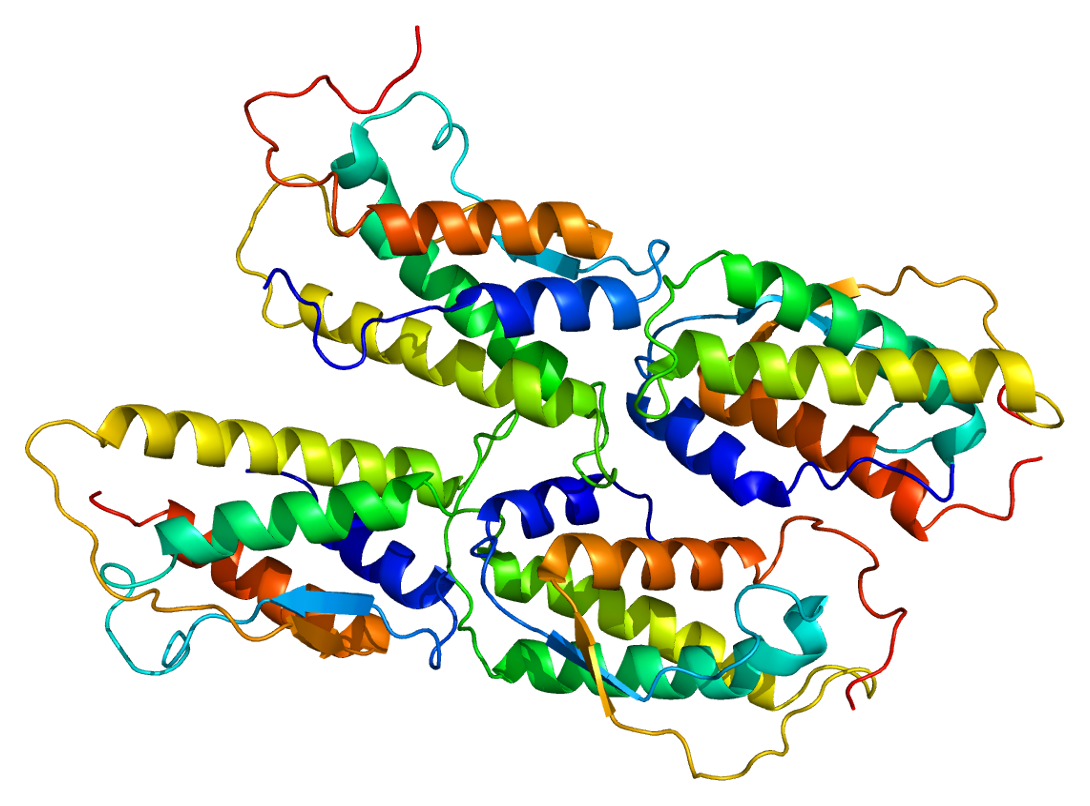
Stem cell factor (also known as SCF, KIT-ligand, KL, or steel factor) is a cytokine that binds to the c-KIT receptor (CD117). SCF can exist both as a transmembrane protein and a soluble protein. This cytokine plays an important role in hematopoiesis (formation of blood cells), spermatogenesis, and melanogenesis.

Production

[edit]

The gene encoding stem cell factor (SCF) is found on the Sl locus in mice and on chromosome 12q22-12q24 in humans.[5] The soluble and transmembrane forms of the protein are formed by alternative splicing of the same RNA transcript,[6][7]

Figure 1: Alternative splicing of the same RNA transcript produces soluble and transmembrane forms of stem cell factor (SCF).

The soluble form of SCF contains a proteolytic cleavage site in exon 6. Cleavage at this site allows the extracellular portion of the protein to be released. The transmembrane form of SCF is formed by alternative splicing that excludes exon 6 (Figure 1). Both forms of SCF bind to c-KIT and are biologically active.

Soluble and transmembrane SCF is produced by fibroblasts and endothelial cells. Soluble SCF has a molecular weight of 18,5 kDa and forms a dimer. It is detected in normal human blood serum at 3.3 ng/mL.[8]

Role in development

[edit]

SCF plays an important role in the hematopoiesis during embryonic development. Sites where hematopoiesis takes place, such as the fetal liver and bone marrow, all express SCF. Mice that do not express SCF die in utero from severe anemia. Mice that do not express the receptor for SCF (c-KIT) also die from anemia.[9] SCF may serve as guidance cues that direct hematopoietic stem cells (HSCs) to their stem cell niche (the microenvironment in which a stem cell resides), and it plays an important role in HSC maintenance. Non-lethal point mutants on the c-KIT receptor can cause anemia, decreased fertility, and decreased pigmentation.[10]

During development, the presence of the SCF also plays an important role in the localization of melanocytes, cells that produce melanin and control pigmentation. In melanogenesis, melanoblasts migrate from the neural crest to their appropriate locations in the epidermis. Melanoblasts express the KIT receptor, and it is believed that SCF guides these cells to their terminal locations. SCF also regulates survival and proliferation of fully differentiated melanocytes in adults.[11]

In spermatogenesis, c-KIT is expressed in primordial germ cells, spermatogonia, and in primordial oocytes.[12] It is also expressed in the primordial germ cells of females. SCF is expressed along the pathways that the germ cells use to reach their terminal destination in the body. It is also expressed in the final destinations for these cells. Like for melanoblasts, this helps guide the cells to their appropriate locations in the body.[9]

Role in hematopoiesis

[edit]

SCF plays a role in the regulation of HSCs in the stem cell niche in the bone marrow. SCF has been shown to increase the survival of HSCs in vitro and contributes to the self-renewal and maintenance of HSCs in-vivo. HSCs at all stages of development express the same levels of the receptor for SCF (c-KIT).[13] The stromal cells that surround HSCs are a component of the stem cell niche, and they release a number of ligands, including SCF.

Figure 2: A diagram of a hematopoietic stem cell (HSC) inside its niche. It is adjacent to stromal cells that secrete ligands, such as stem cell factor (SCF).

In the bone marrow, HSCs and hematopoietic progenitor cells are adjacent to stromal cells, such as fibroblasts and osteoblasts (Figure 2). These HSCs remain in the niche by adhering to ECM proteins and to the stromal cells themselves. SCF has been shown to increase adhesion and thus may play a large role in ensuring that HSCs remain in the niche.[9]

A small percentage of HSCs regularly leave the bone marrow to enter circulation and then return to their niche in the bone marrow.[14] It is believed that concentration gradients of SCF, along with the chemokine SDF-1, allow HSCs to find their way back to the niche.[15]

In adult mice, the injection of the ACK2 anti-KIT antibody, which binds to the c-Kit receptor and inactivates it, leads to severe problems in hematopoiesis. It causes a significant decrease in the number HSC and other hematopoietic progenitor cells in the bone marrow.[16] This suggests that SCF and c-Kit plays an important role in hematopoietic function in adulthood. SCF also increases the survival of various hematopoietic progenitor cells, such as megakaryocyte progenitors, in vitro.[17] In addition, it works with other cytokines to support the colony growth of BFU-E, CFU-GM, and CFU-GEMM4. Hematopoietic progenitor cells have also been shown to migrate towards a higher concentration gradient of SCF in vitro, which suggests that SCF is involved in chemotaxis for these cells.

Fetal HSCs are more sensitive to SCF than HSCs from adults. In fact, fetal HSCs in cell culture are 6 times more sensitive to SCF than adult HSCs based on the concentration that allows maximum survival.[18]

Expression in mast cells

[edit]

Mast cells are the only terminally differentiated hematopoietic cells that express the c-Kit receptor. Mice with SCF or c-Kit mutations have severe defects in the production of mast cells, having less than 1% of the normal levels of mast cells. Conversely, the injection of SCF increases mast cell numbers near the site of injection by over 100 times. In addition, SCF promotes mast cell adhesion, migration, proliferation, and survival.[19] It also promotes the release of histamine and tryptase, which are involved in the allergic response.

Soluble and transmembrane forms

[edit]

The presence of both soluble and transmembrane SCF is required for normal hematopoietic function.[6][20] Mice that produce the soluble SCF but not transmembrane SCF suffer from anemia, are sterile, and lack pigmentation. This suggests that transmembrane SCF plays a special role in vivo that is separate from that of soluble SCF.

c-KIT receptor

[edit]
Figure 3: c-Kit expression in hematopoietic cells

SCF binds to the c-KIT receptor (CD 117), a receptor tyrosine kinase.[21] c-Kit is expressed in HSCs, mast cells, melanocytes, and germ cells. It is also expressed in hematopoietic progenitor cells including erythroblasts, myeloblasts, and megakaryocytes. However, with the exception of mast cells, expression decreases as these hematopoietic cells mature and c-KIT is not present when these cells are fully differentiated (Figure 3). SCF binding to c-KIT causes the receptor to homodimerize and auto-phosphorylate at tyrosine residues. The activation of c-Kit leads to the activation of multiple signaling cascades, including the RAS/ERK, PI3-Kinase, Src kinase, and JAK/STAT pathways.[21]

Clinical relevance

[edit]

SCF may be used along with other cytokines to culture HSCs and hematopoietic progenitors. The expansion of these cells ex-vivo (outside the body) would allow advances in bone marrow transplantation, in which HSCs are transferred to a patient to re-establish blood formation.[13] One of the problems of injecting SCF for therapeutic purposes is that SCF activates mast cells. The injection of SCF has been shown to cause allergic-like symptoms and the proliferation of mast cells and melanocytes.[9]

Cardiomyocyte-specific overexpression of transmembrane SCF promotes stem cell migration and improves cardiac function and animal survival after myocardial infarction.[22]

Interactions

[edit]

Stem cell factor has been shown to interact with CD117.[23][24]

References

[edit]

Further reading

[edit]
[edit]
Revisions and contributorsEdit on WikipediaRead on Wikipedia
from Grokipedia
Stem cell factor (SCF), also known as kit ligand or steel factor, is a pleiotropic cytokine and growth factor that binds to and activates the receptor tyrosine kinase c-Kit (encoded by the KIT gene), playing a critical role in the survival, proliferation, migration, and differentiation of various cell types, including hematopoietic stem and progenitor cells, melanocytes, germ cells, and mast cells. SCF was identified in the late 1980s through genetic studies in mice, where it corresponds to the product of the Sl (steel) locus on chromosome 10, complementing the W locus that encodes c-Kit; the human SCF gene is located on chromosome 12q14.3-q21 and was cloned in 1990. The protein is synthesized as a 248-amino-acid transmembrane precursor that undergoes alternative splicing to produce either a membrane-bound form (lacking exon 6, ~220 amino acids) or a soluble form (including exon 6, which allows proteolytic cleavage by matrix metalloproteinases). Both forms function as noncovalently linked homodimers, with the soluble variant having a molecular weight of approximately 18.5 kDa (glycosylated to 28–40 kDa) and stabilized by intramolecular disulfide bonds. Upon binding to c-Kit, a type III featuring five extracellular immunoglobulin-like domains, a single transmembrane helix, and an intracellular split kinase domain, SCF induces receptor dimerization, autophosphorylation, and activation of downstream signaling pathways such as PI3K/Akt, MAPK/ERK, and PLCγ, which collectively promote , , and anti-apoptotic effects. SCF is primarily produced by stromal cells, endothelial cells, fibroblasts, and , with expression tightly regulated during development and in response to stress, such as or tissue injury; circulating soluble SCF levels in human serum average around 3.3 ng/mL. In hematopoiesis, SCF is indispensable for the maintenance and expansion of primitive hematopoietic stem cells, synergizing with other cytokines like erythropoietin, IL-3, G-CSF, and GM-CSF to enhance progenitor cell proliferation and colony formation, while its absence leads to severe macrocytic anemia and impaired erythropoiesis. Beyond blood cell development, SCF/c-Kit signaling supports melanocyte migration and pigmentation (mutations cause piebaldism), primordial germ cell survival and fertility, mast cell maturation and degranulation in immune responses, interstitial cells of Cajal for gastrointestinal motility, and neuronal precursor differentiation. Clinically, dysregulated SCF/c-Kit signaling contributes to pathologies including mast cell disorders like systemic mastocytosis, gastrointestinal stromal tumors (GISTs, where activating KIT mutations occur in 80–85% of cases), acute myeloid leukemia, and melanoma; targeted tyrosine kinase inhibitors such as imatinib effectively treat many of these by blocking c-Kit activation, though resistance via secondary mutations like D816V remains a challenge. Recombinant SCF has been explored in clinical trials for stem cell mobilization and hematopoietic recovery post-chemotherapy, demonstrating synergy with G-CSF but limited by potential toxicity like mast cell activation.

Molecular Structure and Production

Gene and Protein Characteristics

The KITLG , which encodes stem cell factor (SCF), is located on the long arm of human at position 12q21.32. In mice, the orthologous resides at the Steel (Sl) locus on chromosome 10. The human KITLG spans approximately 88 kb and consists of 10 s separated by 9 introns, with producing at least two major transcript variants. Transcript variant 1 (NM_003994.6) encodes the membrane-bound isoform and lacks exon 6, resulting in a 9-exon structure, while transcript variant 2 (NM_000899.5) includes exon 6, which encodes a proteolytic cleavage site, yielding the soluble isoform. The mouse Kitl exhibits a similar organization, with 9-10 s depending on the splice variant, reflecting conserved genomic architecture across mammals. The SCF protein is synthesized as a precursor polypeptide that undergoes processing to yield the mature form. The soluble isoform precursor comprises 273 amino acids, which is cleaved to produce the 165-amino-acid mature protein with a molecular weight of approximately 18.5 kDa. The membrane-bound isoform precursor is 245 amino acids long, processed to a 220-amino-acid transmembrane protein. Mature SCF functions as a noncovalent homodimer, with each monomer adopting an antiparallel four-helix bundle fold stabilized by two intramolecular disulfide bonds: Cys4–Cys89 and Cys43–Cys138. Additionally, the protein features three N-linked glycosylation sites at Asn65, Asn93, and Asn120, which contribute to its stability and bioactivity, though glycosylation is not strictly required for receptor binding. The crystal structure of the functional core of recombinant human SCF, determined at 2.3 Å resolution (PDB entry 1EXZ), reveals a noncovalent homodimeric assembly of two identical protomers, each comprising residues 1–141. The dimeric core is characterized by extensive polar and nonpolar interactions at the interface, where a loop from one monomer (residues 61–72) inserts into a groove between helices 1 and 4 of the adjacent monomer, forming a helix-loop-helix motif critical for dimer stability and subsequent receptor engagement. This structural arrangement positions hydrophobic crevices and charged regions on the protomer surfaces as key sites for interaction with the c-KIT receptor. In human serum, soluble SCF circulates at an average concentration of 3.3 ± 1.1 ng/mL, supporting basal hematopoietic maintenance. The KITLG gene and SCF protein exhibit high evolutionary conservation across mammals, with sequence identities exceeding 80% between human SCF and orthologs in species such as , , and bovine, underscoring its fundamental role in developmental processes.

Isoforms and Processing

Stem cell factor (SCF), also known as KIT ligand, is generated through of its primary transcript, yielding two principal isoforms: a full-length transmembrane form consisting of 220 and a precursor form of 273 that can be processed into a soluble isoform. The transmembrane isoform results from the exclusion of 6 during splicing, which removes the proteolytic cleavage site and anchors the protein in the via a hydrophobic and a short cytoplasmic tail. In contrast, inclusion of 6 in the precursor isoform introduces the cleavage site, enabling subsequent release of the soluble form comprising the first 165 of the extracellular domain. The precursor isoform undergoes proteolytic processing primarily by matrix metalloproteinases, including ADAM17, which cleave the protein near Pro165 at the bond between residues 165 and 166 within the stalk region adjacent to the . This ectodomain shedding is stimulated by agents such as phorbol esters and occurs with distinct kinetics, where ADAM17 predominates in regulated release; the resulting soluble SCF fragment retains full bioactivity. The transmembrane isoform is resistant to such cleavage due to the absence of the recognition site, maintaining its membrane-bound state unless under extreme conditions. These isoforms exhibit complementary functions, with the transmembrane form promoting direct cell-cell and localized juxtacrine signaling essential for processes like migration, while the soluble form facilitates paracrine diffusion for broader effects such as hematopoietic stimulation. Studies in models underscore their non-redundant roles: animals expressing only the transmembrane isoform (e.g., Sl^d mutants lacking 6) develop severe due to insufficient soluble SCF for , whereas models restricted to soluble SCF alone display sterility from impaired primordial development and survival, highlighting the necessity of both for complete physiological activity. Structural analyses confirm the soluble isoform's stable non-covalent dimerization, critical for receptor activation, with recent cryo-EM studies of SCF-KIT complexes (2023) revealing no substantial deviations from the canonical head-to-head dimeric architecture established by the 2000 of the active core, thereby affirming long-term dimer stability across solution and complexed states.

Receptor Interaction and Signaling

The c-KIT Receptor

The c-KIT receptor, also designated CD117, belongs to the class III family of receptor tyrosine kinases and is encoded by the KIT proto-oncogene located on the long arm of human at position 4q12. This spans approximately 83 kb and consists of 21 exons, producing a 145 kDa transmembrane . The receptor's structure includes an N-terminal extracellular ligand-binding domain comprising five immunoglobulin-like folds (D1–D5), where the first three domains (D1–D3) primarily mediate interactions with stem cell factor (SCF); a single α-helical transmembrane segment of about 23 ; and an intracellular portion with a juxtamembrane region, an ATP-binding domain interrupted by a kinase insert, and a C-terminal regulatory tail. Binding of SCF to the extracellular domain of c-KIT induces receptor dimerization, which stabilizes the active conformation and triggers trans-autophosphorylation of multiple residues in the cytoplasmic domain, including Y721 (which recruits PI3K) and Y730 (which binds PLCγ). This ligand-dependent activation is characterized by high affinity, with a (Kd) of approximately 2 nM for soluble monomeric SCF, though dimeric membrane-bound SCF exhibits even higher due to bivalent engagement. The dimerization process involves SCF's dimeric bridging two c-KIT molecules, relieving autoinhibitory constraints in the kinase domain and enabling ATP-dependent phosphorylation. c-KIT exhibits a restricted expression pattern, with high levels observed on hematopoietic stem and progenitor cells, mast cells, melanocytes, and primordial germ cells, where it supports key developmental and migratory functions. Gain-of-function mutations in the KIT gene, particularly in exons 11 and 13, are prevalent in gastrointestinal stromal tumors (GIST) and promote constitutive, ligand-independent dimerization and kinase activation, driving oncogenesis without SCF stimulation. These mutations often occur in the juxtamembrane or kinase domains, enhancing autophosphorylation and signaling. Evolutionarily, the SCF/c-KIT ligand-receptor pair represents an ancient signaling module conserved from invertebrates to mammals, with the receptor belonging to a family of type III RTKs that arose through gene duplication events. The interaction has evolved a distinctive recognition mode, involving SCF's helix-loop-helix dimer interfacing with c-KIT's D1–D2 domains in a manner distinct from other growth factor-receptor complexes, such as PDGF/PDGFR. Species differences are subtle but notable; for instance, human SCF features an asparagine at position 10 in the receptor-binding loop, which is conserved across mammals but can vary to aspartate in some rodents, influencing binding kinetics without altering core pairing specificity. This activation of c-KIT upon SCF binding initiates diverse downstream signaling cascades, including MAPK/ERK and PI3K/AKT pathways.

Downstream Signaling Mechanisms

Upon binding of stem cell factor (SCF) to the c-KIT receptor, autophosphorylation of specific residues initiates multiple downstream signaling cascades that regulate cell , proliferation, and differentiation. Key sites include Tyr-721, which directly recruits the p85 regulatory subunit of 3-kinase (PI3K), leading to its activation and production of phosphatidylinositol-3,4,5-trisphosphate (PIP3). This, in turn, activates (AKT) through at Thr-308 and Ser-473, promoting anti-apoptotic effects by phosphorylating Bad at Ser-136 and , thereby enhancing expression of factors like and . Adapter proteins such as GAB2, phosphorylated by Src family kinases, provide an indirect route for PI3K activation, amplifying the pathway in certain cell contexts. The (MAPK)/extracellular signal-regulated kinase (ERK) pathway is engaged primarily through at Tyr-568/570 and Tyr-703, recruiting Src family kinases and the Grb2-Sos complex to activate Ras-Raf-MEK-ERK signaling. This cascade facilitates changes associated with differentiation, with Shc serving as an additional to enhance ERK1/2 via Src. In parallel, the /signal transducer and activator of transcription (JAK/STAT) pathway is activated, particularly STAT3 and STAT5, often requiring JAK2 association for and nuclear translocation, enabling with other cytokines. Cγ (PLCγ) binds to Tyr-730, hydrolyzing PIP2 into inositol-1,4,5-trisphosphate (IP3) and diacylglycerol (DAG), which mobilizes intracellular calcium and activates , contributing to cytoskeletal rearrangements and proliferation. Negative regulation maintains signaling fidelity, with SHP1 dephosphorylating key sites like Tyr-569 to attenuate PI3K and MAPK activation, forming feedback loops that prevent excessive responses. Cross-talk with other receptors, such as the , enhances pathway synergy; for instance, SCF/c-KIT signaling cooperates with erythropoietin-induced IRS2 expression to amplify AKT and ERK outputs via IGF1R engagement. Quantitative differences arise from SCF presentation: transmembrane SCF sustains longer c-KIT and stronger PLCγ activation compared to soluble SCF, which induces transient signals favoring PI3K over PLCγ, as evidenced by slower internalization kinetics and prolonged downstream ERK activity with membrane-bound forms. Recent studies highlight ERK's role in , where SCF/c-KIT-mediated ERK activation influences histone modifications to regulate fate decisions, such as through p38/ERK axis modulation of epigenetic marks in responsive cells.

Biological Roles

In Hematopoiesis

Stem cell factor (SCF) plays a critical role in supporting hematopoietic stem and progenitor cells (HSPCs) within the by promoting their self-renewal, survival, and mobilization. It acts as an essential survival factor that prevents and facilitates proliferation of primitive hematopoietic cells, often in with other cytokines such as interleukin-3 (IL-3), which can result in up to 100-fold expansion of progenitor populations . This synergistic effect underscores SCF's importance in amplifying HSPC pools during stress or expansion protocols. In the bone marrow niche, SCF is selectively secreted by arterial endothelial cells, which provide a supportive microenvironment for HSPC maintenance and differentiation. A 2018 study demonstrated that these cells express high levels of membrane-bound SCF, essential for retaining HSPCs in perivascular regions. Recent updates from 2024 highlight co-expression of SCF with in vascular endothelial cells, further stabilizing HSPC localization and function within the niche. Notably, fetal HSPCs exhibit approximately sixfold greater responsiveness to SCF compared to HSPCs, despite equivalent c-KIT receptor levels, contributing to the rapid expansion observed during embryonic hematopoiesis. Genetic studies of SCF-null mice reveal profound defects in hematopoiesis, including severe , hypocellularity, and near-complete absence of erythroid and myeloid progenitors due to impaired HSPC survival and differentiation. These phenotypes confirm SCF's indispensable role in multilineage production from early developmental stages. Advancements from 2023 to 2025 have emphasized SCF's involvement in HSPC conditioning for transplantation, particularly through non-genotoxic strategies targeting the SCF/c-KIT axis. Antibody-drug conjugates against c-KIT enable safer and depletion of endogenous HSPCs, facilitating engraftment of donor cells without chemotherapy-induced toxicity, as shown in preclinical models and early clinical trials.

In Development and Tissue Maintenance

Stem cell factor (SCF) plays a crucial role in embryonic development by facilitating the migration of primordial germ cells (PGCs) to the gonadal ridges through its interaction with the c-KIT receptor expressed on PGCs and gonadal somatic cells. This guidance ensures proper colonization of the developing gonads, with disruptions in SCF/c-KIT signaling leading to impaired PGC survival and migration. Similarly, SCF supports the migration and colonization of precursors from the to the skin and hair follicles, promoting their proliferation and differentiation into pigment-producing cells essential for coat coloration. In ovarian development, SCF induces the formation and progression of primordial follicles by acting on oocytes and surrounding granulosa cells, initiating through enhanced cell survival and growth. In adult tissues, SCF maintains survival and proliferation in the testes via from Sertoli cells, supporting continuous and preventing . It also sustains skin pigmentation by regulating homeostasis in the and hair follicles, where SCF deficiencies result in . In mice with the Sl/Sl^d genotype, mutations in the SCF cause white spotting due to failed migration and survival during development, leading to unpigmented patches on the coat. Beyond reproductive and integumentary systems, SCF is vital for the development and maintenance of (ICCs) in the , where SCF/c-KIT signaling coordinates pacemaker activity and smooth muscle coordination to regulate gut . Recent studies highlight SCF's involvement in bone regeneration, where it promotes the differentiation and survival of progenitors in the skeletal niche, enhancing repair and tissue renewal through targeted paracrine effects. In wound healing, inhibition of soluble SCF isoforms accelerates mucosal repair in intestinal injuries by modulating and epithelial regeneration. SCF integrates with the Wnt/β-catenin pathway in niches to regulate tissue regeneration, as SCF/c-KIT signaling in intestinal Paneth cells enhances renewal during , synergizing with Wnt to promote proliferation and repair. This underscores SCF's role in maintaining niche across diverse tissues.

In Biology

Stem cell factor (SCF) plays a pivotal role in mast cell biology by interacting with the c-KIT receptor, which serves as a key surface marker on immature s and their progenitors. In humans, s arise from CD34-positive, c-KIT-positive hematopoietic progenitors in the and , where SCF binding to c-KIT drives differentiation and maturation of these precursors into functional s. This process is essential for mast cell lineage commitment, with KIT expression retained at high levels throughout mast cell development, distinguishing immature cells from other hematopoietic lineages. SCF significantly enhances numbers ; for instance, of recombinant SCF in leads to a reversible expansion of cutaneous populations, with increases exceeding 100-fold at injection sites due to promoted proliferation and of progenitors. In rodent models, such as mice and rats, SCF similarly induces in tissues like the skin and mucosa, amplifying progenitor differentiation into mature s. Regarding survival and adhesion, the transmembrane form of SCF, produced by fibroblasts and other stromal cells, anchors mast cells to extracellular matrix components like fibronectin via c-KIT-mediated signaling, thereby supporting long-term survival and tissue localization. Soluble SCF, in contrast, promotes mast cell survival by suppressing and enhances activation, potentiating IgE-dependent and the release of mediators such as , which contributes to allergic responses. This dual action of SCF isoforms ensures mast cell viability and responsiveness in inflammatory contexts. Pathophysiologically, SCF overexpression is linked to increased numbers and activation in conditions like urticaria and . In asthmatic airways, SCF levels are elevated, correlating with hyperplasia and enhanced degranulation, which is reversible with therapy. Similarly, in urticaria, upregulated SCF contributes to dermal accumulation and mediator release, exacerbating wheal formation and itch. Recent advancements (2023–2025) highlight KIT inhibitors targeting SCF signaling for therapeutic intervention in chronic urticaria. For example, the anti-KIT barzolvolimab, in phase 3 trials for , depletes s by blocking SCF/c-KIT interactions, yielding sustained improvements in urticaria control and reduced disease activity with manageable side effects like mild infusion reactions. Species differences underscore varying SCF dependency in mast cell maturation: human mast cells exhibit an absolute requirement for SCF, lacking support from interleukin-3 alone, whereas mast cells can mature with interleukin-3, though SCF potently enhances their development and survival.

Clinical and Pathological Implications

Therapeutic Applications

(SCF) plays a key role in cocktails for the expansion of hematopoietic stem cells (HSCs), often combined with FLT3 ligand (FLT3L) and thrombopoietin (TPO) to enhance and maintain repopulating capacity. In cultures of cord blood-derived HSCs, the combination of SCF, FLT3L, and TPO achieves up to 241-fold expansion of total nucleated cells while preserving multilineage engraftment potential in NOD/SCID models, supporting short- and long-term reconstitution comparable to unexpanded cells. Similarly, co-culture with mesenchymal stem cells and these s yields 74-fold increases in +/- primitive cells, improving long-term culture-initiating cell output by over 5-fold and addressing limitations in blood transplantation volumes. These expanded HSCs demonstrate enhanced engraftment rates in preclinical models, with SCF and FLT3L alone maintaining 64% long-term engraftment in murine transplants after 72-hour culture, facilitating faster hematopoietic recovery post-transplant. In ischemia therapies, recombinant SCF (Ancestim) has been explored to mobilize s and promote cardiac repair following , primarily through and recruitment. show that SCF administration reduces infarct volume by up to 50% and improves left ventricular function via c-KIT-mediated endothelial and activation, enhancing neovascularization in ischemic tissues. Clinical trials combining Ancestim with G-CSF for stem cell mobilization in acute patients demonstrated feasibility and safety in early phases, with interim reports indicating potential for improved cardiac outcomes through mobilized cell homing. However, development was halted due to adverse effects, including urticaria and reactions, as noted in 2024 retrospectives reviewing cytokine-based regenerative approaches. Recent applications in regenerative medicine leverage SCF supplementation to activate ovarian follicles in reproductive disorders, promoting primordial follicle development via c-KIT signaling. In mouse models, SCF treatment accelerates primordial follicle activation and oocyte growth, increasing follicle survival and maturation rates through PI3K/AKT pathway stimulation, with potential translation to human infertility therapies. A 2022 study in aged mice demonstrated that SCF promotes primordial follicle activation via PI3K/AKT/mTOR signaling, enhancing follicle recruitment in ovarian failure models. For bone repair, targeting the SCF/c-KIT axis enhances osteogenesis by recruiting c-KIT+ progenitors to fracture sites, accelerating healing through Lnk-dependent signaling that boosts endochondral ossification. A 2024 review emphasizes SCF's therapeutic potential in bone renewal, with targeted delivery improving progenitor mobilization and tissue regeneration in preclinical defect models without systemic side effects. Emerging therapies also target SCF inhibition for mast cell-related disorders. As of 2025, CDX-622 (Celldex Therapeutics) is in Phase 1 trials, neutralizing SCF to reduce activation in inflammatory conditions like . Similarly, Jasper Therapeutics is developing SCF/c-Kit pathway blockers for systemic . The global SCF market is projected to grow at a compound annual growth rate (CAGR) of 11.4% through 2030, driven by expanding applications in biotechnology for HSC expansion and regenerative therapies.

Disease Associations

Dysregulation of stem cell factor (SCF), through genetic defects or overexpression, is implicated in various pathological conditions. In mice, hypomorphic alleles of the SCF gene, known as Steel mutations (e.g., Sl/Sld and Sl17H), lead to semidominant phenotypes including severe macrocytic anemia due to impaired erythropoiesis, sterility from defects in germ cell migration and survival, and depigmentation from melanocyte deficiencies. These mutations disrupt SCF production or processing, resulting in reduced ligand availability for the c-KIT receptor, which is essential for hematopoietic, gonadal, and pigment cell development. In humans, piebaldism—a congenital disorder characterized by leukoderma and white forelock—arises from dominant-negative or loss-of-function mutations in the KIT gene, the receptor for SCF, effectively mimicking SCF deficiency and causing impaired melanocyte migration and survival without affecting hematopoiesis or fertility. Overexpression of SCF contributes to oncogenesis by forming autocrine or paracrine loops with c-KIT in several malignancies. In gastrointestinal stromal tumors (GIST), co-expression of SCF and c-KIT within tumor cells promotes ligand-independent activation and tumor growth, as evidenced by SCF detection in primary GIST lesions. Similarly, in (AML), SCF/c-KIT sustains proliferation and migration of blasts, with KIT expression in up to 50% of cases driving oncogenic pathways. In systemic mastocytosis, activating KIT mutations (e.g., D816V) combined with elevated SCF levels lead to clonal expansion and tissue infiltration. Recent 2023 single-cell analyses have further revealed that SCF-mediated remodeling of the niche, including stromal alterations, facilitates progression by altering hematopoietic stem and progenitor cell (HSPC) interactions and promoting inflammatory microenvironments. Elevated SCF levels are associated with allergic and inflammatory disorders, particularly those involving accumulation. In , increased cutaneous SCF expression correlates with disease severity, enhancing survival and through c-KIT binding. In , SCF upregulation in airway and promotes hyperplasia and eosinophil recruitment, exacerbating bronchial inflammation, with levels decreasing after glucocorticoid therapy. A 2024 study highlighted SCF's role in , where it induces ERK pathway activation in tumor cells, driving epithelial-mesenchymal transition and via c-KIT signaling. SCF dysregulation also links to other conditions, including reproductive and renal pathologies. SCF deficiency contributes to by impairing primordial follicle development and survival, as seen in Steel mutant mice with ovarian failure; human parallels suggest similar mechanisms in premature ovarian insufficiency.

Molecular Interactions

Protein-Protein Interactions

Stem cell factor (SCF), also known as KIT ligand, primarily exerts its effects through high-affinity binding to the extracellular domain of the c-KIT . This interaction occurs via a dimeric SCF structure that engages two c-KIT molecules, forming a 2:2 complex essential for receptor dimerization and . The binding interface is divided into three main sites: Site I in the D1 domain of c-KIT involves the αC-β2 loop of SCF; Site II spans the D2 domain and D2-D3 linker, featuring electrostatic interactions between basic residues in c-KIT (e.g., Arg122, Arg181) and acidic residues in SCF; and Site III in the D3 domain includes the N-terminal segment of SCF. Structural analyses reveal that loops in the SCF dimer, such as the extended loop (residues 95–104) and flapping loop, undergo conformational changes upon binding, contributing to a buried surface area exceeding 1,800 Ų across sites and enabling stable, high-affinity association with dissociation constants (K_d) typically in the low nanomolar range (e.g., 0.2–2 nM for wild-type SCF). In addition to direct receptor engagement, SCF interacts with proteoglycans (HSPGs) on cell surfaces, which modulate its presentation and bioavailability in the . These chains, particularly those with specific sulfation patterns (N-, 2-O-, and 6-O-sulfation), bind SCF and facilitate its localization near c-KIT-expressing cells, enhancing signaling efficiency by creating concentration gradients and protecting SCF from proteolytic degradation. This modulation is critical in hematopoietic niches, where HSPGs on stromal cells amplify SCF's role in maintenance without altering the core binding affinity to c-KIT. Cleaved, soluble forms of SCF, generated by proteolytic processing of the membrane-bound isoform, indirectly promote by activating downstream pathways that enhance integrin avidity. For instance, soluble SCF binding to c-KIT upregulates the adhesive function of such as α4β1 and α5β1 on hematopoietic and mast cells, facilitating interactions with components like in a dose- and time-dependent manner, though SCF itself does not directly bind . Several inhibitors target SCF-c-KIT interactions at the protein level. Monoclonal antibodies like ACK2 bind the extracellular domain of c-KIT, sterically blocking SCF access to its high-affinity sites and preventing receptor dimerization, as demonstrated in both and models of hematopoiesis and function. In contrast, small-molecule inhibitors such as bind the intracellular domain of c-KIT after SCF-induced dimerization, inhibiting ATP binding and autophosphorylation to disrupt downstream signaling without affecting the initial ligand-receptor interaction (IC_{50} ≈ 100 nM for c-KIT activity). Recent biophysical studies using (SPR) have quantified affinity variations among SCF isoforms and variants. For example, soluble monomeric SCF exhibits lower affinity (K_d ≈ 10–20 nM) compared to the dimeric form (K_d ≈ 0.1–1 nM), with engineered variants showing up to 3.7-fold improvements in binding kinetics due to optimized loop interactions; these differences influence signaling potency in isoform-specific contexts.

Functional and Genetic Interactions

Stem cell factor (SCF), also known as , primarily exerts its effects through binding to the c-Kit, initiating a cascade of downstream signaling that interacts with multiple pathways to regulate , , migration, and differentiation. Upon binding, SCF induces c-Kit dimerization and autophosphorylation on specific residues, recruiting adaptor proteins such as , Shc, and GAB2, which activate the Ras/MAPK/ERK pathway for proliferation and the PI3K/Akt pathway for and anti-apoptosis (e.g., via of Bad at Ser-136). These interactions are modulated by Src family kinases (SFKs) binding to Tyr-568/570, enhancing ERK1/2 and JNK activation, while phospholipase C-γ (PLC-γ) at Tyr-730 generates diacylglycerol (DAG) to promote calcium mobilization and proliferation. Additionally, c-Cbl interacts with Tyr-568/936 to downregulate signaling via receptor internalization, preventing excessive activation. Functionally, SCF/c-Kit signaling synergizes with other cytokines to amplify cellular responses. For instance, SCF cooperates with (EPO) through their respective receptors to enhance erythroid colony formation by integrating JAK2/STAT5 and MAPK pathways, essential for maturation. Similarly, SCF interacts with (GM-CSF) and (TNF) to promote development from hematopoietic progenitors, where SCF supports survival while GM-CSF drives differentiation. In angiogenesis, SCF/c-Kit signaling intersects with Gαi1 and Gαi3 G-proteins to promote endothelial and tube formation, highlighting its role in vascular remodeling. These functional partnerships underscore SCF's pleiotropic effects, where signaling amplitude tunes outcomes. Genetically, SCF and c-Kit genes exhibit strong interactions, as evidenced by mutations in mouse models. The c-Kit gene (W locus) and SCF gene (Sl locus) show epistatic relationships, where compound heterozygotes (W/Sl) display more severe phenotypes than single mutants, including profound , sterility, and lack of pigmentation due to additive defects in hematopoiesis, , and melanogenesis. Over 30 loss-of-function mutations in c-Kit, such as Wv (Thr660Met), cause and hematopoietic failure, while Sl mutations (e.g., Sl/Sld) disrupt SCF processing, leading to soluble isoform deficiencies that impair membrane-bound signaling critical for homing. In humans, gain-of-function c-Kit mutations (e.g., D816V in exon 17) drive and gastrointestinal stromal tumors (GISTs) by constitutive kinase activation, often interacting with local SCF expression to exacerbate oncogenesis. These genetic interactions highlight the ligand-receptor pair's coordinated role, with spectra influencing penetrance and therapeutic sensitivity (e.g., exon 11 mutations respond to , unlike exon 17 variants).

References

Add your contribution
Related Hubs
User Avatar
No comments yet.