

Moringa oleifera
View on Wikipedia
| Moringa oleifera | |
|---|---|

| |
Scientific classification 
| |
| Kingdom: | Plantae |
| Clade: | Embryophytes |
| Clade: | Tracheophytes |
| Clade: | Spermatophytes |
| Clade: | Angiosperms |
| Clade: | Eudicots |
| Clade: | Rosids |
| Order: | Brassicales |
| Family: | Moringaceae |
| Genus: | Moringa |
| Species: | M. oleifera
|
| Binomial name | |
| Moringa oleifera | |
| Synonyms[2] | |
|
List
| |


Moringa oleifera is a short-lived,[Note 1] fast-growing, drought-resistant tree of the family Moringaceae, native to northern India and used extensively in South and Southeast Asia.[3] Common names include moringa,[4] drumstick tree[4] (from the long, slender, triangular seed-pods), horseradish tree[4] (from the taste of the roots, which resembles horseradish), ben tree (for its oil), or malunggay (as known in maritime or archipelagic areas in Asia).[5]
It is widely cultivated for its young seed pods and leaves, used as vegetables and for traditional herbal medicine. It is also used for water purification.[6][7][8]
Description
[edit]


,_Philippines.jpg)
M. oleifera is a fast-growing, deciduous tree[9] that can reach a height of 10–12 m (33–39 ft) and trunk diameter of 46 cm (18 in).[10] The bark has a whitish-gray color and is surrounded by thick cork. Young shoots have purplish or greenish-white, hairy bark. The tree has an open crown of drooping, fragile branches, and the leaves build up a feathery foliage of tripinnate leaves.
The flowers are fragrant and hermaphroditic, surrounded by five unequal, thinly veined, yellowish-white petals. The flowers are about 1–1.5 cm (3⁄8–5⁄8 in) long and 2 cm (3⁄4 in) broad. They grow on slender, hairy stalks in spreading or drooping flower clusters, which have a length of 10–25 cm (4–10 in).[10]
Flowering begins within the first six months of planting. In seasonally cool regions, flowering only occurs once a year in late spring and early summer (Northern Hemisphere between April and June, Southern Hemisphere between October and December). In more constant seasonal temperatures and with constant rainfall, flowering can happen twice or even all year-round.[10]
The fruit is a hanging, three-sided, brown, 20–45 cm (8–17+1⁄2 in) capsule, which holds dark brown, globular seeds with a diameter around 1 cm. The seeds have three whitish, papery wings and are dispersed by wind and water.[10]
In cultivation, it is often cut back annually to 1–2 m (3.3–6.6 ft) and allowed to regrow so the pods and leaves remain within arm's reach.[10]
Taxonomy
[edit]French botanist François Alexandre Pierre de Garsault described the species as Balanus myrepsica, but his names are not accepted as valid, as he did not always give his descriptions binomial names.[11]
French naturalist Jean-Baptiste Lamarck described the species in 1785.[12] A combined analysis of morphology and DNA shows that M. oleifera is most closely related to M. concanensis, and the common ancestor of these two diverged from the lineage of M. peregrina.[13]
Etymology
[edit]The genus name Moringa derives from the Tamil word, murungai, meaning "twisted pod", alluding to the young fruit.[14] The specific name oleifera is derived from the Latin words oleum "oil" and ferre "to bear".[11]
The plant has numerous common names across regions where it is cultivated, with drumstick tree, horseradish tree, or simply moringa used in English.[3][4]
Ecology
[edit]The moringa tree is not affected by any serious diseases in its native or introduced ranges. In India, several insect pests are seen, including various caterpillars such as the bark-eating caterpillar, the hairy caterpillar, or the green leaf caterpillar. Budworms from the Noctuidae are known to cause serious defoliation. Damaging agents can also be aphids, stem borers, and fruit flies. In some regions, termites can also cause minor damage. If termites are numerous in soils, insect-management costs are not bearable.[10]
The moringa tree is a host to Leveillula taurica, a powdery mildew, which causes damage in papaya crops in south India. Furthermore, the caterpillars of the snout moth Noorda blitealis feed primarily on the leaves and can cause complete leaf loss.[citation needed]
As an invasive species
[edit]Although listed as an invasive species in several countries, one source reports that M. oleifera has "not been observed invading intact habitats or displacing native flora", so "should be regarded at present as a widely cultivated species with low invasive potential."[3][better source needed]
Cultivation
[edit]The moringa tree is grown mainly in semiarid, tropical, and subtropical areas, corresponding in the United States to USDA hardiness zones 9 and 10. It tolerates a wide range of soil conditions, but prefers a neutral to slightly acidic (pH 6.3 to 7.0), well-drained, sandy or loamy soil.[15] In waterlogged soil, the roots have a tendency to rot.[15] Moringa is a sun- and heat-loving plant, and does not tolerate freezing or frost.[original research?] Moringa is particularly suitable for dry regions, as it can be grown using rainwater without expensive irrigation techniques.[citation needed]
| Parameter | Requirement/range[15] |
|---|---|
| Climate | Grows best in tropical or subtropical |
| Altitude | 0 – 2,000 m (6,600 ft) |
| Rainfall | 250–3,000 mm (9.8–118.1 in)
Irrigation needed for leaf production if rainfall < 800 mm (31 in) |
| Soil Type | Loamy, sandy, or sandy loam |
| Soil pH | pH 5–9 |
Production area
[edit]India is the largest producer of moringa, with an annual production of 1.2 million tonnes of fruit from an area of 380 km2 (150 sq mi).[15] Among Indian states, Tamil Nadu leads in cultivation area followed by Andhra Pradesh and Karnataka.[16]
Moringa is grown in home gardens and as living fences in South and Southeast Asia, where it is commonly sold in local markets. In the Philippines and Indonesia, it is commonly grown for its leaves, which are used as food. Moringa is also actively cultivated by the World Vegetable Center in Taiwan, a center for vegetable research.
More generally, moringa grows in the wild or is cultivated in Central America and the Caribbean, northern countries of South America, Africa, South and Southeast Asia, and various countries of Oceania.
As of 2010, cultivation in Hawaii was in the early stages for commercial distribution in the United States.[15]
Cultivation practice
[edit]Soil preparations
[edit]In tropical cultivation, soil erosion is a major problem, requiring soil treatment to be as shallow as possible.[citation needed] Plowing is required only for high planting densities. In low planting densities, digging pits and refilling them with soil is preferable to ensure good root system penetration without causing too much land erosion. Optimal pits are 30–50 cm (12–20 in) deep and 20–40 cm (8–15+1⁄2 in) wide.[citation needed]
Propagation
[edit]Moringa can be propagated from seed or cuttings. Direct seeding is possible because the germination rate of M. oleifera is high. Moringa seeds can be germinated year-round in well-draining soil. Cuttings of 1 m (3.3 ft) length and at least 4 cm (1+1⁄2 in) diameter can be used for vegetative propagation.
Breeding
[edit]In India, from where moringa most likely originated,[3] the diversity of wild types gives a good basis for breeding programs. In countries where moringa has been introduced, the diversity is usually much smaller among the cultivar types. Locally well-adapted wild types, though, can be found in most regions.
Because moringa is cultivated and used in different ways, breeding aims for an annual or a perennial plant are obviously different. The yield stability of fruits is an important breeding aim for the commercial cultivation in India, where moringa is cultivated as an annual. On less favorable locations, perennial cultivation has big advantages, such as less erosion. In Pakistan, varieties have been tested for the nutritional composition of their leaves on different locations.[17] India selects for a higher number of pods and dwarf or semidwarf varieties. Breeders in Tanzania, though, are selecting for higher oil content.
Yield and harvest
[edit]M. oleifera can be cultivated for its leaves, pods, and/or its kernels for oil extraction and water purification. The yields vary widely, depending on season, variety, fertilization, and irrigation regimen. Moringa yields best under warm, dry conditions with some supplemental fertilizer and irrigation.[15] Harvest is done manually with knives, sickles, and stabs with hooks attached.[15] Pollarding, coppicing, and lopping or pruning are recommended to promote branching, increase production, and facilitate harvesting.[18]
Fruits
[edit]When the plant is grown from cuttings, the first harvest can take place 6–8 months after planting. Often, the fruits are not produced in the first year, and the yield is generally low during the first few years. By year two, it produces around 300 pods, by year three around 400–500. A good tree can yield 1,000 or more pods.[19] In India, a hectare can produce 31 tons of pods per year.[15] Under North Indian conditions, the fruits ripen during the summer. Sometimes, particularly in South India, flowers and fruit appear twice a year, so two harvests occur, in July to September and March to April.[20]
Leaves
[edit]Average yields of 6 tons/ha/year (2 tons per acre) in fresh matter can be achieved. The harvest differs strongly between the rainy and dry seasons, with 1120 kilogram/ha (1000 lb per acre) per harvest and 690 kg/ha (620 lb per acre) per harvest, respectively. The leaves and stems can be harvested from the young plants 60 days after seeding and then another seven times in the year. At every harvest, the plants are cut back to within 60 cm (2') of the ground.[21] In some production systems, the leaves are harvested every 2 weeks.
The cultivation of M. oleifera can also be done intensively with irrigation and fertilization with suitable varieties.[22] Trials in Nicaragua with 1 million plants per hectare and 9 cuttings/year over 4 years gave an average fresh matter production of 580 metric tons/ha/year (230 long tons per acre), equivalent to about 174 metric tons of fresh leaves.[22]
Oil
[edit]One estimate for yield of oil from kernels is 250 L/ha (22 imperial gallons per acre).[15] The oil can be used as a food supplement, as a base for cosmetics, and for hair and the skin. Seeds of Moringa can also be used in production of biofuel.
Toxicity
[edit]Toxicity data in humans are limited, although laboratory studies indicate that certain compounds in the bark and roots or their extracts may cause adverse effects when consumed in excess.[23] Supplementation with M. oleifera leaf extract is potentially toxic at levels exceeding 3,000 mg/kg of body weight, but safe at levels below 1,000 mg/kg.[24] A study on albino mice found that high levels (>5,000mg/kg) of consumption could impair renal function.[25]
M. oleifera may interfere with prescription drugs affecting cytochrome P450 (including CYP3A4) and may inhibit the antihyperglycemic effect of sitagliptin.[23]
In November 2025, Food Standards Australia New Zealand (FSANZ) rejected an application to approve Moringa oleifera leaves, immature pods, and oil as a novel food. The decision cited insufficient evidence to confirm its safety for human consumption as a food. As a result (confirmed in May 2026 via Department of Agriculture notices), Moringa is not permitted as food or a food ingredient for retail sale in Australia.[26]
Uses
[edit]M. oleifera has numerous applications in cooking throughout its regional distribution. Edible parts of the plant include the whole leaves (leaflets, stalks and stems); the immature, green fruits or seed pods; the fragrant flowers; and the young seeds and roots.[27]
| Nutritional value per 100 g (3.5 oz) | |||||||||||||||||||||||||||||||||||||||||||||
|---|---|---|---|---|---|---|---|---|---|---|---|---|---|---|---|---|---|---|---|---|---|---|---|---|---|---|---|---|---|---|---|---|---|---|---|---|---|---|---|---|---|---|---|---|---|
| Energy | 64 kcal (270 kJ) | ||||||||||||||||||||||||||||||||||||||||||||
8.28 g | |||||||||||||||||||||||||||||||||||||||||||||
| Dietary fiber | 2.0 g | ||||||||||||||||||||||||||||||||||||||||||||
1.40 g | |||||||||||||||||||||||||||||||||||||||||||||
9.40 g | |||||||||||||||||||||||||||||||||||||||||||||
| |||||||||||||||||||||||||||||||||||||||||||||
| Other constituents | Quantity | ||||||||||||||||||||||||||||||||||||||||||||
| Water | 78.66 g | ||||||||||||||||||||||||||||||||||||||||||||
| †Percentages estimated using US recommendations for adults,[28] except for potassium, which is estimated based on expert recommendation from the National Academies.[29] | |||||||||||||||||||||||||||||||||||||||||||||
Nutrition
[edit]| Nutritional value per 100 g (3.5 oz) | |||||||||||||||||||||||||||||||||||||||||||||
|---|---|---|---|---|---|---|---|---|---|---|---|---|---|---|---|---|---|---|---|---|---|---|---|---|---|---|---|---|---|---|---|---|---|---|---|---|---|---|---|---|---|---|---|---|---|
| Energy | 37 kcal (150 kJ) | ||||||||||||||||||||||||||||||||||||||||||||
8.53 g | |||||||||||||||||||||||||||||||||||||||||||||
| Dietary fiber | 3.2 g | ||||||||||||||||||||||||||||||||||||||||||||
0.20 g | |||||||||||||||||||||||||||||||||||||||||||||
2.10 g | |||||||||||||||||||||||||||||||||||||||||||||
| |||||||||||||||||||||||||||||||||||||||||||||
| Other constituents | Quantity | ||||||||||||||||||||||||||||||||||||||||||||
| Water | 88.20 g | ||||||||||||||||||||||||||||||||||||||||||||
| †Percentages estimated using US recommendations for adults,[28] except for potassium, which is estimated based on expert recommendation from the National Academies.[29] | |||||||||||||||||||||||||||||||||||||||||||||
Various parts of moringa are edible:[3]
- Immature seed pods, called "drumsticks"
- Leaves
- Mature seeds
- Oil pressed from seeds
- Flowers
- Roots
Nutritional content of 100 g of fresh M. oleifera leaves (about 5 cups) is shown in the table (USDA data).
The leaves are the most nutritious part of the plant, being a significant source of B vitamins, vitamin C, provitamin A as beta-carotene, vitamin K, manganese, and protein.[30][31] Some of the calcium in moringa leaves is bound as crystals of calcium oxalate.[32] Oxalate levels may vary from 430 to 1050 mg/100g,[33] compared to the oxalate in spinach (average 750 mg/100g).[34]
Culinary
[edit]Seeds
[edit]The seeds can be removed from mature pods, cut, and cooked for consumption.[35]
In Nigeria, the seeds are prized for their bitter flavor; they are commonly added to sauces or eaten as a fried snack. The edible seed oil may be used in condiments or dressings.[27]
Ground, debittered moringa seed is suitable as a fortification ingredient to increase the protein, iron and calcium content of wheat flours.[27][36][37]
Fruit pods
[edit]
The young, slender fruits, commonly known as "drumsticks", are often prepared as a culinary vegetable in South Asia. They are prepared by parboiling, commonly cut into shorter lengths, and cooked in a curry or soup until soft.[38] Their taste is described as reminiscent of asparagus,[39] with a hint of green beans, though sweeter due to the immature seeds contained inside.[40] The seed pods, even when cooked by boiling, remain high in vitamin C[41] (which may be degraded variably by cooking), and are also a good source of dietary fiber, potassium, magnesium, and manganese.[41]
Drumstick curries are commonly prepared by boiling immature pods to the desired level of tenderness in a mixture of coconut milk and spices (such as poppy or mustard seeds).[27] The fruit is a common ingredient in dals and lentil soups, such as drumstick dal and sambar, where it is pulped first, then simmered with other vegetables and spices such as turmeric and cumin. Mashed drumstick pulp commonly features in bhurta, a mixture of lightly fried or curried vegetables.[27]
Because the outer skin is tough and fibrous, drumsticks are often chewed to extract the juices and nutrients, with the remaining fibrous material discarded. Others describe a slightly different method of sucking out the flesh and tender seeds and discarding the tube of skin.[40]
Seed oil
[edit]Mature seeds yield 38–40% edible oil called ben oil from its high concentration of behenic acid. The refined oil is clear and odorless, and resists rancidity. The young fruits can be boiled and the oil skimmed off the water surface.[35] The seed cake remaining after oil extraction may be used as a fertilizer or as a flocculent to purify water.[42] Moringa seed oil also has potential for use as a biofuel.[43]


Roots
[edit]The roots are shredded and used as a condiment with sharp flavor qualities deriving from significant content of polyphenols.[44]
Flowers
[edit]The flowers are a springtime delicacy in Bengali cuisine. Moringa flowers are typically cooked into chorchori and fritters.
Leaves
[edit]Edible raw or cooked (depending on hardiness),[35] the leaves can be used in many ways. They are perhaps most commonly added to clear broth-based soups, such as the Filipino dishes tinola and utan. Tender moringa leaves, finely chopped, are used as garnish for vegetable dishes and salads, such as the Kerala dish thoran. It is also used in place of or along with coriander leaves (cilantro).[27] The leaves are also cooked and used in ways similar to spinach, and are commonly dried and crushed into a powder for soups and sauces.[3]
For long-term use and storage, moringa leaves may be dried and powdered to preserve their nutrients. Sun, shade, freeze and oven drying at 50–60 °C are all acceptable methods, albeit variable in their retention efficacy of specific micro- and macronutrients.[45][46] The powder is commonly added to soups, sauces, and smoothies.[27] Owing to its high nutritional density, moringa leaf powder is valued as a dietary supplement and may be used to enrich food products ranging from dairy, such as yogurt and cheese,[36] to baked goods, such as bread and pastries,[27][36] with acceptable palatability.[27][36]
-
 Dunt-dalun chin-yei, Burmese drumstick sour soup
 -

-
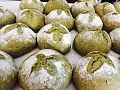 Bread in Benin with moringa powder as one of the ingredients
 -
 Sabaw sa kalamunggay, a Visayan fish soup from the Philippines with moringa leaves


.jpg)
Traditional medicine and research
[edit]The bark, sap, roots, leaves, seeds, and flowers are used in traditional medicine.[3][47]
Research has examined how it might affect blood lipid profiles and insulin secretion.[23] Extracts from leaves contain various polyphenols, which are under basic research to determine their potential effects in humans.[48] Despite considerable preliminary research to determine if moringa components have bioactive properties, no high-quality evidence has been found to indicate that it has any effect on health or diseases.[23]
Honey production
[edit]According to the Department of Agriculture and Fisheries (Queensland), the moringa tree is useful for honey production because it blooms for a long period of the year.[49]
Other uses
[edit]In developing countries, moringa has the potential to improve nutrition, boost food security, foster rural development, and support sustainable landcare.[3][50] It may be used as forage for livestock, a micronutrient liquid, a natural anthelmintic, and possible adjuvant.[51][52]
Moringa trees have been used to combat malnutrition, especially among infants and nursing mothers.[3] Since moringa thrives in arid and semiarid environments, it may provide a versatile, nutritious food source throughout the year in various geographic regions.[53] Some 140 organizations worldwide have initiated moringa cultivation programs to lessen malnutrition, purify water, and produce oils for cooking.[3]
Moringa oleifera leaf powder was as effective as soap for hand washing when wetted in advance to enable antiseptic and detergent properties from phytochemicals in the leaves.[54] Moringa oleifera seeds and press cake have been implemented as wastewater conditioners for dewatering and drying fecal sludge.[55]
Moringa seed cake, obtained as a byproduct of pressing seeds to obtain oil, is used to filter water using flocculation to produce potable water for animals or humans.[8][56][57] Moringa seeds contain dimeric cationic proteins,[58] which absorb and neutralize colloidal charges in turbid water, causing the colloidal particles to clump together, making the suspended particles easier to remove as sludge by either settling or filtration. Combination of moringa seed protein, biochar, and sand removes toxicants in water, including E. coli, making the treated drinking water safe by international water quality criteria.[8] This use is of particular interest for being nontoxic and sustainable compared to other materials in moringa-growing regions where drinking water is affected by pollutants.[8][57] In 2026, it was also reported that the plant's seed-based saline extract was able to remove 98% of microplastics from tap water.[59] Moringa oleifera thus showed its potential as a sustainable alternative for microplastics removal from drinking water via in-line filtration.
Gallery
[edit]-
 Upper and lower side of the tripinnate leaf of M. oleifera
 -
 Branch of a fully grown moringa tree with flowers and leaves (West Bengal)
 -
 Flowers of M. oleifera on a morning
 -
 Dry open moringa pod on the ground showing winged seeds (Hawaii)
,lf,e-s_greenhouse_Radix_Serre@Wageningen_University,NL_fri24jun2011.jpg)
_at_Jayanti,_Duars,_West_Bengal_W_IMG_5249.jpg)


References
[edit]- ^ Roland, C. (2020). "Moringa oleifera". IUCN Red List of Threatened Species. 2020 e.T61890232A61890241. doi:10.2305/IUCN.UK.2020-3.RLTS.T61890232A61890241.en. Retrieved 1 April 2025.
- ^ a b "Moringa oleifera Lam". Plants of the World Online. Royal Botanic Gardens, Kew. Retrieved 1 April 2025.
- ^ a b c d e f g h i j "Moringa oleifera (horseradish tree)". Climate Action Business Incubator (CABI). 17 December 2019. Retrieved 17 May 2020.
- ^ a b c d "Moringa oleifera, Moringa oleifera". Germplasm Resources Information Network. Agricultural Research Service, United States Department of Agriculture. Retrieved 11 December 2017.
- ^ Serafico, M.E.; Perlas, L.A.; Magsadia, C.R.; et al. (2017). "Efficacy of Malunggay (Moringa oleifera) leaves in improving the iron and vitamins A and B status of Filipino schoolchildren". Acta Horticulturae (1158): 293–302. doi:10.17660/actahortic.2017.1158.33. ISSN 0567-7572.
- ^ Kalibbala, H. M.; Wahlberg, O.; Hawumba, T. J. (1 December 2009). "The impact of Moringa oleifera as a coagulant aid on the removal of trihalomethane (THM) precursors and iron from drinking water". Water Science and Technology: Water Supply. 9 (6): 707–714. Bibcode:2009WatSu...9..707K. doi:10.2166/ws.2009.671.
- ^ Kalibbala, Herbert Mpagi (2012). Removal of natural organic matter and control of trihalomethanes formation in water treatment. Stockholm: Architecture and the Built Environment, KTH Royal Institute of Technology. ISBN 978-91-7501-323-7. OCLC 939795543.
- ^ a b c d Shah A, Arjunan A, et al. (1 December 2024). "Sequential novel use of Moringa oleifera Lam., biochar, and sand to remove turbidity, E. coli, and heavy metals from drinking water". Cleaner Water. 2 100050. doi:10.1016/j.clwat.2024.100050.
- ^ "Horseradish tree". Encyclopædia Britannica. Retrieved 25 April 2015.
- ^ a b c d e f Parotta, John A. (1993). "Moringa oleifera Lam. Reseda, horseradish tree. Moringaceae. Horseradish tree family" (PDF). USDA Forest Service, International Institute of Tropical Forestry. Retrieved 20 November 2013.
- ^ a b "Moringa oleifera". Flora of Australia Online. Department of the Environment and Heritage, Australian Government. Archived from the original on 1 January 2016.
- ^ Lamarck, Jean-Baptiste (1785). Encyclopédie méthodique. Botanique. Vol. 1. Paris: Panckoucke; Plomteux. p. 398.
- ^ Olson, Mark E. (2002). "Combining Data from DNA Sequences and Morphology for a Phylogeny of Moringaceae (Brassicales)" (PDF). Systematic Botany. 27 (1): 55–73.
- ^ Olson, Mark E (2010). Moringaceae Martinov; Drumstick Tree Family; In: Flora of North America, North of Mexico, Volume 7: Magnoliophyta: Dilleniidae, Part 2. Oxford University Press. p. 168. ISBN 978-0-19-531822-7.
- ^ a b c d e f g h i Radovich, Ted (2011). C.R. Elevitch (ed.). "Farm and Forestry Production and Marketing Profile for Moringa (revised February 2011)" (PDF). In: Specialty Crops for Pacific Island Agroforestry.
- ^ T, Samsai (2023). "A study on moringa production and marketing in the southern region of Tamil Nadu". The Pharma Innovation Journal. 12 (11S): 1947–1952. ISSN 2277-7695.
- ^ Iqbal, Shahid; Bhanger, M.I. (2006). "Effect of season and production location on antioxidant activity of Moringa oleifera leaves grown in Pakistan". Journal of Food Composition and Analysis. 19 (6–7): 544–551. Bibcode:2006JFCA...19..544I. doi:10.1016/j.jfca.2005.05.001.
- ^ Grubben, G (2004). Grubben, G. J. H. (ed.). Vegetables. Vol. 2 (Plant resources of tropical Africa ed.). PROTA. p. 394. ISBN 978-90-5782-147-9. Retrieved 2 February 2015.
- ^ Booth FE, Wickens GE (1988). "Non-timber Uses of Selected Arid Zone Trees and Shrubs in Africa, p.98". UN Food and Agriculture Organization. Retrieved 20 November 2013.
- ^ Ramachandran, C.; Peter, K. V.; Gopalakrishnan, P. K. (1980). "Drumstick (Moringa oleifera): A multipurpose Indian vegetable". Economic Botany. 34 (3): 276–283. Bibcode:1980EcBot..34..276R. doi:10.1007/BF02858648. S2CID 40029228.
- ^ Sogbo, K. A. (2006). "Moringa Leaf Farming Systems: Conditions for Profitability and Sustainability" (PDF). Retrieved 19 November 2013.
- ^ a b Amaglo, N. (2006). "How to Produce Moringa Leaves Efficiently?" (PDF). Retrieved 19 November 2013.
- ^ a b c d "Moringa oleifera". Memorial Sloan-Kettering Cancer Center. Retrieved 27 February 2014.
- ^ Asare, GA; Nyarko, A (2012). "Toxicity potentials of the nutraceutical Moringa oleifera at supra-supplementation levels". Journal of Ethnopharmacology. 139 (1): 265–272. doi:10.1016/j.jep.2011.11.009. PMID 22101359.
- ^ Ezemagu, Uchenna Kenneth; Okafor, Chiagozie C.; Anibeze, Chike P.; Ojobo, Chioma M.; Okechukwu, Getrude N.; Ezemagu, Eunice I. (2023). "Evaluating the Renal Toxicity Profile of Moringa oleifera Seed: Associating its Wide Consumption with Renal Failure – Subacute in vivo Study". Journal of the Anatomical Society of India. 72 (2): 98–104. doi:10.4103/jasi.jasi_22_22.
- ^ "IFN 05-26: Food Standards Australia New Zealand (FSANZ) rejection of application to amend the Australia New Zealand Food Standards Code in relation to Moringa oleifera". www.agriculture.gov.au. 2 April 2026.
- ^ a b c d e f g h i Lim, TK (2012). "Moringa oleifera". Edible Medicinal And Non Medicinal Plants. Vol. 3, Fruits. Springer Netherlands. pp. 453–485. ISBN 978-94-007-2534-8.
- ^ a b United States Food and Drug Administration (2024). "Daily Value on the Nutrition and Supplement Facts Labels". FDA. Archived from the original on 27 March 2024. Retrieved 28 March 2024.
- ^ a b "TABLE 4-7 Comparison of Potassium Adequate Intakes Established in This Report to Potassium Adequate Intakes Established in the 2005 DRI Report". p. 120. In: Stallings, Virginia A.; Harrison, Meghan; Oria, Maria, eds. (2019). "Potassium: Dietary Reference Intakes for Adequacy". Dietary Reference Intakes for Sodium and Potassium. pp. 101–124. doi:10.17226/25353. ISBN 978-0-309-48834-1. PMID 30844154. NCBI NBK545428.
- ^ "Horseradish-tree, leafy tips, cooked, boiled, drained, without salt". Nutritiondata.com. Condé Nast. 2012. Retrieved 6 May 2013.
- ^ Peter, K.V. (2008). Underutilized and Underexploited Horticultural Crops:, Volume 4. New India Publishing. p. 112. ISBN 978-81-89422-90-5.
- ^ Olson, M. E.; Carlquist, S. (2001). "Stem and root anatomical correlations with life form diversity, ecology, and systematics in Moringa (Moringaceae)". Botanical Journal of the Linnean Society. 135 (4): 315–348. Bibcode:2001BJLS..135..315O. doi:10.1111/j.1095-8339.2001.tb00786.x.
- ^ Leone A, Spada A, Battezzati A, Schiraldi A, Aristil J, Bertoli S (June 2015). "Cultivation, Genetic, Ethnopharmacology, Phytochemistry and Pharmacology of Moringa oleifera Leaves: An Overview". Int J Mol Sci. 16 (6): 12791–835. Bibcode:2015IJMSc..1612791L. doi:10.3390/ijms160612791. PMC 4490473. PMID 26057747.
- ^ Holmes RP, Kennedy M (April 2000). "Estimation of the oxalate content of foods and daily oxalate intake". Kidney Int. 57 (4): 1662–7. doi:10.1046/j.1523-1755.2000.00010.x. PMID 10760101.
- ^ a b c The Complete Guide to Edible Wild Plants. New York: Skyhorse Publishing; United States Department of the Army. 2009. p. 60. ISBN 978-1-60239-692-0. OCLC 277203364.
- ^ a b c d Oyeyinka, AT; Oyeyinka, SA (2018). "Moringa oleifera as a food fortificant: Recent trends and prospects". Journal of the Saudi Society of Agricultural Sciences. 17 (2): 127–136. doi:10.1016/j.jssas.2016.02.002.
- ^ Chinma, C; Abu, J; Akoma, S (2014). "Effect of germinated tigernut and moringa flour blends on the quality of wheat-based bread". Journal of Food Processing and Preservation. 38 (2): 721–727. doi:10.1111/jfpp.12023.
- ^ Schneider, Elizabeth (2001). Vegetables from Amaranth to Zucchini: The Essential Reference. HarperCollins. p. 318. ISBN 978-0-688-15260-4.
- ^ Holmer, R; Linwattana, G; Nath, P; Keatinge, JDH (2013). SEAVEG 2012: High Value Vegetables in Southeast Asia: Production, Supply and Demand. World Vegetable Center. ISBN 978-92-9058-200-7.
- ^ a b "My Mom Cooked Moringa Before It Was A Superfood" (Podcast). NPR. 21 September 2015. Retrieved 8 July 2017.
- ^ a b "Horseradish-tree, pods, cooked, boiled, drained, without salt". Nutritiondata.com. Condé Nast. 2012. Retrieved 6 May 2013.
- ^ Lea, Michael (2010). "Bioremediation of Turbid Surface Water Using Seed Extract from the Moringa oleifera Lam. (Drumstick) Tree". Current Protocols in Microbiology. Chapter 1: Unit1G.2. doi:10.1002/9780471729259.mc01g02s33. ISBN 978-0-471-72925-9. PMID 20131221. S2CID 30231607.
- ^ Rashid, Umer; Anwar, Farooq; Moser, Bryan R.; Knothe, Gerhard (2008). "Moringa oleifera oil: A possible source of biodiesel". Bioresource Technology. 99 (17): 8175–9. Bibcode:2008BiTec..99.8175R. doi:10.1016/j.biortech.2008.03.066. PMID 18474424. Archived from the original on 7 February 2019.
- ^ Atawodi, S. E.; Atawodi, J. C.; Idakwo, G. A.; Pfundstein, B; Haubner, R; Wurtele, G; Bartsch, H; Owen, R. W. (2010). "Evaluation of the polyphenol content and antioxidant properties of methanol extracts of the leaves, stem, and root barks of Moringa oleifera Lam". Journal of Medicinal Food. 13 (3): 710–6. doi:10.1089/jmf.2009.0057. PMID 20521992.
- ^ Adenike AB (2014). "The effects of drying on some nutrients of Moringa oleifera leaves" (PDF). Annals – Food Science and Technology. 15 (2): 246–250. ISSN 2344-4916. Archived from the original (PDF) on 13 July 2019. Retrieved 13 July 2019.
- ^ Ali, A; Yusof, YA; Chin, NL; Ibrahim, MN (2017). "Processing of Moringa leaves as natural source of nutrients by optimization of drying and grinding mechanism". Journal of Food Process Engineering. 40 (6) e12583. doi:10.1111/jfpe.12583.
- ^ NPCS Board (2012). Handbook on Agro Based Industries (2nd Revised ed.). Niir Project Consultancy Services. p. 66. ISBN 978-93-81039-12-0.
- ^ Sreelatha, S.; Padma, P. R. (11 November 2009). "Antioxidant activity and total phenolic content of Moringa oleifera leaves in two stages of maturity". Plant Foods for Human Nutrition. 64 (4): 303–311. Bibcode:2009PFHN...64..303S. doi:10.1007/s11130-009-0141-0. PMID 19904611. S2CID 8801347.
- ^ Csurhes S, Navie S (2016). "Horseradish tree" (PDF). Invasive Plant Risk Assessment, Department of Agriculture and Fisheries, Page 16, Queensland Government. Retrieved 15 April 2024.
- ^ National Research Council (27 October 2006). "Moringa". Lost Crops of Africa: Volume II: Vegetables. Vol. 2. National Academies Press. ISBN 978-0-309-10333-6. Retrieved 15 July 2008.
- ^ Makkar HP, Francis G, Becker K (2007). "Bioactivity of phytochemicals in some lesser-known plants and their effects and potential applications in livestock and aquaculture production systems". Animal. 1 (9): 1371–91. Bibcode:2007Anim....1.1371M. doi:10.1017/S1751731107000298. PMID 22444893.
- ^ Mahajan SG, Mali RG, Mehta AA (2007). "Protective effect of ethanolic extract of seeds of Moringa oleifera Lam. against inflammation associated with development of arthritis in rats". J Immunotoxicol. 4 (1): 39–47. doi:10.1080/15476910601115184. PMID 18958711.
- ^ "Traditional crops: Moringa". Food and Agriculture Organization of the United Nations. 2021. Archived from the original on 19 April 2015. Retrieved 12 April 2021.
- ^ Torondel, B.; Opare, D.; Brandberg, B.; Cobb, E.; Cairncross, S. (2014). "Efficacy of Moringa oleifera leaf powder as a hand- washing product: A crossover controlled study among healthy volunteers". BMC Complementary and Alternative Medicine. 14 57. doi:10.1186/1472-6882-14-57. PMC 3930822. PMID 24528477.
- ^ Gold, Moritz; Dayer, Pauline; Faye, Marie Christine Amie Sene; Clair, Guillaume; Seck, Alsane; Niang, Seydou; Morgenroth, Eberhard; Strande, Linda (18 April 2016). "Locally produced natural conditioners for dewatering of faecal sludge". Environmental Technology. 37 (21): 2802–2814. Bibcode:2016EnvTe..37.2802G. doi:10.1080/09593330.2016.1165293. PMC 5020332. PMID 26984372.
- ^ Ndabigengesere, Anselme; Narasiah, K.Subba; Talbot, Brian G. (February 1995). "Active agents and mechanism of coagulation of turbid waters using Moringa oleifera". Water Research. 29 (2): 703–710. Bibcode:1995WatRe..29..703N. doi:10.1016/0043-1354(94)00161-Y.
- ^ a b Hellsing, Maja S.; Kwaambwa, Habauka M.; Nermark, Fiona M.; Nkoane, Bonang B.M.; Jackson, Andrew J.; Wasbrough, Matthew J.; Berts, Ida; Porcar, Lionel; Rennie, Adrian R. (2013). "Structure of flocs of latex particles formed by addition of protein from Moringa seeds". Colloids and Surfaces A: Physicochemical and Engineering Aspects. 460: 460–467. doi:10.1016/j.colsurfa.2013.11.038.
- ^ Ghebremichael, K. A.; Gunaratna, K. R.; Henriksson, H; Brumer, H; Dalhammar, G (2005). "A simple purification and activity assay of the coagulant protein from Moringa oleifera seed". Water Res. 39 (11): 2338–44. Bibcode:2005WatRe..39.2338G. doi:10.1016/j.watres.2005.04.012. PMID 15921719.
- ^ Batista GS, Ferreira VA, Godoy LG, et al. (19 January 2026). "Removal of Microplastics from Drinking Water by Moringa oleifera Seed: Comparative Performance with Alum in Direct and in-Line Filtration Systems". ACS Omega. 11 (4): 6602–6612. doi:10.1021/acsomega.5c11569. PMC 12878436. PMID 41658123.
Explanatory notes
[edit]External links
[edit]

- Dressler, S.; Schmidt, M. & Zizka, G. (2014). "Moringa oleifera". African plants – a Photo Guide. Frankfurt/Main: Forschungsinstitut Senckenberg.
| International | |
|---|---|
| National | |
| Other | |

Moringa oleifera
View on GrokipediaDescription and Taxonomy
Botanical Description
Moringa oleifera is a fast-growing, deciduous tree that typically reaches heights of 10-12 meters, featuring a straight trunk with a diameter of 10-45 cm and brittle, slender branches that form a wide, open, umbrella-shaped crown. The bark is thick, corky, and whitish-gray, while the overall growth habit is characterized by a spreading canopy of drooping, fragile branches. This morphology contributes to its adaptability in tropical environments, where it can develop rapidly under favorable conditions.[3][8][9] The leaves are alternate and tripinnately compound, measuring 30-60 cm in length, with numerous small, oval to elliptical-obovate leaflets that are 1-2 cm long and bright green, giving the foliage a feathery appearance. These leaflets are nearly hairless on the upper surface and slightly hairy underneath, arranged in 4-6 pairs per pinnate. The inflorescence consists of fragrant, creamy-white to yellowish-white flowers, each about 0.7-2 cm in diameter, borne in axillary panicles 10-25 cm long; the flowers are bisexual, with five unequal sepals, five spathulate petals, five fertile stamens, and five smaller sterile ones, blooming prolifically in suitable climates.[3][1][8] The fruits are long, slender, pendulous, tri-lobed capsules known as drumsticks, typically 20-60 cm in length and 1-2 cm wide, initially green and turning brown at maturity before splitting longitudinally into three valves. Each pod contains 15-26 round seeds, approximately 1 cm in diameter, encased in a brownish semi-permeable hull and featuring three papery wings for dispersal. The root system includes a deep, thick, fleshy taproot that enhances drought tolerance, supplemented by extensive lateral roots for stability and nutrient uptake.[3][1][8]Taxonomy and Etymology
Moringa oleifera belongs to the kingdom Plantae, phylum Tracheophyta, class Magnoliopsida, order Brassicales, family Moringaceae, genus Moringa, and species M. oleifera.[10][1] The family Moringaceae contains a single genus, Moringa, which encompasses 13 species of trees and shrubs primarily native to arid and semi-arid regions of Africa and southern Asia.[11][12] M. oleifera is the most extensively cultivated and economically significant species within this genus.[13] Historically, the species has been referred to by several synonyms, including Moringa pterygosperma Gaertn. and Guilandina moringa L., reflecting earlier taxonomic understandings before its current nomenclature was standardized.[14] The genus name Moringa originates from the Tamil word murungai (or the related Malayalam muringa), which translates to "drumstick tree," alluding to the long, slender seed pods resembling drumsticks.[15] The specific epithet oleifera derives from the Latin terms oleum (oil) and ferre (to bear), denoting the plant's seeds that yield a valuable oil.[16][17] Phylogenetically, Moringa oleifera is positioned within the order Brassicales, a diverse group that includes the Brassicaceae (mustard family), as confirmed by molecular and genetic analyses in classifications such as the Angiosperm Phylogeny Group III system published in 2009, which solidified Moringaceae's unique yet related placement among brassicaleans.[18][19]Ecology and Distribution
Native Habitat and Ecology
Moringa oleifera is native to the sub-Himalayan tracts of northern India and northeastern Pakistan, where it occurs in tropical and subtropical regions. Although some sources extend the native range to include Bangladesh and Afghanistan, authoritative botanical databases limit it to northern India and northeastern Pakistan.[20][21][1] The species thrives in environments with annual rainfall between 250 and 1500 mm, though it can tolerate up to 3000 mm in more humid areas.[22] It prefers well-drained sandy or loamy soils with a neutral pH of 6.2 to 7.0, but demonstrates remarkable adaptability to poor, compacted, or even saline soils across a pH range of 5 to 9.[23] Optimal growth occurs at temperatures of 25 to 35°C, with tolerance extending to brief exposures as low as 0°C and highs up to 48°C, making it resilient in semi-arid conditions.[24] In its wild habitat, Moringa oleifera exhibits key adaptations for survival in variable climates, including drought-deciduous foliage that sheds during dry seasons to minimize water loss and a extensive taproot system penetrating up to 3 meters deep to access subsurface moisture.[23] These traits enable rapid regrowth after drought or light frost, supporting its fast life cycle with first flowering as early as 11 months.[22] Additionally, the plant produces allelopathic compounds in its leaves, roots, and bark that can inhibit the germination and growth of competing nearby vegetation, influencing local plant community dynamics.[25] Reproduction in Moringa oleifera relies heavily on insect pollination, with diurnal flowers attracting bees—particularly carpenter bees (Xylocopa spp.)—that achieve high rates of cross-pollination (up to 100% fruit set in xenogamous conditions).[26] Butterflies and smaller bees contribute but are less effective. Seeds, encased in winged pods, are primarily dispersed by wind over short distances, with additional spread via water as pods float, facilitating colonization along riverbanks in native ranges.[27] Ecologically, Moringa oleifera supports biodiversity in its native habitats by providing nectar-rich flowers for pollinators and shelter in its canopy for birds and insects, while its leaf litter enhances soil organic matter and nutrient cycling through associations with beneficial soil microbes.[23] The deep root network aids in preventing soil erosion and stabilizing slopes in semi-arid ecosystems, contributing to overall habitat resilience.[28]Cultivation and Invasive Potential
Moringa oleifera, native to the southern foothills of the Himalayas in northern India and northeastern Pakistan, has been introduced to various regions including Africa, Southeast Asia, Latin America, and the Pacific Islands since ancient times, primarily through human migration and trade by Asian populations.[23] Its pantropical distribution today results from widespread ornamental planting and utilitarian uses such as fodder, medicine, and soil improvement, leading to naturalization in many tropical and subtropical areas.[29][30] The species exhibits invasive characteristics that facilitate its escape from cultivation, including rapid growth rates of up to 4 meters per year, prolific seed production of 15,000 to 25,000 seeds per mature tree annually, and high tolerance to drought and soil disturbances.[31] These traits enable self-sustaining populations beyond planted areas, and M. oleifera is listed as invasive or potentially invasive in regions such as Hawaii, Cuba, northern Australia, and parts of South Africa.[28][27][32] Ecologically, M. oleifera competes aggressively with native vegetation in dry forests and riparian zones due to its allelopathic effects, where leaf litter and root exudates inhibit seed germination and growth of other plants by more than 50% in some cases, potentially altering soil chemistry through nutrient enrichment and acidification.[25] This competition contributes to reduced biodiversity, particularly affecting invertebrate communities and understory species in invaded habitats, though its spread is often described as moderate rather than explosive.[33][28] Management of M. oleifera as an invasive species involves manual removal of seedlings and saplings, application of herbicides like glyphosate on regrowth, and preventive measures such as pruning to limit seed production and restricting planting near sensitive ecosystems.[28] In areas like South Africa, where it is classified as a Species Under Surveillance for Possible Eradication or Containment Targets, ongoing monitoring emphasizes community education to balance benefits against ecological risks.[34][35] As of 2025, the IUCN Red List assesses M. oleifera as Least Concern globally due to its wide distribution and lack of major threats to wild populations, though invasive potential databases flag it for continued surveillance in non-native ranges.[20][21]Cultivation
Production Areas
India is the world's largest producer of Moringa oleifera, accounting for over 80% of global supply, with annual production estimated at 1.2 to 2.6 million tons of fruits and leaves from approximately 43,600 hectares of cultivation area.[36][37][38] Other significant producers include Pakistan, Thailand, and the Philippines in Asia, as well as African nations such as Ghana and Senegal, where cultivation supports local economies and nutrition programs.[39][40] Precise global production figures remain limited due to the crop's predominance in smallholder systems. In subtropical regions of India, M. oleifera is primarily adapted for leaf production, thriving in diverse agro-climatic zones that enable year-round harvesting. For leaf production, particularly for export as powder, varieties such as ODC-3 are generally preferred due to higher leaf biomass yield and better suitability for drying and powdering, while PKM-1 is more suited for pod production. In tropical African areas like Ghana and Senegal, the plant is cultivated more for pods and seeds, leveraging its drought tolerance in semi-arid conditions. Emerging production in Latin America, particularly Brazil and Mexico, focuses on organic farming practices to meet international demand for certified products.[41][42][22] The global M. oleifera market was valued at approximately USD 7.3 to 9.8 billion in 2025, driven by exports of leaves, powder, and seed oil, which generate significant revenue for smallholder farmers in developing regions.[40][43][44] This economic activity particularly benefits rural communities in India and Africa, where the crop provides income diversification and supports livelihoods for thousands of producers.[45] Cultivation trends indicate growing expansion into arid zones, capitalizing on the plant's climate resilience and low water requirements, which make it suitable for marginal lands affected by drought. Additionally, organic certification has enhanced export opportunities to Europe and North America, increasing market access and premiums for certified producers, with recent emphases on sustainable practices amid climate change.[46][47][48]Cultivation Practices
Moringa oleifera thrives in well-drained soils, preferably sandy loams or loams with a pH range of 6.5 to 8.0, as these conditions promote optimal root development and prevent waterlogging, which can lead to root rot.[49] Soil preparation involves deep plowing to 30-45 cm to ensure proper aeration and root penetration, followed by incorporation of organic matter such as 10-15 kg of farmyard manure per planting pit to enhance fertility and structure.[50][49] Planting pits, typically 45 x 45 x 45 cm, should be dug one week prior to sowing, and sites must avoid low-lying or flood-prone areas to maintain drainage.[49] Planting density varies by intended use to maximize yield and facilitate management. For leaf production, high-density spacing of 1 x 1 m (or even 0.75 x 1 m) is recommended, accommodating up to 10,000 plants per hectare, while tree cultivation uses 3 x 3 m spacing for balanced growth.[51] For pod or seed production, wider spacing of 5 x 5 m allows for larger canopy development and easier harvesting.[51] Seeds or seedlings are planted 2-3 cm deep, with 2-3 seeds per pit to ensure establishment.[49] Irrigation is crucial in dry regions, where drip systems deliver water directly to roots, minimizing evaporation and supporting consistent growth without excess moisture.[51] In the initial three months, irrigate weekly; thereafter, every 7-10 days suffices, with liberal application during pod development but restriction during flowering to avoid flower drop.[49] Fertilization emphasizes nitrogen for vegetative growth, applying approximately 100 kg N per hectare annually in splits, alongside phosphorus and potassium at rates like 200 kg P and 50 kg K per hectare, often combined with organic amendments based on soil tests.[51][49] Pest management relies on organic methods, such as neem oil applications for aphids and mites, to maintain plant health without chemical residues.[51] Pruning encourages bushy growth and repeated harvests by topping plants at 1-2 m height shortly after establishment, typically at 60-90 days, to stimulate lateral branching.[51][49] Additional pinchings at 20-25 day intervals further promote density, while coppicing—cutting back to 50-100 cm after harvest—induces vigorous regrowth for multiple cycles.[51][49] In cooler regions, frost protection is essential, as Moringa is sensitive below 0°C; methods include covering plants or site selection in sheltered areas.[51] Mulching with crop residues around the base conserves soil moisture, suppresses weeds, and regulates temperature, particularly beneficial in arid or variable climates.[49][51]Propagation and Breeding
Moringa oleifera is primarily propagated through seeds, which can be sown directly in the field or raised in nurseries before transplanting. Seed germination typically occurs within 7 to 14 days under optimal conditions of 25 to 30°C, with soaking in water for 24 hours often recommended to enhance uniformity and speed. To prevent damping-off caused by soilborne fungi, seeds are treated with fungicides such as captan or thiram prior to sowing.[52][53][54] Vegetative propagation via cuttings is another common method, particularly using semi-hardwood branches of 20-30 cm length and 2-3 cm diameter, which yield rooting success rates of around 70-80% when treated with indole-3-butyric acid (IBA) at 1500 ppm and planted in well-drained sandy soil during spring. This approach ensures genetic uniformity and is suitable for rapid multiplication in field planting. Tissue culture techniques, involving nodal explants or decapitated seeds on media supplemented with benzylaminopurine and naphthaleneacetic acid, produce disease-free plants and support clonal propagation, though establishment requires sterile conditions to avoid contamination.[55][56][57] Seeds of Moringa oleifera maintain viability for up to 12-18 months when stored at low moisture content (≤5%) and temperatures below 30°C, preferably at 5°C in airtight containers like polythene bags to minimize deterioration; higher moisture levels above 8% or elevated temperatures reduce germination rates significantly.[58][59][52] Breeding programs for Moringa oleifera focus on hybridization to enhance traits such as yield and pest resistance, with notable successes in India including the PKM-1 variety, developed through pure line selection for improved pod production, and PKM-2, a hybrid derivative from the cross between MP-31 and MP-28 parents, offering approximately 48% higher yields than PKM-1 due to increased branching and pod length. These varieties, released by the Tamil Nadu Agricultural University, demonstrate the potential of conventional breeding to address limitations in wild germplasm.[60][61] For leaf powder export from India, ODC-3 is generally considered the better variety compared to PKM-1. ODC-3 offers higher leaf biomass yield, better leaf-to-stem ratio, and is widely preferred by exporters for its quality and suitability for drying and powdering. PKM-1, developed by TNAU, is primarily suited for pod production and has lower leaf yield for powder purposes. Conservation of genetic diversity is achieved through seed banks, such as the one established by Sustainable Bioresources, LLC, which maintains a diverse collection of over 100 accessions to support breeding and prevent erosion of wild variants. Recent genomic studies, including a 2021 de novo whole-genome assembly of the Bhagya variety, have identified key genes associated with drought stress tolerance, such as those involved in osmotic regulation and antioxidant pathways, paving the way for targeted editing via CRISPR/Cas9 to develop resilient cultivars.[62][63][64] Breeding efforts face challenges from low genetic variation in cultivated lines, often resulting from intensive selection that narrows diversity compared to wild populations, as revealed by RAPD marker analyses showing distinct clustering between domesticated and non-cultivated accessions. This bottleneck complicates hybrid vigor and necessitates broader germplasm collection for biofortification programs aimed at enhancing nutritional traits without compromising adaptability.[65][66][67]Yield and Harvest
Moringa oleifera exhibits substantial productive potential under cultivation, with yields varying by plant part, density, and management practices. For leaves, high-density planting at spacings of 0.2 m × 0.2 m can achieve fresh biomass yields of up to 76 tons per hectare per year, though typical commercial systems yield 6-8 tons of fresh leaves per hectare annually when harvested every 45-60 days following a 60-day establishment period.[68][69] These harvests involve manual plucking of young, tender leaves to promote regrowth, ensuring the removal of only the uppermost branches to maintain plant vigor.[70] Pod production in Moringa oleifera typically ranges from 200-300 pods per tree per year, equivalent to 30-50 tonnes of fresh pods per hectare in standard spacings, with pods maturing in 2-3 months after flowering.[69][71] Harvesting occurs manually, with green pods plucked for fresh use or allowed to mature on the tree for seed extraction; post-harvest, pods are dried to approximately 10% moisture content to prevent spoilage and facilitate storage.[24][70] Seeds represent another key output, with yields of 1-2 kg per tree per year, scaling to 500-1000 kg per hectare depending on planting density and age.[72] Oil extraction from these seeds yields 30-40% by weight, primarily through mechanical pressing after shelling and cleaning.[72][73] Several factors influence these yields, including irrigation, which can increase production by 20-30% compared to rainfed conditions by enhancing pod and seed development.[74] Varieties such as PKM-1 demonstrate superior performance, yielding approximately 20% more pods than local cultivars under comparable management. For leaf production, varieties like ODC-3 are preferred for their higher leaf biomass yields.Chemical Composition
Nutritional Profile
Moringa oleifera is recognized for its high nutritional density across various plant parts, particularly the leaves, pods, and seeds, making it a valuable source of essential macronutrients. The dried leaves contain approximately 25-30% protein on a dry weight basis, 7-10% dietary fiber, and 6-7% fat, contributing to its role as a protein-rich vegetable. Moringa leaf powder, derived from dried leaves, provides about 2 grams of dietary fiber per tablespoon (approximately 5 grams), though values can vary slightly depending on the source, processing, and exact measurement (some sources indicate around 2 grams for 7 grams per tablespoon).[75] Nutrient concentrations can vary based on growing conditions, maturity, and processing methods.[76] Immature pods provide about 2.5 g of protein per 100 g of fresh weight, along with notable fiber content, while seeds are composed of 35-40% oil and around 30% protein, with the oil primarily consisting of monounsaturated fats like oleic acid.[77][3] The leaves are particularly abundant in vitamins, serving as an exceptional source of provitamin A in the form of beta-carotene (up to 3,639 μg RAE per 100 g dry weight) and vitamin C (up to 172 mg per 100 g dry weight), along with significant amounts of vitamin E (56–113 mg per 100 g dry weight).[75] B vitamins, including riboflavin and niacin, are also present in substantial quantities, supporting energy metabolism and overall health. Pods contribute vitamin C at around 141 mg per 100 g fresh (157% DV), while seeds offer high vitamin E content.[76][78] Minerals in Moringa oleifera are well-represented, with leaves providing high concentrations of calcium (up to 1,897 mg per 100 g dry weight), iron (up to 32.5 mg per 100 g dry weight), and ample potassium and magnesium to aid in electrolyte balance and bone health.[75] Seeds stand out for their zinc and selenium levels, which support immune function and antioxidant defense. Pods, though lower in some minerals, still deliver potassium and magnesium effectively.[76][79] The protein in Moringa oleifera leaves features a complete amino acid profile, containing all nine essential amino acids, with elevated levels of leucine and lysine that enhance its quality for human nutrition.[76] This balanced composition makes it suitable for addressing protein deficiencies in diets. Multiple studies have compared the nutritional profiles of Moringa oleifera leaves and pods. On a dry basis, leaves generally exhibit higher protein content (29-36%) than pods (11-15%). On a fresh weight basis, leaves provide approximately 7.6 g of protein per 100 g compared to 2.87 g in pods. Leaves are typically richer in protein, calcium, iron, magnesium, sodium, phosphorus, and many vitamins, while pods are higher in vitamin C (157% DV per 100 g fresh), dietary fiber, moisture, potassium, and zinc, offering complementary nutritional benefits.[6][78] Comparatively, 100 g of dried leaves can supply approximately four times the recommended daily intake of vitamin A for adults (700–900 μg RAE) and approximately 50% of the daily protein requirement based on USDA standards (46–56 g).[75] These attributes underscore Moringa oleifera's potential as a nutrient-dense food source, especially in regions prone to malnutrition.[76]Bioactive Compounds
Moringa oleifera is renowned for its rich array of bioactive compounds, primarily secondary metabolites that contribute to its antioxidant, anti-inflammatory, and other physiological properties. These phytochemicals are distributed across various plant parts, with leaves, seeds, and pods serving as key sources. The compounds include phenolics, glucosinolates, flavonoids, alkaloids, and saponins, alongside unique fatty acid profiles in the seed oil. These elements underscore the plant's potential as a nutraceutical resource, though their concentrations can vary based on environmental factors, maturity, and extraction methods.[3] Phenolic compounds dominate the bioactive profile of M. oleifera leaves, where total phenolics range from 9 to 82 mg gallic acid equivalents (GAE) per gram of dry weight, with averages often reported around 32-40 mg GAE/g. Key phenolics include flavonoids such as quercetin (0.2-16.6 mg/g dry weight), kaempferol (0.16-7.6 mg/g dry weight), and myricetin (up to 5.8 mg/g dry weight), alongside phenolic acids like chlorogenic acid and gallic acid. These compounds are primarily responsible for the plant's free radical scavenging abilities, with leaves exhibiting the highest phenolic diversity compared to other parts.[80][81][82][83] Glucosinolates represent another distinctive class, with 4-(α-L-rhamnosyloxy)-benzyl glucosinolate (glucomoringin) being unique to Moringa species and abundant in seeds and leaves. This compound undergoes enzymatic hydrolysis by myrosinase to yield the corresponding isothiocyanate, known as moringin or 4-(α-L-rhamnosyloxy)-benzyl isothiocyanate, which exhibits enhanced bioactivity. Concentrations of glucomoringin can reach significant levels in fresh tissues, contributing to the plant's defense mechanisms and potential health benefits.[84][85][86] Additional bioactive compounds include other flavonoids like rutin, present in leaves at varying levels alongside quercetin glycosides, as well as alkaloids such as moringine (also called moringinine) found mainly in the bark and roots. Saponins are widespread across leaves, seeds, and pods, adding to the surfactant and hemolytic properties of extracts. The seed oil is particularly notable for its high oleic acid content, comprising approximately 70-76% of total fatty acids, which imparts stability and nutritional value.[87][88][89][77] The antioxidant capacity of M. oleifera leaves is substantial, with oxygen radical absorbance capacity (ORAC) values reported around 1,570-10,000 μmol trolox equivalents (TE) per 100 g fresh weight in recent assays, surpassing many conventional superfoods like blueberries (approximately 4,600 μmol TE/100 g). This capacity is largely attributable to the synergistic effects of phenolics and flavonoids, though values fluctuate with processing and assay conditions. These compounds also interact with primary nutrients to enhance overall bioavailability.[90][80] Many bioactive compounds in M. oleifera are heat-sensitive, leading to degradation during drying, cooking, or industrial processing; for instance, phenolics and isothiocyanates can lose 20-50% potency under high temperatures. Recent studies emphasize encapsulation techniques, such as spray-drying with maltodextrin or nanoemulsions, to improve stability and retention in supplements, preserving up to 90% of antioxidant activity post-processing.[91][92][93]Uses
Culinary Applications
Moringa oleifera is valued in culinary traditions across tropical regions for its edible leaves, immature pods, seeds, and derived oil, which contribute to nutrient-dense meals without dominating flavors. The plant's parts are incorporated into everyday dishes to enhance nutrition, particularly in areas where access to diverse foods is limited. Preparation methods vary by region, emphasizing fresh, cooked, or powdered forms to preserve palatability and utility. The leaves are a staple in many cuisines, consumed fresh in salads or cooked into hearty dishes. In African and Asian recipes, they are often added to soups and stews for their mild, earthy taste; for example, they feature in mung bean stews with pork and shrimp or shrimp-based suam, where 2-3 cups of leaves are simmered for 5-10 minutes to soften. In Indian cuisine, dried leaves are used in saag preparations, blended into greens-based curries. Powdered leaves serve as a versatile seasoning, sprinkled on foods or blended into smoothies and beverages, with about ½ teaspoon per serving to avoid overpowering other ingredients. Immature pods, known as drumsticks, are prized for their tender flesh and are commonly boiled, stir-fried, or incorporated into curries. In South Indian cooking, they are cut into pieces and added to sambar, a lentil-based stew with tamarind and spices, where 2-3 pods simmer until tender to absorb flavors. The inner pulp can be scraped out for direct consumption, while the pods themselves are used in dry curries like sabzi with gram flour and tomatoes. Young pods may also be boiled in seasoned water for simple side dishes. Seeds offer additional versatility, with young ones added to curries for a subtle nuttiness and mature seeds roasted as a snack similar to peanuts. In some African preparations, seeds are incorporated into sauces for their bitter undertone, enhancing depth in stews. Sprouted seeds appear in salads for added texture, though consumption is moderated due to their intensity. Extracted from seeds, moringa oil serves as a stable cooking medium, suitable for high-heat frying and salad dressings owing to its high monounsaturated fat content, particularly oleic acid, which provides greater thermal stability than many vegetable oils like soybean or sunflower. It acts as an olive oil substitute in sautéing and dressings, maintaining quality during prolonged heating. In global contexts, moringa enriches traditional dishes such as African stews and Ethiopian sauces, where leaves or pods bolster vegetable-based meals. Thai-inspired pod salads feature sliced immature pods with lime and herbs for freshness. Modern applications include fortification of breads, energy bars, and yogurts with leaf powder to boost nutritional profiles, as seen in date energy bars supplemented with moringa for enhanced protein content. Beverages like leaf infusions are gaining traction as functional drinks in 2025 trends.Medicinal and Pharmacological Applications
In traditional medicine, particularly within Ayurvedic and African systems, Moringa oleifera leaves have been used to address anemia and hypertension, attributed to their high iron and antioxidant content that supports hemoglobin production and vascular health. Roots are traditionally employed for rheumatism due to their anti-inflammatory properties that alleviate joint pain and swelling. Bark is applied topically for wound healing and skin infections, leveraging its antimicrobial and regenerative effects.[3] Pharmacological investigations have validated several of these uses, with a 2024 systematic review demonstrating that M. oleifera extracts exhibit potent antioxidant activity by scavenging free radicals, reducing reactive oxygen species, and mitigating lipid peroxidation to alleviate oxidative stress in models of diabetes and hypertension. For antidiabetic effects, human trials show that M. oleifera leaf powder inhibits alpha-glucosidase, an enzyme involved in carbohydrate digestion, leading to improved glycemic control; human trials indicate that M. oleifera leaf supplementation can reduce postprandial blood glucose levels, with one study reporting a 28.6% reduction after 90 days of supplementation with tablets containing leaf extract.[94][95] Additional benefits include anti-inflammatory actions, where quercetin from M. oleifera inhibits cyclooxygenase-2 (COX-2), a key enzyme in prostaglandin synthesis, thereby suppressing inflammatory responses in conditions like arthritis. Anticancer properties arise from isothiocyanates, which induce apoptosis in cancer cells through mitochondrial pathways, caspase activation, and upregulation of p53 in in vitro models of neuroblastoma, astrocytoma, and hepatocarcinoma, with recent studies confirming selective cytotoxicity against malignant cells. The plant also displays antimicrobial activity, with leaf extracts significantly reducing Escherichia coli O157:H7 populations in food matrices by up to 6.54 log10 CFU/g at 2% concentration over 18 days of storage.[96][97][98] Clinical research supports M. oleifera's role in malnutrition supplementation for children, with 2025 reviews affirming its efficacy in accelerating nutritional recovery; for instance, 10 g daily leaf powder increased weight gain by 8.9 g/kg/day in severely malnourished children aged 6-59 months, outperforming standard diets.[99] Although Moringa oleifera is sometimes promoted for increasing height (estatura/altura/crescimento) in children, adolescents, or adults, no reliable scientific evidence demonstrates that it increases height beyond genetic potential in healthy individuals or post-pubertal adults. Such claims lack empirical support and are considered myths. However, its rich nutritional content can help prevent stunting (impaired linear growth due to chronic malnutrition) in undernourished children, enabling them to reach their genetic height potential, as shown in studies involving supplementation during pregnancy or in young children. For example, a randomized controlled trial found that maternal supplementation with M. oleifera extract during pregnancy significantly reduced stunting prevalence in offspring aged 36-42 months compared to standard iron-folic acid supplementation.[5] Cardiovascular claims, such as blood pressure reduction, show promise in systematic reviews of clinical trials, but evidence remains limited by small sample sizes and a lack of large-scale, long-term studies. Moringa oleifera leaf powder is traditionally used in some cultures as a galactagogue to support lactation in breastfeeding mothers. Typical dosage for breastfeeding mothers is 1/2 to 1 teaspoon (about 2-5 grams) of leaf powder, taken 2-3 times per day, mixed into water, smoothies, food, or tea. It is recommended to start with a lower dose to assess tolerance. There is no universally agreed best time of day, but it is often recommended to take it with meals or in the morning and evening to aid absorption and minimize stomach upset. Evidence for efficacy is limited but supported by some small studies showing increased milk volume with doses around 250-350 mg three times daily. The traditional use as a galactagogue (to support breast milk production) may partly stem from its phytoestrogenic compounds, such as phytosterols acting as hormone precursors, though primary mechanisms likely involve nutritional support and other bioactive effects. Evidence for significant hormonal stimulation in humans is preliminary. Breastfeeding mothers should consult a healthcare provider before use.[100] Moringa oleifera leaf extracts exhibit mild phytoestrogenic activity due to flavonoids, isoflavones, coumestans, and phytosterols (e.g., stigmasterol, sitosterol). These compounds can act as weak selective estrogen receptor modulators (SERMs), potentially mimicking estrogen in some tissues (e.g., bone or ovarian follicles in animal models) while remaining neutral or antagonistic in others. Preclinical studies indicate that moringa may increase 17β-estradiol levels, stimulate granulosa cell estrogen secretion leading to larger ovarian follicles, or aid hormonal balance in models of polycystic ovary syndrome (PCOS) by reducing androgens and improving folliculogenesis. It is traditionally used as a galactagogue, with phytosterols possibly contributing via hormonal precursor effects or prolactin modulation. Human evidence remains limited and suggests minimal impact on circulating estrogen levels for most users, with effects often indirect via antioxidant or anti-inflammatory mechanisms. Caution is recommended in individuals with hormone-sensitive conditions (e.g., estrogen receptor-positive breast cancer, endometriosis, uterine fibroids), as theoretical risks exist despite some studies exploring supportive roles (e.g., anti-inflammatory adjunct in postmenopausal ER+ breast cancer). More robust clinical trials are needed to clarify these effects. Common therapeutic forms include leaf powder at 3-8 g/day for general supplementation and extracts standardized to approximately 1% glucosinolates for targeted delivery of bioactive isothiocyanates in clinical settings.[101][99][102][100][103] Preclinical research, primarily using rodent models, has explored potential antidepressant-like properties of Moringa oleifera leaf extracts and other parts (e.g., seeds, oil). In standard behavioral assays such as the forced swim test (FST) and tail suspension test (TST), various extracts (alcoholic, ethanolic, saline) administered at doses typically ranging from 100–500 mg/kg reduced immobility time, a marker of antidepressant activity comparable to reference drugs like fluoxetine or imipramine. Effects were observed in both acute and chronic dosing regimens. Notably, a 2015 study found that combining Moringa oleifera leaf extract with low-dose fluoxetine produced additive antidepressant effects in mice, potentially via shared noradrenergic-serotonergic neurotransmission pathways Kaur et al., 2015. Proposed mechanisms include: modulation of monoamine levels (increased serotonin, dopamine, and noradrenaline in brain regions like cortex and midbrain); antioxidant and anti-inflammatory effects (reduction of oxidative stress markers like MDA and pro-inflammatory cytokines such as TNF-α, IL-6, IL-1β); enhancement of brain-derived neurotrophic factor (BDNF) expression; and in some cases, GABA-mimetic actions contributing to anxiolytic benefits. Certain studies also report neuroprotective effects in stress-induced models, improving behavioral outcomes and biochemical balance. Human evidence remains extremely limited, with one small quasi-experimental study suggesting reduced depression scores and cortisol levels in rheumatoid arthritis patients supplemented with leaf extract Ummah et al., 2023, but no large-scale randomized controlled trials exist to confirm efficacy or safety for treating depression or related disorders in humans. These findings are preliminary, and Moringa oleifera is not an established treatment for mood disorders; further clinical research is needed, and consultation with healthcare providers is advised before use, especially with concurrent medications like SSRIs.Anti-obesity and Weight Management Potential
Preclinical studies, primarily in high-fat diet-induced obese rodent models, have shown that Moringa oleifera leaf extracts, seed oil, or isothiocyanate-rich preparations can reduce body weight gain, visceral and epididymal fat mass, liver fat accumulation, and adiposity. Proposed mechanisms include downregulation of adipogenesis-related genes (e.g., PPARγ), improvement in lipid profiles (lowering triglycerides, LDL, total cholesterol), enhancement of insulin sensitivity, reduction in inflammation and oxidative stress, and possible increases in fat breakdown or energy expenditure. For example, some animal experiments reported reductions like 18% less weight gain in mice on very high-fat diets supplemented with moringa concentrate. In contrast, human evidence remains limited, mixed, and generally weak. A 2025 systematic review and meta-analysis of randomized controlled trials Crișan et al., 2025 found no statistically significant reduction in body weight (pooled standardized mean difference -0.70, 95% CI -1.81 to 0.40, p=0.21; I²=96%) or BMI (SMD -0.69, 95% CI -1.59 to 0.22, p=0.14; I²=95%) compared to placebo, with very low certainty of evidence due to small sample sizes, risk of bias, high heterogeneity, and methodological limitations. Similar non-significant results were observed for waist circumference. While some smaller individual trials report modest benefits—such as reductions in BMI, body weight, or waist circumference with doses like 1 g/day leaf powder for 12 weeks in overweight individuals with hyperlipidemia or 400 mg extract capsules for 8 weeks in obese women—these effects are often inconsistent, context-specific (e.g., in people with type 2 diabetes or hyperlipidemia), and sometimes confounded by multi-herb combinations. Overall, while Moringa oleifera shows theoretical anti-obesity potential through its nutrient density, antioxidants, and bioactive compounds (e.g., quercetin, isothiocyanates), robust human data confirming meaningful, sustained weight loss are lacking. It is not considered a reliable or significant aid for weight loss on its own, and claims often exceed the current scientific support. Larger, high-quality RCTs are needed to clarify any role in weight management. As with other uses, consult a healthcare provider before using for metabolic purposes, especially with existing conditions or medications.Industrial and Other Applications
Moringa oleifera seeds serve as a natural coagulant for water purification, particularly in developing countries where access to chemical treatments is limited. The seed proteins effectively flocculate suspended particles, achieving turbidity removal rates of 90-99% in contaminated water sources.[104] This application is especially valuable in rural areas of Africa and Asia, where powdered seeds are applied at dosages of 50-200 mg/L to clarify surface water for drinking or irrigation, outperforming synthetic coagulants like alum in eco-friendliness while maintaining comparable efficacy.[105] Recent studies confirm its antibacterial properties, reducing coliform bacteria by up to 98% without introducing harmful residues.[106] In animal husbandry, Moringa oleifera leaves are incorporated as a protein-rich supplement in livestock diets, enhancing growth performance in poultry and ruminants. Inclusion levels of 15-20% in broiler chicken feed have been shown to improve weight gain by approximately 15-20%, alongside better feed conversion ratios and immune response, as demonstrated in 2025 trials.[107] For ruminants like sheep, 20% dry matter inclusion boosts digestibility and daily growth rates by up to 20%, making it a sustainable alternative to conventional feeds in resource-limited farming systems.[108] These benefits stem from the leaves' high crude protein content (around 25%), which supports lean muscle development without adverse effects on carcass quality.[109] The seed oil of Moringa oleifera finds application in cosmetics for its moisturizing and protective qualities, commonly used in soaps, lotions, and creams. Rich in oleic acid and antioxidants, the oil hydrates skin and forms a non-greasy barrier, aiding in the treatment of dry or irritated conditions.[110] Leaf extracts, valued for their photoprotective effects, are incorporated into anti-aging formulations to shield against UV-induced damage and reduce oxidative stress, with studies showing enhanced skin firmness and wrinkle reduction.[111] A 2025 formulation study highlighted leaf extract-based sunscreens achieving SPF values suitable for daily use, promoting sustainable cosmetic ingredients over synthetic alternatives.[112] Beyond cosmetics, Moringa oleifera supports biofuel production through its seed oil, which serves as a viable biodiesel feedstock with yields of approximately 1,100-1,200 L/ha under optimized cultivation.[113] The oil's high cetane number (around 67) and oxidative stability make it suitable for blending with conventional diesel, reducing emissions in agricultural machinery.[114] Additionally, the bark provides tannins for leather tanning, where extracts facilitate eco-friendly processing of hides by binding proteins without heavy metal residues, as utilized in small-scale industries.[115] The wood, with its fibrous structure, is employed as a fuel source or raw material for pulp and paper production, contributing to rural energy needs and waste reduction.[115] In agriculture, Moringa oleifera promotes sustainable practices as green manure and living hedgerows. Chopped leaves and prunings, when incorporated into soil, enrich nutrient content and organic matter, improving fertility in degraded lands.[116] Planted as hedgerows, the tree acts as a windbreak and erosion barrier, reducing soil loss by up to 50% on slopes in tropical regions.[117] M. oleifera supports integration into crop rotations for carbon sequestration and biodiversity enhancement in semi-arid farming systems.[118]Toxicity and Safety
Potential Toxicity
Moringa oleifera contains several anti-nutritional factors that can interfere with nutrient absorption, particularly in the leaves and roots. Saponins and tannins present in these parts bind to proteins and minerals, reducing their bioavailability and potentially leading to deficiencies if consumed in large quantities over time.[119] Additionally, oxalates in the leaves, with concentrations typically ranging from 40-200 mg/100 g (dry weight equivalent), may contribute to the formation of kidney stones in susceptible individuals by binding calcium in the urinary tract.[120] The roots and bark of Moringa oleifera harbor alkaloids such as moringine (also known as moringinine) and spirochin, which exhibit toxicity at high doses. Moringine acts as a hypotensive agent, potentially causing low blood pressure, while spirochin can induce nerve paralysis. In rodent studies, the LD50 for root bark extracts exceeds 500 mg/kg body weight, indicating relatively low acute toxicity but highlighting risks from excessive intake.[121] Seeds of Moringa oleifera, when consumed in high doses exceeding 1 g/kg body weight, may cause gastrointestinal upset due to their high fiber content and presence of glucosides, leading to symptoms such as nausea, diarrhea, and abdominal discomfort.[122] Moringa oleifera carries allergenic potential, with reports of contact dermatitis upon handling the plant material, manifesting as skin irritation or rash. Sensitive individuals may experience pollen-related allergies or systemic reactions such as anaphylaxis, though such cases remain infrequent.[123][124][125] Pregnant women are advised to avoid consumption of Moringa oleifera, particularly roots and certain other parts of the plant, as they have abortifacient effects supported by animal studies.[126][127] High doses of Moringa oleifera (exceeding 3000 mg/kg in animal studies) may exhibit genotoxicity, though this is above typical human consumption levels.[128] Moringa capsules (typically containing Moringa oleifera leaf powder) are generally well-tolerated with few side effects reported in studies, such as mild digestive issues (e.g., diarrhea). Rare severe reactions include case reports of Stevens-Johnson syndrome and cutaneous toxicity. Common side effects associated with the consumption of Moringa oleifera include nausea, vomiting, diarrhea, itching, and skin rashes. Reliable sources do not indicate that Moringa oleifera causes sensations of heat, sweating, or hot flashes as direct side effects. In contrast, preliminary evidence suggests that moringa may help alleviate menopausal symptoms such as hot flashes and night sweats.[129][123]Allergic Reactions
While Moringa oleifera is generally considered safe for most people when consumed in moderation, rare cases of IgE-mediated allergic reactions have been documented, particularly to the leaves and leaf proteins. These reactions can manifest as hives (urticaria), angioedema (swelling of face, lips, tongue), respiratory symptoms (cough, wheezing), and in severe instances, anaphylaxis. Proteomic studies and case reports have identified specific allergens in Moringa oleifera leaves:- Fructose-1,6-bisphosphate aldolase (FBA, approximately 36 kDa), identified as a major allergen in mouse models and showing sequence homology (up to 87%) with aldolases in Gramineae plants (e.g., wheat, oats), as well as some shellfish and other sources.
- Morintides, small proteins with high sequence homology to Hev b 6 (hevein), a major latex allergen, potentially contributing to cross-reactivity in latex-fruit syndrome.
- Non-specific lipid transfer proteins (nsLTPs), pan-allergens common in plants that can cause systemic reactions and cross-reactivity with foods like peach, apple, hazelnut, peanut, and others.
- Latex and associated foods (banana, avocado, chestnut, kiwi, papaya, tomato, potato).
- Artemisia (mugwort) pollen and related pollen-food syndromes via FBA.
- Certain grains (wheat, oats) or legumes (peas, chickpeas) to a lesser extent.
- Other nsLTP-containing foods, especially in regions with high prevalence of LTP sensitization.