


Community hub
Recent from talks
Contribute something
Nothing was collected or created yet.
Moringa (genus)
View on Wikipedia
| Moringa | |
|---|---|

| |
| M. ovalifolia in Namibia | |
Scientific classification 
| |
| Kingdom: | Plantae |
| Clade: | Tracheophytes |
| Clade: | Angiosperms |
| Clade: | Eudicots |
| Clade: | Rosids |
| Order: | Brassicales |
| Family: | Moringaceae Martinov[2] |
| Genus: | Moringa Adans.[1] |
| Type species | |
| Moringa oleifera | |
| Species | |
|
See text | |
| Synonyms | |
|
Donaldsonia Baker f. | |
Moringa is the sole genus in the plant family Moringaceae. It contains 13 species, which occur in tropical and subtropical regions of Africa and Asia and that range in size from tiny herbs to massive trees. Moringa species grow quickly in many types of environments.
The most widely cultivated species is Moringa oleifera, native to the foothills of the Himalayas in northwestern India,[4] a multipurpose tree cultivated throughout the tropics and marketed as a dietary supplement, health food or source for herbalism practices.[5] The fruit pods of Moringa oleifera ("drumsticks") are consumed as food in many parts of the world, particularly in South Asia.[6] The leaves are commonly used to make tea. Oils are made from the seeds, while powders can be made from the leaves and roots.
Description
[edit]Moringa is considered one of the most widely diverse genera for its size ranging from small shrubs (M. pygmaea) to large pachycaul trees (M. ovalifolia).[7]
Growth habit
[edit]Moringa contains a wide range of growth habits that may be subdivided into the following categories:
- Bottle (pachycaul) trees: M. drouhardii, M. hildebrandtii, M. ovalifolia, M. stenopetala[7]
- Slender trees: M. concanensis, M. oleifera, M. peregrina[7]
- Sarcorhizal trees: M. arborea, M. ruspoliana[7]
- Tuberous shrubs: M. borziana, M. longituba, M. pygmaea, M. rivae[7]
Leaves
[edit]Leaves are typically pinnately compound with entire margins.
Flowers
[edit]Flowers may be either bilaterally or radially symmetric.[7] Bottle trees typically produce small, radially symmetric flowers, while other members of the genus produce radially symmetric flowers. Most flowers range in color from white to cream to brown with the notable exception of M. longituba which produces bright red flowers.
Fruit
[edit]Fruits are typically elongated, slender, 3-valved "pods" resembling an indehiscent silique (in contrast with a true dehiscent silique).[8] Fruits of M. oleifera (drumstick), are a major agricultural product of India, eaten as a vegetable and used for traditional medicine.[8]
Phytochemistry
[edit]Moringa contain a number of sulfurous biochemical compounds called "mustard-oil glycosides" or glucosinolates commonly found in cruciferous vegetables of Brassicaceae. Benzyl glucosinolate along with family-specific glucomoringin and glucosoonjnain have been detected from various Moringa species and are thought to be the cause of the bitter taste in some Moringa leaves.[9][10]
Taxonomy
[edit]Higher-level classification
[edit]The monotypic family, Moringaceae, containing genus Moringa has been placed in the order Brassicales according to most modern taxonomic systems, including the APG IV system.[11] Molecular data has suggested a close relationship between Moringaceae and Caricaceae with many identifying a "Caricaceae-Moringaceae" clade within Brassicales.[11][12] Prior to the availability of molecular data, morphological classification of Moringaceae placed the family in either Brassicales or Sapindales due to the unusual morphological diversity of the family.[13]
Classification within the genus
[edit]Moringa contains three widely recognized clades—Donaldsonia, Moringa, and Dysmoringa.[14] Donaldsonia, once thought to be a subgenus of Moringa, is a non-monophyletic clade identifiable by radially symmetric flowers and containing the bottle trees M. drouhardii, M. hildebrandtii, M. ovalifolia, and M. stenopetala.[7] The Moringa clade contains all other members of genus Moringa (except M. longituba) characterized by irregular floral symmetry, perigynous flowers, and short receptacles.[14] The Dysmoringa clade contains the species M. longituba which diverges from common Moringa clade characteristics due to its long receptacle and red flowers.[7] The exact phylogenetic relationship between members of Moringa continues to evolve with growing molecular data, though the Donaldsonia clade is consistently identified as the basalmost clade within the family.[7]
List of species
[edit]- Moringa arborea Verdc. (indigenous to Kenya)[15]
- Moringa borziana Mattei (indigenous to Somalia)[15]
- Moringa concanensis Nimmo (indigenous to northern India)[15]
- Moringa drouhardii Jum. – bottle tree (indigenous to southwestern Madagascar)[15]
- Moringa hildebrandtii Engl. – Hildebrandt's moringa (indigenous to southwestern Madagascar)[15]
- Moringa longituba Engl. (indigenous to Ethiopia and Somalia)[15]
- Moringa oleifera Lam. (syn. M. pterygosperma) – horseradish tree (indigenous to northwestern India)[15]
- Moringa ovalifolia Dinter & Berger (indigenous to Namibia and Angola)[15]
- Moringa peregrina (Forssk.) Fiori indigenous to Arabian Peninsula Horn of Africa and in the Southern Sinai, Egypt[15][16]
- Moringa pygmaea Verdc. (indigenous to Somalia)[15]
- Moringa rivae Chiov. (indigenous to Kenya and Ethiopia)[15]
- Moringa ruspoliana Engl. (indigenous to Ethiopia)[15]
- Moringa stenopetala (Baker f.) Cufod.[17][18] (indigenous to Kenya and Ethiopia)[15]
Gallery
[edit]-
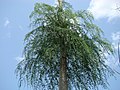 Moringa drouhardii (Bottle tree)
 -
 Moringa oleifera (Drumstick tree)
 -
 Moringa peregrina (Arabian moringa)
 -
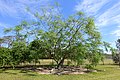 Moringa stenopetala (Cabbage tree)
 -
 Moringa ovalifolia (Namibian moringa)
 -
 Moringa arborea (Ethiopian moringa)
 -
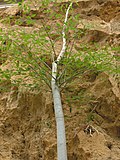 Moringa hildebrandtii (Hildebrandt's moringa)
 -
 Moringa concanensis (Ghat moringa)


References
[edit]- ^ a b "Genus: Moringa Adans". Germplasm Resources Information Network. United States Department of Agriculture. 1996-09-17. Archived from the original on 2015-09-24. Retrieved 2011-09-26.
- ^ Angiosperm Phylogeny Group (2009). "An update of the Angiosperm Phylogeny Group classification for the orders and families of flowering plants: APG III" (PDF). Botanical Journal of the Linnean Society. 161 (2): 105–121. doi:10.1111/j.1095-8339.2009.00996.x. hdl:10654/18083. Retrieved 2013-07-06.
- ^ "Moringa Adans". TROPICOS. Missouri Botanical Garden. Retrieved 2009-12-30.
- ^ Olson, Mark (2010). "Moringaceae Martinov. Drumstick Tree Family" (PDF). Flora of North America. 1993+. Flora of North America North of Mexico. 7: 167–169. Archived from the original on July 3, 2012.
- ^ Janick, Jules; Robert E. Paull (2008). The Encyclopedia of Fruit & Nuts. CABI. pp. 509–510. ISBN 978-0-85199-638-7.
- ^ Somoza, Veronika; Pirkwieser, Philip; Grosshagauer, Silke; Kraemer, Klaus (2021). "The Future of Moringa Foods: A Food Chemistry Perspective". Frontiers in Nutrition. 8: 844. doi:10.3389/fnut.2021.751076. ISSN 2296-861X. PMC 8594418. PMID 34796194.
- ^ a b c d e f g h i Olson, Mark E. (2002). "Combining Data from DNA Sequences and Morphology for a Phylogeny of Moringaceae (Brassicales)". Systematic Botany. 27 (1): 55–73. ISSN 0363-6445. JSTOR 3093895.
- ^ a b Ramachandran, C.; Peter, K. V.; Gopalakrishnan, P. K. (1980-07-01). "Drumstick (Moringa oleifera): A multipurpose Indian vegetable". Economic Botany. 34 (3): 276–283. doi:10.1007/bf02858648. ISSN 0013-0001. S2CID 40029228.
- ^ Mithen, Richard; Bennett, Richard; Marquez, Julietta (2010-12-01). "Glucosinolate biochemical diversity and innovation in the Brassicales". Phytochemistry. 71 (17–18): 2074–2086. Bibcode:2010PChem..71.2074M. doi:10.1016/j.phytochem.2010.09.017. ISSN 0031-9422. PMID 20971483.
- ^ Ojeda-López, José; Marczuk-Rojas, Juan Pablo; Polushkina, Oliver Aleksandrei; Purucker, Darius; Salinas, María; Carretero-Paulet, Lorenzo (2020-10-19). "Evolutionary analysis of the Moringa oleifera genome reveals a recent burst of plastid to nucleus gene duplications". Scientific Reports. 10 (1): 17646. Bibcode:2020NatSR..1017646O. doi:10.1038/s41598-020-73937-w. ISSN 2045-2322. PMC 7573628. PMID 33077763.
- ^ a b Chase F, et al. An update of the Angiosperm Phylogeny Group classification for the orders and families of flowering plants: APG IV. OCLC 1016892300. Retrieved 2021-12-28.
- ^ Olson, Mark E. (2002-01-01). "Intergeneric Relationships within the Caricaceae‐Moringaceae Clade (Brassicales) and Potential Morphological Synapomorphies of the Clade and Its Families". International Journal of Plant Sciences. 163 (1): 51–65. doi:10.1086/324046. ISSN 1058-5893. S2CID 53397918. Retrieved 2021-12-28.
- ^ Ronse Decreane LP, et al. (1998-09-01). "Floral Development and Anatomy of Moringa oleifera (Moringaceae): What is the Evidence for a Capparalean or Sapindalean Affinity?". Annals of Botany. 82 (3): 273–284. doi:10.1006/anbo.1998.0677. ISSN 0305-7364. Retrieved 2021-12-28.
- ^ a b Verdcourt, B. (1985). "A Synopsis of the Moringaceae". Kew Bulletin. 40 (1): 1–ix. doi:10.2307/4108470. ISSN 0075-5974. JSTOR 4108470.
- ^ a b c d e f g h i j k l m Leone A, Spada A, Battezzati A, Schiraldi A, Aristil J, Bertoli S (2015). "Cultivation, Genetic, Ethnopharmacology, Phytochemistry and Pharmacology of Moringa oleifera Leaves: An Overview". International Journal of Molecular Sciences. 16 (6): 12791–12835. doi:10.3390/ijms160612791. PMC 4490473. PMID 26057747.
- ^ Dadamouny, Mohamed A.; Unterseher, Martin; König, Peter; Schnittler, Martin (December 2016). "Population performance of Moringa peregrina (Forssk.) Fiori (Moringaceae) at Sinai Peninsula, Egypt in the last decades: Consequences for its conservation". Journal for Nature Conservation. 34: 65–74. Bibcode:2016JNatC..34...65D. doi:10.1016/j.jnc.2016.08.005.
- ^ "Subordinate Taxa of Moringa Adans". TROPICOS. Missouri Botanical Garden. Retrieved 2009-12-30.
- ^ Dadamouny, Mohamed A.; Zaghloul, Mohamed S.; Ashraf, Salman (2012). "Impact of Improved Soil Properties on Establishment of Moringa peregrina seedlings and trial to decrease its Mortality Rate". Egyptian Journal of Botany. Retrieved 2012-07-03.
External links
[edit]

- Moringa Home Page, Instituto de Biología, Universidad Nacional Autónoma de México
- The International Moringa Germplasm Collection

| National | |
|---|---|
| Other | |

Moringa (genus)
View on GrokipediaDescription
Growth habit
The genus Moringa exhibits a diverse array of growth habits, ranging from small shrubs to tall trees adapted to arid and semi-arid environments. Species vary significantly in stature, with M. pygmaea forming a compact, tuberous geophyte or small shrub typically reaching up to 15 cm in height, suited to desert shrublands. In contrast, M. oleifera develops into a large tree up to 12 m tall, featuring a spreading, open crown that provides shade in tropical settings. These variations reflect adaptations to local conditions, enabling survival in marginal soils with minimal water. Certain species display specialized pachycaul forms for enhanced water storage in extremely dry habitats. For instance, M. ovalifolia grows as an erect, deciduous tree up to 7 m high with a succulent, bottle-shaped trunk that can reach 1 m in diameter at the base, allowing it to store water during prolonged droughts in rocky Namibian terrains.[6] This structural modification underscores the genus's resilience in arid zones, where such caudiciform growth helps maintain hydration in the stem tissues. Most Moringa species are deciduous, shedding leaves during dry seasons to conserve resources, while exhibiting rapid growth rates under favorable conditions. M. oleifera, for example, can achieve 3-5 m in height within its first year from seed, facilitating quick establishment in disturbed areas.[7] Mature trees develop corky, fissured bark that protects against environmental stress, often appearing pale gray or tan with a rough texture.[8] Complementing this, the root systems typically include deep taproots that penetrate soil layers to access groundwater, enhancing drought tolerance across the genus.[9]Leaves
The leaves of Moringa species are compound structures, typically arranged in a tripinnate or bipinnate configuration, with the rachis extending up to 1 m in length in certain species such as M. oleifera, and comprising numerous small, elliptic leaflets measuring 1–2 cm long and 0.6–1 cm wide.[10][11] These leaflets are oppositely or alternately positioned, with lateral ones elliptic and terminal ones often obovate, featuring entire margins, rounded apices, and short petiolules.[12] Leaflet surfaces are gland-dotted, bearing stalked glands particularly at the petiole base and rachis articulations, which contribute to the plant's pungent, horseradish-like aroma.[8] In young leaves of some species, such as M. oleifera and M. peregrina, dense, short trichomes cover the surfaces, providing a finely hairy texture that is more pronounced on the lower side, while the upper surface is nearly glabrous and dark green.[12][13] These hairs, present especially on emerging foliage, offer initial protection against herbivory and desiccation. Moringa species demonstrate adaptive foliar responses to environmental stress, including seasonal leaf abscission during prolonged drought periods, which allows the plant to enter a dormant state and conserve resources.[9] This deciduous behavior is evident in arid habitats, where leaves drop entirely in the dry season, followed by vigorous regrowth and re-leafing at the onset of rains, enabling efficient photosynthesis resumption.[14][15] Nutritionally, Moringa leaves are renowned for their high density of essential micronutrients, particularly vitamins A (as beta-carotene) and C, alongside minerals like calcium and iron, making them a valuable dietary component in tropical regions.[16] However, compositional variation exists across the genus; for instance, calcium concentrations are notably elevated in species such as M. ruspoliana and M. drouhardii (up to several times the levels in common vegetables), while iron content peaks in M. longituba, though it remains lower in taxa like M. stenopetala.[17] These traits underscore the leaves' role in nutrient storage and photosynthetic efficiency, supporting the plants' resilience in nutrient-poor soils.[18]Flowers
The flowers of Moringa species are typically arranged in axillary or terminal panicles measuring 10–25 cm in length, each bearing 5–25 hermaphroditic blooms that contribute to the plant's reproductive strategy.[19] These inflorescences emerge from leaf axils and support the development of zygomorphic, gullet-shaped flowers that open sequentially over 1–2 months, with daily blooming rates of 1–3% of the total flowers per panicle.[20] In M. oleifera, the most widely studied species, panicles can bear up to around 100 flowers at peak development, though smaller clusters are common across the genus.[21] Floral morphology in the genus features five free, green sepals and five imbricate petals that are white, cream, or pinkish, measuring 1–2 cm in length and contributing to the flower's slight zygomorphy.[19] The androecium consists of five fertile, antepetalous stamens alternating with five shorter staminodes, which are sterile and aid in pollination mechanics.[22] The gynoecium includes a superior ovary with three locules, topped by a single style and a capitate stigma featuring a hollow stylar canal for pollen tube guidance.[23] These bisexual structures ensure self-compatibility while promoting outcrossing, with flowers lasting approximately seven days post-anthesis.[24] Blooming patterns vary by species and environment, with M. oleifera flowering year-round in tropical regions and exhibiting two annual peaks during spring and summer, while other species like M. stenopetala show more seasonal cycles tied to rainfall.[25] Flowers produce nectar as a reward for insect pollinators, enhancing visitation rates, and emit fragrances ranging from mild in M. oleifera to stronger scents in species such as M. drouhardii, which facilitate attraction of bees and moths.[26]Fruit
The fruits of the Moringa genus consist of elongated, pendulous, three-valved dehiscent capsules known as pods, which are initially green and turn brown as they mature. These pods typically measure 10–60 cm in length and 1–2 cm in diameter, featuring longitudinal ridges and a fibrous structure that facilitates dehiscence.[13][27] The capsules are septicidal, splitting along three valves to release seeds, with explosive dehiscence occurring upon drying, which propels seeds away from the parent plant.[28] Pods mature approximately 2–3 months after flowering and remain on the tree for several months, allowing gradual seed release. Seeds within the pods number 10–35 per fruit, are generally globose to ovate, 1–3 cm in diameter, and brown in color, with an oil-rich endosperm in the cotyledons.[27] In many species, such as M. oleifera, the seeds are winged with three papery membranes that aid in wind dispersal over short distances, while the pods themselves float on water to support hydrochory.[29] Explosive dehiscence enhances autochorous dispersal. Species variations exist in pod and seed morphology; for instance, M. stenopetala produces pods that are 20–40 cm long, twisted when fresh, and reddish with grayish blooms, contrasting with the straighter, light green-to-dark pods of M. oleifera.[30] Seeds of M. stenopetala are triangular, creamy-colored, and larger at 2.5–3.5 cm long, though still featuring oil-rich cotyledons similar to other species.[30][27] These adaptations contribute to effective dispersal in the tropical and subtropical habitats of the genus.Phytochemistry
The Moringa genus is characterized by a rich array of bioactive compounds, including glucosinolates, flavonoids, phenolics, alkaloids, and unique fatty acids, which contribute to its pharmacological potential and link it phytochemically to the order Brassicales through the presence of mustard oil glycosides. These compounds vary in concentration across species and plant tissues, with leaves often exhibiting the highest levels of antioxidants and vitamins, while seeds are notable for their lipid profiles.[31][32] A hallmark of the Moringa genus is the presence of glucosinolates, sulfur-containing secondary metabolites that upon hydrolysis by myrosinase enzyme yield isothiocyanates responsible for the characteristic pungency in leaves, roots, and seeds. The predominant glucosinolate is glucomoringin (4-[(α-L-rhamnopyranosyloxy)benzyl]glucosinolate), found across species such as Moringa oleifera and Moringa stenopetala, which breaks down to form moringin, a stable isothiocyanate with potential chemoprotective properties. This glucosinolate profile is genus-specific and distinguishes Moringa within the Moringaceae family, reflecting its evolutionary ties to Brassicales via shared biosynthetic pathways involving amino acid precursors like phenylalanine. Concentrations of glucomoringin typically range from 0.1% to 2% of dry leaf weight in M. oleifera, with variations noted between wild and cultivated forms, where domesticated varieties may show reduced levels due to selective breeding.[32][33][31] Flavonoids and phenolic compounds dominate the antioxidant fraction in Moringa tissues, with key representatives including quercetin, kaempferol, quercetin glycosides, and chlorogenic acid, alongside minor alkaloids such as moringine and alkaloids derived from indole pathways. These polyphenols are particularly abundant in leaves, where they confer high free radical scavenging capacity, as evidenced by oxygen radical absorbance capacity (ORAC) values reaching 157,000 μmol Trolox equivalents (TE)/100 g in dried leaf powder—substantially higher than many common vegetables. The antioxidant activity stems from the structural features of these flavonoids, such as the catechol moiety in quercetin, which facilitates electron donation to neutralize reactive oxygen species. Phenolic content varies by species and environmental factors, with M. oleifera leaves typically containing 20-30 mg/g dry weight of total phenolics, decreasing in seeds and roots.[34][31][35] Moringa seeds are a notable source of oils, comprising 30-40% of seed weight, with a fatty acid profile dominated by monounsaturated oleic acid (70-78%) and notable levels of behenic acid (6-7%), a long-chain saturated fatty acid uncommon in most vegetable oils. This composition provides stability against oxidation and positions Moringa oil as a potential biodiesel or edible oil alternative, with variations observed across species like M. oleifera (higher oleic) and M. peregrina (slightly elevated saturates). Beyond lipids, seeds and leaves are replete with vitamins and minerals; for instance, fresh M. oleifera leaves contain approximately 220 mg/100 g of vitamin C—about four times that of oranges—along with significant vitamin A (as β-carotene, up to 7,000 μg/100 g), B vitamins (e.g., riboflavin at 0.7 mg/100 g), and vitamin E (tocopherols at 10-15 mg/100 g), plus minerals such as calcium (440 mg/100 g) and iron (7 mg/100 g). These nutrient densities are higher in young leaves and vary by tissue and species, with roots showing lower vitamin levels but elevated alkaloids.[36][37][38][39]Taxonomy
Higher-level classification
The genus Moringa is classified within the kingdom Plantae, which encompasses all multicellular, eukaryotic photosynthetic organisms, including land plants and green algae.[40] Within this kingdom, Moringa belongs to the phylum Tracheophyta, comprising vascular plants that possess specialized tissues for water and nutrient transport, enabling adaptation to terrestrial environments.[41] The class Magnoliopsida (dicotyledons) further categorizes Moringa among flowering plants with two seed leaves, net-veined leaves, and typically four or five floral parts.[42] At the order level, Moringa is placed in Brassicales, a diverse group of approximately 58 families and over 5,700 species characterized by the presence of glucosinolates—sulfur-containing secondary metabolites that contribute to chemical defense and are a defining biochemical trait of the order.[32] The inclusion of Moringa in Brassicales is supported by its production of unique glucosinolates, such as glucomoringin, aligning it phylogenetically with other mustard-oil producing families like Brassicaceae.[32] Within Brassicales, the family Moringaceae is monogeneric, containing only the genus Moringa with 13 accepted species, primarily trees and shrubs adapted to arid and semi-arid regions.[43] This family is phylogenetically positioned as sister to Caricaceae (the papaya family), with both diverging early from the core Brassicales clade, excluding the basal Tropaeolaceae-Akaniaceae group.[44] The evolutionary history of Moringaceae traces to an ancient lineage within Brassicales, with divergence estimates placing the split from its sister families around 76 million years ago during the Late Cretaceous, coinciding with the breakup of Gondwana and facilitating intercontinental dispersal.[43] This timeline aligns with broader Brassicales radiation beginning approximately 103 million years ago, driven by vicariance, long-distance dispersal, and land bridge connections between Africa, South America, and Asia.[44] Fossil evidence for Moringaceae remains sparse, with no definitive records identified to date, limiting direct paleobotanical corroboration of these molecularly inferred ages.[45] Molecular phylogenetic studies have confirmed the placement of Moringa in Brassicales using chloroplast genes such as rbcL (encoding the large subunit of ribulose-1,5-bisphosphate carboxylase/oxygenase) and matK (maturase K), which exhibit sufficient variation to resolve deep-level relationships while conserving enough sequence for alignment across angiosperms.[46] Analyses of rbcL sequences, for instance, robustly support the monophyly of the Caricaceae-Moringaceae clade as an early-branching lineage in Brassicales, with bootstrap values exceeding 95% in multi-gene datasets.[47] Similarly, matK data from Moringa species reinforce this position, highlighting shared synapomorphies like glandular structures and inflorescence traits with other brassicalean families.[48] These markers, combined with nuclear ITS regions, provide a framework for understanding the genus's basal role in the order's diversification.[49]Classification within the genus
The genus Moringa is traditionally classified into three sections based on floral symmetry and growth habit: Donaldsonia (characterized by pachycaul bottle trees with actinomorphic flowers), Moringa (slender trees with zygomorphic flowers and short hypanthia), and Dysmoringa (tuberous shrubs, often Madagascan endemics, with zygomorphic flowers and long hypanthia).[49] These sections encompass 13 recognized species, with Donaldsonia including M. drouhardii, M. hildebrandtii, M. ovalifolia, and M. stenopetala; Moringa comprising M. concanensis, M. oleifera, and M. peregrina; and Dysmoringa containing M. arborea, M. borziana, M. longituba, M. pygmaea, M. rivae, and M. ruspoliana.[49] However, phylogenetic analyses have shown these sections to be paraphyletic, leading to recommendations for informal clade designations like the bottle-tree grade, slender-tree clade, and tuberous clade.[49] The type species of the genus is M. oleifera (Lam.), originally described by Linnaeus as Guilandina moringa in 1753 and transferred to Moringa by Lamarck in 1783.[50] Early taxonomic revisions in the 1890s by Rolfe expanded species recognition through descriptions of African taxa, while a comprehensive 2002 study by Olson integrated DNA sequences and morphology to confirm the 13-species delimitation and refine clade relationships.[49] Hybridization within the genus is rare in natural settings but has been documented in cultivation, notably between M. oleifera and M. stenopetala, producing viable offspring with intermediate traits such as elevated leaf protein content.[17] Nomenclatural challenges persist, including the illegitimate name M. pterygosperma Gaertn. (1791), which is a superfluous synonym for M. oleifera based on the same type as Linnaeus's earlier Guilandina moringa.[51]Distribution and habitat
Native ranges
The genus Moringa is native to the seasonally dry tropics of Africa, southern Asia, and Madagascar, with no species occurring naturally in the Americas.[4] Primary regions of occurrence include tropical and subtropical Africa, where multiple species thrive in arid and semi-arid environments, such as M. stenopetala restricted to southwestern Ethiopia and northern Kenya.[4] In southern Asia, M. oleifera is indigenous to the northwestern Indian subcontinent, including parts of India and Pakistan, while M. concanensis is found in the Western Ghats of India.[4] Madagascar hosts several endemic species, exemplified by M. hildebrandtii in the southwest and M. drouhardii in the south.[4] Centers of diversity are concentrated in the Horn of Africa, which supports at least five species including M. arborea, M. borziana, M. longituba, M. rivae, and M. ruspoliana, reflecting high endemism in this biogeographic hotspot.[49] The Indian subcontinent harbors two species (M. oleifera and M. concanensis), underscoring its role as another key area of speciation.[4] Scattered distributions appear in Arabia, primarily M. peregrina along the Red Sea coasts and into the Arabian Peninsula, as well as northeastern Africa.[4][52] Phylogenetic evidence suggests the genus likely originated in Africa during the Miocene, with subsequent dispersal to Asia possibly facilitated by ancient land connections such as the Arabian-African land bridge, and vicariance patterns following the Gondwanan breakup contributing to the isolation of Madagascan lineages.[49] Of the 13 recognized species, ten are endemic to Africa or Madagascar, including M. pygmaea in northern Somalia and M. ovalifolia in southwestern Angola and Namibia, highlighting the continent's role in the genus's evolutionary history.[4][1]Introduced distributions
The genus Moringa has seen significant anthropogenic spread, primarily through M. oleifera, which has been introduced to tropical and subtropical regions worldwide since ancient times. Originating from the Indian subcontinent, M. oleifera was first transported to parts of Africa and the Philippines via early trade routes, with further introductions to West Africa by Portuguese explorers in the 16th century and to the Americas in the 18th and 19th centuries through colonial agriculture and migrant communities.[29] Today, it is cultivated across Africa (e.g., Angola, Ethiopia, Ghana, Kenya, Madagascar, Nigeria, Senegal), Asia (e.g., Bangladesh, Cambodia, Indonesia, Philippines, Thailand, Vietnam), the Americas (e.g., Costa Rica, Cuba, Haiti, Mexico, Peru, Puerto Rico), and Oceania (e.g., Fiji, Solomon Islands, Vanuatu), often in agroforestry systems for its multipurpose value.[53] Other species exhibit more limited introductions. M. stenopetala, native to Ethiopia and Kenya, has been promoted in agroforestry within Ethiopia and sporadically introduced to Central America, though it remains largely confined to its native range.[54] Introductions of the genus have been facilitated by international trade, colonial expansions, and development aid programs; notably, the Food and Agriculture Organization (FAO) has promoted M. oleifera cultivation since the 1990s for nutritional security in arid and semi-arid tropics.[54] In some introduced areas, Moringa species show invasive potential, particularly M. oleifera in disturbed habitats. It is classified as invasive or potentially invasive in regions like Florida (USA), Queensland (Australia), Cuba, the Philippines, and several Pacific islands (e.g., Palau, Solomon Islands), where it can form dense stands in roadsides, waste areas, and riverbanks due to prolific seed production and drought tolerance.[29][55] Management typically involves mechanical removal or herbicide application in sensitive ecosystems, though it rarely invades intact native vegetation.[56]Ecology
Habitat preferences
Species of the Moringa genus primarily inhabit tropical and subtropical regions, thriving in climates characterized by temperatures ranging from 12 °C to 40 °C and annual rainfall between 250 mm and 3000 mm.[54] These plants exhibit notable drought tolerance, facilitated by deep taproot systems that access subsurface water during prolonged dry periods, allowing survival in semi-arid environments with as little as 400 mm of precipitation.[13] In response to extreme aridity, many Moringa species, such as M. oleifera and M. stenopetala, display deciduousness, shedding leaves to conserve water while maintaining viability in dry habitats.[54] Moringa species prefer well-drained sandy or loamy soils with a pH range of 6 to 8, though they demonstrate resilience in nutrient-poor and marginally fertile substrates.[57] They exhibit moderate tolerance to soil salinity, with M. oleifera capable of enduring electrical conductivity levels up to approximately 10 dS/m (equivalent to about 0.6% salt), supported by enhanced antioxidant mechanisms that mitigate ionic stress.[58] Biotic associations position Moringa species within diverse ecosystems, including riparian zones along wadis, open savannas, and scrublands, where they often co-occur with Acacia and Commiphora species in African woodlands.[59] These plants exert allelopathic influences on understory vegetation through leaf extracts that inhibit seed germination and seedling growth in neighboring species, potentially reducing competition in resource-limited settings.[60] Wild Moringa populations face significant threats from deforestation and habitat fragmentation, which exacerbate vulnerability in native ranges such as African savannas and Middle Eastern wadis.[61] Climate change projections indicate potential range shifts by 2050, with suitable habitats for M. oleifera contracting in some tropical areas due to rising temperatures and altered precipitation patterns, while M. stenopetala may expand in subtropical zones under high-emission scenarios (SSP5-8.5).[54]Reproduction and pollination
The Moringa genus exhibits primarily sexual reproduction through hermaphroditic flowers that are adapted for entomophilous pollination, with bees serving as the dominant vectors. Species such as Moringa oleifera attract a variety of insects, including honeybees (Apis spp.) and carpenter bees (Xylocopa spp.), which facilitate nototribic pollination by transferring pollen via contact on their head and thorax during foraging.[62] Diurnal hawkmoths and other hymenopterans also visit flowers, while in some regions, birds like sunbirds contribute to pollination.[63][64] Flowers produce nectar and abundant pollen as rewards to encourage these visitors, enhancing cross-pollination efficiency.[65] Although flowers are self-compatible, the genus displays a facultative allogamous breeding system that favors outcrossing for optimal seed production. Open pollination results in low fruit set rates, typically 0.31% during rainy seasons and 1.5% in dry conditions for M. oleifera, whereas hand pollination can achieve 62–100% success, underscoring the reliance on external pollinators.[66][67] Each flower generates an average of 23,525 pollen grains, supporting high potential fertility despite variable natural outcomes.[68] The reproductive cycle progresses rapidly, with fruit development initiating 1–2 months after pollination and pods reaching maturity in approximately 3 months.[64][69] Seeds within the pods maintain viability for up to 1 year when stored under cool, dry conditions, though germination rates decline significantly after 12 months. Seeds are primarily dispersed by wind and water due to their papery wings.[70] Pest pressures, particularly from fruit flies (Gitona spp.), can disrupt this cycle by infesting developing pods, leading to yield losses of up to 75% in affected populations.[71] Asexual reproduction occurs rarely in the genus, primarily through root suckers in select species, with no confirmed reports of apomixis.Uses
Nutritional and culinary uses
The leaves of Moringa species, particularly M. oleifera, are highly nutritious, containing approximately 25% protein and 10% dietary fiber on a dry weight basis, making them a valuable plant-based protein source in resource-limited diets.[72] These leaves also provide essential vitamins and minerals, including high levels of vitamin A, vitamin C, calcium, iron, and potassium.[16] Immature pods are low in calories (about 37 kcal per 100 g fresh weight) yet rich in vitamin C (up to 141 mg per 100 g, exceeding 150% of the daily recommended intake), along with moderate protein (2.1 g per 100 g) and fiber, contributing to their role as a low-energy, nutrient-dense vegetable.[73] Seeds offer additional value through their protein content and essential fatty acids, though they are less emphasized in direct consumption compared to leaves and pods.[57] In culinary applications, Moringa leaves are commonly used as a leafy green in traditional dishes, such as soups and stews across African cuisines, where they are added fresh or dried to enhance nutritional value without overpowering flavors.[74] Leaf powder, derived from dried and ground leaves, serves as a versatile supplement; a daily intake of 25 g can supply significant portions of the recommended daily allowance for vitamins A, C, E, and several B vitamins, as well as iron and calcium, supporting its use in combating malnutrition.[75] Immature pods, known as "drumsticks" in Indian cuisine, are boiled, curried, or stir-fried to retain their tender texture and mild flavor, often featured in vegetable curries or sabzis.[73] Seeds can be roasted as a snack or lightly boiled for direct consumption, providing a nutty taste and adding protein to meals.[76] Specific cultural preparations highlight Moringa's dietary integration; in Sahrawi communities, leaf powder is incorporated into traditional meals or brewed as a tea to boost nutrient intake amid food insecurity.[77] Among Ethiopian groups, M. stenopetala leaves are chopped and mixed into kitfo, a spiced raw meat dish, or used as a cabbage-like additive to increase vegetable content and micronutrients.[78] While beneficial, excessive consumption should be moderated due to anti-nutritional factors like oxalates and phytates, which can inhibit mineral absorption if not balanced in the diet; cooking or moderate intake mitigates these risks.[79][80]Medicinal applications
Moringa species, particularly M. oleifera, have been employed in traditional medicine across various cultures for their purported therapeutic properties. In Ayurvedic and African folk practices, leaves are commonly used as an anti-inflammatory agent to alleviate symptoms of arthritis and joint pain, while bark decoctions are prepared to manage diabetes by regulating blood sugar levels.[81] Seed pastes have been applied topically for wound healing and to treat skin infections, leveraging the plant's antimicrobial qualities.[4] Additionally, roots are traditionally utilized to address hypertension, and flowers are administered to enhance lactation in postpartum women.[82][83] Scientific evidence supports several of these traditional applications, with clinical trials and meta-analyses demonstrating pharmacological efficacy. A systematic review of human studies found that M. oleifera leaf supplementation significantly reduced blood glucose levels in diabetic patients, with systematic reviews reporting significant reductions in fasting blood glucose and HbA1c levels in intervention groups.[84][85] Anti-inflammatory effects have been corroborated in preclinical models, where leaf extracts mitigated oxidative stress and inflammation associated with chronic conditions.[86] Antimicrobial activity is also evident, as ethanolic leaf extracts inhibit Escherichia coli growth comparably to standard antibiotics, supporting traditional uses for infections.[87] Medicinal applications vary by plant part, with specific uses tied to bioactive compounds like isothiocyanates. Leaves are most studied for antidiabetic and anti-inflammatory purposes, often dosed at 1.5-3 g of powder daily in clinical trials to improve glycemic control.[88] Roots have shown potential in lowering blood pressure through vasodilatory effects in animal models, though human data are limited.[89] Flowers and leaves promote lactation by elevating prolactin levels, with supplementation increasing breast milk volume in postpartum trials at doses of 250-500 mg daily.[83] Moringa is generally recognized as safe for consumption of leaves and seeds at moderate doses, with no significant adverse effects reported in short-term human studies up to 7.2 g daily.[90] However, roots, bark, and flowers pose contraindications, particularly during pregnancy, due to abortifacient properties that may induce uterine contractions and miscarriage at doses exceeding 200 mg/kg in animal models.[88] Dosage guidelines recommend 1-3 g of leaf powder per day for adults, divided into meals, but consultation with healthcare providers is advised to avoid interactions or overconsumption.[88]Industrial and other uses
Moringa species, particularly Moringa oleifera, have found applications in water purification through the use of seed-derived proteins as natural coagulants. These proteins effectively aggregate suspended particles, achieving turbidity removal rates of 90-98% in various water treatment trials, making them a sustainable alternative to chemical coagulants in resource-limited settings.[91][92] Seed oil from M. oleifera serves as a feedstock for biodiesel production due to its high oleic acid content and favorable fuel properties. The resulting biodiesel exhibits a cetane number of approximately 67, which enhances ignition quality and combustion efficiency compared to many conventional biodiesels.[93] Leaves of Moringa species are utilized as high-protein fodder for livestock, containing 23-30% crude protein on a dry matter basis, which supports improved animal nutrition and growth in integrated farming systems.[94] Extracts from Moringa leaves and seeds are incorporated into cosmetics, such as soaps, for their antioxidant and moisturizing properties, contributing to skin care formulations in commercial products.[16] The extensive root systems of Moringa trees aid in environmental management by stabilizing soil and controlling erosion in agroforestry setups, promoting sustainable land use.[95] The global market for Moringa products was approximately $8.15 billion in 2023 and estimated at $9.3 billion as of 2025, largely driven by demand for supplements and industrial derivatives, with integration into agroforestry systems enhancing economic viability for smallholder farmers.[96][97]Cultivation
Propagation methods
Moringa species, particularly M. oleifera, are commonly propagated from seeds, which germinate within 7-14 days under optimal conditions of 25-30°C and adequate moisture.[98] Direct sowing is straightforward, with success rates reaching 80-90% for fresh seeds, though hard seed coats often require scarification or soaking in warm water (e.g., 35°C for 24 hours) to enhance water permeability and germination uniformity.[99][100] Vegetative propagation via stem cuttings is an effective alternative, especially for maintaining desirable traits, using semi-hardwood cuttings of 30-45 cm planted in sandy soil during spring for higher success rates of up to 72%.[101] Rooting typically occurs in 2-4 weeks, often aided by auxins like naphthaleneacetic acid (NAA) at 2500 ppm, though untreated cuttings can also establish with 50% success in suitable media.[102] Grafting, such as cleft or wedge methods on drought-tolerant rootstocks like perennial M. oleifera varieties (e.g., Moolanur), improves resilience to water stress while combining high-yield scions like PKM-1, achieving union success rates around 50% when performed on 25-day-old seedlings.[103][104] Tissue culture micropropagation enables rapid production of elite clones, primarily using nodal explants from seedlings on Murashige and Skoog (MS) medium supplemented with benzyladenine (BA) at 1.5-4.44 μM, yielding 8-9 shoots per explant and multiplication rates of 4-6 times per subculture cycle of 15-25 days.[105][106] Rooting achieves 100% success with indole-3-butyric acid (IBA) and indole-3-acetic acid (IAA) combinations, followed by 80-89% acclimatization survival in soil-sawdust mixes.[105] This method is particularly useful for M. stenopetala and conserving genetic uniformity via markers like RAPD.[107] Best practices for all methods include planting at 2-3 m spacing to optimize growth and yield, and pre-treating seeds or soil with fungicides or sterilization to prevent damping-off caused by pathogens like Rhizoctonia solani.[108] While propagation methods described are primarily for M. oleifera, other species such as M. stenopetala follow similar protocols with adaptations for higher altitude and cooler conditions.Agronomic requirements
Moringa species, particularly M. oleifera, thrive in well-drained, fertile soils such as sandy loams or loamy soils with a pH range of 6.5 to 8.0, as these conditions support optimal root development and nutrient uptake while preventing waterlogging.[109] The plants are adapted to tropical and subtropical climates with temperatures between 25°C and 35°C, exhibiting strong drought tolerance but sensitivity to frost below 0°C, which can damage young growth.[110] In regions with annual rainfall below 1000 mm, supplemental irrigation equivalent to 500-1000 mm is essential during dry periods to maintain growth, typically applied every 7-10 days via drip systems to avoid excess moisture.[111] Fertilization for Moringa cultivation commonly involves annual applications of NPK at rates of 45:15:30 g per plant (approximately 75:25:50 kg/ha at 2x2 m spacing), split into basal and top-dressings, combined with organic amendments like 25 kg farmyard manure (FYM) per plant (equivalent to 10-15 tons/ha).[112] Pruning is a key practice to promote bushy growth, with terminal buds pinched at 75-150 cm height and annual ratooning to 1 m, which can boost yields by 20-50% through increased branching and leaf density.[109] Pest management in Moringa fields relies on integrated approaches, targeting common issues like aphids and pod borers (Maruca vitrata) with neem-based sprays (5% seed kernel extract) applied at early infestation stages to minimize chemical use.[113] Harvesting leaves every 45-60 days after establishment optimizes yield while reducing pest pressure, as timely removal disrupts pest life cycles.[114] Under optimal conditions, M. oleifera achieves leaf yields of 20-60 tons/ha per year on a fresh weight basis in intensive systems, with dry matter yields around 6-18 tons/ha (assuming 30% dry matter content).[109][115] Intercropping with legumes like cowpea enhances sustainability by improving soil nitrogen and reducing erosion, without significantly competing for resources.[108]Species
Overview of diversity
The genus Moringa encompasses 13 species, representing a monophyletic group within the family Moringaceae that displays substantial morphological diversity despite its limited number. These species vary dramatically in stature, from diminutive shrubs such as M. pygmaea reaching only about 0.15 m in height to large trees like M. drouhardii that can exceed 15 m tall, and M. ovalifolia up to 10 m tall. Leaf morphology further underscores this variation, ranging from bipinnate to highly complex tripinnate arrangements in others, such as M. oleifera.[30][30][116] Notable utilitarian and ecological variations distinguish key species within the genus. Moringa oleifera and M. stenopetala, both featuring edible leaves, pods, and seeds, are prominent for their nutritional profiles and widespread cultivation in arid regions. In contrast, M. drouhardii stands out for its ornamental appeal, characterized by a swollen, bottle-like trunk adapted for water storage in Madagascar's dry forests. Rare endemics, including M. longituba restricted to northeastern Africa, exemplify localized adaptations but also underscore the genus's fragility amid environmental pressures.[4][117][118] Conservation challenges affect multiple Moringa species, with several assessed under IUCN criteria reflecting habitat loss and overharvesting. For instance, M. hildebrandtii is classified as extinct in the wild (EW) due to its restricted range in Madagascar and threats from deforestation, surviving only in cultivation. Wild populations across the genus experience erosion of genetic diversity, exacerbated by drought, grazing, and limited gene flow from cultivated variants.[30][119][30] Research gaps persist, particularly for understudied species like M. concanensis, an Indian endemic with promising pharmacological properties that warrant further phytochemical and ethnobotanical investigation. Recent 2025 studies have analyzed the nutritional composition of M. drouhardii and M. hildebrandtii leaves, revealing high antioxidant content comparable to M. oleifera.[120] These lesser-known taxa hold potential for novel applications in medicine and agriculture, yet limited field data hinders comprehensive utilization. The genus's diversity is predominantly African-centered, with 11 species native to the continent's tropical and subtropical zones.[118]List of accepted species
The genus Moringa consists of 13 accepted species, primarily distributed across arid and semi-arid regions of Africa, the Arabian Peninsula, and South Asia, as detailed in the taxonomic revision by Olson (2002). No new species have been described since 2002, with the current classification upheld in recent assessments up to 2022.[76] These species exhibit variation in habit from shrubs to trees, often distinguished by fruit (pod) morphology, leaf structure, and geographic range. Synonyms are noted where relevant, such as M. aptera Gaertn. for M. peregrina. The following table lists all accepted species, including binomial name, authority and publication year, native region, and a key diagnostic trait focused on pod characteristics.| Species Name | Authority and Year | Native Region | Key Diagnostic Trait |
|---|---|---|---|
| Moringa arborea | Verdc. (1985) | Northern Kenya | Pods long and slender, up to 20 cm |
| Moringa borziana | Mattei (1909) | Somalia to eastern Kenya | Pods small, 5-10 cm, slightly curved |
| Moringa concanensis | Nimmo ex Dalzell (1861) | Western India (Konkan region) | Pods long (20-40 cm), seeds winged |
| Moringa drouhardii | Jum. (1909) | Madagascar | Pods linear, slender, 10-20 cm |
| Moringa hildebrandtii | Engl. (1888) | Madagascar (and possibly Kenya/Tanzania) | Pods short and thick, 5-8 cm |
| Moringa longituba | E.A. Bernardi (1971) | Eastern and southern Ethiopia to northern Kenya | Pods long and slender, seeds not winged |
| Moringa oleifera | Lam. (1785) | Northeastern Pakistan to northwestern India | Pods pendulous, 3-angled, up to 100 cm, seeds winged |
| Moringa ovalifolia | Oliv. (1887) | Southwestern Angola to Namibia | Pods oval to cylindrical, 10-20 cm, seeds not winged |
| Moringa peregrina | (Forssk.) Fiori (1911) | Egypt to northeastern Africa, Arabian Peninsula | Pods long and slender (15-30 cm), seeds not winged (syn. M. aptera) |
| Moringa pygmaea | Verdc. (1985) | Northeastern Somalia | Pods small (5-7 cm), shrubby habit |
| Moringa rivae | Chiov. (1903) | Eastern Ethiopia to Somalia and Kenya | Pods long and slender, 20-30 cm |
| Moringa ruspoliana | Engl. (1888) | Eastern and southern Ethiopia to Somalia | Pods slender, 10-20 cm, seeds not winged |
| Moringa stenopetala | (Baker f.) Cufod. (1957) | Southwestern Ethiopia to Kenya | Pods thick and fleshy, 30-50 cm, seeds large and not winged |
References
- https://commons.wikimedia.org/wiki/Category:Moringa