Hubbry Logo
PerambraPerambraMain
Open search
Perambra
Community hub
Perambra
logo
8 pages, 0 posts
0 subscribers
Be the first to start a discussion here.
Perambra
Perambra
from Wikipedia

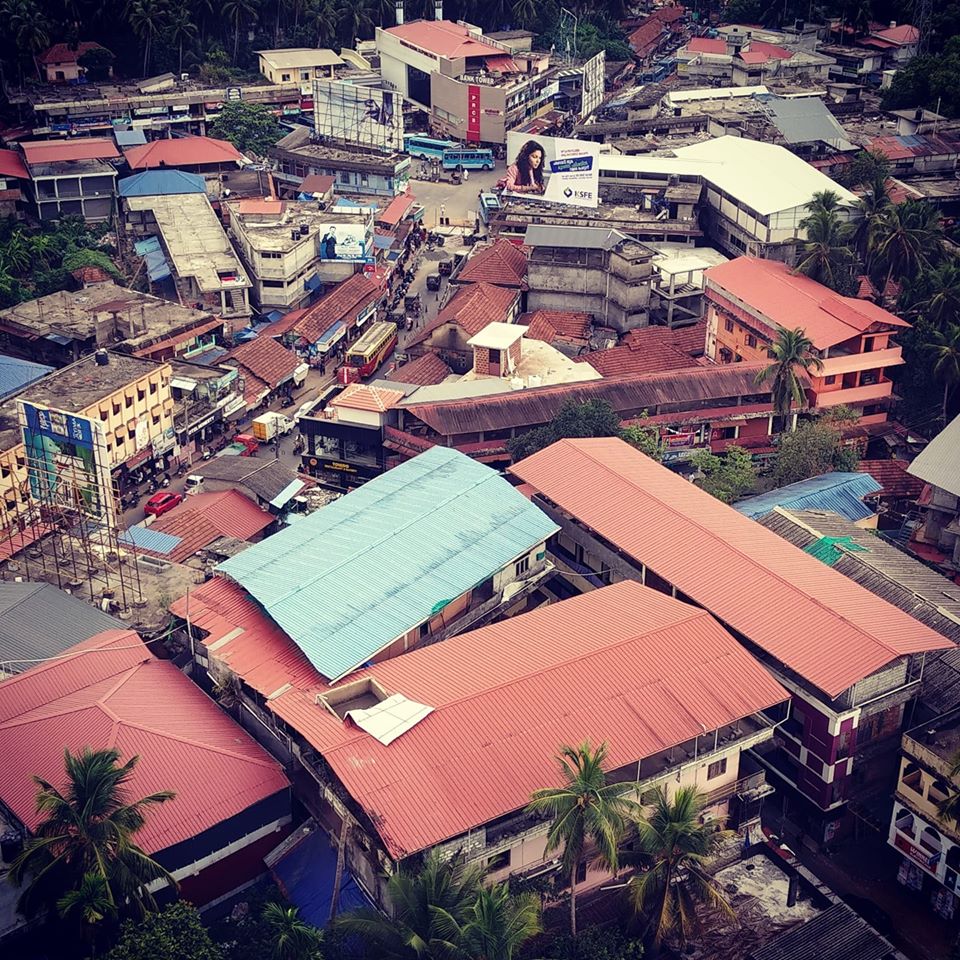
Perambra is a major town in Koyilandy taluk of Kozhikode district in North Malabar region of Kerala state, India. Perambra is the anglicized form of the original name 'Payyormala' from the British rule. It is one of the 140 assembly constituencies in Kerala, and one of the 12 block Panchayats in Kozhikode district. Perambra lies almost at the centre of the district. The area which was formerly known as Payyormalanadu, eventually became Perambra.It is located 22 km from Vadakara,13 km from Kuttiadi and 38 km from Kozhikode.Perambra is situated in the slopes of the Western Ghats.

Key Information

History

[edit]

During the Chera period, the present-day Perambra region was part of Purakeezhanad, within Kurumburaynad. Balussery Kota was one of the seats of the Chera kings. The system of governance was known as 'ther vazhcha', and the Chera rulers have occasionally resided at Balussery Kota, Randu Thara, or Perumalpuram in Payyoli.[1]

Around 1100 CE, the last Chera ruler was deceived and died by self-starvation (vadakkirunnu maranam) at Balussery Kota after being dishonoured in a plot attributed to Namboothiri Brahmins and those who joined with Namboothiri Brahmins from the chera side. As per history the king was tactically enticed into a relationship with a woman who was later publicly associated with one of his military commanders, leading to the ruler’s humiliation and eventual death. This event is viewed in as marking the decline of Chera power in northern Kerala and the rise of Namboothiri political influence in Kurumbranad.[1]

The story told by the later “pseudo-rulers” after the Cheras is that “it was donated by the Chera before going to Mecca.” It is strange that everything in this land seems to have either been donated or acquired by chance - even the gods.

Following the fall of the Chera dynasty, individuals who sided with the emerging Namboothiri Brahmin-led order were rewarded with control over revenue collection. Those who cooperated during periods of political turmoil, ready to do any 'dirty business' were given designations by Namboothiris such as “trusted one” in regions like Kannur. These titles were absent in the 12th-century Thirunelli inscription, where Chera subordinates from Kurumbranad visited the Thirunelli Temple and recorded it. The inscription mentions the names and designations of twelve people, and none of these titles appear there, evident that these titles were given by the Namboothiris after the Chera rule was overthrown through crooked means. These title holders possess no quality other than a history of betrayal, deceit, and dirty dealings. These accounts are sometimes interpreted as a recurring phenomenon seen in many historical and modern contexts.[2]

Following this period, local administration and titles reportedly came under Namboothiri Brahminical authority, with allied local chieftains gaining prominence. According to MGS Narayanan, by the 13th century, all the rulers in Malabar had become the sons of Namboothiris, with the offspring being more compliant with Namboothiri authority. By this event in history, the Namboothiri men rose to unmatched power, fullfiling their own concept of 'Netra Nārāyaṇan', god walking on earth. The transfer of power to this new order, did not occur through direct warfare but rather during periods of imperial decline, when influence was gained through intrigue, manipulation, and a willingness to engage in any dirty practices. This dominance continued until the arrival of European colonial powers on the Malabar coast.[1]

The system was supported by the Namboothiri men, their concubines, and the offspring born out of those relationships, along with manipulation and mind games, not by valor or power. That is why, when Tipu Sultan came to Malabar, he faced no real resistance. At Chirakkal, the ruling family handed over their kingdom to the British and fled to Travancore. In Kozhikode, upon hearing this news, everyone escaped to South Kerala, and the zamorin king burned his palace and committed suicide.[3]

Tipu faced no resistance in Kozhikode, despite it being regarded as one of the so-called “powerful kingdoms” of South India. He was astonished to find Kozhikode deserted, with no people around, upon his arrival, and saw the Zamorin’s palace burning while his people had fled swiftly to Travancore, leaving him wondering in surprise, “Where has everyone gone? What happened here?”. He after the Friday prayers at the Palayam Juma Masjid, he proclaimed:

“...since it is the practice with you for one woman to associate with ten men, and you leave your mothers and sisters unconstrained in their obscene practices, and are thence all born in adultery, and are more shameless in your connections than the beasts of the fields : I hereby require you to forsake these sinful practices and be like the rest of mankind.”[4][5]

For the British, capturing Malabar was as easy as plucking a flower. They did not create Anglo-Indians like Namboodiris did in every village to collect taxes; instead, their power was based on hard power, conquest achieved through valor and strength.

Later, the pseudo-ruler of Kurumbranad, who had fled to Travancore along with his people, returned in 1792 after 26 years and informed the British that he would collect taxes from the people and pay them to the British. The dispute arose because Pazhassi, who was only a member of the Anjukoor Vazhcha and not the ruler of Kurumbranad or Kottayam, demanded the right to collect taxes. However, according to protocol, he did not have such authority. This dispute eventually led him to wage war with the help of the Kurichiyars, during which he was ultimately killed. He frequently wrote to the British, stating that he would cease fighting if they granted him the right to collect taxes from the people instead of his uncle. The post chera pseudo-ruler of Kurumbranad began collecting taxes directly from the people and paying them to the British. This was carried out by Koothali Mooppil at Perambra as well, who lived by taking a share of the collected revenue from the people.[3][6]

The Illamarankulangara temple at Perambra, also known in some accounts as Payyormala, is traditionally believed to have been built by Illay Maran during the Sangam era. Some sources suggest it is mentioned in Sangam literature, though no concrete archaeological evidence is presently available.

Local folklore connects the temple to a similarly named temple in Kannur. According to the story, a Namboothiri priest from Kannur once visited a Janmi of Payyormala to perform an exorcism. On his return, the deity worshipped at the temple by the Malayars is said to have requested to accompany him to his native place in Kannur. The Chathans surrounding the temple, also requested to be taken along. The Namboothiri reportedly took them all to Kannur.

Historically, Payyormala was under the control of the Koothali Moopil, who held the title ‘Vallabhan Chathan.’ Ancient accounts record that the Koothali Moopil would ceremonially grant Nair titles: a man dressed in dry banana leaves and other foliage would roll before the Moopil, who would confer the title by repeating the name thrice (e.g. 'Kanaran Nair, Kanaran Nair, Kanaran Nair'). These Nair titles are interpreted as part of a quasi-layer between the Vedic (contrary to the Tantric traditions of Malabar) Namboothiri Brahmins and the native ethnic groups, introduced by Vedic Brahmins who sought asylum in Kerala after the Muslim conquest of North India, which historian Will Durant described as “probably the bloodiest story in human history.”[7] Having later integrated into the existing Namboothiri honorific title, they are believed to have used this quasi-layer system as a means to exert influence over native ethnic groups while sustaining themselves through the efforts of others. The word Namboothiri itself is derived from Malayalam rather than Sanskrit, though the Namboothiris ironically regard Sanskrit as their mother tongue. Originally a priestly title conferred on the basis of knowledge and duty in Malabar, it later evolved into a birth based identity.[8]

Later, a family from the northern Malabar region near Mangalore settled in Payyormala. A local tradition recounts that during a temple festival at Illamaran Kulangara, a young man from this family was seen in a compromising situation with the Koothali Moopil’s sister. To avoid social scandal, the Moopil married his sister to the man, granting the family half of the Koothali Moopil’s property. This family later came to be known as the Gosalakkal Thambayis of Perambra.

The Gosalakkal Thambayi family is remembered in local oral histories as powerful feudal landlords. Accounts mention oppressive practices, including one in which a newly married lower caste brides from dalit and smiths were expected to spend her first night with the Thambayi of the Gosalakkal thambayi family at perambra. A custom historically resisted in one instance by an ironsmith (kollan) from puttampoyil who demanded the Thamburatti of the Gosalakkal thambayi family be returned to him if the practice were enforced.

Another well known story involves Govindhan Menon thambayi of Vayiltrikkayil, a prominent member from the Gosalakkal Thambayi family. He was the leader of goons for the thambayi family. He was reputedly feared in the region and infamous for his cruelty. After sunset, he would visit the homes of vulnerable families and sexually assault young women. When such incidents occurred repeatedly, complaints reached a family in Valiacode. This family, belonging to the Thiyyar community, was among the few in Perambra who did not adhere to the Gosalakkal Thambayi family’s social norms and showed no deference towards them, as they themselves had wealth, masculinity, and men. They also had strong relatives, which was important in those days, including amsham adhikari and menon (administrative titles given by the British) of Kadiyangad and Palleri, and some who served as judges of the Thalassery court, known as thukkidi in British Malabar (Chathan Menon from this family was a powerful Congress leader in Paleri and Perambra). At the time, the Malabar Sub-Collector was Choorayi Kanaran, who had helped the British in controlling Malabar during colonial rule. The family head assured the complainants that they would retaliate at a time and place of their choosing. One day at the Valiacode toddy shop, Govindhan Menon Thambayi and his companions drank and decided to leave without paying, thinking no one would dare to question him. A fight erupted between them and the members of the family arrived there, where he and his men were beaten by the skilled fighters of the family. Hearing the news, the Gosalakkal Thambayi family sent more men with weapons, but they too were attacked and beaten by the family members. The beating took place at the Valiacode paddy field in front of all the villagers, and news quickly spread. Though spared from being killed at his own request, the incident left him humiliated for the rest of his life. Subsequently, members of the Gosalakkal Thambayi family sought the support of Mappilas in retaliatory disputes. But they could not stand against them, as those men had strong ground support. Thereafter, whenever people saw Govindhan Menon of the Gosalakkal Thambayi family, they would mock him and throw stones at him. Facing widespread local shaming, Govindhan Menon eventually sold his Vayil Trikovil residence. A Mappila group, after raising funds in Kuttiady and Nadapuram, purchased the property. Menon later relocated near the Bharathapuzha region. The Vayithrikovil Kovilakam still stood directly behind the present Perambra bus stand, bearing testament to its history.

The Christian population in the nearby areas of Chembra, Koorachund, and Kakkayam consisted of settlers who had migrated from southern Kerala to the Malabar region, possibly due to an unknown plan during the British era. They paid a small amount to the Gosalakkal Thambayi to clear the forest for settlement. At that time, these areas were covered in dense forest, and few dared to cross what is now called Chembra Palam, fearing various fevers. A small number of Parayar families lived there and opposed the Christian settlement in their locality. For the Christian migrants from the south, dealing with the Parayar community proved difficult. Eventually, the settlers devised a tactic: one day, when a Parayar man had died, they visited his home during the funeral rites and asked, “How much for the dead body?” Believing them to be cannibals, the Parayar families later moved to Cherumala and nearby areas.

The Parayar community in Perambra is noted for having non-Malayali physical characteristics, such as golden hair and features resembling European phenotypes. They may have been early seafarers who arrived in Malabar by ship and, after losing their way, were compelled to live in the hills and mountains, or possibly part of the nomadic gypsy communities once present across India. Kozhikode city was historically a centre for such gypsy groups, who often traveled back and forth.

A famous Congress leader, PK Govindhan, from an aristocratic family called Pudhukudikkandy in Alokoottam, Perambra, was known for his close ties with the Parayar community and often inquired about their concerns. Whether it was for a tournament in the village, the need for a road, or ensuring that the homeless were given shelter, he always stood at the forefront. He would reassure people in Perambra that even if a family lacked gold for a wedding, their daughter’s marriage would not be left incomplete, such was the trust and guarantee he offered to the people. This bond of trust was reflected when he invited the Parayar group to his sister’s wedding. At the time, caste norms dictated that they be seated at the back of the house and on the ground during the feast. However, when he saw them arriving, he instructed his relatives, who were seated on chairs in the main hall, to vacate their seats and sit on the ground. He then invited the Parayar guests to sit on the chairs and served them the wedding feast, with his relatives seated on the floor. This act broke a long standing caste norm in the region. When he died, members of this community would visit his resting place and weep, mourning his loss.

In Alokoottam, there was also a man named Chekkoty, father of the owner of MAB Auto in Perambra, who was fondly called Chekkottyachan. He had served in the British Indian Army from Malabar during World War II and fought in Germany and other parts of Europe. Known for his eccentric character, he often spoke to people about the end of the world, earning him the nickname “Lokavasanam Chekkotty.” What the locals mockingly called eccentricity was in fact a reflection of post-traumatic stress disorder after World War II (PTSD), a condition common among surviving soldiers of the war that claimed more than 6 crore lives worldwide. It was only in 1980 that PTSD was officially recognized as a mental health diagnosis in the DSM-III, long after veterans like Chekkoty had lived through its consequences.

In Perambra, some members of the Mappila community arrived at the invitation of the Thambayis for the work of Marakkadi canal, intended to prevent flooding during the rainy season. They were brought from Nadapuram and were skilled in this type of work. The broader history of the Mappila community in Perambra, however, is deeply tied to caste oppression during the feudal era. A significant proportion of Mappilas were converts from Dalit communities, who sought refuge from caste-based discrimination by embracing Islam. Conversion was not driven by theological debates between the Bhagavad Gita and the Quran, but rather by the urgent need to escape caste persecution. For instance, even after independence, a Pulayar woman walking along the present Perambra State Highway in front of Gosalakkal was forced to remove her blouse and beaten. In contrast, a Mappila who was only a second-generation convert from the Pulayar community could enter the compound of Gosalakkal, since Brahmanical scriptures did not prescribe rules on how to treat those who had already renounced the caste order imposed on native ethnic groups. The earliest Mappilas in Malabar were children born out of liaisons with Arab traders; and could not be fixed within the caste hierarchy; they were simply referred to as “Ma-ppila.” When Islam later took root in the region, they adopted the faith, as noted by M. G. S. Narayanan.[9][10]

Following independence, Perambra experienced significant social changes and modernisation. The community adopted new social standards,with the new generations holding greater harmonic views and ideals, and the panchayat grew rapidly, continuing on a path of steady development.

After independence, The last Thambayi of Perambra was known for borrowing money from anyone he encountered, and when unable to repay, he transferred his lands to those creditors, which diversified land ownership and contributed to the development of what is now present-day Perambra town. One of the women from the Gosalakkal Thambayi family, a relative of A. K. Gopalan (AKG), was noted for showing kindness. She was educated and, though her influence extended only to a few privileged women, she initiated vocational training in sewing machines within their compound, established a vocational women’s college. In 1976, she founded Perambra’s first English-medium preparatory school, offering classes from Grade 1 to Grade 4, which provided many students with a strong educational foundation and helped them build successful careers.

Today's Perambra was not originally called Perambra; the name originally referred to what is now known as 'Kizhakkan Perambra'. The present-day Perambra town was earlier called Puliyinte Chottil, possibly due to the presence of a large tamarind tree under which a few vendors sold goods. The site of the current Perambra bus stand was once the bathing pool of the Thambayi. Initially, only a tea shop and a Chettiar selling cloth while seated on the ground, along with a few other small establishments, existed here. Perambra chantha (market) was famous for selling cows and other livestock, attracting people from distant places, including other districts. Perambra High School, established in 1948, has the largest student enrollment in the district. Although it operates under government aid, including the payment of teachers’ salaries from taxpayers of all castes and religions, and the majority of students belong to different castes and religions, the management only employs teachers from their own caste. Typically, after every ten appointments, one teacher from another caste is hired as a safety valve.[11][12]

In a representative sample of the Kerala population, 88% of the students at Perambra High School come from castes and religions different from that of the management's caste. However, due to the Right to Education Act, the Sarva Shiksha Abhiyan program, and the lack of alternative schools nearby, local families, many of whom cannot afford private education, send their children to this institution. The growing student population has led to an increase in the number of classrooms and consequently, more teacher vacancies, which are again filled by members of the same caste as the management. When no suitable candidate from their caste is available locally, the management hires teachers from distant areas of Kozhikode belonging to the same community. As a result, if a parent happens to be a teacher, their children enjoy the advantages of stability, better educational opportunities, and social mobility privileges that naturally uplift the next generation. However, in Perambra High School, this cycle of progress and fortune is limited to a single caste, selectively promoted by the management at the expense of all others.[13]

Although these teachers are paid monthly salaries by government collected from taxpayers of all castes and religions, the benefits of such government support rarely reach those outside the management’s caste. Historically, people of Perambra worked on paddy fields whose produce was taken by the Gosalakkal Thambayi family, who sold it, paid taxes to the British government, and kept a portion without so much as lifting a coconut from the ground. Their amassed wealth enabled their descendants to migrate abroad and build fortunes, while the local population continued to struggle, even to afford school uniforms, as depicted in the life story of the drama artist Muhammad Perambra.[14]

Sameway, today the descendants of those families and 'their caste' still benefit from schools managed by their kin, where teaching positions funded by the labor of others are monopolized by their own caste. The school reportedly lacks discipline, allowing children from poor families, such as those of autorickshaw drivers and daily wage workers, to fight in the name of “school politics,” a spectacle these same teachers would never permit their own children to engage in. India continues to be governed under Western democracies whose leaders and strategists were educated in institutions free from such distractions.[15]

These same teachers justify these practices in the name of “freedom,” “democracy,” and “naturalistic ideas,” yet they never encourage their own children studying in the same institution to participate. Their children move on to prestigious research institutions and medical colleges, while the children of the poor remain trapped in the same cycle of deprivation.[16]

Demographics

[edit]

As of the 2011 census of India, Perambra had a population of 32,784. Perambra has an average literacy rate of 95.5%,higher than the national average of 74%.

Religions in Perambra (2011)
Religion Percent
Hinduism
69%
Islam
29%
Christianity
2%

Block panchayat

[edit]
perambra block panchayat

The block has a population of 1,71,433; (86,019 males and 85414 females). The Perambra block has seven panchayats: Changaroth, Cheruvannur, Kayanna, Koothali, Chakkittapara, Nochad and Perambra.

Transportation

[edit]
Perambra Vadakara Road

Perambra is connected to Koyilandy, Kozhikode, Vatakara, Balussery. The nearest airports are at Kannur and Kozhikode. The nearest railway station is at Koyilandy. The national highway no.66 passes through Koyilandy and the northern stretch connects to Mangalore, Goa and Mumbai. The southern stretch connects to Cochin and Trivandrum.

Notable people

[edit]

See also

[edit]

References

[edit]
[edit]
Revisions and contributorsEdit on WikipediaRead on Wikipedia
from Grokipedia

Perambra is a town situated in the Koyilandy taluk of , , .
It serves as the headquarters of Perambra Block Panchayat and lies within the region, approximately 38 kilometers north of city.
According to the , the Perambra village area has a population of 11,336, with 5,383 males and 5,953 females, reflecting a of 1,124 females per 1,000 males.
The rate stands at 84.05 percent, indicative of 's generally high levels.
The local economy centers on , with residents primarily engaged in farming activities supported by the region's fertile lands and tropical climate.
Perambra is well-connected by road networks, facilitating trade and access to nearby urban centers like Vadakara and .

Geography and Environment

Location and Topography

Perambra is a located in the Quilandy taluk of , , , at geographic coordinates 11°34′N 75°46′E. The town lies approximately 38 km southeast of city and 22 km from Vadakara. It forms part of the Perambra block, bordered by adjacent villages including Koothali, Cheruvannur, and Changaroth. The area encompasses roughly 15 square kilometers for the village limits, situated in the midland region of . Elevation averages around 70 meters above , characteristic of the gently undulating terrain transitioning from coastal plains to inland hills. Nearby water bodies include the Avala Pandi stream and proximity to the Kuttiady River, approximately 13 km away. Topographically, Perambra features low to moderate slopes with red to sandy clay soils, predominantly lateritic in , formed in valleys adjacent to minor rivers and rivulets. These types, with depths exceeding 150 cm in many areas, support crops due to their friable , though prone to erosion on slopes. The landscape reflects the broader geomorpology of , with no direct adjacency to state borders but influence from the to the east.

Climate and Natural Resources

Perambra, situated in the of , features a dominated by the southwest from June to September, with a secondary northeast contribution from to . Annual rainfall averages approximately 3,100 mm across , with recording higher figures around 3,266 mm due to its coastal proximity and orographic effects from the , leading to frequent heavy downpours and seasonal flooding risks during peak months. Temperatures typically range from 24°C to 34°C year-round, with minimal seasonal variation; highs rarely exceed 35°C, while lows dip to about 22°C in cooler months like and January, accompanied by high humidity levels often above 80%. The region's natural resources include fertile alluvial and lateritic soils derived from river sediments and weathered basaltic parent material, supporting intensive agriculture such as coconut, rubber, and paddy cultivation. Groundwater is moderately available through shallow aquifers recharged by monsoon rains, though extraction rates for irrigation have led to localized depletion, with declining water tables observed in parts of Kozhikode district due to unregulated pumping and reduced percolation from hardened laterite caps. Biodiversity encompasses wetland ecosystems along riverine areas and coastal fringes, hosting aquatic flora like mangroves and fauna including fish species and migratory birds, though fragmented by agricultural encroachment. Human activities, particularly the expansion of plantations since the mid-20th century, have accelerated resource strain; for instance, intensive rubber has contributed to soil nutrient exhaustion and through habitat conversion, with studies indicating a 20-30% reduction in native forest cover in similar lowlands over decades. Sustainable challenges persist, as over-reliance on without adequate recharge measures exacerbates vulnerability to variability, underscoring the need for causal interventions like contour bunding to mitigate and depletion.

Historical Development

Ancient and Colonial Eras

Archaeological investigations in Perambra have uncovered evidence of megalithic settlements dating to the , including umbrella stones (kodakkal) at the Kodakkal site, which suggest early proto-historic habitation linked to burial practices common across the Malabar region. Nearby sites, such as those around Koothali approximately 8 kilometers from Perambra, yield megalithic traits like rock-cut chambers and dolmens, indicating a continuum of cultural activity from around 1200 BCE to 300 CE, associated with agrarian communities and rudimentary trade networks along the foothills. These findings align with broader Malabar coastal trade routes evidenced by Roman-era artifacts elsewhere in , though direct links to Perambra remain inferred from regional patterns rather than site-specific imports. Perambra, historically part of the Payyormalanadu area under local chieftains, fell within the Zamorin's domain in before European incursions, with temple sculptures from the Kalpathooridam Bharadevatha Temple near Perambra dating to around 1500 CE, reflecting medieval wood-carving traditions amid shifting kingdoms. Portuguese traders established footholds along the from the early , but direct control over inland areas like Perambra was limited until British consolidation. British rule incorporated Perambra into the of the following the 1792 treaty after Tipu Sultan's defeat, subjecting the area to the land revenue system, which assessed taxes directly on cultivators and disrupted traditional janmi-kanam tenures prevalent in Kozhikode taluks. This system, implemented from the early 1800s, led to revenue demands averaging 50-60% of produce in wet lands, exacerbating tenant indebtedness in regions like Perambra without specific exemptions noted in archival surveys. Missionary activities, primarily by the from the 1830s, introduced Protestant education and tile manufacturing in Malabar, establishing schools in nearby and by the mid-19th century, though no dedicated stations are recorded in Perambra itself. Local resistance manifested in sporadic Mappila outbreaks against revenue exactions, with Perambra's proximity to 1921 hotspots implying indirect involvement in anti-colonial unrest, though primary records focus on broader district-wide suppression involving over 2,300 executions and deportations by British forces. Administrative changes pre-1947 included taluk reorganizations under the 1908 and 1930s revenue settlements, integrating Perambra more firmly into Kozhikode's administrative framework without unique local reforms.

Post-Independence Evolution

Following the States Reorganisation Act of 1956, which restructured Indian states along linguistic lines, Perambra—located within the of the former —was incorporated into the newly formed state effective November 1, 1956. This transition aligned Perambra with Malayalam-speaking regions, shifting administrative oversight from structures to Kerala's emerging framework, though initial integration involved challenges in revenue collection and local jurisdiction harmonization. The Panchayats Act of 1960 introduced a formalized three-tier local system, enabling the establishment of village panchayats in areas like Perambra, with the first statewide elections conducted in 1963. This devolved powers for basic , , and minor to elected bodies, marking Perambra's entry into decentralized administration amid Kerala's early post-statehood experiments in participatory . Subsequent amendments and the 1994 Kerala Panchayat Raj Act further empowered these institutions, though implementation in rural pockets like Perambra emphasized agricultural support over rapid industrialization. Kerala's land reforms, culminating in the 1969 amendments to the Kerala Land Reforms Act, abolished the jenmi tenancy system prevalent in Malabar regions including Perambra, redistributing excess holdings to over 1.5 million tenants statewide by the mid-1970s. In Perambra's agrarian context, dominated by smallholder coconut and paddy cultivation, these measures granted ownership to verumpattamdar tenants but fragmented holdings into uneconomically small plots averaging under 1 hectare, contributing to stagnating paddy yields and a shift toward cash crops amid reduced investment incentives. Empirical assessments indicate mixed outcomes: enhanced land access for lower castes reduced rural inequality, yet agricultural productivity declined by up to 20% in reform-affected districts like Kozhikode due to inheritance divisions and absentee cultivation. Post-1970s, Perambra experienced demographic shifts driven by out-migration to Gulf states, with Kerala's overall emigrant stock reaching 2.2 million by , disproportionately from Malabar Muslim communities in areas like . Remittances fueled household consumption and minor booms in Perambra, but exacerbated local labor shortages in farming, prompting reliance on seasonal workers. reflect gradual urbanization: Perambra's population stood at 11,336 in , up from rural baselines, with classification indicating infrastructural densification amid Kerala's statewide urban share rising from 18.7% in 1971 to 47.7% in , though Perambra retained semi-rural character.

Governance and Administration

Local Government Structure

Perambra operates as a within the of , , serving as the primary unit of local self-government for its status and surrounding areas. The structure adheres to the three-tier panchayat raj system outlined in the Kerala Panchayat Raj Act, 1994, which decentralizes powers to village-level bodies for grassroots administration. This includes a directly elected body comprising a president and members representing 21 wards, ensuring ward-based representation for localized decision-making. Under the Act, the holds authority over local planning, such as formulating annual and five-year development plans aligned with district priorities, while coordinating with the Perambra block panchayat for higher-level integration. It levies es, duties, tolls, and fees—including , profession tax, and service charges for and —as specified in Chapter XIX of the legislation, with rates determined by the panchayat subject to government oversight. Service delivery encompasses core functions like maintenance of rural roads, street lighting, initiatives, and facilities, funded through own revenues, state grants, and central devolutions. Accountability mechanisms include mandatory annual audits by the Director of Local Fund Audit and submission of financial statements to the state government, promoting transparency in fund utilization. The panchayat secretary, appointed by the state, oversees administrative execution, while standing committees handle specialized areas like and development to streamline operations. This framework emphasizes fiscal prudence, with budgets prepared annually by March 31, detailing estimated revenues and expenditures for approval by the panchayat assembly.

Block Panchayat Functions and Elections

The Perambra Block Panchayat, established under the Kerala Panchayat Raj Act of 1994, serves as an intermediate tier of local governance in , overseeing development planning, , and coordination among its constituent grama panchayats. Its mandatory functions, as outlined in the Act's Fourth Schedule, include promoting agriculture and allied activities, supporting small-scale industries, facilitating rural housing, ensuring supply, maintaining intra-village roads, and advancing non-formal and alleviation programs. The block panchayat also handles discretionary functions such as health services, sanitation, and environmental protection, often implementing state and central schemes like MGNREGA for rural employment generation. Perambra Block Panchayat exercises jurisdiction over seven grama panchayats—Chakittapara, Changaroth, Cheruvannur, Kayanna, Koothali, Nochad, and Perambra—spanning a of approximately 171,433 as of the census. This structure enables inter-panchayat coordination for projects exceeding single grama panchayat capacities, such as and integrated , while ensuring equitable distribution of funds from higher government levels. Elections to the Perambra Block Panchayat occur every five years, aligning with Kerala's local body polls, with the most recent held in December 2020. In the 2020 elections, the (LDF), comprising parties like CPI(M) and CPI, secured a majority of wards, with elected members including Ajitha K (CPI, Ward 1) and Lisi K K (CPI(M), Ward 2), reflecting the LDF's dominance in district's local governance. in Kerala's 2020 local elections averaged around 77%, though block-specific figures for Perambra were not separately reported; prior cycles, such as 2015, similarly favored LDF coalitions amid high participation rates exceeding 75% statewide. Performance assessments highlight achievements in and development initiatives, including the 2022-23 Ardra Keralam Award for outstanding health sector work and third place in the 2015 state ranking for best block panchayat, earning Rs. 10 in funding. These recognitions underscore effective implementation of schemes like drives and , though broader challenges in panchayats, such as delays in project execution due to bureaucratic hurdles, apply generally without Perambra-specific reports in verified sources.

Demographic Profile

Population Dynamics

According to the , Perambra recorded a total of 32,784, comprising 15,673 males and 17,111 females. This figure reflects a decadal growth rate aligned with Kerala's statewide rate of 4.91% for the 2001–2011 period, characterized by low fertility rates below replacement level and significant out-migration for overseas employment. stood at approximately 1,255 persons per square kilometer, indicative of compact rural settlement patterns in the region. Projections based on Kerala's observed trends estimate Perambra's population at around 35,000 by , assuming continued subdued annual growth of 0.3–0.4% driven by rather than natural increase. The area maintains a rural classification per criteria, with no statutory urban status, though informal through housing expansion and connectivity improvements has blurred boundaries. Average household size averaged 4.15 persons, derived from 7,909 households supporting the 2011 count, consistent with Kerala's shift amid migration patterns. Out-migration, particularly to Gulf countries, has shaped dynamics by reducing resident population growth while remittances bolster household stability, as evidenced by National Sample Survey Organisation data linking Kerala’s emigration rates to sustained despite stagnant local numbers. This remittance flow, averaging over Rs. 61,000 statewide in recent surveys, mitigates depopulation pressures from low birth rates (around 1.6 ) and aging demographics.

Social Composition and Literacy

The population of Perambra exhibits a religious composition typical of , with forming the majority at 56.21%, followed by at 39.24% and at 4.26%, as recorded in the . These proportions underscore a diverse social fabric, where Hindu communities predominate alongside substantial Muslim minorities, reflecting historical settlement patterns in northern without the dominance of any single group that might imply uniform cultural practices. Christians represent a smaller segment, often concentrated in adjacent rural pockets. Malayalam serves as the dominant language, spoken by nearly the entire populace as the official and vernacular tongue of , with negligible use of other languages in daily or official contexts. Regarding demographics, Scheduled Castes (SC) account for 7.41% of the population in Perambra village, while Scheduled Tribes (ST) comprise 0.39%, based on 2011 census data; detailed breakdowns for non-scheduled castes remain limited in , though these figures indicate modest representation of constitutionally recognized disadvantaged groups relative to Kerala's statewide SC average of around 9.1%. Literacy in Perambra village stood at 93.24% in 2011, slightly below 's state average of 94%, with a notable disparity: males at 96.06% and females at 90.71%. This gap, though narrowing over decades due to expanded access to , highlights persistent barriers to female economic participation, correlating with lower workforce engagement among women and reliance on family-based rather than skilled labor markets. Higher has empirically driven intergenerational mobility in , enabling shifts from agrarian dependency to remittance-based economies via migration, yet local rates lag averages of 95.08%, suggesting room for targeted interventions beyond state welfare frameworks.

Economic Activities

Primary Sectors: Agriculture and Allied

Agriculture in Perambra centers on plantation and food crops, with coconut and rubber dominating land use alongside limited paddy cultivation, reflecting the midland topography of Kozhikode district. Coconut cultivation spans extensive areas, with Kozhikode recording 113,834 hectares under the crop in 2020-21, yielding 731 million nuts at a productivity of 6,422 nuts per hectare. Rubber, a key cash crop, covers 59,650 hectares district-wide in the same year, producing 492,500 tonnes of latex with an average yield of 894 kg per hectare. Paddy, vital for local food security, occupies smaller parcels of 2,285 hectares, generating 5,326 tonnes at 1,517 kg per hectare productivity. These figures underscore the reliance on high-value perennials over expansive grain farming, driven by soil suitability and market economics rather than subsistence needs. Allied sectors bolster the agrarian economy, with dairy farming prominent through small-scale holdings integrated with crop residues for fodder. In Kozhikode, dairy and rearing supplement incomes, leveraging local veterinary support amid rising demand. Inland fisheries, tied to rivers and ponds, provide seasonal , though marine contributions are marginal for inland Perambra. data from the 2011 indicates that and allied activities absorb over 50% of the rural workforce in comparable blocks, highlighting the sector's labor-intensive nature despite mechanization lags. Challenges persist, including pest infestations like the rhinoceros beetle in groves, which have reduced yields by up to 20-30% in affected areas without . Rubber plantations face fungal diseases and price volatility, while erratic monsoons exacerbate paddy waterlogging and crop failures, as evidenced by district yield fluctuations from 1,581 kg/ha in 2018-19 to 1,517 kg/ha in 2020-21 for . These factors, compounded by aging trees and labor shortages, constrain productivity, prioritizing resilient hybrids and diversification for .

Secondary and Tertiary Sectors

The secondary sector in Perambra remains dominated by small-scale , with a focus on agro-based processing units leveraging local production. The SIDCO Industrial Estate in Perambra covers 0.40 hectares of land, featuring 13 plots of which 8 have been allotted to micro, small, and medium enterprises (MSMEs), though 5 remain vacant, indicating limited uptake and operational scale. A key example is Subicsha Coconuts Producer Company Limited, established in 2005 following initiatives from 2000 by the Perambra Block Panchayat and IIM , which processes into virgin , copra, products, and bio-fertilizer from coir pith, generating employment for over 1,260 women across 588 self-help groups while achieving a turnover exceeding ₹1.25 by 2010-11. Efforts to expand include a 2015 proposal by the Perambra block panchayat for an 8-acre industrial estate targeted at women entrepreneurs, aimed at fostering additional small-scale units in and allied activities. However, the overall presence of formal is sparse, with district-level data for highlighting Perambra's modest contribution amid challenges like rigid labor laws and frequent industrial disruptions, which economic analyses link to policy-induced stagnation and low investment inflows in rural . The tertiary sector in Perambra centers on , local markets, and basic services, with limited formal employment opportunities reflective of the region's rural character. Economic activity is indirectly supported by remittances from migrant workers, a statewide phenomenon driving consumption in services but not translating to significant local job creation in organized sectors. Stringent state-level regulations, including labor and environmental norms, have constrained growth in services like or tourism-related enterprises, despite proximity to coastal areas, resulting in reliance on informal rather than scalable tertiary expansion.

Infrastructure and Connectivity

Transportation Networks

The primary road network in Perambra centers on State Highway 38 (SH-38), which traverses the locality as part of its route from Puthiyangadi through Ulleri, Perambra, and Kuttiyadi onward to Koothuparamba, spanning approximately 107 km in total and serving as the main artery for vehicular movement in northern Kozhikode district. This highway supports daily commuter and freight traffic, with public bus operations predominantly handled by the Kerala State Road Transport Corporation (KSRTC) from the Perambra Bus Stand, offering scheduled services to Kozhikode (covering 41 km in about 1 hour 10 minutes) and longer routes to Thiruvananthapuram (over 400 km in 9-10 hours). Private operators supplement KSRTC, but the network's capacity strains under peak loads, limiting efficient long-distance access without transfers. Perambra has no railway station within its boundaries, compelling residents to depend on proximate facilities like Railway Station, situated 17 km away on the Shoranur-Mangalore line, for regional and interstate rail travel. This absence underscores a key limitation in multimodal connectivity, as road journeys to rail hubs add time and cost—typically 30-45 minutes by bus or auto-rickshaw—exacerbating reliance on SH-38 amid reported statewide issues of road congestion and deficits that elevate accident risks on similar state highways. Air travel connectivity routes through Calicut International Airport (CCJ) at Karipur, roughly 62 km southeast of Perambra via SH-38 and , requiring 1.5-2 hours by car or under normal conditions. The distance and lack of direct mass transit options highlight practical constraints for time-sensitive trips, with no dedicated shuttle services noted, forcing ad-hoc arrangements that increase vulnerability to variability on the primary road links.

Utilities and Public Services

Electricity supply in Perambra is managed by the (KSEB), which operates dedicated electrical sections and a 33-kV substation commissioned in March 2017 to enhance distribution reliability in the area. The region benefits from Kerala's near-universal electrification, with over 99% household coverage statewide as of 2023, though summer peaks in demand—reaching 6,000 MW nightly in 2024—have led to frequent outages and transformer failures affecting rural districts like . Water supply relies on the Kerala Water Authority (KWA), augmented by Japan International Cooperation Agency (JICA)-assisted projects in Kozhikode district, including the Peruvannamuzhi treatment plant operational since 2014, which delivers up to 1,740 lakh litres daily to surrounding villages via piped networks. Despite these interventions, acute water stress persists in nearly 12% of Kerala's wards during peak summer months (March-May), with disruptions from power outages halting pumping and seasonal reservoir reserves mandated at 10% by May 31 exacerbating shortages in rural panchayats like Perambra. Sanitation coverage has advanced under the Swachh Bharat Mission (Grameen), achieving over 95% open-defecation-free (ODF) Plus status across Kerala's villages by December 2024, including individual household latrine (IHHL) construction in rural blocks such as Perambra. Waste management involves decentralized collection by local panchayats, aligned with state targets for 98% non-biodegradable waste processing as of 2025, though implementation gaps in rural areas persist due to reliance on informal systems rather than centralized facilities. Telecom and penetration in Perambra mirrors Kerala's high rural connectivity, with major providers like BSNL and private operators offering , though service quality varies with topography-induced signal issues; statewide household exceeds 60% as per 2021 benchmarks, supporting digital public services amid occasional disruptions from power instability.

Social Institutions

Education System

The education system in Perambra, situated within Kozhikode district, Kerala, is characterized by a network of government and aided schools providing instruction from primary to higher secondary levels, reflecting the state's emphasis on universal access. Primary institutions include government lower primary schools such as GLPS Perambra and aided upper primary schools like Perambra AUPS, while higher secondary education is offered at facilities including Perambra Higher Secondary School and Koothali Vocational Higher Secondary School, the latter incorporating vocational streams in areas like civil construction technology. These schools operate under the Kerala State Council for Educational Research and Training framework, with aided institutions—managed by private entities but substantially funded by the government—constituting a significant portion of secondary enrollment in the region. Enrollment data from district-level UDISE reports indicate high participation rates in and aided schools, aligning with Kerala's near-universal primary enrollment exceeding 99%, though specific Perambra block figures show a reliance on these public-aided systems for over 80% of students up to secondary levels. in the area benefits from this infrastructure, contributing to 's overall rate of approximately 95% as per 2011 Census benchmarks extended through state initiatives, with drivers including mandatory schooling and adult literacy campaigns that reduced gender gaps to under 3 percentage points. Dropout rates remain low at around 0.5% for upper primary to secondary transitions statewide, supported by retention incentives, though Perambra's rural pockets exhibit slightly higher attrition in vocational tracks due to economic pressures in agriculture-dependent households. Vocational training availability is limited but present via specialized higher secondary programs focusing on practical skills, with enrollment in such courses comprising about 5-10% of secondary students in Kozhikode blocks like Perambra. Despite strong public infrastructure, achievement gaps persist, evidenced by lower learning outcomes in government schools compared to unaided private alternatives, prompting widespread reliance on private tuition to bridge deficiencies in core competencies like and . In , over 60% of secondary students engage in supplemental private coaching, a trend amplified in areas like Perambra where public school quality—marked by outdated curricula and teacher absenteeism—fails to meet competitive exam standards such as SSLC and plus-two board assessments. This prevalence underscores the role of interventions, including unaided schools like St. Meera's Public School, in addressing state-monopoly tendencies that prioritize quantity over pedagogical depth, as private tuition effectively compensates for instructional shortfalls without displacing formal enrollment. Recent declines in Class I admissions to government-aided schools by 5-10% annually further highlight shifting parental preferences toward hybrid models combining public access with private supplementation.

Healthcare and Welfare

Perambra's healthcare infrastructure primarily consists of facilities such as the Taluk Hospital Perambra, which serves as a secondary care for the locality and surrounding areas, alongside multiple Primary Health Centers (PHCs) including those at Changarath, Moorad, Thandorapara in Valayam Kandam, and Changaroth. Private options include the EMS Memorial Co-Operative Hospital & Research Centre, offering comprehensive services in a region where facilities handle routine care but face capacity constraints. is available through local centers, addressing end-of-life needs amid rising non-communicable diseases (NCDs). Health metrics in Kozhikode district, encompassing Perambra, reflect Kerala's broader patterns of low infectious disease prevalence—such as at 0.014 per 1,000 population, filaria at 0.0485 per 1,000, and at 0.0023 per 1,000 in 2023—but elevated NCD burdens typical of aging demographics and factors. Rural areas like Perambra exhibit high risk factor rates, including in 20% of adults, in 42%, and hypercholesterolemia exceeding 200 mg/dL in 72%, driven by dietary shifts and genetic predispositions rather than solely environmental causes. Control remains poor, with only 12.4% of hypertensives and 15.3% of diabetics managed effectively as of 2019, exacerbating complications like cardiovascular events, where Kerala reports mortality at 382 per 100,000 for men and 128 for women. Vector-borne diseases, such as dengue, occur sporadically due to monsoon-related breeding in water-stagnant agricultural areas, though statewide incidence remains contained through . Systemic doctor shortages strain services, as out-migration of trained professionals to higher-paying opportunities abroad reduces domestic availability; Kerala loses significant numbers of physicians annually, leading to understaffing in peripheral facilities like Perambra's PHCs despite high per capita doctor training outputs. This , motivated by salary disparities and better infrastructure elsewhere, causally links to delayed care and reliance on informal remedies, independent of administrative excuses, as retention incentives like additional shifts have shown limited uptake. Welfare schemes include the (RSBY), providing up to ₹30,000 annual hospitalization coverage for below-poverty-line households, with achieving high enrollment rates across public and private empanelled facilities like the Taluk Hospital. However, empirical evaluations indicate limited impact on out-of-pocket expenditures for the poor, as claims processing delays and exclusion of outpatient costs undermine financial protection. Social security pensions, such as the National Old Age Pension Scheme, target elderly residents with monthly payments, though coverage in rural hovers below universal levels due to verification gaps and fraud reports in beneficiary lists. Local implementation via panchayats has enrolled substantial portions of eligible BPL families, but inefficiencies persist, with migration-induced demographic shifts increasing demand without proportional resource allocation.

Cultural and Religious Life

Traditions and Festivals

Perambra observes the traditional Kerala harvest festival of , typically in August or September, with community events that include games as part of Onakalikal, a set of customary sports and combats. These activities reflect local adaptations of broader Malayali customs, emphasizing athletic displays alongside floral arrangements (pookalam) and communal feasts (Onasadya). Vishu, marking the in mid-April, is celebrated in Perambra through family-oriented rituals such as viewing Vishukkani—an arrangement of auspicious items like rice, fruits, and gold—and exchanging kaineettam (gifts, often cash from elders to juniors), consistent with practices across northern where the festival holds particular prominence. Theyyam, a ritualistic folk involving elaborate costumes, trance-induced dances, and impersonations, occurs in Perambra at sacred groves (kavus), featuring variants such as Muthappan Theyyam, , and Kudiveeran Theyyam. These annual enactments, rooted in pre-Hindu tribal worship and performed by community-designated artists from lower castes, serve to invoke ancestral spirits and resolve social disputes, drawing participation from local families during the winter season.

Religious and Community Sites

The Shree Vishnumurthy Temple in Perambra is an ancient Hindu shrine dedicated to , featuring a presiding deity statue estimated at around 600 years old, dating its origins to approximately the . The temple serves as a focal point for local Hindu worship, with maintenance primarily supported through devotee contributions and temple board endowments rather than substantial public funding. Other notable Hindu sites include the Kizhinhanyam Narasimha Moorthy Temple, believed to date back several centuries and dedicated to the avatar of , underscoring Perambra's historical emphasis on Vaishnava traditions. Christian communities maintain several churches, such as the St. George's Syro-Malabar Forane Church in nearby Kulathuvayal, which functions as a pilgrimage center attracting regional devotees for its Marian and saint veneration practices. Local mosques, including the Kaippankandy Masjid, provide spaces for Islamic prayer and community gatherings, though specific construction dates remain undocumented in available records, reflecting Kerala's longstanding Muslim presence through trade and settlement since medieval times. Community halls in Perambra, often affiliated with religious institutions or panchayat bodies, host non-liturgical events like weddings and meetings, with operations funded via rental fees and local contributions rather than allocations. Empirical records indicate no major documented interfaith conflicts at these sites, consistent with broader patterns of communal coexistence in rural , though underlying caste-based social divisions persist in associated institutions, as evidenced by segregated enrollment in nearby welfare facilities.

Notable Residents

Key Figures in Public Life

T. P. Ramakrishnan, a Communist Party of India (Marxist) leader, has served as the Member of the Legislative Assembly for Perambra since winning the seat in 2016 with a margin of over 4,000 votes, retaining it in subsequent elections including 2021. As Minister for Labour and Excise in Kerala's first Pinarayi Vijayan government (2016–2021), he oversaw initiatives in worker welfare and de-addiction efforts, drawing on his long trade union background. Ramakrishnan led the Keezheriyoor Meerod Surplus Land Agitation in 1972, advocating for land redistribution to agricultural workers, and the Kudikidappu Samaram, a campaign against tenant evictions. He headed the Perambra Labour Estate Union as president for 18 years from 1972 and served as secretary of the Centre of Indian Trade Unions (CITU) Quilandy Taluk Committee, while also acting as a Senate member of the University of Calicut. P. Sankaran (1947–2020), an politician hailing from Perambra, represented in the from 1998 to 1999 and was elected to the from Quilandy, resigning in 2005. He held ministerial positions in governments and leadership roles including (KPCC) general secretary and district Congress committee president. Sankaran's activism included organizing protests against policies; on February 12, 2007, he led a action at Perambra , resulting in his 2012 conviction along with 28 others under charges related to and disruption of public services. This episode highlighted tensions in local political mobilization but also underscored his role in opposition activism, though it drew legal repercussions without evidence of broader corruption or violence in court records.

Contributions to Regional Development

Rajisha Vijayan, with ancestral ties to Perambra, exemplifies resident contributions to regional development via the private sector. Debuting in the 2016 Malayalam film , which grossed over ₹10.32 crore in and marked a super hit amid Eid releases, Vijayan's performance helped drive audience turnout and revenue for independent producers navigating market demands without heavy state subsidies. Her success underscores self-reliant talent rising in Kerala's , which generates economic activity through earnings, ancillary jobs in production, and promotion of regional narratives that indirectly bolster despite the state's restrictive business regulations in non-cultural domains. Subsequent roles in films like (2019) further amplified her impact, contributing to the industry's resilience and output of commercially viable content. Perambra natives have also advanced through traditional and modern expressions, fostering cultural industries that attract and visitors. While specific quantifiable ventures by locals remain less documented, the pattern mirrors broader trends where Gulf-based trade successes by migrants fund local and retail expansions, creating jobs amid Kerala's high compliance costs that deter on-site . These remittances, integral to household and community growth, highlight individual initiative overcoming policy-induced barriers to enterprise.

Contemporary Issues and Developments

Recent Infrastructure Projects

The Perambra Bypass, a 2.73 km road linking Kallode to Kakkad, was constructed under (KIIFB) funding by the Uralungal Labour Contract Society to alleviate traffic congestion in the area. Inaugurated on April 30, 2023, by , the project originated from an initial approval in 2008 but encountered prolonged delays linked to administrative and execution challenges common in state-funded initiatives. Improvements to the Perambra-Cheruvannur- road, covering 9.8 km from km 0/000 to 9/800, were completed under KIIFB auspices through the Kerala Road Fund Board at a cost of ₹24.40 , focusing on widening and strengthening to enhance regional connectivity. This state-initiated effort addressed bottlenecks in traffic flow between Perambra and without reported significant overruns in available records. In water infrastructure, KIIFB supported the renovation of the water supply scheme (WSS) for Perambra, Koothali, Chakkittapara, and Changaroth panchayats via replacement of transmission mains in Kozhikode circle, aiming to improve reliability and coverage in rural areas. Complementary efforts under the Jal Jeevan Mission included a dedicated water supply scheme for Perambra panchayat, targeting universal household connections by 2024, though execution timelines reflect broader bureaucratic delays in Kerala's infrastructure pipeline. These post-2015 developments, funded predominantly by state resources via KIIFB bonds rather than central schemes like AMRUT, demonstrate incremental progress in and sectors but highlight persistent challenges in timely completion due to procedural hurdles and limited cost-benefit audits specific to Perambra.

Environmental and Economic Challenges

Deforestation in the , encompassing Perambra, has contributed to and increased human-wildlife interface risks, with the region losing 2.65 thousand hectares of tree cover between 2001 and 2024, equivalent to 1.6% of its 2000 tree cover extent. This loss, driven primarily by agricultural expansion including plantations, has been linked to ecological disruptions, such as the 2018 outbreak originating in Perambra village, where reduced forest buffers facilitated zoonotic spillover from bats to humans via contaminated fruit or livestock. analysis of and adjacent Nipah-affected districts reveals a net decline of over 10% from 1993 to 2017, attributable to land conversion for rubber and other plantations rather than isolated climatic factors. Water pollution from agricultural runoff and inadequate exacerbates stream degradation in rural areas like Perambra, with Kerala State Pollution Control Board monitoring indicating elevated levels in local water bodies due to and leaching from plantations. Overregulation of small-scale farming and delayed enforcement of effluent standards have compounded these issues, prioritizing bureaucratic compliance over practical mitigation, as evidenced by persistent non-point source contamination despite periodic KSPCB audits. Economically, Perambra grapples with , mirroring 's rural youth rate of 35.1% as of 2023, where educated individuals often reject available low-skill jobs, leading to underutilized . This has fueled high out-migration, with sending over 2.5 students abroad for higher education in 2023 alone, many from districts like , driven by domestic job scarcity and aspirations mismatched to local opportunities. Strong union influence has stifled industrial diversification, as frequent strikes and rigid labor laws deter investment, contributing to 's below-national-average growth and perpetuating reliance on remittances over endogenous development. Government responses, such as skill programs, have yielded limited results due to inertia favoring protected models over market-driven reforms.

References

Add your contribution
Related Hubs
User Avatar
No comments yet.